Updated: August 30, 2026
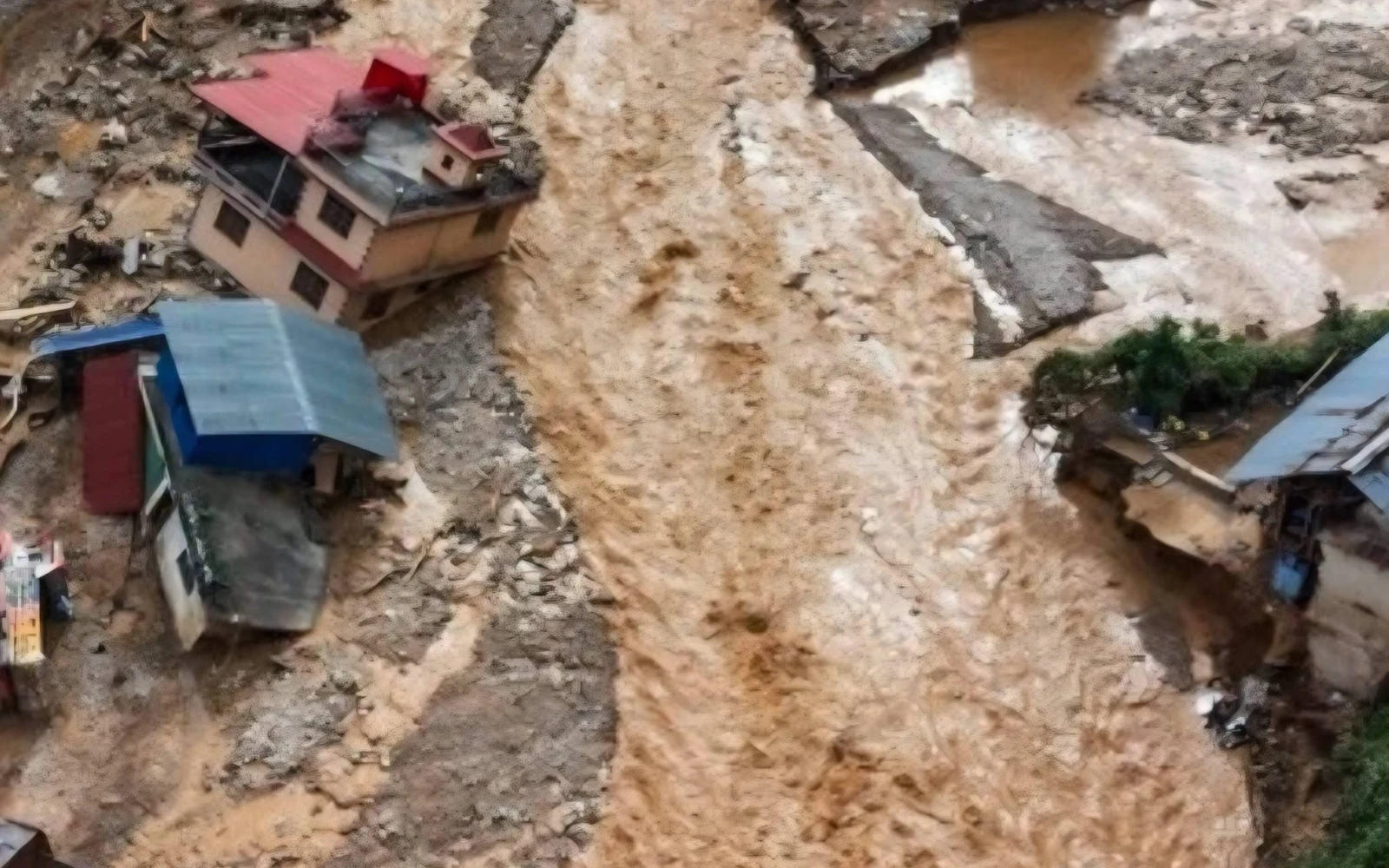
Nepal is facing one of the most devastating natural disasters in recent years following catastrophic flooding and debris flows in the northern Himalayan region on August 26, 2026.
The disaster has caused enormous loss of life, damaged roads and bridges, disrupted communities, and affected important transportation corridors in northern Nepal. Search-and-rescue operations are still continuing, and authorities are warning communities to remain alert because of continuing flood and landslide risks.
According to the latest available update, 788 bodies have been recovered so far. Thousands of people remain missing, while rescue teams continue searching affected areas.
At Explore Holiday Nepal, we believe that accurate information and traveler safety must come before tourism promotion. Nepal remains a country of extraordinary mountains, cultures and hospitality, but travelers need to understand that conditions are currently different from normal and can vary greatly from one region to another.
This guide explains what happened, which areas have been severely affected, what travelers should know about trekking routes and transportation, and how visitors can support Nepal responsibly during the recovery period.
On August 26, 2026, a catastrophic flood and debris-flow event struck the northern Himalayan region, particularly around Rasuwa and the Bhote Koshi and Trishuli river corridors.
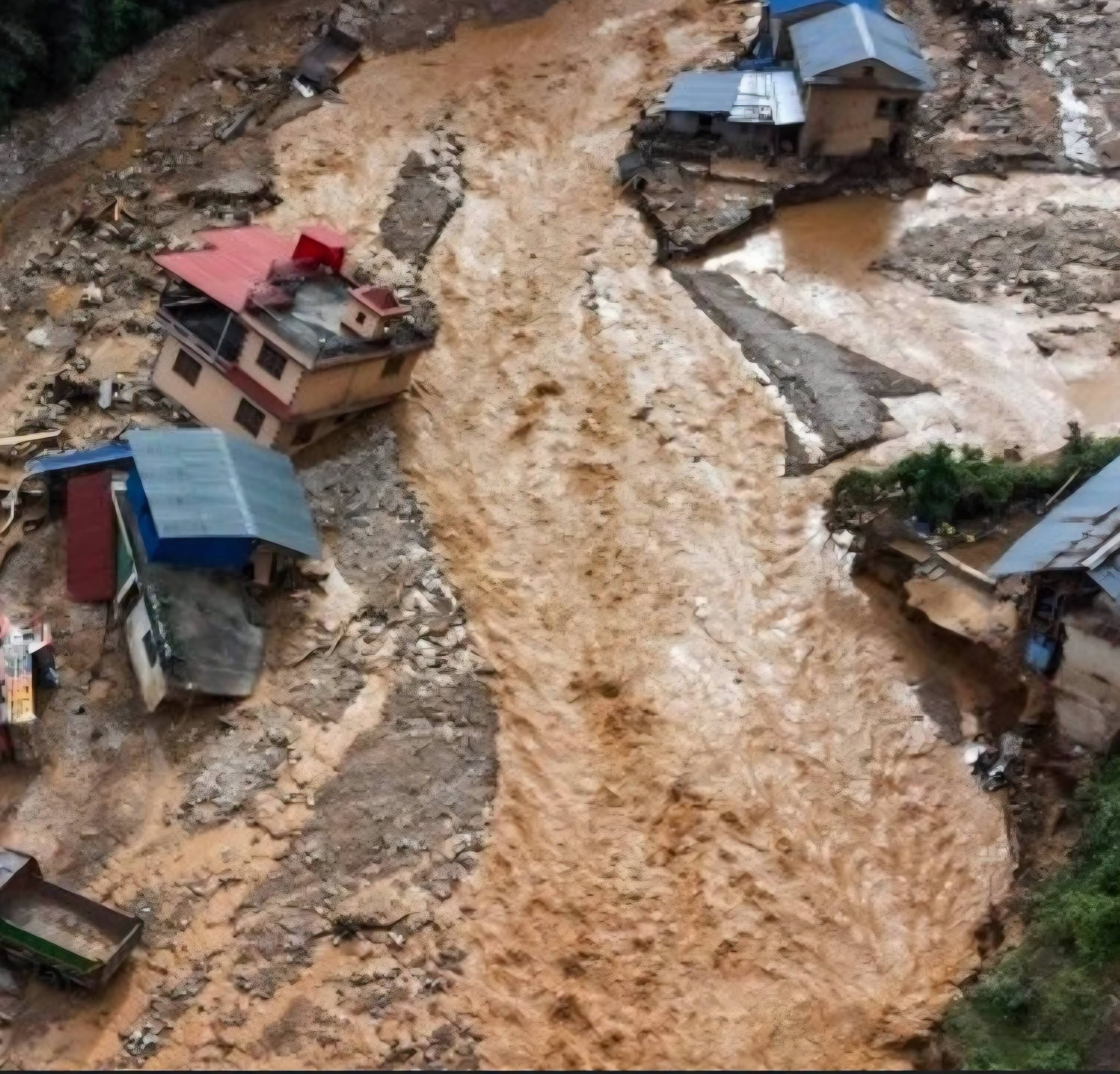
The event caused widespread destruction to homes, roads, bridges, hydropower infrastructure and other facilities. The damage extended downstream into areas including Nuwakot and Dhading.
The disaster also severely affected the Nepal–China border area, where roads and infrastructure were destroyed and many people became stranded or uncontactable.
The exact combination of high-mountain geological and hydrological processes behind the disaster is still being investigated. Reports have linked the event to an ice-and-rock collapse and subsequent destructive flooding, while authorities and scientists continue to assess the causes and risks of further events.
This is important for travelers to understand:
The recent disaster does not mean that every part of Nepal has been flooded.
Nepal is a geographically diverse country. The affected river systems and mountain corridors are concentrated in particular areas, while many other tourism destinations are geographically separate from the disaster zone.
However, road conditions, weather and local safety can change quickly during the monsoon season.
The humanitarian situation remains extremely serious.
The latest reporting indicates:
Because rescue operations are ongoing, numbers can change from hour to hour.
For this reason, travelers should always check the latest information before traveling to an affected district.
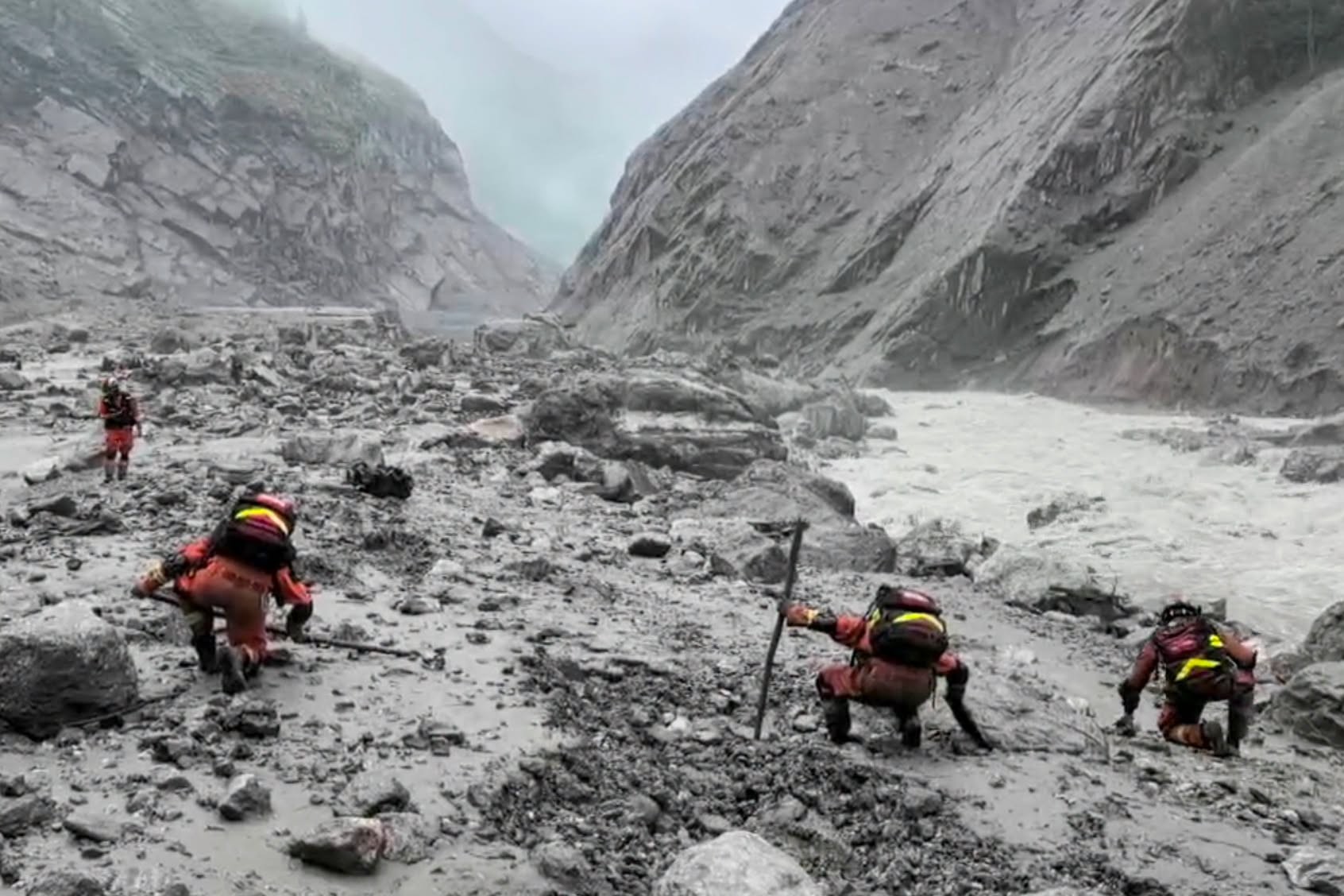
Rasuwa is one of the most severely affected areas.
The flood caused extensive destruction along the Bhote Koshi and surrounding river corridors. The Nepal–China border route was also severely affected.
Travelers should not attempt to enter active disaster or rescue areas simply to see the damage.
The priority in these areas remains:
The situation around Rasuwa remains highly sensitive and potentially dangerous.
The Langtang region is connected to Rasuwa and has experienced significant disruption to access.
The route toward Syabrubesi and Langtang has been affected by damage to roads and infrastructure.
For this reason, travelers planning Langtang trekking should not assume that the normal Kathmandu–Syabrubesi route is operating normally.
Before departure, trekkers should obtain current information from local authorities, their trekking agency and local guides.
Do not travel toward an affected area simply because a trekking permit has already been issued.
Safety conditions take priority over an itinerary.
The floodwaters and debris also affected downstream areas along the Trishuli river system.
Several transportation routes have experienced disruption, and road conditions can change rapidly because of landslides, damaged bridges and continuing rainfall.
Travelers using roads between Kathmandu and western or northern Nepal should therefore allow additional time and confirm road conditions before departure.
Recent reports also indicate that parts of the Prithvi Highway have been affected and remain only partially operational in places.
No.
This is one of the most important messages for international travelers.
Nepal has not been completely closed to tourism.
The disaster is severe, but it is geographically concentrated in particular areas. Other tourism and trekking regions are operating or can operate subject to current weather, road and trail conditions.
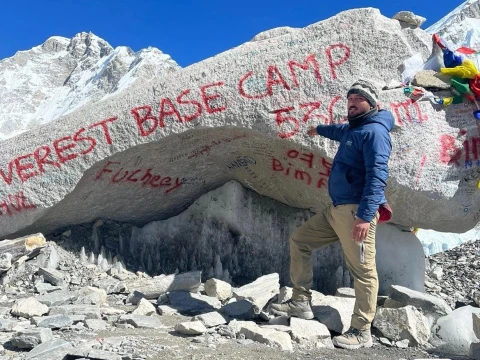
For example, recent trekking-sector updates indicate that the Everest region and main Everest Base Camp trekking routes were not directly affected by the Rasuwa flood.
Similarly, recent industry reporting indicates that the Annapurna region was not directly affected by the Rasuwa disaster, although transportation routes can still be influenced by monsoon conditions and landslides.
This distinction is extremely important:
A flood in one Himalayan river system does not mean that every trekking region in Nepal is affected.
But it also does not mean that every route is automatically safe.
Every trek should be assessed individually according to:
The Everest region is geographically separate from the Rasuwa–Bhote Koshi disaster corridor.
Recent trekking updates report that the principal Everest trekking routes were not directly damaged by the August 26 flood.
However, travelers should still remember that August is monsoon season in Nepal.
That means:
Therefore, an Everest Base Camp Trek should still be planned with flexibility.
At Explore Holiday Nepal, we recommend allowing additional buffer days for mountain travel during periods of unstable weather.
The Manaslu region is not located in the same flood corridor as Rasuwa.
However, access to Manaslu is a separate question from conditions on the trekking trail itself.
The roads connecting Kathmandu toward the Manaslu region can be affected by flooding, landslides and bridge damage.
Recent reports indicate that alternative access arrangements may be necessary in some circumstances, and travelers should confirm the road situation immediately before departure.
For Manaslu trekkers, we strongly recommend:
Do not begin the journey based only on an old itinerary.
Your trekking company should verify the road and trail conditions shortly before departure.
The Annapurna region was not directly affected by the Rasuwa flood disaster, according to recent trekking-sector updates.
Nevertheless, Annapurna is a large region and access routes can experience monsoon-related landslides and flooding.
Therefore:
Annapurna is not automatically “unsafe,” but individual routes must be checked.
This is particularly important for travelers using road transportation to reach trekking starting points.
Upper Mustang has a different geographical environment from the heavily affected Rasuwa and Bhote Koshi corridor.
However, travelers should still check:
The recent disaster has also increased attention to glacial and high-mountain hazards across the Himalayas, so travelers should rely on current local information rather than assumptions based on previous seasons.
If you already have a Nepal trip planned, do not automatically cancel your entire trip without checking your specific destination.
Instead, follow these steps.
Ask your trekking company:
Make sure your insurance covers:
During the monsoon and recovery period, transportation can take longer than expected.
Avoid planning your itinerary with zero flexibility.
If police, local authorities, park officials or your experienced guide advise against entering an area, follow their advice.
Never attempt to cross a damaged bridge or swollen river because someone else has crossed it.
Mountain rivers can rise extremely quickly.
Tourism can play an important role in Nepal's economic recovery, but tourism must be responsible.
The communities affected by this disaster need time to recover.
Travelers can help by:
When destinations reopen, stay in locally owned hotels and teahouses where possible.
Eat at local restaurants.
Hire local guides and porters.
Purchase locally made handicrafts.
This keeps tourism income inside local communities.
Please do not visit affected communities simply to take photographs or videos.
These are people's homes and places of loss.
Rescue and relief operations should always have priority.
Social media can spread outdated information very quickly.
A photograph showing a flooded road does not necessarily mean that the entire trekking region is closed.
Likewise, an old photograph showing a normal road does not prove that the road is currently safe.
Always check the date and source.
After a major natural disaster, local knowledge becomes even more important.
A professional Nepal trekking company can monitor:
A local guide can also understand conditions that may not yet appear on international travel websites.
At Explore Holiday Nepal, our approach is simple:
Safety first, trekking second.
We believe a successful trek is not simply reaching a destination. It is returning home safely after experiencing Nepal's mountains, culture and communities.
At Explore Holiday Nepal, we are a Nepal-based trekking and travel company with local experience across the Himalayan regions.
Our guides and team understand that conditions in Nepal can change quickly, particularly during the monsoon season.
For every trip, our priority is to evaluate the current situation rather than blindly follow a fixed itinerary.
If a route becomes unsafe, we believe the responsible decision is to:
Change the route, postpone the trek, or choose a safer alternative.
Your safety is more important than completing an itinerary exactly as originally planned.
For many travelers, the answer is yes—but with preparation and flexibility.
Nepal remains a country of enormous geographic diversity.
The current disaster is devastating, but it does not mean that every mountain, city, trekking trail or tourism destination in Nepal has been destroyed.
However, travelers should avoid affected areas until authorities and local professionals confirm that access is safe.
For people who are planning a Nepal trip later in 2026, conditions may improve substantially as rescue and reconstruction work progresses.
The important thing is to check current information immediately before traveling.
Nepal's tourism industry supports thousands of families.
Guides, porters, drivers, hotel owners, restaurant workers, farmers, handicraft producers and many other local people depend directly or indirectly on tourism.
After a disaster of this scale, responsible tourism can help communities recover.
But tourism must never come before human safety.
We encourage travelers to:
Travel responsibly.
Respect local communities.
Follow safety instructions.
Support local businesses.
Use experienced local guides.
Stay informed.
The August 2026 floods have brought enormous suffering to Nepal.
With 788 bodies recovered so far, and thousands of people still missing, this is first and foremost a humanitarian tragedy—not simply a tourism story.
Our thoughts are with the families who have lost loved ones and with everyone still waiting for news of missing family members.
Nepal will recover.
The mountains will remain.
The people of Nepal will continue rebuilding their communities.
And when the affected routes are safe again, responsible tourism can become part of that recovery.
At Explore Holiday Nepal, we will continue to monitor conditions and provide our travelers with honest, region-specific information rather than making blanket claims about safety.
If you are planning a Nepal trek in 2026, contact us before your journey so we can check the latest route, road, weather and local conditions for your specific itinerary.
Trekking • Tours • Himalaya Adventures • Local Guides
🌐 www.exploreholidaynepal.com
📧 [email protected]
📱 WhatsApp: +977-9849816310
Explore holiday Nepal. Travel Responsibly. Trek Safely.

Nepal's jungle safaris are predominantly centered around two major national parks – Chitwan National Park and Bardia National Park. These protected areas are teeming with an astonishing variety of flora and fauna, providing an opportunity for nature enthusiasts, wildlife photographers, and adventure seekers to witness untamed wilderness up close.

Sleeping at Everest Base Sleeping at Everest Base Camp (EBC) offers an unmatched adventure for trekkers and mountaineers alike. It’s more than just reaching a destination—it's about the experience, the journey, and the connection with one of the most iconic places on Earth.
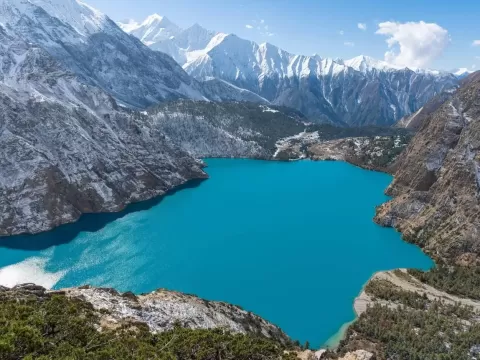
Dolpo, located in the remote northwestern region of Nepal, is a trekker’s paradise offering some of the most pristine and unexplored landscapes in the world. Known for its unique blend of rugged terrain,

The Manaslu Circuit Trek is one of Nepal’s most rewarding and less crowded trekking routes, offering breathtaking mountain scenery, rich cultural experiences, and a sense of true adventure.
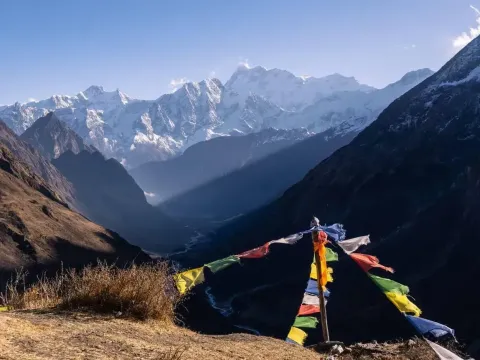
The Manaslu Circuit Trek is one of Nepal’s most breathtaking and off-the-beaten-path treks, offering stunning views, diverse landscapes, and a rich cultural experience. While it is often considered an expensive trek due to its restricted area permit
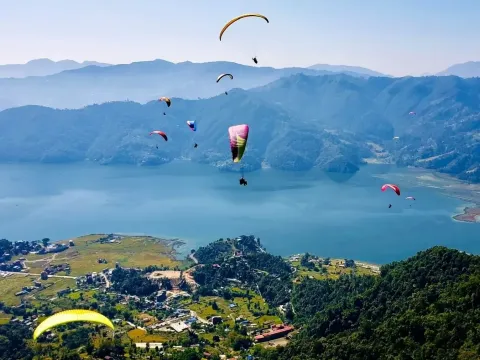
Nepal, a land of timeless beauty, is poised to offer travelers an even richer and more immersive experience in 2025 and 2026. With increased focus on sustainable tourism, better infrastructure, and a revived cultural spirit post-pandemic,
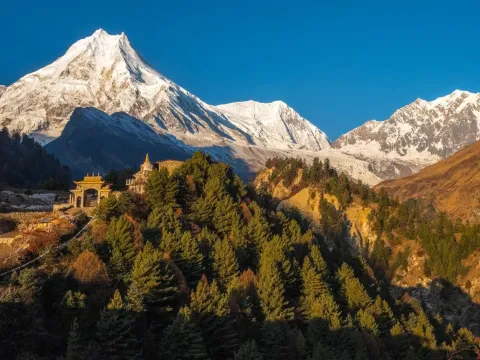
The Manaslu Circuit Trek is one of Nepal’s most stunning and culturally rich trekking routes, offering a unique combination of remote wilderness, high-altitude adventure, and immersive cultural experiences. Despite being less crowded than the Annapurna and Everest regions,
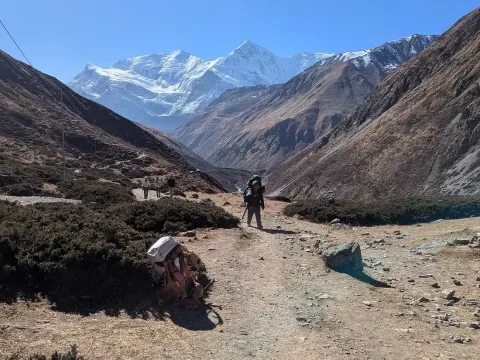
Nepal, home to some of the world’s most breathtaking mountain landscapes, offers a variety of trekking experiences, but none quite compare to the grandeur of the Manaslu and Annapurna Circuits. Both treks are iconic in their own right, drawing adventurers from around the globe. However, they differ significantly in terms of scenery, difficulty, cultural experiences, and remoteness.
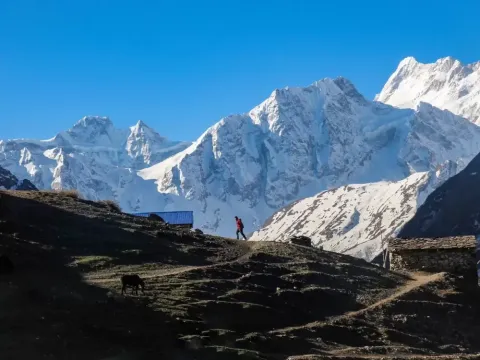
The Manaslu Circuit Trek is a spectacular journey through the remote and serene landscapes of the Manaslu region, offering trekkers breathtaking views of the eighth-highest mountain in the world, Mount Manaslu (8,163 meters).
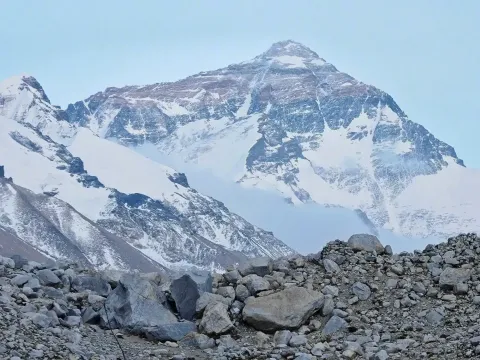
There's a dirty secret on the world's highest mountain that nobody talks about—tons of human waste frozen in place, threatening water supplies for entire communities. Nepal's cracking down with strict new rules, but the real solution starts with responsible trekkers. Find out what's really happening at Everest Base Camp.
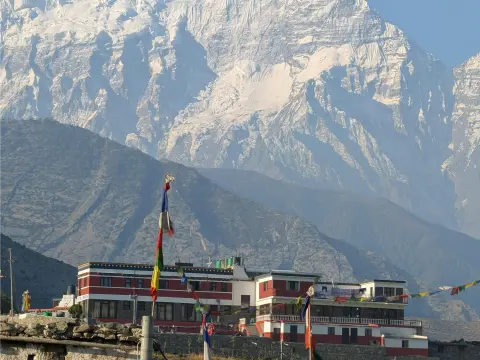
Beyond the trekking trails and mountain peaks lies another Nepal—one of prayer bells, butter lamps, and timeless wisdom. Journey through famous monasteries like Tengboche and Kopan, witness the authentic daily life of Buddhist monks, and discover why thousands of spiritual seekers find transformation in these sacred Himalayan sanctuaries.
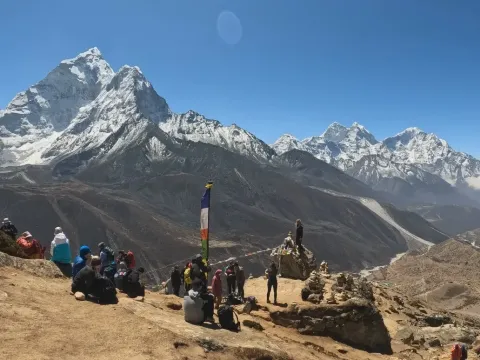
Trekking in the Everest region is more than a bucket-list adventure—it’s a life-changing journey through towering mountains, ancient Sherpa villages, and some of the most dramatic landscapes on Earth. For many travelers, an Everest trek is their first high-altitude trekking experience, and while the rewards are incredible, proper preparation is essential. First-time trekkers often focus on reaching Everest Base Camp or enjoying views from Kala Patthar, but success on the trail depends on much more than motivation alone. Altitude, weather, physical endurance, packing choices, and mindset all play a critical role in shaping your experience.
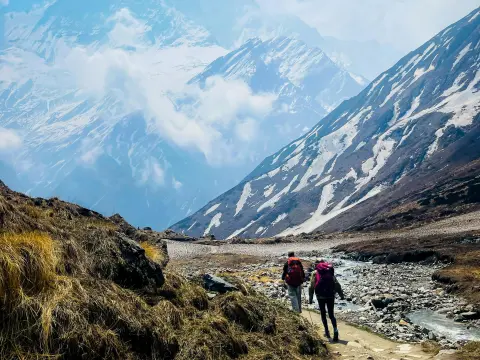
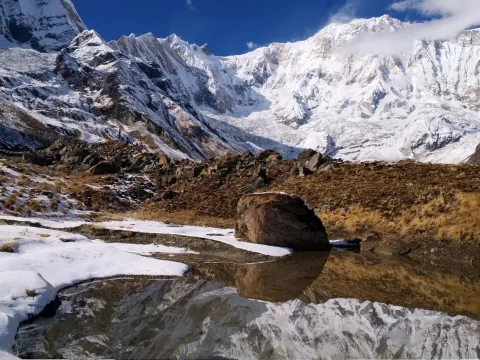
Standing beneath the towering peaks of the Annapurna massif, thousands of trekkers each year wonder the same thing: can beginners do Annapurna trek?
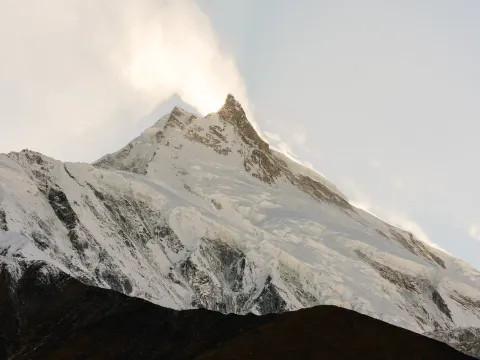
How difficult is Manaslu Trek — that is the one question every trekker asks before committing to Nepal's most rewarding restricted circuit. The Manaslu Circuit Trek wraps entirely around Mt. Manaslu, the world's eighth-highest peak at 8,163 m, crossing the legendary Larkya La Pass at 5,160 m through raw, uncommercialised Himalayan wilderness. The Manaslu Trek difficulty is real
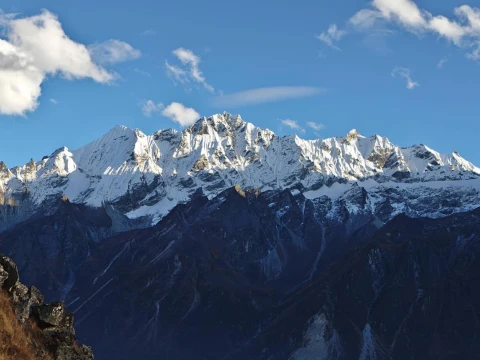
The Langtang Valley Trek is one of Nepal’s most accessible yet breathtaking Himalayan adventures. Starting from Kathmandu, this trek takes you through lush forests, traditional villages, glacial streams, and the high Himalayan peaks of the Langtang range. The valley is known for its pristine natural beauty, rich Tamang culture
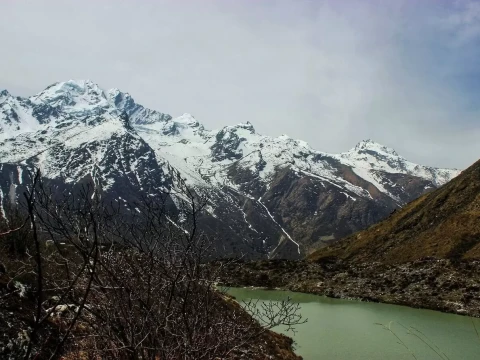
The Langtang Adventure to Gosainkunda Lake is one of Nepal’s most captivating high-altitude treks, offering a perfect blend of natural beauty, cultural immersion, and spiritual experience. Located in the heart of the Himalayas, the Langtang region is known for its snow-capped peaks, dense forests, alpine meadows, and sacred lakes.
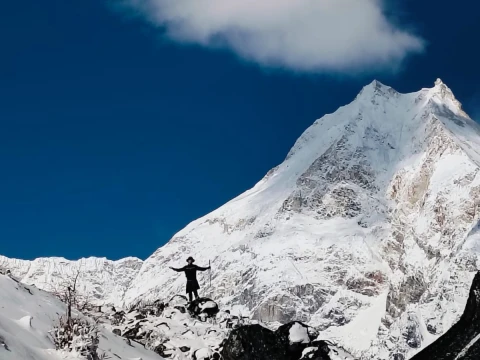
The Manaslu Circuit Trek is one of Nepal’s most breathtaking and less crowded trekking adventures. Circling the majestic Mount Manaslu (8,163m), this trek offers a perfect combination of raw Himalayan beauty, authentic culture, and thrilling high-altitude adventure.
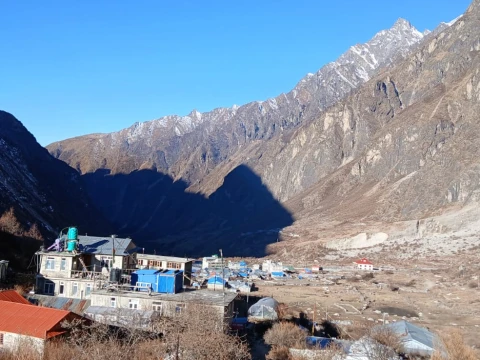
Why Choose Kanchenjunga Trek?
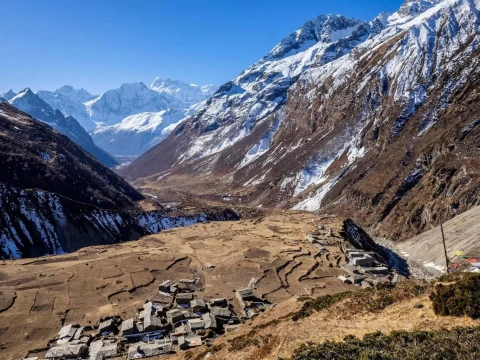
The Manaslu Circuit, combined with the Tsum Valley extension,n is one of Nepal’s most rewarding trekking adventures, offering remote Himalayan landscapes, ancient Buddhist culture, and fewer crowds compared to more commercial routes. The trek typically circles the Manaslu region and detours into the sacred Tsum Valley, gradually
Can Beginners Do Luxury Everest Base Camp Trek?


 (34)
(34) 