
The Langtang Adventure to Gosainkunda Lake is one of Nepal’s most captivating high-altitude treks, offering a perfect blend of natural beauty, cultural immersion, and spiritual experience. Located in the heart of the Himalayas, the Langtang region is known for its snow-capped peaks, dense forests, alpine meadows, and sacred lakes. Hiking to Gosainkunda Lake, perched at 4,380 meters (14,370 feet), provides trekkers with awe-inspiring panoramic views, a chance to explore remote villages, and an encounter with local Tamang and Sherpa cultures that have thrived in this mountainous landscape for centuries.
This trek is suitable for both experienced hikers and enthusiastic beginners who are prepared for moderate to challenging altitudes. Along the route, trekkers traverse lush rhododendron and pine forests, cross sparkling streams, and navigate rocky highland paths. Gosainkunda Lake itself holds immense religious significance for both Hindus and Buddhists, drawing pilgrims during festivals like Janai Purnima. This combination of scenic splendor, cultural richness, and spiritual allure makes the Langtang-Gosainkunda trek a truly unforgettable Himalayan journey.
Key Highlights of the Langtang-Gosainkunda Trek:
Whether you are seeking adventure, photography opportunities, spiritual experiences, or cultural exploration, the Langtang Adventure to Gosainkunda Lake is a journey that combines all of these elements in one spectacular Himalayan trek. It is a carefully curated experience by Explore Holiday Nepal, designed to immerse travelers in the natural and cultural treasures of Nepal’s Langtang region.
The Langtang region, nestled in the heart of the Himalayas, offers a breathtaking blend of natural beauty, rich cultural heritage, and adventure. Hiking to Gosainkunda Lake is one of the most iconic treks in Nepal, known for its serene alpine landscapes, sacred lakes, and panoramic views of snow-capped peaks. This journey is perfect for both seasoned trekkers and enthusiastic beginners seeking a combination of spiritual experience and natural wonder.
Gosainkunda Lake holds deep religious significance, attracting thousands of pilgrims during the Janai Purnima festival. Surrounded by towering mountains and tranquil forests, the trek gives a unique insight into the local Tamang and Sherpa cultures. From lush rhododendron forests in lower altitudes to barren highland landscapes, the Langtang Adventure is an immersive experience that blends adventure with spirituality.
Highlights of the trek:
Best Season and Weather Considerations
Choosing the right time for the Langtang-Gosainkunda trek is essential for an enjoyable and safe journey. The most popular seasons are autumn (September to November) and spring (March to May), when the weather is clear, temperatures are moderate, and rhododendrons bloom in vibrant colors. Winter treks are possible but require advanced preparation due to heavy snowfall and freezing temperatures. Monsoon season (June to August) is generally avoided because of landslides and slippery trails.
Permits, Gear, and Physical Preparation
Before setting off, trekkers must secure necessary permits, including the Langtang National Park permit and TIMS (Trekkers’ Information Management System) card, both essential for entry into protected areas. Proper gear is crucial, including warm clothing, waterproof jackets, sturdy trekking boots, and trekking poles for steep or rocky terrain. Physical preparation is recommended; regular cardio exercises, long hikes, and stamina training can significantly improve comfort and safety during the trek.
Planning essentials:
Starting Point and Initial Hiking Experience
Your Langtang Adventure begins with your arrival in Kathmandu (1,320 m), where Explore Holiday Nepal will assist with your hotel transfer and pre-trek preparations. Kathmandu is the perfect place to acclimatize, pick up any last-minute trekking gear, and receive a briefing on the journey ahead. The following day, the trek officially starts with a scenic drive to Syabrubesi (1,470 m) via Dhunche town (1,950 m), a journey of approximately six hours. The road winds through terraced fields, rivers, and quaint villages, giving your first glimpse of the Himalayan landscapes that await.
The initial trekking stages are gentle, allowing you to adjust to the higher altitudes gradually. The trail passes through lush forests of pine, oak, and rhododendron, offering a serene introduction to the natural beauty of the Langtang region. You may encounter small streams, traditional stone bridges, and friendly locals performing their daily routines, which sets the tone for the culturally immersive experience ahead. These early stages are ideal for easing into the rhythm of trekking while taking in the picturesque surroundings.
Key points for the start of the trek:
Village Stops and Cultural Encounters
The Langtang Trail is not just about natural beauty—it’s deeply intertwined with the local culture. After reaching Syabrubesi, trekkers will begin encountering traditional villages, where houses are built from stone and wood, often adorned with prayer flags and mani stones. The villages of the Langtang Valley are home to Tamang and Sherpa communities who have lived in harmony with the mountainous terrain for centuries. Staying in local tea houses allows trekkers to experience authentic hospitality, sample home-cooked meals, and learn about the traditions, festivals, and daily life of the mountain people.
These first stops also provide an excellent opportunity to observe ancient Buddhist practices, from small stupas and monasteries to colorful prayer flags fluttering in the mountain breeze. Guides from Explore Holiday Nepal enrich the trek with insights into local history, religious significance, and the ecological importance of the region. The combination of scenic landscapes, culturally rich villages, and friendly locals makes the initial portion of the trek an unforgettable start to your Langtang Adventure.
Cultural highlights along the initial trail:
Forests, Wildlife, and Alpine Scenery Along the Trail
The Langtang region is a treasure trove of natural beauty, showcasing diverse ecosystems from lush forests to high-altitude alpine landscapes. At lower elevations, trekkers will pass through dense rhododendron, oak, and pine forests, where the air is crisp and fragrant with pine needles. Birdwatchers can spot colorful Himalayan species such as the blood pheasant, red-billed chough, and Himalayan monal. As the trek ascends, the vegetation transitions to scrublands, alpine meadows, and sparse rocky terrain, revealing breathtaking views of snow-capped peaks including Langtang Lirung, Ganesh Himal, and Dorje Lakpa.
Alongside scenic beauty, wildlife encounters are possible. Langtang National Park is home to elusive animals like the red panda, Himalayan black bear, musk deer, and langurs. Trekking through these habitats offers a rare chance to witness Nepal’s Himalayan biodiversity in its natural setting. Seasonal blooms, particularly rhododendrons in spring, add bursts of color to the trail, making every stop a photo-worthy experience.
Highlights of natural wonders:
Photography Tips and Must-See Viewpoints
The Langtang trek offers endless photographic opportunities, from sunrise over the peaks to tranquil reflections in mountain lakes. Photographers should aim for early morning or late afternoon when the light is soft and golden, highlighting the textures of the mountains and valleys. Gosainkunda Lake itself is a highlight, offering pristine turquoise waters framed by snow-dusted peaks—a perfect subject for landscape photography.
Other must-see viewpoints include the ridge trails above Langtang Village, where sweeping panoramas of Langtang Valley open up, and Kyanjin Ri, a short side hike providing 360-degree views of the surrounding mountains. Using a zoom lens can help capture distant wildlife, while a wide-angle lens is ideal for capturing the vast landscapes. Guides from Explore Holiday Nepal also help trekkers identify hidden scenic spots off the main trail, ensuring that no photo opportunity is missed.
Photography and viewpoint tips:
Altitude and Terrain Difficulties
Reaching Gosainkunda Lake at 4,380 m (14,370 ft) is the pinnacle of the Langtang Adventure, but it comes with significant challenges. The high altitude means thinner air and reduced oxygen levels, which can cause fatigue, shortness of breath, or mild altitude sickness if proper precautions are not taken. The terrain varies from gradual inclines to steep rocky paths, with loose gravel, streams, and occasional snow patches in colder months. Hikers must maintain a steady pace, stay hydrated, and monitor their physical condition throughout the ascent.
The surrounding landscapes, while awe-inspiring, demand respect and careful navigation. Some sections of the trail may be narrow or exposed, and weather conditions can change rapidly, making trekking poles and layered clothing essential. Despite the difficulty, the reward of witnessing the sacred Gosainkunda Lake, with its serene waters and spiritual significance, makes the challenge entirely worthwhile.
Key points about altitude and terrain:
Mental and Physical Preparation for the High-Altitude Trek
Success on the high-altitude sections of the trek depends on both mental resilience and physical readiness. Trekking at high elevations requires steady pacing, patience, and a positive mindset to overcome fatigue and discomfort. Prior physical training, including cardio, leg strengthening, and endurance exercises, is highly recommended to build stamina for long days on the trail.
Mental preparation is equally important. Trekkers should set realistic goals for each day, remain aware of their body’s signals, and maintain a flexible attitude in the face of sudden weather changes or slower progress. Experienced guides from Explore Holiday Nepal provide support, motivation, and safety advice throughout the trek, helping trekkers navigate the most challenging stretches while enjoying the incredible landscapes along the way.
Tips for mental and physical preparation:
Spiritual and Cultural Importance of the Lake
Gosainkunda Lake, perched at 4,380 m (14,370 ft), is not just a visual marvel—it is a sacred site for both Hindus and Buddhists. According to legend, Lord Shiva created the lake during his penance, and it is a center of pilgrimage, especially during the Janai Purnima festival, when thousands of devotees journey to the lake to bathe in its holy waters. The tranquil turquoise lake, surrounded by snow-capped peaks, embodies a serene spiritual energy that leaves a lasting impression on every visitor.
The lake’s surroundings are dotted with smaller lakes and snow-fed streams, creating a pristine alpine environment. Spending time here allows trekkers to reflect, meditate, and connect with the natural and spiritual world. Local guides from Explore Holiday Nepal often share the rich mythology, history, and rituals associated with Gosainkunda, enhancing the trekking experience with deep cultural insight.
Highlights of Gosainkunda Lake:
Sunrise, Reflections, and Photography Insights
Gosainkunda Lake is a paradise for photographers and nature lovers. Early mornings are especially magical, when the first sunlight illuminates the snow-capped peaks, reflecting on the calm lake waters. Photographers should aim for sunrise or late afternoon for the best light and softer shadows. The reflections of surrounding mountains on the lake surface create picture-perfect compositions, while the scattered prayer flags add a vibrant cultural touch to images.
Explorers can also hike around the lake to find unique vantage points, capturing panoramic views of the surrounding peaks and smaller alpine lakes. Snow patches or floating ice in colder months provide additional texture and contrast for photography enthusiasts. With guidance from Explore Holiday Nepal, trekkers can identify less-crowded spots for serene and uninterrupted shots, ensuring a memorable visual record of their adventure.
Photography tips at Gosainkunda Lake:
Interactions with Local Communities and Monasteries
The Langtang trek is as much about cultural immersion as it is about natural beauty. Along the trail, trekkers encounter the warm and welcoming Tamang and Sherpa communities, who have inhabited the region for centuries. Visiting small monasteries, stupas, and prayer walls allows travelers to witness traditional Buddhist practices and architecture. Monks and local villagers often share stories, rituals, and insights into their daily life, providing a deeper understanding of Himalayan culture.
Tea houses in villages like Langtang, Kyanjin Gompa, and Lama Hotel serve as social hubs where trekkers meet locals and fellow travelers. These interactions enrich the journey, allowing visitors to appreciate the values of simplicity, resilience, and spirituality that define life in the mountains. Guides from Explore Holiday Nepal play a key role in facilitating meaningful cultural encounters and ensuring respectful interactions with local communities.
Cultural highlights along the trail:
Traditional Food and Homestay Experiences
Staying in local tea houses and homestays along the Langtang trail offers a delicious introduction to Himalayan cuisine. Trekkers can enjoy hearty meals like dal bhat (lentil soup with rice), momo (dumplings), and thukpa (noodle soup), which provide both nutrition and energy for high-altitude trekking. Homestays offer cozy accommodations and a chance to observe daily life, from farming to traditional handicrafts.
Sharing meals with local families creates memorable experiences and fosters connection. Many tea houses are family-run and decorated with traditional artifacts, prayer flags, and handmade crafts, giving trekkers a glimpse into the region’s rich heritage. Through these immersive stays, adventurers not only rest and refuel but also gain authentic insight into the daily rhythm of life in the Langtang Valley.
Highlights of food and homestay experiences:
Altitude Sickness, Weather Precautions, and Responsible Trekking
Trekking in the Langtang region, particularly to high-altitude areas like Gosainkunda Lake (4,380 m), requires careful attention to safety. Altitude sickness is the most common concern, and trekkers should ascend gradually, hydrate well, and pay attention to symptoms such as headaches, nausea, or dizziness. Weather can change rapidly in the Himalayas, so layering clothing, carrying rain gear, and checking forecasts daily is essential. Trekking with experienced guides from Explore Holiday Nepal ensures safety and proper pacing, along with emergency preparedness and first aid support.
Responsible trekking is equally important. Trails should be respected, and trekkers are advised to avoid disturbing wildlife, stay on designated paths, and follow local guidelines. By prioritizing safety and responsibility, trekkers protect both themselves and the fragile high-altitude environment of Langtang.
Key safety tips:
Eco-Friendly Practices to Preserve Langtang
Sustainability is vital in preserving the pristine environment of Langtang. Trekkers should minimize plastic use, carry reusable bottles, and dispose of waste responsibly. Many villages provide recycling and composting facilities, which travelers are encouraged to use. Supporting local businesses, tea houses, and homestays contributes to the economy while promoting environmentally conscious tourism.
Eco-friendly trekking tips:
Personal Growth, Memorable Moments, and Favorite Experiences
The Langtang trek is as much a journey of self-discovery as it is an adventure. Trekkers often find personal growth through overcoming physical challenges, connecting with nature, and embracing the simplicity of life along the trail. From the serenity of Gosainkunda Lake to the warmth of local communities, every step offers unforgettable moments that leave a lasting impact. Many highlight the peaceful mornings in alpine meadows, the awe-inspiring mountain panoramas, and the sense of accomplishment upon reaching high-altitude viewpoints.
The trek also provides opportunities to strengthen resilience, patience, and mindfulness. Every interaction with villagers, every mountain vista, and every shared meal contributes to a deeper appreciation for life and the world beyond urban routines. Guides from Explore Holiday Nepal enhance these experiences with stories, safety guidance, and cultural insight, making the journey truly transformative.
Reflection highlights:
Encouragement for Future Trekkers
For those considering the Langtang Adventure, preparation, patience, and an open heart are key. Every trekker can find joy in the journey, whether in breathtaking scenery, cultural connections, or personal triumphs over challenges. The experience encourages future adventurers to embrace trekking not only as a physical activity but as a journey of discovery, reflection, and wonder.
Tips for future trekkers:
Summary and Final Tips
The Langtang trek to Gosainkunda Lake is an extraordinary adventure that combines Himalayan beauty, cultural richness, and personal challenge. From lush forests and charming villages to high-altitude lakes and panoramic peaks, the journey offers a complete Himalayan experience. Proper preparation, respect for local culture, and environmental responsibility are essential for a safe and fulfilling trek.
Final trekking tips:
Resources for Guides, Maps, and Local Information
Before embarking on the trek, gather detailed maps, guidebooks, and local information. Trekking agencies like Explore Holiday Nepal provide comprehensive itineraries, experienced guides, permits, and logistical support. Additionally, consulting weather forecasts, altitude advice, and trekking forums can enhance planning. With proper preparation, the Langtang-Gosainkunda trek becomes not just a journey, but a deeply rewarding Himalayan adventure.
Resource highlights:
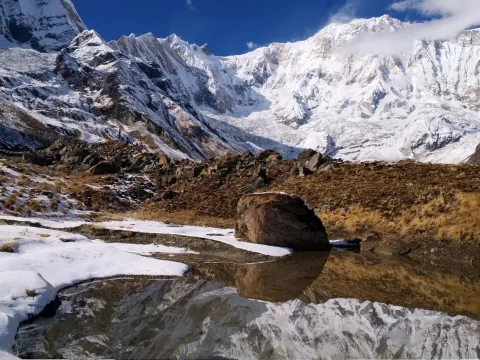
Standing beneath the towering peaks of the Annapurna massif, thousands of trekkers each year wonder the same thing: can beginners do Annapurna trek?
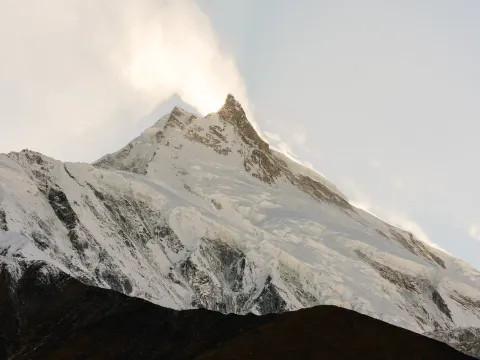
How difficult is Manaslu Trek — that is the one question every trekker asks before committing to Nepal's most rewarding restricted circuit. The Manaslu Circuit Trek wraps entirely around Mt. Manaslu, the world's eighth-highest peak at 8,163 m, crossing the legendary Larkya La Pass at 5,160 m through raw, uncommercialised Himalayan wilderness. The Manaslu Trek difficulty is real
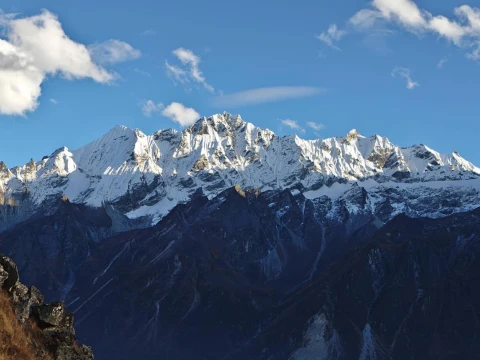
The Langtang Valley Trek is one of Nepal’s most accessible yet breathtaking Himalayan adventures. Starting from Kathmandu, this trek takes you through lush forests, traditional villages, glacial streams, and the high Himalayan peaks of the Langtang range. The valley is known for its pristine natural beauty, rich Tamang culture


 (34)
(34) 