
Trekking in the Everest region is more than a bucket-list adventure—it’s a life-changing journey through towering mountains, ancient Sherpa villages, and some of the most dramatic landscapes on Earth. For many travelers, an Everest trek is their first high-altitude trekking experience, and while the rewards are incredible, proper preparation is essential.
First-time trekkers often focus on reaching Everest Base Camp or enjoying views from Kala Patthar, but success on the trail depends on much more than motivation alone. Altitude, weather, physical endurance, packing choices, and mindset all play a critical role in shaping your experience.
Whether you’re planning the classic Everest Base Camp Trek, a shorter Everest View Trek, or a scenic alternative like the Gokyo Valley Trek, these practical, experience-based tips will help you trek smarter, safer, and with greater confidence.
The Everest region is remote, high, and unpredictable. Trails can be busy yet challenging, weather can change within minutes, and altitude affects everyone differently—regardless of age or fitness level. Many trekkers who struggle in the mountains don’t fail because they are unfit, but because they are unprepared.
Understanding what to expect and how to respond makes the difference between merely finishing a trek and truly enjoying it.
Altitude sickness is the number one challenge for first-time Everest trekkers. The trail climbs above 3,000 meters very quickly, and symptoms can appear even if you feel strong and healthy.
Acclimatization days—especially in places like Namche Bazaar and Dingboche—allow your body to adapt to lower oxygen levels. These rest days are not “wasted days.” They are essential for safety and long-term comfort.
Pro tip:
Walk high, sleep low during acclimatization hikes. Drink plenty of water and avoid alcohol while ascending.
You don’t need to be a marathon runner to trek in the Everest region, but you do need consistent preparation. Trekking involves long days of walking on uneven terrain, often 5–7 hours daily.
The best training includes:
Regular walking or hiking
Stair climbing
Cardio exercises like cycling or swimming
Light strength training for legs and core
Training with a backpack is especially helpful. It prepares your body for real trail conditions and reduces fatigue during the trek.
Overpacking is one of the most common mistakes first-time trekkers make. Every extra kilogram matters at altitude.
Focus on:
Layered clothing instead of bulky items
One good down jacket rather than multiple heavy layers
Moisture-wicking base layers
Proper trekking boots (well broken-in)
Remember, teahouses provide blankets, and laundry is rarely needed for short treks.
Not all Everest treks are the same. First-time trekkers often assume Everest Base Camp is the only option, but there are excellent alternatives depending on fitness, time, and comfort preferences.
Everest View Trek – Ideal for beginners and families
Everest Base Camp Trek – Best for physically prepared trekkers
Gokyo Valley Trek – Scenic, quieter, slightly more demanding
Choosing the right route ensures you enjoy the trek rather than struggle through it.
At altitude, appetite often decreases, but your body needs more energy, not less. Skipping meals can worsen fatigue and increase the risk of altitude sickness.
Dal bhat is a trekker’s best friend—it’s nutritious, filling, and easily digestible. Carbohydrates are especially important at high elevations.
Avoid heavy meat dishes at higher altitudes and stay hydrated throughout the day.
One of the hardest habits for first-time trekkers to break is walking too fast. Everest trekking is not a race. Slow, steady walking conserves energy and helps with acclimatization.
A good trekking rhythm:
Walk slowly
Take short breaks
Breathe deeply and consistently
Sherpa guides often say: “Bistari, bistari”—slowly, slowly. It’s advice worth following.
The Everest region is home to the Sherpa community, whose culture, spirituality, and hospitality are deeply woven into daily life. Respecting local customs enhances your experience and builds meaningful connections.
Key cultural tips:
Walk clockwise around mani walls and stupas
Ask permission before photographing people
Dress modestly in villages and monasteries
Respect monastery rules and silence during prayers
Teahouse trekking is comfortable but simple. Rooms are basic, bathrooms are often shared, and heating is usually limited to dining areas.
Internet, charging, and hot showers may be available for a small fee, but reliability decreases as altitude increases. Accepting these realities makes the journey far more enjoyable.
Carry:
A power bank
Wet wipes
Headlamp
Patience and flexibility
Even in peak seasons, weather in the Himalayas is unpredictable. Clear mornings can turn windy or cloudy by afternoon.
Always carry:
A waterproof jacket
Sun protection
Warm layers, even on sunny days
Listening to your guide and being flexible with plans ensures safety and comfort.
Best Time to Trek Everest Region
While independent trekking is possible, first-time trekkers benefit greatly from experienced local guides. A good guide does more than show the trail—they monitor health, manage logistics, share local knowledge, and handle emergencies.
With companies like Explore Holiday Treks, guides and porters are trained in altitude awareness, first aid, and responsible trekking practices, allowing you to focus on the experience rather than logistics.
Before you go, make sure you have:
Proper travel insurance covering high altitude
Broken-in trekking boots
A realistic itinerary with acclimatization days
Basic fitness preparation
A flexible mindset
Yes, with proper preparation, acclimatization, and guidance, beginners can safely enjoy treks like Everest View Trek or Everest Base Camp.
It is moderately challenging, mainly due to altitude rather than technical difficulty.
Not mandatory, but helpful. Fitness and mental readiness matter more.
There is no strict age limit. Trekkers from teenagers to seniors successfully complete Everest treks each year.
Everest trekking is not about conquering mountains—it’s about respecting them. First-time trekkers who prepare well often enjoy the journey more deeply, connect with local culture, and return with unforgettable memories rather than exhaustion.
With the right mindset, realistic expectations, and experienced guidance, your first Everest trek can be one of the most rewarding adventures of your life.
If you’re planning your first journey into the Everest region, Explore Holiday Treks is here to guide you—step by step, safely and responsibly—into the heart of the Himalayas.

Mount Everest, standing at 8,848 meters (29,029 feet), is not only the highest peak in the world but also a symbol of adventure and perseverance. Located in the Mahalangur Himal sub-range of the Himalayas, it draws climbers and trekkers from around the globe, inspiring awe with its sheer magnitude and beauty.
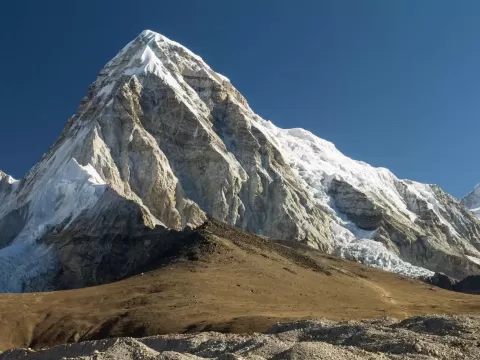
When planning a trek to Everest Base Camp, timing plays a critical role in ensuring both safety and enjoyment. The best time to hike to Everest Base Camp is during the two peak seasons: spring (March to May) and autumn (September to November).

The Everest Base Camp Trek is one of the most iconic and challenging treks in the world, offering adventurers the opportunity to trek through the heart of the Himalayas and stand at the base of Mount Everest, the highest peak on Earth. However, as thrilling as this trek is, it comes with its own set of challenges. One of the most important tips for trekkers is to ensure they are physically prepared.

Sleeping at Everest Base Sleeping at Everest Base Camp (EBC) offers an unmatched adventure for trekkers and mountaineers alike. It’s more than just reaching a destination—it's about the experience, the journey, and the connection with one of the most iconic places on Earth.
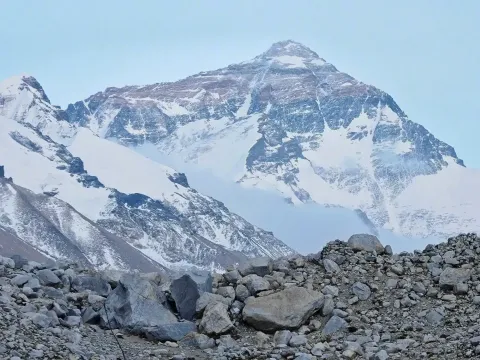
There's a dirty secret on the world's highest mountain that nobody talks about—tons of human waste frozen in place, threatening water supplies for entire communities. Nepal's cracking down with strict new rules, but the real solution starts with responsible trekkers. Find out what's really happening at Everest Base Camp.
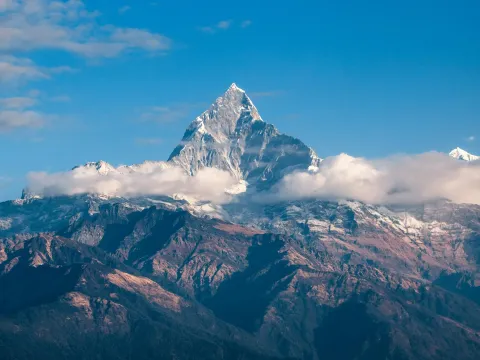
I'm going to be blunt: altitude sickness doesn't care if you're fit, young, or have trekked before. I've seen marathon runners struggling at Namche Bazaar while 60-year-olds cruise to Everest Base Camp. I've watched cocky 25-year-olds need helicopter evacuation while cautious first-timers make it without issues. After organizing 300+ high-altitude treks and dealing with countless altitude sickness cases (from mild headaches to life-threatening emergencies), here's everything you actually need to know. No medical jargon. No sugar-coating. Just the real information that might save your trek—or your life.
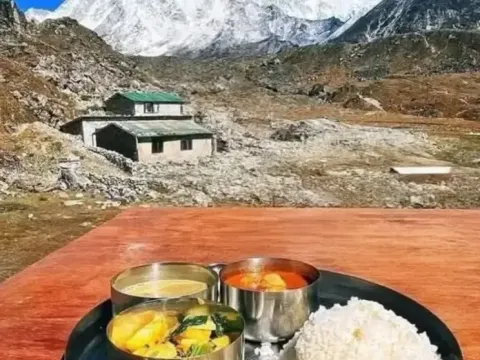
I'll be honest—when my guide Pasang first told me "dal bhat power 24 hour" on day two of my Annapurna Base Camp trek, I thought he was joking. I'd just finished my first proper serving of this Nepali staple, and while it filled me up, I couldn't understand the near-religious devotion trekkers and locals had for what looked like a simple plate of rice and soup.Three weeks and probably forty servings later, I got it. And now I'm one of those people who actually craves dal bhat when I'm back home dealing with altitude of exactly zero meters. Let me tell you why this unassuming meal has become the stuff of legend on Nepal's trekking trails.


 (34)
(34) 