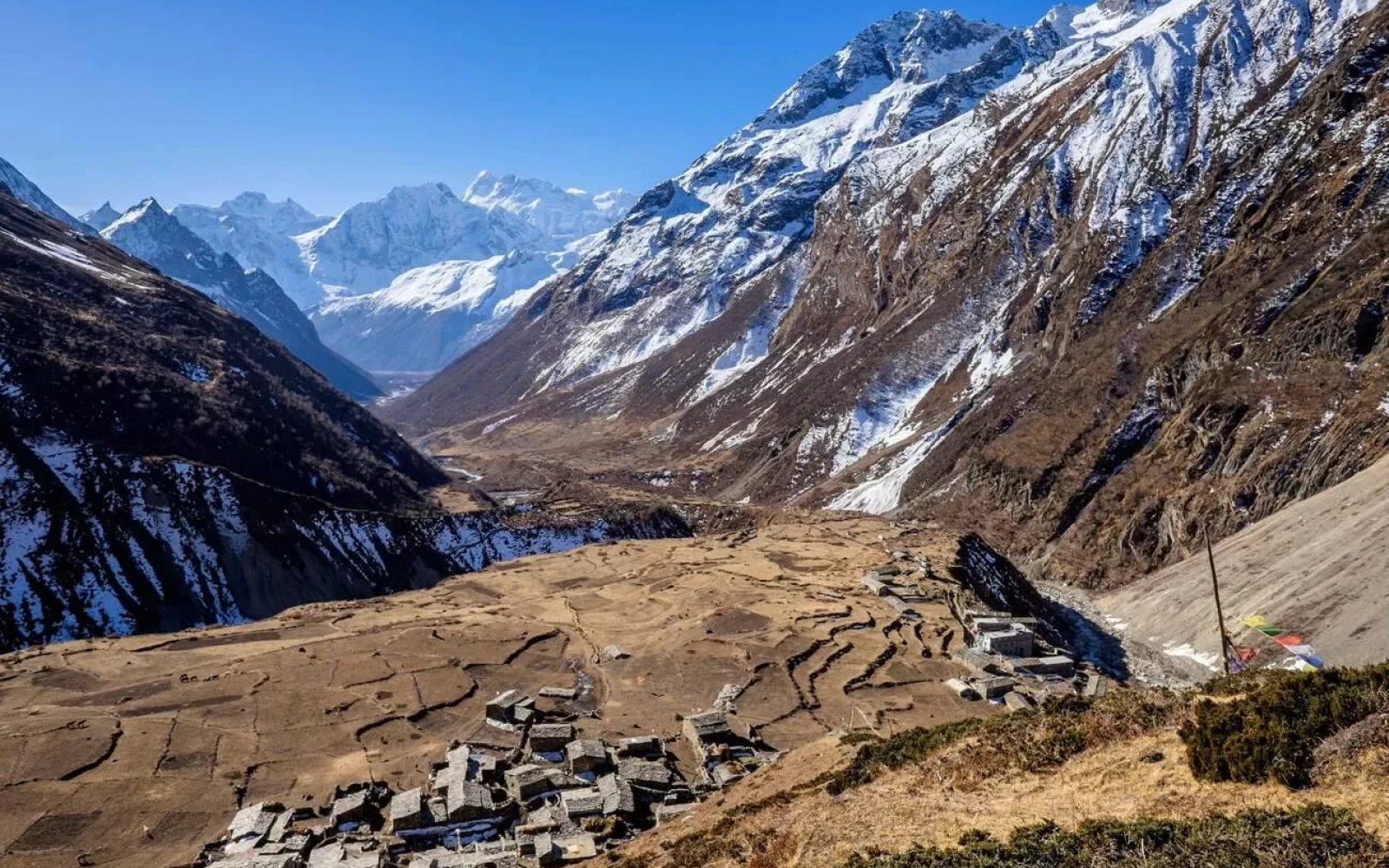
The Manaslu Circuit, combined with the Tsum Valley extension,n is one of Nepal’s most rewarding trekking adventures, offering remote Himalayan landscapes, ancient Buddhist culture, and fewer crowds compared to more commercial routes. The trek typically circles the Manaslu region and detours into the sacred Tsum Valley, gradually climbing from low river valleys to high mountain passes and glacier viewpoints. When done thoughtfully, it can be completed on a moderate budget without compromising safety or experience.
Budget trekking here is all about smart planning—choosing the right season, sharing permits and guides, using local lodges (tea houses), and avoiding unnecessary luxury expenses. Because both regions lie in a restricted area, you must trek with a licensed guide and obtain permits. Still, costs can be managed by joining a small group through a reliable local operator like Explore Holiday Nepal.
Key budget strategies:
The Manaslu Circuit Trek is famous for its dramatic transition from subtropical forests to high alpine terrain around Mount Manaslu (8,163 m), the world’s eighth-highest peak. When combined with the Tsum Valley Trek, it becomes a culturally rich journey into a hidden Himalayan Buddhist sanctuary influenced by Tibetan traditions.

This combination trek is ideal for travellers seeking authentic experiences away from crowded trails like Everest or Annapurna. Tsum Valley, often called a “hidden valley of happiness,” is spiritually significant, filled with ancient monasteries such as Mu Gompa and Rachen Gompa, prayer flags, and centuries-old traditions.
Why choose this trek:
The combined trek actually includes two major trekking zones. The Tsum Valley section is usually done first as an acclimatisation and cultural exploration phase, followed by the Manaslu Circuit route, which crosses the challenging Larke La Pass (5,160 m). Your itinerary reflects this hybrid route, moving from Machha Khola through Tsum Valley villages like Chhokang Paro and Mu Gompa, then rejoining the main Manaslu trail.
The trek starts with road access from Kathmandu to Machha Khola and gradually ascends through Jagat, Lokpa, and deeper into Tsum Valley. After visiting remote monasteries and returning to Lokpa, the route continues along the Budhi Gandaki valley toward Namrung, Sama Gaon, Manaslu Base Camp, and finally descends through the Manaslu Circuit exit trail.
Route breakdown:
Why this route matters for budgeting:
Choosing the right season is one of the most important factors for keeping costs low and ensuring a smooth trekking experience. The best time for the Manaslu Circuit and Tsum Valley Trek is during spring (March–May) and autumn (September–November). These months offer stable weather, clear mountain views, and safe trail conditions.
For budget travellers, shoulder periods (early March or late November) can be especially beneficial. During these times, lodges may offer slightly discounted rates, trails are quieter, and trekking groups are easier to form—helping you split guide and porter costs more effectively through operators like Explore Holiday Nepal.
Best timing advantages:
Budget travel tips by season:
Trekking the Manaslu Circuit and Tsum Valley is a restricted-area adventure, which means permits are mandatory and strictly regulated by the Government of Nepal. You cannot trek independently; a licensed guide is required, and at least two trekkers are generally needed for permit issuance. This system helps preserve the fragile ecosystem and protect local culture, but it also affects your overall budget.
The main permits include the Manaslu Restricted Area Permit, Tsum Valley Restricted Area Permit, Manaslu Conservation Area Permit (MCAP), and Annapurna Conservation Area Permit (ACAP) for the exit section. Costs vary depending on the season and number of days spent in restricted zones, with peak season being more expensive.
Working with a registered local operator like Explore Holiday Nepal helps simplify this process, ensuring permits are arranged correctly and legally without overpaying third-party agencies.
Permit cost-saving tips:
The Manaslu Circuit and Tsum Valley Trek can be moderately priced if planned carefully, but costs vary depending on services, season, and group size. On average, the trek includes transportation, permits, guide/porter fees, accommodation, and food expenses. Because the route is remote, prices increase gradually as you move higher into the mountains.
A well-managed budget trek through a local company like Explore Holiday Nepal typically balances safety, comfort, and affordability by using teahouses and shared logistics. Most trekkers find that controlling daily food and lodging costs makes the biggest difference.
Estimated budget categories:
How to reduce overall cost:
Your trek begins with a long overland journey from Kathmandu to Machha Khola, passing through Arughat and Soti Khola. This road journey typically takes 8–9 hours,s depending on road conditions, weather, and vehicle type. The route follows winding mountain roads along rivers and rural settlements, offering a preview of the remote landscapes ahead.
Budget travellers usually choose shared local transport or tourist jeeps organised by trekking agencies. Private jeeps are faster and more comfortable but significantly more expensive. Booking through Explore Holiday Nepal ensures reliable transport coordination, especially during peak trekking seasons when vehicles are limited.
Transport options:
Budget travel tips:
On the Manaslu and Tsum Valley routes, teahouse trekking is the standard and most budget-friendly accommodation style. Teahouses are simple mountain lodges run by local families, offering basic rooms, meals, and a warm place to rest. This system supports local communities and keeps trekking costs relatively low compared to camping-style expeditions.
However, because this is a restricted area trek, you cannot do it completely independently—you must have a licensed guide. This is where guided packages become practical, combining permits, accommodation, transport, and guiding services into one organised cost structure.
Booking a package with a trusted operator like Explore Holiday Nepal often reduces hidden expenses and ensures smoother logistics throughout your 17-day journey.
Teahouse trekking benefits:
Guided package advantages:
Budget recommendation:
The Manaslu Circuit and Tsum Valley Trek is a restricted-area route, which means hiring a licensed guide is mandatory by law. This is not just a regulation—it is also a major safety requirement due to the remote terrain, high altitude, and limited rescue access. While guides add to the overall cost, they also significantly reduce risks such as getting lost, altitude sickness, mismanagement, or communication issues in isolated villages.
Porters are optional but highly recommended if you want a more comfortable trekking experience. The key to saving money is not removing these services, but optimising how you use them—by sharing costs in a group and booking through a trusted local operator like Explore Holiday Nepal, which organises fair pricing and reliable staff.
Smart ways to reduce guide/porter costs:
Safety-first budget strategy:
Accommodation on the Manaslu and Tsum Valley route is primarily in teahouses—simple, family-run lodges that provide basic rooms and meals. Prices increase as you ascend due to transportation difficulty, but overall, teahouses remain the most budget-friendly option for staying along the trail.
Rooms are usually very simple: twin beds, shared bathrooms, and minimal heating. In higher regions like Samdo or Dharamsala, conditions become more basic, but this is part of the authentic Himalayan trekking experience. Booking through Explore Holiday Nepal helps ensure you are placed in reliable lodges with fair pricing.
Accommodation cost-saving tips:
What to expect in teahouses:
Food is one of the biggest daily expenses during the Manaslu and Tsum Valley Trek, especially because supplies must be carried by porters or mules into remote villages. As altitude increases, prices also rise, so smart eating strategies are essential for budget control.
The most economical and filling meal is “dal bhat,” a traditional Nepali dish of rice, lentil soup, and vegetables, which is often refillable. Western food options are available but significantly more expensive and less energy-efficient for trekking.
Working with a local operator like Explore Holiday Nepal helps trekkers understand realistic meal budgeting and choose teahouses with fair pricing.
Budget eating strategies:
Typical food cost-saving habits:
Packing light is one of the most effective ways to save money on the Manaslu Circuit and Tsum Valley Trek. Heavy luggage increases porter costs, slows trekking pace, and makes altitude hiking more difficult. A lightweight, well-planned gear list ensures comfort without unnecessary spending.
Since the trek covers diverse climates—from warm river valleys to freezing high passes—you need layered clothing rather than heavy single items. Renting some gear in Kathmandu is also a great budget strategy instead of buying everything new.
Many trekkers joining organised trips with Explore Holiday Nepal benefit from pre-departure packing guidance to avoid overpacking and unnecessary expenses.
Essential packing checklist:
Budget packing tips:
Reaching and exiting the Manaslu Circuit and Tsum Valley region is one of the biggest logistical parts of the trek, and also one of the easiest areas to overspend. The journey from Kathmandu to Machha Khola (your starting point) and the return from Chamche or Dharapani involve long, rough mountain roads where transport choices directly affect both cost and comfort.
Budget travellers often rely on shared jeeps or local buses, but timing and group coordination matter a lot. Booking through a trusted operator like Explore Holiday Nepal helps you join group transport, avoid inflated last-minute prices, and ensure safe vehicles on unpredictable mountain roads.
Smart transportation hacks:
Cost-saving travel strategy:
Understanding your daily expenses is crucial for controlling the total cost of the Manaslu and Tsum Valley Trek. Since this is a remote trekking route, prices increase as altitude rises due to transportation difficulties and limited supply chains. A well-planned budget ensures you don’t overspend in high-altitude villages where everything becomes more expensive.
A realistic budget trek arranged through Explore Holiday Nepal usually includes accommodation, meals, and guide services, allowing trekkers to predict daily spending without surprises better.
Sample daily budget breakdown (per person):
Typical daily expenses include:
Ways to stay within budget:
Many trekkers unknowingly increase their overall trekking cost by making small but frequent financial mistakes. These often happen due to a lack of preparation, overestimating comfort needs, or not understanding remote trekking pricing systems. In places like Manaslu and Tsum Valley, even small choices—like food or accommodation upgrades—can significantly impact your budget.
Another common issue is booking through expensive intermediaries instead of local Nepal-based agencies like Explore Holiday Nepal, which often leads to inflated prices for the same services.
Common money-wasting mistakes:
How to avoid overspending:
Safety is one of the most important aspects of the Manaslu and Tsum Valley Trek, especially because it involves high-altitude passes, remote valleys, and limited medical access. The good news is that staying safe does not have to increase your budget if you plan properly and follow basic trekking discipline.
Working with experienced local professionals like Explore Holiday Nepal ensures that safety is built into your itinerary without unnecessary extra costs. A good guide, proper acclimatisation schedule, and smart pacing are more effective than expensive equipment upgrades.
Budget-friendly safety tips:
Simple safety essentials (low cost):
Important safety habits:
Connectivity on the Manaslu Circuit and Tsum Valley Trek is limited and becomes increasingly unreliable as you move deeper into the mountains. In lower villages like Machha Khola and Jagat, mobile networks may work intermittently, but once you enter Tsum Valley and the higher Manaslu regions, signal strength drops significantly or disappears completely. Internet access is not guaranteed, so trekkers should not rely on constant connectivity.
Charging electronic devices is available in most teahouses, but it comes at an extra cost that increases with altitude. Since electricity is often solar- or micro-hydro-powered, charging fees can become expensive in remote villages like Samdo or Dharamsala. Planning your usage carefully helps avoid unnecessary expenses and battery shortages.
Booking through a reliable local operator such as Explore Holiday Nepal helps trekkers understand where connectivity is available and plan accordingly before starting the trek.
Connectivity & charging cost tips:
Smart communication strategy:
Adding Tsum Valley to the Manaslu Circuit significantly extends both the duration and cost of the trek, but it also adds one of the most culturally rich experiences in Nepal. Tsum Valley is a hidden Himalayan region deeply influenced by Tibetan Buddhism, featuring ancient monasteries like Mu Gompa and Rachen Gompa, peaceful villages, and untouched landscapes.
From a budget perspective, the extension adds extra days of food, accommodation, guide fees, and restricted area permits. However, many trekkers consider it worth the investment because it offers a rare opportunity to experience a spiritual, less-commercialised side of the Himalayas.
Trekking companies like Explore Holiday Nepal often recommend this extension for trekkers who have enough time and want a more immersive cultural journey.
Why Tsum Valley is worth it:
Cost considerations:
Budget decision tips:
Completing the Manaslu Circuit and Tsum Valley Trek on a budget requires smart planning, disciplined spending, and awareness of remote trekking conditions. Since this is a restricted and long-duration trek, costs naturally accumulate, but they can be controlled significantly with the right approach.
The key to affordability is combining group trekking, local services, and careful daily expense management. Working with an experienced Nepal-based agency like Explore Holiday Nepal helps eliminate unnecessary expenses while ensuring permits, transport, and accommodation are handled efficiently.
Final budget-saving tips:
Smart trekking habits:
Key takeaway for budget trekkers:
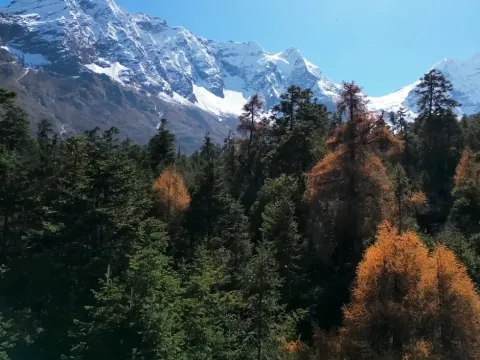
Karma Sherpa's teahouse in Samagaon used to get its first snowfall by mid-October. Every single year since he opened the lodge in 1993, he could count on it. Last year, the snow came in December. This year—on January 3rd when I sat across from him drinking butter tea—the ground outside was still brown and exposed.
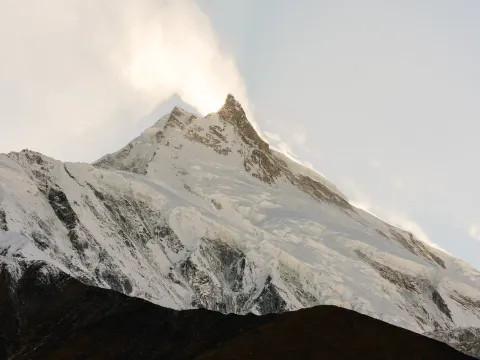
How difficult is Manaslu Trek — that is the one question every trekker asks before committing to Nepal's most rewarding restricted circuit. The Manaslu Circuit Trek wraps entirely around Mt. Manaslu, the world's eighth-highest peak at 8,163 m, crossing the legendary Larkya La Pass at 5,160 m through raw, uncommercialised Himalayan wilderness. The Manaslu Trek difficulty is real
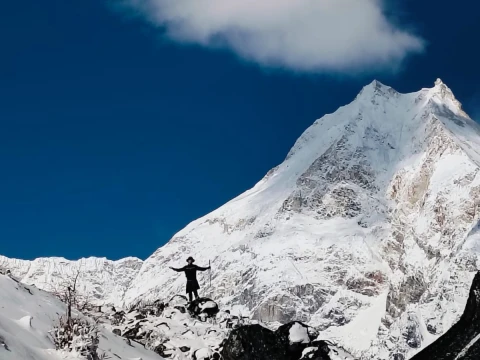
The Manaslu Circuit Trek is one of Nepal’s most breathtaking and less crowded trekking adventures. Circling the majestic Mount Manaslu (8,163m), this trek offers a perfect combination of raw Himalayan beauty, authentic culture, and thrilling high-altitude adventure.


 (34)
(34) 