Explore Holiday Nepal | Your Local Expert for Himalayan Adventures
Are you planning a trekking holiday in Nepal in 2026 or 2027? Following the devastating floods, landslides, and damage to mountain infrastructure in 2026, many travelers are asking: Is Nepal safe for trekking? Which trekking routes are open? And what are the best alternatives for a safe and unforgettable Himalayan adventure?
Nepal remains a remarkable destination for mountain trekking, cultural exploration, and nature-based tourism. From the spectacular Annapurna Himalayas to the legendary Everest region, travelers can experience breathtaking landscapes, traditional villages, Buddhist monasteries, and the warm hospitality of local communities.
However, the recent disasters have made one thing especially important: choosing your trekking destination based on the latest verified conditions, not just its popularity.
At Explore Holiday Nepal, we believe every traveler deserves honest information, responsible planning, and local support. This complete guide explores 10 trekking routes to consider for 2026/2027, including their highlights, typical duration, difficulty, and important safety considerations.
Important notice: The routes listed below are trekking options to investigate, not a certification that they are currently open or safe. Conditions can change quickly after flooding and landslides. Always obtain route-specific confirmation before departure.
Nepal experienced two major flood-related emergencies in 2026.
On August 26, a catastrophic flash flood affected the Bhote Koshi corridor near the Nepal–China border, damaging infrastructure and disrupting travel in parts of Rasuwa and nearby districts.
In October, another serious flooding event occurred along the Budhi Gandaki River in Gorkha District after a landslide temporarily blocked the river. The resulting flood damaged homes, bridges, and trekking infrastructure, leaving trekkers stranded and prompting rescue operations.
These events demonstrate why conditions in one part of Nepal cannot be used to judge every other trekking region.
The Nepal Tourism Board has advised trekkers in the affected Budhi Gandaki area to exercise extreme caution, avoid dangerous river crossings, follow local authority instructions, and postpone travel through affected sections until their safety is confirmed. <Cite refs={["turn952169search0","turn952169news29"]}/>
Before booking a trek, travelers should:
Official information: Nepal Tourism Board — Latest Travel Updates
The following routes offer different mountain experiences, from short beginner-friendly walks to challenging high-altitude adventures. Their suitability depends on the current conditions along the complete itinerary.
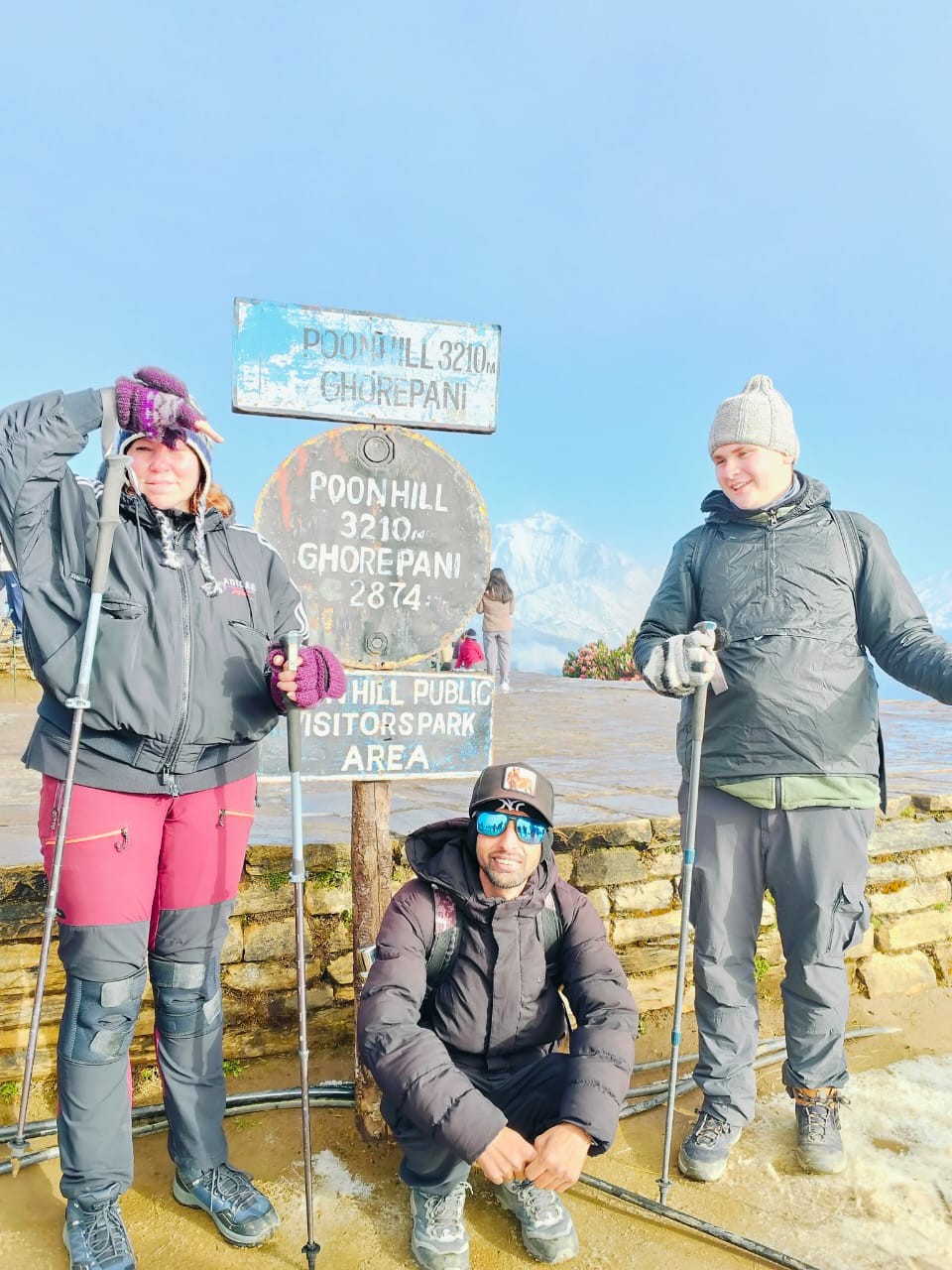
Typical duration: 4–6 days
Maximum elevation: Approximately 3,210 metres at Poon Hill
Difficulty: Easy to moderate
The Ghorepani Poon Hill Trek is one of Nepal's most popular short Himalayan adventures. It is an excellent option for travelers who want beautiful mountain views without committing to a long expedition.
The trail passes through traditional Gurung and Magar villages, terraced farmland, rhododendron forests, and scenic mountain landscapes.
Top highlights
Why consider Poon Hill after the floods?
Its relatively short duration makes it attractive for travelers who want a flexible itinerary. However, short treks are not automatically safer. Confirm access roads, trail conditions, and any damage caused by recent rainfall before departure.
Best for: Beginners, families with suitable fitness, photographers, and travelers with limited time.
Typical duration: 5–7 days
Maximum elevation: Approximately 4,500 metres at Mardi Himal Base Camp, depending on the itinerary
Difficulty: Moderate to challenging
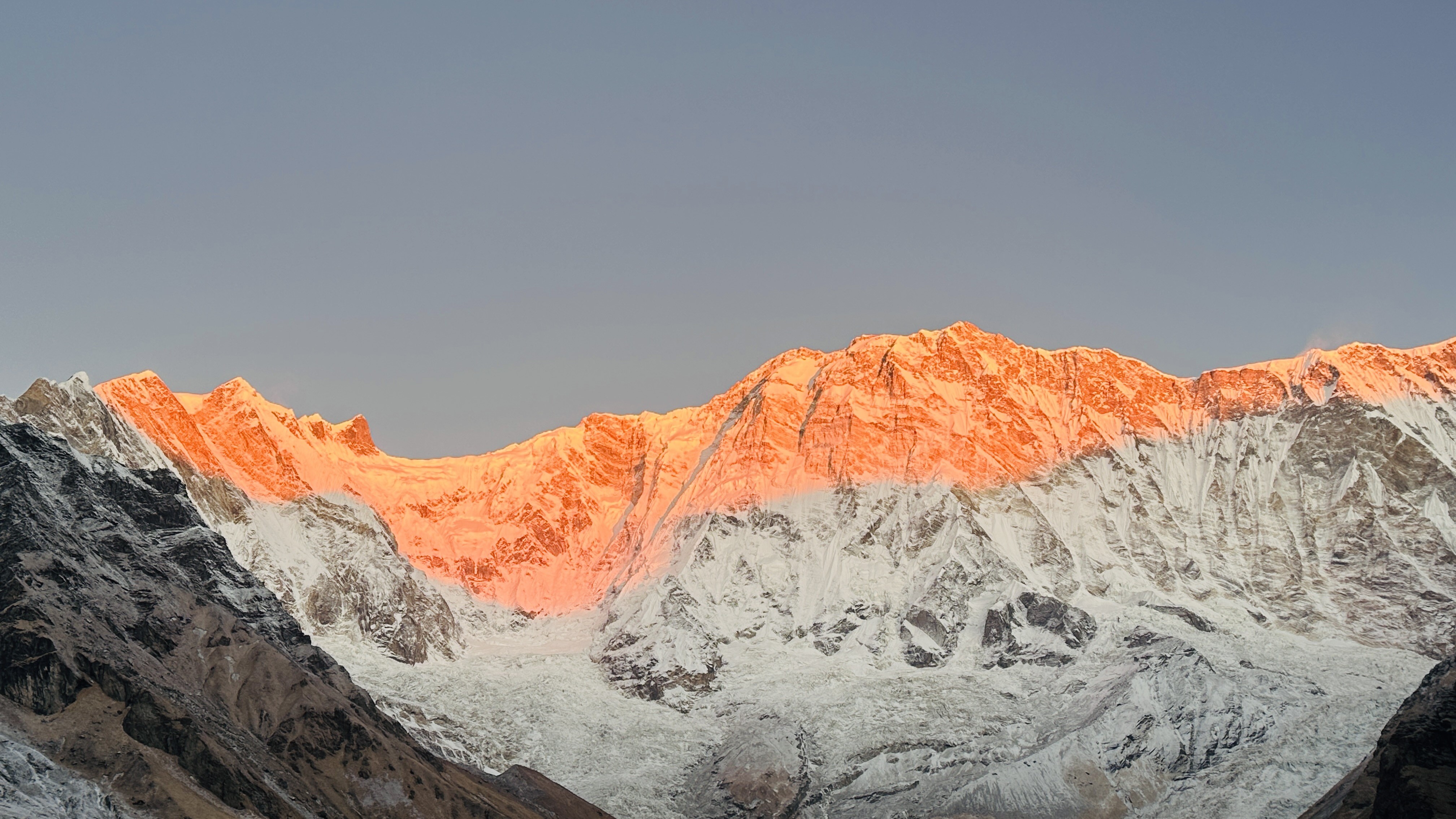
The Mardi Himal Trek takes you through peaceful forests, traditional settlements, and increasingly dramatic mountain scenery. As the trail climbs, the views of Machhapuchhre, Annapurna South, and the surrounding peaks become more impressive.
Top highlights
Safety considerations
Higher sections can be steep, exposed, and affected by poor weather. Confirm the condition of the approach roads, teahouses, and high-altitude trails before setting out.
Best for: Fit travelers who want a shorter trek with dramatic mountain scenery.
Typical duration: 7–12 days
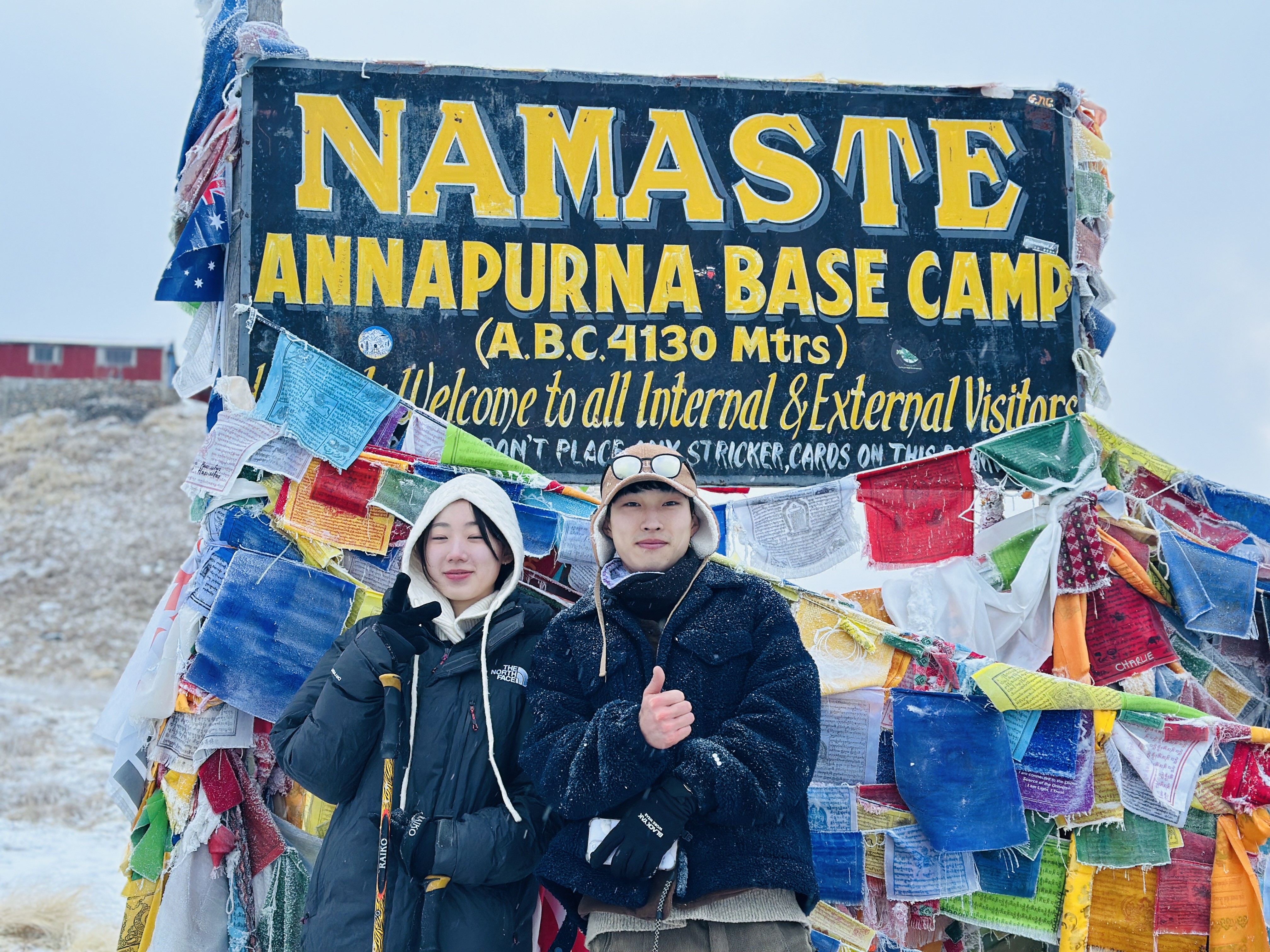
Maximum elevation: Approximately 4,130 metres
Difficulty: Moderate to challenging
The Annapurna Base Camp Trek leads into a spectacular mountain sanctuary surrounded by towering Himalayan peaks. Along the way, trekkers encounter traditional villages, waterfalls, forests, river valleys, and welcoming teahouses.
Top highlights
Why consider Annapurna Base Camp?
The Annapurna region offers several trekking itineraries with different durations and difficulty levels. Travelers may be able to choose an alternative itinerary if a particular access road or trail section is affected.
Nevertheless, individual routes must be checked carefully. A regional reputation for popular trekking does not guarantee that every trail or road is currently operating.
Best for: Travelers who want a rewarding Himalayan journey without undertaking an expedition lasting several weeks.
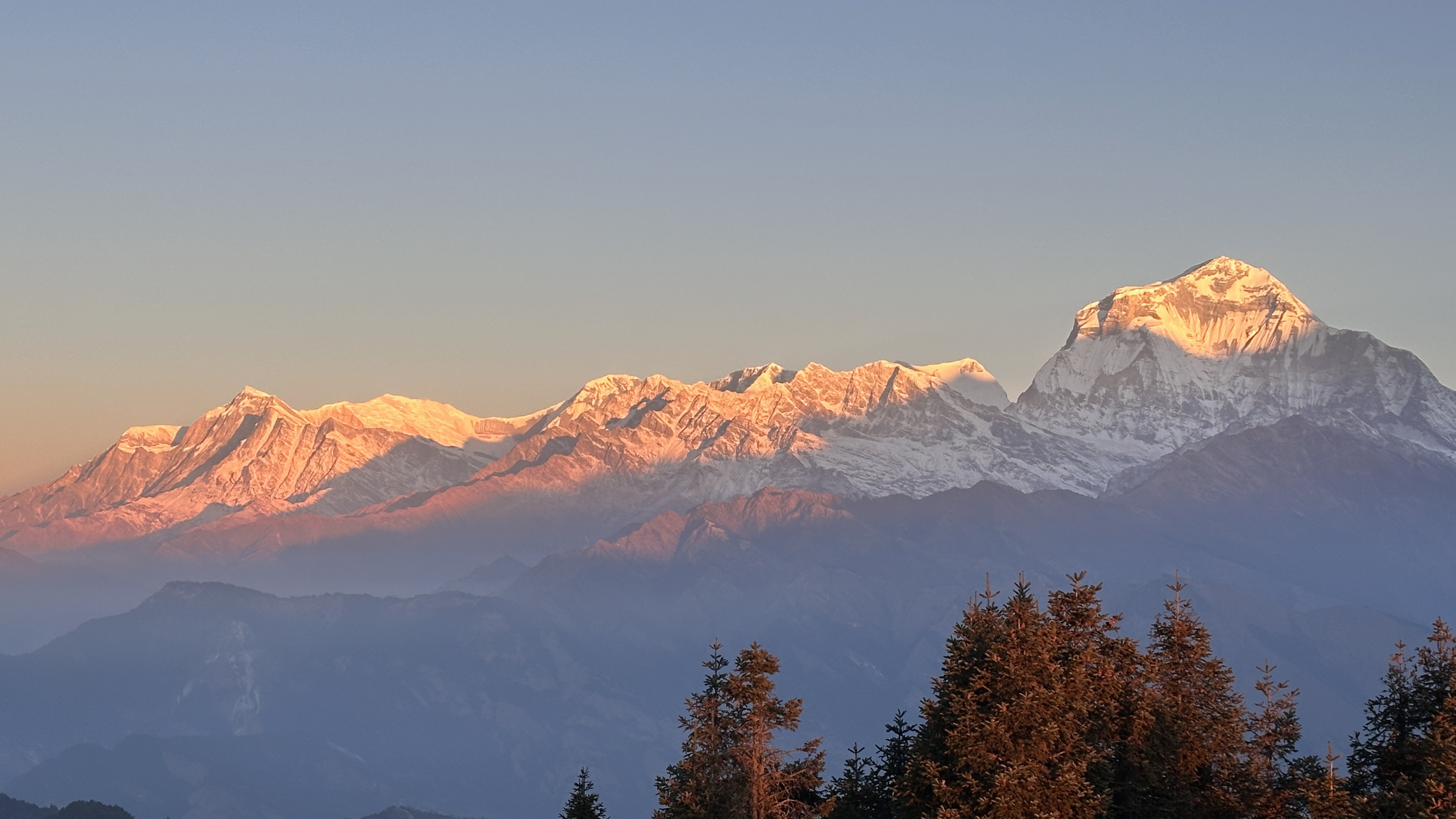
Typical duration: 7–10 days
Maximum elevation: Approximately 3,660 metres at Khopra Ridge
Difficulty: Moderate to challenging
Khopra Ridge is a scenic alternative in the Annapurna region, offering sweeping mountain views and opportunities to visit traditional villages away from some of the busiest trails.
The route combines forested paths, mountain ridgelines, community-based accommodation, and views across the Annapurna and Dhaulagiri ranges.
Top highlights
Safety considerations
Remote accommodation and limited services can make disruptions more difficult to manage. Check lodge availability, access routes, and trail conditions before booking.
Best for: Travelers seeking mountain scenery, local culture, and a less crowded alternative.
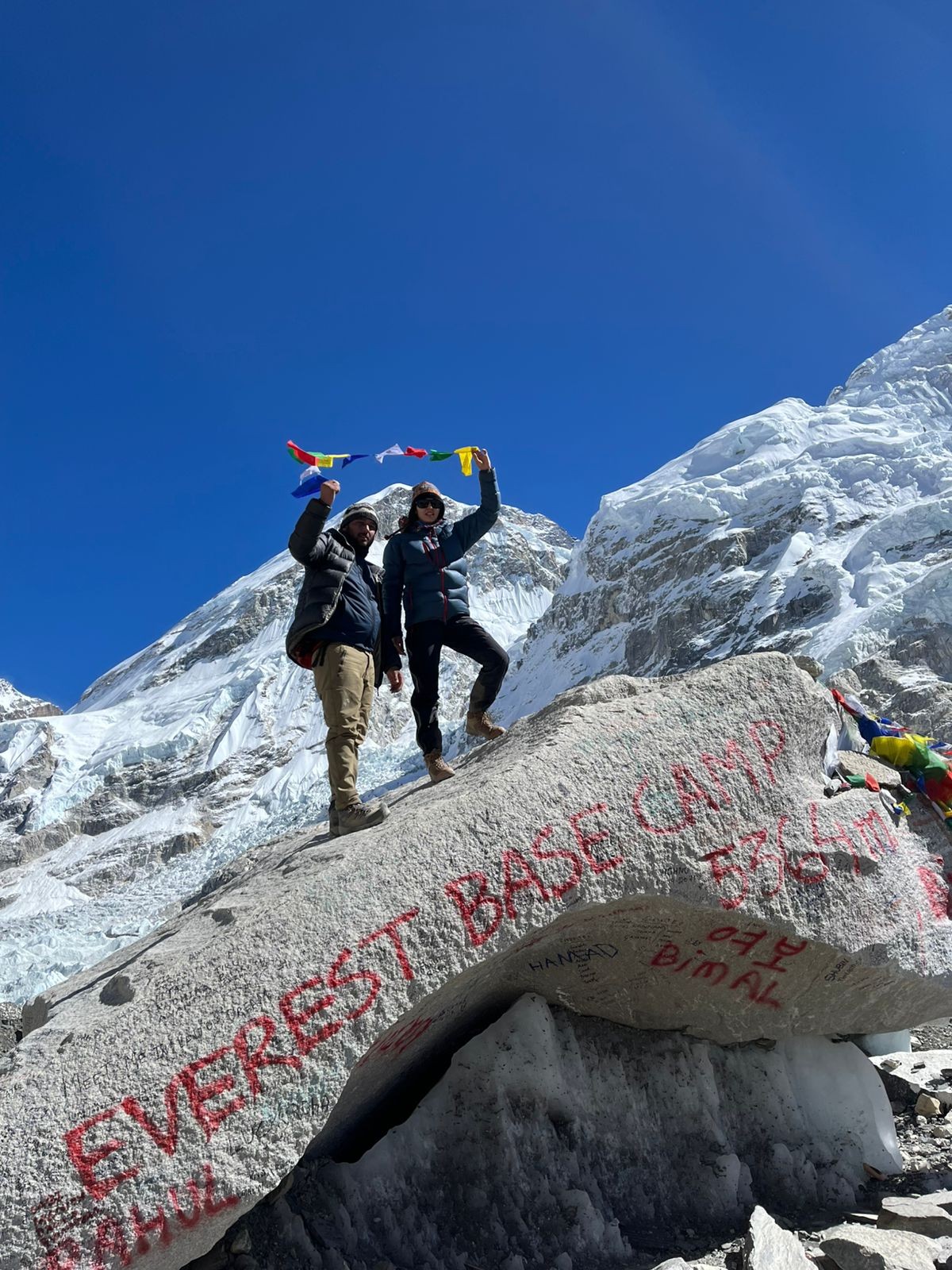
Typical duration: 12–16 days
Maximum elevation: Approximately 5,364 metres at Everest Base Camp
Difficulty: Challenging
The Everest Base Camp Trek is one of the world's most famous trekking adventures. The route enters the Khumbu region, where Sherpa culture, Buddhist monasteries, suspension bridges, and spectacular mountain landscapes create an unforgettable journey.
Top highlights
Is Everest Base Camp a possible alternative after the floods?
The Everest region is geographically distinct from the Budhi Gandaki area affected by the October flooding. However, this does not prove that all routes, flights, or access arrangements are operating normally.
Travelers should verify the latest conditions, flight operations, weather forecasts, and required permits.
Important: Altitude sickness is a serious risk. A well-planned itinerary must include appropriate acclimatization and time to descend if symptoms develop.
Best for: Fit travelers who want a major Himalayan trekking experience and have enough time for proper acclimatization.
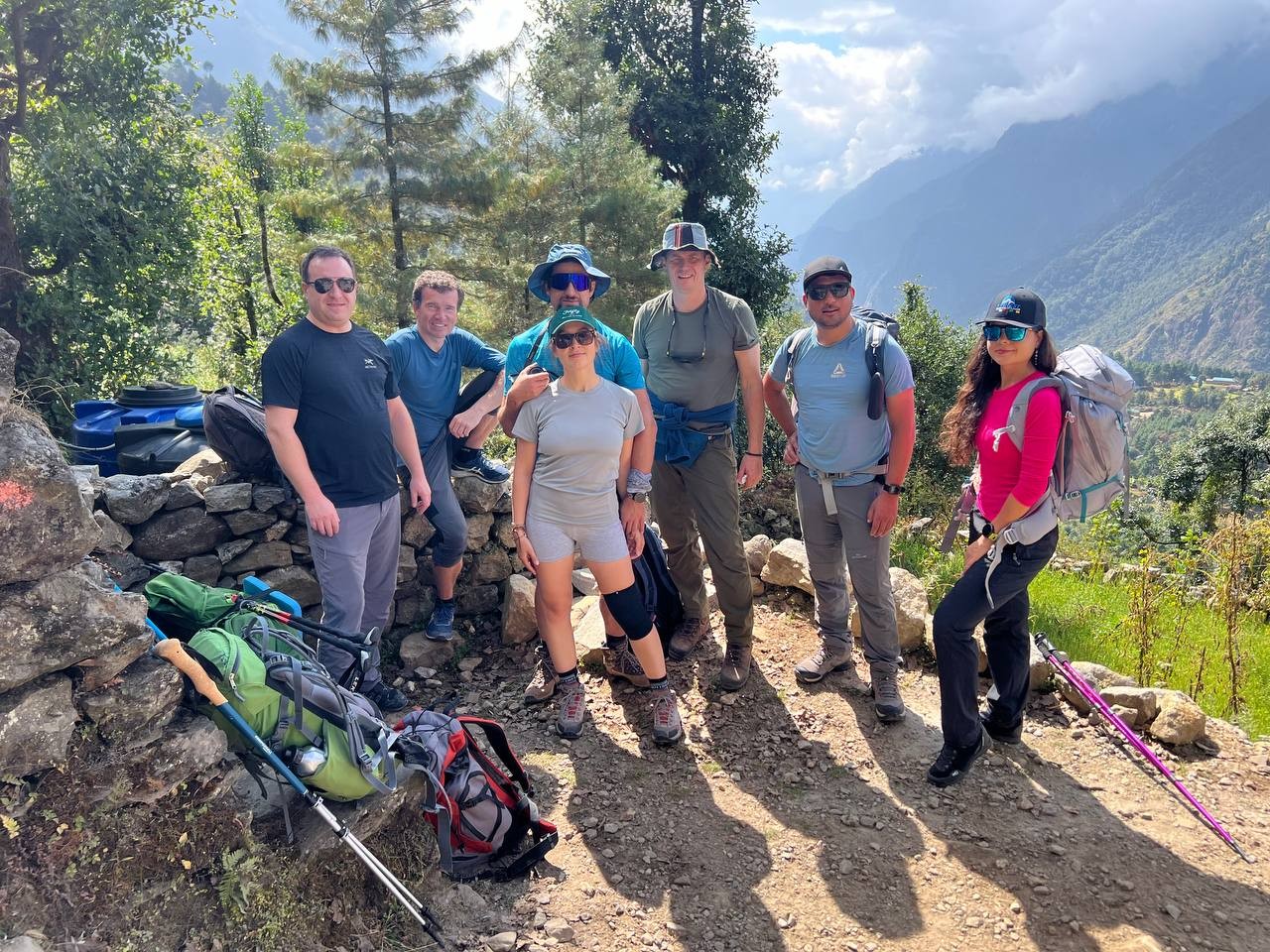
Typical duration: 12–15 days
Maximum elevation: Approximately 5,357 metres at Gokyo Ri
Difficulty: Challenging
The Gokyo Lakes Trek explores the high-altitude Khumbu region, passing turquoise alpine lakes, Sherpa settlements, glaciers, and extraordinary Himalayan viewpoints.
Many trekkers choose Gokyo as an alternative to the standard Everest Base Camp itinerary because it offers a different combination of mountain scenery and cultural experiences.
Top highlights
Safety considerations
This is a high-altitude trek with potentially severe weather, cold temperatures, and limited emergency access. Confirm local conditions and allow adequate acclimatization.
Best for: Experienced walkers seeking alpine lakes and spectacular high-mountain scenery.
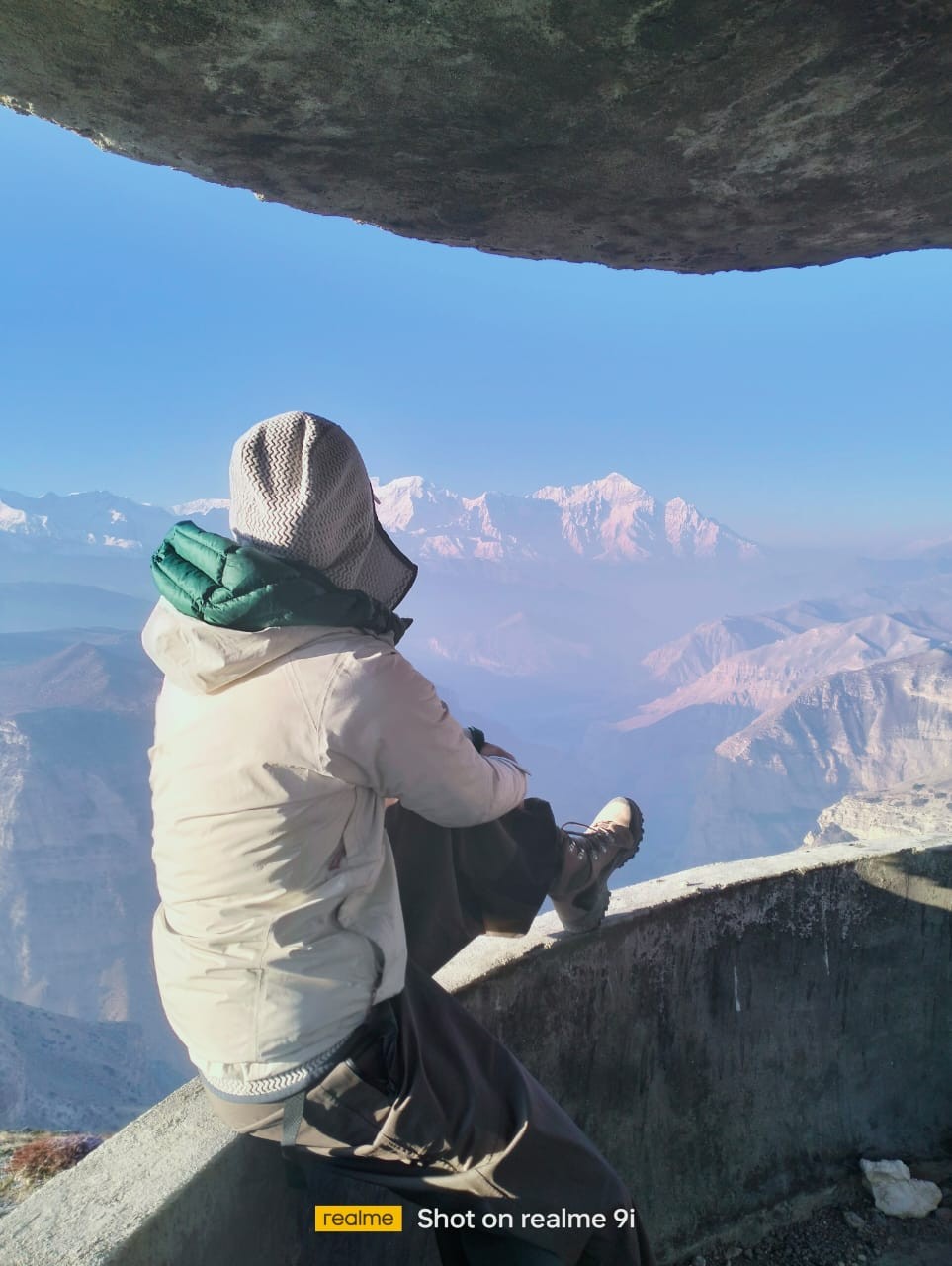
Typical duration: 10–14 days
Maximum elevation: Varies by itinerary; many classic routes reach approximately 4,000 metres
Difficulty: Moderate to challenging
Upper Mustang offers a very different experience from Nepal's greener mountain valleys. Located in the rain-shadow region north of the Annapurna Himalayas, it features dramatic red cliffs, eroded landscapes, traditional villages, and centuries-old Buddhist cultural heritage.
Top highlights
Why consider Upper Mustang?
Its rain-shadow geography can make it an appealing option during periods when some other regions receive heavy monsoon rainfall. However, that does not eliminate the risks of landslides, road disruption, or severe weather.
Access typically involves travel through the Pokhara–Jomsom corridor, so check transport and road conditions. Restricted-area permits and applicable guide requirements must also be arranged.
Best for: Travelers interested in culture, history, distinctive landscapes, and a different side of the Himalayas.
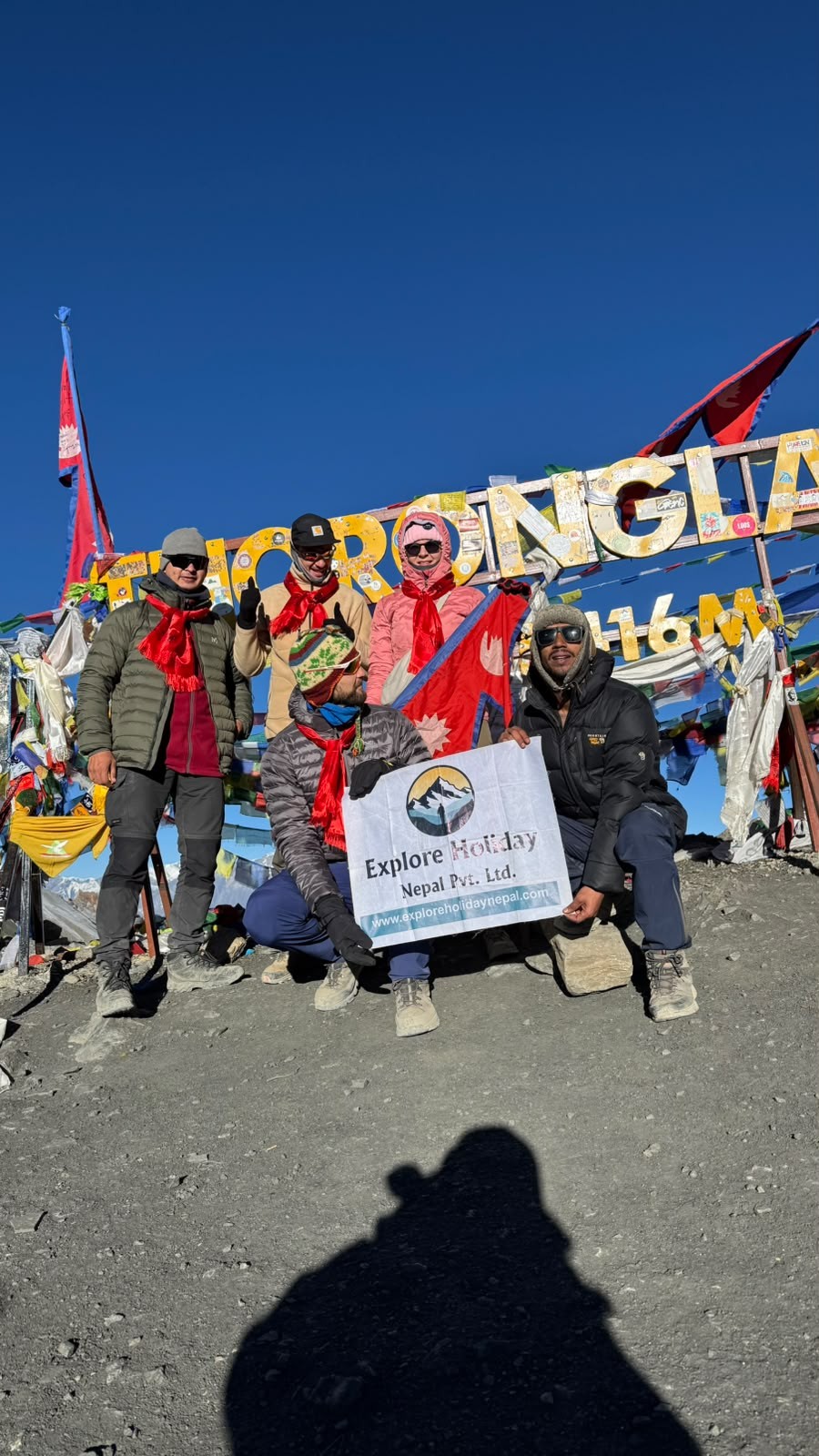
Typical duration: 12–18 days, depending on the itinerary
Maximum elevation: Approximately 5,416 metres at Thorong La Pass
Difficulty: Challenging
The Annapurna Circuit offers an extraordinary journey through contrasting landscapes, from green valleys and traditional villages to high-altitude terrain and the drier landscapes of the Mustang region.
Top highlights
Safety considerations
High passes can be affected by snow, ice, strong winds, and altitude. Road construction also means that some itineraries vary from the traditional walking route.
Confirm the condition of the specific route, high-pass weather, transport connections, and accommodation before departure.
Best for: Experienced trekkers who want a longer journey through diverse Himalayan landscapes.
Typical duration: 5–8 days
Maximum elevation: Depends on the itinerary; many versions remain below the highest Himalayan trekking passes
Difficulty: Easy to moderate, depending on route
The Helambu region offers forested hills, traditional settlements, Buddhist monasteries, and mountain views within relatively easy reach of Kathmandu.
It can be an appealing option for travelers who prefer a shorter trek and want to explore local culture without undertaking a high-altitude expedition.
Top highlights
Important safety note
Helambu lies within the wider central Nepal mountain area, where heavy rain can affect roads and trails. Because the 2026 flooding has disrupted travel in parts of the broader region, do not assume that Helambu is unaffected. Check the exact route and approach roads before considering this trek.
Best for: Travelers with limited time who want culture, nature, and a moderate walking adventure.
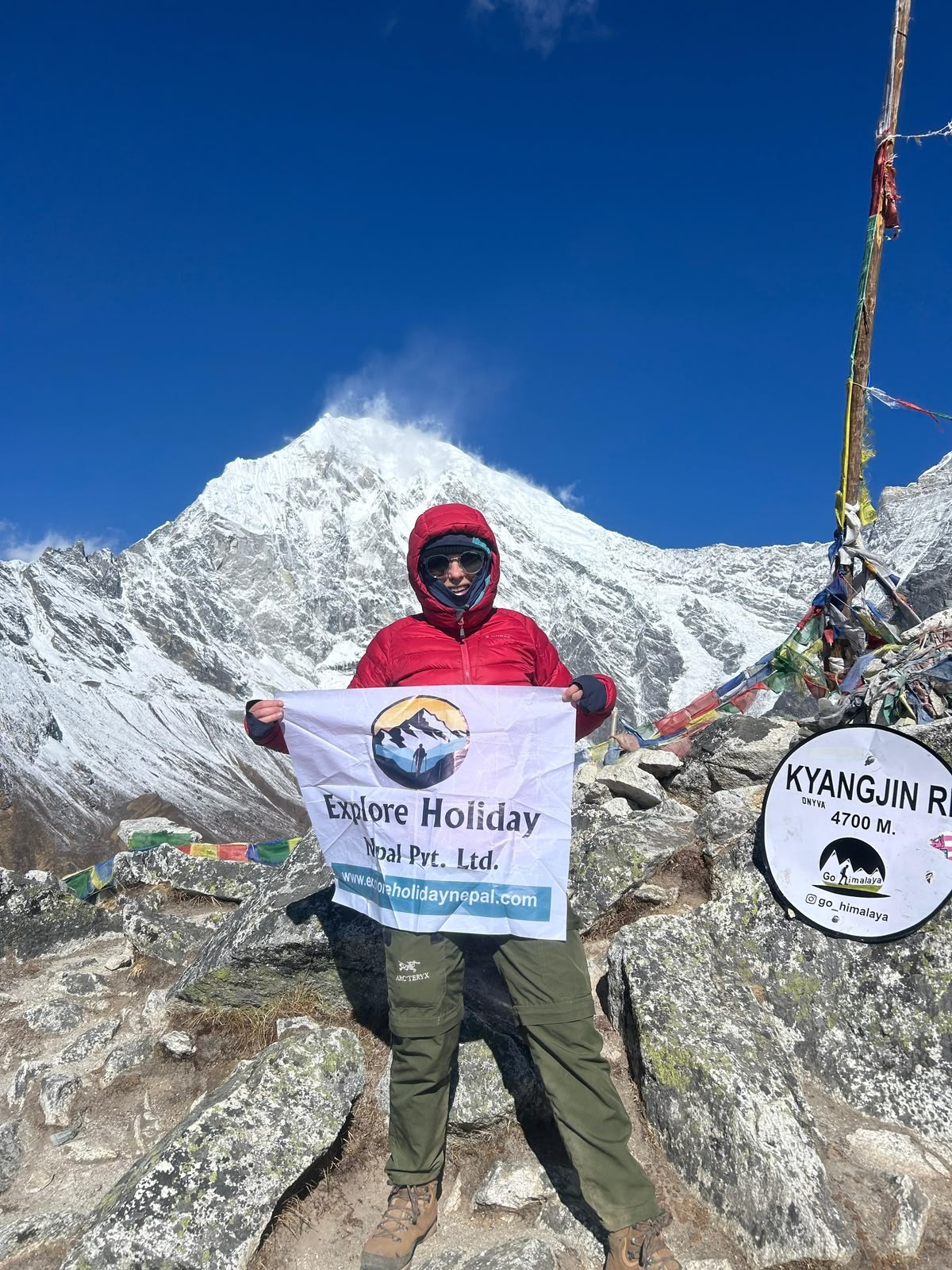
Typical duration: 7–10 days
Maximum elevation: Approximately 3,870 metres at Kyanjin Gompa; higher viewpoints are optional
Difficulty: Moderate to challenging
The Langtang Valley Trek is known for its impressive mountain scenery, Tamang culture, forests, yak pastures, and traditional settlements.
The route offers an immersive Himalayan experience without requiring the same duration as many major high-altitude expeditions.
Top highlights
Critical safety consideration for 2026/2027
Rasuwa District was affected by the devastating August 2026 flash flood. Access through the affected Bhote Koshi and Trishuli corridors was disrupted, and the condition of roads, bridges, and individual trails must be confirmed before travel.
Do not book or begin the Langtang Valley Trek on the assumption that the route is safe simply because it is a popular trekking destination. Obtain current, route-specific clearance and follow official instructions.
Best for: Travelers interested in mountain scenery and cultural experiences, provided the route is confirmed suitable for their travel dates.
| Trekking route | Typical duration | Difficulty | Main attraction |
|---|---|---|---|
| Ghorepani Poon Hill | 4–6 days | Easy–moderate | Sunrise mountain views |
| Mardi Himal | 5–7 days | Moderate–challenging | Machhapuchhre views |
| Annapurna Base Camp | 7–12 days | Moderate–challenging | Mountain sanctuary |
| Khopra Ridge | 7–10 days | Moderate–challenging | Panoramic ridgelines |
| Everest Base Camp | 12–16 days | Challenging | Everest and Sherpa culture |
| Gokyo Lakes | 12–15 days | Challenging | Alpine lakes and glaciers |
| Upper Mustang | 10–14 days | Moderate–challenging | Ancient culture and arid landscapes |
| Annapurna Circuit | 12–18 days | Challenging | Thorong La and diverse scenery |
| Helambu | 5–8 days | Easy–moderate | Culture near Kathmandu |
| Langtang Valley | 7–10 days | Moderate–challenging | Mountain scenery and Tamang culture |
Durations and difficulty ratings are approximate and vary by itinerary, fitness, acclimatization, weather, and trail conditions. This table is not a live trail-status report.
The best option depends on your fitness, travel dates, budget, experience, and the latest verified conditions.
Our recommendation: Start by comparing suitable routes in the Annapurna region, but do not automatically assume that any destination is unaffected. Confirm the complete journey, including road transfers, bridges, walking trails, and accommodation.
Before paying for a trekking package, ask your agency these questions:
Do not rely solely on old blogs, social media posts, or statements that a whole region is open. Conditions may differ between neighboring valleys and individual trail sections.
For current official information, visit the Nepal Tourism Board travel updates and check the Department of Hydrology and Meteorology for weather information.
Autumn is traditionally one of Nepal's most popular trekking seasons. Many travelers visit for clear mountain views, comfortable daytime walking conditions, and beautiful Himalayan landscapes.
However, autumn is not automatically safe after heavy rainfall. In 2026, travelers must consider the effects of recent flooding, infrastructure damage, and ongoing recovery work.
Spring generally offers pleasant trekking conditions, blooming rhododendrons at lower elevations, and excellent mountain scenery.
It is a good period to investigate many classic trekking routes, provided the relevant trails and access roads have been checked and are operating normally.
Winter can be suitable for some lower-altitude treks. Higher routes may face snow, ice, strong winds, and extreme cold, especially around high mountain passes.
Heavy rainfall can cause landslides, floods, muddy trails, and transport disruptions. Some destinations in rain-shadow areas may offer alternatives, but local conditions still need to be checked.
Mountain weather can change quickly. Pay attention to local forecasts, warnings, and your guide's advice.
A knowledgeable guide can help you understand local conditions, identify hazards, communicate with communities, and adapt your itinerary when required. Follow the guide and permit requirements applicable to your chosen route.
Do not attempt to cross swollen rivers or use damaged bridges. If a route is blocked or authorities issue a warning, stop and follow official safety instructions.
Treks above 3,000 metres require attention to acclimatization. Ascend gradually, recognize symptoms of altitude sickness, and descend promptly if symptoms become serious.
Bring appropriate trekking footwear, waterproof clothing, warm layers, a headlamp, personal medication, and a way to communicate in remote areas.
Check that your policy covers your planned trekking altitude, emergency helicopter evacuation, medical care, and trip interruption. Understand all exclusions and conditions.
Allow flexibility for weather, transport delays, and unexpected trail closures. Never risk a dangerous crossing to keep to a fixed schedule.
At Explore Holiday Nepal, our goal is to help travelers discover Nepal through meaningful experiences, responsible trekking, and personal service.
Our managing director, Ishwor Bhandari, has worked in Nepal's trekking and tourism industry since 2009. This background supports our commitment to sharing local knowledge and helping travelers choose itineraries suited to their needs.
We understand that every traveler has different expectations. Some want a short Himalayan walk, while others dream of Everest Base Camp or a remote cultural journey.
We help travelers compare destinations, discuss their fitness and travel dates, and plan appropriate itineraries.
We believe honest information is essential, particularly after natural disasters. Our approach is to check the latest available information, discuss known limitations, and adjust plans when conditions require it.
We assist travelers with itinerary coordination, trekking arrangements, guides, accommodation, permits, and transport planning, depending on the selected package.
We encourage respect for local cultures, mountain environments, and the communities that welcome visitors. Responsible travel means following local guidance and supporting recovery without placing travelers or residents at unnecessary risk.
We aim to provide clear communication, practical guidance, and support throughout the travel-planning process and the trekking experience.
At Explore Holiday Nepal, we do not promise that every trail is open or free from risk. We aim to help you make an informed decision and enjoy Nepal responsibly.
Safety varies by location. Some destinations may be operating while other areas face infrastructure damage, travel restrictions, or ongoing recovery. Check official advisories and route-specific conditions before travel.
There is no single best trek for everyone. Poon Hill is a popular shorter option, Mardi Himal offers dramatic mountain views, and Annapurna Base Camp provides a classic Himalayan experience. Each route must be checked for current access and trail conditions.
Route status changes over time. Check the Nepal Tourism Board, local authorities, and your trekking operator for the latest information before choosing a destination.
The October flooding along the Budhi Gandaki River damaged bridges and trekking infrastructure. The Manaslu route should not be assumed safe or fully operational. Obtain current confirmation for your exact itinerary before entering the region.
The Langtang approach through Rasuwa requires particular attention because of the August flooding and resulting disruption in the broader corridor. Check current access restrictions, road and bridge conditions, and official advice before booking.
Yes. Depending on fitness and experience, shorter routes such as Poon Hill may be suitable. Choose a realistic itinerary, prepare properly, and confirm the current route conditions.
Not necessarily. First determine whether your intended route and transport connections are affected. If access is unsafe or cannot be verified, consider changing destinations, modifying the itinerary, or postponing the affected section.
A reputable local agency can help coordinate logistics, provide destination knowledge, communicate with local communities, and adapt arrangements when conditions change. Always ask how the agency verifies trail conditions and handles emergencies.
Nepal offers extraordinary mountain landscapes, rich cultural traditions, welcoming communities, and trekking experiences for a wide range of travelers.
The best way to enjoy the Himalayas in 2026/2027 is to choose a route that suits your interests and abilities, stay informed about local conditions, and remain flexible when circumstances change.
Whether you are interested in Poon Hill, Mardi Himal, Annapurna Base Camp, Everest Base Camp, Gokyo Lakes, Upper Mustang, or another Himalayan destination, Explore Holiday Nepal can help you explore suitable options and plan your journey.
Contact Explore Holiday Nepal to discuss your travel dates, preferred trekking route, and experience level. We will help you assess the available options using the latest information we can obtain.
Explore Holiday Nepal — Discover the Himalayas with local knowledge, responsible planning, and personal care.
Travel responsibly. Stay informed. Respect the mountains.

Nepal, with its majestic Himalayan landscapes, offers a plethora of short trekking destinations that promise adventure, cultural experiences, and breathtaking views. Whether you're an avid trekker or a novice seeking a memorable journey, Nepal has something for everyone. Let's embark on a detailed exploration of the best short trekking places in this enchanting country.

Nepal, a landlocked gem nestled in the lap of the majestic Himalayas, is a paradise for travelers seeking a harmonious blend of nature, culture, and spirituality. In this comprehensive guide, we will embark on a detailed exploration of the mesmerizing tour places that make Nepal a unique and captivating destination.

Mount Everest, standing at 8,848 meters (29,029 feet), is not only the highest peak in the world but also a symbol of adventure and perseverance. Located in the Mahalangur Himal sub-range of the Himalayas, it draws climbers and trekkers from around the globe, inspiring awe with its sheer magnitude and beauty.

Nepal, a landlocked country nestled in the heart of the Himalayas, is a trekking paradise renowned for its breathtaking landscapes and rich cultural heritage. From the towering peaks of the Himalayas to lush valleys and vibrant villages, Nepal offers an array of trekking experiences suitable for all levels of adventurers.
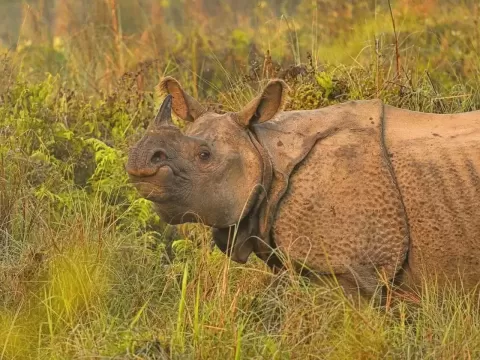
Nepal is not just famous for its towering peaks and rich cultural heritage; it also boasts some of the best wildlife adventure opportunities in the world. The country’s diverse geography, ranging from the lowland Terai jungles to the high-altitude Himalayan foothills, provides the perfect habitat for a wide variety of wildlife.
Nepal, the ultimate destination for mountaineers and adventure enthusiasts, offers some of the most popular and accessible peaks for climbing expeditions. Among the most sought-after climbs in Nepal for 2025 are Mera Peak, Island Peak, Lobuche Peak, Chulu East and Chulu West, and the iconic Ama Dablam.
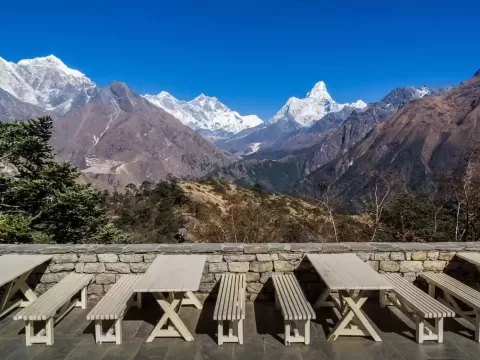
Accommodation during the Everest Base Camp Trek is a crucial aspect of the experience, as it shapes the comfort and convenience of trekkers along the challenging route. The trek involves staying in remote mountain villages, and while basic, the accommodation options are well-established. The majority of trekkers stay in teahouses, which are family-run guesthouses offering basic facilities.
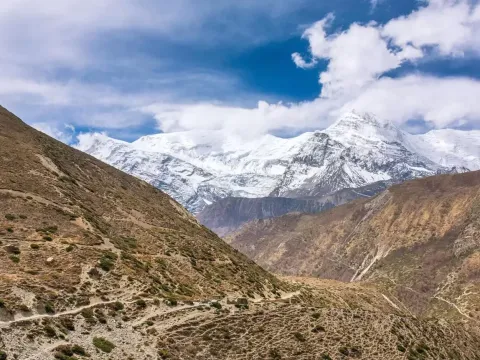
The Annapurna Circuit Trek is one of the most renowned and diverse trekking routes in the world, known for its stunning views of the Annapurna mountain range, varied landscapes, and rich cultural experiences.
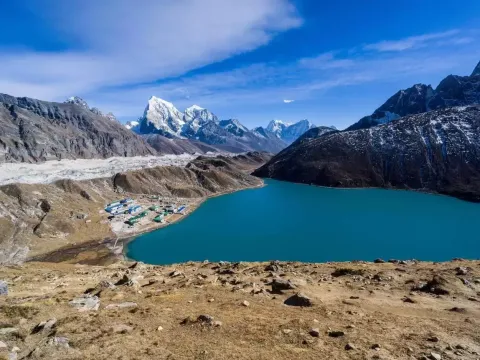
Nepal offers some of the most incredible trekking destinations in the world, and two of the most popular treks are the Gokyo Lake Trek and the Tilicho Lake Trek. Both routes provide breathtaking views of the Himalayas and unique cultural experiences, but each has its own set of features that may appeal to different types of trekkers.

When preparing for the Everest Base Camp trek with Explore Holiday Treks, one of the key considerations is understanding the availability of shower and laundry services along the way. As the trek takes you through remote villages and high-altitude terrain, amenities like showers and laundry are far from luxurious.
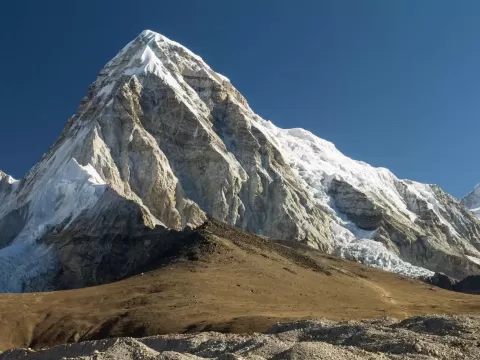
When planning a trek to Everest Base Camp, timing plays a critical role in ensuring both safety and enjoyment. The best time to hike to Everest Base Camp is during the two peak seasons: spring (March to May) and autumn (September to November).

The Everest Base Camp Trek is one of the most iconic and challenging treks in the world, offering adventurers the opportunity to trek through the heart of the Himalayas and stand at the base of Mount Everest, the highest peak on Earth. However, as thrilling as this trek is, it comes with its own set of challenges. One of the most important tips for trekkers is to ensure they are physically prepared.

The Manaslu Circuit Trek in Spring (March-May) offers trekkers an opportunity to experience the stunning beauty of the Himalayas when the weather is at its most favorable.
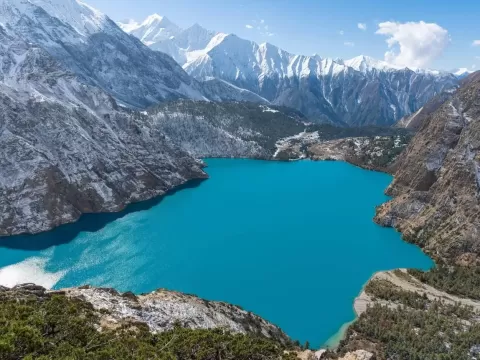
Dolpo, located in the remote northwestern region of Nepal, is a trekker’s paradise offering some of the most pristine and unexplored landscapes in the world. Known for its unique blend of rugged terrain,

Mount Kanchenjunga, the third-highest peak in the world, is one of the most majestic and revered mountains on Earth. Rising to an impressive height of 8,586 meters (28,169 feet), it is part of the mighty Himalayas and stands as a natural border between Nepal and India.

The Manaslu Circuit Trek is one of Nepal’s most rewarding and less crowded trekking routes, offering breathtaking mountain scenery, rich cultural experiences, and a sense of true adventure.
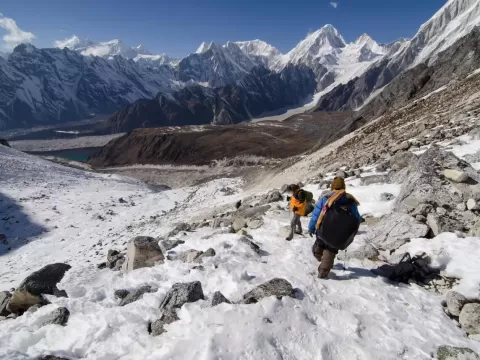
The Manaslu Circuit Trek is one of Nepal’s most breathtaking trekking routes, offering an off-the-beaten-path experience with stunning landscapes, rich cultural heritage, and diverse biodiversity.
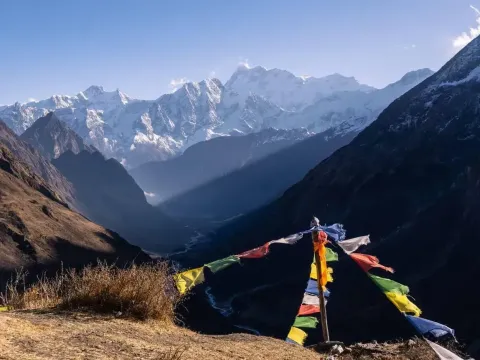
The Manaslu Circuit Trek is one of Nepal’s most breathtaking and off-the-beaten-path treks, offering stunning views, diverse landscapes, and a rich cultural experience. While it is often considered an expensive trek due to its restricted area permit
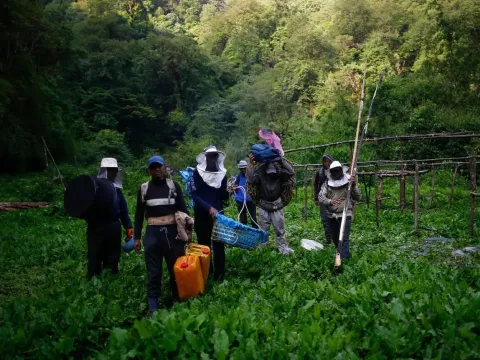
Honey hunting in Nepal is one of the most thrilling and culturally rich experiences that combines adventure, tradition, and nature. Performed by indigenous communities in the remote hills of central Nepal, particularly by the Gurung people, honey hunting involves scaling
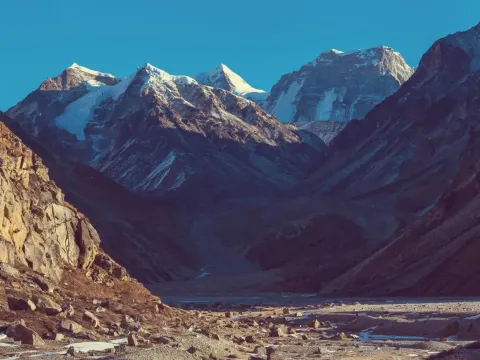
The Kanchenjunga Circuit Trek is one of Nepal’s most remote and spectacular trekking adventures, offering an unparalleled experience for true adventurers. Nestled in the eastern Himalayas, this trail takes you through pristine landscapes, rugged terrain, and culturally rich villages
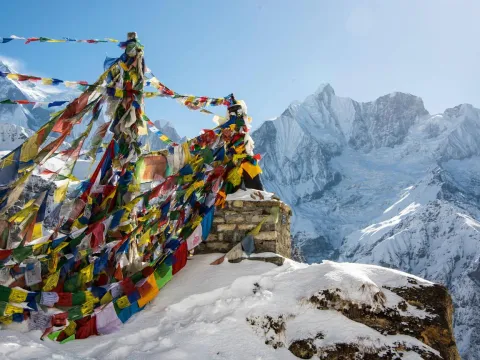
Annapurna is one of the most iconic and majestic mountain ranges in the world, renowned not only for its sheer height but also for its challenging climbs and breathtaking beauty. The Annapurna Massif, which is part of the larger Himalayan mountain range,
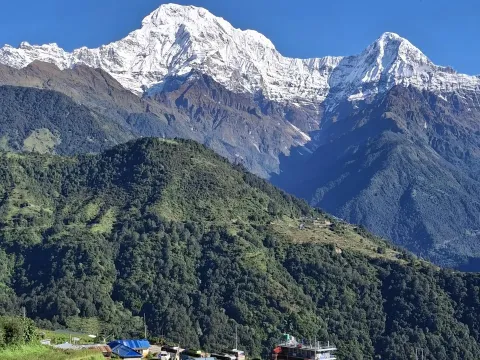
The Annapurna Base Camp (ABC) Trek and the Annapurna Circuit Trek are two of Nepal’s most iconic Himalayan adventures—but they offer very different experiences in terms of duration, difficulty, altitude, and scenery.
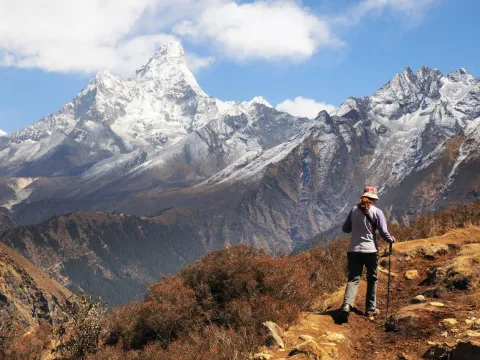
Trekking in Nepal is one of the most iconic travel experiences in the world. With trails ranging from gentle hillside walks to strenuous alpine expeditions, Nepal offers something for every level of trekker. Routes such as the Everest Base Camp, Annapurna Circuit, Langtang Valley,
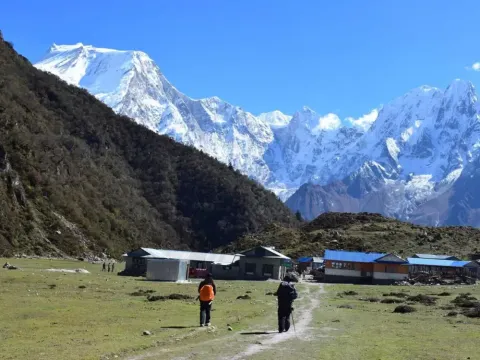
The Manaslu Circuit Trek, often hailed as one of Nepal’s most spectacular and less crowded trekking routes, offers a breathtaking adventure through diverse landscapes, traditional villages, and the majestic Himalayas. The autumn season, spanning from September to November
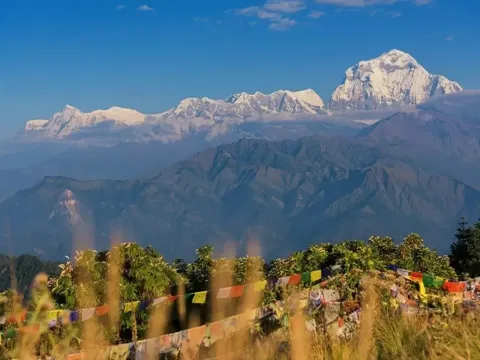
The Ghorepani Poon Hill Trek is a short yet immensely rewarding Himalayan trek in Nepal’s Annapurna region. Famous for its spectacular sunrise over the Annapurna and Dhaulagiri ranges, this trek combines natural beauty, cultural richness, and moderate trekking challenges.
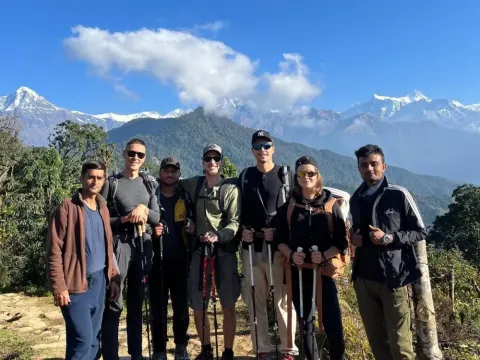
The Mardi Himal Trek, organized by Explore Holiday Nepal, is a lesser-known trekking route in the Annapurna region, offering a perfect blend of natural beauty, cultural encounters, and Himalayan adventure. This trek is ideal for travelers seeking a quiet trail away from the bustling tourist hubs of Nepal. With diverse landscapes
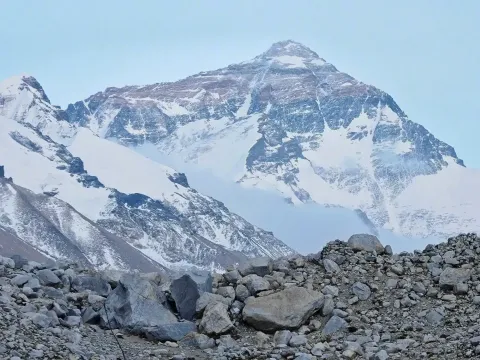
There's a dirty secret on the world's highest mountain that nobody talks about—tons of human waste frozen in place, threatening water supplies for entire communities. Nepal's cracking down with strict new rules, but the real solution starts with responsible trekkers. Find out what's really happening at Everest Base Camp.
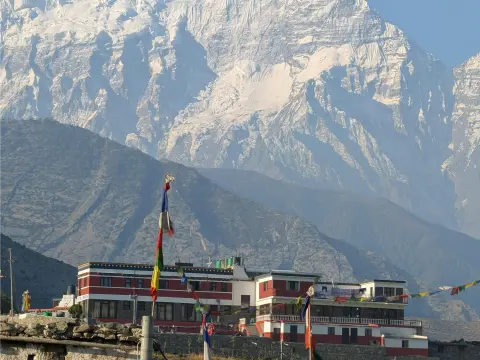
Beyond the trekking trails and mountain peaks lies another Nepal—one of prayer bells, butter lamps, and timeless wisdom. Journey through famous monasteries like Tengboche and Kopan, witness the authentic daily life of Buddhist monks, and discover why thousands of spiritual seekers find transformation in these sacred Himalayan sanctuaries.
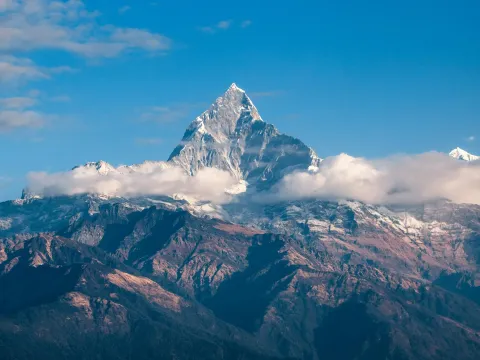
I'm going to be blunt: altitude sickness doesn't care if you're fit, young, or have trekked before. I've seen marathon runners struggling at Namche Bazaar while 60-year-olds cruise to Everest Base Camp. I've watched cocky 25-year-olds need helicopter evacuation while cautious first-timers make it without issues. After organizing 300+ high-altitude treks and dealing with countless altitude sickness cases (from mild headaches to life-threatening emergencies), here's everything you actually need to know. No medical jargon. No sugar-coating. Just the real information that might save your trek—or your life.
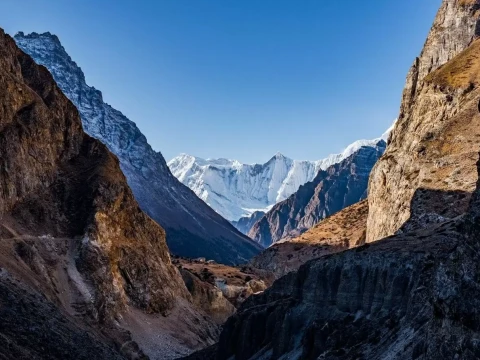
The Nar Phu Valley trek is a remote and less-traveled extension of the Annapurna Circuit, offering trekkers a rare glimpse into untouched Himalayan landscapes. Nestled in the northern part of the Annapurna region, this valley combines high-altitude adventure with authentic cultural experiences. Unlike the more frequented Annapurna trails, Nar


 (34)
(34) 