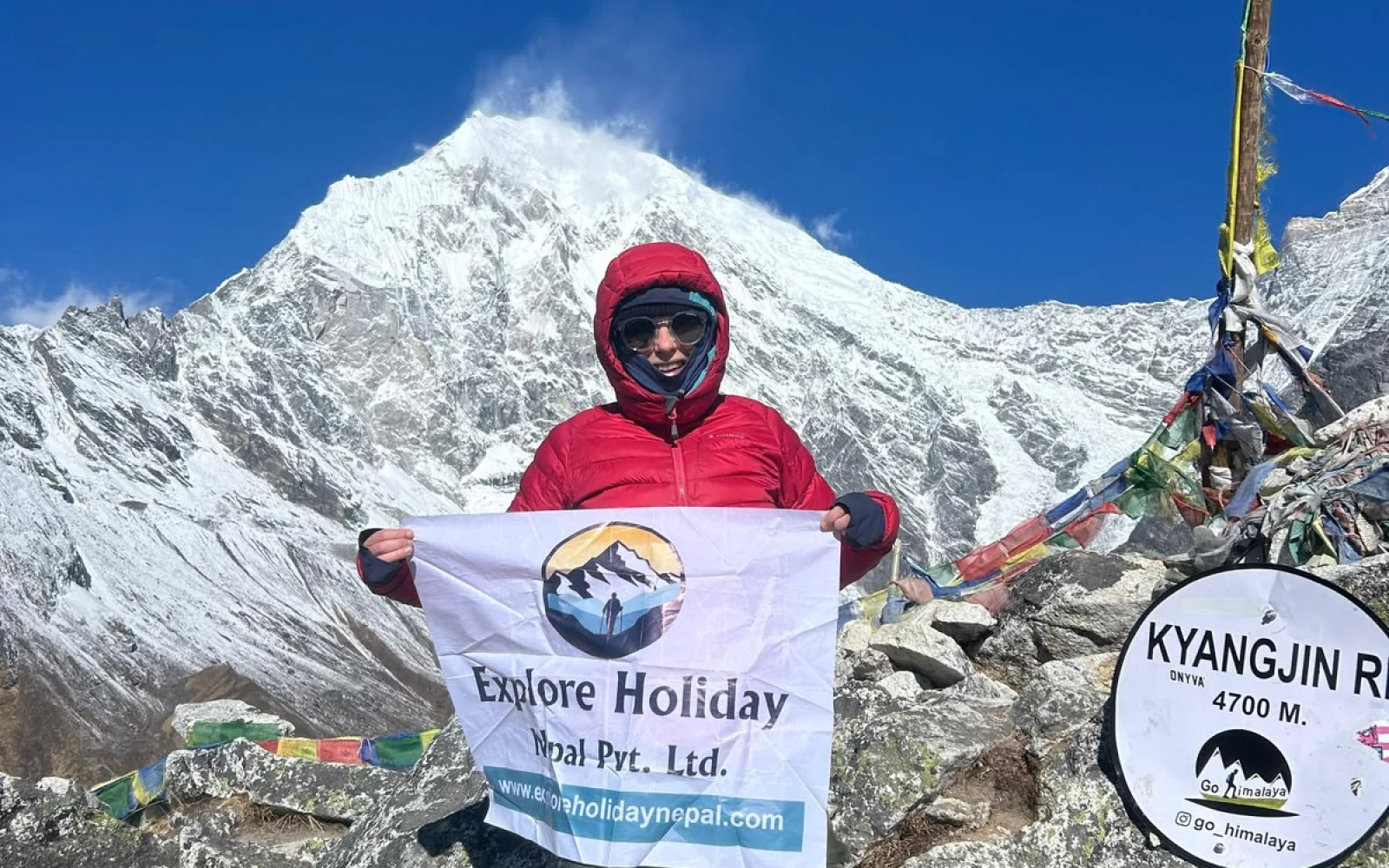
Langtang Trek 2026 Update: Safety, Road Conditions, Alternative Routes & Travel Advice | Explore Holiday Nepal
The Langtang Valley is one of Nepal's most beautiful and accessible trekking destinations, famous for its Himalayan scenery, Tamang culture, Langtang National Park, Kyanjin Gompa and spectacular mountain views.
However, after the major August 2026 flood and landslide disaster in northern Nepal, many travelers are asking:
Can we still trek to Langtang? Is Langtang safe? Is the road to Syabrubesi open? Should we postpone our trek?
The answer requires some care.
Langtang trekking may still be possible, but the normal access route has been seriously affected by the 2026 flood, and travelers should not assume that the traditional Kathmandu–Dhunche–Syabrubesi route is operating normally.
The August 26 disaster severely damaged roads and bridges in Rasuwa and surrounding areas. The road connection toward Syabrubesi was disrupted, and several bridges were destroyed. Government agencies are now working to restore access using temporary tracks and Bailey bridges.
For this reason, the most important question is not only whether the Langtang trail exists—it is whether the trailhead can be reached safely on your particular departure date.
On August 26, 2026, a devastating flood and landslide disaster affected northern Nepal, particularly the Bhotekoshi and Trishuli river corridors.
The disaster caused extensive damage to roads, bridges, settlements and infrastructure.
The Langtang region became particularly difficult to access because the road system connecting Nuwakot, Dhunche and Syabrubesi was damaged.
According to reporting from The Kathmandu Post, bridges, roads and parts of the Syabrubesi area were affected, leaving the Langtang region temporarily cut off from normal road access.
This distinction is important:
The flood did not mean that the entire Langtang Valley trekking trail disappeared. The biggest immediate problem was access to the trekking gateway.
Safety must be considered in three different areas:
The first two areas were clearly affected by the disaster and reconstruction is still underway.
Therefore, we do not recommend travelers simply arriving in Kathmandu and assuming they can drive to Syabrubesi as they did before the flood.
At Explore Holiday Nepal, we believe that trekking safety comes before selling a trip.
We check the latest road, bridge, weather and local trail conditions before confirming a Langtang departure.
This is one of the most common misunderstandings.
The flood damage was concentrated heavily around the Bhotekoshi–Rasuwa corridor and access infrastructure. Recent trekking-industry updates have reported that the upper Langtang Valley trail was not affected in the same way as the road gateway.
However, that does not mean every section should automatically be considered safe.
Mountain trails can change after extreme weather. Landslides, loose rock, damaged bridges, river crossings and unstable slopes can create hazards even when the main trekking route remains intact.
That is why an experienced local guide should inspect current conditions before starting.
As of early October 2026, the answer is still complicated.
The government has reopened temporary sections of the flood-damaged road and is constructing Bailey bridges to restore the connection.
On October 1, authorities reported that a temporary track on the Galchhi–Betrawati section had reopened, while preparations were underway for Bailey bridge installation.
On October 2, installation of a Bailey bridge at Betrawati had begun. Once completed, the bridge is expected to significantly improve road connectivity toward Rasuwa.
However, this is recovery infrastructure, not yet the same thing as saying that the entire Kathmandu–Syabrubesi road corridor has returned to normal.
Therefore, travelers should check the situation immediately before departure.
Not necessarily.
If Langtang is your dream trek, there is no need to automatically cancel your entire Nepal holiday.
Instead, consider a flexible plan.
If you have enough time in Nepal, you can wait until the road and bridge situation improves.
This may be the best option for travelers who specifically want the classic Langtang Valley experience.
If access remains uncertain on your planned departure date, moving the trek to a later date may be safer than trying to force an alternative route.
If you have limited time, Nepal has many other trekking destinations.
Depending on current conditions, alternatives can include:
The important point is that the 2026 flood did not make every trekking region in Nepal inaccessible. The damage was geographically concentrated, although road conditions can change quickly after heavy rainfall.
After a major natural disaster, this becomes even more important.
A local trekking company can communicate with:
These contacts can provide more practical information about current conditions than an old itinerary published online.
At Explore Holiday Nepal, we do not want to tell travelers that a route is open simply because it was open last year.
We want to know:
Can our client safely reach the trailhead today?
Explore Holiday Nepal is a Nepal-based trekking and travel company providing trekking, tours, transportation and Himalayan travel services.
Our team includes experienced local trekking guides who understand Nepal's mountain regions and changing conditions.
For Langtang, our approach after the flood is simple:
We check current road and trail conditions before departure.
Our guides communicate with people in the trekking region to understand the latest situation.
If conditions change, we can discuss postponement, alternative access or another trekking destination.
A local guide can identify hazards that may not appear on an online map or old trekking itinerary.
We believe tourism should support local communities while respecting the recovery process.
Before leaving Kathmandu, ask your trekking company to confirm:
1. Is the road to Syabrubesi currently passable?
2. Are the required bridges operational?
3. Is the trekking trail safe?
4. Are teahouses and lodges operating?
5. Is there any new landslide or river-crossing risk?
6. What is the current weather forecast?
7. What is the emergency evacuation plan?
8. Does your travel insurance cover trekking and helicopter evacuation if necessary?
These questions are particularly important during the recovery period.
Normally, October and November are among the best months for trekking in Nepal, with generally better visibility and favorable Himalayan weather.
But October 2026 is not a normal year for the Langtang access corridor.
The timing of the trekking season does not automatically mean the road is ready.
Recent reports indicate that authorities have been working to restore road connectivity toward Rasuwa and Syabrubesi, including temporary tracks and Bailey bridges.
Therefore:
Good trekking season + damaged access road = check conditions before departure.
Yes—when safe access is restored.
Langtang remains an extraordinary destination.
A Langtang trek offers:
The region has experienced major challenges before, including the 2015 earthquake, and local communities have repeatedly worked to rebuild tourism.
Supporting responsible tourism can help mountain communities recover.
But tourism recovery should happen safely and responsibly—not by putting trekkers or local residents at unnecessary risk.
At Explore Holiday Nepal, our advice is:
Do not cancel Nepal simply because of the flood.
But if your specific plan is Langtang, do not travel there without checking the latest road, bridge, trail and weather situation.
The conditions are changing as reconstruction continues.
If the normal route is not safe or practical, we can discuss:
Our priority is to make sure travelers enjoy Nepal safely, comfortably and responsibly.
The upper Langtang Valley should not be confused with the flood-damaged road corridor around Syabrubesi and Rasuwa.
As of October 6, 2026, infrastructure recovery is actively underway, with temporary road tracks and Bailey bridges being constructed.
Therefore, our recommendation is:
Do not cancel your Nepal holiday automatically. But do not book or start a Langtang trek based only on an old itinerary. Confirm current access and trail conditions immediately before departure with a reliable local trekking company.
For travelers who want Langtang, Explore Holiday Nepal can monitor the conditions and help determine whether Langtang is suitable for your travel dates—or recommend a safer alternative if necessary.
Explore Holiday Nepal Pvt. Ltd.
Kathmandu, Nepal
Website: exploreholidaynepal.com
Email: [email protected]
WhatsApp: +977-9849816310
Explore Holiday Nepal — Your Safety, Our Responsibility.
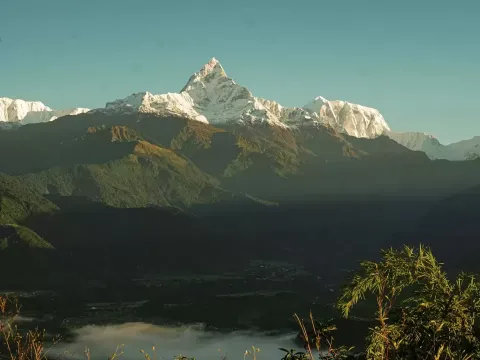
The Annapurna Circuit Trek is one of the most popular and rewarding trekking routes in Nepal, offering trekkers a stunning variety of landscapes, rich cultural experiences, and panoramic mountain views. This trek takes you through subtropical forests, alpine meadows, and high-altitude deserts, with views of some of the highest peaks in the world, including Annapurna I, Annapurna II, Dhaulagiri, and Machapuchare.
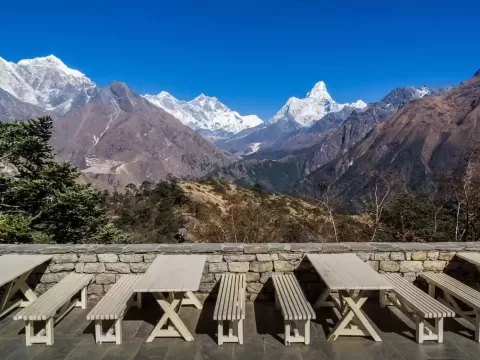
Accommodation during the Everest Base Camp Trek is a crucial aspect of the experience, as it shapes the comfort and convenience of trekkers along the challenging route. The trek involves staying in remote mountain villages, and while basic, the accommodation options are well-established. The majority of trekkers stay in teahouses, which are family-run guesthouses offering basic facilities.
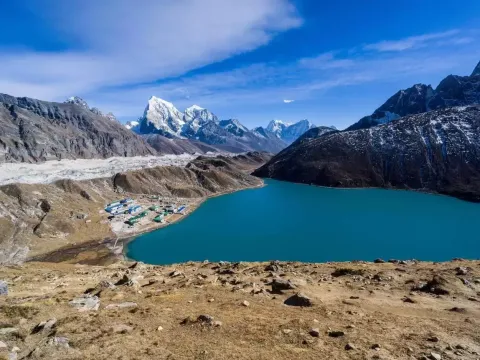
Nepal offers some of the most incredible trekking destinations in the world, and two of the most popular treks are the Gokyo Lake Trek and the Tilicho Lake Trek. Both routes provide breathtaking views of the Himalayas and unique cultural experiences, but each has its own set of features that may appeal to different types of trekkers.
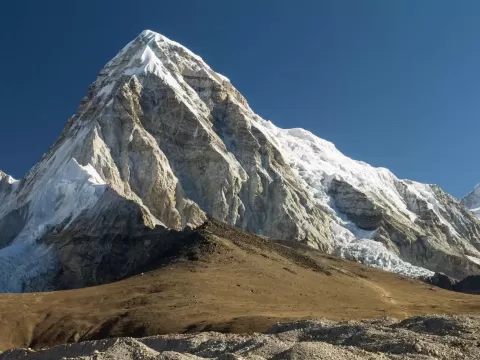
When planning a trek to Everest Base Camp, timing plays a critical role in ensuring both safety and enjoyment. The best time to hike to Everest Base Camp is during the two peak seasons: spring (March to May) and autumn (September to November).

Sleeping at Everest Base Sleeping at Everest Base Camp (EBC) offers an unmatched adventure for trekkers and mountaineers alike. It’s more than just reaching a destination—it's about the experience, the journey, and the connection with one of the most iconic places on Earth.

The Manaslu Circuit Trek in Spring (March-May) offers trekkers an opportunity to experience the stunning beauty of the Himalayas when the weather is at its most favorable.
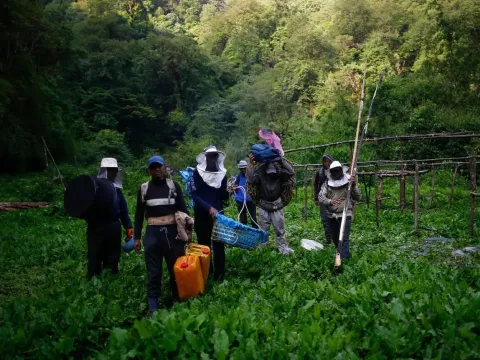
Honey hunting in Nepal is one of the most thrilling and culturally rich experiences that combines adventure, tradition, and nature. Performed by indigenous communities in the remote hills of central Nepal, particularly by the Gurung people, honey hunting involves scaling
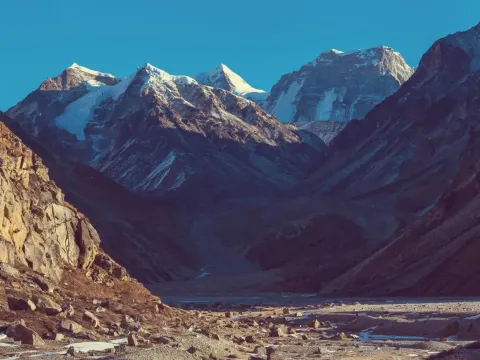
The Kanchenjunga Circuit Trek is one of Nepal’s most remote and spectacular trekking adventures, offering an unparalleled experience for true adventurers. Nestled in the eastern Himalayas, this trail takes you through pristine landscapes, rugged terrain, and culturally rich villages
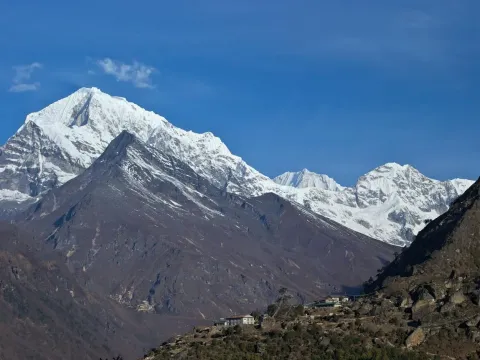
Nepal, nestled in the lap of the Himalayas, offers an unparalleled experience for trekkers and travelers seeking adventure, natural beauty, and cultural richness. One of the foremost reasons to choose trekking in Nepal is its breathtaking landscapes.
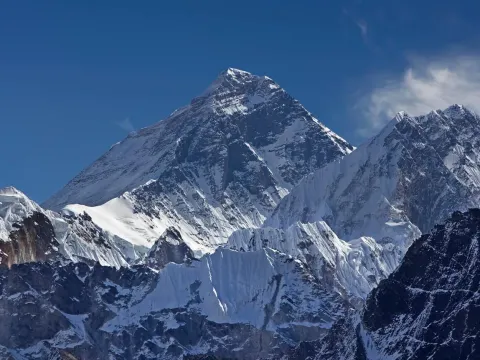
Nepal is renowned worldwide as the ultimate destination for mountain lovers and adventure seekers, boasting some of the highest and most spectacular peaks on the planet. The country’s rugged terrain is dominated by the Himalayas, which stretch
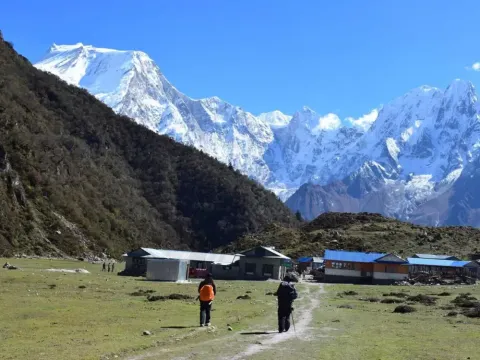
The Manaslu Circuit Trek, often hailed as one of Nepal’s most spectacular and less crowded trekking routes, offers a breathtaking adventure through diverse landscapes, traditional villages, and the majestic Himalayas. The autumn season, spanning from September to November
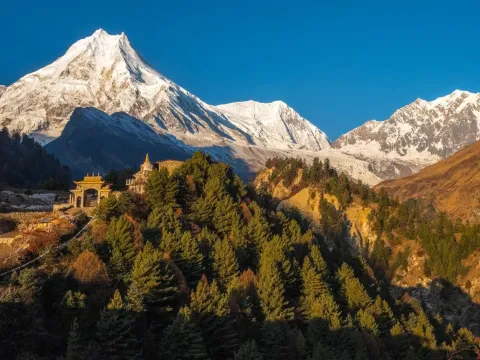
The Manaslu Circuit Trek is one of Nepal’s most stunning and culturally rich trekking routes, offering a unique combination of remote wilderness, high-altitude adventure, and immersive cultural experiences. Despite being less crowded than the Annapurna and Everest regions,
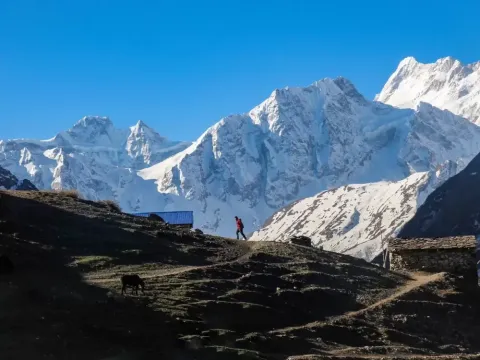
The Manaslu Circuit Trek is a spectacular journey through the remote and serene landscapes of the Manaslu region, offering trekkers breathtaking views of the eighth-highest mountain in the world, Mount Manaslu (8,163 meters).
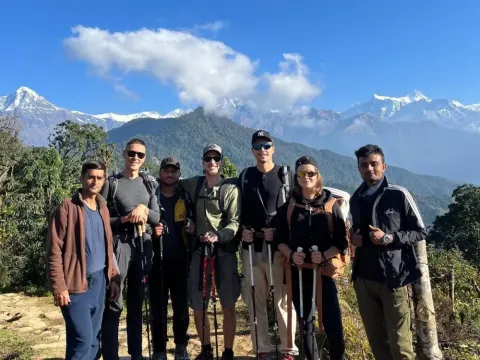
The Mardi Himal Trek, organized by Explore Holiday Nepal, is a lesser-known trekking route in the Annapurna region, offering a perfect blend of natural beauty, cultural encounters, and Himalayan adventure. This trek is ideal for travelers seeking a quiet trail away from the bustling tourist hubs of Nepal. With diverse landscapes
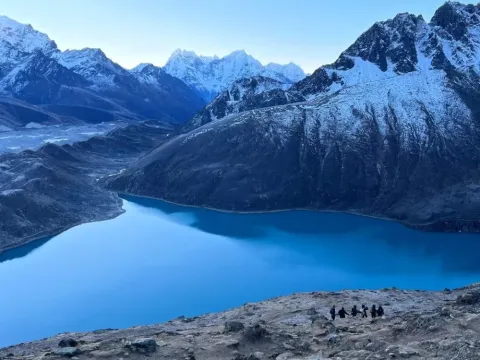
The Gokyo Valley Trek, organized by Explore Holiday Nepal, is one of the most spectacular trekking experiences in the Everest region. Unlike the traditional Everest Base Camp route, this trek takes you through pristine landscapes, tranquil lakes, and lesser-crowded trails. The trek is renowned for its breathtaking views of the world’s highest peaks,
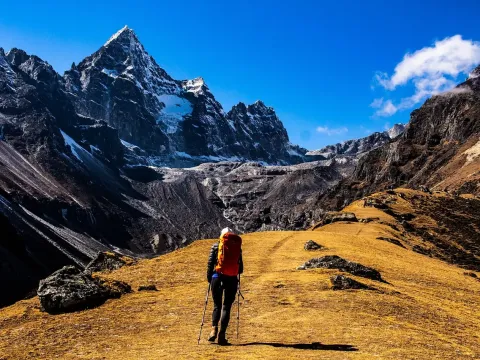
The mountain air feels different when you breathe it alone. There's a clarity, a sense of possibility that expands with each step up the trail. For women who dream of trekking Nepal's iconic routes, the question isn't whether they should go solo—it's how to do it with confidence, safety, and genuine cultural connection.
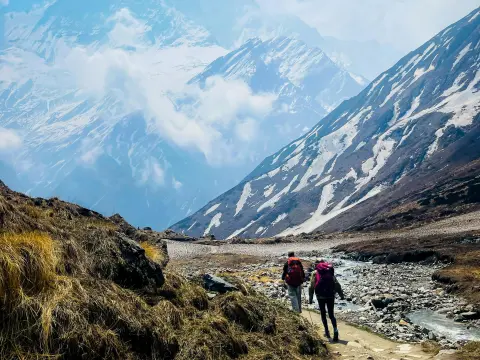
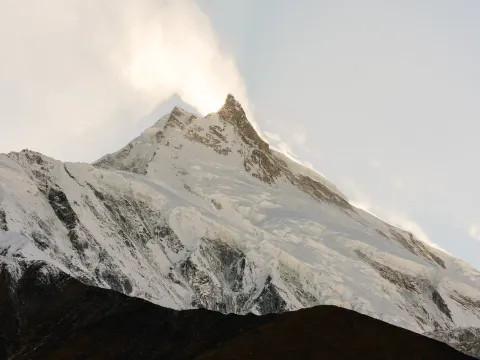
How difficult is Manaslu Trek — that is the one question every trekker asks before committing to Nepal's most rewarding restricted circuit. The Manaslu Circuit Trek wraps entirely around Mt. Manaslu, the world's eighth-highest peak at 8,163 m, crossing the legendary Larkya La Pass at 5,160 m through raw, uncommercialised Himalayan wilderness. The Manaslu Trek difficulty is real
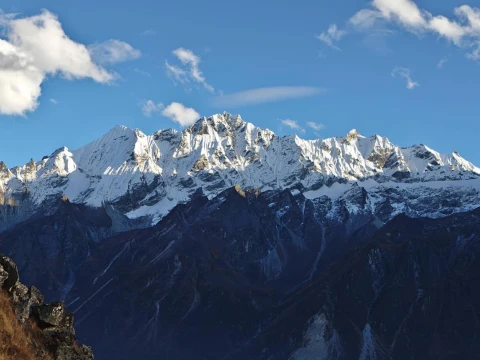
The Langtang Valley Trek is one of Nepal’s most accessible yet breathtaking Himalayan adventures. Starting from Kathmandu, this trek takes you through lush forests, traditional villages, glacial streams, and the high Himalayan peaks of the Langtang range. The valley is known for its pristine natural beauty, rich Tamang culture
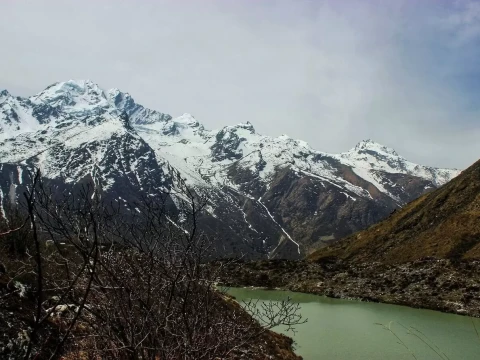
The Langtang Adventure to Gosainkunda Lake is one of Nepal’s most captivating high-altitude treks, offering a perfect blend of natural beauty, cultural immersion, and spiritual experience. Located in the heart of the Himalayas, the Langtang region is known for its snow-capped peaks, dense forests, alpine meadows, and sacred lakes.


 (34)
(34) 