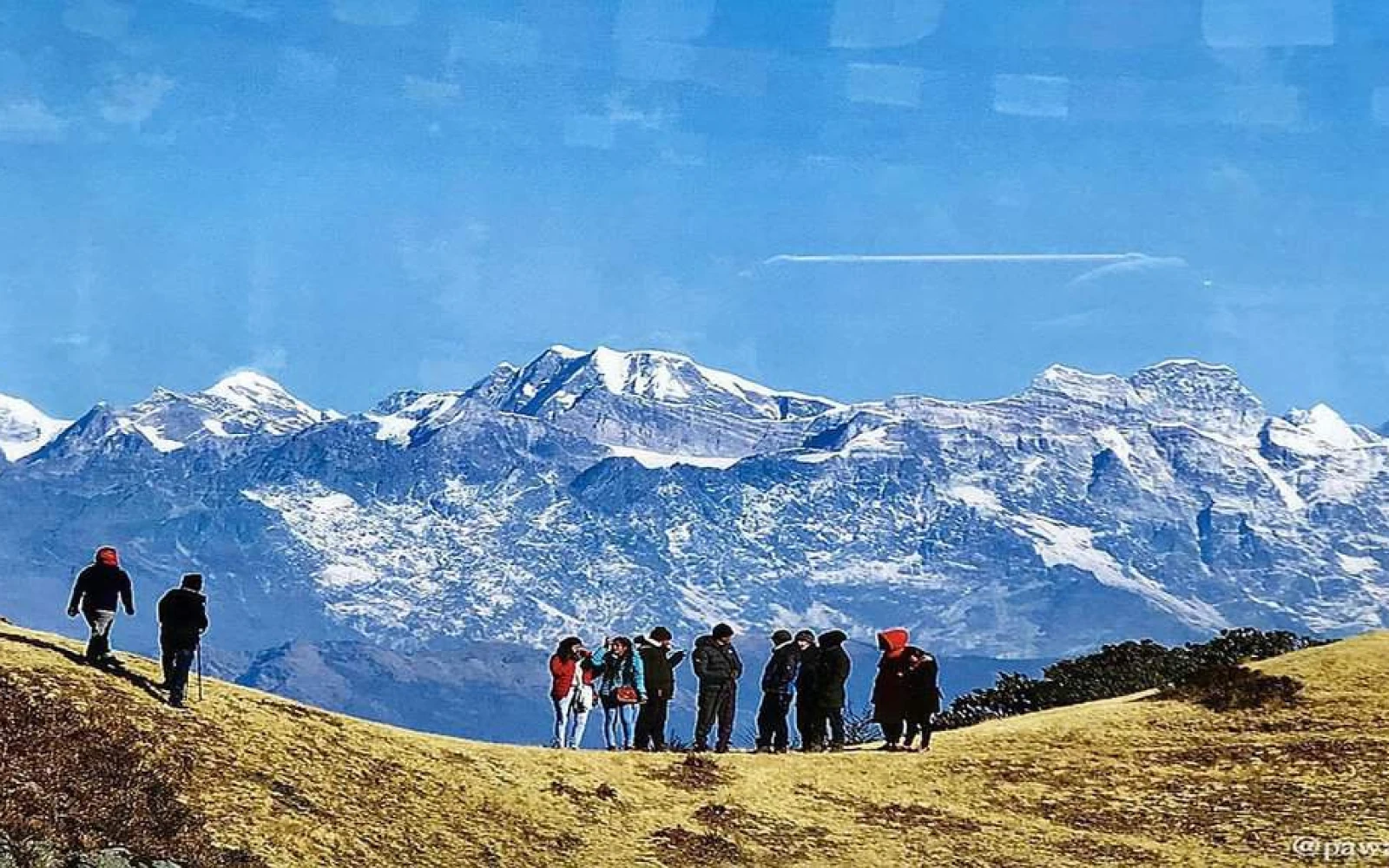
Discover Eastern Nepal's Hidden Himalayan Paradise with Explore Holiday Nepal
The Mundum Trek is one of Nepal's most fascinating off-the-beaten-path trekking experiences. Located in eastern Nepal, this beautiful trail offers a unique combination of Himalayan mountain scenery, traditional Kirat culture, peaceful villages, green hills, ancient traditions and spectacular viewpoints.
Unlike the popular Everest Base Camp, Annapurna Base Camp and Manaslu Circuit treks, the Mundum Trek takes you into a less-explored part of Nepal, where traditional lifestyles and indigenous culture remain an important part of everyday life.
The trek is especially attractive to travelers who want to experience something different from Nepal's crowded trekking routes. You can walk through beautiful rhododendron forests, stay in traditional villages, enjoy panoramic Himalayan views and learn about the history and spiritual beliefs of the Kirat Rai and other local communities.
At Explore Holiday Nepal, we recommend the Mundum Trek to travelers looking for authentic cultural experiences, peaceful trails and beautiful mountain landscapes.


The Mundum Trail is situated in Koshi Province in eastern Nepal. It crosses the beautiful hill regions of four districts:
The trail follows high mountain ridges, forests, traditional settlements and sacred landscapes of the Kirat people.
The main trekking route starts from Chakhewa Bhanjyang (approximately 2,300 m) and passes through Dhotre, Maiyung, Rawa Dhap and Salpa Bhanjyang before reaching Silichung Peak (approximately 4,153 m).
The official trail is approximately 80 km long, although the total walking distance depends on the starting point, side trips and exit route.


The Mundum Trek generally takes 10–13 days, including transportation from and back to Kathmandu. International visitors may prefer 12–13 days to enjoy the scenery, cultural experiences and acclimatization.
The main highlights are:
| Trek information | Details |
|---|---|
| Trekking region | Eastern Nepal |
| Total trail length | Approximately 80 km |
| Trekking duration | 7–9 walking days, depending on route |
| Complete trip | 10–13 days |
| Starting point | Chakhewa Bhanjyang |
| Highest point | Silichung Peak, 4,153 m |
| Highest overnight area | Rawa Dhap, approximately 3,426 m |
| Difficulty | Moderate |
| Main communities | Kirat Rai and other local communities |
| Accommodation | Homestays, basic lodges and camping |
| Best seasons | Spring and autumn |
These are planning figures rather than fixed timings; road conditions, weather and the selected exit route can change the schedule
Here is a suggested 12-day itinerary for international travelers.

| Day | Route | Approx. walking time | Approx. walking distance |
|---|---|---|---|
| 1 | Kathmandu to Diktel | Drive 8–12 hrs | No trekking |
| 2 | Diktel to Chakhewa Bhanjyang | Jeep 2–4 hrs | No trekking |
| 3 | Chakhewa to Dhotre | 5–6 hrs | 10–12 km |
| 4 | Dhotre to Maiyung | 4–6 hrs | 8–10 km |
| 5 | Maiyung to Rawa Dhap | 5–7 hrs | 9–12 km |
| 6 | Rawa Dhap to Salpa Bhanjyang | 4–5 hrs | 7–9 km |
| 7 | Silichung Peak and Salpa Pokhari exploration | 4–6 hrs | 6–9 km |
| 8 | Salpa Bhanjyang to Ghyangkharka | 5–6 hrs | 8–10 km |
| 9 | Ghyangkharka to Bahane | 5–6 hrs | 8–10 km |
| 10 | Bahane to Tap Khola | 5–6 hrs | 9–11 km |
| 11 | Drive to Halesi | 4–5 hrs | No trekking |
| 12 | Halesi to Kathmandu | Drive 6–8 hrs | No trekking |
Walking distances are approximate planning estimates, not official measured daily distances. They should be confirmed against the chosen local route and current trail conditions.
The route is based on established Mundum Trail itineraries, with some adjustments to make the journey more comfortable for international visitors.

Chakhewa Bhanjyang is the traditional starting point of the Mundum Trail, situated at around 2,300 metres.
From here, trekkers begin walking through peaceful hills, traditional villages, forest paths and open ridges. The surrounding landscape provides beautiful views of eastern Nepal's hills and distant Himalayan peaks.
Dhotre is a beautiful stop along the route. The surrounding countryside features green hills, traditional settlements, forests and agricultural land.
This is a wonderful opportunity to observe local lifestyles and experience the hospitality of the eastern Nepalese communities.

Maiyung, also known as the Hans Pokhari area, is one of the beautiful highlights of the trek.
During spring, rhododendron forests bring colour to the hills. The open ridges provide opportunities to enjoy sunrise, sunset and distant mountain views.
Rawa Dhap, at approximately 3,426 metres, is an important destination along the Mundum Trail.
The landscape changes as you climb higher. Green forests gradually give way to open mountain grasslands, grazing areas and wide ridgelines.
The peaceful environment makes this a special place for nature lovers and photographers.


Salpa Bhanjyang is one of the most culturally and naturally important places on this route.
Nearby, Salpa Pokhari sits at approximately 3,672 metres. It is a sacred lake for local communities and attracts pilgrims during important religious occasions.
The lake, mountain surroundings and prayerful atmosphere make this destination different from ordinary trekking viewpoints.

Highest point: 4,153 m
Silichung Peak is the most spectacular highlight of the Mundum Trek.
Standing at approximately 4,153 metres, it offers a magnificent panoramic view of the eastern Himalayan mountain ranges.
Trekkers usually start early in the morning to enjoy sunrise and the clearest possible mountain views.
From the summit, you may see:
The view of these magnificent mountains from a relatively peaceful and less-crowded trekking destination is one of the biggest attractions of the Mundum Trail.


One of the biggest reasons to choose the Mundum Trek is its unique cultural experience.
The region is home to the Kirat people, especially the Rai communities, who have a rich history, traditional knowledge, language, music, rituals and spiritual beliefs.
What is Mundum?
Mundum, also written as Mundhum, is the oral religious and cultural tradition of the Kirat people. It contains ancestral stories, beliefs, creation narratives, traditional knowledge, rituals and teachings passed from generation to generation.
During the trek, visitors can learn about:
The Mundum Trail is not simply a mountain adventure. It is an opportunity to understand the living culture of an indigenous community and experience


The Mundum Trail is famous for its wide Himalayan panoramas. On clear days, the high ridges and Silichung viewpoint offer opportunities to see some of the world's highest mountains.
| Mountain | Elevation |
|---|---|
| Mount Everest | 8,848.86 m |
| Mount Kanchenjunga | 8,586 m |
| Mount Lhotse | 8,516 m |
| Mount Makalu | 8,485 m |
| Mount Cho Oyu | 8,188 m |
Other surrounding Himalayan peaks may also be visible.
Important: Not every mountain is guaranteed to be visible on every trekking day. Visibility depends on cloud cover, season and weather conditions. The best panoramic opportunities are generally from the higher ridges and Silichung Peak.
Nepal Tourism Board+2

The Mundum Trek is generally considered a moderate trekking adventure.
It is suitable for people with reasonable fitness who enjoy walking in nature and exploring less-developed trekking destinations.
However, moderate does not mean easy. Some sections involve long walking days, uphill climbs, downhill trails and high-altitude conditions.
Main challenges
Yes. Beginners with good physical fitness can complete the trek with proper preparation, a sensible walking schedule and an experienced local guide.
We recommend regular walking, hiking, stair climbing and cardiovascular exercise before travelling to Nepal.
Acclimatization is important, especially before attempting Silichung Peak. Never continue ascending when experiencing symptoms of altitude sickness without appropriate assessment.


The Mundum Trek is different from popular commercial trekking routes because accommodation facilities are still relatively basic.
Depending on the section of the trail, accommodation can include:
Homestays and local lodges
You may stay with local families and experience traditional hospitality. Facilities are generally simple, and private rooms and attached bathrooms should not be expected everywhere.
Camping
Some high-altitude sections have limited accommodation. Organized camping may be required, with tents, sleeping bags, cooking equipment and support staff.
Food
Typical meals include:
Food availability depends on the village and season. A well-organized trekking team should arrange meals and supplies before entering remote sections.
The Longest Way Home+2

Spring: March–May
Highly recommended
Rhododendron flowers, green forests, pleasant temperatures and beautiful mountain scenery.

Autumn: September–November
Highly recommended
Generally clear skies, fresh air and excellent opportunities for Himalayan photography.

Monsoon: June–August
Beautiful green landscapes, but rain, slippery trails, leeches and road disruptions can make trekking difficult.

Winter: December–February
Cold temperatures, possible snowfall and challenging high-altitude conditions. Requires careful planning.
For most international travelers, spring and autumn are the best seasons to experience the Mundum Trail.

The traditional access route starts with a journey from Kathmandu to Diktel in Khotang district.
Suggested travel route:
Kathmandu → Diktel Bazaar → Chakhewa Bhanjyang → Dhotre → Maiyung → Rawa Dhap → Salpa Bhanjyang → Silichung Peak.
After completing the trek, you can descend towards Bhojpur or continue towards the Tumlingtar area, depending on your itinerary and transportation arrangements.
Some itineraries also include a visit to Halesi Mahadev Temple, an important pilgrimage destination for Hindu, Buddhist and Kirat visitors.
Nepal has many internationally famous trekking destinations, including Everest Base Camp, Annapurna Circuit, Manaslu Circuit and Langtang Valley.
Each destination offers something special. However, the Mundum Trek provides a different combination of mountain scenery, indigenous culture and spiritual heritage.
| Feature | Mundum Trek | Popular Himalayan treks |
|---|---|---|
| Main attraction | Kirat culture and mountain ridges | High mountains, glaciers and famous valleys |
| Cultural experience | Strong Kirat heritage | Sherpa, Tibetan, Gurung, Tamang and other cultures, depending on region |
| Crowds | Generally quieter | Some routes are busy during peak seasons |
| Landscapes | Green hills, forests, ridges and mountain panoramas | Varies from alpine valleys to glaciers and high passes |
| Accommodation | Basic lodges, homestays and camping | More developed teahouse networks on major routes |
| Highest point | Silichung, 4,153 m | Depends on the trek |
1. Authentic indigenous culture
Experience the traditions, festivals, food and lifestyles of Kirat communities.
2. Beautiful Himalayan panoramas
Enjoy spectacular views of Everest, Lhotse, Makalu and Kanchenjunga from the eastern Nepal ridges.
3. Less-crowded trekking experience
Explore a quieter destination away from the busiest commercial trekking routes.
4. Sacred lakes and spiritual destinations
Discover Salpa Pokhari and Silichung, places with deep spiritual significance for local communities.
5. Community-based tourism
Your visit can support local guides, homestays, farmers, porters and small family businesses.
The Mundum Trek is ideal for travelers who want more than just reaching a famous mountain destination. It allows you to experience Nepal through its people, history, nature and culture.
Because the Mundum Trail passes through remote areas and reaches over 4,000 metres, proper equipment is important.
Recommended packing list:
We recommend carrying travel insurance that covers trekking at the maximum altitude of your itinerary and emergency evacuation.
The total cost depends on the group size, transportation, accommodation, camping arrangements, food, guide and porter services.
For international travelers, the following is a preliminary budgeting guide, not a live company quotation.
| Service | Estimated cost per person |
|---|---|
| Transportation | $100–180 |
| Guide and trekking staff | $150–250 |
| Food and accommodation | $200–300 |
| Camping and equipment | $80–150 |
| Other expenses and logistics | $50–100 |
| Estimated total | $580–980 |
Indicative planning budget in USD. Actual prices depend on itinerary, group size, season and service level. International flights, personal expenses, insurance and tips may be additional.
At Explore Holiday Nepal, we can arrange customized Mundum Trek packages for private travelers, couples, families and groups.

At Explore Holiday Nepal, we believe trekking is not only about reaching a destination. It is about experiencing local culture, understanding communities, enjoying nature and creating unforgettable memories.
Our company focuses on providing safe, comfortable and authentic trekking experiences throughout Nepal.
Why travel with us?
Our founder, Ishwor Bhandari, has been working in Nepal's trekking and tourism industry since 2009. With extensive experience in Nepal's mountain regions, he understands the importance of local knowledge, responsible tourism and quality service.
For the Mundum Trek, we want our visitors to experience not only beautiful mountains but also the traditional culture and hospitality of eastern Nepal.
1. How many days are required for the Mundum Trek?
Generally, 10–13 days including transportation from Kathmandu. The walking section takes approximately 7–9 days, depending on the route.
2. What is the highest altitude of the Mundum Trek?
Silichung Peak is approximately 4,153 metres above sea level.
3. How difficult is the Mundum Trek?
It is generally moderate. Good physical fitness and preparation are recommended.
4. Can beginners do the Mundum Trek?
Yes. Beginners who are physically fit can complete it with a suitable itinerary, experienced guide and proper acclimatization.
5. How many kilometres do we walk each day?
Walking distances vary by section, generally around 7–12 km per day on the main trekking stages. The summit excursion adds extra walking.
6. Can we see Mount Everest from the Mundum Trail?
Yes. Mount Everest can be seen from high viewpoints, especially Silichung Peak, when weather conditions are clear.
7. Which other mountains can we see?
Everest, Lhotse, Makalu and Kanchenjunga are among the major mountains visible from the high ridges.
8. Is accommodation available throughout the trail?
Basic lodges and homestays are available in some locations, while other sections require organized camping.
9. Is the Mundum Trek suitable for families?
It can suit active families with older children who are comfortable with multi-day walking. The altitude and remote facilities should be considered carefully.
10. What is the best month for the Mundum Trek?
March, April, May, October and November are generally good choices.
11. Is a guide necessary for the Mundum Trek?
We strongly recommend an experienced local guide because parts of the trail are remote, accommodation is limited and local knowledge makes the cultural experience more meaningful.
12. What makes Mundum different from Everest Base Camp?
Everest Base Camp focuses on the world's highest mountain, Sherpa culture and high-altitude landscapes. Mundum offers a different experience, combining Kirat heritage, sacred places, peaceful ridges and eastern Himalayan panoramas.

Nepal is not only about Everest, Annapurna and famous trekking destinations. There are many beautiful places waiting to be discovered.
The Mundum Trek is one of those special journeys where mountains, culture, spirituality and traditional lifestyles come together.
From the beautiful forests of Maiyung to the open pastures of Rawa Dhap, from the sacred waters of Salpa Pokhari to the magnificent Himalayan panorama of Silichung Peak, every destination offers something memorable.
Most importantly, this trek introduces visitors to the rich cultural heritage of the Kirat people and the traditional lifestyle of eastern Nepal.
If you are looking for a peaceful, culturally rich and less-commercialized trekking experience, the Mundum Trek deserves a place on your Nepal travel list.
Come and explore the hidden Himalayas of eastern Nepal with Explore Holiday Nepal. Experience the mountains, discover the culture and create memories that last a lifetime.
Your trusted local partner for Nepal trekking and cultural adventures.
+977-9849816310 (WhatsApp)
Thamel, Kathmandu, Nepal

Nepal, with its majestic Himalayan landscapes, offers a plethora of short trekking destinations that promise adventure, cultural experiences, and breathtaking views. Whether you're an avid trekker or a novice seeking a memorable journey, Nepal has something for everyone. Let's embark on a detailed exploration of the best short trekking places in this enchanting country.

Nepal, a landlocked gem nestled in the lap of the majestic Himalayas, is a paradise for travelers seeking a harmonious blend of nature, culture, and spirituality. In this comprehensive guide, we will embark on a detailed exploration of the mesmerizing tour places that make Nepal a unique and captivating destination.

Nepal, a landlocked country nestled in the heart of the Himalayas, is a trekking paradise renowned for its breathtaking landscapes and rich cultural heritage. From the towering peaks of the Himalayas to lush valleys and vibrant villages, Nepal offers an array of trekking experiences suitable for all levels of adventurers.
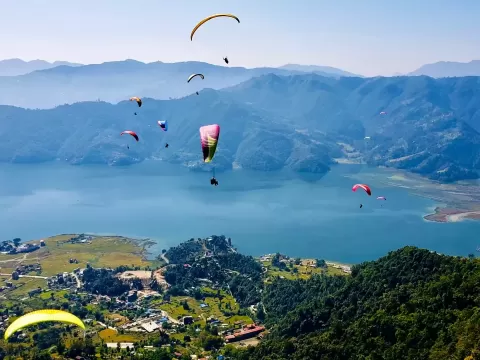
Nepal is a country of incredible diversity, where travelers can explore towering mountains, serene lakes, ancient temples, and rich cultural heritage. Explore Holiday Treks offers some of the best tour packages for 2025, designed to cater to every type of traveler, whether you're looking for adventure, cultural immersion, or spiritual enrichment. From the bustling streets of Kathmandu to the tranquil beauty of Pokhara, the top tour packages are designed to provide a complete Nepal experience.
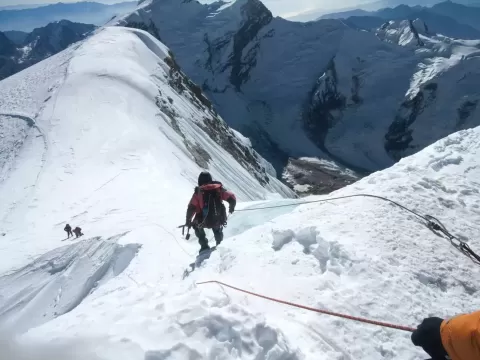
Nepal, the ultimate destination for mountaineers and adventure enthusiasts, offers some of the most popular and accessible peaks for climbing expeditions. Among the most sought-after climbs in Nepal for 2025 are Mera Peak, Island Peak, Lobuche Peak, Chulu East and Chulu West, and the iconic Ama Dablam.
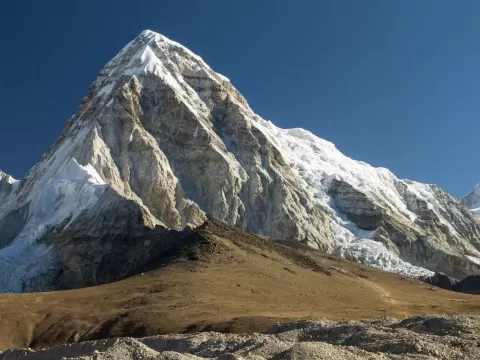
When planning a trek to Everest Base Camp, timing plays a critical role in ensuring both safety and enjoyment. The best time to hike to Everest Base Camp is during the two peak seasons: spring (March to May) and autumn (September to November).

The Manaslu Circuit Trek in Spring (March-May) offers trekkers an opportunity to experience the stunning beauty of the Himalayas when the weather is at its most favorable.
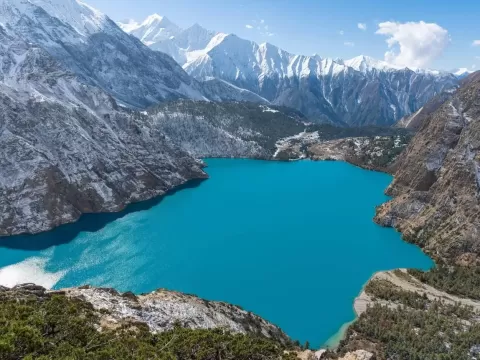
Dolpo, located in the remote northwestern region of Nepal, is a trekker’s paradise offering some of the most pristine and unexplored landscapes in the world. Known for its unique blend of rugged terrain,

Mount Kanchenjunga, the third-highest peak in the world, is one of the most majestic and revered mountains on Earth. Rising to an impressive height of 8,586 meters (28,169 feet), it is part of the mighty Himalayas and stands as a natural border between Nepal and India.

The Manaslu Circuit Trek is one of Nepal’s most rewarding and less crowded trekking routes, offering breathtaking mountain scenery, rich cultural experiences, and a sense of true adventure.
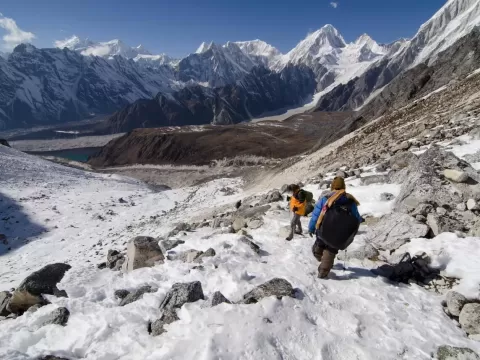
The Manaslu Circuit Trek is one of Nepal’s most breathtaking trekking routes, offering an off-the-beaten-path experience with stunning landscapes, rich cultural heritage, and diverse biodiversity.
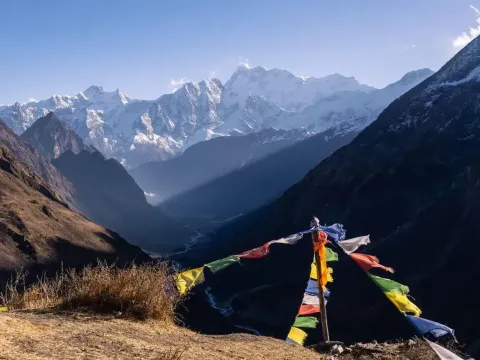
The Manaslu Circuit Trek is one of Nepal’s most breathtaking and off-the-beaten-path treks, offering stunning views, diverse landscapes, and a rich cultural experience. While it is often considered an expensive trek due to its restricted area permit
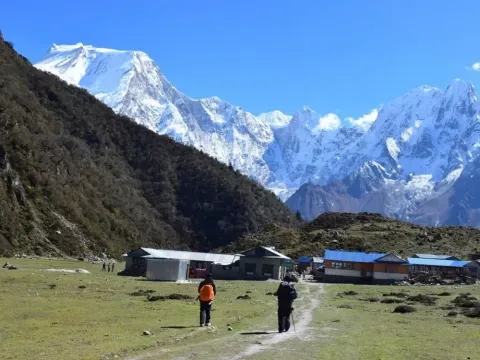
The Manaslu Circuit Trek, often hailed as one of Nepal’s most spectacular and less crowded trekking routes, offers a breathtaking adventure through diverse landscapes, traditional villages, and the majestic Himalayas. The autumn season, spanning from September to November
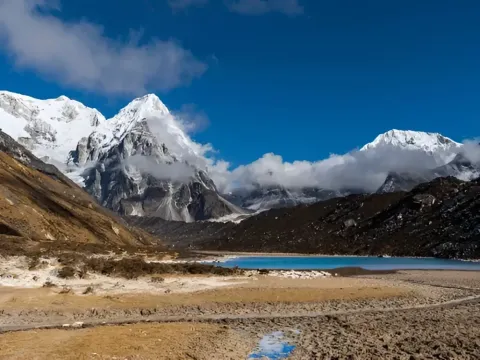
Kanchenjunga, the third-highest mountain in the world at 8,586 meters, lies in the far-eastern corner of Nepal, bordering Sikkim, India. Unlike the more commercialized Everest or Annapurna regions, the Kanchenjunga Region Trekking experience offers untouched natural beauty, remote villages, and pristine Himalayan wilderness.
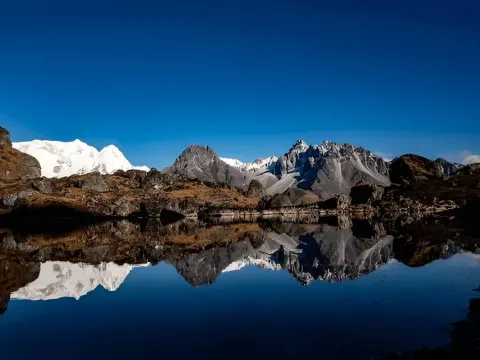
The Kanchenjunga Circuit Trek is one of Nepal’s most extraordinary and lesser-explored trekking routes. Situated in the far eastern region of Nepal, it offers an immersive experience through remote mountain villages, pristine forests, and spectacular mountain vistas
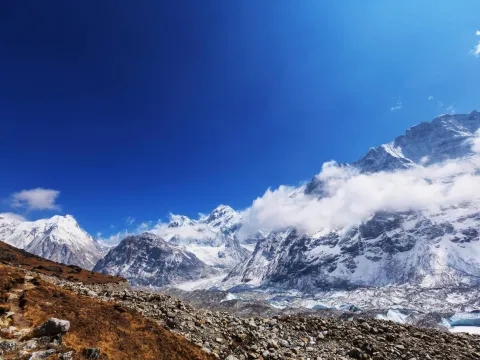
The Kanchenjunga Circuit Trek is a remote and majestic adventure through the untouched landscapes surrounding the world’s third highest mountain, Kanchenjunga (8,586m). Spanning over three weeks, this trek offers spectacular views, challenging trails, rich cultural experiences, and encounters with diverse wildlife.
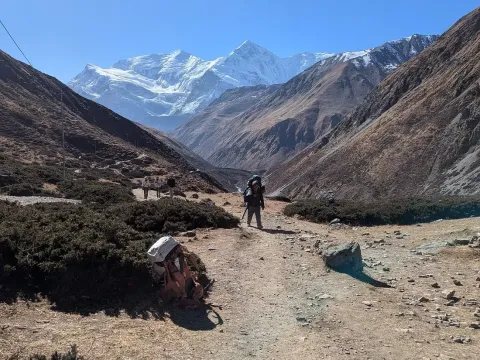
Nepal, home to some of the world’s most breathtaking mountain landscapes, offers a variety of trekking experiences, but none quite compare to the grandeur of the Manaslu and Annapurna Circuits. Both treks are iconic in their own right, drawing adventurers from around the globe. However, they differ significantly in terms of scenery, difficulty, cultural experiences, and remoteness.
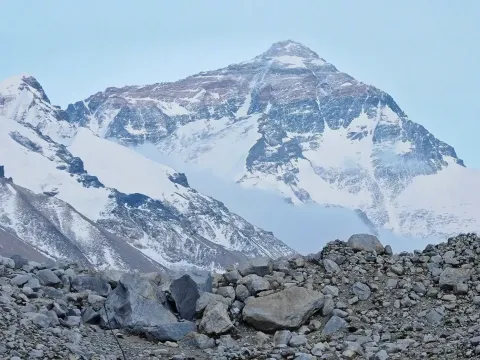
There's a dirty secret on the world's highest mountain that nobody talks about—tons of human waste frozen in place, threatening water supplies for entire communities. Nepal's cracking down with strict new rules, but the real solution starts with responsible trekkers. Find out what's really happening at Everest Base Camp.
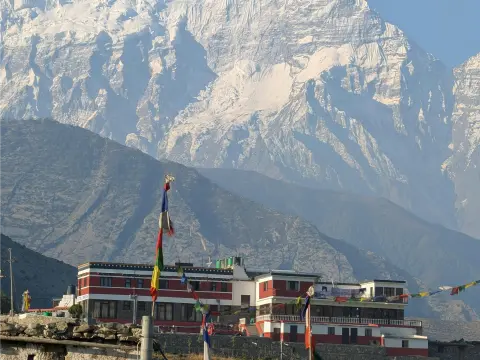
Beyond the trekking trails and mountain peaks lies another Nepal—one of prayer bells, butter lamps, and timeless wisdom. Journey through famous monasteries like Tengboche and Kopan, witness the authentic daily life of Buddhist monks, and discover why thousands of spiritual seekers find transformation in these sacred Himalayan sanctuaries.
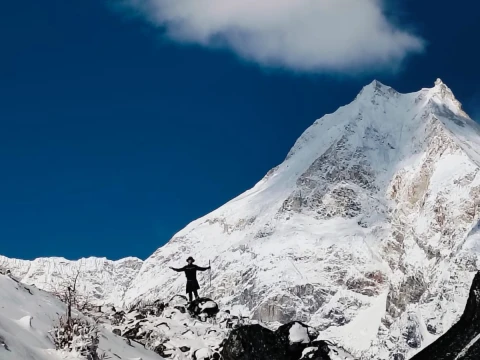
The Manaslu Circuit Trek is one of Nepal’s most breathtaking and less crowded trekking adventures. Circling the majestic Mount Manaslu (8,163m), this trek offers a perfect combination of raw Himalayan beauty, authentic culture, and thrilling high-altitude adventure.
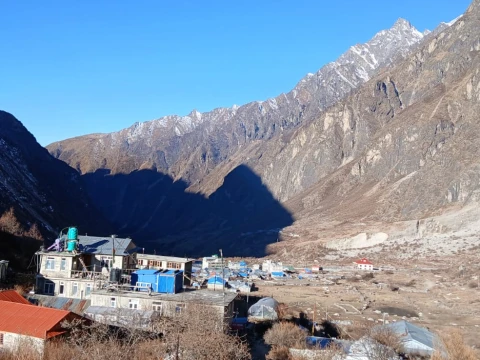
Why Choose Kanchenjunga Trek?
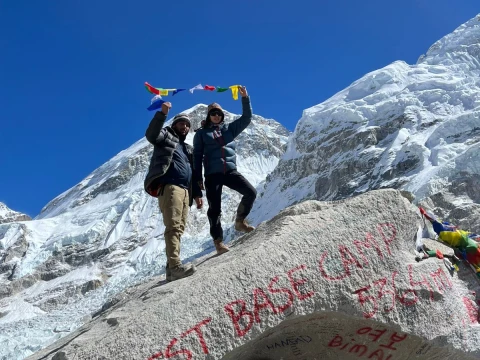
Why Choose Everest Base Camp Trek in 2026/2027?
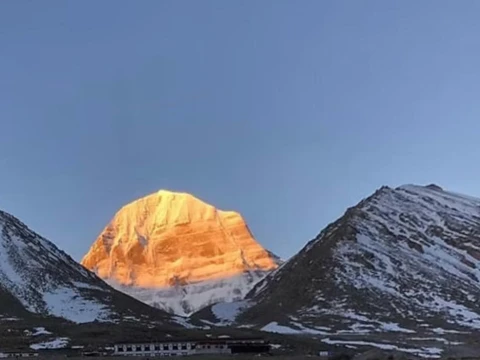
How to Reach Mount Kailash from Nepal
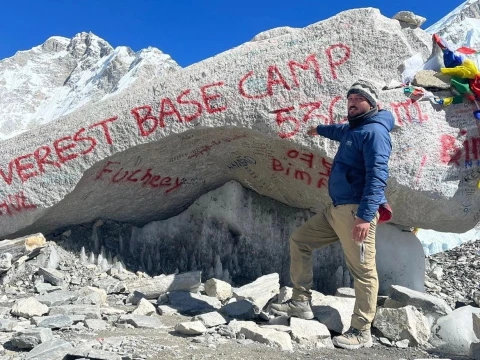
Can Beginners Do Luxury Everest Base Camp Trek?


 (34)
