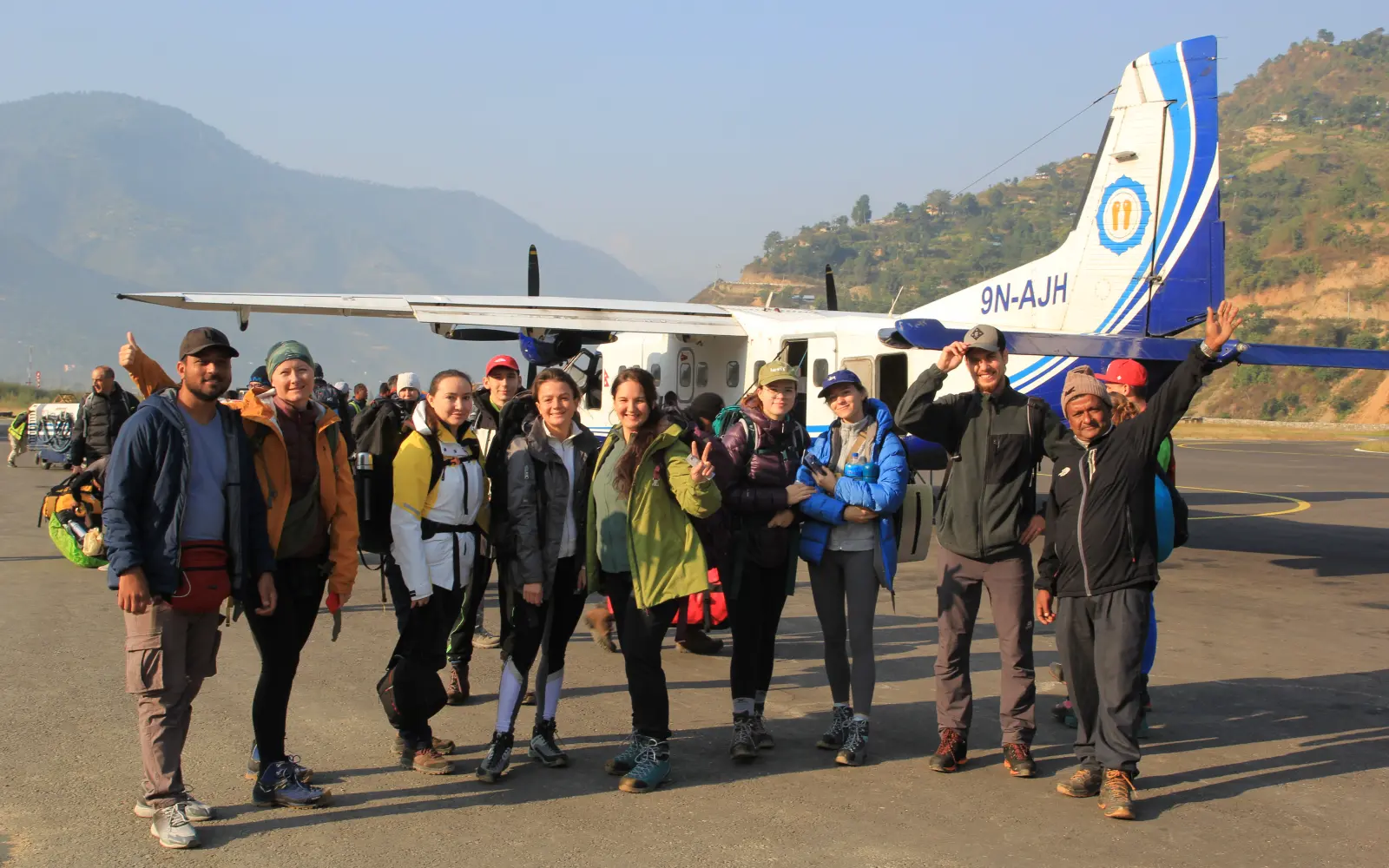
Plan Your Himalayan Adventure with Explore Holiday Nepal
Nepal is one of the world's most spectacular destinations for trekking and mountain adventures. Home to Mount Everest, the Annapurna range, Mount Manaslu, Langtang, Kanchenjunga and many other magnificent Himalayan peaks, Nepal offers unforgettable trekking experiences for beginners, experienced hikers, families and adventure enthusiasts.
Whether you are dreaming of reaching Everest Base Camp, crossing the challenging Larkya La Pass on the Manaslu Circuit Trek, exploring the beautiful Annapurna region or discovering the traditional villages of Langtang, proper preparation is the key to a successful and enjoyable journey.
If you are planning to trek in Nepal in 2027 or 2028, this complete guide by Explore Holiday Nepal will help you understand everything you need before arriving in the Himalayas.
From physical training and trekking equipment to altitude acclimatization, permits, travel insurance, accommodation, food and safety, we explain how to prepare for your Nepal trekking adventure.
The first step in preparing for trekking in Nepal is selecting the right destination. Nepal has several trekking regions, each offering different landscapes, mountain views, cultures, altitudes and levels of difficulty.
Your choice should depend on your fitness, available time, budget, previous trekking experience and personal interests.
Everest Base Camp Trek
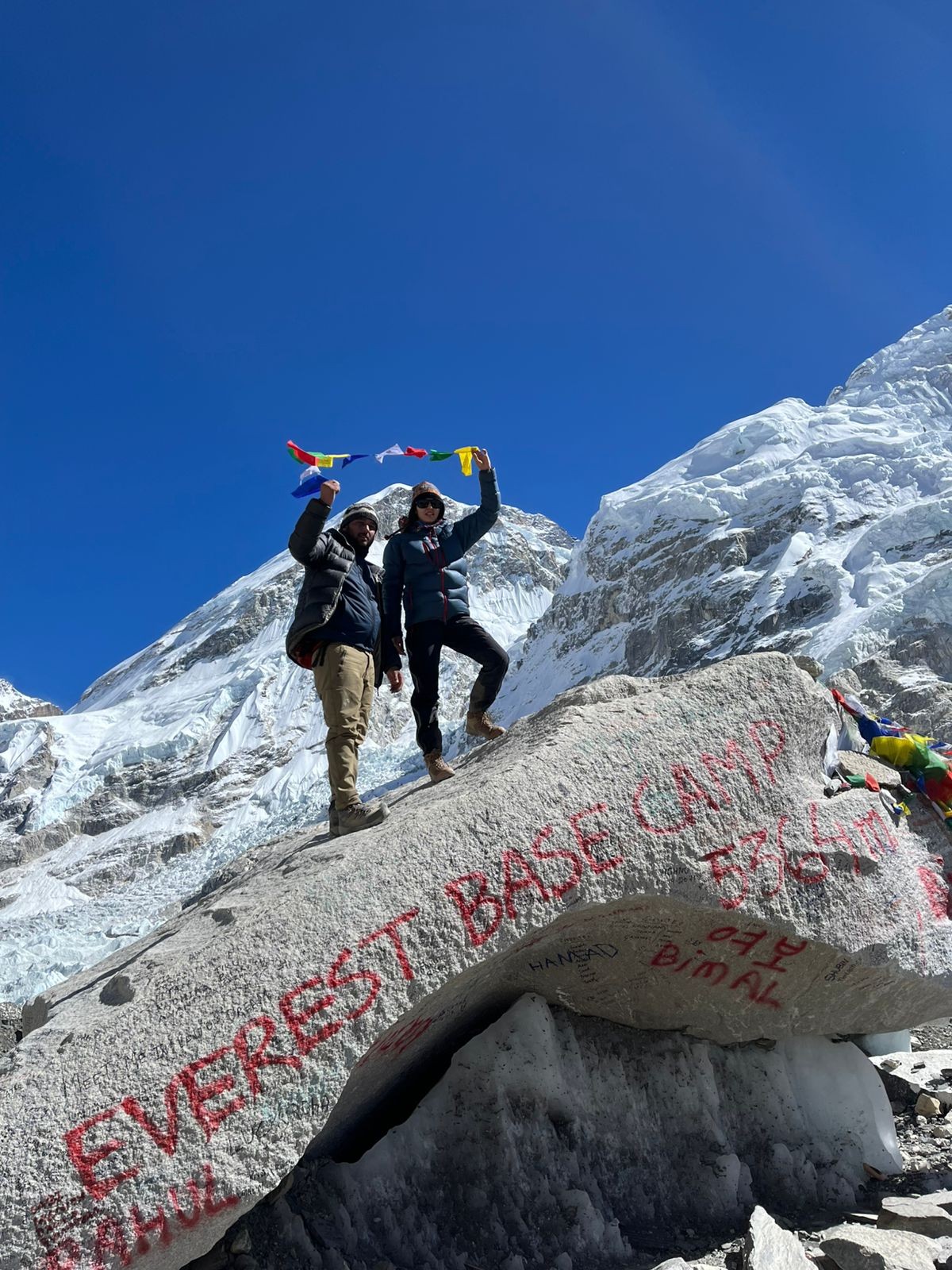
The Everest Base Camp Trek is one of the most famous trekking adventures in the world. It takes you into the heart of the Khumbu region, where you can experience Sherpa culture, traditional mountain villages, beautiful monasteries and spectacular views of Mount Everest.
Manaslu Circuit Trek
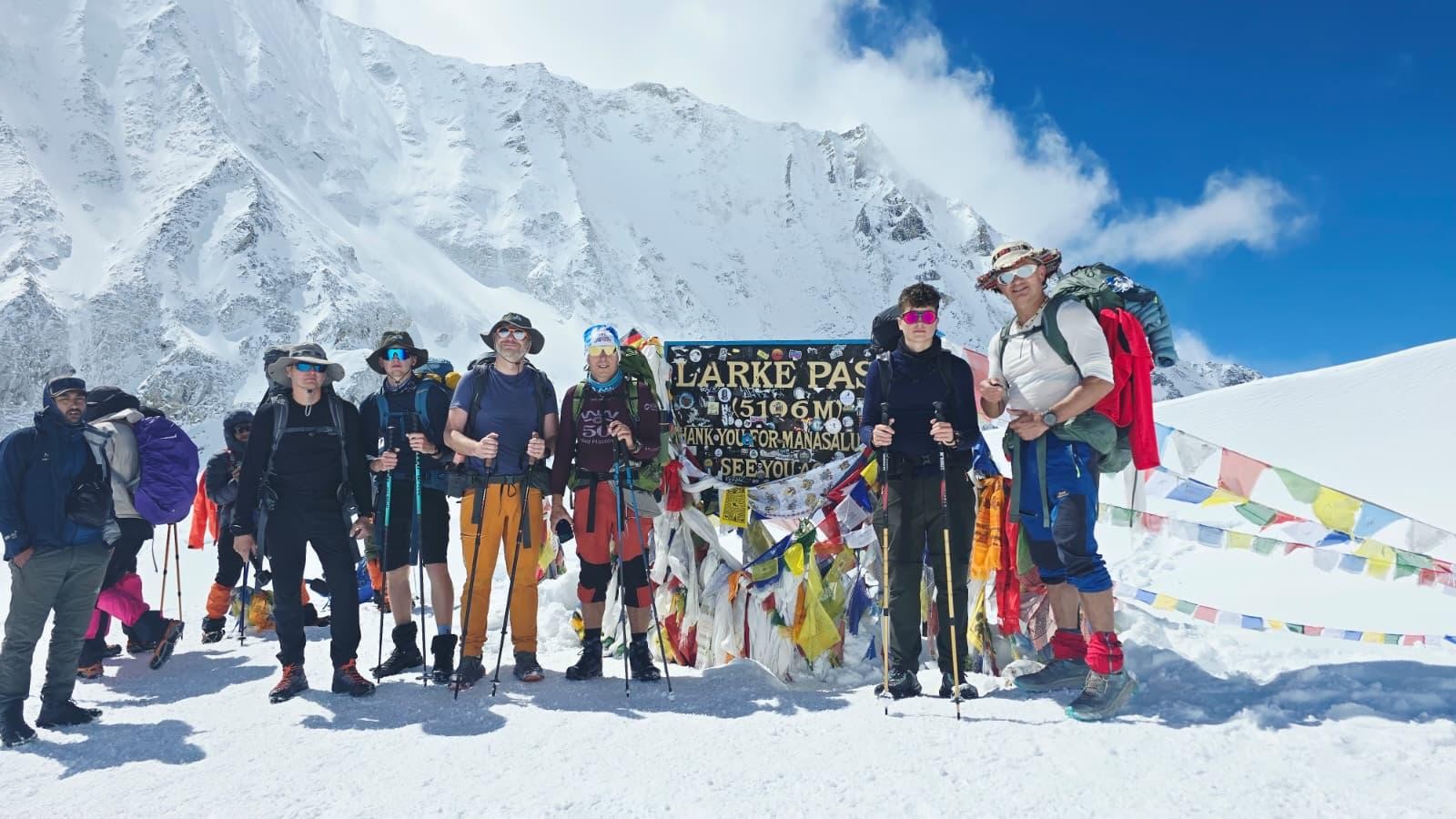
The Manaslu Circuit Trek is an excellent choice for travellers seeking natural beauty, authentic mountain culture and a less commercial trekking experience.
The trail passes through traditional Gurung and Tibetan-influenced villages, beautiful forests, rivers, suspension bridges and high mountain landscapes before crossing the spectacular Larkya La Pass.
Annapurna Base Camp Trek
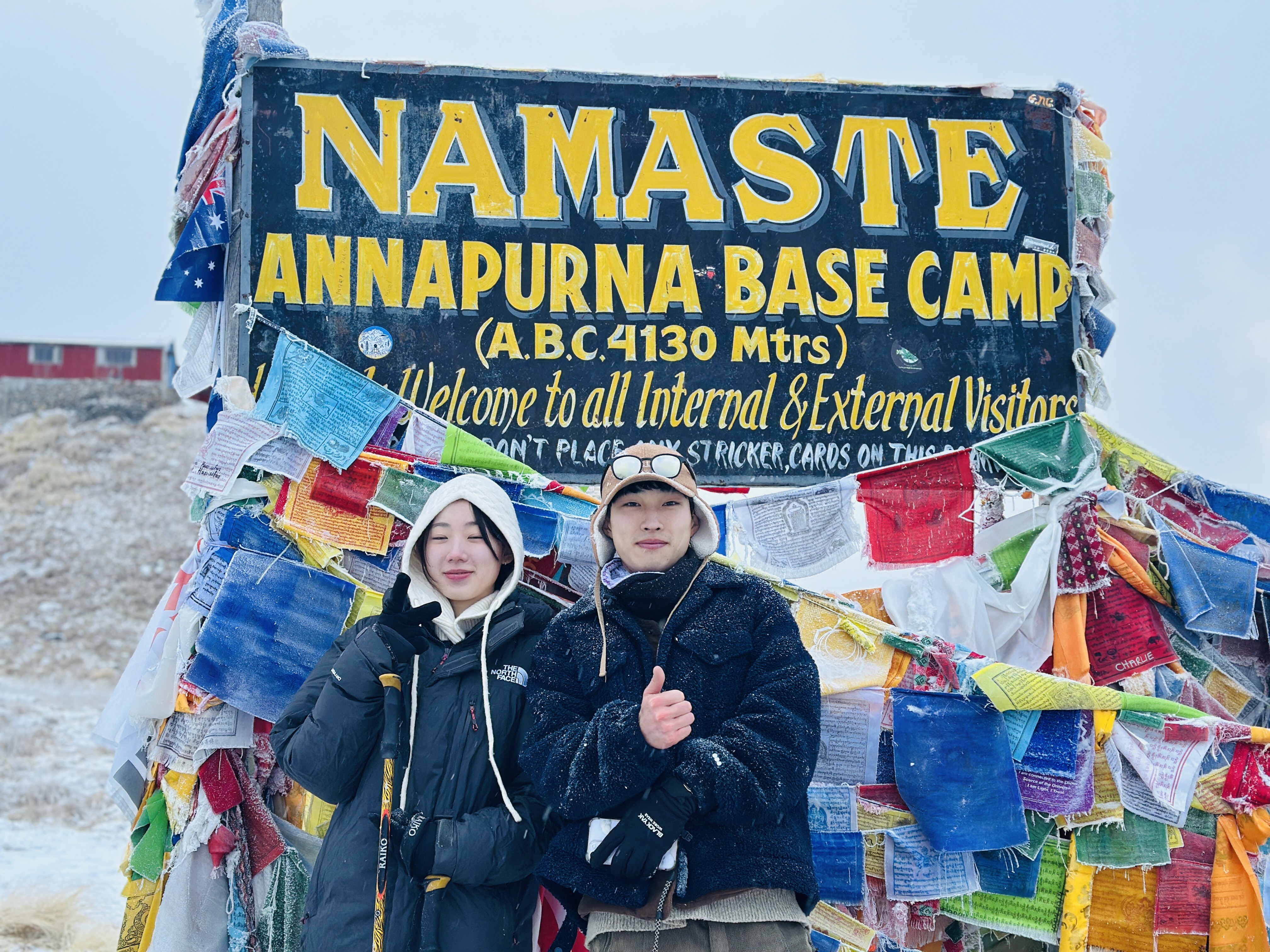
The Annapurna Base Camp Trek is a wonderful adventure for trekkers who want to experience impressive mountain scenery within a relatively short period.
The trail takes you through beautiful forests, traditional villages, terraced farmland and mountain landscapes before reaching the spectacular Annapurna Sanctuary.
Langtang Valley Trek
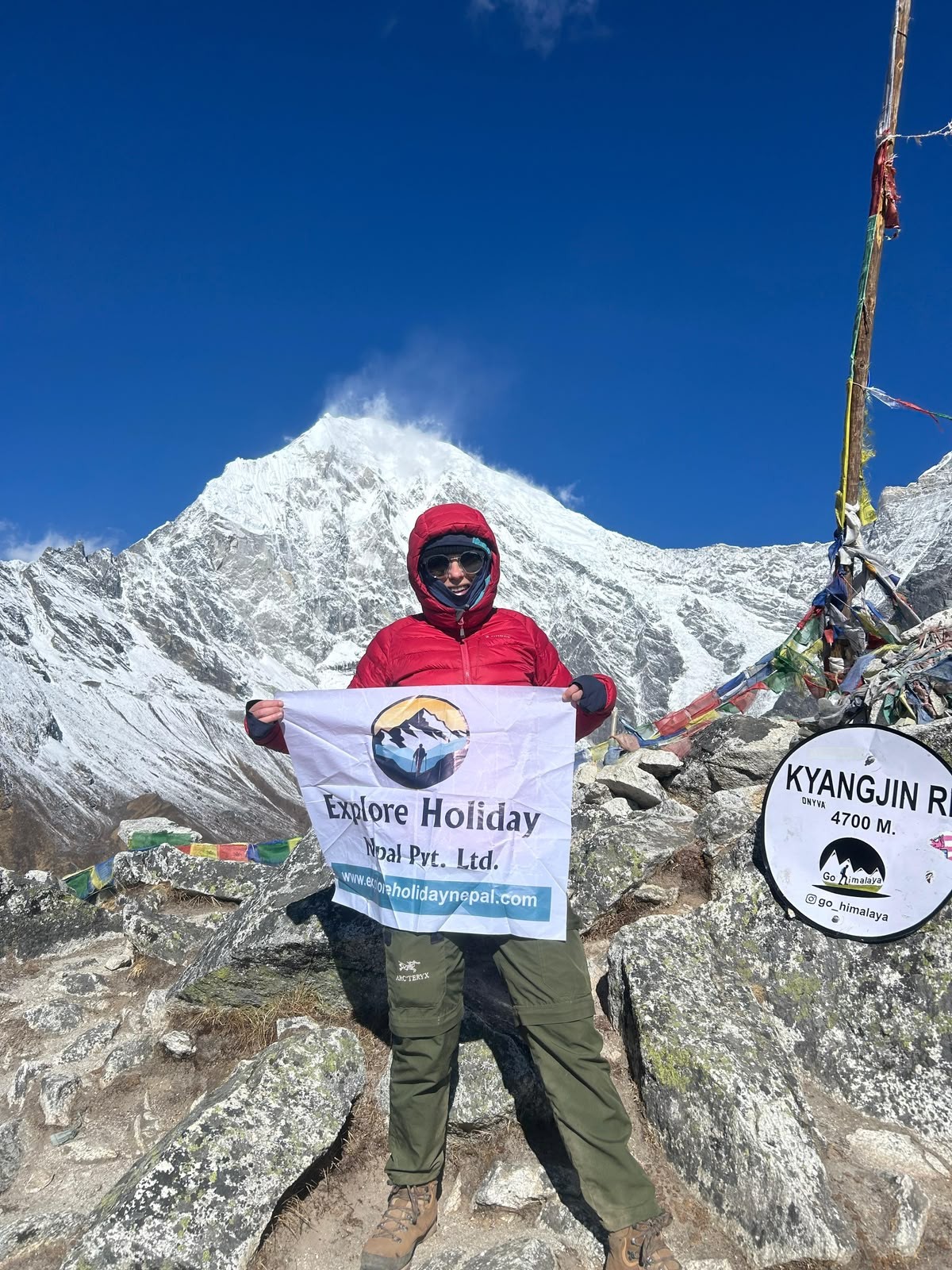
Langtang is one of Nepal's beautiful trekking destinations, offering mountain scenery, Tamang culture, glaciers, forests and traditional villages.
It is an excellent option for trekkers who want a rewarding Himalayan experience without taking a domestic flight to the starting point.
Upper Mustang Trek
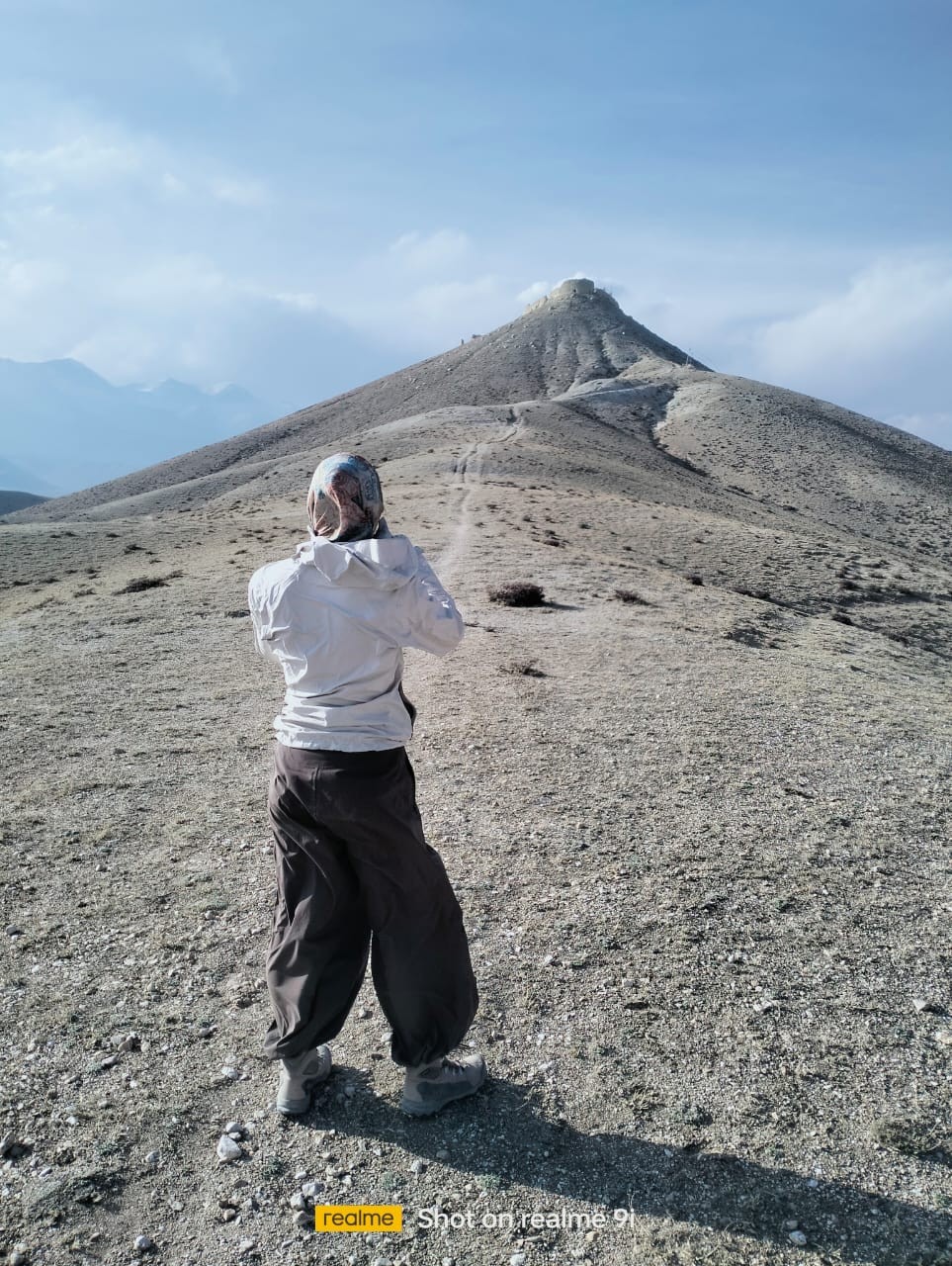
Upper Mustang is famous for its ancient Tibetan-influenced culture, dramatic desert landscapes, caves, monasteries and traditional settlements.
It is particularly interesting for travellers who want to explore a different side of Nepal beyond green forests and snow-covered mountain trails.
Other wonderful trekking destinations include Pikey Peak, Ghorepani Poon Hill, Mardi Himal, Kanchenjunga, Gokyo Lakes and the Annapurna Circuit.
Choose a route that matches your experience rather than selecting a trek only because it reaches a high altitude.
Choosing the right season is one of the most important parts of preparing for trekking in Nepal.
Nepal experiences different weather conditions throughout the year. Mountain weather can change quickly, so choosing the appropriate trekking season can make your experience more comfortable.
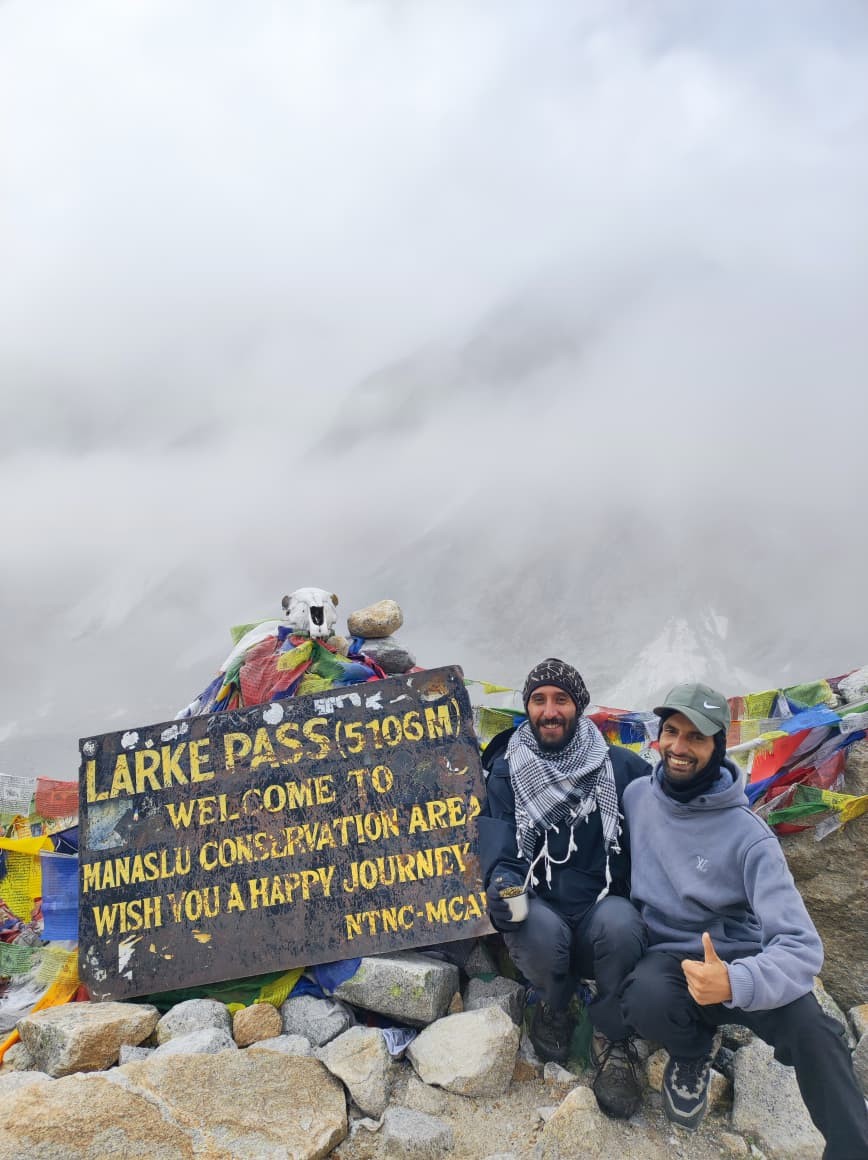
Spring is one of the best seasons for trekking in Nepal.
During this period, temperatures become warmer, rhododendron forests bloom and mountain landscapes become especially beautiful.
Advantages:
Popular spring treks include Everest Base Camp, Manaslu Circuit, Annapurna Base Camp, Langtang Valley and Kanchenjunga.
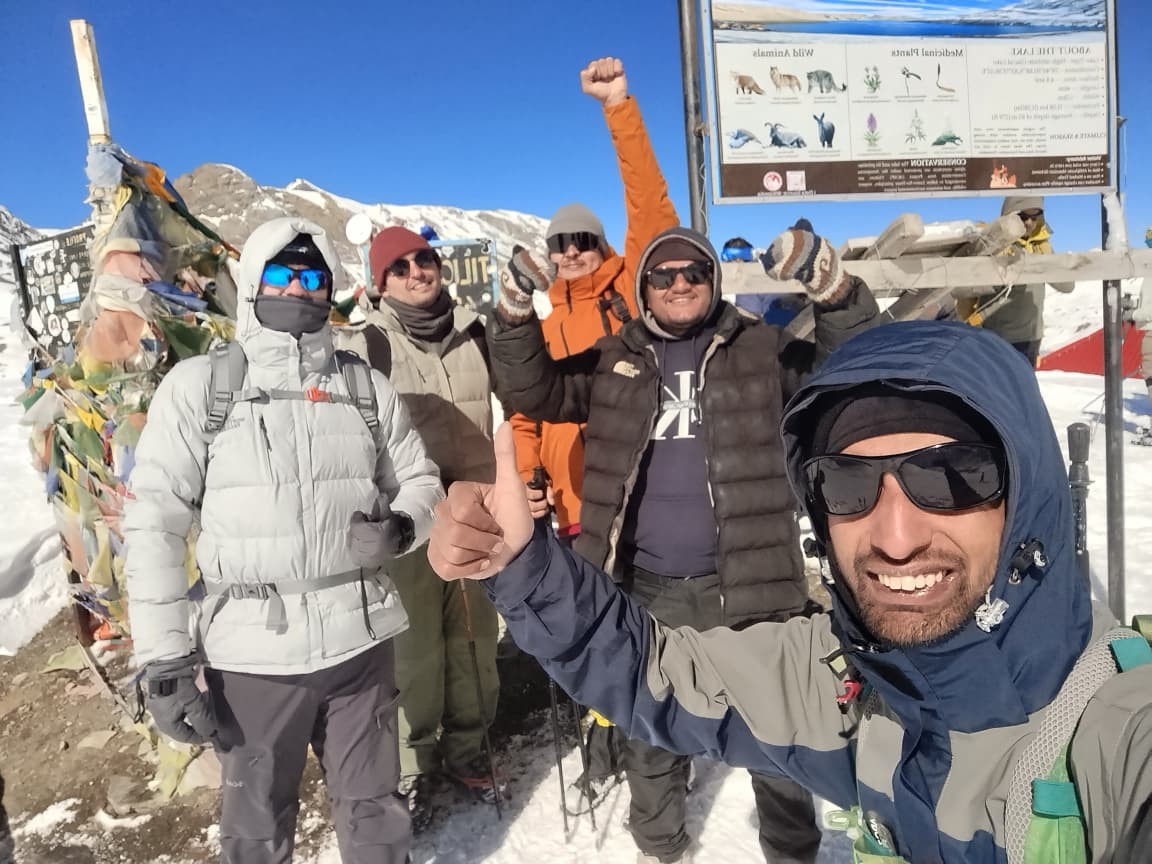
Autumn is generally considered the best overall trekking season in Nepal.
After the monsoon rains, many mountain regions offer clear skies, fresh landscapes and excellent mountain visibility.
Advantages:
Popular autumn routes include Manaslu Circuit, Everest Base Camp, Annapurna Circuit, Langtang Valley and Upper Mustang.
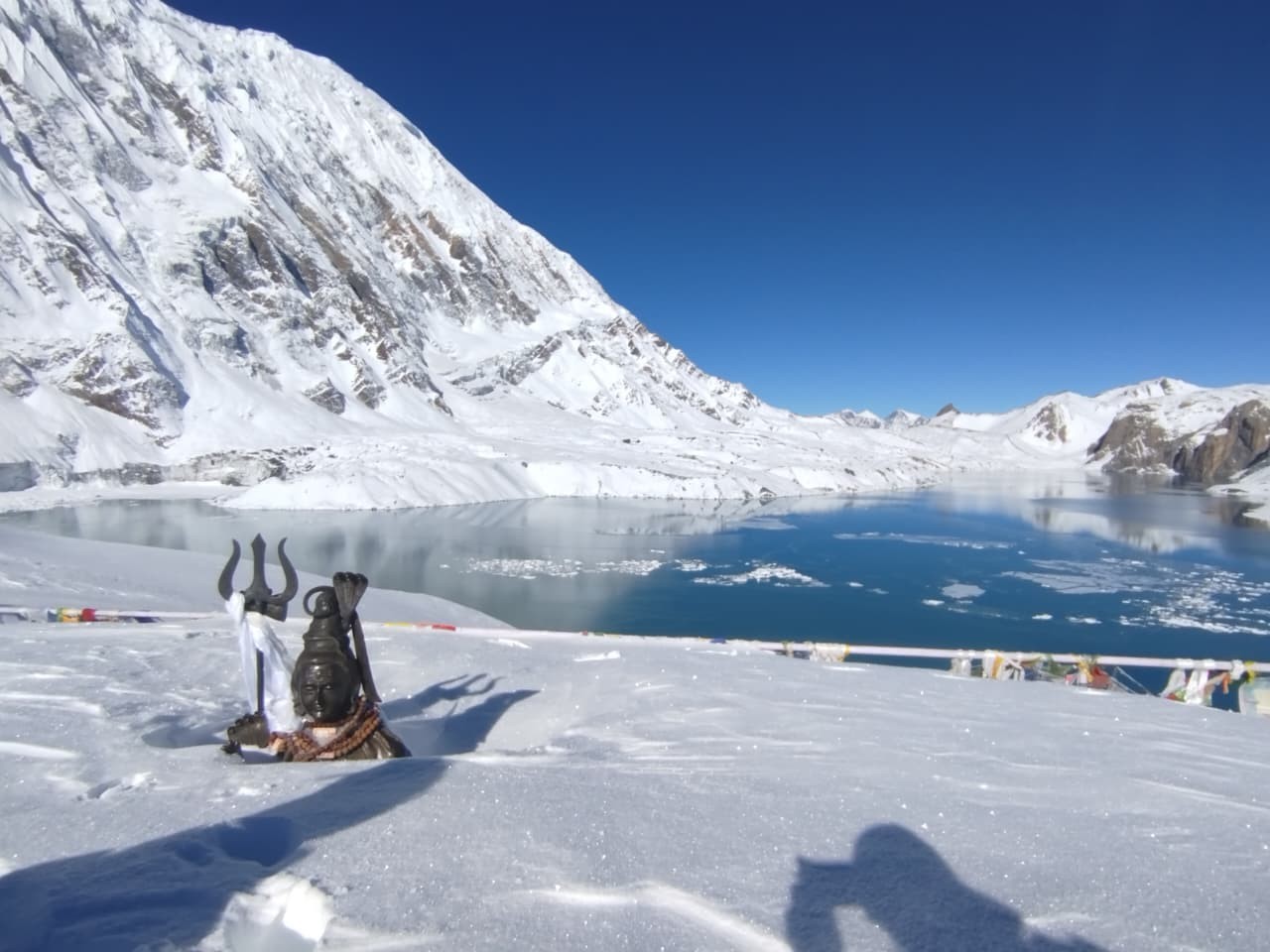
Winter trekking can be an excellent option for travellers who prefer quieter trails and fewer crowds.
However, higher-altitude trekking routes can experience heavy snowfall, freezing temperatures and difficult trail conditions.
Lower-altitude destinations such as Poon Hill and selected cultural trekking routes are often more suitable.
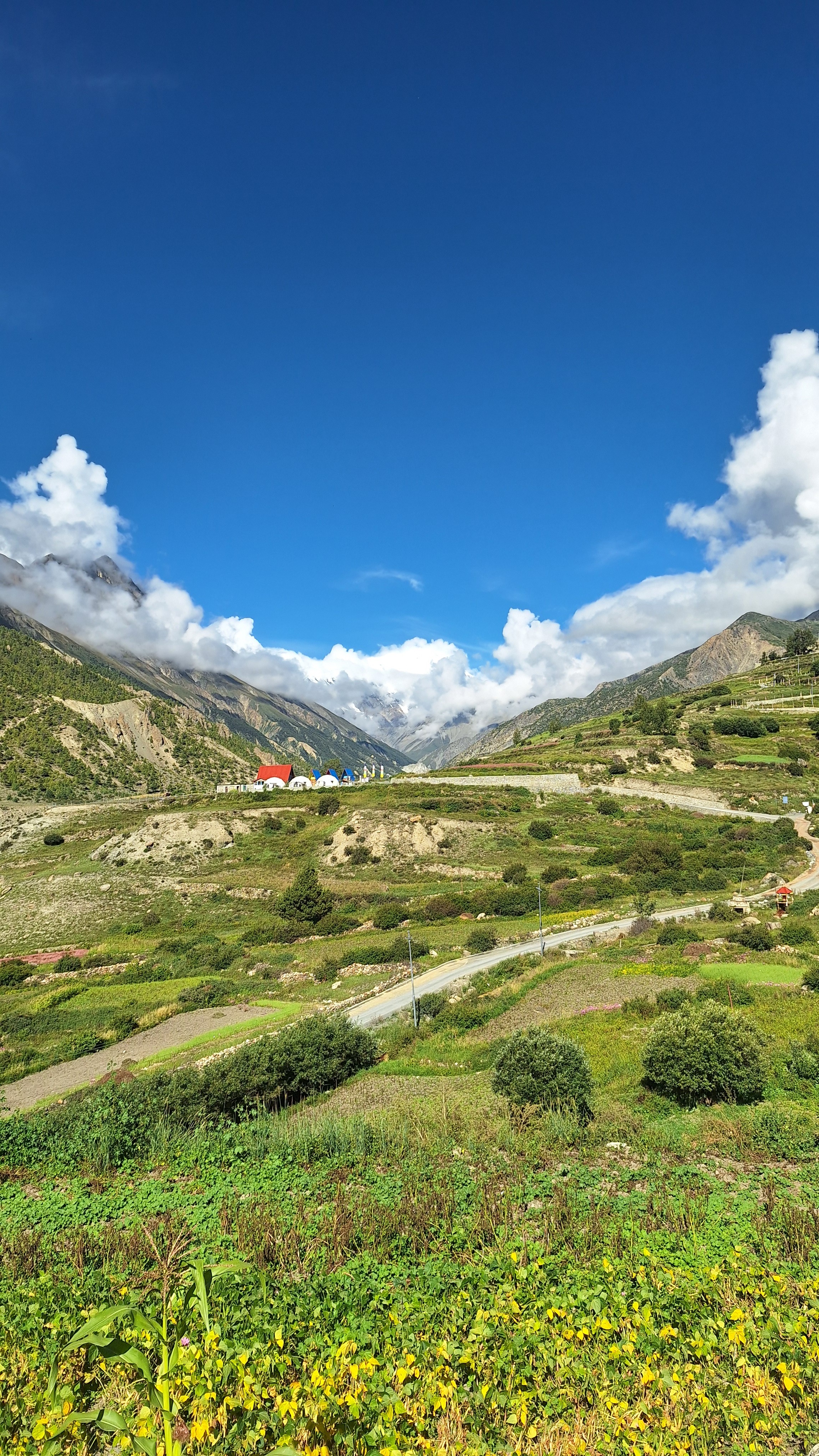
The monsoon brings heavy rainfall to many parts of Nepal. Trails can become muddy and slippery, and landslides may affect roads and trekking routes.
However, rain-shadow destinations such as Upper Mustang and some areas of Dolpo can offer good trekking opportunities during this period, subject to local weather and access conditions.
Our recommendation: For most first-time trekkers, spring and autumn are the best seasons to plan a Himalayan adventure.
You do not need to be a professional athlete to trek in Nepal. However, good physical preparation will make your journey safer, easier and more enjoyable.
Most Nepal trekking routes involve walking for approximately 4–7 hours per day. Some high-altitude and challenging itineraries may require longer walking days.
We recommend beginning your physical training at least 8–12 weeks before your departure.
Walking and hiking
Start with regular walking for 30–60 minutes. Gradually increase the distance and include uphill and downhill walking.
Cardiovascular exercise
Activities such as cycling, swimming, jogging and stair climbing can improve cardiovascular fitness and endurance.
Strength training
Strengthen your legs, knees, hips, core and back.
Useful exercises include:
Practice hiking with a backpack
Before travelling to Nepal, try hiking with the backpack you intend to use during your trek.
Begin with a light load and gradually increase it.
Train on uneven terrain
Walking on hills, forest trails and uneven surfaces can help prepare your body for Himalayan trekking conditions.
Remember that trekking is not a race. Walking slowly and maintaining a comfortable pace is more important than walking quickly.
Altitude sickness is one of the most important health considerations when trekking in Nepal.
As you climb higher, the amount of available oxygen decreases. Your body needs time to adjust to the lower oxygen levels.
Altitude sickness, also known as Acute Mountain Sickness (AMS), can affect anyone, regardless of age, fitness or previous trekking experience.
Severe altitude illness can become life-threatening.
If symptoms worsen, stop ascending and descend when necessary. Severe symptoms such as difficulty breathing at rest, confusion, loss of coordination or severe weakness require immediate descent and emergency medical assistance.
For example, the Everest Base Camp Trek generally includes acclimatization stops around Namche Bazaar and Dingboche.
On the Manaslu Circuit Trek, Samagaun is an important acclimatization location before continuing towards higher elevations.
A properly designed itinerary helps your body adjust to altitude and reduces unnecessary risks.
Important: Being physically fit does not guarantee protection from altitude sickness. Proper acclimatization is essential for every trekker.
Packing the correct equipment is essential for comfort and safety in the Himalayas.
You do not need to purchase expensive professional equipment for every trek. However, good-quality clothing, comfortable footwear and essential safety equipment can make a significant difference.
Clothing
Footwear
Backpack and Accessories
Personal Items
Optional Useful Equipment
Your trekking boots, warm clothing, waterproof jacket, daypack and personal medication are among the most important items.
Always test your boots before travelling. New boots can cause blisters and discomfort if you wear them for the first time during a long Himalayan trekking day.
Your equipment requirements will depend on the route, season, altitude and accommodation arrangements.
Many international travellers ask what kind of food and accommodation they will receive during trekking in Nepal.
Most popular trekking routes offer teahouse accommodation, where trekkers stay in local lodges operated by mountain families.
Teahouses generally provide:
Facilities become more basic as you reach higher and more remote areas.
On routes such as Manaslu, Kanchenjunga and remote sections of the Annapurna region, accommodation availability and standards may vary significantly.
Most teahouses offer a selection of local and international meals.
Common meals include:
Dal Bhat is one of the most popular meals among trekkers because it provides energy for long walking days.
Vegetarian, vegan and some dietary-specific meals are available in many places, although choices become limited in remote locations.
Inform your trekking company about food allergies and dietary requirements before departure.
Most trekking destinations in Nepal require permits or official entry documents.
The exact requirements depend on the trekking region, route and current government regulations.
Sagarmatha National Park Entry Permit
Required for trekking in the Everest region's protected area, subject to applicable regulations.
Annapurna Conservation Area Permit (ACAP)
Required for many trekking routes within the Annapurna Conservation Area.
Manaslu Restricted Area Permit
Special permits are required for the restricted area of the Manaslu region. Additional conservation area permits may also be required.
The Manaslu Circuit Trek has specific requirements, including travelling with a licensed guide and meeting the applicable minimum group-size rules under current regulations.
Langtang National Park Entry Permit
Required for trekking within Langtang National Park.
TIMS Card
The Trekkers' Information Management System (TIMS) requirements depend on the trekking route and current Nepal Tourism Board regulations. Do not assume the same requirements apply to every destination.
Permit arrangements can be complicated, particularly for restricted regions.
For a smoother experience, we recommend arranging the required permits through a registered trekking agency.
Explore Holiday Nepal can help travellers understand and arrange the applicable permits, guide services and trekking logistics.
Permit rules and fees may change before the 2027 and 2028 trekking seasons, so always verify the latest official requirements before departure.
Travel insurance is extremely important for trekking in Nepal.
Many Himalayan trekking routes reach elevations above 3,000 metres, and some destinations exceed 5,000 metres.
Ordinary travel insurance may not cover high-altitude trekking or emergency helicopter evacuation.
Before travelling, confirm that your insurance policy specifically covers:
For example, if you are trekking to Everest Base Camp, your policy should cover the altitude of your itinerary, including Kala Patthar if you plan to visit it.
Always read the policy exclusions carefully.
Our advice: Never begin a high-altitude trek without appropriate insurance coverage and emergency contact information.
Before travelling to Nepal, make sure your travel documents are ready.
Most international visitors require a tourist visa, although visa arrangements depend on nationality and eligibility.
Many travellers can obtain a visa on arrival at Tribhuvan International Airport in Kathmandu.
Check the latest Nepal immigration requirements before travelling.
Prepare:
Keep digital and printed copies of important documents.
Most international trekkers arrive at Tribhuvan International Airport in Kathmandu.
Depending on your itinerary, you may need domestic flights to destinations such as Lukla or Pokhara.
We recommend arriving in Kathmandu at least one or two days before beginning your trek to allow time for rest, permit arrangements, equipment checks and itinerary preparation.
For flight-dependent routes, allow flexibility for possible weather delays.
The cost of trekking in Nepal depends on the destination, duration, group size, accommodation, transportation, permits and level of service.
A budget trek and a fully organised private trek can have very different prices.
The following are indicative planning ranges in US dollars per person, not confirmed 2027/2028 package quotations.
| Trekking destination | Estimated budget |
|---|---|
| Poon Hill Trek | $350–$650 |
| Mardi Himal Trek | $450–$800 |
| Annapurna Base Camp | $500–$950 |
| Langtang Valley | $500–$950 |
| Everest Base Camp | $1,100–$1,800 |
| Manaslu Circuit | $1,000–$1,700 |
| Upper Mustang | $1,500–$2,500+ |
| Kanchenjunga | $1,800–$3,000+ |
Actual costs can be higher or lower depending on the itinerary and included services.
When comparing trekking companies, do not choose only by the lowest price.
Check what is included, the experience of the guides, safety arrangements, itinerary quality and customer reviews.
A reliable trekking company should explain the package cost and exclusions clearly before booking.
Choosing the right trekking company is one of the most important decisions when planning your Nepal adventure.
An experienced local team can help you with route planning, accommodation, permits, transportation, cultural experiences and emergency support.
Before booking, consider the following:
Explore Holiday Nepal Pvt. Ltd. is a Nepal-based trekking and tour company focused on local expertise, responsible tourism, safety and personalised service.
Our team understands Nepal's mountains, cultures, local communities and trekking routes.
We believe a successful trekking holiday is not only about reaching a destination. It is also about feeling comfortable, safe and supported throughout the journey.
What we offer:
Our founder, Ishwor Bhandari, has worked in Nepal's trekking industry since 2009. Beginning his journey as a porter and progressing to become an experienced trekking guide and tourism entrepreneur, he has developed extensive knowledge of Nepal's mountain destinations.
Originally from the Gorkha region, close to the Manaslu trekking area, Ishwor brings local experience and a personal understanding of Himalayan life to the company's trekking services.
Our goal is to provide travellers with authentic experiences, reliable support and memorable journeys through Nepal.
Trekking in Nepal is not only a mountain adventure. It is also an opportunity to experience the country's extraordinary cultural diversity.
Different trekking regions are home to different ethnic communities, languages, traditions, religions and lifestyles.
The Everest region is famous for Sherpa culture, Buddhist monasteries, prayer flags, mani walls and traditional mountain villages.
Namche Bazaar and Tengboche are important cultural destinations.
The Manaslu region offers a wonderful combination of Gurung culture and Tibetan-influenced traditions.
Villages such as Samagaun and Samdo provide opportunities to understand traditional mountain lifestyles, Buddhist customs and local hospitality.
Langtang is well known for Tamang culture, traditional architecture, Buddhist heritage and beautiful mountain settlements.
The Mustang region offers distinctive traditions, ancient monasteries, traditional houses and a rich Tibetan-influenced cultural heritage.
Respecting local culture helps create meaningful connections between visitors and mountain communities.
Safety should always be your first priority during a Himalayan adventure.
Mountain conditions can change quickly, and even experienced trekkers need to remain careful.
Follow these important safety recommendations:
If a trekker becomes sick, the guide should assess the situation and help arrange appropriate medical assistance.
Depending on the severity of the condition, this may involve rest, medical consultation, descent or emergency evacuation.
A responsible trekking company should prioritise the client's health and safety over completing the planned itinerary.
Yes! Nepal offers many trekking routes suitable for beginners.
You do not need previous Himalayan trekking experience to enjoy the mountains.
However, beginners should select an appropriate route and prepare physically before travelling.
For first-time trekkers, we recommend choosing a route with manageable daily walking hours, comfortable accommodation and a suitable altitude profile.
If you have never trekked before, consider starting with a lower-altitude trek before attempting a demanding high-altitude adventure.
The required duration depends on your trekking destination.
| Trek | Recommended trekking duration |
|---|---|
| Poon Hill | 4–5 days |
| Pikey Peak | 5–8 days |
| Mardi Himal | 5–7 days |
| Annapurna Base Camp | 7–12 days |
| Langtang Valley | 7–10 days |
| Everest Base Camp | 12–16 days |
| Manaslu Circuit | 14–18 days |
| Upper Mustang | 10–14 days |
| Kanchenjunga | 18–25 days or more |
These are approximate itinerary durations and may vary depending on starting points, acclimatization, transportation and route conditions.
We recommend adding extra days for international arrivals, departures and possible flight delays.
Many trekking problems can be avoided with good planning.
Here are some common mistakes:
1. Choosing a trek that is too difficult
Do not select a challenging route without considering your fitness and previous experience.
2. Ignoring altitude sickness
Altitude sickness can affect healthy and physically fit travellers. Always follow an appropriate acclimatization plan.
3. Buying new boots just before departure
Wear and test your trekking boots before your journey.
4. Packing too much
Carry essential equipment rather than unnecessary items.
5. Choosing a trek based only on price
Low prices may mean reduced services or missing inclusions. Compare the quality and safety of the package.
6. Not purchasing suitable travel insurance
Ensure your insurance covers high-altitude trekking and emergency evacuation.
7. Rushing the itinerary
A well-planned trek should include enough time for acclimatization and rest.
8. Ignoring weather and trail conditions
Always check local conditions before beginning and during your trek.
Use this checklist before your Himalayan adventure in 2027 or 2028.
We recommend starting physical preparation approximately 2–3 months before your trek. This gives you enough time to improve cardiovascular fitness, leg strength and hiking endurance.
Yes. Nepal offers many beginner-friendly routes, including Poon Hill, Pikey Peak and selected Mardi Himal itineraries. Beginners should choose a suitable altitude and difficulty level.
March, April, May, October and November are popular trekking months. October and November generally offer excellent mountain visibility, while spring offers beautiful flowering landscapes.
Guide requirements depend on the destination and current regulations. Restricted-area trekking, including the Manaslu region, has specific guide and group requirements. Hiring an experienced local guide is also strongly recommended for safety and cultural understanding.
Everest Base Camp is a moderate-to-challenging high-altitude trek. It requires good walking endurance, gradual acclimatization and proper preparation.
The Manaslu Circuit Trek is generally considered challenging because of its remote location, long walking days and the high Larkya La Pass. Both treks require appropriate acclimatization and preparation.
Yes. Choose a suitable route, train beforehand and travel with an experienced guide when appropriate.
Essential items include trekking boots, layered clothing, a waterproof jacket, warm insulation, a backpack, trekking poles, sunglasses, sunscreen, personal medication and a water bottle.
Suitable travel insurance is strongly recommended. For high-altitude trekking, confirm that the policy covers your maximum trekking elevation, medical treatment and emergency helicopter evacuation.
Costs depend on the trekking destination, duration, group size and service level. Short treks may cost a few hundred dollars, while remote and longer treks can cost several thousand dollars.
Yes. Many trekking shops in Thamel offer equipment for rent or purchase, including sleeping bags, down jackets, trekking poles and other essential items. Check the condition and suitability of rented equipment before departure.
Weather-related delays can occur, especially on mountain routes such as Lukla. Allow extra days in your itinerary and follow your trekking company's advice about alternative arrangements.
Nepal is waiting to welcome you with magnificent mountains, beautiful landscapes, traditional villages, friendly people and unforgettable Himalayan experiences.
Whether you want to reach Everest Base Camp, explore the cultural beauty of the Manaslu Circuit, discover the Annapurna Sanctuary, experience the peaceful Langtang Valley or explore the hidden landscapes of Upper Mustang, the right preparation will help you enjoy every moment.
At Explore Holiday Nepal, we believe that every traveller deserves a safe, comfortable and memorable Himalayan journey.
Our experienced local team can help you select the right trekking destination, prepare a personalised itinerary, arrange permits, organise transportation and provide professional trekking guide services.
We focus on local expertise, reasonable prices, personalised itineraries, client safety and reliable service.
Your Himalayan adventure begins with the right preparation. Let us help you make it unforgettable!
Company: Explore Holiday Nepal Pvt. Ltd.
Website: https://www.exploreholidaynepal.com/
Email: [email protected]
WhatsApp: +977-9849816310
Location: Thamel, Kathmandu, Nepal
Explore Holiday Nepal – Your Local Expert for Safe, Authentic and Memorable Himalayan Adventures.
The Annapurna Circuit Trek is one of the most renowned and diverse trekking routes in the world, known for its stunning views of the Annapurna mountain range, varied landscapes, and rich cultural experiences.
Nepal offers some of the most incredible trekking destinations in the world, and two of the most popular treks are the Gokyo Lake Trek and the Tilicho Lake Trek. Both routes provide breathtaking views of the Himalayas and unique cultural experiences, but each has its own set of features that may appeal to different types of trekkers.
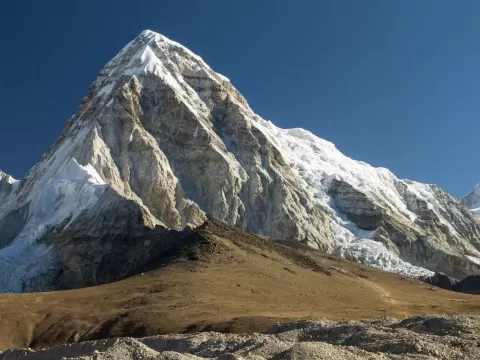
When planning a trek to Everest Base Camp, timing plays a critical role in ensuring both safety and enjoyment. The best time to hike to Everest Base Camp is during the two peak seasons: spring (March to May) and autumn (September to November).

The Manaslu Circuit Trek in Spring (March-May) offers trekkers an opportunity to experience the stunning beauty of the Himalayas when the weather is at its most favorable.

Mount Kanchenjunga, the third-highest peak in the world, is one of the most majestic and revered mountains on Earth. Rising to an impressive height of 8,586 meters (28,169 feet), it is part of the mighty Himalayas and stands as a natural border between Nepal and India.

The Manaslu Circuit Trek is one of Nepal’s most rewarding and less crowded trekking routes, offering breathtaking mountain scenery, rich cultural experiences, and a sense of true adventure.
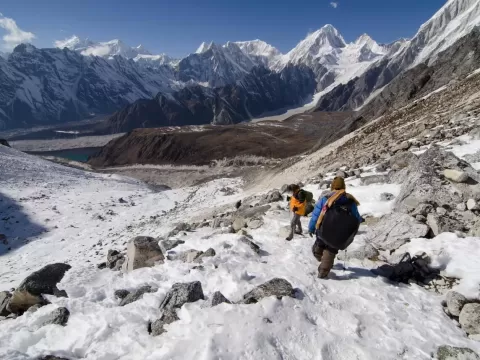
The Manaslu Circuit Trek is one of Nepal’s most breathtaking trekking routes, offering an off-the-beaten-path experience with stunning landscapes, rich cultural heritage, and diverse biodiversity.
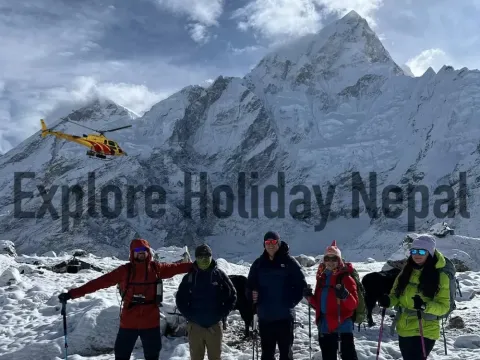
Nepal is a dream destination for trekkers, and for those who wish to combine the thrill of adventure with comfort and luxury, there are a variety of exceptional luxury trekking experiences available. Explore Holiday Nepal offers premier luxury treks, carefully
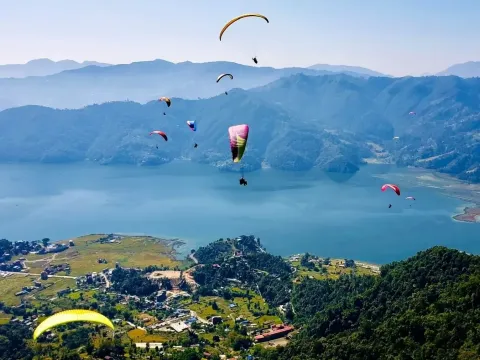
Nepal, a land of timeless beauty, is poised to offer travelers an even richer and more immersive experience in 2025 and 2026. With increased focus on sustainable tourism, better infrastructure, and a revived cultural spirit post-pandemic,
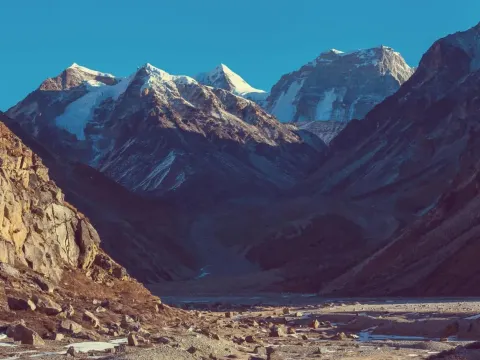
The Kanchenjunga Circuit Trek is one of Nepal’s most remote and spectacular trekking adventures, offering an unparalleled experience for true adventurers. Nestled in the eastern Himalayas, this trail takes you through pristine landscapes, rugged terrain, and culturally rich villages
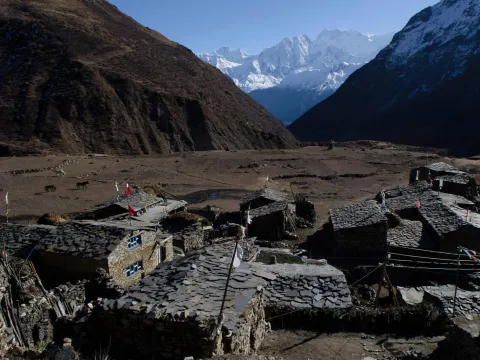
The Manaslu Circuit Trek, offered by Explore Holiday Nepal, is a journey that delves deep into the untouched beauty of Nepal’s Himalayan heartland. Unlike the more commercialized trekking routes such as Everest Base Camp or the Annapurna Circuit, the Manaslu trail offer
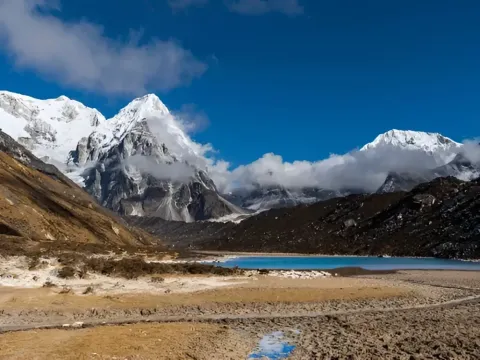
Kanchenjunga, the third-highest mountain in the world at 8,586 meters, lies in the far-eastern corner of Nepal, bordering Sikkim, India. Unlike the more commercialized Everest or Annapurna regions, the Kanchenjunga Region Trekking experience offers untouched natural beauty, remote villages, and pristine Himalayan wilderness.
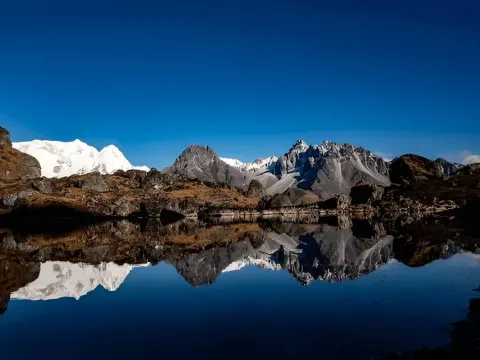
The Kanchenjunga Circuit Trek is one of Nepal’s most extraordinary and lesser-explored trekking routes. Situated in the far eastern region of Nepal, it offers an immersive experience through remote mountain villages, pristine forests, and spectacular mountain vistas
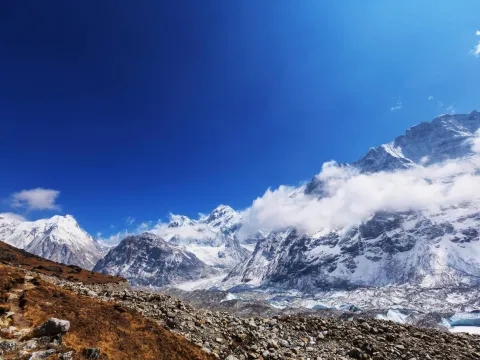
The Kanchenjunga Circuit Trek is a remote and majestic adventure through the untouched landscapes surrounding the world’s third highest mountain, Kanchenjunga (8,586m). Spanning over three weeks, this trek offers spectacular views, challenging trails, rich cultural experiences, and encounters with diverse wildlife.
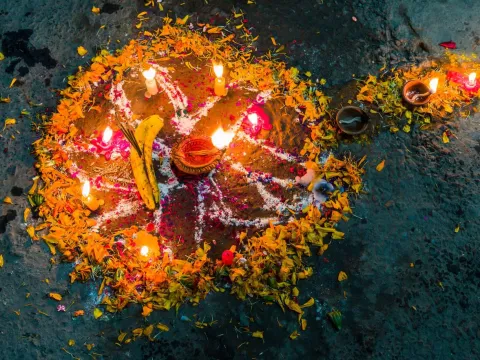
Tihar, often referred to as the Festival of Lights, is one of the most vibrant and widely celebrated festivals in Nepal. Spanning five days, it is a time when the entire country comes alive with colorful decorations, traditional rituals, and joyous gatherings. The festival honors various animals, gods, and goddesses, symbolizing
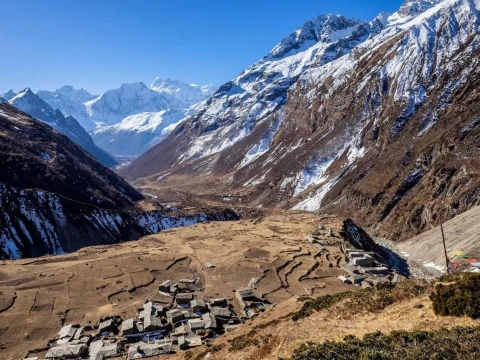
The Manaslu Circuit, combined with the Tsum Valley extension,n is one of Nepal’s most rewarding trekking adventures, offering remote Himalayan landscapes, ancient Buddhist culture, and fewer crowds compared to more commercial routes. The trek typically circles the Manaslu region and detours into the sacred Tsum Valley, gradually
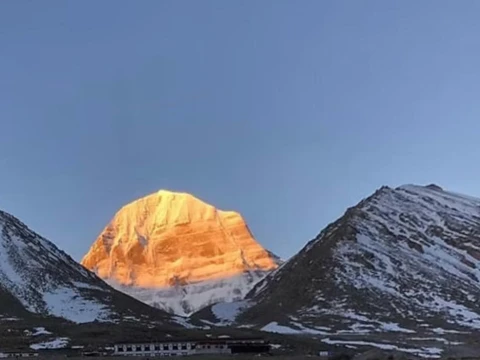
How to Reach Mount Kailash from Nepal
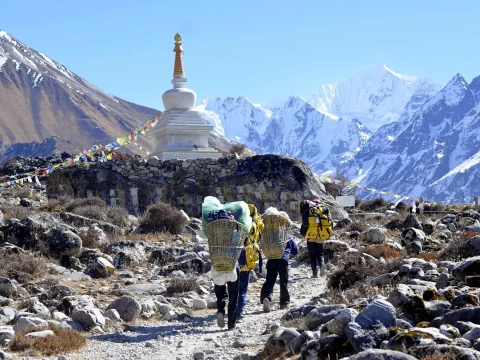
The Langtang Valley Trek is one of the most rewarding short Himalayan journeys close to Kathmandu, offering stunning mountain views, rich Tamang culture, and diverse landscapes without the high cost of more commercial routes. A budget-friendly approach focuses on smart planning—choosing local transport, a simple teahouse
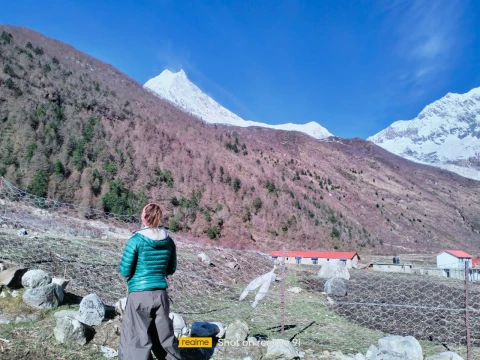
Is Nepal Safe for Solo Travelers


 (34)
