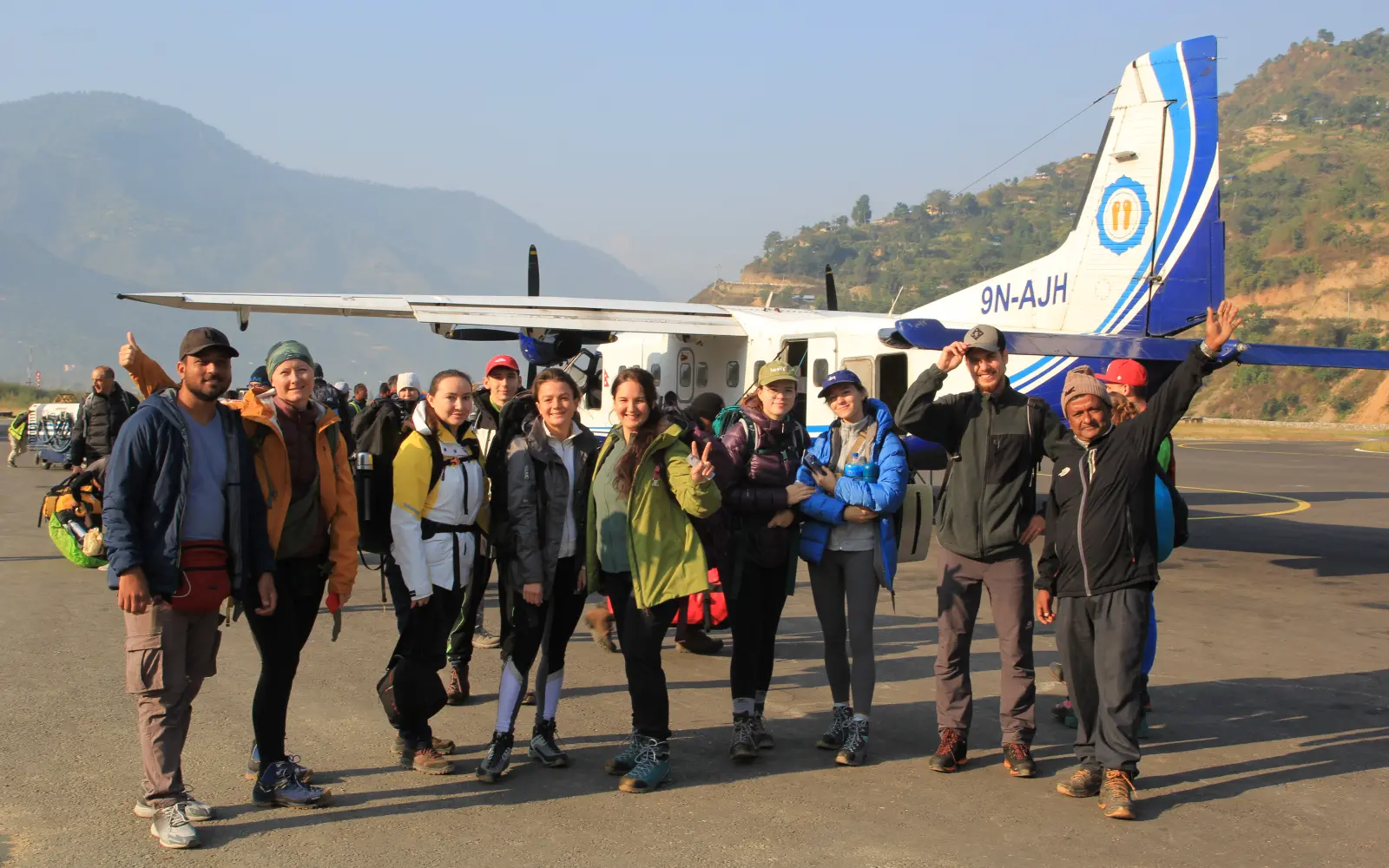
The Everest Base Camp Trek is one of the world's most iconic Himalayan adventures. Located in Nepal's spectacular Khumbu region, this unforgettable journey takes trekkers through traditional Sherpa villages, ancient Buddhist monasteries, deep river valleys, suspension bridges, alpine landscapes and breathtaking mountain scenery.
The trek offers the opportunity to stand at the foot of Mount Everest, the highest mountain on Earth, and experience the natural beauty and cultural heritage of the Himalayas.
Whether you are planning your first Himalayan adventure or are an experienced trekker, understanding the altitude, distance, weather, flights, accommodation and possible challenges is essential for a successful journey.
At Explore Holiday Nepal, we help travelers discover Nepal through carefully planned trekking adventures, local knowledge and personalized support. This complete guide explains what you need to know before starting your Everest Base Camp adventure in 2026 or 2027.
Everest Base Camp on Nepal's southern side stands at approximately 5,364 meters (17,598 feet) above sea level. It is located near the Khumbu Glacier and provides access to the route used by mountaineering expeditions attempting to climb Mount Everest.
Mount Everest itself reaches approximately 8,848.86 meters (29,031.7 feet). Reaching Base Camp does not mean reaching the summit; the trek is a high-altitude hiking journey rather than a mountain-summiting expedition.
| Location | Elevation |
|---|---|
| Kathmandu | 1,400 m |
| Lukla Airport | 2,860 m |
| Phakding | 2,610 m |
| Namche Bazaar | 3,440 m |
| Tengboche | 3,860 m |
| Dingboche | 4,410 m |
| Lobuche | 4,940 m |
| Gorak Shep | 5,164 m |
| Everest Base Camp | 5,364 m |
| Kala Patthar viewpoint | Approximately 5,545 m |
Elevations can vary slightly between maps and sources. Kala Patthar is generally higher than Everest Base Camp and is one of the most popular viewpoints for seeing Mount Everest and the surrounding Himalayan peaks.
As you climb higher, atmospheric pressure decreases and less oxygen is available with each breath. Even healthy and physically fit people can experience altitude-related problems.
Common symptoms include headaches, nausea, dizziness, fatigue, loss of appetite and difficulty sleeping.
Proper acclimatization is essential. A sensible itinerary should include rest and acclimatization days, particularly around Namche Bazaar and Dingboche. If symptoms worsen, do not continue ascending; seek medical advice and descend when necessary.
The classic Everest Base Camp Trek covers approximately 130 kilometers (81 miles) round trip from Lukla, depending on the precise route, side trips and daily walking variations.
The distance from Lukla to Everest Base Camp is approximately 65 kilometers one way. Trekkers follow the same general route back to Lukla after reaching Base Camp.
The journey usually takes around 12–14 days of trekking and travel, although longer itineraries provide more time for acclimatization, rest and exploration.
| Trekking section | Approximate walking distance |
|---|---|
| Lukla to Phakding | 8 km |
| Phakding to Namche Bazaar | 10–12 km |
| Namche Bazaar to Tengboche | 9–11 km |
| Tengboche to Dingboche | 10–12 km |
| Dingboche to Lobuche | 8–10 km |
| Lobuche to Gorak Shep and Everest Base Camp | 12–15 km |
| Return journey to Lukla | Approximately 60–70 km |
These are planning estimates, not exact surveyed distances. Daily totals depend on the chosen overnight stops and whether side trips are included.
Most trekking days involve approximately 4–7 hours of walking. Some days can be longer because of steep ascents, rocky trails, altitude, weather or side trips.
The final approach to Everest Base Camp can be physically demanding because the trail passes through rocky glacial terrain at very high altitude.
Walking slowly, taking regular breaks and maintaining a comfortable pace are more important than finishing quickly.
The usual starting point for the classic Everest Base Camp Trek is Tenzing-Hillary Airport in Lukla, a mountain airport at approximately 2,860 meters.
Travelers generally arrive in Kathmandu first and then take a domestic flight to Lukla, depending on the airline's operating schedule and current flight arrangements.
The direct flight usually takes approximately 25–35 minutes, subject to the aircraft, route and operating conditions.
During suitable weather, the flight offers spectacular views of Nepal's hills and Himalayan mountains. Lukla's short mountain runway and surrounding terrain make this flight a distinctive part of the adventure.
Yes. During some busy trekking periods, certain Lukla flights operate from Manthali Airport in Ramechhap rather than Kathmandu.
The transfer from Kathmandu to Ramechhap generally involves several hours of road travel, often requiring an early departure. The exact arrangement depends on airline operations and seasonal scheduling.
Always confirm your departure airport with your airline or trekking company before travel.
Lukla flights depend heavily on weather and visibility. Cloud, fog, wind and other mountain conditions can cause delays, cancellations or schedule changes.
We recommend keeping at least one or two buffer days in your overall itinerary where possible, especially before an international departure from Kathmandu.
If a flight is canceled, possible alternatives may include waiting for the next available flight or arranging a helicopter, subject to weather, availability, cost and operational approval.
Explore Holiday Nepal tip: Avoid booking an international flight home immediately after your scheduled return from Lukla. Extra time can help protect your plans if mountain flights are disrupted.
One of the advantages of the classic Everest Base Camp route is that trekkers can generally stay in local teahouses and mountain lodges instead of carrying camping equipment.
Accommodation standards vary by village, lodge and season.
Teahouses are mountain guesthouses offering basic rooms and shared dining areas. Many are family-run and provide meals, drinks, blankets and a place to rest after trekking.
At lower elevations, such as Lukla and Namche Bazaar, travelers can find a wider range of accommodation. Options become more limited at higher elevations.
Lower elevations: Lukla and Namche Bazaar
Higher elevations: Dingboche, Lobuche and Gorak Shep
At the highest overnight stops, accommodation is generally more basic, and nighttime temperatures can be extremely cold.
Yes. Teahouses usually serve a selection of local and familiar international dishes, depending on the location.
Common options include:
Food prices generally increase with altitude because supplies must be transported into the mountains.
During the busy spring and autumn trekking seasons, arranging accommodation in advance can be helpful, especially for groups or travelers following a fixed itinerary.
Your guide or trekking company can help coordinate overnight stops and adjust arrangements if conditions change.
The Everest region experiences significant seasonal changes. Weather affects visibility, trail conditions, temperatures, flight operations and the overall trekking experience.
The two most popular periods are spring and autumn.
Spring is a popular time for trekking because the weather is often suitable for mountain travel and the lower valleys become greener.
Spring is also an important mountaineering season on Everest, so the region can become busy.
Autumn is another excellent season for the Everest Base Camp Trek.
October and November can be particularly attractive for travelers seeking mountain panoramas, but weather is never guaranteed.
Winter brings colder conditions, shorter daylight hours and a greater chance of snow and icy trails at higher elevations.
Some lodges may close temporarily, and trekking plans may need more flexibility.
Winter trekking can be possible for suitably prepared travelers, but it requires careful assessment of weather, accommodation and personal cold tolerance.
The monsoon season brings increased rainfall to much of Nepal. Lower trails can become muddy, and rain, cloud and landslides can disrupt transportation in some areas.
The Everest region can still be visited, but visibility and travel reliability may be less predictable.
Temperatures vary considerably according to the season, time of day, wind and weather.
At high altitude, daytime conditions can feel relatively comfortable in sunshine, while nighttime temperatures may fall well below freezing. During winter and cold spells, conditions can become considerably harsher.
These are broad seasonal patterns, not a forecast for a particular trekking date. Always check the latest weather forecast before departure.
The Everest Base Camp Trek is achievable for many people with suitable preparation, but it is not an easy walk. Altitude, cold, long walking days and remote mountain conditions can make the journey challenging.
Altitude sickness is one of the most important risks on the Everest Base Camp Trek.
It can affect people regardless of age, fitness or previous trekking experience. Symptoms may begin after ascending to elevations above approximately 2,500–3,000 meters.
Common symptoms include:
How to reduce the risk: Ascend gradually, include acclimatization days, avoid rushing and follow your guide's advice.
If symptoms develop, stop ascending and seek advice. Worsening symptoms require descent and medical assessment. Confusion, difficulty walking straight, or breathlessness at rest can indicate a medical emergency and require immediate descent and emergency assistance.
Do not assume that being physically fit protects you from altitude sickness.
The trail includes steep climbs, stone steps, rocky sections, uneven surfaces and long descents.
Even when the distance appears manageable on a map, altitude can make walking much harder than at lower elevations.
How to prepare: Build your cardiovascular fitness, practice hiking on hills, strengthen your legs and use comfortable trekking boots. Trek at a steady pace and take regular breaks.
Cold weather is a major challenge, especially during early mornings, evenings and nights at higher elevations.
How to prepare: Carry a warm insulated jacket, thermal base layers, gloves, a warm hat, thick trekking socks and a suitable sleeping bag.
Layering clothing allows you to adjust to changing temperatures throughout the day.
Mountain weather can disrupt flights to and from Lukla. A delay may affect your itinerary, accommodation arrangements or international departure.
How to prepare: Build buffer days into your schedule, maintain flexible plans and confirm flight information with your airline or trekking operator.
Medical facilities are limited compared with those in major cities. Evacuation from remote areas can be expensive and may be affected by weather.
How to prepare: Obtain travel insurance that specifically covers high-altitude trekking and helicopter evacuation, and understand its exclusions and claim requirements.
Carry personal medication and a basic first-aid kit. Follow your guide's safety advice and know how to access emergency support.
Cold weather, physical exertion and altitude can make it easy to drink too little or eat less than your body needs.
How to prepare: Drink fluids regularly, eat balanced meals and carry snacks for the trail. Follow safe drinking-water practices by treating or filtering water when necessary.
Long walking days and steep descents can cause blisters, sore knees and tired muscles.
How to prepare: Break in your trekking boots before the trip, wear suitable socks, use trekking poles if helpful and keep your daily pace realistic.
During peak trekking periods, popular villages and teahouses can become busy.
How to prepare: Choose a realistic itinerary, arrange accommodation where possible and allow flexibility if overnight stops need to change.
Mountain weather can change rapidly, affecting visibility, trail conditions and temperatures.
How to prepare: Check forecasts, carry waterproof clothing, use sun protection and follow local advice about whether conditions are suitable for continuing.
The Everest Base Camp Trek is generally considered a moderate-to-strenuous high-altitude trek.
It does not normally require technical climbing skills, ropes or mountaineering equipment on the standard route. However, the combination of altitude, long walking days, uneven terrain and basic accommodation makes it physically demanding.
The trek is suitable for many reasonably active travelers who prepare appropriately, but it is not possible to guarantee that everyone will reach Base Camp.
Before departure, work on your walking endurance, practice with a backpack and prepare for several consecutive days of hiking.
If you have a medical condition or concerns about exercising at high altitude, consult a qualified healthcare professional before booking.
A classic Everest Base Camp itinerary often takes around 12–14 days of trekking and associated travel, while a more flexible trip from Kathmandu commonly requires approximately 14–16 days or longer.
A typical itinerary includes time to acclimatize at Namche Bazaar and Dingboche, followed by the trek to Gorak Shep and Everest Base Camp.
Some trekkers also climb Kala Patthar for sunrise views, depending on weather, health and the itinerary.
The exact duration varies according to your pace, acclimatization needs, flight arrangements and the number of buffer days included.
Packing correctly helps you stay comfortable and prepared for changing conditions.
Pack according to the season and your itinerary. A knowledgeable trekking guide can help you decide which items are essential and which can be rented locally.
Choosing a reliable trekking company helps you plan a safer, smoother and more enjoyable journey.
Explore Holiday Nepal aims to make your Himalayan adventure memorable through personalized planning, local knowledge and practical support.
Our services can include:
Every trekking trip should be planned according to the traveler's experience, fitness, schedule and budget.
We believe that responsible trekking means respecting local communities, protecting the mountain environment, supporting local businesses and prioritizing the well-being of trekkers and staff.
Whether you are traveling alone, with friends, as a couple or with a group, contact Explore Holiday Nepal to discuss your Everest Base Camp adventure.
Everest Base Camp on Nepal's southern side is approximately 5,364 meters (17,598 feet) above sea level.
The classic round-trip trek from Lukla is approximately 130 kilometers, although the exact distance depends on the itinerary and side trips.
A direct flight generally takes around 25–35 minutes, subject to operating conditions. Some seasonal schedules use Manthali Airport in Ramechhap instead.
Yes. Teahouses and mountain lodges operate along the classic route, although facilities become simpler at higher elevations.
October and November are popular autumn months, while March, April and May are popular in spring. Conditions vary every year.
Beginners can attempt the trek if they prepare adequately, choose a suitable itinerary and allow enough time for acclimatization. Previous hiking experience is helpful.
Yes. Altitude sickness can become life-threatening if ignored. Do not ascend with worsening symptoms, and seek urgent help for severe symptoms.
A knowledgeable local guide can help with navigation, itinerary planning, cultural understanding, communication and responding to unexpected changes. Check the current official trekking rules and permit requirements before departure.
No. Base Camp is the staging area for mountaineering expeditions at approximately 5,364 meters. The summit of Mount Everest is approximately 8,848.86 meters.
A conventional trek with appropriate acclimatization generally requires considerably longer than seven days. Very short itineraries can involve significant altitude and logistical risks and are not suitable for everyone.
The Everest Base Camp Trek is much more than a journey measured in kilometers. It is an opportunity to discover the extraordinary landscapes of the Himalayas, experience Sherpa culture, visit traditional mountain villages and witness the majesty of Mount Everest.
From the dramatic flight to Lukla to the trails through Namche Bazaar, Dingboche and Gorak Shep, every stage brings a new experience.
However, the altitude, cold, demanding terrain and unpredictable weather require careful preparation. A realistic itinerary, gradual acclimatization, suitable equipment and reliable local support are essential.
With thoughtful planning and respect for the mountains, the Everest Base Camp Trek can become one of the most rewarding adventures of your life.
Are you ready to explore the Himalayas?
Contact Explore Holiday Nepal to plan your Everest Base Camp Trek for 2026 or 2027. Let us help you prepare for an unforgettable journey to the foot of the world's highest mountain.
Explore Holiday Nepal — Discover the Mountains, Experience the Culture, and Feel the Heart of Nepal.

Nepal, with its majestic Himalayan landscapes, offers a plethora of short trekking destinations that promise adventure, cultural experiences, and breathtaking views. Whether you're an avid trekker or a novice seeking a memorable journey, Nepal has something for everyone. Let's embark on a detailed exploration of the best short trekking places in this enchanting country.

Nepal, a landlocked gem nestled in the lap of the majestic Himalayas, is a paradise for travelers seeking a harmonious blend of nature, culture, and spirituality. In this comprehensive guide, we will embark on a detailed exploration of the mesmerizing tour places that make Nepal a unique and captivating destination.

Mount Everest, standing at 8,848 meters (29,029 feet), is not only the highest peak in the world but also a symbol of adventure and perseverance. Located in the Mahalangur Himal sub-range of the Himalayas, it draws climbers and trekkers from around the globe, inspiring awe with its sheer magnitude and beauty.

Nepal, a landlocked country nestled in the heart of the Himalayas, is a trekking paradise renowned for its breathtaking landscapes and rich cultural heritage. From the towering peaks of the Himalayas to lush valleys and vibrant villages, Nepal offers an array of trekking experiences suitable for all levels of adventurers.

The Everest Base Camp Trek, offered by Explore Holiday Treks, is a thrilling adventure that attracts travelers from all corners of the globe. Reaching an impressive altitude of approximately 5,644 meters (18,267 feet), this trek brings you closer to the majestic peaks of the Himalayas.
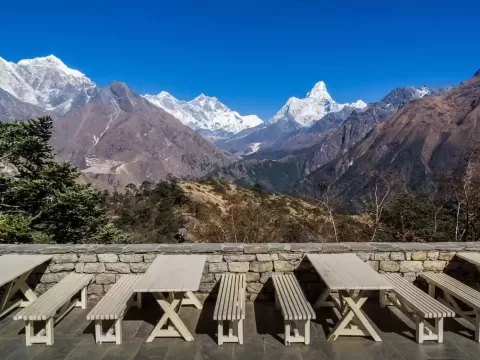
Accommodation during the Everest Base Camp Trek is a crucial aspect of the experience, as it shapes the comfort and convenience of trekkers along the challenging route. The trek involves staying in remote mountain villages, and while basic, the accommodation options are well-established. The majority of trekkers stay in teahouses, which are family-run guesthouses offering basic facilities.

The Everest Base Camp Trek is one of the most iconic and challenging treks in the world, offering adventurers the opportunity to trek through the heart of the Himalayas and stand at the base of Mount Everest, the highest peak on Earth. However, as thrilling as this trek is, it comes with its own set of challenges. One of the most important tips for trekkers is to ensure they are physically prepared.

Sleeping at Everest Base Sleeping at Everest Base Camp (EBC) offers an unmatched adventure for trekkers and mountaineers alike. It’s more than just reaching a destination—it's about the experience, the journey, and the connection with one of the most iconic places on Earth.
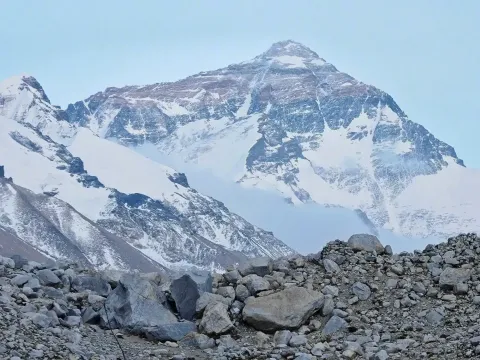
There's a dirty secret on the world's highest mountain that nobody talks about—tons of human waste frozen in place, threatening water supplies for entire communities. Nepal's cracking down with strict new rules, but the real solution starts with responsible trekkers. Find out what's really happening at Everest Base Camp.

The Everest Base Camp Trek is one of the most iconic trekking experiences in the world, passing through legendary Himalayan destinations such as Lukla, Namche Bazaar, Tengboche Monastery, Dingboche, and finally reaching Everest Base Camp. While it is often considered an expensive adventure, smart planning can significantly reduce
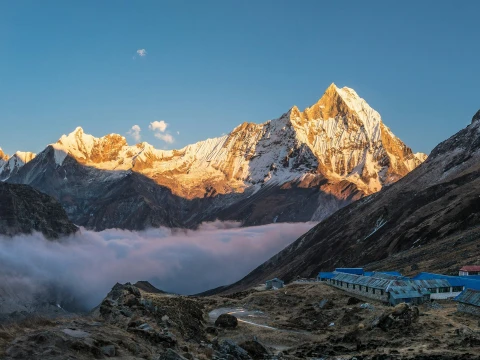
The Annapurna Base Camp (ABC) trek is one of Nepal’s most popular Himalayan journeys, offering a full mountain experience without requiring extreme technical climbing skills or an oversized budget. This itinerary, provided by Explore Holiday Nepal, is designed as a structured, mid-range trekking package that balances comfort, logistics
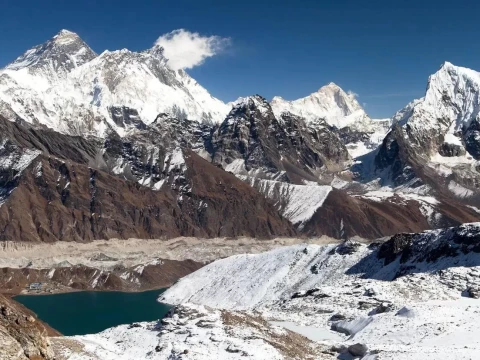
The Everest Three Passes Trek is one of the most adventurous trekking circuits in the Khumbu region, combining high mountain passes, classic Everest Base Camp trails, and remote valleys like Gokyo. A budget-friendly approach is absolutely possible if you plan carefully, share logistics, and avoid unnecessary luxury services while still prioritizing


 (34)
(34) 