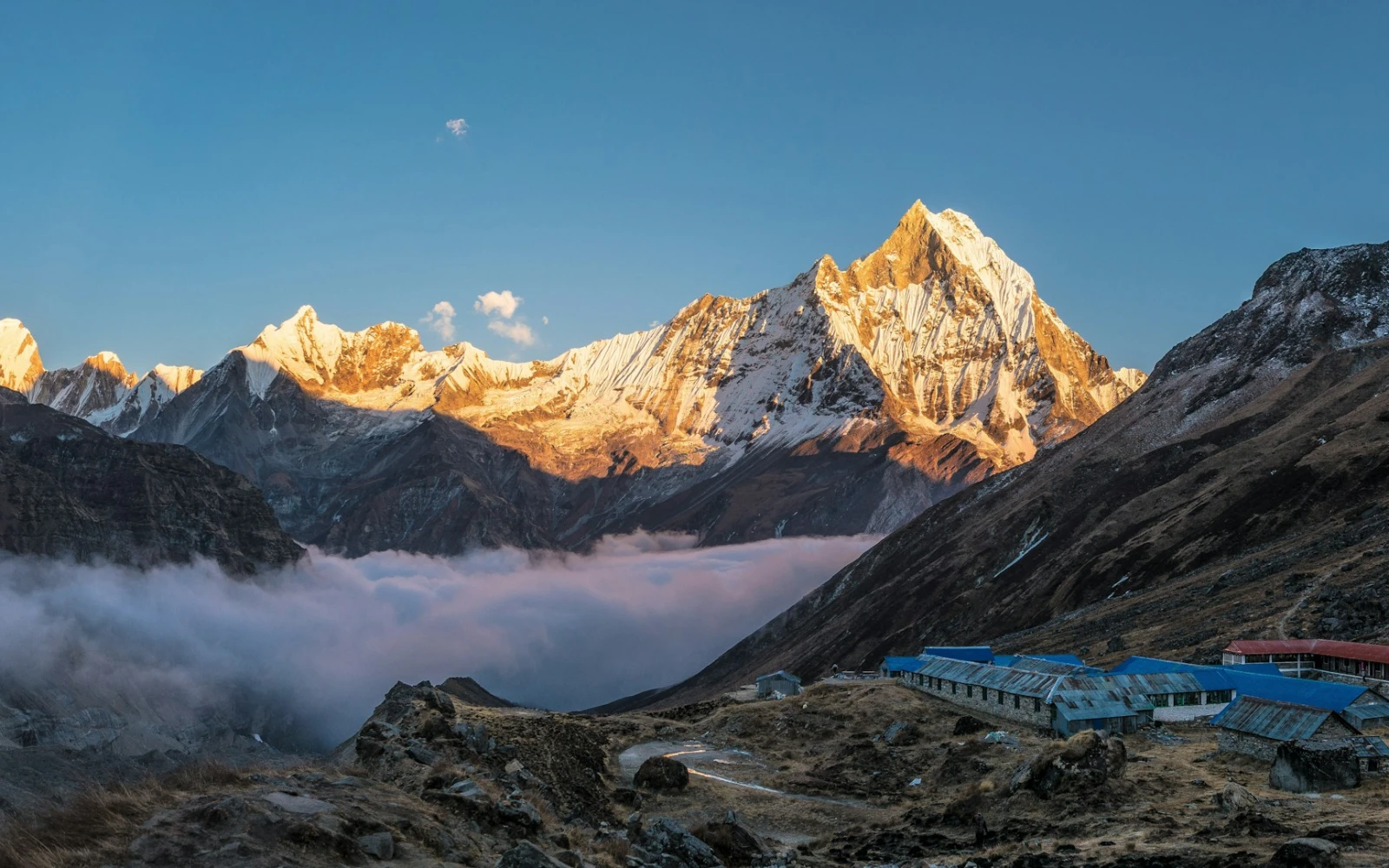
The Annapurna Base Camp (ABC) trek is one of Nepal’s most popular Himalayan journeys, offering a full mountain experience without requiring extreme technical climbing skills or an oversized budget. This itinerary, provided by Explore Holiday Nepal, is designed as a structured, mid-range trekking package that balances comfort, logistics, and affordability while still covering the core highlights of the Annapurna region.
The trek moves through diverse landscapes—from road access in Pokhara to traditional villages like Ghandruk Village and Chomrong Village, eventually reaching high-altitude destinations such as Annapurna Base Camp. The structured pricing system (based on group size) makes it especially attractive for solo travelers, couples, and small trekking groups.
Key highlights of the budget trek package:
The ABC trek is often considered the perfect “budget Himalayan adventure” because it delivers dramatic mountain scenery, cultural immersion, and high-altitude trekking without the extreme costs of expedition-style climbs. With proper planning, trekkers can experience snow-capped peaks, rhododendron forests, and authentic mountain villages at a relatively moderate price.
Choosing a structured package from Explore Holiday Nepal helps reduce hidden costs like transportation confusion, permit handling, and lodging uncertainty. The journey begins in Pokhara and passes through iconic settlements such as Ghandruk Village before gradually ascending toward the Annapurna Sanctuary.
Why this trek is budget-friendly and valuable:
The Annapurna Base Camp trek typically spans 9 days in this itinerary, starting with a drive from Kathmandu to Pokhara and then moving deeper into the Annapurna region. From Pokhara, trekkers travel to Ghandruk Village and begin a gradual ascent through forested trails, rivers, and stone-built settlements.
The route continues through Chomrong Village, then onward to Bamboo and Dovan, before reaching high-altitude highlights like Machhapuchhre Base Camp and finally Annapurna Base Camp. The descent includes relaxation at natural hot springs in Jhinu Danda before returning to Pokhara and Kathmandu.
Day-by-day experience summary:
What makes the experience special:
The cost of the ABC trek varies depending on group size, services included, and travel style. In this package by Explore Holiday Nepal, prices start at around US$565 for solo travelers and decrease significantly with larger groups, going down to around US$429 per person for groups of 16–20 people.
This pricing typically includes guiding services, logistics, permits, accommodation arrangements, and organized transport between major points like Pokhara and trail entry villages such as Ghandruk Village.
Cost breakdown summary:
Additional costs trekkers should expect:
Overall, this pricing structure makes the ABC trek one of the most accessible Himalayan adventures, especially when organized through a professional operator like Explore Holiday Nepal, which helps streamline costs and logistics while ensuring a safe and guided experience.
A clear understanding of daily and fixed expenses is essential for planning a budget-friendly Annapurna Base Camp trek. Even though packages from Explore Holiday Nepal already cover major logistics, trekkers should still know how costs are distributed across different categories. The overall budget depends heavily on travel style, group size, and comfort level during the trek through regions like Ghandruk Village and Annapurna Base Camp.
Most of the expenses fall into five main categories: international flights, permits, food, accommodation, and guide/porter services. While flights to Nepal vary widely depending on origin country, trekking costs inside Nepal are relatively affordable compared to other Himalayan destinations.
Typical budget breakdown:
Additional cost-saving factors include group sharing of guides/porters and choosing organized packages like those offered by Explore Holiday Nepal, which often bundle logistics into a single price.
The cheapest time to trek to Annapurna Base Camp is during the off-season months, mainly late winter (January–February) and monsoon shoulder periods (June and early September). During these times, trekking agencies like Explore Holiday Nepal often offer discounted packages due to lower tourist demand, especially on routes passing through Chomrong Village and Annapurna Base Camp.
However, cost savings come with trade-offs. Winter brings colder temperatures and possible snow at higher elevations, while monsoon season introduces rain, leeches, and slippery trails. Still, for budget travelers willing to compromise on comfort, these seasons can significantly reduce overall trekking expenses.
Cheapest trekking seasons:
Why are these seasons cheaper?
To trek in the Annapurna region, every traveler must obtain official permits. These are mandatory for entering conservation areas such as the Annapurna Conservation Area, which includes destinations like Ghandruk Village and Annapurna Base Camp. Agencies like Explore Holiday Nepal usually arrange these permits on behalf of trekkers, making the process easier and faster.
There are two main permits required for the Annapurna Base Camp trek. The Annapurna Conservation Area Permit (ACAP) supports environmental conservation, while the Trekkers’ Information Management System (TIMS) card helps track and ensure trekker safety in the region.
Required permits and costs:
Important permit notes:
Permits are checked along the route, especially in areas near Chomrong and entry points to the Annapurna Sanctuary.
A 9-day itinerary is one of the most efficient and budget-friendly ways to complete the Annapurna Base Camp trek. It reduces accommodation costs while still allowing proper acclimatization. This route, organized by Explore Holiday Nepal, covers key highlights from Pokhara to Annapurna Base Camp and back, balancing cost and experience.
The itinerary is designed to minimize unnecessary rest days while maintaining a safe trekking pace. It also uses shared transportation and group trekking options to reduce overall expenses.
9-Day Budget Itinerary:
Why this itinerary is budget-friendly:
This structure makes it ideal for travelers seeking a complete Himalayan experience without extending their budget beyond a controlled range, especially when booked through Explore Holiday Nepal.
Accommodation during the Annapurna Base Camp trek is mainly in local teahouses, which are small, family-run guesthouses along the trail. These are the most budget-friendly options and are widely available in villages like Ghandruk Village, Chomrong Village, and higher stops near Annapurna Base Camp. Trekkers booking through Explore Holiday Nepal usually stay in pre-arranged teahouses, which helps secure better rates and availability during peak seasons.
Lodges in lower regions tend to offer slightly better facilities, but as altitude increases, accommodation becomes simpler and more basic. Prices rise gradually with elevation due to transportation difficulty, so strategic planning helps control costs. Most trekkers can keep accommodation expenses low by choosing shared rooms and avoiding unnecessary upgrades.
Tips to save on accommodation:
Food is one of the biggest daily expenses during the trek, but it can be managed easily with smart choices. Meals in teahouses along the route from Ghandruk Village to Annapurna Base Camp are simple, filling, and designed to provide energy for trekking. Common meals include dal bhat (rice, lentils, vegetables), noodles, soups, and eggs.
Trekkers traveling with Explore Holiday Nepal often receive guidance on budget-friendly meal options and recommended eating habits to avoid unnecessary spending. As altitude increases, food prices also rise due to transportation difficulty, so knowing what to eat becomes important for managing costs.
Budget food tips:
Typical daily food cost:
Hiring a guide or porter on the Annapurna Base Camp trek is not strictly mandatory, but it is highly recommended for safety, convenience, and local support. Many budget trekkers choose to hire at least a guide while carrying their own backpack to reduce costs. Agencies like Explore Holiday Nepal provide licensed guides and porters who are familiar with routes such as Chomrong Village and high-altitude sections near Annapurna Base Camp.
For beginners or first-time trekkers in Nepal, a guide can make the journey smoother by assisting with navigation, permits, and cultural understanding. Porters are useful for those who want a lighter trekking experience, especially on steep ascents.
Guide vs Porter decision guide:
Estimated costs:
Packing properly for the Annapurna Base Camp trek is one of the easiest ways to save money. Buying gear in Kathmandu or Pokhara last-minute can be expensive, so bringing essential items from home is strongly recommended. Trekking through areas like Ghandruk Village and up to Annapurna Base Camp requires warm clothing, layered outfits, and reliable footwear.
Travelers trekking with Explore Holiday Nepal are usually advised in advance about essential packing lists to avoid unnecessary rental or purchase costs during the trip.
Smart packing tips:
What NOT to spend money on locally:
Essential packing checklist:
Smart packing ensures fewer unexpected purchases on the trail, helping trekkers stay within budget while still enjoying a safe and comfortable Himalayan experience organized by Explore Holiday Nepal.
Even though the Annapurna Base Camp trek is often marketed as a budget-friendly adventure, many trekkers are surprised by small but frequent hidden expenses. These costs are not always included in standard packages offered by companies like Explore Holiday Nepal, especially when traveling through remote sections such as Chomrong Village and higher areas near Annapurna Base Camp.
Most hidden costs come from daily trail needs and personal preferences rather than major services. Since everything must be carried manually or transported by mule/porter, prices naturally increase with altitude.
Common hidden costs:
How to manage hidden costs:
First-time trekkers often overspend due to a lack of planning, but with a few smart decisions, the Annapurna Base Camp trek can remain very affordable. Many travelers underestimate how quickly small expenses add up during the journey from Ghandruk Village to Annapurna Base Camp, especially when they are unfamiliar with local pricing systems.
Booking with experienced operators like Explore Holiday Nepal helps reduce unnecessary expenses because logistics, permits, and accommodation are organized in advance, avoiding overpriced last-minute arrangements.
Top money-saving tips:
Extra beginner advice:
A realistic budget helps trekkers understand the total cost of the Annapurna Base Camp journey before arriving in Nepal. With organized packages from Explore Holiday Nepal, most major expenses are already structured, but personal spending still varies depending on comfort level and travel habits.
From arrival in Pokhara to trekking through Chomrong Village and reaching Annapurna Base Camp, the total cost includes transportation, permits, food, accommodation, and optional services like porters.
Sample total budget (9-day trek per person):
Estimated total cost:
What affects your budget:
The Annapurna Base Camp trek proves that a Himalayan adventure does not have to be expensive. With proper planning and smart decisions, trekkers can experience snow-capped peaks, cultural villages, and natural hot springs while staying within a reasonable budget. Organized services from Explore Holiday Nepal make the experience more structured and cost-efficient.
From the scenic trails of Ghandruk Village to the breathtaking amphitheater of Annapurna Base Camp, every step of the journey offers value far beyond its cost. The key is balancing comfort, safety, and spending habits.
Final budget trekking advice:
Key takeaway:
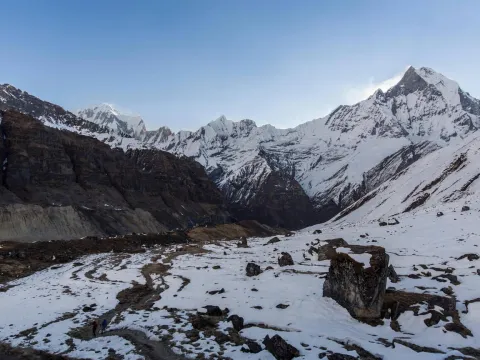
The Annapurna Base Camp Trek (ABC Trek) is one of the most popular treks in Nepal, renowned for its stunning views of the Annapurna Massif, diverse landscapes, and cultural experiences. Starting from the bustling city of Pokhara, the trail leads trekkers through lush forests, charming villages, and alpine meadows, ultimately reaching
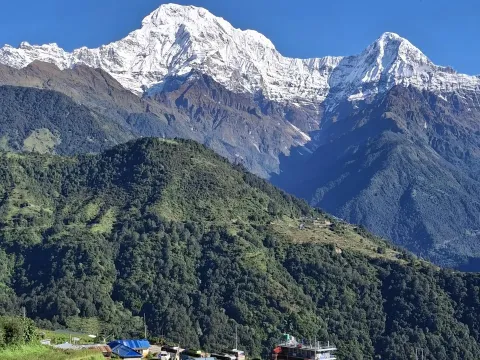
The Annapurna Base Camp (ABC) Trek and the Annapurna Circuit Trek are two of Nepal’s most iconic Himalayan adventures—but they offer very different experiences in terms of duration, difficulty, altitude, and scenery.
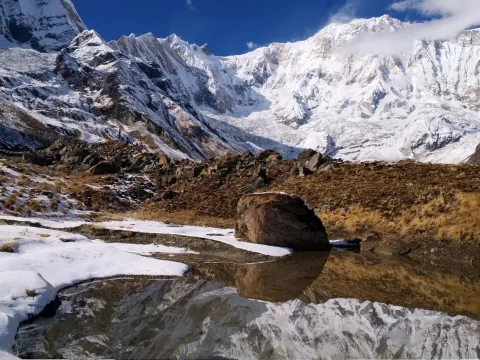
Standing beneath the towering peaks of the Annapurna massif, thousands of trekkers each year wonder the same thing: can beginners do Annapurna trek?


 (34)
(34) 