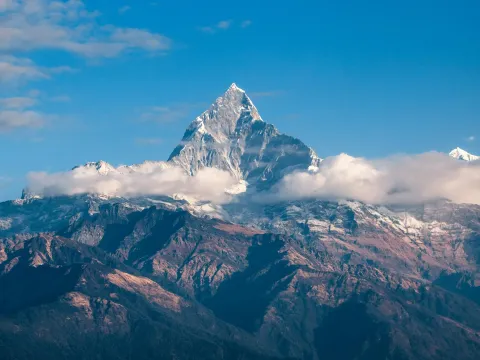
I'm going to be blunt: altitude sickness doesn't care if you're fit, young, or have trekked before. I've seen marathon runners struggling at Namche Bazaar while 60-year-olds cruise to Everest Base Camp. I've watched cocky 25-year-olds need helicopter evacuation while cautious first-timers make it without issues. After organizing 300+ high-altitude treks and dealing with countless altitude sickness cases (from mild headaches to life-threatening emergencies), here's everything you actually need to know. No medical jargon. No sugar-coating. Just the real information that might save your trek—or your life.
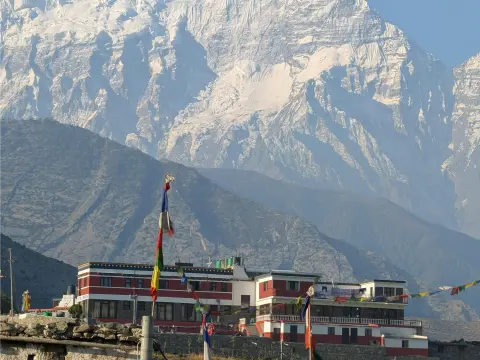
Beyond the trekking trails and mountain peaks lies another Nepal—one of prayer bells, butter lamps, and timeless wisdom. Journey through famous monasteries like Tengboche and Kopan, witness the authentic daily life of Buddhist monks, and discover why thousands of spiritual seekers find transformation in these sacred Himalayan sanctuaries.
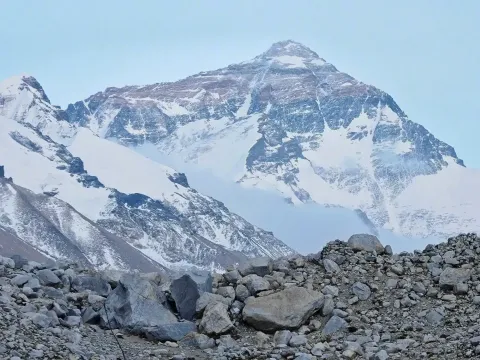
There's a dirty secret on the world's highest mountain that nobody talks about—tons of human waste frozen in place, threatening water supplies for entire communities. Nepal's cracking down with strict new rules, but the real solution starts with responsible trekkers. Find out what's really happening at Everest Base Camp.
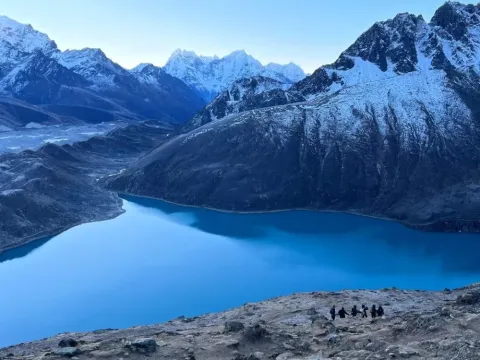
The Gokyo Valley Trek, organized by Explore Holiday Nepal, is one of the most spectacular trekking experiences in the Everest region. Unlike the traditional Everest Base Camp route, this trek takes you through pristine landscapes, tranquil lakes, and lesser-crowded trails. The trek is renowned for its breathtaking views of the world’s highest peaks,
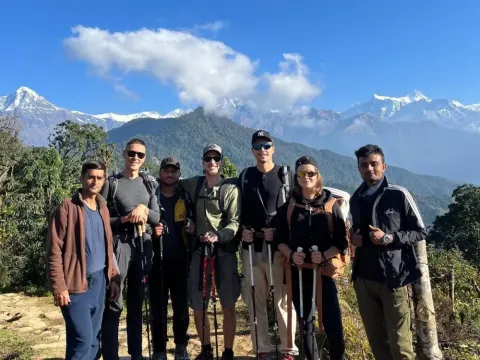
The Mardi Himal Trek, organized by Explore Holiday Nepal, is a lesser-known trekking route in the Annapurna region, offering a perfect blend of natural beauty, cultural encounters, and Himalayan adventure. This trek is ideal for travelers seeking a quiet trail away from the bustling tourist hubs of Nepal. With diverse landscapes
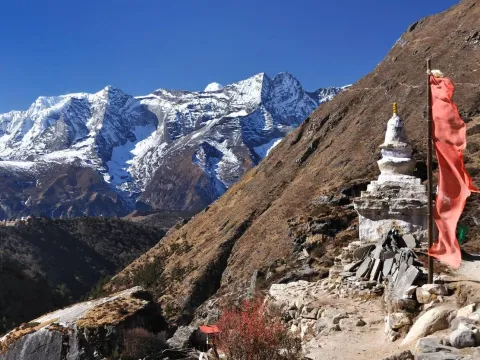
Nepal is renowned as a trekking paradise, attracting adventurers from all over the world. However, trekking in Nepal isn’t just about hiking through breathtaking landscapes; it also involves obtaining the necessary permits to legally enter and explore the country’s national parks and restricted areas.
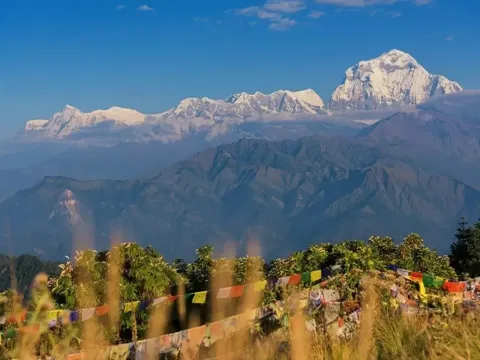
The Ghorepani Poon Hill Trek is a short yet immensely rewarding Himalayan trek in Nepal’s Annapurna region. Famous for its spectacular sunrise over the Annapurna and Dhaulagiri ranges, this trek combines natural beauty, cultural richness, and moderate trekking challenges.
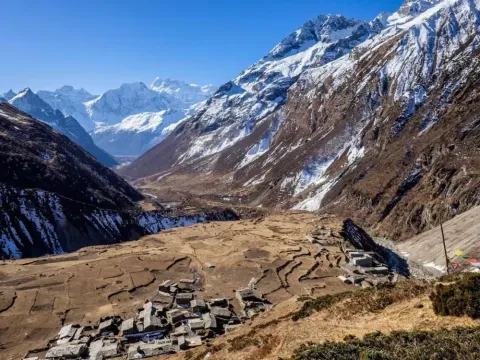
Tsum Valley, a hidden gem tucked away in the northern reaches of Nepal, is a pristine Himalayan valley known for its untouched natural beauty, rich cultural heritage, and deep spiritual significance. Often referred to as the “Valley of Mystics,” Tsum Valley has remained isolated from mainstream tourism, allowing its traditions, monasteries, and local lifestyles to flourish with minimal external influence.
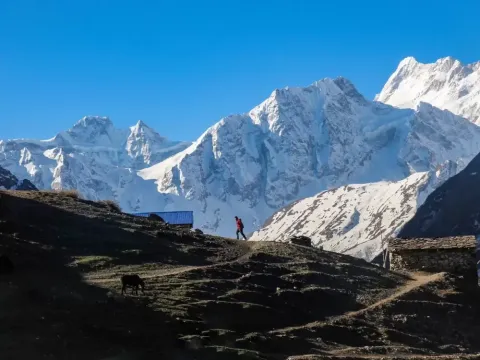
The Manaslu Circuit Trek is a spectacular journey through the remote and serene landscapes of the Manaslu region, offering trekkers breathtaking views of the eighth-highest mountain in the world, Mount Manaslu (8,163 meters).
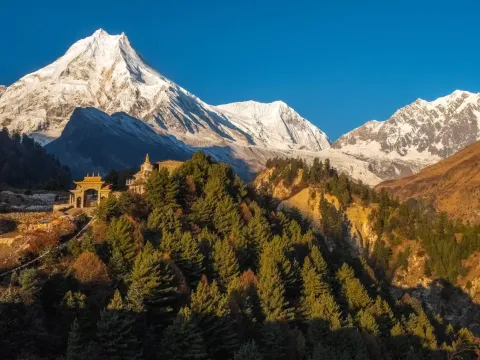
The Manaslu Circuit Trek, often referred to as Nepal’s hidden gem, is a spectacular journey that takes adventurers through one of the least explored regions of the Himalayas. Unlike the more popular Everest or Annapurna circuits, the Manaslu trek offers pristine landscapes, traditional villages, and a profound sense of tranquility, making it a perfect choice for trekkers seeking solitude combined with authentic cultural experiences.
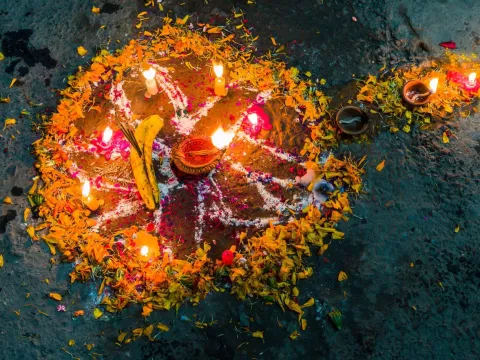
Tihar, often referred to as the Festival of Lights, is one of the most vibrant and widely celebrated festivals in Nepal. Spanning five days, it is a time when the entire country comes alive with colorful decorations, traditional rituals, and joyous gatherings. The festival honors various animals, gods, and goddesses, symbolizing
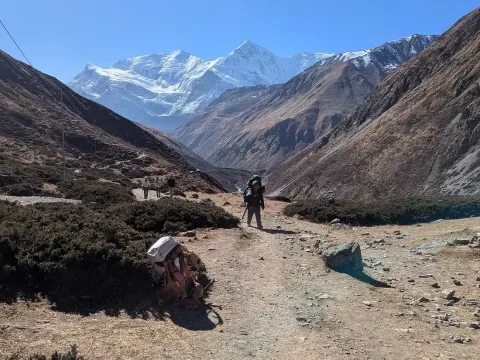
Nepal, home to some of the world’s most breathtaking mountain landscapes, offers a variety of trekking experiences, but none quite compare to the grandeur of the Manaslu and Annapurna Circuits. Both treks are iconic in their own right, drawing adventurers from around the globe. However, they differ significantly in terms of scenery, difficulty, cultural experiences, and remoteness.


 (34)
(34) 