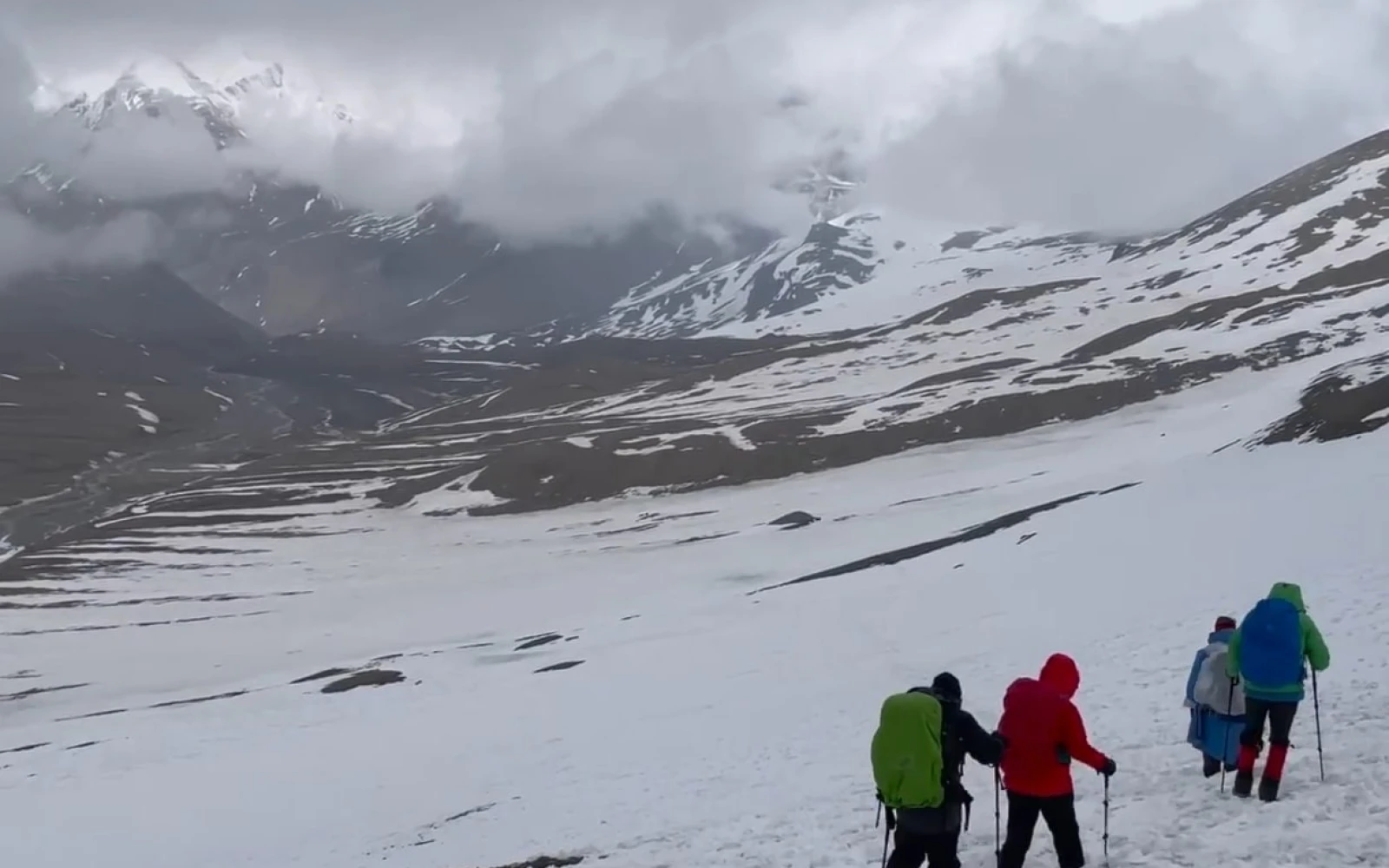
The Dhaulagiri Circuit is one of Nepal’s most spectacular yet less-traveled trekking routes. Nestled in the remote northwestern region of the country, this trek offers adventurers a combination of snow-capped peaks, high-altitude passes, lush valleys, and traditional Gurung villages. Unlike the more popular Annapurna or Everest treks, the Dhaulagiri Circuit remains pristine, giving trekkers a sense of solitude and raw natural beauty.
Organized by Explore Holiday Nepal, this trek is ideal for those looking to immerse themselves in Nepal’s untouched landscapes while experiencing challenging yet rewarding trekking conditions. The journey is not only physically stimulating but also culturally enriching, as trekkers pass through centuries-old villages where local traditions thrive.
Highlights:
The Dhaulagiri Circuit offers a perfect blend of adventure, natural beauty, and cultural immersion. Starting from Kathmandu, the journey takes you through Pokhara, Beni, and deep into the heart of the Dhaulagiri region. Trekking in this area allows adventurers to witness spectacular landscapes, including lush river valleys, terraced farmlands, glacial lakes, and rugged mountain terrain.
For adventure seekers, this trek is a must because it combines the thrill of challenging trails with the serenity of untouched nature. Unlike the crowded trails of Everest and Annapurna, the Dhaulagiri Circuit offers a sense of exclusivity, allowing trekkers to connect with the environment and local communities truly.
Why This Trek is a Must:
The Dhaulagiri Circuit is typically a 17-day journey, combining trekking, driving, and acclimatization days. Organized carefully by Explore Holiday Nepal, it ensures a balance between adventure, safety, and cultural experience. The route passes through Beni, Dharapani, Muri, Boghara, Dobang, Choriban Khola, Italian Base Camp, Glacier Camp, Dhaulagiri Base Camp, Hidden Valley, Yak Kharka, and Marpha before returning to Pokhara and Kathmandu.
This trek allows trekkers to experience a variety of landscapes, including:
Best Time to Trek:
Fitness and Training Tips for the Dhaulagiri Circuit
The Dhaulagiri Circuit is a challenging trek that demands physical endurance, mental focus, and good acclimatization skills. Preparing your body beforehand is crucial to enjoying the journey and preventing altitude-related issues. Cardiovascular fitness is essential; activities like running, cycling, swimming, or stair climbing can help improve stamina. Strength training focusing on legs, core, and back muscles will prepare you for long ascents and descents while carrying a backpack.
Endurance is equally important because trekking days often range from 5 to 8 hours at varying altitudes. It is recommended to practice multi-day hikes with a loaded backpack to simulate real trail conditions. Additionally, mental preparation is vital, as trekkers may face unpredictable weather, rugged terrain, and remote areas with limited facilities.
Key Fitness Tips:
Essential Gear Checklist for the Trail
Proper gear ensures comfort, safety, and a successful trekking experience. High-quality hiking boots with ankle support are critical to navigate rocky and icy trails. Layered clothing is essential due to temperature fluctuations from warm lower altitudes to freezing high passes. Waterproof jackets and pants protect against rain and snow, while gloves, hats, and thermal layers keep you warm in sub-zero conditions.
Other must-have items include trekking poles for balance, a good sleeping bag suitable for sub-zero temperatures, a headlamp, sunscreen, sunglasses, and a first-aid kit. Hydration and nutrition are also crucial, so carrying water purification tablets and energy snacks is recommended. By preparing thoroughly, trekkers can focus on enjoying the majestic scenery and cultural encounters along the trail rather than worrying about discomfort or equipment failure.
Essential Gear Checklist:
Starting the Journey: From Pokhara to Dhaulagiri
The adventure begins with a scenic drive from Pokhara to Beni, the gateway to the Dhaulagiri Circuit. As the road winds through river valleys and terraced farmlands, trekkers get their first glimpse of the Himalayan ranges. From Beni, the trek ascends gradually, introducing adventurers to the unique landscapes and culture of the region. Each village along the trail showcases traditional stone houses, prayer flags fluttering in the wind, and friendly local communities.
Trekking from lower altitudes to higher ones allows gradual acclimatization, which is key for preventing altitude sickness. The trail offers a balance of moderate climbs, river crossings, and forested paths that make the first days enjoyable and manageable for beginners and experienced trekkers alike.
Starting Journey Highlights:
Crossing Majestic Passes and Villages
One of the defining features of the Dhaulagiri Circuit is the crossing of high mountain passes, such as French Pass and Dhampus Pass. These passes offer panoramic views of snow-capped peaks and glaciers, creating unforgettable photo opportunities. Along the way, trekkers pass through charming villages where traditional lifestyles remain largely unchanged. Local tea houses offer warm meals, tea, and an opportunity to interact with villagers, gaining insight into their customs and hospitality.
Traversing these passes can be physically demanding, but the breathtaking scenery and sense of accomplishment make every step worthwhile. The trail often moves between alpine meadows, moraine fields, and glacial terrain, providing a mix of trekking experiences that test both endurance and skill.
Passes and Villages Highlights:
Wildlife and Nature Encounters on the Trail
The Dhaulagiri Circuit is home to a variety of Himalayan flora and fauna. Trekkers may spot Himalayan monal (the national bird of Nepal), snowcocks, langurs, and even occasional sightings of musk deer in remote areas. The trail winds through forests of rhododendron, oak, and pine, offering colorful blooms in spring and vibrant foliage in autumn.
Nature enthusiasts will appreciate the untouched beauty of glacial lakes, waterfalls, and rugged mountain ridges along the circuit. Observing the interplay of clouds, sunlight, and snow-covered peaks is a highlight for photographers and trekkers alike, adding a magical dimension to the trekking experience.
Wildlife and Nature Highlights:
Cultural Insights: Local Communities Along the Circuit
The Dhaulagiri Circuit is rich in cultural experiences. Trekkers encounter the Gurung and Thakali communities, known for their hospitality, traditional dress, and unique architectural styles. Villagers often welcome trekkers with tea and stories of their heritage, providing an authentic glimpse into life in the Himalayas.
Festivals, prayer flags, and monasteries along the route reflect the spiritual and cultural fabric of the region. Understanding local customs, participating in village rituals, and learning about traditional agriculture or yak herding enriches the trekking experience, making it more than just an adventure in nature—it becomes a journey into the heart of Himalayan culture.
Cultural Insights Highlights:
Common Trekking Challenges and How to Overcome Them
The Dhaulagiri Circuit is an exhilarating trek, but it comes with its own set of challenges. Trekkers face steep ascents, long trekking days, unpredictable weather, and rugged trails that demand both stamina and focus. The remote nature of the circuit means that access to medical facilities is limited, so careful planning and preparation are essential.
To overcome these challenges, proper fitness preparation, acclimatization, and realistic daily goals are crucial. Following a guided itinerary with Explore Holiday Nepal ensures that each stage of the trek is manageable and safe. Trekking poles, sturdy boots, and layered clothing help prevent injuries and protect against cold, wind, and rain.
Key Challenge Tips:
Altitude Sickness and Health Tips for High-Altitude Trekking
One of the biggest risks on the Dhaulagiri Circuit is altitude sickness, as the trek reaches over 5,000 meters at passes like French Pass. Symptoms can include headache, nausea, dizziness, and fatigue. To reduce risks, trekkers should ascend gradually, take rest days for acclimatization, and avoid alcohol or overexertion.
It’s essential to carry medications for altitude-related symptoms, maintain proper hydration, and monitor your body closely. Explore Holiday Nepal provides guidance and emergency support, ensuring trekkers know how to respond to altitude-related issues and maintain health throughout the trek.
Altitude Safety Tips:
Navigational Tips: Staying Safe on Remote Trails
The Dhaulagiri Circuit passes through remote valleys and sparsely populated areas, making navigation critical. Trails may be unmarked in high-altitude zones, so following a professional guide from Explore Holiday Nepal ensures safety and direction. Maps, GPS devices, and local knowledge of terrain help prevent getting lost, and trekkers should always inform guides of their physical condition daily.
Being prepared for emergencies is vital. Carry a basic first-aid kit, extra food and water, and warm clothing in case of unexpected delays. Safety is enhanced by trekking in groups, checking weather forecasts, and respecting local warnings about snow and landslide-prone areas.
Navigational Safety Tips:
Tea Houses, Lodges, and Camping Options
Accommodation along the Dhaulagiri Circuit is primarily through tea houses and small lodges, which offer basic yet comfortable rooms. These lodges provide meals and a warm place to rest after long trekking days. In more remote areas, camping may be necessary, allowing trekkers to experience the wilderness up close, sleeping under the stars surrounded by majestic peaks.
Explore Holiday Nepal carefully selects accommodations for comfort, safety, and proximity to trail highlights. This ensures that even in remote locations, trekkers have access to hot meals, clean bedding, and secure shelter.
Accommodation Highlights:
Traditional Nepali Cuisine to Try on the Trail
The Dhaulagiri Circuit offers opportunities to savor authentic Nepali food that fuels trekkers for high-altitude adventures. Popular dishes include dal bhat (lentil soup with rice), momo (dumplings), and thukpa (Tibetan-style noodle soup). Many lodges also provide tea, coffee, and local snacks for quick energy on the trail.
Trying local cuisine not only energizes trekkers but also offers cultural immersion. Meals are often cooked fresh using locally sourced ingredients, giving insight into the regional agricultural and culinary traditions.
Food Highlights:
Best Spots for Sunrise, Sunset, and Panoramic Views
The Dhaulagiri Circuit is a photographer’s paradise, offering spectacular vantage points for sunrise and sunset over snow-capped peaks. Areas around Dhaulagiri Base Camp, French Pass, and Hidden Valley provide sweeping panoramic views of Himalayan giants, glaciers, and deep valleys. Capturing the changing light across rugged landscapes is a highlight for any trekking photographer.
Trekkers should plan for early mornings to catch golden-hour light and evenings for sunset hues. The play of clouds, snow, and sun creates dramatic contrasts that are unique to high-altitude environments.
Photography Highlights:
Capturing the Essence of Dhaulagiri on Camera
Beyond landscapes, the Dhaulagiri Circuit offers moments that capture the essence of Nepal’s hidden Himalayan gems. From yak herders and local villagers to prayer flags fluttering on high ridges, every frame tells a story. Snowfields, alpine meadows, and remote tea houses add layers of visual interest, making it an unforgettable experience for photographers and trekkers alike.
Using a combination of wide-angle lenses for landscapes and zoom lenses for wildlife or village details allows trekkers to fully document the diversity of the circuit. Explore Holiday Nepal also guides the best vantage points and timing for photos, helping adventurers capture once-in-a-lifetime memories.
Camera & Adventure Tips:
How to Hire Guides and Porters
Hiring experienced guides and porters is essential for navigating the remote Dhaulagiri Circuit safely and efficiently. Guides provide expertise in route planning, weather conditions, altitude management, and cultural interactions with local communities. Porters help carry heavy loads, allowing trekkers to move comfortably and reduce fatigue on long days of trekking.
Explore Holiday Nepal offers professional, licensed guides and trained porters who are familiar with the Dhaulagiri Circuit. They ensure not only physical safety but also enhance the cultural and natural experience of the trek by sharing insights about local traditions, flora, fauna, and hidden viewpoints.
Hiring Tips:
Budgeting for Your Trek: Costs and Considerations
The Dhaulagiri Circuit is a high-value trekking experience that requires careful budgeting. Major costs include flights, transportation to Pokhara and Beni, guide and porter fees, accommodation, meals, permits, and trekking equipment. Emergency funds are also essential due to the remote nature of the trek.
Budgeting for high-altitude treks should consider flexibility, as unpredictable weather can occasionally cause delays, extending the number of nights in lodges or camps. Explore Holiday Nepal can provide a comprehensive cost estimate, covering accommodation, meals, permits, and guided services, helping trekkers plan their finances effectively.
Budgeting Highlights:
Maps, Apps, and Other Trekking Resources
Proper navigation tools are crucial on the Dhaulagiri Circuit, given its remote and occasionally unmarked trails. Maps, trekking apps, GPS devices, and offline navigation tools help ensure safety and confidence. Additionally, weather apps and altitude information tools can aid in planning daily trekking schedules and identifying potential hazards.
Using resources provided by Explore Holiday Nepal, trekkers can combine local knowledge with modern technology. Guides often carry backup maps, emergency communication devices, and first-aid kits, giving trekkers peace of mind and enhancing safety.
Resource Tips:
Reflecting on the Journey: Why the Dhaulagiri Circuit is a Hidden Gem
The Dhaulagiri Circuit is a unique trekking experience, offering a perfect mix of natural beauty, adventure, and cultural immersion. From the lush valleys of Beni to the icy heights of French Pass and Dhaulagiri Base Camp, trekkers experience Nepal in its most pristine form. Unlike more crowded treks, this circuit provides solitude, a true connection with nature, and the satisfaction of traversing challenging terrain.
The trek leaves a lasting impression not only through its dramatic landscapes but also through meaningful interactions with local communities. Every step along the trail is a story—from yak herders in alpine meadows to villagers sharing traditional meals in stone houses. With Explore Holiday Nepal, the journey becomes safe, organized, and deeply enriching, turning a demanding trek into a life-changing adventure.
Why the Circuit is Special:
Inspiring Other Trekkers: Planning Your Own Adventure
For anyone considering the Dhaulagiri Circuit, preparation, fitness, and planning are key. Trekkers are encouraged to start with fitness routines, gather essential gear, and choose experienced guides from reputable companies like Explore Holiday Nepal. With proper preparation, this trek can be an inspiring adventure that tests endurance, rewards the spirit, and fosters deep appreciation for the Himalayan landscape.
Sharing stories, photos, and experiences can inspire other adventurers to explore this hidden gem. The Dhaulagiri Circuit proves that Nepal’s magic extends far beyond the well-known Annapurna and Everest trails, rewarding those who seek authentic and challenging high-altitude trekking.
Tips for Aspiring Trekkers:
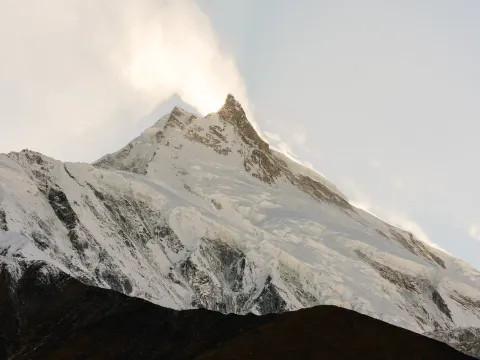
How difficult is Manaslu Trek — that is the one question every trekker asks before committing to Nepal's most rewarding restricted circuit. The Manaslu Circuit Trek wraps entirely around Mt. Manaslu, the world's eighth-highest peak at 8,163 m, crossing the legendary Larkya La Pass at 5,160 m through raw, uncommercialised Himalayan wilderness. The Manaslu Trek difficulty is real
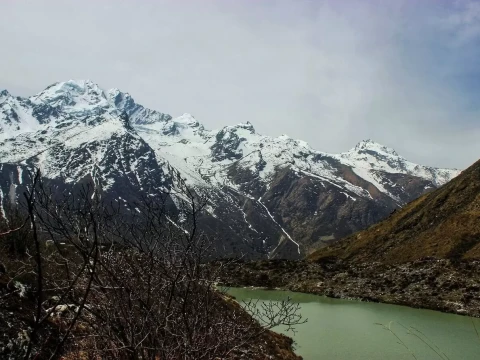
The Langtang Adventure to Gosainkunda Lake is one of Nepal’s most captivating high-altitude treks, offering a perfect blend of natural beauty, cultural immersion, and spiritual experience. Located in the heart of the Himalayas, the Langtang region is known for its snow-capped peaks, dense forests, alpine meadows, and sacred lakes.
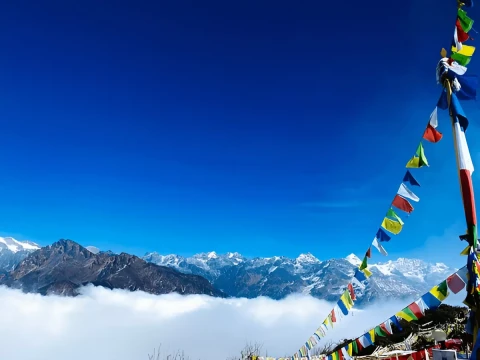
The Ama Yangri Trek is gaining attention for its serene trails, cultural richness, and stunning Himalayan vistas. Whether you are a seasoned trekker or a nature enthusiast, this off-the-beaten-path route offers a unique experience away from the crowded Everest and Annapurna trails.


 (34)
(34) 