Latest Update: August 30, 2026 | Explore Holiday Nepal
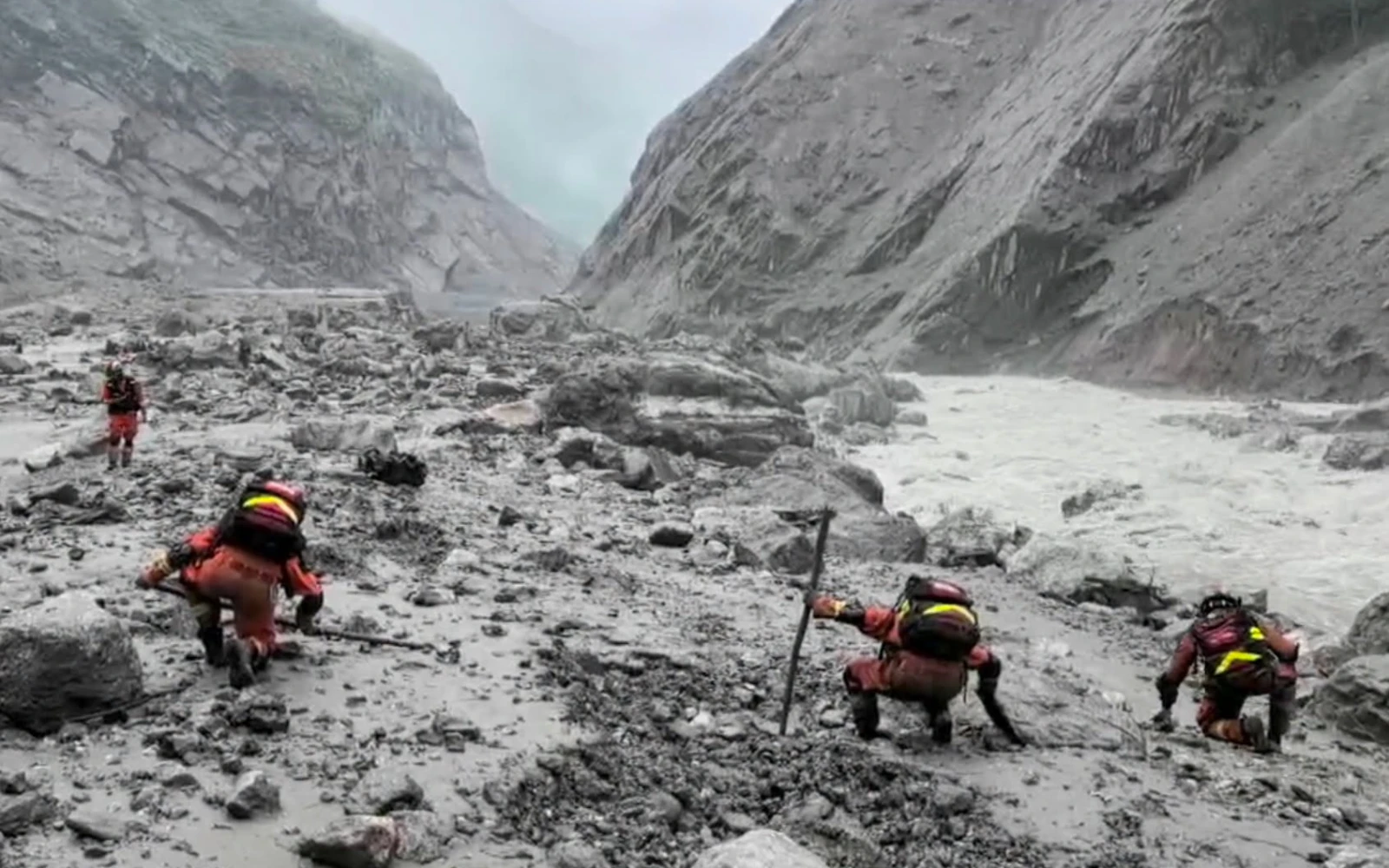
Nepal is facing a major humanitarian and natural disaster following devastating floods and debris flows in the northern Himalayan region on August 26, 2026.
The disaster has caused extensive destruction in Rasuwa and the Bhote Koshi–Trishuli river corridors, damaging roads, bridges, homes, hydropower infrastructure and transportation routes. Rescue and recovery operations are still continuing, while authorities are monitoring the possibility of further flooding in some river systems.
According to the latest figures reported on August 30, the disaster has caused more than 700 deaths in Nepal, with thousands of people still missing. Different official and media updates are changing as rescue teams recover and identify victims, so travelers should rely on the latest government information before entering affected areas.
At Explore Holiday Nepal, we believe traveler safety and honest information must come before tourism promotion.
This guide explains the current situation, affected areas, trekking routes, road conditions, and what international travelers should know before visiting Nepal.
On August 26, a catastrophic flood and debris-flow event struck northern Nepal, particularly around Rasuwa and the Bhote Koshi River corridor near the Nepal–China border.
The disaster swept away buildings, vehicles, roads and bridges and severely damaged important infrastructure.
The affected area includes important routes toward:
The situation remains extremely serious, and rescue teams are still working in difficult terrain.
Reports also indicate that rising water levels and secondary flood risks have complicated rescue operations.
The Nepal flood does not mean that the entire country is flooded or closed.
Nepal is geographically diverse, and the major disaster has been concentrated in specific river corridors.
However, monsoon weather can cause additional landslides and road closures in other parts of the country.
Therefore, travelers should assess their specific destination and route, rather than making decisions based only on the general situation in Nepal.
Rasuwa is one of the worst-affected areas.
The Bhote Koshi corridor has suffered severe destruction, including damage to roads, bridges and border infrastructure.
At present, travelers should avoid unnecessary travel into the disaster zone.
The priorities in affected areas are:
This is not the time for sightseeing or adventure travel in the disaster zone.
Langtang is connected to Rasuwa and depends heavily on road access through the affected corridor.
The normal road route toward Dhunche, Syabrubesi and Langtang has experienced serious disruption.
Travelers planning a Langtang Valley Trek should therefore postpone departure until the road and trail conditions have been officially assessed and confirmed safe.
Recent U.S. Embassy information also advised travelers to postpone travel to Rasuwa, including Syabrubesi, Timure, Langtang access routes and Rasuwagadhi.
At Explore Holiday Nepal, we would not recommend sending clients into an affected route simply because they already have a permit or confirmed itinerary.
Safety comes first.
The Trishuli River corridor has also been affected by the flood and subsequent high-water conditions.
Roads and bridges in some areas have been damaged, while landslides continue to create transportation challenges.
Travelers driving between Kathmandu and western or northern Nepal should check road conditions immediately before departure.
The Prithvi Highway and other major routes have experienced disruptions during the current crisis.
Road conditions can change quickly during monsoon weather.
This is one of the most important things international travelers should understand.
The devastating flood is a regional disaster, not a complete closure of Nepal.
Many destinations outside the affected corridor can continue to operate depending on current weather, road and trail conditions.
For example, recent trekking-sector information indicates that major routes in the Everest and Annapurna regions are geographically separate from the Rasuwa flood zone.
However, travelers should not interpret this as a guarantee that every trail or road is safe.
Each itinerary needs an individual safety assessment.
The Everest region is geographically separate from the Rasuwa–Bhote Koshi disaster corridor.
Recent trekking information indicates that the main Everest Base Camp trekking route was not directly affected by the August 26 flood.
However, August is still monsoon season in Nepal.
Travelers should expect possible:
For Everest Base Camp trekkers, flexibility is especially important.
At Explore Holiday Nepal, we recommend keeping extra buffer days in your itinerary when traveling during unstable weather.
The Manaslu region is geographically separate from the Rasuwa flood corridor.
However, the road journey toward the Manaslu trekking area can be affected by monsoon rainfall, landslides and damaged infrastructure.
Some current trekking-industry updates indicate that Manaslu trekking itself can continue, but access conditions should be checked immediately before departure.
This is an important distinction:
A trekking trail may be open while the road used to reach the trailhead is temporarily disrupted.
For this reason, Explore Holiday Nepal checks transportation and local conditions before sending clients toward the Manaslu region.
The Annapurna region is geographically separate from the Rasuwa disaster area, and current trekking-sector reports indicate that Annapurna trekking routes have not been directly affected by the August 26 disaster.
Popular routes include:
However, the monsoon can still cause landslides and road disruptions.
Therefore, travelers should check the specific access road and trail before departure.
Upper Mustang is located in a different geographical environment from Rasuwa and the Bhote Koshi corridor.
The region is generally much drier than many other parts of Nepal.
However, access can still be affected by:
Travelers should always confirm current conditions before starting their journey.
During the current emergency, travelers should be particularly cautious about routes connected directly to the affected Rasuwa and Bhote Koshi corridor.
Rasuwa → Dhunche → Syabrubesi → Langtang → Timure → Rasuwagadhi
until authorities and local professionals confirm that access is safe.
This is particularly important because secondary flooding and landslides can occur after the initial disaster.
Road conditions are one of the biggest issues for travelers during the current monsoon and recovery period.
Some roads are open, some are partially operational, and others have been temporarily closed because of landslides, flooding or damaged bridges.
For example, traffic on the Narayangadh–Mugling route resumed after a temporary halt following flood concerns, demonstrating how quickly conditions can change.
This is why we recommend:
A road that was open yesterday can be blocked today.
Before a road journey, check:
If you are planning to travel to Nepal in 2026, we recommend the following.
Do not ask only:
“Is Nepal safe?”
Ask:
“Is my specific destination and route safe today?”
Nepal is a large country with very different geographical regions.
A local trekking company can monitor changing conditions and communicate with guides and communities in the trekking regions.
This is particularly important during monsoon and disaster recovery periods.
Do not schedule your trip with no extra time.
Allow additional days for:
Your insurance should cover your actual activities and altitude.
Check whether your policy includes:
After a flood, rivers can be extremely unpredictable.
Never attempt to cross:
Even if another person has crossed before you.
Mountain rivers can rise suddenly.
Nepal's tourism industry supports thousands of families.
Guides, porters, drivers, hotel owners, restaurant workers, teahouse owners and local producers all depend on tourism.
Responsible tourism can therefore contribute to Nepal's recovery.
But responsible tourism does not mean visiting disaster areas.
It means supporting communities when they are ready to welcome travelers safely.
When a destination is open, choose locally owned accommodation where possible.
Local guides provide employment while giving travelers valuable local knowledge.
Supporting local restaurants helps money remain within communities.
Handicrafts and locally produced goods can provide additional income for families.
Please do not enter disaster zones simply to take photographs or videos.
These are communities experiencing loss and trauma.
Rescue operations must always come first.
During normal trekking seasons, an experienced guide makes a trek easier and more enjoyable.
During a period of flooding and landslides, local knowledge becomes even more important.
A professional local guide can understand:
At Explore Holiday Nepal, our guides are not simply people who walk with travelers.
They are responsible for helping guests make safe decisions throughout the journey.
At Explore Holiday Nepal, our philosophy is simple:
We do not believe that completing an itinerary is more important than the safety of our guests.
If conditions make a route unsafe, we are prepared to:
Our goal is not simply to take travelers to the mountains.
Our goal is to help them experience Nepal safely, responsibly and meaningfully.
For travelers planning destinations outside the affected areas, Nepal can still be considered, but travel decisions should be based on current, destination-specific conditions.
The situation is changing quickly.
Some roads may reopen while others can close again after heavy rainfall. Rescue operations continue, and authorities are monitoring further flood risks.
Therefore, we recommend checking conditions shortly before your departure rather than relying on information published several weeks earlier.
The current disaster has caused tremendous suffering.
But Nepal is more than one affected river corridor.
Nepal is home to the Himalayas, ancient cultures, historic cities, national parks, villages and millions of welcoming people.
As recovery continues, responsible travelers can help support local economies.
But the principle should always remain:
Do not travel where travel puts people at risk.
Do travel where communities are ready and routes are confirmed safe.
Support local people and local businesses.
The August 2026 floods are a heartbreaking tragedy for Nepal.
Our deepest sympathy goes to everyone who has lost family members, homes, livelihoods and loved ones.
The recovery will take time.
At the same time, we want international travelers to understand that the disaster has not affected every part of Nepal in the same way.
Some trekking regions are geographically separate from the affected area, while others—especially the Rasuwa and Langtang access corridor—require significant caution and should not be entered until conditions are confirmed safe.
At Explore Holiday Nepal, we will continue monitoring roads, trekking trails, weather and local conditions and will advise travelers honestly.
We believe tourism should never come before safety.
Explore Holiday Nepal Pvt. Ltd.
🌐 www.exploreholidaynepal.com
📧 [email protected]
📱 WhatsApp: +977-9849816310
Your safety is our responsibility. Your Himalayan experience is our passion.
Is Nepal Safe for Solo Travelers
Best Time for Trekking in Nepal Everest Base Camp Trek
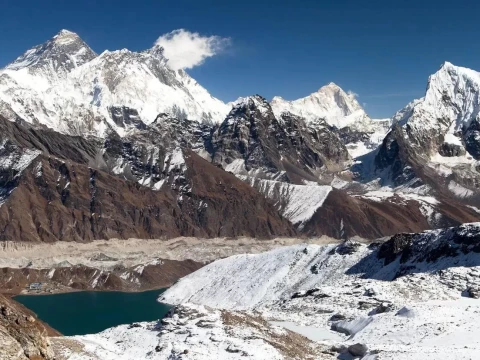
The Everest Three Passes Trek is one of the most adventurous trekking circuits in the Khumbu region, combining high mountain passes, classic Everest Base Camp trails, and remote valleys like Gokyo. A budget-friendly approach is absolutely possible if you plan carefully, share logistics, and avoid unnecessary luxury services while still prioritizing
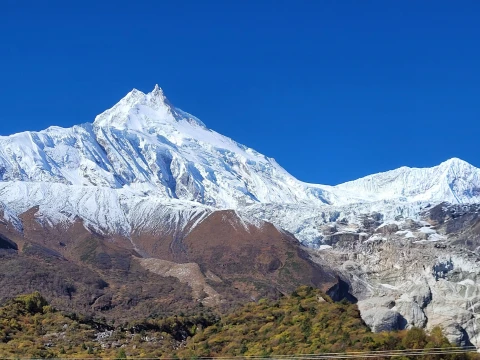
Complete Comparison Guide by Explore Holiday Nepal
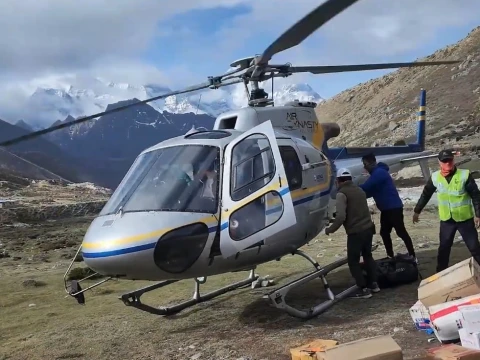
The Everest Base Camp Return by Helicopter Trek is a premium Himalayan adventure that combines the excitement of trekking to the foot of the world's highest mountain with the comfort of a scenic helicopter flight back to Kathmandu. This itinerary allows travelers to experience the legendary Everest trail while avoiding the long return trek
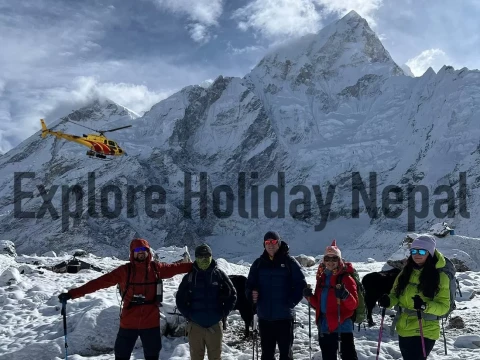
The EBC Luxury via Gokyo Trek is one of the most rewarding trekking adventures in the Himalayas, combining the world-famous Everest Base Camp with the breathtaking beauty of the Gokyo Valley. This carefully designed journey follows a quieter and more scenic route before connecting to the classic Everest Base Camp trail, offering trekkers
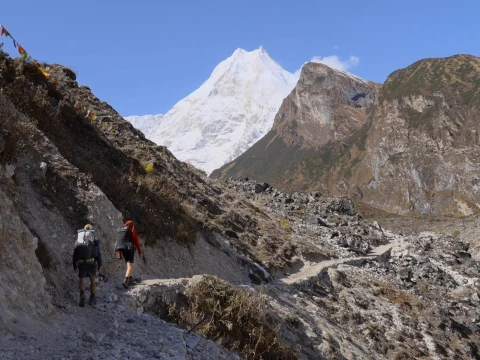
The Manaslu Tsum Valley Luxury Trek is an extraordinary Himalayan adventure that combines untouched natural beauty, ancient Tibetan culture, breathtaking mountain landscapes, and premium trekking experiences. Organized by Explore Holiday Nepal, this carefully designed journey takes travelers through the remote Manaslu region
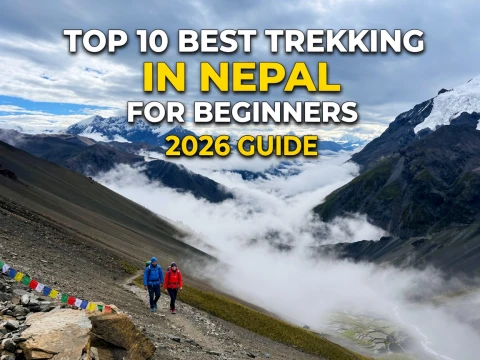
Not every Himalayan adventure needs three weeks and a summit mindset. From the sunrise panorama at Poon Hill to Everest views without the extreme altitude, here are the 10 best beginner-friendly treks in Nepal for 2026 — with route details, difficulty notes, and what makes each one worth choosing.
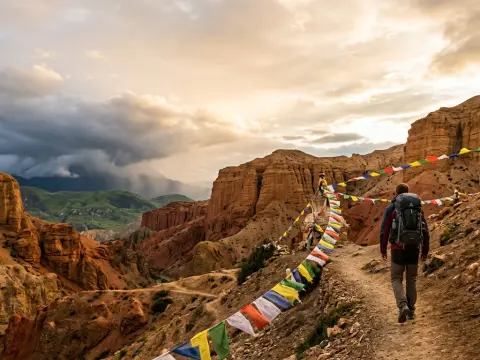
Monsoon doesn't have to mean the end of trekking season. Hidden behind the Himalaya's rain shadow, routes like Upper Mustang, Dolpo, and Nar Phu Valley stay dry, clear, and walkable all summer long. Here's the complete 2026 guide — treks, costs, packing list, and everything else you need to trek through the rain.
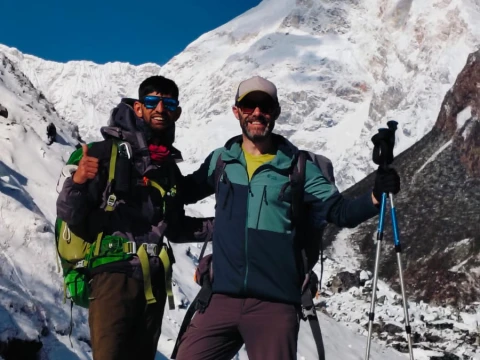
Fewer Crowds, More Peace, A True Adventure Trek
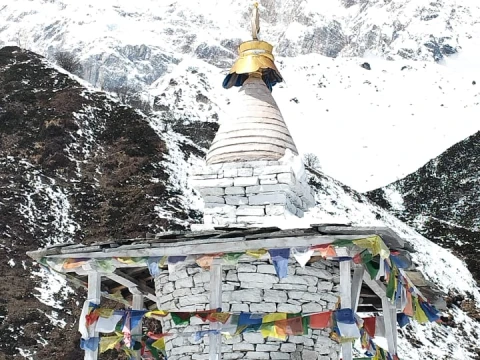
Manaslu Trek vs Everest Base Camp
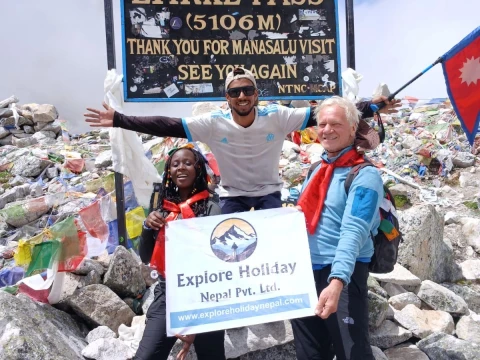
Local Experience, Safety, Flexible Itineraries and Genuine Manaslu Expertise
explore holiday is best for yoga trek
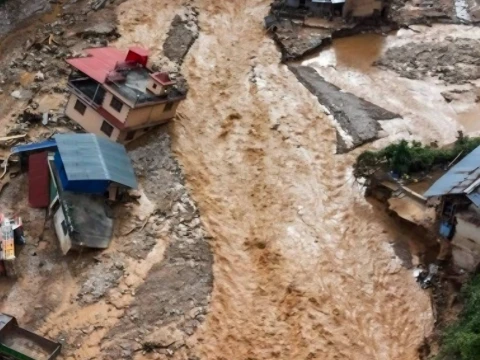
Nepal Flood 2026: The Current Situation


 (34)
(34) 