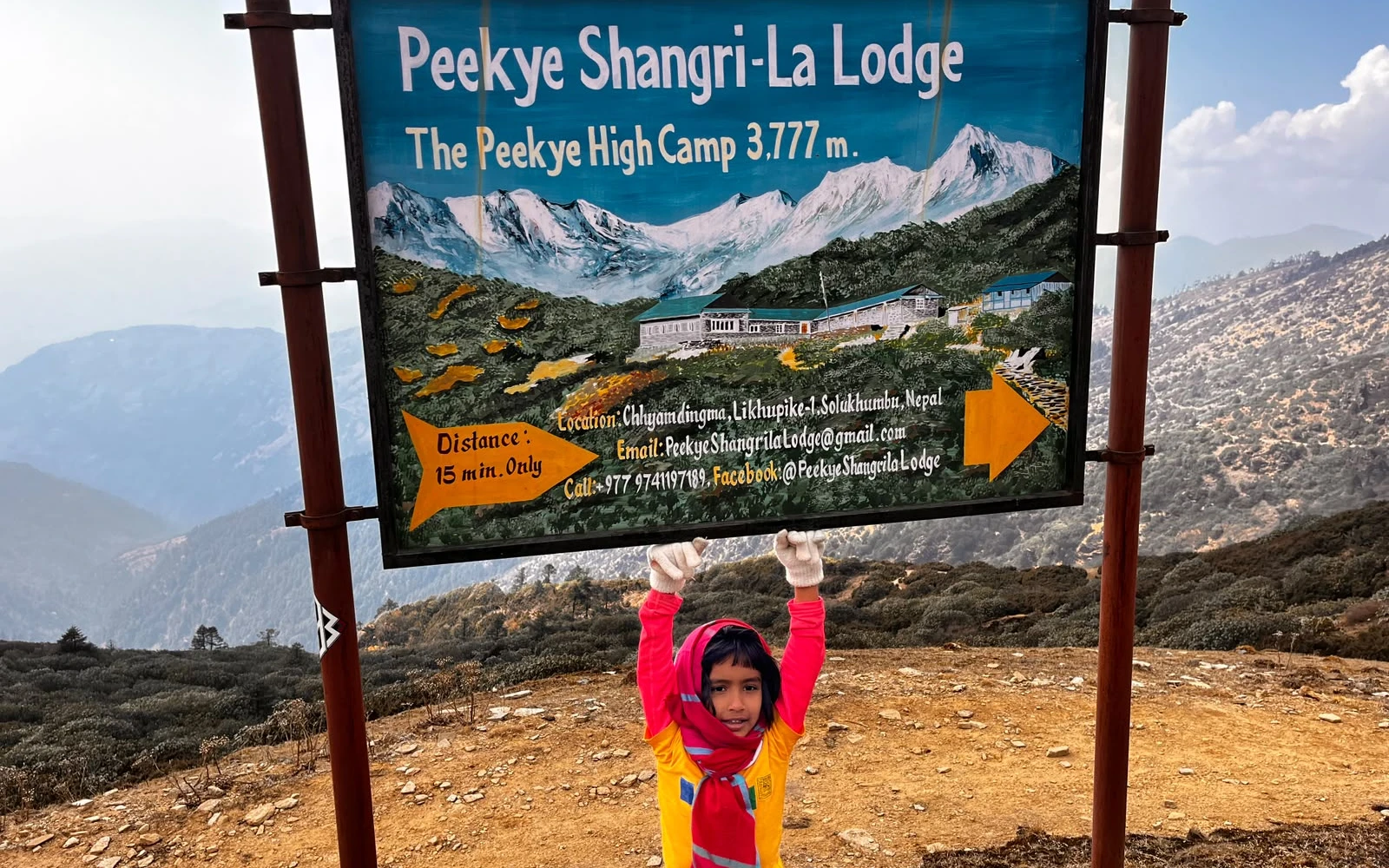
By Explore Holiday Nepal | Your Local Trekking Expert in Nepal
Discover one of Nepal’s most rewarding short Himalayan adventures with the Pikey Peak Trek, a beautiful journey through the peaceful Solukhumbu region of the lower Everest area. Famous for its spectacular sunrise views, traditional Sherpa villages, Buddhist monasteries, green hills, and panoramic Himalayan scenery, Pikey Peak is an excellent choice for travelers who want to experience the beauty of the Everest region without committing to a long expedition.
Standing at approximately 4,065 metres (13,337 feet), Pikey Peak offers magnificent views of Mount Everest and other Himalayan giants. The trek combines natural beauty, cultural discovery, comfortable walking distances, and a quieter trail experience than some of Nepal’s busiest trekking routes.
Whether you are a first-time trekker, a couple seeking a peaceful mountain holiday, a family with older children, a photographer, or an experienced hiker looking for a shorter adventure, the Pikey Peak Trek deserves a place on your Nepal travel itinerary.
At Explore Holiday Nepal, we help travelers discover the Himalayas through experienced local guides, personalized itineraries, responsible tourism, and a strong commitment to guest safety.
| Trekking information | Details |
|---|---|
| Trek name | Pikey Peak Trek |
| Country | Nepal |
| Region | Lower Everest / Solukhumbu |
| Highest point | Approximately 4,065 m / 13,337 ft |
| Duration | Usually 6–8 days for a trekking-focused itinerary; longer packages available |
| Walking distance | Approximately 30–50 km, depending on the route |
| Difficulty | Easy to moderate or moderate |
| Starting point | Dhap or another trailhead, depending on the itinerary |
| Ending point | Junbesi, Phaplu, or another exit point |
| Accommodation | Local teahouses and mountain lodges |
| Main attractions | Everest sunrise, Himalayan panoramas, Sherpa culture, monasteries, forests |
| Best seasons | March–May and September–November |
| Transport | Usually road travel from Kathmandu; some itineraries use domestic flights |
| Suitable for beginners | Yes, with reasonable fitness and a gradual itinerary |
| Technical climbing required | No |
Distances, walking hours, overnight stops, and total duration vary with the selected route. These figures are planning estimates, not fixed measurements.
Pikey Peak is situated in the Solukhumbu district of eastern Nepal, in the lower Everest region. This area is known for its dramatic mountain scenery, traditional Sherpa settlements, Buddhist religious sites, forested hills, and open alpine ridges.
Unlike the classic Everest Base Camp route, the Pikey Peak Trek does not require you to travel all the way to the high Khumbu settlements around Namche Bazaar and Gorak Shep. Many itineraries begin with a road journey from Kathmandu to Dhap, making Pikey Peak a convenient alternative for travelers who want to avoid the Lukla flight.
Along the trail, you can explore traditional villages, enjoy views of the Himalayas, walk through rhododendron forests, and experience the hospitality of local communities.
The combination of cultural experiences and mountain landscapes makes Pikey Peak one of the most attractive options for a short trekking holiday in Nepal.
Pikey Peak reaches approximately 4,065 metres (13,337 feet) above sea level.
This elevation offers an excellent mountain viewpoint without requiring trekkers to reach the extreme altitudes encountered on longer Himalayan expeditions.
However, Pikey Peak is still a high-altitude trek. Some visitors may experience headaches, nausea, dizziness, unusual fatigue, or other symptoms of altitude sickness.
For this reason, beginners should walk at a comfortable pace, allow enough time for the ascent, stay hydrated, and follow the advice of their trekking guide. A lower summit elevation does not eliminate the possibility of altitude sickness.
The summit is especially rewarding in the early morning, when clear weather may reveal a breathtaking panorama of snow-covered mountains.
<PRIVATE_PERSON> is often associated with spectacular sunrise views of Mount Everest, but the experience goes far beyond a single mountain. On a clear day, the surrounding Himalayan panorama may include:
The exact mountains visible depend on weather conditions, visibility, and your viewpoint.
One of the most memorable moments of the Pikey Peak Trek is the early-morning hike to the summit. As the first sunlight touches the Himalayan peaks, the mountains gradually change from dark silhouettes into brilliant shades of gold, pink, and white.
Photographers can capture beautiful panoramic images, while other trekkers can simply enjoy the peaceful atmosphere of the mountains.
Pikey Peak is particularly appealing to travelers who want to see Mount Everest without spending nearly two weeks trekking to Everest Base Camp.
The Pikey Peak Trek is generally rated easy to moderate or moderate, depending on the route, walking schedule, weather, and fitness of the trekker.
It does not require technical climbing skills, ropes, or mountaineering experience. Nevertheless, you should expect several hours of walking on some days, uphill and downhill sections, uneven trails, and changing weather conditions.
Yes. Pikey Peak is a good introduction to trekking in Nepal for people who are reasonably fit and willing to walk several hours each day.
It can be especially suitable for travelers who:
Beginners should choose an itinerary that allows sufficient rest and avoids rushing to the summit. Regular walking, stair climbing, hiking, or cycling before departure can help improve endurance.
You do not need to be an athlete, but you should be comfortable walking for approximately four to six hours on many trekking days, with longer days possible depending on the itinerary.
Before your trip, aim to build your walking stamina gradually. If you have concerns about your fitness or a pre-existing medical condition, consult an appropriate healthcare professional before undertaking a high-altitude trek.
Important: Beginner-friendly does not mean risk-free. Altitude, cold temperatures, slippery trails, and remote locations still require careful planning.
The total trekking distance is approximately 30–50 kilometres for many short itineraries, although alternative routes can be longer.
Your exact distance depends on the starting point, overnight stops, summit route, and whether you include additional cultural excursions.
| Trekking stage | Typical walking time |
|---|---|
| Dhap to Jhapre | 4–6 hours |
| Jhapre to Pikey Peak Base Camp area | 5–7 hours |
| Summit sunrise hike and descent | 4–6 hours, depending on the route |
| Descent toward Junbesi | 4–6 hours |
| Junbesi to Phaplu or another exit point | Varies by route |
These are indicative estimates. Some itineraries divide the stages differently, so the actual walking time may be shorter or longer.
The main challenge is not the overall distance alone. It is the combination of uphill walking, elevation gain, altitude, and the terrain encountered along the way.
The following is a suggested trekking-focused itinerary. A complete holiday package may include arrival and departure arrangements, additional nights in Kathmandu, or extra cultural excursions.
Begin your journey with a scenic road trip from Kathmandu toward Dhap in the Solukhumbu region.
Along the way, enjoy views of countryside settlements, rivers, terraced farmland, and green hills. Road conditions and traffic can affect travel time, so allow flexibility in your schedule.
After arriving in Dhap, settle into a local lodge and prepare for the trek.
Start walking through the rolling hills and rural landscapes of the lower Everest region.
The trail passes small settlements, open hillsides, and sections of forest. As you approach Jhapre, the scenery begins to reveal more of the surrounding mountains.
Jhapre is a pleasant place to experience local village life and explore Buddhist cultural features such as stupas, prayer flags, and monasteries.
Continue along scenic ridges and forest trails toward the Pikey Peak area.
As you gain elevation, the landscape becomes more open, with alpine grasslands, mountain views, and traditional grazing areas.
Depending on the route, you may pass rhododendron forests and yak-grazing pastures. The walking day can be demanding, so maintaining a steady pace is important.
Wake early for the hike to Pikey Peak.
On a clear morning, enjoy panoramic Himalayan views as sunlight illuminates Mount Everest and the surrounding peaks. After spending time at the summit, descend toward Jasmane Bhanjyang or another overnight destination selected for your itinerary.
This is often the photographic highlight of the trek.
Continue downhill through forested slopes, mountain paths, and traditional settlements toward Junbesi.
Junbesi is one of the culturally interesting villages in the Solukhumbu region. Its traditional architecture, Buddhist heritage, and welcoming local atmosphere offer an opportunity to understand life in the Himalayan foothills.
Spend the evening relaxing at a local teahouse.
Use the day to explore Junbesi and, if arranged in advance, visit nearby Buddhist cultural sites such as Thupten Chholing Monastery.
This additional day provides a slower pace after the summit and allows you to appreciate the local culture beyond the mountain views.
The monastery visit should be planned respectfully, taking account of access arrangements and local customs.
Depending on your selected route, continue toward Phaplu or another transport point for the return journey.
Some itineraries use a road transfer back to Kathmandu, while others may arrange a domestic flight when operating schedules and conditions permit.
Because road travel can be lengthy, we recommend allowing sufficient time and avoiding tight onward-flight connections.
Explore Holiday Nepal can adapt this itinerary to your fitness, available vacation days, transport preferences, and interest in cultural experiences.
The Pikey Peak Trek is not only about reaching a mountain summit. It also offers an opportunity to learn about the traditions, beliefs, and everyday life of communities in the lower Solukhumbu region.
Sherpa communities have a long association with Himalayan mountain life, Buddhist traditions, trade, farming, and mountaineering.
During the trek, visitors may encounter traditional homes, local teahouses, prayer flags, mani walls, stupas, and monasteries. The experience can provide a deeper understanding of the region's cultural identity.
Local hospitality is one of the memorable aspects of trekking in this area. A conversation over a warm cup of tea can become as meaningful as a mountain viewpoint.
Buddhist monasteries are important cultural and spiritual centres in many Himalayan communities.
Visitors should dress respectfully, ask before photographing people or religious ceremonies, follow local instructions, and walk clockwise around religious monuments where that is the established custom.
If you visit a monastery, remember that it is a place of worship and community life rather than simply a tourist attraction.
Teahouses along the route generally serve familiar trekking meals such as dal bhat, noodles, rice, soups, potatoes, eggs, and tea. The menu varies from lodge to lodge.
Eating locally prepared food is a practical way to support small businesses and experience regional hospitality.
One of the best features of Pikey Peak is the diversity of scenery within a relatively short trek.
At lower elevations, you may see terraced fields, small villages, forests, and green hills. Higher on the trail, the landscape opens into ridges and alpine grasslands, with increasingly expansive mountain views.
During spring, rhododendron forests in suitable sections of the trail may bloom in shades of red, pink, and white. The combination of flowers, forest paths, and distant snow-covered peaks makes this season particularly attractive for nature lovers.
As the trail climbs, trees become less dominant and the landscape opens toward wide Himalayan horizons.
These ridges provide excellent opportunities for photography, peaceful walks, and panoramic views.
The best views depend on the weather. Clear mornings can provide excellent visibility, while clouds may obscure the summit panorama.
For photographers, spring and autumn are generally strong choices, although conditions can change quickly in the mountains.
The most popular seasons are spring and autumn, when weather conditions are often more favourable for trekking and mountain visibility.
Spring brings milder daytime conditions, blooming rhododendrons, and attractive forest scenery.
March and April are particularly appealing for nature lovers, while May can offer pleasant trekking conditions, although cloud cover may increase as the monsoon approaches.
Autumn is one of the best seasons for Himalayan trekking.
After the monsoon, the landscape can be fresh and green, and clear weather often provides excellent mountain views. October and November are popular months for photography and sunrise hikes.
Winter can bring cold nights, frost, snow, and icy sections at higher elevations.
Experienced trekkers may appreciate the quieter trails, but beginners should consider weather forecasts, lodge availability, appropriate clothing, and whether the route is suitable at the time of travel.
The monsoon season can bring heavy rain, cloudy mountain views, slippery trails, and difficult road conditions.
Although travel may be possible on some dates, it is generally less suitable for visitors whose main priority is clear Himalayan scenery.
Our recommendation: Consider March–May or September–November, while confirming the latest weather and trail conditions before departure.
The Pikey Peak Trek can be more affordable than many longer Himalayan expeditions because it requires fewer trekking days and can be reached by road.
However, the total price depends on group size, transportation, guide and porter services, accommodation, meals, permits, and the level of comfort you choose.
For initial planning, a guided package might fall around USD 450–800 per person for some shorter itineraries. This is an indicative budgeting range, not a confirmed quotation from Explore Holiday Nepal. Longer packages, private transport, extra hotel nights, or upgraded services can cost more.
When comparing quotations, check whether the price covers:
Also check exclusions such as international flights, travel insurance, personal equipment, tips, drinks, snacks, hot showers, charging fees, and emergency evacuation.
Ask Explore Holiday Nepal for a customized Pikey Peak Trek quotation based on your travel dates, number of people, and preferred services.
Accommodation on the Pikey Peak route is generally provided by local teahouses and mountain lodges.
Rooms are usually simple, with twin beds and basic furnishings. Bathroom facilities may be shared, and hot showers, electricity, and Wi-Fi can be limited or available for an additional charge.
The standard of facilities varies by village and lodge.
Common trekking meals include:
We recommend eating regular meals and carrying suitable snacks for long walking days.
Travelers with dietary restrictions should tell their trekking company before departure so that suitable arrangements can be discussed.
Pikey Peak and Everest Base Camp offer very different trekking experiences.
Pikey Peak focuses on panoramic mountain views, a shorter itinerary, lower overall elevation, and cultural experiences in the lower Solukhumbu region. Everest Base Camp is a longer journey into the high Khumbu, with famous settlements, glacier scenery, and the experience of reaching the Everest Base Camp area.
| Feature | Pikey Peak Trek | Everest Base Camp Trek |
|---|---|---|
| Typical duration | 6–8 trekking-focused days | Approximately 12–16 days, depending on itinerary |
| Highest point | Approximately 4,065 m | Approximately 5,364 m at Everest Base Camp |
| Difficulty | Easy to moderate to moderate | Moderate to challenging |
| Main attraction | Panoramic Everest sunrise | Everest Base Camp, Khumbu scenery, Kala Patthar viewpoints |
| Crowds | Generally quieter | Generally busier |
| Lukla flight | Not required on road-based routes | Commonly used |
| Overall budget | Usually lower | Usually higher |
| Best for | Short holidays and quieter trekking | Longer Himalayan adventures |
Pikey Peak is not a replacement for the full Everest Base Camp experience. Instead, it is an excellent alternative for travelers who want beautiful mountain scenery without the longer duration and greater altitude demands.
The Ghorepani Poon Hill Trek is another excellent option for beginners, especially those visiting the Annapurna region.
Poon Hill is famous for sunrise views over the Annapurna and Dhaulagiri ranges. Pikey Peak is particularly attractive to visitors who want a quieter experience in the Everest region and a chance to see Mount Everest.
| Feature | Pikey Peak | Ghorepani Poon Hill |
|---|---|---|
| Region | Lower Everest / Solukhumbu | Annapurna region |
| Highest viewpoint | Approximately 4,065 m | Approximately 3,210 m |
| Typical duration | 6–8 days | Approximately 4–6 days |
| Difficulty | Easy to moderate to moderate | Generally easy to moderate |
| Main mountain views | Everest, Lhotse, Makalu, and others | Annapurna and Dhaulagiri ranges |
| Cultural experience | Sherpa villages and Buddhist heritage | Gurung and Magar communities, among others |
| Main advantage | Everest panorama and quieter trails | Shorter itinerary and lower altitude |
Choose Poon Hill if you prefer a shorter trek at a lower elevation. Choose Pikey Peak if you want an Everest-region experience and are comfortable with the additional altitude.
Mardi Himal is popular for its close-up views of Machhapuchhre and the Annapurna range, along with forest trails and dramatic mountain scenery.
Pikey Peak offers a different landscape and cultural experience, with its open ridges, lower Everest setting, and panoramic Himalayan viewpoints.
| Feature | Pikey Peak | Mardi Himal |
|---|---|---|
| Region | Solukhumbu | Annapurna |
| Highest point | Approximately 4,065 m | Commonly around 4,500 m at Mardi Himal Base Camp, depending on itinerary |
| Typical duration | 6–8 trekking-focused days | Approximately 5–7 trekking days |
| Main attraction | Everest sunrise and broad panoramas | Close views of Machhapuchhre and Annapurna |
| Cultural highlights | Sherpa villages and Buddhist heritage | Mountain villages and forest landscapes |
| Access | Commonly by road | Commonly by road to the Pokhara region, then trailhead transfer |
Both are excellent options, but the best choice depends on the mountain views you want, your fitness, available time, and preferred region.
Pikey Peak may be suitable for families with active children and older travelers who are comfortable walking on uneven mountain trails.
The key is to plan around the abilities of the least experienced member of the group.
For families, consider shorter walking days, suitable accommodation, warm clothing, regular breaks, and enough flexibility to change the itinerary if necessary.
For older travelers, prior walking experience, general fitness, and individual health considerations matter more than age alone.
A local guide can help manage walking pace, explain the route, and identify when a rest or change of plan is appropriate. However, no trekking itinerary can guarantee that every traveler will comfortably reach the summit.
Although Pikey Peak is lower than Everest Base Camp, the summit is above 4,000 metres. Altitude sickness is possible at this elevation.
To reduce avoidable risks:
Severe headache with worsening symptoms, confusion, difficulty walking straight, or breathlessness at rest requires urgent medical attention and descent.
At Explore Holiday Nepal, we encourage responsible trekking, careful planning, and open communication between guests and their guides.
Packing the right equipment makes a significant difference to comfort and safety.
Essential items include:
Your exact packing list should reflect the season, weather forecast, accommodation, and whether you are using a porter.
Choosing the right trekking company helps make your holiday better organized and more enjoyable.
Explore Holiday Nepal is committed to helping travelers discover Nepal through local knowledge, personalized service, cultural understanding, and responsible trekking practices.
Our founder, Ishwor Bhandari, has worked as a trekking guide since 2009. His experience in Nepal's tourism industry has helped shape our approach to guest care, mountain safety, and authentic local experiences.
Local experience: We aim to connect guests with the landscapes, communities, and traditions that make Nepal special.
Personalized itineraries: We can discuss different walking schedules, group sizes, and transport arrangements according to your needs.
Safety-focused guidance: We encourage sensible pacing, attention to altitude, and flexibility when conditions change.
Cultural understanding: Our goal is to help visitors appreciate local customs, Buddhist heritage, village life, and Himalayan hospitality respectfully.
Transparent planning: We explain the services included in your quotation so you can understand the expected costs before departure.
Responsible tourism: By working with local guides, accommodation providers, and other community businesses, we aim to contribute to local livelihoods.
Our philosophy is simple: trekking should be more than reaching a viewpoint. It should be an opportunity to experience Nepal's people, culture, natural beauty, and hospitality.
If you are planning a trip to Nepal in 2026 or 2027, the Pikey Peak Trek is an excellent option for a shorter Himalayan holiday.
You can enjoy magnificent mountain views, explore traditional Sherpa villages, experience Buddhist culture, and discover a quieter corner of the Everest region without undertaking a long expedition.
Whether you are traveling alone, as a couple, with family, or with a group of friends, Explore Holiday Nepal can help you plan a suitable itinerary based on your available time, budget, and interests.
Contact Explore Holiday Nepal to plan your Pikey Peak adventure.
Let us help you discover the Himalayas through local experience, thoughtful planning, and genuine Nepali hospitality.
Explore Nepal with local people. Experience the mountains with confidence. Travel with Explore Holiday Nepal.

Nepal, with its majestic Himalayan landscapes, offers a plethora of short trekking destinations that promise adventure, cultural experiences, and breathtaking views. Whether you're an avid trekker or a novice seeking a memorable journey, Nepal has something for everyone. Let's embark on a detailed exploration of the best short trekking places in this enchanting country.

Nepal, a landlocked gem nestled in the lap of the majestic Himalayas, is a paradise for travelers seeking a harmonious blend of nature, culture, and spirituality. In this comprehensive guide, we will embark on a detailed exploration of the mesmerizing tour places that make Nepal a unique and captivating destination.

Mount Everest, standing at 8,848 meters (29,029 feet), is not only the highest peak in the world but also a symbol of adventure and perseverance. Located in the Mahalangur Himal sub-range of the Himalayas, it draws climbers and trekkers from around the globe, inspiring awe with its sheer magnitude and beauty.
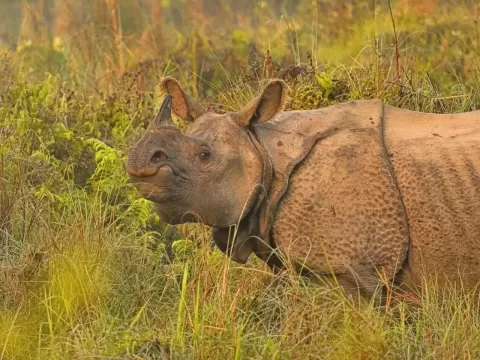
Nepal is not just famous for its towering peaks and rich cultural heritage; it also boasts some of the best wildlife adventure opportunities in the world. The country’s diverse geography, ranging from the lowland Terai jungles to the high-altitude Himalayan foothills, provides the perfect habitat for a wide variety of wildlife.
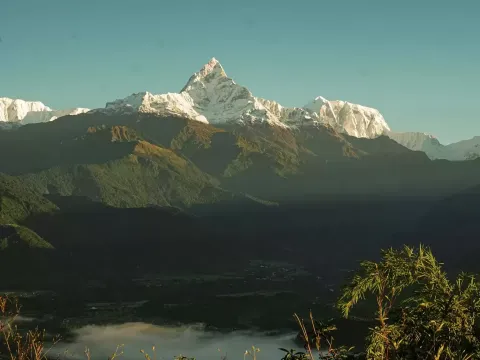
The Annapurna Circuit Trek is one of the most popular and rewarding trekking routes in Nepal, offering trekkers a stunning variety of landscapes, rich cultural experiences, and panoramic mountain views. This trek takes you through subtropical forests, alpine meadows, and high-altitude deserts, with views of some of the highest peaks in the world, including Annapurna I, Annapurna II, Dhaulagiri, and Machapuchare.

The Everest Base Camp Trek, offered by Explore Holiday Treks, is a thrilling adventure that attracts travelers from all corners of the globe. Reaching an impressive altitude of approximately 5,644 meters (18,267 feet), this trek brings you closer to the majestic peaks of the Himalayas.
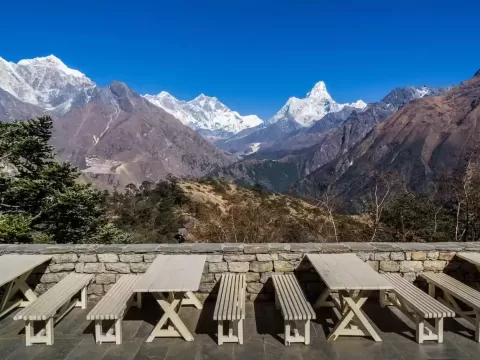
Accommodation during the Everest Base Camp Trek is a crucial aspect of the experience, as it shapes the comfort and convenience of trekkers along the challenging route. The trek involves staying in remote mountain villages, and while basic, the accommodation options are well-established. The majority of trekkers stay in teahouses, which are family-run guesthouses offering basic facilities.
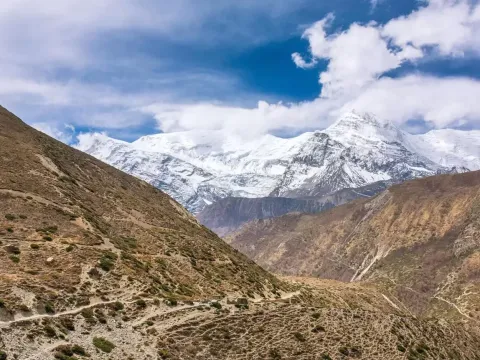
The Annapurna Circuit Trek is one of the most renowned and diverse trekking routes in the world, known for its stunning views of the Annapurna mountain range, varied landscapes, and rich cultural experiences.

When preparing for the Everest Base Camp trek with Explore Holiday Treks, one of the key considerations is understanding the availability of shower and laundry services along the way. As the trek takes you through remote villages and high-altitude terrain, amenities like showers and laundry are far from luxurious.

The Everest Base Camp Trek is one of the most iconic and challenging treks in the world, offering adventurers the opportunity to trek through the heart of the Himalayas and stand at the base of Mount Everest, the highest peak on Earth. However, as thrilling as this trek is, it comes with its own set of challenges. One of the most important tips for trekkers is to ensure they are physically prepared.

Sleeping at Everest Base Sleeping at Everest Base Camp (EBC) offers an unmatched adventure for trekkers and mountaineers alike. It’s more than just reaching a destination—it's about the experience, the journey, and the connection with one of the most iconic places on Earth.

The Manaslu Circuit Trek in Spring (March-May) offers trekkers an opportunity to experience the stunning beauty of the Himalayas when the weather is at its most favorable.

Mount Kanchenjunga, the third-highest peak in the world, is one of the most majestic and revered mountains on Earth. Rising to an impressive height of 8,586 meters (28,169 feet), it is part of the mighty Himalayas and stands as a natural border between Nepal and India.

The Manaslu Circuit Trek is one of Nepal’s most rewarding and less crowded trekking routes, offering breathtaking mountain scenery, rich cultural experiences, and a sense of true adventure.


 (34)
