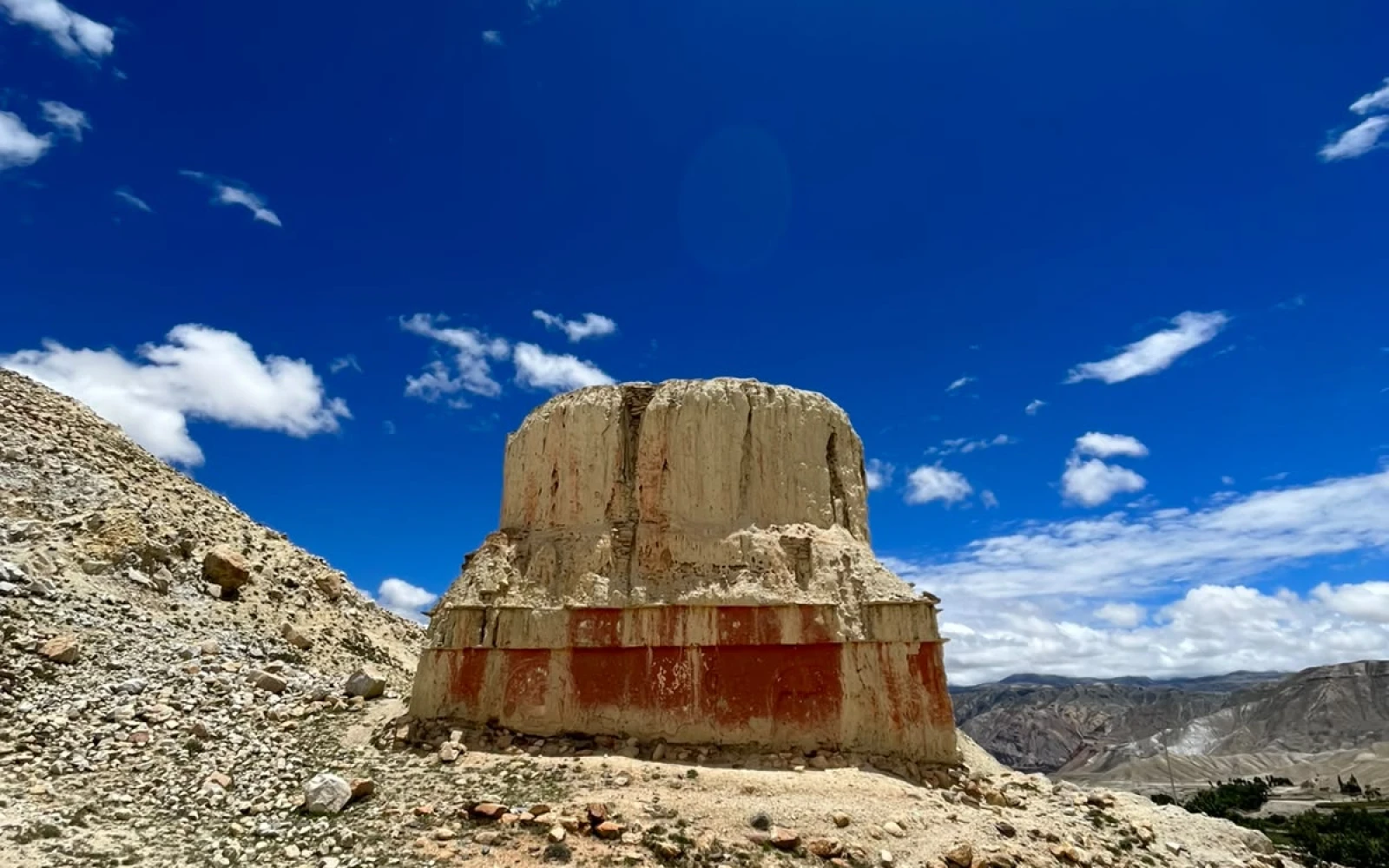
High in the remote northern Himalayas of Nepal lies a land unlike any other trekking destination in the world. Upper Mustang, often called the Hidden Kingdom of Lo, is a place where ancient Tibetan culture, centuries-old monasteries, dramatic desert landscapes, and traditional mountain life have remained remarkably preserved. While most trekkers know Nepal for Everest and Annapurna, Upper Mustang offers a completely different experience—one that feels more like stepping into a lost Himalayan civilization.
At Explore Holiday Nepal, we invite travelers to discover the timeless beauty of Upper Mustang through authentic local guidance, cultural insight, and carefully designed trekking experiences.
Upper Mustang lies in the northern part of Mustang District, beyond Kagbeni, close to the Tibetan border. The region is part of the Annapurna Conservation Area but differs dramatically from the lush green valleys of Annapurna.


7
Because Upper Mustang lies in the rain shadow of the Annapurna and Dhaulagiri ranges, it receives very little rainfall, creating a spectacular high-altitude desert environment.
| Feature | Details |
|---|---|
| Main destination | Lo Manthang (3,840 m) |
| Trek duration | 12–15 days |
| Highest point | Chogo La Pass (4,280 m) |
| Region type | Restricted area |
| Best season | March–November |
| Culture | Ancient Tibetan Buddhist |
Upper Mustang was once an independent Himalayan kingdom known as the Kingdom of Lo. Founded in the 14th century by Ame Pal, the kingdom controlled an important trade route between Nepal and Tibet.
Even today, walking through Lo Manthang feels like entering a medieval Tibetan town.


7
One of the most striking features of Upper Mustang is its landscape. Instead of forests and waterfalls, you will see:


7
The contrast between the barren desert terrain and the white Himalayan giants creates some of the most photogenic scenery in Nepal.
The trek follows the Kali Gandaki River, which flows through one of the deepest gorges on Earth, between Dhaulagiri (8,167 m) and Annapurna I (8,091 m).
The true soul of Upper Mustang is its people and culture.
The inhabitants are known as Loba, meaning “people of Lo.” Their language, customs, dress, and spiritual practices are closely related to Tibetan culture.


7
Most families still depend on:
Life is simple, community-oriented, and deeply connected to the harsh mountain environment.
Upper Mustang is a living center of Tibetan Buddhism. Prayer flags flutter across the valleys, mani walls line the trails, and ancient monasteries guard the villages.
Known as the “God House,” this monastery contains beautiful murals and sacred Buddhist statues.
A massive red monastery in Lo Manthang, famous for its ancient wall paintings and ceremonial gatherings.
An important spiritual institution where monks continue traditional Buddhist education and rituals.
Believed to be one of the oldest monasteries in Mustang, associated with the great Tibetan master Guru Rinpoche.
These monasteries are not museums—they are active places of worship where daily prayers, rituals, and festivals continue as they have for centuries.
If you visit in May, you may witness the famous Tiji Festival, the most important cultural event in Upper Mustang.


7
Monks perform colorful masked dances, accompanied by traditional music, drums, and horns. The festival attracts both local villagers and international travelers seeking an authentic Himalayan cultural experience.
| Route | Distance |
|---|---|
| Kathmandu → Pokhara | 200 km |
| Pokhara → Jomsom | 20-minute flight |
| Jomsom → Lo Manthang | About 65 km trekking |
| Total round-trip walking | 125–140 km |
The route offers a perfect blend of landscape, culture, and history.
One of the greatest mysteries of Upper Mustang is its thousands of man-made caves carved high into the cliffs.


6
Archaeologists have discovered:
Some caves are more than 2,000 years old, making Upper Mustang an important archaeological treasure of the Himalayas.
Teahouses in Upper Mustang are simple but welcoming.
The hospitality of the Loba people is often one of the most memorable parts of the journey.
Spring (March–May)
Best for culture and Tiji Festival
Excellent
Summer (June–August)
Ideal monsoon-season trek
Excellent
Autumn (September–November)
Best mountain views
Excellent
Winter (December–February)
Cold and less recommended
Limited
Unlike Everest and Annapurna, Upper Mustang is one of the few major treks in Nepal that is excellent during the monsoon.
Upper Mustang is generally considered a moderate trek.
Most reasonably fit travelers can complete the trek comfortably with proper acclimatization.
Because Upper Mustang is a restricted area, special permits are required.
| Permit | Cost |
|---|---|
| Restricted Area Permit (10 days) | USD 500 |
| Annapurna Conservation Area Permit | NPR 3,000 |
Travelers must be accompanied by a licensed guide, and permits are arranged through a registered trekking company.
At Explore Holiday Nepal, we specialize in authentic Himalayan journeys that combine adventure with cultural understanding.
We don’t just guide the trail—we help you understand:
Explore Upper Mustang with Explore Holiday Nepal. Discover ancient Tibetan culture, Lo Manthang, centuries-old monasteries, desert Himalayan landscapes, local people, history, permits, and the complete Upper Mustang trekking guide for 2026.
Upper Mustang is not simply a trekking destination—it is a journey through time. Here, ancient Tibetan culture still thrives, monks chant in centuries-old monasteries, and traditional villages stand beneath dramatic desert cliffs and snow-covered Himalayan peaks.
For travelers seeking authentic culture, rich history, breathtaking landscapes, and fewer crowds, Upper Mustang is one of the most rewarding experiences in Nepal.
Let Explore Holiday Nepal take you beyond the ordinary and into the mystical world of the Hidden Kingdom of Lo.
Explore Holiday Nepal Pvt. Ltd.
🌐 www.exploreholidaynepal.com
📱 WhatsApp: +977-9849816310

Nepal, with its majestic Himalayan landscapes, offers a plethora of short trekking destinations that promise adventure, cultural experiences, and breathtaking views. Whether you're an avid trekker or a novice seeking a memorable journey, Nepal has something for everyone. Let's embark on a detailed exploration of the best short trekking places in this enchanting country.

Nepal, a landlocked gem nestled in the lap of the majestic Himalayas, is a paradise for travelers seeking a harmonious blend of nature, culture, and spirituality. In this comprehensive guide, we will embark on a detailed exploration of the mesmerizing tour places that make Nepal a unique and captivating destination.
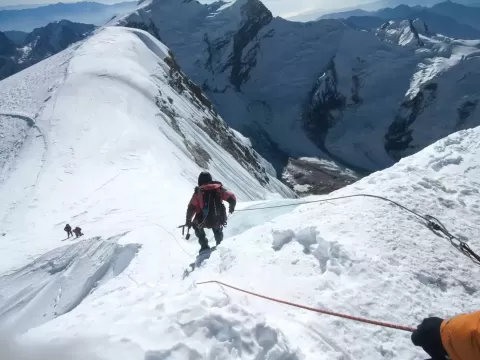
Nepal, the ultimate destination for mountaineers and adventure enthusiasts, offers some of the most popular and accessible peaks for climbing expeditions. Among the most sought-after climbs in Nepal for 2025 are Mera Peak, Island Peak, Lobuche Peak, Chulu East and Chulu West, and the iconic Ama Dablam.

The trek begins in Lukla, which is situated at around 2,860 meters (9,383 feet), and progressively ascends to Everest Base Camp at 5,364 meters (17,598 feet).
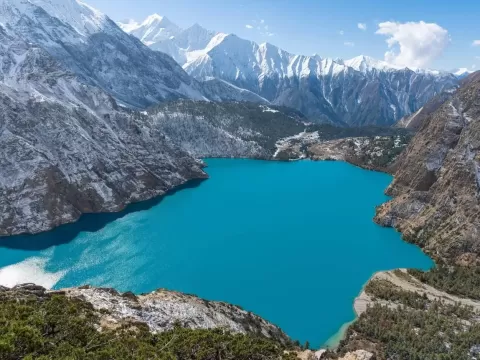
Dolpo, located in the remote northwestern region of Nepal, is a trekker’s paradise offering some of the most pristine and unexplored landscapes in the world. Known for its unique blend of rugged terrain,
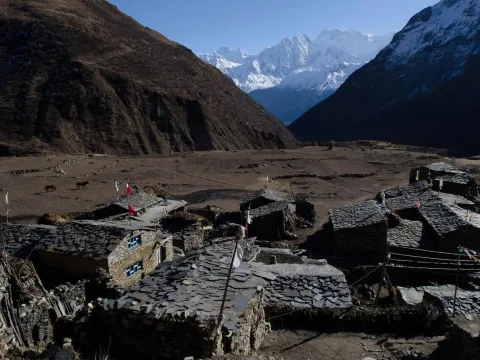
The Manaslu Circuit Trek, offered by Explore Holiday Nepal, is a journey that delves deep into the untouched beauty of Nepal’s Himalayan heartland. Unlike the more commercialized trekking routes such as Everest Base Camp or the Annapurna Circuit, the Manaslu trail offer
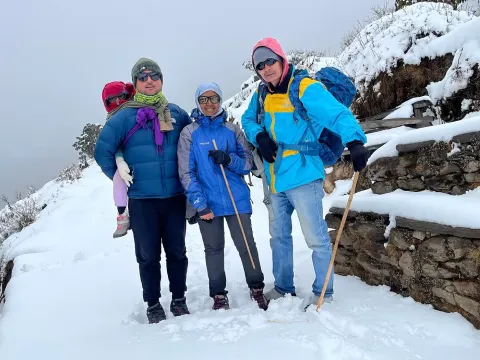
Nepal is a paradise for trekking enthusiasts, offering a stunning variety of landscapes, from the lowland jungles of the Terai to the towering peaks of the Himalayas. Whether you're planning to hike to Everest Base Camp, explore the Annapurna Circuit, or venture into remote
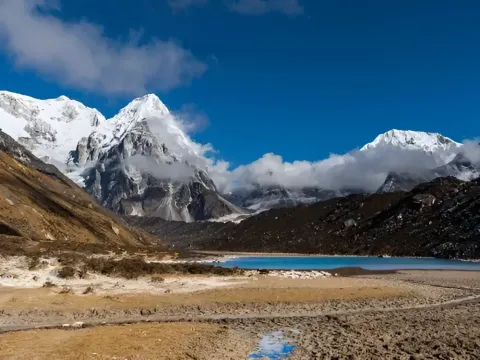
Kanchenjunga, the third-highest mountain in the world at 8,586 meters, lies in the far-eastern corner of Nepal, bordering Sikkim, India. Unlike the more commercialized Everest or Annapurna regions, the Kanchenjunga Region Trekking experience offers untouched natural beauty, remote villages, and pristine Himalayan wilderness.
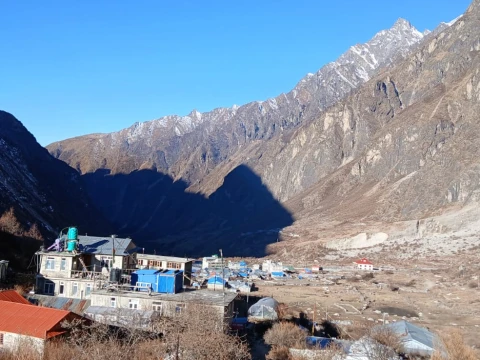
Why Choose Kanchenjunga Trek?
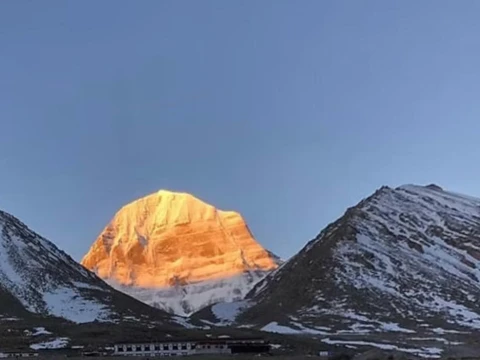
How to Reach Mount Kailash from Nepal
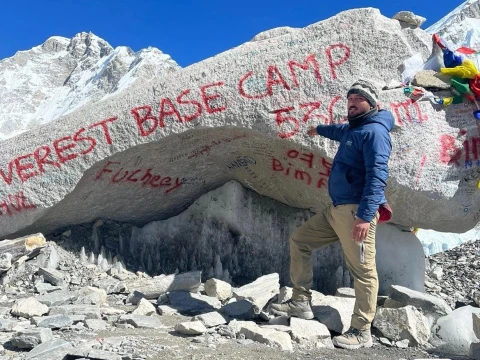
Can Beginners Do Luxury Everest Base Camp Trek?


 (34)
(34) 