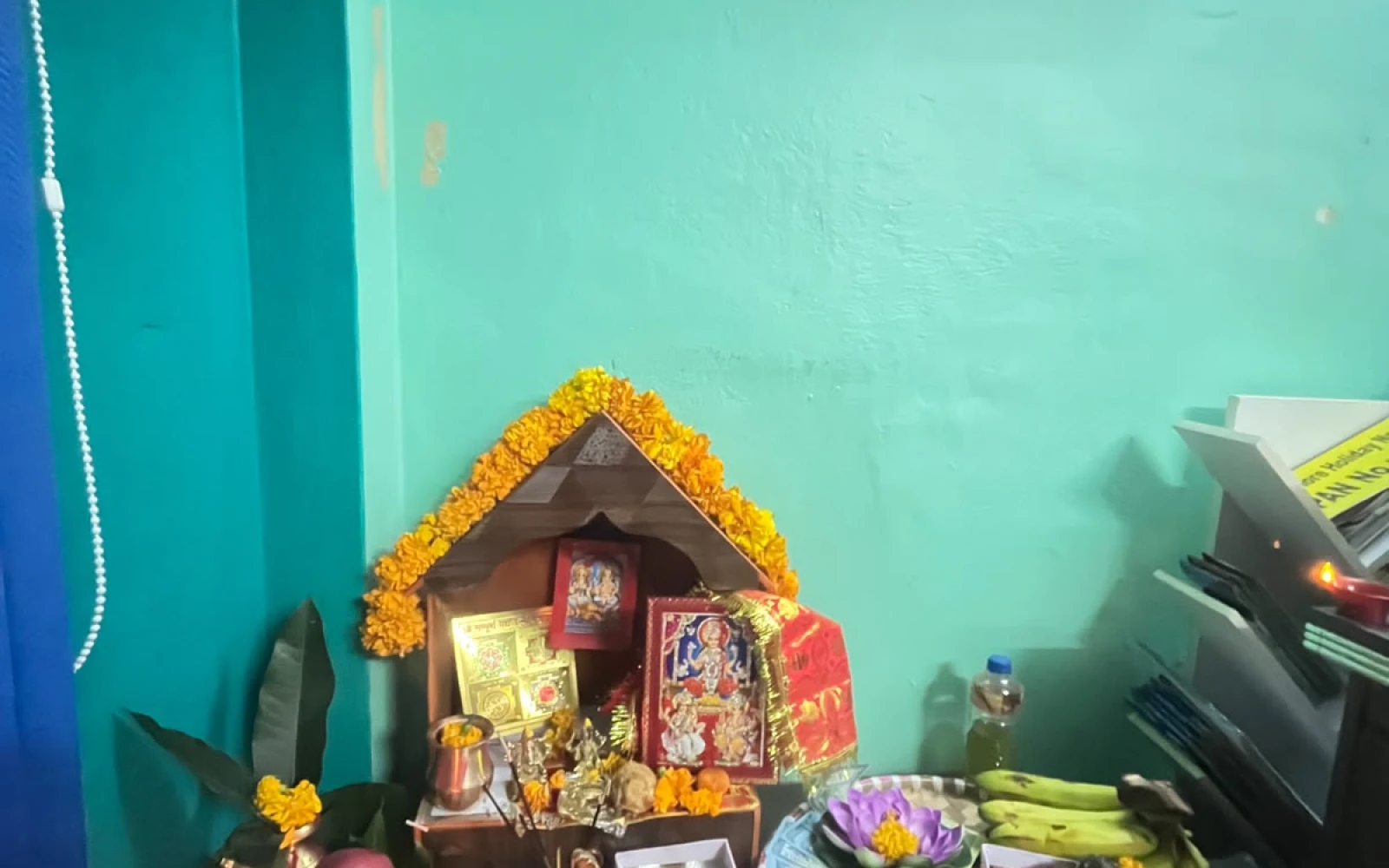
By Explore Holiday Nepal
Tihar, also known as Deepawali, Dipawali or the Festival of Lights, is one of the most important and colourful festivals celebrated in Nepal. It usually takes place in October or November, during the Nepali month of Kartik, according to the lunar calendar. It is celebrated for five days and is considered one of Nepal’s biggest festivals after Dashain.
During Tihar, Nepal becomes full of light, colour, music, flowers and happiness. Homes, temples, streets and shops are decorated with oil lamps called diyo, candles and colourful electric lights. Families clean and decorate their houses, prepare traditional foods, worship animals, perform religious ceremonies and visit relatives.
Unlike many other festivals, Tihar is especially meaningful because it honours not only gods and goddesses but also animals that share our lives. Crows, dogs, cows and oxen receive special respect. The festival also celebrates the relationship between brothers and sisters through the beautiful tradition of Bhai Tika.
For Nepali people, Tihar is more than a religious celebration. It represents love, gratitude, family relationships, respect for nature, prosperity and the victory of light over darkness.
The word Deepawali comes from Sanskrit words commonly understood as deepa (lamp or light) and avali (a row or line). Together, Deepawali means a row of lights.
The name reflects one of the most beautiful features of the festival: lighting oil lamps to brighten homes and welcome good fortune.
Tihar is also known as Yama Panchak, meaning five days associated with Yama, the Hindu god of death. The five-day celebration includes worship of animals connected with traditional beliefs about Yama, a special puja for Goddess Laxmi, and the celebration of the bond between brothers and sisters.
In Nepal, the festival is known by different names and traditions among different communities. Many people call it Tihar or Deepawali, while the Newar community celebrates a related festival known as Swanti, which includes Mha Puja and the beginning of Nepal Sambat.
There are several religious stories and traditional beliefs associated with Tihar. Two important stories help explain its meaning: the story of Yama and Yamuna, which is connected with Bhai Tika, and the story of Lord Krishna and Govardhan Hill, which is associated with Govardhan Puja.
One of the best-known stories behind Tihar tells of Yama, the god of death, and his sister Yamuna.
According to traditional Hindu belief, Yamuna deeply loved her brother and wished to meet him. However, Yama was always busy with his responsibilities and rarely had time to visit her.
After waiting for a long time, Yamuna invited her brother to visit her home. When Yama finally arrived, she welcomed him with great love and respect. She decorated him with flowers, applied colourful tika on his forehead, performed special rituals and prepared delicious food for him.
Yamuna prayed for her brother's long life, happiness and prosperity. Touched by her affection, Yama promised to bless the bond between brothers and sisters.
According to the popular traditional account, he declared that a brother who receives tika and blessings from his sister on this special occasion would be protected and blessed with a long and prosperous life.
This story is remembered during Bhai Tika, the final day of Tihar. Sisters pray for their brothers' wellbeing, while brothers express love, respect and gratitude towards their sisters.
The story teaches that family love, care and blessings are precious gifts that should be respected throughout life.
Another important story connected with Tihar is the story of Lord Krishna and Govardhan Hill.
According to Hindu mythology, the people of Vrindavan traditionally worshipped Lord Indra, the god associated with rain and storms, hoping for good rainfall and successful harvests.
Lord Krishna encouraged the villagers to honour Govardhan Hill and nature because the mountain, forests, land and animals supported their daily lives.
Lord Indra became angry and sent heavy rain and storms towards the village. To protect the villagers and their animals, Lord Krishna lifted Govardhan Hill with his little finger and provided shelter beneath it.
The villagers remained safe until the storm ended.
This story is remembered through Govardhan Puja and teaches the importance of respecting nature, protecting animals and appreciating the resources that sustain human life.
Across Hindu traditions, Deepawali is also associated with the return of Lord Rama, Goddess Sita and Lakshmana to Ayodhya after fourteen years of exile and the defeat of Ravana.
According to the Ramayana, the people of Ayodhya welcomed their beloved king by lighting rows of lamps throughout the city.
This story is one of the widely known explanations for the celebration of Diwali in many parts of South Asia. In Nepal, Tihar has its own distinctive five-day customs, including animal worship, Laxmi Puja, Deusi-Bhailo and Bhai Tika.
Although the stories and customs differ between communities, the shared message is the victory of goodness, hope and light over darkness.
Tihar is celebrated over five days, and each day has its own religious meaning and cultural importance. The festival honours animals, Goddess Laxmi, nature and family relationships.
<PRIVATE_PERSON>
The first day of Tihar is known as Kaag Tihar, or Crow Tihar.
In traditional Hindu belief, the crow is associated with Yama and is regarded as a messenger. People believe that offering food to crows can help prevent bad news and bring good fortune to the family.
Early in the morning, families prepare rice, grains, sweets and other food offerings. These are placed on rooftops, courtyards or open spaces for crows.
The crow is respected as part of the natural world and as a bird that has a place in traditional religious beliefs.
Meaning of Kaag Tihar: This day reminds people to respect birds and appreciate every living creature. It also encourages kindness towards nature.
<PRIVATE_PERSON>
The second day is known as Kukur Tihar, a day dedicated to dogs.
Dogs have a special place in Nepali culture. They are loved as loyal companions, protectors of homes and helpers in people's daily lives. In Hindu tradition, dogs are also associated with Yama.
On this day, people decorate dogs with beautiful marigold garlands, apply tika to their foreheads and offer them delicious food.
Pet dogs and street dogs are both honoured. Many people also share photographs of dogs wearing flower garlands, making Kukur Tihar one of the most recognised Nepali festival traditions around the world.
Meaning of Kukur Tihar: The day celebrates loyalty, friendship, protection and gratitude towards animals. It reminds us that animals deserve kindness, care and respect every day, not only during festivals.
<PRIVATE_PERSON>
The third day is among the most important days of Tihar. It includes Gai Tihar in the morning and Laxmi Puja in the evening.
The cow is considered sacred in Hindu tradition and is associated with motherhood, nourishment, prosperity and Goddess Laxmi.
In the morning, people worship cows by offering tika, flowers, garlands and special food. The cow is respected because of its traditional importance in agriculture and rural life.
For generations, cows have provided milk and other resources to farming communities. Their cultural and religious significance remains strong in Nepal.
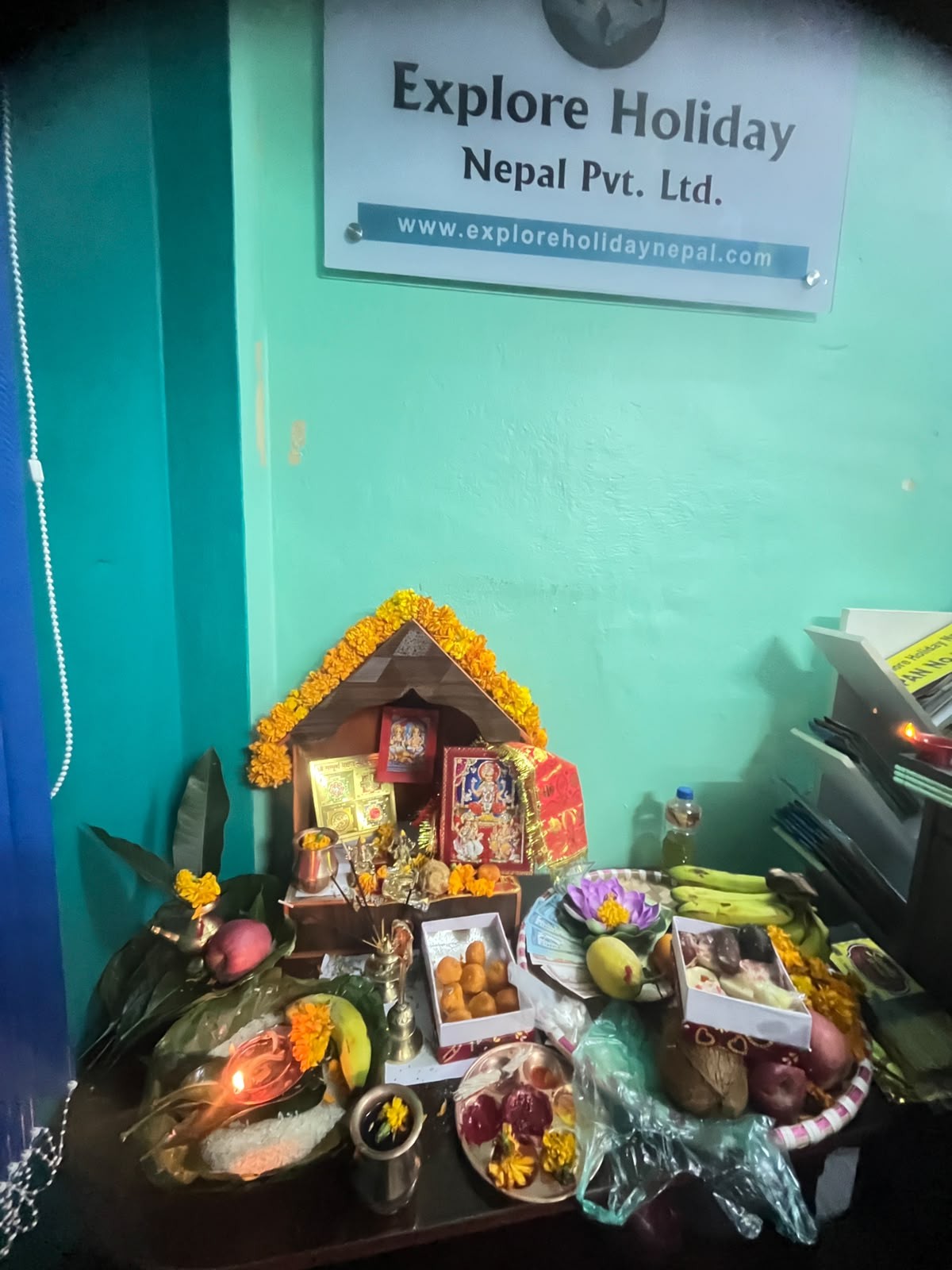
In the evening, families worship Goddess Laxmi, the goddess of wealth, fortune and prosperity.
Before the puja, people thoroughly clean their houses, decorate entrances with flowers and colourful rangoli, and prepare a special place for worship.
One of the most beautiful traditions is creating small footprints from the entrance of the house towards the prayer room. These footprints symbolically show the path for Goddess Laxmi to enter the home.
Families light rows of traditional oil lamps called diyos, candles and decorative lights around their homes. They offer flowers, fruits, sweets, incense and prayers to Goddess Laxmi.
Many business owners and shopkeepers also worship their cash boxes, account books, workplaces and business tools, praying for success and financial prosperity in the coming year.
Meaning of Laxmi Puja: This celebration represents wealth, happiness, peace, cleanliness, positive energy and the hope of a prosperous future.
<PRIVATE_PERSON>
The fourth day of Tihar has different meanings and celebrations among Nepali communities.
In traditional farming communities, oxen have played an important role in ploughing fields and supporting agriculture.
On this day, people honour oxen by decorating them with colourful tika, garlands and offering special food.
This tradition expresses gratitude towards the animals that have helped farmers produce food and support village life.
Some Hindu communities celebrate Govardhan Puja on this day, remembering Lord Krishna's protection of the villagers by lifting Govardhan Hill.
The ritual expresses respect for nature, land, mountains and the natural resources that support life.
The Newar community of the Kathmandu Valley celebrates Mha Puja, meaning the worship of oneself.
It is an important part of the Newar festival of Swanti and is observed on the same day as Nepal Sambat New Year.
During Mha Puja, family members sit in a traditional arrangement and receive a mandala, ritual offerings, flowers and other blessings. The ceremony symbolises respect for one's own life, inner strength, health and spiritual wellbeing.
Mha Puja is a beautiful reminder that people should value themselves, maintain balance in life and respect the lives of others.
Meaning of the fourth day: This day celebrates agriculture, nature, self-respect, renewal and gratitude.
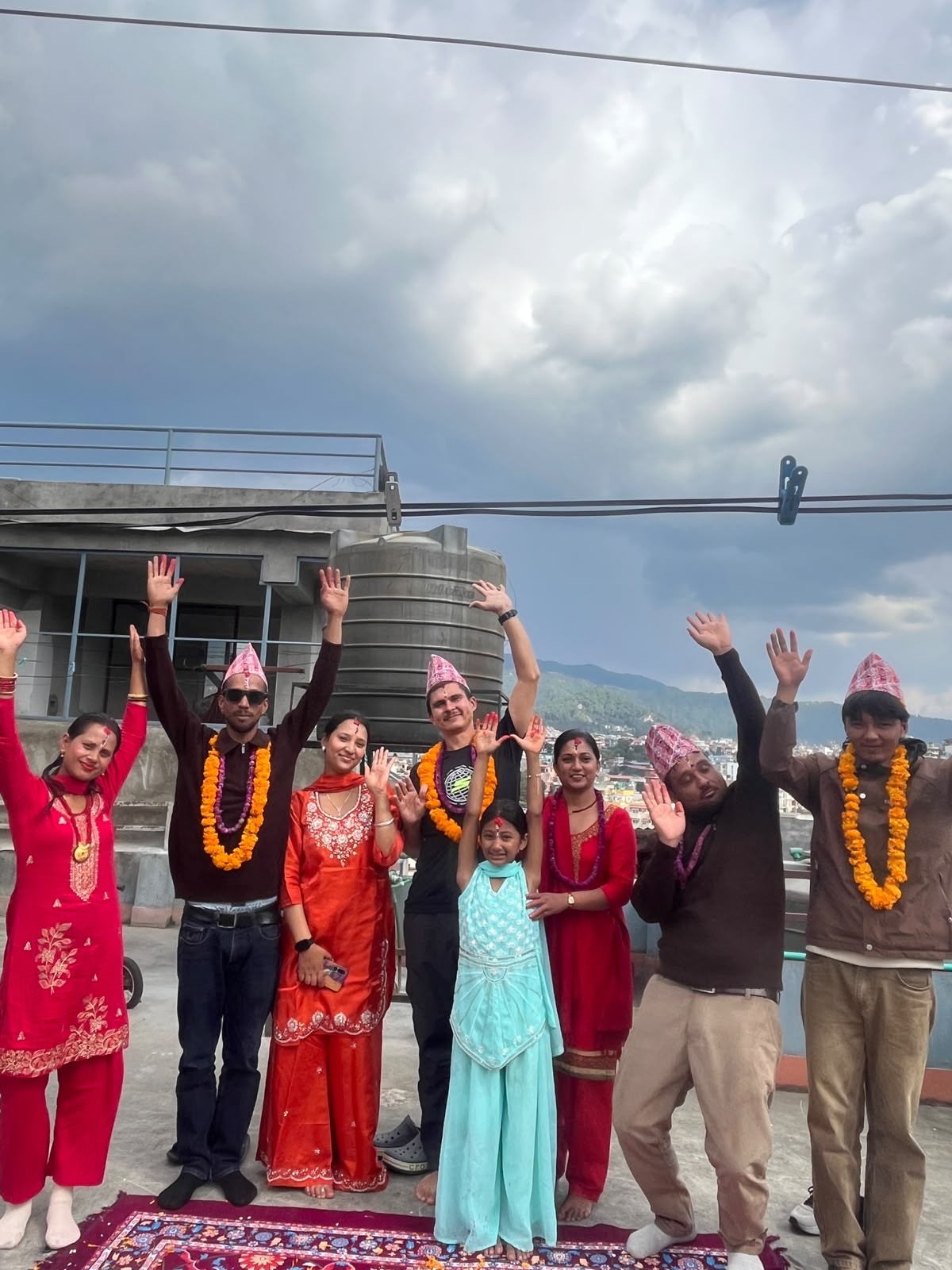
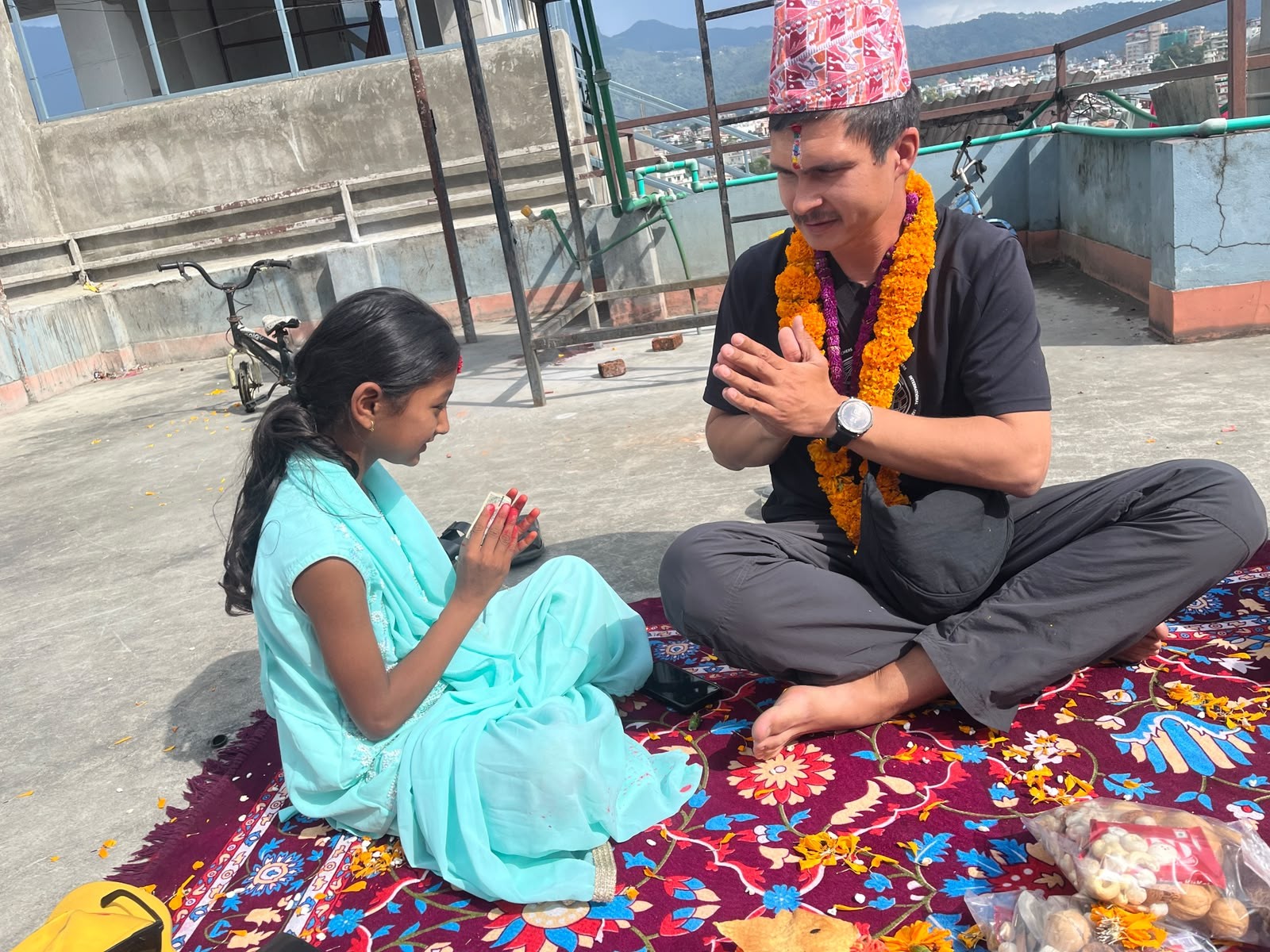
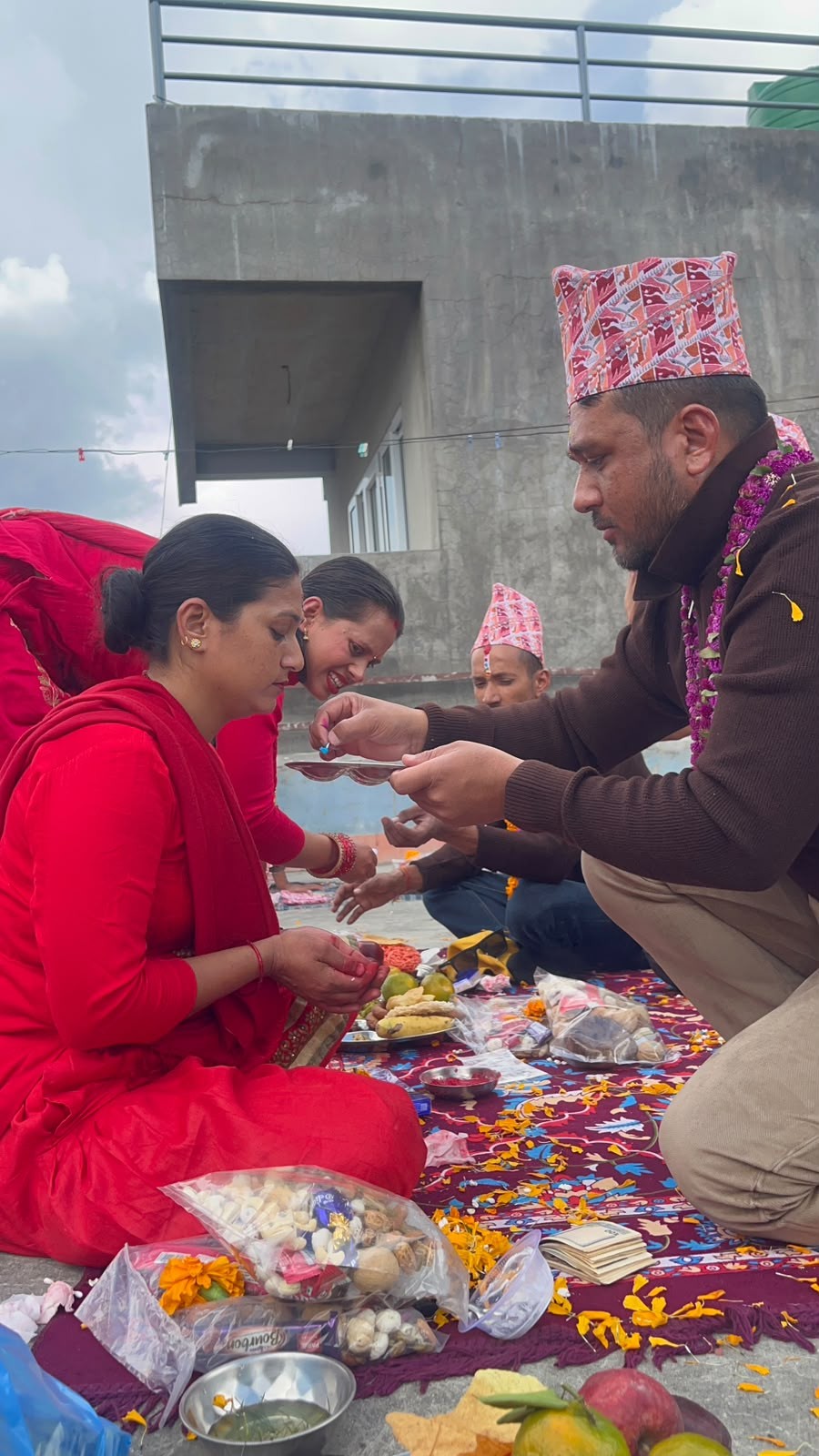
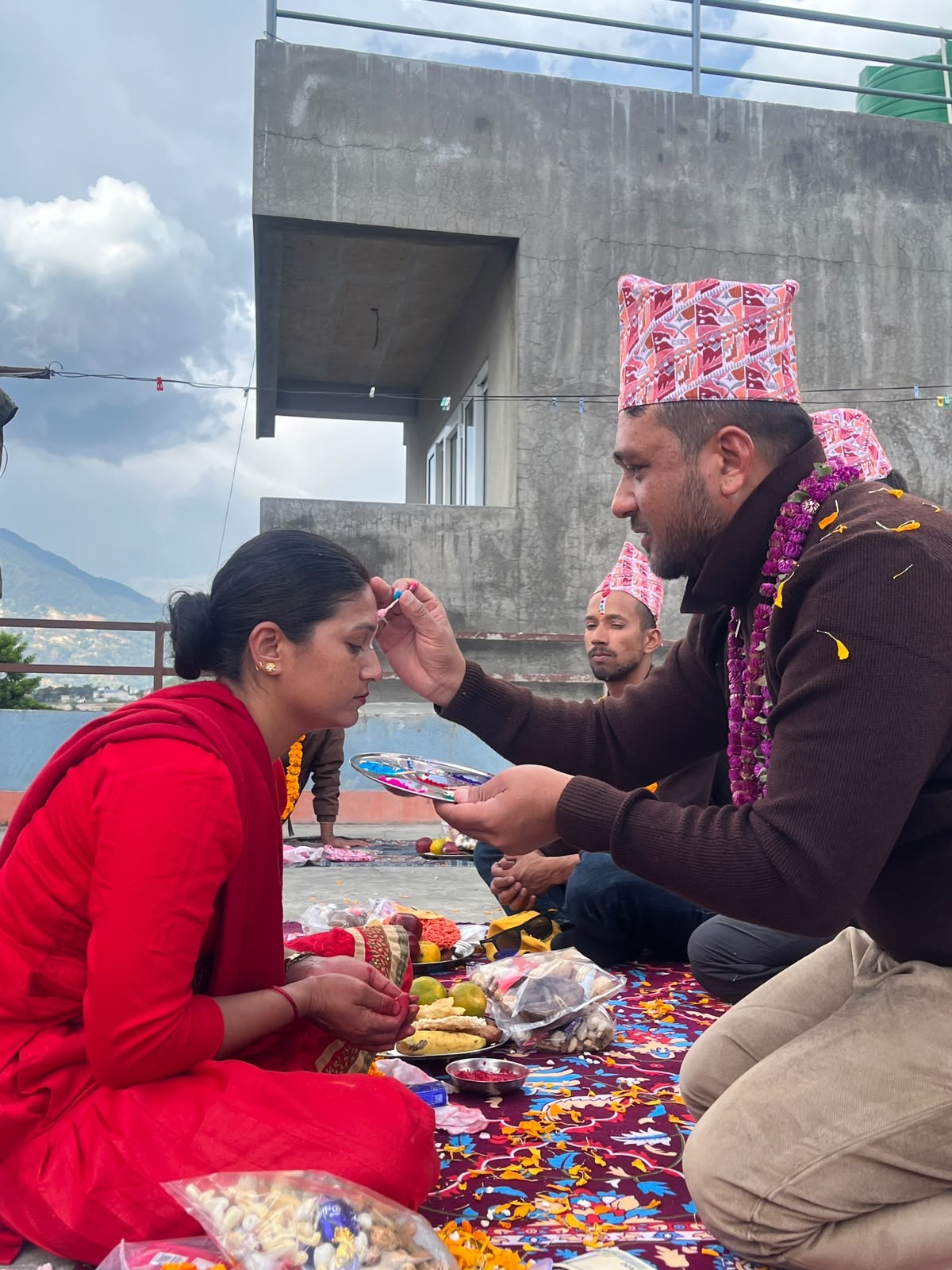
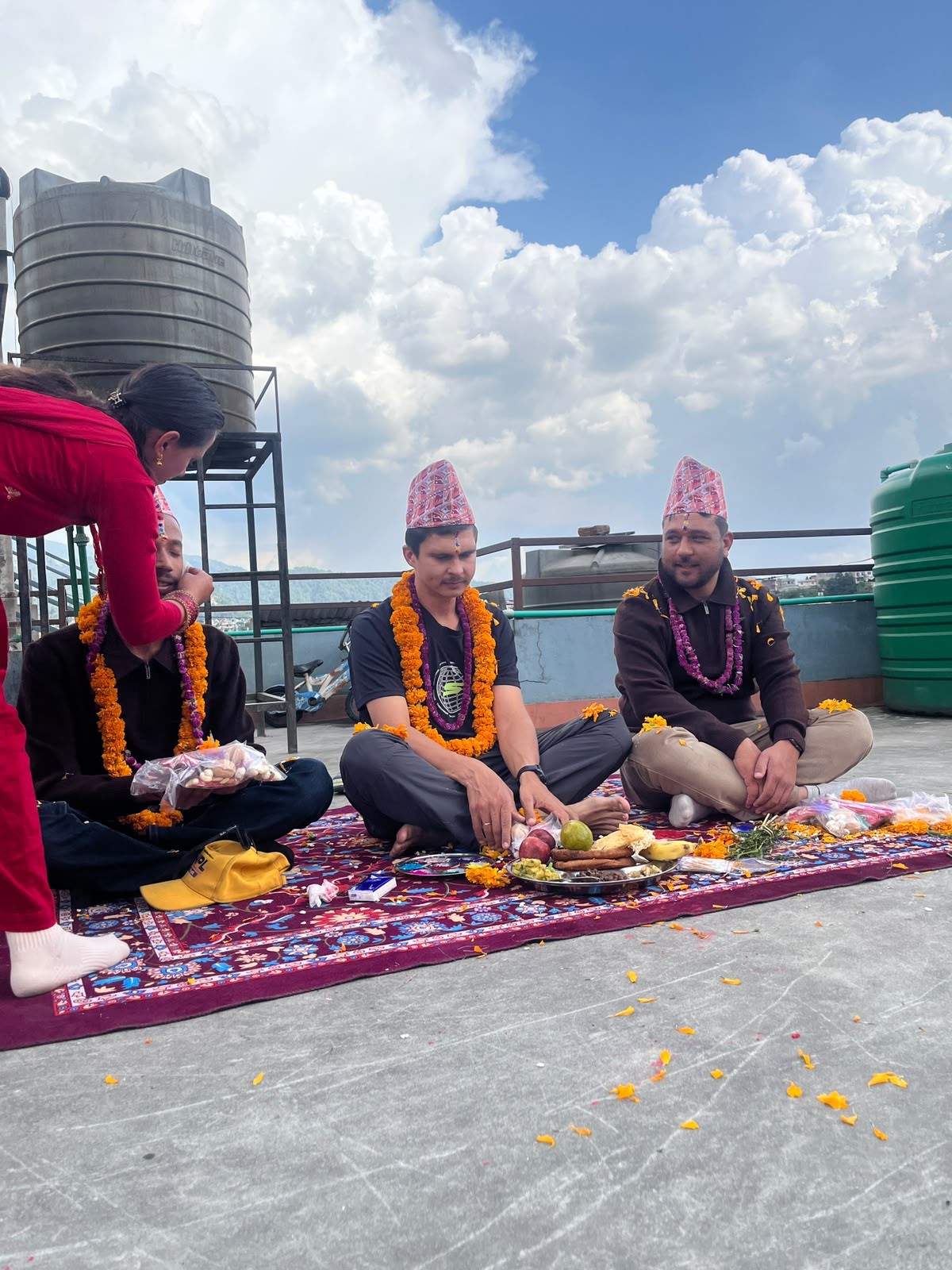
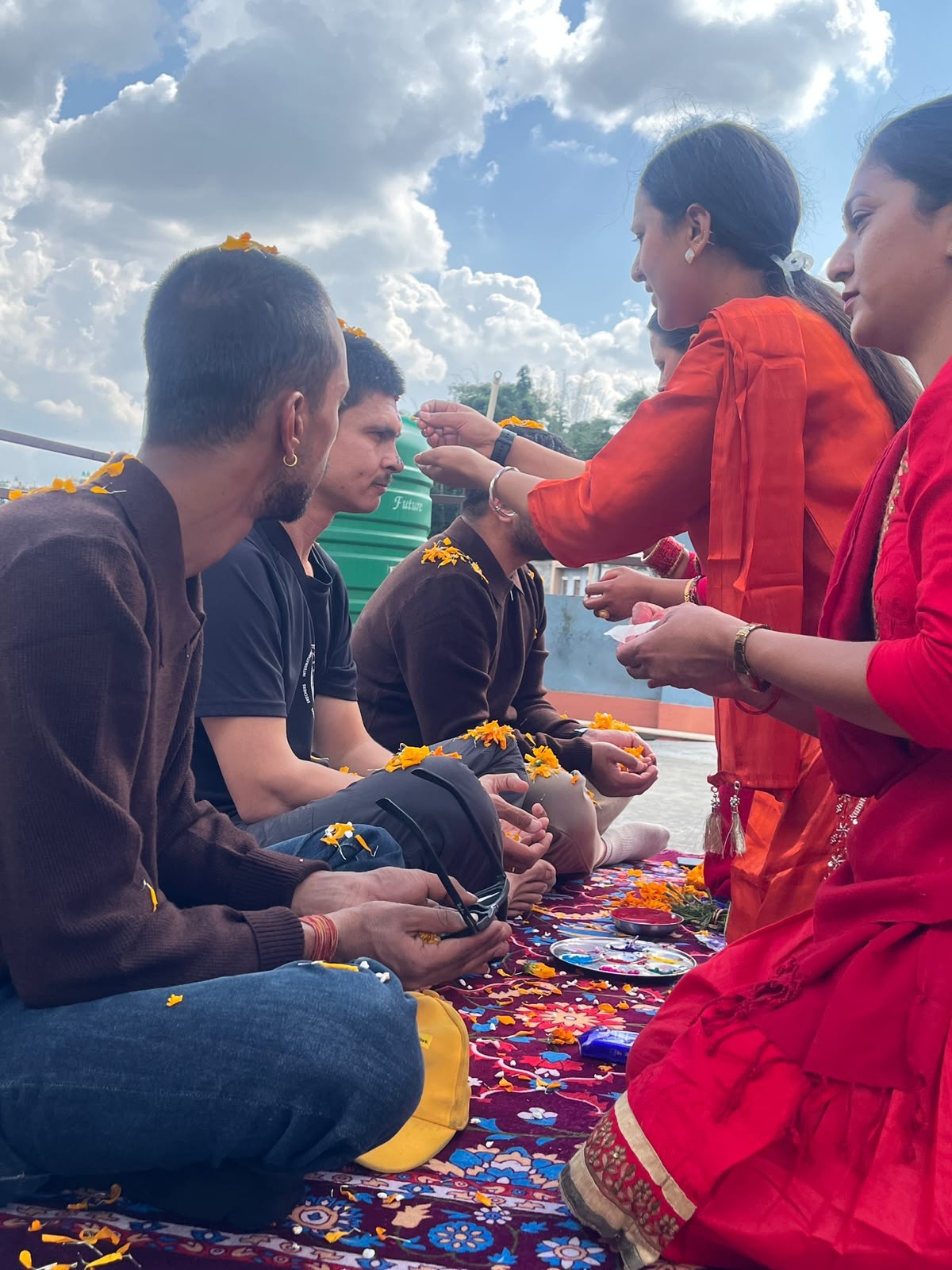
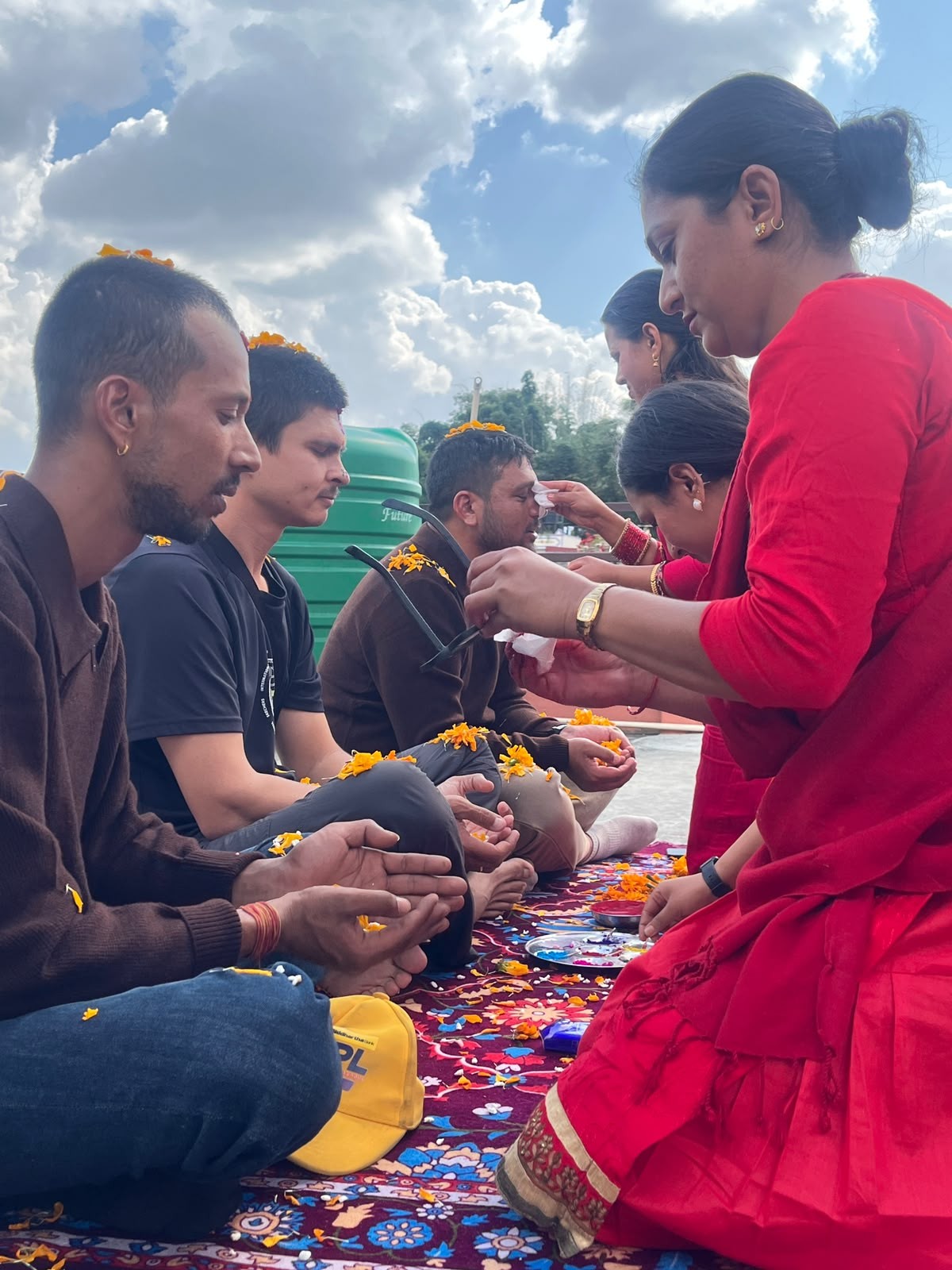
The fifth and final day of Tihar is known as Bhai Tika, one of the most emotional and meaningful family celebrations in Nepal.
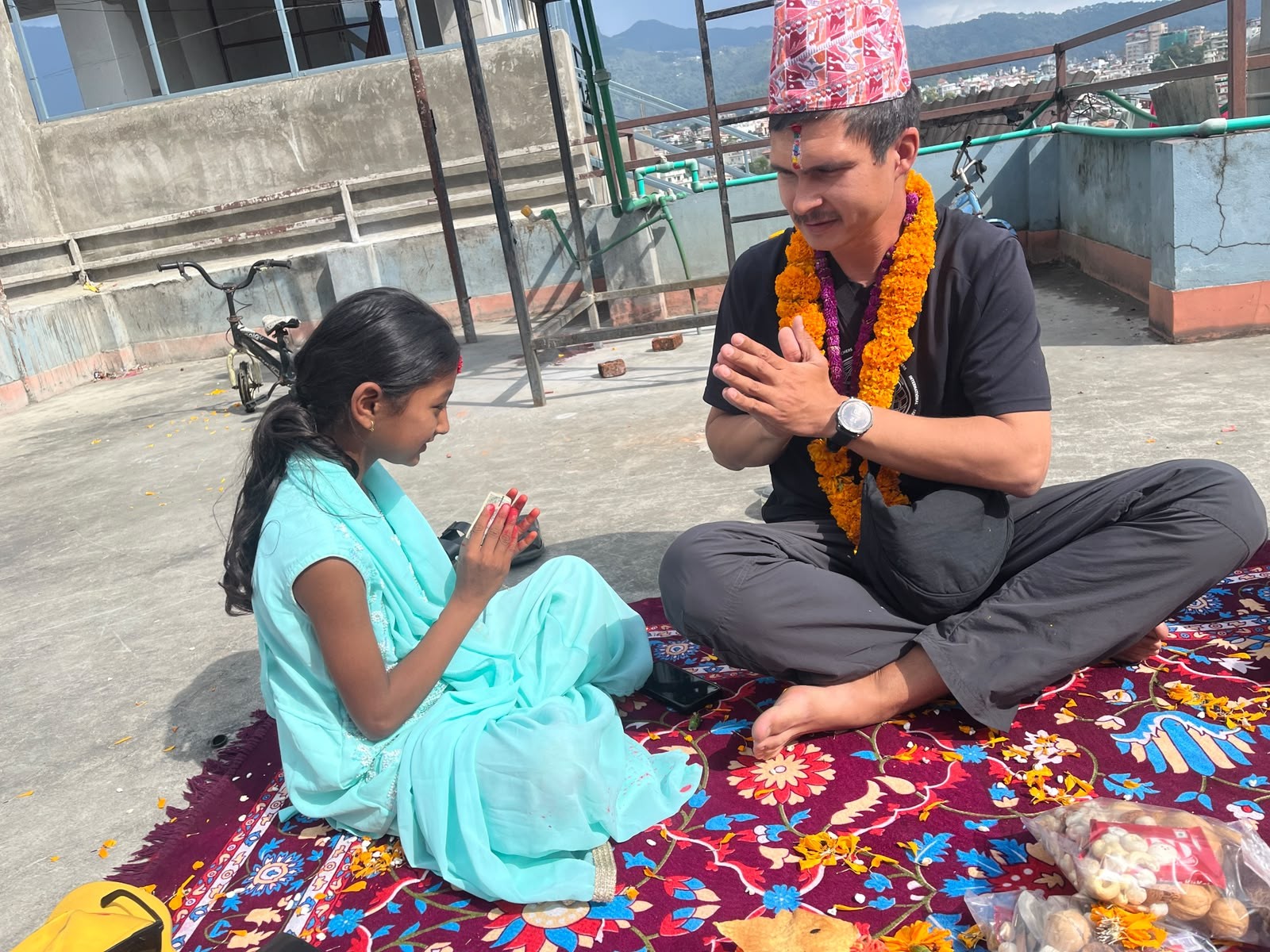
On this day, sisters perform a special puja for their brothers and pray for their long life, good health, happiness and prosperity.
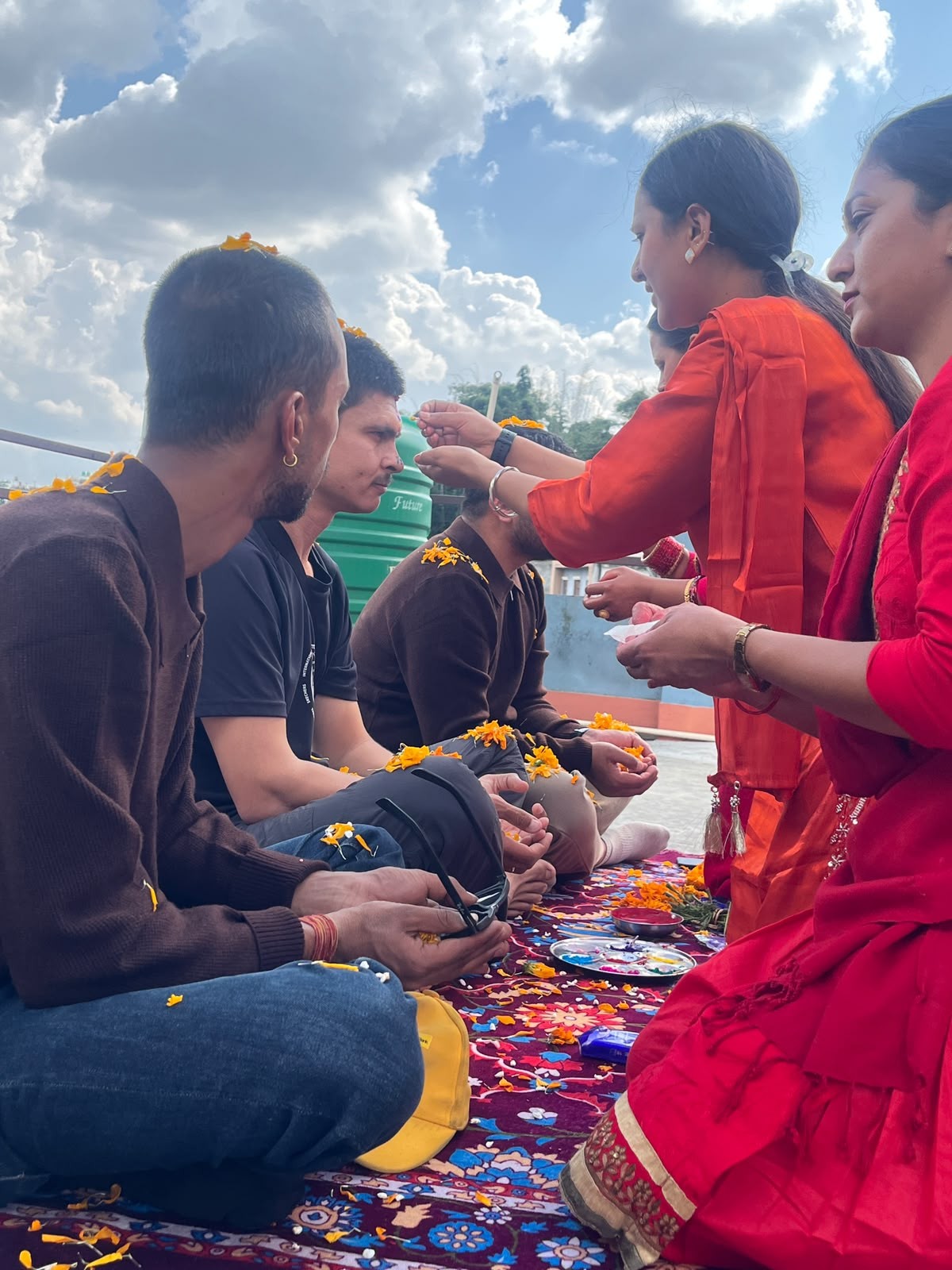
Sisters prepare a beautiful arrangement with flowers, fruits, sweets, oil lamps and colourful tika. They apply a special seven-coloured tika, known as Saptarangi Tika, to their brothers' foreheads.
Brothers are also given garlands, often made from marigold and makhamali flowers. In some traditional rituals, sisters create a protective boundary using oil and water around their brothers.
After the ceremony, families enjoy delicious meals together. Brothers give gifts, money or clothes to their sisters as a symbol of love and appreciation.
The celebration may also take place between sisters and brothers who live far apart, as families make an effort to reunite during this special occasion.
Meaning of Bhai Tika: It represents unconditional love, protection, respect, family unity and the lifelong relationship between brothers and sisters.
Tihar is celebrated throughout Nepal, from the Himalayan villages and mountain settlements to the Kathmandu Valley, Pokhara, Terai towns and major cities.
Although the rituals may differ between communities, the festival is filled with several common traditions.
Before Tihar begins, families clean their houses, courtyards and surroundings. They decorate entrances with marigold flowers, colourful rangoli and traditional designs.
The purpose is to welcome good fortune, happiness and positive energy into the home.
Lighting is one of the most attractive features of Tihar.
People place small clay lamps called diyos around their homes, temples, balconies, windows and courtyards. Today, colourful electric lights are also widely used.
During Laxmi Puja, entire neighbourhoods glow with beautiful decorations.
Rangoli is a traditional decorative art made using coloured powders, flowers, rice, grains and other natural materials.
Families create colourful patterns at their doorways and courtyards. Some designs include flowers, religious symbols and footprints representing the arrival of Goddess Laxmi.
One of the most enjoyable traditions of Tihar is Deusi and Bhailo.
Groups of children, young people and adults visit neighbourhood homes, singing traditional songs, dancing and sharing festive greetings.
Bhailo is traditionally associated with groups of girls and women, while Deusi is traditionally associated with boys and men. Today, people of all ages and genders participate in both.
The homeowners welcome the performers with money, fruits, sweets and food. The groups offer blessings and good wishes in return.
Deusi-Bhailo is an important part of Nepal's cultural heritage because it brings neighbours and communities together.
Food is another special part of Tihar. Families prepare traditional dishes and share meals with relatives, friends and visitors.
Some popular festive foods include:
Sel roti is particularly popular during Tihar and is often prepared at home in large quantities.
Like Dashain, Tihar is a time for family reunions. People visit relatives, exchange greetings, share food and celebrate together.
Bhai Tika is especially important for brothers and sisters who may live in different towns or countries. Many people travel home to take part in the ceremony.
Tihar is not only a religious festival; it is also an important expression of Nepal's cultural identity.
Respect for animals: Worshipping crows, dogs, cows and oxen teaches gratitude towards animals and their role in human life.
Love and family relationships: Bhai Tika strengthens the emotional bond between brothers and sisters and encourages families to remain connected.
Respect for nature: Govardhan Puja and traditional animal worship remind people of their relationship with the environment.
Faith and spirituality: Worshipping Goddess Laxmi represents hope for peace, prosperity, success and happiness.
Community unity: Deusi-Bhailo, neighbourhood gatherings and shared meals bring people together.
Cultural preservation: Traditional songs, food, flowers, rituals and family customs help preserve Nepal's cultural heritage for future generations.
The Kathmandu Valley is one of the most fascinating places to experience Tihar.
During the festival, Kathmandu, Patan and Bhaktapur become colourful with traditional decorations, flowers, oil lamps and electric lights.
Newar communities celebrate Swanti with distinctive customs, including Mha Puja and Nepal Sambat New Year. Traditional architecture, courtyards, temples and historic squares create a special atmosphere.
Visitors can enjoy the festive decorations, observe traditional rituals respectfully, taste local foods and experience the warmth of Nepali hospitality.
Places such as Kathmandu Durbar Square, Patan Durbar Square and Bhaktapur Durbar Square offer wonderful opportunities to appreciate the valley's cultural heritage. Visitors should remember that religious ceremonies are personal and should always ask permission before taking photographs of people or private rituals.
Tihar is called the Festival of Lights because lighting diyos, candles and decorative lights is central to the celebration.
The lights have a deeper symbolic meaning. They represent knowledge, hope, goodness, peace and prosperity.
People believe that lighting their homes during Laxmi Puja welcomes Goddess Laxmi and brings blessings to their families.
Beyond religious belief, the festival offers a powerful message: even a small light can brighten a dark place. Tihar encourages people to spread kindness, happiness and positivity in their communities.
For international travellers, Tihar is an excellent opportunity to experience Nepal beyond its mountains and trekking trails.
If you visit Nepal during Tihar, you can:
Tihar is a wonderful time to understand the relationship between Nepal's religion, culture, family life and nature.
A respectful travel tip: Festival dates follow the lunar calendar and change each year. Some shops, offices and services may operate on reduced schedules during major celebrations, so visitors should plan transport and activities in advance.
Tihar is a festival of happiness, respect and compassion. Everyone can help make it safer and more meaningful.
The true spirit of Tihar is kindness, gratitude and togetherness.
Tihar is a five-day Hindu festival celebrated in Nepal, also known as Deepawali or the Festival of Lights. It honours animals, Goddess Laxmi, nature and the relationship between brothers and sisters.
Tihar celebrates the victory of goodness over darkness, expresses gratitude towards animals and nature, welcomes prosperity through Laxmi Puja and strengthens family relationships through Bhai Tika.
Tihar is traditionally celebrated for five days. Each day has a special religious or cultural meaning.
The five days are Kaag Tihar, Kukur Tihar, Gai Tihar and Laxmi Puja, Goru Tihar or Govardhan Puja with Mha Puja in Newar tradition, and Bhai Tika.
Dogs are respected for their loyalty, friendship and protective role. Hindu tradition also associates dogs with Yama. People offer dogs tika, garlands and food on Kukur Tihar.
Laxmi Puja is the evening worship of Goddess Laxmi, the goddess of wealth and prosperity. Families clean and decorate their homes, light oil lamps and offer prayers for happiness and success.
Bhai Tika is the final day of Tihar, when sisters apply colourful tika and garlands to their brothers and pray for their long life and prosperity. Brothers also give gifts and blessings to their sisters.
Deusi-Bhailo is a traditional Nepali singing and dancing custom during Tihar. Groups visit houses, sing festive songs and receive food, sweets or money from homeowners.
Mha Puja is a Newar ritual meaning worship of oneself. It celebrates the value of life, inner wellbeing and renewal. It is also associated with the Newar celebration of Nepal Sambat New Year.
Tihar usually falls in October or November, during the Nepali month of Kartik. Its exact dates change every year according to the lunar calendar.
Yes. Tihar is a wonderful time to experience Nepali culture, traditional food, family celebrations, decorations and religious customs. Visitors should plan ahead because some businesses and services may have holiday schedules.
Tihar is one of the most beautiful celebrations in Nepal because it brings together spirituality, nature, family and culture.
From offering food to crows and celebrating the loyalty of dogs to worshipping cows, welcoming Goddess Laxmi, respecting nature and celebrating the bond between brothers and sisters, every day carries a special message.
The lights of Tihar brighten Nepali homes, but the deeper meaning of the festival is to bring light into people's lives through kindness, love, gratitude and respect.
For international visitors, Tihar offers a memorable opportunity to discover the heart of Nepali culture and experience the country's traditions beyond its famous Himalayan landscapes.
At Explore Holiday Nepal, we believe that travelling is not only about discovering beautiful mountains and landscapes; it is also about understanding local people, traditions and ways of life.
Come and experience Nepal's natural beauty, cultural heritage and warm hospitality with our local team.
Explore Nepal. Experience the Culture. Discover the Himalayas.
Happy Tihar and Shubha Deepawali! शुभ दीपावली!

The Everest Base Camp Trek, offered by Explore Holiday Treks, is a thrilling adventure that attracts travelers from all corners of the globe. Reaching an impressive altitude of approximately 5,644 meters (18,267 feet), this trek brings you closer to the majestic peaks of the Himalayas.
The Annapurna Circuit Trek is one of the most renowned and diverse trekking routes in the world, known for its stunning views of the Annapurna mountain range, varied landscapes, and rich cultural experiences.

The trek begins in Lukla, which is situated at around 2,860 meters (9,383 feet), and progressively ascends to Everest Base Camp at 5,364 meters (17,598 feet).

The Manaslu Circuit Trek in Spring (March-May) offers trekkers an opportunity to experience the stunning beauty of the Himalayas when the weather is at its most favorable.

Mount Kanchenjunga, the third-highest peak in the world, is one of the most majestic and revered mountains on Earth. Rising to an impressive height of 8,586 meters (28,169 feet), it is part of the mighty Himalayas and stands as a natural border between Nepal and India.


 (34)
