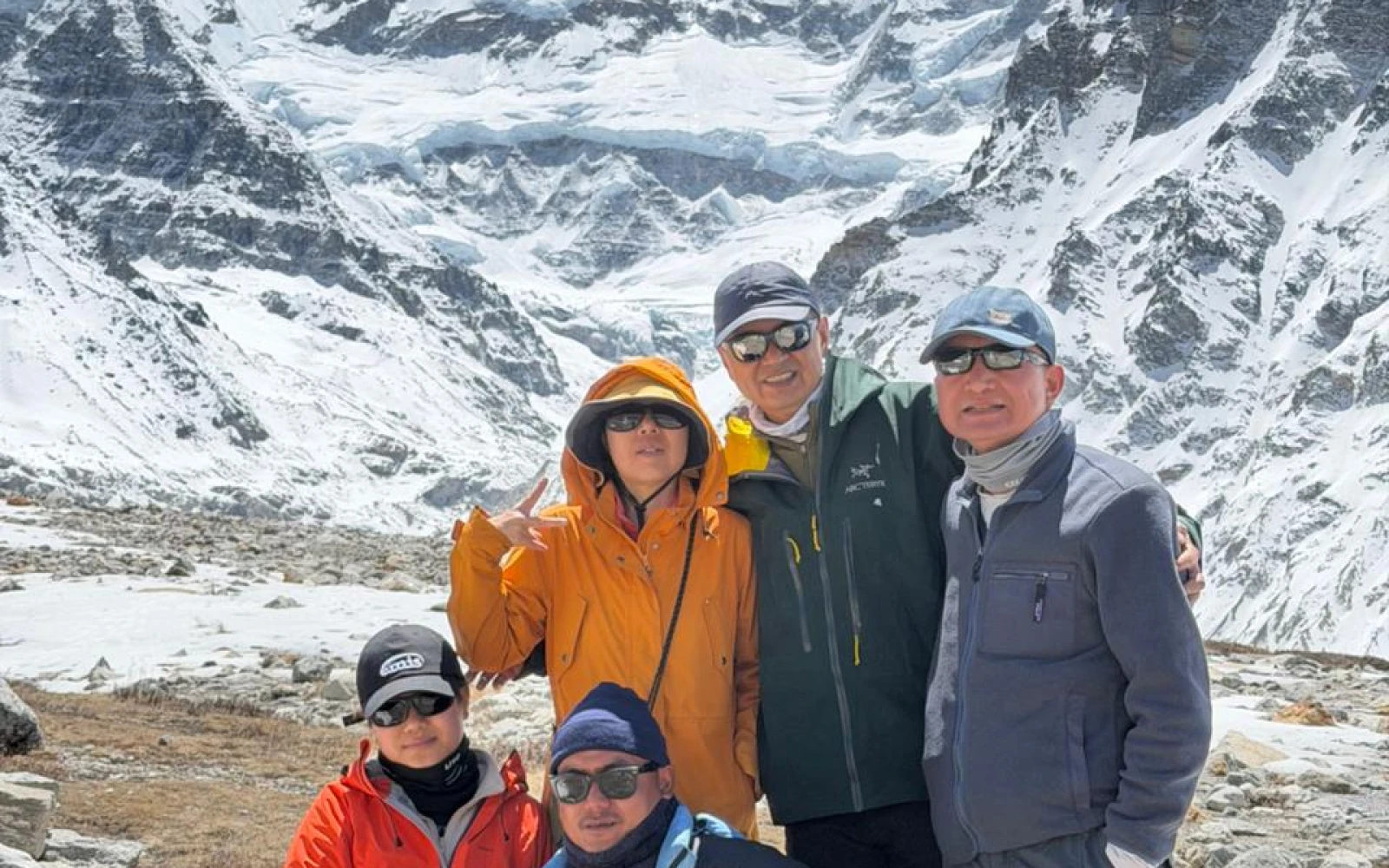
Explore Holiday Nepal – Discover the Remote Himalayan Wilderness of Eastern Nepal
Imagine walking through traditional Himalayan villages, crossing spectacular mountain passes, exploring ancient forests, and standing beneath one of the highest mountains in the world. Far away from Nepal's busy trekking trails, the Kanchenjunga region offers an extraordinary adventure for people who want to experience the authentic Himalayas.
The Kanchenjunga Base Camp Trek is one of Nepal's most adventurous and rewarding long-distance trekking journeys. It takes you into the remote eastern Himalayas, where traditional mountain communities, beautiful glaciers, spectacular landscapes, and some of the world's highest mountains create an unforgettable experience.
Unlike popular trekking destinations such as Everest Base Camp and Annapurna Base Camp, Kanchenjunga remains relatively quiet and less commercialized. It offers something special: an opportunity to explore both the North and South Base Camps of Mount Kanchenjunga, the world's third-highest mountain.
At Explore Holiday Nepal, we believe that trekking is not simply about reaching a destination. It is about discovering local cultures, meeting mountain communities, enjoying nature, and experiencing Nepal beyond the ordinary tourist routes.
Let's explore everything you need to know before planning your Kanchenjunga adventure in 2027 or 2028.
With an elevation of 8,586 metres (28,169 feet), Mount Kanchenjunga is the third-highest mountain in the world, after Mount Everest and K2.
The Kanchenjunga Conservation Area covers approximately 2,035 square kilometres and was established in 1997 to protect the region's unique Himalayan environment, wildlife, forests, and traditional communities.
National Parks & Wildlife Conservation+1
The region is famous for:
The trekking journey generally begins from the Taplejung area after travelling from Bhadrapur or another regional access point.
The duration depends on whether you visit only one base camp or complete the full North and South Base Camp circuit.
| Trek option | Approximate duration |
|---|---|
| North Base Camp only | 18–21 days |
| South Base Camp only | 16–19 days |
| North and South Base Camp circuit | 22–26 days |
| Extended trek with additional exploration | 26–30 days |
These estimates include the usual travel and trekking arrangements, but actual schedules vary depending on road conditions, flights, acclimatization, weather and the chosen itinerary.
Our recommendation: If you have enough time, choose the full North and South Base Camp circuit. You will experience two different sides of Kanchenjunga, cross spectacular high mountain passes, and explore a much greater variety of Himalayan landscapes and cultures.
Strenuous / Very challenging
Kanchenjunga Base Camp Trek 2026|2027
The Kanchenjunga Trek is considered one of the more challenging trekking adventures in Nepal.
It is not an ideal first Himalayan trek for people without walking experience. The main challenges are its long duration, remote location, high altitude, steep ascents and descents, and basic mountain facilities.
Main challenges
Who can do this trek?
You should prepare with regular walking, hiking, cardiovascular exercise and strength training before departure.
Altitude acclimatization is essential. Never ignore symptoms such as headaches, nausea, dizziness or unusual tiredness. If altitude sickness is suspected, stop ascending and descend when necessary. A guide should monitor the group and have an emergency evacuation plan.
Beautiful Himalaya Views on the way to Pangpema during Kanchenjunga North Base Camp Trek in Nepal
Kanchenjunga North Base Camp Trek
11The North Base Camp is one of the most spectacular destinations in the entire Kanchenjunga region.
It is locally known as Pangpema, situated at approximately 5,140 metres above sea level.
The northern approach follows the beautiful Ghunsa Valley through traditional settlements and high-altitude mountain landscapes.
The main route passes through:
As you climb higher, the landscape gradually changes from green forests and traditional villages into rocky valleys, glaciers and enormous snow-covered mountains.
The North Base Camp provides spectacular views of the northern face of Mount Kanchenjunga and its surrounding mountain walls.
You can experience:
The walk to Pangpema is physically demanding because of the altitude and remote terrain. However, standing beneath the mighty Kanchenjunga massif is one of the most rewarding experiences in eastern Nepal.
Himalaya View from Oktang of Kanchenjunga Base Camp South Trekking in Nepal
Kanchenjunga South Base Camp Trek - 13 Days Cost and Itinerary
Exploring the Kanchenjunga Base Camp Trek Difficulty and Challenges in Nepal | Visit Himalaya Treks
9The South Base Camp viewpoint is known as Oktang. It is located above the spectacular Yalung Glacier at approximately 4,700–4,730 metres.
The southern route offers a different experience from the northern side.
The trail generally passes through:
The landscape features beautiful forests, alpine meadows, glacial valleys and dramatic mountain scenery.
From Oktang, trekkers can enjoy impressive views of the southern face of the Kanchenjunga massif and the enormous Yalung Glacier.
The surrounding mountain scenery includes:
The South Base Camp viewpoint is especially attractive for photographers and mountain lovers because of its wide glacial landscape and dramatic Himalayan scenery.
| Feature | North Base Camp | South Base Camp |
|---|---|---|
| Main viewpoint | Pangpema | Oktang |
| Approximate elevation | 5,140 m | 4,730 m |
| Main valley | Ghunsa Valley | Yalung Valley |
| Major attraction | Northern face and glacier | Southern face and Yalung Glacier |
| Main villages | Ghunsa, Khambachen | Yamphudin, Tseram |
| Experience | Remote high-altitude wilderness | Forests, glaciers and mountain viewpoints |
Our recommendation: Visit both sides if your schedule and fitness allow. They provide different perspectives of the same magnificent mountain.
Hiker Kanchenjunga Panorama - Nicholas Eager
This is a suggested itinerary for the full North and South Base Camp adventure. It includes acclimatization, both base camp viewpoints and the high mountain crossing.
| Day | Route / Activity | Overnight |
|---|---|---|
| 1 | Arrive in Kathmandu (1,400 m) | Kathmandu |
| 2 | Kathmandu sightseeing and trek preparation | Kathmandu |
| 3 | Fly to Bhadrapur and drive towards Taplejung | Taplejung area |
| 4 | Drive to Sekathum | Sekathum |
| 5 | Trek Sekathum to Amjilosa | Amjilosa |
| 6 | Trek Amjilosa to Gyabla | Gyabla |
| 7 | Trek Gyabla to Ghunsa | Ghunsa |
| 8 | Acclimatization and exploration in Ghunsa | Ghunsa |
| 9 | Trek Ghunsa to Khambachen | Khambachen |
| 10 | Acclimatization and mountain exploration | Khambachen |
| 11 | Trek Khambachen to Lhonak | Lhonak |
| 12 | Trek Lhonak to Pangpema and return to Lhonak | Lhonak |
| 13 | Trek Lhonak to Khambachen | Khambachen |
| 14 | Trek Khambachen to Ghunsa | Ghunsa |
| 15 | Trek Ghunsa towards Sele La high camp | Sele La area |
| 16 | Cross high passes towards Tseram | Tseram |
| 17 | Trek Tseram to Ramche and explore Oktang | Tseram |
| 18 | Trek Tseram to Tortong | Tortong |
| 19 | Trek Tortong to Yamphudin | Yamphudin |
| 20 | Trek Yamphudin towards lower villages and road access | Lower trail area |
| 21 | Travel towards Taplejung | Taplejung area |
| 22 | Drive towards Bhadrapur | Bhadrapur |
| 23 | Fly back to Kathmandu | Kathmandu |
| 24 | International departure | — |
Important: This is an indicative planning itinerary, not a fixed daily route. The exact high-pass crossing, overnight locations and road-access stages must be checked before departure. Additional buffer days are advisable because eastern Nepal's road and flight conditions can change.
mount Kanchenjunga 8586 m, Nepal Himalaya mountain
Photographs of Jannu ( Khumbakarna ) - from Sinian La, North Face, from the West
6One of the biggest attractions of this trek is the opportunity to experience an incredible collection of Himalayan mountains.
Mount Kanchenjunga dominates the region, but there are many other impressive peaks to discover.
| Mountain | Approximate elevation |
|---|---|
| Mount Kanchenjunga | 8,586 m |
| Jannu / Kumbhakarna | 7,710 m |
| Yalung Kang | 8,505 m |
| Kangchenjunga South | 8,476 m |
| Kangchenjunga Central | 8,482 m |
| Kabru North | 7,412 m |
| Kabru South | 7,318 m |
| Rathong | 6,682 m |
Some of these are summits of the Kanchenjunga massif rather than separate mountains. Visibility depends on the route, viewpoint and weather.
The mountains are particularly impressive around Pangpema, Lhonak, Khambachen, Ramche and Oktang.
Ancient Village of Ghunsa with Traditional Wooden Houses in Kanchenjunga Trek, Taplejung, Nepal
9The Kanchenjunga region is not only famous for mountains. Its cultural diversity is one of the most interesting reasons to explore this part of Nepal.
The region is home to several ethnic communities, including Limbu, Sherpa, Rai and Bhote communities. Their traditional lifestyles, languages, customs, religious practices and architecture make the trekking experience culturally rewarding.
National Parks & Wildlife Conservation+1
The lower sections of the trekking route pass through traditional Limbu settlements.
The Limbu people are among the important indigenous communities of eastern Nepal. They have their own language, traditional clothing, music, festivals and cultural identity.
Their traditional cultural heritage includes:
As you move towards Ghunsa and the higher valleys, you encounter communities with strong Tibetan Buddhist cultural influences.
You can see:
Ancient Village of Ghunsa with Traditional Wooden Houses in Kanchenjunga Trek, Taplejung, Nepal
The wider Kanchenjunga region also includes Rai and Bhote communities, with different traditions, languages and ways of life.
You can learn about traditional farming, livestock, local food, mountain trade and how communities adapt to the changing seasons.
Why is the cultural experience special?
Unlike more commercialized trekking destinations, Kanchenjunga offers opportunities to spend time in small settlements where traditional mountain lifestyles remain an important part of everyday life.
For travellers interested in Nepalese culture, this trek provides a wonderful combination of nature, history and authentic local experiences.
Ancient Village of Ghunsa with Traditional Wooden Houses in Kanchenjunga Trek, Taplejung, Nepal
Tea Houses on the Kanchenjunga Trek
Food and Accommodation during Kanchenjunga Trek | Details Guide
10Accommodation in the Kanchenjunga region is generally basic compared with the Everest and Annapurna trekking regions.
You should not expect luxury hotels, attached bathrooms or high-end facilities throughout the route.
Most overnight stops offer simple local teahouses and mountain lodges.
Lower villages
In places such as Sekathum, Amjilosa, Gyabla and Yamphudin, accommodation is simple but welcoming. Rooms usually have basic beds, mattresses, pillows and blankets.
Ghunsa and Khambachen
These are important settlements on the northern route. You can find small trekking lodges, dining rooms and basic guest facilities.
Lhonak, Tseram and Ramche areas
Facilities become more basic as you climb higher. Some accommodation options may be seasonal or limited, and camping arrangements may be necessary depending on availability.
| Facility | Availability |
|---|---|
| Basic private rooms | Common in established villages |
| Twin-sharing rooms | Common |
| Attached bathrooms | Limited |
| Hot showers | Limited and sometimes chargeable |
| Electricity | Variable |
| Wi-Fi | Limited and unreliable |
| Charging facilities | Available in some lodges |
| Luxury hotels | Generally unavailable |
Our advice: Carry a warm sleeping bag suitable for sub-zero mountain conditions, even if your lodge provides blankets.
Accommodation should be confirmed in advance, particularly during the busy spring and autumn seasons.
What Food to Expect on the Everest Base Camp Trek: A Complete Guide
10 Tibetan Dishes That Will Warm Your Soul - Restaurant India
15 Famous Foods in Nepal: Nepali Food You Must Try
5Food is an important part of the Kanchenjunga trekking experience.
Although the menu becomes more limited at higher elevations, you can enjoy traditional Nepali dishes and simple Himalayan meals.
| Food | Description |
|---|---|
| Dal Bhat | Rice, lentil soup, vegetables and pickles |
| Tibetan Bread | Traditional fried or baked bread |
| Thukpa | Warm noodle soup |
| Momo | Traditional steamed dumplings |
| Fried Rice | Rice with vegetables or egg |
| Noodles | Soup noodles or fried noodles |
| Potato dishes | Boiled, fried or cooked potatoes |
| Porridge | Popular breakfast option |
| Pancakes | Simple breakfast food |
| Eggs | Boiled, fried or omelette |
Dal Bhat is one of the best meals for trekking in Nepal because it provides carbohydrates, protein and energy for long walking days.
At lower elevations, you may find more menu choices. At higher elevations, the variety of food decreases because supplies must be carried over difficult mountain trails.
Food recommendation: Eat freshly cooked meals, drink sufficient safe water and avoid relying on alcohol during high-altitude trekking.
Vegetarian meals are generally available, but travellers with special dietary requirements should inform their trekking agency in advance.
Beautiful Glacial Lake in the Himalayas of Kanchenjunga SOuth Base Camp, Taplejung, Nepal
Beautiful Phaley Foley Village Community in Himalayan Landscape of Kanchenjunga, Taplejung, Nepal
Nepal successfully collars four snow leopards in four years | WWF
11Many travellers know Kanchenjunga because of its enormous mountain, but the region offers many attractions beyond the famous base camps.
These hidden experiences make the trek especially interesting.
Ghunsa is one of the most beautiful traditional settlements on the northern route.
It offers traditional Himalayan houses, prayer flags, Buddhist cultural influences and spectacular mountain surroundings.
Jannu, also called Kumbhakarna, is an exceptionally impressive mountain with a dramatic rocky and icy profile.
Its enormous walls create some of the most memorable mountain scenery around Khambachen.
The Yalung Glacier is one of the great natural attractions on the southern side. It creates an extraordinary landscape around Ramche and Oktang.
During spring, the lower trekking trails become colourful with flowering rhododendrons.
You may also encounter beautiful forests of pine, birch, fir and juniper.
The Kanchenjunga Conservation Area is home to rare and endangered Himalayan wildlife.
Some notable species include:
Wildlife sightings are never guaranteed, but the opportunity to explore their natural habitat makes the journey special.
National Parks & Wildlife Conservation+1
पाथीभरा : धार्मिक आस्था र प्राकृतिक सौन्दर्यको संगम || #NepalClicks #नेपालक्लिक्सnepalclicks.com
Pathivara Temple is an important Hindu pilgrimage destination in Taplejung District.
Travellers with extra time can consider visiting the temple as part of an extended eastern Nepal itinerary.
Perhaps the most special attraction is the opportunity to experience daily life in remote mountain villages.
You can observe yak herding, traditional agriculture, local hospitality, mountain houses and the lifestyle of people living far from major cities.
Kanchenjunga Circuit Trek 17 Days via Olangchung Gola | North & South Base Camps14 Tallest Mountain Peaks in the World
What Is The Best Time For Kanchenjunga Circuit Trek?
10The best seasons for the Kanchenjunga Trek are spring and autumn.
| Season | Months | Experience |
|---|---|---|
| Spring | March–May | Rhododendron flowers, beautiful landscapes and good mountain views |
| Autumn | September–November | Clear skies, excellent mountain visibility and stable trekking conditions |
| Winter | December–February | Very cold, heavy snow and possible blocked high passes |
| Monsoon | June–August | Heavy rainfall, leeches, landslides and poor visibility |
April and May are particularly attractive because rhododendron forests bloom, and the lower valleys become colourful.
October and November are excellent months for mountain photography and clear Himalayan views.
Our recommendation: Choose April–May or October–November for your 2027 or 2028 Kanchenjunga adventure. However, weather conditions are never guaranteed, and high-pass accessibility must be checked before departure.
Kanchenjunga is a restricted trekking region in Nepal. You cannot simply arrive and start trekking independently without arranging the required permits and trekking support.
For foreign trekkers, the main requirements generally include:
The Nepal Tourism Board lists Kanchenjunga among the trekking routes requiring a licensed guide and an agency-issued TIMS arrangement. Restricted-area permits are processed through the Department of Immigration.
Nepal Tourism Board+1
The current Nepal Tourism Board conservation-area fee table lists the Kanchenjunga Conservation Area entry fee for foreign visitors at NPR 2,000. Permit rates and regulations should be reconfirmed before booking because government rules can change.
National Park Entry permit fee
For 2027/2028 departures, Explore Holiday Nepal can help coordinate the required permits, guide arrangements and trekking logistics.
Nepal has many famous trekking destinations, including Everest Base Camp, Annapurna Circuit, Manaslu Circuit and Langtang Valley.
However, Kanchenjunga offers a different kind of adventure.
It is not necessarily better for everyone, but it is particularly rewarding for experienced trekkers who want a longer, quieter and more remote Himalayan experience.
| Feature | Kanchenjunga | Everest Base Camp | Annapurna Circuit | Manaslu Circuit |
|---|---|---|---|---|
| Duration | 22–26 days | 12–16 days | 12–18 days | 14–18 days |
| Highest trekking point | 5,140 m | 5,545 m (Kala Patthar) | 5,416 m (Thorong La) | 5,106 m (Larkya La) |
| Crowds | Very low | High | Moderate to high | Moderate |
| Cultural experience | Limbu, Sherpa, Rai and Bhote | Sherpa | Tibetan and Gurung | Tibetan-influenced and Gurung |
| Main attraction | Two base camps | Everest views | Annapurna landscapes | Larkya La and Manaslu |
| Facilities | Basic and remote | Better developed | Well developed | Basic to moderate |
| Difficulty | Very challenging | Moderate to challenging | Challenging | Challenging |
1. Two incredible base camps
You can explore both the northern and southern sides of the world's third-highest mountain.
2. Fewer trekkers
Compared with Everest and Annapurna, the Kanchenjunga region generally receives fewer trekkers, offering a quieter wilderness experience.
3. More remote landscapes
You experience long valleys, glaciers, mountain passes, forests and traditional villages.
4. Rich cultural diversity
The region combines different Himalayan communities and traditions, providing a unique cultural experience.
5. Rare wildlife
The conservation area protects important Himalayan habitats, including those of the red panda and snow leopard.
6. A genuine adventure
The trek demands patience, preparation, physical fitness and a flexible schedule. It is an excellent choice for people looking for a real wilderness adventure rather than a short, comfortable holiday.
Because of the remote location and cold high-altitude conditions, proper equipment is essential.
Manaslu Circuit Trek Packing List 2025: Your Ultimate Gear & Essentials Guide
Clothing
Trekking equipment
Personal essentials
Pack carefully because there are limited opportunities to purchase additional equipment once you leave Taplejung.
Kanchenjunga is a remote and challenging trekking destination. Safety should always be the highest priority.
The main health concern is altitude sickness, especially above 3,000 metres.
Common symptoms include:
Trekkers should follow a gradual ascent, include acclimatization days and avoid ascending when experiencing symptoms of altitude sickness.
Other safety considerations include:
Important: A helicopter rescue may be difficult or delayed by weather, altitude and remote terrain. Travel insurance should specifically cover trekking at the maximum altitude of your itinerary and emergency evacuation.
Narrow escape for around 50 passengers as plane overshoots runway in Nepal - The Tribune
The journey normally begins in Kathmandu.
Step 1: Kathmandu to Bhadrapur
Take a domestic flight from Kathmandu to Bhadrapur in eastern Nepal.
Step 2: Bhadrapur to Taplejung
Travel by private jeep or local transport through the beautiful eastern hills. The journey takes several hours and may require an overnight stop depending on road conditions.
Step 3: Taplejung to Sekathum
Continue by road towards Sekathum, the starting area for the northern trekking route.
Step 4: Begin the trekking adventure
From Sekathum, follow the mountain trails towards Amjilosa, Gyabla and Ghunsa.
Road access can change with weather and local conditions, so the transport arrangements should be checked shortly before departure.
The cost depends on the trekking duration, group size, transportation, accommodation, guide and porter arrangements, permits and services included.
Kanchenjunga is generally more expensive than shorter trekking routes because it requires a longer itinerary, more logistics and additional staff support.
We recommend requesting a customized quotation rather than choosing an itinerary based only on the lowest advertised price.
Explore Holiday Nepal can prepare a personalized package based on your travel dates, group size, preferred services and trekking experience.
Prepare for Trekking in Nepal | Mountain Adventure Nepal
At Explore Holiday Nepal, we believe every trekking adventure deserves professional planning, responsible service and personal attention.
Our goal is to help international travelers discover the natural beauty and cultural heritage of Nepal while enjoying a safe and memorable journey.
Personalized itineraries
We understand that every traveler has different interests, fitness levels and expectations. We help plan itineraries according to your available time and trekking experience.
Experienced trekking support
We prioritize qualified guides, proper preparation and reliable local arrangements for remote mountain journeys.
Safety-focused service
We emphasize gradual acclimatization, responsible trekking practices, suitable travel insurance and emergency planning.
Local culture and authentic experiences
We encourage responsible interaction with local communities and respect for their traditions and environment.
Reasonable and transparent pricing
We aim to provide good-quality services at reasonable prices, with clear information about what is included in your package.
Personal attention
We believe that our responsibility does not end when the trek begins. We want our guests to feel supported throughout their journey.
Our objective is simple: to make your Himalayan adventure comfortable, meaningful and memorable.
The full North and South Base Camp circuit usually requires approximately 22–26 days, including travel and acclimatization. An extended itinerary may require more time.
It is not recommended for inexperienced beginners. Previous high-altitude trekking experience and good physical fitness are strongly recommended.
Pangpema, the North Base Camp viewpoint, is approximately 5,140 metres above sea level.
Yes. The full circuit connects the northern and southern trekking areas through high mountain passes, subject to trail and weather conditions.
The Kanchenjunga circuit is generally more demanding because of its longer duration, remoteness, basic accommodation and high-pass crossings. Everest Base Camp has a higher commonly visited viewpoint at Kala Patthar.
There are simple teahouses and local lodges in many villages. Facilities become more basic in higher settlements, and camping may be necessary where suitable accommodation is unavailable.
Wi-Fi and mobile coverage are limited and unreliable. Do not depend on continuous internet access.
Mount Everest is not a standard prominent viewpoint on the Kanchenjunga Base Camp circuit. The main highlights are Kanchenjunga, Jannu, the surrounding peaks and glaciers.
No. Compared with Everest and Annapurna, it is generally much quieter and offers a more remote trekking experience.
April, May, October and November are generally the best months.
Yes. Kanchenjunga is subject to restricted-area trekking regulations and requires an authorized trekking arrangement and licensed guide.
Yes. Choose insurance that specifically covers high-altitude trekking, emergency medical expenses and helicopter evacuation.
Red pandas live in the Kanchenjunga Conservation Area, but sightings are rare and never guaranteed.
Yes. You can organize a separate North Base Camp itinerary without completing the full circuit.
Absolutely. The mountain faces, glaciers, forests, traditional villages, wildlife habitats and changing Himalayan light make it an excellent destination for landscape and cultural photography.
Kanchenjunga Circuit Trek: Discover Nepal's Hidden Mountain Trails - Adventure Sherpa Tracks
Kanchenjunga North Base Camp aka Pangpema in the Himalayas of Taplejung Mountains in Nepal
Kanchenjunga Circuit Trek - Ghumnajaau
12The Kanchenjunga Base Camp Trek is much more than a journey to the foot of a mountain. It is an opportunity to discover one of the most beautiful and remote regions of Nepal.
From the traditional villages of eastern Nepal to the spectacular northern face of Kanchenjunga, from the beautiful forests of the lower valleys to the enormous glaciers of the high Himalayas, every stage offers a different experience.
Visiting both North and South Base Camps makes this adventure even more special. You will discover two different landscapes, experience diverse mountain cultures, cross challenging Himalayan passes and create memories that last a lifetime.
If you are searching for a challenging, less crowded and culturally rich trekking adventure in Nepal, Kanchenjunga should be on your bucket list for 2027 or 2028.
The Himalayas are waiting. Come and discover the hidden beauty of eastern Nepal with Explore Holiday Nepal.
Kanchenjunga Base Camp Trek | Kanchenjunga 2024/25 Regulus Nepal
Explore Holiday Nepal
Local expertise | Personalized itineraries | Safety-focused service
+977-9849816310
Kathmandu, Nepal | Your trusted partner for Himalayan adventures.

Nepal, with its majestic Himalayan landscapes, offers a plethora of short trekking destinations that promise adventure, cultural experiences, and breathtaking views. Whether you're an avid trekker or a novice seeking a memorable journey, Nepal has something for everyone. Let's embark on a detailed exploration of the best short trekking places in this enchanting country.

Nepal, a landlocked gem nestled in the lap of the majestic Himalayas, is a paradise for travelers seeking a harmonious blend of nature, culture, and spirituality. In this comprehensive guide, we will embark on a detailed exploration of the mesmerizing tour places that make Nepal a unique and captivating destination.
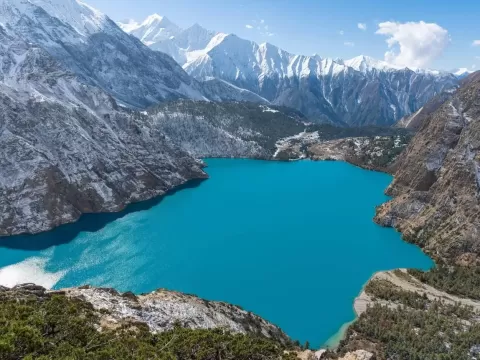
Dolpo, located in the remote northwestern region of Nepal, is a trekker’s paradise offering some of the most pristine and unexplored landscapes in the world. Known for its unique blend of rugged terrain,
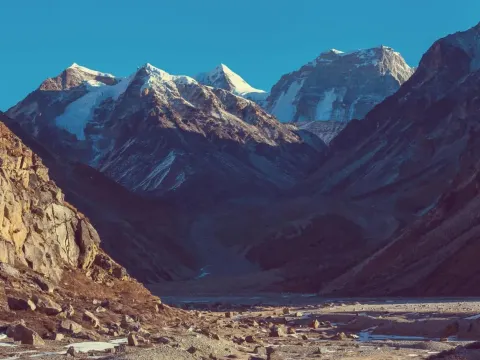
The Kanchenjunga Circuit Trek is one of Nepal’s most remote and spectacular trekking adventures, offering an unparalleled experience for true adventurers. Nestled in the eastern Himalayas, this trail takes you through pristine landscapes, rugged terrain, and culturally rich villages
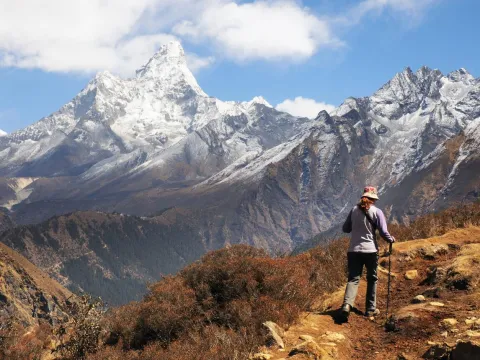
Trekking in Nepal is one of the most iconic travel experiences in the world. With trails ranging from gentle hillside walks to strenuous alpine expeditions, Nepal offers something for every level of trekker. Routes such as the Everest Base Camp, Annapurna Circuit, Langtang Valley,

Nepal is a treasure trove of natural beauty and biodiversity, offering an unparalleled experience for wildlife enthusiasts and nature lovers alike. Nestled between the towering Himalayas and the lush plains of the Terai, Nepal’s landscapes range from snow-capped peaks to dense jungles
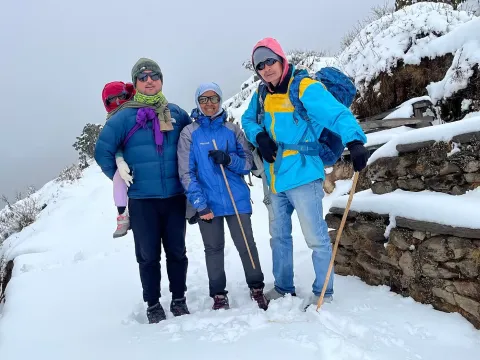
Nepal is a paradise for trekking enthusiasts, offering a stunning variety of landscapes, from the lowland jungles of the Terai to the towering peaks of the Himalayas. Whether you're planning to hike to Everest Base Camp, explore the Annapurna Circuit, or venture into remote
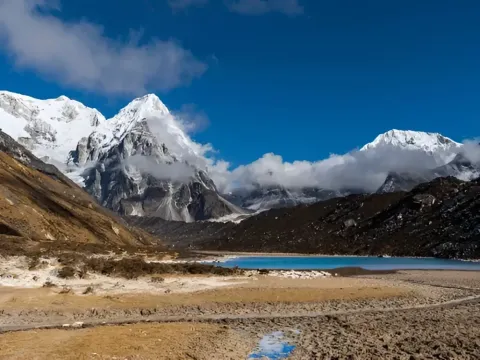
Kanchenjunga, the third-highest mountain in the world at 8,586 meters, lies in the far-eastern corner of Nepal, bordering Sikkim, India. Unlike the more commercialized Everest or Annapurna regions, the Kanchenjunga Region Trekking experience offers untouched natural beauty, remote villages, and pristine Himalayan wilderness.
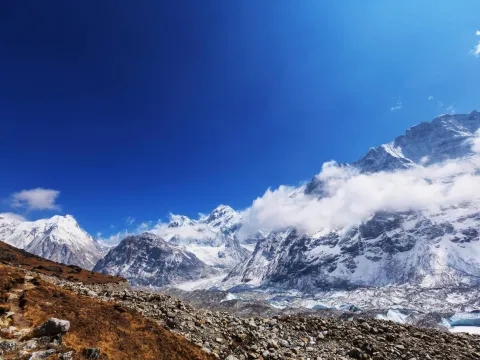
The Kanchenjunga Circuit Trek is a remote and majestic adventure through the untouched landscapes surrounding the world’s third highest mountain, Kanchenjunga (8,586m). Spanning over three weeks, this trek offers spectacular views, challenging trails, rich cultural experiences, and encounters with diverse wildlife.


 (34)
