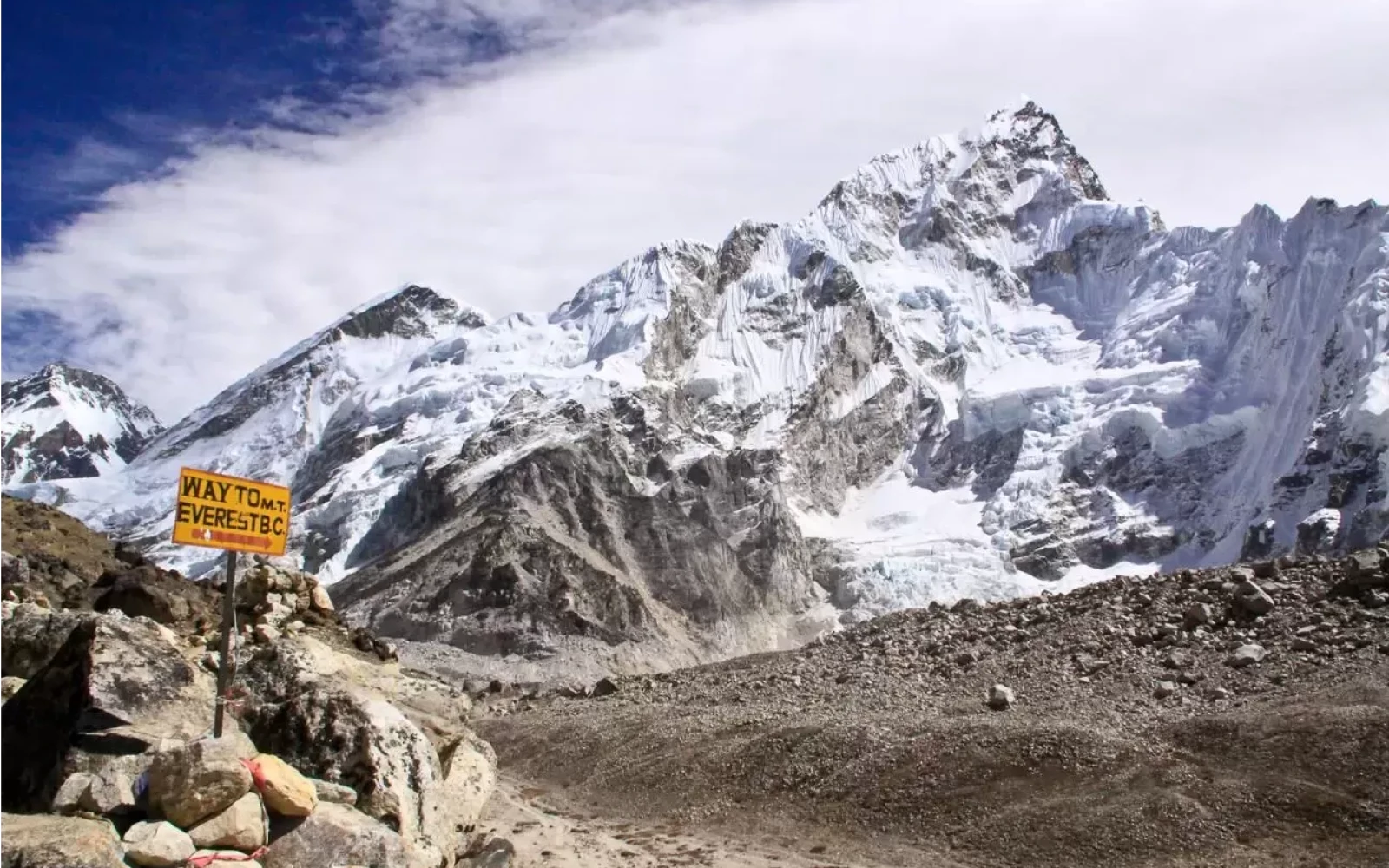
The Everest Base Camp trek is one of the most iconic trekking routes in the world, but it is also very achievable on a budget with proper planning. Preparation is not just about fitness; it includes understanding altitude, packing smart, choosing the right itinerary, and being mentally ready for long trekking days in remote Himalayan terrain. A well-planned budget trek helps you experience the Everest region without unnecessary expenses while still staying safe and comfortable.
For first-time trekkers, preparation should start at least 6–8 weeks before arrival in Nepal. Focus on cardio training, hiking practice with a backpack, and learning about altitude sickness. Booking through a reliable local operator like Explore Holiday Nepal can also help you manage logistics such as permits, Lukla flights, guides, and accommodation while keeping costs reasonable.
Key preparation points:
The Everest Base Camp (EBC) trek is often seen as expensive, but it is actually one of the best-value high-altitude adventures in the world. Unlike luxury expeditions, a budget trek focuses on teahouse stays, shared logistics, and simple meals, allowing trekkers to experience the Himalayas authentically without overspending.
What makes EBC special is the combination of dramatic landscapes, Sherpa culture, Buddhist monasteries, and close-up views of the world’s highest peaks. Even on a budget, trekkers get the same trails and views as premium trekkers—the difference is in comfort level, not experience quality.
Why it’s a great budget adventure:
The Everest Base Camp trek follows a gradual ascent through the Khumbu Valley, starting from Lukla and passing through famous villages like Namche Bazaar, Tengboche, Dingboche, and Lobuche before reaching Everest Base Camp and Kala Patthar. Each section increases in altitude, making acclimatization days essential.
Trekkers should expect long walking days, basic accommodation, and changing weather conditions. The trail includes suspension bridges, forest paths, rocky terrain, and high-altitude alpine zones. The key challenge is not distance but altitude gain, which requires slow pacing and proper rest.
Route highlights:
The best time for a budget-friendly Everest Base Camp trek is during the shoulder seasons—late winter (February–March) and post-monsoon autumn (late November). These periods offer fewer crowds, lower accommodation pressure, and sometimes better bargaining power for teahouses and services.
Peak seasons like April–May and September–October are beautiful but expensive and crowded. Flights to Lukla fill quickly, lodges are busy, and prices often increase due to demand. Budget trekkers can save significantly by choosing less crowded months while still enjoying clear mountain views.
Best timing tips:
A budget Everest Base Camp trek can vary depending on services, but most trekkers can complete it at a reasonable cost by choosing local operators and avoiding luxury upgrades. The biggest expenses include permits, flights to Lukla, food, accommodation, and guide/porter services.
Working with a company like Explore Holiday Nepal helps reduce hidden costs and ensures transparent pricing. Independent trekking may look cheaper, but it often leads to unexpected expenses like permit confusion, flight delays, or overpriced lodges.
Typical budget breakdown:
Before starting the Everest Base Camp trek, you must obtain official permits to enter the Everest region. These permits are required at multiple checkpoints along the route and are strictly enforced. Without them, entry into Sagarmatha National Park is not allowed.
Most budget trekkers prefer to arrange permits through a local agency such as Explore Holiday Nepal to avoid confusion and save time. The paperwork process is simple but must be done correctly before heading to Lukla.
Required permits:
One of the biggest decisions for first-time trekkers is whether to hire a guide or trek independently. Independent trekking may seem cheaper, but guided trekking often provides better safety, especially in high-altitude regions where weather and terrain can be unpredictable.
A guided trek through Explore Holiday Nepal can actually be more cost-efficient when you factor in logistics, accommodation planning, and emergency support. Guides also enhance the experience by sharing local culture and ensuring proper acclimatization.
Comparison points:
Packing smart is one of the most important parts of a budget Everest Base Camp trek. Overpacking increases weight and cost (porter fees), while underpacking can make the trek uncomfortable or unsafe. The goal is to carry lightweight, high-utility gear that handles cold, wind, and altitude.
A budget trek does not require expensive gear, but it does require proper layering, good trekking boots, and basic survival essentials. Many items can be rented in Kathmandu before starting the trek, reducing the overall cost significantly.
Essential gear checklist:
Saving money on the Everest Base Camp trek starts long before you step onto the trail. The highest cost for most trekkers is the Kathmandu–Lukla flight, followed by daily food and accommodation expenses in the mountains. With smart planning, these costs can be managed without compromising safety or experience.
Booking through a local company like Explore Holiday Nepal helps you avoid inflated third-party prices and last-minute booking stress. Flexible travel dates, off-season trekking, and avoiding unnecessary upgrades can significantly reduce your total budget.
Money-saving tips:
Acclimatization is one of the most important parts of the Everest Base Camp trek. The goal is to help your body adjust gradually to decreasing oxygen levels. Many trekkers mistakenly think acclimatization requires extra paid tours, but in reality, it is built into the standard itinerary.
A properly planned budget trek with Explore Holiday Nepal already includes rest days in key places like Namche Bazaar and Dingboche. These rest days include short hikes to higher elevations, which are free and highly effective for preventing altitude sickness.
Acclimatization strategy tips:
Packing smart is one of the easiest ways to stay within budget. Many trekkers overpack expensive gear from home that they only use once or twice. In Kathmandu, you can rent or buy high-quality trekking equipment at a fraction of the cost.
A budget-friendly approach is to carry essential personal items and rent bulky winter gear locally. With guidance from Explore Holiday Nepal, trekkers can easily identify reliable gear shops and avoid low-quality equipment.
What to bring:
What to rent in Kathmandu:
You don’t need an expensive gym membership to prepare for the Everest Base Camp trek. The key is building endurance, leg strength, and cardiovascular fitness. The trek involves walking for 5–8 hours daily at high altitude, so stamina matters more than speed or strength training.
Even simple daily routines like walking uphill, stair climbing, or hiking with a backpack can prepare your body effectively. Many trekkers who train consistently for 4–6 weeks find the trek much easier and more enjoyable.
Training tips:
Many first-time trekkers make avoidable mistakes that increase cost or reduce safety. The most common issues include rushing the itinerary, overpacking, ignoring altitude symptoms, and trying to save money on essential services like guides or proper accommodation.
A well-organized itinerary from Explore Holiday Nepal helps prevent these mistakes by ensuring proper pacing, reliable logistics, and safety-focused planning. Budget trekking should never mean unsafe trekking.
Common mistakes to avoid:
Life on the Everest Base Camp trail is simple, structured, and deeply connected to the rhythm of the mountains. Each day revolves around trekking for several hours, reaching a teahouse, eating a warm meal, and resting early for the next day. Accommodation is basic but comfortable enough for budget trekkers, offering shared rooms, warm meals, and a welcoming Sherpa atmosphere.
Connectivity is available but limited as you go higher. In lower villages like Lukla and Namche Bazaar, you may find Wi-Fi and mobile signal, but higher up, it becomes slower and more expensive. A well-organized trek with Explore Holiday Nepal helps you understand what to expect daily so you can plan your budget and expectations properly.
Daily life highlights:
Health and safety are the most important aspects of the Everest Base Camp trek, especially for first-time trekkers. The biggest risk is altitude sickness, which can affect anyone regardless of fitness level. Understanding symptoms early and responding correctly is crucial for a safe journey.
A properly planned itinerary with Explore Holiday Nepal includes gradual ascent, rest days, and professional guidance to minimize risks. Staying hydrated, eating well, and trekking at a steady pace are key to staying healthy in high altitude conditions.
Health & safety tips:
Responsible trekking means balancing affordability with respect for local culture, environment, and communities. The Everest region is home to the Sherpa people, whose traditions and hospitality make the trek unique. Budget trekking should never come at the cost of disrespecting local customs or damaging the environment.
Choosing a responsible operator like Explore Holiday Nepal ensures that your money supports local guides, porters, and small businesses. It also helps promote sustainable tourism practices that preserve the Himalayan ecosystem for future trekkers.
Responsible trekking tips:
Before flying to Lukla, it’s important to double-check everything to avoid last-minute stress or missing essentials. The Everest Base Camp trek is remote, and once you start, there are limited opportunities to buy or replace gear. A final checklist ensures a smooth and budget-friendly start.
Many trekkers supported by Explore Holiday Nepal receive a pre-departure briefing that helps them organize documents, gear, and mental preparation before heading to the mountains.
Final checklist:
The Everest Base Camp trek is not just a luxury adventure—it can be an affordable and life-changing experience when planned correctly. With the right timing, smart packing, and budget-conscious decisions, trekkers can enjoy the same Himalayan views and cultural richness without overspending.
Working with a trusted local company like Explore Holiday Nepal makes the journey easier, safer, and more cost-effective. From logistics to guidance, everything becomes more manageable, allowing you to focus on the experience rather than the stress of planning.
Final takeaways:
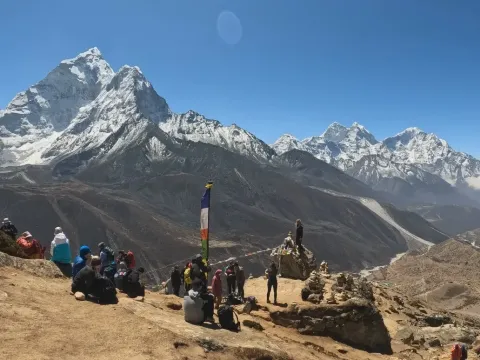
Trekking in the Everest region is more than a bucket-list adventure—it’s a life-changing journey through towering mountains, ancient Sherpa villages, and some of the most dramatic landscapes on Earth. For many travelers, an Everest trek is their first high-altitude trekking experience, and while the rewards are incredible, proper preparation is essential. First-time trekkers often focus on reaching Everest Base Camp or enjoying views from Kala Patthar, but success on the trail depends on much more than motivation alone. Altitude, weather, physical endurance, packing choices, and mindset all play a critical role in shaping your experience.
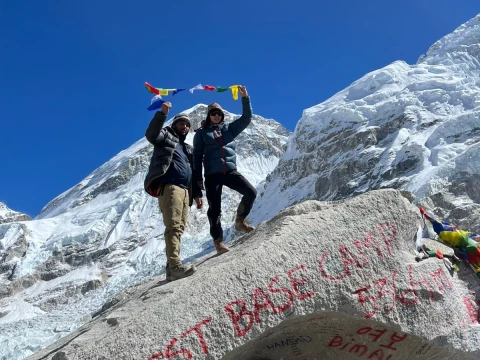
Why Choose Everest Base Camp Trek in 2026/2027?
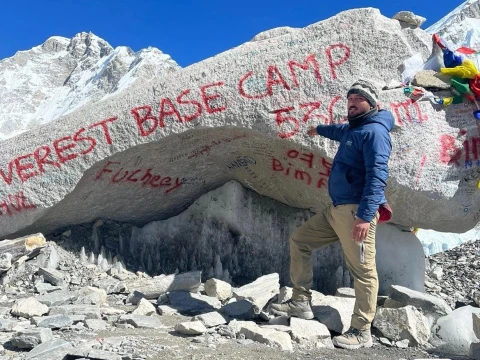
Can Beginners Do Luxury Everest Base Camp Trek?


 (34)
(34) 