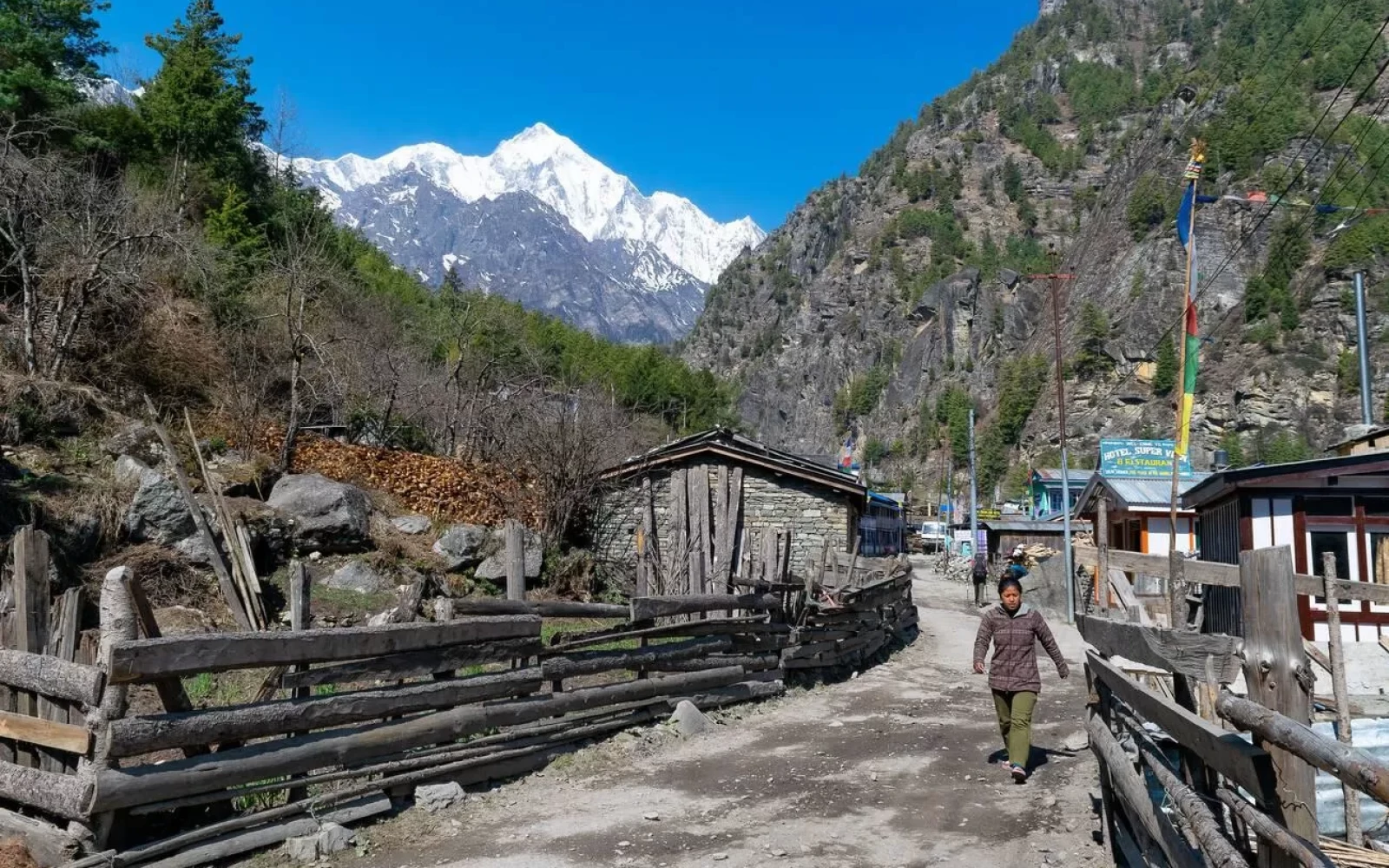
The Annapurna Circuit Trek is one of Nepal’s most famous trekking routes, offering dramatic Himalayan scenery, cultural diversity, and high-altitude adventure at a relatively affordable cost. For budget trekkers, this route is especially attractive because teahouses are widely available, food is simple but filling, and public transport options reduce overall expenses significantly.
With proper planning through Explore Holiday Nepal, trekkers can minimize unnecessary costs while still enjoying the full experience—from lush valleys and pine forests to the challenging Thorong La Pass. Budget trekking does not mean compromising safety; it means smart choices in accommodation, food, permits, and transport.
Key Budget Tips:
The Annapurna Circuit is ideal for budget travelers because it offers flexibility in pacing and spending. Unlike more restricted trekking routes, you can adjust daily expenses depending on your comfort level. Villages along the route provide affordable lodging and food, making it possible to complete the trek on a modest budget.
Trekkers with Explore Holiday Nepal benefit from well-organized logistics, which reduce hidden costs and ensure efficient route planning. This helps avoid unnecessary transportation expenses and overpriced services in remote regions.
Why It’s Budget-Friendly:
The trek begins from lower elevation villages and gradually ascends through diverse landscapes, including rivers, forests, and alpine terrain. Key stops include villages like Dharapani, Chame, Pisang, and Manang, which serve as acclimatization and cultural hubs. The trail continues toward high-altitude regions like Yak Kharka and Thorong La Pass before descending toward the sacred temple town of Muktinath and finally reaching Pokhara.

With Explore Holiday Nepal, the route is typically structured to balance acclimatization, safety, and affordability. The inclusion of a rest day in Manang is especially important for preventing altitude sickness.
Main Highlights:
The best budget-friendly seasons for the Annapurna Circuit are spring (March–May) and autumn (September–November). During these periods, weather conditions are stable, teahouses are fully operational, and transportation costs remain predictable.
Winter trekking can reduce costs due to fewer tourists, but it comes with risks like heavy snow at high passes. Monsoon season is generally avoided due to landslides and poor visibility, which can increase unexpected expenses.
Budget Timing Tips:
With Explore Holiday Nepal guidance, trekkers can choose the safest low-cost window based on real-time conditions.
The cost of the Annapurna Circuit Trek varies depending on transport choice, food habits, guide/porter usage, and personal comfort level. A strict budget trek can be done affordably, while a more comfortable experience will cost slightly more.
Working with Explore Holiday Nepal helps optimize costs by organizing shared transport, negotiating teahouse rates, and group trekking options, which significantly reduce per-person expenses.
Estimated Budget Breakdown (per person):
Ways to Save Money:
To trek the Annapurna Circuit, you must obtain two essential permits: the Annapurna Conservation Area Permit (ACAP) and the Trekkers’ Information Management System (TIMS) card. These permits are mandatory and checked at multiple points along the route. Without them, you cannot legally enter the trekking region.
Although they are fixed costs, budget travelers often overlook small fees or rush processing charges in Kathmandu. Booking through Explore Holiday Nepal helps ensure permits are arranged correctly in advance, avoiding unnecessary delays and overpayment.
Key Permit Details:
Budget Tips:
The cheapest way to reach the starting point of the Annapurna Circuit (Dharapani or nearby entry points) is by local bus from Kathmandu to Besisahar, followed by another shared jeep or bus to Dharapani. This route is longer but significantly reduces transportation costs compared to private jeeps or flights.
Many trekkers organized by Explore Holiday Nepal choose a mixed transport plan that balances cost and comfort, ensuring timely arrival without overspending on private vehicles.
Cheapest Travel Options:
Money-Saving Tips:
Teahouses are the backbone of budget trekking in the Annapurna region. These are small, family-run lodges offering basic rooms and meals at affordable prices. Facilities become simpler as altitude increases, but they are sufficient for resting and continuing the trek.
With Explore Holiday Nepal, trekkers are usually placed in reliable, pre-checked teahouses, ensuring safety, cleanliness, and fair pricing even in remote villages.
What to Expect in Teahouses:
Budget Accommodation Tips:
Food is the biggest daily expense during the Annapurna Circuit Trek. Prices increase with altitude because everything is carried by porters or animals. The most affordable and filling meal is dal bhat, which is widely available and often comes with unlimited refills.
Trekkers guided by Explore Holiday Nepal are advised to follow a simple meal strategy to keep costs under control while maintaining energy for long trekking days.
Common Budget Foods:
Money-Saving Food Tips:
Packing smart is one of the most effective ways to reduce trekking costs. Many trekkers overbuy gear in Kathmandu, but most essentials can be rented or purchased affordably if needed. The key is to carry lightweight, multi-purpose items that suit changing weather conditions.
With guidance from Explore Holiday Nepal, trekkers can prepare efficiently, avoiding unnecessary gear purchases while still staying safe in high-altitude conditions.
Essential Budget Packing List:
Smart Packing Tips:
The daily cost on the Annapurna Circuit Trek depends mainly on food, accommodation, and personal spending habits. At lower elevations, expenses are moderate, but as you go higher, prices increase due to transport difficulty and limited supply chains. A budget trek is still very possible with careful planning.
On average, trekkers can expect a daily range that increases gradually from the lower valleys to high-altitude regions like Manang and Thorong Phedi. With proper planning through Explore Holiday Nepal, daily expenses can be optimized by staying in pre-arranged teahouses and following a fixed meal plan.
Typical Daily Budget (Per Person):
Budget Breakdown Tips:
Transportation is one of the easiest areas to save money on the Annapurna Circuit Trek. Instead of private vehicles or flights, budget trekkers use public buses and shared jeeps to reach starting points like Besisahar or Dharapani. The return journey from Pokhara is also affordable using tourist or local buses.
Trekkers organized by Explore Holiday Nepal often use mixed transport options to balance cost and comfort, ensuring safe arrival while keeping expenses low.
Cheapest Transport Routes:
Money-Saving Transport Tips:
Hiring a guide or porter is optional on the Annapurna Circuit, but it can be extremely helpful depending on experience level, group size, and trekking season. Guides improve navigation, safety, and cultural understanding, while porters help reduce physical strain by carrying heavy loads.
With Explore Holiday Nepal, trekkers can hire shared guides or porter services, making it more affordable for budget groups while still ensuring professional support.
When to Hire a Guide:
When to Hire a Porter:
Budget Tips for Hiring Staff:
Saving money on the trail is all about smart daily decisions. Even small choices—like what you eat or where you stay—can significantly affect your total budget. Since everything becomes more expensive at higher altitudes, planning is essential.
Trekkers with Explore Holiday Nepal are often guided to follow simple routines that reduce unnecessary spending while maintaining comfort and energy for trekking.
Best Money-Saving Strategies:
Additional Cost Control Tips:
Many trekkers underestimate hidden costs or overspend due to poor planning. One common mistake is relying too much on expensive food and drinks at higher elevations. Another is not carrying enough cash, as ATMs are unavailable on most of the route.
With proper planning through Explore Holiday Nepal, these mistakes can be avoided by following a structured itinerary and cost plan designed specifically for budget travelers.
Frequent Budget Mistakes:
How to Avoid Them:
Safety on the Annapurna Circuit does not require expensive gear or luxury services, but it does require smart planning and responsible trekking habits. The biggest risks are altitude sickness, weather changes, and fatigue, all of which can be managed with proper acclimatization and pacing.
Trekkers supported by Explore Holiday Nepal are guided to follow structured itineraries that include rest days and gradual altitude gain, which significantly reduces medical emergencies and unexpected expenses.
Budget Safety Tips:
Key Safety Practices:
Connectivity on the Annapurna Circuit varies greatly depending on altitude and location. Lower regions may have mobile network coverage, while higher areas rely on satellite or paid Wi-Fi services in teahouses. These services are convenient but can increase daily costs if not managed carefully.
With guidance from Explore Holiday Nepal, trekkers are advised to limit unnecessary internet use and plan communication strategically to avoid overspending.
Connectivity Overview:
Money-Saving Connectivity Tips:
A well-planned itinerary is key to keeping costs low while ensuring proper acclimatization. A budget itinerary avoids unnecessary hotel stays, minimizes transport changes, and follows a steady pace through the mountains. This helps reduce food and accommodation expenses while improving safety.
The following sample route is similar to the structure arranged by Explore Holiday Nepal, balancing affordability, comfort, and altitude safety.
Sample Budget Itinerary:
Budget Benefits:
The Annapurna Circuit is one of the best long-distance treks in the world for budget travelers. With proper preparation, it is completely possible to complete the journey affordably while still enjoying breathtaking scenery, cultural richness, and high-altitude adventure.
By trekking with Explore Holiday Nepal, travelers benefit from organized logistics, reliable support, and cost-efficient planning, which helps avoid unnecessary expenses and ensures a smooth trekking experience.
Final Budget Takeaways:
Why Budget Trekking Works Here:
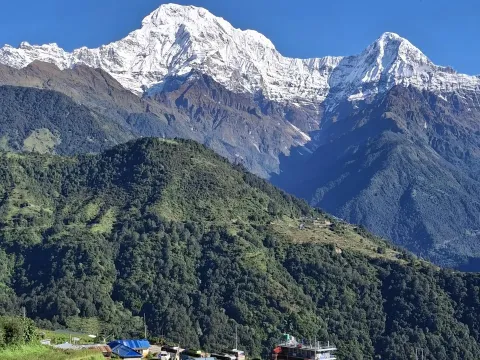
The Annapurna Base Camp (ABC) Trek and the Annapurna Circuit Trek are two of Nepal’s most iconic Himalayan adventures—but they offer very different experiences in terms of duration, difficulty, altitude, and scenery.
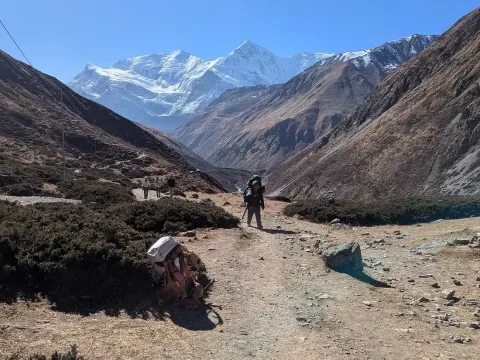
Nepal, home to some of the world’s most breathtaking mountain landscapes, offers a variety of trekking experiences, but none quite compare to the grandeur of the Manaslu and Annapurna Circuits. Both treks are iconic in their own right, drawing adventurers from around the globe. However, they differ significantly in terms of scenery, difficulty, cultural experiences, and remoteness.
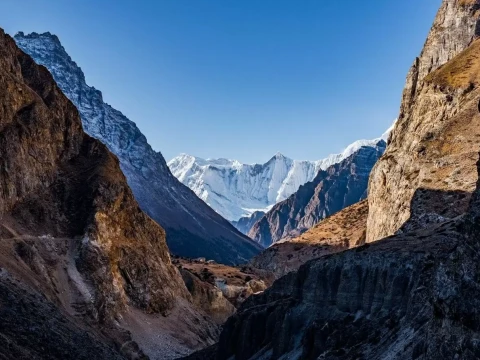
The Nar Phu Valley trek is a remote and less-traveled extension of the Annapurna Circuit, offering trekkers a rare glimpse into untouched Himalayan landscapes. Nestled in the northern part of the Annapurna region, this valley combines high-altitude adventure with authentic cultural experiences. Unlike the more frequented Annapurna trails, Nar


 (34)
(34) 