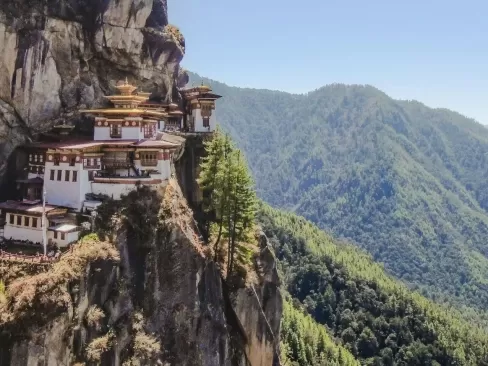
Unveiling the Mystique: A Comprehensive Exploration of the Nepal Bhutan Tour The Enchanting Journey Through Two Himalayan Kingdoms Nestled in the heart of the Himalayas, Nepal and Bhutan stand as two of the world's most captivating destinations, each offering a unique blend of natural splendor, ancient spirituality, and cultural richness. The Nepal Bhutan tour represents more than just a vacation—it's a transformative journey through landscapes that have remained largely untouched by time, where prayer flags flutter against snow-capped peaks and monastery bells echo through mountain valleys. For travelers seeking an authentic Himalayan experience, this combined tour offers the perfect opportunity to explore two distinct cultures within a single journey. While Nepal dazzles with its towering eight-thousanders and vibrant Hindu-Buddhist heritage, Bhutan captivates with its commitment to preserving traditional values and its unique philosophy of Gross National Happiness. Why Choose a Nepal Bhutan Combined Tour? The decision to combine Nepal and Bhutan into one comprehensive tour makes perfect sense for several compelling reasons. Geographically neighboring countries, they share the magnificent Himalayan range while maintaining distinctly different cultural identities. This combination allows travelers to maximize their time in South Asia while experiencing the diverse tapestry of Himalayan civilization. Nepal, known as the roof of the world, is home to eight of the world's fourteen highest peaks, including Mount Everest. The country has long been a magnet for adventurers, spiritual seekers, and cultural enthusiasts. From the bustling streets of Kathmandu to the serene lakeside of Pokhara, Nepal offers incredible diversity within a relatively compact area. Bhutan, often called the Last Shangri-La, has carefully preserved its cultural heritage through measured tourism policies. This deliberate approach has allowed the kingdom to maintain its pristine environment and traditional way of life. The country's emphasis on Gross National Happiness over GDP creates a unique atmosphere that resonates deeply with visitors seeking meaningful travel experiences. The Natural Wonders: From Annapurna to the Black Mountains The natural beauty encountered on a Nepal Bhutan tour is nothing short of spectacular. Nepal's varied topography ranges from the subtropical Terai plains to the highest peaks on Earth. The country serves as home to numerous trekking routes, each offering its own character and challenges. The Annapurna region stands out as one of Nepal's most beloved trekking destinations. While the full Annapurna Circuit Trek requires several weeks, shorter variations allow visitors to experience the magnificent diversity of landscapes, from lush rhododendron forests to high-altitude desert terrain. The Annapurna Sanctuary, accessible through the Annapurna Base Camp Trek, offers trekkers the remarkable experience of standing in a natural amphitheater surrounded by some of the world's most impressive peaks. For those with limited time, the Poon Hill Trek provides a shorter but equally rewarding introduction to the Annapurna region. This accessible trek treats visitors to panoramic sunrise views over the Annapurna and Dhaulagiri ranges, making it perfect for those combining trekking with cultural touring. The Everest Base Camp Trek represents the pinnacle of trekking ambitions for many adventurers. Standing at the foot of the world's highest mountain, surrounded by the dramatic Khumbu landscape, creates memories that last a lifetime. Even if the full base camp trek isn't feasible within your tour schedule, the Everest View Trek offers a shorter alternative with spectacular mountain vistas. Bhutan's landscape differs markedly from Nepal's, with deeply carved valleys, dense forests, and picturesque dzongs (fortress-monasteries) perched on strategic hillsides. The Paro Valley, entry point for most visitors, immediately captures hearts with its pristine beauty. Rice terraces cascade down hillsides, traditional farmhouses dot the landscape, and the iconic Taktsang Monastery (Tiger's Nest) clings impossibly to a cliff face 900 meters above the valley floor. The Punakha Valley, former winter capital of Bhutan, showcases a warmer, more subtropical environment. Here, the Mo Chhu and Pho Chhu rivers converge at the magnificent Punakha Dzong, considered one of Bhutan's most beautiful architectural achievements. The valley's mild climate supports rice cultivation and tropical fruits, creating a lush contrast to the higher elevations. Trekking Opportunities: Short and Long Adventures One of the greatest advantages of the Nepal Bhutan tour is the diverse range of trekking options available to suit different fitness levels and time constraints. Nepal, in particular, offers everything from gentle day hikes to challenging multi-week expeditions. The Langtang Valley Trek has emerged as an excellent option for those seeking stunning Himalayan scenery without the extreme altitudes of Everest or the length of the Annapurna Circuit. Often called the "valley of glaciers," Langtang offers intimate mountain views, rich Tamang cultural experiences, and the opportunity to visit the sacred Gosaikunda lakes via the Langtang Gosaikunda Trek. For trekkers interested in exploring lesser-known regions, the Manaslu Circuit Trek circumnavigates the world's eighth-highest peak, offering raw Himalayan beauty and authentic cultural encounters in remote villages. This trek provides a wilderness experience reminiscent of the Annapurna Circuit before it became heavily trafficked. The Ghorepani Poon Hill Trek stands as Nepal's most accessible highland trek, perfect for families or those with limited trekking experience. The relatively gentle trail passes through charming Gurung villages, rhododendron forests that blaze with color in spring, and culminates with the spectacular sunrise view from Poon Hill. In Bhutan, trekking takes on a different character. The most famous trek, the Druk Path Trek, connects Paro and Thimphu through high mountain passes, pristine lakes, and yak herder camps. This moderate trek typically requires 4-6 days and offers stunning views of Mount Jomolhari and Jichu Drake. Unlike Nepal's teahouse treks, Bhutanese treks are fully supported camping expeditions, with guides, cooks, pack animals, and camping equipment all included. For those combining cultural touring with light trekking, the hike to Taktsang Monastery represents an essential Bhutan experience. This half-day trek climbs through pine forests to the legendary monastery where Guru Rinpoche is said to have meditated in a tiger's lair. The combination of spiritual significance, architectural wonder, and dramatic positioning makes this one of the Himalayan region's most iconic destinations. Cultural Treasures: UNESCO World Heritage Sites and Sacred Spaces Both Nepal and Bhutan boast extraordinary cultural heritage, with Nepal home to numerous UNESCO World Heritage Sites and Bhutan preserving an almost medieval atmosphere in its dzongs and monasteries. Kathmandu Valley alone contains seven UNESCO World Heritage Sites within a relatively compact area. The Kathmandu Durbar Square, despite damage from the 2015 earthquake, remains a living museum of Newari architecture and craftsmanship. The square's temples, courtyards, and the old Royal Palace showcase the artistic achievements of the Malla kings who ruled the valley for centuries. Swayambhunath, the iconic "Monkey Temple" perched atop a hill west of Kathmandu, serves as one of Buddhism's most sacred sites. The all-seeing eyes of Buddha painted on the stupa's golden spire have become synonymous with Nepal itself. The site offers not only spiritual significance but also panoramic views over the Kathmandu Valley. Boudhanath Stupa, one of the largest Buddhist stupas in the world, forms the spiritual heart of Kathmandu's Tibetan community. Walking clockwise around the massive white dome while spinning prayer wheels, surrounded by the chanting of monks and the aroma of incense, provides a profound meditative experience. The surrounding area has developed into a vibrant Tibetan enclave with numerous monasteries, shops selling Tibetan artifacts, and restaurants serving traditional cuisine. Pashupatinath Temple, Nepal's most sacred Hindu site, sits along the banks of the Bagmati River. Non-Hindus cannot enter the main temple, but the surrounding complex offers fascinating glimpses into Hindu death rituals, with cremation ghats where funeral pyres burn continuously. The temple complex demonstrates the interweaving of spirituality and daily life that characterizes Nepali culture. Patan, also known as Lalitpur (City of Beauty), showcases perhaps the finest examples of Newari architecture and metalwork. The Patan Durbar Square contains an extraordinary concentration of temples, each demonstrating the sophisticated artistry of Newari craftsmen. The city maintains traditional metalworking and woodcarving workshops, allowing visitors to witness ancient skills being passed down through generations. Bhaktapur, the third major city in the Kathmandu Valley, has preserved its medieval character more successfully than either Kathmandu or Patan. Walking through Bhaktapur's narrow lanes feels like stepping back several centuries. The city's famous 55-Window Palace, Nyatapola Temple, and pottery square offer authentic cultural experiences largely free from modern intrusions. In Bhutan, dzongs serve as the country's most distinctive architectural features. These massive fortress-monasteries function simultaneously as administrative centers and monastic communities, embodying Bhutan's unique integration of spiritual and secular governance. The Paro Dzong, also known as Rinpung Dzong, provides one of Bhutan's most photographed landmarks. Its strategic position overlooking the Paro Valley, combined with its impressive architecture, makes it a highlight of any visit. The Punakha Dzong, positioned at the confluence of two rivers, represents perhaps Bhutan's most beautiful dzong. The six-story structure contains intricate woodwork, ancient murals, and sacred relics. During winter, the Je Khenpo (Chief Abbot) and the central monk body relocate here from Thimphu, adding to the dzong's spiritual importance. Thimphu, Bhutan's capital, offers a fascinating blend of tradition and modernity. The city famously has no traffic lights, with white-gloved police officers directing traffic at major intersections. The Tashichho Dzong, seat of Bhutan's government and summer residence of the Je Khenpo, dominates the cityscape. Other highlights include the National Memorial Chorten, Buddha Dordenma statue, and the weekend market where farmers from surrounding valleys gather to sell their produce. Spiritual Dimensions: Buddhism, Hinduism, and Gross National Happiness The spiritual aspects of the Nepal Bhutan tour add profound depth to the physical and cultural experiences. Both countries demonstrate how spirituality can remain vibrantly alive in daily life rather than relegated to museums and history books. Nepal's religious landscape reflects remarkable diversity and tolerance. Though officially a Hindu-majority nation, Buddhist and Hindu practices have intermingled for centuries, creating unique syncretic traditions. Many deities are worshipped by both communities, and it's common to see Hindus circumambulating Buddhist stupas and Buddhists visiting Hindu temples. The concept of living goddesses, or Kumaris, represents one of Nepal's most unique traditions. Young prepubescent girls are selected through rigorous criteria to serve as living embodiments of the goddess Taleju. The Kumari of Kathmandu, who resides in Kumari Ghar near Durbar Square, occasionally appears at her window, offering blessings to devotees below. Tibetan Buddhism, brought by refugees following the Chinese occupation of Tibet, has established deep roots in Nepal. Numerous Tibetan monasteries around Boudhanath and in the Kathmandu Valley offer visitors the chance to attend teachings, participate in meditation sessions, or simply observe monastic life. The sound of long horns, drums, and chanting during puja (prayer ceremonies) creates an atmosphere of timeless spirituality. For trekkers, the journey into the mountains becomes inherently spiritual. Passing through villages where Buddhist monasteries serve as community centers, circumambulating sacred mountains, crossing high passes marked with prayer flags and stone cairns—these experiences naturally evoke contemplation and connection. Many trekkers on routes like the Everest Base Camp Trek report profound spiritual experiences independent of any religious affiliation. Bhutan takes spirituality to another level entirely, having enshrined it in national policy through the concept of Gross National Happiness. This philosophy, introduced by the fourth king, measures development not purely through economic indicators but through nine domains including psychological wellbeing, cultural preservation, environmental conservation, and good governance. The result is palpable. Bhutan feels different from other countries—more peaceful, more grounded, more content. People genuinely seem happier, taking time for spiritual practices, maintaining strong community bonds, and living in harmony with their environment. This isn't romanticized nostalgia but a conscious choice to prioritize wellbeing over mere economic growth. Buddhism permeates every aspect of Bhutanese life. Prayer flags flutter from every hilltop and bridge, sending blessings on the wind. Chortens (stupas) mark auspicious locations along roads and trails. Homes feature altars with butter lamps and offerings. Even the national dress—gho for men and kira for women—reflects Buddhist values of modesty and tradition. The legend of Guru Rinpoche (Padmasambhava), who brought Buddhism to Bhutan in the 8th century, shapes the national consciousness. Sites associated with the guru, particularly Taktsang Monastery, attract pilgrims from across the Buddhist world. The elaborate mask dances performed during festivals reenact stories from Guru Rinpoche's life and Buddhist teachings, serving as both entertainment and spiritual education. Adventure Activities: Beyond Traditional Trekking While trekking forms the cornerstone of adventure in Nepal and Bhutan, both countries offer diverse activities for thrill-seekers and outdoor enthusiasts. Nepal has emerged as one of the world's premier adventure destinations, offering activities that range from extreme to family-friendly. White water rafting on Nepal's rivers provides exhilarating experiences against stunning Himalayan backdrops. The Trishuli River, easily accessible from Kathmandu and on the route to Pokhara, offers Class III-IV rapids suitable for beginners and experienced rafters alike. The Bhote Koshi, near the Tibetan border, features some of the steepest gradients for rafting anywhere, with continuous Class IV-V rapids for hardcore thrill-seekers. Paragliding from Sarangkot above Pokhara has become one of Nepal's signature experiences. Soaring like a bird above the Phewa Lake with panoramic views of the Annapurna range creates an unforgettable perspective on the Himalayas. The stable thermals and favorable conditions make Pokhara one of the world's top paragliding destinations. Mountain biking trails around Kathmandu Valley and beyond offer everything from gentle rides through traditional villages to technical singletrack descents. The trail from Nagarkot to Dhulikhel provides a particularly scenic option, passing through terraced farmland and forests with Himalayan views. For those seeking the ultimate adrenaline rush, bungee jumping from a 160-meter suspension bridge near the Tibetan border provides a heart-stopping experience above the wild Bhote Koshi River. Canyoning, zip-lining, and mountain flights offering close-up views of Everest round out Nepal's adventure portfolio. In Bhutan, the approach to adventure activities reflects the country's conservation ethos and cultural values. Mountain biking has grown in popularity, with routes following quiet rural roads through pristine valleys. The annual Snowman Trek, considered one of the world's most challenging treks, crosses multiple 5,000-meter passes through remote northern Bhutan, requiring three weeks and serious mountaineering skills. The Punakha suspension bridge, one of the longest in Bhutan, provides an exhilarating crossing high above the Mo Chhu River. Prayer flags cover the bridge, and the combination of height, views, and spiritual significance creates a uniquely Bhutanese adventure experience. Fishing for trout in Bhutan's pristine rivers offers a peaceful contrast to more extreme activities. The country's commitment to environmental preservation means the rivers remain crystal clear and healthy, supporting strong fish populations. Catch-and-release policies ensure sustainability while allowing visitors to enjoy world-class fly fishing. Culinary Journey: Tasting the Himalayas The gastronomic experiences on a Nepal Bhutan tour provide delicious insights into local culture, agriculture, and tradition. Both countries offer distinctive cuisines that reflect their geography, climate, and cultural influences. Nepali cuisine, while perhaps less internationally known than Indian or Chinese food, offers hearty, flavorful dishes well-suited to mountain life. Dal bhat, the quintessential Nepali meal, consists of lentil soup (dal) served with rice (bhat), accompanied by vegetable curries, pickles, and often a small portion of meat. This simple combination provides complete protein and sustained energy—crucial for trekkers—and is typically offered with unlimited refills. The saying "Dal bhat power, 24 hour" reflects the meal's ability to fuel long days in the mountains. Momos, Tibetan-style dumplings, have become Nepal's favorite snack food. Available steamed or fried, filled with vegetables, meat, or cheese, these delicious parcels appear on menus everywhere from simple teahouses to upscale restaurants. Accompanying them with spicy tomato-based achar (chutney) enhances their flavor and connects diners to local taste preferences. Newari cuisine, the indigenous food of the Kathmandu Valley's Newar people, offers the most sophisticated and diverse cooking in Nepal. Dishes like choila (spiced grilled meat), bara (lentil pancakes), and yomari (rice flour dumplings filled with molasses and sesame) demonstrate complex flavor profiles and centuries-old culinary traditions. Bhaktapur's juju dhau (king yogurt), set in clay pots, is legendary for its rich, creamy texture. Thakali food, from the Thak Khola region along the Annapurna Circuit Trek, showcases another distinct regional cuisine. Thakali sets, featuring dal bhat with particular preparations of vegetables, pickles, and meat, have become popular throughout Nepal due to Thakali restaurants' reputation for cleanliness and quality. Bhutanese cuisine centers on ema datshi, often called the national dish. This spicy combination of chilies and cheese might initially challenge unaccustomed palates, but most visitors quickly appreciate its bold flavors. Bhutanese don't treat chilies merely as a spice—they're a vegetable, with large quantities incorporated into most dishes. Variations include kewa datshi (with potatoes), shamu datshi (with mushrooms), and countless others. Red rice, a nutty, semi-milled variety, serves as Bhutan's staple grain. Higher in fiber and minerals than white rice, it provides both nutritional benefits and a distinctive taste that complements Bhutanese curries and stews. Buckwheat, particularly in eastern Bhutan, features in pancakes and noodles. Suja (butter tea), made from tea leaves, butter, and salt churned together, provides warmth and calories in Bhutan's cool climate. While the salty, rich taste initially surprises some visitors, it becomes remarkably satisfying, particularly in the mountains. Ara, a traditional alcoholic beverage made from rice or other grains, accompanies social gatherings and celebrations. Both countries offer excellent opportunities to participate in cooking classes, where visitors learn to prepare traditional dishes while gaining insights into culinary culture, ingredient selection, and the social aspects of meal preparation and consumption. Wildlife and Nature: Biodiversity in the Himalayas The Nepal Bhutan tour provides remarkable opportunities for nature enthusiasts and wildlife lovers. Both countries' varied topography and elevations create diverse ecological zones supporting incredible biodiversity. Nepal contains some of the world's most dramatic elevation changes, from the Terai plains at 70 meters above sea level to Everest's summit at 8,849 meters. This variation creates distinct ecological zones, each with characteristic flora and fauna. The Terai's subtropical forests support Asian elephants, one-horned rhinoceros, Bengal tigers, and an extraordinary diversity of bird species. Chitwan National Park, a UNESCO World Heritage Site, protects 932 square kilometers of forests, grasslands, and wetlands in the Terai. Jungle safaris by elephant, jeep, or on foot offer chances to spot rhinoceros, deer, wild boar, leopards, and if extremely fortunate, Bengal tigers. The park supports over 500 bird species, making it a paradise for birdwatchers. Higher elevations present different wildlife. The Langtang region and other mid-elevation areas support red pandas, musk deer, Himalayan black bears, and numerous bird species. The Langtang Valley Trek passes through habitat for these species, though actually spotting them requires patience and luck. At the highest elevations, fauna adapts to extreme conditions. Snow leopards, Himalayan tahrs, blue sheep, and mountain birds occupy this harsh environment. The elusive snow leopard, one of the world's most endangered big cats, prowls the high Himalayas from Nepal to Bhutan and beyond, though sightings remain extraordinarily rare. Nepal's botanical diversity matches its animal life. The lowlands support sal forests and tropical vegetation. Mid-elevations feature magnificent rhododendron forests that explode with color during spring blooms. Higher still, alpine meadows dotted with wildflowers give way to sparse vegetation adapted to extreme cold and altitude. Bhutan has designated over 70% of its land area to remain under forest cover, written into the constitution as a requirement for all future governments. This commitment to conservation has created one of the world's ten biodiversity hotspots. The country serves as a crucial corridor for wildlife movement between India and Tibet, supporting populations of tigers, elephants, red pandas, golden langurs, and many other species. The black-necked crane, which migrates to Bhutan's Phobjikha Valley each winter from Tibet, holds special significance in Bhutanese culture. These elegant birds feature in folk songs and are celebrated with an annual festival. The Gangtey Monastery overlooks the valley, and monks traditionally protect the cranes, viewing them as sacred. Bhutan's forests support incredible bird diversity, with over 770 recorded species. The country attracts serious birders from around the world, seeking species like the rufous-necked hornbill, beautiful nuthatch, and the vulnerable white-bellied heron. The varied elevations create distinct avian zones, from tropical species in the south to alpine specialists in the north. Both countries demonstrate how tourism and conservation can coexist beneficially. Tourism revenue supports park management and anti-poaching efforts while providing economic alternatives to activities that would harm wildlife. Visitors gain unforgettable experiences while contributing to the preservation of globally significant ecosystems. Festivals: Celebrating Life in the Himalayas Participating in or witnessing festivals adds extraordinary color and cultural richness to the Nepal Bhutan tour. Both countries celebrate numerous festivals throughout the year, each offering insights into religious beliefs, historical events, and seasonal cycles. Nepal's festival calendar reflects its Hindu-Buddhist heritage and agricultural cycles. Dashain, Nepal's most important festival, celebrates the victory of good over evil and the power of the goddess Durga. This fifteen-day festival in September or October sees families reuniting, receiving blessings from elders, and flying kites. Animal sacrifices at temples, particularly the dramatic ritual at Hanuman Dhoka on the ninth day, demonstrate traditions that extend back centuries. Tihar, the festival of lights celebrated shortly after Dashain, honors different animals on successive days—crows, dogs, cows—before celebrating the bond between brothers and sisters. The entire valley twinkles with oil lamps and electric lights, creating a magical atmosphere. Houses decorated with marigold garlands and elaborate rangoli designs welcome Laxmi, the goddess of wealth. Holi, the festival of colors celebrated in spring, fills the streets with people throwing colored powder and water at each other in joyous celebration. The festival marks the end of winter and beginning of spring, with the colors representing the vibrancy of the new season. Participating in Holi, even briefly, creates wonderful memories and connections with local people. Buddhist festivals follow the lunar calendar, with events throughout the year. Buddha Jayanti, celebrating Buddha's birth, enlightenment, and death, draws thousands of pilgrims to Lumbini, Buddha's birthplace in southern Nepal, and to Swayambhunath and Boudhanath in Kathmandu. Losar, the Tibetan New Year, features special prayers, masked dances, and celebrations in Tibetan communities. Bhutan's festivals, called tsechus, rank among the most spectacular in the Himalayas. These multi-day events feature elaborate mask dances (cham) performed by monks, representing stories from Buddhist teachings and Bhutanese history. The dances serve both as entertainment and as spiritual teaching, with each movement and costume laden with symbolic meaning. The Paro Tsechu, held annually in spring, attracts thousands of Bhutanese and foreign visitors. The festival culminates with the unfurling of a massive thangka (religious painting) of Guru Rinpoche before dawn, a sight of extraordinary power and beauty. The dances include the Dance of the Terrifying Deities, the Dance of the Stag and Hounds, and many others, each conveying specific Buddhist teachings. The Thimphu Tsechu, held in autumn, provides another opportunity to witness these remarkable performances. Bhutanese families dress in their finest traditional clothing, spreading picnics around the festival grounds and socializing between performances. The atmosphere combines deep religious devotion with social celebration. Smaller festivals occur throughout Bhutan's regions, often at specific dzongs or monasteries. Attending these less-visited festivals offers even more intimate cultural experiences, with smaller crowds and more opportunities to interact with local people. Practical Considerations: Planning Your Journey Successfully combining Nepal and Bhutan into one tour requires thoughtful planning around logistics, seasons, permits, and health considerations. The best seasons for visiting both countries overlap conveniently. Autumn (September-November) offers stable weather, clear skies, and comfortable temperatures, making it the peak season. The post-monsoon clarity provides exceptional mountain views, and major festivals occur during this period. Spring (March-May) provides another excellent window, with warming temperatures, blooming rhododendrons, and good visibility, though afternoon clouds sometimes obscure mountain views. Winter (December-February) brings cold temperatures, particularly at higher elevations, but offers crystal-clear skies and fewer tourists. Lower elevation activities remain comfortable, and Bhutan's winter weather is quite pleasant in the valleys. Summer monsoon (June-August) brings heavy rain to Nepal but affects Bhutan less severely. Some trekking routes in Nepal's rain shadow areas like Upper Mustang or Dolpo remain accessible, and the green landscapes have their own appeal. Visa and permit requirements differ significantly between the countries. Nepal offers visas on arrival at Kathmandu airport and land border crossings, making entry straightforward. Trekking permits for some areas, including the Annapurna Conservation Area and Everest region, can be obtained in Kathmandu or at entry points. Other areas like Manaslu require special permits arranged through registered trekking agencies. Bhutan follows a different approach, requiring all tourists (except Indian, Bangladeshi, and Maldivian citizens) to book through licensed tour operators. The government's "high value, low impact" tourism policy aims to protect culture and environment while ensuring tourism benefits reach Bhutanese people. This means all arrangements—hotels, transportation, guides, meals—are included in tour packages, simplifying logistics while ensuring quality experiences. Health preparation should begin well before departure. Routine vaccinations should be current, and additional vaccines for Hepatitis A and B, Typhoid, and Japanese Encephalitis may be recommended depending on itinerary. Altitude sickness poses the primary health concern for trekkers. Proper acclimatization, ascending gradually, staying hydrated, and recognizing symptoms can prevent serious problems. Many visitors find Diamox helpful for preventing altitude sickness, though consulting a doctor before departure is essential. Travel insurance that covers emergency evacuation, particularly helicopter rescue from high altitudes, is absolutely essential. Medical facilities in Kathmandu and major cities can handle most issues, but remote areas offer limited healthcare. Comprehensive insurance provides peace of mind and financial protection. Packing requires balancing preparedness with keeping luggage manageable. For combined cultural touring and trekking, separating gear into a main bag (left at hotels during treks) and a trekking bag helps. Essential items include: Layered clothing suitable for varying temperatures and conditionsQuality hiking boots, broken in before departureRain gear and warm jacketSunscreen, sunglasses, and hat for high-altitude sun exposureBasic first aid kit and personal medicationsWater purification method (tablets, filter, or SteriPEN)Headlamp with extra batteriesPower bank for charging devices in areas with limited electricityModest clothing respecting local customs (covering shoulders and knees)Cash in small denominations (US dollars for Nepal, Indian Rupees or US dollars for Bhutan exchange) Accommodation: From Luxury Lodges to Mountain Teahouses Accommodation varies dramatically depending on location and tour style, but both countries offer options from basic to luxurious. In Kathmandu, Pokhara, and other Nepali cities, hotels range from budget guesthouses to international five-star properties. The Thamel district in Kathmandu serves as tourism central, with countless hotels, restaurants, and shops catering to travelers. More peaceful options exist in areas like Boudhanath or Patan. During treks, teahouse lodging provides the standard accommodation. These simple lodges offer basic rooms with beds (bring your own sleeping bag or rent locally), communal dining areas, and shared bathrooms. Standards vary widely, from relatively comfortable lodges in popular areas like the Everest Base Camp Trek route to very basic shelters in remote regions. The teahouse system allows trekking without camping equipment, though it limits routes to established trails. Higher-end options have emerged along popular trekking routes. Comfortable lodges with private bathrooms, hot showers, and quality food operate in areas like Everest, Annapurna, and Langtang. These facilities provide enhanced comfort without the full cost and logistics of organized camping treks. For luxury seekers, several boutique hotels and lodges now operate in trekking regions, offering upscale accommodations in mountain settings. These properties combine comfort with environmental responsibility and cultural sensitivity. Bhutan's accommodation reflects the country's tourism policy. All tourists stay in government-licensed hotels ranging from standard three-star properties to luxury lodges. The daily fee structure ensures consistent quality standards while revenue supports Bhutanese communities. Six Senses, Aman, and other ultra-luxury brands have established properties in Bhutan, offering world-class accommodations for travelers seeking premium experiences. These lodges provide spa facilities, gourmet dining, and exquisite design while incorporating Bhutanese architectural elements and employing local staff. Standard tour hotels provide comfortable, clean accommodations with private bathrooms, heating (important in Bhutan's cool climate), and included meals. While perhaps not luxurious by international standards, they offer authentic Bhutanese hospitality and genuine comfort. During treks in Bhutan, accommodation follows camping style, with quality tents, sleeping pads, and full catering provided by support staff. This approach, while more expensive than Nepal's teahouse system, offers flexibility to trek in areas without established infrastructure. Sustainable and Responsible Travel Both Nepal and Bhutan emphasize sustainable tourism, though through different approaches. Understanding and supporting these efforts enhances your experience while benefiting local communities and environments. Nepal faces significant challenges from tourism impacts, particularly in popular trekking areas. Issues include waste management, deforestation for fuel wood, and cultural dilution. Responsible trekkers can help by: Using refillable water bottles with purification rather than buying plastic bottlesCarrying out all non-biodegradable wasteSupporting lodges and guides who follow sustainable practicesUsing kerosene or solar-heated showers rather than wood-fired systemsRespecting local customs, dress codes, and photography preferencesPurchasing crafts directly from artisans when possibleTipping guides and porters fairly for their challenging work Many trekking agencies now emphasize responsible tourism, offering carbon-offset programs, supporting community projects, and training staff in environmental protection. Choosing operators committed to sustainability, even if slightly more expensive, ensures your tourism dollars support positive change. Bhutan's entire tourism model is built around sustainability. The daily fee structure limits visitor numbers while ensuring tourism revenue supports education, healthcare, and infrastructure development. The constitutional requirement to maintain 60% forest cover demonstrates long-term commitment to environmental protection. Visitors can support Bhutan's sustainability goals by: Respecting all cultural sites, particularly religious spacesFollowing guide instructions regarding appropriate behavior and photographySupporting local handicrafts and productsMinimizing waste and avoiding single-use plasticsShowing respect for Bhutan's dress codes and customsUnderstanding that the tourism model, while expensive, benefits Bhutanese people and environments Both countries offer opportunities for community-based tourism, where visitors stay with local families, participate in daily activities, and contribute directly to household incomes. These experiences provide authentic cultural exchange while ensuring tourism benefits reach local communities directly. Combining Trekking Routes with Cultural Tours One of the most rewarding aspects of the Nepal Bhutan tour involves strategically combining trekking adventures with cultural exploration. This approach creates a well-rounded experience that satisfies both the physical challenge of mountain trekking and the intellectual curiosity about Himalayan cultures. A typical itinerary might begin in Kathmandu with several days exploring the valley's cultural treasures. This acclimatization period serves multiple purposes—adjusting to the time zone, beginning altitude adaptation, and building context for the cultural elements encountered later in the journey. After exploring temples, stupas, and traditional neighborhoods, travelers might embark on a shorter trek like the Poon Hill Trek or Ghorepani Poon Hill Trek, returning to Pokhara for rest and perhaps some adventure activities. For those with more time and trekking experience, the Annapurna Base Camp Trek offers a magnificent week-long journey into the heart of the Annapurna Sanctuary. The trek's moderate difficulty and well-established teahouse system make it accessible to fit trekkers without requiring camping equipment. Upon return, the lakeside tranquility of Pokhara provides perfect recovery time before moving onward. Alternative configurations might focus on the Everest region, flying into Lukla for the Everest Base Camp Trek or the shorter Everest View Trek. These options immerse trekkers in Sherpa culture while providing unparalleled mountain views. The Buddhist monasteries, prayer walls, and spiritual atmosphere of the Khumbu add profound cultural dimensions to the physical challenge. After completing Nepal's trekking and cultural portions, the journey continues to Bhutan, typically entering through Paro. The contrast between Nepal's bustling energy and Bhutan's serene pace becomes immediately apparent. Starting with gentle activities allows recovery from Nepal's trekking while beginning to absorb Bhutanese culture. The hike to Taktsang Monastery, while challenging, differs from multi-day treks and represents a perfect bridge between Nepal's trekking focus and Bhutan's cultural emphasis. Days in Bhutan alternate between cultural touring—visiting dzongs, monasteries, museums, and traditional villages—and light activities like valley hikes or simply relaxing in beautiful settings. This rhythm provides balance after Nepal's intensity while ensuring visitors experience Bhutan's unique character fully. Photography: Capturing the Himalayan Experience The Nepal Bhutan tour presents extraordinary photographic opportunities, from sweeping Himalayan panoramas to intimate cultural moments. Understanding local photography customs and technical considerations enhances both results and interactions with local people. In Nepal, photography is generally welcomed, though some temples and monasteries prohibit cameras inside sacred spaces. Always ask permission before photographing people, particularly in rural areas and during religious ceremonies. Many Nepalis happily pose for photos, especially children, though offering to send them copies (and actually following through) creates appreciated connections. The dramatic landscape and lighting require technical consideration. Early morning and late afternoon provide the best light for mountain photography, with the golden hour offering spectacular possibilities. Clouds often obscure peaks by mid-morning, so serious mountain photographers wake well before dawn. The Poon Hill Trek has become legendary among photographers specifically for its sunrise panoramas. Dust and altitude pose challenges for camera equipment. Bring protective bags for cameras, extra batteries (cold drains power rapidly), and cleaning supplies for lenses. Memory cards should be backed up regularly, as replacing lost photos is impossible. Bhutanese photography customs are more restrictive, particularly regarding religious sites. Always ask guides before photographing inside dzongs, temples, or monasteries. Many allow exterior photography but prohibit cameras inside sacred spaces. During festivals, photography is generally permitted, though maintaining respectful distance from performers and ceremonies is important. Photographing individual Bhutanese people requires particular sensitivity. While many Bhutanese are comfortable being photographed, always ask first. The country's focus on preserving culture and dignity means intrusive photography is frowned upon. Establishing genuine connections and showing photographs to subjects builds rapport and often leads to better images than sneaking shots. The dramatic Bhutanese architecture, colorful festivals, and pristine landscapes offer remarkable photographic subjects. The combination of cultural richness and natural beauty creates powerful images that capture both Bhutan's physical beauty and spiritual essence. Health and Safety Considerations Beyond the altitude concerns mentioned earlier, several health and safety considerations merit attention when planning a Nepal Bhutan tour. Water safety remains crucial throughout the journey. Never drink untreated tap water in either country. Bottled water is widely available but creates plastic waste concerns. Instead, use water purification tablets, filters, or UV sterilization devices with refillable bottles. Most teahouses and hotels offer boiled water for filling bottles, reducing plastic waste while ensuring safe hydration. Food safety requires attention, particularly regarding raw vegetables, street food, and meat dishes. Eating at busy, reputable establishments reduces risk, as food turnover prevents ingredients from sitting too long. Avoiding ice in drinks, choosing cooked foods, and peeling fruit yourself minimize exposure to waterborne illness. Insect-borne diseases exist in lower-elevation areas, particularly during and after monsoon season. Malaria, Japanese encephalitis, and dengue fever occur in some regions. Using insect repellent, wearing long sleeves and pants during dawn and dusk, and sleeping under mosquito nets when available provide protection. Appropriate prophylactic medications may be recommended depending on specific itinerary and season. Traffic safety in Kathmandu and other cities requires alertness. Roads are chaotic by Western standards, with minimal traffic law enforcement. Pedestrians must watch constantly when crossing streets and should never assume vehicles will yield. Trekking safety depends primarily on proper preparation, gradual acclimatization, and listening to your body. Most serious problems arise from ascending too quickly, ignoring altitude sickness symptoms, or attempting to trek beyond fitness levels. Hiring qualified guides and porters, particularly for challenging routes like Manaslu Circuit Trek or Upper Mustang Trek, dramatically increases safety margins. Lesser-Known Destinations Worth Exploring While the main highlights deservedly attract most visitors, both countries contain lesser-known destinations that reward those with extra time and adventurous spirits. In Nepal, the Upper Mustang Trek offers a completely different Himalayan experience. This former forbidden kingdom features arid, almost Tibetan landscapes, ancient cave dwellings, and remarkably preserved Buddhist culture. The restricted area requires special permits, and the higher cost keeps visitor numbers low, creating an exclusive, authentic experience. The Kanchenjunga Base Camp Trek in far eastern Nepal visits the base of the world's third-highest mountain. This challenging, remote trek sees far fewer visitors than Everest or Annapurna, offering genuine wilderness experiences and encounters with Limbu and Sherpa cultures. Rara Lake, Nepal's largest lake, sits in the remote northwestern part of the country. The pristine alpine lake, surrounded by pine forests and snow peaks, receives few visitors despite its extraordinary beauty. Getting there requires either long drives on rough roads or domestic flights to remote airstrips, but the isolation creates unforgettable experiences. The Mardi Himal Trek in the Annapurna region has recently emerged as an excellent moderate trek. Offering spectacular mountain views without the crowds of more famous routes, this trek provides authentic village experiences and dramatic ridge walking. In Bhutan, the Haa Valley, only opened to tourism in 2002, retains remarkably traditional character. This western valley features pristine landscapes, traditional architecture, and communities that continue age-old practices with minimal modern influence. The annual Haa Summer Festival celebrates nomadic herding culture through traditional sports, food, and performances. The Phobjikha Valley, winter home to black-necked cranes, offers serene beauty and excellent hiking. The valley's glacial formation creates a unique bowl shape, with traditional farmhouses dotting the valley floor and forests covering surrounding ridges. The Gangtey Monastery overlooks this peaceful landscape, and the valley trek provides gentle walking through beautiful scenery. Bumthang Valley, in central Bhutan, contains some of the kingdom's oldest Buddhist temples and monasteries. Called Bhutan's spiritual heartland, Bumthang rewards visitors with rich religious heritage, beautiful landscapes, and opportunities to witness traditional crafts including woodworking, weaving, and cheese-making. Working with Local Guides and Porters The relationships built with guides and porters often become highlights of the Nepal Bhutan tour, transforming what could be merely transactional arrangements into genuine cultural exchange and friendship. In Nepal, the guide and porter system supports thousands of families, providing crucial income in regions with limited economic opportunities. Guides bring invaluable knowledge about routes, culture, natural history, and local customs. Their ability to communicate with villagers in local languages, arrange accommodations, and navigate logistical challenges makes trekking smoother and more enriching. Porters carry loads that would otherwise require trekkers to manage heavy packs at altitude. Their incredible strength and endurance deserve respect and fair treatment. Responsible trekking agencies provide porters with proper equipment, insurance, and safe working conditions. Trekkers should ensure their porters receive adequate gear for altitude and weather, reasonable loads (maximum 30kg including porter's personal gear), and appropriate accommodation and meals. Tipping guides and porters fairly shows appreciation for their hard work. While amounts vary based on trek length and difficulty, general guidelines suggest roughly 10-15% of trek cost divided appropriately between guides and porters, with guides receiving somewhat more due to their additional responsibilities. Beyond the practical aspects, guides and porters often become friends, sharing stories, teaching language phrases, and providing insights into Nepali mountain life. These personal connections frequently prove as memorable as the mountains themselves. In Bhutan, guides are mandatory for all tourists and must be licensed by the government. Bhutanese guides typically have extensive training in Bhutanese history, Buddhism, culture, and natural history. Their role extends beyond logistics to serving as cultural interpreters, helping visitors understand and appreciate the deeper meanings behind what they observe. The relationship with Bhutanese guides tends to be more formal than in Nepal, reflecting Bhutanese culture's general demeanor. However, genuine warmth and friendliness develop, particularly during longer tours. Guides take pride in sharing their country and often go beyond duty to ensure visitors have exceptional experiences. Drivers also play important roles in Bhutan tours, skillfully navigating mountain roads while maintaining cheerful attitudes. Showing appreciation for their expertise and long hours behind the wheel strengthens the travel experience. Extending Your Journey: Other Possibilities in the Region For travelers with additional time, the broader Himalayan region offers possibilities to extend the Nepal Bhutan tour into even more comprehensive explorations. Sikkim, the small Indian state between Nepal and Bhutan, shares cultural and natural features with both countries. The capital Gangtok provides access to Buddhist monasteries, the Himalayan Mountaineering Institute, and treks offering views of Kanchenjunga. The Yuksom-Dzongri trek rivals anything in Nepal for dramatic mountain scenery. Darjeeling, the famous tea-growing region in West Bengal, offers colonial hill station charm, tea plantation visits, and the Darjeeling Himalayan Railway (Toy Train). The Tiger Hill sunrise view, when visibility permits, encompasses five of the world's six highest peaks. Lumbini, Buddha's birthplace in southern Nepal, holds immense significance for Buddhists worldwide. The Maya Devi Temple marks the exact birthplace spot, while monasteries built by various Buddhist nations create an international pilgrimage center. Combining a Lumbini visit with Chitwan National Park creates a worthwhile southern Nepal extension. The Gokyo Lakes Trek provides an alternative Everest region experience, featuring turquoise glacial lakes, the Gokyo Ri viewpoint offering perhaps the best Everest panorama, and the option to cross the Cho La Pass to connect with the Everest Base Camp route. Making the Most of Limited Time Not everyone can afford the three to four weeks ideal for fully experiencing both countries. Strategic planning allows meaningful experiences even with time constraints. A ten-day tour might focus on Nepal's cultural highlights (Kathmandu, Patan, Bhaktapur), a short trek like Poon Hill, and brief Bhutan introduction (Paro and Thimphu). While rushed, this condensed version provides tastes of both countries and might inspire future, longer visits. Two weeks allows more comfortable pacing: extended Kathmandu exploration, a moderate trek like the Langtang Valley Trek or Mardi Himal Trek, followed by a Bhutan cultural tour including Paro, Thimphu, and Punakha. Three weeks approaches the ideal, permitting a substantial trek—perhaps Annapurna Circuit, Everest Base Camp, or Langtang Gosaikunda—alongside comprehensive cultural touring in both countries. Four or more weeks opens possibilities for combining major treks with extensive cultural exploration, perhaps including off-the-beaten-path destinations or spending time volunteering with local organizations. The Transformative Power of the Journey Beyond itineraries, activities, and logistics lies something harder to quantify but ultimately more valuable—the transformative impact of the Nepal Bhutan tour. Many visitors report that the journey changes their perspectives, priorities, and understandings in ways both subtle and profound. The physical challenge of trekking, particularly at altitude, strips away modern life's superficialities. When every step requires effort and every breath comes harder, priorities clarify. Simple pleasures—a warm meal, dry sleeping bag, clear weather—become sources of deep satisfaction. The self-knowledge gained through pushing physical limits often carries forward long after returning home. Cultural encounters challenge assumptions about happiness, success, and quality of life. Meeting people who possess little materially yet radiate contentment provokes reflection on what truly matters. Bhutan's Gross National Happiness philosophy, emphasizing wellbeing over economic measures, offers alternative frameworks for assessing life satisfaction. The spiritual dimensions, whether or not visitors consider themselves religious, affect many deeply. The visible integration of spirituality into daily life, the beauty of monasteries and stupas, the devotion of pilgrims—these experiences open doors to contemplation and inner exploration. Some visitors pursue deeper engagement with Buddhism; others simply gain appreciation for the role spirituality can play in human flourishing. Natural beauty on the scale of the Himalayas inspires awe and humility. Standing before Everest, Annapurna, or any of the towering peaks, humans feel appropriately small. This perspective shift, far from being depressing, often proves liberating—our problems shrink relative to geological time and natural grandeur. The relationships formed with guides, fellow trekkers, and local people create connections transcending cultural and linguistic differences. These encounters demonstrate our fundamental commonality and shared humanity, building bridges of understanding in an often-divided world. Conclusion: Your Himalayan Adventure Awaits The Nepal Bhutan tour represents far more than checking destinations off a bucket list. It's an immersion into some of humanity's richest cultural traditions, an encounter with nature's most spectacular mountain landscapes, and a journey into personal discovery and growth. Whether you're drawn primarily to trekking challenges on routes like the Annapurna Base Camp Trek or Everest Base Camp Trek, cultural exploration among temples and monasteries, spiritual seeking in Buddhist heartlands, or adventure activities from rafting to paragliding, both countries deliver extraordinary experiences. The practical challenges—altitude, logistics, cultural differences—are real but manageable with proper preparation and the right attitude. The rewards—stunning landscapes, genuine cultural encounters, personal growth, and unforgettable memories—far outweigh any difficulties. As you plan your Nepal Bhutan tour, remember that the journey matters as much as the destinations. Remain open to unexpected experiences, flexible when plans change, and present to the moments as they unfold. The Himalayas have been transforming visitors for generations, and your turn to experience this transformation awaits. Whether you choose popular routes like the Ghorepani Poon Hill Trek or venture into more remote areas like the Kanchenjunga Base Camp Trek, whether you spend weeks or just days in each country, approach the journey with curiosity, respect, and openness. The rewards will exceed your expectations. The mountains are calling, the culture beckons, and the adventure of a lifetime awaits. Your Nepal Bhutan tour will create stories you'll share for years and memories that will enrich your entire life. The only question remaining is: when will you begin your Himalayan journey?

The Gokyo Everest Base Camp Budget Trek is an exciting and cost-effective trekking route that offers trekkers the opportunity to experience the Everest region in its full glory without breaking the bank. Starting with a scenic flight from Kathmandu to Lukla, the trek takes you through picturesque Sherpa villages, stunning mountain views, and past the famous Gokyo Lakes, all the way to Everest Base Camp. The journey offers the perfect balance of adventure, culture, and natural beauty, making it a popular choice for trekkers looking to experience the Everest region on a budget.The trek begins at Lukla, a small mountain town located at the foot of the Himalayas. From there, the trail weaves its way through Phakding, Namche Bazaar, and up to Gokyo Lake, passing through villages that provide an insight into Sherpa culture and the traditional way of life in the region. The trek culminates at Everest Base Camp, one of the most iconic destinations in the world, offering panoramic views of Everest, Lhotse, and the surrounding peaks. Along the way, trekkers have the chance to ascend Gokyo Ri for a stunning view of the Himalayas, including Everest and Makalu.Top Blogs About Trekking in the Everest RegionUncover the best blogs about trekking in the Everest region, featuring expert advice, detailed itineraries, personal experiences, and essential tips for adventurers looking to explore the Himalayas.Top 5 Everest Trekking PackagesWhere is Mount Everest? Discover the World’s Highest PeakTop 9 Reasons to Go on Everest Base Camp TrekAccommodation During Everest Base Camp TrekShower and Laundry Facilities During the Everest Base Camp TrekElevation Facts for Everest Base Camp TrekkingPhysical Fitness Requirements for Everest Base Camp TrekThe Best Ways to Trek to Everest Base CampWhen is the Best Time to Hike to Everest Base Camp?Everest Base Camp Trek: Tips and FAQsWhy Sleeping at Everest Base Camp Is the Ultimate Trekking Experience ?Which is the Better Lake Trek in Nepal: Gokyo or Tilicho Lake Trek?Altitude Sickness on Nepal Treks: Symptoms, Treatment, and When to Descend (Complete Guide)Everest Base Camp Toilet Problem: The Environmental Crisis on the World's Highest MountainMonastery Life in Nepal: Finding Peace in the Heart of the HimalayasAltitude Sickness on Nepal Treks: Symptoms, Treatment, and When to Descend (Complete Guide)Dal Bhat Power 24 Hour: The Science and Soul Behind Nepal's Mountain Fuel10 Essential Everest Trekking Tips Every First-Time Trekker Must KnowThe 3 AM Wake-Up Call Nobody Tells You About: Real Stories from Everest Base CampThe Essential Guide to Choosing Your Perfect Nepal Trek: From Beginner-Friendly Trails to Epic Himalayan AdventuresSolo Female Trekking in Nepal: A Complete Safety and Empowerment Guide for 2026Complete Fitness Training Guide for Nepal Trekking 2026: From Couch to Base Camp in 12 WeeksBest Time for Gokyo Everest Base Camp Budget TrekThe best time to embark on the Gokyo Everest Base Camp Budget Trek is during the pre-monsoon spring (March to May) and post-monsoon autumn (September to November) seasons. These months offer the most stable weather, with clear skies, warm temperatures, and a reduced likelihood of snowstorms, which are crucial for enjoying the majestic views and staying safe on the trails. Spring and autumn are also the most popular times for trekking in Nepal, as temperatures are moderate, and the days are long enough to accommodate the trek’s various stages.In contrast, winter (December to February) and monsoon season (June to August) should be avoided for this trek. During winter, temperatures drop significantly, making trekking conditions harsh and challenging. Monsoon season brings heavy rain, which can make the trails slippery and prone to landslides. The clear, crisp days of spring and autumn are ideal for trekking, making it the most recommended time for the Gokyo Everest Base Camp Budget Trek.Gokyo Everest Base Camp Budget Trekking PermitsTo trek in the Everest region, you will need a few permits, which are essential for both trekking and staying in the area. The main permits required for the Gokyo Everest Base Camp Budget Trek are the TIMS (Trekkers’ Information Management System) card and the Sagarmatha National Park permit. The TIMS card helps the government keep track of trekkers in the region, while the Sagarmatha National Park permit grants access to the protected park area surrounding Everest and Gokyo. These permits can be obtained in Kathmandu or Lukla, and your trekking company, such as Explore Holiday Nepal, will assist you with obtaining them.Additionally, there are fees for both permits, and they can vary depending on nationality. The Sagarmatha National Park permit is typically around $30 for foreign nationals, while the TIMS card costs around $20. These permits ensure that the Everest region remains well-managed and safe for trekkers, and the funds contribute to the conservation of this stunning natural environment. The Explore Holiday Nepal team will guide you through the process of securing all the necessary paperwork.Gokyo Everest Base Camp Budget Trekking DifficultyThe Gokyo Everest Base Camp Budget Trek is considered moderate to challenging, with significant altitude gain and long trekking days. The trek involves a series of uphill and downhill climbs, particularly as you make your way from Phakding to Namche Bazaar, and further up to Dole and Machermo. The key challenge lies in the altitude, as you will be trekking at high altitudes (over 5,000 meters at Gokyo Ri and Everest Base Camp), which can cause altitude sickness if not acclimatized properly.However, the trek is manageable for those with a moderate level of fitness and prior trekking experience. The route is designed with ample acclimatization days, including a rest day in Namche Bazaar for altitude adjustment and a short hike to the Everest View Hotel for stunning views of the mountains. Gradual ascent is important to help minimize the risk of altitude sickness. The trek can be done on a budget by using budget lodges, which are simple but comfortable. However, it’s essential to be prepared for the conditions, including cold temperatures at higher altitudes.Why Choose Explore Holiday Nepal for the Gokyo Everest Base Camp Budget TrekExplore Holiday Nepal is a trusted trekking company with years of experience offering affordable and safe trekking experiences in Nepal. They specialize in organizing budget-friendly treks, including the Gokyo Everest Base Camp Budget Trek, ensuring that trekkers enjoy the spectacular landscapes of the Everest region without compromising on safety or comfort. The company takes pride in its well-organized services, which include experienced and certified guides, well-planned itineraries, and support staff who are familiar with the trails and local culture.Their team will take care of all the logistics, from airport pickups to obtaining permits, so you can focus entirely on the adventure. They also ensure that the trekking routes are well-paced to accommodate acclimatization, providing a comfortable and enjoyable experience. With a focus on client satisfaction, safety, and value, Explore Holiday Nepal makes sure that trekkers have a fulfilling experience at a fraction of the cost compared to luxury treks, offering an authentic Everest trek that’s accessible to everyone.
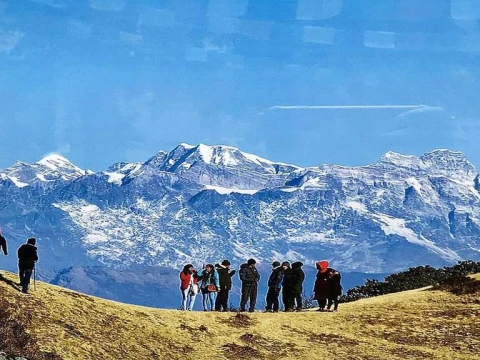
The Mundum Trekking Trail is one of the newly explored and culturally rich trekking routes in eastern Nepal, offering a unique combination of natural beauty, indigenous culture, peaceful landscapes, and authentic Himalayan experiences. Developed around the traditional homeland of the Rai communities, this trail provides an opportunity to discover the hidden beauty of the eastern hills while walking through remote villages, dense forests, alpine meadows, and spectacular mountain ridges.Unlike the crowded trekking destinations of Nepal, the Mundum Trekking Trail offers a peaceful and untouched atmosphere where trekkers can experience the real lifestyle of local communities. The trail takes you through the beautiful landscapes of the Khotang and Bhojpur regions, passing through traditional settlements such as Chakhewa, Dhotre, Maiyung, Rawadhap, Salpa Bhanjyang, Hyakule, and Hanspokhari. The journey reaches one of the major highlights, Silchung Hill (4,200 m), which provides breathtaking panoramic views of the Himalayan ranges.The trek is not only an adventure through the mountains but also a cultural exploration. Trekkers can learn about the traditions, rituals, lifestyle, and hospitality of the Rai and other indigenous communities. The combination of natural scenery, spiritual landscapes, and cultural encounters makes the Mundum Trekking Trail a memorable experience for travelers looking for an authentic Himalayan journey.Newly developed and less crowded trekking route in eastern NepalExperience Rai indigenous culture, traditions, and local lifestyleExplore remote mountain villages and traditional settlementsStunning views of Himalayan peaks and eastern landscapesVisit the beautiful viewpoint of Silchung Hill (4,200 m)Walk through forests, ridges, valleys, and alpine landscapesAuthentic homestay and local hospitality experiencePerfect destination for travelers seeking a peaceful Himalayan adventureBest Season for Mundum Trekking TrailThe best seasons for the Mundum Trekking Trail are spring (March to May) and autumn (September to November). During these months, the weather conditions are stable, the skies are generally clear, and the mountain views are at their best. These seasons provide comfortable temperatures for trekking and allow travelers to fully enjoy the natural beauty of eastern Nepal.Spring is an excellent time to visit Mundum because the forests and hills become colorful with blooming rhododendron flowers, Nepal’s national flower. The landscapes become vibrant with fresh greenery, and trekkers can enjoy pleasant walking conditions. The clear mountain atmosphere also provides excellent opportunities for photography and enjoying panoramic views of the Himalayan ranges.Autumn is considered the most popular trekking season in Nepal due to its dry weather and excellent visibility. The post-monsoon environment creates crystal-clear views of mountains, valleys, and surrounding landscapes. The local villages are also active during this period, allowing visitors to experience the cultural richness of the region.Winter trekking is possible for experienced trekkers who enjoy colder conditions and peaceful trails. However, snowfall at higher elevations, especially around Silchung Hill and Salpa Bhanjyang, can make some sections more challenging. The monsoon season (June to August) is less recommended due to rainfall, muddy trails, and reduced mountain visibility.Best Time for Mundum Trekking Trail:Spring (March–May): Best for flowers, greenery, and comfortable weatherAutumn (September–November): Best for clear mountain views and stable conditionsWinter (December–February): Suitable for experienced trekkers seeking solitudeMonsoon (June–August): Less recommended due to rain and slippery trailsMundum Trekking Trail Difficulty and TransportationThe Mundum Trekking Trail is considered a moderate-level trekking route suitable for trekkers with a reasonable level of fitness and preparation. The trail does not require technical climbing skills, but it includes several uphill and downhill sections, high-altitude walking, and long trekking days. The highest point of the trek is Silchung Hill at 4,200 meters, where trekkers need proper acclimatization and a steady walking pace.The route includes walking through forests, mountain ridges, open grasslands, and remote villages. Some sections can be physically demanding due to elevation gain and uneven terrain. However, the peaceful environment, beautiful scenery, and gradual itinerary designed by Explore Holiday Nepal make the trek achievable for travelers who prepare properly.Transportation is an important part of the Mundum Trekking experience. The adventure begins with a scenic drive from Kathmandu to Diktel Bazar, the starting point of the trekking route. The journey passes through countryside landscapes, rivers, hills, terraced farms, and traditional settlements of eastern Nepal. After completing the trek in Bhojpur, transportation is arranged back to Kathmandu by road.Difficulty Level and Transportation Details:Moderate trekking difficulty levelSuitable for beginners with good physical fitnessMaximum elevation: Silchung Hill (4,200 m)Daily walking duration: approximately 5–7 hoursRequires basic trekking preparation and enduranceKathmandu to Diktel Bazar by private/local vehicleBhojpur to Kathmandu return drive after trekkingExperienced guides and support from Explore Holiday NepalFood and Accommodation for Mundum Trekking TrailFood and accommodation along the Mundum Trekking Trail provide an authentic experience of rural Nepalese mountain life. Since this is a remote and newly developed trekking route, accommodation is mainly available through local homestays, community lodges, and simple mountain teahouses. These accommodations offer a warm and welcoming environment where trekkers can interact with local families and experience indigenous culture.During the trek, trekkers can enjoy traditional Nepali meals prepared with locally available ingredients. The food is simple, nutritious, and suitable for long trekking days. Meals generally include traditional dishes such as Dal Bhat (rice, lentils, and vegetables), noodles, soups, potatoes, seasonal vegetables, Tibetan-style bread, and tea. The local cuisine provides the energy needed for walking through the Himalayan landscapes.Explore Holiday Nepal carefully organizes food and accommodation arrangements to ensure trekkers receive comfortable services while maintaining the authentic character of the region. Staying in local homes and community lodges also contributes directly to the livelihood of local communities.Food and Accommodation Facilities:Local homestays and community-based lodgesSimple but comfortable mountain accommodationTraditional Nepali meals and local dishesVegetarian and non-vegetarian food options availableFresh local vegetables and organic productsTea, coffee, and warm beverages during trekkingOpportunity to experience Rai culture and hospitalityCamping support available if requiredMundum Trekking Trail PermitsThe Mundum Trekking Trail requires certain permits and official documents before beginning the trek. Although this route is less crowded compared to popular trekking regions, trekkers still need to complete necessary government procedures to ensure safe and legal travel in the Himalayan region.Explore Holiday Nepal assists trekkers in arranging all required permits and documentation before starting the journey. Having proper permits helps support conservation efforts, maintain trekking records, and ensure that travelers receive necessary support from local authorities when required.The required permits may vary depending on government regulations and the exact trekking route. Travelers should always check the latest requirements before departure. A professional trekking company like Explore Holiday Nepal manages these formalities efficiently, allowing trekkers to focus on enjoying their Himalayan adventure.Required Permits and Documents:Local area permits (if required)National identification and passport detailsTrekking registration documentsTravel insurance with emergency coverage is recommendedGuide and company documentationAssistance with permit arrangements from Explore Holiday NepalWhy Choose Mundum Trekking TrailThe Mundum Trekking Trail is an ideal choice for travelers who want to explore a hidden side of Nepal beyond the famous trekking routes. It offers a rare opportunity to experience untouched nature, authentic village life, and indigenous culture while enjoying spectacular Himalayan scenery. The peaceful environment and fewer numbers of trekkers make this route perfect for those seeking a unique and meaningful adventure.Choosing the Mundum Trek means discovering eastern Nepal’s hidden treasures with the support of experienced professionals. Explore Holiday Nepal provides well-organized trekking services, experienced guides, comfortable arrangements, and personalized support throughout the journey. The company focuses on creating safe, memorable, and culturally respectful trekking experiences.This trek is not only about reaching destinations but also about connecting with local people, understanding their traditions, and appreciating the natural beauty of Nepal. From scenic mountain ridges to warm village hospitality, every day on the Mundum Trekking Trail brings a new experience.Reasons to Choose Mundum Trekking Trail:Explore one of Nepal’s newest and most unique trekking routesExperience authentic Rai indigenous cultureEnjoy peaceful trails away from crowdsDiscover remote villages and traditional lifestylesWitness spectacular Himalayan landscapesReach the stunning Silchung Hill viewpointSupport local communities through community-based tourismProfessional trekking management by Explore Holiday NepalPerfect combination of adventure, culture, and natureCreate unforgettable memories in the hidden Himalayas of eastern NepalExplore Holiday Nepal welcomes you to discover the beauty, culture, and adventure of the Mundum Trekking Trail — a journey where nature, tradition, and Himalayan hospitality come together to create an unforgettable Nepal trekking experience.


 (34)
(34) 