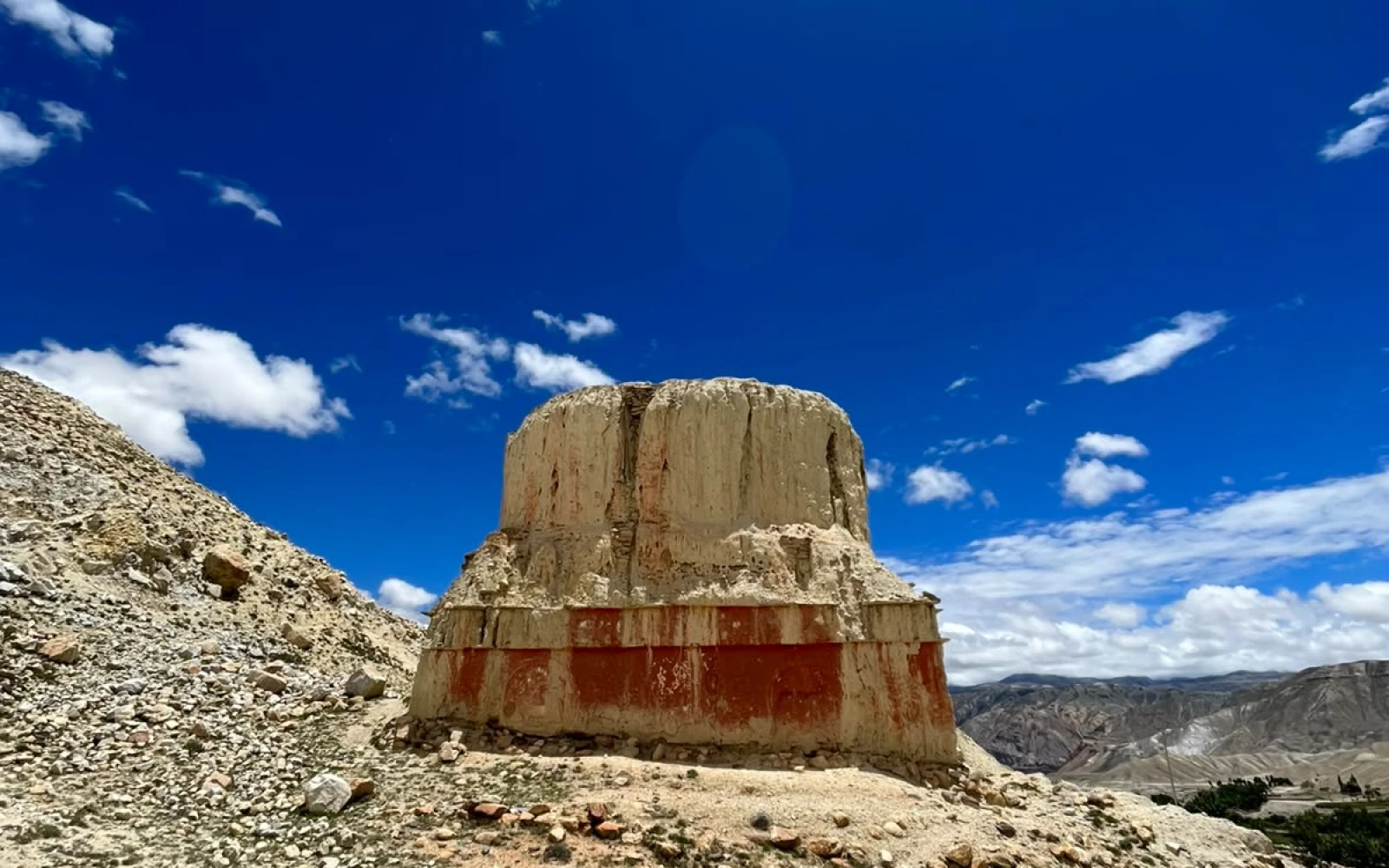
Upper Mustang Trek 2027/2028: Complete Guide to Culture, Festivals, People, Road Conditions and the Mini Tibet of Nepal
Upper Mustang - 14 days — Magar Adventure
Trekking and Jeep Tours in Upper Mustang - Himalayan Wander Walkers | Trekking in Nepal12
Upper Mustang is one of the most fascinating and culturally preserved destinations in Nepal. Located in the northern part of the Mustang District of Gandaki Province, this remote Himalayan region sits close to the Tibetan border and offers a completely different experience from the green forests, rivers and snow-covered landscapes found on many other Nepal trekking routes.
Upper Mustang is famous for its dramatic desert-like landscapes, red sandstone cliffs, ancient caves, traditional Tibetan-style villages, Buddhist monasteries, colourful prayer flags and centuries-old cultural traditions.
The historic walled city of Lo Manthang is the cultural heart of Upper Mustang. It was once the capital of the ancient Kingdom of Lo, a small Himalayan kingdom with strong historical, cultural and religious connections to Tibet.
Many travellers call Upper Mustang the Mini Tibet of Nepal because its language, architecture, religion, traditions, lifestyle and landscape have strong similarities to the Tibetan Plateau.
Unlike many other trekking destinations, Upper Mustang is not only about mountain views. It is also about discovering ancient Himalayan civilisation, meeting local people, understanding Buddhist traditions and experiencing a lifestyle that has been preserved for generations.
For travellers interested in culture, history, adventure and photography, Upper Mustang offers an unforgettable Himalayan journey.
With Explore Holiday Nepal, travellers can discover this special region with experienced local guides, cultural explanations and a carefully planned itinerary.
The Best Upper Mustang Treks: An Expert Guide - Horizon Guides
Upper Mustang is located in the northern part of Mustang District in Gandaki Province, Nepal. It lies north of the Annapurna and Dhaulagiri mountain ranges and shares a border with the Tibet Autonomous Region of China.
The region is part of the trans-Himalayan landscape, which means it lies in the rain-shadow area behind the major Himalayan mountain ranges.
Important geographical information:
Upper Mustang is generally reached through Pokhara and Jomsom. Travellers continue north through Kagbeni, which is the traditional gateway to the restricted Upper Mustang region.
Alleyways, Old House, Monastery, Inside the Wall Kingdom of Lo in Lo Manthang, Upper Mustang, Nepal
Old Tibetan woman turning the prayer wheels, Upper Mustang
Nepali woman carrying basket in Mustang Region, Nepal
12One of the most frequently asked questions about Upper Mustang is why people call it the Mini Tibet of Nepal.
The name is not an official geographical designation. It is a popular description of the region's strong Tibetan cultural and historical identity.
There are several reasons behind this name.
Tibetan Buddhism plays an important role in the daily lives of people in Upper Mustang.
Visitors can see:
Religion is deeply connected to local traditions, family life and community celebrations.
Many people in Upper Mustang speak local Tibetan-related languages and dialects, particularly in the traditional settlements of the region.
The language, pronunciation and cultural expressions reflect historical connections with Tibet.
Nepali is also widely used, especially for communication with visitors and people from other parts of Nepal.
Too little snow, too much rain | Nepali Times
The architecture of Upper Mustang is another reason behind its Mini Tibet identity.
Traditional homes are commonly built using stone, mud and locally available materials. Many have flat roofs, whitewashed walls, wooden windows and traditional interior decorations.
The historic settlement of Lo Manthang is particularly famous for its traditional houses, narrow streets, monasteries and ancient royal palace.
Local food and lifestyle also reflect Tibetan cultural influences.
Some traditional foods include:
The combination of food, religion, architecture and traditional lifestyle makes Upper Mustang culturally different from many other parts of Nepal.
Upper Mustang historically had strong trade, religious and cultural connections with Tibet. Its location along ancient Himalayan trade routes helped develop a unique civilisation influenced by Tibetan culture.
This is why Upper Mustang is often described as a living museum of traditional Tibetan-influenced Himalayan heritage.
Upper Mustang Trek- Best recommended Itinerary - Himalayan Wander Walkers
Old Tibetan woman sitting at the front of her house and praying, Upper Mustang
Paddy rice and Buckwheat field at Tsarang village, Upper Mustang, Nepal
12The people of Upper Mustang are among the most culturally distinctive communities in the Himalayas. The indigenous people are commonly known as Loba, Lopa or Lo-pa, and their history is closely connected with the ancient Kingdom of Lo.
Their lifestyle, language, religious beliefs, clothing, food and social customs reflect centuries of Tibetan cultural influence.
For generations, local people have lived in small mountain villages, depending on agriculture, livestock, trade and community cooperation.
Their traditional livelihoods include:
Agriculture is challenging because of the dry climate, limited rainfall and short growing season. Families traditionally depend on carefully managed irrigation channels to grow crops.
Upper Mustang Trek- Best recommended Itinerary - Himalayan Wander Walkers
Traditional clothing is an important part of Loba identity.
Women may wear colourful traditional dresses, woollen garments and beautiful jewellery made with turquoise, coral and silver. Men traditionally wear warm woollen clothing and long coats suitable for the cold mountain environment.
During festivals, weddings and religious ceremonies, people often wear their finest traditional clothes.
Community relationships are very important in Upper Mustang.
Families help one another during agricultural activities, religious events, weddings and village celebrations. Many customs are passed from grandparents to younger generations through storytelling, religious education and everyday activities.
Visitors can experience a warm welcome in traditional villages, where hospitality is an important part of local culture.
Why travellers love meeting local people:
Upper Mustang offers more than sightseeing. Travellers have opportunities to interact with local families, learn about their traditions, visit monasteries, understand traditional farming and experience a different Himalayan way of life.
Upper Mustang has numerous cultural, religious and historical attractions. Some of these sites are hundreds of years old and represent the region's important place in Himalayan history.
Lo Manthang - Ancient Walled City in Upper Mustang, Nepal
File:Jhong cave upper mustang.jpg - Wikimedia Commons
Ghar Gompa, gompa monastery, dukhang prayer hall
8
Lo Mantang, city from north with Annapurna peaks
Lo Manthang is the main cultural destination in Upper Mustang and one of Nepal's most remarkable historical settlements.
The city was founded in 1380 by King Ame Pal and became the capital of the ancient Kingdom of Lo.
It is famous for:
The former royal palace is an important historical landmark. The traditional walled settlement gives visitors an opportunity to understand the history of the ancient Himalayan kingdom.
File:Jhong cave upper mustang.jpg - Wikimedia Commons
One of the most extraordinary attractions in Upper Mustang is the ancient cave system around Chhoser.
These caves are carved into steep cliffs and are often called sky caves because they are located high above the valley floor.
Some caves contain multiple rooms, chambers and ancient structures. Researchers have discovered archaeological remains, paintings and evidence of historical human occupation in the wider Mustang cave region.
Their exact origins and original purposes are not fully understood.
Visiting the Chhoser cave area is one of the highlights of an Upper Mustang journey.
Ghar Gompa, gompa monastery, dukhang prayer hall
Ghar Gompa, also known as Lo Gekar, is an important Buddhist monastery in Upper Mustang.
It is associated with the history of Guru Padmasambhava, who played a major role in spreading Buddhism in Tibet and the Himalayan region.
The monastery is famous for its religious significance, traditional architecture and peaceful surroundings.
Visitors interested in Tibetan Buddhism and Himalayan spiritual history should include this monastery in their itinerary.
Ancient chortens at Tsarang, Upper Mustang, Nepal.
Tsarang, also written as Charang, is another historically important settlement in Upper Mustang.
The village is famous for its traditional houses, ancient monastery, historical palace and dramatic landscapes.
It is a wonderful place to understand the traditional lifestyle of the Loba community.
Longest mani prayer wall in Mustang
Ghami is a beautiful traditional village surrounded by dry mountains and colourful landscapes.
One of its most famous attractions is the long Mani wall, made of stone slabs carved with Buddhist prayers and sacred inscriptions.
Mani walls represent religious devotion and are an important feature of Tibetan Buddhist culture.
Visitors traditionally walk around these sacred structures clockwise as a sign of respect.
Chhusang is an important village on the route towards Upper Mustang.
It is famous for its dramatic red rock formations, traditional settlements and unusual cliff landscapes.
The surrounding scenery provides some of the most interesting photography opportunities in the region.
How to Get to the Upper Mustang, Getting Lo Mangthng
Dhakmar is particularly famous for its striking red cliffs.
The landscape is dramatically different from the green valleys and forests found in other Nepal trekking regions.
The red and orange rock formations create a unique natural environment that attracts photographers, adventure travellers and nature lovers.
Tiji Festival in Lo Manthang: Mustang's Sacred Dance | The Everest Holiday
A Comprehensive Guidebook for Mustang Nepal - Detailed View
10Festivals are among the most important cultural attractions in Upper Mustang.
They are not simply entertainment events. They are connected with religious beliefs, community relationships, traditional agriculture, local history and the changing seasons.
The major festivals include Tiji, Yartung and Losar.
Major cultural highlight
Upper Mustang Tiji Festival 2026
The Tiji Festival is the most famous traditional festival in Upper Mustang. It is celebrated in Lo Manthang and attracts visitors from Nepal and different countries.
Tiji is associated with the Tibetan Buddhist story of Dorje Jono (also known as Dorje Sonnu), who defeats negative forces and restores peace and harmony.
The name Tiji comes from the religious expression Tenpa Chirim, referring to the benefit of Buddha's teachings and all sentient beings.
The festival is traditionally celebrated over three days during the third month of the Tibetan lunar calendar, usually around May. The exact Gregorian dates change every year.
According to the traditional religious story, negative forces were threatening the region and creating suffering, including drought and difficulties for local communities.
Dorje Jono defeats these negative forces, symbolising the victory of good over evil and the restoration of peace and harmony.
For local people, the festival represents:
Upper Mustang Tiji Festival Jeep Tour 2027 | Date and cost13
The main attractions include:
First day: Monks perform traditional religious dances and ceremonies in colourful costumes and masks.
Second day: Sacred Cham dances continue, representing the struggle against negative forces.
Third day: The final ritual symbolically removes negative influences and celebrates the restoration of peace and harmony.
The ceremonies involve:
The Tiji Festival is especially famous because it preserves an extraordinary religious dance tradition that has been passed down through generations.
According to the Nepal Tourism Board, the festival has a long history in Lo Manthang, with its tradition dating back to the early fifteenth century.
Nepal Tourism Board+1
Why should travellers visit Upper Mustang during Tiji?
It is an opportunity to experience the region's traditional Buddhist culture in its most vibrant form. Visitors can witness religious ceremonies, meet local communities and photograph colourful cultural performances.
However, travellers should remember that Tiji is a sacred religious event, not just a tourist show. Respectful behaviour and permission before photographing individuals or ceremonies are important.
Why You Should Travel to Nepal Now | National Geographic
Yartung is another important traditional festival celebrated in the Mustang region.
It is particularly associated with horse riding, community gatherings, traditional games, feasting, singing and dancing.
Horse riding has historical importance in Mustang because horses were traditionally used for transportation, trading and communication across the challenging Himalayan landscape.
During Yartung, local people gather to celebrate their cultural identity and community traditions.
Main attractions include:
Yartung is generally celebrated around the late summer period, although dates and celebrations vary between communities.
It is a wonderful opportunity to see the traditional relationship between Mustang people and horses.
Mustang Nepal+1
Upper Mustang Tiji Festival 2026 | Dates
Losar is the Tibetan New Year and one of the most important celebrations among Tibetan Buddhist communities.
The festival marks the beginning of a new year according to the Tibetan lunar calendar.
For the people of Upper Mustang, Losar is a time for family gatherings, religious ceremonies, traditional food and welcoming a new beginning.
Common celebrations include:
Losar is particularly meaningful because it connects families and communities with their religious and cultural heritage.
| Festival | Main attraction | Typical season |
|---|---|---|
| Tiji | Sacred masked dances and Buddhist rituals | May |
| Yartung | Horse racing, music and community celebrations | Late summer |
| Losar | Tibetan New Year, family and religious traditions | Winter / early spring |
Our recommendation: Travellers interested in religious culture and photography should consider visiting during Tiji. Those interested in traditional horse riding and community celebrations may prefer Yartung.
Festival dates should always be confirmed before booking because they follow traditional calendars and local arrangements.
Red Cliffs, Drakmar – LamaKarma.net
Kali Gandaki Gorge Mustang Nepal - Nicholas Eager10
Upper Mustang has one of the most unusual landscapes in Nepal.
Unlike the lush forests of the Annapurna, Langtang and Everest regions, Upper Mustang has a dry, high-altitude desert environment.
The region lies in the rain shadow of the Annapurna and Dhaulagiri ranges, receiving considerably less rainfall than many other parts of Nepal.
1. Red and orange sandstone cliffs
The colourful cliffs around Dhakmar, Chhusang and other villages create a dramatic natural landscape.
2. Deep valleys and rocky mountains
The Kali Gandaki valley and surrounding mountain formations offer extraordinary views.
3. Ancient caves
The caves carved into the cliffs are among the most fascinating historical features of Mustang.
4. Snow-covered Himalayan peaks
Depending on the location and weather, visitors can enjoy views of Nilgiri, Annapurna, Dhaulagiri and other surrounding mountain peaks.
5. High-altitude desert environment
The combination of dry valleys, barren mountains, traditional settlements and blue skies gives Upper Mustang its distinctive appearance.
For photography lovers, Upper Mustang is particularly attractive because of its unusual colours, ancient architecture and dramatic Himalayan scenery.
Upper Mustang Jeep Tour – Cost & Itinerary
One of the most common questions travellers ask before visiting Upper Mustang is about road conditions.
Yes, Upper Mustang is accessible by road, and visitors can travel by private jeep, motorbike or on foot. However, the road conditions are different from those of major highways in Nepal.
The route includes paved sections, gravel roads, rocky tracks, steep mountain climbs and dusty river valleys.
The usual road journey follows:
Pokhara → Beni → Tatopani → Ghasa → Marpha → Jomsom → Kagbeni → Chhusang → Chele → Samar → Ghami → Tsarang → Lo Manthang.
Upper Mustang Jeep Tour, 4WD Jeep Tour, Itinerary, Time & Cost
| Route | Road conditions | Travel experience |
|---|---|---|
| Pokhara – Beni | Mostly paved | Comfortable highway journey |
| Beni – Jomsom | Mixed paved, gravel and damaged sections | Mountain road with river views |
| Jomsom – Kagbeni | Paved sections and local roads | Relatively easier |
| Kagbeni – Chhusang | Mixed gravel and rough road | Rocky valley |
| Chhusang – Chele – Samar | Rough and steep sections | Mountain off-road experience |
| Samar – Ghami | Gravel and high mountain tracks | Remote Himalayan driving |
| Ghami – Tsarang | Gravel and dusty roads | Beautiful desert landscapes |
| Tsarang – Lo Manthang | Mixed gravel and rough road | Open high-altitude plateau |
Road conditions can change after monsoon rainfall, landslides, snowfall and strong winds.
Recent reports indicate that the Beni–Jomsom–Korala road corridor suffered considerable damage from the September 2026 floods. The route reopened after repair work, but some damaged sections were still operating with restricted or one-way traffic in early November.
The northern road towards Lo Manthang also experienced temporary disruptions from snowfall and landslides in late October and early November.
Travellers planning a trip should not assume that a road shown as open will be in good condition throughout the journey. Confirm the latest local road information before departure.
Luxury Retreats Nepal+2
Is a Jeep Necessary for Upper Mustang?
A 4WD jeep is recommended for travellers who want to explore Upper Mustang comfortably by road.
The advantages include:
Motorbikes are also popular among adventure travellers, but riders should have experience on gravel and off-road mountain routes.
Important: Even with a 4WD vehicle, road travel can be challenging. Always allow extra time for delays, avoid rushing through difficult sections and use an experienced local driver.
Upper Mustang offers different travel experiences depending on your interests, fitness and available time.
Mustang Overland Jeep Tour Departures for 2026-2027 | Itinerary Food and Accommodation
Découvrir l'Himalaya : Trek et Randonnée | Atalante
Adventure Consultants | Exploring the Upper Mustang, Nepal
11
The traditional trekking experience involves walking through mountain villages, ancient settlements, valleys and high-altitude landscapes.
It is suitable for travellers who want to experience local culture more closely and enjoy the journey at a slower pace.
Advantages:
A jeep tour is suitable for travellers who have limited time or prefer road transportation.
Advantages:
Upper Mustang Motorbike Tour | Himalayan Motorbike Tour
Motorbike tours are popular among adventure travellers who enjoy remote roads, high mountain passes and dramatic landscapes.
However, riders should have suitable riding experience and protective equipment.
Upper Mustang is generally considered a moderate trekking destination, but difficulty depends on the itinerary, altitude, walking distance and weather.
The region is not technically difficult, and there are no major technical climbing sections on the standard trekking route.
However, several factors should be considered.
Altitude: Lo Manthang is approximately 3,840 metres above sea level. Some trekking routes cross higher passes.
Dry climate: The region can be very dry, and travellers should drink enough water.
Strong winds: Afternoon winds can make walking and driving uncomfortable.
Long walking days: Some trekking days involve several hours of walking across rocky and exposed terrain.
Cold temperatures: Nights can become very cold, especially outside the spring and autumn seasons.
Upper Mustang can be suitable for:
A gradual itinerary, appropriate acclimatisation and a knowledgeable guide help make the journey safer and more enjoyable.
Remember that altitude sickness can affect anyone, regardless of fitness. Do not ignore symptoms such as headaches, nausea, dizziness or unusual fatigue.
Upper Mustang Trek 2026: 15 Days Itinerary, Cost & Permits
Accommodation in Upper Mustang is generally provided by local guesthouses, small hotels, lodges and selected homestays.
The standard of facilities varies between villages.
Travellers can generally expect:
In Lo Manthang, visitors can find a wider selection of accommodation than in some smaller villages, although facilities remain more limited than in major tourist destinations.
Tibetan Tim Momo with Potato Curry and Yak Jerky Sukuti, food of Upper Mustang, Nepal
Flavorful Thukpa: A Taste of Himalayan Tradition
Food during the journey includes both traditional local dishes and familiar trekking meals.
Common options include:
Local barley and buckwheat dishes are also part of the region's traditional food culture.
A special experience: Trying traditional butter tea and local food in a family-run guesthouse is a wonderful way to understand Mustang's culture.
Upper Mustang - 14 days — Magar Adventure
Upper Mustang Tiji Festival 2026 | Dates
Nepal - Upper Mustang Trek | Meru Travel
15
Upper Mustang is different from many other trekking regions in Nepal because it lies in a rain-shadow area.
This makes it a popular destination even during Nepal's summer monsoon season.
| Season | Months | Conditions |
|---|---|---|
| Spring | March–May | Pleasant trekking conditions, cultural festivals |
| Summer/Monsoon | June–August | Relatively dry in Upper Mustang, but access roads can be affected by rain elsewhere |
| Autumn | September–November | Generally clear mountain views and good trekking conditions |
| Winter | December–February | Very cold, snowfall possible, some lodges close |
Spring is one of the most attractive seasons.
The weather is generally suitable for trekking, and May is especially interesting for visitors who want to attend the Tiji Festival.
Upper Mustang receives relatively little rainfall compared with many other parts of Nepal.
This makes it a special monsoon-season destination.
However, the road from Pokhara through Beni and Jomsom can still be affected by heavy monsoon rainfall, landslides and flooding.
Autumn is another excellent season for Upper Mustang.
The skies are often clear, mountain views are beautiful and temperatures are generally comfortable during the day.
Winter can be very cold, with snowfall and possible road closures.
Some guesthouses may close, and travel can become difficult.
The Nepal Tourism Board also identifies Mustang as a rain-shadow destination while warning visitors about cold and windy winter conditions.
Nepal Tourism Board+1
Dhaulagiri massif rising above the Mustang landscape in Nepal
Himalaya Annapurna mountain range peaks covered in snow, Upper Mustang, Nepal
Tibetan monastry in himalayan mountains.
12
Although Upper Mustang is famous for its desert-like landscape, the region also offers impressive Himalayan mountain scenery.
Depending on the trekking route and weather, visitors may see:
The combination of barren mountains, snow-covered summits and ancient villages creates a very different mountain experience from Everest Base Camp or Annapurna Base Camp.
The duration depends on whether you choose trekking or road transportation.
| Travel option | Suggested duration |
|---|---|
| Short Upper Mustang jeep tour | 5–7 days |
| Upper Mustang cultural jeep tour | 7–9 days |
| Classic Upper Mustang trek | 12–16 days |
| Extended Upper Mustang exploration | 16–19 days |
These are general planning estimates, not fixed itineraries. Your total duration should include travel to and from Pokhara and suitable contingency time.
Here is a sample cultural trekking itinerary for travellers who want to explore the region properly.
| Day | Route | Overnight |
|---|---|---|
| 1 | Arrive in Kathmandu | Kathmandu |
| 2 | Kathmandu to Pokhara | Pokhara |
| 3 | Pokhara to Jomsom, then Kagbeni | Kagbeni |
| 4 | Kagbeni to Chele | Chele |
| 5 | Chele to Syangboche | Syangboche |
| 6 | Syangboche to Ghami | Ghami |
| 7 | Ghami to Tsarang | Tsarang |
| 8 | Tsarang to Lo Manthang | Lo Manthang |
| 9 | Explore Lo Manthang and monasteries | Lo Manthang |
| 10 | Visit Chhoser caves and surrounding villages | Lo Manthang |
| 11 | Lo Manthang to Dhakmar | Dhakmar |
| 12 | Dhakmar to Samar | Samar |
| 13 | Samar to Kagbeni | Kagbeni |
| 14 | Kagbeni to Jomsom and onward travel | Jomsom / Pokhara |
Note: This is an illustrative itinerary. Actual walking routes, overnight stops, transportation and acclimatisation arrangements may vary. An additional day is recommended where possible for weather and travel delays.
Upper Mustang is a restricted trekking region in Nepal. Foreign travellers need special permission to visit the restricted area.
The traditional restricted-area boundary starts north of Kagbeni.
| Permit | Purpose |
|---|---|
| Upper Mustang Restricted Area Permit (RAP) | Permission to enter the restricted region |
| Annapurna Conservation Area Permit (ACAP) | Permission to enter the conservation area |
As of November 2026, published permit information lists the Upper Mustang RAP at USD 50 per person per day inside the restricted area, alongside the ACAP permit. Permits must be arranged through an authorised trekking agency, and visitors must travel with a licensed guide. Confirm the applicable regulations and fees when booking, as Nepal has been reviewing its restricted-area arrangements.
Nepal Trekking Permit Fees+2
Travel insurance covering high-altitude trekking and emergency evacuation is strongly recommended.
Panoramic view of Lo Manthang, the capital of Mustang, Nepal Himalaya
Festivals in Nepal: Top festive of Nepal & unique traditions
10
Upper Mustang is famous because it combines natural beauty, ancient history and living Himalayan culture in one destination.
Here are the main reasons international travellers choose Upper Mustang:
Upper Mustang is particularly attractive to travellers who want to experience something beyond conventional Himalayan trekking.
Many travellers ask which trekking destination offers the best experience.
The answer depends on what they want to discover.
Bright yellow tents in Mount Everest Base Camp, Khumbu glacier and mountains, Nepal, Himalayas
| Feature | Upper Mustang | Everest Base Camp | Annapurna Base Camp |
|---|---|---|---|
| Main attraction | Culture and ancient kingdom | World's highest mountain region | Mountain sanctuary |
| Landscape | High-altitude desert | Glaciers and snowy mountains | Forests and mountains |
| Culture | Tibetan Buddhist and Loba | Sherpa and Buddhist | Gurung and Magar |
| Famous attraction | Lo Manthang and Tiji | Everest Base Camp | Annapurna Sanctuary |
| Approximate highest destination | Lo Manthang 3,840 m | Kala Patthar 5,644 m | ABC 4,130 m |
| Special experience | Ancient caves and monasteries | Everest mountain views | Close mountain scenery |
| Suitable interest | Culture and adventure | High-altitude adventure | Nature and mountain trekking |
Why choose Upper Mustang?
If you are more interested in traditional Himalayan culture, Tibetan Buddhist history, ancient villages, local festivals and unusual landscapes, Upper Mustang offers a particularly distinctive experience.
Everest Base Camp is more focused on high-altitude mountain adventure, while Annapurna Base Camp is famous for its spectacular mountain sanctuary and varied natural scenery.
Each destination offers a different experience.
Motorcycle Tour in Nepal: Jungle Safari, Himalayas & The Forbidden Kingdom
Upper Mustang is a culturally sensitive and environmentally fragile region.
Tourism creates employment and business opportunities for local people, but responsible travel is important to preserve its heritage.
Visitors should:
By supporting local businesses, travellers help create income opportunities for mountain communities and contribute to the preservation of their cultural heritage.
नेपाल : घुम्नैपर्ने भव्य संसार - कान्तिपुर
Upper Mustang Trek 14 Days | Itinerary & Package 2026
Trekkers on trail nearing Lo Manthang
14At Explore Holiday Nepal, we believe that travelling in the Himalayas should be more than simply visiting beautiful destinations. It should be an opportunity to understand local culture, meet local people and create meaningful travel experiences.
We organise Nepal trekking and cultural journeys with a focus on safety, local expertise, personal service and reasonable prices.
Experienced Local Guides
Our experienced trekking guides understand Nepal's mountain regions, local communities, trekking routes and cultural traditions.
Cultural Understanding
We help travellers understand the history, Buddhist traditions, local festivals and traditional lifestyle of the people they meet.
Customised Itineraries
We can organise private trekking, jeep tours, cultural tours and customised travel arrangements according to your available time and interests.
Safety and Comfort
We focus on suitable itineraries, proper acclimatisation, reliable transportation and responsible travel arrangements.
Local Experience
We believe in supporting local communities and creating meaningful opportunities for Nepali guides, drivers and tourism workers.
Whether you are planning to experience the Tiji Festival, explore the ancient caves of Chhoser, discover Lo Manthang or complete a traditional Upper Mustang trek, our team can help organise your journey.
Upper Mustang is called Mini Tibet because of its Tibetan Buddhist religion, traditional architecture, local language, cultural traditions, food and historical connections with Tibet.
Upper Mustang is famous for Lo Manthang, the ancient Kingdom of Lo, the Tiji Festival, traditional Tibetan Buddhist monasteries, sky caves, red cliffs and unique desert landscapes.
The Tiji Festival is the most famous festival in Upper Mustang. It is celebrated in Lo Manthang with traditional masked dances, Buddhist prayers, music and religious ceremonies.
Tiji is celebrated annually during the third month of the Tibetan lunar calendar, usually around May. Exact dates change every year.
Yes. Upper Mustang lies in the Himalayan rain-shadow region, so it receives relatively little rainfall. However, the roads from Pokhara and Beni can be affected by monsoon landslides and flooding.
Yes. Upper Mustang can be suitable for beginners with reasonable fitness and a properly planned itinerary. The standard route does not require technical climbing skills, but altitude and long walking days must be considered.
Yes. Travellers can visit Upper Mustang by 4WD jeep. This is a suitable option for people who have limited time or prefer not to walk long distances.
A short jeep tour may take approximately 5–7 days, while a traditional trekking journey generally requires around 12–16 days, depending on the itinerary and starting point.
Lo Manthang is approximately 3,840 metres above sea level. Some trekking routes and mountain passes reach higher elevations.
April, May, September and October are popular months. May is particularly attractive for travellers interested in the Tiji Festival.
Local guesthouses, small hotels, trekking lodges and selected homestays are available. Facilities vary between villages.
Upper Mustang can be more expensive than some other Nepal trekking destinations because of its restricted-area permit, transportation, remote location and logistics. The final cost depends on group size, duration, accommodation and travel style.
Mount Everest is not normally visible from the standard Upper Mustang trekking route. The region is famous for views of Dhaulagiri, Nilgiri and the Annapurna range.
Local Tibetan-related languages and dialects are spoken by many Loba communities. Nepali is also widely used.
Yes. Upper Mustang is especially worthwhile for travellers interested in ancient Himalayan history, Tibetan Buddhist culture, traditional villages, festivals, photography and adventure.
Give it some altitude: fly high on a helicopter tour of the Himalayas with Lord Downpatrick | Tatler
Upper Mustang is not just another trekking destination in Nepal. It is a journey into an ancient Himalayan kingdom where traditional culture, Buddhist spirituality, dramatic landscapes and local hospitality come together.
From the mysterious caves of Chhoser to the ancient walled city of Lo Manthang, from the colourful Tiji Festival to the traditional lifestyle of the Loba people, every part of Upper Mustang offers something special.
If you want to experience the Mini Tibet of Nepal, explore its history, discover its unique culture and enjoy an unforgettable Himalayan adventure, Upper Mustang should be on your travel list.
Explore the Hidden Kingdom. Experience the Culture. Discover the Himalayas.
Your trusted local partner for Nepal trekking, tours and Himalayan adventures.
+977-9849816310
Thamel, Kathmandu, Nepal
Visit Our Website www.exploreholidaynepal.com
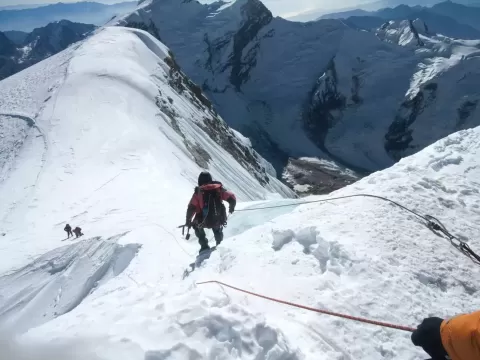
Nepal, the ultimate destination for mountaineers and adventure enthusiasts, offers some of the most popular and accessible peaks for climbing expeditions. Among the most sought-after climbs in Nepal for 2025 are Mera Peak, Island Peak, Lobuche Peak, Chulu East and Chulu West, and the iconic Ama Dablam.

The Everest Base Camp Trek, offered by Explore Holiday Treks, is a thrilling adventure that attracts travelers from all corners of the globe. Reaching an impressive altitude of approximately 5,644 meters (18,267 feet), this trek brings you closer to the majestic peaks of the Himalayas.

The Manaslu Circuit Trek in Spring (March-May) offers trekkers an opportunity to experience the stunning beauty of the Himalayas when the weather is at its most favorable.
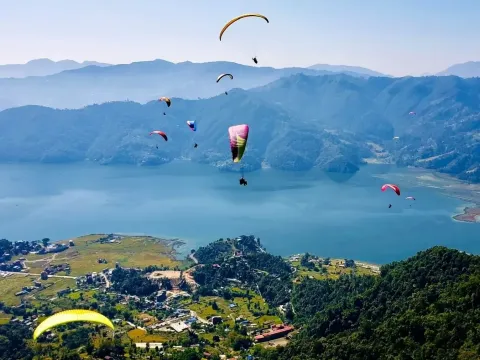
Nepal, a land of timeless beauty, is poised to offer travelers an even richer and more immersive experience in 2025 and 2026. With increased focus on sustainable tourism, better infrastructure, and a revived cultural spirit post-pandemic,
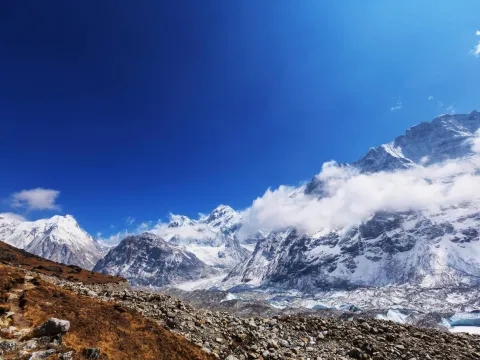
The Kanchenjunga Circuit Trek is a remote and majestic adventure through the untouched landscapes surrounding the world’s third highest mountain, Kanchenjunga (8,586m). Spanning over three weeks, this trek offers spectacular views, challenging trails, rich cultural experiences, and encounters with diverse wildlife.


 (34)

