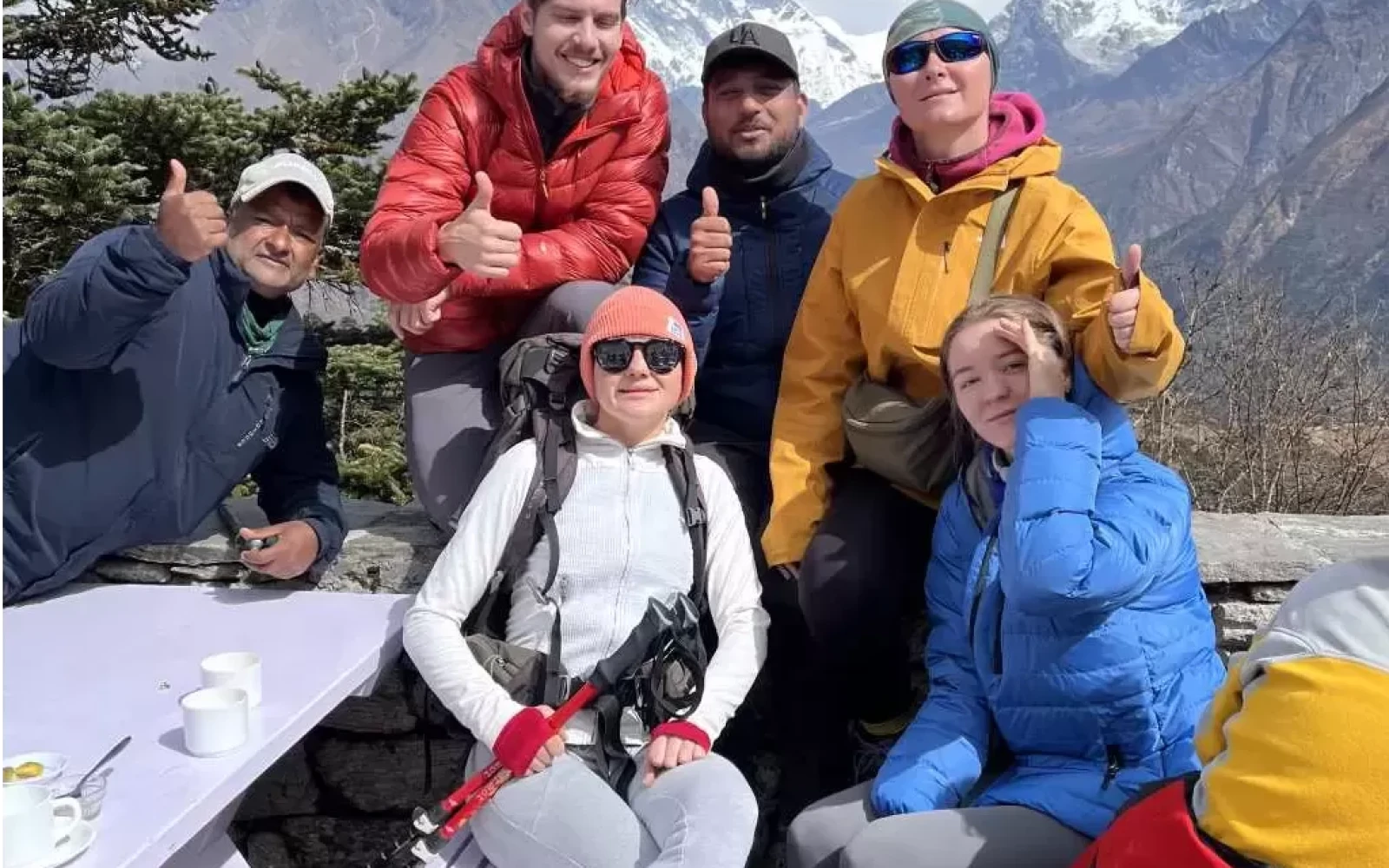
By Explore Holiday Nepal
Discover the beauty of Mount Everest on the Everest View Trek, one of the best short trekking experiences in Nepal. This spectacular Himalayan journey takes you through traditional Sherpa villages, peaceful pine forests, suspension bridges, Buddhist monasteries, and breathtaking mountain viewpoints. It is an excellent choice for travelers who want to experience the Everest region without trekking all the way to Everest Base Camp.
The Everest View Trek is ideal for travelers with limited time, first-time trekkers, families, and people looking for a moderate Himalayan adventure. Along the way, you can explore Namche Bazaar, visit Khumjung village, and hike to the famous Hotel Everest View, where the surrounding Himalayan peaks create an unforgettable panorama.
At Explore Holiday Nepal, we help travelers discover Nepal through experienced local guides, personalized itineraries, and a strong commitment to safety and responsible tourism.
The Everest View Trek, also known as the Everest Panorama Trek, is a short trekking route in the Khumbu region of northeastern Nepal. The journey usually begins with a flight to Lukla and continues on foot through Phakding and Namche Bazaar.
From Namche, trekkers hike toward Syangboche and Hotel Everest View, a famous viewpoint at approximately 3,880 meters above sea level. The route offers impressive views of Mount Everest and neighboring Himalayan peaks when the weather is clear.
Unlike the Everest Base Camp Trek, which normally requires around 12–14 trekking days or more depending on the itinerary, the Everest View Trek can be completed in approximately 5–8 days of trekking and travel, with additional days recommended for arrival, departure, and flight delays.
Actual walking distances, daily durations, and maximum elevations vary according to the route selected.
The Everest View Trek lies in the Khumbu region of Solukhumbu District, in northeastern Nepal. The route passes through the lower Everest region, including areas inside Sagarmatha National Park, a UNESCO World Heritage Site.
The region is famous for its dramatic Himalayan scenery, Sherpa culture, Buddhist monasteries, traditional mountain settlements, and views of some of the world's highest mountains.
Most trekkers travel from Kathmandu to Lukla by air before beginning the trek. From Lukla, the trail follows the Dudh Koshi River valley toward Phakding and Namche Bazaar.
Namche Bazaar is the principal trading center of the Khumbu region and an important acclimatization stop for trekkers heading toward Everest Base Camp.
There are several ways to reach the Everest region, but flying to Lukla is the most common option for a short Everest View Trek.
The flight to Lukla is one of Nepal's most memorable mountain journeys. Depending on the season and operating arrangements, flights may depart from Kathmandu or Ramechhap (Manthali).
Flights depend on weather, visibility, and operational conditions. Allow buffer days in your travel plan for possible delays or cancellations.
Travelers who want to reduce dependence on Lukla flights can consider traveling overland toward Salleri or another suitable trailhead, depending on road conditions and the itinerary.
This option takes more time and involves additional walking. Road access and trail conditions should be confirmed before departure.
Our recommendation: For most travelers seeking a short Everest experience, the Lukla route is the most practical choice, provided the flight schedule and weather conditions are suitable.
This itinerary includes time in Namche Bazaar to acclimatize before hiking to the main viewpoint. It can be adjusted to suit your fitness, available time, and interests.
Starting elevation: Kathmandu, approximately 1,400 m
Lukla elevation: Approximately 2,860 m
Phakding elevation: Approximately 2,610 m
Walking time: About 3–4 hours
After your flight to Lukla, meet your trekking team and begin walking through the beautiful Khumbu landscape. The trail descends gradually toward Phakding, following the Dudh Koshi River and passing small settlements, prayer wheels, mani stones, and suspension bridges.
Spend the night in a local mountain teahouse.
Namche elevation: Approximately 3,440 m
Walking time: About 5–7 hours
Distance: Approximately 10–12 km, depending on the exact route
Today is one of the more physically demanding sections of the trek. Follow the river valley, cross suspension bridges, and walk through forested trails before climbing steeply toward Namche Bazaar.
The final ascent is challenging, but the reward is arriving in the lively Sherpa town surrounded by spectacular mountain scenery.
Rest, eat well, and allow your body time to adjust to the altitude.
Sleeping elevation: Approximately 3,440 m
Suggested activity: A gradual uphill hike toward Syangboche or Khumjung
Use this day to explore Namche Bazaar, visit local shops and bakeries, learn about Sherpa history, or take a gradual acclimatization hike.
An acclimatization hike can help your body adjust to the increasing elevation, but it does not eliminate the risk of altitude sickness.
Avoid strenuous activity if you develop symptoms such as headache, nausea, dizziness, or unusual fatigue.
Highest point: Approximately 3,880 m at Hotel Everest View
Walking time: About 4–6 hours round trip, depending on the route and stops
This is the highlight of the Everest View Trek.
Walk uphill from Namche toward Syangboche and Hotel Everest View. On clear days, you may see Mount Everest, Lhotse, Ama Dablam, Thamserku, and other spectacular Himalayan peaks.
Continue toward Khumjung village if time, trail conditions, and your fitness permit. Khumjung offers insight into traditional Sherpa life, local architecture, Buddhist culture, and the everyday life of a Himalayan community.
Return to Namche Bazaar for the night, unless your customized itinerary includes a suitable alternative lodge.
Walking time: Approximately 4–6 hours to Phakding, depending on pace and stops
Begin the return journey by descending through Namche's forested trails and crossing suspension bridges. Depending on your walking pace and preferred overnight stop, you can stay in Phakding or Monjo.
Descending is generally easier on breathing but can be demanding on the knees, especially on steep and uneven sections.
Walking time: Approximately 5–7 hours, depending on the overnight stop
Continue along the Dudh Koshi valley, passing familiar villages and mountain landscapes before returning to Lukla.
Spend the night in Lukla and prepare for your return flight.
Take your scheduled flight back to Kathmandu, subject to weather and airline operations.
If your international flight departs on the same day, remember that Lukla flights can be delayed or canceled. We strongly recommend adding at least one extra buffer day when planning international connections.
Important: The seven-day plan is a sample itinerary, not a guarantee of flight schedules or walking times. For a more relaxed trip, consider adding a day in Kathmandu and an extra contingency day.
The total trekking distance depends on whether you hike only to Hotel Everest View or extend your trip to Khumjung, Tengboche, or other villages.
For a standard Lukla–Phakding–Namche–Everest View Hotel route and return, a useful planning estimate is approximately 40–55 km of walking, although the exact total varies with the selected itinerary.
| Trekking section | Approximate distance |
|---|---|
| Lukla to Phakding | 7–9 km |
| Phakding to Namche Bazaar | 10–12 km |
| Namche to Hotel Everest View and back | 5–8 km |
| Namche to Phakding on return | 10–12 km |
| Phakding to Lukla | 7–9 km |
These figures are estimates, not surveyed measurements. Local detours, side trips, and overnight stops may change the total distance.
Although the distance may seem short, this is a mountain trek. Steep climbs, uneven stone steps, altitude, and changing weather can make it more demanding than walking the same distance at sea level.
Altitude is one of the most important considerations when planning the Everest View Trek.
| Location | Approximate elevation |
|---|---|
| Kathmandu | 1,400 m |
| Lukla | 2,860 m |
| Phakding | 2,610 m |
| Namche Bazaar | 3,440 m |
| Khumjung | 3,790 m |
| Hotel Everest View / Syangboche area | 3,880 m |
Elevations can differ slightly between maps, buildings, and specific trail locations.
Yes. At almost 3,900 meters, the air contains less available oxygen per breath than at sea level. You may breathe more heavily, tire more quickly, experience disrupted sleep, or develop symptoms of acute mountain sickness (AMS).
Even fit and experienced trekkers can develop altitude sickness. Fitness alone does not protect you.
If symptoms worsen, descend and seek medical assistance. Severe headache, repeated vomiting, confusion, loss of coordination, or breathlessness at rest require urgent action and descent.
Read the Nepal Tourism Board's mountain safety guidance before traveling.
The Everest View Trek is generally considered easy to moderate, but it is not a completely easy walk.
You do not need technical climbing skills, mountaineering equipment, or experience crossing high mountain passes. However, you should be prepared for several hours of walking on uneven trails, steep stone steps, and uphill sections.
The climb to Namche Bazaar: The ascent from the river valley to Namche is physically demanding.
High altitude: Walking becomes more tiring as elevation increases.
Uneven trails: Stone steps, exposed sections, suspension bridges, and loose surfaces require care.
Weather: Rain, snow, cold temperatures, and poor visibility can affect comfort and safety.
Long return walks: Descending for several hours can strain your knees and ankles.
A reasonable preparation plan is to walk regularly for several weeks before departure. Practice uphill walking, stair climbing, and longer walks while carrying a light daypack.
If you have significant heart or lung conditions, mobility limitations, or other health concerns, seek medical advice before choosing a high-altitude trek.
Families with children and older adults may enjoy this route, but the itinerary should be tailored to the individual's fitness, health, and ability to walk safely at altitude. No particular age guarantees suitability.
One of the main reasons travelers choose this trek is the opportunity to see Everest and other Himalayan peaks without continuing to Everest Base Camp.
This famous viewpoint, at approximately 3,880 m, is a major highlight of the trek. On clear days, you can enjoy impressive views of Mount Everest and surrounding peaks.
Namche offers a beautiful mountain setting, traditional Sherpa culture, local markets, and panoramic views from selected viewpoints around the town.
Khumjung is a traditional Sherpa settlement beneath the dramatic Himalayan skyline. It offers cultural experiences as well as mountain scenery.
This section features forested paths, river valleys, suspension bridges, and changing mountain landscapes. It is an excellent introduction to the Everest region.
If you have additional time and are comfortable with more walking, consider extending your trek toward Tengboche Monastery. The area is famous for its monastery and impressive views of Ama Dablam and neighboring Himalayan peaks.
Tengboche is not required on the standard short Everest View Trek. Adding it increases the walking distance and should be reflected in your itinerary and acclimatization plan.
Can you definitely see Mount Everest? No. Mountain views depend on weather, cloud cover, visibility, and the time of day. Staying flexible and allowing extra time improves your chances of enjoying clear views.
Spring and autumn are generally the most popular seasons for trekking in the Everest region.
Spring offers milder conditions, longer daylight hours, and colorful rhododendron forests at lower elevations. It is an excellent season for mountain scenery, although clouds and changing weather can still affect visibility.
Autumn is another excellent period, especially after the monsoon clears. October and November are popular for trekking because conditions are often favorable for mountain views.
Winter can offer crisp skies and fewer trekkers, but temperatures are much colder, and snow or ice can affect trails. Choose suitable clothing and check local conditions before departure.
Monsoon brings heavy rain, clouds, wet trails, and potential landslides on access roads. Lukla flights can also be affected by poor visibility. Trekking may be possible in some periods, but careful planning and current local advice are essential.
For most first-time visitors, spring and autumn are the recommended seasons.
The Everest View Trek is a well-established trekking route, but no Himalayan trek is completely risk-free. Safety depends on weather, altitude, physical preparation, trail conditions, and the decisions made during the journey.
For official advice on mountain safety and altitude illness, consult the Nepal Tourism Board.
The Everest region has a well-established network of teahouses, guesthouses, and lodges.
In Phakding and Namche Bazaar, trekkers can generally find comfortable rooms, dining areas, and a variety of meals. Facilities become more limited in smaller settlements and during busy trekking periods.
Typical meals include:
Dal bhat is a popular choice because it provides energy for long walking days.
Room facilities vary. Some lodges offer attached bathrooms or hot showers, while others have shared facilities. Hot showers, charging, and Wi-Fi may involve additional charges or depend on availability.
Booking accommodation in advance during busy seasons can help secure your preferred options.
Packing correctly makes the trek more comfortable and helps you prepare for changing mountain conditions.
Bring enough warm clothing for cold mornings and evenings, even during spring and autumn.
Trekkers should confirm the current entry requirements before departure. The standard route passes through Sagarmatha National Park, and a park entry permit is generally required.
Depending on the route, local rules, nationality, and current regulations, additional local-area requirements may apply. Permit fees and procedures can change, so verify them with the relevant authorities or your trekking operator before traveling.
Keep your passport and permit documents accessible at official checkpoints.
Both treks offer beautiful mountain scenery, but they are designed for different travel goals.
| Feature | Everest View Trek | Everest Base Camp Trek |
|---|---|---|
| Typical duration | Around 5–8 days | Around 12–14 trekking days or more |
| Main destination | Namche and Everest viewpoints | Everest Base Camp |
| Highest point | About 3,880 m | About 5,364 m at Base Camp; higher if climbing Kala Patthar |
| Difficulty | Easy to moderate | Moderate to challenging |
| Walking distance | Shorter | Longer |
| Altitude demands | Significant | Higher and more demanding |
| Best for | Travelers with limited time | Trekkers seeking the full Base Camp journey |
The Everest View Trek is a good choice if you want mountain scenery and Sherpa culture within a shorter itinerary. Choose Everest Base Camp if reaching the famous base camp is your main goal and you have the time and preparation required.
At Explore Holiday Nepal, we believe that a great trekking experience combines beautiful landscapes with reliable planning, local knowledge, and personal care.
Our team focuses on helping travelers discover Nepal in a way that respects local communities and prioritizes safety.
Our trekking team brings local knowledge of mountain trails, Sherpa culture, and the practical challenges of trekking in Nepal.
We can adapt the route, walking pace, accommodation preferences, and rest days to your travel schedule and comfort level.
We emphasize gradual acclimatization, weather awareness, appropriate equipment, and responsible decisions when conditions change.
We encourage travelers to learn about local traditions, support mountain communities, and appreciate the culture and environment of the Khumbu region.
We help organize the trekking itinerary, transportation arrangements, accommodation, guide services, and other agreed services so you can prepare with greater confidence.
Explore Holiday Nepal is committed to providing attentive service and helping guests make meaningful memories in the Himalayas.
Most itineraries take around 5–8 days, depending on the route, travel arrangements, and time spent acclimatizing. Additional buffer days are recommended for Lukla flight disruptions.
The main viewpoint at Hotel Everest View is approximately 3,880 m above sea level. Optional extensions may reach different elevations.
Yes, it can suit beginners who have reasonable fitness and prepare properly. The steep ascent to Namche and the altitude mean that it should not be treated as an effortless walk.
Yes, Mount Everest is visible from selected viewpoints in the region when weather and visibility conditions are favorable. However, a clear view cannot be guaranteed.
A qualified local guide is strongly recommended for route guidance, cultural understanding, safety support, and help with changing conditions. Check the latest applicable trekking rules before traveling.
Yes. The route reaches nearly 3,900 m, where altitude sickness can occur. A gradual itinerary, acclimatization, and prompt action if symptoms appear are essential.
Some children and older adults can complete the trek, but suitability depends on fitness, health, walking ability, and individual response to altitude. A personalized itinerary and medical advice where appropriate are recommended.
March, April, May, October, and November are popular choices. Weather varies each year, so check conditions before departure.
Kathmandu is the usual starting point for travel planning. Most trekkers fly to Lukla and then walk through Phakding and Namche Bazaar to reach the main viewpoints. Road-based alternatives take longer.
Yes, for travelers who want a shorter Himalayan journey featuring mountain views, Sherpa culture, traditional villages, and a taste of the Everest region without completing the full Everest Base Camp route.
The Everest View Trek is an excellent way to experience the beauty of Nepal's Everest region in a relatively short time. From the mountain trails around Lukla and Phakding to the lively Sherpa town of Namche Bazaar and the panoramic viewpoint at Hotel Everest View, every stage offers a different perspective on Himalayan life.
Although the route is shorter than the Everest Base Camp Trek, it still requires physical preparation, responsible acclimatization, suitable equipment, and attention to safety.
Whether you are visiting Nepal for the first time, traveling with family, or looking for a shorter Himalayan adventure, Explore Holiday Nepal can help you plan a journey suited to your interests and abilities.
Plan your Everest View Trek with Explore Holiday Nepal and experience the mountains, culture, and hospitality of Nepal with a local team.
Contact Explore Holiday Nepal
Explore Holiday Nepal — Discover Nepal with local knowledge, personal service, and a commitment to responsible trekking.

The Everest Base Camp Trek, offered by Explore Holiday Treks, is a thrilling adventure that attracts travelers from all corners of the globe. Reaching an impressive altitude of approximately 5,644 meters (18,267 feet), this trek brings you closer to the majestic peaks of the Himalayas.
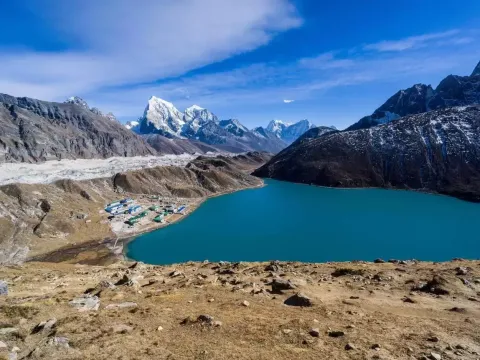
Nepal offers some of the most incredible trekking destinations in the world, and two of the most popular treks are the Gokyo Lake Trek and the Tilicho Lake Trek. Both routes provide breathtaking views of the Himalayas and unique cultural experiences, but each has its own set of features that may appeal to different types of trekkers.

The trek begins in Lukla, which is situated at around 2,860 meters (9,383 feet), and progressively ascends to Everest Base Camp at 5,364 meters (17,598 feet).

The Everest Base Camp Trek is one of the most iconic and challenging treks in the world, offering adventurers the opportunity to trek through the heart of the Himalayas and stand at the base of Mount Everest, the highest peak on Earth. However, as thrilling as this trek is, it comes with its own set of challenges. One of the most important tips for trekkers is to ensure they are physically prepared.


 (34)
(34) 