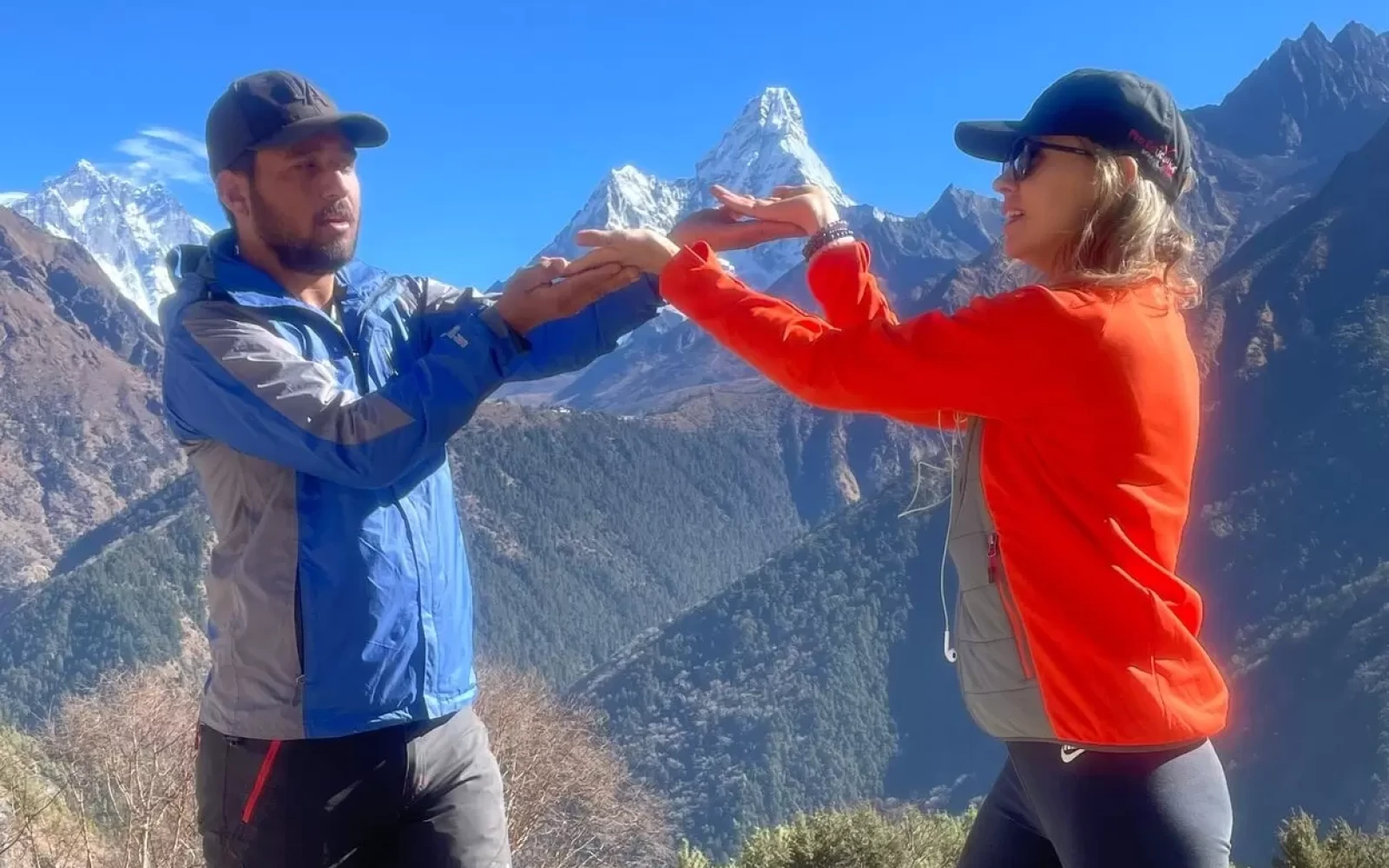
By Explore Holiday Nepal | Nepal Trekking Guide 2027
The Everest region is one of the most spectacular trekking destinations in the world, offering breathtaking Himalayan views, traditional Sherpa villages, ancient Buddhist monasteries, glaciers, alpine forests, and some of the highest trekking routes on Earth. Located in northeastern Nepal, this famous trekking region is home to Mount Everest (8,848.86 m), the highest mountain in the world.
Whether you dream of reaching Everest Base Camp, watching sunrise from Kala Patthar, enjoying panoramic Himalayan views from Hotel Everest View, or exploring peaceful Sherpa villages, the Everest region offers trekking experiences for different interests, fitness levels, and travel schedules.
At Explore Holiday Nepal, we help travelers discover the Everest region through carefully planned itineraries, experienced local guides, cultural experiences, and personalized trekking services.
In this complete guide, you will learn about the best Everest region treks, popular viewpoints, mountain elevations, trekking duration, difficulty, local culture, landscapes, costs, and why the Everest region may be the right choice for your next Himalayan adventure.


10
The Everest trekking region lies in the Solukhumbu District of Nepal, within the Himalayas and the protected area of Sagarmatha National Park. The region is internationally famous for Mount Everest, the Sherpa community, high-altitude landscapes, and challenging mountain adventures.
Most trekkers fly from Kathmandu to Lukla, a mountain town that serves as the main gateway to the Everest trekking trails. From Lukla, trails lead through Phakding, Namche Bazaar, Tengboche, Dingboche, Lobuche, and eventually Everest Base Camp for those following the classic route.
The region also offers shorter alternatives, including the Everest View Trek, Everest Panorama Trek, and Pikey Peak Trek.
Quick facts about the Everest region
| Feature | Details |
|---|---|
| Country | Nepal |
| Main trekking area | Solukhumbu District |
| Protected area | Sagarmatha National Park |
| Highest mountain | Mount Everest, 8,848.86 m |
| Main trekking gateway | Lukla |
| Main regional hub | Namche Bazaar |
| Famous viewpoint | Kala Patthar, approximately 5,545 m |
| Classic trek duration | Around 12–14 days from Kathmandu, depending on itinerary |
| Best trekking seasons | Spring and autumn |
| Main cultural community | Sherpa, alongside other local communities |
| Popular activities | Trekking, photography, cultural visits and mountain viewing |

12–14 days | Challenging | Kala Patthar approximately 5,545 m
The classic Himalayan adventure for travelers who want to reach Everest Base Camp at approximately 5,364 m and experience the dramatic scenery of the Khumbu Glacier, towering peaks, and traditional Sherpa settlements.

5–8 days of trekking | Moderate, depending on itinerary
Ideal for travelers with limited time who want to see Mount Everest, Ama Dablam, and other Himalayan peaks without trekking all the way to Everest Base Camp. The itinerary can include Namche Bazaar, Khumjung, and the Hotel Everest View area.

12–14 days | Challenging | Gokyo Ri approximately 5,357 m
A wonderful option for trekkers who love turquoise glacial lakes, expansive mountain panoramas, Ngozumpa Glacier, and views of Cho Oyu and the Everest massif. Some itineraries can be combined with the Everest Base Camp route via Cho La Pass.

18–21 days | Very challenging | High mountain passes above 5,300 m
Best for experienced trekkers looking for a more demanding adventure. This route crosses Kongma La, Cho La, and Renjo La, connecting major Everest-region valleys and offering exceptional mountain scenery.

5–8 days | Moderate | Summit approximately 4,065 m
A shorter alternative in the lower Solukhumbu area, famous for sunrise panoramas and traditional villages. It offers a different perspective on the Himalayas and can be suitable for travelers who want mountain scenery without the extreme altitude of Everest Base Camp.
Duration varies according to starting point, acclimatization days, weather, transport, and the specific itinerary. The Pikey Peak Trek is in the broader Everest-region travel area but follows a different route from the classic Khumbu trek.


7
The Everest region is famous for its concentration of high Himalayan peaks. Trekkers can enjoy views of some of the world's tallest mountains alongside glaciers, dramatic ridges, and deep valleys.
| Mountain or viewpoint | Approximate elevation | Why it is famous |
|---|---|---|
| Mount Everest | 8,848.86 m | The world's highest mountain |
| Lhotse | 8,516 m | Fourth-highest mountain in the world |
| Makalu | 8,485 m | Fifth-highest mountain in the world |
| Cho Oyu | 8,188 m | Sixth-highest mountain in the world |
| Nuptse | 7,861 m | Dramatic mountain wall near Everest Base Camp |
| Ama Dablam | 6,812 m | One of Nepal's most recognizable mountain profiles |
| Kala Patthar | Approx. 5,545 m | Famous viewpoint for Mount Everest |
| Everest Base Camp | Approx. 5,364 m | The classic expedition base camp |
| Gokyo Ri | Approx. 5,357 m | Panoramas of lakes, glaciers, and Himalayan peaks |
| Namche Bazaar | Approx. 3,440 m | Important Sherpa town and acclimatization stop |
Elevations are approximate where indicated, and mountain summit elevations follow commonly cited measurements. Kala Patthar is a viewpoint rather than a mountain summit climbed as part of a technical mountaineering expedition.
Mountain visibility depends on weather, cloud cover, and season. No viewpoint guarantees a clear view every day.
The right duration depends on which route you choose, your fitness, and how much time you want to spend exploring local culture and mountain scenery.
| Trek | Suggested duration | Suitable for |
|---|---|---|
| Everest View Trek | 5–8 days | Travelers with limited time |
| Everest Base Camp Trek | 12–14 days | Trekkers seeking the classic experience |
| Gokyo Lakes Trek | 12–14 days | Trekkers who love lakes and mountain panoramas |
| Everest Base Camp with Gokyo | 16–19 days | Trekkers wanting a more extensive route |
| Everest Three Passes Trek | 18–21 days | Experienced and physically prepared trekkers |
| Pikey Peak Trek | 5–8 days | Travelers wanting a shorter, lower-altitude adventure |
These are general planning ranges, not guaranteed schedules. Flights to and from Lukla, road transfers, acclimatization, and weather-related delays can affect the total trip length.
Our recommendation: If this is your first Himalayan trek and you have around two weeks, the classic Everest Base Camp Trek is a strong choice. If you have less than a week, consider the Everest View Trek or Pikey Peak instead.


8
One of the greatest attractions of the Everest region is the dramatic change in landscapes as you gain elevation.
Lower valleys and forests: The trails around Lukla and Phakding feature green hillsides, pine forests, rivers, suspension bridges, and traditional villages.
Dudh Koshi River: Trekkers follow river valleys and cross spectacular suspension bridges, including the famous bridge approaches near Namche Bazaar.
Sherpa settlements: Villages such as Namche Bazaar, Khumjung, Pangboche, and Dingboche offer opportunities to learn about mountain life, visit monasteries, and experience local hospitality.
Alpine landscapes: Above the tree line, the scenery becomes more rugged, with open valleys, rocky paths, glacial streams, and panoramic views of surrounding mountains.
Glaciers and high-altitude terrain: The classic Everest Base Camp route passes through the Khumbu region's extraordinary glacial environment, including the Khumbu Glacier and the surrounding mountain walls.
Snow-covered peaks: On clear days, the region offers breathtaking views of Everest, Lhotse, Nuptse, Ama Dablam, and many other Himalayan peaks.
This diversity makes Everest trekking appealing not only to mountain enthusiasts but also to photographers, nature lovers, and travelers interested in Nepal's unique landscapes.


12
The Everest region is not only about mountains. Its cultural heritage is an essential part of the trekking experience.
Sherpa communities have a long history of living in the high Himalayas. Their knowledge of mountain environments, farming, trade, hospitality, and mountaineering has helped shape the region's identity.
Meeting local families, learning about village life, and supporting locally operated teahouses can make a trek more meaningful.
Tengboche Monastery is one of the region's most important Buddhist monasteries and a major cultural landmark. Other villages also have monasteries, chortens, mani walls, and prayer flags that reflect Tibetan Buddhist traditions.
Visitors should dress respectfully, follow local instructions, and ask before photographing people or religious ceremonies.
Festivals such as Mani Rimdu are important to Sherpa Buddhist communities. Celebrations, dates, and access to particular events vary by monastery and year, so travelers should confirm schedules locally.
Trekkers can try traditional and widely available Himalayan dishes, including dal bhat, momos, thukpa, Sherpa stew, and Tibetan-style bread. Menus and food availability vary with altitude and season.
Travel responsibly: Respect local customs, reduce plastic waste, support local businesses, and ask permission before taking photographs of residents or religious activities.
The two most popular trekking seasons are spring and autumn, although winter and monsoon trips may be possible on selected routes with careful planning.

Spring — March to May
A popular season for trekking, with gradually warming temperatures at lower elevations, longer days, and beautiful landscapes. Visibility varies, and afternoon clouds can affect mountain views.

Autumn — September to November
Traditionally one of the best periods for trekking, often offering favorable mountain views and comfortable daytime conditions. October is especially popular, so early accommodation and flight planning can be helpful.

Winter — December to February
Quieter trails and beautiful snowy landscapes are possible, but temperatures can be extremely cold at high elevations. Some accommodation and services may be limited.

Monsoon — June to August
Rain, clouds, slippery trails, and transport disruptions can complicate travel. Weather conditions and flight reliability need careful consideration.
For most first-time visitors, spring and autumn are good starting points when choosing dates. Always check current weather, trail conditions, and transport arrangements before departure.
The difficulty depends on your chosen route. The classic Everest Base Camp Trek is generally considered challenging because of its length, high elevation, repeated uphill and downhill walking, and limited oxygen at altitude.
You do not need technical climbing skills for the standard Everest Base Camp trekking route, but you should be prepared for several hours of walking on many days.
Factors that affect difficulty include:
A gradual itinerary with planned acclimatization days is essential. If you develop symptoms of altitude sickness, tell your guide immediately. Severe symptoms require urgent medical attention and descent; do not continue ascending while unwell.
Travelers with relevant medical conditions should consult a qualified healthcare professional before undertaking a high-altitude trek.
The cost varies according to route, trip duration, group size, accommodation, guide services, transport, meals, and included permits.
For preliminary planning, the following are broad illustrative estimates in US dollars per person, not verified live prices or a current quotation from Explore Holiday Nepal.
| Trek | Illustrative budget range |
|---|---|
| Everest View Trek | $600–$1,200 |
| Everest Base Camp Trek | $1,000–$1,800 |
| Gokyo Lakes Trek | $1,100–$1,900 |
| Everest Base Camp with Gokyo | $1,400–$2,300 |
| Everest Three Passes Trek | $1,500–$2,600 |
Actual prices may fall outside these ranges. Confirm exactly what is included before booking.
Your budget should account for:
Ask your trekking company for a written itinerary and itemized quotation so you can compare packages fairly.
Nepal offers many exceptional trekking regions, and the best choice depends on your priorities. Everest is especially appealing if you want iconic high mountains and Sherpa culture, but other regions can offer different advantages.
| Feature | Everest region | Annapurna region | Manaslu region | Langtang region |
|---|---|---|---|---|
| Main attraction | Mount Everest and high Himalayan panoramas | Mountain diversity and varied landscapes | Remote trails and traditional villages | Mountain scenery close to Kathmandu |
| Famous route | Everest Base Camp | Annapurna Circuit or ABC | Manaslu Circuit | Langtang Valley |
| Cultural experience | Sherpa and Tibetan Buddhist traditions | Diverse Gurung, Thakali and other communities | Tibetan-influenced mountain cultures | Tamang culture and mountain communities |
| Typical duration | 5–21 days, depending on route | Around 5–18+ days, depending on route | Around 10–16 days, depending on itinerary | Around 7–10 days, depending on itinerary |
| Altitude challenge | High to very high | Moderate to very high | High to very high | Moderate to high |
| Best for | Iconic Everest views and high-altitude adventure | Diverse scenery and trekking choices | Remote Himalayan experiences | A shorter journey from Kathmandu |
These durations are approximate and route-dependent. Permits, transport, and guide requirements also differ between regions.
Choose Everest if your priorities are:
However, Everest is not automatically better for everyone. Annapurna may appeal to travelers who want more varied landscapes, Manaslu to those seeking a more remote trekking experience, and Langtang to those looking for a Himalayan trek relatively close to Kathmandu.
The best trek is the one that matches your time, fitness, budget, interests, and comfort with altitude.
Yes, some Everest-region routes can suit beginners, provided they choose an appropriate itinerary and prepare properly.
The Everest View Trek is often a more manageable introduction than the full Everest Base Camp route. Pikey Peak is another alternative for travelers seeking Himalayan scenery at a lower maximum elevation.
For beginners:
A beginner can still face serious altitude risks. Fitness alone does not prevent altitude sickness, and no guide can guarantee that every traveler will acclimatize successfully.
Safety should be central to every trekking plan, particularly at high altitude.
Before the trek: Check your itinerary, weather forecast, permits, accommodation, transport arrangements, and insurance coverage.
During the trek: Follow a gradual ascent, take planned acclimatization days, eat regularly, and communicate any symptoms to your guide.
At high altitude: Headache, nausea, dizziness, and unusual fatigue can indicate acute mountain sickness. Confusion, difficulty walking straight, or breathlessness at rest are emergency warning signs that require immediate action and descent.
For flights: Lukla flights can be delayed or canceled because of weather. Include contingency days in your itinerary, especially if you have an international flight to catch.
For insurance: Confirm that your policy covers your maximum trekking altitude and helicopter evacuation where needed. Understand the insurer's authorization process and emergency contact requirements.
At Explore Holiday Nepal, we recommend responsible pacing, suitable preparation, and transparent communication throughout the trek.


10
At Explore Holiday Nepal, we believe trekking is about more than reaching a destination. It is about enjoying the journey, understanding local culture, respecting nature, and creating meaningful memories.
Our approach focuses on:
Our founder, Ishwor Bhandari, has worked in Nepal's trekking industry since 2009, progressing from porter work to guiding and tourism management. His experience and commitment to local service help shape the company's approach to organizing trekking experiences.
Whether you want to trek to Everest Base Camp, explore Gokyo Lakes, enjoy the Everest View Trek, or compare several routes before deciding, our team can help you plan an itinerary that suits your needs.
Most classic itineraries take approximately 12–14 days from Kathmandu, including trekking and acclimatization. Extra days are advisable for flight delays and unexpected changes.
Everest Base Camp is approximately 5,364 m. Many standard itineraries also climb Kala Patthar, approximately 5,545 m, for panoramic views of Mount Everest.
Beginners can consider routes such as the Everest View Trek, provided they prepare physically and choose a suitable itinerary. The classic Everest Base Camp Trek is more demanding because of altitude and duration.
March, April, and May in spring, and September, October, and November in autumn, are popular choices. Conditions vary by year, elevation, and weather.
Neither is universally better. Everest is famous for the world's highest mountain and Sherpa culture, while Annapurna Base Camp offers a different mountain amphitheater and varied landscapes. Your preferred scenery, duration, budget, and altitude tolerance should guide the choice.
Yes. Several viewpoints and trekking routes offer views of Mount Everest without going to Base Camp. The Everest View Trek is one option, while Pikey Peak offers a different Himalayan panorama when conditions are clear.
Guide requirements can vary by route and current regulations. A qualified local guide can help with navigation, cultural interpretation, logistics, and altitude awareness. Confirm the latest requirements before traveling.
Many travelers complete Everest-region treks successfully, but high altitude, changing weather, remote terrain, and flight disruptions pose real risks. Preparation, acclimatization, suitable insurance, and a flexible itinerary are important.
Permits and local entry fees depend on the route and applicable regulations. Sagarmatha National Park entry and local Khumbu permits may apply. Verify current requirements with the relevant authorities or your trekking company before departure.
The Everest Base Camp Trek is an excellent choice for travelers seeking the classic Everest experience. The Everest View Trek is more suitable for a shorter trip, Gokyo Lakes for glacial lakes and panoramas, and the Three Passes Trek for a more demanding adventure.


10
The Everest region offers an extraordinary combination of Himalayan landscapes, world-famous mountain views, Sherpa culture, Buddhist heritage, and memorable trekking adventures.
Whether you have five days or three weeks, the right itinerary can help you experience the region at a suitable pace. Choose your route according to your available time, fitness, interests, and comfort with altitude, and allow flexibility for mountain weather.
Ready to plan your Everest adventure?
Explore Holiday Nepal can help you compare routes, discuss trekking duration, organize local guide services, and plan a personalized journey through Nepal's spectacular Himalayas.
Your local partner for trekking, culture, and Himalayan adventures.
WhatsApp: +977-9849816310

Nepal, a landlocked gem nestled in the lap of the majestic Himalayas, is a paradise for travelers seeking a harmonious blend of nature, culture, and spirituality. In this comprehensive guide, we will embark on a detailed exploration of the mesmerizing tour places that make Nepal a unique and captivating destination.

Mount Everest, standing at 8,848 meters (29,029 feet), is not only the highest peak in the world but also a symbol of adventure and perseverance. Located in the Mahalangur Himal sub-range of the Himalayas, it draws climbers and trekkers from around the globe, inspiring awe with its sheer magnitude and beauty.
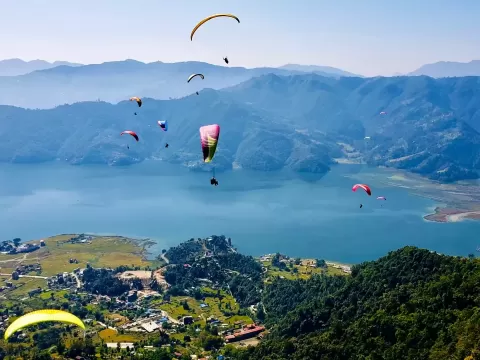
Nepal is a country of incredible diversity, where travelers can explore towering mountains, serene lakes, ancient temples, and rich cultural heritage. Explore Holiday Treks offers some of the best tour packages for 2025, designed to cater to every type of traveler, whether you're looking for adventure, cultural immersion, or spiritual enrichment. From the bustling streets of Kathmandu to the tranquil beauty of Pokhara, the top tour packages are designed to provide a complete Nepal experience.

The Everest Base Camp Trek, offered by Explore Holiday Treks, is a thrilling adventure that attracts travelers from all corners of the globe. Reaching an impressive altitude of approximately 5,644 meters (18,267 feet), this trek brings you closer to the majestic peaks of the Himalayas.
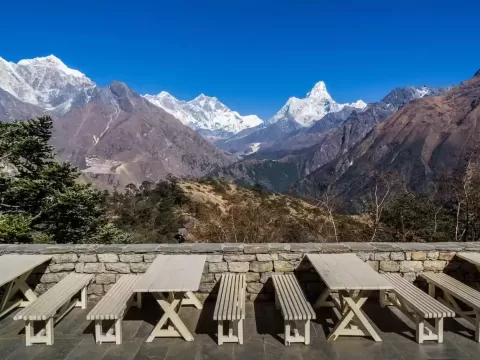
Accommodation during the Everest Base Camp Trek is a crucial aspect of the experience, as it shapes the comfort and convenience of trekkers along the challenging route. The trek involves staying in remote mountain villages, and while basic, the accommodation options are well-established. The majority of trekkers stay in teahouses, which are family-run guesthouses offering basic facilities.

The trek begins in Lukla, which is situated at around 2,860 meters (9,383 feet), and progressively ascends to Everest Base Camp at 5,364 meters (17,598 feet).

The Everest Base Camp Trek is one of the most iconic and challenging treks in the world, offering adventurers the opportunity to trek through the heart of the Himalayas and stand at the base of Mount Everest, the highest peak on Earth. However, as thrilling as this trek is, it comes with its own set of challenges. One of the most important tips for trekkers is to ensure they are physically prepared.
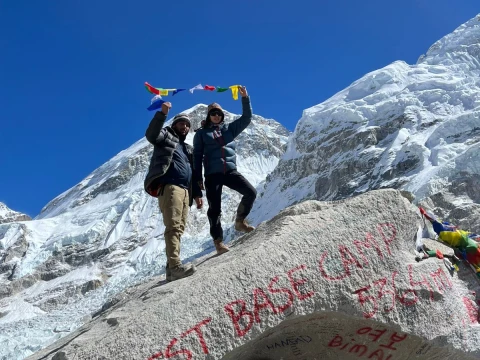
Why Choose Everest Base Camp Trek in 2026/2027?
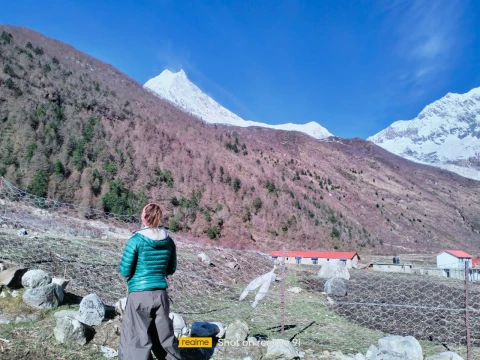
Is Nepal Safe for Solo Travelers
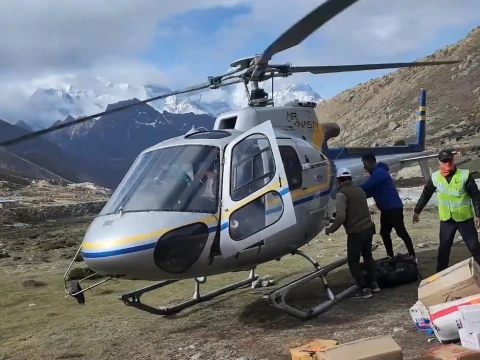
The Everest Base Camp Return by Helicopter Trek is a premium Himalayan adventure that combines the excitement of trekking to the foot of the world's highest mountain with the comfort of a scenic helicopter flight back to Kathmandu. This itinerary allows travelers to experience the legendary Everest trail while avoiding the long return trek
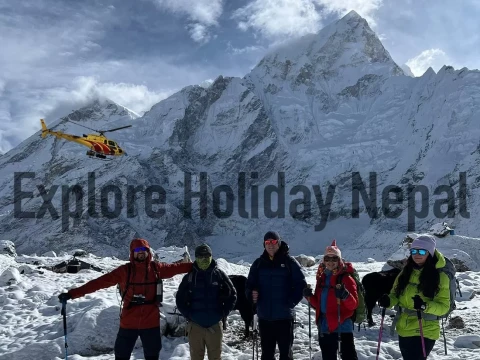
The EBC Luxury via Gokyo Trek is one of the most rewarding trekking adventures in the Himalayas, combining the world-famous Everest Base Camp with the breathtaking beauty of the Gokyo Valley. This carefully designed journey follows a quieter and more scenic route before connecting to the classic Everest Base Camp trail, offering trekkers


 (34)
