
Ghorepani Poon Hill Trek: Scenic Views and Cultural Encounters in AnnapurnaThe Ghorepani Poon Hill Trek is a remarkable journey through the heart of the Annapurna region, combining stunning Himalayan landscapes, lush forests, and vibrant cultural experiences. This trek is ideal for beginners, families, and moderately experienced trekkers because it offers moderate difficulty, manageable altitude, and accessible trails, while still delivering breathtaking scenery and memorable cultural encounters. The trek is particularly popular in spring, when the rhododendron forests are in full bloom, and in autumn, when clear skies offer unparalleled mountain views.Scenic Trekking RouteThe trek begins with a scenic drive from Pokhara to Nayapul, passing through beautiful valleys, small villages, and flowing rivers. Nayapul marks the official starting point, from where trekkers begin a walk to Tikhedhunga, a charming village at the base of the Annapurna hills. The trail gradually ascends through terraced farmlands, gushing streams, and dense forests of rhododendron and pine, offering trekkers spectacular views at every turn. Along the way, trekkers pass through traditional Magar and Gurung villages, where local villagers warmly welcome travelers, offering tea and insight into their daily lives. This section of the trek provides ample opportunities for photography, nature observation, and cultural immersion. The mix of rolling hills, terraced fields, and colorful forests creates a dynamic trekking experience that gradually prepares the body for higher altitudes.Poon Hill: The HighlightThe trek’s major highlight is Poon Hill, perched at approximately 3,210 meters (10,531 feet). Trekkers wake early in the morning to catch the spectacular sunrise over the Annapurna and Dhaulagiri ranges, a moment often described as magical and life-changing. The soft morning light illuminates iconic peaks such as Machhapuchhre (Fishtail), Annapurna I, Annapurna South, Hiunchuli, and Dhaulagiri, creating a breathtaking panoramic view. From Poon Hill, trekkers can enjoy 360-degree vistas of snow-capped peaks, alpine valleys, and terraced farmland, making it a perfect location for photography and reflection. The experience is rewarding for all trekkers, as the effort to reach this vantage point is compensated by the sheer beauty and serenity of the landscape.Ghorepani, Tadapani, and Ghandruk: Cultural ImmersionAfter Poon Hill, the trek continues to Ghorepani, a picturesque village perched on a ridge, offering peaceful surroundings and stunning mountain views. Ghorepani is famous for its traditional teahouses, where trekkers can rest, enjoy local cuisine, and interact with fellow travelers. From Ghorepani, the trail leads to Tadapani, passing through dense forests of oak and rhododendron. Trekkers are rewarded with continuous glimpses of Machhapuchhre, Annapurna South, and Hiunchuli, and the journey is filled with natural beauty, clean air, and peaceful surroundings.The trek concludes at Ghandruk, one of the most culturally significant Gurung villages in the Annapurna region. Ghandruk is renowned for its stone houses, terraced fields, and traditional lifestyle. Here, trekkers can immerse themselves in local culture, learn about Gurung traditions, festivals, and community life, and explore ancient village temples and monasteries. The village offers a tranquil environment, ideal for resting, taking photos, and reflecting on the trekking journey. Along the entire route, trekkers encounter friendly locals, traditional lifestyle practices, and authentic Nepali hospitality, which adds depth and richness to the trekking experience.Difficulty, Duration, and SuitabilityThe Ghorepani Poon Hill Trek is classified as moderate difficulty, suitable for beginners, families, and moderately experienced trekkers. The trek’s lower altitudes minimize risks of altitude sickness, making it accessible to a wider range of travelers. The trekking duration is typically 5 to 7 days, depending on the pace and side excursions. The trail includes gradual ascents, scenic viewpoints, and occasional steep sections, providing a balanced mix of challenge and comfort. The trek usually concludes with a descent to Nayapul, followed by a return drive to Pokhara, offering trekkers the chance to relax, shop, and celebrate their accomplishment.Why Choose the Ghorepani Poon Hill Trek?Breathtaking sunrise from Poon Hill with panoramic Himalayan views.Cultural encounters in Gurung and Magar villages, including local traditions, festivals, and homestays.Moderate difficulty, making it accessible for most trekkers.Scenic rhododendron forests, especially vibrant in spring.Photogenic villages, terraced fields, and alpine landscapes.Short yet immersive trekking experience, perfect for first-time trekkers or travelers with limited time.For trekkers seeking longer adventures in the Annapurna region, check out our Annapurna Base Camp Trek or Mardi Himal TrekTop Blogs About Trekking in the Annapurna RegionUncover the best blogs about trekking in the Annapurna region, featuring expert advice, detailed itineraries, personal experiences, and essential tips for adventurers looking to explore the Himalayas.Best Annapurna Ranges Treks & Tours 2024/2025Top 9 Destinations to Explore on the Annapurna Circuit TrekBest Time to Hike the Annapurna CircuitWhich is the Better Lake Trek in Nepal: Gokyo or Tilicho Lake Trek?Annapurna Base Camp Trek: Tips and FAQsAltitude Sickness on Nepal Treks: Symptoms, Treatment, and When to Descend (Complete Guide)Mardi Himal Trek: Trails, Views, and TipsNepal Trekking Permits: Costs, Types, and How to Get ThemGhorepani Poon Hill Trek: A Perfect Short Himalayan AdventureManaslu Circuit vs Annapurna Circuit: Which Trek is Right for You?Nepal Trekking: What’s the Best Time to Go?Budget Trekking in Nepal: Tips, Trails, and TricksExploring Nepal’s Wildlife and NatureTrekking Through Nepal: A Journey into the HimalayasTop 10 Mountain Peaks in NepalAnnapurna Base Camp vs Annapurna Circuit: Which Himalayan Trek is Right for You?Annapurna Circuit Trek for Beginners 2025: The Famous Himalayan Adventure You Can’t MissWhere is Annapurna? Explore the Glory of the World’s Highest MountainTop Reasons to Choose Trekking or Visiting NepalDal Bhat Power 24 Hour: The Science and Soul Behind Nepal's Mountain FuelThe Essential Guide to Choosing Your Perfect Nepal Trek: From Beginner-Friendly Trails to Epic Himalayan AdventuresSolo Female Trekking in Nepal: A Complete Safety and Empowerment Guide for 2026Complete Fitness Training Guide for Nepal Trekking 2026: From Couch to Base Camp in 12 WeeksCan Beginners Do Annapurna Trek? Your Complete Guide to Conquering the Himalayas
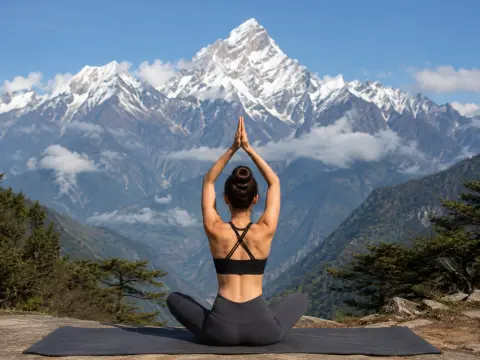
A Yoga Trek seamlessly intertwines the invigorating aspects of trekking with the mindful practice of yoga, crafting a transformative and holistic adventure. Amidst awe-inspiring natural landscapes, these treks unfold in diverse destinations, ranging from the majestic Himalayas to tranquil coastal trails. The meticulously planned itinerary guides participants through mountains, valleys, and forests, offering not just physical challenges but also fostering a profound spiritual connection with nature. At the heart of this experience are daily yoga sessions led by seasoned instructors, immersing participants in the practice of asanas, pranayama, and meditation amidst the tranquility of outdoor surroundings. This fusion of trekking and yoga not only enhances physical well-being but also cultivates mental clarity and tranquility, providing a unique platform for holistic self-discovery.Moreover, the journey often encompasses meaningful cultural interactions with local communities and visits to traditional sites, injecting a rich cultural dimension into the adventure. Accommodations vary from comfortable lodges to immersive wilderness camping, amplifying the overall experience. Group dynamics play a pivotal role, fostering a sense of community among like-minded individuals who share the dual passions of adventure and mindfulness. With professional guidance ensuring safety and promoting sustainable practices, a Yoga Trek evolves into a truly transformative exploration. It encourages a balanced and mindful approach to both physical activity and relaxation, harmonizing with nature and leaving participants with a profound sense of renewal and connection.Yoga Trek Overview with Explore Holiday NepalExplore Holiday Nepal is proud to offer the Yoga Trek, a journey that seamlessly integrates the serenity of yoga with the exhilaration of trekking through Nepal's majestic Annapurna region. This trek is designed for those seeking a holistic adventure that nurtures both the body and the spirit. The trek covers a range of stunning locations, including Kathmandu, Pokhara, Syauli Bazar, Tadapani, Dobato, Khopra Dada, Khayar Lake, Swanta, and Ghorepani, each offering its unique charm and beauty.Best Season for Yoga TrekThe best seasons for undertaking the Yoga Trek are spring (March to May) and autumn (September to November). During these times, the weather is typically clear, and temperatures are mild, creating optimal conditions for both trekking and yoga. The spring season offers vibrant blooms and lush landscapes, while autumn presents crisp, clear skies and stunning mountain views. Avoid the summer monsoon season and winter months due to heavy rains and snow, which can make trekking conditions challenging.Accommodation and FoodAccommodations on the Yoga Trek range from comfortable teahouses and local lodges to cozy guesthouses. In Kathmandu and Pokhara, you will stay in well-equipped hotels that offer a range of amenities. As you progress on the trek, accommodations become more basic but are always clean and welcoming, designed to provide a comfortable rest after a day of hiking. Most lodges have private rooms with shared bathrooms, and they offer warm hospitality.Food along the trek is predominantly local and nutritious, designed to fuel your hiking and yoga activities. You can enjoy traditional Nepali dishes like dal bhat (lentil soup with rice), momo (dumplings), and a variety of vegetable and meat curries. For those with specific dietary needs, vegetarian, vegan, and gluten-free options are usually available. In Kathmandu and Pokhara, you can indulge in a wider range of international cuisines as well.Communication for Yoga TrekIn Kathmandu and Pokhara, you’ll have easy access to modern communication facilities, including internet and mobile networks. As you move into more remote areas, internet access might be limited, though some lodges offer Wi-Fi for a fee. Mobile phone coverage is generally available in most trekking areas, but signal strength may vary. It’s advisable to keep a local SIM card for better connectivity and to stay in touch with the trek organizers and fellow trekkers.Yoga Trek DifficultyThe Yoga Trek is considered moderately challenging. The trek involves several days of walking on varied terrain, including steep ascents and descents. The highest point, Khopra Dada, sits at an altitude of approximately 3,660 meters (12,008 feet), which requires some acclimatization to prevent altitude sickness. While the trek is accessible to those in good physical condition, previous trekking experience and a reasonable level of fitness will enhance your experience.Best ExperienceOne of the most memorable aspects of the Yoga Trek is the harmonious blend of physical exertion and mental relaxation. Each day begins with a yoga session, allowing you to stretch and center yourself before setting out on your trek. The breathtaking views of the Annapurna and Dhaulagiri ranges, combined with the tranquil environment, create an unparalleled sense of peace and well-being. The trek offers the chance to experience the local culture and interact with friendly villagers, adding a personal touch to your journey.Why Choose Explore Holiday Nepal for Your Yoga TrekChoosing Explore Holiday Nepal for your Yoga Trek ensures a top-tier experience tailored to your needs. Our team of experienced guides is trained in both trekking and yoga, ensuring that your sessions are tailored to your skill level and preferences. We prioritize your safety and comfort, providing high-quality gear, nutritious meals, and comfortable accommodation. Our commitment to responsible travel and cultural sensitivity ensures a respectful and immersive adventure. With our extensive local knowledge and dedication to creating a memorable experience, you can trust us to guide you on this transformative journey.Yoga Trek Highlights1. Begin your adventure in Nepal’s bustling capital, exploring its vibrant culture, historic temples, and lively streets.2. A picturesque lakeside city known for its serene ambiance and stunning mountain views, perfect for relaxation and preparation before the trek.3. A charming village that serves as an introduction to the rural landscapes and traditional lifestyle of the Annapurna region.4. Renowned for its panoramic views of the Annapurna and Machapuchare peaks, and a great spot for tranquil reflection.5. A peaceful location surrounded by lush forests and offering beautiful landscapes for meditation and yoga practice.6. A high-altitude vantage point providing awe-inspiring views of the Annapurna and Dhaulagiri ranges, ideal for contemplative moments.7. A sacred alpine lake situated amidst dramatic mountain scenery, offering a serene environment for meditation.8. A quaint village with traditional stone houses and terraced fields, reflecting the local culture and way of life.9. Famous for its panoramic sunrise views over the Himalayas and a vibrant local culture that enhances your trekking experience. The Yoga Trek with Explore Holiday Nepal is a unique opportunity to blend physical challenge with spiritual renewal, exploring some of Nepal’s most stunning landscapes while engaging in daily yoga practices. With our expert guidance and commitment to a holistic experience, your trek will be both invigorating and transformative.Top Blogs About Trekking in the Annapurna RegionUncover the best blogs about trekking in the Annapurna region, featuring expert advice, detailed itineraries, personal experiences, and essential tips for adventurers looking to explore the Himalayas.Best Annapurna Ranges Treks & Tours 2024/2025Top 9 Destinations to Explore on the Annapurna Circuit TrekBest Time to Hike the Annapurna CircuitWhich is the Better Lake Trek in Nepal: Gokyo or Tilicho Lake Trek?Annapurna Base Camp Trek: Tips and FAQsAltitude Sickness on Nepal Treks: Symptoms, Treatment, and When to Descend (Complete Guide)Mardi Himal Trek: Trails, Views, and TipsNepal Trekking Permits: Costs, Types, and How to Get ThemGhorepani Poon Hill Trek: A Perfect Short Himalayan AdventureManaslu Circuit vs Annapurna Circuit: Which Trek is Right for You?Nepal Trekking: What’s the Best Time to Go?Budget Trekking in Nepal: Tips, Trails, and TricksExploring Nepal’s Wildlife and NatureTrekking Through Nepal: A Journey into the HimalayasTop 10 Mountain Peaks in NepalAnnapurna Base Camp vs Annapurna Circuit: Which Himalayan Trek is Right for You?Annapurna Circuit Trek for Beginners 2025: The Famous Himalayan Adventure You Can’t MissWhere is Annapurna? Explore the Glory of the World’s Highest MountainTop Reasons to Choose Trekking or Visiting NepalDal Bhat Power 24 Hour: The Science and Soul Behind Nepal's Mountain FuelThe Essential Guide to Choosing Your Perfect Nepal Trek: From Beginner-Friendly Trails to Epic Himalayan AdventuresSolo Female Trekking in Nepal: A Complete Safety and Empowerment Guide for 2026Complete Fitness Training Guide for Nepal Trekking 2026: From Couch to Base Camp in 12 WeeksCan Beginners Do Annapurna Trek? Your Complete Guide to Conquering the Himalayas
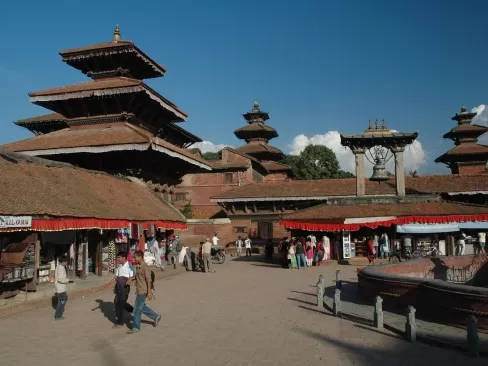
Kathmandu, Pokhara, Lumbini, and Chitwan: The Ultimate Nepal Journey Nepal stands as one of Asia's most diverse and spiritually enriching destinations, offering travelers an unparalleled combination of ancient culture, natural splendor, spiritual awakening, and wildlife adventures. A journey encompassing Kathmandu, Pokhara, Lumbini, and Chitwan represents the most comprehensive way to experience Nepal's multifaceted character—from the bustling streets of the capital to the birthplace of Buddha, from mountain-ringed lakes to jungle safaris where rhinos and tigers roam. This four-destination circuit has become increasingly popular among travelers who want to experience Nepal beyond just trekking. While the country is famous for expeditions like the Everest Base Camp Trek and Annapurna Circuit Trek, this cultural and natural tour showcases different but equally compelling aspects of Nepali life and landscape. Whether you're considering the comprehensive Kathmandu Pokhara Lumbini Chitwan Tour or planning to explore these destinations independently, this guide provides everything you need to know to make your journey unforgettable. Kathmandu: Where Ancient Meets Modern The Heart of Nepal's Cultural Heritage Kathmandu serves as more than just Nepal's capital—it functions as the nation's living, breathing cultural museum. With a history spanning over 2,000 years, this valley city has witnessed the rise and fall of dynasties, survived devastating earthquakes, and continuously evolved while maintaining its essential character. The moment you step into Kathmandu's streets, you enter a world where medieval architecture stands alongside modern buildings, where sacred cows wander past internet cafes, and where the scent of incense mingles with motorcycle exhaust. The city sits at approximately 1,400 meters elevation in a bowl-shaped valley surrounded by forested hills and distant Himalayan peaks. This unique geography has made Kathmandu a natural meeting point for trade routes, pilgrimage paths, and cultural exchanges for millennia. Today, it serves as the starting point for adventures ranging from the Langtang Valley Trek to spiritual pilgrimages and cultural explorations. Durbar Square: Architectural Masterpiece Kathmandu Durbar Square represents one of three royal palace squares in the Kathmandu Valley (the others being in Patan and Bhaktapur). This UNESCO World Heritage Site showcases the pinnacle of Newari architecture and craftsmanship. The Newars, the indigenous people of the Kathmandu Valley, developed architectural and artistic traditions that remain unmatched in their complexity and beauty. The square served as the ceremonial and administrative heart of the old kingdom. The Hanuman Dhoka Palace complex dominates the area, its name derived from the stone image of Hanuman, the monkey god, guarding the entrance. The palace's courtyards reveal layer upon layer of history, with additions and renovations from various rulers creating a fascinating architectural timeline. The wooden carvings throughout Durbar Square deserve particular attention. Window frames, door surrounds, roof struts, and beams feature extraordinarily intricate designs—gods and goddesses, mythological creatures, geometric patterns, and everyday life scenes all rendered with stunning precision. Many of these carvings date back several centuries yet remain remarkably well-preserved, protected by the region's relatively dry climate during most of the year. Kumari Ghar, the residence of the Living Goddess, adds a unique dimension to Durbar Square. The Kumari tradition involves selecting a young prepubescent girl from the Shakya caste who must meet 32 specific physical criteria and pass several tests. She lives as a goddess until she reaches puberty, after which a new Kumari is selected. Visitors can sometimes glimpse the current Kumari when she appears at a window, though photography is prohibited out of respect for this sacred tradition. The 2015 earthquake severely damaged several structures in Durbar Square, including the complete collapse of some historic buildings. The tragedy sparked international reconstruction efforts, and today visitors can observe restoration work in progress—traditional craftsmen applying ancient techniques to rebuild these cultural treasures exactly as they stood before. Pashupatinath Temple: Hindu Pilgrimage Center Pashupatinath Temple holds a position among the most sacred Hindu temples dedicated to Lord Shiva worldwide. Located on both banks of the Bagmati River, this extensive complex attracts devotees from across South Asia, particularly during the festival of Maha Shivaratri when hundreds of thousands of pilgrims converge here. The main temple, with its distinctive golden roof and silver doors, permits entry only to Hindus. However, the surrounding areas offer profound cultural experiences for all visitors. The ghats (cremation platforms) along the river provide insight into Hindu death rituals and beliefs about the soul's journey. Bodies are cremated on open-air pyres, their ashes scattered in the sacred waters—a cycle witnessed multiple times daily. The hillside opposite the main temple features numerous shrines, meditation caves, and small temples where sadhus (Hindu ascetics) live and practice their spiritual disciplines. These holy men, with their ash-covered bodies, dreadlocked hair, and minimal possessions, embody renunciation and spiritual devotion. Many are happy to bless visitors or pose for photographs in exchange for small donations. The entire complex buzzes with spiritual energy—temple bells ringing, devotees chanting mantras, priests performing ceremonies, and the constant flow of pilgrims seeking blessings. The atmosphere creates a powerful impression that lingers long after leaving. Swayambhunath Stupa: The Monkey Temple Perched dramatically atop a hill overlooking Kathmandu Valley, Swayambhunath Stupa ranks among Nepal's most iconic landmarks. The distinctive white dome and golden spire topped with the all-seeing eyes of Buddha have become symbols of Nepal itself, appearing on countless postcards and photographs. Legend holds that Swayambhunath emerged spontaneously from a lotus flower that bloomed in the middle of a lake that once filled the Kathmandu Valley. Whether or not you believe this mythology, archaeological evidence confirms that the site has served as a sacred place for at least 2,000 years, making it one of the oldest Buddhist sites in Nepal. To reach the main stupa, most visitors climb the 365 stone steps leading up from the eastern entrance. This climb, while moderately challenging, forms part of the pilgrimage experience. As you ascend, you pass numerous small shrines, prayer wheels, and, of course, the resident monkeys that give the temple its nickname. These holy monkeys consider the temple their territory and entertain (or occasionally harass) visitors with their playful antics. The main stupa dominates the hilltop, surrounded by a variety of smaller shrines, monuments, and temples representing both Buddhist and Hindu traditions—a reminder of the religious harmony characteristic of Nepal. Devotees circumambulate the stupa clockwise, spinning prayer wheels and reciting mantras. The four sides of the tower display Buddha's eyes and the Nepali character for "unity" (representing the number one), symbolizing unity in diversity. The views from Swayambhunath, particularly at sunrise or sunset, are spectacular. On clear days, you can see the entire Kathmandu Valley spread below, with the Himalayan range visible on the horizon. This vantage point helps you understand the valley's geography and appreciate why this location became such an important cultural center. Boudhanath Stupa: Tibetan Buddhist Center While Kathmandu has many significant religious sites, Boudhanath Stupa stands out for its massive scale and its role as the center of Tibetan Buddhism in Nepal. This enormous mandala-shaped stupa, one of the largest in the world, sits at the heart of Kathmandu's Tibetan community. The stupa's design follows precise mathematical and symbolic principles. The massive white dome represents the world, while the tower structure symbolizes the thirteen steps to enlightenment. Four pairs of Buddha's eyes gaze out in the cardinal directions, watching over the world. Prayer flags stream from the top, carrying mantras and prayers on the wind. The area surrounding Boudhanath has evolved into a thriving Tibetan quarter following the Chinese occupation of Tibet in the 1950s, which brought thousands of refugees to Nepal. Today, the neighborhood features numerous monasteries, shops selling Tibetan handicrafts, restaurants serving authentic Tibetan cuisine, and the constant presence of maroon-robed monks going about their daily routines. The atmosphere at Boudhanath differs markedly from Kathmandu's other major religious sites. There's a sense of spaciousness and calm, with the wide plaza around the stupa allowing visitors to maintain comfortable distances while engaging in kora (circumambulation). Early morning and evening are particularly special times to visit, when the stupa is illuminated and locals perform their devotional practices. Thamel: The Tourist Hub No discussion of Kathmandu would be complete without mentioning Thamel, the vibrant neighborhood that has become synonymous with tourism in Nepal. This maze of narrow streets and alleys features an almost overwhelming density of hotels, restaurants, trekking agencies, shops, and cafes catering to international visitors. Thamel serves multiple functions for travelers. It's where most organize trekking permits and gear for expeditions like the Manaslu Circuit Trek or Ghorepani Poon Hill Trek. It's where you can find familiar Western food alongside authentic Nepali cuisine. It's where you can buy everything from singing bowls to fake North Face jackets. And it's where travelers from around the world gather to share stories, plans, and occasionally form new friendships. Despite its tourist-centric nature, Thamel retains a certain charm. The energy is infectious, the people-watching is excellent, and the convenience of having everything in one area makes it an ideal base for exploring Kathmandu. Just remember to venture beyond Thamel to experience authentic Kathmandu life in other neighborhoods. Pokhara: Where Mountains Meet Lakes Nepal's Most Scenic City The journey from Kathmandu to Pokhara, whether by road or by air, transports you from the valley's urban intensity to one of the most naturally beautiful cities anywhere in the world. Pokhara sits at roughly 900 meters elevation beside the tranquil waters of Phewa Lake, with the Annapurna Range rising dramatically just 28 kilometers to the north—creating one of the most spectacular urban settings imaginable. Pokhara has evolved into Nepal's adventure capital and the launching point for treks into the Annapurna region, including the Annapurna Base Camp Trek and Mardi Himal Trek. But the city offers far more than just trekking logistics—it provides a perfect blend of natural beauty, adventure activities, cultural sites, and relaxation opportunities. Phewa Lake: The Heart of Pokhara Phewa Lake dominates Pokhara's geography and character. This is Nepal's second-largest lake, spanning about 5.23 square kilometers, and its mirror-smooth surface creates perfect reflections of the surrounding mountains—particularly the distinctive pyramid of Machapuchare (Fishtail Mountain), considered sacred and remaining one of the few unclimbed major peaks in Nepal. The Lakeside area, stretching along Phewa Lake's eastern shore, forms Pokhara's tourist hub. Unlike Kathmandu's chaotic Thamel, Lakeside maintains a much more relaxed, almost meditative atmosphere. Cafes with comfortable cushions and low tables overlook the water, allowing visitors to spend hours watching the light change on the mountains while sipping endless cups of lemon ginger tea or local coffee. Boating on Phewa Lake ranks among Pokhara's quintessential experiences. You can rent colorful wooden rowboats or paddle boats and glide across the calm waters at your own pace. Many people paddle out to Tal Barahi Temple, a two-story pagoda sitting on a small island near the lake's center. This Hindu temple dedicated to the goddess Durga (Barahi) sees constant streams of devotees who boat across to make offerings and receive blessings. The lake supports a healthy ecosystem with various fish species, water birds, and aquatic plants. Early morning brings a magical mist that often hovers over the water's surface, gradually burning off as the sun rises. Sunset transforms the lake into a painter's palette of colors reflected in the still waters—pinks, oranges, purples, and golds creating unforgettable scenes. Sarangkot: Sunrise Viewpoint For many visitors, watching sunrise from Sarangkot represents Pokhara's most memorable experience. This hilltop viewpoint, situated at 1,600 meters elevation, provides unobstructed panoramic views of the Annapurna and Dhaulagiri ranges stretching across the northern horizon. The pre-dawn drive up to Sarangkot takes about 30 minutes from Lakeside. Most people arrange this through their hotel or a local tour operator, departing around 4:30-5:00 AM to ensure arrival before the sun's first rays strike the peaks. There's something special about standing in the darkness surrounded by fellow sunrise seekers, all waiting for that magical moment when the mountains begin to glow. When the sun finally crests the eastern horizon, its light gradually illuminates the snow-covered peaks, transforming them from dark silhouettes into glowing giants of gold and pink. On exceptionally clear days, the view encompasses eight of the world's ten highest mountains, stretched across a 200-kilometer panorama. The entire display typically lasts 20-30 minutes as the light strengthens and spreads across the landscape. Sarangkot also serves as Pokhara's primary paragliding launch site. Throughout the day, colorful paragliders launch from the hilltop like butterflies, soaring above the valley and lake before landing near Lakeside. The views from this vantage point remain spectacular even without sunrise, making Sarangkot worth visiting at any time of day. World Peace Pagoda: Hilltop Serenity The World Peace Pagoda offers another excellent viewpoint over Phewa Lake and Pokhara, combined with a peaceful spiritual atmosphere. This brilliant white stupa, built by Japanese Buddhist monks as part of their worldwide peace initiative, sits atop a hill on the southern shore of the lake. Reaching the pagoda requires a moderate hike of about 45 minutes to an hour from Lakeside. Many visitors choose to boat across the lake first, reducing the walking distance. The trail winds through forested slopes, with occasional glimpses of the lake and mountains through the trees. The climb isn't particularly difficult, making it accessible to most fitness levels. The pagoda itself provides a serene setting for meditation and contemplation. Four Buddha statues face the cardinal directions, each representing different aspects of Buddha's life and teachings. Prayer flags flutter in the breeze, and the sound of bells creates a peaceful ambiance. The 360-degree views encompass the lake below, the city of Pokhara spreading across the valley, and the magnificent Himalayan panorama to the north. Unlike some of Pokhara's more touristed attractions, the World Peace Pagoda often remains relatively uncrowded, allowing for genuine moments of tranquility. The combination of spiritual atmosphere, physical exercise from the hike, and stunning natural beauty makes this one of Pokhara's most rewarding experiences. Adventure Capital Activities Pokhara has earned its reputation as Nepal's adventure capital through its diverse range of activities: Paragliding ranks as Pokhara's most popular adventure activity. Tandem flights with experienced pilots allow even complete beginners to safely soar above the valley, with the Himalayas as your backdrop and Phewa Lake shimmering below. Most flights last 20-30 minutes and include aerial photography services, giving you both the experience and lasting memories. Ultralight flights provide powered flying experiences along the mountain range. These small aircraft fly closer to the peaks than paragliders, offering dramatic perspectives and photo opportunities. Some flights even approach the face of Machapuchare, providing views typically seen only by mountaineers. Zip-lining enthusiasts can experience one of the world's steepest and fastest zip-lines operating near Pokhara. The cable stretches 1.8 kilometers at a 56-degree angle, sending adventurers zooming down at speeds exceeding 100 kilometers per hour while enjoying incredible valley views. White-water rafting on rivers like the Seti and Kali Gandaki offers everything from gentle family-friendly floats to challenging Grade IV rapids for experienced rafters. Day trips and multi-day expeditions are available, combining adventure with camping experiences along scenic riverbanks. Cultural and Natural Attractions Beyond adventure activities, Pokhara offers several worthwhile cultural and natural sites: The International Mountain Museum presents fascinating exhibits on Himalayan mountaineering history, indigenous mountain cultures, geology, flora and fauna, and the great mountaineers who attempted to conquer these peaks. Scale models of the major mountains and displays of historical climbing equipment provide context for understanding the region's mountaineering heritage. Gupteshwor Cave and Devi's Fall (Patale Chhango) showcase interesting geological features. The underground waterfall at Devi's Fall plunges into a deep gorge, then flows through the extensive Gupteshwor Cave system, creating an otherworldly atmosphere especially dramatic during the monsoon season when water flow increases significantly. Davis Falls and the Tibetan refugee camps offer additional cultural exploration opportunities. The camps feature monasteries, handicraft centers, and opportunities to observe traditional Tibetan carpet weaving and other crafts being produced by refugees who fled Tibet following Chinese occupation. Lumbini: Buddhism's Sacred Birthplace The Light of Asia Lumbini holds a position of supreme importance in Buddhist history as the birthplace of Siddhartha Gautama, who became Buddha, the Enlightened One. This UNESCO World Heritage Site attracts Buddhist pilgrims from around the world, particularly from countries where Buddhism is widely practiced—Thailand, Myanmar, Sri Lanka, Japan, Korea, Vietnam, and many others. The significance of Lumbini extends beyond Buddhism. For anyone interested in religious history, philosophy, or the development of one of the world's major religions, Lumbini provides a profound and moving experience. The site's peaceful atmosphere, combined with its historical importance, creates a unique destination quite different from Nepal's other major attractions. The Pilgrimage Tour package offers a focused exploration of Nepal's spiritual sites including Lumbini, while the comprehensive Kathmandu Pokhara Lumbini Chitwan Tour incorporates this sacred site into a broader Nepal experience. Maya Devi Temple: The Sacred Garden The Maya Devi Temple marks the exact spot where Queen Maya Devi gave birth to Siddhartha Gautama in 623 BCE (according to tradition, though some scholars debate the exact date). The temple stands within the Sacred Garden, a peaceful area featuring ancient ruins, a sacred pond where Maya Devi bathed before giving birth, and various archaeological remnants. The current temple structure, a simple sandstone building, replaced earlier structures while preserving the archaeological evidence beneath. Inside, visitors can view a stone marker stone indicating the precise birth location and a bas-relief sculpture depicting the birth scene. The sculpture shows Maya Devi holding the branch of a sal tree while giving birth to the infant Siddhartha, with other figures in attendance—a scene familiar from Buddhist art and texts. The Sacred Garden surrounding the temple offers a contemplative space for meditation and reflection. Ancient monastery foundations excavated by archaeologists reveal that Lumbini served as an important Buddhist center for many centuries. The pool where Maya Devi bathed, known as Puskarni, remains a focal point where pilgrims perform rituals and prayers. Walking through the Sacred Garden, you'll encounter pilgrims from diverse Buddhist traditions, each with their own practices and styles of worship. Some prostrate themselves repeatedly, others sit in meditation, some chant sutras, and others simply walk slowly, absorbing the spiritual atmosphere. This diversity beautifully demonstrates Buddhism's evolution across different cultures while maintaining its essential teachings. The Ashoka Pillar: Historical Testimony Standing within the Sacred Garden, the Ashoka Pillar provides crucial historical evidence for Lumbini's authenticity as Buddha's birthplace. Emperor Ashoka, the great Mauryan ruler who converted to Buddhism and spread its teachings throughout his empire, erected this sandstone pillar around 249 BCE during his pilgrimage to Lumbini. The pillar's inscription, written in Brahmi script, clearly identifies this location as Buddha's birthplace and records Ashoka's visit. This inscription provides the earliest known epigraphic evidence of Buddha's historical existence and makes Lumbini one of the best-documented sacred sites in Buddhism. The pillar stands as a direct connection to ancient history—a stone monument that has witnessed over 2,200 years of changes, conflicts, and rediscoveries. The pillar's survival itself tells an interesting story. Lumbini was gradually abandoned after the decline of Buddhism in India, becoming overgrown and forgotten for centuries. The pillar was rediscovered in 1896 by a German archaeologist, leading to Lumbini's identification and subsequent development as a pilgrimage site. Today, a fence protects the pillar, though visitors can approach closely to view the ancient inscription. The Monastic Zone: Global Buddhist Community Lumbini's Monastic Zone represents one of its most unique features. This planned area contains monasteries built by Buddhist communities from countries around the world, each designed in their own traditional architectural style. Walking through the Monastic Zone feels like traveling across Buddhist Asia, encountering the diverse expressions of Buddhist faith and culture. The monasteries are organized into two zones: the Theravada (East Monastic Zone) and Mahayana (West Monastic Zone), representing Buddhism's two major branches. Each monastery showcases distinctive architectural traditions: The Thai monastery features elegant, curved roofs and golden decorations characteristic of Thai temple architecture. The Myanmar monastery displays Myanmar's distinctive style with elaborate carvings and multi-tiered roofs. The Chinese monastery impresses with its grand scale, red walls, and traditional Chinese temple layout. The Japanese monastery offers minimalist elegance with carefully raked gravel gardens. Other nations represented include Korea, Vietnam, Sri Lanka, Cambodia, Nepal itself, and many others. More monasteries continue to be added as different Buddhist communities establish their presence in this sacred place. Most monasteries welcome visitors, offering opportunities to observe religious ceremonies, view beautiful artwork, and learn about different Buddhist traditions. The Monastic Zone's peaceful atmosphere, wide spaces, and beautiful architecture make it ideal for walking meditation or simply wandering and appreciating the diversity of Buddhist expression. Many visitors spend several hours exploring the various monasteries, discovering how each culture has interpreted Buddhist teachings through architecture and art. Lumbini Museum and Cultural Center The Lumbini Museum provides context for understanding Buddhism's development and spread across Asia. Exhibits include Buddhist art and artifacts from various periods and regions, archaeological findings from Lumbini and surrounding areas, and explanations of Buddhist philosophy and practices. The Lumbini Cultural Center occasionally hosts programs including meditation sessions, dharma talks, and cultural performances. Check the schedule during your visit to see if any programs align with your interests and timing. Chitwan: Where Wildlife Thrives Nepal's Premier Wildlife Destination The journey from Nepal's mountains and cultural sites to Chitwan National Park represents a dramatic shift in landscape, climate, and focus. Here in the subtropical Terai lowlands, one of Asia's finest wildlife sanctuaries protects incredible biodiversity, offering visitors opportunities to encounter species ranging from one-horned rhinoceros to Bengal tigers. Chitwan National Park, established in 1973 as Nepal's first national park, spans 932 square kilometers of sal forests, grasslands, and riverine habitat. The park's UNESCO World Heritage designation recognizes its importance for conservation and its role in protecting endangered species. Unlike mountain trekking destinations like the Upper Mustang Trek or Kanchenjunga Base Camp Trek, Chitwan offers a completely different kind of adventure—one focused on patience, observation, and connection with wildlife. The One-Horned Rhinoceros: Conservation Success Chitwan's primary conservation success story centers on the greater one-horned rhinoceros. These magnificent creatures, which can weigh up to 2,000 kilograms, were hunted nearly to extinction in the early 20th century. At one point, fewer than 100 rhinos survived in Nepal. Today, thanks to dedicated conservation efforts, Chitwan supports a population of over 600 rhinos—one of the world's most significant populations of this species. Unlike their African cousins with two horns, Asian rhinos sport a single horn made of keratin (the same protein as human fingernails and hair). Despite legal protection and international efforts, rhinos remain threatened by poaching, with their horns commanding astronomical prices in traditional medicine markets despite having no proven medical benefits. Visitors have excellent chances of spotting rhinos during jungle activities, particularly in the grasslands near water sources. These prehistoric-looking animals spend much of their time grazing, bathing, and wallowing in mud to regulate body temperature and protect their skin from insects. While they appear docile, rhinos can be dangerous if surprised or threatened, moving with surprising speed despite their bulk. Guides maintain safe distances while still providing excellent viewing opportunities. Tigers and Other Predators Chitwan provides critical habitat for Bengal tigers, with an estimated population of around 120 individuals—a remarkable conservation achievement considering the species' endangered status throughout Asia. However, actually seeing a tiger in Chitwan remains relatively rare due to their secretive nature and the park's dense vegetation. Even without direct sightings, evidence of tiger presence frequently appears during jungle activities. Guides point out pugmarks (paw prints) in the mud, scat deposits, territorial scratch marks on trees, and occasionally the remains of prey. Some fortunate visitors do spot tigers, particularly during early morning or late afternoon safaris when these apex predators are most active. The possibility, combined with the knowledge that you're walking through tiger habitat, creates a thrilling edge to every jungle experience. Other carnivores inhabiting Chitwan include leopards (even more secretive than tigers), jungle cats, fishing cats, several mongoose species, and sloth bears. The latter can be dangerous if surprised, though they primarily feed on termites, fruits, and honey rather than meat. Incredible Biodiversity Beyond the megafauna, Chitwan supports extraordinary biodiversity: Mammals: Asian elephants (both wild herds and domesticated working elephants), four species of deer (spotted deer, sambar, hog deer, and barking deer), wild boar, gaur (wild buffalo), pangolins, and four primate species including endangered Ganges river dolphins in the park's waterways. Reptiles: The gharial (a critically endangered fish-eating crocodile with a distinctive long, narrow snout) and mugger crocodiles frequent the rivers. Various snake species include pythons, cobras, and vipers, though bites are extremely rare due to their shy nature. Birds: Over 540 recorded bird species make Chitwan one of Asia's premier birdwatching destinations. Species range from tiny sunbirds to massive hornbills, from water-dwelling storks and herons to forest owls and woodpeckers. Notable species include the giant hornbill, Bengal florican (critically endangered), lesser adjutant stork, and numerous eagles, kites, and falcons. Jungle Safari Experiences Chitwan offers multiple ways to explore its wilderness, each providing different perspectives and experiences: Jeep Safaris: Four-wheel drive vehicles venture deep into the park along established tracks, maximizing ground coverage and wildlife sighting opportunities. Morning safaris (starting around 6 AM) and afternoon safaris (starting around 3 PM) take advantage of times when animals are most active. Jeeps can cover significant distances, increasing chances of spotting diverse species. Full-day safaris include packed lunches and thorough park exploration. Walking Safaris: Accompanied by trained naturalist guides and often armed guards (for safety), walking safaris provide the most intimate jungle experience. The heightened awareness required when walking through tiger and rhino habitat creates unforgettable excitement. The slower pace allows appreciation of smaller creatures, plants, insects, and ecosystem dynamics often missed from vehicles. Walking safaris require reasonable fitness and willingness to follow guide instructions precisely for safety. Canoe Rides: Silent canoe trips along the Rapti or Narayani rivers offer excellent opportunities for observing gharial and mugger crocodiles basking on riverbanks, plus incredible water bird diversity. The peaceful gliding motion and water-level perspective create meditative experiences punctuated by exciting wildlife encounters. Canoe rides typically last 1-2 hours and often combine with short nature walks. Elephant-Back Safaris: While traditional in Chitwan, elephant safaris have become controversial from animal welfare perspectives. These rides allow penetration into areas inaccessible to vehicles and on foot, and many species tolerate elephants' approach more readily than humans. However, concerns about elephant treatment, training methods, and long-term welfare have led many responsible travelers to skip this activity. If you choose to participate, research operators carefully regarding elephant care standards. Bird Watching Tours: Specialized birding excursions with expert guides focus on locating and identifying the park's remarkable avian diversity. These tours combine walking with vehicle transport to reach prime birding locations. Early morning provides the best birdwatching when birds are most active and vocal. Tharu Culture: Living in Harmony with Wildlife Chitwan isn't solely about wildlife. The indigenous Tharu people have inhabited the Terai region for centuries, developing unique cultural traditions and remarkable resilience. Historically, Tharus possessed genetic resistance to malaria, which was endemic in the Terai before eradication programs, allowing them to thrive where others could not survive. Traditional Tharu architecture features distinctive mud-walled homes decorated with elaborate geometric patterns and intricate designs. These designs serve both aesthetic and functional purposes—the smooth mud walls help regulate temperature, while the decorative elements express cultural identity and artistic traditions. Grain storage structures called gola, raised on posts to protect from moisture and pests, dot village landscapes. Tharu cultural programs, particularly the famous stick dance, provide entertaining insights into local traditions. The stick dance involves dancers in a circle, striking bamboo sticks together in complex rhythmic patterns while moving in choreographed steps. Both men and women participate, with live musical accompaniment creating infectious energy. These performances demonstrate remarkable coordination and have been passed down through generations. Many villages around Chitwan have developed community-based tourism initiatives allowing visitors to experience authentic Tharu life. You might observe traditional farming practices, watch handicraft production (including colorful paintings called mudhora), taste Tharu cuisine, or simply sit with families and learn about their daily lives and relationship with the forest. Supporting these initiatives helps ensure that local populations benefit economically from conservation efforts and tourism, creating incentives for protecting rather than exploiting wildlife habitat. The Rapti River: Lifeblood of the Ecosystem The Rapti River forms a natural boundary along sections of Chitwan National Park and serves as a crucial water source for the park's wildlife. The river and its banks create habitat for numerous species while providing visitors with peaceful waterborne exploration opportunities. Canoeing experiences reveal the rich life associated with river ecosystems. Kingfishers—brilliant blue flashes of color—dart across the water's surface, diving with remarkable precision to catch small fish. Cormorants swim and dive for larger prey. Various heron species stand motionless in the shallows, awaiting opportunities to strike at fish, frogs, or other aquatic prey. Egrets gather in white flocks along sandbars. The gharial, with their distinctive elongated snouts studded with sharp teeth perfectly adapted for catching fish, represent one of the river's most impressive inhabitants. These critically endangered crocodiles can exceed 5 meters in length. The broader-snouted mugger crocodile, a more aggressive species, also inhabits these waters, keeping paddlers respectfully alert to the prehistoric predators sharing their environment. River sunsets in Chitwan create magical moments as the light softens, birds return to roosting sites, and the sounds of the jungle intensify with nightfall's approach. Many visitors cite these peaceful river experiences among their most memorable Chitwan moments—times when the divide between human visitor and natural world feels momentarily dissolved. Planning Your Four-Destination Journey Transportation and Logistics Connecting these four diverse destinations requires careful planning: Kathmandu to Pokhara: Tourist buses, private vehicles, or domestic flights (25-30 minutes). The road journey takes 6-7 hours through scenic landscapes. The Kathmandu to Pokhara Tourist Bus Ticket provides an economical option. Pokhara to Lumbini: This journey typically takes 6-7 hours by road, traveling through the Terai plains. Private vehicles offer flexibility for stops. Tourist bus services are available but less frequent than the Kathmandu-Pokhara route. Lumbini to Chitwan: Approximately 4-5 hours by road, this journey can be combined with the Pokhara-Lumbini leg or done separately depending on your itinerary structure. Chitwan to Kathmandu: Tourist buses make this 5-6 hour journey multiple times daily. Private vehicles and domestic flights to Bharatpur (near Chitwan) are alternatives. Recommended Itinerary Duration A comprehensive exploration of all four destinations requires at least 10-12 days: Kathmandu: 2-3 days for major cultural sitesPokhara: 2-3 days for natural attractions and activitiesLumbini: 1-2 days for spiritual sites and monasteriesChitwan: 2-3 days for wildlife safaris

Honey Hunting in Ghanpokhara and Ghalegaun: The Ultimate Cultural Adventure in Nepal Deep in the heart of Lamjung district, two traditional Gurung villages preserve one of Nepal's most extraordinary cultural practices. Ghanpokhara and Ghalegaun offer travelers an authentic window into the ancient art of honey hunting, where brave villagers scale towering cliffs to harvest wild honey from the world's largest honeybees. This isn't just another tourist attraction—it's a living tradition that has defined these communities for centuries. Discovering Ghanpokhara and Ghalegaun: Nepal's Hidden Cultural Gems While most travelers flock to popular destinations like the Everest Base Camp Trek or Annapurna Circuit Trek, Ghanpokhara and Ghalegaun remain beautifully untouched by mass tourism. These twin villages sit nestled in the hills of Lamjung district, offering sweeping views of the Annapurna and Manaslu ranges that rival any famous viewpoint in Nepal. Ghalegaun, in particular, has gained recognition as Nepal's first model tourism village. The entire community has embraced sustainable tourism, creating a blueprint for how traditional villages can share their culture while maintaining their authentic way of life. Walking through these villages feels like stepping back in time, where stone houses with slate roofs line narrow pathways, and locals still practice agriculture using centuries-old methods. The Magnificent Giant Himalayan Honeybee The star of this experience is Apis laboriosa, the largest honeybee species on Earth. These remarkable insects build their hives on steep cliff faces, sometimes at dizzying heights exceeding 100 meters. Unlike domesticated bees that build hidden hives, these wild bees create massive exposed combs that can measure over a meter across and weigh up to 60 kilograms when full of honey. What makes these bees truly special is their honey. The giant Himalayan honeybee collects nectar primarily from rhododendron flowers during spring, creating a distinctive honey with unique properties. This "mad honey" contains grayanotoxins that produce mild psychoactive effects and has been used in traditional medicine for centuries to treat conditions ranging from hypertension to digestive issues. The bees themselves are fascinating creatures. They're remarkably docile compared to their smaller cousins, but their size—workers can be nearly twice as large as domestic honeybees—makes them intimidating up close. During the harvesting season, you can observe thousands of these bees creating a living curtain of insects around their precious honeycomb. The Ancient Art of Honey Hunting: Tradition Meets Courage Watching a honey hunt unfolds like witnessing a choreographed dance between humans and nature. The process hasn't changed substantially in hundreds of years, relying on courage, skill, and deep traditional knowledge passed down through generations. Preparation and Rituals The honey hunting season begins with important rituals. Village shamans perform ceremonies to appease forest spirits and seek blessings for the hunters' safety. These aren't merely superstitions—they reflect the Gurung people's profound respect for nature and their understanding that they're borrowing from the bees, not simply taking. On hunting day, the village assembles before dawn. The lead hunter, called the "kuiche," is typically an experienced man who has proven his bravery and skill over many years. He's supported by a team including rope handlers, smoke makers, and basket carriers. Everyone has a specific role, and the entire operation requires seamless teamwork. The Harvest Process As the sun rises, the team approaches the cliff face. Long bamboo poles are assembled, and handmade rope ladders—woven from local materials—are secured to rocks above the hive. The kuiche begins his descent, sometimes hanging hundreds of feet above the ground with only these traditional ropes between him and disaster. Below, team members light fires using green leaves and vegetation. The resulting smoke rises up the cliff face, calming the bees without harming them. This technique shows the hunters' sophisticated understanding of bee behavior—the smoke triggers the bees' instinct to prepare for evacuation, making them less aggressive. Once in position, the kuiche uses a long bamboo pole with a specialized cutting tool to slice sections of honeycomb. These fall into baskets held by team members below. The entire process requires extraordinary coordination, with the kuiche sometimes spending hours suspended on the cliff face. Community Participation What makes honey hunting in Ghanpokhara and Ghalegaun special is how the entire community participates. While the kuiche does the dangerous cliff work, others manage ropes, control smoke, position baskets, and keep watch for any problems. Children and elderly villagers gather at safe distances, singing traditional songs believed to bring good fortune. After the harvest, the honey is divided according to traditional customs. The kuiche receives the largest share for his risk and skill, but everyone who participated gets a portion. This communal approach strengthens village bonds and ensures that honey hunting remains a shared cultural practice rather than a commercial enterprise. Immersive Cultural Experiences in Gurung Villages The honey hunting tour offers far more than witnessing a harvest. These villages provide genuine cultural immersion that feels worlds away from typical tourist experiences. Traditional Gurung Hospitality Staying in Ghanpokhara or Ghalegaun means experiencing authentic Gurung hospitality. You'll lodge in traditional homestays where families welcome you as honored guests rather than paying customers. These stone houses, built to withstand harsh mountain weather, feature carved wooden windows, low doorways, and central fireplaces where families gather. Your hosts will share meals prepared using ingredients from their own fields and gardens. Expect dishes like dhindo (buckwheat or millet porridge), gundruk (fermented greens), and local chicken curry flavored with freshly harvested honey. Meals are communal affairs where conversation flows as freely as the tea, giving you insights into daily village life that no guidebook could provide. Cultural Performances and Traditions Evenings in these villages come alive with cultural performances. The Gurung community maintains rich traditions of music and dance that tell stories of their history, beliefs, and connection to the mountains. You'll witness performances like the Ghatu dance, where dancers in traditional attire move to the rhythms of madal drums and damphu percussion instruments. These aren't performances staged solely for tourists—they're genuine cultural expressions that the community practices during festivals and celebrations. Your presence provides an opportunity for younger generations to learn these traditions from their elders, helping preserve cultural knowledge that might otherwise be lost. Learning Traditional Crafts Many homestays offer opportunities to learn traditional Gurung crafts. Women in the villages are skilled at weaving, creating beautiful textiles using back-strap looms. You might spend an afternoon learning to spin wool from local sheep or trying your hand at basket weaving using bamboo harvested from nearby forests. These activities provide genuine cultural exchange. As you struggle with techniques these villagers mastered as children, you develop appreciation for the skills required to live traditionally in mountain environments. Your hosts, meanwhile, enjoy sharing their knowledge with someone genuinely interested in learning. Trekking Through Breathtaking Landscapes The journey to Ghanpokhara and Ghalegaun is as rewarding as the destination. The region's natural beauty rivals any of Nepal's more famous trekking areas, with the added benefit of far fewer crowds. Trail Highlights and Scenery The trek typically begins from Besisahar or nearby trailheads, taking you through diverse landscapes that showcase Nepal's incredible ecological variety. You'll start in subtropical zones where banana trees and rice paddies dominate, gradually ascending through temperate forests thick with rhododendron, oak, and pine. Spring trekkers are treated to hillsides ablaze with rhododendron blooms in shades of red, pink, and white. These are the same flowers that provide nectar for the honey you'll taste during the harvest. Autumn offers crystal-clear skies and comfortable temperatures, with the added bonus of post-monsoon freshness that makes colors seem more vivid. Throughout the trek, the Annapurna and Manaslu ranges provide a spectacular backdrop. On clear mornings, peaks like Annapurna II, Lamjung Himal, and Manaslu itself seem close enough to touch. The play of light on these mountains throughout the day creates endless photographic opportunities. Village Life Along the Trail The trail to Ghanpokhara and Ghalegaun passes through numerous traditional villages where life continues much as it has for generations. You'll encounter farmers tending terraced fields using wooden plows pulled by oxen, children walking to school along narrow mountain paths, and elderly villagers spinning wool or mending stone walls. These interactions provide glimpses into rural Nepalese life that most tourists never experience. Locals are genuinely friendly and curious about visitors, often inviting trekkers for tea or simply sharing a few words along the trail. Their warmth and hospitality reflect values deeply embedded in Nepali culture. Flora and Fauna The forests surrounding these villages support rich biodiversity. Birdwatchers can spot species like the Himalayan monal (Nepal's national bird), blood pheasants, and various species of flycatchers and thrushes. Mammal sightings might include langur monkeys swinging through forest canopies, occasional glimpses of Himalayan black bears (though they're shy and usually avoid humans), and signs of elusive leopards that hunt in these hills. The region's plant diversity is equally impressive. Besides the famous rhododendrons, you'll see medicinal plants used in traditional healing, edible wild mushrooms gathered by villagers, and countless wildflower species that carpet meadows during spring and summer. Planning Your Honey Hunting Adventure Best Time to Visit Ghanpokhara and Ghalegaun The honey hunting season occurs twice annually, making timing crucial for this experience. Spring harvests typically happen in April and May, coinciding with the end of the rhododendron blooming season. This is when bees have produced the greatest quantity of honey, and the weather is most favorable for the dangerous cliff work. Autumn harvests occur in October and November, after the monsoon rains have ended and before winter cold sets in. Autumn often provides clearer mountain views, though honey quantities may be slightly less than spring. Both seasons offer distinct advantages, and your choice might depend on what else you want to experience in Nepal. Winter visits (December-February) won't coincide with honey hunting, but Ghanpokhara and Ghalegaun still offer cultural experiences and stunning mountain views. Summer monsoon months (June-September) bring heavy rainfall that makes trekking challenging and honey hunting impossible. Physical Preparation and Difficulty The trek to these villages involves moderate physical demands. Daily hiking typically ranges from 4-6 hours, with elevation gains and losses that require reasonable fitness. You don't need to be an athlete, but regular walking or hiking in the months before your trip will make the experience much more enjoyable. The altitude in Ghanpokhara and Ghalegaun sits around 1,800-2,000 meters, which most people handle without altitude issues. However, if you're combining this experience with higher-altitude treks like the Manaslu Circuit Trek or Annapurna Base Camp Trek, proper acclimatization becomes important. What to Pack for Your Journey Packing appropriately ensures comfort throughout your honey hunting adventure. Essential items include sturdy hiking boots broken in before your trip, moisture-wicking layers for varying temperatures, warm jacket for cool evenings and early mornings, rain gear including waterproof jacket and pack cover, sun protection including hat, sunglasses, and sunscreen, basic first aid kit with any personal medications, headlamp for evening activities and early starts, reusable water bottle with purification method, camera equipment with extra batteries and memory cards, and small gifts for host families if desired. Remember that homestay facilities are basic but clean. Don't expect luxury amenities, but do anticipate warm hospitality and authentic experiences that luxury hotels can't provide. Combining Adventures: Extended Itineraries Nearby Trekking Routes Many travelers combine the honey hunting experience with other adventures in the region. The Mardi Himal Trek is relatively close and offers spectacular close-up views of Machhapuchhre (Fishtail Mountain). This less-crowded alternative to Annapurna Base Camp can be completed in 5-7 days and provides excellent mountain scenery. The Royal Trek passes through Gurung villages similar to Ghanpokhara and Ghalegaun, though without the honey hunting component. This gentle trek got its name when Prince Charles and his entourage trekked this route in the 1980s, and it remains excellent for those wanting cultural immersion without extreme physical demands. For more adventurous spirits, the Annapurna Circuit Trek can be accessed from this region. This classic trek crosses the Thorong La pass at 5,416 meters and circles the entire Annapurna massif, offering diverse landscapes from subtropical jungle to high-altitude desert. Pokhara Extensions Ghanpokhara and Ghalegaun lie relatively close to Pokhara, Nepal's adventure capital. Many itineraries include time in this lakeside city known for its laid-back atmosphere and stunning mountain views. From Pokhara, you can try Paragliding, soaring like a bird with the Annapurna range as your backdrop. The Ghorepani Poon Hill Trek starts from near Pokhara and offers arguably the best sunrise views in Nepal. At dawn from Poon Hill, you'll watch the first light touch peaks stretching from Dhaulagiri to Annapurna, creating a spectacle that's worth the early wake-up call. Other Honey Hunting Locations Nepal offers several honey hunting experiences, each with unique characteristics. The Honey Hunting Tour in Siurikhola, also in Lamjung district, provides similar cultural experiences with slightly different landscapes and village atmospheres. The Honey Hunting Tour in Ludi takes place in a different region, offering variations on the traditional practice. Comparing these experiences reveals how local conditions and community traditions create unique expressions of this ancient skill. Cultural Significance and Preservation The Role of Honey Hunting in Gurung Identity For the Gurung people, honey hunting represents far more than a method of gathering food. It's a defining element of cultural identity that connects present generations to their ancestors. The skills, rituals, and social structures surrounding honey hunting transmit important cultural values about courage, cooperation, and respect for nature. Young Gurung men traditionally proved their bravery by becoming honey hunters. The kuiche occupies a position of respect within the community, similar to how warriors were honored in many cultures. This tradition creates role models and helps maintain social cohesion within villages that might otherwise struggle with modernization pressures. Challenges and Tourism's Role Like many traditional practices, honey hunting faces challenges in the modern era. Younger generations increasingly move to cities for education and employment opportunities, leaving fewer people to maintain traditional knowledge. Climate change affects bee populations and honey production, creating uncertainty about the practice's future. Tourism provides a potential solution by making traditional practices economically valuable. When visitors pay to witness honey hunting, communities receive income that helps them maintain their traditional lifestyle rather than abandoning it for wage labor elsewhere. This creates incentives for younger generations to learn honey hunting skills and preserve associated cultural knowledge. However, tourism must be managed carefully to avoid turning authentic traditions into staged performances. The communities of Ghanpokhara and Ghalegaun have struck a good balance, welcoming visitors while ensuring honey hunting remains a genuine practice serving community needs rather than simply entertaining tourists. Sustainable and Responsible Tourism Practices Supporting Local Communities Your participation in honey hunting tours directly benefits remote mountain communities. Unlike large-scale tourism that often channels profits to city-based companies, community-based honey hunting tours ensure that money stays local. Homestay fees, guide payments, and purchases of local honey and handicrafts provide income for families who might otherwise struggle economically. This economic support helps maintain traditional villages that might otherwise depopulate as young people seek opportunities elsewhere. When village life remains economically viable, communities can preserve their cultural heritage while providing children with education and opportunities. Environmental Conservation The Gurung people's traditional honey hunting practices embody sustainable resource use. Hunters never take all the honey from a hive, leaving sufficient stores for the bee colony to survive. They avoid disturbing nests during critical breeding periods and harvest only when honey is abundant. This sustainable approach has allowed wild bee populations to thrive for centuries while providing communities with this valuable resource. Modern conservation efforts build on these traditional practices. Local communities increasingly recognize the importance of forest conservation for maintaining healthy bee populations. Tourism provides additional incentives for environmental protection, as pristine natural environments attract more visitors and justify higher tour fees. Responsible Travel Guidelines Travelers can maximize their positive impact by following responsible tourism principles. Respect local customs regarding dress and behavior, support local businesses by purchasing handicrafts and honey, ask permission before photographing people, minimize plastic waste by using refillable bottles, stay on established trails to minimize environmental impact, and learn basic Nepali phrases to facilitate cultural exchange. Small gestures like properly disposing of trash, respecting photography boundaries, and showing genuine interest in local culture create positive impressions that benefit future travelers while demonstrating respect for host communities. Health, Safety, and Practical Information Medical Considerations The moderate altitudes of Ghanpokhara and Ghalegaun present minimal health risks for most travelers. However, basic health precautions ensure a comfortable experience. Stay hydrated throughout the trek, practice good hygiene to avoid stomach issues, protect against sun exposure at higher elevations, carry basic medications for common ailments, and consider travel insurance covering medical evacuation. Stomach issues are probably the most common health complaint among trekkers. Stick to bottled or purified water, eat at established lodges and homestays, wash hands frequently, and consider bringing anti-diarrheal medication just in case. Safety During Honey Hunting Observing honey hunting is remarkably safe for visitors. You'll watch from secure positions well away from the cliff face and bee activity. Experienced guides ensure everyone maintains safe distances while still getting excellent views and photographs. The hunters themselves face real dangers—falls, bee stings, and equipment failures all pose risks. However, these are skilled professionals who have spent years perfecting their craft. Accidents are rare, and when they occur, communities have traditional first aid knowledge supplemented by modern medical training that guides and porters often receive. Money and Expenses ATMs are scarce in rural areas, so withdraw sufficient cash in Kathmandu or Pokhara before departing. Bring small denomination bills for purchases in villages where making change can be difficult. While your tour package covers most expenses, budget extra for personal purchases like snacks, drinks, souvenirs, and handicrafts, tips for guides and porters (culturally expected), and emergency expenses. Communication and Connectivity Mobile phone coverage in Ghanpokhara and Ghalegaun is limited and unreliable. Internet access is sporadic at best. Many travelers find this digital detox refreshing, allowing them to fully immerse in the experience without constant connectivity distractions. Inform family and friends before departing that you'll be mostly out of contact for several days. This prevents worry and allows you to embrace the opportunity to disconnect from digital life and reconnect with nature and authentic human experiences. Photography and Creating Lasting Memories Capturing the Honey Hunting Experience The honey hunting tour provides extraordinary photographic opportunities. The dramatic cliff face harvest creates spectacular images, especially when captured with the Himalayan peaks in the background. Early morning and late afternoon light produces the most atmospheric conditions, with golden hour lighting creating magical effects on the landscape. Photographers should bring versatile equipment including wide-angle lenses for landscapes and village scenes, telephoto lenses for distant subjects and wildlife, and extra batteries and memory cards (no shops in villages selling photography gear). Photography Ethics Always prioritize respect and safety over getting the perfect shot. Request permission before photographing people, especially during cultural ceremonies, avoid using flash during honey hunting (it could disturb bees and endanger hunters), compensate locals fairly if they request payment for photographs, and be present in moments rather than experiencing everything through a viewfinder. Some of your most meaningful memories won't appear in photographs—the taste of fresh honey, conversations with village elders, the feeling of being welcomed into a stranger's home. Balance documentation with genuine experience. Food and Culinary Experiences Traditional Gurung Cuisine Meals in Ghanpokhara and Ghalegaun introduce you to authentic Gurung cuisine that most tourists never experience. Dal bhat, Nepal's staple meal of rice and lentils, appears daily but with local variations that make each serving unique. Your hosts might prepare it with red rice grown in their own fields, lentils they've dried themselves, and vegetables harvested that morning from their garden. Other traditional dishes include khapse (fried bread served during festivals), sel roti (ring-shaped rice bread), masyaura (dried lentil cakes used in soups), and various fermented vegetables that add nutrition and flavor to the diet. Everything is prepared using traditional methods—often over wood fires—that create flavors impossible to replicate with modern cooking equipment. The Star Ingredient: Wild Honey Fresh wild honey is the culinary highlight of this journey. The taste defies description—complex, slightly spicy, with floral notes that vary based on which flowers the bees visited. Spring honey from rhododendron nectar has a distinctive flavor and the mild psychoactive properties that create the "mad honey" effect when consumed in larger quantities. You'll taste honey in various preparations from simple honey tea to honey-sweetened desserts and traditional honey wine. The community will guide you on appropriate quantities, especially regarding mad honey, ensuring you have a pleasant experience without overdoing it. Comparing Ghanpokhara and Ghalegaun While often visited together, these two villages have distinct characteristics that might influence your choice if time constraints require selecting just one. Ghalegaun: The Model Village Ghalegaun has received recognition as Nepal's first model tourism village, with infrastructure and programs specifically designed to share Gurung culture with visitors. The village offers more developed homestay facilities and organized cultural programs. If you prefer slightly more comfortable accommodations and structured activities, Ghalegaun might be your preference. The village's location provides spectacular panoramic views of Annapurna II, Lamjung Himal, and Manaslu. Clear days offer photography opportunities that rival any famous viewpoint. Ghalegaun also offers short hiking trails to nearby viewpoints and traditional cheese factories where you can observe local cheese production. Ghanpokhara: Rustic Authenticity Ghanpokhara remains more rustic and traditional, with less tourism development. If you want the most authentic experience with minimal tourist infrastructure, Ghanpokhara delivers. The village's isolation has preserved traditional architecture and lifestyles to a remarkable degree. Honey hunting in Ghanpokhara often feels more intimate, with smaller groups and more personal interactions with the hunting team. The village's location in a narrower valley creates different photographic opportunities, with cliffs rising dramatically from the settlement itself. Beyond Trekking: Other Activities in the Region Village Homestay Experiences Even without timing your visit to coincide with honey hunting season, Ghanpokhara and Ghalegaun offer rewarding experiences. Staying in homestays provides opportunities to participate in daily village life—helping with agricultural tasks, learning traditional cooking methods, or simply sitting with families in the evening listening to stories. These everyday interactions often prove more meaningful than staged activities. Helping your host family harvest corn, learning to milk water buffalo, or joining them for morning tea as the sun rises over the mountains creates connections that transcend language barriers. Short Treks and Day Hikes The area surrounding these villages offers numerous short hiking options for those wanting to explore without committing to multi-day treks. Local guides can lead you to viewpoints offering Himalayan panoramas, waterfalls hidden in forest valleys, caves used by Buddhist hermits, and high-altitude pastures where villagers graze livestock during summer months. Cultural Workshops Many homestays offer workshops teaching traditional skills like weaving on back-strap looms, preparing traditional dishes, learning Gurung language basics, playing traditional musical instruments, and understanding medicinal plants used in traditional healing. These workshops provide hands-on learning that deepens cultural understanding while supporting the preservation of traditional knowledge systems. Preparing for Your Journey: Final Considerations Setting Realistic Expectations The honey hunting tour provides authentic cultural experiences rather than luxury tourism. Accommodation is simple, bathrooms may be shared and offer only cold water, meals are traditional rather than catering to Western preferences, and entertainment is conversation and cultural performance rather than wifi and television. If you approach this experience with openness to different ways of living and genuine curiosity about Gurung culture, you'll find it incredibly rewarding. Those expecting five-star amenities and constant comfort might find it challenging. Language and Communication Few villagers speak fluent English, though younger generations often know basics. Your guide will handle translation, but learning simple Nepali phrases enhances your experience. "Namaste" (hello/goodbye), "Dhanyabad" (thank you), "Mitho cha" (delicious), and "Ramro cha" (good/beautiful) go a long way toward creating connections. Communication transcends language. Smiles, gestures, and genuine interest in people's lives create understanding that doesn't require perfect translation. Some of the most meaningful exchanges happen with minimal shared language but abundant shared humanity. Cultural Sensitivity The Gurung people maintain both Hindu and Buddhist traditions, often blending elements of both religions along with animist beliefs predating these faiths. Show respect for religious sites and symbols, avoid interrupting prayers or ceremonies, dress modestly when visiting temples, and never touch religious objects without permission. Remove shoes before entering homes and temples, accept food and drink when offered (refusing can cause offense), use your right hand for eating and giving objects (left hand is considered unclean), and avoid public displays of affection which make locals uncomfortable. Conclusion: An Experience Beyond Tourism The Honey Hunting Tour in Ghanpokhara and Ghalegaun transcends typical tourism to offer something increasingly rare in our interconnected world—genuine cultural immersion that benefits both visitors and host communities. This isn't about checking another destination off your bucket list or collecting Instagram photos. It's about witnessing living traditions that connect present communities to ancient wisdom, experiencing hospitality that reminds us of our shared humanity, and supporting sustainable tourism that helps preserve cultural heritage. When you watch honey hunters scale cliff faces using techniques perfected over centuries, you're witnessing human courage and ingenuity that modern safety equipment can't diminish. When you sit with Gurung families sharing meals prepared over wood fires, you're participating in hospitality traditions that value human connection above commercial transactions. When you trek through pristine mountain landscapes still largely free from mass tourism's impacts, you're experiencing natural beauty that becomes increasingly precious in our developed world. The memories you create in these villages will likely outlast souvenirs and photographs. You'll remember the taste of honey fresh from the cliff, the warmth of strangers who became friends, the silence of mountain nights unbroken by traffic, and the realization that contentment doesn't require the modern conveniences we assume are necessary. This journey also matters beyond personal enrichment. Your participation supports communities working to maintain traditional lifestyles in a rapidly modernizing world. It provides economic alternatives to abandoning rural life for urban slums. It creates incentives for preserving forests and traditional knowledge systems that might otherwise disappear. Whether you're an adventure seeker drawn by the spectacle of honey hunting, a cultural enthusiast eager to learn about Gurung traditions, or simply someone wanting to experience Nepal beyond the typical tourist trail, Ghanpokhara and Ghalegaun deliver something authentic and meaningful. This is Nepal at its best—beautiful, welcoming, and deeply human. Ready to experience honey hunting in these remarkable villages? The cliffs are waiting, the bees are busy, and the Gurung communities of Ghanpokhara and Ghalegaun are ready to share their extraordinary tradition. Start planning your journey today with Explore Holiday Nepal and discover why some travelers describe this as their most meaningful Nepal experience.

The Annapurna Base Camp (ABC) Budget Trek is an incredible journey that takes you deep into the heart of the Annapurna Massif, providing stunning views of the iconic mountains such as Annapurna I, Machhapuchhre (Fishtail), and Hiunchuli. The trek is known for its scenic beauty, diverse culture, and close encounters with local villages nestled in the foothills of the Himalayas. Designed to cater to trekkers on a budget, this trek offers an affordable way to experience the beauty of the Annapurna region. The trail takes you from Kathmandu to Pokhara by road, then continues through picturesque villages like Ghandruk, Chomrong, Dovan, and ultimately to Annapurna Base Camp at 4,130 meters (13,550 feet).One of the highlights of the trek is the mix of natural and cultural experiences. From the lush rhododendron forests and terraced rice fields in lower altitudes to the Himalayan landscapes at higher elevations, trekkers are treated to a rich variety of environments. As you pass through villages such as Ghandruk and Chomrong, you’ll get a chance to interact with the indigenous Gurung and Magar people. The trek culminates in Annapurna Base Camp, where you’ll be rewarded with panoramic views of towering peaks. After reaching the base camp, the trek descends to Jhinu Danda, where trekkers can relax in natural hot springs before returning to Pokhara and finally Kathmandu.Top Blogs About Trekking in the Annapurna RegionUncover the best blogs about trekking in the Annapurna region, featuring expert advice, detailed itineraries, personal experiences, and essential tips for adventurers looking to explore the Himalayas.Best Annapurna Ranges Treks & Tours 2024/2025Top 9 Destinations to Explore on the Annapurna Circuit TrekBest Time to Hike the Annapurna CircuitWhich is the Better Lake Trek in Nepal: Gokyo or Tilicho Lake Trek?Annapurna Base Camp Trek: Tips and FAQsAltitude Sickness on Nepal Treks: Symptoms, Treatment, and When to Descend (Complete Guide)Mardi Himal Trek: Trails, Views, and TipsNepal Trekking Permits: Costs, Types, and How to Get ThemGhorepani Poon Hill Trek: A Perfect Short Himalayan AdventureManaslu Circuit vs Annapurna Circuit: Which Trek is Right for You?Nepal Trekking: What’s the Best Time to Go?Budget Trekking in Nepal: Tips, Trails, and TricksExploring Nepal’s Wildlife and NatureTrekking Through Nepal: A Journey into the HimalayasTop 10 Mountain Peaks in NepalAnnapurna Base Camp vs Annapurna Circuit: Which Himalayan Trek is Right for You?Annapurna Circuit Trek for Beginners 2025: The Famous Himalayan Adventure You Can’t MissWhere is Annapurna? Explore the Glory of the World’s Highest Mountain Top Reasons to Choose Trekking or Visiting NepalDal Bhat Power 24 Hour: The Science and Soul Behind Nepal's Mountain FuelThe Essential Guide to Choosing Your Perfect Nepal Trek: From Beginner-Friendly Trails to Epic Himalayan AdventuresSolo Female Trekking in Nepal: A Complete Safety and Empowerment Guide for 2026Complete Fitness Training Guide for Nepal Trekking 2026: From Couch to Base Camp in 12 WeeksCan Beginners Do Annapurna Trek? Your Complete Guide to Conquering the HimalayasBest Time for Annapurna Base Camp Budget TrekThe best time to undertake the Annapurna Base Camp Budget Trek is during the spring (March to May) and autumn (September to November) seasons. These months offer the most favorable weather conditions for trekking in the region. During these seasons, the skies are generally clear, providing excellent visibility of the surrounding mountains and landscapes. Temperatures are moderate, ranging from warm days to cool evenings, making it comfortable for trekking at various altitudes. The trekking trails are also less likely to be affected by heavy rainfall, and the rhododendron forests are in full bloom during spring, adding extra beauty to the journey.Winter (December to February) and summer/monsoon (June to August) are not ideal for the Annapurna Base Camp trek. Winter brings freezing temperatures, especially at higher elevations, and snow can block the trail, making it difficult to navigate. The monsoon season, on the other hand, brings heavy rainfall that can lead to slippery and muddy trails, increasing the risk of landslides. Therefore, planning your trek during the spring or autumn ensures a more pleasant experience, with ideal trekking conditions and fewer obstacles along the route.Annapurna Base Camp Budget Trekking PermitsTo embark on the Annapurna Base Camp Budget Trek, trekkers must obtain two essential permits: the Annapurna Conservation Area Permit (ACAP) and the Trekkers’ Information Management System (TIMS) card. The ACAP permit is required to enter the Annapurna Conservation Area, a protected area that spans much of the Annapurna region and is known for its biodiversity and natural beauty. The TIMS card helps track trekkers and ensures their safety during the trek. These permits can be obtained in Kathmandu or Pokhara at the Tourist Service Centers, with the assistance of your trekking agency.For the ACAP permit, there is a fee that varies depending on whether you're a SAARC (South Asian Association for Regional Cooperation) national or a non-SAARC national. The TIMS card fee is generally fixed. It’s important to have both of these permits before starting the trek as they will be checked at various checkpoints along the way. Explore Holiday Nepal will assist you with obtaining all necessary permits to ensure you have a smooth and hassle-free trekking experience.Annapurna Base Camp Budget Trekking DifficultyThe Annapurna Base Camp Budget Trek is considered a moderate trek suitable for trekkers with a reasonable level of fitness. While the trek does not require technical climbing skills, the altitude gain and the nature of the terrain can present challenges, especially on the higher sections of the trail. The trek involves daily walking for 5-7 hours, with some uphill climbs and steep descents, making it a physically demanding journey. However, with proper acclimatization and preparation, most trekkers with a basic level of fitness can complete the trek without difficulty.As the trek ascends to altitudes over 4,000 meters (13,000 feet) at Annapurna Base Camp, there is a risk of altitude sickness, so it’s important to follow recommended acclimatization guidelines. Trekking at a steady pace, staying hydrated, and allowing sufficient rest can help mitigate the effects of altitude. Although the trail is well-defined and accessible, trekkers should be prepared for fluctuating weather conditions, especially at higher altitudes, where temperatures can drop sharply. Overall, while the trek requires a moderate level of physical endurance, the stunning landscapes and the sense of achievement upon reaching Annapurna Base Camp make it a rewarding experience.Culture and Village Exploration or ExperienceOne of the most enriching aspects of the Annapurna Base Camp Budget Trek is the opportunity to explore the diverse cultures and traditions of the local villages along the trail. The trek passes through several indigenous Gurung and Magar villages, where trekkers can interact with the locals, experience their way of life, and learn about their customs. Villages like Ghandruk and Chomrong are known for their traditional stone houses, terraced fields, and welcoming hospitality. These villages provide a glimpse into the rural life of Nepal, where the inhabitants rely on agriculture and livestock farming.During your trek, you may also have the opportunity to witness traditional cultural practices, such as local festivals, religious rituals, and the unique Gurung and Magar customs. The locals are friendly and open to sharing their stories and traditions, often offering tea or food to passing trekkers. Visiting the Gurung Museum in Ghandruk gives you insight into the rich cultural heritage of the region, and staying in the village teahouses allows you to experience authentic Nepali hospitality. Exploring these villages not only enhances the cultural experience but also fosters a deeper connection to the Annapurna region and its people.Major Highlights of the Annapurna Base Camp Budget TrekThe Annapurna Base Camp Budget Trek is filled with major highlights that make it a memorable and rewarding journey. One of the most exciting aspects of the trek is the breathtaking mountain views. Trekkers are treated to panoramic views of Annapurna I, Machhapuchhre (Fishtail), Annapurna South, and Hiunchuli as they ascend, offering some of the best mountain scenery in the world. The trek’s culmination at Annapurna Base Camp itself, where trekkers are surrounded by towering peaks, is truly a highlight. The sense of achievement upon reaching this high-altitude vantage point, where the landscape is dominated by glaciers and snow-capped mountains, is unparalleled.Another major highlight is the diverse natural environment along the trek. From lush rhododendron forests, terraced rice fields, and deep valleys in the lower altitudes to the alpine meadows and rocky landscapes at higher elevations, the changing scenery is constantly captivating. Additionally, the hot springs at Jhinu Danda provide a perfect place to relax after days of trekking. The cultural experiences, including the chance to explore villages like Ghandruk and Chomrong, add another layer of richness to the journey. With its combination of natural beauty, cultural immersion, and physical challenge, the Annapurna Base Camp Budget Trek offers one of the most rewarding trekking experiences in Nepal.Explore Holiday Nepal: Your Trusted Trekking PartnerExplore Holiday Nepal is a reputable trekking company that specializes in affordable and unforgettable trekking experiences, including the Annapurna Base Camp Budget Trek. The company is committed to providing trekkers with personalized services, ensuring that each journey is safe, enjoyable, and authentic. Explore Holiday Nepal's expert guides are experienced in the Annapurna region and are well-versed in local culture, ensuring that trekkers gain a deeper understanding of the landscapes and people they encounter along the way.The company takes pride in organizing treks that cater to budget-conscious travelers, without compromising on safety or quality. Whether you're a first-time trekker or a seasoned adventurer, Explore Holiday Nepal will assist you in every step of the way, from obtaining permits to arranging accommodations and providing knowledgeable guides. With Explore Holiday Nepal, you can be confident that your Annapurna Base Camp Budget Trek will be an enriching, well-organized, and unforgettable adventure.About Explore Holiday NepalExplore Holiday Nepal is a well-established trekking agency that offers affordable and memorable trekking experiences in Nepal. Specializing in budget-friendly treks like the Annapurna Base Camp Budget Trek, Explore Holiday Nepal ensures that trekkers can enjoy the beauty and culture of Nepal without breaking the bank. The company prides itself on providing high-quality services, including knowledgeable guides, reliable porters, and comfortable accommodations. With years of experience in the industry, Explore Holiday Nepal is dedicated to providing an authentic Himalayan experience that caters to the needs of every traveler. Whether you are a first-time trekker or an experienced adventurer, Explore Holiday Nepal will ensure that your Annapurna Base Camp trek is a rewarding and unforgettable journey.

Langtang Budget Trip: Your Complete Guide to an Affordable Himalayan Adventure Are you dreaming of a Himalayan adventure but worried about the costs? The Langtang budget trip offers an incredible opportunity to experience Nepal's stunning mountain landscapes without breaking the bank. Located just north of Kathmandu, this affordable Langtang trek combines breathtaking scenery, rich Tamang culture, and remarkable value. Our Langtang budget trip takes you through pristine valleys, traditional villages, and spectacular mountain vistas at a fraction of the cost of other popular treks. With proper planning and the right trekking partner like Explore Holiday Nepal, you can make your Himalayan dreams a reality while staying within your budget. Why Choose Langtang Budget Trek for Your Himalayan Adventure The Langtang Valley budget trek stands out as one of Nepal's most accessible and cost-effective mountain adventures. Unlike the crowded trails of Everest or Annapurna, this budget-friendly Langtang trek offers authentic experiences at reasonable prices. Starting from Syabrubesi, the journey takes you deep into the heart of the Langtang National Park, where towering peaks like Langtang Lirung (7,234m) dominate the skyline. This trek perfectly balances adventure and affordability, making it ideal for students, backpackers, and anyone seeking a genuine mountain experience. What makes this cheap Langtang trek special is its proximity to Kathmandu. You can reach the trailhead in 7-8 hours by local bus, significantly reducing transportation costs. The well-established teahouse network provides basic but comfortable accommodation at budget-friendly rates. Most importantly, you'll witness the same spectacular Himalayan scenery and cultural richness that expensive expeditions offer. Key Benefits of Langtang Budget Trekking Cost-effective adventure - Total trek costs range from $400-$600, making it Nepal's most affordable Himalayan experienceShort duration - Complete the journey in 7-8 days, perfect for travelers with limited timeEasy accessibility - Just 122 kilometers from Kathmandu with regular public transportationBeginner-friendly trails - Moderate difficulty level suitable for first-time trekkersRich cultural immersion - Experience authentic Tamang villages and Buddhist monasteriesStunning mountain views - Witness peaks over 7,000 meters without premium trek pricingThe Langtang budget trekking package includes all essential services while keeping costs low. You'll stay in family-run teahouses, eat local meals, and trek with experienced guides who know how to maximize value. This approach not only saves money but also supports local communities directly.Daily Expense Estimates for Budget Trekkers When planning your Langtang Valley budget trekking, consider these daily costs: Accommodation costs - Teahouse rooms range from $3-$10 per night depending on altitude. Lower villages like Syabrubesi charge $5-$7, while Kyanjin Gompa rates reach $10-$15. Shared rooms offer the best value at $3-$5 per person. Food expenses - Expect to spend $15-$25 daily on meals. Breakfast costs $2-$5 (porridge, eggs, toast). Lunch and dinner range from $5-$10 each. The famous Dal Bhat (rice and lentils) offers unlimited refills and costs $6-$8, providing excellent value and energy. Beverages - Tea or coffee costs $1-$3. Bottled water prices increase with altitude ($1-$4). Consider bringing purification tablets to save money by refilling from natural sources. Additional services - Hot showers cost $2-$5. Wi-Fi charges are $2-$3 daily. Phone charging may cost $1-$2. These extras add up, so budget accordingly. Money-Saving Tips for Langtang Budget Trekking Share costs with fellow trekkers - Join a group to reduce guide and porter fees. Sharing accommodation and transportation significantly lowers per-person expenses. Travel during shoulder season - March or November offers good weather with fewer crowds. Accommodation is easier to find without advance booking fees. Bring your own gear - Rent or buy equipment in Kathmandu rather than expensive mountain shops. Essential items like sleeping bags and down jackets are much cheaper in the city. Eat local meals - Stick to Nepali dishes like Dal Bhat instead of Western food. Local meals cost less and provide better nutrition for trekking. Use public transportation - Local buses to Syabrubesi cost $8-$10 versus $150-$200 for private jeeps. The journey takes longer but saves significant money. Minimize extras - Limit purchases of snacks, souvenirs, and luxury services. Bring energy bars and basic supplies from Kathmandu. Best Time for Langtang Budget Trek Choosing the right season significantly impacts your budget Langtang trekking experience. The best time for Langtang budget trek balances good weather, clear mountain views, and reasonable prices. Spring Season (March-May) - Peak Budget Trekking Time Spring emerges as the most popular season for the Langtang Valley budget trip. Temperatures range from 10°C to 20°C during daytime, creating comfortable trekking conditions. Rhododendron forests burst into vibrant colors, painting the landscape in spectacular hues. Clear skies provide exceptional mountain visibility, perfect for photography enthusiasts. However, peak season means more trekkers on the trail. Teahouses fill quickly, so advance booking becomes essential. Prices may increase slightly during April due to high demand. Despite these minor drawbacks, spring offers the most reliable weather for budget trekkers wanting guaranteed mountain views. Autumn Season (September-November) - Crystal Clear Mountain Views Post-monsoon autumn delivers the clearest mountain panoramas of the year. Fresh air and stable weather create ideal trekking conditions. Temperatures remain pleasant, ranging from 15°C to 25°C in lower elevations. Nights get colder at higher altitudes, dropping to 0°C to -5°C at Kyanjin Gompa. This season sees maximum trekker traffic, especially in October. Popular teahouses may require advance reservations. Prices remain standard but availability becomes an issue during Dashain and Tihar festivals (October-November). Book your Langtang budget trek package early to secure accommodation and guides. Winter Season (December-February) - Budget Traveler's Secret Winter offers the quietest trails and lowest prices for cheap Langtang trekking. Teahouses reduce rates to attract trekkers, and guides/porters charge less due to decreased demand. You'll enjoy peaceful trails with minimal crowds. However, winter trekking requires serious preparation. Temperatures plummet to -10°C to -20°C at night in higher elevations. Heavy snowfall above 3,000 meters makes trails challenging and potentially dangerous. Some teahouses close for the season. Only experienced trekkers with proper cold-weather gear should attempt winter treks. Monsoon Season (June-August) - Not Recommended for Budget Trekkers Heavy rainfall creates muddy, slippery trails throughout the region. Landslide risks increase significantly on steep sections. Clouds obscure mountain views most of the time. Leeches infest lower forest areas, making trekking unpleasant.While prices drop during monsoon, the risks outweigh savings. Emergency evacuations become difficult and expensive. Most budget trekkers should avoid this season entirely. If you must trek during monsoon, hire experienced guides familiar with safe routes and weather patterns.Langtang Trek Difficulty for Budget Trekkers Understanding the Langtang trek difficulty level helps budget trekkers prepare appropriately. This moderate difficulty trek suits beginners with good fitness. Physical Requirements The trek involves 5-7 hours daily walking with 2,320 meters elevation gain. Steep ascents challenge leg muscles and cardiovascular fitness. Budget trekkers carrying their own backpacks face additional challenges versus hiring porters. Altitude and Trail Conditions Starting at 1,550 meters, gradual ascent aids acclimatization. Maximum sleeping altitude reaches 3,870 meters (Kyanjin Gompa). Altitude sickness risks increase above 3,000 meters - the itinerary includes proper rest days. Spring and autumn provide easiest conditions with dry, stable trails. Winter adds difficulty through snow and freezing temperatures. Monsoon creates muddy, slippery trails - avoid this season. Preparation Tips Train 2-3 months before with cardio exercisesPractice 4-5 hour continuous walkingBreak in trekking boots thoroughlyBuild leg strength through squats and lungesDevelop positive mental attitude Essential Permits and Regulations for Langtang Budget Trek All trekkers must obtain proper permits before starting their Langtang budget trekking adventure. Understanding permit requirements prevents delays and unexpected costs that can disrupt your budget plans. Required Permits for Langtang Valley Trek Langtang National Park Entry Permit - Foreign nationals pay NPR 3,000 ($22-23). This permit protects the rich biodiversity of the region, including red pandas, Himalayan black bears, and over 250 bird species. Purchase this permit at the Nepal Tourism Board office in Kathmandu or at the park entrance in Dhunche. TIMS Card (Trekkers' Information Management System) - Currently not mandatory for most trekking routes including Langtang. However, policies change frequently. Budget approximately NPR 2,000 ($15) if requirements are reinstated. This card helps track trekker safety and movements. Nepal Tourist Visa - Required for all international visitors except Indian nationals. Available on arrival at Tribhuvan International Airport. 15-day visa costs $30, 30-day visa costs $50. Ensure your passport has six months validity and bring passport photos. Budget Tips for Permits Purchase permits in Kathmandu rather than at park entrances. City offices offer more payment options and faster processing. Avoid middlemen who charge extra fees. Join a registered trekking agency like Explore Holiday Nepal. Agencies handle all paperwork as part of their budget trekking packages, saving you time and potential mistakes. Group bookings often include permit costs, reducing per-person expenses. Carry cash in Nepali Rupees for permit payments. Credit cards may incur additional processing fees. Exchange currency at official money changers in Kathmandu for better rates than tourist areas. What to Pack for Langtang Budget Trek Smart packing maximizes comfort while minimizing porter costs during your affordable Langtang Valley trek. Essential Gear Checklist Clothing: Moisture-wicking base layers (2 sets, $15-$25), fleece jacket ($20-$30), down jacket ($40-$80 rental), waterproof shell ($30-$50 rental), trekking pants (2 pairs, $15-$25 each), wool hat, gloves, and warm socks. Equipment: Sleeping bag rated -10°C ($15-$25 rental), trekking poles ($5-$10 rental), headlamp with batteries ($10-$15), water purification tablets ($10-$30), 30-40L daypack ($25-$50). Footwear: Well-broken-in trekking boots ($80-$150) - never trek in new boots. Budget-Saving Strategies Rent gear in Kathmandu instead of buying expensive equipmentShare items like sunscreen and first-aid supplies with partnersBuy local brands for better prices than international brandsAvoid luxury items that add unnecessary weight Cultural Experience and Accommodation on Langtang Budget Trek Tamang Culture and Buddhist Heritage The Tamang community dominates Langtang Valley with rich Tibetan-influenced traditions. Stone houses adorned with prayer flags create authentic mountain atmospheres. Kyanjin Gompa monastery welcomes respectful visitors - remember to remove shoes, ask permission for photos, and walk clockwise around Buddhist structures. Budget Accommodation Options Family-run teahouses provide affordable, authentic hospitality throughout the trek. Basic rooms feature twin beds with shared bathrooms. Costs vary by altitude: Syabrubesi ($5-$7), Langtang Village ($8-$12), and Kyanjin Gompa ($10-$15). Hot showers cost extra ($2-$5). Budget strategies: Share rooms to halve costs, book through agencies for better rates, and skip luxury services. Communal dining halls provide warmth and social interaction with fellow trekkers. Supporting Local Communities Buy tea and snacks from village shopsAsk permission before photographing peopleLearn basic Nepali phrases (Namaste, Dhanyabad)Carry out all trash and minimize environmental impactRespect local dress codes and Buddhist customs Safety and Health on Langtang Budget Trek Prioritizing safety prevents expensive emergencies during your budget Langtang trekking adventure. Understanding health risks ensures a successful trek. Altitude Sickness Prevention Acute Mountain Sickness (AMS) poses risks above 3,000 meters. Symptoms include headaches, nausea, and dizziness. Prevent problems by ascending gradually, drinking 3-4 liters water daily, and taking acclimatization days. Helicopter evacuations cost $3,000-$5,000 - travel insurance is mandatory. Essential Health Tips Break in trekking boots to prevent painful blistersUse water purification tablets to avoid stomach issuesApply SPF 50+ sunscreen and wear UV-protection sunglassesCarry basic first-aid kit with bandages, antiseptic, and pain relieversMaintain phone contact for emergencies (Nepal Telecom and Ncell have coverage) Travel insurance is non-negotiable for budget trekkers. Policies ($50-$100 for 2 weeks) must cover altitude up to 5,000 meters, including emergency evacuations and medical treatment. Why Choose Explore Holiday Nepal for Your Langtang Budget Trek Explore Holiday Nepal combines affordability, safety, and authentic experiences for budget-conscious adventurers. Our Budget Trek Advantages Transparent pricing from $450 per person - no hidden costsExpert local guides ensuring safety while maximizing valueDirect teahouse partnerships eliminating middleman expenses24/7 emergency support with insurance and evacuation partnershipsSustainable tourism supporting local mountain communitiesFlexible customization matching your exact budget needsBook Your Adventure TodayContant us : +9779849816310E-mail:[email protected]:https://www.exploreholidaynepal.com/ for detailed packages and current pricing. Our English-speaking staff provides customized quotes based on your group size and travel dates.Advance booking discounts available for groups of 4+ travelers. Early season bookings receive special pricing. Payment flexibility includes deposit-based booking with multiple payment options.Conclusion: Start Your Affordable Langtang Adventure Today The Langtang budget trip represents an extraordinary opportunity to experience authentic Himalayan trekking without financial stress. This remarkable journey combines stunning mountain scenery, rich cultural experiences, and genuine adventure at prices accessible to budget-conscious travelers worldwide. Your affordable Langtang Valley trek offers everything expensive expeditions provide - towering peaks, pristine wilderness, warm local hospitality, and life-changing mountain experiences. The difference lies in smart planning, realistic expectations, and choosing the right trekking partner who understands budget travel values. Explore Holiday Nepal brings years of expertise in budget Langtang trekking, helping hundreds of satisfied clients achieve their Himalayan dreams affordably. Our transparent pricing, experienced guides, and commitment to sustainable tourism ensure your trek delivers maximum value and unforgettable memories. Don't let budget constraints delay your mountain adventure. The Langtang budget trek proves that remarkable journeys don't require unlimited funds - just proper planning, sensible choices, and adventurous spirit. The mountains await, and they're more accessible than you imagined. Contact Explore Holiday Nepal today to begin planning your Langtang budget adventure. Our expert team stands ready to answer questions, provide detailed information, and design the perfect budget trek matching your dreams exactly. Your affordable Himalayan journey starts now. The Langtang Valley budget trek promises experiences money cannot buy at prices you can afford. Take the first step toward your mountain adventure - because some journeys are worth every rupee, and the best ones don't break the bank. Ready to trek? Visit https://www.exploreholidaynepal.com/ or call us(+9779849816310) now to book your Langtang budget trek for 2026!Top Blogs About Trekking in the Langtang Region:Uncover the best blogs about trekking in the Langtang region, featuring expert advice, detailed itineraries, personal experiences, and essential tips for adventurers looking to explore the Himalayas.Altitude Sickness on Nepal Treks: Symptoms, Treatment, and When to Descend (Complete Guide)Nepal Trekking Permits: Costs, Types, and How to Get ThemNepal Trekking: What’s the Best Time to Go?Budget Trekking in Nepal: Tips, Trails, and TricksExploring Nepal’s Wildlife and NatureTrekking Through Nepal: A Journey into the HimalayasTop 10 Mountain Peaks in NepalMonastery Life in Nepal: Finding Peace in the Heart of the Himalayas


 (34)
(34) 