
The Royal Trek, nestled in the Annapurna region of Nepal, offers a picturesque and culturally rich trekking experience that was once graced by Prince Charles in 1980, thus earning its regal moniker. This moderate trek, starting from the serene lakeside city of Pokhara, winds through lush rhododendron forests, charming Gurung villages, and terraced fields with stunning views of the Annapurna and Fishtail peaks. The Royal Trek is renowned for its accessibility and tranquility, making it an ideal choice for trekkers seeking a less-crowded route without compromising on the breathtaking beauty of the Himalayan landscapes.As the trek unfolds, participants traverse the foothills of the Annapurna range, passing through rustic hamlets like Kalikasthan and Syaklung. The route takes trekkers off the beaten path, offering a genuine cultural experience as they interact with friendly locals and witness traditional farming practices. The Royal Trek's charm lies not only in its natural beauty but also in the cultural immersion it provides, showcasing the lifestyle and hospitality of the Gurung community. With its relatively shorter duration and moderate difficulty level, the Royal Trek is a perfect blend of adventure and tranquility, making it an ideal choice for those seeking a royal escape into the heart of the Annapurna region.Top Blogs About Trekking in the Annapurna RegionUncover the best blogs about trekking in the Annapurna region, featuring expert advice, detailed itineraries, personal experiences, and essential tips for adventurers looking to explore the Himalayas.Best Annapurna Ranges Treks & Tours 2024/2025Top 9 Destinations to Explore on the Annapurna Circuit TrekBest Time to Hike the Annapurna CircuitWhich is the Better Lake Trek in Nepal: Gokyo or Tilicho Lake Trek?Annapurna Base Camp Trek: Tips and FAQsAltitude Sickness on Nepal Treks: Symptoms, Treatment, and When to Descend (Complete Guide)Mardi Himal Trek: Trails, Views, and TipsNepal Trekking Permits: Costs, Types, and How to Get ThemGhorepani Poon Hill Trek: A Perfect Short Himalayan AdventureManaslu Circuit vs Annapurna Circuit: Which Trek is Right for You?Nepal Trekking: What’s the Best Time to Go?Budget Trekking in Nepal: Tips, Trails, and TricksExploring Nepal’s Wildlife and NatureTrekking Through Nepal: A Journey into the HimalayasTop 10 Mountain Peaks in NepalAnnapurna Base Camp vs Annapurna Circuit: Which Himalayan Trek is Right for You?Annapurna Circuit Trek for Beginners 2025: The Famous Himalayan Adventure You Can’t MissWhere is Annapurna? Explore the Glory of the World’s Highest MountainTop Reasons to Choose Trekking or Visiting NepalDal Bhat Power 24 Hour: The Science and Soul Behind Nepal's Mountain FuelThe Essential Guide to Choosing Your Perfect Nepal Trek: From Beginner-Friendly Trails to Epic Himalayan AdventuresSolo Female Trekking in Nepal: A Complete Safety and Empowerment Guide for 2026Complete Fitness Training Guide for Nepal Trekking 2026: From Couch to Base Camp in 12 WeeksCan Beginners Do Annapurna Trek? Your Complete Guide to Conquering the Himalayas
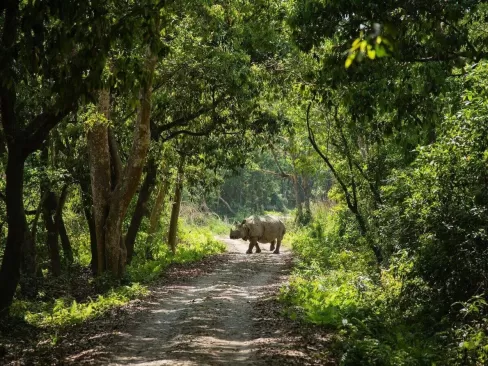
Kathmandu, Pokhara, and Chitwan: An Unforgettable Journey Through Nepal's Most Iconic Destinations Nepal, a landlocked nation cradled between the towering peaks of India and China, stands as one of the world's most captivating travel destinations. This Himalayan kingdom offers travelers an extraordinary blend of ancient culture, breathtaking natural beauty, and wildlife encounters that few places on Earth can match. Among Nepal's countless treasures, three destinations shine particularly bright: Kathmandu, Pokhara, and Chitwan. Each city presents its own unique character and experiences, together forming a perfect introduction to everything Nepal has to offer. Whether you're planning a comprehensive Nepal tour or considering adventure activities like the Annapurna Base Camp Trek or Everest Base Camp Trek, understanding these three destinations will help you make the most of your Himalayan adventure. Kathmandu: Nepal's Cultural and Historical Heart Exploring Nepal's Capital City Kathmandu serves as Nepal's vibrant capital and the gateway for most international travelers. This ancient city, situated at approximately 1,400 meters above sea level in a valley surrounded by green hills, has been the political and cultural center of Nepal for centuries. The city's streets buzz with energy as motorcycles weave through narrow lanes, street vendors sell colorful goods, and the scent of incense drifts from countless temples. For travelers planning extended adventures like the Manaslu Circuit Trek or Langtang Valley Trek, Kathmandu typically serves as both the starting and ending point of their journey. Swayambhunath Stupa: The Monkey Temple Perched majestically atop a hill overlooking the Kathmandu Valley, Swayambhunath Stupa ranks among Nepal's most recognizable landmarks. Known affectionately as the Monkey Temple due to the holy monkeys that inhabit the area, this ancient religious complex dates back over 2,000 years, making it one of the oldest Buddhist sites in Nepal. The distinctive white dome and golden spire of the stupa feature the famous all-seeing eyes of Buddha painted on all four sides, watching over the valley below. To reach the main stupa, visitors must climb 365 stone steps, each representing a day of the year. This climb, while moderately challenging, rewards those who make the ascent with panoramic views of Kathmandu city and the surrounding mountains. The site holds deep spiritual significance for both Buddhists and Hindus. Prayer flags flutter in the breeze, prayer wheels line the pathways, and devotees perform kora (circumambulation) around the stupa while chanting mantras. The resident monkeys add an element of playful unpredictability to any visit, though visitors should guard their belongings and food carefully. Kathmandu Durbar Square: A Living Museum Kathmandu Durbar Square represents the historic heart of the old city and served as the royal palace complex of the Malla and Shah kings. This UNESCO World Heritage Site showcases an extraordinary collection of temples, palaces, courtyards, and statues that demonstrate the architectural and artistic achievements of Nepali craftsmen across centuries. The square suffered significant damage during the devastating 2015 earthquake, with several important structures collapsing or requiring extensive restoration. Despite this tragedy, much of the square's magnificence remains intact, and ongoing reconstruction efforts aim to restore damaged buildings to their former glory. Key attractions within Durbar Square include the Hanuman Dhoka Palace complex, named after the monkey god whose statue guards the entrance. The intricately carved wooden windows, doors, and struts throughout the complex display the extraordinary skill of Newari craftsmen. The Taleju Temple, dedicated to the royal goddess, towers above the square with its multi-tiered pagoda-style architecture. Perhaps the most intriguing building in the square is Kumari Ghar, home to the Kumari, or living goddess. This young girl, selected through ancient rituals and traditions, is worshipped as the living incarnation of the Hindu goddess Taleju. If fortunate, visitors might glimpse the Kumari as she appears briefly at a window, though photography is strictly prohibited. Pashupatinath Temple: Nepal's Holiest Hindu Site Located on the banks of the sacred Bagmati River, Pashupatinath Temple stands as one of the most significant Hindu temples dedicated to Lord Shiva in the world. The main temple, with its distinctive golden roof and silver doors, attracts Hindu devotees from across South Asia, particularly during major festivals like Maha Shivaratri. Non-Hindus cannot enter the main temple, but the entire complex offers profound cultural and spiritual experiences. The ghats along the Bagmati River witness daily cremation ceremonies, offering visitors a contemplative perspective on Hindu death rituals and beliefs about the cycle of life and death. While these ceremonies may seem confronting to some Western visitors, they represent an essential aspect of Hindu philosophy and Nepali culture. The surrounding hillsides feature small shrines, meditation caves, and ashrams where sadhus (holy men) live and practice their spiritual disciplines. Many of these ascetics sport elaborate body paint, dreadlocked hair, and minimal clothing, creating striking visual impressions. The entire area carries an atmosphere of deep spirituality and contemplation. Best Time to Visit Kathmandu Kathmandu welcomes visitors year-round, though certain seasons offer more favorable conditions. The autumn months (September to November) provide clear skies, comfortable temperatures, and excellent visibility of distant mountain ranges. This peak season also coincides with major festivals like Dashain and Tihar, offering cultural experiences but also larger crowds. Spring (March to May) presents another excellent window for visiting, with warming temperatures, blooming flowers, and generally stable weather. Winter can be surprisingly cold, especially at night, while summer brings monsoon rains that can disrupt travel plans and obscure mountain views. Pokhara: Nepal's Adventure Capital and Natural Paradise Introduction to Pokhara Situated approximately 200 kilometers west of Kathmandu, Pokhara represents a stark contrast to the capital's urban intensity. This lakeside city, resting at roughly 900 meters elevation, serves as the gateway to the Annapurna region and has earned its reputation as Nepal's adventure hub. The stunning backdrop of the Annapurna Range creates one of the most spectacular urban panoramas anywhere in the world. Most trekkers heading to famous routes like the Annapurna Circuit Trek, Ghorepani Poon Hill Trek, or Mardi Himal Trek begin their journeys from Pokhara. Phewa Lake: Pokhara's Crown Jewel Phewa Lake dominates Pokhara's landscape as Nepal's second-largest lake, spanning approximately 5.23 square kilometers. The lake's crystal-clear waters create mirror-like reflections of the surrounding mountains, particularly the distinctive pyramid of Machapuchare (Fishtail Mountain) and the broader Annapurna massif. The Lakeside area, stretching along Phewa Lake's eastern shore, forms the tourist hub of Pokhara. This vibrant neighborhood features countless hotels, restaurants, cafes, shops, and tour agencies catering to international travelers. Despite its commercial nature, the area maintains a relaxed, almost meditative atmosphere quite different from Kathmandu's frenetic energy. Boating on Phewa Lake ranks among Pokhara's most popular activities. Visitors can rent colorful wooden boats or paddle boats and glide across the calm waters, enjoying unobstructed mountain views while egrets and other water birds fish in the shallows. Many boaters paddle to Tal Barahi Temple, a two-story pagoda sitting on a small island in the lake's center, dedicated to the Hindu goddess Durga. Sunrise and sunset transform Phewa Lake into a magical realm as the changing light paints the mountains in shades of pink, orange, and gold. Early morning often brings a mystical mist that hovers over the water's surface before burning off as the sun rises higher. World Peace Pagoda: Serenity Above the Lake Positioned on a hilltop overlooking Phewa Lake, the World Peace Pagoda offers one of Pokhara's most rewarding short hikes. The brilliant white stupa, built by Japanese Buddhist monks as part of their international peace initiative, provides 360-degree views encompassing the lake below, the city of Pokhara, and the spectacular Himalayan panorama. The hike to the pagoda takes approximately 45 minutes to an hour from Lakeside, following a pleasant trail through forested slopes. Many visitors choose to boat across the lake to shorten the walking distance. The peaceful atmosphere at the pagoda itself, combined with the stunning vistas, creates an ideal setting for meditation and contemplation. The stupa features four Buddha statues facing the cardinal directions, each representing Buddha's life stages. Prayer flags flutter in the breeze, and the sound of tinkling bells adds to the serene ambiance. The site remains relatively uncrowded compared to other tourist attractions, allowing for genuine moments of tranquility. Sarangkot: Sunrise Viewpoint For travelers seeking the ultimate mountain sunrise experience without undertaking a multi-day trek, Sarangkot provides an easily accessible solution. This hilltop viewpoint, situated at 1,600 meters elevation, offers unobstructed panoramic views of the Annapurna and Dhaulagiri ranges. Many visitors choose to drive up in the pre-dawn darkness to witness the sun's first rays striking the snow-capped peaks, transforming them into glowing giants of gold and pink. The experience rivals any mountain viewpoint accessible by such minimal effort. On exceptionally clear days, the view extends to include eight of the world's ten highest mountains. Sarangkot also serves as Pokhara's primary paragliding launch site. Throughout the day, colorful paragliders soar off the hill like butterflies, gliding over the valley and lake below before landing near Lakeside. Adventure Activities in Pokhara Pokhara has earned its reputation as Nepal's adventure capital through its diverse range of adrenaline-pumping activities: Paragliding: Soaring above Phewa Lake with the Himalayas as your backdrop ranks among the world's most spectacular paragliding experiences. Tandem flights with experienced pilots allow even complete beginners to safely experience this thrilling activity. Flights typically last 20-30 minutes and include aerial photography services. Ultralight Flights: For those wanting a powered flying experience, ultralight aircraft offer scenic flights along the mountain range, including optional close approaches to the face of Machapuchare. Zip-lining: One of the world's steepest and fastest zip-lines operates near Pokhara, sending adventurers zooming down a cable at speeds exceeding 100 kilometers per hour while enjoying incredible valley views. White-water Rafting: Several rivers near Pokhara offer rafting expeditions ranging from gentle family-friendly floats to challenging Grade IV rapids for experienced rafters. Trekking from Pokhara Pokhara serves as the launching point for numerous treks into the Annapurna region. Options range from short, easy hikes suitable for families to challenging high-altitude expeditions: The Annapurna Base Camp Short Trek provides a condensed version of the classic ABC trek, reaching the spectacular mountain amphitheater in just 8 days. The Mardi Himal Trek has emerged as a popular alternative to busier routes, offering pristine trails, authentic cultural experiences, and extraordinary mountain views from a unique perspective. For those seeking accessible but rewarding experiences, the Royal Trek follows routes once walked by British royalty, passing through traditional Gurung villages with excellent mountain views. The Panchase Trek offers another excellent short trek option, combining cultural immersion with natural beauty and requiring minimal time commitment. Cultural Attractions in Pokhara Beyond adventure activities, Pokhara offers several cultural and historical attractions: The International Mountain Museum presents fascinating exhibits on Himalayan mountaineering history, indigenous mountain cultures, geology, and biodiversity. Scale models of the world's highest peaks and displays of historical climbing equipment provide context for understanding the region's climbing heritage. Gupteshwor Cave and Devi's Fall (Patale Chhango) offer geological curiosities where the Pardi Khola stream creates an underground waterfall before flowing through an extensive cave system. The Tibetan refugee settlements around Pokhara provide opportunities to observe traditional Tibetan crafts, visit monasteries, and learn about Tibetan culture in exile. Chitwan National Park: Wildlife Adventures in the Terai Introduction to Chitwan Heading south from Kathmandu or Pokhara, the landscape transforms dramatically as the mountains give way to the Terai plains. Here, in the subtropical lowlands along Nepal's border with India, Chitwan National Park protects one of Asia's finest wildlife sanctuaries. This UNESCO World Heritage Site spans 932 square kilometers of forests, grasslands, and riverine habitat supporting an incredible diversity of flora and fauna. The Kathmandu Pokhara Chitwan Tour perfectly combines all three destinations into a comprehensive Nepal experience, while the extended Kathmandu Pokhara Lumbini Chitwan Tour adds Buddha's birthplace to the itinerary. Wildlife of Chitwan National Park Chitwan's primary conservation success story revolves around the greater one-horned rhinoceros. Hunted nearly to extinction in the early 20th century, these prehistoric-looking creatures have rebounded dramatically under protection, with Chitwan now supporting one of the world's most significant rhino populations. Visitors have excellent chances of spotting these massive animals during jungle activities, particularly in the grasslands near water sources. The park also provides critical habitat for Bengal tigers, though sightings of these elusive predators remain relatively rare due to their secretive nature and the park's dense vegetation. The estimated population of around 120 tigers represents one of Nepal's great conservation achievements. Evidence of tiger presence frequently appears in the form of pugmarks, scat, and territorial markings. Other mammal species include Asian elephants (both wild and domesticated), sloth bears, leopards, jungle cats, several species of deer (including spotted deer and sambar), wild boar, gharial and mugger crocodiles, and four species of primates including rhesus macaques and the endangered Ganges river dolphin in the park's waterways. Birdwatching Paradise Chitwan National Park ranks among Asia's premier birdwatching destinations, with over 540 recorded bird species. This extraordinary diversity results from the park's varied habitats and its location along major migration routes. Species range from tiny sunbirds to massive hornbills, from water-dwelling storks and herons to forest-dwelling owls and woodpeckers. Notable species include the giant hornbill, Bengal florican (critically endangered), lesser adjutant stork, white-rumped vulture, and numerous species of eagles, kites, and falcons. The Narayani and Rapti rivers attract impressive congregations of water birds, while the Sal forests harbor specialized forest species. Both amateur and serious birders find Chitwan rewarding, with knowledgeable local guides possessing encyclopedic knowledge of bird species, calls, and behaviors. The best birdwatching occurs during the winter months when resident species are joined by migratory visitors from northern regions. Jungle Activities and Safaris Chitwan offers various ways to explore its wilderness: Jeep Safaris: Four-wheel drive vehicles venture deep into the park, maximizing ground coverage and wildlife sighting opportunities. These safaris typically operate during early morning and late afternoon when animals are most active. Longer full-day safaris include packed lunches and maximize park exploration. Elephant-back Safaris: While controversial from an animal welfare perspective, elephant safaris remain popular. Riding atop these gentle giants allows penetration into areas inaccessible to vehicles, and many species tolerate elephants' approach more readily than human walkers. Visitors should research operators' elephant treatment standards before booking. Walking Safaris: Accompanied by trained naturalist guides and often armed guards, walking safaris provide the most intimate jungle experience. The heightened awareness required when walking through tiger habitat creates unforgettable excitement, and the slower pace allows appreciation of smaller creatures, plants, and ecosystems often missed from vehicles. Canoe Rides: Silent canoe trips along the Rapti River offer excellent opportunities for observing gharial and mugger crocodiles basking on riverbanks, plus the incredible diversity of water birds. The peaceful gliding motion and water-level perspective create meditative experiences punctuated by exciting wildlife encounters. Bird Watching Tours: Specialized birding excursions with expert guides focus on locating and identifying the park's remarkable avian diversity. These tours often combine walking with vehicle transport to reach prime birding locations. Tharu Culture and Communities Chitwan isn't solely about wildlife. The indigenous Tharu people have inhabited the Terai region for centuries, developing unique cultural traditions and impressive resilience to the region's formerly prevalent malaria. Their distinctive architecture, featuring mud-walled homes with elaborate geometric patterns and decorated grain storage structures, creates striking visual landscapes in villages surrounding the park. Tharu cultural programs, including traditional stick dances performed by both men and women, provide entertaining insights into local traditions. These energetic performances feature rhythmic stick-striking choreography accompanied by live music. Many lodges and hotels include Tharu cultural shows in their evening entertainment. Visiting Tharu villages offers opportunities to observe traditional lifestyles, farming practices, and handicrafts. Many communities have developed community-based tourism initiatives that provide income while preserving cultural heritage. Supporting these programs helps ensure that local populations benefit from conservation efforts and tourism development. Rapti River Adventures The Rapti River forms a natural boundary along sections of Chitwan National Park and provides its own adventure opportunities beyond jungle activities. Canoeing experiences allow close observation of riverine ecosystems and the creatures dependent on them. Kingfishers dart across the water's surface, cormorants dive for fish, and various heron species stand statue-still awaiting prey. The real excitement comes from spotting gharial, the critically endangered fish-eating crocodile species with distinctive elongated snouts studded with razor-sharp teeth. These impressive reptiles can reach lengths exceeding 5 meters and spend much of their time basking on sandy banks. The broader-snouted mugger crocodile, a more aggressive species, also inhabits these waters, keeping paddlers alert and respectful of the prehistoric predators sharing their environment. River sunsets in Chitwan create magical moments as the light softens, birds return to roosting sites, and the sounds of the jungle intensify with nightfall's approach. Many visitors cite these peaceful river experiences among their most memorable Chitwan moments. Planning Your Kathmandu-Pokhara-Chitwan Journey Transportation Between Cities Traveling between these three destinations offers multiple options balancing time, comfort, and budget: Tourist Buses: Tourist bus services connect Kathmandu, Pokhara, and Chitwan, offering comfortable seats, air conditioning, and direct routes. These services take approximately 6-7 hours between Kathmandu and Pokhara, and 5-6 hours from Kathmandu to Chitwan. The Kathmandu to Chitwan Tourist Bus Ticket provides an economical option. Private Vehicles: Hiring private cars or jeeps provides maximum flexibility for stops along the route and schedule control. While more expensive, this option suits groups or families wanting customized experiences. Domestic Flights: For those prioritizing time over ground experiences, domestic flights connect Kathmandu and Pokhara in just 25-30 minutes. Flights to Bharatpur (near Chitwan) are also available, though less frequent. Recommended Itinerary A comprehensive exploration of all three destinations requires at least 7-10 days: Days 1-3: Kathmandu - Arrive, recover from jet lag, explore Durbar Square, Swayambhunath, Pashupatinath, and Boudhanath Stupa. Consider a Kathmandu Tour for organized sightseeing. Days 4-6: Pokhara - Travel to Pokhara, enjoy boating on Phewa Lake, visit the World Peace Pagoda, watch sunrise from Sarangkot, and participate in adventure activities. Days 7-9: Chitwan - Journey to Chitwan, engage in jungle safaris, canoeing, bird watching, and experience Tharu culture. Day 10: Return to Kathmandu - Travel back to Kathmandu for final shopping and departure preparation. Best Time to Visit The ideal time for visiting all three destinations falls between October and November, after monsoon rains have cleared but before winter cold sets in. Clear skies provide excellent mountain visibility, comfortable temperatures prevail, and major festivals add cultural richness. March through May offers another favorable window with warming temperatures, blooming flowers, and generally stable weather, though some afternoon clouds may obscure mountain views. Monsoon season (June-September) brings heavy rains that can disrupt travel plans, trigger landslides, and make jungle activities less enjoyable. However, this period sees fewer tourists and dramatically lower prices. Chitwan actually remains accessible during monsoon, though leeches and muddy conditions challenge visitors. Winter (December-February) brings cold temperatures, especially in Kathmandu, though generally clear skies provide spectacular mountain views. Chitwan enjoys pleasant winter temperatures, making this season ideal for wildlife viewing as animals congregate near water sources. Extending Your Nepal Adventure: Trekking Options Many travelers use the Kathmandu-Pokhara-Chitwan circuit as a foundation for longer Nepal adventures, particularly Himalayan treks. The infrastructure around these three hubs makes accessing Nepal's famous trekking regions straightforward. Everest Region Treks From Kathmandu, the gateway to Everest region treks opens through flights to Lukla. Options include: Everest Base Camp Trek: The classic 15-day journey to the base of the world's highest mountainEverest View Trek: A shorter 7-day option for those with limited timeGokyo Valley Trek: Exploring the stunning turquoise lakes of GokyoEverest Three Pass Trek: The ultimate 22-day challenge crossing three high passes Annapurna Region Treks Pokhara provides access to Nepal's most diverse trekking region: Annapurna Base Camp Trek: Journey into the heart of the Annapurna SanctuaryGhorepani Poon Hill Trek: An accessible 9-day trek with spectacular sunrise viewsMardi Himal Trek: A newer, less crowded alternative with stunning perspectives Other Trekking Regions The Langtang Valley Trek near Kathmandu offers a less crowded alternative to Everest and Annapurna regions, while the Manaslu Circuit Trek provides wilderness adventure for those seeking remote experiences. Practical Information and Tips Visa Requirements Most nationalities can obtain Nepalese tourist visas on arrival at Kathmandu's Tribhuvan International Airport. Current fees are $30 for 15 days, $50 for 30 days, and $125 for 90 days. Ensure your passport has at least six months' validity. Consider applying online through Nepal's immigration website before arrival to expedite the process. Accommodation All three destinations offer accommodation spanning budget guesthouses to luxury resorts. Kathmandu and Pokhara feature the widest ranges, with Chitwan's options focusing on jungle lodges and safari resorts. Book in advance during peak season (October-November). Food and Dining Nepali cuisine centers on dal bhat (lentils and rice), mo:mo (dumplings), and various curries. Kathmandu and Pokhara offer international cuisine including Italian, Mexican, Chinese, Indian, and continental options. Chitwan's dining scene remains more limited, with most meals taken at lodges. Health Considerations Consult a travel medicine specialist before departure. Recommended vaccinations often include Hepatitis A and B, Typhoid, and routine immunizations. Malaria prophylaxis may be advised for Chitwan during certain seasons. Altitude sickness won't affect these three low-elevation destinations but becomes crucial for trekking expeditions. Currency and Money Nepal's currency is the Nepalese Rupee (NPR). ATMs are readily available in Kathmandu and Pokhara, less so in Chitwan. Carry sufficient cash when venturing to remote areas. Many establishments accept US dollars, though change returns in rupees. Cultural Sensitivity Nepal remains a deeply religious and culturally conservative society. Dress modestly, particularly when visiting religious sites. Remove shoes before entering temples and homes. Ask permission before photographing people. Use your right hand for eating and passing objects. Respect local customs regarding menstruating women's temple access. Conclusion: A Journey That Transforms Visiting Kathmandu, Pokhara, and Chitwan provides an remarkably comprehensive introduction to Nepal's extraordinary diversity. From ancient temples and living traditions to adventure activities and wildlife encounters, these three destinations deliver experiences satisfying the most varied interests. The journey typically begins with Kathmandu's overwhelming sensory immersion—the chaos, the history, the spirituality—before transitioning to Pokhara's scenic tranquility where mountains dominate every vista and adventure beckons. Finally, Chitwan brings travelers face-to-face with nature's raw power and beauty, reminding us of our connection to the wild. Whether you complete this circuit as a standalone trip or use it as a foundation for extended trekking adventures through Nepal's spectacular mountains, the memories forged and perspectives gained will last a lifetime. Nepal's people, with their genuine warmth and legendary hospitality, ensure that every visitor departs feeling they've discovered something special—a place where ancient and modern, spiritual and physical, wild and cultivated exist in fascinating harmony. Plan your Nepal adventure carefully, remain flexible when circumstances change (as they inevitably will), treat both people and places with respect, and open yourself to the transformative experiences this remarkable country offers. The mountains, valleys, jungles, and most importantly, the people of Nepal await your arrival.
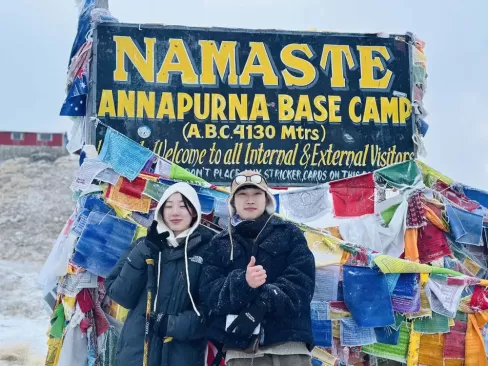
Annapurna Base Camp Short Trek: Your Complete Guide to an Unforgettable Himalayan Adventure The Annapurna Base Camp Short Trek stands as one of Nepal's most rewarding mountain adventures, offering trekkers an incredible journey into the heart of the Annapurna Sanctuary. This compact yet comprehensive trek typically spans 7 to 10 days, making it an ideal choice for those with limited time who still want to experience the majesty of the Himalayas. Unlike longer treks in the region, the ABC Short Trek efficiently combines stunning mountain panoramas, rich cultural encounters, and diverse ecosystems into a manageable timeframe without sacrificing any of the wonder that makes trekking in Nepal so special. What sets this trek apart is its remarkable diversity. Within just over a week, you'll transition from subtropical valleys adorned with terraced rice fields to the alpine environment of the base camp itself, situated at 4,130 meters in a natural amphitheater surrounded by some of the world's most spectacular peaks. The trail winds through traditional Gurung and Magar villages where ancient customs and warm hospitality remain unchanged by time, passes through dense rhododendron forests that burst into brilliant color during spring, and eventually emerges into the stark, beautiful landscape of the high Himalayas. At Explore Holiday Nepal, we've perfected the art of guiding trekkers through this magnificent region. Our experienced team understands that the ABC Short Trek isn't just about reaching a destination—it's about the transformative journey that gets you there. From the moment you leave Pokhara's lakeside tranquility to the awe-inspiring moment you stand surrounded by 7,000 and 8,000-meter giants at Annapurna Base Camp, every day brings new discoveries, challenges, and rewards.Top Blogs About Trekking in the Annapurna RegionUncover the best blogs about trekking in the Annapurna region, featuring expert advice, detailed itineraries, personal experiences, and essential tips for adventurers looking to explore the Himalayas.Best Annapurna Ranges Treks & Tours 2024/2025Top 9 Destinations to Explore on the Annapurna Circuit TrekBest Time to Hike the Annapurna CircuitWhich is the Better Lake Trek in Nepal: Gokyo or Tilicho Lake Trek?Annapurna Base Camp Trek: Tips and FAQsAltitude Sickness on Nepal Treks: Symptoms, Treatment, and When to Descend (Complete Guide)Mardi Himal Trek: Trails, Views, and TipsNepal Trekking Permits: Costs, Types, and How to Get ThemGhorepani Poon Hill Trek: A Perfect Short Himalayan AdventureManaslu Circuit vs Annapurna Circuit: Which Trek is Right for You?Nepal Trekking: What’s the Best Time to Go?Budget Trekking in Nepal: Tips, Trails, and TricksExploring Nepal’s Wildlife and NatureTrekking Through Nepal: A Journey into the HimalayasTop 10 Mountain Peaks in NepalAnnapurna Base Camp vs Annapurna Circuit: Which Himalayan Trek is Right for You?Annapurna Circuit Trek for Beginners 2025: The Famous Himalayan Adventure You Can’t MissWhere is Annapurna? Explore the Glory of the World’s Highest Mountain Understanding the Annapurna Sanctuary The Annapurna Sanctuary is a sacred natural amphitheater formed by a ring of towering peaks. At its center lies Annapurna Base Camp, a relatively flat glacial basin that serves as the staging area for expeditions attempting to summit Annapurna I (8,091 meters), the tenth-highest mountain in the world and historically one of the most dangerous to climb. The sanctuary's unique geography creates a protected environment with its own microclimate, supporting diverse flora and fauna despite the high altitude. The peaks surrounding the sanctuary create one of nature's most impressive displays. Annapurna I, Annapurna South, Hiunchuli, Machapuchare (the sacred "Fishtail" mountain that remains unclimbed out of respect for local beliefs), Gangapurna, and numerous other summits form a 360-degree panorama of snow, ice, and rock. Standing at base camp, you're literally surrounded by these giants, creating a humbling and inspiring perspective on the scale of the Himalayas. The trek to reach this sanctuary takes you through multiple climate zones and ecosystems. You'll begin in subtropical zones where banana trees and rice paddies dominate, progress through temperate forests of oak and rhododendron, transition into alpine meadows with hardy grasses and shrubs, and finally emerge into the glacial environment where only the hardiest lichens and mosses survive. This ecological diversity makes every day of trekking visually distinct and fascinating. The Trek Route: A Journey Through Diverse Landscapes The Annapurna Base Camp Short Trek typically begins with a scenic drive from Pokhara to either Nayapul or directly to Jhinu Danda, depending on road conditions and your specific itinerary. This drive itself offers wonderful views of the countryside, passing through rural villages and alongside rushing rivers. From the trailhead, the trekking adventure truly begins. Lower Elevations: Villages and Terraced Fields The initial days of trekking take you through the Modi Khola valley, where traditional Gurung villages cling to hillsides above beautifully terraced agricultural land. The trail passes through settlements like Ghandruk, one of the largest Gurung villages in Nepal, where stone houses with slate roofs create a picturesque scene against the mountain backdrop. Here, you can visit the Gurung Museum to learn about the history and culture of these mountain people, many of whom serve in the legendary Gurkha regiments. The Gurung people are renowned for their hospitality, and staying in village teahouses provides genuine cultural immersion. You'll witness daily life in a Himalayan community—women carrying enormous loads of fodder for animals, children playing in cobblestone alleys, and farmers tending their crops using methods passed down through generations. The terraced fields are agricultural marvels, carved into steep hillsides to create level planting areas that maximize limited farmland while preventing erosion. Mid-Elevation Forests: The Rhododendron Zone As you climb higher, you enter magnificent forests dominated by rhododendrons, Nepal's national flower. If you're trekking in spring (March to May), these forests transform into a riot of color with blooms in shades of red, pink, white, and purple covering the hillsides. Even outside blooming season, these forests are enchanting, with moss-covered trees, ferns, and occasional clearings offering glimpses of the mountains above. This forest zone is also excellent for wildlife spotting. Keep your eyes open for langur monkeys swinging through the canopy, colorful birds like the Danphe (Himalayan monal pheasant), and if you're extremely fortunate, the elusive red panda that inhabits these elevations. Your guide will help identify bird calls and animal tracks, adding an educational element to the trek. The trail through these forests includes several suspension bridges crossing mountain streams and rivers. These swaying bridges, often adorned with prayer flags, provide thrilling crossings and excellent photo opportunities. The sound of rushing water accompanies much of the trek, as countless tributaries feed the Modi Khola that drains the Annapurna Sanctuary. High Alpine Zone: Approaching the Sanctuary Beyond Deurali, the landscape transforms dramatically. Trees become sparse and stunted, giving way to alpine shrubs and grasses. The valley narrows, with steep walls rising on both sides channeling you deeper into the sanctuary. Machapuchare Base Camp, your penultimate stop, offers the first truly spectacular mountain views of the trek. The sacred peak of Machapuchare dominates the scene, its distinctive double summit resembling a fish's tail—hence its nickname. The final push from Machapuchare Base Camp to Annapurna Base Camp takes you into true high-altitude terrain. The vegetation disappears almost entirely, replaced by rock, ice, and snow. The scale of the mountains surrounding you becomes overwhelming as you climb higher into the sanctuary. The trail can be snow-covered even in trekking season, requiring careful footing, and the altitude makes every step require conscious effort. Then, as you round the final bend, Annapurna Base Camp reveals itself. The basin opens up, revealing a small collection of lodges dwarfed by the massive peaks encircling them. The sight is breathtaking in every sense—both literally, due to the thin air, and figuratively, due to the sheer magnificence of the view. You've arrived at one of the most spectacular natural amphitheaters on Earth. For those seeking other exceptional mountain experiences, the Everest Base Camp Trek offers the chance to visit the world's highest peak, while the Manaslu Circuit Trek provides a more remote alternative with fewer crowds. Accommodation and Meals: Comfort in the Mountains On the Annapurna Base Camp Short Trek, accommodations primarily consist of cozy teahouses, which provide a warm and welcoming atmosphere for trekkers. Each teahouse offers basic amenities, including comfortable bedding, hot showers (at lower elevations), and communal dining areas where travelers can relax and share stories. The warm hospitality of the local hosts adds immeasurably to the experience, allowing trekkers to immerse themselves in the culture of the region while enjoying the comfort of a roof over their heads and a warm meal in their belly. The quality and facilities of teahouses vary with altitude. In lower villages like Ghandruk and Chomrong, you'll find relatively comfortable lodges with private rooms, western-style toilets, and sometimes even hot showers heated by solar panels or gas. These establishments often have extensive menus and well-appointed dining rooms where trekkers gather in the evening to share experiences and plan the next day's journey. As you ascend higher, amenities become more basic, reflecting the logistical challenges of operating at altitude where everything must be carried in by porters or pack animals. Above Deurali, teahouses are simpler, with thinner walls, colder rooms, and more basic facilities. However, even at Annapurna Base Camp itself, the lodges provide adequate shelter and warmth, with dining rooms heated by wood or yak-dung stoves that become the social hub in the evenings. With Explore Holiday Nepal, we ensure that the teahouses chosen for your stay are clean, safe, and strategically located to maximize your trekking experience. We've built strong relationships with lodge owners throughout the route, ensuring that our trekkers receive priority service and the best available accommodations at each stop. Meals: Fueling Your Mountain Adventure When it comes to meals, trekkers can expect a delightful array of traditional Nepali dishes as well as international options to cater to varied tastes. Common offerings include dal bhat (lentil soup and rice)—the staple meal of Nepal that comes with unlimited refills, momos (dumplings filled with vegetables, cheese, or meat), and a variety of vegetable dishes prepared with local ingredients. Many menus also feature pasta, noodle soups, fried rice, and even pizza at lower elevations. Breakfast typically features hearty choices like porridge with honey, Tibetan bread, pancakes, eggs prepared various ways, and plenty of hot tea or coffee to fuel you for the day ahead. These morning meals are substantial, designed to provide the energy needed for 5-7 hours of mountain trekking. The dining experience itself becomes a cherished part of the journey—there's something special about eating breakfast while watching the sunrise illuminate the snow peaks outside the window. Lunch is usually taken at a teahouse along the trail, providing a welcome break and opportunity to rest tired legs. Afternoon stops also allow you to hydrate properly, which is crucial for altitude acclimatization. Dinner is often the day's main meal and social event, when trekkers gather in the dining room to warm up, share stories, and review the day's adventures. Our knowledgeable guides at Explore Holiday Nepal are also adept at accommodating dietary restrictions, whether you're vegetarian, vegan, gluten-free, or have food allergies. While options become more limited at higher altitudes, there are always suitable meals available. We recommend informing us of any dietary requirements during the booking process so we can communicate this to the teahouses in advance. Eating together fosters a sense of camaraderie that becomes one of the trek's unexpected pleasures. The shared experience of the day's challenges, the excitement of tomorrow's destination, and the simple joy of a hot meal in a warm room creates bonds between trekkers from around the world. Many lasting friendships begin around these communal tables in the Himalayas. Best Time for Trekking: Choosing Your Season The best time for trekking in the Annapurna Base Camp region is during the pre-monsoon (March to May) and post-monsoon (September to November) seasons. During these months, the weather is generally stable, providing clear skies and moderate temperatures that make trekking conditions ideal. Understanding the characteristics of each season helps you choose the timing that best matches your preferences and priorities. Spring Season (March to May) Spring is arguably the most beautiful time to trek to Annapurna Base Camp. In March, the landscape begins awakening from winter, with wildflowers starting to bloom at lower elevations. By April and May, the famous rhododendron forests explode in brilliant displays of color—red, pink, white, and purple blooms covering entire hillsides creating scenes that look almost unreal. The spring landscape is lush and vibrant, with clear streams fed by melting snow and terraced fields being prepared for planting. Weather during spring is generally excellent, though afternoon clouds can develop, especially later in the season. Mornings typically offer the clearest views, with crisp air and unlimited visibility of the mountain panoramas. Temperatures are moderate—warm during the day at lower elevations but cold at night, especially at Annapurna Base Camp where temperatures can drop well below freezing. Spring is also mountaineering season on Annapurna, so you might encounter climbing expeditions at the base camp, adding an exciting atmosphere to your visit. The trails are busy during spring, particularly in April, so expect to see many other trekkers along the route and potentially fuller teahouses in popular locations. Autumn Season (September to November) The post-monsoon season showcases crisp air and stunning panoramic views, as the skies are usually clear after the monsoon rains have washed away atmospheric dust and pollution. Autumn is considered by many to be the absolute best time for Himalayan trekking. The weather is remarkably stable, with sunny days and cold nights. Visibility is exceptional, with the mountain views appearing sharp and clear against brilliant blue skies. September can still see occasional lingering monsoon showers, particularly in the first half of the month, but by late September and throughout October and November, conditions are typically perfect. The landscape is green from monsoon rains, though flowers are less prevalent than in spring. Temperatures are comfortable during the day but drop significantly at night, requiring good sleeping bags and warm clothing at higher elevations. Autumn is the peak trekking season in Nepal, meaning trails and teahouses are at their busiest. This creates a vibrant, social atmosphere along the route, with plenty of opportunities to meet fellow trekkers. However, popular teahouses can fill up, and there's more demand for helicopter rescues and emergency services. Booking in advance and starting each day's trek early helps avoid crowds at the most popular lodges. Off-Season Considerations Winter (December to February) and monsoon (June to August) are considered off-season, though both are possible with the right preparation and expectations. Winter offers empty trails and pristine snow-covered landscapes, but extremely cold temperatures, especially at altitude, and the risk of trail closures due to snow make this suitable only for experienced trekkers with proper equipment. Many higher-altitude teahouses close during winter. Monsoon brings heavy rainfall, leeches on the trail, cloudy skies that obscure views, and increased risks of landslides and floods. However, the monsoon does create lush, verdant landscapes, and the dramatically reduced number of trekkers appeals to some. If you trek during monsoon, expect to see fewer mountain views but experience a different side of the Himalayas. With Explore Holiday Nepal, we keep a close watch on weather patterns and trail conditions throughout the year to ensure that your trek is planned for optimal conditions. Our expert team will provide you with detailed information and support, allowing you to focus on enjoying the stunning scenery and rich cultural interactions that make the ABC Short Trek a truly unforgettable experience. For those interested in trekking other regions during different seasons, consider the Upper Mustang Trek, which is actually ideal during monsoon season due to the region's rain shadow location. Physical Condition Required: Preparing Your Body The Annapurna Base Camp Short Trek is accessible to trekkers of various fitness levels, but a moderate level of physical fitness is recommended. The trek involves several days of hiking with daily ascents that can be strenuous, particularly as you approach higher altitudes where the thin air makes every step more demanding. Trekkers should be comfortable with walking for 5 to 7 hours a day on varied terrain, including steep sections, rocky paths, and countless stone steps that characterize Himalayan trails. Building Your Fitness Base Prior to your journey, it's beneficial to engage in regular cardiovascular exercises, such as hiking, running, or cycling, to build stamina and endurance. Ideally, begin your training program at least 2-3 months before your departure date. Start with moderate exercise sessions of 30-45 minutes several times per week, gradually increasing duration and intensity as your fitness improves. If you have access to hills or mountains near your home, use them for training hikes. Walking uphill with a weighted backpack (start with 5-8 kg and gradually increase) specifically prepares your body for the demands of mountain trekking. Stair climbing is an excellent alternative if hills aren't available—many successful Everest Base Camp trekkers have trained primarily on stairwells in office buildings or apartments. Don't neglect leg strength training. Exercises like squats, lunges, step-ups, and calf raises build the specific muscles you'll use constantly while trekking, particularly during descents when your quads and knees take significant stress. Core strength is also important for balance on uneven terrain and for carrying your daypack comfortably. Understanding Altitude Challenges The highest point of the ABC Short Trek is 4,130 meters at Annapurna Base Camp itself, with several nights spent above 3,000 meters. At these altitudes, the air contains significantly less oxygen than at sea level—about 40% less at base camp. This affects everyone differently, regardless of fitness level. An Olympic athlete can suffer from altitude sickness while a casual exerciser might feel fine. Fitness helps you trek more comfortably, but it doesn't prevent altitude issues. Acclimatization is essential as you ascend to higher elevations. The key is gradual ascent, allowing your body time to adapt by producing more red blood cells and making other physiological adjustments. Symptoms of mild altitude sickness can include headache, nausea, fatigue, and difficulty sleeping. These are common and usually resolve with rest at the same elevation or a slight descent. Our experienced guides at Explore Holiday Nepal will help you pace your trek and provide tips on acclimatization strategies to minimize the risk of altitude sickness. We follow itineraries designed with proper acclimatization profiles, including rest days and elevation gains that respect the body's adaptation limits. Our guides monitor all trekkers for altitude symptoms and know when it's necessary to rest, descend, or seek medical assistance. Mental Preparation Physical fitness is only part of the equation. Mental preparation and determination are equally important. Some days will be challenging—you might wake up tired, face steep climbs, deal with cold weather, or struggle with altitude symptoms. The ability to push through discomfort, maintain a positive attitude, and focus on your goal makes a huge difference in your trekking experience. That said, we believe in smart, safe trekking. Listen to your body and communicate honestly with your guide about how you're feeling. There's no shame in needing extra rest, moving slowly, or even turning back if necessary. The mountains will always be there for another attempt. We believe in ensuring that all our trekkers feel prepared and confident, offering pre-trek briefings and support before departure. With proper preparation and guidance, you can fully enjoy the beauty and adventure that the Annapurna Base Camp Short Trek offers, regardless of whether you consider yourself an athlete or simply someone looking for an achievable mountain adventure. For a slightly less strenuous but equally rewarding trek, consider the Ghorepani Poon Hill Trek, which reaches a maximum altitude of 3,210 meters and requires fewer consecutive trekking days. Trek Route Details: Your Path to the Sanctuary The Annapurna Base Camp Short Trek route is a carefully crafted path that showcases the best of the Annapurna region's natural beauty and cultural richness. Starting from the vibrant lakeside town of Pokhara, trekkers typically drive to either Nayapul or Jhinu Danda, depending on road conditions and itinerary specifics. From there, the journey winds through enchanting terraced fields, lush forests, and charming Gurung and Magar villages. Day-by-Day Elevation Profile Understanding the elevation profile helps you mentally prepare for each day's challenges. The trek typically begins around 1,000-1,400 meters and gradually ascends through multiple stages. Early days involve significant elevation gain through villages and agricultural land, climbing to settlements like Ghandruk (1,940 meters) and Chomrong (2,170 meters). From Chomrong, the trail descends steeply to cross the Chomrong Khola before beginning the long climb into the Modi Khola gorge. This section represents some of the trek's most strenuous uphill walking, gaining elevation through bamboo and rhododendron forests to Dovan (2,600 meters) and Himalaya Hotel (2,920 meters). Each day brings new landscapes, from the dense rhododendron forests to increasingly alpine environments. The push from Himalaya Hotel to Machapuchare Base Camp (3,700 meters) and then to Annapurna Base Camp (4,130 meters) represents the final altitude gains. These shorter days in terms of distance allow for slower walking as your body adjusts to thinner air. The reward is worth every step—each day brings you closer to the heart of the sanctuary. The Descent Route After the incredible experience at Annapurna Base Camp, the return journey retraces your steps but feels completely different. Descending is generally easier on your cardiovascular system but requires care to protect your knees and ankles from the constant downhill impact. Many trekkers find that the descent offers new perspectives on landscapes they passed while ascending, and with better acclimatization, you may feel stronger and more energetic. Some itineraries include variations on the return route, such as descending to Jhinu Danda where natural hot springs provide a welcome opportunity to soak tired muscles. These thermal pools are a popular stop, offering relaxation and the unique experience of bathing in warm water while surrounded by mountain scenery. The highlight of the trek is undoubtedly the ascent to Annapurna Base Camp itself. The trail leads you through Machapuchare Base Camp, where trekkers can catch their first glimpses of the towering peaks in close proximity. As you arrive at the base camp, the awe-inspiring sight of the Annapurna range surrounding you creates a sense of accomplishment and wonder that's difficult to describe in words. With Explore Holiday Nepal, our knowledgeable guides enhance your experience by sharing insights into the geography, culture, and history of the region along the way. They'll point out peaks, explain the formation of glaciers and valleys, share stories about mountaineering history in the Annapurna region, and help you understand the cultural significance of the mountains to local people. You're not just trekking—you're learning and appreciating this incredible part of the world. Required Permits: Legal Requirements To trek in the Annapurna region, obtaining the necessary permits is essential for both safety and regulation purposes. The permit system helps fund conservation efforts, supports local development, and allows authorities to track trekkers for safety. For the Annapurna Base Camp Short Trek, you will need two primary permits: the Annapurna Conservation Area Permit (ACAP) and the Trekkers' Information Management System (TIMS) card. Annapurna Conservation Area Permit (ACAP) The ACAP is crucial as it helps preserve the region's natural beauty and supports local conservation efforts managed by the National Trust for Nature Conservation (NTNC). The Annapurna Conservation Area is Nepal's largest protected area, covering 7,629 square kilometers and encompassing multiple ecosystems from subtropical to alpine. The permit fees directly fund conservation projects, sustainable development initiatives, and infrastructure improvements within the conservation area. The ACAP system has been remarkably successful in balancing tourism development with environmental protection. Funds have supported reforestation projects, alternative energy installations (solar panels and micro-hydro systems), waste management programs, and wildlife protection initiatives. When you purchase an ACAP, you're directly contributing to the preservation of the beautiful landscapes you'll be trekking through. Trekkers' Information Management System (TIMS) Card The TIMS card aids in ensuring trekkers' safety and facilitating proper management of trekking activities. This system maintains a database of trekkers, their routes, and expected itineraries, allowing authorities to conduct rescues or provide assistance if needed. After any natural disaster or emergency, officials can check the TIMS database to determine which trekkers might be in affected areas. There are two types of TIMS cards—one for independent trekkers and one for trekkers with organized groups (which includes those trekking with companies like Explore Holiday Nepal). The organized trekker TIMS card is less expensive, recognizing that organized groups have guides and support that reduce the burden on rescue services. Permit Process Explore Holiday Nepal takes care of all the permit arrangements for you, allowing you to focus on enjoying your trek without the hassle of paperwork and navigating Nepalese bureaucracy. Our experienced team understands the local regulations and processes, ensuring that you have all the necessary documentation in place before your journey begins. We'll need copies of your passport and passport-sized photos to process your permits. This is typically handled during your pre-trek briefing in Pokhara or Kathmandu, depending on your itinerary. The permits themselves are checked at various points along the trek, so your guide will carry them and present them when required at checkpoints. This service not only streamlines your trekking experience but also enhances your peace of mind, knowing that you're well-prepared and legally compliant for your adventure in the Annapurna region. Some trekkers prefer to handle permits independently, which is certainly possible, but working with a trekking company simplifies the process significantly. Safety Considerations and Emergency Preparedness Safety is paramount on any mountain trek, and the Annapurna region, while well-developed for tourism, still presents genuine wilderness challenges. At Explore Holiday Nepal, we maintain comprehensive safety protocols and emergency response capabilities to ensure your well-being throughout the trek. Guide Training and Expertise All our guides are certified by the Nepal Mountaineering Association and have completed wilderness first aid training. They carry first aid kits and are trained to recognize and respond to altitude sickness, injuries, and medical emergencies. More importantly, they have the experience and judgment to make difficult decisions about when to continue, when to rest, and when descent or evacuation is necessary. Our guides are also in regular communication with our office in Pokhara via mobile phone (coverage is surprisingly good throughout most of the trek route). If a serious situation arises, we can quickly coordinate helicopter evacuation or other emergency responses. Travel Insurance Requirements We strongly recommend—and in fact require—that all trekkers carry comprehensive travel insurance that specifically covers high-altitude trekking up to at least 5,000 meters. Your policy should include emergency evacuation coverage, including helicopter rescue, as this is the primary method of emergency medical evacuation in the Himalayas. Standard travel insurance often excludes trekking activities or has altitude limitations, so carefully review your policy or purchase specialized adventure travel insurance. The cost of helicopter evacuation can exceed $5,000 USD, and hospitals in Kathmandu will typically require payment guarantees before treating serious conditions. Proper insurance provides financial protection and ensures you can access the best available medical care if needed. Weather-Related Risks Mountain weather can change rapidly and dramatically. Clear morning skies can give way to afternoon snowstorms, even during trekking season. Our guides monitor weather conditions and make routing decisions based on current and forecast conditions. Sometimes this means adjusting the day's destination, delaying departure, or even descending if conditions deteriorate. Avalanches are rare on the standard ABC trek route but not impossible, particularly after heavy snowfall. The trail through the Modi Khola gorge passes under some avalanche-prone slopes, and guides know to move through these sections quickly and during the safest times of day. Health and Hygiene Maintaining good hygiene practices reduces your risk of gastrointestinal illnesses that can derail your trek. Always use hand sanitizer or wash hands before eating, drink only purified or boiled water, and be careful with fresh vegetables and fruits at higher altitudes where washing water may be contaminated. Our guides educate trekkers about proper hygiene, assist with water purification, and help you make smart choices about food and drink. Most teahouses maintain good hygiene standards, but some basic precautions on your part significantly reduce illness risk. For trekkers seeking even more remote adventures with different safety considerations, the Kanchenjunga Base Camp Trek offers a true wilderness experience in Nepal's far eastern corner. Why Choose Explore Holiday Nepal Choosing Explore Holiday Nepal for your Annapurna Base Camp Short Trek ensures a seamless and enriching experience tailored to your needs. Our commitment to safety, sustainability, and exceptional service sets us apart from other trekking companies operating in the region. With a team of experienced guides who are knowledgeable about the Annapurna area, we provide valuable insights and support throughout your journey. We prioritize the well-being of our trekkers, offering personalized attention and ensuring that your trek is both enjoyable and comfortable. Our Experience and Expertise Explore Holiday Nepal has been organizing treks in the Annapurna region for years, building deep relationships with local communities and establishing a reputation for reliability and quality. Our guides are not just route-finders—they're educators, cultural interpreters, and safety professionals who enhance every aspect of your experience. Many are from the villages you'll trek through, bringing authentic local perspectives and family connections that enrich your cultural interactions. We maintain small group sizes, typically 8-12 trekkers per group, ensuring personalized attention and allowing us to maintain the quality of experience that larger groups cannot match. Private treks are also available for those wanting even more flexibility and customization. Commitment to Responsible Tourism Moreover, our focus on responsible tourism means that we actively support local communities and environmental conservation. By trekking with us, you contribute to the preservation of the stunning landscapes and cultures that make the Annapurna region so unique. We employ local guides and porters, ensuring fair wages and proper equipment that exceeds legal minimum requirements. We stay in locally-owned teahouses, purchase supplies from village shops when possible, and encourage our trekkers to engage respectfully with local communities. A portion of our profits is directed toward community development projects, including school supplies for village children and support for local conservation initiatives. Environmental responsibility is central to our operations. We follow strict leave-no-trace principles, pack out all non-biodegradable waste, and educate our trekkers about minimizing their environmental impact. Our guides ensure that rubbish is properly disposed of and encourage the use of refillable water bottles rather than purchasing plastic bottles. Flexibility and Customer Service We offer flexible itineraries, allowing you to explore at your own pace and adjust plans based on how you're feeling and what interests you most. Want to spend an extra day in Ghandruk exploring Gurung culture? Interested in a side trip to visit a particular monastery? We can usually accommodate requests that enhance your experience. Our carefully selected teahouses guarantee a cozy and welcoming environment after a day of adventure. We've personally inspected every lodge we use, ensuring they meet our standards for cleanliness, safety, food quality, and hospitality. This advance work means you enjoy the best available accommodations without having to research or worry about lodging. Before, During, and After Your Trek Our service begins well before you arrive in Nepal and continues after you complete your trek. We provide detailed pre-departure information about what to bring, how to prepare, what to expect, and how to handle common challenges. Upon arrival in Pokhara or Kathmandu, we conduct thorough pre-trek briefings where you meet your guide, finalize your itinerary, arrange permit documentation, and have all your questions answered. During the trek, we're in regular communication with our guides and can provide support for any issues that arise. After your trek, we're available to help with onward travel arrangements, answer questions about your experience, and stay in touch with trekkers who become part of our extended Explore Holiday Nepal family. With Explore Holiday Nepal, you're not just a trekker; you're part of a community that values exploration, connection, and the beauty of nature. Many of our trekkers return for other adventures in Nepal, and we love maintaining these long-term relationships with people who share our passion for the Himalayas. Additional Treks and Adventures While the Annapurna Base Camp Short Trek is an exceptional adventure, Nepal offers countless other trekking opportunities, each with its own character and rewards. Explore Holiday Nepal specializes in a wide range of treks throughout the Himalayas. The Annapurna Circuit Trek is the fuller version of the Annapurna experience, circling the entire massif and crossing the Thorong La pass at 5,416 meters. This classic trek takes 15-20 days and showcases remarkable diversity of landscapes and cultures, from subtropical valleys to high-altitude deserts. For those drawn to Everest, we offer the Everest Base Camp Trek and its variations, including the Everest Base Camp Return by Helicopter that combines trekking with the luxury of a scenic helicopter flight. The Gokyo Lakes Trek offers an alternative Everest region experience with stunning turquoise lakes and the panoramic viewpoint of Gokyo Ri. In the Langtang region north of Kathmandu, the Langtang Valley Trek provides beautiful mountain scenery with easier access and the Tamang Heritage Trail focuses on cultural immersion in Tamang communities near the Tibetan border. For truly off-the-beaten-path adventures, consider the Makalu Base Camp Trek or Kanchenjunga Base Camp Trek, both of which explore remote corners of Nepal with spectacular scenery and few other trekkers. Making Your ABC Short Trek Dream a Reality The Annapurna Base Camp Short Trek offers an perfect introduction to Himalayan trekking or a satisfying mountain experience for those with limited time. In just over a week, you'll experience the incredible diversity of Nepal's landscapes and cultures, push yourself physically and mentally, and stand in one of the world's most spectacular natural amphitheaters surrounded by giants of stone and ice. This journey will challenge you, inspire you, and quite possibly change you. The physical accomplishment of reaching base camp is significant, but the deeper rewards come from the cultural connections you'll make, the natural beauty you'll witness, the friendships you'll form with fellow trekkers, and the perspective you'll gain from time in the mountains far from daily routine and distractions. At Explore Holiday Nepal, we've guided thousands of trekkers into the Annapurna Sanctuary, and we never tire of seeing the joy and wonder on people's faces when they reach base camp and look up at the ring of peaks surrounding them. Whether you're an experienced trekker looking for your next adventure or someone attempting their first serious mountain trek, we're here to make your Annapurna dream a reality. The mountains are calling. The trail awaits. Your adventure begins with a single step—or in this case, with contacting Explore Holiday Nepal to start planning your journey. Let us handle the logistics, permits, and planning while you focus on preparing yourself physically and mentally for an unforgettable adventure in the heart of the Himalayas. The Annapurna Sanctuary is waiting to welcome you into its magnificent embrace..


 (34)
(34) 