
The Pikey Peak Trek is one of the most enchanting and off-the-beaten-path trekking adventures in the Everest region of Nepal, attracting travelers who seek a combination of breathtaking Himalayan vistas, authentic cultural experiences, and peaceful trails away from crowded routes. Nestled in the serene Solu region, this trek rises to an elevation of 4,065 meters (13,335 feet), offering trekkers a remarkable vantage point to capture sweeping panoramic views of some of the world’s most famous peaks, including Mount Everest, Makalu, and Kanchenjunga. Unlike the heavily trafficked Everest Base Camp Trek, the Pikey Peak Trek provides a more immersive experience, allowing trekkers to explore remote Sherpa villages, interact with the local community, and gain insight into centuries-old Tibetan Buddhist traditions. Along the way, the journey takes hikers through lush rhododendron forests, terraced farmland, and open alpine meadows, where the scenery changes dramatically with every step, making it a photographer’s paradise and a nature lover’s dream. Beyond the spectacular landscapes, this trek is also a cultural adventure, as travelers pass through traditional villages such as Junbesi and Chiwong, where life moves at a slower pace, and warm hospitality greets visitors at every turn. The trek also includes visits to ancient monasteries, offering a spiritual dimension to the adventure, where you can witness local rituals and learn about the region’s rich religious heritage. Combining moderate trekking challenges with serene environments, the Pikey Peak Trek is suitable for both experienced hikers and those new to Himalayan trekking, making it a perfect alternative for travelers looking for a less crowded Everest viewpoint trek. Whether you’re chasing the perfect sunrise over the Himalayas, immersing yourself in Sherpa culture, or simply enjoying the peace and tranquility of the mountains, the Pikey Peak Trek promises a journey that is as enriching for the mind and soul as it is for the eyes.Trekking Route and HighlightsThe Pikey Peak Trek begins with a picturesque drive from Kathmandu to the trailhead, often starting at villages like Dhap or Jiri. From there, trekkers embark on a journey through traditional Sherpa villages such as Junbesi and Chiwong, where stone houses, prayer flags, and bustling local life offer a unique insight into Sherpa culture, customs, and hospitality. Along the way, you may encounter locals celebrating vibrant festivals or performing daily rituals, adding a rich cultural dimension to the trek. The trail itself is a visual treat, passing through dense rhododendron forests, terraced farmlands, open alpine meadows, and high-altitude pastures. Each day brings a change in scenery, making the trek both captivating and rewarding for nature lovers and photographers alike. The gradual shifts in landscape also help trekkers acclimatize naturally, enhancing both safety and comfort. A key highlight of the trek is the ascent to Pikey Base Camp, where early risers are rewarded with a breathtaking Himalayan sunrise. From this vantage point, trekkers enjoy panoramic views of Everest, Makalu, Kanchenjunga, and other towering peaks, creating an unforgettable experience that captures the essence of the Nepal Himalayas. In addition to its natural beauty, the trek offers a spiritual journey with visits to Thupten Chholing Monastery and Chiwong Monastery. These serene monasteries, rooted in Tibetan Buddhism, provide peaceful spots for reflection and offer travelers a chance to observe traditional rituals and prayer ceremonies, enriching the overall trekking experience. Overall, the Pikey Peak Trek combines stunning landscapes, authentic cultural encounters, and spiritual exploration, making it a truly memorable off-the-beaten-path trekking adventure in the Everest region.Best Seasons for the Pikey Peak TrekThe Pikey Peak Trek can be enjoyed throughout the year, but the most favorable seasons for this adventure are spring (March to May) and autumn (September to November). During these periods, trekkers experience clear skies, stable temperatures, and excellent visibility, making it easier to fully appreciate the stunning panoramic views of Everest, Makalu, Kanchenjunga, and the surrounding Himalayan peaks. Spring is especially magical, as the trails are lined with blooming rhododendrons and vibrant wildflowers, painting the mountainsides in bright reds, pinks, and whites. The gentle warmth and fresh mountain air create perfect conditions for trekking, photography, and cultural exploration. Autumn, on the other hand, brings crisp, clear skies and cooler temperatures, offering some of the best visibility of the Himalayas throughout the year. The landscapes are rich with golden hues after the harvest season, creating a breathtaking backdrop for the trek. While trekking is technically possible during other seasons, monsoon (June to August) often brings heavy rainfall, slippery trails, and the risk of landslides, making trekking more challenging and less enjoyable. Winter (December to February) offers a quieter trekking experience, but the cold temperatures and occasional snowfall can make high-altitude hiking difficult and require proper gear and preparation. For most trekkers, spring and autumn provide the perfect combination of weather, scenery, and cultural experiences, making these seasons ideal for a memorable and comfortable Pikey Peak trekking adventure in the Everest region of Nepal.Difficulty LevelThe Pikey Peak Trek is generally classified as a moderate-level trek, making it suitable for trekkers with a reasonable level of fitness who are eager to explore the Everest region without undertaking a highly strenuous climb. While the trek involves ascending to high-altitude terrains and passing through mountainous landscapes, it does not require any technical climbing skills, which makes it accessible for both first-time trekkers and those with some previous trekking experience in the Himalayas. The trail offers a mix of gradual inclines, rolling hills, and steeper sections, particularly as you approach Pikey Base Camp. These changes in elevation provide a rewarding sense of progress as trekkers are treated to panoramic views of Everest, Makalu, and Kanchenjunga with every ascent. Although less demanding than challenging treks like the Everest Base Camp Trek or Annapurna Circuit, the journey still requires physical endurance, as daily trekking hours can range from 5 to 7 hours, often on uneven terrain and in changing weather conditions. To ensure a safe and enjoyable experience, it is important for trekkers to engage in adequate physical preparation before the trek. This can include cardiovascular exercises, strength training, and practice hikes to build stamina. Additionally, proper acclimatization is crucial to minimize the risk of altitude sickness and to allow your body to adjust comfortably to the higher elevations of the Solu region. Overall, the Pikey Peak Trek strikes a perfect balance between adventure and accessibility, offering a fulfilling Himalayan trekking experience for those seeking a moderately challenging but highly rewarding journey through the Nepal Himalayas.Accommodation and FoodDuring the Pikey Peak Trek, accommodation is primarily in traditional teahouses and lodges run by the local Sherpa community, providing trekkers with a warm and welcoming environment after a long day on the trail. These teahouses are basic yet comfortable, offering essential amenities such as beds with blankets, shared dining areas, and simple sanitation facilities. While accommodations at lower altitudes are relatively comfortable, higher-altitude lodges may be more rustic due to the remote Himalayan setting, giving trekkers an authentic experience of life in the mountains.Food along the trek is a delightful mix of Nepali and international cuisine, carefully prepared to meet the nutritional needs of trekkers. Traditional dishes like dal bhat (rice with lentil soup), momo (Nepalese dumplings), noodle soup, and vegetable curries are commonly served, often accompanied by hot drinks such as tea, coffee, or local herbal infusions. International options such as pasta, pancakes, and sandwiches are also available in many teahouses, particularly at popular stops along the trail. The quality and variety of food can vary depending on altitude and location, but meals are designed to provide sufficient energy, warmth, and nourishment to sustain trekkers throughout long days of hiking. Hydration is equally important, so trekkers are encouraged to drink plenty of water or herbal teas and can also purchase bottled water or water treated with purification tablets in remote areas. Staying in these community-run lodges also supports the local Sherpa economy, allowing trekkers to contribute directly to the wellbeing of the villages they pass through, making the Pikey Peak Trek not only an adventurous journey but also a culturally responsible experience.Communication and NetworkingWhile the Pikey Peak Trek takes you deep into the serene Solu region of Nepal, staying connected is possible, though somewhat limited due to the remote Himalayan terrain. Many teahouses and lodges along the trail now offer Wi-Fi, allowing trekkers to check emails, share photos, or stay in touch with family and friends. However, connectivity can be slow and intermittent, especially at higher altitudes, so it’s best not to rely on it for critical communication.Mobile network coverage is available in certain villages and lower-altitude stops, but it can become unpredictable or completely unavailable as you ascend toward Pikey Base Camp. Trekkers are strongly advised to inform family or friends of their trekking plans beforehand and to carry alternative communication methods, such as satellite phones or portable GPS trackers, especially for emergencies or safety purposes. Despite these limitations, the gradual improvement of communication infrastructure in the region is making it easier for trekkers to stay connected while still enjoying the peace and tranquility of off-the-beaten-path trekking. Maintaining a balance between connectivity and immersion in nature ensures that your Pikey Peak Trek is both safe and deeply rewarding.Why Choose Explore Holiday TreksChoosing the right trekking company can make a huge difference in your Pikey Peak Trek experience, and Explore Holiday Treks is dedicated to providing a safe, comfortable, and unforgettable journey through the beautiful Solu region of Nepal. With years of experience in organizing treks in the Everest region, our team of knowledgeable guides and skilled porters are intimately familiar with the local trails, weather patterns, and cultural nuances, ensuring that every step of your adventure is well-planned and worry-free. At Explore Holiday Treks, we prioritize safety, comfort, and cultural immersion. Our guides are trained not only in high-altitude trekking and first aid but also in local customs, traditions, and the history of the Solu region, allowing trekkers to enjoy a deeper, more meaningful connection with the villages and landscapes they pass through. Meanwhile, our porters help carry your gear efficiently, making your trek more manageable and enjoyable. We also offer well-structured itineraries designed to maximize your trekking experience, with adequate acclimatization, scenic viewpoints, and cultural stops built into the journey. By choosing Explore Holiday Treks, you are not just signing up for a trek—you’re embarking on a well-supported, safe, and enriching Himalayan adventure that allows you to fully appreciate the breathtaking views, serene monasteries, and vibrant Sherpa culture of the Nepal Himalayas. Whether you are a first-time trekker or an experienced hiker seeking an off-the-beaten-path adventure, Explore Holiday Treks ensures that your Pikey Peak Trek is seamless, memorable, and truly unforgettable.Cultural Exploration:One of the most rewarding aspects of the Pikey Peak Trek is the opportunity to immerse yourself in the rich Sherpa culture and traditions of the Solu region. As you pass through charming villages such as Junbesi and Chiwong, you’ll encounter a way of life that has been carefully preserved for generations. These villages are dotted with stone houses, prayer flags, mani walls, and local monasteries, offering trekkers a glimpse into the daily life, customs, and spiritual practices of the Sherpa people. In these villages, you can witness traditional farming techniques, animal herding, and community gatherings, as well as experience the warmth and hospitality of the locals firsthand. Trekkers often have the chance to interact with villagers, learn about their festivals, rituals, and Buddhist beliefs, and even participate in small cultural events if timing allows. This cultural immersion adds a unique depth to the Pikey Peak Trek, transforming it from a simple hiking adventure into a meaningful journey through the heart of Sherpa life. Every village stop not only offers a rest point but also an opportunity to understand the resilience, traditions, and daily rhythms of the communities that call the Nepal Himalayas home. By engaging with local culture during your trek, you contribute to sustainable tourism, supporting the Sherpa economy while gaining authentic and memorable experiences that you won’t find on more crowded trekking routes.Spiritual Highlights:The Pikey Peak Trek offers more than just stunning landscapes—it also provides a spiritual journey through the ancient monasteries of the Solu region. Visits to Thupten Chholing Monastery and Chiwong Monastery allow trekkers to experience the profound influence of Tibetan Buddhism in everyday village life. These serene sanctuaries offer a peaceful environment for meditation, reflection, and cultural learning, giving visitors a deeper appreciation for the region’s spiritual heritage. Observing monks performing rituals, listening to prayer chants, and exploring monastery courtyards enhances the cultural and spiritual richness of the trek, making it a truly holistic Himalayan experience.Pikey Base Camp Sunrise:One of the most unforgettable moments on the Pikey Peak Trek is reaching Pikey Base Camp early in the morning to witness a breathtaking Himalayan sunrise. As the first light illuminates the snow-capped peaks, trekkers are treated to panoramic views of Everest, Makalu, and Kanchenjunga, creating a magical atmosphere that captures the essence of the Nepal Himalayas. This experience is not just a visual spectacle—it’s an emotional and spiritual highlight of the trek, often described by trekkers as a once-in-a-lifetime moment that inspires awe and serenity.Diverse Landscapes:The Pikey Peak Trek is renowned for its varied and captivating landscapes. Trekkers journey through lush rhododendron forests, terraced agricultural fields, alpine meadows, and high-altitude pastures, each offering ever-changing scenery that keeps the trek visually engaging. From the vibrant colors of blooming flowers in spring to the golden hues of autumn harvests, the trail showcases the stunning natural beauty and ecological diversity of the Solu region. Every day brings new photographic opportunities, breathtaking viewpoints, and unique interactions with nature that make the trekking experience both rewarding and memorable.Off-the-Beaten-Path Experience:Unlike some of Nepal’s more crowded trekking routes, the Pikey Peak Trek offers a tranquil, off-the-beaten-path adventure. The route is relatively less frequented, allowing trekkers to immerse themselves in nature, culture, and local life without the distractions of large tourist groups. This serene environment is perfect for travelers seeking peaceful Himalayan trekking, personal reflection, and authentic experiences that go beyond typical tourist paths.Accessibility:The Pikey Peak Trek begins with a scenic drive from Kathmandu to trailheads like Dhap or Jiri, making it accessible to a wide range of trekkers. The trail itself does not require advanced technical climbing skills, making it ideal for moderate-level trekkers, first-timers, and those looking for a challenging yet manageable adventure. The combination of gradual ascents, manageable distances, and safe trails ensures that trekkers of varying experience levels can enjoy the breathtaking Himalayan scenery without undue difficulty.Culmination in Shivalaya:The trek concludes with a descent to the village of Shivalaya, offering trekkers one last chance to absorb the majestic mountain scenery and reflect on their journey through the Solu region. This final stage allows for a gentle transition back to lower altitudes, while providing opportunities to interact with local communities, explore village life, and capture the last panoramic views. Ending in Shivalaya ensures that the Pikey Peak Trek concludes on a serene and memorable note, leaving trekkers with lasting impressions of the Nepal Himalayas and its cultural richness.ConclusionThe Pikey Peak Trek with Explore Holiday Treks offers a distinctive and rewarding adventure through one of Nepal’s lesser-known yet breathtakingly beautiful regions. From the stunning mountain vistas and serene monasteries to the charming Sherpa villages and diverse landscapes, this trek provides a comprehensive experience of the Himalayas. Whether you're captivated by the panoramic views from Pikey Peak, the spiritual ambiance of ancient monasteries, or the tranquility of off-the-beaten-path trekking, Explore Holiday Treks is your ideal partner for a memorable journey through the heart of Nepal.Top Blogs About Trekking in the Everest RegionUncover the best blogs about trekking in the Everest region, featuring expert advice, detailed itineraries, personal experiences, and essential tips for adventurers looking to explore the Himalayas.Top 5 Everest Trekking PackagesWhere is Mount Everest? Discover the World’s Highest PeakTop 9 Reasons to Go on Everest Base Camp TrekAccommodation During Everest Base Camp TrekShower and Laundry Facilities During the Everest Base Camp TrekElevation Facts for Everest Base Camp TrekkingPhysical Fitness Requirements for Everest Base Camp TrekThe Best Ways to Trek to Everest Base CampWhen is the Best Time to Hike to Everest Base Camp?Everest Base Camp Trek: Tips and FAQsWhy Sleeping at Everest Base Camp Is the Ultimate Trekking Experience ?Which is the Better Lake Trek in Nepal: Gokyo or Tilicho Lake Trek?Altitude Sickness on Nepal Treks: Symptoms, Treatment, and When to Descend (Complete Guide)Everest Base Camp Toilet Problem: The Environmental Crisis on the World's Highest Mountain
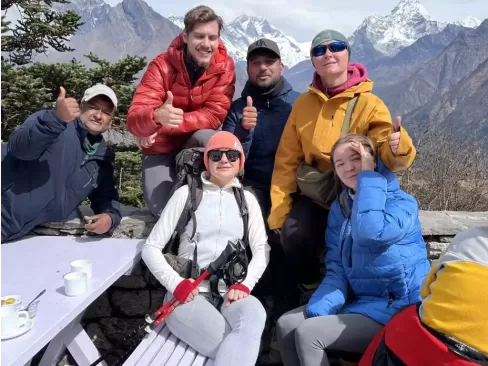
Everest View Trek – Short, Scenic, and Rewarding Himalayan ExperienceThe Everest View Trek stands as a remarkable journey that caters to those seeking the allure of the Everest region without the strenuous challenges of higher altitudes. Commencing from the thrilling flight to Lukla, the trek unfolds in the heart of the Khumbu region, offering breathtaking views of the world's highest peak, Mount Everest, and its iconic neighbors. The route takes trekkers through picturesque Sherpa villages like Phakding, Namche Bazaar, and Tengboche, allowing for cultural immersion and encounters with the warm hospitality of the Sherpa community. The journey reaches its pinnacle with a visit to the renowned Everest View Hotel, perched at an elevation of 3,880 meters, providing an unparalleled panorama of Everest, Lhotse, Ama Dablam, and a host of other majestic peaks. This trek is a perfect blend of adventure and accessibility, making it an ideal choice for those seeking a taste of the Everest region's grandeur without the rigors of high-altitude trekking.The cultural aspect of the trek is further enriched with visits to ancient monasteries, such as the Tengboche Monastery, where trekkers can witness traditional rituals and gain insights into the spiritual heritage of the region. The trek also includes a visit to the peaceful Khumjung village, home to the famous Hillary School and the Yeti Skull. The Everest View Trek provides an immersive experience in the heart of the Khumbu, catering to both novice and experienced trekkers who wish to relish the magnificence of Everest while enjoying the comforts of lower altitudes. This journey not only showcases the unparalleled beauty of the Himalayas but also allows trekkers to appreciate the rich cultural tapestry that defines the Everest region, making it a memorable and accessible adventure for those with a love for mountain vistas and cultural exploration.Top Blogs About Trekking in the Everest RegionUncover the best blogs about trekking in the Everest region, featuring expert advice, detailed itineraries, personal experiences, and essential tips for adventurers looking to explore the Himalayas.Top 5 Everest Trekking PackagesWhere is Mount Everest? Discover the World’s Highest PeakTop 9 Reasons to Go on Everest Base Camp TrekAccommodation During Everest Base Camp TrekShower and Laundry Facilities During the Everest Base Camp TrekElevation Facts for Everest Base Camp TrekkingPhysical Fitness Requirements for Everest Base Camp TrekThe Best Ways to Trek to Everest Base CampWhen is the Best Time to Hike to Everest Base Camp?Everest Base Camp Trek: Tips and FAQsWhy Sleeping at Everest Base Camp Is the Ultimate Trekking Experience ?Which is the Better Lake Trek in Nepal: Gokyo or Tilicho Lake Trek?Altitude Sickness on Nepal Treks: Symptoms, Treatment, and When to Descend (Complete Guide)Everest Base Camp Toilet Problem: The Environmental Crisis on the World's Highest MountainMonastery Life in Nepal: Finding Peace in the Heart of the HimalayasAltitude Sickness on Nepal Treks: Symptoms, Treatment, and When to Descend (Complete Guide)Dal Bhat Power 24 Hour: The Science and Soul Behind Nepal's Mountain Fuel10 Essential Everest Trekking Tips Every First-Time Trekker Must KnowThe 3 AM Wake-Up Call Nobody Tells You About: Real Stories from Everest Base CampThe Essential Guide to Choosing Your Perfect Nepal Trek: From Beginner-Friendly Trails to Epic Himalayan AdventuresSolo Female Trekking in Nepal: A Complete Safety and Empowerment Guide for 2026Complete Fitness Training Guide for Nepal Trekking 2026: From Couch to Base Camp in 12 WeeksThe Everest View Trek is one of the most rewarding short treks in Nepal, offering breathtaking Himalayan views, rich Sherpa culture, and a comfortable trekking experience without the challenges of extreme altitude. Ideal for travelers with limited time or those seeking a gentle introduction to trekking in the Everest region, this journey delivers spectacular scenery while keeping the route accessible and enjoyable.The trek begins with a thrilling mountain flight to Lukla, instantly immersing trekkers in the dramatic landscapes of the Khumbu region. From Lukla, the trail follows the Dudh Koshi River through pine forests and charming settlements, leading to the peaceful village of Phakding. This section of the trail is relatively easy and allows trekkers to settle into the rhythm of Himalayan walking while enjoying views of snow-capped peaks and suspension bridges adorned with prayer flags.The path gradually ascends toward Namche Bazaar, the vibrant heart of the Everest region. Located at an altitude of 3,440 meters, Namche Bazaar is not only a major acclimatization point but also a cultural and commercial hub for the Sherpa community. Trekkers can explore traditional markets, bakeries, monasteries, and local museums while enjoying panoramic views of Kongde Ri, Thamserku, and surrounding peaks.From Namche, the trail continues toward Tengboche, home to the famous Tengboche Monastery, the most important Buddhist monastery in the Everest region. Set against a dramatic mountain backdrop, the monastery offers a peaceful atmosphere where trekkers can observe Buddhist rituals, spin prayer wheels, and gain insight into Sherpa spiritual traditions. The surrounding views of Ama Dablam, Everest, and Lhotse make Tengboche one of the most scenic stops on the trek.The highlight of the Everest View Trek is a visit to the iconic Everest View Hotel, located at 3,880 meters. Renowned as one of the world’s highest-altitude hotels, this viewpoint offers unobstructed panoramic views of Mount Everest, Ama Dablam, Lhotse, and Nuptse. What makes this experience truly special is that trekkers can enjoy these legendary Himalayan vistas without trekking to extreme altitudes, making it an excellent option for families, first-time trekkers, and older travelers.Best Time to Do the Everest View TrekThe best seasons for the Everest View Trek are spring (March to May) and autumn (September to November), when weather conditions are stable and mountain visibility is at its best.Spring brings mild temperatures, blooming rhododendron forests, and clear skies, creating a colorful and pleasant trekking environment. Autumn, following the monsoon, offers crisp air and exceptional visibility, with sharp views of the Himalayan peaks and comfortable daytime temperatures.The monsoon season (June to August) is less ideal due to frequent rainfall and cloudy conditions, while winter (December to February) can be very cold, with snow at higher elevations, making trekking more challenging for casual hikers.Everest View Trek Difficulty LevelThe Everest View Trek is classified as a moderate trek, making it suitable for trekkers of varying fitness levels. The trail includes gradual ascents and well-maintained paths, with the highest point being the Everest View Hotel at 3,880 meters.Unlike longer and more demanding routes such as Everest Base Camp Trek, this trek does not involve technical terrain or prolonged high-altitude exposure. No previous trekking experience is required, although basic physical fitness and a positive attitude greatly enhance the experience.Acclimatization is naturally built into the trek, especially around Namche Bazaar, allowing trekkers to adapt comfortably to the altitude and enjoy the journey without unnecessary strain.Accommodation and Food on the Everest View TrekAccommodation during the Everest View Trek is provided in traditional teahouses and mountain lodges, most of which are operated by local Sherpa families. These lodges offer clean and comfortable rooms, shared dining areas, and a warm, welcoming atmosphere.While facilities are simple, they are well-suited for trekking and provide everything needed for a comfortable stay in the mountains. At higher elevations, accommodations may be more basic due to the remoteness of the region, but hospitality remains consistently warm.Meals along the trek include a combination of traditional Nepali and international dishes. Common options include dal bhat, noodles, soups, momo, eggs, bread, and hot beverages such as tea, coffee, and ginger lemon honey. The food is freshly prepared and designed to provide sufficient energy for daily walking.Communication and ConnectivityCommunication along the Everest View Trek is generally available but can be inconsistent. Most teahouses provide Wi-Fi services, though internet speed may vary depending on location and weather conditions. Mobile network coverage is accessible in major villages like Namche Bazaar but may be limited in more remote sections of the trail.Trekkers are advised to inform family and friends of their itinerary in advance and understand that connectivity may be limited at times. Carrying a power bank is also recommended, as charging facilities are usually available for a small fee.Why Choose Explore Holiday Treks for the Everest View TrekExplore Holiday Treks is dedicated to offering high-quality trekking experiences that combine safety, comfort, and cultural authenticity. Our experienced local guides and support staff ensure that every aspect of the Everest View Trek is handled professionally, allowing you to enjoy the journey with confidence and peace of mind.We focus on:Experienced and friendly Sherpa guidesWell-paced trekking with proper acclimatizationComfortable lodges and nutritious mealsCultural immersion and responsible tourismOur trekking philosophy prioritizes guest satisfaction while supporting local communities and preserving the fragile Himalayan environment. With Explore Holiday Treks, you gain more than just a trek—you gain meaningful insights into the landscapes, culture, and traditions of the Everest region.Conclusion – A Perfect Introduction to the Everest RegionThe Everest View Trek is an exceptional journey that captures the essence of the Everest region in a short and accessible format. From the excitement of the Lukla flight and the lively atmosphere of Namche Bazaar to the spiritual calm of Tengboche Monastery and the unforgettable Himalayan views from the Everest View Hotel, this trek offers a well-rounded and deeply rewarding experience.Whether you are a first-time trekker, traveling with family, or simply seeking a comfortable Himalayan adventure, the Everest View Trek with Explore Holiday Treks provides the perfect balance of scenery, culture, and ease. Let us guide you through one of Nepal’s most iconic regions while ensuring a safe, enriching, and memorable journey in the heart of the Himalayas.

Honey Hunting Tour in Ludi: Nepal's Most Thrilling Cultural Adventure Deep in the hills of central Nepal, where terraced fields cascade down mountainsides and the Annapurna range dominates the northern horizon, exists a tradition so ancient, so dangerous, and so visually spectacular that it seems to belong to another era entirely. The Honey Hunting Tour in Ludi offers travelers something increasingly rare in our modern world: a genuine adventure that hasn't been sanitized, packaged, or stripped of its authentic character. This isn't your typical Nepal experience. While thousands of trekkers head to famous routes like the Everest Base Camp Trek or Annapurna Circuit Trek, the honey hunting tradition in Ludi remains relatively unknown—a closely guarded cultural treasure practiced by the Gurung community for centuries. The Honey Hunting Tour in Ludi provides access to this extraordinary world, where men still risk their lives scaling sheer cliffs to harvest wild honey from the world's largest honeybee species. Understanding Nepal's Honey Hunting Tradition The Giant Himalayan Honeybee: Nature's Extreme Architect The star of this story isn't actually human—it's Apis laboriosa, the giant Himalayan honeybee. These remarkable insects represent the world's largest honeybee species, with workers measuring up to 3 centimeters in length. Unlike domestic honeybees that happily inhabit wooden boxes, Apis laboriosa builds massive exposed hives on sheer cliff faces, often hundreds of feet above the ground, in locations that seem designed to deter any creature foolish enough to attempt reaching them. These bees don't choose cliff locations randomly. The exposed rock faces provide protection from predators, temperature regulation, and ideal conditions for their colonies. A single hive can measure up to 1.5 meters in diameter and contain tens of thousands of bees producing honey with unique properties. The higher altitude hives—some located at elevations exceeding 2,500 meters—produce what locals call "mad honey" or hallucinogenic honey, which contains grayanotoxins from rhododendron nectar and has been used traditionally for medicinal purposes and ritualistic practices. The bees themselves are formidable defenders of their nests. Their stings pack significantly more venom than common honeybees, and unlike some bee species that die after stinging, Apis laboriosa can sting repeatedly. Swarms of angry giant bees represent a genuine threat to anyone attempting to harvest their honey, which is precisely why this tradition requires such extraordinary skill, courage, and respect for the bees. The Gurung People: Guardians of an Ancient Practice The Gurung community of central Nepal has maintained the honey hunting tradition for centuries, passing down knowledge, techniques, and spiritual practices from generation to generation. The Gurung people, one of Nepal's many indigenous ethnic groups, have historically inhabited the mid-hills region where these giant honeybees establish their colonies. What makes the Gurung honey hunters special isn't just their climbing ability or bravery—it's their comprehensive understanding of bee behavior, cliff geography, weather patterns, and the spiritual dimensions they believe surround this dangerous practice. Master honey hunters, some now in their 60s and 70s, began learning the craft as young boys, observing their fathers and uncles, gradually taking on more responsibility until they could lead hunts themselves. The tradition faces uncertain futures in many areas as younger generations leave villages for urban opportunities, seeing less appeal in a dangerous practice that yields modest financial returns. This demographic shift makes experiencing the honey hunt now particularly significant—you're witnessing a cultural tradition that might not survive another generation in its authentic form. The Spiritual Dimension: More Than Just Harvesting Honey For the Gurung community, honey hunting transcends simple food gathering—it's a deeply spiritual practice interwoven with animist beliefs, Hindu traditions, and respect for natural forces. Before any hunt, elaborate ceremonies honor the cliff spirits, the bees, and various deities believed to control the honey hunters' fate. A shaman or village elder typically performs these ceremonies, making offerings of rice, flowers, and sometimes sacrificing a chicken or goat. Participants abstain from certain foods, observe behavioral restrictions, and maintain respectful attitudes. The ceremonies ask permission from the spirits to harvest honey, seek protection for the hunters, and express gratitude for the bees' gifts. These aren't empty rituals performed for tourists—they represent genuine belief systems that have governed these communities for centuries. The spiritual preparation is considered as important as the physical preparation, perhaps more so. Stories abound of hunts that went tragically wrong when proper ceremonies weren't performed, serving as cautionary reminders of the forces involved. The Honey Hunting Process: Ancient Techniques Meet Extreme Danger Pre-Hunt Preparations The honey hunting season typically runs from April to June and again from October to November, when the hives reach their maximum size and honey production peaks. These timing windows also coincide with more favorable weather conditions—crucial when spending hours suspended on cliff faces. Days before the actual hunt, scouts identify promising cliffs and assess hive locations. They examine access routes, evaluate rope attachment points, study bee activity patterns, and monitor weather forecasts. This reconnaissance proves crucial to planning the safest approach, though "safe" remains a relative term when discussing activities that involve dangling from rope ladders hundreds of feet above the ground while being attacked by thousands of giant bees. The rope ladders used represent marvels of traditional engineering. Woven from bamboo and local forest fibers, these ladders must be strong enough to support multiple people's weight while flexible enough to navigate around cliff irregularities. Creating and maintaining these ladders requires specialized knowledge, with master craftsmen examining every rung and connection point before declaring a ladder safe for use. Team members gather to assemble equipment: bamboo poles (some extending 3-4 meters for reaching distant hives), collection baskets, protective clothing (traditionally just simple cloth, though some hunters now wear face nets), fire materials for creating smoke, and offerings for the pre-hunt ceremony. The atmosphere during these preparations combines excitement, nervous energy, and solemn respect for the dangerous undertaking ahead. The Hunt: A Dance with Danger Dawn typically marks the beginning of the hunt. The ceremony performed, the team approaches the cliff base with equipment. The master hunter—always the most experienced and skilled climber—prepares to descend (or sometimes ascend, depending on cliff configuration) to the hives. Watching a master honey hunter work is witnessing human courage and skill at extraordinary levels. Using the bamboo rope ladder, he descends the cliff face with remarkable confidence, his weight distributed across various attachment points. Team members above manage the ropes, maintaining tension and responding to the master hunter's shouted instructions. As the hunter approaches the hive, he ignites a bundle of green leaves and branches, creating thick smoke that drives the bees away from their nest. This smoke doesn't make the bees passive—it triggers their survival instincts, making them gorge on honey (preparing to abandon the nest if necessary) and become somewhat less aggressive. "Somewhat" being the operative word, as hundreds of angry giant bees still swarm around the hunter, stinging exposed skin repeatedly. The actual honey harvesting happens quickly. Using a long bamboo pole with a basket attached, the hunter breaks pieces of honeycomb free from the cliff, catching them in the basket while maintaining his precarious position on the ladder. A single false move—a broken rope, a moment of dizziness from bee stings, a gust of wind—could prove fatal. The hunters are acutely aware of this reality, having likely known colleagues who died or were seriously injured during hunts. The honeycomb, heavy with honey and bee larvae, is lowered in baskets to team members below. Once sufficient honey has been collected (or the bees become too aggressive to continue safely), the master hunter signals for his team to pull him back up. The entire process might take 2-4 hours of intense, focused danger. After the Hunt: Community and Celebration The successful hunt's conclusion brings palpable relief and celebration. The honey is distributed among team members and the broader community according to traditional protocols, with shares designated for the master hunter, his assistants, the village elders, and various community needs. The honey serves multiple purposes: food, traditional medicine, trade goods, and offerings for religious ceremonies. Fresh honeycomb eaten directly offers a taste unlike any commercially available honey. The flavor profile depends on the flowers the bees visited—rhododendron honey tastes distinctly different from honey gathered from other sources, with complex floral notes and sometimes a slight intoxicating quality from the grayanotoxins present in higher-altitude honey. The celebration also includes storytelling, with hunters recounting close calls, funny moments, and particularly dangerous maneuvers from the day's hunt. These stories reinforce the tradition's oral history, teaching younger observers while entertaining the community. Traditional millet beer (tongba) or homemade raksi (distilled spirits) typically flow freely during these celebrations. The Ludi Experience: What Makes This Location Special Geographic Setting and Natural Beauty Ludi sits in the Lamjung district of central Nepal, positioned perfectly for honey hunting tourism. The area features numerous cliff faces where giant honeybees establish colonies, traditional Gurung villages maintaining authentic lifestyles, and spectacular mountain scenery dominated by the Annapurna and Dhaulagiri ranges. The trek to honey hunting sites takes travelers through quintessential middle-hills Nepal landscape: terraced rice fields creating geometric patterns across hillsides, rhododendron forests that explode with color during spring, small villages where life proceeds much as it has for centuries, and trails offering increasingly dramatic mountain views as you gain elevation. Unlike the crowded trails of popular routes like the Ghorepani Poon Hill Trek or Mardi Himal Trek, the paths around Ludi remain relatively quiet. You're more likely to encounter local farmers herding goats or carrying goods than other trekking groups. This isolation enhances the authenticity of the experience—you're visiting a living culture, not a tourism performance. The Gurung Villages: Living Culture The Gurung villages around Ludi provide as much attraction as the honey hunting itself. These communities maintain traditional lifestyles increasingly rare in modernizing Nepal. Stone houses with slate roofs cluster on hillsides, smoke rising from cooking fires, elderly people sitting in doorways watching life pass by, children playing in village squares, and livestock wandering freely through narrow lanes. Village hospitality is legendary. Guests are welcomed into homes, offered tea or millet beer, and included in family activities. The Gurung are naturally warm and curious people, eager to share their culture while learning about visitors' backgrounds. These interactions—sharing meals around the hearth, watching women weave traditional cloth, listening to elders recount village history—often prove as memorable as the honey hunting itself. The villages also feature traditional Buddhist and animist shrines, terraced gardens growing vegetables and medicinal plants, water-powered mills grinding grain, and other elements of sustainable mountain agriculture. Observing how communities function largely independently of modern infrastructure provides valuable perspective on self-sufficiency and traditional ecological knowledge. Seasonal Considerations and Best Times to Visit The honey hunting seasons (spring and autumn) dictate optimal visiting times. Spring (April-May) offers the advantage of rhododendron forests in full bloom, creating spectacular displays of red, pink, and white flowers covering entire hillsides. The weather is generally stable, though afternoon clouds can obscure mountain views. This season produces the famous "mad honey" from rhododendrons. Autumn (October-November) provides the year's clearest mountain views, with crisp air and stable weather creating perfect trekking conditions. Temperatures are comfortable during the day, though nights can be cold. The post-monsoon landscape glows green from recent rains, and the autumn harvest season brings festivals and celebrations to villages. Summer monsoon season (June-September) sees limited honey hunting due to rain, slippery cliffs, and bees' reduced activity. Winter (December-March) is generally not hunting season, as bees are less active and harsh weather makes cliff access dangerous. Cultural Immersion: Beyond Watching the Hunt Traditional Music and Dance The Gurung community possesses rich musical and dance traditions deeply connected to their cultural identity. During village celebrations and special occasions, traditional performances showcase instruments like the madal (hand drum), damphu (circular drum), and bansuri (bamboo flute). The rhythms and melodies, passed down orally through generations, tell stories of daily life, spiritual beliefs, and historical events. The sorathi dance, performed during festivals and celebrations, involves dancers moving in circular patterns while singing traditional songs. The lyrics often relate to honey hunting, mountain life, changing seasons, and relationships. Visitors who arrive during festival times might witness full-scale cultural performances involving entire villages. Honey hunting tours often include cultural evenings where local musicians and dancers perform specifically for guests. While these performances are organized for tourists, they represent genuine traditions rather than manufactured entertainment. The performers are community members who grew up learning these art forms and take pride in sharing them with outsiders. Traditional Food and Hospitality Gurung cuisine reflects the community's mountain environment and agricultural practices. Dal bhat (lentils and rice) forms the foundation, but local variations include distinctive touches: gundruk (fermented leafy greens), dhindo (millet or cornmeal porridge), and various chutneys made from local ingredients like timur (Szechuan pepper) and jimbu (Himalayan herb). Fresh honey naturally features prominently during honey hunting tours. Locals consume it directly, mix it into tea, use it in cooking, and offer it to guests as a special treat. Experiencing freshly harvested wild honey—still in the comb, perhaps with bee larvae visible—represents a unique culinary adventure quite different from store-bought honey. Tongba, a millet beer served in a wooden or bamboo container with hot water poured over fermented millet, is the traditional beverage for celebrations and hospitality. Drinking tongba follows specific customs: the host serves it, the first drink is relatively weak (as the water extracts alcohol from the millet), subsequent refills become stronger, and the container is shared among participants using bamboo straws. Handicrafts and Traditional Skills Gurung women are renowned for their weaving skills, producing distinctive textiles featuring geometric patterns and color combinations that identify their ethnic group. Watching weavers work on back-strap looms—an ancient technology requiring remarkable skill—provides insight into the time and effort invested in creating traditional clothing. Bamboo craft represents another important skill set. Beyond rope ladders for honey hunting, bamboo is fashioned into baskets, containers, mats, musical instruments, and countless household items. The knowledge required to select appropriate bamboo, process it correctly, and craft durable functional objects reflects generations of accumulated expertise. Some villages maintain blacksmith traditions, producing the khukuri knives famously associated with Gurkha soldiers (many of whom are Gurung). Watching a blacksmith heat, hammer, and shape metal using techniques unchanged for centuries demonstrates traditional craftsmanship's enduring relevance. Comparing Honey Hunting Tours in Different Regions Ludi vs. Lamjung Siurikhola While the Honey Hunting Tour in Ludi offers excellent experiences, Nepal has other locations where this tradition continues. The Honey Hunting Tour in Lamjung, Siurikhola provides similar cultural encounters in a slightly different geographic setting within the same district. Siurikhola tends to attract slightly more visitors than Ludi, meaning more developed tourism infrastructure but potentially less intimate cultural exchanges. The cliffs and hunting techniques remain essentially identical, as both locations are inhabited by Gurung communities maintaining the same traditions. Ludi vs. Ghanpokhara and Ghalegaun The Honey Hunting in Ghanpokhara and Ghalegaun represents another option for experiencing this tradition. Ghalegaun has developed somewhat more organized homestay networks and community-based tourism initiatives, offering more comfortable accommodations and structured cultural programs. The trade-off is authenticity versus comfort. Ludi remains more rustic and less influenced by tourism development, providing rawer, more authentic experiences. Ghalegaun offers better facilities, easier logistics, and more predictable experiences—appealing to travelers prioritizing comfort or those with limited time. Planning Your Honey Hunting Adventure Physical Fitness Requirements The honey hunting tour requires moderate fitness levels. The trekking involved isn't as demanding as high-altitude routes like the Annapurna Base Camp Trek or Langtang Valley Trek, as elevations remain relatively low (typically 1,000-2,500 meters). However, you'll be walking several hours daily on sometimes steep trails. Participants don't need climbing skills or previous honey hunting experience. The actual cliff work is performed by trained local hunters—visitors observe from safe vantage points. However, reaching viewpoints might involve some scrambling over rocks or navigating rough terrain. More important than physical fitness is mental comfort with heights and potentially intense situations. Watching someone dangle from rope ladders hundreds of feet above ground while being attacked by bees isn't for everyone. Some visitors find the experience exhilarating, others find it stress-inducing. What to Pack Essential items include: Sturdy hiking boots: Trails can be steep and slipperyLayered clothing: Temperatures vary throughout the daySun protection: Hat, sunglasses, and sunscreen for exposed ridgesCamera with good zoom: For capturing the hunt from safe distancesFirst aid kit: Including antihistamines for potential bee stingsHeadlamp: For early starts or village evenings without electricityReusable water bottle: With purification tablets or filterSnacks: For energy during trekking daysCash: Villages don't have ATMsPositive attitude: Essential for cultural exchange Cultural Sensitivity and Responsible Tourism Experiencing honey hunting tourism carries responsibility. This is someone's culture, livelihood, and dangerous profession—not a performance staged for entertainment. Maintaining respectful attitudes and following your guide's instructions ensures positive interactions and supports sustainable tourism development. Photography requires consideration. Always ask permission before photographing people, especially during ceremonies or in villages. Some rituals or moments may be inappropriate for photography. The actual hunt is generally acceptable to photograph, but follow your guide's directions about positioning and behavior to avoid interfering with the hunters' dangerous work. Compensation for honey hunting demonstrations should be fair and agreed upon beforehand through your tour operator. The relatively modest cash income honey hunting provides makes it economically challenging to justify compared to other livelihood options. Tourism can provide supplementary income that helps keep the tradition alive, but only if structured fairly. Supporting Community Development Many honey hunting tours incorporate homestays, meals, and cultural performances that directly benefit local communities. This community-based tourism model ensures that economic benefits from tourism flow to villagers rather than being captured entirely by external operators. Consider bringing small gifts for host families: school supplies for children, solar lights for homes without electricity, basic medicines for village health posts, or books for community centers. Discuss appropriate gifts with your tour operator beforehand to ensure they're culturally appropriate and genuinely useful. Purchasing locally made handicrafts—woven textiles, bamboo products, knitted items—provides direct income to artisans while giving you authentic souvenirs with genuine stories behind them. Combining Honey Hunting with Other Nepal Adventures Complementary Trekking Experiences The Ludi region's location makes combining honey hunting with other adventures logical. The Annapurna Base Camp Short Trek could precede or follow honey hunting, offering mountain vistas and high-altitude trekking contrasting nicely with the cultural focus of honey hunting. The Royal Trek, passing through Gurung villages with excellent Annapurna views, provides similar cultural encounters in a more structured trekking format. The Panchase Trek offers another accessible option with beautiful scenery and cultural experiences. For those wanting extended adventures, the full Annapurna Circuit Trek or Manaslu Circuit Trek could incorporate detours for honey hunting, creating comprehensive experiences combining high mountain trekking with cultural immersion. Cultural Tours and Wildlife Experiences The Kathmandu Pokhara Chitwan Tour could bookend a honey hunting experience, providing contrasts between urban culture, mountain scenery, wildlife encounters, and village traditions. This creates a comprehensive Nepal experience showcasing the country's remarkable diversity. Similarly, the Kathmandu Pokhara Lumbini Chitwan Tour adds spiritual dimensions through visiting Buddha's birthplace, creating a journey encompassing cultural, spiritual, natural, and wildlife aspects of Nepal. The Future of Honey Hunting Tourism Conservation and Sustainability Challenges Traditional honey hunting faces multiple pressures threatening its continuation. Younger generations increasingly prefer urban employment over dangerous village traditions. Climate change affects bee populations and flowering patterns. Modern beekeeping offers safer alternatives for honey production. The knowledge transfer from master hunters to apprentices has slowed as fewer young people commit to learning the practice. Tourism presents both opportunities and risks. Done responsibly, tourism can provide economic incentives for maintaining traditions, generate pride in cultural heritage among younger community members, and create documentation of practices that might otherwise disappear. However, poorly managed tourism might commodify and degrade authentic traditions, create dependency on external income, or pressure communities to perform hunts regardless of optimal timing or safety conditions. The Role of Responsible Tourism Travelers choosing honey hunting experiences play crucial roles in this tradition's future. Selecting operators committed to fair community compensation, environmental protection, and cultural respect sends market signals supporting sustainable tourism models. Engaging respectfully with communities, asking thoughtful questions, and genuinely appreciating the cultural significance (rather than just seeking adrenaline thrills or Instagram content) contributes to positive outcomes. Spreading awareness about this tradition through word-of-mouth, social media, and travel writing helps generate interest that can sustain community-based tourism initiatives. However, this awareness must be balanced against the risk of over-tourism overwhelming small villages unequipped to handle large visitor numbers. Conclusion: Why the Honey Hunting Tour Matters In an increasingly homogenized world where traditional practices are abandoned for modern alternatives, experiencing something as authentic, dangerous, and culturally significant as honey hunting feels almost revolutionary. This isn't a staged performance or a sanitized cultural show—it's a real tradition practiced by real people who genuinely risk their lives for honey that genuinely sustains their communities. The Honey Hunting Tour in Ludi offers something rare: a chance to witness extraordinary human courage, connect with a living tradition thousands of years old, engage meaningfully with indigenous communities, and experience Nepal beyond the standard tourist circuits. Whether you're an adventure seeker looking for experiences that genuinely push boundaries, a cultural enthusiast wanting deep immersion in authentic traditions, a photographer seeking unique subjects, or simply someone who appreciates rare and remarkable human endeavors, honey hunting delivers experiences you'll carry with you forever. The tradition faces uncertain futures, making experiencing it now particularly significant. You're not just a tourist consuming an experience—you're a witness to cultural heritage, a participant in sustainable tourism models, and potentially an advocate who'll help ensure these traditions receive the respect and support they deserve. The cliffs of Ludi, the giant Himalayan honeybees, and the brave Gurung hunters await. This is Nepal beyond the trekking trails, beyond the tourist cafes, beyond the comfortable and familiar. This is Nepal at its most authentic, most challenging, and most rewarding.

Honey Hunting Tour in Siurikhola, Lamjung: An Ultimate Adventure Experience Experience the ancient tradition of honey hunting in the pristine landscapes of Siurikhola, nestled in the Lamjung district of Nepal. This thrilling adventure combines cultural immersion with natural beauty, offering travelers a unique glimpse into one of the world's most dangerous professions practiced by the indigenous Gurung community. What is Honey Hunting in Siurikhola? Honey hunting in Siurikhola represents one of Nepal's most captivating cultural traditions. Located in the heart of Lamjung district, Siurikhola provides the perfect setting to witness brave honey hunters scaling steep cliff faces to harvest wild honey from the giant Himalayan honeybees (Apis laboriosa). These magnificent bees build their massive hives on towering rock faces, creating a spectacle that has attracted adventurers and cultural enthusiasts from around the world. The practice dates back centuries and remains largely unchanged, with skilled Gurung honey hunters using handmade rope ladders, bamboo poles, and traditional techniques passed down through generations. Unlike commercial beekeeping, this is a seasonal activity performed twice a year, typically in spring and autumn, when the honey is most abundant and flavorful. The Giant Himalayan Honeybee: Nature's Marvel The star of this adventure is the Apis laboriosa, the largest honeybee species in the world. These impressive insects build exposed nests that can reach up to 1.5 meters in diameter on cliff overhangs, sometimes at heights exceeding 100 meters. The honey they produce is unique, containing natural compounds that many believe have medicinal properties, particularly the psychoactive "mad honey" harvested from rhododendron nectar. The Honey Hunting Experience: What to Expect Traditional Hunting Methods Watching honey hunters in action is nothing short of spectacular. The process begins with ritual ceremonies involving prayers and offerings to forest deities. The lead hunter, known as the "kuiche," descends the cliff face using rope ladders made from bamboo while smoke from burning green leaves is used to calm the bees. Working with remarkable precision, hunters use long poles to dislodge the honeycomb sections, which fall into baskets held by team members below. The entire village participates in this communal activity, creating an atmosphere of celebration and unity. Visitors can observe from safe vantage points while photographers capture this incredible tradition against the backdrop of stunning Himalayan peaks. Cultural Immersion with the Gurung Community The honey hunting tour offers more than just witnessing the harvest. Travelers stay in traditional Gurung homestays, experiencing authentic mountain hospitality. The Gurung people are renowned for their warmth and rich cultural heritage, including distinctive architecture, traditional dress, and folk traditions. Evenings in Siurikhola come alive with cultural performances featuring traditional Ghatu dances, where villagers in colorful attire perform ancient rituals accompanied by madal drums and folk songs. You'll have opportunities to learn about Gurung customs, taste local cuisine prepared with fresh honey, and hear fascinating stories about the history and legends surrounding honey hunting. Trekking Through Spectacular Landscapes Natural Beauty of the Lamjung Region The journey to Siurikhola is an adventure in itself. The region boasts breathtaking scenery characterized by terraced hillsides, dense rhododendron forests, gurgling mountain streams, and panoramic views of the Annapurna and Manaslu mountain ranges. The trekking routes pass through traditional villages where time seems to have stood still, offering glimpses into rural Nepalese life. During spring (March to May), the hillsides explode with color as rhododendrons bloom in brilliant shades of red, pink, and white. The autumn months (October to November) provide crystal-clear mountain views and pleasant temperatures, making both seasons ideal for the honey hunting tour. Wildlife and Biodiversity The forests surrounding Siurikhola are home to diverse wildlife including langur monkeys, Himalayan black bears, various bird species, and colorful butterflies. Nature enthusiasts will appreciate the rich biodiversity of this mid-hill ecosystem, where subtropical and temperate zones converge. Planning Your Honey Hunting Adventure Best Time to Visit The honey hunting season in Siurikhola typically occurs twice annually. Spring harvests happen in April and May, while autumn harvests take place in October and November. These periods coincide with Nepal's prime trekking seasons, offering comfortable temperatures and minimal rainfall. The spring harvest is particularly popular as it follows the rhododendron blooming season, adding extra beauty to the journey. Physical Fitness and Difficulty Level The Siurikhola honey hunting tour involves moderate trekking through hilly terrain with elevation gains and losses. While you don't need to be an elite athlete, a reasonable fitness level is recommended. Daily walks of 4-6 hours on uneven paths require stamina and basic hiking experience. The elevation in Siurikhola ranges from approximately 1,200 to 2,000 meters, so altitude is not a significant concern. What to Pack Essential items for your honey hunting adventure include comfortable trekking boots with good ankle support, layered clothing for varying temperatures, rain gear and waterproof backpack cover, sun protection including hat and sunscreen, basic first aid kit and personal medications, camera with extra batteries and memory cards, flashlight or headlamp, reusable water bottle, and toiletries and wet wipes. Combining Your Honey Hunting Tour with Other Adventures Extended Trekking Options Many travelers combine the honey hunting experience with nearby trekking routes. The Annapurna Base Camp Trek is accessible from Lamjung and offers stunning views of the Annapurna massif. For those seeking shorter adventures, the Ghorepani Poon Hill Trek provides excellent mountain panoramas and can be combined with a visit to Siurikhola. The Mardi Himal Trek is another excellent option in the Annapurna region, offering less crowded trails and intimate mountain views. For cultural enthusiasts, the Tamang Heritage Trek in the Langtang region showcases another fascinating ethnic community of Nepal. Other Honey Hunting Locations If you're fascinated by honey hunting, Nepal offers similar experiences in other locations. The Honey Hunting Tour in Ludi provides another perspective on this ancient practice, while Honey Hunting in Ghanpokhara and Ghalegaun combines the experience with visits to traditional Gurung villages. Sustainable Tourism and Conservation Supporting Local Communities Tourism related to honey hunting provides vital income for remote mountain communities. By participating in these tours, travelers directly support the preservation of traditional practices and help improve local livelihoods. The income generated enables communities to maintain their cultural heritage while providing education and healthcare for their children. Environmental Conservation Responsible tour operators work closely with local communities to ensure honey harvesting is sustainable. Traditional honey hunters understand the importance of leaving sufficient honeycomb for bee colonies to survive and thrive. This balanced approach has sustained the practice for centuries and serves as a model for sustainable resource use. Visitors are encouraged to follow Leave No Trace principles, respect wildlife and natural habitats, support local businesses and homestays, and learn about conservation efforts in the region. Getting to Siurikhola Transportation and Access The journey to Siurikhola typically begins in Kathmandu, Nepal's capital city. From Kathmandu, travelers take a scenic drive to Besisahar or Khudi, the starting points for the trek to Siurikhola. The drive takes approximately 6-7 hours on winding mountain roads, offering spectacular views of terraced hillsides and river valleys. For those exploring multiple destinations, consider the Kathmandu Pokhara Tour which can be extended to include the honey hunting experience. The beautiful lakeside city of Pokhara serves as a convenient base for accessing the Lamjung region. Trek Duration and Itinerary Flexibility Standard honey hunting tours in Siurikhola typically last 7 days, including travel time from Kathmandu. However, itineraries can be customized based on your interests and schedule. Some travelers prefer spending additional days in local villages to deepen their cultural understanding, while others combine the experience with longer treks in the Annapurna region. Health and Safety Considerations Altitude and Acclimatization While Siurikhola sits at a relatively modest elevation, proper preparation ensures a comfortable experience. Stay hydrated by drinking plenty of water, pace yourself during treks without rushing, listen to your body and communicate with guides, and carry basic medications for common ailments. Bee Safety Observing honey hunting is generally safe as you'll be positioned at a secure distance from the active harvesting site. Professional guides ensure all safety protocols are followed. The smoke used during harvesting calms the bees, and hunters work with remarkable skill to minimize disturbance to the colonies. Travel Insurance Comprehensive travel insurance is strongly recommended for all adventure activities in Nepal. Ensure your policy covers trekking up to 3,000 meters, emergency evacuation, medical expenses, and trip cancellation or interruption. Cultural Etiquette and Responsible Travel Respecting Local Customs The Gurung community maintains strong cultural traditions, and visitors should show appropriate respect by dressing modestly, especially when visiting homes and temples, asking permission before photographing people, removing shoes when entering homes and religious sites, accepting offered food and drink graciously, and avoiding public displays of affection. Photography Ethics While the honey hunting spectacle provides incredible photographic opportunities, always prioritize respect and safety. Request permission before photographing individuals, avoid using flash during ceremonies, and compensate locals fairly if they request payment for photographs. Remember that you're documenting someone's livelihood and cultural heritage. Beyond Honey Hunting: Exploring Lamjung District Historical and Cultural Sites Lamjung district, the birthplace of King Prithvi Narayan Shah who unified Nepal, offers historical significance beyond honey hunting. Visit the ancient Lamjung Durbar, explore traditional villages unchanged for centuries, and discover local temples and monasteries reflecting the religious diversity of the region. Adventure Activities For adrenaline seekers, the Lamjung area provides additional adventure opportunities. Try Paragliding in Pokhara, experience white water rafting on nearby rivers, or embark on mountain biking adventures through rural landscapes. Comparing Honey Hunting Tours in Nepal Siurikhola vs Other Locations While Siurikhola is the most famous honey hunting location, comparing options helps you choose the best experience for your interests. Siurikhola offers the most authentic and traditional experience with strong Gurung cultural immersion, while other locations might provide easier access or different landscape features. The experience in Siurikhola is particularly special because the community has maintained its traditional practices with minimal outside influence. The remote location ensures an authentic cultural encounter that many travelers find more meaningful than commercialized alternatives. Wellness and Spiritual Aspects Mad Honey and Traditional Medicine The honey harvested from Himalayan cliff faces, particularly that derived from rhododendron nectar, contains grayanotoxins that produce mild psychoactive effects when consumed in small quantities. Locally known as "mad honey," this substance has been used in traditional medicine for centuries to treat various ailments including hypertension, diabetes, and digestive issues. However, consumption should be approached with caution and proper guidance. Local honey hunters understand the proper dosage and preparation methods. Modern travelers should respect these traditional practices and seek expert advice before consuming mad honey. Mindfulness and Natural Connection The honey hunting experience offers unexpected opportunities for personal reflection and mindfulness. Watching the intricate cooperation between hunters, the respect shown to nature, and the community bonds strengthened through this shared tradition can provide profound insights into sustainable living and human connection with the environment. Many visitors report that their time in Siurikhola helps them disconnect from modern stresses and reconnect with simpler, more meaningful aspects of life. The absence of reliable internet and electricity in some areas encourages genuine human interaction and appreciation for natural beauty. Family-Friendly Adventure Options Traveling with Children While honey hunting observation is suitable for families, consider the physical demands of trekking when traveling with children. Older children (10+) with trekking experience typically enjoy the adventure, while younger children might find the daily hiking challenging. Family-friendly alternatives include shorter day trips from more accessible locations or combining the experience with easier activities in nearby areas. The cultural aspect of the tour, including staying in homestays and interacting with local children, provides valuable educational experiences for young travelers, fostering cross-cultural understanding and appreciation. Food and Culinary Experiences Traditional Gurung Cuisine The honey hunting tour includes opportunities to taste authentic Gurung cuisine prepared with fresh, local ingredients. Typical dishes include dhindo (traditional millet porridge), gundruk (fermented leafy greens), local chicken or mutton curries, fresh vegetables from terraced gardens, and honey-infused treats and beverages. Meals are typically served family-style, with everyone gathering around a communal setting. This dining experience facilitates conversation and cultural exchange, allowing travelers to learn about daily life and traditions directly from their hosts. Honey Tasting The harvested honey has distinctive characteristics depending on the flowers visited by the bees. Spring honey, often derived from rhododendron nectar, has a darker color and more robust flavor, while autumn honey tends to be lighter and sweeter. Tasting sessions allow you to appreciate these nuances while learning about the honey's properties and uses. Extending Your Nepal Adventure Classic Trekking Routes After your honey hunting experience, consider extending your stay to explore Nepal's world-renowned trekking routes. The Everest Base Camp Trek offers the ultimate Himalayan experience with views of the world's highest peak, while the Annapurna Circuit Trek takes you through diverse landscapes from subtropical valleys to high mountain deserts. For those seeking less crowded alternatives, the Manaslu Circuit Trek or Langtang Valley Trek provide stunning scenery with more intimate cultural encounters. Cultural Tours Complement your adventure with cultural exploration through the Kathmandu Pokhara Chitwan Tour, which combines heritage sites, mountain scenery, and wildlife viewing. The Pilgrimage Tour offers spiritual insights into Nepal's Hindu and Buddhist traditions. Wildlife and Nature Animal lovers should consider adding the Bardiya National Park Tour to their itinerary, offering opportunities to spot Bengal tigers, one-horned rhinoceros, and diverse bird species in their natural habitat. Practical Information and Tips Money and Expenses While your tour package covers most expenses, bring extra cash for personal purchases, tips for guides and porters, souvenirs and local handicrafts, and drinks and snacks beyond meals provided. ATMs are limited in rural areas, so withdraw sufficient cash in Kathmandu or Pokhara before departing. Communication and Connectivity Mobile phone reception in Siurikhola is limited and unreliable. Inform family and friends that communication may be sporadic during your trek. This digital detox can be refreshing, allowing you to fully immerse yourself in the experience without constant connectivity distractions. Accommodation Accommodation in Siurikhola typically consists of simple but clean homestays with local families. Facilities are basic, often with shared bathrooms and limited hot water availability. This authentic accommodation style is integral to the cultural experience, providing genuine insights into local life. Environmental Impact and Carbon Footprint Minimizing Your Impact Responsible travelers can minimize their environmental footprint by using refillable water bottles with purification tablets, avoiding single-use plastics, carrying out all non-biodegradable waste, using eco-friendly toiletries, and supporting carbon offset programs. Community-Based Tourism The honey hunting tour exemplifies community-based tourism where benefits directly support local residents. This model ensures that tourism development aligns with community values and environmental conservation goals, creating a sustainable alternative to more exploitative tourism practices. Photography and Documentation Capturing the Experience The honey hunting tour provides extraordinary photographic opportunities from dramatic cliff-face harvesting to cultural ceremonies and stunning landscapes. Photographers should bring versatile equipment including wide-angle lenses for landscapes, telephoto lenses for distant subjects and wildlife, and extra batteries and memory cards. Consider the lighting conditions during different times of day for optimal photography. Early mornings and late afternoons provide the best light for landscape photography, while the golden hour before sunset creates magical atmospheric conditions. Weather and Seasonal Considerations Monsoon and Winter While spring and autumn are optimal for honey hunting, understanding year-round weather patterns helps with planning. The monsoon season (June to September) brings heavy rainfall making trails slippery and leeches common, though the landscape is lush and green. Winter months (December to February) offer clear skies but cold temperatures, particularly at night, and the honey hunting season doesn't occur during this period. Learning Opportunities Educational Value The honey hunting experience offers numerous learning opportunities about traditional ecological knowledge, sustainable resource management, indigenous culture and traditions, mountain ecosystems and biodiversity, and community cooperation and social structures. Students, researchers, and anyone interested in anthropology, ecology, or sustainable development will find the experience particularly enriching. Many universities and research institutions have documented honey hunting practices in Nepal, recognizing their significance in understanding human-environment relationships. Solo Travelers and Group Tours Individual vs Group Experiences Both solo travelers and groups can enjoy the honey hunting tour, though each approach offers different advantages. Solo travelers or small groups receive more personalized attention and can adjust itineraries more flexibly, while larger groups benefit from shared costs and built-in companionship during the trek. Many tour operators organize fixed departure group tours during peak honey hunting seasons, providing opportunities to meet fellow adventurers from around the world. Private tours can be arranged for those preferring exclusive experiences. Long-term Impact and Future of Honey Hunting Preservation Challenges Traditional honey hunting faces several challenges including younger generations moving to cities, climate change affecting bee populations, modernization pressures, and maintaining economic viability. Tourism provides economic incentives for cultural preservation while raising awareness about the practice's significance. Supporting responsible honey hunting tours contributes to documenting and preserving this intangible cultural heritage for future generations. Your participation becomes part of a larger conservation effort extending beyond simple adventure tourism. Conclusion: An Unforgettable Journey The Honey Hunting Tour in Siurikhola, Lamjung, offers a rare opportunity to witness an ancient tradition that has survived largely unchanged for centuries. This experience transcends typical tourism, providing profound cultural insights and fostering appreciation for traditional ecological knowledge and sustainable living practices. Whether you're an adventure enthusiast, cultural explorer, or nature lover, the honey hunting tour delivers an authentic Nepalese experience that few travelers encounter. The combination of spectacular Himalayan scenery, thrilling cliff-face harvesting, warm Gurung hospitality, and rich cultural traditions creates memories that last a lifetime. As you watch skilled honey hunters descend steep cliffs with handmade rope ladders, you'll witness human courage, ingenuity, and respect for nature in perfect harmony. This is Nepal beyond the tourist trail—raw, authentic, and unforgettable. Ready to embark on this extraordinary adventure? The cliffs of Siurikhola and the welcoming Gurung communities await your visit. Book your honey hunting tour today and become part of this living tradition that bridges ancient practices with modern appreciation for cultural heritage and environmental sustainability. For more information about trekking and tours in Nepal, visit Explore Holiday Nepal and discover the adventures that await in the heart of the Himalayas.
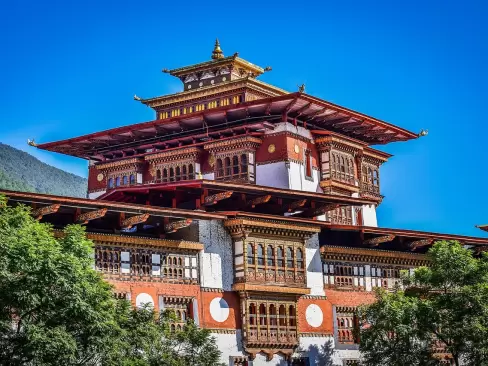
Bhutan Tour: Discover the Kingdom of Happiness in the Himalayas Introduction to Bhutan - The Last Shangri-La Nestled high in the Eastern Himalayas between India and Tibet, Bhutan stands as one of the world's most enigmatic and spiritually rich destinations. Known as Druk Yul—the Land of the Thunder Dragon—this small Himalayan kingdom has captured the imagination of travelers worldwide with its unique approach to development, pristine natural beauty, and deeply preserved Buddhist culture. Unlike any other destination on Earth, Bhutan measures its success not through Gross Domestic Product but through Gross National Happiness, a philosophy that permeates every aspect of life in this mystical kingdom. A Bhutan tour offers far more than stunning mountain vistas and ancient monasteries. It's an immersion into a culture that has deliberately chosen a different path, one that prioritizes environmental conservation, cultural preservation, and the wellbeing of its people over rapid modernization. With more than 70% of the country covered in forest—a percentage enshrined in the constitution—Bhutan remains one of the few carbon-negative countries in the world, absorbing more CO2 than it produces. For travelers coming from Nepal, a combined Nepal Bhutan Tour presents the perfect opportunity to experience two distinct Himalayan cultures within one comprehensive journey. While Nepal dazzles with its towering eight-thousanders and vibrant cultural tapestry combining Hindu and Buddhist traditions, Bhutan captivates with its commitment to preserving tradition and its philosophy of measuring progress through happiness rather than economic indicators alone. Why Choose a Bhutan Tour? The decision to embark on a Bhutan tour represents a choice to step outside the ordinary tourist experience and enter a world where ancient wisdom still guides modern life. Here's why Bhutan should be on every thoughtful traveler's bucket list: A Living Buddhist Heritage Unlike many countries where spirituality has retreated to museums and ceremonial occasions, Bhutan maintains Buddhism as the living heart of daily life. Prayer flags flutter from every hilltop and bridge, sending blessings on the mountain wind. Monasteries aren't historical relics but thriving communities where monks study, practice, and preserve sacred traditions that stretch back over a thousand years. The teachings of Guru Rinpoche, who brought Buddhism to Bhutan in the 8th century, still resonate through every valley and village. For travelers who've experienced the spiritual atmosphere of treks like the Langtang Valley Trek or the Everest Base Camp Trek in Nepal, Bhutan offers an even more concentrated immersion into Himalayan Buddhist culture. The difference lies in Bhutan's successful preservation of tradition as the mainstream way of life rather than a parallel existence alongside modernization. The Gross National Happiness Philosophy Bhutan's unique development philosophy sets it apart from every other nation. Introduced by the fourth king in the 1970s, Gross National Happiness evaluates progress through nine domains: psychological wellbeing, health, education, time use, cultural diversity and resilience, good governance, community vitality, ecological diversity and resilience, and living standards. This holistic approach creates a palpable atmosphere of contentment and balance that visitors immediately sense. Walking through Bhutanese villages, you'll notice something different—people seem genuinely happy, taking time for spiritual practices, maintaining strong community bonds, and living in harmony with their environment. This isn't romanticized nostalgia but a conscious national choice to prioritize wellbeing alongside economic development. Pristine Natural Beauty Bhutan's landscape unfolds like a series of carefully composed paintings—from the Paro Valley's terraced rice fields and traditional farmhouses to Punakha's subtropical warmth and lush vegetation, from Thimphu's pine-forested hills to the high-altitude pristineness of the Phobjikha Valley. Unlike many popular destinations, Bhutan's natural beauty remains remarkably unspoiled thanks to strict environmental policies and controlled tourism. The country's commitment to conservation extends beyond mere rhetoric. Protected areas cover over 51% of the country, creating biological corridors that allow wildlife to migrate freely. Rare species like the black-necked crane, red panda, golden langur, and even tigers thrive in Bhutan's forests—a testament to the kingdom's environmental stewardship. Controlled Tourism for Quality Experiences Bhutan's "high value, low impact" tourism policy might initially seem restrictive, but it actually enhances the visitor experience. The requirement to book through licensed tour operators and the daily sustainable development fee (which contributes to free healthcare and education for Bhutanese citizens) keeps visitor numbers manageable. This means you won't find the overcrowding that plagues many other popular destinations. Every aspect of your journey—hotels, transportation, guides, meals—is arranged through your tour operator, eliminating the stress of logistics while ensuring consistent quality. Your Bhutanese guide becomes more than just a navigator; they're your cultural interpreter, helping you understand and appreciate the deeper meanings behind what you observe. For those who've trekked popular routes like the Annapurna Base Camp Trek or Ghorepani Poon Hill Trek in Nepal during peak season, Bhutan's uncrowded trails and sites offer refreshing contrast. Even at Bhutan's most famous landmarks, you'll rarely encounter the masses that can diminish the experience elsewhere. Major Attractions on a Bhutan Tour Paro Taktsang - Tiger's Nest Monastery No structure in Bhutan captures the imagination quite like Paro Taktsang, the legendary Tiger's Nest Monastery perched impossibly on a sheer cliff 900 meters above the Paro Valley. This sacred site represents the pinnacle of Bhutanese pilgrimage destinations and stands as one of the most photographed landmarks in the Himalayas. According to legend, Guru Rinpoche (Padmasambhava) flew to this location on the back of a tigress in the 8th century and meditated in a cave for three years, three months, three weeks, three days, and three hours, subduing demons and introducing Buddhism to Bhutan. The monastery, built around these meditation caves in 1692, clings to the cliff face in defiance of logic and gravity—a testament to both engineering prowess and spiritual devotion. The pilgrimage to Tiger's Nest begins at the trailhead near Paro, where you might choose to ride a pony for the initial steep section, though most visitors prefer to walk. The path climbs steadily through blue pine and rhododendron forests, with the monastery appearing and disappearing through the trees like a vision. Prayer flags flutter overhead, their mantras carried on the mountain breeze, while the scent of juniper smoke from small shrines mingles with the pine-scented air. Approximately halfway up, a cafeteria offers rest and refreshments alongside spectacular views of the monastery across the valley—a perfect place to catch your breath and contemplate the achievement still ahead. The final approach involves steep stone steps that test determination, but every step carries you deeper into the spiritual atmosphere that makes this place sacred. Inside the complex (photography prohibited), you'll discover temples adorned with ancient murals, flickering butter lamps, and the quiet devotion of both monks and pilgrims. The meditation cave where Guru Rinpoche sat radiates a powerful energy that transcends religious affiliation—even non-Buddhist visitors often describe profound experiences here. Standing on the monastery's terraces, gazing out over the Paro Valley far below with snow peaks rising in the distance, you understand why Bhutanese consider this one of their most sacred sites. For trekkers who've challenged themselves on routes like the Manaslu Circuit Trek or Everest Three Pass Trek, the Tiger's Nest hike offers a different kind of challenge—shorter in duration but steep in elevation gain, and carrying profound spiritual significance beyond the physical effort. Punakha Dzong - The Palace of Great Happiness Situated at the confluence of the Mo Chhu (Mother River) and Pho Chhu (Father River), Punakha Dzong represents perhaps Bhutan's most beautiful architectural achievement. The massive fortress-monastery, with its six-story central tower and golden roofs gleaming in the sun, seems to emerge organically from the landscape, its white walls reflected in the rivers that embrace it. Built in 1637 by Zhabdrung Ngawang Namgyal, the founder of Bhutan as a unified state, Punakha Dzong served as the seat of government until the capital moved to Thimphu in 1955. Today, it remains the winter residence of the Je Khenpo (Chief Abbot) and the central monk body, who relocate here each winter from the colder temperatures of Thimphu. The dzong's interior contains intricate woodwork, ancient murals depicting Buddhist teachings and Bhutanese history, and sacred relics of immense importance to Bhutanese Buddhism. The central tower houses the remains of Zhabdrung Ngawang Namgyal and a statue of Buddha as large as a three-story building. Walking through the courtyards and temples, you'll witness monks going about their daily rituals—chanting prayers, debating philosophical points, and performing the ceremonies that maintain Bhutan's spiritual traditions. The approach to Punakha Dzong crosses a traditional wooden cantilever bridge, offering postcard-perfect views of the fortress framed by purple jacaranda trees (which bloom spectacularly in spring) and the valley's lush vegetation. The setting alone—in a warm, subtropical valley where rice paddies create geometric patterns on the hillsides and tropical fruits flourish—provides stark contrast to Bhutan's higher elevations. Thimphu - Capital City Where Tradition Meets Modernity Thimphu offers a fascinating glimpse into how Bhutan balances preservation of tradition with necessary modernization. As the kingdom's capital and largest city (population around 100,000), Thimphu famously has no traffic lights—instead, white-gloved police officers direct traffic at major intersections from elaborately painted booths, their precise movements almost dance-like. Tashichho Dzong, the impressive fortress-monastery on Thimphu's northern edge, houses the throne room and offices of the king, the secretariat, and the central monk body. The massive white structure with golden roofs dominates Thimphu's skyline, and during summer months, hundreds of monks reside here. The meticulously maintained courtyards and temples showcase Bhutanese architecture at its finest—no nails used in construction, only intricate joinery and craftsmanship passed down through generations. The National Memorial Chorten, built in memory of the third king, draws a constant stream of devotees who circumambulate clockwise, spinning prayer wheels and reciting mantras. This active participation in religious practice—the elderly completing their rounds with prayer beads clicking through their fingers, young professionals stopping by during lunch breaks—demonstrates how spirituality remains woven into daily life rather than relegated to special occasions. Buddha Dordenma, the massive golden Buddha statue overlooking the valley, represents a more recent addition to Thimphu's spiritual landscape. Standing 51 meters tall and housing 125,000 smaller Buddha statues within, this colossal monument celebrates Bhutan's 100th year of monarchy. The view from this hilltop spans the entire Thimphu Valley, offering perspective on how the capital has grown while maintaining its essential character. If your visit falls on a weekend, the Centenary Farmers Market provides wonderful cultural immersion. Farmers from surrounding valleys bring their produce—organic vegetables, red rice, chilies (lots of chilies!), mushrooms, cheese, and handicrafts. The market buzzes with activity as locals bargain good-naturedly, examining tomatoes and testing the heat of dried peppers. This is Thimphu at its most authentic, where you can sample yak cheese, watch traditional weighing methods, and understand the agricultural foundation that still feeds Bhutan. Additional stops might include the National Library, housing ancient Buddhist manuscripts written on handmade paper and preserved through centuries; the Traditional Medicine Institute, where age-old healing practices continue alongside modern healthcare; and local craft workshops where you can watch weavers, painters, and sculptors creating the arts that define Bhutanese culture. For those who've explored Nepal's cultural treasures through experiences like the Kathmandu Tour or visits to the Kathmandu Valley's UNESCO sites, Thimphu offers intriguing comparisons—a capital city that deliberately chooses tradition over unchecked modernization, creating a unique urban atmosphere unlike anywhere else in the Himalayas. Gangtey (Phobjikha Valley) - Where Black-Necked Cranes Winter The Phobjikha Valley, often called Gangtey Valley after its main village, offers one of Bhutan's most serene and beautiful landscapes. This bowl-shaped glacial valley spreads below forested ridges, one of Bhutan's few wetland areas preserved as a protected sanctuary. The valley's gentle contours, patchwork farmland, and winding streams create a pastoral scene that seems frozen in time. Each winter (November to March), black-necked cranes migrate to Phobjikha from Tibet, and the entire valley celebrates their arrival with festivals and protection measures. These elegant birds hold special significance in Bhutanese culture, featured in folk songs and considered sacred. The Gangtey Monastery, sitting on a ridge overlooking the valley, offers panoramic views of the entire basin—particularly spectacular during crane season when the birds' distinctive calls echo across the marsh. Even without the cranes, Phobjikha captivates visitors with its pristine beauty and traditional farming villages. The valley trek provides gentle walking through beautiful scenery, passing farmhouses where families dry red chilies on roofs and maintain lifestyles unchanged for generations. The absence of electricity in parts of the valley (by choice, to preserve the ecosystem) creates nighttime darkness that reveals stars in quantities urban dwellers forget exist. The journey to Phobjikha itself rewards travelers with constantly changing landscapes—climbing through blue pine forests toward Dochu La Pass, descending into the lush Punakha Valley, then climbing again through dense forests of oak, maple, and rhododendron into the Black Mountains region. This remoteness, rather than being an inconvenience, enhances the sense of having discovered a hidden world. Dochula Pass - Gateway Between Valleys While not a destination in itself, Dochula Pass at 3,100 meters deserves mention for its significance on the journey between Thimphu and Punakha or other eastern destinations. The pass offers panoramic views of the eastern Himalayas on clear days, with peaks stretching toward Tibet creating a magnificent backdrop. The 108 memorial chortens (stupas) built here create a stunning foreground for photographs, though the spiritual significance outweighs the aesthetic—each stupa honors Bhutanese soldiers who died protecting the kingdom. The formations of white chortens against blue sky and snow peaks create one of Bhutan's most iconic vistas, particularly beautiful when rhododendrons bloom in spring, carpeting the pass in vibrant colors. A beautiful temple near the pass, built by the Queen Mother, contains intricate murals and provides a peaceful space for contemplation. The prayer flags fluttering by the thousands from every available tree and hillside create waves of color against green forest, their mantras carried on the wind to bless all beings. Bhutanese Culture and Traditions The National Dress - Gho and Kira One of the most immediately noticeable aspects of Bhutanese culture is the widespread wearing of traditional dress. Men wear the gho, a knee-length robe tied at the waist with a woven belt called a kera, while women wear the kira, an ankle-length dress made from beautifully woven fabric, paired with a short jacket called a wonju. What's remarkable is that Bhutanese don't wear these garments merely for special occasions or to please tourists—they're everyday attire, worn to work, school, and all official functions. This isn't costume; it's living culture. The fabrics themselves represent significant artistic achievements, with traditional weaving techniques producing intricate patterns that identify regional origins and social status. A hand-woven gho or kira might require months to complete, making authentic pieces valuable both financially and culturally. The requirement to wear national dress in dzongs, monasteries, and government offices reinforces cultural identity while maintaining appropriate respect in sacred and official spaces. For visitors, this creates a visual feast—streets filled with people in traditional dress going about modern lives, a seamless blend of ancient and contemporary that characterizes Bhutanese society. Dzongs - Fortress-Monasteries Dzongs represent Bhutan's most distinctive architectural features, serving simultaneously as administrative centers and monastic communities. These massive fortress-monasteries embody Bhutan's unique integration of spiritual and secular governance, with one section housing government offices and another accommodating monks and religious activities. Built without architectural plans or nails, using only traditional joinery techniques, dzongs demonstrate sophisticated engineering and craftsmanship. Massive timbers support multi-story structures, intricate paintings cover every surface, and strategic positioning on hilltops or at valley confluences combines defensive practicality with aesthetic beauty. Each dzong has its own history and character. Punakha Dzong's position at the river confluence makes it perhaps the most beautiful, while Paro Dzong's strategic location overlooking the valley showcases defensive architecture. Trongsa Dzong, controlling the only east-west route through central Bhutan, played a crucial historical role, while Jakar Dzong in Bumthang represents one of the oldest dzongs, dating to 1549. Visiting dzongs requires appropriate dress (national dress for Bhutanese, modest clothing covering shoulders and knees for foreigners) and respectful behavior. Remove shoes before entering temples, walk clockwise around religious structures, and ask permission before photographing. These aren't museums but living institutions where government officials work and monks practice—respecting their sacred and administrative functions enhances your experience while honoring Bhutanese culture. Festivals - Tsechus and Traditional Celebrations Bhutanese festivals, called tsechus, rank among the most spectacular in the Himalayas. These multi-day events feature elaborate mask dances (cham) performed by monks, representing stories from Buddhist teachings and Bhutanese history. The dances serve both as entertainment and as spiritual teaching, with each movement and costume laden with symbolic meaning. The Paro Tsechu, held annually in spring, attracts thousands of Bhutanese and foreign visitors. The festival culminates with the unfurling of a massive thangka (religious painting) of Guru Rinpoche before dawn, a sight of extraordinary power and beauty believed to bring blessings and liberation from sin. The dances include the Dance of the Terrifying Deities, the Dance of the Stag and Hounds, and many others, each conveying specific Buddhist teachings about the triumph of good over evil, the path to enlightenment, and the protection offered by Buddhist deities. The Thimphu Tsechu, held in autumn, provides another opportunity to witness these remarkable performances. Bhutanese families dress in their finest traditional clothing, spreading picnics around the festival grounds and socializing between performances. The atmosphere combines deep religious devotion with social celebration—elderly monks watch attentively absorbing the teachings, children play in the margins, young people see and be seen, and foreigners photograph the spectacular costumes and masks. Smaller festivals occur throughout Bhutan's regions, often at specific dzongs or monasteries. Attending these less-visited festivals offers even more intimate cultural experiences, with smaller crowds and more opportunities to interact with local people. The Black-Necked Crane Festival in Phobjikha Valley celebrates the arrival of the cranes each November with folk dances, masked performances, and environmental awareness programs conducted by schoolchildren. For travelers accustomed to Nepal's vibrant festivals like Dashain, Tihar, or the colorful Holi celebrations, Bhutanese tsechus offer different but equally rich cultural experiences—more formal, more religiously focused, but no less spectacular or emotionally engaging. Bhutanese Cuisine - A Culinary Adventure Ema Datshi - The National Dish Bhutanese cuisine centers on ema datshi, often called the national dish. This deceptively simple combination of chilies and cheese might initially challenge unaccustomed palates, but most visitors quickly appreciate its bold flavors. Unlike many cuisines where chilies serve merely as spice, Bhutanese treat them as a vegetable, incorporating large quantities into most dishes. The basic ema datshi combines hot green or red chilies with local cheese (typically yak cheese or cow cheese), though regional and family variations abound. Restaurants and homes prepare countless versions: kewa datshi adds potatoes, shamu datshi includes mushrooms, shakam datshi features dried beef, and so on through an extensive repertoire. For visitors unaccustomed to spicy food, requesting "less spicy" helps, though understand that Bhutanese "mild" might still pack heat. The combination of cheese and chilies creates a unique flavor profile—rich, creamy, and fiery—that becomes surprisingly addictive. Many travelers find themselves craving ema datshi long after leaving Bhutan. Red Rice and Buckwheat Red rice, a nutty, semi-milled variety, serves as Bhutan's staple grain. Higher in fiber and minerals than white rice, it provides both nutritional benefits and a distinctive taste that complements Bhutanese curries and stews. The grains retain their reddish-brown color even after cooking, creating visually appealing presentations. Buckwheat, particularly in eastern Bhutan, features in pancakes (puta or khulé) and noodles (puta). These dishes carry cultural significance beyond mere sustenance, often served during special occasions and festivals. The nutty, earthy flavor of buckwheat pairs well with Bhutanese sauces and accompaniments. Suja and Ara - Traditional Beverages Suja (butter tea), made from tea leaves, butter, and salt churned together, provides warmth and calories in Bhutan's cool climate. While the salty, rich taste initially surprises some visitors expecting sweet tea, it becomes remarkably satisfying, particularly in the mountains. The butter provides energy and the salt helps with hydration at altitude—practical benefits that explain this beverage's ubiquity across the Himalayas. Ara, a traditional alcoholic beverage made from rice or other grains, accompanies social gatherings and celebrations. Different regions produce variations with distinct flavors—some clear and potent like strong vodka, others cloudy and milky. Sharing ara represents hospitality and friendship in Bhutanese culture, though visitors should drink moderately as the alcohol content can be deceptively high. Momos and Other Dishes While momos (dumplings) originated in Tibet, they've become popular throughout Bhutan and offer comforting familiarity for visitors who've enjoyed them during treks like the Langtang Gosaikunda Trek or Tamang Heritage Trek in Nepal. Bhutanese versions might contain beef, pork, cheese, or vegetables, served steamed or fried with spicy ezay (chili sauce). Other dishes worth trying include jasha maroo (spicy chicken), phaksha paa (pork with red chilies and radish), and various vegetable preparations. Bhutanese food emphasizes fresh, organic ingredients—most produce comes from local farms following traditional agricultural methods without chemical fertilizers or pesticides. Trekking in Bhutan While Bhutan's cultural attractions captivate most visitors, the kingdom also offers exceptional trekking opportunities for those seeking mountain adventures. Bhutanese treks differ from Nepal's teahouse system, following instead a fully-supported camping style with guides, cooks, pack animals, and all equipment provided. The Druk Path Trek The most popular trek, the Druk Path Trek connects Paro and Thimphu through high mountain passes, pristine lakes, and yak herder camps. This moderate trek typically requires 4-6 days and offers stunning views of Mount Jomolhari (7,326m) and Jichu Drake. The trail passes through diverse landscapes—from the pine forests near Paro to high-altitude lakes where the sky reflects in still waters, from yak pastures to rhododendron forests that blaze with color during spring blooms. Unlike Nepal's teahouse treks, Bhutanese treks are fully supported camping expeditions. Pack horses or yaks carry equipment and supplies, cooks prepare meals in camp, and guides navigate the route while sharing knowledge about the landscape, culture, and natural history. This system, while more expensive than Nepal's budget treks like the Annapurna Base Camp Budget Trek, offers flexibility to trek in areas without infrastructure while ensuring comfort and safety. The Snowman Trek For serious trekkers, the Snowman Trek represents one of the world's most challenging treks. This epic 25-day journey crosses multiple 5,000-meter passes through remote northern Bhutan, requiring serious preparation, excellent fitness, and high-altitude experience. Those who complete it join an exclusive club—fewer people have finished the Snowman Trek than have climbed Everest. The trek traverses some of the most remote and pristine landscapes in the Himalayas, passing through regions where traditional lifestyles continue largely unchanged. Yak herders in their seasonal camps, high-altitude lakes reflecting snow peaks, and the sheer isolation create profound wilderness experiences. However, the extreme altitude, challenging terrain, and long duration mean this trek suits only experienced mountaineers accustomed to routes like the Everest Three Pass Trek or Manaslu Circuit Trek. Jomolhari Base Camp Trek The Jomolhari Base Camp Trek offers spectacular mountain scenery with views of Jomolhari (7,326m), Bhutan's second-highest peak and most sacred mountain. This 6-8 day trek starts near Paro and climbs through varied landscapes to the base camp at around 4,000 meters. The trail follows ancient trade routes once used by Bhutanese and Tibetan traders, passing through yak herder settlements and camping in high-altitude meadows with panoramic mountain views. Wildlife sightings are possible—blue sheep on distant slopes, Himalayan monal pheasants, and perhaps even glimpses of rare species like the snow leopard (though actual sightings require exceptional luck). Combining Nepal and Bhutan - The Perfect Himalayan Journey For travelers seeking comprehensive Himalayan experiences, combining Nepal and Bhutan into one journey creates the perfect itinerary. The Nepal Bhutan Tour allows you to experience both countries' unique characteristics while maximizing your time in South Asia. Nepal offers towering eight-thousanders, diverse trekking options from the accessible Poon Hill Trek to challenging routes like the Kanchenjunga Base Camp Trek, vibrant cultural fusion of Hindu and Buddhist traditions, and the energetic chaos of Kathmandu's streets. Bhutan provides pristine environments, deeply preserved Buddhist culture, the unique GNH philosophy in action, and uncrowded trails and temples. A typical combined itinerary might include cultural exploration in Kathmandu's UNESCO World Heritage Sites, a trek in Nepal's Annapurna or Everest region, flight to Bhutan through spectacular mountain views, cultural touring in Paro, Thimphu, and Punakha, pilgrimage to Tiger's Nest Monastery, and possibly a short trek in Bhutan's beautiful valleys. This combination satisfies multiple travel desires—the physical challenge of trekking, cultural immersion in two distinct societies, spiritual exploration through Buddhist heritage, natural beauty from rice terraces to high peaks, and authentic encounters with local people living traditional lifestyles. For those who've already trekked popular Nepal routes like the Everest Base Camp Trek, Annapurna Circuit Trek, or Mardi Himal Trek, adding Bhutan extends your Himalayan experience with a completely different cultural perspective and less-trodden paths. Planning Your Bhutan Tour Best Time to Visit Bhutan's seasons offer different advantages, though spring and autumn provide optimal conditions for most activities. Spring (March-May) brings warming temperatures, blooming rhododendrons that paint hillsides in vivid colors, clear skies for mountain views (though afternoon clouds sometimes develop), and comfortable weather for both cultural touring and trekking. This season hosts several important festivals including the Paro Tsechu. Autumn (September-November) offers stable weather after monsoon, crystal-clear skies and exceptional mountain visibility, comfortable temperatures, and major festivals including Thimphu Tsechu. This peak season attracts most visitors, so book well in advance. Winter (December-February) provides crystal-clear skies and sharp mountain views, fewer tourists and more intimate experiences, cold temperatures at higher elevations, and warm, pleasant weather in the valleys. Winter is particularly nice for cultural touring, though high-altitude treks become challenging. Summer Monsoon (June-August) sees heavy rain in some regions but Bhutan receives less monsoon impact than Nepal, lush green landscapes and flowing waterfalls, possible trekking in rain shadow areas, and fewer crowds. The eastern valleys receive more rain, but western Bhutan remains relatively accessible. Visa and Permits All foreign nationals (except citizens of India, Bangladesh, and Maldives) require visas obtained through licensed Bhutanese tour operators. Individual tourist visas are not issued—all arrangements must go through registered agencies. This system, while initially seeming restrictive, actually simplifies planning and ensures quality experiences. Your tour operator handles all visa processing, requiring only your passport details and photographs. The visa approval typically takes several working days, and you receive confirmation before departure. Upon arrival at Paro airport or land border, immigration officials issue your physical visa, which you've already paid for through your tour operator. Sustainable Development Fee Bhutan implements a Sustainable Development Fee (SDF) of $100 per person per night (as of 2023, subject to change). This fee, separate from tour costs, funds free healthcare and education for Bhutanese citizens, infrastructure development, environmental conservation, and cultural preservation programs. While this fee increases the overall cost of visiting Bhutan, it serves important purposes—controlling visitor numbers to prevent overtourism, ensuring tourism benefits reach Bhutanese people directly, and protecting the environment and culture that make Bhutan special. Visiting Bhutan represents a premium experience, but one where your tourism dollars support meaningful development and preservation. What's Included in Tour Packages All Bhutan tours include comprehensive services: accommodation in licensed hotels (3-star to luxury depending on package), all meals (breakfast, lunch, dinner), licensed Bhutanese guide throughout your stay, private transportation, entrance fees to all monuments and museums, and camping equipment and support staff for treks. This all-inclusive approach eliminates the uncertainty common in independent travel—no worrying about finding accommodation, no calculating meal costs, no negotiating with taxi drivers. Everything is arranged, allowing you to focus on experiencing Bhutan rather than managing logistics. Health and Safety Bhutan poses few health risks compared to many destinations. The lower elevations remain free from malaria and most tropical diseases. Food safety standards are high, with most ingredients coming from organic farming. Altitude sickness can affect visitors on treks or trips to high passes, so proper acclimatization is important. Comprehensive travel insurance that covers emergency evacuation is essential, particularly if trekking. Medical facilities in Thimphu can handle most issues, but serious problems might require evacuation to Thailand or India. The insurance provides both practical protection and peace of mind. Why Choose Explore Holiday Nepal for Your Bhutan Tour Explore Holiday Nepal brings years of experience organizing tours throughout the Himalayan region, including comprehensive Bhutan packages. Our team consists of local experts who understand both Bhutanese and Nepali cultures, ensuring smooth transitions if combining destinations through the Nepal Bhutan Tour. We handle all logistics—from obtaining Bhutanese permits to arranging comfortable accommodations, knowledgeable guides, and reliable transportation. Our commitment to sustainable tourism ensures your visit supports local communities while respecting Bhutan's cultural and environmental values. We prioritize your safety and comfort throughout the journey, providing tailored itineraries that match your interests, pace, and fitness level. Our guides are more than navigators—they're cultural interpreters who help you understand and appreciate Bhutan's rich heritage, Buddhist traditions, and unique development philosophy. Whether you're interested in spiritual exploration, cultural immersion, mountain photography, or simply experiencing a different way of life, we craft experiences that exceed expectations. For travelers who've trekked with us on routes like the Manaslu Tsum Valley Trek, Gokyo Valley Trek, or Upper Mustang Trek, you already know our commitment to quality and authentic experiences. We bring the same dedication to our Bhutan tours, ensuring every aspect of your journey meets the highest standards. Practical Tips for Your Bhutan Tour What to Pack Packing for Bhutan requires balancing preparedness with keeping luggage manageable, especially if combining cultural touring with trekking. Essential clothing includes: Layered clothing for varying temperatures (mornings and evenings can be cool even in valleys), modest clothing that covers shoulders and knees for dzongs and monasteries, comfortable walking shoes for temple visits and short hikes, warm jacket even in summer (mountain evenings turn cool), and rain gear (especially important during monsoon months or for trekking). Other important items: Sunscreen and sunglasses for high-altitude sun exposure, hat for sun protection during day hikes, personal medications and basic first aid kit, camera with extra batteries and memory cards, power bank for charging devices where electricity may be limited, toiletries (hotels provide basics but bring preferred brands), and cash in small denominations (US dollars work well and can be exchanged for Ngultrum). If trekking, add trekking poles for steep ascents and descents, headlamp with extra batteries for early morning starts or evening camp time, water purification tablets or filter, sleeping bag liner (sleeping bags provided but liner adds warmth and hygiene), and day pack for carrying essentials during daily walks. Cultural Etiquette and Respect Understanding and following Bhutanese cultural norms enhances your experience while showing respect for your hosts. General guidelines: Remove shoes before entering temples, homes, and sometimes shops; walk clockwise around religious structures and monuments; never point feet toward religious objects or people (feet are considered lowest and dirtiest body part); ask permission before photographing people, especially monks and during religious ceremonies; dress modestly, particularly at religious and government sites; and speak quietly and behave respectfully in sacred spaces. Specific to dzongs and monasteries: Never touch religious artifacts, paintings, or statues without permission; don't wear hats inside temples; sit properly if attending ceremonies (legs folded, not extended toward altar); turn off phone ringers and avoid phone use; and follow guide instructions regarding photography restrictions. Social interactions: Accept offerings of food or drink with right hand or both hands (never left hand alone); remove hat when greeting elders or entering homes; and show respect for the king and royal family (their images appear everywhere). Photography Opportunities Bhutan offers extraordinary photography opportunities, from dramatic landscapes to colorful festivals, traditional architecture to candid cultural moments. The Tiger's Nest Monastery provides iconic shots, particularly from the cafeteria viewpoint with the monastery across the valley. Early morning or late afternoon light creates the most dramatic images. Punakha Dzong photographed from across the river, framed by the cantilever bridge and jacaranda trees (spring blooms), offers postcard-perfect compositions. Festival dances featuring elaborate masks and costumes, though challenging to photograph due to movement and lighting, produce spectacular images. Always ask permission before photographing people, particularly in rural areas and during religious ceremonies. Many Bhutanese willingly pose, especially if you show them the photo afterward. However, some older people or monks may decline, and respecting these preferences builds goodwill. Photography is prohibited inside most temples and dzongs. Respect these rules—they protect sacred spaces and ancient artifacts while maintaining the spiritual atmosphere. The exterior architecture and surrounding landscapes offer ample opportunities anyway. Altitude Considerations While Bhutan's valleys sit at moderate elevations (Paro at 2,200m, Thimphu at 2,320m), passes like Dochula reach 3,100m, and treks venture much higher. Altitude affects people differently regardless of fitness level. Symptoms of mild altitude sickness include headache, nausea, dizziness, fatigue, and difficulty sleeping. Most people experience some symptoms between 2,500-3,500m, particularly if ascending quickly from low elevation. The key to prevention includes ascending gradually (which tour itineraries account for), staying well hydrated, avoiding alcohol during acclimatization, eating regular meals even without appetite, and listening to your body (rest when needed). For treks reaching high altitudes like the Druk Path Trek or Jomolhari Base Camp Trek, proper acclimatization becomes crucial. Tour operators schedule rest days and gradual ascents. Some travelers take Diamox (acetazolamide) as preventive medication, though consulting a doctor before the trip is essential. Anyone who's completed high-altitude treks like the Everest Base Camp Trek, Annapurna Circuit Trek, or Gokyo Everest Base Camp Trek will find Bhutan's moderate elevations manageable, though the same precautions apply. Bhutan's Unique Approach to Tourism Sustainable Tourism Model Bhutan's approach to tourism differs fundamentally from most destinations. Rather than maximizing visitor numbers to increase revenue, Bhutan deliberately limits tourism to protect its culture and environment while ensuring tourism dollars support national development. The "high value, low impact" policy means fewer tourists paying more, creating a sustainable model that benefits Bhutanese people without overwhelming the country's capacity to absorb visitors. The Sustainable Development Fee funds education (which remains free for all Bhutanese citizens), healthcare (also free), infrastructure development, and cultural preservation programs. This approach prevents the negative impacts visible in over-touristed destinations—cultural dilution, environmental degradation, inflation that prices locals out of their own economy, and loss of authentic character. Walking through Bhutanese villages, you encounter real communities living traditional lifestyles, not staged cultural performances for tourist consumption. Community-Based Tourism Many Bhutanese families participate in tourism through community-based initiatives that allow visitors to experience rural life authentically. Farm stays let you participate in daily activities—helping with harvest, preparing traditional meals, or learning crafts like weaving or archery. These experiences provide income directly to rural families while preserving traditional knowledge and skills. For visitors, they offer insights into Bhutanese life impossible to gain from hotels and standard tours. Making butter tea with a family in their traditional farmhouse, learning to shoot a bamboo bow (archery is Bhutan's national sport), or helping tend yaks creates connections and memories beyond typical tourist experiences. Beyond the Main Attractions While Paro, Thimphu, and Punakha form the core of most Bhutan tours, the country offers much more for those with additional time or interest in off-the-beaten-path experiences. Bumthang Valley - The Spiritual Heartland Located in central Bhutan, Bumthang Valley contains some of the kingdom's oldest Buddhist temples and monasteries. Called Bhutan's spiritual heartland, Bumthang rewards visitors with rich religious heritage, beautiful landscapes, and opportunities to witness traditional crafts. Jambay Lhakhang, one of Bhutan's oldest temples dating to the 7th century, attracts pilgrims year-round. According to legend, the Tibetan king Songtsen Gampo built 108 temples in a single day to pin down a demoness, and Jambay Lhakhang was one of them. Kurjey Lhakhang preserves the body print of Guru Rinpoche, who meditated here in the 8th century. The valley also produces excellent cheese, honey, and apple products—local industries that supplement agricultural income while maintaining traditional knowledge. Haa Valley - Remote Western Beauty The Haa Valley, only opened to tourism in 2002, retains remarkably traditional character thanks to its remoteness and limited visitor numbers. This western valley features pristine landscapes, traditional architecture, and communities continuing age-old practices with minimal modern influence. The annual Haa Summer Festival celebrates nomadic herding culture through traditional sports, food, and performances that showcase highland lifestyle. Unlike the religious focus of tsechus, this festival emphasizes cultural traditions related to yak herding, cheese making, and mountain livelihoods. Trongsa - The Central Stronghold Trongsa Dzong, controlling the only east-west route through central Bhutan, played a crucial historical role. All Bhutanese kings ruled as Trongsa Penlop (governor) before ascending to the throne, making this dzong central to Bhutanese monarchy history. The massive fortress-monastery cascades down a ridge, its multiple levels and buildings creating an impressive complex visible from great distances. The Tower of Trongsa, a museum in a former watchtower, provides excellent context for understanding Bhutanese monarchy and the Wangchuck dynasty's role in modern Bhutan's development. Wildlife and Nature in Bhutan Bhutan's commitment to conservation has created one of the world's ten biodiversity hotspots, with protected areas covering over 51% of the country and biological corridors allowing wildlife to migrate freely. Rare and Endemic Species The black-necked crane, which migrates to the Phobjikha Valley each winter, holds special significance in Bhutanese culture. These elegant birds feature in folk songs and are celebrated with an annual festival. Bhutanese tradition considers harming these cranes a serious wrong, and their winter habitat receives careful protection. Red pandas, though rarely seen due to their shy nature and dense forest habitat, inhabit Bhutan's temperate forests. Conservation programs work to protect these endangered animals while studying their behavior and ecology. Trekkers on routes through rhododendron and bamboo forests might encounter signs of red pandas—droppings, feeding marks—even if actual sightings require exceptional luck. Golden langurs, endemic to Bhutan and small parts of neighboring Assam, feature striking golden-orange fur. These primates live in subtropical forests at lower elevations, particularly in the Phobjikha and central regions. Conservation efforts focus on protecting their habitat from fragmentation and human encroachment. Tigers survive in Bhutan despite the country's small size, with populations documented from subtropical forests in the south to high-altitude environments rarely associated with tigers elsewhere. Bhutan's biological corridors allow tigers to move between protected areas, supporting genetic diversity and long-term viability. Snow leopards prowl the high Himalayas, though sightings remain extraordinarily rare. These elusive cats occupy some of the world's harshest terrain, hunting blue sheep and other mountain prey across vast territories. Conservation programs use camera traps to monitor populations while working with herding communities to reduce conflicts. For nature enthusiasts who've explored Nepal's biodiversity through experiences like jungle safaris in Chitwan National Park or wildlife watching during the Langtang Valley Trek, Bhutan offers similar richness with even stronger conservation commitments. Extending Your Himalayan Journey Tibet - The Third Himalayan Kingdom For travelers fascinated by Himalayan cultures and willing to invest time in comprehensive exploration, adding Tibet to a Nepal-Bhutan itinerary creates the ultimate Himalayan trilogy. Tibet offers its own distinct character—the Potala Palace in Lhasa, Mount Kailash pilgrimage, high-altitude desert landscapes, and Tibetan Buddhist culture under different circumstances than Nepal or Bhutan. Explore Holiday Nepal organizes Tibet tours including the Kailash Mansarovar Tour, combining sacred pilgrimage with spectacular Himalayan scenery. The logistics of Tibet travel differ significantly from Nepal and Bhutan, requiring special permits and arrangements, but the rewards justify the effort for those seeking comprehensive Himalayan experiences. Nepal's Diverse Regions If time permits, exploring Nepal's diverse regions beyond the popular Kathmandu and Pokhara areas reveals the country's remarkable variety. The Upper Dolpo Trek ventures into remote western Nepal where Tibetan Buddhist culture thrives in landscapes resembling Tibet itself. The Makalu Base Camp Trek explores the fifth-highest mountain's pristine wilderness. For those interested in unique cultural experiences, the Tsum Valley Trek discovers a hidden valley where ancient Tibetan Buddhism continues largely unchanged, or the Lower Dolpo Trek follows ancient trade routes through remote mountain valleys. The Transformative Power of Bhutan Beyond itineraries, attractions, and logistics lies something harder to quantify but ultimately more valuable—the transformative impact of experiencing Bhutan's unique approach to development and life. Many visitors report that Bhutan changes their perspectives on happiness, success, and quality of life. Witnessing a society that has deliberately chosen environmental conservation and cultural preservation over rapid economic growth provokes reflection on what truly matters. Meeting people who possess little materially yet radiate contentment challenges assumptions about the relationship between wealth and wellbeing. The visible integration of spirituality into daily life—monks maintaining centuries-old traditions, families making pilgrimages to sacred sites, prayer flags covering the landscape—demonstrates that ancient wisdom can remain relevant in modern contexts. The Gross National Happiness philosophy, emphasizing wellbeing over GDP, offers an alternative framework for assessing societal success. For travelers who've trekked in Nepal on routes like the Everest Base Camp Trek, Annapurna Base Camp Trek, or Manaslu Circuit Trek, Bhutan provides a different but complementary Himalayan experience. Where Nepal offers physical challenges and cultural diversity, Bhutan provides serenity and cultural depth. Together, they create a complete picture of Himalayan life—from the energetic chaos of Kathmandu to the peaceful valleys of Bhutan, from challenging high-altitude passes to gentle walks through rice terraces. Conclusion: Your Bhutan Journey Awaits A Bhutan tour represents far more than checking another country off your travel list. It's an opportunity to experience a society that has charted a different course, one that prioritizes happiness, environmental stewardship, and cultural preservation alongside economic development. From the iconic Tiger's Nest Monastery perched impossibly on a cliff face to the serene beauty of Phobjikha Valley where black-necked cranes winter, from the architectural grandeur of Punakha Dzong to the living traditions visible in every village, Bhutan offers experiences that stay with you long after you've returned home. Whether you're drawn primarily to cultural exploration, spiritual seeking, photography opportunities, or simply experiencing a different way of life, Bhutan delivers authentic experiences in a country that has successfully maintained its identity in an increasingly homogenized world. The "high value, low impact" tourism policy, while creating a premium experience, ensures your visit supports Bhutanese people and protects the environment and culture that make the kingdom special. For those combining destinations through the Nepal Bhutan Tour, you'll witness the fascinating contrasts and connections between these Himalayan neighbors—Nepal's vibrant diversity and Bhutan's serene preservation, Nepal's towering peaks and Bhutan's forested valleys, Nepal's teahouse treks and Bhutan's camping expeditions. With Explore Holiday Nepal as your partner, every aspect of your Bhutan journey receives expert attention—from permit processing to cultural interpretation, from comfortable accommodations to knowledgeable guides who help you understand and appreciate this remarkable kingdom. We've organized successful treks throughout the Himalayas, from popular routes like the Poon Hill Trek and Mardi Himal Trek to challenging expeditions like the Dhaulagiri Circuit Trek and Island Peak Climbing, and we bring the same commitment to our Bhutan tours. The Kingdom of Happiness awaits your discovery—a land where prayer flags flutter blessings on the mountain wind, where dzongs stand as testament to architectural genius and spiritual devotion, where black-necked cranes return each winter to protected valleys, and where people genuinely seem happier, having chosen a different path to progress. Your Bhutan journey promises not just beautiful photographs and fascinating experiences, but potentially life-changing perspectives on what makes life truly meaningful. Are you ready to experience the Land of the Thunder Dragon? Contact Explore Holiday Nepal today to begin planning your transformative Bhutan adventure, and discover why this small Himalayan kingdom captures hearts and changes lives.

Ama Yangri Trek: Nepal's Hidden Treasure Near Kathmandu Picture this: you're standing at 3,630 meters, surrounded by a 360-degree panorama of Himalayan giants, and you got here in less than a week from Kathmandu. No crowds, no long flights to remote airstrips, just pure mountain magic. Welcome to the Ama Yangri Trek, one of Nepal's best-kept secrets that combines accessibility with authentic mountain experience. Located in the serene Helambu region, the Ama Yangri Trek offers something increasingly rare in Nepal's trekking world – genuine remoteness without extreme difficulty. While thousands flock to the Everest Base Camp Trek or Annapurna Base Camp Trek, this beautiful route remains relatively undiscovered, preserving its authentic character and cultural richness. Why Ama Yangri Deserves Your Attention The beauty of Ama Yangri lies in its perfect balance. It's close enough to Kathmandu for easy access yet remote enough to feel like a true adventure. The trek takes you through the heart of the Langtang region, passing through traditional Tamang and Sherpa villages where life continues much as it has for centuries. Unlike the commercialized lodges on more popular routes, here you'll stay in family-run teahouses where hosts remember your name and share butter tea from their own kitchens. What sets this trek apart from other short and easy treks in Nepal is the quality of mountain views relative to the effort required. From the summit of Ama Yangri Peak, your eyes sweep across an incredible panorama: the Langtang range dominates the north, Ganesh Himal stretches to the northwest, and on exceptionally clear days, you might even catch glimpses of distant Everest. The reward-to-effort ratio here rivals any trek in Nepal. The cultural dimension adds another layer of richness. The Helambu region has historically served as a bridge between Tibetan Buddhist highlands and the Hindu valleys below. This cultural crossroads created a unique blend of traditions, visible in everything from architecture to religious practices. Villages like Tarke Gyang and Sermathang showcase this heritage through ancient monasteries, traditional crafts, and festivals that have remained unchanged for generations. The Sacred Mountain: Understanding Ama Yangri's Significance The name "Ama Yangri" translates roughly to "Mother's Blessing Peak" in the local Tamang language, reflecting the mountain's sacred status among local communities. For centuries, this peak has been revered as a dwelling place of protective deities, and many locals make annual pilgrimages to its summit seeking blessings for their families and villages. Buddhist mythology intertwines deeply with the mountain's identity. According to local lore, the peak serves as a meditation site for mountain spirits who watch over the Helambu Valley. Prayer flags flutter constantly at the summit, placed by pilgrims and trekkers alike, their mantras carried on mountain winds to bless all beings. Small stone shrines dot the approach to the peak, each containing offerings of juniper branches, barley, and hand-written prayers. The spiritual significance extends beyond Buddhism. Hindu pilgrims also revere the peak, associating it with Himalayan manifestations of feminine divine energy. This religious plurality characterizes much of Nepal's mountain culture, where different faiths coexist harmoniously, often sharing sacred sites and festivals. Understanding this spiritual dimension transforms the trek from merely a physical challenge into a journey with deeper meaning. Historically, the Helambu region functioned as a vital trade corridor connecting Tibet with the Kathmandu Valley. Before modern roads, yak caravans laden with salt, wool, and Tibetan goods crossed these mountain passes, while traders from the valley brought rice, spices, and manufactured items northward. The villages along the Ama Yangri route served as rest stops for these caravans, and remnants of this trading heritage remain visible in village architecture and local traditions. What Makes the Ama Yangri Trek Unique In an era where popular trekking routes can feel crowded and commercialized, Ama Yangri offers something increasingly precious: solitude. On many days, you might encounter only a handful of other trekkers, creating opportunities for genuine connection with the landscape and local communities. This solitude doesn't mean isolation – villages along the route provide comfortable accommodation and warm hospitality – but rather a peaceful atmosphere rarely found on Nepal's main trekking highways. The trek's accessibility from Kathmandu represents another significant advantage. A few hours' drive brings you to the trailhead, eliminating the need for domestic flights or multi-day journeys to reach remote starting points. This proximity makes Ama Yangri ideal for travelers with limited time who still want authentic mountain experiences. You can complete the entire trek in 4-7 days depending on your pace and route variations, making it manageable even for those with just a week of vacation. The landscape diversity keeps the trek visually engaging throughout its length. You'll begin in subtropical forests where bamboo groves rustle in the breeze and rhododendrons create natural canopies. As elevation increases, the vegetation transitions to mixed conifer forests of blue pine and hemlock. Higher still, you'll reach alpine meadows where wildflowers bloom during warmer months and hardy shrubs cling to rocky slopes. This ecological variety creates constantly changing scenery that prevents the monotony sometimes experienced on longer treks. Wildlife enthusiasts will find plenty to observe along the route. The forests harbor various species of pheasants, including the spectacular Danphe (Himalayan Monal), Nepal's national bird. Red pandas inhabit these forests, though their shy nature and excellent camouflage make sightings rare. Bird watchers might spot numerous species of laughingthrushes, sunbirds, and seasonal migrants. Patient observers often see monkeys, musk deer, and occasionally even the elusive Himalayan black bear, though from a safe distance. The Tamang and Sherpa Cultural Experience The cultural encounters along the Ama Yangri Trek rank among its most memorable aspects. The Tamang people, who populate most villages in the Helambu region, trace their origins to Tibetan ancestors who settled these valleys centuries ago. Their language, customs, and religious practices reflect this Tibetan heritage while incorporating distinctive local characteristics developed over generations of mountain life. Village architecture tells stories of adaptation to harsh mountain environments. Traditional Tamang houses feature stone foundations and walls made from locally quarried rock, with wooden upper stories and distinctive slate roofs. These structures demonstrate remarkable durability, with some houses standing for over a century. The ground floor typically houses livestock during winter, providing warmth to the living spaces above through a simple but effective heating system. Intricately carved wooden windows and doorways showcase traditional craftsmanship that's increasingly rare in modernizing Nepal. Religious life centers around Buddhist monasteries and shrines that serve as community gathering places. The monasteries house ancient statues, thangka paintings, and religious texts preserved through generations. Monks and nuns maintain these sacred spaces, conducting daily prayers and ceremonies that create a rhythmic spiritual backdrop to village life. During major festivals, entire communities gather for elaborate ceremonies featuring masked dances, ritual music, and communal feasts that strengthen social bonds. Daily life in these villages follows patterns established over centuries. Women tend kitchen gardens growing vegetables and maintaining small livestock, while men work in fields terraced into seemingly impossible slopes. Children attend village schools in the mornings, then help with household chores and animal care in afternoons. Despite modern influences like solar panels and mobile phones, traditional values of community cooperation and respect for elders remain strong. The Sherpa communities in the region, while related to the famous Everest Sherpas, have developed their own distinct cultural identity. These communities traditionally focused on farming and animal husbandry rather than high-altitude mountaineering, though they share the Sherpas' Buddhist faith and Tibetan linguistic roots. Their hospitality toward trekkers is legendary, with families welcoming guests into their homes and sharing meals prepared according to traditional recipes passed down through generations. Planning Your Ama Yangri Adventure: Practical Considerations Successful trekking requires more than just enthusiasm; proper planning ensures both safety and enjoyment. The Ama Yangri Trek, while considered moderate in difficulty, still demands adequate physical preparation and proper equipment. Understanding what to expect helps set realistic expectations and prevents disappointment or dangerous situations. Physical fitness requirements for Ama Yangri fall somewhere between easy valley walks and challenging high-altitude expeditions. You should be comfortable walking 4-6 hours daily over varied terrain, including both ascents and descents. The highest point at 3,630 meters is low enough that altitude sickness rarely causes serious problems, though some people experience mild symptoms like headaches or sleep disturbances. Regular cardiovascular exercise in the months before your trek builds the endurance needed for sustained daily hiking. The trek's technical difficulty remains minimal – no specialized mountaineering skills are required. The trails are well-established paths used by local villagers for centuries. However, some sections involve steep ascents and descents on narrow paths where good balance and steady footing become important. Trekking poles provide valuable stability and reduce stress on knees during descents. Most people with reasonable fitness complete the trek comfortably, though personal pace varies significantly. Equipment needs for Ama Yangri are straightforward but essential. Quality hiking boots with good ankle support and broken-in comfort prevent blisters and provide necessary traction on varied terrain. A sleeping bag rated for temperatures around -10°C ensures warm nights in unheated teahouses. Layered clothing allows adjustment to changing temperatures – you might shed layers during uphill climbs under afternoon sun, then bundle up during evening chill. Rain gear protects against sudden mountain showers common during transition seasons. Permits required for the trek include the Langtang National Park entry permit and the TIMS (Trekkers' Information Management System) card. These can be obtained in Kathmandu through trekking agencies or directly from Nepal Tourism Board offices. The permits help fund park conservation efforts and provide emergency contact information for rescue services if needed. Carrying passport photos and photocopies of your passport simplifies the permit application process. Best Time to Trek: Seasonal Considerations Choosing the right season significantly impacts your Ama Yangri experience. Nepal's distinct seasonal patterns create very different conditions throughout the year, each with advantages and challenges. Understanding these variations helps match the trek to your preferences and schedule. Autumn months from September through November offer what many consider optimal trekking conditions. The monsoon rains have cleared, leaving crisp air with exceptional visibility. Mountain views appear sharp and detailed, with snow-covered peaks standing out dramatically against deep blue skies. Temperatures remain comfortable during the day, though nights can be chilly, especially at higher elevations. This period coincides with Nepal's major festivals, including Dashain and Tihar, adding cultural richness to village visits. However, autumn's popularity means slightly more trekkers on the trails compared to other seasons. Spring season from March through May brings another excellent trekking window. The landscape awakens from winter dormancy, with rhododendron forests exploding into bloom. These magnificent displays create tunnels of crimson, pink, and white flowers that rank among Nepal's most beautiful natural spectacles. Spring also features stable weather, though afternoon clouds sometimes build up, occasionally obscuring mountain views. Temperatures warm progressively as the season advances, making late spring particularly comfortable for trekking. Bird activity peaks during spring breeding season, delighting wildlife observers. Winter months from December through February offer their own unique appeal, particularly for those seeking solitude. Most trekkers avoid winter, creating opportunities for virtually private trails and intimate village experiences. The air reaches its clearest during winter, providing the sharpest mountain views of the year. However, cold temperatures, especially at night and at higher elevations, require appropriate gear and tolerance for chilly conditions. Some lodges at higher elevations close during deep winter, potentially limiting route options. Snow can make certain trail sections more challenging, though the main Ama Yangri route typically remains passable. Summer monsoon from June through August presents the most challenging trekking conditions. Heavy rains make trails muddy and slippery, leeches become active in forested areas, and mountain views often remain obscured by clouds. However, adventurous trekkers who embrace wet conditions find rewards in lush green landscapes, spectacular waterfalls, and virtually empty trails. The monsoon transforms the mountains into verdant gardens where wildflowers bloom profusely and wildlife activity increases. Cultural experiences become more authentic as villagers focus on agricultural work rather than tourism. Connecting Ama Yangri with Other Treks The Ama Yangri Trek's location within the Langtang region creates opportunities for combining it with other spectacular routes. This flexibility allows you to craft extended adventures that showcase different aspects of Nepal's mountain beauty. Understanding these connections helps maximize your time in the Himalayas. The Langtang Valley Trek represents the most natural extension of the Ama Yangri experience. After completing Ama Yangri, you can continue to the dramatic Langtang Valley, where massive peaks loom directly overhead and glaciers descend to surprisingly low elevations. The combined route creates a comprehensive exploration of the Langtang region, showcasing both its cultural richness in Helambu and its raw mountain grandeur in the upper valley. This combination typically requires 12-14 days total. The Langtang Gosainkunda Trek offers another excellent combination possibility. After Ama Yangri, trek to the sacred lakes of Gosainkunda, where turquoise waters sit at 4,380 meters surrounded by snow-covered ridges. Hindu pilgrims revere these lakes, particularly during the August full moon festival when thousands make the journey for ritual bathing. Combining Ama Yangri with Gosainkunda creates a journey rich in both natural beauty and spiritual significance. For those interested in cultural immersion, the Tamang Heritage Trek complements Ama Yangri perfectly. This route focuses specifically on Tamang culture, passing through remote villages where traditional lifestyles remain remarkably intact. The combined journey provides deep insights into mountain cultures while showcasing diverse landscapes from subtropical valleys to high alpine zones. Trekkers with more time might consider combining Ama Yangri with routes in the Annapurna region. After completing Ama Yangri, travel to Pokhara and undertake the Mardi Himal Trek or Ghorepani Poon Hill Trek. This approach showcases different mountain regions, comparing and contrasting the landscapes and cultures of Langtang and Annapurna areas. Daily Life on the Trek: What to Expect Understanding the daily rhythm of trekking helps set appropriate expectations and enhances enjoyment. Life on the Ama Yangri Trek follows patterns that quickly become comfortable routines, creating a simple yet satisfying existence focused on walking, eating, sleeping, and absorbing mountain beauty. Mornings typically begin early, often with sunrise painting the mountains in golden hues visible from your teahouse window. After washing up with hot water provided by your hosts, you'll gather in the dining area for breakfast. Dal bhat remains available even at breakfast, though most lodges also offer porridge, pancakes, or eggs prepared various ways. Strong milk tea or instant coffee fuels the morning preparation. Packing your daypack, ensuring water bottles are filled, and organizing layers for the day's varied temperatures creates a meditative start to each day. The trekking day usually begins around 7-8 AM, though flexible schedules allow for personal preferences. Walking in cooler morning temperatures provides comfortable conditions, and morning light often offers the best mountain visibility before afternoon clouds develop. The pace remains relaxed, with frequent short breaks to catch breath, admire views, or photograph interesting scenes. Guides adjust pace to the group's ability, ensuring no one feels rushed or left behind. Lunch stops typically occur in villages along the route, providing opportunities to rest and refuel. Teahouses prepare simple but satisfying meals – noodle soups, fried rice, momos (dumplings), or dal bhat. Afternoon walking continues for a few hours before reaching the evening's destination, usually arriving by 3-4 PM. This schedule leaves afternoon hours for rest, exploration of the village, or simply sitting in the sun watching mountain life unfold. Evenings in teahouses create special social atmospheres. Trekkers gather in dining halls around stoves that provide warmth and serve as social focal points. Conversations flow easily among travelers from diverse backgrounds, united by shared mountain experiences. Lodge owners often join evening gatherings, sharing stories about village life and answering questions about local culture. Simple dinners – frequently dal bhat or variations like noodle dishes and soups – taste delicious after active days. Evenings conclude early, with most people in sleeping bags by 8-9 PM, ready for the next day's adventure. Health and Safety: Staying Well on the Trail While the Ama Yangri Trek is generally safe, understanding potential health issues and safety considerations ensures the best possible experience. Awareness and prevention address most problems before they become serious, allowing focus on enjoyment rather than worry. Altitude effects on the Ama Yangri Trek remain relatively mild compared to higher treks like Everest Base Camp or Annapurna Circuit. The maximum elevation of 3,630 meters sits below the threshold where acute mountain sickness becomes common. However, some people experience mild symptoms including headaches, reduced appetite, or sleep disturbances. Ascending gradually, staying well-hydrated, and avoiding alcohol help minimize these effects. If symptoms develop, pausing for acclimatization or descending slightly typically resolves issues quickly. Gastrointestinal problems rank as the most common health complaint for trekkers in Nepal. The combination of different water, food, and bacteria exposure can upset even hardy stomachs. Preventive measures include drinking only treated water, eating at busy lodges where food turnover is faster, avoiding raw vegetables, and maintaining good hand hygiene. Carrying medications for diarrhea allows quick treatment if problems develop, minimizing disruption to your trek. Physical injuries, particularly to ankles and knees, pose the most likely risks on mountain trails. Steep descents stress knees, while uneven terrain creates opportunities for ankle twists. Proper footwear with good ankle support provides crucial protection. Trekking poles distribute weight and improve stability, particularly on descents. Maintaining focus on the trail rather than becoming distracted by views or conversations prevents many falls. If injury occurs, experienced guides can provide first aid and, if necessary, arrange evacuation. Sun exposure increases with altitude due to thinner atmosphere and reflection from snow or light-colored surfaces. Even on seemingly mild days, UV radiation can cause serious sunburn. Wearing sunscreen, sunglasses, and brimmed hats provides essential protection. Lip balm with SPF prevents painful chapped lips common in dry mountain air. Reapplying sunscreen throughout the day maintains protection during long hours outdoors. Travel insurance that specifically covers trekking activities is essential. Policies should include emergency evacuation coverage, as helicopter rescue from remote areas is expensive. Medical coverage for treatment in Nepal and medical evacuation to your home country if necessary provides comprehensive protection. Many insurance companies exclude trekking above certain elevations, so verify that your policy covers the Ama Yangri Trek's maximum elevation. Accommodations and Food: Mountain Hospitality The teahouse system along the Ama Yangri route represents one of trekking's great conveniences, eliminating the need for camping equipment and allowing focus on the experience rather than logistics. These family-run lodges provide basic but comfortable accommodations that enhance rather than detract from the mountain experience. Rooms in Ama Yangri teahouses typically feature two single beds with thin mattresses, covered by blankets or quilts. Bringing a sleeping bag adds warmth and hygiene comfort, though some lodges rent sleeping bags if you prefer not to carry your own. Rooms remain unheated except in the dining area, so expect chilly nights that require warm sleeping bags and thermal clothing. Shared bathrooms with squat toilets are standard, with more basic facilities at higher elevations. Some lodges offer hot showers heated by solar panels or wood-burning systems, though availability varies seasonally. The dining experience forms the social heart of teahouse life. Large communal dining halls feature benches around a central stove that provides warmth during cold evenings. Meals are prepared fresh to order, though during busy times, patience is required as small kitchens serve multiple guests. The food, while not gourmet, provides necessary fuel and often surprises with its tastiness given the remote setting and limited ingredients. Dal bhat remains the foundation of mountain cuisine – a plate of rice, lentil soup, vegetable curry, and often pickles or chutney. This meal is typically offered with unlimited refills, making it excellent value and perfect fuel for trekking. The combination of carbohydrates, protein, and vegetables provides balanced nutrition. Many trekkers become dal bhat converts, appreciating its satisfaction and energy-sustaining qualities. Beyond dal bhat, lodges prepare various dishes including fried rice, noodle soups, momos (Tibetan-style dumplings), and Western-style options like pasta or pizza. Quality varies between lodges, but most maintain good hygiene standards and prepare food with care. Breakfast options typically include porridge, pancakes, eggs prepared various ways, and toast with jam or peanut butter. Tea and coffee are available throughout the day, providing warming beverages during cold mountain weather. The hospitality extended by teahouse families transforms accommodation from merely functional to genuinely welcoming. Owners often remember repeat visitors, ask about your journey, and share local knowledge. Children help with small tasks while observing guests with curious interest. These interactions create connections that transform the trek from a series of accommodations into a journey through communities where you're welcomed as temporary members. Photography Opportunities: Capturing Mountain Magic The Ama Yangri Trek offers exceptional photography opportunities for both serious photographers and casual smartphone snappers. Understanding the best times, locations, and subjects helps capture images that preserve memories and share Nepal's beauty with others. Mountain photography reaches its peak during golden hour lighting around sunrise and sunset. The summit of Ama Yangri provides the premier location for these conditions, with 360-degree views of multiple mountain ranges. Sunrise from the summit is particularly magical as first light touches the highest peaks, creating a progression of illumination across the panorama. The warm light contrasts beautifully with cool blue shadows, creating dramatic and colorful images. Village scenes provide rich cultural photography material. Daily life activities – farmers working terraced fields, women carrying water from village taps, children walking to school, craftspeople at their work – all offer authentic glimpses of mountain existence. Always request permission before photographing people, approaching respectfully and being prepared to accept if someone declines. Many locals happily pose for portraits, especially if you show them the image and offer to send copies later. The forests along the Ama Yangri route create opportunities for nature photography. During spring, rhododendron blooms provide spectacular subjects, both as close-up flower portraits and as colorful forest landscapes. Light filtering through forest canopies creates dramatic effects, with sun rays visible in mist or dust. Wildlife photography requires patience and luck, though birds are relatively common subjects for those carrying appropriate lenses. Weather conditions add atmospheric elements to mountain photography. Clouds moving through valleys create dynamic scenes as visibility constantly changes. Morning mist rising from forests produces mysterious and moody images. After-storm clearing often provides the most dramatic lighting and sharp visibility. While consistently clear weather seems ideal, varied conditions actually create more interesting and diverse photographic opportunities. Technical considerations for mountain photography include protecting equipment from cold, which drains batteries quickly. Carrying spare batteries close to your body keeps them warm and functional. Dust and moisture can damage sensitive electronics, so protective cases or bags are worthwhile investments. Memory cards with adequate capacity prevent the disappointment of running out of space during spectacular scenes. Simple but sturdy tripods enable long exposures and sharp images in low light conditions. Why Choose Professional Guidance While the Ama Yangri Trek can be completed independently, trekking with an experienced guide or organized group offers significant advantages. Professional guidance enhances safety, enriches cultural understanding, and handles logistics, allowing you to focus on enjoyment rather than navigation and problem-solving. Local guides bring invaluable knowledge about the route, weather patterns, and trail conditions. They navigate efficiently, choosing the best paths and timing to avoid crowds or poor conditions. Their weather-reading skills, developed through years of mountain experience, help make smart decisions about when to push forward and when to wait out storms. In emergencies, guides coordinate rescues and medical assistance, potentially making crucial differences in outcomes. Cultural interpretation represents another significant benefit of guided trekking. Guides explain the significance of monasteries, festivals, and customs encountered along the way. They facilitate meaningful interactions with local people, often translating conversations and helping visitors understand cultural contexts. These insights transform observations from merely interesting to deeply meaningful, creating richer experiences and lasting memories. The logistical support provided by organized treks eliminates countless small decisions and tasks. Guides arrange accommodations, order meals, and handle any issues that arise with lodges. They carry first aid equipment and know how to use it effectively. Porters, if included in your trek package, carry heavy loads, allowing you to walk with light daypacks and more energy for enjoying surroundings. This support network creates the freedom to simply experience the trek rather than constantly managing details. For solo travelers, guided treks provide companionship and safety in numbers. While trekking alone offers certain freedoms, sharing experiences with others often enhances enjoyment. Group dynamics create lasting friendships with fellow trekkers from around the world. The support network provides comfort during challenging moments and amplifies joy during spectacular ones. Sustainable Trekking: Protecting What We Love As visitors to Nepal's mountains, trekkers bear responsibility for minimizing environmental impact and contributing positively to local communities. Sustainable practices ensure that future generations can enjoy the same pristine landscapes and authentic cultures that make trekking so rewarding. Waste management forms the foundation of environmental responsibility. The "pack it in, pack it out" principle applies to all trash, including seemingly harmless items like fruit peels that decompose slowly at high altitudes. Using reusable water bottles and treating water with purification tablets or filters dramatically reduces plastic waste. Many lodges now provide boiled water for refilling bottles, making this approach both practical and economical. Respecting local cultures strengthens relationships and preserves traditions. Dressing modestly, particularly when visiting monasteries or homes, shows consideration for local values. Learning basic Nepali phrases demonstrates respect and usually delights villagers. Understanding that different doesn't mean wrong – that local ways of doing things have their own logic and value – prevents the cultural superiority that sometimes plagues tourism. Economic impacts of tourism can benefit or harm communities depending on how visitors spend money. Staying in locally-owned lodges ensures income directly benefits mountain families. Purchasing handicrafts from artisans supports traditional skills and provides income alternatives to environmentally damaging activities. Tipping guides and porters fairly recognizes their hard work and contributes to local economies. Environmental sensitivity extends beyond trash management to include respectful behavior toward wildlife and plants. Staying on established trails prevents erosion and habitat damage. Avoiding loud noises reduces disturbance to wildlife. Not picking flowers preserves them for others to enjoy and maintains ecosystem balance. These simple considerations, practiced by all trekkers, protect the mountain environments we come to experience. The Ama Yangri Experience: Final Thoughts The Ama Yangri Trek represents something increasingly precious in our crowded world: an accessible adventure that delivers genuine mountain experiences without extreme challenges or costs. Its proximity to Kathmandu, moderate difficulty, and authentic cultural encounters create an ideal combination for first-time trekkers in Nepal and experienced mountain travelers seeking something different. What makes Ama Yangri special isn't any single spectacular feature but rather the harmonious combination of elements that create a satisfying whole. The summit views rival those from far more famous peaks. The cultural encounters provide authentic insights into mountain life rarely found on commercial trekking routes. The forests and landscapes showcase Nepal's ecological diversity. The comfortable duration makes the trek achievable for people with limited vacation time. For those planning Nepal adventures, Ama Yangri deserves serious consideration. It serves excellently as an introduction to Himalayan trekking, building confidence and skills for future, more challenging routes. For experienced trekkers, it offers peaceful alternatives to crowded trails while delivering the mountain beauty and cultural richness that make trekking in Nepal so compelling. The memories created on Ama Yangri – sunrise from the summit, conversations with village families, the satisfaction of reaching the peak, the simple pleasures of dal bhat after a long day – these remain long after you return home. In our digital, hurried world, time spent walking mountain trails, sleeping in simple lodges, and connecting with landscapes and cultures different from our own provides perspective and renewal that enriches the rest of life. So whether you're planning your first trek in Nepal or your fiftieth, whether you have a week or a month, whether you seek crowds and infrastructure or solitude and authenticity, consider the Ama Yangri Trek. This hidden treasure near Kathmandu awaits those ready to discover its mountains, meet its people, and experience the magic that makes Nepal one of the world's great trekking destinations.


 (34)
(34) 