
Panchase Trek: An Enchanting Journey Through Nepal's Hidden ParadiseNestled within the magnificent Annapurna region, the Panchase Trek emerges as one of Nepal's most captivating yet underappreciated trekking routes. This remarkable journey offers adventurers an authentic Himalayan experience that beautifully combines natural splendor, cultural immersion, and spiritual discovery. Unlike the more commercialized trails in the region, Panchase provides trekkers with an intimate encounter with Nepal's raw beauty and traditional mountain life.The trek begins in the enchanting lakeside city of Pokhara, a gateway to numerous Himalayan adventures. From this picturesque starting point, the trail winds through a tapestry of ecosystems and settlements, each offering its own unique charm and character. The journey culminates at the summit of Panchase Hill, standing proudly at 2,500 meters, where trekkers are rewarded with some of the most spectacular mountain vistas in all of Nepal.Why Choose the Panchase Trek?For travelers seeking an alternative to the crowded trails of the Annapurna Circuit Trek or Everest Base Camp Trek, Panchase presents an ideal solution. This trek delivers an authentic mountain experience without the overwhelming tourist presence that can sometimes detract from the sense of wilderness and cultural authenticity. The relatively moderate difficulty level makes it accessible to trekkers with varying levels of experience, while still providing enough challenge to make the achievement meaningful.The route showcases the incredible biodiversity of the lower Himalayan region, passing through dense rhododendron forests that burst into brilliant color during spring months, oak and pine woodlands that provide shade and shelter, and terraced agricultural lands that demonstrate the ingenuity of mountain farmers. This ecological diversity creates an ever-changing landscape that keeps the trek visually engaging from start to finish.What truly distinguishes Panchase from other trekking destinations in Nepal is its cultural authenticity. The trail passes through traditional Gurung and Magar villages where ancient customs and lifestyles remain largely unchanged by modern influences. These communities welcome trekkers with genuine warmth, offering glimpses into a way of life that has endured for centuries in these mountain valleys.The Natural Splendor of PanchaseThe Panchase region boasts some of the most diverse landscapes found anywhere in Nepal. Trekkers begin their journey in subtropical zones near Pokhara, where the climate remains mild and vegetation lush throughout much of the year. As the trail gains elevation, the environment transitions through multiple ecological zones, each supporting its own unique flora and fauna.The forests along the Panchase route are particularly noteworthy. During spring, the hillsides explode with the crimson and pink blooms of rhododendron trees, Nepal's national flower. These forests provide habitat for numerous bird species, making the trek a paradise for birdwatchers. Patient observers might spot colorful pheasants, various species of partridge, and numerous songbirds that fill the forest with their melodious calls.The agricultural terraces that characterize much of the middle elevation landscape represent centuries of careful land management. These stepped fields cascade down hillsides in geometric patterns, growing rice, millet, wheat, and various vegetables depending on the season. The terracing system not only maximizes agricultural productivity but also prevents soil erosion, demonstrating the sustainable farming practices that mountain communities have perfected over generations.Mountain Panoramas That Take Your Breath AwayThe summit of Panchase Hill serves as an exceptional viewpoint for observing some of the world's most impressive mountain ranges. From this vantage point, trekkers enjoy unobstructed views of the Annapurna massif, a collection of peaks that includes several mountains exceeding 7,000 meters in elevation. The Annapurna range stretches across the northern horizon, its snow-covered summits gleaming in the sunlight.To the west, the Dhaulagiri range commands attention with its dramatic peaks and massive glaciated faces. Dhaulagiri I, standing at 8,167 meters, ranks as the seventh highest mountain in the world and presents an awe-inspiring sight from Panchase. The mountain's name, which translates to "White Mountain" in Sanskrit, perfectly describes its perpetually snow-covered appearance.Perhaps the most iconic view from Panchase is that of Machapuchare, the "Fish Tail Mountain" that has become synonymous with the Pokhara region. This sacred peak, standing at 6,993 meters, remains unclimbed out of respect for its religious significance to local communities. Its distinctive double summit creates a profile that resembles a fish's tail, making it instantly recognizable and photographically stunning.On clear mornings, the sunrise from Panchase Hill creates a magical spectacle. As the first rays of sunlight touch the highest peaks, the mountains seem to ignite with golden and pink hues that gradually spread across the entire range. This daily natural performance attracts trekkers who willingly rise before dawn to witness this unforgettable display.Cultural Richness and Village LifeThe villages along the Panchase Trek route provide intimate windows into traditional Himalayan culture. The Gurung and Magar communities that populate this region have maintained their distinct cultural identities despite the pressures of modernization. These ethnic groups have their own languages, customs, religious practices, and social structures that have evolved over countless generations.Bhumdi stands as one of the significant villages along the route, offering trekkers their first substantial encounter with traditional mountain life. The village features typical stone houses with slate roofs, arranged along narrow paths that wind through the settlement. Residents engage in subsistence farming, animal husbandry, and increasingly, hospitality services for trekkers. The community maintains its traditional practices while gradually adapting to the opportunities that sustainable tourism provides.Panchase Bhanjyang, another key village along the route, sits at a strategic location where trails from different directions converge. This settlement has historically served as a trading point and rest stop for travelers crossing these mountains. Today, it continues this tradition by welcoming trekkers and providing comfortable lodging and meals. The village offers excellent opportunities to observe daily life, from morning rituals and agricultural work to evening gatherings where community members share stories and songs.The hospitality extended by villagers along the Panchase Trek consistently impresses visitors. Despite limited material wealth, residents generously share what they have with guests, embodying the Nepali principle of "Atithi Devo Bhava" – the guest is god. This warmth transforms the trek from merely a physical journey through beautiful landscapes into a human experience filled with meaningful connections and cultural exchange.Spiritual Dimensions of the TrekThe Panchase region holds deep spiritual significance for local communities and adds another layer of meaning to the trekking experience. At the summit of Panchase Hill, trekkers encounter a sacred lake that serves as an important pilgrimage site. This high-altitude water body, surrounded by prayer flags and small shrines, attracts devotees who believe in its purifying and blessing properties.According to local legends, the lake possesses miraculous qualities and visiting it brings good fortune. During certain festival periods, particularly during the full moon, devotees from surrounding villages make the climb to perform religious ceremonies at the lake. These gatherings combine Hindu and Buddhist elements, reflecting the religious syncretism common in Nepal's mountain regions.The area around the summit features several ancient shrines and temples that have been maintained by local communities for generations. These religious structures, though modest in size, hold great importance in local spiritual life. Many are dedicated to Hindu deities, though Buddhist influences are also evident in the prayer flags, mani walls, and other devotional objects that dot the landscape.For trekkers interested in the spiritual aspects of Himalayan culture, Panchase offers opportunities to observe and respectfully participate in local religious practices. Visitors often join in the tradition of adding stones to mani walls or tying prayer flags, acts believed to spread blessings and positive energy across the mountains.Flora and Fauna Along the TrailThe biodiversity of the Panchase region makes it a fascinating destination for nature enthusiasts beyond just mountain views. The trek passes through several distinct ecological zones, each supporting different plant and animal communities. This biological diversity reflects Nepal's position as a transition zone between the Indo-Malayan and Palearctic biogeographic realms.The lower elevation forests feature subtropical species including various figs, laurels, and other broadleaf trees. These areas remain green throughout the year and support abundant wildlife, though spotting animals can be challenging due to the dense vegetation. As elevation increases, the forest composition shifts toward temperate species more characteristic of the middle Himalayas.The rhododendron forests that dominate the middle elevations create spectacular displays during the blooming season, typically from March through May. Nepal is home to over 30 species of rhododendron, and several varieties grow along the Panchase route. These ancient trees, some reaching impressive sizes, create tunnel-like passages through which the trail winds. During peak bloom, the forest floor becomes carpeted with fallen petals, creating a colorful and fragrant pathway.Birdlife along the trail is particularly rich and varied. The forests support species ranging from colorful sunbirds and laughingthrushes to larger birds like various species of pheasant and partridge. Raptors patrol the skies, scanning for prey in the fields and forest edges. Early morning and late afternoon offer the best opportunities for bird observation when these creatures are most active.Mammals inhabit the region as well, though many are nocturnal or shy and therefore rarely seen. Langur monkeys sometimes appear in the forests, their acrobatic movements through the trees entertaining for observers. The forests also harbor small carnivores, various rodents, and occasionally larger mammals like barking deer. While encounters with wildlife cannot be guaranteed, the knowledge that these creatures share the forest adds an element of wildness to the trekking experience.Best Seasons for the Panchase TrekTiming your visit to Panchase can significantly impact your trekking experience. Nepal's seasonal patterns create distinct conditions that affect everything from mountain visibility to trail conditions and cultural experiences. Understanding these seasonal variations helps trekkers choose the optimal time for their journey.The autumn months of October and November are widely considered ideal for trekking in the Annapurna region, including Panchase. During this period, the monsoon rains have cleared the air of haze, creating crystalline visibility for mountain views. The weather remains stable with minimal precipitation, and temperatures are comfortable both during the day and at night. The landscape retains much of its greenness from the monsoon, while agricultural fields display the golden colors of ripening crops.Spring, particularly March through May, presents another excellent window for the Panchase Trek. This season brings the spectacular rhododendron blooms that transform the forests into gardens of color. The weather gradually warms as spring progresses, though occasional afternoon showers can occur. Mountain visibility tends to be good in the mornings before clouds build up later in the day. Spring also coincides with several cultural festivals that add extra interest to village visits.Winter months from December through February offer their own advantages for trekkers seeking solitude. During this period, visitor numbers drop significantly, creating opportunities for more intimate experiences with local communities. The air remains remarkably clear, often providing the sharpest mountain views of the year. However, temperatures drop considerably, especially at night and at higher elevations, requiring appropriate gear. The absence of flowering plants and some agricultural activity changes the landscape's visual character.The monsoon season from June through September presents the most challenging conditions for trekking. Heavy rains make trails slippery and muddy, leeches become active in forested areas, and mountain views often remain obscured by clouds. However, adventurous trekkers who don't mind the rain are rewarded with lush green landscapes, fewer tourists, and the opportunity to observe agricultural activities as villagers plant and tend their crops. The forests come alive with the sounds of rushing water and breeding animals.Preparing for Your Panchase AdventureSuccessful completion of the Panchase Trek requires appropriate preparation, though the moderate difficulty level means extensive training isn't necessary for reasonably fit individuals. Physical preparation should focus on building cardiovascular endurance and leg strength, as the trail involves continuous ups and downs across the mountainous terrain. Regular hiking, walking, or running in the weeks before the trek helps condition the body for the sustained effort required.Equipment selection deserves careful consideration. While the trek doesn't venture into extreme altitudes where specialized gear becomes essential, proper footwear remains critical. Comfortable hiking boots with good ankle support and traction help prevent injuries on steep, sometimes rocky trails. Layered clothing allows for adjustment to changing temperatures throughout the day, from the warmth of valleys to the cooler conditions at higher elevations and in early mornings.A basic first aid kit should include medications for common ailments like headaches, stomach issues, and minor injuries. Water purification methods, whether tablets, drops, or filters, ensure access to safe drinking water throughout the trek. While lodges and teahouses along the route provide meals and basic accommodations, carrying snacks provides energy between meal times.For those interested in photography, the Panchase Trek offers endless opportunities to capture stunning images. Beyond cameras and lenses, extra batteries and memory cards are essential, as electricity for charging may not always be available. The dramatic landscapes, cultural scenes, and wildlife all provide compelling subjects for photography enthusiasts.Mental preparation proves equally important as physical readiness. Trekking in remote mountain areas requires flexibility and patience, as plans may need to adjust for weather, trail conditions, or other unpredictable factors. Approaching the journey with an open mind and positive attitude enhances the experience and helps overcome challenges that may arise.Sustainable Trekking PracticesAs tourism grows in Nepal's mountain regions, the importance of sustainable and responsible trekking practices becomes increasingly critical. Trekkers visiting Panchase have both the opportunity and responsibility to minimize their environmental impact and contribute positively to local communities. These efforts help preserve the natural beauty and cultural authenticity that make the trek special.Environmental consciousness starts with proper waste management. The "leave no trace" principle guides responsible trekking behavior: pack out everything you pack in, dispose of waste properly at designated locations, and never leave trash on the trail. Even biodegradable items like fruit peels should be carried to waste collection points rather than discarded along the route, as decomposition occurs slowly at higher elevations and can attract wildlife.Water bottles and single-use plastics represent particular concerns in mountain environments. Refilling water bottles at lodges and treating the water appropriately reduces plastic waste significantly. Many trekking routes now struggle with plastic pollution, and choosing reusable containers helps prevent this problem from worsening in the Panchase area.Respecting local cultures and customs enhances relationships with host communities and ensures visitors receive warm welcomes. Learning a few phrases in Nepali demonstrates respect and often delights local people. Dressing modestly, particularly when visiting religious sites, shows cultural sensitivity. Always asking permission before photographing people respects their privacy and dignity. Understanding that some religious sites may have restrictions on entry or behavior helps avoid inadvertent offense.Supporting local economies directly through purchasing local products, staying in community-run lodges, and hiring local guides creates economic benefits that flow to mountain communities rather than distant tour operators. These choices incentivize communities to preserve their natural and cultural heritage as valuable assets rather than obstacles to development.Accommodations and Dining Along the RouteThe lodging options along the Panchase Trek reflect the authentic mountain experience that makes this route special. Rather than luxury hotels, trekkers stay in traditional teahouses and lodges operated by local families. These establishments provide basic but comfortable accommodations, typically featuring simple rooms with beds and blankets. While facilities are modest compared to urban hotels, they offer everything necessary for a good night's rest after a day of trekking.Many lodges feature common dining areas where guests gather for meals and socializing. These spaces often have wood-burning stoves that provide warmth during colder months, creating cozy atmospheres where trekkers swap stories and experiences. The communal nature of lodge dining facilitates connections between travelers and offers opportunities to learn from others' experiences.The food served at mountain lodges demonstrates the cuisine of Nepal's middle hills. Dal bhat, the traditional meal of lentil soup, rice, and vegetable curry, provides the fuel for trekking and is typically offered in unlimited quantities. This satisfying and nutritious meal has sustained mountain peoples for generations and converts many trekkers into fans of Nepali cuisine. Lodges also prepare noodle dishes, soups, pancakes, and other options that appeal to various tastes and dietary requirements.The lodges along the Panchase route generally maintain good hygiene standards, though expectations should align with the remote mountain setting. Hot showers may not always be available, and when they are, they're often heated by solar panels or wood-burning systems. Electricity can be intermittent, particularly in smaller villages, though larger settlements now often have reliable power. These minor inconveniences are part of the authentic mountain experience and are easily accepted when balanced against the spectacular setting and genuine hospitality.Photography OpportunitiesThe Panchase Trek presents outstanding photography opportunities throughout its length, from intimate cultural scenes to expansive mountain panoramas. The diverse subjects and dramatic lighting conditions challenge photographers to develop their skills while rewarding them with memorable images. Understanding the best times and locations for photography helps maximize these opportunities.Mountain photography reaches its peak during the golden hours around sunrise and sunset when low-angle light bathes the peaks in warm tones and creates dramatic shadows that emphasize topographic features. The summit of Panchase Hill offers the premier location for capturing these conditions, with unobstructed views of multiple mountain ranges. Arriving at the viewpoint before sunrise ensures capturing the magical moments when first light touches the highest summits.Village scenes provide rich material for cultural photography. The daily activities of rural life – farmers working terraced fields, women carrying loads in traditional baskets, children playing in village lanes – all offer authentic glimpses of mountain life. Always approach such photography with respect, asking permission before photographing people, and being prepared to accept if someone declines. Many locals happily pose for portraits, particularly if you show them the image afterward and offer to send them a copy.The forests along the Panchase route create excellent opportunities for nature photography. During spring, close-up shots of rhododendron blooms against backgrounds of out-of-focus forest create beautiful images. The interplay of light filtering through the forest canopy onto the trail offers dramatic lighting for landscape photography. Macro photography enthusiasts find abundant subjects in the form of insects, small flowers, and forest details.Weather conditions add dramatic elements to mountain photography. Clouds moving through valleys, mist rising from forests, and dramatic skies after storms all create atmospheric images that capture the moody beauty of the Himalayas. While clear conditions are ideal for mountain views, changing weather provides photographic opportunities that shouldn't be missed.The Journey Continues: Connecting with Other TreksThe Panchase region's location within the broader Annapurna area allows trekkers to combine their Panchase experience with other renowned routes in the region. This flexibility makes it possible to craft extended adventures that showcase multiple facets of Nepal's trekking opportunities. Understanding these connections helps in planning comprehensive trips that maximize time in the mountains.For those seeking to extend their adventure, the Annapurna Base Camp trek offers a natural continuation that raises the bar in terms of altitude and drama. This renowned route ventures deep into the Annapurna Sanctuary, surrounded on all sides by massive peaks including Annapurna I, the tenth highest mountain in the world. The contrast between the gentle hills of Panchase and the glaciated high country of the Sanctuary creates a journey of remarkable diversity.The Mardi Himal trek presents another excellent option for those who have completed Panchase and want to explore further. This relatively new route has gained popularity for its stunning views and authentic cultural encounters. The trail passes through beautiful forests and traditional villages before reaching high camps with close-up views of Machapuchare and Mardi Himal. Combining Panchase with Mardi Himal creates a comprehensive loop that showcases different perspectives of the Annapurna region.Adventure seekers interested in classic long-distance treks might use Panchase as an acclimatization trek before attempting the Annapurna Circuit. This legendary route circumnavigates the entire Annapurna massif, crossing the challenging Thorong La pass at 5,416 meters. Beginning with Panchase helps the body adjust to altitude gradually while providing a taste of the spectacular scenery and cultural richness that awaits on the longer trek.Making the Most of Your Time in PokharaThe lakeside city of Pokhara serves as both the starting and ending point for the Panchase Trek, and devoting extra time to explore this remarkable city enhances the overall Nepal experience. Pokhara combines natural beauty with modern amenities, creating a comfortable base for trekkers to prepare for their mountain adventures or recover afterward. The city's relaxed atmosphere and stunning setting make it a destination worth experiencing beyond its role as a trailhead.Phewa Lake dominates Pokhara's geography and provides its most iconic features. This large freshwater lake mirrors the Annapurna range on clear days, creating postcard-perfect scenes. Renting a boat and paddling across the lake offers peaceful respite and different perspectives on the mountains. The Tal Barahi Temple, situated on a small island in the lake, attracts both pilgrims and tourists and can be reached by boat.The lakeside district of Pokhara buzzes with restaurants, shops, and trekking outfitters. This area provides everything trekkers need for preparing their journeys, from equipment rental and purchase to trail information and permit processing. The variety of restaurants serves cuisine from around the world, offering comfort food after weeks of dal bhat on the trail. Coffee shops provide spaces for trip planning, journal writing, or simply relaxing while watching activity on the lake.Adventure activities abound in Pokhara for those seeking thrills beyond trekking. Paragliding launches from Sarangkot provide bird's-eye views of the valley and mountains, creating unforgettable experiences for those comfortable with heights. Zip-lining, mountain biking, and rafting offer additional ways to experience the region's natural beauty. These activities complement trekking nicely by providing different types of challenges and perspectives.Cultural sites around Pokhara provide insights into Nepal's religious and historical heritage. The International Mountain Museum documents the history of Himalayan mountaineering and the peoples who inhabit these regions. Various temples and stupas scattered around the valley offer peaceful settings for reflection and appreciation of Nepal's spiritual traditions. The Tibetan refugee camps in the area maintain traditional crafts and provide opportunities to observe carpet weaving, thangka painting, and other art forms.Health and Safety ConsiderationsWhile the Panchase Trek is considered relatively safe and straightforward compared to high-altitude expeditions, understanding potential health issues and safety concerns helps ensure a smooth and enjoyable experience. Preparation and awareness prevent most problems, while knowing how to respond to issues that do arise minimizes their impact.Altitude sickness rarely affects trekkers on the Panchase route due to the moderate maximum elevation of 2,500 meters. However, individuals particularly sensitive to altitude changes should still monitor themselves for symptoms like headaches, nausea, or unusual fatigue. The gradual ascent profile of the trek helps with natural acclimatization, and staying well-hydrated supports the body's adjustment to elevation changes.Gastrointestinal issues represent the most common health problems for trekkers in Nepal. Careful attention to food and water hygiene significantly reduces these risks. Eating at lodges rather than street vendors, ensuring food is freshly cooked and served hot, and treating all water before drinking provides strong protection against digestive ailments. Carrying medications for diarrhea and stomach upset allows quick response if problems develop despite precautions.Physical injuries, primarily sprains and falls, pose the most likely safety risks during the trek. The sometimes steep and rocky terrain requires attention and careful foot placement, especially when descending. Trekking poles provide valuable stability and reduce stress on knees during descents. Proper footwear with good ankle support and traction helps prevent twisted ankles and slips on loose surfaces.Sun exposure at higher elevations can be surprisingly intense, even on cloudy days. The combination of reflection from lighter-colored surfaces and reduced atmospheric filtering at elevation increases UV radiation levels. Sunscreen with high SPF, sunglasses, and hats protect against sunburn and potential long-term skin damage. Lip balm prevents painful chapping in the dry mountain air.Travel insurance that covers trekking activities provides essential protection against major medical issues or emergency evacuation needs. While serious problems are unlikely on the Panchase Trek, having proper insurance offers peace of mind and financial protection. Policies should specifically include coverage for trekking at the elevations involved and helicopter evacuation if needed.The Economic Impact of Sustainable TourismUnderstanding how tourism affects mountain communities adds meaning to the trekking experience and guides responsible behavior. The Panchase region, like much of rural Nepal, has historically struggled with limited economic opportunities. Young people often migrate to cities or abroad for employment, leaving aging populations in villages. Tourism, when managed sustainably, provides income that can help stem this migration and maintain community vitality.Lodge owners and operators form the most visible beneficiaries of trekking tourism. The income from accommodating and feeding trekkers supplements traditional agricultural livelihoods and can significantly improve families' economic stability. However, the benefits extend beyond lodge operators to include porters, guides, food suppliers, and others involved in the tourism supply chain. A single trekker's journey creates ripples of economic activity throughout the community.The challenge lies in ensuring that tourism development doesn't undermine the very qualities that make destinations attractive. Over-development, environmental degradation, and cultural commodification can diminish the authentic character that draws visitors. The relatively undeveloped state of the Panchase Trek represents both its current appeal and a responsibility to prevent the problems seen in more commercialized areas.Community-based tourism initiatives attempt to ensure local people benefit directly from tourism while maintaining control over development. These programs often involve community ownership of lodges, democratic decision-making about tourism infrastructure, and investment of tourism income in community improvements like schools, health posts, and water systems. Supporting such initiatives when possible helps ensure tourism contributes positively to community development.Creating Lasting Memories and ConnectionsBeyond the spectacular scenery and physical achievement, the Panchase Trek creates opportunities for meaningful connections and lasting memories. The relatively intimate scale of the trek, with its smaller lodges and quieter trails, facilitates interactions that might not occur on more crowded routes. These human connections often become the most treasured aspects of the journey.Conversations with local hosts provide windows into different worldviews and ways of life. Despite language barriers, genuine curiosity and respect open doors to sharing experiences and perspectives. Lodge owners often enjoy telling stories about their lives, their villages, and changes they've witnessed over the years. These exchanges enrich both parties and create cross-cultural understanding that extends far beyond the immediate interaction.Fellow trekkers encountered along the route come from diverse backgrounds and bring varied experiences and motivations to their mountain journeys. The shared challenge of the trek and the communal nature of lodge dining create natural opportunities for connection. Friendships formed on the trail sometimes continue long after everyone returns home, maintained through social media and sometimes leading to future adventures together.The experience of immersing oneself in mountain landscapes, disconnecting from normal routines and digital distractions, creates mental space for reflection and perspective. Many trekkers report that time in the mountains helps clarify priorities, reduces stress, and provides fresh viewpoints on challenges in daily life. The physical exertion combined with natural beauty creates conditions for psychological renewal that modern life rarely offers.Documenting the journey through journals, photography, or other means preserves memories and allows for sharing experiences with others. These records become more valuable over time, triggering vivid recollections of specific moments, places, and feelings. The process of creating these records also enhances presence and observation during the trek itself.Combining Panchase with Other Nepal AdventuresPanchase Trek can be combined with other exciting experiences to create a more comprehensive Nepal adventure. Many trekkers choose to add a few days of cultural exploration in Kathmandu before or after their trek, visiting ancient temples, bustling markets, and UNESCO World Heritage sites. The capital city offers a fascinating contrast to the peaceful mountain trails, showcasing Nepal's rich historical and cultural heritage.For wildlife enthusiasts, combining the Panchase Trek with a jungle safari in Chitwan National Park creates a diverse Nepal experience. The lowland jungles of Chitwan harbor Bengal tigers, one-horned rhinoceros, and numerous other species, providing a completely different ecosystem to explore. This combination allows travelers to experience Nepal from the subtropical lowlands to the high Himalayan viewpoints.Adventure seekers might consider adding an Everest Heli Tour or Annapurna Heli Tour to their itinerary. These helicopter tours provide stunning aerial perspectives of the Himalayas, offering views of peaks and glaciers that would otherwise require weeks of trekking to reach. The combination of ground-level trekking on Panchase and aerial views from a helicopter creates a comprehensive mountain experience.For those interested in other short and culturally rich treks, the Ghorepani Poon Hill Trek or Royal Trek complement Panchase nicely. These treks share similar characteristics of moderate difficulty and cultural immersion while offering different perspectives on the Annapurna region. Combining multiple shorter treks allows travelers to experience diverse areas without committing to the time and challenge of longer routes like the Manaslu Circuit Trek or Everest Three Pass Trek.Practical Information for Panchase TrekkersTrekkers planning the Panchase adventure should consider several practical aspects to ensure a smooth experience. Permits required for the Panchase Trek include the Annapurna Conservation Area Permit (ACAP) and the Trekkers' Information Management System (TIMS) card. These can be obtained in Pokhara or Kathmandu through trekking agencies or directly from Nepal Tourism Board offices.Transportation to the trailhead from Pokhara typically involves a short drive or taxi ride, making the trek easily accessible. Unlike more remote treks that require long bus journeys or flights, Panchase's proximity to Pokhara means trekkers can start and finish their journey with minimal travel time. This convenience makes it an excellent choice for those with limited time in Nepal.Communication along the trail varies, with some lodges offering WiFi and mobile phone coverage in certain areas. However, connectivity should not be expected everywhere, and many trekkers appreciate this forced digital detox. Carrying a fully charged phone for emergencies remains advisable, though the moderate nature of the trek means serious incidents are rare.Money exchange should be handled before starting the trek, as lodges typically accept only Nepali rupees. While some larger lodges may accept dollars or euros, having local currency ensures smooth transactions. ATMs are readily available in Pokhara for withdrawing cash before departure.The Panchase Experience Through the SeasonsEach season brings its own character to the Panchase Trek, transforming the experience in unique ways. Understanding these seasonal variations helps trekkers choose the time that aligns with their preferences and priorities.Autumn paints the landscape in golden hues as rice fields ripen and forests begin their slow transition toward winter dormancy. The crisp air and stable weather create ideal conditions for photography, with sharp mountain views and vibrant blue skies. Local festivals during this period add cultural richness to village visits, with communities celebrating harvest season and religious occasions.Spring awakens the mountains with explosive displays of rhododendron blooms. The forests burst into color, with shades ranging from deep crimson to pale pink covering the hillsides. New growth appears throughout the landscape, and bird activity intensifies as species begin breeding season. The warming temperatures make trekking comfortable, though afternoon clouds sometimes obscure mountain views.Winter transforms Panchase into a quiet sanctuary where trekkers often have trails largely to themselves. The cold, clear air creates the most dramatic mountain views of the year, with snow-covered peaks appearing remarkably close. While temperatures drop significantly, proper clothing keeps trekkers comfortable, and the intimate atmosphere in lodges creates cozy evening gatherings around wood stoves.Summer monsoon brings life-giving rains that nourish the landscape but create challenging trekking conditions. For adventurous souls who embrace the wet weather, the monsoon reveals a different side of Nepal – intensely green, alive with flowing water, and largely devoid of other trekkers. The cultural experience becomes more authentic as villagers focus on agricultural work rather than tourism.Why Panchase Stands ApartIn an era where popular trekking routes in Nepal can feel crowded and commercialized, Panchase maintains its authentic character. The relatively small number of trekkers on the trail means genuine interactions with local communities rather than transactional tourism. Lodges remain family operations where guests are welcomed into homes rather than processed through impersonal hotels.The moderate challenge level makes Panchase accessible to a wide range of trekkers without diminishing the sense of adventure. Unlike easier routes that feel more like walks than treks, Panchase provides enough challenge to create a genuine sense of accomplishment. Yet it remains approachable for those building their trekking experience or preferring not to venture into high-altitude environments.The combination of natural beauty, cultural authenticity, and spiritual significance creates a well-rounded experience that engages multiple dimensions of the trekking adventure. Physical challenge, scenic wonder, cultural learning, and spiritual reflection all find space on the Panchase Trek, making it far more than just a mountainTop Blogs About Trekking in the Annapurna RegionUncover the best blogs about trekking in the Annapurna region, featuring expert advice, detailed itineraries, personal experiences, and essential tips for adventurers looking to explore the Himalayas.Best Annapurna Ranges Treks & Tours 2024/2025Top 9 Destinations to Explore on the Annapurna Circuit TrekBest Time to Hike the Annapurna CircuitWhich is the Better Lake Trek in Nepal: Gokyo or Tilicho Lake Trek?Annapurna Base Camp Trek: Tips and FAQsAltitude Sickness on Nepal Treks: Symptoms, Treatment, and When to Descend (Complete Guide)Mardi Himal Trek: Trails, Views, and TipsNepal Trekking Permits: Costs, Types, and How to Get ThemGhorepani Poon Hill Trek: A Perfect Short Himalayan AdventureManaslu Circuit vs Annapurna Circuit: Which Trek is Right for You?Nepal Trekking: What’s the Best Time to Go?Budget Trekking in Nepal: Tips, Trails, and TricksExploring Nepal’s Wildlife and NatureTrekking Through Nepal: A Journey into the HimalayasTop 10 Mountain Peaks in NepalAnnapurna Base Camp vs Annapurna Circuit: Which Himalayan Trek is Right for You?Annapurna Circuit Trek for Beginners 2025: The Famous Himalayan Adventure You Can’t MissWhere is Annapurna? Explore the Glory of the World’s Highest MountainTop Reasons to Choose Trekking or Visiting NepalDal Bhat Power 24 Hour: The Science and Soul Behind Nepal's Mountain FuelThe Essential Guide to Choosing Your Perfect Nepal Trek: From Beginner-Friendly Trails to Epic Himalayan AdventuresSolo Female Trekking in Nepal: A Complete Safety and Empowerment Guide for 2026Complete Fitness Training Guide for Nepal Trekking 2026: From Couch to Base Camp in 12 WeeksCan Beginners Do Annapurna Trek? Your Complete Guide to Conquering the Himalayas
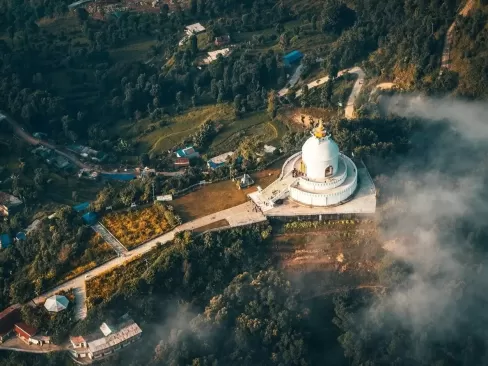
Kathmandu – Pokhara – Kathmandu Tour OverviewNepal is a destination where ancient culture, living spirituality, and dramatic Himalayan landscapes exist side by side. A journey between Kathmandu and Pokhara offers a complete introduction to the country’s heritage, natural beauty, and mountain lifestyle. This route connects Nepal’s cultural capital with its most scenic mountain city and is ideal for travelers seeking history, spirituality, nature, and Himalayan views in one experience.This tour is suitable for first-time visitors, families, couples, and travelers who want to explore Nepal without committing to strenuous trekking, while still remaining close to the Himalayas and Nepal’s most iconic destinations.Kathmandu – Cultural and Spiritual Heart of NepalKathmandu is more than just the capital city of Nepal. It is a living museum where temples, palaces, and shrines form part of everyday life. The city reflects centuries of history shaped by kings, artisans, monks, and traders. Narrow streets open into ancient courtyards, prayer flags hang above busy markets, and the sound of temple bells blends with daily life.Kathmandu Durbar SquareKathmandu Durbar Square is a UNESCO World Heritage Site and one of the most important historical landmarks in Nepal. Once the royal residence of the Malla kings, the square is home to ancient palaces, stone sculptures, and beautifully carved wooden temples. The Hanuman Dhoka Palace complex represents Nepal’s royal past, while the surrounding shrines continue to attract worshippers and visitors every day.One of the most unique traditions associated with this area is the Living Goddess Kumari. The Kumari tradition reflects the deep spiritual beliefs of the Kathmandu Valley and the harmonious blend of Hindu and Buddhist practices that define Nepalese culture.Thamel – Local Life and Traveler HubThamel is the most popular tourist district in Kathmandu and a lively center for travelers. The area is filled with trekking shops, handicraft stores, cafés, and local restaurants. It is also a cultural crossroads where visitors can experience Nepalese hospitality, cuisine, and urban life. Thamel serves as a convenient base for exploring the city and preparing for journeys across Nepal.Sacred Sites of Kathmandu ValleySwayambhunath Stupa (Monkey Temple)Swayambhunath Stupa sits atop a hill overlooking the Kathmandu Valley and is one of the oldest religious sites in Nepal. Reaching the stupa involves climbing a long staircase, but the reward is panoramic views of the city and a peaceful spiritual atmosphere. Prayer wheels, colorful flags, and the watchful eyes of Buddha create a setting that symbolizes wisdom and compassion. The site is sacred to both Buddhists and Hindus.Pashupatinath TemplePashupatinath Temple is one of the holiest Hindu temples in the world and is dedicated to Lord Shiva. Located on the banks of the Bagmati River, the temple complex is a powerful place of worship and reflection. Visitors can observe traditional Hindu rituals, cremation ceremonies, and the daily life of sadhus. The experience offers deep insight into Nepal’s spiritual traditions and beliefs.Boudhanath StupaBoudhanath Stupa is one of the largest Buddhist stupas in Asia and the spiritual center of Tibetan Buddhism in Nepal. Pilgrims walk clockwise around the massive white dome, spinning prayer wheels and chanting mantras. The surrounding area is filled with monasteries, shops, and cafés, creating a calm and contemplative environment that contrasts with the busy streets of Kathmandu.Journey from Kathmandu to PokharaThe drive from Kathmandu to Pokhara introduces travelers to Nepal’s diverse landscapes. The road passes through river valleys, terraced hillsides, and traditional villages where farming remains a way of life. Along the way, the scenery gradually changes as the foothills rise and distant Himalayan peaks begin to appear. This journey marks the transition from cultural exploration to natural beauty.Pokhara – Gateway to the Annapurna HimalayasPokhara is one of the most beautiful cities in Nepal, known for its peaceful atmosphere and stunning mountain backdrop. Located beside Phewa Lake and surrounded by the Annapurna range, Pokhara offers a perfect balance of relaxation and adventure. The city is a popular base for trekking in the Annapurna region and a favorite destination for travelers seeking scenic beauty.Phewa LakePhewa Lake is the heart of Pokhara. The calm waters reflect the surrounding mountains, creating one of the most iconic views in Nepal. Boating on the lake is a relaxing experience that allows visitors to enjoy the natural surroundings at a gentle pace. Tal Barahi Temple, located on an island in the lake, adds spiritual significance to this serene setting.Lakeside PokharaThe Lakeside area of Pokhara is ideal for walking, dining, and relaxation. Cafés and restaurants line the waterfront, offering views of the lake and mountains. The atmosphere is calm and welcoming, making it a perfect place to unwind after sightseeing or travel.World Peace PagodaThe World Peace Pagoda is located on a hill above Pokhara and offers panoramic views of Phewa Lake, Pokhara Valley, and the Himalayan range. The pagoda symbolizes peace and harmony and provides a quiet place for reflection. Reaching the pagoda can be done by hiking or driving, and the views from the top are among the best in the region.Sarangkot – Sunrise ViewpointSarangkot is famous for its sunrise views over the Annapurna and Dhaulagiri mountain ranges. Early in the morning, visitors gather to watch the first light illuminate the snow-covered peaks. The changing colors of the mountains create a memorable and rewarding experience. Sarangkot is also known as a popular paragliding launch site, offering aerial views of Pokhara and the surrounding landscape.Natural Attractions Around PokharaDevi’s FallDevi’s Fall is a powerful waterfall where the water disappears into an underground gorge. The site is especially impressive during the monsoon season and showcases the natural force of water in the region.Gupteshwor CaveLocated near Devi’s Fall, Gupteshwor Cave is a limestone cave featuring unique rock formations and a sacred Shiva shrine inside. The cave combines natural beauty with religious significance, making it an interesting and meaningful place to visit.Cultural Sites in PokharaBindhyabasini TempleBindhyabasini Temple is one of the most important Hindu temples in Pokhara. Dedicated to Goddess Bindhyabasini, the temple sits on a hill overlooking the city and offers a peaceful spiritual atmosphere along with scenic views.Old BazaarPokhara’s Old Bazaar reflects the traditional side of the city. The area features historic buildings, local shops, and temples that provide insight into everyday life and culture beyond the modern Lakeside area.Connection to Popular Treks in NepalKathmandu and Pokhara serve as major gateways to Nepal’s most famous trekking routes. Many travelers explore these cities before heading into the mountains.From Kathmandu, trekkers often travel to the Everest region, including the Everest Base Camp Trek and the Everest Three Pass Trek. These routes pass through Sherpa villages, monasteries, and high-altitude landscapes near the world’s highest peaks.From Pokhara, trekkers access the Annapurna region. Popular routes include the Annapurna Circuit Trek and the Annapurna Base Camp Trek, known for their diverse landscapes, mountain views, and cultural villages. Remote adventures such as the Kanchenjunga Circuit Trek offer quieter trails and untouched wilderness.Best Time to Visit Kathmandu and PokharaThe best seasons to visit Kathmandu and Pokhara are spring and autumn. These periods offer stable weather, clear skies, and excellent mountain views. Spring features blooming rhododendron forests, while autumn provides crisp air and vibrant festivals. Winter is quieter with cooler temperatures, and the monsoon season brings lush greenery but reduced visibility.Who This Tour Is Ideal ForThis Kathmandu–Pokhara tour is ideal for travelers seeking cultural exploration, scenic beauty, and a relaxed travel pace. It is suitable for all age groups and does not require high physical fitness. It is also an excellent introduction for travelers planning future trekking adventures in Nepal.ConclusionA journey between Kathmandu and Pokhara captures the true essence of Nepal. From ancient temples and living traditions to peaceful lakes and Himalayan panoramas, this experience offers a rich and rewarding introduction to the country. Whether enjoyed as a standalone holiday or as a gateway to trekking in the Himalayas, it leaves travelers with lasting memories and a deeper connection to Nepal’s culture and landscapes.
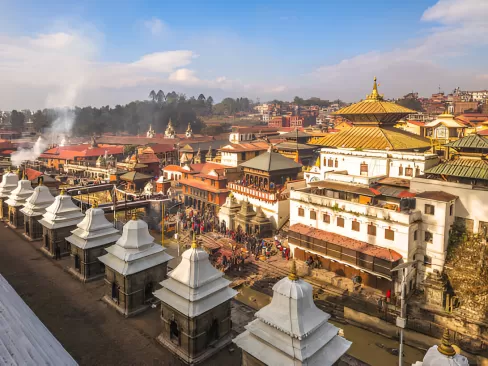
Nepal Pilgrimage Tour: Sacred Journey Through Ancient Temples and Holy Sites Nepal stands as a spiritual crossroads where Hindu and Buddhist traditions have coexisted harmoniously for centuries. A pilgrimage tour through this Himalayan nation takes you beyond ordinary sightseeing into sacred spaces where faith has been practiced for thousands of years. This journey connects you with the divine through ancient temples, mountain shrines, and holy sites that have attracted seekers from across the world. Why Choose a Pilgrimage Tour in Nepal? Nepal holds a unique position as one of the few countries where major world religions flourish side by side. The pilgrimage tour encompasses the most revered sites where mythology, history, and spirituality converge. From the sacred cremation ghats of Pashupatinath to the high-altitude temple of Muktinath, each destination offers profound spiritual experiences that transcend religious boundaries. Many travelers combine their spiritual journey with other experiences in Nepal. You might want to explore the Kathmandu Pokhara Tour which includes several pilgrimage sites along with natural beauty, or extend your journey with the Kathmandu Pokhara Lumbini Chitwan Tour to cover Buddha's birthplace as well. Sacred Destinations on the Pilgrimage Tour Kathmandu Valley: The Spiritual Heart The journey begins in Kathmandu, where ancient temples rise from narrow alleys and prayer flags flutter in the mountain breeze. The valley concentrates some of Nepal's most significant religious sites within a compact area, making it ideal for spiritual seekers. Pashupatinath Temple: Gateway to Liberation Pashupatinath stands as one of the most important Shiva temples in the Hindu world. Located on the banks of the sacred Bagmati River, this UNESCO World Heritage Site draws thousands of devotees daily. The main temple, with its golden roof and silver-plated doors, permits only Hindu worshippers inside, but visitors can observe the spiritual activities from across the river. The cremation ghats along the Bagmati River witness the eternal cycle of life and death. Watching the funeral rituals provides a profound meditation on impermanence and the soul's journey. Sadhus (holy men) covered in ash meditate in small caves along the riverbank, having renounced worldly possessions to pursue spiritual enlightenment. The atmosphere at Pashupatinath is both solemn and vibrant. Morning and evening aarti ceremonies fill the air with chanting and bell ringing. Monkeys, considered sacred guardians of the temple, playfully navigate the temple complex. The spiritual energy here is palpable, making it a transformative experience for visitors of all backgrounds. Swayambhunath Stupa: The All-Seeing Eyes Perched atop a hill overlooking Kathmandu Valley, Swayambhunath—affectionately called the Monkey Temple—represents one of the oldest Buddhist stupas in the world. According to legend, the valley was once a lake, and when the bodhisattva Manjushri drained it to make the land habitable, the hilltop emerged as a lotus flower, which then transformed into the stupa. The iconic painted eyes of Buddha watch over the valley in all four cardinal directions, symbolizing the omnipresence of wisdom and compassion. Prayer wheels line the base of the stupa, and pilgrims walk clockwise around it, spinning wheels and chanting mantras. The resident monkey population adds a lively dimension to this sacred space, though visitors should be mindful of their belongings. Sunrise and sunset at Swayambhunath offer spectacular views of the Kathmandu Valley and surrounding mountains. The 365 stone steps leading to the top represent a spiritual ascent, with each step bringing you closer to enlightenment. Small shrines and statues dot the complex, representing various Buddhist and Hindu deities, showcasing Nepal's religious syncretism. Chandragiri: Mountain Serenity Leaving Kathmandu's bustle, the journey ascends to Chandragiri Hills, where spirituality meets pristine mountain views. A modern cable car whisks visitors 2,551 meters above sea level, providing aerial perspectives of the valley below and the Himalayan range stretching across the northern horizon. Bhaleshwor Mahadev Temple At Chandragiri's summit, the Bhaleshwor Mahadev Temple offers a tranquil environment for contemplation and prayer. Dedicated to Lord Shiva, this temple provides panoramic views of snow-capped peaks including Langtang, Ganesh Himal, and on clear days, even Mount Everest. The combination of spiritual atmosphere and natural grandeur creates a meditative setting rarely found elsewhere. Devotees believe that prayers offered at this elevation carry special significance, being closer to the divine realm. The temple's location also makes it a popular spot for experiencing sunrise over the Himalayas, a sight that feels both humbling and uplifting. Many pilgrims spend time in silent meditation here, absorbing the mountain energy and pristine air. For those inspired to explore more of Nepal's mountain regions, consider the Langtang Valley Trek which combines spiritual sites with spectacular trekking through traditional Tamang villages. Manakamana: The Wish-Fulfilling Goddess The pilgrimage continues to Manakamana, a sacred site that requires a scenic cable car journey across the Trisuli River valley. This 10-minute ride itself becomes part of the spiritual experience, as the landscape unfolds below and anticipation builds for the temple visit ahead. Manakamana Temple: Where Wishes Come True According to Hindu tradition, the goddess Bhagwati at Manakamana has the power to fulfill the heart's desires of sincere devotees. The temple's name translates to "wishes of the heart," and pilgrims from across Nepal and India make the journey to seek blessings for everything from successful marriages to healthy children to business prosperity. The temple complex sits at 1,302 meters, offering views of the surrounding hills and the Marsyangdi River below. During major festivals, particularly Dashain, thousands of devotees queue for hours to receive the goddess's darshan (blessing). The air fills with the sounds of bells, traditional music, and devotional songs. Local customs include offering the goddess sacrifices of male animals—goats, chickens, or pigeons. While this practice may be unfamiliar to some visitors, it represents an ancient tradition deeply rooted in Hindu practice. Vegetarian offerings like fruits, flowers, and sweets are equally acceptable and commonly presented. Pokhara: Gateway to Mountain Shrines Moving westward, the pilgrimage reaches Pokhara, Nepal's second-largest city, nestled beside the serene Phewa Lake with the Annapurna range as its backdrop. While Pokhara is famous for adventure tourism, it also holds significant spiritual sites worth exploring. For adventure seekers, Pokhara serves as the starting point for several renowned treks. The Annapurna Base Camp Trek and Annapurna Circuit Trek both pass through villages with ancient monasteries and temples, combining physical challenge with spiritual discovery. Bindhyabasini Temple: Cultural Confluence Perched on a hillock in central Pokhara, Bindhyabasini Temple represents one of the oldest and most venerated shrines in the region. Dedicated to Goddess Bindhyabasini, an incarnation of Goddess Kali, this temple serves as the spiritual center for Pokhara's diverse community. The temple's architectural style reflects traditional Nepalese design, with intricate wood carvings and a multi-tiered pagoda roof. A sacred pond (sarobar) adjacent to the temple harbors hundreds of fish that pilgrims feed as an act of merit. The temple courtyard often hosts cultural performances and religious ceremonies, providing visitors insight into local traditions and customs. What makes Bindhyabasini unique is its representation of religious harmony. While primarily a Hindu temple, Buddhist elements are integrated throughout, and people from various faiths visit to pay respects. The hilltop location offers pleasant views of Pokhara city and the mountains beyond. Gupteshwor Mahadev Cave: The Hidden Shiva Shrine Near Devi's Fall lies Gupteshwor Cave, a sacred underground cavern housing a Shiva lingam that naturally formed from limestone deposits. The cave extends about 3,000 meters into the hillside, though only a portion is open to visitors. The deeper sections require crawling through tight passages, adding an adventurous dimension to this spiritual site. The sound of water echoes through the cavern—it's actually part of Devi's Fall flowing through the cave system. The stalagmite representing Lord Shiva is the focus of devotion, and pilgrims offer prayers and light butter lamps before it. During the monsoon season, the cave can become quite wet, so timing your visit during the drier months (October to April) is advisable. The mystical atmosphere inside Gupteshwor, with its dim lighting and the constant sound of flowing water, creates a meditative environment. Many visitors report feeling a strong spiritual presence in the cave's depths. The combination of natural wonder and religious significance makes this an unforgettable stop on the pilgrimage tour. World Peace Pagoda: Buddha's Message of Harmony Overlooking Phewa Lake from the southern shore, the World Peace Pagoda (Shanti Stupa) stands as a monument to global harmony and Buddhist philosophy. Built by Japanese Buddhist monks from the Nipponzan Myohoji organization, this gleaming white structure represents their mission to promote peace worldwide. The pagoda houses four representations of Buddha, each facing a cardinal direction. Pilgrims and visitors circumambulate the stupa while taking in panoramic views of Pokhara, Phewa Lake, and the Annapurna range. The peaceful atmosphere makes it ideal for meditation and reflection. Reaching the pagoda requires either a boat ride across Phewa Lake followed by a hike through forest, or a longer drive around the lake. Either route offers its own rewards—the boat journey provides water-level views of the mountains reflected in the lake, while the road approach passes through traditional Nepalese villages. The best time to visit is early morning or late afternoon, when the light is soft and tourist crowds are minimal. Many people choose to watch the sunset from here, as the Himalayas turn pink and gold in the fading light. The experience combines natural beauty with spiritual contemplation in a way that epitomizes Nepal's appeal. Galeshwor Mahadev: The Hidden Sacred Gem Venturing off the typical tourist circuit, the pilgrimage includes Galeshwor Mahadev Temple, a lesser-known site that offers authentic spiritual experiences away from crowds. Located in Gorkha district, this temple sits amidst pristine natural surroundings, requiring a short trek through scenic landscapes. The Galeshwor Temple complex includes a cave shrine dedicated to Lord Shiva and a surrounding forest considered sacred. Local legends speak of the temple's ancient origins and miraculous events associated with the deity. During the spring festival of Shivaratri, devotees from surrounding villages converge here for all-night prayers and celebrations. The journey to Galeshwor provides glimpses into rural Nepalese life that many travelers miss. The path winds through terraced fields, small settlements, and forests where birdsong accompanies your steps. This combination of natural beauty and spiritual significance makes Galeshwor a memorable addition to the pilgrimage route. Muktinath: Temple of Liberation The pilgrimage reaches its culmination at Muktinath, one of the most sacred temples for both Hindus and Buddhists. Situated at 3,800 meters in the Mustang district, this high-altitude shrine offers not just spiritual fulfillment but also stunning Himalayan vistas. Journey to the Temple of Salvation Reaching Muktinath requires either a scenic drive through the Kali Gandaki Gorge (the world's deepest gorge) or a combination of drives and trekking. The landscape transforms dramatically as you ascend—lush valleys give way to arid, windswept terrain resembling the Tibetan plateau. The villages along the route follow ancient Tibetan Buddhist culture, with prayer flags adorning hillsides and mani walls (stone walls carved with Buddhist mantras) lining the paths. For those who want to experience this region through trekking, the Annapurna Circuit Trek passes through Muktinath, allowing pilgrims to combine spiritual seeking with mountain adventure. Alternatively, the Ghorepani Poon Hill Trek offers a shorter trekking option in the same region. The Sacred Temple Complex Muktinath means "place of liberation" or "place of salvation." Hindu scriptures mention Muktinath as a place where sins are washed away and moksha (liberation from the cycle of rebirth) can be attained. Buddhists revere it as a place where Guru Rinpoche (Padmasambhava) meditated on his way to Tibet. The temple complex centers around a pagoda-style shrine housing images of Vishnu and Buddhist deities—a perfect symbol of religious harmony. Behind the temple, 108 water spouts (representing the sacred number in Hindu and Buddhist traditions) pour ice-cold water from the Kali Gandaki River. Pilgrims brave the frigid water to bathe under each spout, believing it purifies the body and soul. An eternal flame burning from natural gas seeping through rocks is another source of wonder. The presence of this flame, water, earth (the shrine itself), and air (the mountain winds) represents all elements coming together in this sacred space. For devout Hindus, visiting Muktinath is considered one of the most auspicious pilgrimages possible. The Sacred Kunda Adjacent to Muktinath Temple lies the Mukti Kunda, a sacred pond where devotees perform ritualistic bathing before entering the temple. The water remains ice-cold year-round, fed by glacial sources. Despite the temperature, pilgrims immerse themselves completely, believing the spiritual benefits far outweigh physical discomfort. The ritual bathing at Mukti Kunda and under the 108 water spouts represents purification at the deepest level—cleansing not just the body but the soul itself. Many pilgrims report feeling spiritually renewed after this experience, despite (or perhaps because of) the challenging conditions. The altitude at Muktinath can affect visitors unaccustomed to high elevation. Spending a night or two in lower villages like Jomsom (2,720 meters) helps with acclimatization. Symptoms like headache, shortness of breath, or fatigue are common above 3,000 meters, so ascending gradually is important. Best Time for Nepal Pilgrimage Tour Spring Season (March to May) Spring is considered the prime season for pilgrimage tours in Nepal. The weather is mild and stable, with clear skies providing excellent mountain views. Rhododendrons bloom across the hills, adding natural beauty to the spiritual journey. Major Hindu festivals like Shivaratri (February/March) and various Dashain celebrations occur during this period, offering chances to witness vibrant religious ceremonies. Temperatures range from comfortable to warm in the valleys, while higher elevations like Muktinath remain cool but manageable. The only drawback is that this popularity means more tourists at major sites, particularly Pashupatinath and Swayambhunath. Autumn Season (September to November) Autumn rivals spring as the ideal pilgrimage season. The monsoon rains have cleared the air, providing crystal-clear views of the Himalayas. The temperature is pleasant throughout Nepal, making travel comfortable. Major festivals including Dashain (Nepal's biggest festival, usually in October) and Tihar (the festival of lights, usually in October/November) create an atmosphere of celebration and devotion. This season also coincides with the best trekking weather, so pilgrims interested in combining their spiritual journey with treks like the Everest Base Camp Trek or Manaslu Circuit Trek will find optimal conditions. Winter Season (December to February) Winter brings challenges and rewards to pilgrimage tours. The advantages include fewer crowds at most sites and crisp, clear air offering spectacular mountain views. The disadvantages involve cold temperatures, especially at high-altitude destinations like Muktinath, where snowfall can sometimes block roads. Kathmandu and Pokhara remain quite pleasant during winter days, though mornings and evenings are cold. If you're considering a winter pilgrimage tour, be prepared with warm clothing and flexible plans in case weather affects transportation to higher-elevation sites. The Pikey Peak Trek is a good winter option, offering incredible Himalayan views at a moderate altitude. Monsoon Season (June to August) The monsoon season sees fewer international pilgrims, though local devotees continue visiting sacred sites year-round. Heavy rainfall can make travel challenging, with potential road closures due to landslides. However, the landscape transforms into lush green, waterfalls cascade down hillsides, and the spiritual atmosphere at temples feels more intimate without tourist crowds. If you choose a monsoon-season pilgrimage, be prepared for rain, potential delays, and muddy conditions. The Langtang Valley Trek and Tamang Heritage Trek receive less rain than other regions and can be considered during this season. What to Pack for Your Spiritual Journey Clothing Essentials Modest dress is important when visiting temples and religious sites in Nepal. Both men and women should cover shoulders and knees. For temple visits, remove shoes before entering shrines. Bring comfortable walking shoes for temple grounds and lightweight, breathable clothing for daytime. A warm jacket is essential for morning and evening, especially if visiting in winter or traveling to high-altitude sites like Muktinath. Practical Items Sun protection (hat, sunglasses, sunscreen) is crucial, as Nepal's high altitude intensifies UV radiation. A refillable water bottle helps stay hydrated and reduces plastic waste. Hand sanitizer and wet wipes are useful, as facilities vary. A small daypack carries essentials while exploring temple complexes. Spiritual Items Consider bringing items for personal practice—a meditation cushion, journal, prayer beads, or religious texts. Some pilgrims collect sacred items like rudraksha beads, prayer flags, or thangka paintings from shops near temples. A camera captures memories, though always ask permission before photographing people, and be sensitive about taking photos during ceremonies or in private temple areas. Cultural Etiquette and Respect Temple Behavior When visiting temples, walk clockwise around stupas and shrines. Remove shoes before entering temple premises, and remove leather items (belts, bags) if entering the inner sanctum of Hindu temples. Avoid pointing feet toward religious images or people. Photography restrictions vary—some temples prohibit it entirely, others allow it outside but not inside the main shrine. Ritual Participation Visitors are generally welcome to observe ceremonies but shouldn't assume they can participate in all rituals. Some practices, particularly at Pashupatinath's main temple, are restricted to Hindus. Showing respect for these traditions demonstrates cultural sensitivity. If invited to participate in prayer, aarti, or offerings, feel free to join in—such invitations are gestures of hospitality. Interaction with Holy People Nepal's temples attract sadhus (Hindu holy men) and Buddhist monks. While many are genuine spiritual practitioners, some pose for photos in exchange for donations. If you wish to photograph a sadhu, politely ask permission and understand a tip may be expected. Monks generally don't expect payment but appreciate respectful behavior when you visit monasteries. Spiritual Benefits of the Pilgrimage Tour Personal Transformation Pilgrimage tours offer opportunities for deep personal reflection away from daily routines. The combination of sacred spaces, mountain beauty, and cultural immersion creates conditions for inner transformation. Many travelers report gaining new perspectives on life, death, and what matters most during their Nepal pilgrimage. The physical journey—climbing temple steps, walking around stupas, trekking to remote shrines—mirrors the internal spiritual journey. Each step becomes a meditation, each destination a chance for contemplation. This is why pilgrimage has been central to religious practice across cultures for millennia. Connection to Ancient Wisdom Visiting sites where spiritual practice has continued unbroken for centuries connects you to lineages of seekers who came before. At Pashupatinath, prayers have been offered to Shiva for over 1,000 years. At Swayambhunath, Buddhist monks have meditated for 1,500 years. This continuity of practice creates powerful spiritual energy that sensitive visitors can perceive. The teachings embedded in these sites—about compassion, impermanence, devotion, and the nature of reality—remain relevant today. Whether or not you follow Hindu or Buddhist traditions, the wisdom preserved in Nepal's pilgrimage sites offers insights applicable to any spiritual path. Interfaith Understanding Nepal's religious syncretism—where Hindu and Buddhist practices intertwine—provides lessons in tolerance and coexistence. Many sites are sacred to both traditions, with followers from each religion visiting respectfully. This harmonious coexistence, while not without historical tensions, demonstrates that different spiritual paths can honor each other and learn from shared spaces. For those from predominantly single-religion societies, experiencing Nepal's multi-faith environment can broaden understanding and reduce religious prejudice. The pilgrimage tour becomes not just a journey through Nepal's sacred sites but a journey toward greater spiritual openness. Extending Your Spiritual Journey Additional Sacred Sites If time permits, consider extending your pilgrimage to include Lumbini, Buddha's birthplace in southern Nepal. The Kathmandu Pokhara Lumbini Chitwan Tour combines pilgrimage with wildlife viewing in Chitwan National Park. Alternatively, visit Janakpur in the Terai region, believed to be the birthplace of Goddess Sita from the Ramayana epic. For those drawn to Buddhist practice, numerous monasteries around the Kathmandu Valley offer meditation retreats. The Kopan Monastery north of Kathmandu runs regular courses in Buddhism and meditation. These deeper dives into spiritual practice complement the pilgrimage tour beautifully. Combining with Adventure Many pilgrims combine their spiritual journey with trekking adventures. The Everest View Trek offers views of the world's highest peak while visiting Buddhist monasteries in the Khumbu region. The Upper Mustang Trek explores an ancient Tibetan Buddhist kingdom with centuries-old cave monasteries and traditional practices. For those seeking shorter adventures, the Ama Yangri Trek near Kathmandu provides stunning views and monastery visits without requiring extensive time. The Mardi Himal Trek combines Himalayan scenery with visits to traditional Gurung villages and their Buddhist practices. Transportation and Logistics Getting Around The pilgrimage tour typically involves a combination of transportation methods. Within Kathmandu Valley, private vehicles navigate the narrow streets between temples. The journey to Manakamana includes a cable car ride. Reaching Pokhara from Kathmandu takes about 6-7 hours by road or 25 minutes by flight. The journey to Muktinath requires a flight or long drive to Jomsom, followed by a jeep ride or trek. Professional tour operators handle these logistics, ensuring comfortable transportation and appropriate scheduling. This allows pilgrims to focus on the spiritual aspects rather than worrying about practical details. Accommodation Accommodation varies from comfortable hotels in Kathmandu and Pokhara to simpler lodges near remote temples. Most pilgrimage tours arrange stays in clean, safe hotels appropriate to each location. At high-altitude Muktinath, accommodation is basic but adequate, with teahouses providing warm meals and beds. For those extending their journey with trekking, teahouse accommodation along popular routes like the Annapurna Base Camp Trek has improved significantly, offering hot showers, wifi, and diverse meal options even in remote areas. Health and Safety Considerations Altitude Awareness While most pilgrimage tour destinations are at manageable altitudes, Muktinath at 3,800 meters requires some acclimatization. Spending time in Pokhara (about 820 meters) and Jomsom (2,720 meters) before ascending helps your body adjust. Stay hydrated, avoid alcohol, and ascend gradually. Mild altitude symptoms like headache or shortness of breath are common but usually resolve with rest. If planning to combine pilgrimage with high-altitude treks like Everest Base Camp or Manaslu Circuit, proper acclimatization becomes even more critical. These journeys require gradual ascent, rest days, and awareness of acute mountain sickness symptoms. Health Precautions Nepal's infectious disease risks are manageable with sensible precautions. Drink only bottled or purified water, eat at reputable restaurants, and maintain good hand hygiene. Most pilgrims experience no health issues, but bringing a basic first-aid kit with medications for headache, stomach upset, and altitude sickness is wise. Travel insurance covering medical evacuation is recommended, particularly if combining pilgrimage with trekking. While unlikely, emergencies can occur, and helicopter evacuation from remote areas is expensive without insurance. Why Choose Explore Holiday Nepal Local Expertise Explore Holiday Nepal brings years of experience organizing spiritual journeys through Nepal's sacred sites. Our guides understand not just the logistics but also the religious significance and cultural context of each destination. This knowledge transforms a simple tour into a meaningful pilgrimage. Our team includes members from various religious backgrounds, ensuring respectful and informed guidance whether you're Hindu, Buddhist, or simply spiritually curious. We maintain relationships with temple authorities and local communities, ensuring authentic experiences while supporting sustainable tourism. Customized Itineraries While we offer standard pilgrimage tours, we excel at customizing journeys to match individual interests and timeframes. Some pilgrims want to spend more time meditating at certain sites; others wish to combine pilgrimage with adventure activities. We tailor itineraries to create your ideal spiritual journey. If you're interested in exploring beyond the standard pilgrimage route, we can arrange visits to lesser-known temples, meetings with spiritual teachers, participation in special ceremonies, or meditation retreats. Our flexibility ensures your pilgrimage reflects your personal spiritual goals. Responsible Tourism We believe pilgrimage tourism should benefit local communities and preserve sacred sites for future generations. Our tours employ local guides, use family-run accommodations where possible, and encourage respectful behavior at temples. We educate travelers about cultural sensitivity and environmental responsibility. A portion of our profits supports temple maintenance, educational programs in pilgrimage regions, and environmental conservation efforts. Choosing Explore Holiday Nepal means your pilgrimage contributes positively to Nepal's sacred heritage and communities. Conclusion: Your Sacred Journey Awaits The Nepal Pilgrimage Tour offers more than sightseeing—it provides transformation through immersion in living spiritual traditions. From the ancient temples of Kathmandu Valley to the high-altitude shrine of Muktinath, each destination holds the potential for profound personal insights and connection to something greater than oneself. Whether you follow Hindu or Buddhist traditions, practice another faith, or simply seek meaningful travel experiences, Nepal's pilgrimage sites welcome you with open arms and ancient wisdom. The combination of natural beauty, cultural richness, and spiritual depth creates journeys that resonate long after you return home. Let Explore Holiday Nepal guide your sacred journey through the Himalayan kingdom. Our expertise, cultural sensitivity, and commitment to authentic experiences ensure your pilgrimage tour exceeds expectations and nourishes your spirit. Contact us today to begin planning your transformative journey through Nepal's most sacred landscapes and temples. Your spiritual adventure awaits in the land where mountains touch the sky and faith flows like the sacred rivers.


 (34)
(34) 