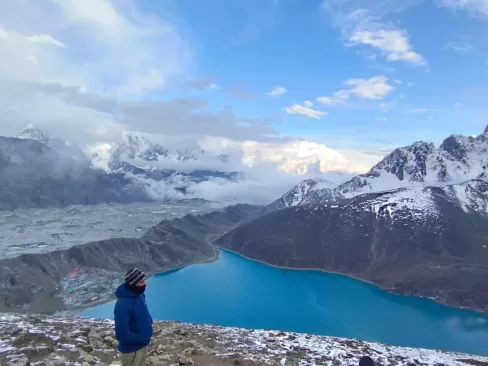
The Gokyo Valley Trek is a remarkable adventure that transports trekkers into the serene heart of the Khumbu region, offering an intimate exploration of one of Nepal’s most captivating high-altitude valleys. This trek is renowned for its stunning landscapes, including the enchanting Gokyo Lakes and the panoramic summit of Gokyo Ri. Unlike the more frequented Everest Base Camp route, the Gokyo Valley Trek provides a quieter and equally mesmerizing alternative, showcasing the natural beauty and cultural richness of the Everest region from a different perspective.Starting from the lively Sherpa town of Namche Bazaar, the trek meanders through picturesque villages such as Dole and Machhermo, gradually ascending towards the pristine Gokyo Valley. This journey is marked by dramatic shifts in scenery, from lush forests and terraced fields to rugged alpine terrain and sparkling glacial lakes. The trek culminates with a climb to Gokyo Ri, which offers one of the most breathtaking vistas of the Himalayas, including Everest, Lhotse, Cho Oyu, and Makalu. Explore Holiday Treks ensures that this adventure is conducted with the highest standards of safety and comfort, allowing trekkers to fully immerse themselves in this unforgettable experience.Top Blogs About Trekking in the Everest RegionUncover the best blogs about trekking in the Everest region, featuring expert advice, detailed itineraries, personal experiences, and essential tips for adventurers looking to explore the Himalayas.Top 5 Everest Trekking PackagesWhere is Mount Everest? Discover the World’s Highest PeakTop 9 Reasons to Go on Everest Base Camp TrekAccommodation During Everest Base Camp TrekShower and Laundry Facilities During the Everest Base Camp TrekElevation Facts for Everest Base Camp TrekkingPhysical Fitness Requirements for Everest Base Camp TrekThe Best Ways to Trek to Everest Base CampWhen is the Best Time to Hike to Everest Base Camp?Everest Base Camp Trek: Tips and FAQsWhy Sleeping at Everest Base Camp Is the Ultimate Trekking Experience ?Which is the Better Lake Trek in Nepal: Gokyo or Tilicho Lake Trek?Altitude Sickness on Nepal Treks: Symptoms, Treatment, and When to Descend (Complete Guide)Everest Base Camp Toilet Problem: The Environmental Crisis on the World's Highest MountainMonastery Life in Nepal: Finding Peace in the Heart of the HimalayasAltitude Sickness on Nepal Treks: Symptoms, Treatment, and When to Descend (Complete Guide)Dal Bhat Power 24 Hour: The Science and Soul Behind Nepal's Mountain Fuel10 Essential Everest Trekking Tips Every First-Time Trekker Must KnowThe 3 AM Wake-Up Call Nobody Tells You About: Real Stories from Everest Base CampThe Essential Guide to Choosing Your Perfect Nepal Trek: From Beginner-Friendly Trails to Epic Himalayan AdventuresSolo Female Trekking in Nepal: A Complete Safety and Empowerment Guide for 2026Complete Fitness Training Guide for Nepal Trekking 2026: From Couch to Base Camp in 12 WeeksTrekking Route and HighlightsThe Gokyo Valley Trek begins with a scenic flight from Kathmandu to Lukla, followed by a trek to Namche Bazaar. Namche serves as the primary acclimatization point and offers a vibrant blend of local culture and commerce. From Namche, the trail leads to the villages of Dole and Machhermo, where trekkers experience the traditional Sherpa lifestyle and hospitality.The trek’s centerpiece is the Gokyo Valley, home to a series of stunning glacial lakes, including the famed Dudh Pokhari. These turquoise lakes, set against a backdrop of towering peaks, create a serene and ethereal atmosphere. The highlight of the trek is the ascent of Gokyo Ri, a peak that offers an unrivaled panoramic view of the Everest massif and its surrounding peaks. The trek can be further enriched by crossing the Cho La Pass, which connects the Gokyo Valley with the Everest Base Camp route. This challenging crossing adds an extra layer of adventure and provides a broader perspective of the region.Best Seasons for the Gokyo Valley TrekThe ideal seasons for undertaking the Gokyo Valley Trek are pre-monsoon (spring) and post-monsoon (autumn). During these periods, the weather is generally stable, offering clear skies and excellent visibility. Spring (March to May) provides moderate temperatures and blooming flora, while autumn (September to November) features crisp air and vibrant colors. Trekking during these times ensures optimal conditions for enjoying the stunning landscapes and panoramic views. The summer monsoon season (June to August) brings heavy rains and can lead to muddy trails, while winter (December to February) presents cold temperatures and potential snow, making these seasons less favorable for trekking.Difficulty LevelThe Gokyo Valley Trek is considered a moderate to challenging trek, suitable for trekkers with a good level of physical fitness. The trek involves ascending to high altitudes, with the highest point being Gokyo Ri at 5,357 meters (17,575 feet). The trail includes steep ascents, rugged terrain, and variable weather conditions, requiring trekkers to be well-prepared and acclimatized. While the trek is less technical than some of the more demanding routes, the high-altitude environment and long trekking days necessitate a reasonable level of stamina and endurance. Proper acclimatization and preparation are key to successfully completing the trek and enjoying the experience.Accommodation and FoodAccommodation along the Gokyo Valley Trek ranges from basic teahouses to more comfortable lodges managed by the local Sherpa community. These teahouses provide essential amenities, including beds, communal dining areas, and basic sanitation facilities. In higher altitudes, accommodations may be more rudimentary due to the remote nature of the region.Food options are typically provided by the teahouses and include a mix of traditional Nepali dishes and some Western favorites. Meals often feature dal bhat (rice and lentil soup), momo (dumplings), noodle soup, and a variety of hot beverages. The quality and variety of food can vary depending on the location and altitude, but the meals are designed to provide the necessary energy and nutrition for the trek.Communication and NetworkingCommunication options during the Gokyo Valley Trek are limited but improving. Most teahouses offer Wi-Fi, although the connectivity can be slow and intermittent due to the remote location. Mobile network coverage is available in some areas, but it may not be reliable, especially at higher elevations. Trekkers are advised to inform family and friends of their trekking plans and have alternative communication methods in place in case of emergencies.Why Choose Explore Holiday TreksExplore Holiday Treks is dedicated to providing a safe, enjoyable, and immersive experience for those undertaking the Gokyo Valley Trek. Our experienced guides and porters are well-versed in the nuances of high-altitude trekking and ensure that every aspect of your journey is managed with expertise and care. We prioritize safety, comfort, and environmental responsibility, offering well-planned itineraries that accommodate acclimatization and maximize the trekking experience. By choosing Explore Holiday Treks, you benefit from our commitment to delivering excellence, allowing you to fully immerse yourself in the natural beauty and cultural richness of the Gokyo Valley.ConclusionThe Gokyo Valley Trek with Explore Holiday Treks offers an extraordinary adventure through one of Nepal’s most picturesque and serene regions. With its stunning glacial lakes, breathtaking mountain views, and rich Sherpa culture, this trek provides a unique and rewarding experience for those seeking an alternative to the traditional Everest Base Camp route. From the tranquil Gokyo Lakes to the panoramic summit of Gokyo Ri, every aspect of this trek promises to captivate and inspire. Explore Holiday Treks ensures a seamless and memorable journey, guiding you through the enchanting landscapes of the Gokyo Valley with professionalism and care.
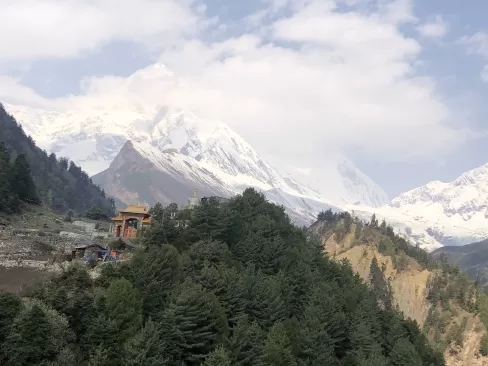
Nestled in the northern part of Gorkha district, the Tsum Valley Trek is a hidden gem in the Himalayas, offering a unique blend of natural beauty, cultural richness, and serene landscapes. With elevations ranging from 1,905 meters (6,250 feet) to approximately 4,096 meters (13,432 feet) at Mu Gompa, the trek unfolds in a high-altitude sanctuary that captivates trekkers with its stunning vistas and authentic cultural experiences.This sacred valley, opened to tourism only in 2008, remains one of Nepal's most pristine and culturally preserved trekking destinations. The Tsum Valley Nepal experience combines the adventure of Himalayan trekking with deep spiritual immersion, making it ideal for those seeking something beyond the ordinary trekking routes like Everest Base Camp or Annapurna Circuit.Natural Beauty and LandscapeThe Tsum Valley provides a breathtaking panorama of the Ganesh Himal (7,422m), Sringi Himal (7,187m), and Boudha Himal ranges, creating a dramatic backdrop for the entire journey. The trek showcases the pristine beauty of the Himalayan terrain, encompassing lush green valleys, terraced agricultural fields carved into mountainsides over centuries, and ancient forests of pine, rhododendron, and oak.Trekkers traverse alongside the shimmering waters of the Budhi Gandaki River, crossing numerous suspension bridges that connect remote villages and add an element of adventure to the trek. These bridges, some swaying high above roaring rapids, are adorned with prayer flags and offer spectacular photo opportunities while testing your nerve.The valley's landscape transforms as you ascend. Lower elevations feature subtropical vegetation with banana trees and millet fields, gradually transitioning to temperate forests, then alpine meadows, and finally barren high-altitude terrain near the Tibetan border. This ecological diversity makes every day of trekking visually distinct and engaging.The region's geographical isolation has preserved its environment remarkably well. Unlike more trafficked routes such as the Langtang Valley Trek or Manaslu Circuit, Tsum Valley shows minimal environmental impact from tourism, with crystal-clear streams, pristine forests, and wildlife that includes Himalayan tahr, musk deer, and occasionally even the elusive snow leopard in higher reaches.Cultural Significance and HeritageBeyond its natural allure, the Tsum Valley is renowned for its profound cultural and spiritual significance. Home to the Tsumbas, an indigenous ethnic group of Tibetan origin, the valley boasts a rich cultural heritage that has remained remarkably intact due to centuries of geographical isolation.Buddhist TraditionsThe valley is often called a "Beyul" or sacred hidden valley in Tibetan Buddhism. Trekkers encounter numerous ancient monasteries (gompas), chortens (Buddhist stupas), and extensive mani walls adorned with carved prayers and mantras, reflecting the deep-rooted Buddhist traditions of the region. These aren't tourist attractions but active centers of spiritual practice where monks continue centuries-old traditions of meditation, debate, and ritual.The restricted area trek Nepal designation means that Tsum Valley has avoided the commercialization seen in other regions. The Buddhist culture here isn't performed for tourists—it's the genuine fabric of daily life. You'll witness monks in philosophical debates, participate in prayer ceremonies if invited, and experience authentic Tibetan Buddhist hospitality.Local CommunitiesThe local hospitality of the Tsumbas adds a warm and welcoming dimension to the trek, providing genuine cultural immersion rather than staged cultural shows. The people practice polyandry (one woman marrying multiple brothers) in some households, maintain traditional agricultural methods, and speak their own Tsumba dialect distinct from standard Tibetan.Visitors are often invited into homes for butter tea, can observe traditional weaving and farming practices, and witness festivals and ceremonies that haven't changed in centuries. This cultural authenticity makes Tsum Valley comparable to Upper Mustang Trek in terms of preserved Tibetan culture, but with even fewer tourists and more intimate interactions.Key Destinations Along the TrekThe Tsum Valley trekking route includes visits to several picturesque villages and sacred sites, each contributing unique elements to the cultural tapestry of the valley:Chumling (2,386m)The first major village in Tsum Valley proper, Chumling serves as the gateway to the inner valley. This settlement features traditional stone houses with intricately carved wooden windows, a small monastery, and extensive agricultural terraces. The village marks the point where the valley begins to reveal its distinct Tibetan character.From Chumling, the trail splits—one branch leads to the main Tsum Valley settlements, while another continues to the Manaslu Circuit, making this an important junction point. Many trekkers combine both routes for an extended adventure.Chokhangparo (3,010m)This charming village sits at the confluence of the Siyar and Tsum rivers, offering spectacular views of Ganesh Himal. Chokhangparo is known for its large monastery containing ancient Buddhist scriptures and thangka paintings. The village's location provides excellent acclimatization opportunities before ascending to higher elevations.The area around Chokhangparo features several side trips, including hikes to viewpoints overlooking the valley and visits to meditation caves used by Buddhist practitioners seeking isolation for intensive spiritual practice.Nile (3,361m)Also known as Chhokangparo, Nile is one of the valley's larger settlements and serves as a central hub. The village features a school established by the local community, a health post, and several guesthouses for trekkers. From Nile, you can see the dramatic north wall of Ganesh Himal and enjoy views of the valley stretching in both directions.Nile's strategic location makes it an ideal base for exploring the upper valley, with easy access to both Mu Gompa and the villages of the lower valley. The community here has embraced tourism while maintaining traditional lifestyles, offering visitors authentic cultural experiences alongside basic trekking amenities.Mu Gompa (3,700m)The journey extends to the sacred Mu Gompa, a revered monastery perched on a hillside near the Tibetan border. This is the spiritual and geographical pinnacle of the Tsum Valley trek, offering trekkers a profound spiritual experience and panoramic views of the surrounding peaks.Mu Gompa is the largest and most important monastery in Tsum Valley, home to dozens of monks who maintain centuries-old practices. The monastery's location, seemingly at the edge of the world with Tibet visible beyond, creates an atmosphere of profound isolation and spiritual intensity. Visitors can attend morning prayers, receive blessings from the head lama, and explore the monastery's collection of ancient texts and religious artifacts.From Mu Gompa, adventurous trekkers can take side trips to even higher viewpoints or explore the area near the Tibetan border (permits allowing). The sense of being at the far reaches of accessible Nepal, in a place where few outsiders venture, makes reaching Mu Gompa an unforgettable highlight.Other Notable StopsRachen Gompa (3,240m): A nunnery housing around 60 Buddhist nuns, this monastery offers unique insights into female monastic life in the Himalayas. The nuns are welcoming to visitors and sometimes share teachings or invite guests to participate in their daily routines.Milarepa's Cave: Associated with the famous 11th-century Tibetan yogi and poet Milarepa, this sacred cave is believed to be one of the meditation sites where he achieved enlightenment. The site attracts Buddhist pilgrims and offers spectacular views of the valley.Gumba Lungdang (3,200m): One of the oldest monasteries in the region, featuring remarkable wall paintings and ancient Buddhist scriptures. The monastery hosts annual festivals that draw Tsumba people from throughout the valley.Trek Difficulty and DurationThe Tsum Valley trek is classified as moderately difficult, suitable for trekkers with reasonable fitness levels and some previous trekking experience. The trek doesn't require technical climbing skills, but the altitude, duration, and remote nature of the valley present challenges that shouldn't be underestimated.Physical DemandsDaily walking typically ranges from 5-7 hours, with some shorter days for acclimatization. The trail includes numerous ascents and descents, crossing suspension bridges, and navigating rocky paths that require sure footing. The maximum altitude of 4,096m at Mu Gompa (or higher if you take side trips) means proper acclimatization is essential.Compared to routes like the Annapurna Base Camp trek or Langtang Gosainkunda trek, Tsum Valley is slightly more demanding due to its remoteness and limited infrastructure. However, it's less challenging than high passes like those on the Three Passes Trek in the Everest region.Best Time to Trek Tsum ValleyThe best seasons for Tsum Valley trekking are:Autumn (September-November)The most popular season, offering stable weather, clear skies, and excellent mountain views. Temperatures are comfortable at lower elevations, though it gets cold at night in higher villages. The post-monsoon clarity creates ideal photography conditions. This is also when major Buddhist festivals occur, adding cultural richness to the experience.Spring (March-May)The second-best season, featuring blooming rhododendrons in lower elevations, warming temperatures, and generally stable weather. Spring offers longer daylight hours and comfortable trekking conditions. The valley comes alive with agricultural activity as locals prepare fields for planting.Winter (December-February)Possible but challenging, with very cold temperatures, especially at higher elevations, and potential snow that can block trails. However, winter offers crystal-clear skies, complete solitude (very few other trekkers), and the unique experience of seeing the valley in its quietest, most pristine state. Similar to winter trekking conditions on the Everest Base Camp trek, proper gear and flexibility are essential.Monsoon (June-August)Not recommended due to heavy rainfall, leeches in lower elevations, obscured mountain views, and increased risk of landslides. The trails become muddy and slippery, making trekking uncomfortable and potentially dangerous. Unlike rain-shadow areas like Upper Mustang, Tsum Valley receives significant monsoon precipitation.What Makes Tsum Valley SpecialTrekking in the Tsum Valley is not merely an exploration of breathtaking landscapes but a cultural and spiritual odyssey that transforms visitors. Several factors make this trek uniquely rewarding:Authentic Cultural PreservationThe region's seclusion and limited accessibility have contributed to its pristine cultural preservation. Unlike valleys opened to tourism decades ago, Tsum Valley's recent opening (2008) and continued permit restrictions mean the Tsumba people maintain traditional lifestyles largely unchanged by outside influence. This authenticity surpasses even respected cultural treks like the Tamang Heritage Trail.Spiritual AtmosphereThe valley's designation as a "Beyul" or sacred hidden valley in Tibetan Buddhism creates a palpable spiritual atmosphere. Monasteries aren't tourist sites but living spiritual communities. The reverence locals show for their landscape, the omnipresent prayer flags and mani stones, and the peaceful demeanor of residents create an environment conducive to personal reflection and spiritual growth. If you're interested in spiritual experiences, combining this with monastery visits in Kathmandu Valley enriches the journey.Minimal Tourism ImpactWith restricted permits and required guides, Tsum Valley sees a fraction of the trekkers that crowd popular routes. You might encounter a handful of other trekking groups throughout your entire journey, creating an experience of discovery and exploration increasingly rare in modern trekking. This exclusivity resembles early experiences on now-crowded trails like the Manaslu Circuit before they became popular.Natural BeautyFrom the dramatic gorge entrance to the broad upper valley with its 360-degree mountain panoramas, Tsum Valley's landscapes equal any in Nepal. The combination of rushing rivers, ancient forests, terraced fields, glacial peaks, and Tibetan-style settlements creates visual variety that keeps the trek engaging from start to finish.Community ConnectionSmall-scale tourism in Tsum Valley means you're not just another trekker passing through. Locals remember visitors, children excitedly practice their English, families invite you for tea, and monks engage in genuine conversations about culture and spirituality. These human connections often become the most treasured memories of the trek.Why Trek with Explory Holiday NepalExplory Holiday Nepal specializes in authentic, responsible trekking experiences in restricted and remote regions like Tsum Valley. Our advantages include:Expert Local Guides: Knowledgeable about Tsumba culture, fluent in local dialectsProper Permits: We handle all restricted area permits and documentationCultural Sensitivity: We ensure respectful, sustainable tourism practicesSmall Groups: Intimate experiences, not crowded group treksFlexible Itineraries: Customize your trek to match your interests and fitnessSafety Focus: Experienced guides trained in altitude sickness prevention and first aidFair Practices: We ensure fair wages for guides and porters, supporting local communities Contact Us for Custom ItinerariesConclusionThe Tsum Valley Trek represents a distinctive and rewarding adventure for those seeking a harmonious blend of nature, culture, and spirituality in the heart of the Himalayas. This hidden valley offers something increasingly rare in modern Nepal trekking—genuine remoteness, authentic cultural experiences, and landscapes largely untouched by mass tourism.Whether you're a seasoned trekker looking for something beyond the well-trodden paths of Everest and Annapurna, a cultural enthusiast seeking authentic Tibetan Buddhist experiences, or simply someone drawn to the idea of exploring one of the Himalaya's last secret valleys, Tsum Valley delivers an unforgettable journey.The combination of dramatic mountain scenery, rich cultural heritage, warm Tsumba hospitality, and the spiritual atmosphere of a sacred valley creates an experience that transcends typical trekking adventures. This isn't just a trek—it's a pilgrimage to one of the Himalaya's most protected sanctuaries, a journey that will stay with you long after you've returned to the modern world.Related Treks:Manaslu Circuit TrekLangtang Valley TrekUpper Mustang TrekTamang Heritage TrailTop Blogs About Trekking in the Manaslu Region:Uncover the best blogs about trekking in the Manaslu region, featuring expert advice, detailed itineraries, personal experiences, and essential tips for adventurers looking to explore the Himalayas.Altitude Sickness on Nepal Treks: Symptoms, Treatment, and When to Descend (Complete Guide) Manaslu Circuit Trek for Beginners 2025Manaslu Circuit Trek: Best Routes, Preparation & Travel TipsManaslu Circuit Trek in Spring (March-May)Manaslu Circuit Trek on a Budget: How to Save Money Without Missing OutNepal Trekking Permits: Costs, Types, and How to Get ThemNepal Trekking: What’s the Best Time to Go?Budget Trekking in Nepal: Tips, Trails, and TricksExploring Nepal’s Wildlife and NatureTrekking Through Nepal: A Journey into the HimalayasTop 10 Mountain Peaks in NepalMonastery Life in Nepal: Finding Peace in the Heart of the Himalayas Exploring Nepal’s Hidden Gem: The Manaslu Circuit TrekTop Places to Visit on the Manaslu Circuit Trek Manaslu Circuit vs Annapurna Circuit: Which Trek is Right for You?Is the Manaslu Circuit Trek Right for You?Exploring Hidden Villages on the Manaslu Circuit Trek20 Must-Know Facts About Manaslu Circuit TrekkingManaslu Circuit Trekking Tips for Autumn Season (September to November)Discovering the Spiritual Heart of Nepal: Tsum ValleyAltitude Sickness on Nepal Treks: Symptoms, Treatment, and When to Descend (Complete Guide)Dal Bhat Power 24 Hour: The Science and Soul Behind Nepal's Mountain FuelThe Vanishing Villages of Manaslu: How Climate Change is Reshaping Nepal's Hidden Trekking Gem (And What Trekkers Can Do)The Essential Guide to Choosing Your Perfect Nepal Trek: From Beginner-Friendly Trails to Epic Himalayan AdventuresSolo Female Trekking in Nepal: A Complete Safety and Empowerment Guide for 2026How Difficult Is Manaslu Trek? The Honest Guide Every Trekker Needs to Read
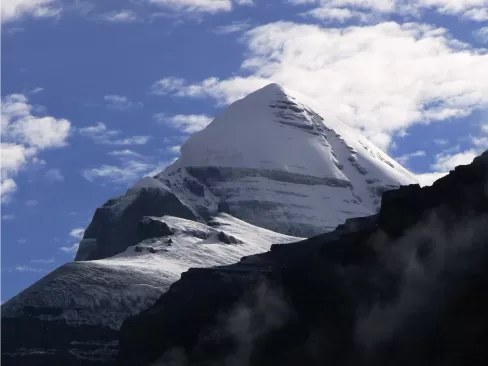
Kailash Mansarovar Tour: A Spiritual Expedition into the Himalayan HeartlandEmbarking on the Kailash Mansarovar Tour is a transcendental journey into the heart of the Himalayas, where spiritual seekers and nature enthusiasts alike converge to experience the mystical allure of Mount Kailash and the serene beauty of Lake Mansarovar. This sacred pilgrimage, deeply rooted in Hindu, Buddhist, and Jain traditions, unfolds against the backdrop of snow-capped peaks, ancient monasteries, and pristine landscapes, creating an odyssey that resonates with the echoes of divine presence.Commencement in Kathmandu: Gateway to the HimalayasThe pilgrimage typically begins in the vibrant city of Kathmandu, the capital of Nepal, where pilgrims from diverse corners of the world gather to embark on this spiritual sojourn. Amidst the bustling streets, the ancient temples of Kathmandu Durbar Square and the swayambhunath stupa set the stage for the transformative journey ahead. Pilgrimages undertake rituals and prayers, seeking blessings for a safe and spiritually enriching pilgrimage.Darchen: The Gateway to Mount KailashThe journey progresses to Darchen, a small town situated at the base of Mount Kailash and the starting point for the sacred circumambulation known as the kora. Darchen is infused with spiritual energy as pilgrims prepare themselves for the arduous yet profoundly rewarding trek around the sacred mountain. The air is filled with the resonance of chants and prayers, creating an atmosphere of devotion that permeates the very fabric of the town.The Kora: A Sacred Circumambulation of Mount KailashUndertaking the kora around Mount Kailash is the pinnacle of the pilgrimage, a transformative ritual that spans approximately 52 kilometers. Pilgrimages, adorned in traditional attire, embark on this circumambulation, each step considered an offering to the divine. The rugged terrain, characterized by sweeping valleys and rocky paths, becomes a symbolic representation of life's challenges and spiritual growth.

Kailash Mansarovar Tour: The Ultimate Spiritual Pilgrimage to the Sacred Mountain The Kailash Mansarovar Tour stands as one of humanity's most profound spiritual journeys, drawing pilgrims, spiritual seekers, and adventure travelers from across the globe to one of the world's most remote and sacred regions. Mount Kailash, rising majestically to 6,638 meters in the far western corner of Tibet, holds unparalleled significance across multiple religions—revered as the abode of Lord Shiva in Hinduism, the earthly manifestation of Mount Meru in Buddhism, the soul mountain in Jainism, and the seat of all spiritual power in the ancient Bon tradition. Paired with the pristine waters of Lake Mansarovar at 4,590 meters, this journey transcends ordinary travel, offering transformative experiences that touch the deepest aspects of human spirituality and consciousness. Unlike typical adventure tours, the Kailash Mansarovar pilgrimage demands not just physical endurance but also mental fortitude and spiritual openness. The journey takes you across some of Earth's most extreme landscapes—vast high-altitude plateaus, barren mountain passes, and stark valleys where the veil between the material and spiritual worlds seems impossibly thin. For many who undertake this journey, the experience proves life-changing, offering perspectives on existence, faith, and the human condition that no amount of reading or preparation can fully anticipate. Understanding the Sacred Significance of Mount Kailash Mount Kailash's spiritual importance cannot be overstated. This nearly symmetrical, pyramid-shaped peak has remained unclimbed throughout recorded history—not due to technical impossibility, but because all four religions that revere it consider climbing the mountain a profound sacrilege. This universal reverence creates an atmosphere of sanctity that permeates the entire region, making every step of the journey feel consecrated. Hindu Traditions and Lord Shiva's Abode In Hindu cosmology, Mount Kailash represents the eternal abode of Lord Shiva, the destroyer and transformer among the trinity of principal deities. Hindus believe that Shiva sits atop Kailash in eternal meditation, accompanied by his consort Parvati, while the sacred Ganges River flows from his matted locks. The mountain's four faces, aligned almost perfectly with the cardinal directions, are said to be made of crystal, ruby, gold, and lapis lazuli—each face representing different aspects of divine power. Hindu pilgrims who complete the Kora (circumambulation) around Mount Kailash believe they can attain moksha (liberation from the cycle of birth and death) or at least burn away sins accumulated over lifetimes. The journey is seen not merely as physical travel but as a moving meditation, a walking prayer that brings devotees closer to divine realization. Many Hindu pilgrims prostrate themselves the entire 52-kilometer circuit, a demonstration of devotion that can take weeks to complete. Buddhist Reverence and Mount Meru Tibetan Buddhists identify Mount Kailash with Mount Meru, the cosmic axis that serves as the center of the Buddhist universe. According to Buddhist cosmology, Meru rises from the center of the world, its peak touching the heavens while its base reaches the underworld. The mountain's spiritual significance in Buddhism extends beyond geography—it represents the path to enlightenment itself, with each step around the mountain symbolizing progress on the spiritual journey. The great Buddhist master Milarepa is said to have engaged in a magical competition with the Bon practitioner Naro Bonchung at Mount Kailash, ultimately winning the mountain for Buddhism. This legend adds layers of spiritual significance for Buddhist pilgrims, who believe that circumambulating Kailash in the Buddhist tradition (clockwise) accumulates merit and brings them closer to enlightenment. Many Tibetan Buddhists aspire to complete 108 circuits of Mount Kailash in their lifetime, believing this practice leads to immediate enlightenment. Jain and Bon Traditions For Jains, Mount Kailash is known as Ashtapada, the site where Rishabhadeva, the first Jain Tirthankara, attained liberation (moksha). Jain texts describe how Rishabhadeva's son, Emperor Bharata, undertook the first recorded pilgrimage to this sacred mountain, establishing a tradition that continues today. Jain pilgrims consider the journey to Kailash among the most auspicious actions a devotee can undertake. The indigenous Bon religion of Tibet, which predates Buddhism in the region, also considers Kailash supremely sacred, though Bon practitioners circumambulate the mountain counterclockwise (opposite to the Buddhist direction). For Bon followers, Kailash represents the seat of all spiritual power, the place where their founder Tonpa Shenrab descended from heaven to Earth. This multi-religious reverence creates a unique spiritual atmosphere where pilgrims from different faiths share the same sacred space, each following their own traditions while respecting others' practices. Lake Mansarovar: The Soul-Purifying Waters Lake Mansarovar, situated at the southern base of Mount Kailash, complements the mountain's masculine energy with feminine receptivity. This freshwater lake, one of the highest in the world at 4,590 meters, spans approximately 320 square kilometers and reaches depths of 90 meters. The name "Mansarovar" derives from Sanskrit—"Manas" (mind) and "Sarovar" (lake)—literally meaning "Lake of Consciousness" or "Mind Lake." According to Hindu mythology, Lake Mansarovar was created by Lord Brahma, the creator deity, as a place where souls could bathe and purify themselves before ascending to heaven. The lake's pristine, crystalline waters are believed to possess extraordinary purifying properties, cleansing not just physical impurities but spiritual ones as well. Pilgrims immerse themselves in these sacred waters, performing rituals and prayers while experiencing the profound peace that emanates from this holy place. The lake's spiritual significance extends across religious boundaries. Buddhists revere it as the birthplace of Maya Devi, mother of Buddha. Jains associate it with the sacred waters where the first Tirthankara's elephant bathed before his enlightenment. Even the ancient Bon tradition considers Mansarovar a source of spiritual power and renewal. This universal reverence creates an atmosphere where pilgrims from vastly different backgrounds share moments of profound spiritual communion. The landscape surrounding Mansarovar is breathtaking—snow-capped peaks reflected in the turquoise waters, vast open skies, and an quality of light that seems to enhance the spiritual ambiance. On calm days, the lake's surface becomes a perfect mirror, creating images of such clarity and beauty that many pilgrims describe feeling transported beyond ordinary reality. The sight of Mount Kailash rising majestically beyond the lake creates one of the most spiritually powerful vistas on Earth. The Sacred Kora: Circumambulating Mount Kailash The Kora around Mount Kailash represents the spiritual and physical heart of the pilgrimage. This 52-kilometer circuit traditionally takes three days to complete, though the exact duration depends on individual pace and acclimatization. The path reaches its highest point at Dolma La Pass (5,630 meters), where pilgrims face both the journey's greatest physical challenge and, many believe, its most spiritually powerful moment. The Spiritual Significance of Circumambulation The practice of circumambulation (walking around a sacred site) exists across many religious traditions, but at Mount Kailash, this ancient practice takes on extraordinary significance. Each complete circuit is believed to erase the sins of one lifetime. Completing 108 circuits—a number sacred in both Hinduism and Buddhism—is said to grant enlightenment in this lifetime. While few modern pilgrims complete 108 circuits (which would take several years), even one circuit is considered profoundly meritorious. The direction of circumambulation differs by religion—Hindus, Buddhists, and Jains walk clockwise, while Bon practitioners walk counterclockwise. This creates the unusual sight of pilgrims walking in both directions on the same path, each group respecting the other's traditions. The clockwise direction is said to align with the natural energy of the universe, while the counterclockwise direction represents a different spiritual approach rooted in Bon cosmology. Many pilgrims undertake the Kora in silence or while chanting mantras—Hindus often recite "Om Namah Shivaya," while Buddhists chant "Om Mani Padme Hum." This constant prayer or meditation transforms the walk into a moving spiritual practice, with each step becoming an offering, each breath a prayer. The physical exertion combined with the high altitude creates an altered state of consciousness that many pilgrims describe as deeply meditative and spiritually revealing. Physical Challenges and Preparation The Kora presents significant physical challenges. The altitude alone—never dropping below 4,600 meters and reaching 5,630 meters at Dolma La Pass—affects everyone to some degree. The thin air makes every step more difficult, every breath more conscious. The terrain varies from relatively flat valley floors to steep, rocky ascents that demand full concentration and physical effort. Proper acclimatization is absolutely essential for completing the Kora safely. Most tour itineraries include several days at moderate altitude (3,600-4,500 meters) before attempting the circuit, allowing your body to adjust gradually to the reduced oxygen levels. Travelers who have completed high-altitude treks in Nepal, such as the Everest Base Camp Trek, Annapurna Circuit Trek, or Manaslu Circuit Trek, often find they acclimate more quickly, though Kailash's extreme altitude still demands respect and caution. The weather at Kailash can change rapidly and dramatically. Even in summer months, snowstorms can occur at high passes, while intense sunshine creates scorching conditions in valleys. Temperature variations from early morning to midday can span 20-30 degrees Celsius. This variability requires careful packing and constant attention to weather conditions. Many experienced Himalayan trekkers compare the conditions to those found on Nepal's highest passes, similar to challenges faced on routes like the Three Passes Trek or the Nar Phu Valley Trek. The Three-Day Kora Journey Day One: Darchen to Dirapuk - The Kora begins from Darchen, the small town that serves as the base for the pilgrimage. The first day covers approximately 20 kilometers, gradually ascending the Lha Chu Valley. The walking is relatively moderate, allowing pilgrims to ease into the circuit while maintaining focus on the spiritual purpose of the journey. The landscape is stark but beautiful—barren brown hills, prayer flags at various points along the path, and the imposing western and northern faces of Kailash growing ever larger as you progress. Dirapuk, the overnight stop, sits at 4,920 meters directly facing Kailash's north face. The sight of the mountain from Dirapuk, particularly at sunrise or sunset when the light paints the face in shades of gold and rose, is among the most spectacular views of the entire pilgrimage. Many pilgrims wake before dawn to witness sunrise illuminating Kailash's north face, a sight considered especially auspicious and spiritually powerful. Day Two: Dirapuk to Zutulpuk via Dolma La Pass - The second day presents the Kora's greatest physical and spiritual challenge. The path climbs steeply from Dirapuk to Dolma La Pass at 5,630 meters, an ascent of over 700 meters at extreme altitude. Every step requires conscious effort, and the thin air leaves even fit trekkers breathing heavily. Yet this physical challenge is intentional—the difficulty itself becomes a form of spiritual purification, with each labored breath a prayer, each painful step an offering. Dolma La Pass holds profound spiritual significance. Pilgrims believe that those who die at this pass attain immediate liberation, and symbolically, all pilgrims "die" to their old selves here, leaving behind sins and past karma before being "reborn" on the descent. The pass is marked by thousands of prayer flags and numerous stone cairns, along with personal items left by pilgrims as offerings—clothes, hair, teeth, even drops of blood symbolizing the death of the old self. The descent from Dolma La to Zutulpuk is steep and can be treacherous, particularly if ice or snow is present. The path drops about 600 meters to Zutulpuk at 4,790 meters, where pilgrims rest for the night. Despite the physical exhaustion, many pilgrims report feeling spiritually energized after crossing Dolma La, as if a weight has been lifted from their souls. Day Three: Zutulpuk to Darchen - The final day covers about 14 kilometers, descending gradually back to Darchen. This relatively easy walk allows pilgrims to reflect on their experience while completing the sacred circuit. The landscape here is gentler, with the path following the Zong Chu River through a valley that feels almost welcoming after the stark heights of Dolma La. Many pilgrims report feeling a sense of completion and accomplishment, along with profound gratitude for having been able to complete this sacred journey. Arriving back in Darchen, having completed the full circuit, creates emotions difficult to describe—exhaustion certainly, but also spiritual fulfillment, a sense of having achieved something beyond the merely physical. Many pilgrims describe feeling changed by the experience, as if they've left something behind on the mountain and gained something intangible but precious in return. Other Sacred Sites on the Kailash Mansarovar Tour Gauri Kund: The Lake of Compassion Gauri Kund, located on the second day of the Kora shortly before Dolma La Pass, holds special significance in Hindu tradition. This small glacial lake is named after Goddess Parvati (also known as Gauri), Lord Shiva's consort. According to legend, Parvati created this lake to bathe in while Shiva meditated on Mount Kailash. The lake is partially frozen most of the year, its icy blue waters reflecting the surrounding mountain walls. Despite the altitude and cold, many Hindu pilgrims choose to bathe in Gauri Kund as an act of devotion and purification. The water is numbingly cold—barely above freezing—but devotees believe that bathing here brings blessings from Goddess Parvati and provides spiritual purification before crossing Dolma La Pass. The courage required to immerse oneself in these frigid waters at over 5,000 meters elevation represents the kind of devotion that characterizes the entire Kailash pilgrimage. Tirthapuri: The Hot Springs Monastery Located about 75 kilometers from Mount Kailash, Tirthapuri offers a fascinating contrast to the harsh, cold landscapes that dominate most of the pilgrimage. This site features natural hot springs believed to have been created by Padmasambhava (Guru Rinpoche), the Buddhist master who brought Tantric Buddhism to Tibet. The hot springs are considered highly auspicious, and many pilgrims bathe in the warm, sulfurous waters for both physical relaxation and spiritual purification. The Tirthapuri Monastery, built around the hot springs, is an active religious site where monks maintain daily practices and ceremonies. The monastery contains numerous meditation caves where great masters have practiced, and pilgrims often perform their own kora around the monastery complex. The combination of spiritual significance and physical comfort (the warm springs are particularly welcome after the rigors of the Kailash Kora) makes Tirthapuri a meaningful addition to the pilgrimage circuit. Rakshas Tal: The Demon Lake Just beyond Lake Mansarovar lies Rakshas Tal (also called Ravana Tal), creating an interesting spiritual counterpoint to its sacred neighbor. While Mansarovar is considered auspicious and pure, Rakshas Tal is traditionally viewed as inauspicious or demonic. According to Hindu mythology, the demon king Ravana performed severe penances at this lake to gain favor from Lord Shiva, giving the lake its name. Despite its negative associations, or perhaps because of them, Rakshas Tal possesses its own stark beauty. The lake's darker blue waters contrast sharply with Mansarovar's turquoise hues, and the desolate landscape surrounding it feels appropriately otherworldly. The channel connecting the two lakes (Ganga Chhu) represents the eternal balance between light and darkness, good and evil, purity and impurity—fundamental dualities explored in Hindu and Buddhist philosophy. Some spiritual practitioners specifically visit Rakshas Tal to confront their own inner demons, using the lake's negative associations as a mirror for self-examination and spiritual purification. This approach reflects the deeper understanding that spiritual growth often requires confronting uncomfortable truths rather than avoiding them. Preparing for the Kailash Mansarovar Pilgrimage Physical Conditioning and Altitude Training The Kailash Mansarovar Tour demands excellent physical condition and, ideally, previous high-altitude experience. The extreme elevations, difficult terrain, and physical demands of the Kora challenge even experienced trekkers. Beginning physical training at least 3-4 months before your departure date provides the foundation for a successful journey. Cardiovascular conditioning is essential—hiking, running, cycling, or swimming several times per week builds the aerobic capacity necessary for sustained effort at altitude. Include hill training or stair climbing to simulate the steep ascents you'll encounter. Many pilgrims also practice yoga, which combines physical conditioning with breath control and mental focus—all valuable for high-altitude trekking. Previous high-altitude experience provides invaluable preparation. Completing treks in Nepal before your Kailash journey offers both physical conditioning and altitude acclimatization. Classic routes like the Everest Base Camp Trek take you to 5,364 meters, while the Annapurna Circuit Trek crosses Thorong La Pass at 5,416 meters. The Gokyo Lakes Trek reaches Gokyo Ri at 5,357 meters, and the Three Passes Trek crosses three passes all exceeding 5,300 meters. For those seeking serious altitude preparation, Nepal's Manaslu Circuit Trek crosses Larkya La Pass at 5,160 meters, while the remote Kanchenjunga Base Camp Trek reaches elevations exceeding 5,000 meters. Even shorter treks like the Langtang Valley Trek or Ghorepani Poon Hill Trek provide valuable high-altitude experience, though at more moderate elevations. Mental and Spiritual Preparation Physical preparation alone is insufficient for the Kailash pilgrimage. The journey's spiritual dimensions require mental and emotional preparation as well. Many pilgrims spend months or even years preparing spiritually—studying relevant texts, practicing meditation, performing devotional practices, and contemplating their intentions for undertaking this sacred journey. Understanding the religious and cultural significance of Mount Kailash and Lake Mansarovar deepens your experience. Reading Hindu texts like the Puranas, Buddhist teachings about Mount Meru, or Jain accounts of Ashtapada provides context and meaning to what might otherwise be merely spectacular scenery. Many pilgrims also study the experiences of previous pilgrims, finding inspiration in accounts of transformative journeys. Meditation practice proves particularly valuable. The physical challenges and high altitude of the Kailash journey can trigger mental and emotional responses—anxiety, frustration, doubt, or even spiritual crisis. A regular meditation practice develops the mental stability and equanimity helpful for navigating these challenges. Many pilgrims describe the Kora itself as a form of walking meditation, where the repetitive physical motion combined with prayer or mantra creates altered states of consciousness conducive to spiritual insight. Setting clear intentions for your pilgrimage focuses your spiritual work. Why are you undertaking this journey? What do you hope to achieve spiritually? What are you willing to leave behind on the mountain? These questions help transform the journey from mere tourism into genuine pilgrimage, creating the mindset necessary for the profound experiences Mount Kailash can offer. Permits, Regulations, and Logistics The Kailash Mansarovar Tour requires extensive documentation and permits. All foreign visitors must obtain a Tibet Travel Permit, plus additional permits for the Mount Kailash region (a restricted border area). Chinese visa requirements are complex, and individual travelers cannot arrange these permits independently—you must book through a registered tour operator who handles all permit arrangements. The permit application process requires submitting your passport, photos, and completed application forms at least 30-40 days before your planned departure. Processing times can be unpredictable, and regulations sometimes change with little notice, making working with experienced operators essential. Tour operators like Explore Holiday Nepal have established relationships with Chinese authorities and handle all permit applications on your behalf. The tour typically begins in Kathmandu, where final permit arrangements are completed before crossing into Tibet. Some tours approach via Lhasa, allowing time for acclimatization and sightseeing in Tibet's capital before journeying to western Tibet and Mount Kailash. Other itineraries take a more direct overland route from the Nepal-Tibet border, reaching Kailash more quickly but with less gradual acclimatization. Best Time for the Kailash Mansarovar Pilgrimage The Kailash Mansarovar Tour operates from May through September, with these months offering the only weather conditions suitable for the pilgrimage. Outside this window, winter conditions make the journey dangerous or impossible, with heavy snow blocking high passes and extreme cold creating serious health risks. May and Early June: These months mark the beginning of the pilgrimage season. Snow may still linger at high passes, particularly Dolma La, but temperatures are moderate and crowds are smaller. The landscape retains winter's stark quality, with snow-capped peaks particularly dramatic. However, weather can be unpredictable, with late-season storms possible. Mid-June through August: This period represents peak season, with the warmest temperatures and most stable weather. However, this is also the monsoon period in the broader Himalayan region. While Tibet's high plateau receives less rainfall than areas to the south, clouds and afternoon showers are more common, potentially obscuring mountain views. The warming temperatures make high-altitude trekking more comfortable, particularly important at extreme elevations like Dolma La Pass. September: Many consider September the optimal month for the Kailash pilgrimage. Temperatures remain moderate, rainfall decreases significantly, and skies are typically crystal clear, providing spectacular mountain views. The autumn light has a special quality, with the low-angle sun creating dramatic shadows and illuminating peaks in shades of gold. This is also the second busiest period, so booking well in advance is essential. For those interested in combining their Kailash pilgrimage with trekking in Nepal, spring and autumn also offer excellent conditions for routes like the Everest Three High Passes Trek, Upper Mustang Trek, or Tsum Valley Trek. The Journey to Mount Kailash: Routes and Landscapes The Overland Route from Nepal Most Kailash Mansarovar Tours originating from Nepal follow the overland route through western Tibet. This journey traverses some of the planet's most remote and spectacular landscapes, crossing high passes and vast plateaus where horizons seem endless. The route typically enters Tibet at the Kerung (Gyirong) border crossing, then heads west across the Tibetan Plateau toward Mount Kailash. The initial stages take you through landscapes similar to those experienced on the Tibet Overland Tour, with barren mountains, prayer-flag-adorned passes, and occasional glimpses of nomadic camps. As you travel westward, the landscape becomes even more remote and pristine, with entire days passing seeing only yaks, wild donkeys, and the occasional nomadic herder. The drive to Kailash typically takes 3-4 days from the Nepal border, allowing for gradual acclimatization as you ascend to higher elevations. This gradual approach is far superior to flying directly to high altitude, giving your body time to adapt to the progressively thinner air. Along the way, you'll cross multiple high passes, each marked with cairns and prayer flags, where tradition dictates adding a stone and offering prayers for safe passage. The Lhasa Route An alternative approach begins in Lhasa, allowing pilgrims to explore Tibet's spiritual capital before journeying to Mount Kailash. This route follows the Friendship Highway west from Lhasa, passing through Gyantse and Shigatse before heading toward western Tibet. This itinerary takes longer but provides better acclimatization and includes opportunities to visit major monasteries and cultural sites. The journey from Lhasa to Mount Kailash covers approximately 1,200 kilometers and typically takes 4-5 days of driving. This extended journey reveals the diversity of Tibetan landscapes—from the relatively fertile valleys around Lhasa to the increasingly barren plateaus of western Tibet. The route passes sacred lakes, remote monasteries, and traditional Tibetan villages where life continues much as it has for centuries. This approach particularly suits travelers who want comprehensive exposure to Tibetan culture before undertaking the Kailash pilgrimage. The time in Lhasa visiting the Potala Palace, Jokhang Temple, and major monasteries provides cultural and spiritual context that enriches the later experiences at Mount Kailash. For those combining their pilgrimage with broader Tibetan exploration, this route offers the most complete experience. Wildlife and Natural Environment The landscapes surrounding Mount Kailash host unique high-altitude ecosystems supporting specialized wildlife. The Tibetan Plateau is home to the wild yak, Tibetan antelope (chiru), Tibetan wild ass (kiang), Himalayan wolf, and snow leopard, among other species. While many of these animals are shy and difficult to spot, patient observers often see wild asses and antelopes grazing on the sparse vegetation. Bird life is also surprisingly abundant, despite the harsh conditions. Various species of snow finches, rosefinches, and other high-altitude birds have adapted to these extreme environments. Raptors like the golden eagle and bearded vulture soar on thermal currents, scanning the ground for prey. The presence of this wildlife, surviving and thriving in conditions that challenge human endurance, adds to the sense of wonder that permeates the entire region. The flora is sparse but fascinating, with hardy plants clinging to existence in this extreme environment. Cushion plants, alpine grasses, and tiny wildflowers appear in sheltered locations, their delicate beauty contrasting sharply with the harsh landscape. These plants have developed remarkable adaptations to survive the intense solar radiation, extreme temperature variations, and short growing season that characterize high-altitude environments. Cultural Encounters and Tibetan Life Around Kailash The Town of Darchen Darchen, the base town for Mount Kailash pilgrims, provides fascinating insights into how Tibetan communities function in these remote regions. The town's population swells dramatically during pilgrimage season (May-September) as pilgrims arrive from across Asia and beyond. What serves as a quiet village during winter transforms into a bustling hub of spiritual and commercial activity in summer months. The town offers basic facilities—simple guesthouses, small restaurants serving Tibetan, Chinese, and basic international food, and shops selling pilgrimage necessities like prayer flags, incense, and warm clothing. Darchen's main street becomes a meeting place where Hindu pilgrims from India, Buddhist practitioners from Tibet and East Asia, Western spiritual seekers, and local Tibetans interact in a remarkable cross-cultural exchange. Walking through Darchen during pilgrimage season reveals the universal aspects of spiritual seeking across cultures. Despite language barriers and different religious traditions, pilgrims share common goals—purification, blessing, spiritual growth, and connection with the divine. This commonality creates an atmosphere of mutual respect and often leads to meaningful encounters that transcend cultural and linguistic differences. Nomadic Communities The lands around Mount Kailash are home to nomadic herders (drokpa) who maintain traditional lifestyles adapted to the extreme environment. These families move seasonally with their herds of yaks, sheep, and goats, following ancient patterns that maximize available grazing while protecting fragile high-altitude ecosystems. Their distinctive black yak-hair tents dot the landscape during summer months, disappearing as families move to lower elevations for winter. Encounters with nomadic families provide glimpses into lives shaped by conditions most people cannot imagine—winters where temperatures drop to -40°C, constant high-altitude challenges, and isolation from modern amenities. Yet these communities possess deep knowledge of their environment, spiritual practices rooted in centuries of tradition, and a warmth that welcomes strangers despite the hardships of their own lives. Many nomadic families are devout Buddhists who regularly perform kora around Mount Kailash, considering it their sacred duty and privilege to live near this holy mountain. Their presence adds authenticity to the pilgrimage experience, reminding travelers that this isn't merely a tourist destination but a living sacred landscape where people maintain traditional relationships with the divine. Similar cultural encounters can be experienced on treks like the Tamang Heritage Trail in Nepal, where traditional mountain communities welcome visitors into their homes and lives. Health Considerations and Safety Acute Mountain Sickness and Prevention Acute Mountain Sickness (AMS) represents the primary health concern on the Kailash Mansarovar Tour. The extreme altitudes—never dropping below 4,500 meters and reaching 5,630 meters at Dolma La Pass—affect everyone to some degree. Understanding AMS symptoms and prevention strategies is essential for a safe and successful pilgrimage. Mild AMS symptoms include headache, nausea, dizziness, fatigue, and difficulty sleeping. These are common and usually manageable with rest, hydration, and pain relievers. However, severe symptoms—including extreme fatigue, confusion, severe headache unrelieved by medication, difficulty breathing at rest, or loss of coordination—indicate potentially life-threatening conditions requiring immediate descent and medical attention. Prevention focuses on proper acclimatization. Tour itineraries build in rest days and gradual ascent schedules, allowing your body time to adapt to decreasing oxygen levels. Staying well-hydrated (3-4 liters of water daily), avoiding alcohol and sleeping medications, eating light but regular meals, and not overexerting yourself all support acclimatization. Medications like acetazolamide (Diamox) can help, but should only be used under medical supervision. Previous high-altitude experience helps you recognize your personal responses to altitude. Completing treks like the Everest Base Camp Trek, Annapurna Base Camp Trek, or Island Peak Climbing before attempting Kailash allows you to understand how your body reacts to reduced oxygen and builds confidence in managing altitude challenges. Medical Facilities and Evacuation Medical facilities around Mount Kailash are extremely limited. Darchen has a basic clinic capable of treating minor ailments, but serious medical emergencies require evacuation to larger cities—Lhasa (1,200km away) or even Kathmandu (1,000km away). Helicopter evacuation from the Kailash region is difficult and unreliable due to the extreme altitude and weather conditions. Comprehensive travel insurance that specifically covers high-altitude trekking above 5,500 meters and emergency evacuation is absolutely essential. Read policy details carefully, as many standard travel insurance policies exclude coverage for high-altitude activities. Your insurance should cover medical treatment, emergency evacuation (including helicopter rescue if possible), and repatriation to your home country if necessary. Carrying a comprehensive first-aid kit is essential. Include altitude sickness medications (if prescribed by your doctor), pain relievers, anti-diarrheal medication, antibiotics (prescribed by your doctor), bandages, blister treatment supplies, and any personal prescription medications with extras in case of delays. Your tour operator should also carry extensive medical supplies and have guides trained in wilderness first aid. Weather Conditions and Appropriate Gear Weather at Mount Kailash is notoriously unpredictable and can change dramatically within hours. Even in summer months, temperatures at Dolma La Pass can drop well below freezing, while midday sun in sheltered valleys can be scorching. This extreme variability requires a comprehensive gear list and a layering system that allows quick adaptation to changing conditions. Essential gear includes a warm down jacket rated for extreme cold, waterproof and windproof outer shell, thermal base layers, fleece mid-layers, warm hat and gloves, sun protection (hat, sunglasses, high-SPF sunscreen), and sturdy trekking boots appropriate for snow and ice. A four-season sleeping bag is necessary for the cold nights, even in summer. Trekking poles provide valuable stability on steep or icy sections of the Kora. The intense solar radiation at high altitude poses serious risks. Sunburn and snow blindness can occur within hours without proper protection. Use high-SPF sunscreen (50+), lip balm with UV protection, and sunglasses with 100% UV protection and side shields to prevent reflected light from snow and ice. Many trekkers also bring face masks or buffs to protect against wind and dust. Similar gear requirements apply to high-altitude treks in Nepal like the Everest Base Camp Trek, Manaslu Circuit Trek, or Annapurna Circuit Trek, making these excellent preparation trips for the Kailash pilgrimage. Combining Kailash with Other Himalayan Adventures Nepal Trekking Before or After KailashMany pilgrims combine their Kailash Mansarovar journey with trekking in Nepal, creating comprehensive Himalayan adventures that showcase the region's diversity. Nepal offers trekking routes for all skill levels, from easy walks through traditional villages to challenging high-altitude expeditions requiring technical skills. For those seeking serious altitude preparation before Kailash, the Everest Base Camp Trek provides ideal training. This 12-14 day trek reaches 5,364 meters at Kala Patthar, exposing you to similar altitudes you'll encounter at Mount Kailash while building fitness and confidence. The Three Passes Trek, which crosses Kongma La (5,535m), Cho La (5,420m), and Renjo La (5,360m), offers even more demanding altitude exposure. The Annapurna Circuit Trek provides another excellent preparation option, crossing Thorong La Pass at 5,416 meters while showcasing diverse landscapes from subtropical forests to high-altitude deserts. The Manaslu Circuit Trek, crossing Larkya La Pass at 5,160 meters, offers similarly valuable altitude experience while remaining less crowded than the more famous Everest and Annapurna regions. For travelers with limited time, shorter treks still provide valuable acclimatization and mountain experiences. The Ghorepani Poon Hill Trek (4-5 days) reaches 3,210 meters while offering spectacular Annapurna and Dhaulagiri views. The Langtang Valley Trek (7-10 days) reaches approximately 4,300 meters, providing good altitude exposure in a shorter timeframe. The Mardi Himal Trek offers beautiful mountain views while reaching 4,500 meters in just 5-7 days. Cultural Tours in Kathmandu and Nepal Nepal's Kathmandu Valley contains seven UNESCO World Heritage Sites offering profound insights into Hindu and Buddhist traditions closely related to the Kailash pilgrimage. Spending several days exploring these sites before or after your Kailash journey enriches your understanding of the religious and cultural context. Pashupatinath Temple, Nepal's most important Hindu pilgrimage site, provides opportunities to witness Shiva worship similar to practices you'll encounter at Mount Kailash. Boudhanath Stupa, the spiritual center of Nepal's Tibetan Buddhist community, offers introduction to Tibetan Buddhist practices and traditions. The ancient cities of Bhaktapur and Patan showcase medieval Newari culture with beautifully preserved temples, palaces, and traditional architecture. For those interested in deeper cultural immersion, the Tamang Heritage Trail visits remote Tamang villages in the Langtang region, where traditional Buddhist practices and Tibetan-influenced culture remain strong. The Upper Mustang Trek explores the former Kingdom of Mustang, where Tibetan Buddhist culture flourishes in monasteries and villages that have remained isolated for centuries. Why Choose Explore Holiday Nepal for Your Kailash Mansarovar Pilgrimage Experience and Expertise Explore Holiday Nepal brings years of specialized experience organizing Kailash Mansarovar Tours, combined with deep expertise gained from operating treks throughout the Himalayan region. Our team understands the unique challenges of high-altitude pilgrimage and the cultural sensitivity required when organizing journeys to sacred sites. We've successfully guided hundreds of pilgrims to Mount Kailash, building relationships with local partners and authorities that ensure smooth logistics and proper permits. Our guides possess extensive knowledge of the religious significance of Mount Kailash across different faith traditions, the history and legends associated with the mountain and Lake Mansarovar, and the cultural practices of Tibetan communities. They're not merely tour leaders but cultural interpreters and spiritual companions who enhance your experience through insights that years of study and firsthand experience provide. Comprehensive Support and Safety Safety represents our highest priority. All our Kailash Mansarovar Tours include experienced guides trained in wilderness first aid and altitude sickness recognition and treatment. We maintain conservative itineraries with appropriate acclimatization schedules, and we're prepared to modify plans if conditions or individual health concerns require. Our guides carry comprehensive medical kits and have protocols for emergency evacuation if necessary. We handle all logistics—permits, transportation, accommodations, meals—allowing you to focus entirely on the spiritual aspects of your pilgrimage. Our local partnerships ensure reliable service even in remote regions where infrastructure is minimal. We maintain small group sizes to ensure personalized attention and minimize environmental impact. Sustainable and Responsible Tourism We're committed to sustainable tourism that preserves Mount Kailash's sacred environment and benefits local communities. Our tours follow Leave No Trace principles, with all waste carried out and disposed of properly. We support local businesses and employ local guides and support staff whenever possible, ensuring your tourism dollars benefit Tibetan communities. We emphasize cultural respect and sensitivity, educating our clients about appropriate behavior at sacred sites, interaction with local communities, and the importance of maintaining Mount Kailash's sanctity. We believe tourism should enhance rather than diminish sacred spaces, and we design our tours accordingly. Customized Itineraries We understand that every pilgrim's needs and capabilities differ. We offer flexible itineraries that can be customized based on your physical fitness, time constraints, spiritual interests, and desire to combine Kailash with other destinations. Whether you want to approach via Lhasa for maximum cultural exposure, take the most direct route from Nepal, or combine your pilgrimage with trekking in Nepal's Himalayan regions, we design itineraries that meet your specific goals. For pilgrims with previous Himalayan experience who want to combine Kailash with challenging treks, we can arrange combinations with routes like the Everest Base Camp Trek, Kanchenjunga Base Camp Trek, or Makalu Base Camp Trek. For those seeking moderately challenging options, we suggest combinations with treks like the Annapurna Base Camp Trek, Langtang Gosainkunda Trek, or Pikey Peak Trek. Begin Your Sacred Journey The Kailash Mansarovar Tour represents more than travel—it's a pilgrimage to one of Earth's most sacred mountains, a journey that challenges body and spirit while offering opportunities for profound transformation. Whether you're drawn by religious devotion, spiritual seeking, or simply the desire to witness one of the planet's most extraordinary landscapes, Mount Kailash and Lake Mansarovar deliver experiences that exceed imagination. This journey demands significant physical preparation, mental fortitude, and genuine respect for the sacred nature of the region. But for those willing to embrace these challenges, the rewards are immeasurable—standing before the four perfectly symmetrical faces of Mount Kailash, bathing in the crystalline waters of Lake Mansarovar, completing the sacred Kora that countless pilgrims have walked for centuries, and experiencing the profound spiritual atmosphere that permeates every aspect of this sacred landscape. Your pilgrimage begins with a single step toward the Roof of the World. The sacred mountain awaits, its presence calling to something deep within the human spirit—that yearning for connection with the divine, for purification and renewal, for experiences that transcend ordinary existence. Are you ready to answer Mount Kailash's call? For more information about combining your Kailash Mansarovar pilgrimage with trekking adventures in Nepal, explore our complete range of trekking packages designed to create the ultimate Himalayan experience. Whether you choose classic routes like the Everest View Trek or remote adventures like the Dolpo Trek, we offer journeys for every skill level and interest, all designed to prepare you physically and spiritually for the profound experiences awaiting you at Mount Kailash.
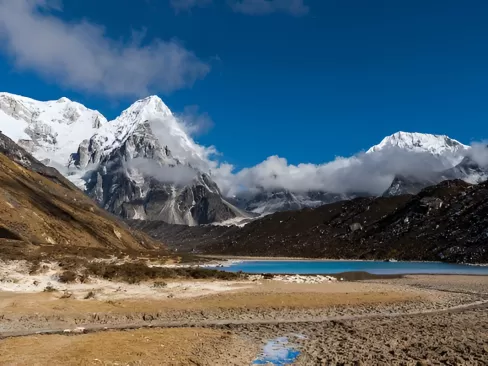
Kanchenjunga South Base Camp Trek: Journey to Nepal's Last FrontierStanding at 8,586 meters, Kanchenjunga commands respect as the world's third-highest mountain and Nepal's most remote major trekking destination. The Kanchenjunga South Base Camp Trek offers adventurers something increasingly rare in modern Nepal—a genuine wilderness experience where solitude, pristine nature, and ancient cultures converge far from the well-trodden paths of commercial tourism. This isn't just another trek; it's an expedition into one of the Himalayas' last untouched corners, where the rhythm of life has remained unchanged for centuries.Located in the far eastern reaches of Nepal, bordering Sikkim and Tibet, the Kanchenjunga region sees fewer trekkers in an entire year than Everest Base Camp receives in a single week. This isolation has preserved both the environment and the traditional cultures of the Limbu, Sherpa, Rai, and Tamang peoples who call these mountains home. The trek rewards those willing to venture off the beaten path with unparalleled mountain scenery, rich biodiversity, and cultural encounters that feel authentic rather than staged for tourists.Why Kanchenjunga Stands Apart from Other TreksThe name Kanchenjunga translates to "Five Treasures of Snow," referring to the mountain's five distinct peaks. Local legend holds that these peaks represent the five repositories of God: gold, silver, gems, grain, and holy books. The mountain holds deep spiritual significance for the people of the region, and this reverence permeates every aspect of trekking here. Unlike more commercialized routes, the Kanchenjunga region maintains a sacred quality that demands respect and mindful travel.What truly distinguishes this trek is its genuine remoteness. While treks like the Manaslu Circuit Trek or Annapurna Circuit have grown in popularity over recent decades, Kanchenjunga remains delightfully uncrowded. You might go entire days seeing only your own group and perhaps one or two other trekking parties. The lodges are family-run affairs where you'll eat meals with your hosts, share stories around wood-burning stoves, and experience Nepali hospitality in its purest form.The conservation area protects some of Nepal's most important biodiversity hotspots. The dramatic elevation change—from subtropical forests at 1,000 meters to alpine zones above 5,000 meters—creates diverse ecosystems home to red pandas, snow leopards, Himalayan black bears, and over 250 bird species. The trek passes through pristine rhododendron forests that explode with color during spring, ancient temperate forests draped in moss and lichen, and stark high-altitude landscapes where only the hardiest plants survive.Understanding the Geography and Route OptionsThe Kanchenjunga region offers two main trekking routes: the South Base Camp trek and the North Base Camp trek. Some ambitious trekkers combine both in a comprehensive circuit, though this requires 20-25 days and excellent fitness. The South Base Camp route, which this guide focuses on, is generally considered more scenic and culturally rich, though both offer extraordinary experiences.The trek typically begins with a flight from Kathmandu to Bhadrapur, followed by a long drive to Taplejung or sometimes directly to Mitlung or Chiruwa, depending on road conditions. These drives, while bumpy and time-consuming, offer fascinating glimpses of eastern Nepal's terraced hillsides, river valleys, and rural villages that see few foreign visitors. The region feels distinctly different from the more-visited parts of Nepal—more lush, more isolated, more traditional.From the trailhead, the route follows the Kabeli Khola (river) valley before climbing through forests and villages toward the Yalung Glacier and eventually to Ramche, which serves as the primary South Base Camp viewpoint. The highest point most itineraries reach is Oktang viewpoint at approximately 4,730 meters, which provides stunning close-up views of Kanchenjunga's south face, along with neighboring giants like Kabru, Rathong, and the spectacular pyramid of Jannu (7,710m).The route passes through several distinct climate zones and cultural areas. The lower sections feature Rai and Limbu villages where Hinduism and animist traditions blend with Buddhism. As you ascend, Sherpa influence becomes dominant, with Buddhist monasteries, prayer flags, and chortens marking the landscape. The vegetation transitions from subtropical bamboo and rhododendron forests through temperate oak and pine woods to alpine juniper scrub and finally to barren high-altitude terrain.Physical Demands and Fitness RequirementsMake no mistake—the Kanchenjunga South Base Camp Trek is genuinely challenging and should not be undertaken lightly. This isn't a trek for beginners or those with limited high-altitude experience. The combination of remote location, significant daily elevation changes, high-altitude exposure, and basic facilities requires both physical fitness and mental resilience.Daily walking times typically range from 6 to 8 hours, with some days extending to 9 or 10 hours depending on conditions and your group's pace. The trails are often steep, with lung-busting ascents followed by knee-jarring descents. Unlike more developed trekking routes where trails are carefully maintained, paths here can be rough, rocky, muddy, or covered in tree roots. Good balance and sure footing are essential, especially in monsoon season when trails become slippery.Altitude presents the most significant challenge. You'll spend multiple days above 4,000 meters, and reaching Oktang viewpoint takes you to nearly 4,800 meters. At these elevations, the air contains roughly half the oxygen available at sea level. Even extremely fit athletes can suffer from altitude sickness if they ascend too quickly or if their bodies simply don't acclimatize well. Cardiovascular fitness helps, but it doesn't guarantee immunity to altitude issues.Preparing for this trek should begin at least three months in advance. Focus on building cardiovascular endurance through running, cycling, swimming, or stair climbing. Include elevation gain in your training if possible—hiking with a weighted backpack on progressively steeper trails simulates trekking conditions effectively. Leg strength is crucial for both ascents and descents; exercises like squats, lunges, and step-ups help build the muscles you'll rely on daily.Don't neglect flexibility and balance training. Yoga or stretching routines improve your ability to navigate uneven terrain and reduce injury risk. Core strength is equally important for maintaining good posture while carrying a daypack for hours. If you have access to altitude training facilities or can train at elevation, take advantage of them, though most trekkers prepare entirely at sea level and acclimatize during the trek itself.Acclimatization Strategy and Altitude Sickness PreventionProper acclimatization is absolutely critical for a safe and successful Kanchenjunga trek. The remote location means that medical help is far away, and helicopter evacuation is expensive and weather-dependent. Prevention of altitude illness should be your primary health concern.Well-designed itineraries include multiple acclimatization days, particularly before and after crossing 4,000 meters. These aren't rest days in the sense of doing nothing; rather, you'll take short hikes to higher elevations before returning to sleep at lower altitudes. This "climb high, sleep low" strategy stimulates your body's altitude adaptations while minimizing risk.The symptoms of Acute Mountain Sickness (AMS) include headache, nausea, dizziness, fatigue, and difficulty sleeping. These symptoms are common and not necessarily dangerous if recognized early and managed appropriately. The key is to not ascend further while symptomatic. If symptoms persist or worsen despite rest and medication, descending even a few hundred meters usually brings rapid improvement.More serious altitude illnesses—High Altitude Pulmonary Edema (HAPE) and High Altitude Cerebral Edema (HACE)—are medical emergencies requiring immediate descent and evacuation. Signs include extreme fatigue, breathlessness even at rest, confusion, loss of coordination, and severe headaches that don't respond to medication. Experienced guides recognize these symptoms and will insist on descent if necessary, even if you want to continue.Hydration plays a vital role in acclimatization. Drink 3-4 liters of water daily, even if you don't feel particularly thirsty. The dry mountain air and increased respiration at altitude cause significant fluid loss through breathing alone. Urine should be clear or pale yellow—dark urine indicates dehydration. Avoid alcohol and limit caffeine, as both interfere with acclimatization and worsen dehydration.Some trekkers use acetazolamide (Diamox) to aid acclimatization. This medication helps your body adapt to altitude more quickly and can reduce AMS symptoms. However, it's not a substitute for proper acclimatization—you still need to ascend gradually. Consult your doctor before the trek about whether Diamox is appropriate for you, and always carry it along with other altitude medications as part of your first-aid kit.Best Time to Trek Kanchenjunga South Base CampThe Kanchenjunga region experiences distinct seasons that dramatically affect trekking conditions. Choosing the right time for your trek can mean the difference between a spectacular experience and a miserable slog through mud and clouds.Autumn (September to November) stands as the most popular and arguably best season for this trek. The monsoon rains have cleared the air, creating crystalline visibility perfect for photography. Daytime temperatures are comfortable in the lower valleys, though mornings and evenings grow cold, and high-altitude camps can drop well below freezing at night. The weather is generally stable, with clear skies dominating. The main disadvantage is that this is peak season, meaning you'll encounter more trekkers (though "crowded" here still means very few people compared to popular routes).Spring (March to May) offers the second-best window for trekking. Temperatures are slightly warmer than autumn, and the rhododendron forests burst into spectacular bloom, painting entire mountainsides in shades of red, pink, and white. The displays can be absolutely stunning, rivaling anything seen on the Annapurna Base Camp Trek. However, spring weather is less stable than autumn—afternoon clouds often build up, potentially obscuring mountain views. Visibility can also be hazier due to dust in the air. Spring sees fewer trekkers than autumn, offering even more solitude.Winter (December to February) is possible for experienced trekkers comfortable with harsh conditions and willing to accept significant challenges. Temperatures plunge brutally—nights at high camps can reach -25°C or colder. Heavy snowfall may block high passes and trails, sometimes making the trek impossible. Most lodges in upper elevations close for the season, limiting accommodation options. However, winter rewards hardy souls with pristine snow-covered landscapes, absolutely clear skies, and virtually no other trekkers. The mountains appear especially dramatic against winter's deep blue skies.Monsoon (June to August) is generally avoided and not recommended. Heavy rainfall makes trails muddy, slippery, and sometimes dangerous due to landslide risk. Leeches proliferate in lower elevations, attaching to any exposed skin. Mountain views are frequently obscured by clouds and rain. The high humidity makes the heat in lower valleys oppressive. That said, the landscape is incredibly green and lush during this period, and if you don't mind the challenges, you'll have the trails almost entirely to yourself.Required Permits and RegulationsTrekking in the Kanchenjunga region requires several permits due to its restricted area status and conservation priorities. Understanding these requirements helps avoid delays and ensures legal compliance.The Kanchenjunga Conservation Area Permit (KCAP) is mandatory for entering the protected area. This permit helps fund conservation efforts and community development projects. The fees support ranger patrols, trail maintenance, wildlife protection, and local schools and health posts. The conservation area spans 2,035 square kilometers and protects critical habitats for endangered species while preserving the traditional lifestyles of local communities.The Restricted Area Permit is also required because Kanchenjunga borders sensitive frontier regions with India and Tibet/China. This permit must be obtained through a registered trekking agency—independent trekking is not allowed in restricted areas. The regulation ensures trekker safety and security while limiting numbers to reduce environmental impact.The TIMS card (Trekkers' Information Management System) is mandatory for all trekkers in Nepal. This card helps authorities track trekker movements for safety purposes and provides valuable data for rescue operations if needed. While some argue the TIMS system adds bureaucracy, it has genuinely improved trekker safety in remote regions where people can go missing without anyone knowing their planned route.All permits can be arranged through your trekking agency like Explore Holiday Nepal, which handles the paperwork and ensures everything is in order before your trek begins. This service saves you time and potential headaches navigating Kathmandu's bureaucracy. Permits must be carried with you during the trek, as there are multiple checkpoints where officials verify documentation.The restricted area requirement means you must trek with a registered guide from a licensed trekking company. While this adds cost compared to independent trekking, it provides significant benefits: local knowledge, safety support, logistical handling, cultural interpretation, and emergency assistance. In a region this remote, having experienced support is not just advisable—it's essential.Accommodation and Facilities Along the RouteAccommodation on the Kanchenjunga South Base Camp Trek is decidedly basic compared to more developed routes like the Everest Base Camp or Annapurna Circuit. The lodges here are typically family homes with a few extra rooms designated for trekkers, offering genuine homestay experiences rather than commercial guesthouses.Rooms are simple—usually twin-sharing with basic beds and thin mattresses. Blankets are provided but may not be sufficient at high altitudes, making a warm sleeping bag essential. Attached bathrooms are rare; most lodges have shared toilet facilities outside the main building. These toilets are typically squat-style, and conditions vary from reasonably clean to fairly basic. Running water is available in lower elevations but becomes scarce higher up.Hot showers exist in some lower-elevation lodges, usually heated by solar panels or wood-burning boilers and available for an additional fee. As you ascend, hot water becomes rare or nonexistent. Many trekkers resort to bucket washes or wet wipe baths for days at a time. While this might sound uncomfortable, you'll be surprised how quickly you adapt and how little it bothers you when everyone is in the same situation.The lodges' common areas become social centers where trekkers, guides, and sometimes local families gather around wood-burning stoves. These spaces provide warmth, charging facilities (for a fee), and opportunities for conversation and camaraderie. Don't expect WiFi or reliable internet—connectivity is limited or nonexistent through most of the trek, creating a wonderful digital detox experience.Electricity availability varies dramatically. Lower villages may have grid power for a few hours daily, while middle elevations rely on solar panels or small hydroelectric generators. High-altitude lodges may have very limited electricity or none at all. Bring multiple power banks to keep essential devices charged, and expect to pay for charging facilities where available.The lodge density decreases significantly as you ascend. In lower sections, you might have choices between several teahouses in each village. Higher up, there might be only one or two lodges serving trekkers, sometimes with very limited capacity. This is why going with an organized trekking agency is advantageous—they communicate ahead to secure accommodations, especially during peak season.Food and Nutrition on the TrailThe menu options on the Kanchenjunga trek reflect the remote location and limited supply chains. While lower elevations offer reasonable variety, choices narrow considerably as you climb higher. The staple is dal bhat—rice with lentil soup, vegetable curry, and sometimes a small portion of meat or egg. This quintessential trekking meal is nutritionally balanced, provides sustained energy, and crucially, most lodges offer unlimited refills.Other common menu items include Tibetan bread (a fried flatbread), chapati (unleavened bread), rice and noodle dishes (fried rice, chow mein), momos (steamed or fried dumplings), various soups, porridge, and pancakes. Some lodges attempt Western dishes like pasta, pizza, or french fries, though results are mixed, especially at higher elevations where ingredients are limited and cooking at altitude affects preparation.Fresh vegetables become scarce above 3,500 meters, with lodges relying on dried or canned vegetables for curries. Fresh meat is generally unavailable at high altitudes—any meat dishes use dried or canned meat. Eggs are available but become expensive as you climb since porters must carry them from lower villages. The limited fresh produce isn't about poor lodge management; it's simply the reality of remote mountain living where everything must be carried on human backs for days.Hot drinks are a blessing in the cold mountain air. Tea (milk tea, black tea, lemon tea), coffee (instant), hot chocolate, and soups provide warmth and hydration. Garlic soup is particularly popular among trekkers, believed to help with acclimatization, though scientific evidence is limited. These hot beverages become comforting rituals, marking meals and rest stops throughout the day.Bringing supplementary snacks is highly recommended. Energy bars, trail mix, dried fruits, chocolate, and hard candy provide quick energy boosts and are especially valuable when your appetite decreases at altitude. These treats can also lift spirits during particularly challenging days. Choose high-calorie, nutrient-dense options that pack small but provide significant energy.Appetite suppression at altitude is completely normal. Even if you don't feel hungry, force yourself to eat regularly—your body needs fuel for the intense physical activity and to maintain body temperature in the cold. Focus on carbohydrates which provide quick energy and are easier to digest at altitude than heavy protein or fat-rich meals. Small, frequent snacks work better than trying to force down large meals.Water safety deserves careful attention. Lower elevations might have safe tap water, but higher up, water sources become questionable. Always treat water through boiling, purification tablets, filtration, or UV sterilization. Most lodges provide boiled water for a small fee—a good option that's environmentally better than buying countless plastic bottles. Carrying a reusable water bottle and purification method is essential.Cultural Encounters and Local CommunitiesThe Kanchenjunga region is home to diverse ethnic groups, each contributing unique cultural elements to the trekking experience. Understanding and respecting these cultures enriches your journey immeasurably.The Limbu people dominate lower elevations, particularly around Taplejung and the initial trekking days. They practice a unique blend of Hinduism and animist traditions called Yumaism, which centers on nature worship and ancestor veneration. The Limbu are known for their distinctive traditional dress, fermented millet drink (tongba), and colorful festivals. Their villages feature traditional houses with thatched roofs and intricate woodwork.Rai communities also inhabit lower sections, known for their agricultural expertise and distinctive shamanic traditions. The Rai celebrate numerous festivals throughout the year, and if your trek timing aligns, witnessing these celebrations offers incredible cultural insights. Both Rai and Limbu peoples have rich oral traditions, with stories and songs passed down through generations.Sherpa influence grows dominant as you ascend. The Sherpas migrated from Tibet centuries ago, bringing Tibetan Buddhism with them. Their villages feature characteristic white-washed stone houses with colorful painted wooden window frames, prayer flags strung between buildings, and always a Buddhist monastery or shrine at the village center. The Sherpas' legendary mountaineering reputation is well-founded—they're exceptionally strong at altitude and possess intimate knowledge of the mountains.Buddhist practices pervade daily life in upper elevations. You'll see prayer wheels that locals spin clockwise while walking, chortens (stone stupas) that mark auspicious locations, and mani walls with carved prayers that must be passed on the left (keeping them on your right side). Prayer flags in five colors—blue (sky), white (air), red (fire), green (water), and yellow (earth)—flutter constantly, sending prayers on the wind.Monasteries serve as both spiritual centers and community gathering places. If you're fortunate to visit during morning or evening prayers, the experience is profound—the deep chanting of monks, the scent of juniper incense, the glow of butter lamps, and the ancient murals depicting Buddhist teachings create an atmosphere of timeless spirituality. Always ask permission before photographing inside monasteries and respect any restrictions on entering certain areas.Interaction with locals provides some of the trek's most memorable moments. The people here are genuinely welcoming, curious about visitors, and proud to share their culture. Learning a few basic Nepali phrases—"namaste" (hello/goodbye), "dhanyabad" (thank you), "mitho cha" (delicious)—goes a long way toward building connections. Lodge owners often invite trekkers to join family meals or share butter tea, opportunities for authentic cultural exchange.Wildlife and Natural EnvironmentThe Kanchenjunga Conservation Area protects extraordinary biodiversity across multiple altitude zones. While large mammals are generally shy and difficult to spot, the region supports impressive wildlife populations.The red panda, one of Nepal's most charismatic endangered species, inhabits the temperate forests between 2,500 and 4,000 meters. These adorable animals are primarily active at dawn and dusk, feeding on bamboo leaves. Spotting one requires patience and luck, but even the possibility adds excitement to forest sections. The conservation area represents critical habitat for red panda survival.Snow leopards prowl the high-altitude regions above 3,500 meters, though these elusive cats are almost never seen. The Kanchenjunga region supports one of Nepal's healthiest snow leopard populations, with estimated numbers around 120-150 individuals. While you probably won't see one, knowing these magnificent predators hunt nearby adds a thrill to the landscape. You might spot pugmarks (paw prints) in snow or dust if you're observant.Himalayan black bears inhabit forested areas, particularly in autumn when they're fattening up for winter hibernation. Keep food secured and make noise while walking through dense forest to avoid surprising bears. Attacks are extremely rare—bears typically flee from humans—but caution is warranted. Your guide will know bear-aware practices and can advise on safety.Other mammals include musk deer, Himalayan tahr, serow, ghoral (mountain goats), yellow-throated martens, and numerous small mammals like pikas and voles that provide prey for predators. The variety reflects the ecosystem's health and the protection afforded by conservation area status.Birdwatching can be exceptional for enthusiasts. The area hosts over 250 recorded bird species, including the endangered Satyr tragopan (a spectacular pheasant), blood pheasant, various eagles and vultures, laughing thrushes, sunbirds, and at lower elevations, colorful species like scarlet minivets. Spring mornings come alive with bird songs and activity. Bringing binoculars and a bird identification guide enhances this aspect of the trek.The flora changes dramatically with elevation. Subtropical forests at lower elevations feature sal trees, bamboo, ferns, and orchids. Temperate zones showcase magnificent rhododendron forests—Nepal's national flower—along with oak, maple, birch, and magnolia. These forests are often draped in moss and lichens, creating an almost primordial atmosphere. In spring, the rhododendron bloom is simply spectacular, transforming entire mountainsides into explosions of color.Alpine zones above 4,000 meters support only hardy plants—dwarf rhododendrons, junipers, grasses, and hundreds of wildflower species including primulas, gentians, edelweiss, and blue poppies. The harsh conditions—intense UV radiation, extreme temperature swings, strong winds, thin air—mean only specialized plants survive, but those that do are often strikingly beautiful.Comparing Kanchenjunga with Other Nepal TreksUnderstanding how Kanchenjunga compares to other major treks helps you choose the right adventure for your goals and abilities.Versus Everest Base Camp: Everest Base Camp is more accessible, shorter, and has far better facilities but also sees massive crowds. Kanchenjunga offers solitude and pristine conditions that Everest lost decades ago. Both reach similar maximum altitudes and offer spectacular mountain views. If you've done Everest and crave something more adventurous, Kanchenjunga is an excellent next step.Versus Manaslu Circuit: The Manaslu Circuit Trek provides a middle ground—more remote than Annapurna or Everest but less so than Kanchenjunga. Manaslu is slightly shorter and has somewhat better facilities. Kanchenjunga offers richer biodiversity and more cultural diversity. Both are excellent choices for trekkers seeking to escape crowds while still having good support infrastructure.Versus Annapurna Circuit: The Annapurna Circuit offers diverse landscapes and excellent facilities but has become quite commercialized. Kanchenjunga provides a much more adventurous experience with far fewer amenities but genuine wilderness. Annapurna is more accessible for first-time Nepal trekkers, while Kanchenjunga suits those wanting a serious expedition.Versus Upper Mustang: The Upper Mustang Trek also requires restricted area permits and offers cultural immersion in Tibetan Buddhist culture. However, Mustang is a rain-shadow desert with stark landscapes, while Kanchenjunga features lush forests and verdant valleys. Both are remote and culturally rich, but the environments are completely different.Versus Three Passes Trek: The Three Passes Trek in the Everest region is similarly challenging with multiple high passes, but sees more trekkers and has better facilities. Kanchenjunga offers more authentic cultural experiences and better wildlife viewing opportunities but requires more commitment in terms of time and remoteness.For those building up experience, consider starting with more accessible treks like Langtang Valley Trek or Ghorepani Poon Hill Trek before attempting Kanchenjunga. These shorter treks help you understand your altitude response and trekking preferences before committing to such a remote expedition.Essential Packing List for KanchenjungaPacking appropriately for this remote trek is crucial since you can't easily replace forgotten or damaged items.Clothing layers: The key to comfort is a flexible layering system. Base layers should be moisture-wicking synthetic or merino wool—bring at least two sets so you can wash one while wearing the other. Mid-layers provide insulation; fleece jackets or down vests work well. Your outer shell should be fully waterproof and windproof, protecting you from rain and harsh winds at high elevations. Down jackets rated for -10°C or colder are essential for evenings and high camps.Footwear: Well-broken-in hiking boots with good ankle support and aggressive tread are non-negotiable. Boots should be waterproof but breathable. Bring multiple pairs of hiking socks, including thicker ones for cold sections. Camp shoes or sandals give your feet relief in the evenings and are useful for nighttime bathroom trips. Gaiters help keep moisture, mud, and leeches out of your boots.Sleeping gear: A sleeping bag rated to -10°C or colder is essential, as teahouse blankets alone won't suffice at high altitudes. A sleeping bag liner adds warmth and hygiene. Consider bringing a down jacket that can serve as extra insulation on particularly cold nights.Trekking essentials: Quality trekking poles significantly reduce knee stress on descents and help with balance on difficult terrain. A comfortable daypack (30-40 liters) carries your daily essentials while porters carry your main duffel. Water bottles or hydration system plus purification method (tablets, filter, or UV sterilizer) ensure safe drinking water. Headlamp with extra batteries is essential for early morning starts and evening activities.Sun protection: UV radiation intensifies dramatically with altitude. Bring high-SPF sunscreen (50+), lip balm with SPF, and quality sunglasses that block UV rays. A sun hat with neck protection prevents sunburn during long days on the trail.Personal items: First-aid kit including altitude sickness medication (Diamox), pain relievers, blister treatment, bandages, and any personal medications. Toiletries should be minimal and biodegradable where possible. Hand sanitizer and wet wipes become invaluable when hot water is scarce. Quick-dry towel saves weight and space.Electronics: Camera with extra batteries and memory cards captures spectacular scenery. Power bank (or multiple) keeps devices charged when electricity is unavailable. Nepal uses plug types C, D, and M, so bring appropriate adapters. Consider whether you really need devices—limited connectivity makes this an excellent digital detox opportunity.Documents: Passport, permits, insurance documents, and emergency contact information should be kept in a waterproof pouch. Bring both physical and digital copies (stored on phone/tablet) as backup.Optional but recommended: Book or e-reader for evening entertainment, playing cards for socializing, duct tape and safety pins for repairs, earplugs for snoring roommates or loud animals, and a stuff sack for organizing dirty clothes.Safety Considerations and Emergency PreparednessTrekking in such a remote region requires serious safety awareness. Unlike popular routes where help is hours away, assistance here can take days.Comprehensive travel insurance is absolutely mandatory. Your policy must specifically cover trekking at high altitude (confirm the elevation limits) and include helicopter evacuation. Medical treatment and especially helicopter rescue are extremely expensive—tens of thousands of dollars—and providers require payment guarantees before services. Read policy fine print carefully and ensure it covers your specific trek.Communication is limited but possible. Some lodges have satellite phones for emergencies. Mobile phone coverage exists sporadically in lower elevations but disappears entirely in upper regions. Some trekkers carry personal satellite communication devices (like Garmin inReach) that can send distress signals and messages regardless of cell coverage. These devices provide significant peace of mind for solo trekkers or those with concerned families.Altitude sickness prevention was discussed earlier, but it bears repeating: this is your primary health concern. Descend immediately if symptoms worsen or don't improve with rest. Never continue ascending with AMS symptoms. Pride and summit fever have caused numerous tragedies—listen to your body and your guide.Weather hazards include landslides during monsoon, avalanche risk in snow conditions, and exposure to extreme cold and wind at high elevations. Check weather forecasts before departing and be prepared to adjust plans if conditions deteriorate. Your guide's local knowledge is invaluable for reading weather patterns.Trail hazards like suspension bridges, steep drop-offs, loose rocks, and river crossings require constant attention. Don't become complacent even on easier sections—most accidents happen when people let their guard down. Trek poles help immensely with balance and stability.Wildlife encounters are generally safe if you follow guidelines. Make noise in forested areas to avoid surprising animals, secure all food, and never approach wildlife for photographs. Your guide will know appropriate responses to different animal encounters.Responsible Trekking and Environmental EthicsTrekking responsibly ensures the region remains pristine for future generations and benefits local communities.Leave No Trace principles apply fully here. Pack out all non-biodegradable waste—don't trust that lodges can properly dispose of your garbage. Burn toilet paper rather than leaving it (where safe to do so), or better yet, pack it out. Use designated toilet facilities rather than going in nature. Stay on established trails to prevent erosion.Water pollution prevention means never washing directly in streams or rivers. Use a bucket away from water sources and scatter the gray water. Avoid soaps and shampoos entering water systems—they harm aquatic life even if labeled "biodegradable." Minimize washing where possible and use only truly necessary amounts of any cleaning products.Energy conservation helps lodges manage limited resources. Turn off lights when leaving rooms, limit hot water use, and don't waste electricity charging unnecessary devices. Solar panels and hydroelectric generators are expensive investments for lodge owners; respect their constraints.Cultural respect means dressing modestly (covered shoulders and knees in villages), removing shoes before entering homes and religious sites, asking permission before photographing people, and not giving children money or candy (which creates begging behavior). Learn about local customs and follow your guide's advice about appropriate behavior.Support local economies by purchasing handicrafts directly from artisans, hiring local guides and porters through ethical agencies, and eating at local lodges rather than bringing all your own food. Your tourism dollars provide essential income for mountain communities, but only if spent thoughtfully.Porter welfare deserves special attention. Ethical trekking companies limit porter loads to 25 kg maximum, provide appropriate clothing and gear for porters, include porters in insurance coverage, and pay fair wages. Unfortunately, some companies exploit porters terribly. Choosing responsible operators like Explore Holiday Nepal ensures your trek doesn't contribute to poor labor practices.Final Preparations and Practical TipsPhysical and mental preparation: Beyond fitness training, prepare mentally for discomfort, basic facilities, and challenging days. This isn't a luxury experience—it's an expedition requiring resilience and flexibility. Embrace the adventure mindset rather than expecting hotel standards.Pre-trek days in Kathmandu: Allow at least 2-3 days before your trek for permit arrangements, gear checks, meeting your guide, and acclimatization to Nepal's elevation (1,400m). This buffer also helps if flights to Bhadrapur are delayed—common during monsoon season.Banking and money: Bring sufficient cash (Nepali rupees) for the entire trek. ATMs exist in Taplejung but are unreliable higher up. Budget for lodge charges, snacks, drinks, charging fees, hot showers, and tips for guides and porters. Prices increase with altitude due to transportation costs.Flexibility is essential: Weather, trail conditions, or health issues may require itinerary changes. Don't have inflexible return flights leaving immediately after your scheduled trek end date—build in buffer days for delays. Mountain travel rarely goes exactly as planned.Group dynamics: If joining a group trek, you'll spend weeks with the same people in intimate conditions Top Blogs About Trekking in the Kanchenjunga Region:Uncover the best blogs about trekking in the Kanchenjunga region, featuring expert advice, detailed itineraries, personal experiences, and essential tips for adventurers looking to explore the Himalayas.Altitude Sickness on Nepal Treks: Symptoms, Treatment, and When to Descend (Complete Guide) Ultimate Kanchenjunga Circuit Trek GuideAmazing Facts About the Kanchenjunga Circuit TrekKanchenjunga North vs. South Base Camp: Which is Better?Trekking Kanchenjunga Circuit: Routes, Planning & Survival Tips for AdventurersAmazing Top Facts of Mount KanchenjungaNepal Trekking Permits: Costs, Types, and How to Get ThemNepal Trekking: What’s the Best Time to Go?Budget Trekking in Nepal: Tips, Trails, and TricksExploring Nepal’s Wildlife and NatureTrekking Through Nepal: A Journey into the HimalayasTop 10 Mountain Peaks in NepalMonastery Life in Nepal: Finding Peace in the Heart of the Himalayas Altitude Sickness on Nepal Treks: Symptoms, Treatment, and When to Descend (Complete Guide)Dal Bhat Power 24 Hour: The Science and Soul Behind Nepal's Mountain FuelThe Essential Guide to Choosing Your Perfect Nepal Trek: From Beginner-Friendly Trails to Epic Himalayan AdventuresSolo Female Trekking in Nepal: A Complete Safety and Empowerment Guide for 2026Complete Fitness Training Guide for Nepal Trekking 2026: From Couch to Base Camp in 12 Weeks


 (34)
(34) 