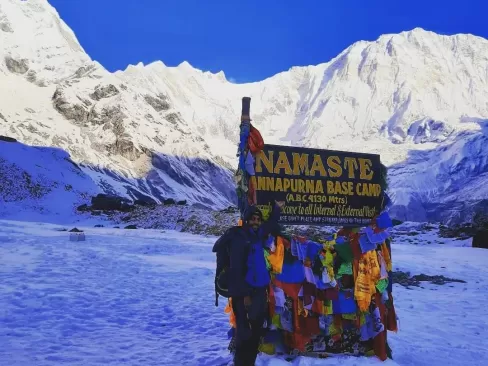
Annapurna Base Camp Trek: Into the Sanctuary of GiantsHere's the thing about the Annapurna Base Camp Trek—it's popular for good reason. While everyone's obsessing over Everest Base Camp, ABC (as regulars call it) quietly delivers one of the most spectacular mountain experiences in Nepal without requiring three weeks of your life or the altitude suffering that comes with venturing above 5,000 meters.I've done both, and honestly? The Arena of peaks surrounding Annapurna Base Camp at sunrise might be the single most dramatic mountain view I've experienced anywhere in the Himalayas. That's not hyperbole—it's just physics. You're standing at 4,130 meters, completely encircled by eight-thousanders and seven-thousanders rising nearly 4,000 meters directly above you.What Makes ABC DifferentThe Annapurna Base Camp Trek takes you into what's called the Annapurna Sanctuary—a high glacial basin surrounded by a ring of peaks that include Annapurna I (8,091m, the 10th highest mountain in the world), Annapurna South, Hiunchuli, Machapuchare (the sacred "Fishtail" mountain), and Gangapurna. The sanctuary is like nature's cathedral, and you're walking right into its heart.Unlike Everest Base Camp where you're looking up at the mountain from a distance, or Manaslu Circuit where you're circling around, ABC puts you directly in the middle of the action. It's intimate in a way that's hard to describe until you're standing there with mountains rising vertically on all sides.The trek is also remarkably diverse for its relatively short duration. You can complete ABC in 7-12 days depending on your pace and route, making it perfect for people who want a genuine Himalayan experience but don't have three weeks to spare. The shorter timeframe doesn't mean it's easy—you'll still be climbing over 2,000 meters from the starting point—but it's achievable for moderately fit trekkers.The Two Routes: Choosing Your PathThe Classic Route via Ghorepani and Poon HillMany trekkers combine ABC with the Ghorepani Poon Hill Trek, creating a longer but more varied journey. This route starts from Nayapul, climbs through beautiful villages to Ghorepani, continues to Poon Hill for sunrise views, then descends to Tadapani before heading toward ABC.The advantage? Poon Hill (3,210m) offers one of the most famous sunrise viewpoints in Nepal—a panoramic vista of the entire Annapurna and Dhaulagiri ranges that's worth the 4 AM wake-up call. The disadvantage? It adds 3-4 days to your trek, and honestly, the views at ABC make Poon Hill look like a warm-up act.The Direct Route via Jhinu DandaThe faster option goes directly from either Nayapul or Jhinu Danda, following the Modi Khola river valley straight up to ABC. This route is more focused and efficient—you're heading toward your destination without detours.I prefer this route because it feels more purposeful. Every day, you're getting closer to the sanctuary, and the anticipation builds naturally. Plus, you can stop at Jhinu Danda on the way back for the natural hot springs—nothing feels better after days of climbing than soaking in naturally heated water while staring at mountain peaks.The Trail: What You're Actually Walking ThroughSubtropical Villages and Terraced FieldsThe lower sections start in a landscape that doesn't immediately scream "Himalayas." You're walking through traditional Gurung and Magar villages, past terraced rice fields that cascade down hillsides in geometric patterns that look almost impossibly neat.Villages like Ghandruk, Chhomrong, and Landruk are substantial settlements with stone houses, slate roofs, and a distinctly Himalayan character. Unlike the more remote treks like Makalu Base Camp or Kanchenjunga, these villages have been hosting trekkers for decades, so the infrastructure is well-developed.The trail between villages alternates between stone steps (thousands of them—your knees will remember), forest paths, and sections that follow the contours of hillsides high above river valleys. It's not flat, ever. You're constantly either climbing or descending, even when you think you should be done climbing for the day.The Bamboo Forest and Rhododendron ZoneAs you gain elevation past Chhomrong, the landscape shifts. You enter dense bamboo forests where the trail becomes a tunnel through vegetation. The sound changes—wind in bamboo sounds like rushing water, and sometimes you can't tell if you're hearing the river below or the forest around you.Higher up, the bamboo gives way to rhododendron forests. If you're trekking in spring (March-April), these forests are absolutely stunning—massive rhododendron trees bloom in shades of red, pink, and white, creating natural color displays that rival anything you'd find in a botanical garden.The villages in this section get progressively smaller and more basic. Bamboo, Dovan, Himalaya Hotel—these aren't really hotels or villages in the conventional sense. They're clusters of lodges built specifically for trekkers, offering basic accommodation and meals in increasingly remote settings.The Modi Khola GorgeThe section through the Modi Khola gorge is where things get dramatic. The valley narrows, walls rise steeply on both sides, and you're walking on a trail that sometimes feels carved directly into the cliff face. Waterfalls cascade down from heights you can barely see, and the river below churns through rapids and over boulders with impressive force.This gorge is also where weather can turn quickly. The narrow valley funnels wind and clouds, and conditions that are clear down in Chhomrong can be completely different up here. I've walked through this section in brilliant sunshine and in sideways rain—sometimes on the same day.Entering the SanctuaryThere's a moment, usually around Machapuchare Base Camp (3,700m), when the valley suddenly opens up. The gorge releases you into the sanctuary, and for the first time, you can see the full ring of peaks surrounding the basin. It's a theatrical reveal—like walking through a doorway into a room you didn't know existed.From MBC to ABC is only about two more hours, but those two hours take you from a relatively sheltered valley into an exposed glacial basin. The landscape becomes barren—mostly rock, ice, and snow with minimal vegetation. The altitude is noticeable here; every step requires more effort than it should.Annapurna Base Camp: The Heart of the SanctuaryBase camp sits at 4,130 meters in a wide glacial basin. It's not actually a base camp in the mountaineering sense—climbing expeditions to Annapurna don't typically use this location. But the name stuck, and honestly, who cares about technicalities when you're standing in one of the most spectacular natural amphitheaters on Earth?The 360-degree view is almost overwhelming. Annapurna South rises directly in front of you, its south face a massive wall of ice and rock. To the left, Hiunchuli and Annapurna I tower above everything else. To the right, Gangapurna's glacier spills down toward the valley. Behind you, Machapuchare's distinctive fishtail summit guards the entrance to the sanctuary.Most people arrive at ABC in the afternoon, spend the night, and wake up for sunrise. The morning light show is what you came for. As the sun hits the peaks, they turn from grey to pink to gold, and for maybe thirty minutes, the entire sanctuary glows. Everyone stands outside their lodge in the freezing pre-dawn cold, taking photos that never quite capture what you're seeing, but taking them anyway because you need some way to prove this was real.The lodges at ABC are basic but surprisingly comfortable given the location. You're sleeping in an unheated room at 4,130 meters, but the communal dining areas have stoves, and there's something cozy about sharing a meal with other trekkers who just accomplished the same challenging climb you did.Cultural Elements Along the TrailThe Annapurna region is primarily inhabited by Gurung and Magar people, ethnic groups with distinct cultures, languages, and traditions. These communities have lived in these mountains for centuries, adapting to steep terrain and seasonal weather patterns in impressive ways.Ghandruk is the largest Gurung village in Nepal, and walking through it feels like stepping into a living museum of traditional mountain life. Stone houses with slate roofs line narrow paths, prayer flags flutter from rooftops, and you'll see locals in traditional dress going about daily routines that haven't changed much in generations.The Gurungs are also famous for their service in the British and Indian Gurkha regiments. Many families in these villages have members serving overseas, which has brought economic opportunities but also means you'll see evidence of remittance wealth—newer houses, satellite dishes, and increasingly modern amenities.Unlike more remote treks where cultural experiences feel more authentic but also more challenging due to language barriers, the Annapurna region strikes a nice balance. Locals are accustomed to trekkers, speak good English, and are happy to share stories about their lives and culture without it feeling like a transaction.The Best Seasons: Timing Your TrekSpring (March to May) is arguably the best season for ABC. The rhododendron forests are in full bloom, weather is generally stable, and temperatures are comfortable for trekking. Daytime temperatures in the lower elevations can be warm, even hot, while nights at ABC are cold but manageable. The main downside is that this is peak season, so the trails and lodges are busier.Autumn (October to November) offers the clearest mountain views and most stable weather. Post-monsoon air creates incredibly sharp visibility, and the skies are often cloudless for days at a stretch. Temperatures are cooler than spring but still pleasant for trekking. This is the busiest season—expect to share the trail with many other trekkers.Winter (December to February) is possible but challenging. The lower elevations are actually quite pleasant during winter days, but ABC itself can be extremely cold with temperatures dropping to -15°C or lower at night. Some lodges close for the season, and you'll need proper cold-weather gear. The upside? Fewer trekkers and often pristine, clear conditions. Snow can also make the trail above Deurali more challenging.Monsoon (June to September) is generally not recommended. Heavy rainfall makes trails muddy and slippery, leeches are abundant in the forests, and mountain views are often obscured by clouds. However, the landscape is beautifully green, wildflowers are abundant, and you'll have the trail largely to yourself. If you don't mind rain and aren't fixated on perfect views, monsoon trekking has its own appeal.The Altitude RealityThe highest point you'll reach is 4,130 meters at ABC, which is significantly lower than Everest Base Camp (5,364m) or even Langtang Valley's Tserko Ri (4,984m). This makes ABC more accessible to a wider range of trekkers and reduces the risk of serious altitude sickness.That said, altitude is still a factor. You're gaining significant elevation over a relatively short period, and some people do experience symptoms like headaches, nausea, or difficulty sleeping. The key is ascending at a reasonable pace—most itineraries include an acclimatization day or build in rest stops to help your body adjust.I felt the altitude most noticeably in the final push from MBC to ABC. The air feels noticeably thinner, and you'll be breathing harder than the elevation gain alone would suggest. But it's manageable, and most reasonably fit people handle it without major issues.Lodge Life: What to ExpectThe Annapurna region has some of the best teahouse infrastructure in Nepal. Lodges range from basic but clean to surprisingly comfortable, with the fancier options found in larger villages like Ghandruk and Chhomrong.A typical lodge offers simple rooms with two beds, thin mattresses, and basic blankets. Bathrooms are usually shared, and hot showers are available for an additional fee—water is heated in individual buckets or via solar panels, so availability depends on weather and time of day.The real center of lodge life is the communal dining area. Each lodge has a dining room with benches around a central wood-burning stove (called a bukhari). This is where you'll eat all your meals, charge devices (for a fee), meet other trekkers, and spend your evenings. The dining room culture is one of the best parts of teahouse trekking—you end up having great conversations with people from all over the world, all united by sore legs and shared mountain experiences.As you climb higher, lodges become more basic and expensive. Economics of altitude—everything at ABC needs to be carried up by porters or transported by helicopter, so prices reflect that effort. But even at ABC, you'll have a bed, meals, and a heated dining room, which feels like luxury when you're at 4,130 meters.Food on the TrailThe menu options are surprisingly extensive, even at higher elevations. Dal bhat (rice and lentil curry) is available everywhere and comes with free refills—there's a reason trekkers joke about "dal bhat power." It's nutritious, filling, and provides the calories you need for all-day hiking.Other common options include fried rice, noodle soup, momos (dumplings), pasta, pizza (surprisingly decent), pancakes for breakfast, and various egg dishes. The food won't win culinary awards, but after hiking for six hours, everything tastes better than it should.Coffee is almost always instant Nescafe, which you'll either make peace with or suffer through. Tea is excellent—black tea with milk, ginger tea, lemon tea, or the famous "special honey lemon tea" that's basically hot water, honey, and lemon but somehow becomes addictive.One unique food experience: many lodges make fresh apple pie or apple strudel. The Annapurna region grows apples, and the homemade pies are legitimately delicious. It's become a trekking tradition to have apple pie at various stops along the route.Permits RequiredYou'll need two permits for ABC:TIMS (Trekkers' Information Management System) cardAnnapurna Conservation Area Permit (ACAP)These can be obtained in Pokhara or Kathmandu through trekking agencies or at tourism offices. If you're hiring a guide or going through a company, they'll typically handle permits for you. The permits aren't expensive, and fees go toward conservation efforts and community development.Starting Point: Pokhara ConnectionMost ABC treks start from Pokhara, Nepal's second-largest city and a major hub for trekkers. Pokhara sits on the shores of Phewa Lake with the Annapurna range visible (on clear days) from the lakeside.From Pokhara, you'll drive to Nayapul or Jhinu Danda, depending on your route. The drive takes 1-2 hours on roads that range from paved highway to rough mountain track. Some people opt to start the trek from Phewa Lake itself, adding an extra day or two but enjoying a more gradual start.Pokhara is also where you'll end the trek. After the mountains, Pokhara's lakeside restaurants, comfortable hotels, and relatively mellow atmosphere feel luxurious. Many trekkers spend an extra day or two here recovering, getting massages, and eating food that isn't dal bhat.What to Pack for ABCThe temperature range you'll experience is dramatic—hot in the lower villages, cold at ABC. Packing in layers is essential.Essential gear:Broken-in hiking boots (the stone steps will destroy new boots and your feet)Warm sleeping bag (lodges provide blankets but they're often thin)Down jacket (essential for ABC, where it's cold even during the day)Rain gear (weather changes quickly in the mountains)Trekking poles (your knees will thank you on the descents)Headlamp (lodges sometimes have power outages)Water purification (tablets or filter for filling from taps/streams)Sun protection (sunglasses, sunscreen, hat—UV is intense at altitude)Basic first aid and personal medicationsYou don't need technical climbing gear or crampons for ABC under normal conditions. It's a trekking route, not a mountaineering expedition.The Wildlife ElementWhile the Annapurna Conservation Area is home to diverse wildlife, you're less likely to see rare animals on ABC compared to more remote treks like Makalu. The trails are too busy for most wildlife to feel comfortable.That said, you might spot langur monkeys in the lower forests, various bird species including the impeyan pheasant (Nepal's national bird), and if you're lucky, Himalayan thar on rocky slopes at higher elevations. The forests are beautiful even without major wildlife sightings—the trees, plants, and alpine flowers create their own spectacle.Comparing ABC to Other Popular TreksEverest Base Camp is longer (12-14 days), reaches higher altitude (5,364m), and has the Everest name recognition. But ABC's mountain views are arguably more dramatic since you're surrounded by peaks rather than looking at one from a distance.Annapurna Circuit is a longer, more varied trek (15-20 days) that circles the entire Annapurna massif. It's more culturally diverse but doesn't provide the intimate sanctuary experience of ABC.Langtang Valley is similar in duration and difficulty to ABC, also offers great mountain views, and is less crowded. It's a great alternative if you want something quieter.Manaslu Circuit is more remote and challenging than ABC, with similar duration to Annapurna Circuit but fewer people. Good option for those who've done ABC and want something more adventurous.Why Choose Annapurna Base CampABC offers the best mountain views-to-effort ratio of any major trek in Nepal. You get to stand in an amphitheater of 7,000 and 8,000-meter peaks without spending three weeks trekking or suffering at extreme altitudes.The infrastructure makes it accessible—you're never far from a lodge, the food is good, and the trail is well-maintained. But it's not so developed that it loses its mountain character. You're still genuinely in the Himalayas, still climbing serious vertical distance, still earning every view.The cultural element is strong without being overwhelming. You'll walk through traditional villages, meet locals, and get a sense of mountain life without the communication barriers or extreme remoteness of other regions.And honestly? That sunrise at ABC, surrounded by giants, is worth every step. You'll stand there in the freezing dawn, watching mountains turn gold, and understand why people keep coming back to the Himalayas.Common Mistakes to AvoidRushing the itinerary: Just because ABC can be done in 7 days doesn't mean it should be. Give yourself time to acclimatize and enjoy the journey.Underpacking warm clothes: Even in peak season, ABC is cold at night. Bring that down jacket.Skipping the hot springs: Jhinu Danda's natural hot springs on the way back are perfect for recovery. Don't skip them.Not bringing cash: ATMs only exist in Pokhara and lower villages. Bring enough rupees for your entire trek.Wearing new boots: Break in your boots before the trek. The stone steps will find every weak point in new footwear.Final ThoughtsThe Annapurna Base Camp Trek is popular because it works. It delivers spectacular mountain scenery without requiring extreme fitness, technical skills, or weeks away from home. The infrastructure means you can focus on enjoying the mountains rather than worrying about logistics.It's not the most remote trek, not the most challenging, not the highest. But standing in the sanctuary at sunrise, completely surrounded by some of the highest peaks on Earth, you realize that sometimes the popular choice is popular for very good reasons.Whether ABC is your first Himalayan trek or your tenth, that moment when the mountains light up at dawn never gets old. The sanctuary works its magic on everyone who visits—it's just big enough, wild enough, and beautiful enough to make you feel small in the best possible way.Explore More Annapurna Region TreksReady to explore more of the Annapurna region?Classic Routes:Annapurna Circuit Trek - The complete circle around Annapurna massifGhorepani Poon Hill Trek - Shorter trek with famous sunrise viewsMardi Himal Trek - Newer, quieter route with excellent viewsOther Popular Nepal Treks:Everest Base Camp Trek - The classic Everest journeyLangtang Valley Trek - Beautiful alternative, less crowdedManaslu Circuit Trek - Remote trek around 8th highest peakShort & Accessible:Ghorepani Poon Hill - Perfect for limited timeKhopra Ridge Trek - Off-the-beaten-path Annapurna viewsContact us to plan your perfect Annapurna trek.Top Blogs About Trekking in the Annapurna RegionUncover the best blogs about trekking in the Annapurna region, featuring expert advice, detailed itineraries, personal experiences, and essential tips for adventurers looking to explore the Himalayas.Best Annapurna Ranges Treks & Tours 2024/2025Top 9 Destinations to Explore on the Annapurna Circuit TrekBest Time to Hike the Annapurna CircuitWhich is the Better Lake Trek in Nepal: Gokyo or Tilicho Lake Trek?Annapurna Base Camp Trek: Tips and FAQsAltitude Sickness on Nepal Treks: Symptoms, Treatment, and When to Descend (Complete Guide)Mardi Himal Trek: Trails, Views, and TipsNepal Trekking Permits: Costs, Types, and How to Get ThemGhorepani Poon Hill Trek: A Perfect Short Himalayan AdventureManaslu Circuit vs Annapurna Circuit: Which Trek is Right for You?Nepal Trekking: What’s the Best Time to Go?Budget Trekking in Nepal: Tips, Trails, and TricksExploring Nepal’s Wildlife and NatureTrekking Through Nepal: A Journey into the HimalayasTop 10 Mountain Peaks in NepalAnnapurna Base Camp vs Annapurna Circuit: Which Himalayan Trek is Right for You?Annapurna Circuit Trek for Beginners 2025: The Famous Himalayan Adventure You Can’t MissWhere is Annapurna? Explore the Glory of the World’s Highest MountainTop Reasons to Choose Trekking or Visiting NepalDal Bhat Power 24 Hour: The Science and Soul Behind Nepal's Mountain FuelThe Essential Guide to Choosing Your Perfect Nepal Trek: From Beginner-Friendly Trails to Epic Himalayan AdventuresSolo Female Trekking in Nepal: A Complete Safety and Empowerment Guide for 2026Complete Fitness Training Guide for Nepal Trekking 2026: From Couch to Base Camp in 12 WeeksCan Beginners Do Annapurna Trek? Your Complete Guide to Conquering the Himalayas
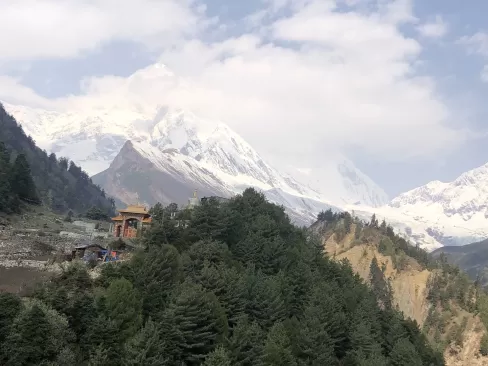
The Manaslu Budget Trek is an exciting and affordable trekking option that offers an unparalleled experience of Nepal’s natural beauty and cultural heritage. Located around Mount Manaslu, the eighth-highest peak in the world, the trek offers spectacular views of snow-capped peaks, high-altitude lakes, and ancient monasteries, all while keeping costs low. This trek takes trekkers on a route through remote villages, lush forests, and rugged terrains, making it ideal for budget-conscious adventurers who want to explore one of Nepal’s most scenic and less-traveled regions. The trek is fully supported by local teahouses, where trekkers can experience Nepali hospitality and enjoy hearty local meals, making it not only an affordable option but also an authentic cultural experience.The Manaslu Circuit, which the Manaslu Budget Trek follows, is renowned for its biodiversity and cultural richness. Trekkers will pass through traditional villages like Jagat, Philim, Samagaon, and Bimtang, each offering a glimpse into the lives of the Tamang, Gurung, and Sherpa communities. As trekkers ascend through rhododendron forests, alpine meadows, and high mountain landscapes, they are treated to panoramic views of Mount Manaslu, Himalchuli, Ngadi Chuli, and Buddha Himal. Despite the budget-friendly approach, the Manaslu Budget Trek still offers all the rewards of the classic trek, with safe and carefully managed itineraries, well-structured acclimatization breaks, and opportunities for trekkers to enjoy the stunning beauty and tranquility of the region.Monasteries Worth Your TimePungyen Gompa (Above Samagaon)This is the big one. Built around 1880, and monks still live here. The hike up takes 2-3 hours from Samagaon, gaining about 300m elevation.Inside, there are old thangka paintings, spinning prayer wheels, and usually a few monks around. If you arrive during prayer time (early morning or late afternoon), just sit quietly in the back. They don't mind visitors but don't interrupt.Donations appreciated but not required. 100-200 NPR is standard.Rachen Gompa (Near Lho)This is a nunnery—run entirely by Buddhist nuns. It's smaller and quieter than Pungyen. The nuns are often weaving or doing daily monastery work when visitors arrive.Very peaceful atmosphere. If you want to learn about Buddhist practices from a female perspective, this is the place.Ribung Gompa (Lho Village)Probably the oldest monastery on the circuit (some say 1600s). The murals inside are fading but still visible. There's usually one older monk who maintains the place.Small donation box at entrance.Why Trek With Explore Holiday Treks Let me be straight with you—there are maybe 50+ companies offering Manaslu treks. Some are great, some are sketchy, most are somewhere in between.Here's why we think we're worth booking with:1. We're Actually LocalOur guides are from trekking regions—Gorkha, Manang, Solukhumbu. They grew up in mountains, not Kathmandu offices.What this means for you:They know which lodges have the best foodThey can communicate with locals in multiple dialectsThey understand altitude sickness from experienceThey can negotiate better prices (which we pass to you)2. Transparent Pricing (Actually Transparent)Our standard Manaslu Budget Trek costs $650-750 per person depending on group size. This includes:All permits (MCAP + ACAP)Guide wagesTheir insurance and equipmentBasic accommodation (teahouse style)Three meals daily on the trekGround transport (Kathmandu-Soti Khola-Kathmandu)Not included:Your travel insuranceDrinks and snacksWiFi chargesTips We don't do the thing where we quote $500 then hit you with "extras" that bring it to $900. Hate that.3. Porter TreatmentThis is huge. Some companies overload porters (30+ kg) and don't provide proper gear. We don't.Our porters carry maximum 25kg, get proper boots and jackets, have insurance, and eat the same food as clients. This is non-negotiable.If you see other companies charging $100-200 less, ask about porter treatment. You'll probably find out why they're cheaper.4. Emergency BackupAll guides carry:Comprehensive first aid kitPulse oximeter (measures blood oxygen)Gamow bag (for severe altitude sickness—rare but important)We have helicopter evacuation arrangements with multiple providers. Obviously we hope to never use this, but it's there.Important: Your travel insurance MUST cover helicopter evacuation up to 6,000m. This isn't optional. We've seen rescues cost $5,000-8,000.5. Flexible ItinerariesStandard trek is 14-16 days. But we can adjust:Add extra acclimatization daysExtend to include Tsum ValleyShorten if you're time-limited (not recommended but possible)Start from Arughat instead of Soti KholaJust talk to us before booking.6. Pre-Trek SupportWhen you arrive in Kathmandu, we do a proper briefing:Check your gear (we'll tell you if something's inadequate)Review the itinerary day by dayGo over permits and documentsAnswer any questionsWe also help arrange:Kathmandu hotel Airport pickup Gear rental if needed 7. What We're NOTWe're not a luxury company. If you want heated lodges, private bathrooms, and Western food the whole way, we're not your people. Those treks cost $2,000-3,000+.We're also not the absolute cheapest. If someone quotes you $400 for Manaslu, ask questions. Really ask questions.8. Past Client FeedbackWe've done 100+ Manaslu treks since 2018. Most common feedback:"Guide was patient with slow pace""Appreciated the rest days built in""Porter was friendly and helpful""Good value for money"Most common complaint:"WiFi barely worked" (yeah, we can't fix that—you're in remote mountains)Check our reviews on TripAdvisor or Google. We're "Explore Holiday Treks Nepal"—not to be confused with similarly named companies.9. Post-Trek ServicesWhen you finish, we:Help with onward travel arrangementsRecommend Kathmandu restaurants and activitiesAssist with any issues or feedbackStay in touch (many clients come back for other treks)Some of our Manaslu clients later booked Everest Base Camp, Annapurna Circuit, or Upper Mustang with us. We like building long-term relationships, not one-off transactions.Booking ProcessEmail us your preferred dates and group sizeWe send detailed quote and itineraryPay 20% deposit (bank transfer or credit card via secure link)Remaining 80% paid in Kathmandu (cash or card)Meet in Kathmandu for briefingStart trekWe need at least 2-3 weeks notice for permits, but can sometimes arrange faster with rush feesFinal ThoughtsThe Manaslu Circuit isn't easy. It's 14-16 days of walking, with one really tough day at the pass. Your legs will hurt, you'll smell bad by day 5, and dal bhat gets boring by day 8.But you'll also see some of the most incredible mountain scenery in the world, meet people living traditional Himalayan lifestyles, and probably surprise yourself with what you can accomplish.Budget trekking doesn't mean suffering. It means spending money on what matters (good guides, safety, supporting local communities) and skipping what doesn't (fancy lodges, luxury transport).If you want to do Manaslu right, without emptying your bank account, get in touch. We'll figure it out.Contact: 9779849816310Email response time: Usually within 24 hours ([email protected])Let's make this happen.Top Blogs About Trekking in the Manaslu Region:Uncover the best blogs about trekking in the Manaslu region, featuring expert advice, detailed itineraries, personal experiences, and essential tips for adventurers looking to explore the Himalayas.Altitude Sickness on Nepal Treks: Symptoms, Treatment, and When to Descend (Complete Guide) Manaslu Circuit Trek for Beginners 2025Manaslu Circuit Trek: Best Routes, Preparation & Travel TipsManaslu Circuit Trek in Spring (March-May)Manaslu Circuit Trek on a Budget: How to Save Money Without Missing OutNepal Trekking Permits: Costs, Types, and How to Get ThemNepal Trekking: What’s the Best Time to Go?Budget Trekking in Nepal: Tips, Trails, and TricksExploring Nepal’s Wildlife and NatureTrekking Through Nepal: A Journey into the HimalayasTop 10 Mountain Peaks in NepalMonastery Life in Nepal: Finding Peace in the Heart of the Himalayas Exploring Nepal’s Hidden Gem: The Manaslu Circuit TrekTop Places to Visit on the Manaslu Circuit Trek Manaslu Circuit vs Annapurna Circuit: Which Trek is Right for You?Is the Manaslu Circuit Trek Right for You?Exploring Hidden Villages on the Manaslu Circuit Trek20 Must-Know Facts About Manaslu Circuit TrekkingManaslu Circuit Trekking Tips for Autumn Season (September to November)Discovering the Spiritual Heart of Nepal: Tsum ValleyAltitude Sickness on Nepal Treks: Symptoms, Treatment, and When to Descend (Complete Guide)Dal Bhat Power 24 Hour: The Science and Soul Behind Nepal's Mountain FuelThe Vanishing Villages of Manaslu: How Climate Change is Reshaping Nepal's Hidden Trekking Gem (And What Trekkers Can Do)The Essential Guide to Choosing Your Perfect Nepal Trek: From Beginner-Friendly Trails to Epic Himalayan AdventuresSolo Female Trekking in Nepal: A Complete Safety and Empowerment Guide for 2026How Difficult Is Manaslu Trek? The Honest Guide Every Trekker Needs to Read
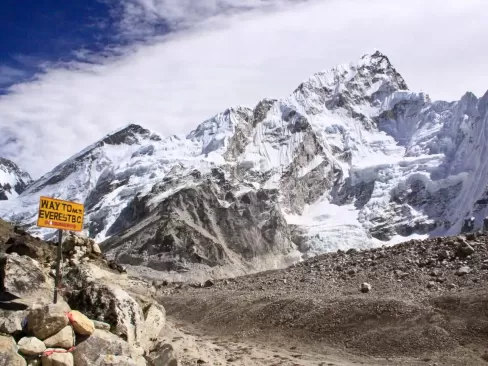
The Everest Budget Trek offers an incredible opportunity to explore the majestic Everest region without the high costs typically associated with trekking in Nepal. This budget-friendly trek allows adventurers to witness the breathtaking beauty of Mount Everest (8,848 meters), the world’s tallest peak, as well as other towering mountains such as Lhotse, Nuptse, and Makalu, all while experiencing the rich Sherpa culture. The trek takes you through the heart of the Khumbu Valley, offering spectacular views of snow-capped mountains, glaciers, and high-altitude landscapes, while staying within a budget-friendly framework. By staying in simple, cozy teahouses and focusing on local meals, Explore Holiday Treks ensures that trekkers can enjoy this iconic region without overspending.The Everest Budget Trek usually starts with a scenic flight from Kathmandu to Lukla, the gateway to the Everest region. From there, trekkers make their way to popular destinations such as Namche Bazaar, Tengboche, and Phakding, where they can enjoy panoramic views of Everest, Lhotse, and Ama Dablam. Along the route, trekkers will experience the Sherpa way of life, with visits to Buddhist monasteries, local markets, and a variety of traditional villages. Although the trek doesn’t reach the Everest Base Camp, it still provides a deeply rewarding experience, especially for those seeking a more economical way to explore this incredible region without missing out on its highlights.Why Trek With Explore Holiday TreksThere are literally hundreds of companies offering Everest treks. Here's why we're worth considering: 1. We Specialize in Budget Treks This isn't a side offering for us—budget treks are our main thing. We've done 200+ Everest Budget Treks since 2017. What this means:We know exactly which lodges offer best valueWe've negotiated good rates with teahouse ownersOur itineraries are optimized for acclimatization without extra costsWe don't try to upsell you to more expensive options2. Small Groups, Personal Attention Maximum 8 trekkers per group, usually 4-6. Solo trekkers pay slightly more ($950-1,000) but we still accommodate them. Why small groups matter at altitude: Guide can monitor everyone's health properlyMore flexibility with rest breaks and paceEasier to find accommodation (lodges fill up fast)Better cultural interactions 3. Experienced Sherpa and Local Guides All our Everest guides are from the Khumbu region or have 5+ years experience there. They're not just leading the trek—they're from these mountains. What our guides provide: Route knowledge and navigationAltitude sickness monitoring (pulse oximeter checks daily)Cultural and historical informationHelp with lodge negotiationsEmergency response if needed They also speak English well enough to have actual conversations, not just give instructions. 4. Proper Porter Treatment This is non-negotiable for us: Maximum 25kg per porter (not the 30-35kg some companies load)Proper gear provided (boots, jacket, sunglasses)Same lodges as clients (not separate cheap places)Insurance coverageFair wages above industry standard Some companies cut costs by exploiting porters. We don't. If that means we're $50-100 more expensive than the absolute cheapest option, so be it. 5. Safety Equipment and Backup Plans Every guide carries: First aid kit (comprehensive, not just band-aids)Pulse oximeter (measures blood oxygen saturation)Portable altitude chamber (Gamow bag—for emergencies)Communication device (satellite phone or radio) We have helicopter evacuation arrangements with multiple providers. Cost is on you (covered by travel insurance), but we handle coordination. Important: We've never had to use emergency evacuation on a budget trek (the altitudes are safer), but the systems are in place. 6. Flexible Start Dates We run trips year-round with departures every 2-3 days during peak season (March-May, October-November). Can't find a group for your dates? We'll organize a private trek or adjust the schedule. We're pretty flexible. Best times to go: October-November: Clear skies, stable weather, busy but not crowdedMarch-April: Rhododendrons blooming, warming temperatures, busierDecember-February: Very cold, fewer trekkers, crystal clear viewsJune-September: Monsoon season, not recommended (clouds, rain, leeches) 7. Pre-Trek Briefing and Support When you arrive in Kathmandu: We do a 1-hour briefing covering the entire itineraryCheck your gear (tell you if something's inadequate)Help arrange anything you forgot to bringAnswer all questions Gear rental available: Sleeping bagDown jacketTrekking polesDuffel bag We also arrange: Airport pickupKathmandu budget hotelLast-minute permits or documentation 8. What We're NOT We're not luxury. You're sleeping in teahouses with thin walls, squat toilets, and no heating. You're eating dal bhat multiple times per day. This is budget trekking. We're also not the absolute cheapest. If someone quotes $500-600 for Everest, ask serious questions about: Are flights really included?What's the guide's experience?How are porters treated?What happens in emergencies? Cheap can become expensive if things go wrong at altitude. 9. Post-Trek Support After the trek, we help with: Onward travel arrangementsKathmandu sightseeing recommendationsDealing with any issues or feedbackFuture trek planning (many clients come back for Annapurna or Manaslu) We're also responsive to messages—usually reply within 24 hours, even during trekking season when we're busyBooking ProcessContact us with preferred dates and group sizeWe send detailed itinerary and quotePay 25% deposit to secure spot (bank transfer or credit card)Pay remaining 75% in cash when you arrive in KathmanduBriefing session day before trek startsFly to Lukla and start trekking We need at least 2 weeks notice for permits and flight bookings, though we can sometimes accommodate last-minute bookings with rush fees.Final ThoughtsThe Everest Budget Trek won't give you the full "I stood at Everest Base Camp" bragging rights. But it will give you: Views of the world's highest mountainExperience of Sherpa culture and hospitalityChallenge of high-altitude trekking (up to 4,400m)Buddhist monasteries and spiritual experiencesStories and memories that last foreverAll for about half the cost of full EBC Is it easier than EBC? Yes. Is it less impressive? Honestly, not by much. You're still in the Everest region, still seeing incredible peaks, still challenging yourself. For budget travelers, people with limited time, or anyone who wants the Everest experience without the extreme altitude risks—this is the move. Ready to make it happen? Let's talk. Contact: 9779849816310 Email : [email protected] time: Usually within 24 hours Questions? Ask anything. Seriously, we'd rather answer 50 questions before booking than have surprises during the trek.Let's get you to the mountains.Top Blogs About Trekking in the Everest RegionUncover the best blogs about trekking in the Everest region, featuring expert advice, detailed itineraries, personal experiences, and essential tips for adventurers looking to explore the Himalayas.Top 5 Everest Trekking PackagesWhere is Mount Everest? Discover the World’s Highest PeakTop 9 Reasons to Go on Everest Base Camp TrekAccommodation During Everest Base Camp TrekShower and Laundry Facilities During the Everest Base Camp TrekElevation Facts for Everest Base Camp TrekkingPhysical Fitness Requirements for Everest Base Camp TrekThe Best Ways to Trek to Everest Base CampWhen is the Best Time to Hike to Everest Base Camp?Everest Base Camp Trek: Tips and FAQsWhy Sleeping at Everest Base Camp Is the Ultimate Trekking Experience ?Which is the Better Lake Trek in Nepal: Gokyo or Tilicho Lake Trek?Altitude Sickness on Nepal Treks: Symptoms, Treatment, and When to Descend (Complete Guide)Everest Base Camp Toilet Problem: The Environmental Crisis on the World's Highest Mountain

Upper Mustang Mountain Biking Adventure: Your Ultimate Guide to Cycling Through the Last Forbidden Kingdom When it comes to mountain biking adventures in Nepal, nothing quite compares to pedaling through the ancient, mystical landscapes of Upper Mustang. This high-altitude desert kingdom, once forbidden to outsiders and still shrouded in centuries-old traditions, offers one of the most extraordinary cycling experiences you'll find anywhere in the Himalayas. Think dramatic cliff-side monasteries, remote Tibetan villages, and endless stretches of rugged terrain that'll test your skills while rewarding you with views that belong on a postcard. The Upper Mustang Mountain Biking Adventure isn't just another trek through the mountains—it's a journey back in time, through landscapes that feel almost otherworldly in their stark beauty. Starting from Jomsom and winding your way to the walled city of Lo Manthang, you'll traverse some of the most unique terrain in Nepal, where the mighty Himalayas create a rain shadow that transforms the landscape into something closer to Tibet than the lush green valleys most people associate with Nepal. What Makes Upper Mustang Special for Mountain Biking Upper Mustang sits in the rain shadow of the Annapurna and Dhaulagiri ranges, creating a high-altitude desert environment that's completely different from any other biking destination in Nepal. While treks like the Annapurna Circuit Trek or Annapurna Base Camp Trek take you through forests and farming terraces, Upper Mustang presents an almost lunar landscape of eroded cliffs, deep canyons, and windswept plateaus painted in shades of rust, ochre, and gold. This region remained closed to foreign visitors until 1992, earning it the nickname "The Last Forbidden Kingdom." That isolation helped preserve one of the most authentic Tibetan Buddhist cultures you'll find anywhere, including in Tibet itself. Ancient monasteries cling to cliff faces, medieval walled cities still stand proud, and the local Mustangi people maintain traditions that have remained largely unchanged for centuries. For mountain bikers, this means pedaling through living history. You're not just riding past scenery—you're cycling through a cultural time capsule where chortens, mani walls, and prayer flags mark your path, and where every village offers a glimpse into a way of life that's endured for generations. The Route: From Jomsom to Lo Manthang and Beyond The classic Upper Mustang Mountain Biking Adventure typically begins in Jomsom, sitting at around 2,700 meters. This bustling town serves as the gateway to Upper Mustang and is easily accessible by a short flight from Pokhara. From here, your wheels start turning north along the Kali Gandaki Valley, following what was once a vital salt trading route between Nepal and Tibet. As you pedal out of Jomsom, the landscape quickly transforms. The green valleys give way to increasingly barren terrain, with the trail hugging the Kali Gandaki River as it cuts through some of the deepest gorges in the world. You'll pass through villages like Kagbeni, the official checkpoint where your restricted area permit gets stamped—your gateway into the forbidden kingdom proper. Beyond Kagbeni, the trail takes on a more remote feel. Each day brings new challenges and rewards: rocky sections that demand technical skill, steep climbs that test your stamina, and exhilarating descents that get your adrenaline pumping. The route winds through villages like Chele, Ghemi, and Tsarang, each offering unique cultural experiences and comfortable teahouses where you can rest and refuel. The crown jewel of the journey is reaching Lo Manthang, the ancient capital of the Kingdom of Lo, sitting at about 3,840 meters. This walled city, with its narrow alleyways, white-washed buildings, and ornate monasteries, feels like stepping into medieval times. From Lo Manthang, many riders take day trips to explore surrounding areas, including ancient caves carved into cliff faces and remote monasteries that see few visitors even today. Understanding the Difficulty: What to Expect on the Trail Let's be straight about this—the Upper Mustang Mountain Biking Adventure isn't for casual weekend riders. This is a challenging expedition that requires good fitness, solid technical mountain biking skills, and proper preparation. But don't let that scare you off. With the right mindset and preparation, riders with moderate to advanced skills can absolutely conquer this route and have the time of their lives. The difficulty comes from several factors working in combination. First, there's the altitude. You'll be riding between 2,700 meters at Jomsom and over 4,000 meters in some sections, with Lo Manthang itself sitting at 3,840 meters. That thin air means your body works harder for everything, and altitude sickness becomes a real concern if you don't give yourself time to acclimatize properly. Then there's the terrain itself. You're not riding on smooth, maintained trails here. Think rocky jeep tracks, narrow mountain paths with steep drop-offs, loose gravel sections where your wheels can slip out from under you, and occasional steep climbs that'll have you grinding up in your lowest gear. River crossings add another element, though most are manageable if you pick your line carefully. The weather can throw curveballs too. Upper Mustang is famous for its wind, particularly in the afternoons when gusts can literally blow you off your bike if you're not careful. The best riding seasons are spring (March to May) and autumn (September to November), when conditions are most stable. Summer brings monsoon rains to lower Nepal, though Upper Mustang stays relatively dry thanks to that rain shadow. Winter? Only for the hardcore—it's bitterly cold and many lodges close. Despite these challenges, the ride is absolutely doable for riders who come prepared. Unlike more extreme routes like the Dhaulagiri Circuit Trek, which requires serious mountaineering skills, Upper Mustang mainly demands endurance, bike handling skills, and mental toughness. Most fit riders who've done some mountain biking before can handle it with proper acclimatization. The Cultural Experience: More Than Just a Bike Ride What really sets the Upper Mustang Mountain Biking Adventure apart from other cycling trips is the incredible cultural immersion you get. This isn't just about conquering difficult terrain or ticking off another adventure from your bucket list. It's about connecting with one of the most unique and well-preserved Tibetan Buddhist cultures in the world. The region's isolation for centuries means the local Mustangi people have maintained traditions and practices that have disappeared or changed dramatically elsewhere. The monasteries you'll visit aren't tourist attractions—they're living religious centers where monks still practice ancient rituals and maintain precious artwork, manuscripts, and artifacts that date back hundreds of years. In Lo Manthang, the King's Palace still stands, and while the monarchy was abolished along with Nepal's in 2008, the former royal family still lives there and plays an important cultural role. The city's four main monasteries—Jampa Lhakhang, Thubchen Gompa, Chodey Gompa, and Choprang Gompa—contain some of the finest examples of medieval Himalayan religious art you'll see anywhere. The daily life you'll witness feels almost timeless. Farmers still use traditional methods to grow barley and buckwheat in impossibly harsh conditions. You'll see women spinning prayer wheels and chanting mantras as they walk, children playing in dusty streets surrounded by ancient walls, and festivals and ceremonies that follow rhythms set centuries ago. This cultural richness adds depth to the physical adventure. After a tough day riding, sitting in a teahouse sharing butter tea with locals, or watching monks debate Buddhist philosophy in a monastery courtyard, creates memories that stick with you long after your legs have recovered. Essential Gear and Preparation Tips Getting your gear right makes all the difference between a great adventure and a miserable slog. For the bike itself, a quality mountain bike with front suspension is the minimum—a full-suspension bike is even better given the rough terrain. Make sure it's properly serviced before you go, with particular attention to brakes, drivetrain, and wheels. Tubeless tires can save you from countless flat repairs on sharp rocks. Bring spare parts: extra tubes, brake pads, a spare derailleur hanger (these break more often than you'd think), chain links, and plenty of tools. While Jomsom and some larger villages might have basic repair shops, once you're in Upper Mustang proper, you're on your own for most repairs. Learn basic bike maintenance before you go—knowing how to fix a broken chain or adjust your brakes in the field is essential. For clothing, think layers. Mornings start cold, afternoons can get surprisingly warm in the sun, and evenings turn frigid again quickly. A good quality down jacket, thermal layers, windproof outer shells, and proper gloves are non-negotiable. The wind in Upper Mustang is notorious, so wind protection matters more than in most places. Don't forget quality sunglasses and high-SPF sunscreen—the sun at altitude is intense, and the dry air provides little natural protection. A good helmet is obviously essential, but consider also bringing knee and elbow pads for the rougher sections. A hydration pack works better than water bottles for staying hydrated while riding. Speaking of hydration, water purification tablets or a filter are important since you'll often be refilling from streams or village taps. Permits and Logistics: What You Need to Know Upper Mustang is a restricted area, which means you can't just show up and start riding. You'll need a special Upper Mustang Restricted Area Permit, which currently costs $500 USD for 10 days, with additional days at $50 each. You also need the standard Annapurna Conservation Area Permit (ACAP). The catch? You can't get these permits independently—you must go through a registered trekking agency and be accompanied by a licensed guide. This requirement actually works in your favor for a mountain biking adventure. A good company like Explore Holiday Nepal handles all the permit paperwork, arranges transportation to and from Jomsom, books accommodations along the route, and provides experienced guides who know the trails, can help with bike issues, and serve as cultural interpreters and safety support. Your guide isn't there to slow you down—they're there to enhance the experience and ensure your safety in a remote region where helicopter rescue isn't always possible. They know which lodges are best, which trails are currently passable (conditions change), where the water sources are, and how to communicate with locals. For a challenging route like this, having that support is invaluable. Accommodation in Upper Mustang is relatively basic but adequate. You'll stay in teahouses—small family-run lodges that provide simple rooms and meals. Don't expect hot showers every night or WiFi (though a few places in Lo Manthang have internet now), but you'll have a bed, basic meals, and usually a warm common room with a yak-dung-fueled stove. Many riders find this simplicity refreshing—you're here for the adventure, not the amenities. Best Time to Ride Upper Mustang Timing your Upper Mustang Mountain Biking Adventure correctly can make or break the experience. The region's weather patterns are unique compared to the rest of Nepal, thanks to that rain shadow effect from the Himalayas. Spring, particularly April and May, offers excellent riding conditions. The weather stabilizes, temperatures warm up, and the trails are generally in good condition after winter. This season also brings festivals and celebrations as the farming season begins, adding extra cultural experiences. The downside? Spring is also a busy time, though "busy" in Upper Mustang means you might see a few dozen other tourists total—nothing compared to popular trails like Everest Base Camp Trek. Autumn (late September through November) is arguably even better. The monsoon has passed, the air is crystal clear for photography, and temperatures remain comfortable for riding. October in particular hits that sweet spot of perfect weather, good trail conditions, and pleasant evenings. The harvest season means villages are bustling with activity, and major festivals like Tiji (a three-day celebration held in Lo Manthang) might coincide with your trip if you time it right. Summer (June through August) is possible but challenging. While Upper Mustang stays much drier than the rest of Nepal during monsoon, you'll still encounter occasional rain, muddy sections, and the risk of landslides blocking the trail. The upside is fewer tourists and lusher landscapes with some unexpected greenery. Winter (December through February) is for the truly hardcore. Temperatures plummet well below freezing, many lodges close, and snow can make sections impassable. But if you can handle the cold, you'll have the kingdom almost entirely to yourself, and the snow-dusted landscape takes on an even more otherworldly beauty. Acclimatization and Altitude Considerations You can't rush acclimatization, and trying to will ruin your trip—or worse, put you in serious danger. The Upper Mustang Mountain Biking Adventure takes you from around 2,700 meters to over 4,000 meters, with your body working hard the entire time due to the physical exertion of riding. The standard wisdom is to gain no more than 300-500 meters of elevation per day once you're above 3,000 meters, and to build in rest days every few days. Most well-designed Upper Mustang itineraries follow this principle, which is why the trip typically takes 10-14 days. You're not just being slow—you're letting your body adapt so you can actually enjoy the experience instead of suffering with splitting headaches and nausea. Spending a few days in Pokhara or even trekking in lower altitude areas before tackling Upper Mustang can help with pre-acclimatization. Some riders combine their Upper Mustang adventure with a few days in the Annapurna Base Camp Short Trek area first, which helps their bodies adjust before the main event. Watch for altitude sickness symptoms: headaches, nausea, dizziness, fatigue beyond what the riding explains, and trouble sleeping. Mild symptoms are common and usually resolve with rest and proper hydration. But if symptoms worsen, the only cure is descent. Don't try to push through—altitude sickness can quickly become life-threatening. Combining Upper Mustang with Other Adventures Many riders find that once they've come all the way to Nepal, they want to maximize their adventure. The beauty of choosing Upper Mustang is that it combines well with other experiences in the region. The most natural combination is spending time in the Annapurna region before or after. The Ghorepani Poon Hill Trek offers stunning mountain views on a relatively easy trek that serves as good acclimatization. The Mardi Himal Trek provides a beautiful, less-crowded alternative with spectacular Annapurna views. For those wanting more extreme mountain biking challenges, consider spending time riding in the Manaslu region. The Manaslu Circuit Trek area offers fantastic biking opportunities, though it's even more remote and challenging than Upper Mustang. Some adventurous cyclists combine their Upper Mustang trip with a motorcycle or bike journey to other restricted areas. The Upper Dolpo Trek region shares similar Tibetan cultural heritage and dramatic landscapes, though accessing it requires significantly more time and even more rugged travel. If you're more interested in cultural experiences than extreme adventure, adding a Kathmandu Pokhara Tour before your mountain biking adventure gives you insight into Nepal's diverse heritage—from the medieval cities and temples of the Kathmandu Valley to the laid-back lakeside atmosphere of Pokhara. What Sets Explore Holiday Nepal Apart for This Adventure Choosing the right operator for your Upper Mustang Mountain Biking Adventure matters enormously. You need a company with deep experience in the region, proper logistics support, and guides who understand both mountain biking and the unique challenges of high-altitude cycling. Explore Holiday Nepal brings years of experience organizing adventures throughout Nepal's most challenging terrain. Our guides aren't just skilled at navigation—they're experienced cyclists themselves who understand bike mechanics, can help with trail-side repairs, and know how to pace a group for proper acclimatization while still maintaining the adventure's excitement. We prioritize safety without sacrificing adventure. That means carrying comprehensive first-aid kits, having evacuation plans in place, maintaining communication equipment for emergencies, and choosing itineraries that balance challenge with appropriate acclimatization. Our bikes and equipment are well-maintained and appropriate for the terrain—no cutting corners that could compromise your safety or enjoyment. What really makes the difference, though, is our commitment to sustainable, community-based tourism. We work with local lodges and guides, ensuring your adventure supports the communities you visit. Our guides act as cultural interpreters, helping you understand and respect local customs, facilitating genuine interactions with Mustangi people, and providing context that transforms your ride from a physical challenge into a meaningful cultural journey. Training and Fitness Preparation Let's talk realistically about preparation. You don't need to be a professional cyclist, but showing up unprepared will make this trip much harder than it needs to be. Three to six months before your departure, start a focused training program. Build your cardiovascular base with regular rides, gradually increasing both distance and elevation gain. If you live somewhere flat, spend time on a trainer with resistance, or drive to hills for training rides. Your body needs to adapt to sustained effort over long periods—multiple hours in the saddle, day after day. Technical skill work matters too. Practice riding on loose gravel, rocky sections, and steep descents. Learn to read terrain and choose your line, practice your bunny hops for avoiding obstacles, and get comfortable with steep uphill climbs in low gears. If you have access to more technical mountain biking trails, use them. The more comfortable you are handling your bike in challenging conditions, the more you'll enjoy Upper Mustang rather than just surviving it. Don't neglect strength training. Strong legs obviously help with climbing, but core strength is equally important for bike control on technical terrain and for preventing fatigue-related crashes. Exercises like planks, squats, lunges, and deadlifts build the muscular endurance you need. In the weeks before departure, simulate altitude if possible. If you can't access actual altitude, consider an altitude training mask for some workouts, or do high-intensity interval training that challenges your cardiovascular system in ways similar to altitude. Stay consistent with your training right up until a week or so before departure, then taper your workload to arrive fresh and ready. Photography and Capturing Your Adventure Upper Mustang is a photographer's dream. The dramatic landscapes, ancient architecture, colorful cultural elements, and unique light create endless opportunities for stunning images. But capturing those images while mountain biking presents some challenges. A good action camera like a GoPro mounted on your helmet or handlebars can capture the ride itself, including those exhilarating descents and challenging climbs. Set it to time-lapse mode to compress long riding sections into watchable highlights. Make sure to bring plenty of spare batteries and memory cards—both drain quickly in cold conditions and with extensive use. For quality landscape and cultural photography, bring a more capable camera, but keep it accessible. A camera bag that fits in a hydration pack or can be quickly accessed from panniers works better than something buried in your luggage. During breaks and in villages, you'll have time for proper photography. The golden hours of early morning and late afternoon are magical in Upper Mustang, when the low-angle sun brings out the rich colors of the cliffs and casts dramatic shadows. Always ask permission before photographing people, especially inside monasteries and during religious ceremonies. Many locals are happy to be photographed, but respect is essential. Your guide can help facilitate this and explain cultural sensitivities around photography. The dramatic landscape around Lo Manthang, the colorful prayer flags against rust-colored cliffs, the play of light and shadow in the canyons—these images will become treasured memories of your adventure. Environmental Responsibility in Upper Mustang Upper Mustang's fragile environment and unique culture require responsible tourism practices. The region's isolation has preserved it for centuries, but increased tourism brings challenges. Every rider has a responsibility to minimize their impact. Follow Leave No Trace principles strictly. Pack out everything you pack in—every wrapper, every bit of trash. Use designated toilet facilities whenever available. When wild camping or stopping for nature breaks, follow proper waste disposal practices. The dry climate means organic material decomposes slowly, so be especially careful. Respect local customs and religious sites. Always walk clockwise around mani walls and chortens. Ask permission before entering monasteries, and follow dress codes and photography restrictions. Remove shoes when entering religious buildings and homes. These aren't just polite gestures—they show respect for the culture that makes Upper Mustang special. Support local economies directly by purchasing handicrafts, staying in family-run lodges, and hiring local guides and porters. Avoid giving sweets or money to children, which can create unhealthy dependencies and expectations. If you want to contribute, support community development projects through reputable organizations. Water is precious in Upper Mustang's arid environment. Conserve water, use biodegradable soap sparingly and away from water sources, and purify water from streams rather than buying endless plastic bottles. Many lodges now have water filtration systems where you can refill, reducing plastic waste significantly. Food and Nutrition on the Trail Fueling properly makes a massive difference in how you feel and perform during the Upper Mustang Mountain Biking Adventure. The teahouses along the route serve basic but filling meals—dal bhat (rice and lentils) is the staple, providing carbohydrates and protein to keep you going. Other common options include pasta, fried rice, noodles, soups, and Tibetan specialties like momos (dumplings) and thukpa (noodle soup). The food gets simpler and more limited as you go higher and deeper into Upper Mustang. Lower villages might offer more variety, but once you're past the checkpoint, expect more repetitive menus. That's fine—you're burning so many calories that you'll appreciate any food. Dal bhat especially becomes a favorite among long-distance trekkers and riders because it's served in unlimited quantities and provides sustained energy. Bring your own snacks for on-trail energy. Energy bars, trail mix, dried fruit, nuts, and chocolate work well. High-altitude exertion burns through calories fast, so pack more than you think you need. Having snacks readily available means you can fuel while riding rather than waiting for meal stops. Stay obsessive about hydration. The dry air at altitude means you're losing moisture constantly through breathing and sweating, even when it doesn't feel like you're sweating much. Aim to drink small amounts regularly throughout the day rather than chugging large amounts periodically. The old rule of drinking until your urine runs clear remains good advice. Mental Preparation: The Psychological Challenge The physical challenge of Upper Mustang is obvious, but the mental game matters just as much. Long days in the saddle, dealing with altitude, managing fatigue, handling mechanical issues—all of this can wear on your mental state if you're not prepared. Go in with realistic expectations. Some days will be hard. You'll question your decision to do this trip. You'll be tired, maybe dealing with a headache from altitude, pedaling into headwinds that feel like riding into a wall. That's all part of the experience. Accept that discomfort is temporary, and the rewards—those stunning vistas, the achievement of reaching Lo Manthang, the cultural experiences—make it worthwhile. Break the journey into manageable chunks. Don't think about the entire trip while you're struggling up a steep section. Focus on reaching the next village, the next turn, the next kilometer marker. Celebrate small victories and progress rather than fixating on how far you still have to go. Embrace the journey rather than just grinding through to the destination. Take breaks to actually look around and appreciate where you are. Chat with your companions and guides. Enjoy the moments of connection with local people. These experiences enrich the adventure beyond just the physical achievement. The Reward: Why Upper Mustang Is Worth Every Pedal Stroke After reading about all the challenges, you might wonder if it's really worth it. Having spoken with countless riders who've completed this adventure, the answer is an overwhelming yes. The Upper Mustang Mountain Biking Adventure offers something rare in our modern world—a genuine journey into a place where time moves differently, where ancient traditions persist, and where natural beauty exists on a scale that makes you feel simultaneously insignificant and profoundly alive. The sense of accomplishment when you roll into Lo Manthang after days of challenging riding is immense. Standing in that medieval walled city, surrounded by snow-capped peaks, knowing you got there on your own power—that's a feeling that stays with you. The physical challenge makes the achievement meaningful in a way that simply flying or driving somewhere never could. The cultural immersion you get on this trip goes deeper than typical tourism. Spending days moving slowly through the landscape, stopping in small villages, sharing meals with locals, watching daily life unfold—you develop an appreciation and understanding of Mustangi culture that brief visits can't provide. You're not just seeing the sites; you're experiencing a way of life. For many riders, Upper Mustang becomes a transformative experience. The combination of physical challenge, cultural immersion, and natural beauty creates space for reflection and perspective. Away from constant connectivity and modern distractions, in an environment that demands presence and focus, you often discover things about yourself and what matters to you. Planning Your Upper Mustang Mountain Biking Adventure Ready to make this adventure happen? Start by reaching out to Explore Holiday Nepal well in advance—at least three to six months before your desired travel dates. Popular seasons book up, and getting permits processed takes time. We'll work with you to determine the right itinerary based on your experience level, available time, and goals. Whether you want a faster-paced challenge or a more leisurely cultural exploration with plenty of rest days, we can customize the trip. We'll handle all permit applications, arrange your domestic flights to Jomsom, organize bike rentals if you're not bringing your own, and take care of accommodation bookings along the route. Start your fitness training program as soon as you've committed to the trip. Give yourself time to build the endurance and skills you'll need. Get your gear sorted early, testing everything on training rides to make sure it works. Break in new shoes, check that your clothing layers work together, and ensure your bike fits properly and runs smoothly. Consider trip insurance that covers adventure sports and medical evacuation. While we take every precaution for safety, emergencies can happen in remote mountain environments, and proper insurance provides peace of mind. Making Memories That Last a Lifetime The Upper Mustang Mountain Biking Adventure isn't just another trip you'll check off your bucket list and forget. It's the kind of experience that becomes part of your story, that you'll find yourself talking about years later, that shapes how you think about adventure and travel. You'll remember specific moments: the first glimpse of Lo Manthang's white walls appearing in the distance, the taste of butter tea shared with monks in an ancient monastery, the exhilaration of a perfect descent with the wind in your face and mountains all around, the quiet satisfaction of conquering a brutal climb, the warmth of a teahouse stove after a cold day of riding. You'll take home more than photographs and souvenirs. You'll carry with you the knowledge that you pushed yourself beyond what you thought possible, that you connected with a culture vastly different from your own, that you traveled through one of the world's most extraordinary landscapes under your own power. That's what adventure is really about—not just going somewhere, but being transformed by the journey. The kingdom of Upper Mustang awaits. The trails are calling. The question is—are you ready to answer? When you are, Explore Holiday Nepal will be here to help you turn this dream adventure into reality. Your journey to the Last Forbidden Kingdom is just a conversation away. Let's start planning your Upper Mustang Mountain Biking Adventure today.Top Blogs About Trekking in the Mustang and Dolpo Region:Uncover the best blogs about trekking in the Mustang and Dolpo region, featuring expert advice, detailed itineraries, personal experiences, and essential tips for adventurers looking to explore the Himalayas.Discovering Upper Mustang’s Mystical VillagesAltitude Sickness on Nepal Treks: Symptoms, Treatment, and When to Descend (Complete Guide) Nepal Trekking Permits: Costs, Types, and How to Get ThemNepal Trekking: What’s the Best Time to Go?Budget Trekking in Nepal: Tips, Trails, and TricksExploring Nepal’s Wildlife and NatureTrekking Through Nepal: A Journey into the HimalayasTop 10 Mountain Peaks in NepalMonastery Life in Nepal: Finding Peace in the Heart of the Himalayas

The Sherpani Col Pass Trek is one of the most challenging, adventurous, and remote high-altitude trekking journeys in Nepal, designed for experienced trekkers seeking an extraordinary Himalayan expedition beyond the regular trekking routes. Organized by Explore Holiday Nepal, this spectacular trek takes you through the untouched wilderness of the Makalu region, across dramatic glaciers, remote valleys, and two of Nepal’s most demanding high mountain passes: Sherpani Col Pass and Amphu Laptsa Pass.The journey begins with a scenic flight from Kathmandu to Tumlingtar in eastern Nepal, followed by a drive toward Chichila village, where the trekking adventure starts. The trail gradually ascends through beautiful villages, lush forests, terraced farmlands, and the protected landscapes of the Makalu Barun region. Along the way, trekkers experience the rich culture of local Rai, Gurung, and Sherpa communities while enjoying breathtaking views of some of the world’s highest mountains, including Mount Makalu, Baruntse, Everest, Lhotse, and Ama Dablam.Unlike popular trekking routes, the Sherpani Col Pass Trek leads into a remote and less-explored Himalayan environment where natural beauty remains untouched. The route passes through important destinations such as Seduwa, Tashi Gaon, Khongma Danda, Makalu Base Camp, Swiss Base Camp, Sherpani Col Base Camp, Honku Basin, Amphu Laptsa Base Camp, and finally connects with the famous Everest region. The trek combines cultural exploration, wilderness adventure, glacier travel, and technical mountain sections, making it one of Nepal’s ultimate trekking experiences.The highlight of the expedition is crossing Sherpani Col Pass (around 6,139 meters) and Amphu Laptsa Pass (around 5,845 meters) with the support of experienced guides and technical equipment. These sections involve glacier crossings, snow slopes, and rope-assisted climbs, requiring excellent physical fitness, proper acclimatization, and previous high-altitude trekking experience. Explore Holiday Nepal ensures careful planning, experienced leadership, safety measures, and professional support throughout the entire journey.After completing the challenging high Himalayan crossings, the trail descends into the Khumbu region, passing through famous Sherpa villages such as Chukung, Tengboche, and Monjo before reaching Lukla. The trek concludes with a scenic flight back to Kathmandu, leaving trekkers with unforgettable memories of remote Himalayan landscapes, mountain cultures, and an incredible personal achievement.One of Nepal’s most challenging and adventurous high-altitude trekking routes.Crossing two spectacular Himalayan passes: Sherpani Col Pass and Amphu Laptsa Pass.Exploration of the remote Makalu Barun National Park region.Visit to the stunning Makalu Base Camp at 4,870 meters.Spectacular views of Makalu, Everest, Lhotse, Baruntse, and Ama Dablam.Experience remote Sherpa villages and authentic Himalayan culture.Glacier trekking and technical climbing sections with expert support.Camping adventure in untouched Himalayan wilderness.Connection between the Makalu and Everest regions.Professional trekking services and safety management by Explore Holiday Nepal.Best Season for Sherpani Col Pass TrekThe best season for the Sherpani Col Pass Trek is during the spring and autumn months when the weather conditions are stable, visibility is excellent, and the mountain trails are safer for high-altitude trekking. Since this is one of Nepal’s most challenging wilderness adventures involving glacier crossings, technical sections, and high passes above 6,000 meters, choosing the right season is extremely important. The professional team at Explore Holiday Nepal carefully recommends trekking during the most favorable months to ensure a safer and more enjoyable experience.Spring Season (March to May)Spring is one of the most popular seasons for the Sherpani Col Pass Trek. During this period, the entire Makalu region becomes vibrant with blooming rhododendron forests, clear mountain views, and pleasant trekking temperatures. The lower trekking areas from Tumlingtar, Chichila, and Seduwa offer beautiful landscapes covered with colorful flowers, while the higher Himalayan areas provide magnificent views of snow-covered peaks.The stable weather conditions of spring make glacier crossings and high-altitude sections more manageable. Trekkers can enjoy breathtaking views of Mount Makalu, Baruntse, Everest, Lhotse, and surrounding Himalayan peaks with fewer weather interruptions. The experienced guides of Explore Holiday Nepal monitor weather conditions carefully and provide proper guidance throughout the journey.Autumn Season (September to November)Autumn is considered the best overall season for the Sherpani Col Pass Trek because of clear skies, dry weather, and excellent visibility. After the monsoon season, the landscapes become fresh and green, while the mountain views become exceptionally clear. The stable conditions make it the ideal period for crossing challenging sections like Sherpani Col and Amphu Laptsa Pass.During autumn, trekkers experience comfortable temperatures during the day and excellent panoramic views throughout the route. The trails are also more reliable because rainfall has reduced, making the remote sections of Makalu Barun National Park safer and more enjoyable.Key Points for Best Season:Spring (March–May): Best for flowers, moderate temperatures, and mountain scenery.Autumn (September–November): Best for clear skies, stable weather, and high-pass crossings.Avoid monsoon months due to slippery trails, heavy rainfall, and poor visibility.Winter trekking is possible only for highly experienced climbers with proper preparation.Explore Holiday Nepal provides seasonal guidance to select the safest trekking period.Sherpani Col Pass Trek Difficulty and TransportationThe Sherpani Col Pass Trek is considered one of Nepal’s most challenging and adventurous high-altitude trekking routes. This expedition combines remote wilderness trekking, glacier walking, technical climbing sections, and crossings of two major Himalayan passes: Sherpani Col Pass and Amphu Laptsa Pass. The trek reaches elevations above 6,000 meters, requiring excellent physical fitness, strong mental preparation, and previous high-altitude trekking experience.Unlike regular teahouse trekking routes, the Sherpani Col Pass Trek takes you into isolated regions of the Makalu and Everest areas where trails are less developed and conditions can change quickly. Trekkers must be prepared for long walking days, steep ascents, rocky terrain, snow-covered paths, and extreme altitude. Explore Holiday Nepal provides experienced guides, climbing support, and safety arrangements to help trekkers successfully complete this demanding Himalayan adventure.Trek Difficulty LevelThe difficulty level of Sherpani Col Pass Trek is categorized as very challenging to technical. The trek requires proper acclimatization because the route gradually climbs from low valleys to high mountain camps above 5,000 meters.Major challenges include:Long trekking days of 6–9 hours.Walking on glaciers and moraines.Crossing high-altitude passes above 6,000 meters.Use of ropes and technical equipment during difficult sections.Risk of altitude-related problems.Remote camping conditions away from modern facilities.Trekkers should have previous experience with high-altitude trekking, physical endurance, and the ability to walk continuously in difficult environments.Transportation During Sherpani Col Pass TrekTransportation for the Sherpani Col Pass Trek begins with a scenic flight from Kathmandu to Tumlingtar. This exciting mountain flight provides beautiful aerial views of eastern Nepal’s hills and Himalayan landscapes. From Tumlingtar, a private vehicle arranged by Explore Holiday Nepal takes trekkers toward Chichila, where the trekking journey begins.At the end of the trek, the route finishes in Lukla, followed by a scenic flight back to Kathmandu. Explore Holiday Nepal manages all necessary transportation arrangements, including airport transfers, domestic flights, and private vehicles, ensuring a smooth and comfortable travel experience.Key Points:Difficulty: Very challenging high-altitude adventure trek.Requires good fitness and previous trekking experience.Includes glacier crossings and technical climbing sections.Transportation includes Kathmandu–Tumlingtar flight and Lukla–Kathmandu flight.Explore Holiday Nepal manages all logistics and safety arrangements.Food and Accommodation for Sherpani Col Pass TrekFood and accommodation are important factors for a successful high-altitude expedition like the Sherpani Col Pass Trek. Because the route passes through remote villages, forests, glaciers, and isolated mountain valleys, accommodation changes according to location. Explore Holiday Nepal carefully organizes suitable lodging and camping arrangements to provide trekkers with comfort, nutrition, and safety throughout the journey.During the lower sections of the trek, trekkers stay in local teahouses and lodges operated by mountain communities. These accommodations provide simple but comfortable rooms, traditional hospitality, and opportunities to experience the lifestyle of local Rai, Gurung, and Sherpa communities. As the trek enters higher and more remote areas beyond Makalu Base Camp, camping becomes necessary because there are no permanent settlements.The experienced support team of Explore Holiday Nepal manages complete camping arrangements, including tents, sleeping equipment, kitchen facilities, and meals. The trekking crew ensures that trekkers receive warm and nutritious food even in extreme Himalayan environments.Food During the TrekThe trekking menu includes a combination of traditional Nepali food, international dishes, and high-energy meals suitable for demanding trekking conditions.Common meals include:Dal Bhat (rice, lentils, and vegetables).Noodles and pasta dishes.Soup and warm beverages.Tibetan bread and pancakes.Vegetables and seasonal items.Eggs and protein-rich foods.Snacks for high-altitude energy.During camping sections, the professional kitchen team prepares fresh meals designed to maintain energy levels during long trekking days.Accommodation Facilities:Local teahouses in villages.Mountain lodges during lower sections.Fully organized tent camping in remote areas.Dining tents and kitchen support during high-altitude sections.Sleeping tents and necessary camping equipment.Key Points:Comfortable teahouse and camping accommodation.Nutritious meals prepared throughout the journey.Special attention to high-altitude nutrition.Complete camping management by Explore Holiday Nepal.Local hospitality and cultural experiences.Sherpani Col Pass Trek PermitsThe Sherpani Col Pass Trek passes through protected Himalayan regions, including the Makalu Barun National Park and the Sagarmatha National Park areas. Trekkers must obtain several official permits before starting the journey. These permits help protect the natural environment, support conservation activities, and regulate trekking activities in Nepal’s remote mountain regions.Explore Holiday Nepal assists trekkers with all necessary permit arrangements before the trek begins. The company handles documentation procedures, ensuring that travelers can focus on preparation rather than administrative work.Required Permits for Sherpani Col Pass Trek:Makalu Barun National Park PermitThe first section of the trek enters Makalu Barun National Park, one of Nepal’s most beautiful protected areas. The permit is required to enter this conservation region, which protects rare wildlife, forests, rivers, and Himalayan ecosystems.Sagarmatha National Park PermitThe final section of the trek enters the Everest region through Sagarmatha National Park. This permit is required for trekking around areas such as Tengboche, Namche Bazaar, Monjo, and Lukla.Local Area PermitsDepending on updated government regulations, additional local permits or municipality fees may also be required.Key Points:Makalu Barun National Park Permit required.Sagarmatha National Park Permit required.Local permits may apply according to government rules.Explore Holiday Nepal manages permit arrangements.Permits support conservation and sustainable tourism.Why Choose Sherpani Col Pass Trek with Explore Holiday NepalChoosing the right trekking company is essential for a challenging expedition like the Sherpani Col Pass Trek. This adventure requires professional planning, experienced mountain guides, reliable logistics, and strong safety management. Explore Holiday Nepal specializes in organizing Himalayan trekking adventures with experienced local teams who understand the challenges of Nepal’s remote mountain regions.Sherpani Col Pass Trek with Explore Holiday Nepal provides an opportunity to explore one of Nepal’s most spectacular and less-traveled routes. The journey combines the wilderness of Makalu, the beauty of Baruntse landscapes, and the iconic Everest region into one extraordinary Himalayan expedition.The company focuses on responsible trekking practices, personalized service, and ensuring every traveler receives proper support from arrival in Kathmandu until the completion of the trek.Reasons to Choose Explore Holiday Nepal:Experienced Trekking and Climbing TeamExplore Holiday Nepal works with professional guides who have extensive experience leading high-altitude trekking and technical mountain adventures. Their knowledge of weather conditions, terrain, altitude management, and safety procedures helps trekkers complete challenging sections confidently.Complete Trekking ManagementThe company organizes every important detail, including:Airport transfers.Domestic flights.Transportation.Permits.Accommodation.Meals.Camping equipment.Experienced guides and support staff.Safety and Personalized ServiceSafety remains the highest priority during the Sherpani Col Pass Trek. Explore Holiday Nepal provides careful acclimatization schedules, altitude monitoring, emergency preparation, and professional guidance throughout the journey.Authentic Himalayan ExperienceThis trek allows travelers to experience remote villages, Sherpa culture, untouched landscapes, glaciers, and some of the world’s highest mountains away from crowded trekking routes.Key Points:Professional Himalayan trekking company.Experienced guides and climbing support.Complete logistics and safety management.Authentic Makalu and Everest wilderness experience.Commitment to responsible and quality trekking services.


 (34)
(34) 