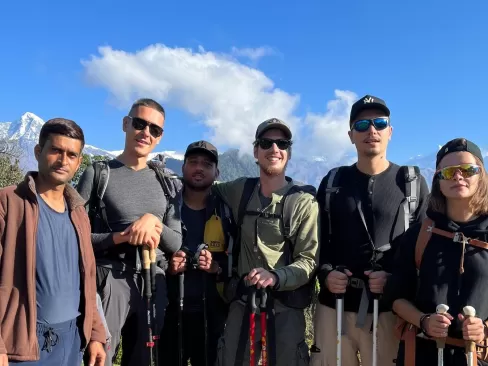
Mardi Himal Trek: A Hidden Gem in the Annapurna HimalayasMardi Himal Trek is one of Nepal’s most scenic and less-crowded trekking routes, offering an unforgettable Himalayan experience. Located in the Annapurna region, this trek takes you through lush forests, alpine meadows, and charming traditional villages, finally reaching the stunning Mardi Himal Base Camp at 4,500 meters (14,764 feet). Along the way, you’ll enjoy breathtaking views of Machhapuchhre (Fishtail), Annapurna South, Hiunchuli, and Mardi Himal.Whether you are a first-time trekker or an experienced adventurer, Mardi Himal is perfect for those seeking serenity, scenic beauty, and cultural encounters without the crowds.If you love exploring the Himalayas, you might also enjoy our Annapurna Circuit Trek, Everest Base Camp Trek, and Gokyo Lakes Trek, which offer different challenges and stunning landscapes.Why Choose Mardi Himal Trek?Less crowded trail – Enjoy peace and solitude while trekking through pristine nature.Stunning panoramic views – Capture close-up views of Machhapuchhre, Annapurna South, Hiunchuli, and Mardi Himal.Cultural immersion – Visit Gurung and Magar villages, interact with locals, and learn about traditional lifestyles.Diverse landscapes – Walk through terraced fields, rhododendron forests, alpine meadows, and rocky high-altitude trails.Seasonal highlights – Spring offers vibrant rhododendron blooms, while autumn provides clear skies and perfect mountain views.Moderate difficulty – Suitable for trekkers with basic experience, offering a perfect balance of challenge and enjoyment.Scenic Trails and Natural BeautyThe Mardi Himal Trek is a visual delight, featuring ever-changing landscapes:Lower elevations: Walk through fertile terraced farmlands, lush forests, and small villages.Mid elevations: Trek through rhododendron and oak forests, with chances to spot Himalayan birds and wildlife.High elevations: Ascend alpine meadows, rocky ridges, and glacial valleys, with panoramic mountain views at every turn.Along the trail, you’ll find hidden viewpoints, crystal-clear streams, and peaceful resting spots, perfect for photography and soaking in the scenery.For a similar scenic experience, check out our , which also passes through rhododendron forests and offers stunning Annapurna sunrise views.Cultural HighlightsThe trek is not just about mountains; it’s also a journey through local culture.Gurung and Magar villages: Explore villages, meet locals, and learn about traditional farming, festivals, and daily life.Traditional architecture: Observe stone houses, prayer flags, and small monasteries, reflecting the heritage of the region.Warm hospitality: Stay in teahouses and enjoy homemade meals like dal bhat, momo, and seasonal vegetables.Engaging with locals adds a personal touch to your trek, making it memorable and meaningful.If you love exploring local culture, our Manaslu Circuit Trek also offers deep cultural immersion in Tibetan-influenced villages along the route.Flora and FaunaRhododendron forests: Especially vibrant in spring (March–May), creating a stunning colorful display.Alpine meadows: Full of wildflowers and rare Himalayan plants.Wildlife sightings: Keep an eye out for Himalayan birds, langurs, and small mammals along the trail.For nature lovers, the Langtang Valley Trek also showcases diverse Himalayan flora and fauna, including rhododendron forests and glacial landscapes.Mardi Himal Base CampThe trek culminates at Mardi Himal Base Camp (4,500 meters), a quiet and breathtaking destination. Here you can:Enjoy close-up views of Mardi Himal, Machhapuchhre, Annapurna South, and Hiunchuli.Capture unforgettable photographs of the peaks and surrounding landscapes.Feel a sense of accomplishment after completing the trek.Experience solitude in a less-crowded area, perfect for reflection and connection with nature.Optional High Camp above Base Camp provides even closer views of Mardi Himal and Machhapuchhre for those seeking an extra adventure.Practical Information for TrekkersBest time to trek:Spring (March–May) – Rhododendrons in full bloom.Autumn (September–November) – Clear skies and ideal weather.Trekking duration: 5–7 days (can extend with side trips).Difficulty level: Moderate – suitable for trekkers with basic experience.Accommodation: Comfortable teahouses along the trail, with meals included.Altitude: Base Camp at 4,500 meters, optional High Camp slightly higher.Key Highlights of the Mardi Himal TrekPanoramic views of Machhapuchhre (Fishtail) and Annapurna SouthTranquil Mardi Himal Base Camp and optional High CampCultural villages of Gurung and Magar peopleVibrant rhododendron forests and seasonal wildflowersAlpine meadows and serene landscapesLess crowded trails – perfect for solitude and photographyWhy This Trek Stands OutThe Mardi Himal Trek is ideal for those who want a peaceful, scenic, and culturally rich Himalayan adventure. You will:Enjoy untouched natural beauty away from crowded trails.Connect with local communities and experience their unique culture and traditions.Witness daily changing landscapes, from forested hills to snowy peaks.Capture memories in a pristine and serene environment.For trekkers looking for more challenging adventures, explore our Everest Three Pass Trek or Annapurna Circuit Trek for longer, high-altitude Himalayan journeys.Top Blogs About Trekking in the Annapurna RegionUncover the best blogs about trekking in the Annapurna region, featuring expert advice, detailed itineraries, personal experiences, and essential tips for adventurers looking to explore the Himalayas.Best Annapurna Ranges Treks & Tours 2024/2025Top 9 Destinations to Explore on the Annapurna Circuit TrekBest Time to Hike the Annapurna CircuitWhich is the Better Lake Trek in Nepal: Gokyo or Tilicho Lake Trek?Annapurna Base Camp Trek: Tips and FAQsAltitude Sickness on Nepal Treks: Symptoms, Treatment, and When to Descend (Complete Guide)Mardi Himal Trek: Trails, Views, and TipsNepal Trekking Permits: Costs, Types, and How to Get ThemGhorepani Poon Hill Trek: A Perfect Short Himalayan AdventureManaslu Circuit vs Annapurna Circuit: Which Trek is Right for You?Nepal Trekking: What’s the Best Time to Go?Budget Trekking in Nepal: Tips, Trails, and TricksExploring Nepal’s Wildlife and NatureTrekking Through Nepal: A Journey into the HimalayasTop 10 Mountain Peaks in NepalAnnapurna Base Camp vs Annapurna Circuit: Which Himalayan Trek is Right for You?Annapurna Circuit Trek for Beginners 2025: The Famous Himalayan Adventure You Can’t MissWhere is Annapurna? Explore the Glory of the World’s Highest MountainTop Reasons to Choose Trekking or Visiting NepalDal Bhat Power 24 Hour: The Science and Soul Behind Nepal's Mountain FuelThe Essential Guide to Choosing Your Perfect Nepal Trek: From Beginner-Friendly Trails to Epic Himalayan AdventuresSolo Female Trekking in Nepal: A Complete Safety and Empowerment Guide for 2026Complete Fitness Training Guide for Nepal Trekking 2026: From Couch to Base Camp in 12 WeeksCan Beginners Do Annapurna Trek? Your Complete Guide to Conquering the Himalayas

Everest Base Camp Return by Helicopter: The Ultimate Himalayan AdventureThe journey to Everest Base Camp has long been considered one of the world's most spectacular trekking experiences. For decades, adventurers from across the globe have made the pilgrimage to stand at the foot of the world's highest mountain, traversing ancient trails through the heart of Sherpa country. But what if you could enhance this already incredible adventure with a touch of luxury and convenience? The Everest Base Camp Return by Helicopter trek offers exactly that—combining the authentic trekking experience with the thrill of a helicopter flight back through the Himalayas.Top Blogs About Trekking in the Everest RegionUncover the best blogs about trekking in the Everest region, featuring expert advice, detailed itineraries, personal experiences, and essential tips for adventurers looking to explore the Himalayas.Top 5 Everest Trekking PackagesWhere is Mount Everest? Discover the World’s Highest PeakTop 9 Reasons to Go on Everest Base Camp TrekAccommodation During Everest Base Camp TrekShower and Laundry Facilities During the Everest Base Camp TrekElevation Facts for Everest Base Camp TrekkingPhysical Fitness Requirements for Everest Base Camp TrekThe Best Ways to Trek to Everest Base CampWhen is the Best Time to Hike to Everest Base Camp?Everest Base Camp Trek: Tips and FAQsWhy Sleeping at Everest Base Camp Is the Ultimate Trekking Experience ?Which is the Better Lake Trek in Nepal: Gokyo or Tilicho Lake Trek?Altitude Sickness on Nepal Treks: Symptoms, Treatment, and When to Descend (Complete Guide)Everest Base Camp Toilet Problem: The Environmental Crisis on the World's Highest MountainMonastery Life in Nepal: Finding Peace in the Heart of the HimalayasAltitude Sickness on Nepal Treks: Symptoms, Treatment, and When to Descend (Complete Guide)Dal Bhat Power 24 Hour: The Science and Soul Behind Nepal's Mountain Fuel10 Essential Everest Trekking Tips Every First-Time Trekker Must KnowThe 3 AM Wake-Up Call Nobody Tells You About: Real Stories from Everest Base CampThe Essential Guide to Choosing Your Perfect Nepal Trek: From Beginner-Friendly Trails to Epic Himalayan AdventuresSolo Female Trekking in Nepal: A Complete Safety and Empowerment Guide for 2026Complete Fitness Training Guide for Nepal Trekking 2026: From Couch to Base Camp in 12 WeeksWhat Makes This Trek Different?Traditional Everest Base Camp treks require trekkers to retrace their steps back to Lukla, which typically takes 3-4 days of walking through familiar terrain. While this return journey has its own charm, it can be physically demanding after you've already pushed your body to its limits reaching the base camp at 5,364 meters. The Everest Base Camp Return by Helicopter option transforms this return journey into an unforgettable aerial adventure, offering a completely different perspective of the landscapes you've just trekked through.From the helicopter, the rugged terrain that took days to traverse unfolds beneath you in a spectacular panorama. Glaciers that appeared as distant ice fields from the trail reveal their true scale and beauty. The deep valleys you carefully descended become dramatic gorges showcasing the raw power of geological forces. Most importantly, you'll see Mount Everest, Lhotse, Makalu, Nuptse, and the entire Himalayan range from a vantage point few people ever experience—suspended in the sky, level with some of the world's highest peaks.The Journey to Everest Base CampYour adventure begins with a thrilling flight from Kathmandu to Lukla, landing at one of the world's most challenging airports. From here, the trek takes you through the enchanting Khumbu Valley, following in the footsteps of legendary mountaineers who have attempted to conquer Everest. The trail winds through traditional Sherpa villages like Phakding, Namche Bazaar, Tengboche, Dingboche, and Lobuche, each offering its own unique character and stunning mountain views.Namche Bazaar: The Gateway to EverestNamche Bazaar serves as the cultural and economic hub of the Khumbu region. Perched on a hillside at 3,440 meters, this vibrant town is where most trekkers spend an acclimatization day. The Saturday market attracts traders from throughout the region, and the town's bakeries, cafes, and shops provide a surprising level of comfort in such a remote location. From Namche, you'll enjoy your first clear views of Everest, along with Lhotse, Nuptse, and Ama Dablam.For those interested in exploring other regions of Nepal, the Annapurna Base Camp Trek offers a different but equally spectacular Himalayan experience, with the added bonus of natural hot springs in places like Jhinu Danda.Tengboche and Its Sacred MonasteryContinuing upward, you'll reach Tengboche at 3,867 meters, home to the region's largest monastery. This spiritual center of the Khumbu has been a place of Buddhist worship for centuries. The monastery sits against a backdrop of Everest, Ama Dablam, and surrounding peaks that create one of the most photographed panoramas in the Himalayas. The morning and evening prayer ceremonies offer trekkers a glimpse into the spiritual life of the Sherpa people, whose Buddhist beliefs are deeply intertwined with the mountains they call home.Acclimatization and Altitude AwarenessAs you ascend higher through Dingboche and Lobuche, proper acclimatization becomes increasingly important. At Explore Holiday Treks, our experienced guides understand the challenges of high-altitude trekking and ensure that your ascent profile includes adequate rest days and gradual elevation gains. The journey to Everest Base Camp is as much about listening to your body as it is about pushing your limits.Many trekkers also include a side trip to Kala Patthar (5,545 meters), which offers the best views of Mount Everest available without technical climbing. The pre-dawn climb to this viewpoint is challenging but rewarding, as you watch the sunrise paint the Himalayan giants in shades of gold and pink.If you're looking for a high-altitude adventure with slightly lower elevation demands, consider the Langtang Valley Trek, which reaches a maximum altitude of around 4,984 meters at Tserko Ri.Reaching Everest Base CampThe final push to Everest Base Camp takes you across the Khumbu Glacier, navigating rocky moraine paths and occasional ice sections. The landscape becomes increasingly austere as vegetation disappears and the terrain is dominated by rock, ice, and snow. When you finally arrive at base camp, situated at 5,364 meters, you'll find yourself in the same location where mountaineering expeditions establish their staging areas for summit attempts.The energy at base camp varies depending on the season. During spring (March to May), the camp buzzes with activity as climbers prepare for their summit bids. In autumn (September to November), you'll find fewer climbers but equally spectacular weather and views. The Khumbu Icefall looms above base camp, a maze of constantly shifting seracs and crevasses that represents the first major obstacle for climbers heading to the summit.Standing at Everest Base Camp is a moment of profound achievement. You've trekked through some of the world's most spectacular mountain terrain, pushed your physical and mental limits, and reached one of the planet's most iconic destinations. The sense of accomplishment is matched only by the humbling awareness of the mountain's scale and power.The Helicopter Return: A Different PerspectiveAfter celebrating your achievement at Everest Base Camp and perhaps spending a night at Gorak Shep (the highest settlement in the region at 5,164 meters), the helicopter return journey offers a spectacular conclusion to your adventure. Rather than spending several days retracing your steps, you'll board a helicopter for a flight that showcases the Himalayan landscape from an entirely new perspective.What to Expect During the Helicopter FlightThe helicopter typically departs from Gorak Shep or a designated helipad nearby. As the aircraft lifts off, you'll immediately notice how the landscape that took days to traverse spreads out beneath you. The Khumbu Glacier, which you carefully navigated on foot, reveals its full extent—a massive river of ice flowing down from the Western Cwm between Everest and Nuptse.Flying through the Himalayas at eye level with 8,000-meter peaks is an experience that defies description. Mount Everest's summit pyramid rises above its neighbors, its distinctive plume of snow streaming from the top when high-altitude winds are strong. Lhotse's massive south face, one of the most challenging walls in mountaineering, dominates the view to the south. Makalu, the world's fifth-highest peak, stands proud to the east, its perfect pyramid shape making it instantly recognizable.The flight path typically follows the valley system back toward Lukla, offering views of villages you passed through on the trek. From the air, you can appreciate the incredible engineering of the trail system—how it winds along valley walls, crosses rivers on suspension bridges, and climbs through seemingly impossible terrain. The terraced fields around villages like Namche Bazaar and Khumjung become visible as human-shaped landscapes carved from the mountainside.Safety and Professional ServiceAt Explore Holiday Treks, safety is our paramount concern. The helicopter service we use employs experienced pilots who have thousands of hours flying in the Himalayas. These pilots understand the unique challenges of high-altitude aviation, including rapidly changing weather conditions, thin air that affects aircraft performance, and the complex wind patterns created by the mountains.All flights are operated according to strict safety protocols. Weather conditions are carefully monitored, and flights are only conducted when conditions are favorable. The helicopters used are specifically designed for high-altitude operations and are maintained to the highest standards. Before departure, passengers receive a comprehensive safety briefing covering emergency procedures, weight distribution in the aircraft, and what to expect during the flight.Why Choose the Helicopter Return Option?Time EfficiencyThe most practical advantage of the helicopter return is time savings. A return trek from Everest Base Camp to Lukla typically requires 3-4 days of walking. The helicopter flight accomplishes the same journey in approximately 20-30 minutes. For travelers with limited vacation time, this option allows you to experience Everest Base Camp without committing to a 12-14 day trek.Reduced Physical StrainWhile trekking is an incredible way to experience the mountains, the return journey can be physically demanding, especially for trekkers who have pushed themselves hard to reach base camp. Your body has been dealing with the stress of high altitude, and the descending journey, while easier on your cardiovascular system, can be hard on knees and joints. The helicopter return eliminates this additional physical strain.Unique Photographic OpportunitiesThe aerial perspective offers photographic opportunities impossible to capture from the ground. The scale of the Himalayan landscape becomes apparent when viewed from above—the massive extent of glaciers, the dramatic relief of the terrain, and the relationship between peaks that appear separate from the ground but are revealed as part of interconnected massifs.Weather ConsiderationsHimalayan weather is notoriously unpredictable. If you've been fortunate enough to have clear weather during your trek to base camp, the helicopter return can be a strategic choice to maximize your experience before weather patterns change. Conversely, if weather has limited your views during the ascent, the flight offers another opportunity to see the mountains in their full glory.The Sherpa Culture and Buddhist HeritageOne of the most enriching aspects of any Everest region trek is the immersion in Sherpa culture. The Sherpa people have inhabited these high valleys for centuries, developing a unique culture adapted to life in one of Earth's most challenging environments. Their Buddhist faith, brought from Tibet, permeates every aspect of life in the Khumbu.Throughout your trek, you'll encounter mani walls inscribed with sacred mantras, colorful prayer flags strung across passes and viewpoints, and chortens (Buddhist stupas) marking important locations. The monasteries at Tengboche, Pangboche, and other villages are not just tourist attractions but active centers of spiritual life where monks maintain centuries-old traditions.The Sherpa people's connection to the mountains goes beyond the practical role many play as guides and porters in the trekking and mountaineering industry. The peaks themselves are considered sacred, home to protective deities. Mount Everest is known as Chomolungma in Tibetan, meaning "Goddess Mother of the World." This spiritual relationship with the mountains influences how Sherpas approach their work in the tourism industry and their environmental stewardship of the region.For those interested in experiencing other culturally rich trekking regions, the Manaslu Circuit Trek offers insights into Tibetan Buddhist culture with fewer crowds than the Everest region.Flora and Fauna of the Everest RegionDespite the harsh conditions, the Khumbu region supports surprising biodiversity. The lower elevations feature dense forests of pine, fir, juniper, and rhododendron. In spring, the rhododendron forests burst into bloom with flowers ranging from deep crimson to pale pink and white, creating spectacular displays of color against the mountain backdrop.As you ascend, vegetation becomes increasingly sparse. Above 4,000 meters, hardy grasses, mosses, and lichens are the primary plant life. Yet even in this austere environment, life persists. The Himalayan tahr, a large wild goat, grazes on seemingly barren slopes. If you're fortunate, you might spot a Himalayan monal, Nepal's national bird, whose iridescent plumage makes it one of the world's most beautiful pheasants.The most famous resident of the high Himalayas is, of course, the snow leopard. These elusive cats prowl the remote valleys and ridges above 3,000 meters, though sightings are extremely rare. More commonly observed are yellow-billed choughs and Himalayan griffons soaring on thermal currents. The region is also home to the red panda, though these shy creatures inhabit the forested areas at lower elevations.Best Times for the TrekThe Everest Base Camp Return by Helicopter trek is possible for much of the year, though certain seasons offer distinct advantages.Spring Season (March to May)Spring is one of the two prime trekking seasons in the Everest region. Days are generally warm and sunny, with increasingly stable weather as the season progresses. This is also when Mount Everest climbing expeditions are in full swing, so base camp is bustling with activity. The rhododendron forests are in bloom, adding vibrant color to the lower elevations. Visibility is generally excellent, especially in the morning before afternoon clouds develop.Autumn Season (September to November)Autumn is considered by many to be the best time for Everest region treks. The monsoon rains have cleared the atmosphere, resulting in crystal-clear visibility. Temperatures are comfortable for trekking, and the weather is generally stable. This is the busiest season for trekking in Nepal, so trails and teahouses are more crowded, but the conditions are hard to beat.Winter Season (December to February)Winter trekking to Everest Base Camp is possible for experienced trekkers willing to deal with cold temperatures and potential snow. The advantages include empty trails, crystal-clear skies, and the intimate experience of the mountains without crowds. However, temperatures at base camp can drop to -20°C or lower, and some higher-altitude teahouses may be closed. The helicopter return becomes particularly valuable in winter, as the descent can be more challenging in snowy conditions.Monsoon Season (June to August)The monsoon season is generally not recommended for Everest Base Camp treks. Heavy rains at lower elevations make trails muddy and increase the risk of landslides. Cloud cover often obscures mountain views. However, the "rain shadow" effect means the Khumbu receives less precipitation than other parts of Nepal during monsoon, so it's not impossible—just more challenging and less rewarding than other seasons.Physical Preparation and TrainingWhile the Everest Base Camp trek doesn't require technical mountaineering skills, it does demand good physical fitness and mental determination. The trek involves walking for 5-7 hours per day for multiple consecutive days, often on steep, rocky trails at high altitude where the air contains significantly less oxygen than at sea level.Cardiovascular FitnessBuilding a strong cardiovascular base is essential. Aim to start training at least 2-3 months before your trek. Activities like hiking, running, cycling, and swimming all help develop the aerobic capacity you'll need. If possible, train with a weighted backpack on hills or stairs to simulate the conditions you'll encounter on the trek.Strength TrainingWhile cardiovascular fitness is crucial, don't neglect strength training. Focus on legs (squats, lunges, step-ups) to handle the constant ascents and descents. Core strength is important for balance on uneven terrain, and upper body strength helps with carrying your daypack. Exercises like planks, push-ups, and rows should be part of your training routine.Altitude AcclimatizationUnfortunately, there's no way to train your body for altitude at sea level. The best preparation for altitude is previous high-altitude experience, but even veteran mountain trekkers can struggle with altitude sickness. The key is to follow a proper acclimatization schedule (which Explore Holiday Treks ensures through carefully planned itineraries), stay hydrated, and listen to your body.For those looking for a slightly less demanding high-altitude trek, the Gokyo Lakes Trek offers stunning scenery with a more gradual altitude profile.Essential Gear and PackingProper equipment is crucial for comfort and safety on the Everest Base Camp trek. The high-altitude environment presents unique challenges, and being well-prepared makes a significant difference in your experience.Clothing LayersThe key to staying comfortable in the mountains is a layered clothing system that you can adjust as conditions change. Base layers should be moisture-wicking and comfortable against your skin. Mid-layers like fleece or down jackets provide insulation. Outer layers must be windproof and waterproof to protect against the elements.Don't forget that temperatures vary dramatically from morning to afternoon and from lower to higher elevations. You might start a day cold and finish warm, or vice versa. The ability to add or remove layers is essential.FootwearQuality trekking boots are perhaps your most important piece of equipment. They should be well broken-in before your trek to prevent blisters. Waterproof boots are essential, as you'll encounter streams, possibly snow, and muddy sections of trail. Bring multiple pairs of socks and liner socks to keep feet comfortable and prevent blisters.Technical EquipmentWhile not a technical climb, you'll need some specialized items. A good sleeping bag rated to at least -10°C is necessary, as teahouse blankets may not provide sufficient warmth at higher elevations. Trekking poles significantly reduce stress on knees during descents and provide stability on rough terrain. A quality headlamp with extra batteries is essential, as electricity is limited in high-altitude villages.Health and Safety ItemsA comprehensive first-aid kit is important. Include blister treatment, pain relievers, altitude sickness medication (after consulting your doctor), water purification tablets or a filtration system, and any personal medications. Sunscreen and lip balm with high SPF are crucial, as UV radiation is intense at high altitude. Quality sunglasses are not optional—snow blindness is a real risk.Sustainable and Responsible TrekkingThe popularity of Everest Base Camp has brought both opportunities and challenges to the Khumbu region. At Explore Holiday Treks, we're committed to sustainable tourism practices that benefit local communities and protect the fragile mountain environment.Environmental ResponsibilityThe Sagarmatha National Park, a UNESCO World Heritage Site, encompasses the Everest region. We adhere to all park regulations and encourage trekkers to follow Leave No Trace principles. This means carrying out all non-biodegradable waste, using designated toilet facilities, and respecting wildlife and vegetation.Plastic water bottles are a particular concern in the Himalayas. Rather than purchasing bottled water repeatedly, we encourage trekkers to use water purification systems or tablets with refillable bottles. Many teahouses now offer boiled water for a small fee, reducing plastic waste.Supporting Local CommunitiesTourism has become the primary economic driver in the Khumbu region. By trekking with Explore Holiday Treks, you're directly supporting Sherpa communities. We employ local guides and porters, ensuring fair wages and proper equipment. We stay in locally-owned teahouses, and purchase supplies from local shops when possible.The economic benefits of tourism have helped fund schools, health clinics, and infrastructure improvements in the region. However, we're mindful of the cultural impacts of tourism and encourage our trekkers to respect local customs, dress modestly, and ask permission before photographing people or religious sites.Altitude Sickness and Health ConsiderationsAcute Mountain Sickness (AMS) is the primary health concern on any high-altitude trek. Understanding the symptoms and how to respond is crucial for a safe and enjoyable experience.The fundamental principle of altitude acclimatization is gradual ascent. Your body needs time to adjust to decreased oxygen levels by producing more red blood cells and making other physiological adaptations. The Explore Holiday Treks itinerary is designed with proper acclimatization in mind, including rest days and a schedule that avoids ascending too quickly.Early symptoms of AMS include headache, nausea, fatigue, and difficulty sleeping. If these symptoms occur, it's important not to ascend further until they resolve. Most cases of mild AMS improve with rest at the same altitude. If symptoms worsen or more serious symptoms develop (confusion, difficulty walking, severe breathlessness at rest), immediate descent is necessary.Our guides are trained in altitude sickness recognition and response. They monitor all trekkers daily and know when it's necessary to arrange emergency evacuation. The helicopter return option can be particularly valuable in emergency situations, as it provides rapid descent to lower altitudes where symptoms quickly improve.Why Choose Explore Holiday TreksSelecting the right trekking company makes an enormous difference in your Everest Base Camp experience. At Explore Holiday Treks, we've built our reputation on delivering exceptional service, prioritizing safety, and creating memorable adventures that exceed expectations.Experienced and Certified GuidesOur guides are the foundation of our service. All are certified by the Nepal Mountaineering Association and have extensive experience in the Everest region. More than just showing you the trail, they share their deep knowledge of Sherpa culture, local history, Buddhist traditions, and the natural environment. Many of our guides are Sherpas from the Khumbu region, providing authentic insights into local life and culture.Beyond their knowledge, our guides are trained in wilderness first aid, altitude sickness recognition and treatment, and emergency response procedures. Your safety is their primary concern, and they have the experience and judgment to make difficult decisions when necessary.Comprehensive Support and LogisticsFrom the moment you arrive in Kathmandu until your departure, Explore Holiday Treks handles all logistics. We arrange airport transfers, hotel accommodations, domestic flights to Lukla, trekking permits, and national park entry fees. During the trek, we ensure you stay in the best available teahouses and provide all meals.The helicopter return service is fully integrated into your package, with all arrangements handled by our team. We coordinate with helicopter operators, monitor weather conditions, and ensure safe and timely flights. You won't need to worry about any of the details—just enjoy your adventure.Small Group Sizes and Personalized ServiceWe believe in providing personalized attention to each trekker. Our groups are kept small, typically with a maximum of 10-12 participants per guide. This ensures everyone receives individual attention, the group can move at an appropriate pace, and there's flexibility to adjust plans based on group needs and conditions.For those preferring more privacy, we also offer private treks where an itinerary can be customized to your specific interests, fitness level, and schedule. Private treks provide maximum flexibility and a more intimate mountain experience.Quality Equipment and AccommodationsWhile teahouse trekking means you're not camping, the quality of accommodations varies throughout the Khumbu. We've built relationships with the best teahouses along the route, ensuring you have comfortable beds, clean facilities, and good food. At higher elevations where options are limited, we still ensure you stay in the most reliable establishments.Our rental equipment, for those who need it, is high-quality and well-maintained. We can provide sleeping bags, down jackets, duffel bags, and other necessary items, saving you the expense and hassle of purchasing equipment you may only use once.Other Trekking Options in NepalWhile the Everest region offers some of the world's most spectacular trekking, Nepal has many other incredible destinations worth exploring. Explore Holiday Treks offers a comprehensive range of treks throughout the Himalayas.The Annapurna Circuit Trek is considered one of the world's classic long-distance treks, crossing the Thorong La pass at 5,416 meters and offering remarkable diversity of landscapes and cultures. The Upper Mustang Trek takes you to the remote former kingdom of Mustang, where Tibetan Buddhist culture remains remarkably preserved and the desert-like landscape creates a completely different Himalayan experience.For those seeking less-crowded trails, the Kanchenjunga Base Camp Trek explores Nepal's far eastern corner near the border with Sikkim, approaching the world's third-highest mountain through pristine forests and remote villages. The Makalu Base Camp Trek is another off-the-beaten-path adventure that takes you to the foot of the world's fifth-highest peak through the spectacularly diverse Makalu Barun National Park.Making Your Everest Dream a RealityThe Everest Base Camp Return by Helicopter trek represents the perfect blend of adventure, culture, and convenience. You'll experience the authentic trekking journey through the heart of the Khumbu, immersing yourself in Sherpa culture and pushing yourself physically and mentally. Then, when you've achieved your goal of reaching Everest Base Camp, you'll enjoy the luxury and excitement of a helicopter flight that showcases the Himalayas from a perspective few people ever experience.This journey is more than just a trek—it's a transformative experience that will stay with you for the rest of your life. The friendships you'll form with fellow trekkers, the warmth and hospitality of the Sherpa people, the spiritual atmosphere of ancient monasteries, and the overwhelming beauty of the world's highest mountains combine to create something truly special.At Explore Holiday Treks, we've guided thousands of trekkers to Everest Base Camp, and we never tire of seeing the joy and sense of achievement on people's faces when they reach their goal. Whether you're an experienced trekker looking for a new challenge or someone who has always dreamed of visiting Everest, we're here to make that dream a reality.The Himalayas are calling. Mount Everest stands waiting. Your adventure begins with a single step—or in this case, with contacting Explore Holiday Treks to start planning your journey. The question isn't whether you should do this trek, but when. Let us help you create an Everest adventure that exceeds your wildest expectations, complete with the unforgettable experience of a helicopter flight through the roof of the world.
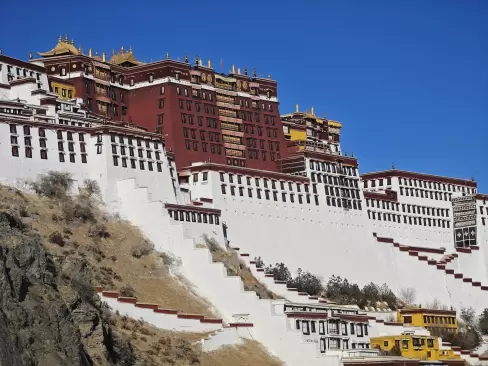
Lhasa Fly-In Fly-Out Tour with Everest Base Camp: The Ultimate Tibet Adventure The Lhasa Fly-In Fly-Out Tour with Everest Base Camp represents one of the most efficient and spectacular ways to experience the highlights of Tibet while standing before the world's highest mountain. This carefully designed journey combines the spiritual and cultural treasures of Lhasa—Tibet's legendary capital city—with the raw, overwhelming beauty of Mount Everest's north face, all within a timeframe suitable for travelers with limited vacation days but unlimited sense of adventure. By flying directly into Lhasa's Gonggar Airport, you maximize your time exploring rather than spending days on overland approaches, while still allowing proper acclimatization to the extreme altitudes that characterize this remarkable region. This tour offers something truly special: the opportunity to immerse yourself in Tibetan Buddhist culture at its most profound in Lhasa's ancient monasteries and temples, then journey across the stark beauty of the Tibetan Plateau to stand at Everest Base Camp on the mountain's Tibetan (northern) side—a perspective far fewer travelers experience compared to the more famous Nepalese approach. The contrast between Lhasa's spiritual richness and Everest's sublime natural power creates a journey that satisfies both cultural curiosity and adventurous spirit, making this one of the most comprehensive Tibet experiences available within a relatively compact timeframe. Why Choose the Fly-In Fly-Out Approach to Tibet Flying directly into Lhasa offers distinct advantages over overland approaches from Nepal or other entry points. The flight itself provides spectacular aerial views of the Himalayan range, with peaks like Everest, Makalu, and Cho Oyu visible on clear days. Upon landing at Gonggar Airport (3,570 meters), you're immediately in Tibet, ready to begin exploring without the extended driving that overland routes require. However, this efficiency comes with important considerations. Flying directly to 3,600+ meters means your body experiences sudden altitude change rather than the gradual acclimatization that overland approaches provide. This makes the first 24-48 hours in Lhasa absolutely critical—rest, hydration, and avoiding overexertion during this period are essential for preventing altitude sickness. The tour itinerary accounts for this with carefully planned acclimatization days in Lhasa before ascending to even higher elevations at Everest Base Camp. For travelers who have previously completed high-altitude treks in Nepal, the adjustment to Lhasa's elevation is often easier. Routes like the Everest Base Camp Trek, Annapurna Circuit Trek, or Manaslu Circuit Trek provide excellent preparation, as your body "remembers" previous altitude adaptations. Even shorter treks like the Ghorepani Poon Hill Trek or Langtang Valley Trek offer valuable high-altitude experience that makes adapting to Lhasa's elevation more manageable. The fly-out component at the tour's conclusion provides similar efficiency. Rather than spending multiple days driving back through landscapes you've already seen, you fly from Lhasa to Kathmandu (or your next destination), allowing you to maximize your time in Tibet while maintaining a reasonable total trip duration. This makes the Lhasa Fly-In Fly-Out Tour ideal for travelers with 7-10 days available who want to experience Tibet's highlights without sacrificing quality for speed. Lhasa: The Spiritual Heart of Tibet Lhasa, sitting at 3,650 meters in a valley surrounded by mountains, has served as Tibet's spiritual and political capital for over 1,300 years. The city's name translates to "Place of the Gods," and anyone who visits quickly understands why. The combination of ancient monasteries, the imposing Potala Palace, devoted pilgrims, and an atmosphere saturated with spirituality creates an environment unlike anywhere else on Earth. The Potala Palace: Icon of Tibet The Potala Palace dominates Lhasa's skyline, its white walls and golden roofs visible from throughout the valley. This architectural masterpiece rises 13 stories and contains over 1,000 rooms, including chapels, living quarters, assembly halls, and libraries. Built primarily in the 17th century by the Fifth Dalai Lama (though incorporating structures dating to the 7th century), the palace served as the winter residence of successive Dalai Lamas and the seat of Tibetan government until 1959. Visiting the Potala requires climbing numerous steps at altitude—the ascent from the base to the entrance involves over 200 steps, a challenging climb that leaves even fit visitors breathing heavily. However, this physical effort prepares you spiritually for what awaits inside. The palace contains countless Buddhist statues ranging from small clay figures to massive gilded representations of Buddha and various bodhisattvas. The most sacred areas include the tomb stupas of past Dalai Lamas, adorned with tons of gold and precious stones. The Fifth Dalai Lama's stupa alone contains 3,721 kilograms of gold. The palace's chapels overflow with spiritual art—intricate murals depicting Buddhist cosmology and Tibetan history, ancient thangkas (scroll paintings), and thousands of butter lamps that flicker in the dim interiors. The library houses an extensive collection of Buddhist texts, including rare manuscripts that survived various historical upheavals. Walking through the Potala, you're not merely visiting a museum but entering a living spiritual tradition that has shaped Tibetan culture for centuries. The views from the Potala's upper levels are spectacular, providing panoramic vistas across Lhasa and the surrounding valley. On clear days, you can see distant mountain peaks rising beyond the city—a reminder that Lhasa, despite being a capital city, exists at the edge of one of Earth's most extreme environments. Due to visitor restrictions designed to preserve the structure, advance booking is essential, and daily numbers are strictly limited. Your tour operator handles these arrangements, ensuring your visit happens smoothly. Jokhang Temple: Tibet's Most Sacred Shrine While the Potala impresses with its scale and grandeur, the Jokhang Temple moves visitors with its profound spiritual atmosphere. Built in the 7th century during King Songtsen Gampo's reign, the Jokhang houses the most revered object in Tibetan Buddhism—a golden statue of the young Buddha (Jowo Rinpoche) brought to Tibet by Princess Wencheng from China over 1,300 years ago. Pilgrims consider seeing this statue the primary goal of their lifetime, and many travel weeks or months to reach Lhasa specifically for this purpose. The devotion visible at Jokhang is overwhelming. Thousands of pilgrims visit daily, many prostrating themselves repeatedly before the temple's entrance—lying completely flat on the ground, then standing, taking a step forward, and prostrating again in an endless cycle. Inside, the air is thick with yak butter smoke from thousands of flickering lamps, and the scent of juniper incense permeates everything. Pilgrims shuffle through dark chapels, offering prayers and making offerings, their devotion creating an energy that affects even non-religious visitors. The Jokhang's architecture represents a fusion of Nepalese, Indian, and Tibetan styles, reflecting the diverse influences that shaped early Tibetan Buddhism. The temple contains numerous chapels dedicated to different Buddhist deities, each adorned with statues, murals, and religious artifacts. The rooftop offers excellent views of the Barkhor Circuit below and the Potala Palace in the distance, while the golden roof ornaments gleam brilliantly in the intense high-altitude sunlight. Barkhor Street: Where Devotion Meets Commerce The Barkhor Circuit surrounding the Jokhang Temple represents one of Tibet's most authentic cultural experiences. This pilgrimage path has been worn smooth by centuries of pilgrims circumambulating the temple clockwise while spinning prayer wheels and murmuring mantras. Walking the Barkhor, you're swept into the constant flow of devoted Tibetans—elderly pilgrims using prayer beads, middle-aged merchants spinning prayer wheels between business dealings, and young people balancing traditional devotion with modern life. The Barkhor also functions as a bustling market where vendors sell everything from prayer flags and religious artifacts to traditional handicrafts and tourist souvenirs. The narrow alleyways branching off the main circuit house workshops where artisans create traditional items using techniques passed down through generations—thangka painters, metalworkers crafting Buddhist statues, and jewelers creating ornate Tibetan jewelry incorporating turquoise and coral. This combination of devotion and commerce has characterized the Barkhor for centuries, creating an atmosphere found nowhere else. The energy here is electric—pilgrims performing prostrations, vendors calling out their wares, the constant spin of prayer wheels, the murmur of mantras, and the aromatic blend of incense, yak butter, and Tibetan tea. Spending time in the Barkhor, perhaps stopping at a traditional teahouse to sample butter tea and tsampa (roasted barley flour), provides insights into Tibetan culture that no amount of reading can replicate. Sera Monastery: Where Monks Debate Philosophy Located at the base of Tatipu Hill just north of central Lhasa, Sera Monastery was founded in 1419 and once housed over 5,000 monks. Today, it remains an active center of Buddhist learning, famous for its philosophical debates held daily (except Sundays) in the monastery's main courtyard. These debates represent one of Lhasa's most unique cultural experiences and a highlight of any visit. The debates are theatrical and energetic, with monks using dramatic gestures and forceful hand clapping to emphasize points in their arguments about Buddhist philosophy, logic, and doctrine. Senior monks pose complex questions to junior students, who must respond using proper reasoning and citation of Buddhist texts. Even if you don't understand Tibetan, watching the passionate exchanges, dramatic body language, and intense concentration provides fascinating insight into Tibetan Buddhist education and the rigor with which monks approach their studies. Beyond the debates, Sera Monastery contains impressive collections of Buddhist art, including large statues, intricate mandalas, and ancient manuscripts. The main assembly hall can accommodate thousands of monks during important religious ceremonies, and its atmosphere of deep spirituality is immediately apparent. Walking through Sera's many chapels and colleges, you gain appreciation for the monastic system that has preserved and transmitted Tibetan Buddhism across generations. Drepung Monastery: Once the World's Largest Perched on the slopes of Mount Gephel west of Lhasa, Drepung Monastery holds the distinction of having been the world's largest monastery, housing up to 10,000 monks at its peak. Founded in 1416, it served as the principal residence of the Dalai Lamas before the Potala Palace's construction. The name "Drepung" means "rice heap," describing how the monastery's white buildings scatter across the mountainside like grains of rice. The monastery complex resembles a small hillside town, with winding alleyways connecting various colleges, temples, and residential quarters. The main assembly hall features a spectacular collection of Buddhist statues and thangkas, while the monastery's library contains thousands of Buddhist texts representing centuries of accumulated religious scholarship. Drepung also hosts the famous Shoton Festival each year, where a giant thangka depicting Buddha is unfurled on the mountainside, attracting thousands of pilgrims and tourists. The hike up to Drepung provides excellent acclimatization exercise while offering panoramic views of Lhasa Valley spread below. For travelers who have completed challenging treks like the Three Passes Trek or Gokyo Lakes Trek, the walk to Drepung feels manageable while still providing a satisfying altitude workout. Taking your time climbing to the monastery, you'll pass small shrines, prayer wheels, and groups of pilgrims making their own devotional visits. Norbulingka: The Summer Palace Norbulingka, meaning "Jewel Park," served as the traditional summer residence of the Dalai Lamas. This palace complex, located in the western part of Lhasa, offers a gentler, more relaxed atmosphere compared to the Potala's grandeur or the intense devotion of the Jokhang. The beautifully landscaped gardens, containing over 30,000 trees and various flowering plants (a rarity at Lhasa's altitude), provide peaceful spaces for contemplation and rest. The palace buildings within Norbulingka showcase excellent examples of Tibetan secular architecture, with decorated interiors containing murals, furniture, and personal items from the Dalai Lamas who resided here. The site also hosts the annual Shoton Festival, where Tibetan opera performances and picnicking families create a festive atmosphere that contrasts beautifully with the more solemn religious observances at other sites. Visiting Norbulingka provides balance to your Lhasa experience, showing a more leisurely aspect of Tibetan culture alongside the intense spirituality of the monasteries. The Journey to Everest Base Camp: Crossing the Tibetan Plateau After spending 2-3 days exploring Lhasa and acclimatizing to 3,650 meters, the tour continues with the journey toward Everest Base Camp. This overland adventure covers approximately 700 kilometers, typically completed over 2-3 days of driving with stops at significant cultural and natural sites along the way. The journey itself is as memorable as the destinations, revealing the vast scale and stark beauty of the Tibetan Plateau. Yamdrok Lake: The Turquoise Jewel The first major stop after leaving Lhasa is Yamdrok Lake (Yamdrok Tso), reached by crossing the Kamba La Pass at 4,794 meters. The initial glimpse of this sacred lake from the pass is breathtaking—turquoise waters sprawling across the valley below, surrounded by brown and ochre mountains, with snow-capped peaks rising in the distance. On clear days, Mount Nojin Kangsang (7,191 meters) reflects perfectly in the lake's calm surface. Yamdrok Lake stretches for 72 kilometers at an altitude of 4,441 meters, making it one of the highest freshwater lakes in the world. Tibetans consider it sacred, believing the lake is the transformation of a goddess. According to legend, if Yamdrok dries up, Tibet will become uninhabitable. The lakeside is dotted with small Tibetan villages where nomadic herders tend their yaks and sheep, maintaining lifestyles that have sustained Tibetan culture for centuries. The quality of light at Yamdrok creates spectacular photography opportunities—the vivid blue water contrasts sharply with brown mountains, while prayer flags add splashes of color at various viewpoints. The stop here allows time for photos, short walks along the shore, and simply absorbing the beauty and tranquility of this sacred landscape. For travelers who have visited Nepal's high-altitude lakes on treks like the Gokyo Lakes Trek or Gosaikunda Lake Trek, Yamdrok's scale and setting still impress with their unique character. Gyantse: Ancient Trading Hub Continuing toward Everest, the route passes through Gyantse, a historically important trading town that has retained much of its traditional character. At 3,977 meters, Gyantse sits in the fertile Nyang Chu Valley, one of Tibet's most productive agricultural regions. The town is dominated by the imposing Gyantse Dzong (fortress) crowning the hill above, though much of the structure was damaged during the 1904 British invasion of Tibet. The primary attraction in Gyantse is the Pelkor Chode Monastery complex, housing the famous Kumbum Stupa. This nine-story architectural wonder, built between 1427 and 1439, contains 77 chapels housing thousands of murals and statues depicting Buddhist deities, mandalas, and historical scenes. "Kumbum" translates as "100,000 images," and exploring the stupa's many levels reveals an overwhelming collection of Buddhist art that has retained its vibrant colors across centuries. Time in Gyantse typically allows for lunch and a brief exploration of the town's traditional streets before continuing toward Shigatse. The agricultural landscape around Gyantse, with its barley fields and willow-lined streams, provides pleasant contrast to the barren plateaus that characterize much of the journey, reminding travelers that Tibet, despite its harsh reputation, contains pockets of fertility that have sustained civilizations for thousands of years. Shigatse and Tashilhunpo Monastery Shigatse, Tibet's second-largest city at 3,836 meters, serves as an important overnight stop on the journey to Everest. The city functions as the traditional seat of the Panchen Lama, the second-highest figure in Tibetan Buddhism after the Dalai Lama. The relationship between these two positions is complex and deeply meaningful within Tibetan Buddhism—the Panchen Lama plays a crucial role in recognizing the reincarnation of the Dalai Lama, and vice versa, creating spiritual continuity that has sustained Tibetan Buddhism for centuries. Tashilhunpo Monastery, founded in 1447 by the First Dalai Lama, sprawls across the hillside above Shigatse, its golden roofs gleaming in the sunlight. The monastery complex contains numerous chapels, colleges, and residential quarters housing hundreds of monks who continue their religious studies and practices. The most impressive feature is the Chapel of Maitreya, containing a massive gilded statue of the Future Buddha standing 26.2 meters high. This statue, completed in 1914, required 279 kilograms of gold and countless other precious materials. Walking through Tashilhunpo provides insights into active monastic life, as monks pursue daily studies, perform rituals, and maintain the monastery. The tomb stupas of past Panchen Lamas, adorned with gold and precious jewels, demonstrate the reverence accorded to these high lamas. The monastery's festival calendar includes spectacular religious dances and ceremonies—if your visit coincides with these events, you'll witness Tibetan Buddhism at its most vibrant and theatrical. The Road to Everest: Tingri and Beyond From Shigatse, the journey continues across increasingly remote and barren landscapes toward Tingri, the gateway to the Everest region from the Tibetan side. At 4,300 meters, Tingri offers one of the most spectacular mountain panoramas anywhere on Earth. On clear days, you can see five of the world's fourteen 8,000-meter peaks, including Everest, Cho Oyu, Makalu, and Lhotse, stretching across the southern horizon like a wall of ice and rock. The landscape here is austere but breathtaking—vast high-altitude plains where horizons seem endless, snow-capped peaks rising above barren brown plateaus, and an quality of light that seems to enhance every view. Small Tibetan villages dot the landscape, their whitewashed houses and colorful prayer flags providing the only splashes of color against the monochromatic terrain. Yak caravans still transport goods along ancient trade routes, and nomadic families live in traditional black tents, maintaining lifestyles that have endured for millennia. The final approach to Everest Base Camp passes through increasingly dramatic terrain. The road quality deteriorates significantly—this is one of the highest vehicle-accessible routes in the world, and maintaining roads at these elevations presents enormous challenges. The rough conditions add to the adventure, emphasizing the extreme nature of this environment and the remoteness of your destination. Rongbuk Monastery and Everest Base Camp Rongbuk: The World's Highest Monastery At 5,154 meters, Rongbuk Monastery holds the distinction of being the world's highest monastery. Founded in 1902, it sits just eight kilometers from Everest Base Camp, offering unobstructed views of Everest's massive north face. The monastery has served as a base for numerous Everest expeditions over the decades, and its small guesthouse has hosted famous mountaineers including George Mallory and Edmund Hillary. The monastery itself is modest but atmospheric, with prayer flags snapping in the constant wind and the massive bulk of Everest dominating the view to the south. Monks and nuns maintain a presence here despite the harsh conditions, tending to pilgrims and tourists who make the journey to this remote location. The spirituality of the place is palpable—the combination of extreme altitude, Everest's overwhelming presence, and the devotion of those who live and worship here creates an atmosphere that affects everyone who visits. The sight of Everest from Rongbuk, particularly at sunrise or sunset when the light paints the north face in shades of gold and rose, ranks among the most spectacular views in mountaineering. Many visitors wake before dawn to witness sunrise illuminating Everest's face—a sight considered especially auspicious and worth any discomfort from the cold and altitude. The monastery's position allows you to see the mountain's entire north face, from the lower slopes through the North Col and up to the summit pyramid—a perspective that helps you understand the mountain's true scale and the challenges facing those who attempt to climb it. Everest Base Camp: Standing Before the Highest Peak From Rongbuk, a rough road leads the final eight kilometers to Everest Base Camp at 5,200 meters. Unlike the Nepal Everest Base Camp, which sits on the moving Khumbu Glacier and changes location seasonally, the Tibetan base camp occupies a flat, stable plain with unimpeded views of Everest's north face. This accessibility—reaching base camp by vehicle rather than trekking for 12-14 days as required on the Nepal side—makes the Tibetan approach ideal for travelers with limited time or physical constraints. However, accessibility doesn't diminish the experience. Standing at Everest Base Camp, with the mountain's north face rising directly before you, creates moments that many travelers describe as among the most profound of their lives. The sheer scale is overwhelming—from base camp at 5,200 meters, the summit still rises another 3,648 meters above you. The harsh environment—bitterly cold winds even in summer, thin air that makes every movement labored, and barren landscapes stretching in all directions—provides visceral understanding of why Everest is called the "Death Zone" above 8,000 meters. The north face route up Everest, clearly visible from base camp, reveals the mountain's challenges. You can see the route climbing through the North Col, traversing along the ridge system, and making the final push to the summit pyramid. Prayer flags flutter from every available point, their presence a reminder that for Tibetans and many climbers, Everest (known as Chomolungma in Tibetan, meaning "Goddess Mother of the World") is not merely a climbing objective but a sacred place deserving reverence and respect. Many visitors experience unexpected emotions at Everest Base Camp. Some feel exhilaration at reaching this iconic destination. Others feel humility before the mountain's immensity. Many report a sense of connection—to the mountain itself, to the countless climbers who have attempted Everest over the decades, or to something larger and more profound than themselves. These moments often prove as memorable as the visual spectacle, and many travelers describe the experience as transformative. For those who have completed the Nepal Everest Base Camp Trek, visiting the Tibetan side provides fascinating contrast. The approaches are completely different—the Nepalese route climbs through Sherpa villages and Buddhist monasteries in a landscape of forests and glaciers, while the Tibetan approach crosses barren high-altitude deserts. The mountains themselves look different from each side, and experiencing both perspectives provides comprehensive understanding of Everest's character and the diverse environments surrounding it. Altitude Considerations and Health Management The Lhasa Fly-In Fly-Out Tour with Everest Base Camp involves sustained time at extreme altitude, with elevations ranging from 3,650 meters in Lhasa to 5,200 meters at Everest Base Camp. Proper acclimatization and health management are essential for a safe and enjoyable experience. Understanding Altitude Sickness Acute Mountain Sickness (AMS) can affect anyone at high altitude, regardless of fitness level. Symptoms include headache, nausea, dizziness, fatigue, and difficulty sleeping. Mild symptoms are common and usually manageable with rest, hydration, and over-the-counter pain relievers. However, severe symptoms—including extreme fatigue, confusion, severe headache unrelieved by medication, difficulty breathing at rest, or loss of coordination—indicate potentially life-threatening conditions requiring immediate descent and medical attention. The tour itinerary is designed with acclimatization in mind. The first 2-3 days in Lhasa at 3,650 meters allow your body to adjust before ascending higher. Activities during these days are kept moderate, and your guide will monitor everyone's condition closely. However, individual responses to altitude vary, and some people may need extra rest days or adjustments to the itinerary. Prevention strategies include staying well-hydrated (3-4 liters of water daily), avoiding alcohol and sleeping medications, eating light but regular meals, and not overexerting yourself, especially during the first days at altitude. Medications like acetazolamide (Diamox) can help with acclimatization, but should only be used under medical supervision after consultation with a doctor familiar with altitude medicine. Previous high-altitude experience helps you recognize your personal responses to reduced oxygen. Completing treks like the Annapurna Base Camp Trek, Manaslu Circuit Trek, or Island Peak Climbing before attempting this Tibet tour allows you to understand how your body reacts and builds confidence in managing altitude challenges. Medical Facilities and Insurance Medical facilities in Tibet are limited, particularly outside Lhasa. The capital has hospitals capable of treating moderate illnesses, but serious medical emergencies may require evacuation to Kathmandu or China. Everest Base Camp and the remote areas between Shigatse and Rongbuk have virtually no medical facilities beyond what your guide carries in their first-aid kit. Comprehensive travel insurance that specifically covers high-altitude trekking above 5,500 meters and emergency evacuation is absolutely essential. Read policy details carefully, as many standard travel insurance policies exclude coverage above certain elevations or for "adventure activities." Your insurance should cover medical treatment, emergency evacuation (including helicopter rescue if possible), and repatriation to your home country if necessary. Your tour operator should provide experienced guides trained in wilderness first aid and altitude sickness recognition. Guides should carry comprehensive medical kits and have established protocols for emergency situations. Don't hesitate to report any symptoms or concerns to your guide—early recognition and treatment of altitude problems can prevent serious complications. Best Time for the Lhasa Everest Base Camp Tour The Lhasa Fly-In Fly-Out Tour with Everest Base Camp operates from April through October, with each season offering distinct advantages and considerations. Spring (April-May): Spring brings warming temperatures and generally clear skies after winter. The landscape remains brown and arid, but mountain views are typically excellent. Tourist numbers are moderate compared to summer, allowing more authentic experiences at major sites. However, nights at Everest Base Camp can still be very cold, and some high passes may have residual snow. Summer (June-August): Summer represents peak season, with the warmest temperatures and most comfortable conditions. However, this is also the monsoon period in the broader Himalayan region. While Tibet's high plateau receives less rainfall than areas to the south, increased cloud cover can limit mountain views, particularly in afternoons. Despite this drawback, summer's mild temperatures make high-altitude travel more comfortable, especially for overnight stays at Everest Base Camp. Autumn (September-October): Many consider autumn the optimal time for this tour. Temperatures remain comfortable, rainfall decreases significantly, and skies are remarkably clear, providing spectacular mountain views. The autumn light has special quality, with low-angle sun creating dramatic shadows and illuminating peaks in shades of gold. This is the second busiest tourist season, so booking well in advance is essential. For travelers combining this tour with trekking in Nepal, the same seasonal considerations apply to routes like the Everest Base Camp Trek, Annapurna Circuit Trek, or Langtang Valley Trek, making spring and autumn ideal for comprehensive Himalayan adventures combining both countries. Permits and Travel Regulations Tibet has more restricted access than any other region in China. All foreign visitors must obtain a Tibet Travel Permit (also called Tibet Entry Permit) before arrival, plus additional permits for areas outside Lhasa and the Everest region (a militarily sensitive border area). Individual independent travel is not permitted—you must book through a registered tour operator who arranges your permits, guide, private vehicle, and accommodations. The permit application process requires submitting your passport and Chinese visa (or visa application) at least 20-30 days before your planned arrival. Processing times can be unpredictable, and regulations sometimes change with little notice, making working with experienced operators essential. Tour operators like Explore Holiday Nepal have established relationships with Chinese authorities and handle all permit applications on your behalf, ensuring compliance with current regulations. The complexity of Tibet travel regulations means advance planning is critical. Last-minute bookings are often impossible due to permit processing times. Additionally, certain periods (particularly around politically sensitive anniversaries) may see Tibet closed to foreign tourists entirely, with closures sometimes announced with minimal notice. Working with experienced operators helps navigate these challenges and provides backup plans if unexpected closures occur. Combining Tibet with Nepal Trekking Adventures Many travelers combine the Lhasa Fly-In Fly-Out Tour with Everest Base Camp with trekking in Nepal, creating comprehensive Himalayan adventures. Nepal offers trekking routes for all skill levels, from easy walks to challenging high-altitude expeditions. For those seeking serious altitude preparation before Tibet, the Everest Base Camp Trek from Nepal provides ideal training. This 12-14 day trek reaches 5,364 meters at Kala Patthar, exposing you to similar altitudes while building fitness. The Three Passes Trek offers even more demanding altitude exposure, crossing three 5,300+ meter passes. The Annapurna Circuit Trek, crossing Thorong La Pass at 5,416 meters, provides another excellent preparation option. The Upper Mustang Trek explores landscapes remarkably similar to Tibet, with Tibetan Buddhist culture flourishing in isolated villages. For travelers with limited time, shorter treks still provide valuable acclimatization. The Mardi Himal Trek reaches 4,500 meters in just 5-7 days, while the Pikey Peak Trek offers stunning Everest views from 4,065 meters in a compact 4-5 day itinerary. Why Choose Explore Holiday Nepal Explore Holiday Nepal brings years of specialized experience organizing Tibet tours, combined with deep expertise gained from operating treks throughout the Himalayan region. Our team understands the unique challenges of high-altitude travel and the cultural sensitivity required when visiting Tibet's sacred sites. Expert Guidance and Support Our guides possess extensive knowledge of Tibetan culture, Buddhism, history, and geography. They're not merely tour leaders but cultural interpreters who enhance your experience through insights that years of study and firsthand experience provide. All guides are trained in wilderness first aid and altitude sickness recognition, ensuring your safety throughout the journey. Comprehensive Logistics We handle every detail—permits, flights, transportation, accommodations, and meals—allowing you to focus entirely on experiencing Tibet. Our local partnerships ensure reliable service even in remote regions. We maintain small group sizes to ensure personalized attention and minimize environmental impact. Flexible Itineraries We understand that every traveler's needs differ. Whether you want to extend your time in Lhasa for deeper cultural immersion, add visits to additional monasteries, or combine your Tibet tour with trekking in Nepal, we design itineraries that meet your specific goals. Our experience across both Tibet and Nepal allows us to create seamless combinations that optimize your time and experiences. Begin Your Tibet Adventure The Lhasa Fly-In Fly-Out Tour with Everest Base Camp offers an efficient yet comprehensive Tibet experience, combining cultural treasures with natural wonders. From the spiritual depth of Lhasa's monasteries to the overwhelming presence of Everest, this journey delivers moments that resonate for a lifetime. Your adventure begins with a single decision to explore one of Earth's most extraordinary regions. The golden roofs of the Potala Palace, the devoted pilgrims at Jokhang Temple, the turquoise waters of Yamdrok Lake, and the massive north face of Everest await your arrival. For more information about combining your Tibet tour with trekking adventures in Nepal, explore our complete range of trekking packages designed to create ultimate Himalayan experiences.Top Blogs About Trekking in the Everest RegionUncover the best blogs about trekking in the Everest region, featuring expert advice, detailed itineraries, personal experiences, and essential tips for adventurers looking to explore the Himalayas.Top 5 Everest Trekking PackagesWhere is Mount Everest? Discover the World’s Highest PeakTop 9 Reasons to Go on Everest Base Camp TrekAccommodation During Everest Base Camp TrekShower and Laundry Facilities During the Everest Base Camp TrekElevation Facts for Everest Base Camp TrekkingPhysical Fitness Requirements for Everest Base Camp TrekThe Best Ways to Trek to Everest Base CampWhen is the Best Time to Hike to Everest Base Camp?Everest Base Camp Trek: Tips and FAQsWhy Sleeping at Everest Base Camp Is the Ultimate Trekking Experience ?Which is the Better Lake Trek in Nepal: Gokyo or Tilicho Lake Trek?Altitude Sickness on Nepal Treks: Symptoms, Treatment, and When to Descend (Complete Guide)Everest Base Camp Toilet Problem: The Environmental Crisis on the World's Highest Mountain

Bhutan Tour from Nepal: Your Complete Journey to the Land of Happiness Discovering Bhutan from Nepal opens a gateway to one of the world's most enchanting kingdoms, where happiness is measured more carefully than wealth and ancient traditions thrive alongside modern development. This comprehensive guide will help you understand everything you need to know about planning your journey from Nepal to the mystical Dragon Kingdom. Why Start Your Bhutan Adventure from Nepal? Nepal serves as the perfect launching point for your Bhutan exploration. The cultural similarities between these Himalayan neighbors create a seamless transition, while the convenient flight connections from Kathmandu to Paro make the journey both comfortable and spectacular. Starting from Nepal also allows travelers to experience two remarkable destinations in one trip, combining the spiritual depth of Nepal with the pristine beauty of Bhutan. The flight from Kathmandu to Paro ranks among the world's most scenic journeys. As you soar above the Himalayan giants, including Mount Everest, Kanchenjunga, and Makalu, you'll witness a panorama that few places on Earth can match. This aerial journey itself becomes a highlight, offering views that rival even the most spectacular Everest Base Camp Trek experiences. Understanding Bhutan: The Last Himalayan Kingdom Bhutan distinguishes itself through its unique development philosophy of Gross National Happiness, prioritizing the well-being of its citizens over economic growth. This approach has resulted in a country where 72% of the land remains forested, plastic bags are banned, and traditional architecture is meticulously preserved. The kingdom's commitment to environmental conservation has made it the world's only carbon-negative country. The Bhutanese government carefully regulates tourism through a sustainable tourism policy that ensures quality over quantity. This approach has preserved the country's pristine environment and authentic culture, making every visit feel exclusive and meaningful. Unlike the bustling trails of the Annapurna Base Camp Trek or the popular Manaslu Circuit Trek, Bhutan's paths remain uncrowded, offering intimate encounters with nature and culture. Essential Destinations in Bhutan Paro: Your Gateway to the Dragon Kingdom Paro Valley welcomes visitors with its stunning natural beauty and well-preserved cultural heritage. The valley houses numerous sacred sites and historical monuments, making it an ideal introduction to Bhutanese culture. The town itself maintains traditional architecture while offering modern amenities, creating a comfortable base for exploration. The most iconic landmark, Tiger's Nest Monastery (Paro Taktsang), clings dramatically to a cliff face 900 meters above the valley floor. The challenging hike to this sacred site rewards visitors with breathtaking views and profound spiritual atmosphere. The monastery's history dates back to the 8th century when Guru Rinpoche meditated in the cave, introducing Buddhism to Bhutan. While demanding, this trek proves more accessible than high-altitude adventures like the Everest Three Pass Trek, making it suitable for most fitness levels. Paro's cultural treasures extend beyond Tiger's Nest. The National Museum showcases Bhutanese art and artifacts spanning centuries, while Rinpung Dzong demonstrates the architectural mastery of Bhutanese craftsmen. The valley's farmhouses welcome visitors for authentic cultural exchanges, offering insights into traditional Bhutanese life that you won't find in guidebooks. Thimphu: The Living Capital Thimphu represents Bhutan's unique balance between tradition and modernity. As the capital city, it serves as the political and economic center while maintaining strong cultural roots. The absence of traffic lights symbolizes Bhutan's approach to development – thoughtful, measured, and respectful of tradition. Tashichho Dzong dominates the cityscape, serving as the seat of government and religious authority. This massive fortress-monastery hosts the annual Thimphu Tshechu, one of Bhutan's most important festivals. The Buddha Dordenma statue towers over the valley, its golden surface gleaming in the sunlight. At 51 meters tall, it houses over 100,000 smaller Buddha statues, creating a powerful spiritual presence. The capital's markets and craft bazaars offer authentic Bhutanese handicrafts, textiles, and traditional medicines. Unlike the tourist markets in Kathmandu, Thimphu's vendors maintain traditional pricing and quality, ensuring authentic purchases. The National Memorial Chorten draws devoted Buddhists throughout the day, creating opportunities to observe traditional religious practices. Punakha: The Winter Capital Punakha Valley's subtropical climate and fertile lands have made it Bhutan's winter capital for centuries. The valley's lower elevation creates a noticeably warmer climate, supporting rice cultivation and lush vegetation. The dramatic landscape, shaped by the confluence of the Pho and Mo rivers, provides stunning backdrops for exploration. Punakha Dzong stands as perhaps Bhutan's most beautiful fortress, its whitewashed walls and golden roofs reflecting in the river waters. Built in 1637, it served as Bhutan's capital until the 1950s and continues hosting important religious ceremonies. The dzong's strategic location and architectural splendor make it a photographer's paradise. The valley offers numerous hiking opportunities, from gentle riverside walks to challenging mountain trails. The Khamsum Yulley Namgyal Chorten hike provides panoramic valley views while visiting a stunning temple. For those seeking longer adventures similar to the Gokyo Valley Trek, surrounding valleys offer multi-day trekking options through pristine forests and remote villages. Combining Your Bhutan Tour with Nepal Experiences The Perfect Nepal-Bhutan Combination Starting your journey with a Kathmandu Valley Sightseeing Tour creates a comprehensive Himalayan cultural experience. Kathmandu's bustling streets and ancient temples contrast beautifully with Bhutan's serene landscapes and preserved traditions. This combination allows you to experience two distinct expressions of Buddhist culture within the Himalayan region. Many travelers choose to extend their Nepal stay with adventures in the country's spectacular trekking regions. A shorter trek like the Ghorepani Poon Hill Trek or Mardi Himal Trek provides excellent mountain views and cultural experiences before heading to Bhutan. These treks offer ideal acclimatization while showcasing Nepal's renowned hospitality and mountain scenery. For those with more time, combining Bhutan with longer Nepal adventures creates unforgettable journeys. Following a Langtang Valley Trek with a Bhutan tour allows you to experience both countries' highland cultures. The Tamang Heritage Trek offers similar cultural immersion in Nepal's mountains before transitioning to Bhutan's preserved traditions. Cultural Experiences in Bhutan Traditional Festivals and Celebrations Bhutanese festivals, known as tshechus, provide the most vibrant cultural experiences. These multi-day celebrations feature masked dances, traditional music, and religious ceremonies that have remained unchanged for centuries. The festivals serve both religious and social purposes, bringing communities together in joyful celebration. The masked dances, performed by monks and laypeople, tell Buddhist stories and legends through intricate choreography and elaborate costumes. Each movement carries symbolic meaning, creating a visual representation of Buddhist teachings. The festival atmosphere combines devotion with celebration, as families picnic in traditional dress while watching the performances. Attending a tshechu requires careful planning, as festival dates follow the lunar calendar and vary by location. However, the experience rewards the effort with unforgettable cultural immersion. Unlike the more tourist-oriented festivals in some Kathmandu Pokhara Tour packages, Bhutanese festivals maintain their authentic character and spiritual significance. Living Bhutanese Culture Traditional Bhutanese life revolves around community, family, and Buddhist practice. Most Bhutanese continue wearing national dress – the gho for men and kira for women – in daily life, not just for tourists. This commitment to tradition creates a living cultural museum where ancient practices remain part of contemporary life. Farmhouse visits offer intimate glimpses into rural Bhutanese life. Families welcome guests to share traditional meals, often including the national dish of ema datshi (chili cheese). The evening butter tea and ara (local alcohol) sessions facilitate cultural exchange as hosts share stories and traditions. These authentic interactions surpass staged cultural shows, creating genuine connections between visitors and locals. The archery culture reveals another aspect of Bhutanese identity. This national sport involves not just skill but elaborate ceremonies, celebrations, and social bonding. Watching or participating in archery competitions provides insights into Bhutanese values of community, competition, and celebration. Planning Your Bhutan Journey from Nepal Visa and Travel Documents Bhutan's visa process differs significantly from Nepal's straightforward arrival system. All visitors (except Indian, Bangladeshi, and Maldivian nationals) must arrange visas through licensed tour operators before arrival. This system ensures all visitors have confirmed arrangements and support throughout their stay. The visa process begins when booking your tour with a licensed operator like Explore Holiday Nepal. The operator submits your application and documents to the Bhutanese Tourism Council of Bhutan, which processes the visa approval. You receive a visa clearance letter before travel, which you present upon arrival at Paro Airport for visa stamping. Required documents include a valid passport (with at least six months validity), passport-size photographs, and completed application forms. The process typically takes one to two weeks, though processing can be expedited for urgent travel. Unlike self-guided adventures such as the Pikey Peak Trek or Everest View Trek, Bhutan requires guided tours for all aspects of your visit. Understanding Bhutan's Sustainable Development Fee Bhutan implements a Sustainable Development Fee (SDF) to ensure tourism benefits the country while protecting its environment and culture. This daily fee contributes to free healthcare, free education, poverty alleviation, and infrastructure development. The fee represents Bhutan's commitment to high-value, low-impact tourism. The SDF applies to all tourists except citizens of India, Bangladesh, and the Maldives. Children under 12 years receive discounted rates. This fee covers your entire stay and gets collected through your tour operator. Understanding this investment helps appreciate how tourism directly benefits Bhutanese society and environmental conservation. The fee supports Bhutan's carbon-negative status, free education system, and comprehensive healthcare. It enables the country to maintain pristine environments and authentic cultural practices while improving citizens' quality of life. This sustainable tourism model ensures future generations will experience the same unspoiled Bhutan that captivates visitors today. Best Time to Visit Bhutan from Nepal Spring (March to May) offers spectacular rhododendron blooms, clear mountain views, and pleasant temperatures. The valleys burst with color as flowers bloom across the landscape. This season provides ideal conditions for both cultural exploration and outdoor activities, though it attracts more visitors than other periods. Autumn (September to November) brings the clearest skies and most stable weather, making it the peak season for Bhutan tours. The post-monsoon clarity reveals stunning mountain panoramas, while harvest festivals add cultural richness to visits. This timing coincides with Nepal's best trekking season, allowing perfect combinations of Annapurna Circuit Trek or Tsum Valley Trek adventures before heading to Bhutan. Winter (December to February) offers crisp, clear days with fewer tourists and vibrant winter festivals. While some high-altitude areas become inaccessible, the main valleys remain pleasant with daytime temperatures comfortable for exploration. This season suits travelers seeking solitude and authentic cultural experiences, similar to winter treks in Nepal like the Langtang Gosaikunda Trek. Summer (June to August) coincides with monsoon season, bringing frequent rain but lush green landscapes and fewer crowds. The rain typically falls at night, leaving mornings clear for sightseeing. Budget-conscious travelers can find good value during this period, though some roads may experience temporary closures due to weather. Accommodation and Dining in Bhutan Where to Stay Bhutan's accommodation ranges from comfortable tourist-class hotels to luxury resorts, all maintaining traditional architectural elements. Even modern hotels incorporate Bhutanese design features, creating authentic ambiance while providing contemporary comforts. The government's strict building codes ensure all structures harmonize with the landscape and cultural aesthetic. Tourist-class hotels offer clean, comfortable rooms with private bathrooms, heating, and often Wi-Fi. These properties typically feature traditional Bhutanese architecture with painted woodwork and local artistry. The hotels maintain high standards compared to similar-class properties in Nepal, providing reliable comfort throughout your journey. Luxury properties elevate the experience with spa facilities, fine dining, and exceptional service while maintaining cultural authenticity. Properties like Amankora, COMO Uma, and Six Senses offer world-class amenities in spectacular settings. However, even these exclusive resorts adhere to Bhutanese architectural traditions, creating unique luxury experiences you won't find anywhere else. Farmhouse stays provide the most authentic accommodation experience, allowing cultural immersion in traditional Bhutanese homes. Families welcome guests as extended family members, sharing meals, stories, and daily activities. While facilities are simple, the cultural richness and genuine hospitality make farmhouse stays highlights for many visitors. Bhutanese Cuisine Bhutanese cuisine revolves around rice, chilies, and cheese, creating distinctive flavors unlike other Himalayan cuisines. Ema datshi, the national dish, combines green chilies and local cheese into a spicy, creamy curry served with red rice. The generous use of chilies might challenge some visitors, though restaurants can adjust spice levels. Red rice forms the staple grain, offering more nutrition and flavor than white rice. Buckwheat features prominently in central and eastern Bhutan, prepared as noodles (puta) or pancakes. Momo (dumplings) appear on most menus, though Bhutanese versions differ slightly from the familiar Kathmandu varieties. Dairy products play crucial roles in Bhutanese cuisine. Fresh cheese appears in numerous dishes, while yak butter enriches tea and various preparations. Dried yak cheese serves as a popular snack, though its rock-hard texture challenges uninitiated teeth. The distinctive dairy flavors create memorable culinary experiences. Suja (butter tea) and ara (traditional alcohol) accompany social gatherings and celebrations. The salty butter tea initially surprises visitors expecting sweet beverages, but its warming properties make it perfect for cool mountain climates. Ara comes in various forms, from light beer-like versions to stronger distilled spirits. Adventure Activities in Bhutan Trekking and Hiking Bhutan offers spectacular trekking opportunities, from day hikes to extended expeditions through pristine wilderness. The trails traverse landscapes ranging from subtropical forests to high-altitude passes, providing diverse experiences for all ability levels. Unlike the crowded popular trails in Nepal, Bhutan's treks maintain solitude and pristine conditions. The Tiger's Nest hike stands as Bhutan's most famous day trek, challenging visitors with steep climbs rewarded by iconic monastery views and spiritual atmosphere. The Druk Path Trek connects Paro and Thimphu through mountain passes and glacial lakes, offering moderate challenges with spectacular scenery. Longer treks like the Snowman Trek rank among the world's most challenging expeditions, traversing remote regions at extreme altitudes. Bhutanese treks require full camping support, with teams handling logistics, cooking, and camp setup. This contrasts with Nepal's teahouse trekking system used on routes like the Everest Base Camp Budget Trek or Manaslu Budget Trek. The camping approach enables exploration of truly remote areas while maintaining comfort and safety. Cycling and Mountain Biking Bhutan's mountain roads provide exhilarating cycling opportunities, with routes offering challenging climbs and thrilling descents through spectacular scenery. The relatively light traffic and good road conditions create ideal cycling environments. Various routes cater to different abilities, from gentle valley rides to demanding mountain passes. Popular cycling routes include the Paro to Thimphu journey via Dochu La Pass, offering sustained climbing followed by rewarding descents through pine forests. The Punakha Valley provides gentler options through rice fields and traditional villages. For experienced cyclists, the route across central Bhutan presents multi-day adventures through varied terrain and elevation changes. Support vehicles accompany cycling tours, carrying luggage and providing backup when needed. This support enables riders to enjoy the cycling experience without worrying about equipment or supplies. The combination of physical challenge and spectacular scenery creates memorable adventures different from standard sightseeing tours. River Rafting and Kayaking Bhutan's rivers offer pristine rafting and kayaking opportunities through spectacular scenery and challenging rapids. The Mo Chhu, Pho Chhu, and Punakha Chhu provide accessible day trips with moderate rapids suitable for beginners. More experienced paddlers can tackle the remote Mangde Chhu in central Bhutan, combining multi-day rafting with wilderness camping. The rivers remain remarkably clean and uncrowded compared to popular rafting destinations in Nepal like Trishuli River Rafting. The pristine water quality and unspoiled surroundings create exceptional outdoor experiences. Wildlife sightings along riverbanks add special moments to paddling adventures. Professional outfitters provide equipment and experienced guides for safe river experiences. The guides combine river skills with local knowledge, enhancing adventures with insights into areas traversed. Safety standards meet international expectations while maintaining authentic adventure experiences. Health and Safety Considerations Altitude and Acclimatization Most Bhutan destinations sit at elevations between 2,000 and 2,800 meters, generally lower than popular Nepal trekking routes. Paro and Thimphu's elevations require some adjustment but rarely cause serious altitude issues. Visitors should still take precautions, maintaining hydration and avoiding overexertion immediately after arrival. Some activities involve higher elevations, particularly high passes and trekking routes. The Dochu La Pass reaches 3,100 meters, while trekking routes can exceed 4,000 meters. Travelers should recognize altitude sickness symptoms and communicate any concerns to guides immediately. Unlike extreme-altitude adventures like Island Peak Climbing or Mera Peak Climbing, most Bhutan itineraries avoid altitudes requiring extensive acclimatization. The gradual elevation changes in standard Bhutan tours allow natural acclimatization while touring. Moving from Paro (2,250m) to Thimphu (2,350m) and then Punakha (1,200m) follows altitude gain and loss patterns that facilitate adjustment. This natural acclimatization resembles patterns in shorter Nepal treks like Annapurna Base Camp Short Trek. Medical Facilities and Health Bhutan provides free healthcare to citizens through government hospitals and basic health units throughout the country. Major towns have well-equipped hospitals with modern facilities and trained staff. Traditional medicine continues playing important roles, with traditional hospitals offering treatments alongside modern medicine. Travel insurance covering medical evacuation remains essential despite good local facilities. Serious conditions might require evacuation to advanced medical centers in Bangkok or Singapore. Comprehensive insurance provides peace of mind and financial protection for unexpected medical situations. Basic medications are available in major towns, though visitors should carry prescription medications and basic first-aid supplies. The tour operator can assist with accessing medical care if needed. Guides carry first-aid training and communication equipment for emergency situations, ensuring prompt responses to health concerns. Why Choose Explore Holiday Nepal for Your Bhutan Journey Expert Knowledge and Experience Explore Holiday Nepal brings extensive experience organizing Bhutan tours, ensuring smooth, enriching journeys from start to finish. Our team's deep knowledge of both Nepal and Bhutan enables seamless combinations and expert guidance throughout your travels. We handle all logistics, permits, and arrangements, allowing you to focus on experiencing these remarkable destinations. Our guides possess thorough knowledge of Bhutanese culture, history, and traditions, enriching your experience with insights beyond standard information. They facilitate authentic cultural interactions and ensure you experience the real Bhutan, not just tourist highlights. The same attention to detail that makes our Everest Base Camp Luxury Trek and Manaslu Tsum Valley Luxury Trek exceptional applies to all our Bhutan programs. Customized Itineraries We recognize every traveler has unique interests, timeframes, and preferences. Our flexible approach allows customization of every aspect of your Bhutan journey, from accommodation choices to activity selections and cultural experiences. Whether you prefer luxury accommodations or authentic farmhouse stays, active adventures or cultural immersion, we craft itineraries matching your vision. Special interest tours focusing on textiles, architecture, bird watching, or Buddhism can be arranged with expert local guides. Festival tours coordinate with the lunar calendar to include specific celebrations. We can also combine your Bhutan tour with other regional experiences like Tibet tours or extended Nepal explorations, creating comprehensive Himalayan journeys. Sustainable Tourism Commitment We share Bhutan's commitment to sustainable tourism, ensuring our operations benefit local communities while protecting environments and cultures. We employ local guides, stay in locally-owned properties when possible, and ensure tourism dollars benefit Bhutanese communities directly. This approach aligns with Bhutan's tourism philosophy while providing authentic experiences. Our environmental consciousness extends beyond regulations, encouraging practices that minimize impact and support conservation. We promote Leave No Trace principles on treks, choose eco-friendly properties, and educate travelers about conservation efforts. The same sustainable practices that guide our Kanchenjunga Base Camp Trek and Upper Mustang Trek operations apply to all our programs. Comprehensive Support From initial inquiry through final departure, we provide comprehensive support ensuring worry-free travels. Our Kathmandu office offers convenient pre-trip briefings and logistics support. In Bhutan, our local partners and guides ensure immediate assistance for any situation. Post-trip support helps with feedback, extension plans, or future travel arrangements. Emergency protocols and 24/7 communication ensure prompt responses to any situation. Our guides carry satellite phones and first-aid equipment on all treks and remote excursions. The support infrastructure backing our challenging expeditions like Lobuche Peak Climbing ensures safety and support throughout all our programs. Extending Your Himalayan Journey Exploring More of Nepal Extending your Nepal stay allows deeper exploration of this fascinating country. Kathmandu Pokhara Chitwan Tour combines cultural sites with mountain scenery and jungle wildlife in comprehensive Nepal experience. The Bardiya National Park Tour offers more remote jungle experiences with better wildlife viewing opportunities than crowded Chitwan. Adventure seekers might combine Bhutan with challenging Nepal treks. The Makalu Base Camp Trek provides remote wilderness experiences in one of Nepal's least-visited regions. The Lower Dolpo Trek or Upper Dolpo Trek offer Bhutan-like cultural preservation in Nepal's hidden corners. Helicopter tours provide spectacular mountain views for time-limited visitors or those unable to trek. An Everest Heli Tour or Annapurna Heli Tour delivers incredible aerial perspectives of the Himalayas, complementing ground-level Bhutan experiences with bird's-eye mountain views. Tibet Extension Options Combining Bhutan with Tibet creates extraordinary journeys through Buddhist civilizations. The Tibet Lhasa Tour explores Tibetan Buddhism's spiritual heart, while the Kailash Mansarovar Tour undertakes one of Asia's most sacred pilgrimages. These combinations create once-in-a-lifetime journeys through Himalayan Buddhist culture. The Tibet Overland Tour combines spectacular landscapes with cultural immersion, traveling across the Tibetan Plateau. These multi-country combinations offer comprehensive Himalayan experiences, though they require additional time and planning due to distinct permit requirements. Practical Travel Tips Packing Essentials Bhutan's variable climate requires layered clothing suitable for various conditions. Even summer visits need warm layers for evenings and high-altitude excursions. Comfortable walking shoes are essential for frequent temple visits and sightseeing walks. Formal clothing isn't necessary except for special events or high-end hotel dining. Modest clothing respects local culture, particularly when visiting religious sites. Long pants and covered shoulders are appropriate for both men and women. Traditional wear isn't expected from visitors, though some tourists enjoy purchasing and wearing ghos or kiras during their stay. A small day pack carries essentials during daily excursions. Photography equipment should include backup batteries and memory cards, as shopping options are limited. Power adapters for Indian/UK-style outlets are necessary (Type D/G/M). A good camera captures Bhutan's stunning landscapes and colorful cultural elements, creating lasting memories of your journey. Currency and Money Matters Bhutan's currency, the Ngultrum (Nu), equals the Indian Rupee in value. Both currencies are accepted throughout Bhutan, though local preference is for Ngultrum. ATMs exist in major towns but can be unreliable, so carrying sufficient cash is advisable. US dollars and other foreign currencies can be exchanged at banks in main towns. Most payments in Bhutan require cash, as credit cards have limited acceptance. Major hotels and some shops accept cards, but having adequate cash ensures smooth transactions. Your tour operator handles most major expenses, but you'll need cash for personal purchases, tips, and optional activities. Tipping isn't mandatory but appreciated for good service. Guide and driver tips should reflect service quality and tour length. Restaurant bills sometimes include service charges, though small additional tips for exceptional service are welcomed. The tipping culture resembles that in Nepal, where gratitude for service is customarily expressed monetarily. Conclusion: Your Bhutan Adventure Awaits A Bhutan tour from Nepal creates extraordinary journeys through two of Asia's most fascinating countries. The combination offers unique perspectives on Himalayan Buddhist culture, from Nepal's vibrant, accessible charm to Bhutan's carefully preserved traditions and pristine environments. Whether you seek cultural immersion, natural beauty, spiritual experiences, or adventure activities, this journey delivers experiences unavailable anywhere else. The expertise and support of Explore Holiday Nepal ensures your Bhutan adventure exceeds expectations. From initial planning through final departure, we handle every detail, allowing you to fully immerse yourself in these remarkable destinations. Our commitment to quality, authenticity, and sustainability ensures your journey benefits both you and the places you visit. Start planning your Bhutan adventure today. Contact Explore Holiday Nepal to discuss your interests, timeframe, and preferences. We'll craft a customized journey perfectly suited to your needs, creating memories that will inspire you for years to come. The Land of Happiness awaits – let us guide you there.

Tibet Overland Tour: An Epic Journey Through the Roof of the World The Tibet Overland Tour represents one of the most spectacular adventure journeys available to travelers seeking to explore the mystical Tibetan Plateau. This extraordinary expedition takes you from the lush valleys of Nepal, across one of the world's most dramatic border crossings, and deep into the heart of Tibet—a land where ancient spirituality, breathtaking landscapes, and resilient culture converge to create an experience unlike any other on Earth. Whether you're drawn by the call of towering Himalayan peaks, the allure of centuries-old monasteries, or simply the desire to traverse one of the planet's most remote and fascinating regions, the overland journey through Tibet offers adventures that will remain etched in your memory forever. Understanding the Tibet Overland Experience The Tibet Overland Tour differs fundamentally from flying directly into Lhasa. By traveling overland from Nepal, you experience the dramatic geographical and cultural transition from the subtropical forests of the Himalayan foothills to the stark, high-altitude desert of the Tibetan Plateau. This gradual ascent not only provides better acclimatization but also offers unparalleled opportunities to witness the changing landscapes, encounter remote communities, and understand how geography has shaped Tibetan culture over millennia. The journey typically begins in Kathmandu, Nepal's vibrant capital, where travelers complete necessary permit arrangements and prepare for the adventure ahead. Many visitors choose to spend several days exploring Kathmandu's UNESCO World Heritage Sites or completing shorter treks in the surrounding hills. Popular acclimatization options include the Ghorepani Poon Hill Trek or the Pikey Peak Trek, both of which provide excellent preparation for Tibet's high altitudes while showcasing Nepal's spectacular mountain scenery. From Kathmandu, the journey winds northward through terraced hillsides and traditional Nepali villages before reaching the border region where the Himalayas rise dramatically from the plains. The border crossing at Gyirong (previously Kodari before earthquake damage) marks your entry into Tibet and represents a profound shift—not just in elevation, but in atmosphere, culture, and landscape. The Chinese immigration procedures are thorough, but once complete, you begin ascending into a world that feels utterly different from the Nepal you've left behind. The Border Crossing: Gateway to the Tibetan Plateau The border region between Nepal and Tibet is one of the world's most dramatic frontiers. The journey from Kathmandu to the border takes you through landscapes that shift from subtropical to temperate as you climb toward the Himalayas. Small villages cling to hillsides, their terraced fields creating intricate patterns across the slopes. Prayer flags flutter from bridges and mountain passes, their presence increasing as you approach the Tibetan cultural sphere. Crossing from Nepal into Tibet is more than a geographical transition—it's a journey between worlds. The lush greenery of Nepal's hills gives way to increasingly barren terrain as you ascend the Tibetan side. The air grows thinner and drier, the vegetation sparser, and the landscapes more austere. Yet this apparent barrenness holds its own stark beauty, with ochre and rust-colored mountains rising against impossibly blue skies. The initial ascent takes you to Kyirong, a town that serves as the acclimatization stop just inside Tibet. At approximately 2,700 meters, Kyirong sits in a valley that's greener than most Tibetan landscapes, earning it the nickname "Valley of Happiness." This first night in Tibet is crucial for acclimatization, allowing your body to begin adjusting to higher elevations before continuing to the plateau proper. The town offers basic but comfortable accommodations and provides your first introduction to Tibetan food, culture, and the unique atmosphere of life on the plateau. Journey to Saga: Entering the True Tibetan Plateau From Kyirong, the route climbs steadily toward Saga, a journey that reveals the true character of the Tibetan landscape. The road ascends through increasingly barren mountains, crossing several high passes where prayer flags snap in the constant wind. These passes, marked by cairns and flutter ing prayer flags, are considered sacred by Tibetans, who believe the wind carries the prayers and mantras printed on the flags across the land. Saga, sitting at approximately 4,600 meters, represents your first experience of life at truly high altitude. This small town serves primarily as a transit point for travelers and traders, but it offers important insights into how Tibetans have adapted to life in one of Earth's most challenging environments. The buildings are low and thick-walled, designed to withstand fierce winds and extreme temperature variations. Solar panels are increasingly common, providing power where traditional infrastructure is difficult to maintain. The landscape around Saga is quintessentially Tibetan—vast expanses of brown and ochre earth stretching to distant mountain ranges, with herds of yaks and sheep grazing on sparse vegetation. Nomadic camps, their black yak-hair tents staked against the wind, dot the landscape. These nomads maintain lifestyles that have changed little over centuries, moving with their herds according to seasonal grazing patterns. If you're fortunate, your journey might coincide with encounters with these nomadic families, offering glimpses into a way of life increasingly rare in our modern world. The night in Saga is crucial for continued acclimatization. Many travelers experience some altitude effects here—mild headaches, slight breathlessness, or difficulty sleeping are common and normal. Drinking plenty of water, avoiding alcohol, and getting adequate rest help your body adjust. For those who have completed high-altitude treks in Nepal, such as the Everest Base Camp Trek or Annapurna Circuit Trek, these symptoms are often milder, demonstrating the value of proper preparation. The Road to Everest: Tingri and Rongbuk For many travelers, the Tibet Overland Tour includes a detour to visit Everest Base Camp from the Tibetan side, an experience that differs dramatically from the more famous approach from Nepal. The journey from Saga to Tingri takes you across high-altitude plains where the horizons seem endless and the sky dominates the landscape. Tingri, at 4,300 meters, offers one of the most spectacular mountain panoramas anywhere on Earth—on clear days, you can see five of the world's fourteen 8,000-meter peaks, including Everest, Cho Oyu, Makalu, and Lhotse. The road from Tingri to Rongbuk Monastery and Everest Base Camp winds through increasingly barren terrain. This is the highest monastery in the world at 5,154 meters, positioned just eight kilometers from Everest Base Camp. The monastery, founded in 1902, has served as a base for numerous Everest expeditions and offers unobstructed views of Everest's massive north face. The sheer scale of the mountain is overwhelming—from base camp at 5,200 meters, the summit still rises another 3,648 meters above you. Unlike the Nepal Everest Base Camp, which requires 12-14 days of trekking through Sherpa villages and Buddhist monasteries, the Tibetan base camp is accessible by vehicle. This accessibility allows travelers with limited time or physical constraints to stand before the world's highest peak. However, the high altitude means even the short walks from the parking area to the base camp proper can be challenging, leaving you breathless and emphasizing just how extreme this environment truly is. The experience of standing at Everest Base Camp is profound and often emotional. The mountain's presence is overwhelming, dominating the entire northern horizon. The harsh environment—bitterly cold winds, thin air, and barren landscapes—provides visceral understanding of the challenges facing mountaineers who attempt to summit. Prayer flags flutter from every available point, their bright colors providing the only relief from the monochromatic landscape of rock, ice, and sky. Shegar and the Fortress Ruins Returning from Everest, the route passes through Shegar (also known as New Tingri), a town notable for the dramatic ruins of Shegar Dzong (fortress) that crown the hill above. This fortress once protected an important position on the trade routes between Tibet, Nepal, and India. Though largely destroyed during the Cultural Revolution, the ruins remain impressive, their stone walls clinging to the rocky hilltop and offering sweeping views across the surrounding valleys. Shegar represents the Tibet that existed before modern development—remote, isolated, and dependent on ancient trade routes for connection to the wider world. The town maintains much of its traditional character, with white-washed Tibetan houses lining narrow streets and prayer flags strung between buildings. Local markets offer insights into daily life on the plateau, with vendors selling everything from yak butter and cheese to traditional handicrafts and Chinese manufactured goods. The journey through this region reveals how geography has shaped Tibetan culture. The harsh environment, extreme altitude, and isolation forced Tibetans to develop unique adaptations—from architectural styles that withstand fierce winds and temperature extremes to dietary practices based on available resources. Yak products—meat, milk, butter, cheese, and leather—remain central to Tibetan life, while barley (which grows at high altitudes) provides the basis for tsampa, the roasted barley flour that's a staple food throughout Tibet. Shigatse: Tibet's Second City and the Panchen Lama's Seat Shigatse, Tibet's second-largest city at 3,836 meters, represents a significant cultural and religious center. The city serves as the traditional seat of the Panchen Lama, the second-highest figure in Tibetan Buddhism after the Dalai Lama. The relationship between these two positions is complex and deeply meaningful within Tibetan Buddhism—the Panchen Lama plays a crucial role in recognizing the reincarnation of the Dalai Lama, and vice versa, creating a spiritual continuity that has sustained Tibetan Buddhism for centuries. Tashilhunpo Monastery: A Living Religious Institution The centerpiece of Shigatse is undoubtedly Tashilhunpo Monastery, one of Tibet's most important religious institutions. Founded in 1447 by the First Dalai Lama, the monastery sprawls across the hillside above the city, its golden roofs gleaming in the intense sunlight. Unlike many Tibetan monasteries, Tashilhunpo escaped significant damage during the Cultural Revolution and remains remarkably intact, housing hundreds of monks who continue their religious studies and practices. The monastery's most impressive feature is the Chapel of Maitreya, which contains a massive gilded statue of the Future Buddha standing 26.2 meters high. The statue, completed in 1914, required 279 kilograms of gold and countless other precious materials. The chapel's scale is breathtaking—the statue's face alone measures over 4 meters, and each fingernail is as large as a dinner plate. Standing before this colossal figure, surrounded by flickering butter lamps and drifting incense smoke, provides one of Tibet's most powerful spiritual experiences. Beyond the Maitreya Chapel, Tashilhunpo contains numerous other temples, chapels, and assembly halls, each housing important Buddhist artifacts, scriptures, and statues. The tomb stupas of past Panchen Lamas, adorned with gold and precious jewels, demonstrate the reverence accorded to these high lamas. The monastery also contains an impressive library of Buddhist texts, including rare manuscripts that survived various historical upheavals. Walking through Tashilhunpo, you'll encounter monks engaged in their daily routines—studying scriptures, debating Buddhist philosophy, performing rituals, and maintaining the monastery. Many monks are welcoming and curious about visitors, offering opportunities for meaningful cultural exchange. The monastery's festival calendar includes spectacular religious dances and ceremonies, and if your visit coincides with these events, you'll witness Tibetan Buddhism at its most vibrant and theatrical. Shigatse's Traditional Markets and Daily Life Beyond the monastery, Shigatse offers insights into contemporary Tibetan urban life. The city's markets blend traditional Tibetan goods with Chinese products, reflecting Tibet's complex cultural situation. Traditional sections sell yak butter, cheese, tsampa, and other Tibetan staples, alongside prayer wheels, religious artifacts, and traditional clothing. Tibetan merchants often wear traditional dress, particularly the distinctive chuba (long robe), and many still maintain customary hairstyles adorned with turquoise and coral ornaments. The newer sections of Shigatse show increasing Chinese influence, with modern buildings, Chinese restaurants, and shops selling contemporary goods. This juxtaposition of ancient and modern, Tibetan and Chinese, characterizes much of contemporary Tibet. For travelers, it provides opportunities to witness how traditional cultures adapt to modernization while striving to maintain their unique identities. Gyantse: The Ancient Trading Hub The journey from Shigatse to Gyantse takes you through the fertile Nyang Chu Valley, one of Tibet's most productive agricultural regions. At 3,977 meters, Gyantse sits at a relatively moderate altitude (by Tibetan standards), allowing for more extensive agriculture than in higher regions. Barley fields, the primary crop, create patchworks of green and gold across the valley floor, particularly beautiful during harvest season in autumn. Gyantse historically served as an important trading town on the routes connecting Lhasa with India and Nepal. This commercial importance funded the construction of impressive monasteries and civic buildings, many of which survive today. The town retains much of its traditional character, with narrow streets lined with white-washed Tibetan houses and the imposing Gyantse Dzong (fortress) crowning the hill above town. Pelkor Chode Monastery and the Kumbum Stupa Gyantse's primary attraction is the Pelkor Chode Monastery complex, which houses the famous Kumbum Stupa. This nine-story architectural marvel, built between 1427 and 1439, represents one of Tibet's most important artistic achievements. "Kumbum" translates as "100,000 images," and the stupa lives up to its name with 77 chapels containing thousands of murals and statues depicting Buddhist deities, mandalas, and historical scenes. Each level of the Kumbum must be explored separately, with narrow stairs connecting the floors. As you ascend, you discover new chapels at every turn, each containing different artistic themes and styles. The murals, painted in vibrant mineral pigments, have retained their colors remarkably well over centuries. The overall effect is overwhelming—room after room of intricate Buddhist iconography, each image carrying layers of meaning within Tibetan Buddhist philosophy. The Kumbum's architecture follows mandala principles, with its structure representing the Buddhist cosmos. The square base symbolizes earth, the circular midsection represents water, and the conical upper sections symbolize fire, air, and space. The entire structure functions as a three-dimensional teaching tool, guiding devotees through Buddhist cosmology and philosophy as they circumambulate and explore its many levels. Gyantse Dzong: Fortress with a View The Gyantse Dzong (fortress) offers panoramic views across the valley and provides insight into Tibet's martial history. Though much of the fortress was destroyed during the British invasion of Tibet in 1904, significant portions have been restored, allowing visitors to explore the defensive walls and imagine the fortress in its prime. The climb to the fortress summit, while challenging at altitude, rewards you with spectacular views across Gyantse and the surrounding Nyang Chu Valley. From this vantage point, you can see how geography shaped Gyantse's importance—the town sits at a strategic junction where multiple valleys converge, making it a natural point for trade route consolidation. The fortress's commanding position allowed it to protect these valuable trade routes while also serving as an administrative center for the surrounding region. The Journey to Lhasa: Crossing Kamba La Pass The final leg of the overland journey takes you from Gyantse to Lhasa, passing through some of Tibet's most spectacular scenery. The route crosses the Kamba La Pass at 4,794 meters, which offers the first views of Yamdrok Lake, one of Tibet's four sacred lakes. The initial glimpse of Yamdrok is breathtaking—the turquoise water appears suddenly as you crest the pass, sprawling across the valley below in an irregular shape that resembles a scorpion when viewed on maps. Yamdrok Lake: The Turquoise Jewel Yamdrok Lake (Yamdrok Tso in Tibetan) stretches for 72 kilometers at an altitude of 4,441 meters. Tibetans consider the lake sacred, believing it to be the transformation of a goddess. According to legend, if the lake dries up, Tibet will become uninhabitable. The lake's vivid turquoise color results from mineral content and the reflection of Tibet's intense blue sky. On clear days, the snow-capped peak of Mount Nojin Kangsang (7,191 meters) reflects perfectly in the calm waters. The shoreline is dotted with small Tibetan villages where life continues much as it has for centuries. Black yak-hair tents house nomadic families during summer months, while permanent stone houses provide winter shelter. Herds of yaks and sheep graze on the sparse vegetation, tended by herders whose weathered faces tell stories of life at extreme altitude. The contrast between the vivid blue water and the brown, barren mountains creates a stark beauty that exemplifies the Tibetan landscape. For photographers, Yamdrok Lake offers endless opportunities. The changing light transforms the scene throughout the day—morning light casts golden hues across the mountains, midday sun intensifies the lake's turquoise color, and evening light adds warmth to the entire landscape. Prayer flags flutter at the lakeside, adding splashes of color and spiritual significance to this already sacred place. Lhasa: The Spiritual Heart of Tibet Your arrival in Lhasa marks the culmination of your overland journey. At 3,650 meters, Lhasa sits lower than much of the route you've traveled, making the air feel almost thick by comparison. The city combines ancient spiritual sites with modern development, creating a fascinating urban landscape where monks in traditional robes navigate streets alongside Chinese business people and Tibetan traders. The Potala Palace: Icon of Tibet Dominating Lhasa's skyline, the Potala Palace represents Tibet's most iconic structure. This 13-story palace rises 117 meters above the valley floor, its white walls and golden roofs visible from throughout the city. Built primarily in the 17th century, though incorporating structures dating to the 7th century, the palace served as the winter residence of the Dalai Lamas and the seat of Tibetan government until 1959. The palace contains over 1,000 rooms, including numerous chapels, living quarters, assembly halls, and libraries. The complex is divided into the White Palace (administrative and residential areas) and the Red Palace (dedicated to religious study and prayer). The climb to the palace entrance involves ascending numerous steps—a challenging climb at altitude that prepares visitors for the spiritual journey within. Inside, the palace overwhelms with its artistic richness. Chapels contain thousands of statues, ranging from small clay figures to massive gilded representations of Buddha and various bodhisattvas. The most sacred areas include the tomb stupas of past Dalai Lamas, adorned with gold and precious stones. The Fifth Dalai Lama's stupa alone contains 3,721 kilograms of gold. The palace's library houses thousands of Buddhist texts, including rare manuscripts that survived various historical upheavals. For travelers who have journeyed overland through Tibet, visiting the Potala Palace provides powerful context for everything you've witnessed. The palace represents the culmination of Tibetan Buddhist art, architecture, and spirituality—themes you've encountered throughout your journey in remote monasteries, village temples, and roadside shrines. Jokhang Temple: Tibet's Holiest Site While the Potala Palace impresses with its scale and grandeur, the Jokhang Temple moves visitors with its profound spirituality. Built in the 7th century during King Songtsen Gampo's reign, the Jokhang houses the most sacred object in Tibetan Buddhism—a golden statue of the young Buddha (Jowo Rinpoche) brought to Tibet by Princess Wencheng from China over 1,300 years ago. The atmosphere at Jokhang is intensely spiritual. Thousands of pilgrims visit daily, prostrating themselves repeatedly before the temple's entrance. Inside, the air is thick with yak butter smoke from thousands of flickering lamps, and the scent of juniper incense permeates everything. Pilgrims shuffle through the dark chapels, offering prayers and making offerings, their devotion creating an energy that affects even non-religious visitors. The Barkhor Circuit, the pilgrimage path encircling the Jokhang, functions as both religious site and commercial hub. Pilgrims walk clockwise around the temple, spinning prayer wheels and murmuring mantras, while vendors sell everything from prayer flags and religious artifacts to traditional handicrafts and tourist souvenirs. This combination of devotion and commerce has characterized the Barkhor for centuries, creating one of Tibet's most authentic cultural experiences. Sera and Drepung Monasteries Lhasa's two great monasteries, Sera and Drepung, provide complementary experiences to the Potala and Jokhang. Sera Monastery, founded in 1419, is famous for its monk debates held daily in the monastery courtyard. These debates represent a core teaching method in Tibetan Buddhism, with senior monks posing questions to junior students about Buddhist philosophy, logic, and doctrine. The debates are theatrical and energetic, with dramatic gestures and hand clapping emphasizing points in the arguments. Drepung Monastery, perched on Mount Gephel's slopes, was once the world's largest monastery, housing up to 10,000 monks at its peak. The monastery complex resembles a small town, with winding alleyways connecting various colleges, temples, and residential quarters. The main assembly hall can accommodate thousands of monks during important ceremonies, and the monastery's collection of Buddhist art and manuscripts represents centuries of accumulated knowledge and devotion. Both monasteries remain active religious institutions, with hundreds of monks continuing their studies and practices. Visiting these sites after your overland journey provides deeper understanding of the remote monasteries you've encountered along the way. The philosophical debates, religious ceremonies, and daily monastic routines visible at Sera and Drepung represent the traditions maintained in small gompa (monasteries) throughout the Tibetan plateau. Tibetan Culture and Daily Life: Insights from the Overland Journey The overland journey through Tibet provides unparalleled opportunities to understand Tibetan culture in ways impossible through brief fly-in visits. As you travel from the border to Lhasa, you pass through numerous small towns and villages where traditional lifestyles continue largely unchanged. These encounters reveal how Tibetans have adapted to one of Earth's most challenging environments while maintaining strong cultural and spiritual identities. Nomadic Lifestyle on the Tibetan Plateau Throughout your journey, you'll encounter nomadic herders maintaining lifestyles that have sustained Tibetans for centuries. These nomads (called "drokpa" in Tibetan) follow seasonal patterns, moving their yaks, sheep, and goats to high summer pastures and lower winter grounds. Their traditional black yak-hair tents, though increasingly supplemented or replaced by more modern structures, remain iconic symbols of nomadic life. The nomadic lifestyle reflects deep adaptation to Tibet's harsh environment. Yaks provide virtually everything needed for survival—meat for food, milk for butter and cheese, hair for tent material and rope, hide for leather, and dung for fuel (essential in a region with little wood). This complete utilization of available resources demonstrates the ingenuity required to thrive at extreme altitude. Encounters with nomadic families offer profound cultural insights. Despite their remote lifestyles, many nomads are welcoming to travelers, offering yak butter tea and sharing glimpses of their daily routines. These interactions reveal the warmth and hospitality that characterize Tibetan culture, even in the harshest environments. For travelers interested in experiencing nomadic cultures, Nepal also offers opportunities with treks like the Tamang Heritage Trail, which visits remote Tamang communities maintaining traditional lifestyles in Nepal's high valleys. Tibetan Buddhism in Daily Life Perhaps the most striking aspect of Tibetan culture is the depth of Buddhist devotion visible at every level of society. From nomad camps to urban centers, prayer flags flutter constantly, prayer wheels spin endlessly, and mantras are murmured by young and old alike. This omnipresent spirituality isn't merely ritualistic—it represents a complete worldview shaping how Tibetans understand existence, mortality, and their place in the cosmos. The practice of kora (circumambulation) exemplifies this integration of spirituality into daily life. Pilgrims circumambulate holy sites—temples, stupas, sacred mountains, even entire lakes—walking clockwise while spinning prayer wheels and reciting mantras. These circuits can take hours, days, or even months, yet participants approach them with joy and devotion rather than as burdensome obligations. Prostration represents an even more physically demanding form of devotion. Full-body prostrations require lying completely flat on the ground, then standing, taking a step forward, and prostrating again. Some devoted pilgrims prostrate the entire distance from their home villages to Lhasa—journeys that can take months or years. Witnessing this profound devotion often moves travelers deeply, regardless of their own religious backgrounds. Traditional Arts and Crafts The overland journey provides opportunities to witness traditional Tibetan crafts that have sustained local economies for centuries. In Gyantse and other towns, you might see artisans creating traditional items using techniques passed down through generations. Thangka painting, in particular, represents one of Tibet's most refined art forms. These religious scroll paintings follow strict iconographic rules regarding proportions, colors, and symbolism, requiring years of training to master. Traditional Tibetan jewelry, often incorporating turquoise, coral, and silver, serves both decorative and protective functions. Many pieces contain religious symbolism or are believed to offer spiritual protection to the wearer. The distinctive Tibetan silver work, with its intricate patterns and meaningful designs, makes unique souvenirs while supporting traditional craftspeople. Tibetan carpets, traditionally woven from yak wool or sheep's wool, feature distinctive designs and vibrant colors. These carpets once served primarily functional purposes—providing insulation against cold floors and decoration in homes and monasteries. Today, carpet weaving sustains important cottage industries, with many families maintaining looms in their homes and selling finished products in local markets. Practical Considerations for the Tibet Overland Tour Permits and Regulations The Tibet Overland Tour requires more extensive permits than standard Tibet tours originating in Lhasa. All foreign visitors must obtain a Tibet Travel Permit (also called Tibet Entry Permit), but overland travelers also need an Alien's Travel Permit for areas outside Lhasa and a Military Permit for border regions. If your route includes Everest Base Camp, additional permits are required for that restricted area. Individual independent travel is not permitted in Tibet—you must book through a registered tour operator who arranges your permits, guide, private vehicle, and accommodations. The permit application process requires submitting your passport and Chinese visa (or visa application) at least 20-30 days before your planned arrival. Regulations can change with little notice, so working with experienced operators like Explore Holiday Nepal is essential. Physical Preparation and Altitude Considerations The overland route through Tibet involves sustained time at extreme altitude, often exceeding 4,500 meters for several days. While the gradual ascent from Nepal provides better acclimatization than flying directly to Lhasa, altitude sickness remains a serious concern. Proper physical preparation and realistic expectations about your capabilities are essential. Many travelers prepare by completing high-altitude treks in Nepal before their Tibet journey. The Everest Base Camp Trek, Annapurna Circuit Trek, Manaslu Circuit Trek, or Three Passes Trek all provide excellent altitude training while showcasing Nepal's spectacular mountain scenery. These treks allow you to assess your personal altitude tolerance and build confidence in high-altitude environments. Regardless of preparation, some altitude effects are almost inevitable. Mild headaches, slight breathlessness during exertion, and difficulty sleeping are common and usually manageable. However, severe symptoms—including extreme fatigue, confusion, severe headache unrelieved by medication, or difficulty breathing at rest—require immediate attention and possible descent. Medications like acetazolamide (Diamox) can help with acclimatization, but should be prescribed by a doctor familiar with altitude medicine. Staying well hydrated, avoiding alcohol, eating light meals, and getting adequate rest all support acclimatization. Many travelers find that having previously experienced high altitude helps them recognize and respond appropriately to altitude symptoms. Best Seasons for the Overland Journey The Tibet Overland Tour is possible from April through October, with each season offering distinct advantages and challenges. Spring (April-May) brings warming temperatures and generally clear skies, though some high passes may still have snow. The landscape remains brown and arid, but mountain views are typically excellent. Tourist numbers are moderate, and you'll have more authentic experiences than during peak season. Summer (June-August) represents peak season, with the warmest temperatures and most comfortable conditions. However, summer is also the rainy season (though Tibet receives less rainfall than surrounding regions). Afternoon clouds and occasional showers can limit visibility, particularly for mountain views. Despite these drawbacks, summer's mild temperatures make high-altitude travel more comfortable, especially for overnight stays at places like Everest Base Camp. Autumn (September-October) is arguably the best time for the overland tour. Temperatures remain comfortable, rainfall decreases significantly, and skies are remarkably clear, providing spectacular mountain views. The harvest season adds golden colors to barley fields around Gyantse and Shigatse. This is the second busiest tourist season, so booking well in advance is essential. Winter travel (November-March) is possible but challenging. Temperatures are extremely cold, especially at night and at high elevations. However, winter sees few tourists, offering more authentic experiences. Some high passes may close temporarily due to snow, potentially affecting itineraries. Winter travelers need appropriate cold-weather gear but are rewarded with crystal-clear skies, pristine mountain views, and the opportunity to witness unique winter festivals. Cultural Sensitivity and Responsible Travel Traveling through Tibet requires heightened cultural sensitivity and awareness. Tibetan Buddhism and traditional culture infuse every aspect of life, and respectful behavior is essential. Always walk clockwise around monasteries, stupas, and prayer wheels, following the direction of Buddhist circumambulation. Never touch anyone's head, as it's considered the most sacred part of the body. Avoid pointing your feet at people, religious objects, or altars. Photography etiquette is particularly important. Many monasteries prohibit photography entirely, while others allow it for additional fees. Always ask permission before photographing people, and respect refusals graciously. Never photograph military installations, police stations, or government buildings. Political sensitivity surrounding Tibet means that conversations about the Dalai Lama, Tibetan independence, or political issues should be avoided, particularly in public or when conversing with Tibetans who might face consequences for such discussions. Environmental responsibility is equally crucial. The Tibetan Plateau's high-altitude ecosystem is extremely fragile and vulnerable to degradation. Carry out all trash, minimize plastic use, and respect wildlife and vegetation. The increasing number of tourists impacts Tibet's environment and culture, so traveling responsibly helps ensure these treasures remain available for future generations. Supporting local businesses and craftspeople ensures your tourism dollars benefit Tibetan communities. Purchase handicrafts directly from artisans when possible, eat at locally-owned restaurants, and consider bringing items like school supplies or books to donate to remote communities. These small actions contribute positively to local economies while fostering cultural exchange. Why Choose Explore Holiday Nepal for Your Tibet Overland Tour Planning and executing a successful Tibet Overland Tour requires extensive experience, detailed knowledge of regulations, and strong relationships with local partners. Explore Holiday Nepal brings years of expertise organizing Tibet tours, combined with deep understanding of Himalayan travel gained from operating treks throughout Nepal's mountain regions. Our comprehensive approach handles every detail of your journey—from securing all necessary permits to arranging comfortable accommodations, experienced guides, and private transportation. We understand that successful Tibet travel depends on proper acclimatization, cultural preparation, and flexibility to adapt to changing conditions. Our itineraries build in appropriate rest days and maintain realistic daily schedules that prioritize your safety and comfort. Our guides possess extensive knowledge of Tibetan culture, Buddhism, history, and geography. They're not merely tour leaders but cultural interpreters who enrich your experience with insights that independent research cannot provide. Many of our guides have traveled these routes dozens of times, developing relationships with local communities that provide authentic cultural encounters impossible for independent travelers. We're committed to sustainable and responsible tourism that preserves Tibet's unique environment and culture while ensuring your visit benefits local communities. Our tours include visits to lesser-known sites alongside major highlights, providing balanced perspectives on Tibetan life. We maintain small group sizes to minimize environmental impact and enhance individual experiences. Many of our clients combine Tibet tours with Nepal trekking adventures, creating comprehensive Himalayan experiences. Whether you're interested in challenging expeditions like the Everest Base Camp with Gokyo Lakes Trek or culturally immersive experiences like the Upper Mustang Trek, we design itineraries that integrate Tibet and Nepal seamlessly. Our experience across both destinations ensures smooth logistics and optimal timing for combined adventures. Begin Your Journey Across the Roof of the World The Tibet Overland Tour represents more than a vacation—it's a pilgrimage across one of Earth's most extraordinary landscapes, a cultural immersion into one of humanity's most spiritually rich civilizations, and an adventure that challenges and transforms in equal measure. From the moment you cross from Nepal's green hills into Tibet's stark highlands, every mile reveals new wonders—remote monasteries clinging to mountainsides, turquoise lakes reflecting snow-capped peaks, nomadic families maintaining ancient traditions, and spiritual devotion that permeates every aspect of life. This journey isn't for everyone. The high altitudes, basic accommodations in remote areas, long driving days, and cultural unfamiliarity present real challenges. But for travelers willing to embrace these challenges, the rewards exceed imagination. You'll stand before Everest from its seldom-seen northern approach, walk through monasteries where monks have studied for centuries, witness devotion so profound it reshapes your understanding of faith, and traverse landscapes so beautiful and barren they seem almost extraterrestrial. The overland journey provides something increasingly rare in modern travel—genuine adventure through regions where tourism remains secondary to traditional ways of life. Unlike destinations where centuries of tourism have polished away authenticity, Tibet remains raw, real, and profoundly itself. The Tibetan people you'll encounter maintain identities shaped by centuries of cultural continuity, spiritual devotion, and adaptation to extreme environments.As you plan your own odyssey across the Roof of the World, remember that this journey requires careful preparation, cultural sensitivity, and partnership with experienced operators who understand the region's complexities. The effort invested in preparation will be repaid many times over in experiences that remain vivid for the rest of your life. Your adventure awaits. The prayer flags are fluttering, the monasteries are chanting, the mountains are calling, and the vast Tibetan Plateau stretches before you—endless, mysterious, and utterly unforgettable. Are you ready to answer Tibet's call? For more information about combining your Tibet Overland Tour with trekking adventures in Nepal, explore our complete range of trekking packages designed to create the ultimate Himalayan experience. Whether you choose the classic Langtang Valley Trek, the remote Kanchenjunga Base Camp Trek, or shorter options like the Mardi Himal Trek, we offer adventures for every skill level and interest, all designed to prepare you physically and spiritually for the wonders that await in Tibet.

The Annapurna Circuit Budget Trek is one of the most famous trekking routes in Nepal, offering a diverse range of landscapes, from lush subtropical forests and terraced fields to high-altitude deserts and snow-capped peaks. With Explore Holiday Nepal, this trek takes you through a stunning mix of cultures, geography, and natural beauty. Starting from Kathmandu, the journey heads to the heart of the Annapurna region, crossing high-altitude passes, including the Thorong La Pass, which sits at a challenging 5,416 meters. This trek is not only about breathtaking views of the Annapurna and Dhaulagiri ranges but also an opportunity to experience the rich culture of local communities, including Gurung, Thakali, and Tibetan-influenced peoples.The Annapurna Circuit Budget Trek can be done in 12-15 days depending on the pace, and Explore Holiday Nepal ensures your journey is as comfortable and safe as possible. The trek is suitable for trekkers with moderate fitness, and while there are challenging parts, such as the steep climbs and the high-altitude Thorong La Pass, our guides will provide all necessary assistance for safe acclimatization. Whether you're looking for adventure, cultural immersion, or simply a stunning trekking experience, the Annapurna Circuit Budget Trek has it all.Top Blogs About Trekking in the Annapurna RegionUncover the best blogs about trekking in the Annapurna region, featuring expert advice, detailed itineraries, personal experiences, and essential tips for adventurers looking to explore the Himalayas.Best Annapurna Ranges Treks & Tours 2024/2025Top 9 Destinations to Explore on the Annapurna Circuit TrekBest Time to Hike the Annapurna CircuitWhich is the Better Lake Trek in Nepal: Gokyo or Tilicho Lake Trek?Annapurna Base Camp Trek: Tips and FAQsAltitude Sickness on Nepal Treks: Symptoms, Treatment, and When to Descend (Complete Guide)Mardi Himal Trek: Trails, Views, and TipsNepal Trekking Permits: Costs, Types, and How to Get ThemGhorepani Poon Hill Trek: A Perfect Short Himalayan AdventureManaslu Circuit vs Annapurna Circuit: Which Trek is Right for You?Nepal Trekking: What’s the Best Time to Go?Budget Trekking in Nepal: Tips, Trails, and TricksExploring Nepal’s Wildlife and NatureTrekking Through Nepal: A Journey into the HimalayasTop 10 Mountain Peaks in NepalAnnapurna Base Camp vs Annapurna Circuit: Which Himalayan Trek is Right for You?Annapurna Circuit Trek for Beginners 2025: The Famous Himalayan Adventure You Can’t MissWhere is Annapurna? Explore the Glory of the World’s Highest Mountain Top Reasons to Choose Trekking or Visiting NepalDal Bhat Power 24 Hour: The Science and Soul Behind Nepal's Mountain FuelThe Essential Guide to Choosing Your Perfect Nepal Trek: From Beginner-Friendly Trails to Epic Himalayan AdventuresSolo Female Trekking in Nepal: A Complete Safety and Empowerment Guide for 2026Complete Fitness Training Guide for Nepal Trekking 2026: From Couch to Base Camp in 12 WeeksCan Beginners Do Annapurna Trek? Your Complete Guide to Conquering the HimalayasBest Time for Annapurna Circuit Budget Trek with Explore Holiday NepalThe best time for the Annapurna Circuit Budget Trek is during the spring (March to May) and autumn (September to November) seasons. These months provide the most favorable weather conditions for trekking, with stable weather, clear skies, and moderate temperatures, allowing trekkers to enjoy the panoramic views of the Annapurna and Dhaulagiri ranges without any extreme weather disruptions. Spring brings an explosion of color, with rhododendron forests in full bloom, making the trek even more scenic. Autumn is equally stunning, with clear skies and crisp air, ideal for capturing the breathtaking views and enjoying the trek's full potential.While these seasons are perfect for trekking, winter (December to February) and the monsoon season (June to August) are less ideal for the Annapurna Circuit Budget Trek. During winter, heavy snowfall at higher altitudes can make the route challenging and dangerous, especially around the Thorong La Pass. In the monsoon season, rain can create slippery paths and increase the risk of landslides. Explore Holiday Nepal recommends planning your trek during the spring or autumn seasons to get the most out of your Annapurna Circuit Budget Trek.Annapurna Circuit Budget Trekking Permits with Explore Holiday NepalThe Annapurna Circuit Budget Trek requires trekkers to obtain two main permits: the Annapurna Conservation Area Permit (ACAP) and the Trekkers' Information Management System (TIMS) card. The ACAP permit is required for entering the Annapurna Conservation Area, which is a protected region offering beautiful landscapes and unique biodiversity. The TIMS card is necessary for tracking trekkers and ensuring safety along the route.Explore Holiday Nepal will assist you in obtaining these permits as part of our package, ensuring that all necessary paperwork is handled efficiently. These permits are essential for trekking in the region and must be carried throughout the trek. The cost of the permits is not included in the trek’s base price, but they are relatively affordable, and Explore Holiday Nepal will provide guidance on where and how to acquire them to avoid any confusion.Annapurna Circuit Budget Trekking Difficulty with Explore Holiday NepalThe Annapurna Circuit Budget Trek is considered a moderately difficult trek, requiring good physical fitness and some previous trekking experience. The trek reaches altitudes over 5,400 meters at Thorong La Pass, which makes it physically demanding, especially when adjusting to the high altitude. However, the pace of the trek is well-planned with rest days for acclimatization, ensuring that trekkers can adjust to the altitude gradually.The challenge mainly comes from the long days of trekking, steep ascents, and descents, and the high-altitude conditions. The trek includes various types of terrain, from subtropical forests to alpine meadows and barren high-altitude desert landscapes, providing a diverse experience. Explore Holiday Nepal ensures that you are fully prepared for the trek with adequate preparation and professional guides who will assist in pacing the trek and managing any altitude-related concerns. With proper acclimatization, this trek is suitable for trekkers with moderate fitness levels.Why Choose Explore Holiday Nepal for Your Annapurna Circuit Budget Trek?Choosing Explore Holiday Nepal for your Annapurna Circuit Budget Trek guarantees a safe, affordable, and memorable experience. We offer budget-friendly packages without compromising on safety, comfort, or the quality of your trekking experience. Our professional guides are local experts who know the trail intimately and can provide valuable insights into the region's culture, nature, and history. They are trained to handle any issues related to altitude sickness, ensuring that you trek safely and efficiently.Explore Holiday Nepal also emphasizes customer satisfaction, offering a personalized experience for every trekker. We carefully select our accommodations, ensuring that you stay in clean and safe teahouses along the route. Our team takes care of all logistics, including transportation, permits, and accommodations, so you can focus on enjoying the trek. Whether you’re a first-time trekker or a seasoned hiker, Explore Holiday Nepal is committed to providing a seamless and enriching trekking experience, making the Annapurna Circuit Budget Trek one of the most rewarding adventures you’ll ever embark on.


 (34)
(34) 