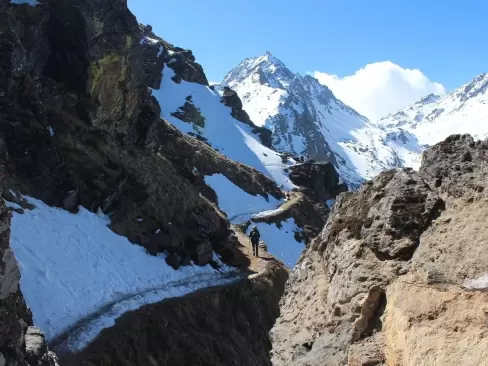
Langtang Valley Trek: Nepal's Hidden Himalayan Gem I'll be straight with you—when I first planned my Nepal trip, Langtang wasn't even on my radar. Everyone talks about Everest Base Camp or the Annapurna Circuit. But after spending over a week in the Langtang Valley, I realized I'd accidentally stumbled onto something special that doesn't get nearly enough attention.Langtang is originated from two words, ‘Lang’ means Yak and ‘Tang’ means to follow. The highest peak Langtang Lirung – 7,246m in the area dominates the narrow Langtang Valley which is situated on the lap of Langtang Himal, north of Kathmandu. The Langtang trek to the base of Langtang Himal offers the shortest approach to snow-white mountains from Kathmandu.Why Langtang Deserves Your Attention The Langtang Valley sits just north of Kathmandu, wedged between the main Himalayan range and a series of peaks that mark the Tibetan border. What makes it different from Nepal's more famous treks isn't just the scenery—though trust me, the views rival anything you'll see on the Manaslu Circuit or Annapurna Base Camp treks. It's the feeling of the place. You're walking through a valley that was nearly erased in 2015 when a massive earthquake triggered avalanches that buried entire villages. The communities here rebuilt everything from scratch. When you trek through Langtang, you're not just sightseeing—you're supporting people who refused to let disaster define them.Plus, it's genuinely less crowded. On other major treks, you're part of a parade. Here? You'll meet other trekkers, sure, but the trail never feels packed.Getting There: The Journey Begins in KathmanduYour adventure starts with a drive from Kathmandu to Syabrubesi, the main starting point for the trek. Fair warning—this isn't a smooth highway cruise. It's about seven to eight hours of winding mountain roads that'll test your stomach. The roads have improved over the years, but it's still Nepal, so expect the occasional pothole that could swallow a small car. That said, the drive itself offers a glimpse into rural Nepal that you won't get anywhere else. You'll pass through terraced hillsides where farmers work the same land their ancestors did centuries ago. Small villages cling to mountainsides. Rivers rush through valleys far below the road. It's chaotic and beautiful and slightly terrifying all at once.Most people take a local bus or arrange private transport through their hotel. Both work fine—the private jeep is faster and more comfortable, the local bus is cheaper and more, let's say, authentic.The Trail: What You're Actually Walking ThroughThe Langtang trail follows the Langtang Khola river, gradually climbing from around 1,500 meters at Syabrubesi up to nearly 4,000 meters at Kyanjin Gompa. The path winds through some of the most diverse terrain you'll encounter on any Himalayan trek.The Forest SectionThe first stretch takes you through dense rhododendron and oak forests. If you're trekking in spring (March to May), these forests explode with color—massive rhododendron trees bloom in shades of red, pink, and white. Even outside blooming season, there's something peaceful about walking through these ancient woods, with sunlight filtering through the canopy and the constant soundtrack of the river below. You'll cross suspension bridges that sway gently (or not so gently) over rushing water. Some people love these crossings, others white-knuckle their way across. Either reaction is valid.The forests are also home to wildlife, though you'll need patience and luck to spot much beyond langur monkeys and various bird species. The Langtang region is one of the few places in Nepal where red pandas still exist in the wild, but actually seeing one is rare. I didn't, though I kept my eyes peeled the entire time.Opening into the ValleyAs you gain altitude, the landscape shifts dramatically. The thick forests thin out, giving way to alpine meadows and juniper shrubs. This is where the views start getting serious. The valley walls rise steeply on both sides, with peaks that seem impossibly tall and close.You'll pass through several Tamang villages along the way. These settlements have existed for generations, and the people here have adapted to mountain life in ways that seem almost superhuman to someone huffing and puffing from sea level.Langtang Village: The Heart of the ValleyLangtang Village sits at about 3,430 meters and serves as the main hub for trekkers. This village has a heavy history—it was completely destroyed in the 2015 earthquake, buried under ice and rock. Over 300 people died, including trekkers and climbers. The new village was built on higher ground, with modern construction designed to withstand future earthquakes. Walking through here, you'll see memorials and prayer flags marking where the old village once stood. It's sobering, but also inspiring to see how the community came back.The lodge owners and locals here have stories that'll stick with you. Many lost family members but chose to return and rebuild. When I asked one lodge owner why she came back, she just shrugged and said, "This is home." That kind of resilience changes how you see the mountains around you.Kyanjin Gompa: The Main DestinationMost trekkers make Kyanjin Gompa their primary destination. At 3,870 meters, this small settlement feels like the edge of the world. There's an ancient Buddhist monastery here—Kyanjin Gompa—which gives the place its name. The monastery has prayer wheels, butter lamps, and that distinctive smell of incense and yak butter that you'll either love or tolerate. But the real draw is the setting. Kyanjin Gompa sits in a wide basin surrounded by snow-covered peaks. Langtang Lirung (7,227 meters) dominates the northern skyline—this massive pyramid of ice and rock that doesn't quite look real, especially at sunrise when it turns pink and gold. There's also a cheese factory here, which sounds random until you try the cheese. It's made from yak milk and tastes nothing like what you're used to, but after several days of dal bhat, it's a welcome change.The village itself is tiny—maybe a dozen buildings total. There's not much to "do" here in the conventional sense. You eat, you rest, you stare at mountains, you drink tea. That's kind of the point.Side Treks and ViewpointsIf you're acclimatized and feeling ambitious, Kyanjin Gompa serves as a base for several side trips.Tserko RiThe most popular option is climbing Tserko Ri, a viewpoint at 4,984 meters that offers 360-degree panoramas of the Langtang range. I won't sugarcoat it—this hike is brutal. You're gaining over 1,000 meters of elevation, and the thin air makes every step feel like you're wearing ankle weights.Most people start before dawn to catch sunrise from the summit. The early start means freezing temperatures and hiking by headlamp, but watching the first light hit the peaks from up there? Worth every miserable step. The entire Langtang range spreads out around you, and on clear days, you can see all the way to the Tibetan plateau.Langshisa KharkaIf you have extra time and want to venture deeper into the valley, Langshisa Kharka offers even closer views of the glaciers that give Langtang its nickname as the "Valley of Glaciers." It's a longer day hike from Kyanjin Gompa, but the landscape becomes even more dramatic and otherworldly.Kyanjin Ri For a shorter option with excellent views, Kyanjin Ri (4,773 meters) can be climbed in a few hours and offers a great vantage point for photography, especially during golden hour.The People and Culture The Langtang region is primarily inhabited by Tamang people, an ethnic group with Tibetan origins. Their culture, language, and Buddhist traditions are distinct from other parts of Nepal. You'll see this in the architecture—stone houses with intricately carved wooden windows, prayer flags strung between buildings, and mani walls (stone walls carved with Buddhist mantras) along the trail. The hospitality in these mountain communities is genuine. Staying in teahouses (basic lodges) means you're often sharing meals and stories with your hosts around a wood-burning stove. These aren't hotels—they're family homes that happen to accommodate trekkers. You'll learn about their lives, their challenges, and often share more than a few laughs despite language barriers. Most guides and lodge owners speak decent English, picked up through years of working with trekkers. But even when communication is limited, there's something about sharing tea and a fire that transcends language.When to Go: Seasons Matter The Langtang Valley Trek is doable year-round, but your experience will vary dramatically depending on when you go. Spring (March to May) is arguably the best time. The rhododendron forests are in full bloom, creating tunnels of color. The weather is generally stable with clear mornings and some afternoon clouds. Temperatures are comfortable for trekking, though nights at higher elevations get cold. Autumn (September to November) offers the clearest mountain views and most reliable weather. Post-monsoon air creates incredibly sharp visibility. This is peak trekking season, so you'll encounter more people, but the trails never feel truly crowded compared to Everest or Annapurna routes. Winter (December to February) brings fewer trekkers and pristine snow-covered landscapes. The downside? It's genuinely cold, especially at night at higher elevations. Some passes may be closed due to snow, and a few lodges shut down for the season. But if you're prepared for the cold and want solitude, winter has its appeal. Monsoon (June to August) is generally not recommended. Heavy rainfall makes trails muddy and slippery, leeches become an issue in the forests, and mountain views are often obscured by clouds. However, the valley is beautifully green during this time, and you'll have the trails almost entirely to yourself.Altitude: Take It Seriously Even though Langtang doesn't reach the extreme elevations of some other Himalayan treks, altitude is still something you need to respect. You'll be spending several days above 3,000 meters and potentially reaching nearly 5,000 meters if you climb Tserko Ri. Altitude sickness doesn't discriminate—fitness level doesn't matter. Some people cruise to 4,000 meters without issues, others struggle at 3,000 meters. The key is ascending slowly, staying hydrated, and listening to your body. Common symptoms like headaches and mild nausea are normal as you acclimatize. But if you experience severe symptoms—confusion, difficulty breathing at rest, or inability to walk straight—you need to descend immediately. I'm not trying to scare you, just being real about the risks. Most people find that taking rest days to acclimatize, drinking lots of water, and avoiding alcohol helps significantly. Some trekkers also use medication like Diamox to aid acclimatization, though that's something to discuss with your doctor before the trek.Do You Need a Guide? Technically, no—the Langtang trail is well-marked, and many people trek independently. But there are real advantages to hiring a guide. First, local guides know the trail intimately. They know which lodges have the best food, where to stop for tea, and how to pace your days for proper acclimatization. They also understand weather patterns and can adjust plans if conditions turn bad. Second, guides provide cultural context you'd miss otherwise. They'll explain the significance of monasteries, translate conversations with locals, and share stories about the region that turn the trek from a physical challenge into a genuine cultural experience. Third, having someone who recognizes altitude sickness symptoms can be literally lifesaving. When I struggled on Tserko Ri, my guide knew exactly when to push and when to let me rest. Finally, employing local guides directly benefits the communities you're trekking through. Tourism is vital to these mountain villages, and hiring guides and porters puts money directly into local pockets.What to Pack: The Essentials The Langtang Valley requires proper gear, but you don't need to buy out a specialty outdoor store. Layers are your best friend. Mountain weather changes fast. You might start the day in a t-shirt and finish in every jacket you brought. A good system includes a moisture-wicking base layer, an insulating mid-layer (fleece or down), and a waterproof outer shell. Footwear matters. You'll be walking for hours on rocky, sometimes muddy trails. Proper hiking boots with ankle support are worth the investment. Break them in before the trek—blisters at altitude are miserable. Sun protection is non-negotiable. UV rays are much stronger at high altitude. Sunglasses, sunscreen, and a hat aren't optional luxuries—they're necessities. I learned this the hard way with a sunburn on my neck that hurt for days. A good sleeping bag rated for cold temperatures is essential if you're trekking in shoulder seasons or winter. Even in peak season, nights at Kyanjin Gompa get chilly. Water purification—either tablets, drops, or a filter system. You'll need to refill from streams and taps along the way. Don't forget a headlamp, basic first aid supplies, and any personal medications. Phone charging is available at most lodges (usually for a small fee), but bring a power bank as backup.The Food Situation You'll primarily eat at teahouse lodges along the trail. The menu is surprisingly extensive—dal bhat (rice and lentil curry), fried rice, noodle soups, momos (dumplings), pasta, even the occasional pizza. Dal bhat becomes your staple. It's nutritious, filling, and usually comes with free refills. There's a reason trekkers say "dal bhat power, 24 hour!" It genuinely fuels you for these long days of hiking. The food gets progressively simpler as you gain altitude—ingredients need to be carried up by porters or yaks, so variety decreases. But honestly, after burning thousands of calories hiking, everything tastes better than it should. Coffee is almost always instant Nescafe. Tea, however, is excellent—black tea with milk and sugar, ginger tea, lemon tea. If you're picky about coffee, make peace with that now or bring instant packets you actually like.Internet and Connectivity Cell service and WiFi exist but are spotty. Lower villages usually have decent connectivity. Higher up, it becomes unreliable and expensive. Many lodges charge for WiFi access, and even then, it might only work for a few hours per day. Honestly? The digital disconnect is part of the appeal. You're in the Himalayas—embrace it. Download any maps or information you need before the trek and enjoy being unreachable for a week.Permits You'll Need You'll need two permits for the Langtang trek: a TIMS (Trekkers' Information Management System) card and a Langtang National Park entry permit. These can be obtained in Kathmandu or at checkpoints along the way. Your guide or trekking company typically handles this, but if you're going independently, you'll need to sort them yourself. The permits aren't just bureaucracy—they help track trekkers for safety and the fees support conservation efforts and local communities.Why Choose Langtang? Here's the honest truth: Everest Base Camp is iconic, and Annapurna Circuit is stunning. But both have become extremely popular, sometimes overwhelmingly so. Langtang offers comparable mountain scenery, rich cultural experiences, and challenging trekking without the crowds. You're still in the Himalayas, still surrounded by 7,000-meter peaks, still pushing your limits. But you're also supporting communities that genuinely need tourism dollars to continue rebuilding. You're walking through forests and valleys that feel wilder and less trampled. You're having conversations with locals rather than just nodding at the endless stream of other trekkers. The trek isn't easy—the altitude is real, the days are long, and you'll be sore. But standing in Kyanjin Gompa at sunrise, watching Langtang Lirung turn gold, or sitting around a fire sharing stories with your guide and lodge owners—these moments remind you why people trek in the first place. It's not about conquering peaks or ticking boxes. It's about the combination of physical challenge, natural beauty, and human connection that only happens when you slow down enough to actually experience a place.Final Thoughts The Langtang Valley Trek won't give you bragging rights at parties the way Everest Base Camp might. It's not the most famous or the most Instagrammed route in Nepal. But if you want a genuine Himalayan experience—one that challenges you physically, connects you with resilient communities, and offers stunning mountain landscapes without the circus atmosphere—Langtang delivers. Just remember to take your time with altitude, respect the local culture, and maybe pack some Dramamine for that bus ride. Trust me on that last one.📞 Ready to start your cultural Langtang Valley trekking trials ...📱 WhatsApp/ Telephone +9779849816310 (Trekking Department) 📧 Email: [email protected] to local culture, mountain serenity, and a true Nepalese Hospitality in Nepal. www.exploreholidaynepal.com#langtangtrekking #exploreholidaynepal #NepalTrekking #langtang #sybrubesiTop Blogs About Trekking in the Langtang Region:Uncover the best blogs about trekking in the Langtang region, featuring expert advice, detailed itineraries, personal experiences, and essential tips for adventurers looking to explore the Himalayas.Altitude Sickness on Nepal Treks: Symptoms, Treatment, and When to Descend (Complete Guide)Nepal Trekking Permits: Costs, Types, and How to Get ThemNepal Trekking: What’s the Best Time to Go?Budget Trekking in Nepal: Tips, Trails, and TricksExploring Nepal’s Wildlife and NatureTrekking Through Nepal: A Journey into the HimalayasTop 10 Mountain Peaks in NepalMonastery Life in Nepal: Finding Peace in the Heart of the Himalayas
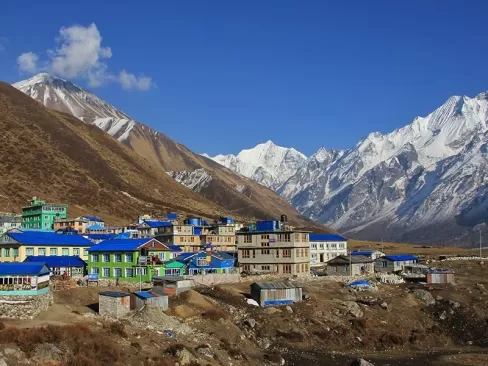
Tamang Heritage Trek: Everything You Actually Need to Know So you're looking at the Tamang Heritage Trek. Smart choice—though I'm probably biased because this trek completely won me over when I did it last year. Here's the thing: most people heading to Nepal have heard about Everest Base Camp or the Annapurna Circuit. Those are the big names. The Tamang Heritage Trek? Not so much. But that's actually part of what makes it special. You get authentic cultural experiences without fighting crowds for guesthouse beds, and the mountains are just as impressive (just don't tell the EBC crowd I said that). Let me break down what this trek actually involves, what it costs, what you'll see, and whether it's the right fit for you. What Exactly Is This Trek? The Tamang Heritage Trek takes you through traditional Tamang villages in the Langtang region, north of Kathmandu near the Tibet border. The Tamang people are one of Nepal's major ethnic groups with Tibetan roots—their language, culture, Buddhism, and architecture are all distinctly different from what you'll see in Kathmandu. The trek typically takes 7-10 days depending on your route and how much time you spend in each village. You'll be walking through places like Gatlang, Tatopani, Thuman, and Briddim—villages where tourism exists but hasn't completely taken over yet. People still farm their terraced fields, monks still conduct daily prayers in centuries-old monasteries, and kids still look genuinely curious when they see foreigners walking through. Maximum elevation is around 3,700m if you do the Lauribina La pass option (most people skip this). Otherwise you're staying between 2,000-2,500m, which means altitude sickness is way less of an issue compared to higher treks. The Honest Truth About Difficulty This trek is usually labeled "moderate" and that's pretty accurate. You don't need to be an athlete, but you can't be completely out of shape either. Daily walking time ranges from 4-7 hours. Some days are mostly uphill (Syabrubesi to Gatlang will test your legs), some days are mostly downhill (which sounds easier but actually destroys your knees), and some days are a mix. The trails are generally well-maintained—rocky in places, muddy after rain, but nothing that requires technical climbing skills. If you can comfortably hike 5-6 hours with a daypack at home, you can handle this trek. The elevation isn't high enough to cause serious problems for most people, though you might feel a bit breathless the first day or two. What actually makes it challenging? The cumulative effect. By day five, your legs are tired, you've probably got a blister or two, and the novelty of dal bhat twice a day has worn off. But that's true of basically every multi-day trek. Where You'll Actually Go Syabrubesi (1,460m) - Starting point. Nothing special, just a trekking town with guesthouses and supplies. You'll spend one night here after the drive from Kathmandu. Gatlang (2,238m) - First major village. Has an old monastery, a sacred cave, and genuine Tamang character. This is where you'll probably have your first homestay experience. The gompa (monastery) here is worth visiting—the monk who runs it is super welcoming. Tatopani (2,607m) - Famous for its hot springs, though "hot" is generous. They're more warm. Still feels amazing after hiking all day. The village is small, most people just come for the springs. Thuman (2,338m) - Smaller than Gatlang but has a really beautiful monastery with well-preserved murals. Less touristy, more authentic daily village life happening around you. Briddim (2,229m) - Probably the highlight for most trekkers. This village has the best-developed homestay program, incredible mountain views (Langtang Lirung dominates the skyline), and families who've been hosting trekkers long enough to make you feel genuinely welcome rather than like a transaction.Some itineraries also include Nagthali viewpoint (3,165m) for sunrise mountain views, and you can connect to the main Langtang Valley trek if you have extra time.Best Time to Go (Real Talk) Spring (March-May) - This is prime time. Weather's stable, rhododendrons are blooming (absolutely gorgeous), temperatures are comfortable. Also the most crowded, though "crowded" here means you'll share a guesthouse with five other trekkers instead of having it to yourself. Autumn (September-November) - Second best option. Clear skies, excellent mountain views, comfortable temperatures. October is peak season across all Nepal treks, so book ahead. Winter (December-February) - Doable but cold, especially at night. You'll need a serious sleeping bag. Fewer trekkers means better cultural interaction and cheaper prices. Some high passes might have snow. Monsoon (June-August) - Generally avoided, and for good reason. It rains a lot, trails get muddy and slippery, leeches appear in the forests, and mountain views are often cloud-covered. That said, the Langtang region is in a partial rain shadow, so it's not as bad as areas further south. If you don't mind rain and want serious solitude, it's possible. I went in October. Weather was perfect except for one rainy afternoon, and there were enough other trekkers that I met people to chat with but never felt crowded. The Cultural Experience Part This is where the Tamang Heritage Trek separates itself from other Nepal treks. You're not just passing through villages—you're staying in people's homes. Most nights you'll stay in homestays where families have converted upper floors into basic guest rooms. You'll eat meals with them (or at least in their kitchen), you'll see how they actually live, and if you make any effort at all to be friendly, they'll usually open up. I learned to make momos from a grandmother in Gatlang. Helped harvest potatoes in Briddim. Attended a prayer ceremony at the Thuman monastery where I had absolutely no idea what was happening but it was beautiful anyway. These weren't arranged "cultural programs"—they were just normal life that happened to include me because I was there. The Buddhism here is the Tibetan variety—you'll see prayer wheels, mani walls with carved mantras, colorful prayer flags everywhere, and gompas (monasteries) in most villages. The monks are generally happy to show you around if you're respectful (take off your shoes, don't touch things without asking, and for the love of god don't take photos during prayers unless you ask first). Traditional Tamang houses are built from stone with wood trim, designed to withstand earthquakes (important in Nepal). Most families keep animals on the ground floor—yaks, cows, goats—and live above. The body heat from the animals helps warm the house in winter. Clever. Food Situation Let's be real: you're eating dal bhat twice a day. That's lentil soup with rice, usually served with some vegetable curry, pickle, and sometimes a papad (crispy lentil cracker). It's actually good, filling, and you get unlimited refills. Other options in most villages: momos (dumplings), thukpa (noodle soup), fried rice, chow mein, tibetan bread with jam and honey for breakfast. The food is fresh because it has to be—no refrigeration, everything's made daily. Portions are huge because trekkers need calories. And it's cheap (300-600 rupees per meal depending on the village and what you order). Some villages now have yak cheese factories as a way to generate income. The cheese is... interesting. Kind of like aged cheddar but smokier? You can buy it to take with you. Makes good snacks on the trail. Bring water purification tablets. The water from taps isn't reliably safe to drink, and buying bottled water gets expensive and creates plastic waste. Most guesthouses can provide boiled water if you ask. What to Actually Pack Essentials: Good hiking boots (broken in before you go—I can't stress this enough)Sleeping bag rated to at least -5°C (guesthouses provide blankets but it gets cold)Layers: base layers, fleece, down jacket, rain jacketTrekking pants (not jeans—they're terrible if they get wet)Sun protection: hat, sunglasses, sunscreen (mountain sun is intense)First aid kit with blister treatment (you will get blisters)Headlamp (villages have electricity but it's not always reliable)Water bottles or hydration systemToilet paper (many bathrooms don't provide it) Nice to Have: Book or e-reader (evenings can be long)Cards or small games (good for meeting other trekkers)Hand sanitizerYour own soap/shampooEarplugs (guesthouse walls are thin)Power bank (charging can be limited or expensive in villages) Don't Bother: Fancy camera gear unless photography is your thing (phone cameras work fine)Lots of clothes (you'll wear the same stuff every day anyway)Hair dryer, straightener, etc. (there's not enough power)Guidebook (seriously, your guide or other trekkers will have all the info you need)Pack light. Even with a porter, less stuff means more comfort.Safety and Practical Concerns Is it safe? Yeah, very. Nepal is generally safe for trekkers, and the Tamang Heritage Trail is no exception. Standard precautions apply (don't trek alone at night, watch your footing on steep sections, etc). Cell phone service? Spotty. NTC (Nepal Telecom) has coverage in some villages but not everywhere. Don't count on reliable internet. Emergencies? Most villages have basic health posts. Serious emergencies require helicopter evacuation to Kathmandu. This is why travel insurance with helicopter evacuation coverage is mandatory. Altitude sickness? Unlikely at these elevations, but possible. Watch for headaches, nausea, dizziness. If symptoms are severe, descend immediately. Bathrooms? Mix of squat toilets and western-style. Toilet paper not always provided. Showers range from "not available" to "cold bucket" to "solar-heated if you're lucky."Women traveling solo? Generally safe. Nepali culture is conservative, so dress modestly (cover shoulders and knees). Homestays mean you're staying with families, which adds security.What Makes This Trek Different If you've read this far, you're probably wondering: should I do this trek or one of the more famous ones? The Tamang Heritage Trek won't give you the bragging rights of Everest Base Camp. You won't see as many towering 8,000m peaks as the Annapurna Circuit. The trails aren't as developed, the guesthouses aren't as nice, and your Instagram photos probably won't get as many likes. What you will get is genuine cultural immersion. Time in villages where tourism supplements traditional life but hasn't replaced it. Conversations with people whose lifestyle is radically different from yours. Monasteries where monks are actually praying, not just posing for photos. Meals shared with families in their kitchens. Mountain views that feel more intimate because you're not sharing them with 50 other people. You'll also be directly supporting communities that were devastated by the 2015 earthquake and have rebuilt with tourism as part of their recovery strategy. Your money goes straight to families, not international hotel chains. This trek works well if you have 10-14 days total in Nepal (including Kathmandu time), want something less strenuous than the big altitude treks, value culture as much as scenery, and prefer fewer crowds. It's not the right choice if you want luxury teahouses, guaranteed hot showers, extensive menu options, strong wifi, or the ability to say you've done one of the "classic" Nepal treks. For me? I'd take the Tamang Heritage Trek over EBC any day. But I'm the kind of traveler who'd rather share tea with a family than take photos at a famous landmark. You have to know what you want. Real Expectations vs. Instagram Reality Let me be straight with you about a few things: The hot springs at Tatopani are not luxurious spa pools. They're concrete tanks filled with warm water, often shared with a dozen other people. Homestays are not boutique hotels. You're sleeping on thin mattresses with shared bathrooms and no heating. It's basic. Mountain views are weather-dependent. Clouds happen. You might not get those perfect sunrise shots of Langtang Lirung. Cultural experiences can feel awkward. There's a language barrier, you might not understand what's happening, and sometimes you'll feel like you're intruding on people's lives (even though they've invited you). The food is repetitive. Dal bhat is good, but it's still dal bhat for the tenth time. But here's the thing—all of that is part of what makes it real. This isn't a sanitized tourism experience designed for comfort. It's actual villages where actual people live, and they're sharing their space with you. That comes with rough edges, and those rough edges are what make it memorable. If you can embrace the discomfort, laugh at the awkward moments, appreciate the simplicity, and stay curious about the cultural differences, you'll have an amazing time. If you need everything to be comfortable and predictable and Instagram-perfect, maybe look at other options. Final Thoughts The Tamang Heritage Trek isn't trying to compete with Everest or Annapurna. It's doing its own thing—combining moderate mountain trekking with deep cultural immersion in a region that's still finding its footing after the earthquake. It's the right trek for people who care as much about the journey and the people as they do about the destination and the views. For travelers who value authenticity over comfort, conversation over luxury, and experience over achievement. The mountains are beautiful, the culture is fascinating, the people are welcoming, and the whole thing will cost you less than most treks in Nepal. Just bring good boots, an open mind, and realistic expectations. The rest will take care of itself.Top Blogs About Trekking in the Langtang Region:Uncover the best blogs about trekking in the Langtang region, featuring expert advice, detailed itineraries, personal experiences, and essential tips for adventurers looking to explore the Himalayas.Altitude Sickness on Nepal Treks: Symptoms, Treatment, and When to Descend (Complete Guide)Nepal Trekking Permits: Costs, Types, and How to Get ThemNepal Trekking: What’s the Best Time to Go?Budget Trekking in Nepal: Tips, Trails, and TricksExploring Nepal’s Wildlife and NatureTrekking Through Nepal: A Journey into the HimalayasTop 10 Mountain Peaks in NepalMonastery Life in Nepal: Finding Peace in the Heart of the Himalayas
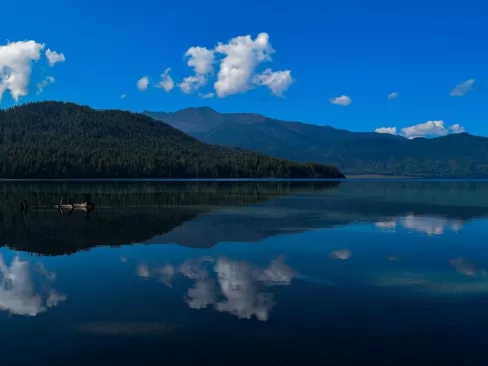
Rara Lake Tour: Discover Nepal's Hidden Himalayan Gem Deep in Nepal's remote northwestern corner lies a secret that few travelers discover—Rara Lake, the country's largest and most pristine alpine lake. This isn't your typical tourist destination with crowded trails and souvenir shops. Instead, Rara Lake offers something increasingly rare in our connected world: genuine wilderness, profound silence, and landscapes so stunning they feel almost otherworldly. The Rara Lake tour takes you far from the well-trodden paths of the Annapurna Base Camp Trek or Everest Base Camp Trek. This journey ventures into Nepal's wild west, where traditional villages remain largely unchanged by time, where the night sky blazes with more stars than you knew existed, and where the turquoise waters of Nepal's largest lake mirror snow-capped peaks in perfect stillness. Why Rara Lake Deserves Your Attention While thousands of trekkers flock to Nepal's famous mountain trails each year, Rara Lake remains beautifully overlooked. This remoteness is precisely what makes it special. The journey here requires commitment—multiple flights, days of trekking through varied terrain, and a willingness to embrace basic amenities. But those who make the effort discover rewards that popular destinations simply cannot offer. Rara Lake sits at 2,990 meters (9,810 feet) within Rara National Park, Nepal's smallest national park but one of its most ecologically diverse. The lake stretches over 10.8 square kilometers, its waters so clear you can see depths of 167 meters. Surrounding the lake, coniferous forests of pine, spruce, and juniper climb hillsides, while alpine meadows burst with wildflowers during spring and summer months. Unlike the heavily visited trekking routes, Rara sees perhaps a few hundred visitors annually. This means you'll often have entire trails to yourself, sharing the landscape only with local herders, grazing yaks, and the occasional red panda moving through the forest shadows. The experience feels less like tourism and more like exploration—discovering a place that remains largely as nature intended. For those seeking to combine this remote adventure with other Nepal experiences, consider the Kathmandu Pokhara Tour before or after your Rara Lake journey, allowing you to appreciate Nepal's diverse landscapes from bustling valleys to isolated mountain lakes. The Journey to Rara: An Adventure Before the Destination Reaching Rara Lake forms part of the adventure itself. The journey typically begins in Kathmandu, where you'll spend time exploring the capital's rich cultural heritage through sites like Pashupatinath Temple and Swayambhunath Stupa. The Kathmandu Tour provides an excellent introduction to Nepal's spiritual and architectural wonders before heading into wilderness. From Kathmandu, a flight to Nepalgunj in the Terai plains marks your first step toward Rara. Nepalgunj sits near the Indian border, where the climate shifts dramatically—suddenly you're in tropical warmth rather than mountain coolness. This overnight stop allows you to adjust and prepare for the mountain journey ahead. The next morning brings the scenic flight to Talcha Airport, one of the world's most dramatic landing strips. As your small plane climbs from Nepalgunj, the Terai's flatness gives way to foothills, then to increasingly rugged mountains. The flight follows river valleys carved between steep ridges, offering aerial views of terraced fields, scattered villages, and vast forests. Landing at Talcha, situated at 2,735 meters, you've entered a different Nepal—cooler, quieter, and remarkably remote. From Talcha, the trek to Rara Lake begins. The trail winds through pine forests where the air smells of resin and earth. You'll cross crystal-clear streams, pass through small settlements where children wave shyly from doorways, and gradually climb toward the lake. The path isn't technically difficult—no extreme altitude or dangerous passes—but it requires reasonable fitness and several hours of steady walking. Most itineraries include a visit to Murma Top (3,780 meters), the highest point on the tour. The climb to Murma rewards you with panoramic views that extend from Rara Lake below to distant peaks along the Tibetan border. Standing at this viewpoint, especially during sunrise or sunset when the light paints the mountains in shades of gold and pink, ranks among Nepal's most memorable experiences. Rara Lake: Where Nature Performs Daily Miracles Your first glimpse of Rara Lake will likely stop you in your tracks. The lake appears suddenly as you crest a ridge, spreading before you in shades of turquoise and sapphire that seem too vivid to be real. The water's color shifts throughout the day with changing light—deep blue in morning shadows, brilliant turquoise under midday sun, and burnished copper during sunset. At 5 kilometers long and up to 3 kilometers wide, Rara Lake dominates the landscape. The lake has no visible outlets yet maintains remarkably clear water through underground seepage and evaporation. This pristine quality means you can see to surprising depths, watching fish glide through the crystalline water like shadows beneath glass. The lake sits cradled by mountains on all sides. To the north, the Chhuchhamara Peak rises to 4,087 meters, its slopes forested with blue pine and Himalayan spruce. To the south, gentler hills roll away toward distant valleys. The entire scene reflects perfectly in the lake's still surface on calm days, creating a mirror effect so perfect that distinguishing water from sky becomes challenging. Walking the shoreline trail becomes a meditation in movement. The path circles most of the lake, passing through forests where birds call from hidden perches and small mammals rustle through undergrowth. You might spot Himalayan tahr on distant slopes or watch golden eagles soaring on thermal currents above the water. The trail also passes the Thakur Baba Temple on the lake's southern shore, a simple shrine that draws local pilgrims seeking blessings. Boat rides on Rara Lake offer a different perspective. Traditional wooden boats paddle quietly across the water, their passage leaving only gentle ripples that quickly smooth away. From the lake's center, the surrounding mountains seem even more imposing, rising from the shoreline like natural amphitheater walls. The silence here feels profound—often the only sounds are water lapping against the boat and wind sighing through distant trees. For photographers, Rara Lake presents endless opportunities. Dawn and dusk provide the most dramatic light, when low-angle sun illuminates the mountains while leaving the lake in partial shadow, creating depth and dimension. Spring months (March to May) add wildflowers to the meadows surrounding the lake, while autumn (September to November) brings crystal-clear skies and fall colors to the forest. Many visitors to Rara Lake also explore other remote regions of Nepal. The Dolpo Rara Traverse Trek combines Rara with the even more isolated Dolpo region, creating an extended journey through Nepal's wild northwest. Rara National Park: A Wilderness Sanctuary Rara Lake forms the centerpiece of Rara National Park, established in 1976 as Nepal's smallest but one of its most biodiverse protected areas. The park encompasses 106 square kilometers of varied habitat, from subtropical forests in lower valleys to alpine meadows above treeline. This diversity supports an impressive array of wildlife, though sighting many species requires patience and luck given the park's dense forest cover. The park's most famous (and elusive) resident is the red panda. These endangered mammals inhabit the park's temperate forests, feeding primarily on bamboo and sleeping in tree hollows. Red pandas are notoriously difficult to spot due to their nocturnal habits and excellent camouflage, but patient observers sometimes glimpse them during early morning or late evening hours. Larger mammals include the Himalayan black bear, leopard, and musk deer. The park also harbors smaller carnivores like the yellow-throated marten and Himalayan palm civet. Herbivores such as Himalayan tahr, goral (a goat-antelope), and barking deer graze the high meadows, particularly around dawn and dusk. For birdwatchers, Rara National Park offers exceptional opportunities. The park hosts over 200 bird species, including several found nowhere else in Nepal. The Himalayan monal (Nepal's national bird) displays its iridescent plumage in the park's upper elevations. Other notable species include the blood pheasant, impeyan pheasant, and various species of eagles, falcons, and vultures riding thermal currents above the ridges. The park's forests themselves deserve attention. Ancient conifers—some hundreds of years old—tower above the trails, their bark thick and deeply furrowed. Rhododendrons bloom spectacular red and pink in spring, attracting butterflies and birds. The understory features various medicinal plants that local communities have used traditionally for generations. Walking through Rara National Park, you'll notice the absence of the commercial development that characterizes more popular trekking regions. No teahouses line the trails every hour, no souvenir shops sell mass-produced handicrafts. This undeveloped character forms part of the park's appeal—it remains genuinely wild, a place where nature rather than tourism infrastructure shapes your experience. Those interested in Nepal's other remote wilderness areas might also consider the Upper Dolpo Trek or Lower Dolpo Trek, both offering similar isolation and spectacular mountain scenery. Cultural Encounters in Remote Villages The Rara region's human inhabitants add another dimension to the journey. Small settlements dot the area, home to people who have lived in these mountains for generations. The dominant ethnic groups include the Thakuri (high-caste Hindus) and various Tibetan-origin communities whose ancestors migrated south across the Himalayan passes centuries ago. Village life here follows rhythms set by season and altitude. During summer months, families move livestock to high pastures, returning to lower elevations before winter snows make trails impassable. Agriculture focuses on hardy crops—potatoes, barley, buckwheat—that tolerate short growing seasons and cool temperatures. Many families also gather forest products like medicinal herbs, resin, and wild mushrooms, supplementing subsistence farming with small cash incomes. Interacting with local people provides insights into how humans adapt to challenging mountain environments. Homes are built for warmth, with thick stone walls, small windows, and low doorways that minimize heat loss. Kitchens center around wood-burning stoves that provide both cooking heat and home heating. Extended families often share compounds, with multiple generations living in proximity and sharing labor. Local hospitality, while sometimes shy initially, often reveals genuine warmth. Village elders might share stories of the region's past, when trade routes connected these valleys to Tibet and when the lake was considered sacred, its waters believed to have healing properties. Children, curious about outsiders, might practice their limited English or simply giggle at your attempts to communicate in Nepali. The region's isolation has preserved traditional practices that have disappeared elsewhere in Nepal. You might witness traditional farming methods unchanged for centuries, observe local festivals celebrating seasonal transitions, or learn about indigenous conservation practices that have protected the area's forests and wildlife long before national park designation. Visiting local villages also highlights challenges facing remote Himalayan communities. Young people increasingly migrate to cities seeking education and employment, leaving aging populations to maintain traditional livelihoods. Access to healthcare and education remains limited. Climate change impacts become visible in shifting weather patterns and changes to traditional agricultural calendars. Responsible tourism to areas like Rara can provide economic benefits that encourage families to remain in ancestral villages while supporting conservation efforts. Choosing tours that employ local guides, purchasing handicrafts directly from artisans, and respecting local customs all contribute positively to these communities. For travelers interested in experiencing more of Nepal's diverse cultures, the Tamang Heritage Trek offers deep immersion in Tamang culture, while the Tsum Valley Trek explores another remote region with unique Buddhist traditions. Best Time to Visit Rara Lake Timing your Rara Lake tour significantly impacts your experience. Nepal's seasons each bring distinct advantages and challenges to this remote region. Autumn Season (September to November) Most travelers consider autumn the ideal time for Rara Lake. After monsoon rains cease in late September, the skies clear to reveal stunning mountain views. The air feels crisp and fresh, temperatures remain comfortable for trekking (cool but not cold), and the forests display fall colors—gold and rust leaves contrasting with evergreen conifers. Wildlife becomes more active and visible as animals prepare for winter. The main drawback is that autumn attracts the most visitors, though "crowded" at Rara means perhaps a dozen other tourists rather than hundreds. Autumn festivals also occur during this season, potentially offering chances to witness local celebrations. The October festival of Dashain and November's Tihar bring villages to life with traditional ceremonies, music, and dancing. Spring Season (March to May) Spring rivals autumn for ideal conditions. As winter snows melt, wildflowers carpet the meadows surrounding Rara Lake in brilliant colors. Rhododendron forests bloom spectacular shades of red and pink. Birds return from lower elevations, making this the best season for birdwatching. Temperatures gradually warm through the season, with March remaining cool while May can feel quite warm during midday hours. Spring does bring more variable weather than autumn, with occasional afternoon storms possible. However, mornings typically remain clear, offering excellent mountain views before clouds build later in the day. Winter Season (December to February) Winter brings profound peace to Rara Lake but also significant challenges. Heavy snowfall can close the Talcha Airport for days or weeks, potentially stranding travelers or preventing arrival. Temperatures plummet, especially at night when thermometers regularly drop well below freezing. The lake sometimes freezes partially or completely, creating striking ice formations but limiting boating opportunities. However, winter also offers unique rewards for hardy travelers. The silence becomes almost absolute, wildlife viewing can be excellent (animals move to lower, more accessible elevations), and you'll have the entire region essentially to yourself. The frozen lake creates an otherworldly landscape, particularly when morning light illuminates ice crystals in shades of blue and silver. Winter trekking at Rara requires proper equipment—four-season sleeping bags, insulated clothing, and footwear adequate for snow and ice. It's also essential to have flexible schedules, as flight delays are common. Summer/Monsoon Season (June to August) Summer brings monsoon rains to most of Nepal, but Rara's location in the rain shadow of major mountain ranges means it receives less precipitation than areas further south. However, clouds often obscure mountain views, trails can become muddy and slippery, and leeches appear in forests at lower elevations. The advantages of summer visits include lush greenery, wildflowers, and very few other tourists. Temperatures remain comfortable, and when clouds part, the views can be spectacular. Local villagers are often more available for interaction, as this season doesn't demand the intense agricultural work of spring and autumn. Summer visitors should bring good rain gear, be prepared for wet conditions, and maintain flexible schedules in case heavy rains delay flights. Those planning to visit other parts of Nepal during their trip might also consider the Ghorepani Poon Hill Trek which offers spectacular mountain views and works well in similar seasons. What to Pack for Your Rara Lake Adventure Packing appropriately for Rara Lake requires balancing multiple considerations—comfort, weight, weather variability, and the reality that you're visiting a remote area far from shops or gear rental facilities. Essential Clothing Layering proves crucial for Rara Lake. Temperatures vary dramatically between morning and midday, between sun and shade, and between seasons. Bring moisture-wicking base layers (wool or synthetic, never cotton), insulating mid-layers (fleece or lightweight down), and a waterproof outer shell. Even in summer, nights can be cool, so pack a warm jacket. For lower body, quick-drying trekking pants work well, supplemented by thermal underwear for cold evenings. Bring a warm hat, sun hat, and gloves. Good-quality trekking socks prevent blisters—wool blends outperform synthetics for multi-day wear. Sturdy, broken-in hiking boots provide essential ankle support and traction on varied terrain. Technical and Practical Items A comfortable backpack (30-40 liters for day hikes if porters carry main luggage, 50-60 liters if self-carrying everything) forms your mobile base. Water bottles or hydration systems keep you properly hydrated—water is generally safe to drink at Rara but treatment tablets or filters provide extra security. Trekking poles reduce strain on knees during descents and provide stability on uneven ground. A headlamp with extra batteries proves essential, as electricity in remote lodges is limited or non-existent. Sunglasses and sunscreen (SPF 50+) protect against intense high-altitude UV radiation. Basic first aid supplies should include blister treatment, pain relievers, any personal medications, and altitude sickness medication if you're prone to issues. A warm sleeping bag liner adds comfort and warmth to lodge-provided bedding. Photography and Documentation Rara Lake offers spectacular photography opportunities, so bring appropriate camera equipment. A wide-angle lens captures the lake's expanse, while a telephoto lens enables wildlife photography. Extra batteries and memory cards are essential—cold temperatures drain batteries quickly, and you'll likely take more photos than anticipated. A tripod allows for long exposures of nighttime stars reflected in the lake's mirror surface. Don't forget a journal or notebook. The days at Rara Lake often move slowly, providing time for reflection and observation that deserves recording. What to Leave Behind Avoid bringing unnecessary items that add weight—books (a single paperback suffices), excessive clothing changes, or elaborate camping equipment if using lodge accommodation. Remember that porters or pack animals carry your main luggage, but you'll want to keep a day pack light for hikes around the lake. For comparison with other Nepal trekking destinations, the Manaslu Circuit Trek requires similar gear but reaches higher elevations, while the Langtang Valley Trek operates at similar altitudes to Rara. Accommodation and Food at Rara Lake Facilities at Rara Lake remain decidedly basic compared to popular trekking regions, reflecting the area's remoteness and limited visitor numbers. Managing expectations about comfort helps ensure satisfaction with what is available. Accommodation Options Lodges near Rara Lake provide simple rooms with twin beds, basic mattresses, and blankets. Rooms typically lack heat beyond what's provided by the dining room stove, so warm sleeping bags are essential. Shared bathroom facilities may be squat toilets with no running water—instead, buckets of water serve for washing. Hot showers are generally unavailable, though lodges might provide hot water for washing in basins. The tradeoff for basic facilities is authentic atmosphere. Lodge dining rooms become social centers where travelers, guides, and lodge owners gather around wood stoves, sharing stories and warming hands on cups of hot tea. The lack of electricity (or its limitation to a few hours nightly from small solar panels) means evenings revolve around conversation, journals, or early sleep under stars visible through windows. Some lodges near the lake's southern shore offer slightly better facilities, but comfort levels remain modest throughout the region. This simplicity forms part of Rara's appeal—you're genuinely in wilderness, not a sanitized tourist experience. Food and Meals Meals at Rara Lake emphasize Nepali staples: dal bhat (lentil soup with rice), momos (dumplings), chow mein (fried noodles), and various vegetable curries. Dal bhat typically includes unlimited refills of rice and lentils, making it economical and nutritionally complete. Most lodges can prepare simple Western dishes like porridge, pancakes, and pasta, though ingredients and preparation quality vary. Food safety is generally good, as lodges have experience catering to international visitors. However, the remoteness means fresh vegetables and fruits arrive infrequently, so menus emphasize dried and preserved foods. Eggs and potatoes, both locally produced, feature prominently. Beverages include tea (black, milk, or herbal), instant coffee, hot chocolate, and sometimes local rakshi (rice alcohol). Bottled water is available but expensive and environmentally problematic—bringing purification tablets or filters is preferable. Meal times tend toward early schedules—breakfast around 7 AM, lunch around noon, and dinner by 6 PM. This reflects both local customs and practical considerations like limited evening light. The dining experience at Rara differs markedly from established trekking routes where teahouses operate with near-hotel efficiency. Here, meals may take longer to prepare, menus are more limited, and variety diminishes over multiple days. Accepting these limitations with good humor and patience enhances the experience. For travelers combining Rara Lake with other Nepal destinations, the Kathmandu Pokhara Chitwan Tour offers more comfortable accommodation before or after your wilderness adventure. Physical Fitness and Difficulty Level The Rara Lake tour requires moderate physical fitness but doesn't demand technical skills or extreme endurance. Understanding what's involved helps you prepare appropriately and set realistic expectations. Trekking Requirements The trek from Talcha to Rara Lake involves approximately 5-6 hours of walking over varied terrain—forest paths, rocky sections, and some steep ascents and descents. The trail gains roughly 300 meters elevation from Talcha (2,735m) to the lake (2,990m), spread over several hours rather than a single punishing climb. Most people in reasonable health can manage this trek, though altitude can affect individuals differently regardless of fitness level. The elevation at Rara Lake is significant enough that some visitors experience mild altitude symptoms—headaches, shortness of breath, or fatigue. These typically resolve with rest and proper hydration. The side trip to Murma Top (3,780m) requires more effort—approximately 4-5 hours of steady climbing gaining nearly 800 meters elevation. This optional excursion demands stronger fitness and better altitude acclimatization but rewards effort with spectacular panoramic views. Altitude Considerations While Rara Lake sits below the altitude where serious altitude sickness commonly occurs, the rapid gain in elevation from Nepalgunj (150m) to Talcha (2,735m) via flight means your body has little time to acclimatize. Spending your first night at Talcha before trekking to Rara Lake helps, as does staying properly hydrated and avoiding alcohol during the initial days. Signs of altitude issues include persistent headache, nausea, extreme fatigue, or difficulty sleeping. Most symptoms improve with rest at the same elevation or, if severe, descent to lower altitude. Rara Lake's relatively moderate elevation means serious altitude illness is rare, but awareness and appropriate responses are important. Preparation Recommendations Preparing for Rara Lake doesn't require extreme training regimens. Regular cardio exercise (hiking, running, cycling) for 2-3 months before your trip builds adequate fitness. Practice with a loaded backpack helps condition shoulders and legs to carry weight over varied terrain. If possible, train on hills or stairs to prepare leg muscles for sustained ascents and descents. Core strengthening exercises improve balance and reduce fatigue. Most importantly, break in your trekking boots thoroughly—blisters can ruin otherwise excellent trips. For travelers unsure about their fitness for Rara Lake, starting with an easier trek like the Pikey Peak Trek or Mardi Himal Trek provides good preparation while exploring other beautiful regions of Nepal. Environmental Conservation and Responsible Travel Rara Lake's pristine condition reflects both its remoteness and relatively recent tourism development. Keeping it unspoiled requires conscious effort from all visitors. Leave No Trace Principles Follow Leave No Trace ethics rigorously. Pack out all trash, including toilet paper and hygiene products. Don't leave food scraps or orange peels—even biodegradable waste takes much longer to decompose at high altitudes and can attract wildlife to human areas. Stay on established trails to prevent erosion and vegetation damage. Don't pick flowers or disturb wildlife. Keep noise levels low—the area's profound quiet forms part of its character, and excessive noise disturbs both wildlife and other visitors. Water and Sanitation Use established bathroom facilities even when inconvenient. If facilities aren't available and nature calls, move at least 50 meters from water sources and bury waste properly. Bring toilet paper from Kathmandu as local shops may not stock it, and pack it out rather than burning or burying it (which takes years to decompose). Use biodegradable soap if washing in lakes or streams, and do so at least 50 meters from water edges. Better yet, use water jugs at lodges rather than washing directly in natural water sources. Cultural Respect Respect local customs and traditions. Ask permission before photographing people or religious sites. Dress modestly, particularly when visiting villages or temples—cover shoulders and knees. Learn a few Nepali phrases—locals appreciate efforts to communicate in their language even if your pronunciation is comical. Purchase handicrafts and services directly from local artisans and guides rather than through middlemen when possible. This ensures more money reaches the people who actually created the goods or provided the services. Supporting Conservation Rara National Park entrance fees support conservation efforts, but additional contributions help. Consider supporting organizations working on wildlife conservation or community development in the Rara region. Your choice of tour operator matters too—companies committed to responsible tourism employ local guides, support community projects, and follow environmentally sustainable practices. The long-term preservation of places like Rara Lake depends on visitors who appreciate their value enough to protect them. By following these principles, you help ensure that future travelers can experience the same unspoiled beauty that you enjoy. Other remote regions of Nepal face similar conservation challenges. The Kanchenjunga Base Camp Trek and Makalu Base Camp Trek both require similar environmental consciousness from visitors. Why Choose Explore Holiday Nepal for Your Rara Lake Tour Organizing a trip to Rara Lake requires expertise in navigating Nepal's remote regions, arranging multiple flight connections, coordinating with local communities, and ensuring safety in areas far from medical facilities or rapid evacuation options. Explore Holiday Nepal brings years of experience making these challenging logistics seamless for travelers. Our local knowledge extends beyond simple trip planning. Our guides understand the region's ecology and can help you spot wildlife, identify plants, and interpret landscapes. They know the best times and locations for photography, the most interesting cultural sites, and how to interact respectfully with local communities. Many of our guides come from the Rara region itself, providing authentic insights you won't find in guidebooks. Safety remains our paramount concern. We monitor weather conditions carefully, maintain contingency plans for flight delays or cancellations, and ensure our guides carry comprehensive first aid equipment and altitude illness medications. Our staff-to-client ratios exceed industry standards, ensuring personalized attention throughout your journey. We're also committed to responsible tourism that benefits local communities. We employ local guides, porters, and lodge owners, ensuring your tourism dollars support the regional economy. We work with lodges that meet our standards for cleanliness and hospitality while respecting environmental sustainability. We contribute to community development projects and conservation initiatives in the Rara region. Our itineraries balance structured activities with flexibility. While we plan each day's activities and accommodations, we adapt to circumstances—weather changes, your energy levels, or unexpected opportunities to witness cultural events or wildlife. This flexibility, combined with our extensive experience, creates trips that exceed expectations. Before your trip, we provide comprehensive pre-departure information covering everything from required gear to visa procedures to cultural expectations. During your journey, our support continues—from meeting you at Kathmandu airport to seeing you off when you depart. After you return home, we remain available for questions and to help you share your experiences or plan return visits. Many of our clients combine Rara Lake with other Nepal adventures. We can arrange comprehensive itineraries that include the Everest View Trek, Gokyo Valley Trek, or cultural tours like the Kathmandu Nagarkot Tour, creating journeys that showcase Nepal's full diversity. Conclusion: Your Rara Lake Adventure Awaits Rara Lake represents something increasingly precious in our interconnected world—a place where nature remains largely unchanged by human activity, where silence feels complete, and where beauty manifests in its purest forms. This isn't a destination for those seeking luxury or constant stimulation. It's for travelers who value authenticity over comfort, who find joy in simplicity, and who want to experience landscapes that exist largely as they have for millennia. The journey to Rara Lake challenges you—with early morning flights, days of trekking, basic accommodations, and distance from familiar comforts. But these challenges create rewards that easy travels cannot provide. You'll return home with memories of a lake so pristine it reflects mountains with mirror perfection, of forests where red pandas live unseen in tree hollows, of villages where traditional life continues much as it has for generations, and of night skies so ablaze with stars that constellations seem close enough to touch. More than photographs or stories, you'll carry a sense of having touched genuine wilderness, of having existed for days in landscapes largely untouched by modernity. In an era when true wilderness becomes increasingly rare, experiencing a place like Rara Lake feels like a gift—one that you'll want to protect for future generations. Let Explore Holiday Nepal guide your journey to this hidden gem. Our expertise, local knowledge, and commitment to responsible tourism ensure that your Rara Lake adventure exceeds expectations while contributing positively to the region and its people. Contact us today to begin planning your escape to Nepal's most beautiful and serene alpine lake. Your Rara Lake adventure awaits—a journey to a place where nature still writes the rules and beauty manifests in its most powerful, unspoiled forms.

Drive-In, Fly-Out Tibet Tour with Everest Base Camp: The Ultimate Overland Adventure Imagine driving through the world's highest plateau, where ancient monasteries cling to mountainsides, prayer flags dance in the thin air, and the mighty Himalayas dominate every horizon. The Drive-In, Fly-Out Tibet Tour with Everest Base Camp offers exactly this—an extraordinary overland journey that takes you deep into the heart of Tibet before bringing you face-to-face with Mount Everest, the world's highest peak. This carefully designed adventure combines the romance of road travel with the convenience of a scenic mountain flight, creating an experience that appeals to cultural enthusiasts, adventure seekers, and photography lovers alike. Unlike the fly-in approach, driving into Tibet allows you to witness the gradual transformation of landscapes, stop at hidden gems along the way, and truly absorb the vastness of the Tibetan plateau. You'll experience acclimatization naturally as you ascend through valleys and over mountain passes, interact with local communities in ways that rushed itineraries don't allow, and develop a deeper connection with this mystical land. The return flight to Kathmandu then offers a spectacular aerial perspective of the same mountains you've been traveling through, providing a perfect bookend to your journey. Why the Drive-In, Fly-Out Route Is Special The drive-in, fly-out format represents the ideal balance between immersive travel and practical efficiency. By entering Tibet overland from Nepal, you'll experience one of the world's most dramatic road journeys—the Friendship Highway that connects Kathmandu with Lhasa. This historic route has facilitated trade, pilgrimage, and cultural exchange for centuries, and traveling it allows you to follow in the footsteps of countless merchants, monks, and adventurers who have made this epic crossing. Starting your journey by road means you'll climb gradually from Kathmandu's 1,400 meters to the heights of the Tibetan plateau over several days. This gradual ascent is medically superior for acclimatization compared to flying directly to Lhasa's 3,650-meter elevation. Your body adjusts to decreasing oxygen levels naturally, reducing the risk of altitude sickness—a crucial consideration when you'll eventually reach Everest Base Camp at over 5,000 meters. The overland approach also provides flexibility that flights cannot match. Your journey can pause at viewpoints where the Himalayas spread across the horizon in breathtaking panoramas, stop at roadside villages where daily life unfolds unchanged for generations, and visit lesser-known monasteries and cultural sites that aren't on typical tourist routes. These unplanned moments often become the most memorable—sharing butter tea with a nomad family, watching yaks graze against a backdrop of snow-covered peaks, or stumbling upon a local festival in a remote village. Similar to how trekkers appreciate the journey as much as the destination on routes like the Everest Base Camp Trek or Annapurna Circuit Trek, the drive through Tibet offers rewards at every turn of the road. The fly-out option then saves valuable time and energy for the return journey while treating you to one of the world's most spectacular mountain flights, soaring over the peaks you've been admiring from ground level. The Friendship Highway: One of the World's Most Spectacular Roads From Kathmandu to the Tibetan Border Your adventure begins in Kathmandu, where the organized chaos of Nepal's capital provides a vibrant introduction to Himalayan culture. The drive north from Kathmandu follows the Arniko Highway, a winding mountain road that climbs out of the Kathmandu Valley through terraced hillsides and traditional Newari villages. The landscape here is lush and green, with subtropical vegetation and rice paddies creating a patchwork across the hillsides. As you ascend, the road follows the Bhote Koshi River, which has carved a dramatic gorge through the mountains. The river, fed by glaciers high in the Himalayas, rushes turbulently below as the road winds along cliffsides offering increasingly spectacular views. Small settlements cling to seemingly impossible slopes, and suspension bridges span the gorge at dizzying heights. The journey to the Tibet-Nepal border crossing at Gyirong (Kerung) takes you through diverse ecological zones. You'll pass through rhododendron forests that explode with color during spring, climb through alpine meadows where shepherds tend their flocks, and eventually reach the high-altitude border area where vegetation becomes sparse and the landscape takes on the stark beauty characteristic of the Trans-Himalayan zone. The border crossing itself is an experience—completing immigration formalities, exchanging currencies, and stepping from one country into another in this remote mountain setting. Once in Tibet, the landscape changes dramatically. The greener, more humid Nepali side gives way to the arid, windswept character of the Tibetan plateau, where vast expanses of grassland stretch toward distant snow-covered peaks. Crossing the Tibetan Plateau From the border, the journey continues across some of the most remote and spectacular landscapes on Earth. The Tibetan plateau, often called "the roof of the world," sits at an average elevation of over 4,000 meters. This vast elevated region is characterized by wide open spaces, dramatic mountain ranges, pristine lakes, and a unique ecosystem adapted to extreme altitude and harsh conditions. The road passes through Tingri, a small town that serves as a gateway to the Everest region. From here, the Himalayas dominate the southern horizon—a wall of snow-covered giants that includes Cho Oyu (8,188m), Everest (8,849m), Lhotse (8,516m), and Makalu (8,485m). On clear days, the view is simply staggering, with four of the world's fourteen eight-thousand-meter peaks visible simultaneously. Traditional Tibetan villages dot the landscape, their whitewashed houses with distinctive black borders and colorful prayer flags creating photogenic scenes against the mountain backdrop. Nomadic herders move with their yaks and sheep across vast grasslands, living in black yak-hair tents as their ancestors have for centuries. The sight of these nomads, the sound of yak bells echoing across valleys, and the fluttering of countless prayer flags create an atmosphere that feels both timeless and deeply spiritual. The route takes you over several high mountain passes, each offering spectacular viewpoints. The Gyatso La (5,220m) provides perhaps the most famous view—a comprehensive panorama of the Himalayan chain that includes Everest. Standing at these passes, decorated with prayer flags that carry blessings on the wind, you'll feel the profound spirituality that Tibetans associate with these high places considered closer to the heavens. These landscapes share similarities with Nepal's remote trekking regions like the Upper Mustang Trek and Nar Phu Valley Trek, where Tibetan Buddhist culture flourishes in high-altitude desert environments. However, the scale and emptiness of the Tibetan plateau exceeds anything found in Nepal, creating a sense of space and isolation that's truly unique. Lhasa: Immersing in Tibet's Spiritual Capital The Heart of Tibetan Culture After days of spectacular mountain scenery, arriving in Lhasa feels like discovering a hidden treasure. The city sits in a relatively fertile valley along the Kyichu River, providing a more sheltered environment than the exposed plateau you've been crossing. Lhasa's elevation of 3,650 meters is still significant, but by this point in your journey, your body will have acclimatized considerably during the gradual overland ascent. Lhasa captivates visitors with its unique blend of ancient and modern, sacred and mundane. The old town preserves traditional Tibetan architecture and way of life, while newer districts reflect Chinese influence and development. But it's the spiritual sites that truly define Lhasa and draw travelers from around the world. Potala Palace towers over the city, a thirteen-story architectural marvel that served as the Dalai Lama's winter palace for centuries. This UNESCO World Heritage Site contains over 1,000 rooms filled with sacred chapels, intricate murals, gold statues, and priceless artifacts. Climbing through its halls provides both a physical workout (the altitude makes the stairs challenging) and a journey through Tibetan history, religion, and artistry. Each chamber tells stories of devotion, political power, and the unique Tibetan synthesis of Buddhist philosophy with indigenous traditions. The Jokhang Temple sits at the spiritual center of Tibetan Buddhism. Built in the 7th century, this temple houses the most revered object in Tibet—the Jowo Rinpoche statue of Buddha as a young prince. Pilgrims travel from across the Tibetan plateau to prostrate before this sacred image, and the devotion visible in their faces and actions is deeply moving. The temple's architecture blends Tibetan, Nepali, Chinese, and Indian influences, reflecting the cross-cultural exchanges that shaped Tibetan Buddhism. Surrounding Jokhang Temple, the Barkhor circuit thrums with life. This circular street serves simultaneously as a pilgrimage route (which devotees circumambulate clockwise while spinning prayer wheels and chanting mantras) and as Lhasa's traditional marketplace. Here you'll find everything from yak butter and tsampa (roasted barley flour) to prayer flags, singing bowls, traditional medicines, and tourist souvenirs. The atmosphere is electric—a fascinating blend of commerce and devotion where the sacred and everyday coexist seamlessly. Monasteries and Spiritual Learning Lhasa's great monasteries offer windows into Tibetan Buddhist scholarship and monastic life. Sera Monastery, famous for its afternoon debate sessions, provides one of the most engaging experiences in Tibet. Watching monks engage in animated philosophical discussions—punctuated by dramatic hand claps, gestures, and even laughter—makes abstract Buddhist philosophy come alive. The debates follow strict logical formats developed over centuries, and even without understanding Tibetan, the intellectual vigor and enthusiasm of the participants is evident and captivating. Drepung Monastery sprawls across the hillside west of Lhasa. Once the world's largest monastery housing up to 10,000 monks, it functioned as a monastic city with its own economy, administration, and hierarchies. Although the monastic population is much smaller today, exploring Drepung's maze of chapels, assembly halls, living quarters, and courtyards gives visitors a sense of the scale and importance of monastic institutions in traditional Tibetan society. These spiritual centers share philosophical connections with Buddhist sites you might visit on treks like the Everest Base Camp Trek, where monasteries like Tengboche serve Sherpa communities, or the Langtang Valley Trek, where Tamang Buddhist traditions flourish. However, Lhasa's monasteries represent the intellectual and institutional heart of Tibetan Buddhism, making them essential destinations for anyone interested in understanding this rich spiritual tradition. Acclimatization and Cultural Preparation Spending several days in Lhasa serves multiple purposes. Culturally, you need time to explore the city's numerous sacred sites, wander through the old town's atmospheric alleyways, visit local markets, and absorb the unique atmosphere of this high-altitude capital. Physically, these days allow crucial acclimatization before heading to even higher elevations at Everest Base Camp. The gradual approach to altitude that began with your overland entry continues in Lhasa. By combining proper hydration, moderate activity levels, and adequate rest, your body produces more red blood cells to carry oxygen more efficiently. This physiological adaptation takes time but is essential for safely visiting extreme altitudes. The drive-in approach gives you this time naturally, making it medically superior to flying directly to Lhasa and then rushing to Everest Base Camp. During your Lhasa stay, take opportunities to interact with local Tibetans. Share butter tea in a traditional tea house, watch artisans creating thangka paintings or metalwork using techniques unchanged for centuries, or simply observe daily life in the Barkhor area. These cultural encounters add depth to your journey, transforming it from mere sightseeing into genuine cross-cultural exchange. The Journey to Everest Base Camp Through Shigatse and Sacred Landscapes From Lhasa, the route to Everest Base Camp takes you westward across the Tibetan plateau through historically and culturally significant regions. The journey passes through Gyantse, home to the stunning Kumbum Stupa with its nine stories containing 108 chapels adorned with thousands of Buddhist murals and statues. This architectural masterpiece represents Buddhist cosmology in three-dimensional form, and climbing through its levels provides an unparalleled education in Tibetan religious art. Continuing west, you'll reach Shigatse, Tibet's second-largest city and traditional seat of the Panchen Lama. Tashilhunpo Monastery dominates Shigatse, its golden roofs visible from throughout the city. Founded in 1447, this massive monastic complex houses one of the world's largest gilded statues—a 26-meter-high representation of Maitreya Buddha (the future Buddha). The amount of gold used in this statue's creation is staggering, reflecting both the wealth that monastic institutions once commanded and the depth of devotion that motivated such projects. Between major destinations, the journey reveals the raw beauty of the Tibetan landscape. You'll cross mountain passes decorated with thousands of colorful prayer flags, their prayers carried on the wind to the four directions. Sacred lakes like Yamdrok Tso shimmer impossibly turquoise against the brown and gold tones of the surrounding mountains—these lakes are considered sacred in Tibetan tradition, believed to be transformations of goddesses who protect the land. The route takes you past glaciers descending from high peaks, through valleys where nomadic herders maintain traditional lifestyles, and across vast expanses where wildlife including Tibetan antelope, wild yaks, and occasional wolves still roam freely. This is landscape on a scale that dwarfs human presence, where nature remains powerful and largely unsubdued. The Road to Rongbuk and Everest From Shigatse, the final leg to Everest Base Camp is both the longest drive and the most spectacular. The route covers approximately 350 kilometers, climbing gradually toward the Himalayan range that forms Tibet's southern boundary. As you travel, Everest and its neighboring giants grow increasingly massive on the horizon, their scale becoming more apparent with each passing kilometer. The road conditions range from well-maintained paved sections to rougher stretches, particularly as you approach Everest. This is part of the adventure—bouncing along in a sturdy 4WD vehicle, watching the landscape grow increasingly barren and dramatic, feeling the air grow thinner. Small settlements appear occasionally, their simple stone houses and fluttering prayer flags the only signs of human habitation in this harsh environment. Rongbuk Monastery at 5,000 meters holds the distinction of being the world's highest monastery. Positioned directly facing Everest's north face, it offers an unobstructed view of the mountain that has inspired countless climbers and pilgrims. The monastery has served both functions—as a spiritual outpost and as a base for mountaineering expeditions. Standing here, you're looking at Everest from a perspective very different from the Nepali side familiar from the Everest Base Camp Trek or Gokyo Lakes Trek. From Rongbuk, it's a short drive to Everest Base Camp on the Tibetan side (approximately 5,200 meters). The camp sits on a barren, rocky plain with Everest's north face rising like a gigantic wall of rock and ice before you. The perspective here is more direct and dramatic than from Nepal's base camp—you're facing the mountain rather than looking up at it from the side. The north face represents one of mountaineering's ultimate challenges, and numerous expeditions can often be seen during the spring climbing season. Standing at Everest Base Camp is a profound experience regardless of how you've arrived. The mountain's presence is overwhelming—its summit often creating its own weather systems, with plumes of snow blown by jet-stream winds streaming from the peak. The landscape is stark and beautiful in its desolation, painted in shades of brown, gray, and white, with the deep blue sky creating dramatic contrast. The altitude here is extreme. At 5,200 meters, the air contains only about 50% of the oxygen available at sea level. Most visitors experience shortness of breath, headaches, and fatigue—normal responses to extreme altitude. This is why the gradual acclimatization during your overland journey is so important. Those who have flown directly to Lhasa and rushed to Everest often suffer more severe altitude symptoms, while the drive-in approach allows your body to adapt more completely. Understanding the Drive-In Advantage Over Fly-In Routes Better Acclimatization Through Gradual Ascent The medical advantages of the drive-in approach cannot be overstated. Altitude sickness results from ascending too quickly to high elevations, not giving your body time to adapt to reduced oxygen levels. By driving from Kathmandu (1,400m) to the Tibetan border (2,800m) to Lhasa (3,650m) over several days, you're allowing natural acclimatization that significantly reduces health risks. Compare this to flying directly to Lhasa at 3,650 meters—a jump that can trigger acute mountain sickness in many travelers. While spending days in Lhasa helps, you've still experienced a sudden altitude gain that stresses your body. The drive-in route avoids this initial shock, making the entire journey more comfortable and safer. This gradual approach is similar to how experienced trekkers handle altitude on routes like the Manaslu Circuit Trek or Annapurna Base Camp Trek, where you ascend slowly with rest days built in for acclimatization. The principle is the same—giving your body time to produce more red blood cells and adjust its metabolism to function efficiently with less oxygen. Cultural Immersion and Authentic Encounters The overland journey provides countless opportunities for genuine cultural encounters that air travel simply cannot offer. Stopping at small villages along the Friendship Highway, you might share tea with a family running a roadside restaurant, watch farmers working terraced fields using traditional methods, or observe local festivals and ceremonies that happen to coincide with your passage. These unplanned interactions often become the most memorable aspects of the journey. The nomad who invites you into his tent to share yak butter tea, explaining his seasonal migration patterns. The elderly monk at a remote monastery who opens a locked chapel to show you ancient murals. The children playing in a village courtyard who wave excitedly as you pass. These moments of human connection across language and cultural barriers create understanding and memories that photographs alone cannot capture. Flying skips all of this, taking you directly from one city to another without witnessing the gradual cultural and geographic transitions that make overland travel so enriching. You miss the changing landscapes, the diversity of communities, and the sense of journey that comes from watching scenery transform kilometer by kilometer. Photography and Landscape Appreciation For photography enthusiasts, the drive-in route is incomparably superior to flying. You can stop at spectacular viewpoints, capture golden hour light painting mountains in warm hues, photograph traditional villages against mountain backdrops, and document the journey in ways impossible from an airplane window. The changing light throughout the day creates different moods and opportunities—misty mornings when valleys fill with clouds, midday when the intense high-altitude sun creates sharp shadows and saturated colors, and evenings when alpenglow colors the snow-covered peaks in shades of pink and orange. Having flexibility to stop when conditions are perfect for photography adds immense value for anyone serious about capturing the journey. The landscapes themselves deserve time and attention. The barren beauty of the Tibetan plateau, the turquoise lakes reflecting snow peaks, the prayer flags streaming from mountain passes, the architectural details of monasteries and villages—all of these benefit from being experienced at ground level where you can truly appreciate scale, texture, and detail. The Return Flight: A Different Perspective Soaring Over the Himalayas After days or weeks of overland travel, the return flight from Lhasa to Kathmandu provides a spectacular conclusion to your journey. The flight path takes you directly over the Himalayan range, offering aerial views of the peaks you've been admiring from ground level. On clear days (most common during spring and autumn), the view is nothing short of spectacular. From your airplane window, you'll see Everest and its neighbors from a completely different angle. The massive north faces, the glaciers flowing down from high ice fields, the pyramid summits puncturing the sky—all visible from a perspective that few people experience. The flight path typically passes close enough to Everest that it dominates your view, though it still takes considerable altitude to overfly an 8,849-meter mountain. Beyond Everest, you'll see countless other peaks stretching in all directions. The aerial perspective reveals the true scale and extent of the Himalayan range—a massive wall of mountains forming the natural boundary between the Tibetan plateau and the Indian subcontinent. Rivers carve deep gorges through the mountains, glaciers flow like frozen rivers from high snowfields, and isolated valleys harbor communities connected to the outside world only by tenuous footpaths. Practical Benefits of Flying Out The fly-out portion offers several practical advantages beyond spectacular views. After spending considerable time at high altitude, the flight quickly returns you to lower elevations where oxygen levels are more comfortable. This is particularly appreciated if you've been dealing with altitude-related headaches, fatigue, or sleep disturbances—common experiences at extreme elevations. The flight also saves considerable time and energy. The overland return from Lhasa to Kathmandu via the Friendship Highway would take 3-4 days of driving. While this would certainly be interesting, after you've already experienced the overland journey once, the return drive offers diminishing returns. Most travelers prefer spending those days either resting in Kathmandu or extending their adventure with additional activities. For those planning to combine their Tibet tour with trekking in Nepal—perhaps the Everest Base Camp Trek to see Everest from both sides, the Island Peak Climbing expedition, or treks in other regions like Annapurna or Langtang—the time saved by flying out of Tibet is valuable. It allows you to pack more experiences into your available vacation time while still maintaining the benefits of the overland entry to Tibet. Best Time for the Drive-In, Fly-Out Tibet Tour Spring Season (April to May) Spring represents one of the premier seasons for this journey. As winter's grip releases, temperatures become more moderate, making travel more comfortable. Daytime temperatures in Lhasa range from 10-18°C (50-64°F), while nighttime temperatures drop to near or below freezing. At higher elevations like Everest Base Camp, expect significantly colder conditions with daytime temperatures around 0-5°C (32-41°F) and nighttime lows of -10 to -15°C (14-5°F). The weather during spring tends toward clear, stable conditions—ideal for both overland travel and the return flight. Clear visibility allows for spectacular mountain views and excellent photography opportunities. April and May coincide with the main Everest climbing season, so visiting base camp during this period adds the excitement of seeing international expeditions preparing for summit attempts. Spring also brings new life to lower-elevation areas. While the high plateau remains largely barren, valleys and hillsides show signs of emerging growth. Buddhist festivals and ceremonies often occur during spring, including Saga Dawa (typically in May), which commemorates Buddha's birth, enlightenment, and death—one of the most sacred dates in the Tibetan Buddhist calendar. The main drawback of spring travel is popularity. April and May see significant numbers of tourists visiting Tibet, meaning monasteries and main attractions can be crowded. Accommodations and tour permits may require earlier booking. However, for most travelers, the excellent weather conditions and reliable visibility justify the increased tourist presence. Autumn Season (September to October) Autumn rivals spring as the optimal time for the Drive-In, Fly-Out Tibet Tour. Following the summer monsoon, the atmosphere clears completely, providing arguably the year's best visibility. The deep blue skies typical of post-monsoon autumn create stunning contrasts with white snow-covered peaks, making this the favorite season for photographers. Temperatures in autumn remain comfortable during the day—similar to spring—while nights grow increasingly cold as winter approaches. October generally offers the most stable weather of the entire year, with minimal precipitation and consistent clear skies. These conditions make October particularly popular, though with that popularity comes crowds similar to spring. The autumn season benefits from the summer's precipitation (though Tibet receives far less monsoon rain than the southern Himalayan slopes). Agricultural areas show the golden colors of harvest, and you may witness traditional farming celebrations and activities. The landscape takes on warm tones—browns and golds dominating the plateau's color palette. For combining your Tibet tour with Nepal trekking, autumn is ideal. Classic treks like the Everest Base Camp Trek, Annapurna Base Camp Trek, Everest Three Passes Trek, and others all experience their peak seasons in October and November, allowing you to enjoy optimal conditions throughout your Himalayan adventure. Summer and Winter Considerations Summer (June to August) brings the monsoon season, though Tibet's position behind the Himalayan rain shadow means it receives significantly less precipitation than Nepal. Rain is possible, particularly in lower-elevation border areas, and cloud cover can obscure mountain views. However, summer offers advantages: fewer tourists, lusher landscapes in lower areas, and comfortable temperatures—often warmer during the day than spring or autumn, though nights remain cold at high elevations. The main challenges of summer travel are unpredictable weather affecting both overland travel and the return flight, potential road conditions issues in border areas that receive more rain, and possible flight delays or cancellations due to weather. For travelers with flexible schedules who don't mind some uncertainty, summer can offer a more peaceful Tibet experience with dramatically lower tourist numbers. Winter (November to March) presents significant challenges. Extreme cold makes travel uncomfortable, with temperatures frequently dropping to -15°C (5°F) or lower, especially at night and at higher elevations. Some areas may become inaccessible due to snow and ice on roads. Many tourist facilities reduce services or close entirely. The return flight can experience weather-related delays. However, for the truly adventurous, winter offers unique rewards: crystal-clear air providing unmatched visibility, profound solitude with minimal tourists, and insights into how Tibetans live during the harshest season. Winter travel requires special preparation including warmer clothing and gear, flexibility with itineraries due to potential weather delays, and realistic expectations about comfort levels. Preparing for Your Drive-In, Fly-Out Adventure Physical Fitness and Health Requirements While this tour doesn't require the sustained physical exertion of multi-day treks like the Manaslu Circuit Trek or Kanchenjunga Base Camp Trek, good general health and reasonable fitness are important. Most activities involve relatively short walks around monasteries and cultural sites, but you'll be doing this at high altitude where even simple activities require more effort. The primary challenge is altitude, which affects everyone differently regardless of fitness level. However, good cardiovascular conditioning helps your body utilize oxygen more efficiently. In the months before your trip, focus on aerobic exercises like hiking, jogging, cycling, or swimming to build your cardiovascular capacity. Anyone with pre-existing health conditions, particularly heart or lung issues, should consult their doctor before undertaking high-altitude travel. Altitude can exacerbate many medical conditions, and extreme elevations above 5,000 meters present serious physiological challenges. Your doctor may recommend medications to assist with altitude acclimatization or advise against travel above certain elevations. Essential Permits and Documentation Traveling to Tibet requires specific permits beyond standard Chinese visas. The Tibet Travel Permit (also called Tibet Tourism Bureau Permit) is mandatory for all foreign visitors and must be arranged through a registered travel agency—independent travel is not permitted. Additional permits include the Alien Travel Permit for travel outside Lhasa and potentially a Military Permit for visiting certain restricted areas including regions near Everest. All permits must be arranged well in advance—typically 30-45 days before your planned departure. Explore Holiday Treks handles all permit applications, coordinating with Tibetan and Chinese authorities to ensure proper documentation. You'll need to provide accurate passport information and Chinese visa application materials for this process. The permit system, while initially seeming restrictive, actually simplifies logistics for travelers. Your tour operator manages all paperwork, and traveling with proper permits and guides ensures smooth passage through checkpoints that are common on Tibetan roads. This system contrasts with Nepal trekking, where most areas require only a TIMS card and national park permits that can be obtained more easily. What to Pack for Diverse Conditions Packing for the Drive-In, Fly-Out Tibet Tour requires preparing for diverse conditions from the subtropical Kathmandu Valley to the extreme cold and altitude of Everest Base Camp. The key is layering—building a clothing system that can adapt to temperature variations throughout the day and journey. Base layers should be moisture-wicking materials (merino wool or synthetic) that keep you dry and comfortable. Bring both lightweight and midweight options. Mid layers provide insulation—fleece jackets, down vests, or synthetic insulated jackets. Outer layers must be windproof and waterproof—a quality shell jacket and pants are essential for protection against wind, which can make even moderate temperatures feel extremely cold at altitude. Extremity protection is crucial: warm hat that covers ears, sun hat with brim for sun protection, insulated gloves (consider bringing both lighter gloves for moderate conditions and heavier insulated mittens for extreme cold), and a buff or scarf for face and neck protection. Quality sunglasses with UV protection are absolutely essential—snow blindness is a real risk at high altitude. Footwear should include comfortable hiking boots or sturdy walking shoes for exploring monasteries and cultural sites (you'll be removing shoes frequently when entering temples, so slip-on capable footwear is convenient), warm socks including some heavier options for cold conditions, and perhaps lightweight shoes or sandals for relaxing at accommodations. Medical and personal items include comprehensive first-aid kit, altitude sickness medication (acetazolamide/Diamox) if prescribed by your doctor, pain relievers for altitude headaches, anti-diarrheal medication, hand sanitizer and antibacterial wipes, personal prescription medications in original containers, and toiletries including high-SPF sunscreen and SPF lip balm. Electronics and accessories should include camera with extra batteries and memory cards (cold drains batteries quickly), power bank for keeping devices charged, headlamp with extra batteries, reusable water bottle or hydration system, and perhaps a book or e-reader for vehicle travel time. Similar to preparations for high-altitude treks like Island Peak Climbing or Mera Peak Climbing, proper gear makes the difference between an enjoyable experience and an uncomfortable struggle. Invest in quality items, particularly for your outer layers and footwear. Mental Preparation and Expectations Beyond physical preparation, mental readiness is important for a journey to Tibet. The vast, empty landscapes can feel isolating to those accustomed to busier environments. Accommodations, particularly in remote areas, are basic by Western standards. Services and facilities that you take for granted at home may be unavailable or unreliable. Flexibility and patience are essential virtues for Tibet travel. Roads may be closed due to weather or maintenance, requiring route changes. Altitude symptoms might slow your pace. Permits might involve unexpected delays. Approach the journey with an open mind, accepting that challenges and inconveniences are part of the adventure rather than obstacles to enjoyment. Cultural sensitivity is particularly important in Tibet, where religious devotion permeates daily life and where political sensitivities exist. Show respect at monasteries and sacred sites, ask permission before photographing people, dress modestly, and avoid sensitive political discussions. Your guides can help navigate appropriate behavior in different situations. Why Choose Explore Holiday Treks for Your Tibet Adventure Deep Experience and Local Expertise Explore Holiday Treks brings years of specialized experience organizing Tibet tours and Nepal treks to every journey we arrange. Our team includes guides who have traveled the Friendship Highway countless times, understand Tibetan culture and language, know which monasteries are worth extended visits versus quick stops, and can explain the historical and religious significance of sites you'll encounter. This expertise extends to practical logistics: knowing which hotels offer the best combination of comfort and authentic character, understanding vehicle requirements for Tibet's challenging roads, maintaining relationships with permit authorities to ensure smooth documentation, and having contingency plans for the inevitable unexpected situations that arise during high-altitude travel. Our experience with altitude-related challenges, gained through organizing countless high-altitude adventures including the Everest Base Camp Trek, Three Passes Trek, and various climbing expeditions like Island Peak, ensures we recognize altitude illness symptoms early and respond appropriately. Your safety is our paramount concern, and our protocols reflect current best practices for high-altitude travel. Comprehensive Service from Start to Finish From the moment you contact us about the Drive-In, Fly-Out Tibet Tour until you depart Kathmandu at journey's end, Explore Holiday Treks provides comprehensive support. We handle permit applications, coordinate with Tibetan authorities, arrange transportation including both the overland vehicles and return flight, book accommodations throughout the journey, provide experienced guides and drivers, and maintain communication systems for emergencies. This all-inclusive approach allows you to focus entirely on experiencing and enjoying your journey rather than managing logistics. You don't need to worry about permit deadlines, vehicle arrangements, accommodation bookings, or navigation—we've managed all these detailsTop Blogs About Trekking in the Everest RegionUncover the best blogs about trekking in the Everest region, featuring expert advice, detailed itineraries, personal experiences, and essential tips for adventurers looking to explore the Himalayas.Top 5 Everest Trekking PackagesWhere is Mount Everest? Discover the World’s Highest PeakTop 9 Reasons to Go on Everest Base Camp TrekAccommodation During Everest Base Camp TrekShower and Laundry Facilities During the Everest Base Camp TrekElevation Facts for Everest Base Camp TrekkingPhysical Fitness Requirements for Everest Base Camp TrekThe Best Ways to Trek to Everest Base CampWhen is the Best Time to Hike to Everest Base Camp?Everest Base Camp Trek: Tips and FAQsWhy Sleeping at Everest Base Camp Is the Ultimate Trekking Experience ?Which is the Better Lake Trek in Nepal: Gokyo or Tilicho Lake Trek?Altitude Sickness on Nepal Treks: Symptoms, Treatment, and When to Descend (Complete Guide)Everest Base Camp Toilet Problem: The Environmental Crisis on the World's Highest Mountain

Fly-In, Drive-Out Lhasa Tour with Everest Base Camp: The Ultimate Tibet Adventure Embarking on a journey to Tibet has been a dream for countless adventure seekers and spiritual travelers worldwide. The Fly-In, Drive-Out Lhasa Tour with Everest Base Camp offers an exceptional opportunity to experience the mystical landscapes, ancient monasteries, and towering peaks of the Tibetan Plateau. This comprehensive guide will walk you through everything you need to know about this remarkable adventure, from the spiritual heart of Lhasa to standing at the base of the world's highest mountain. Why Choose the Fly-In, Drive-Out Route for Your Tibet Adventure? The fly-in, drive-out approach to exploring Tibet represents the perfect balance between convenience and adventure. By flying into Lhasa from Kathmandu, you'll save valuable time while enjoying one of the world's most spectacular mountain flights. The aerial journey itself is breathtaking, offering panoramic views of the Himalayan range, including glimpses of several eight-thousander peaks that make up this magnificent mountain chain. Flying into Lhasa also allows for better acclimatization to the high altitude. Lhasa sits at approximately 3,650 meters (11,975 feet) above sea level, and spending your first few days in the city helps your body adjust gradually before heading to even higher elevations at Everest Base Camp. The return journey by road provides an entirely different perspective, allowing you to witness the gradual transformation of landscapes, interact with local communities, and stop at numerous cultural and natural landmarks that would be impossible to experience from the air. This combination tour is ideal for travelers who want to maximize their time in Tibet while ensuring a comprehensive experience. Similar to popular Nepal treks like the Everest Base Camp Trek or the Annapurna Base Camp Trek, this Tibet adventure requires proper planning, acclimatization, and an understanding of high-altitude travel. Lhasa: The Spiritual Heart of Tibet Discovering Lhasa's Sacred Landmarks Lhasa, meaning "Place of the Gods" in Tibetan, serves as both the political and spiritual capital of Tibet. The city is home to some of the most significant Buddhist monuments in the world, each telling stories of devotion, history, and architectural brilliance that span centuries. Potala Palace stands as the crown jewel of Lhasa and one of the most iconic structures in Asia. This UNESCO World Heritage Site was once the winter residence of the Dalai Lamas and continues to be a powerful symbol of Tibetan Buddhism. The palace complex rises 13 stories, containing over 1,000 rooms filled with intricate murals, golden statues, and sacred relics. Walking through its halls feels like stepping back in time, with each chamber revealing layers of Tibetan history and religious significance. The Jokhang Temple, considered the most sacred temple in Tibetan Buddhism, draws pilgrims from across the Tibetan plateau. Built in the 7th century, this architectural masterpiece blends Tibetan, Chinese, Nepali, and Indian design influences. The temple houses the revered Jowo Rinpoche statue, believed to be the most sacred object in Tibet. Outside the temple, the Barkhor circuit bustles with pilgrims performing kora (circumambulation), spinning prayer wheels and prostrating in devotion—a sight that profoundly moves visitors. Sera Monastery offers visitors a unique glimpse into the intellectual traditions of Tibetan Buddhism. Famous for its afternoon debate sessions, where monks engage in animated philosophical discussions punctuated by dramatic gestures and hand claps, Sera Monastery provides an authentic window into monastic life and Buddhist scholarship. Drepung Monastery, once the world's largest monastery housing up to 10,000 monks, sprawls across the slopes of Mount Gephel. Exploring its numerous chapels, assembly halls, and living quarters gives visitors a sense of the vast scale and importance of monastic institutions in traditional Tibetan society. Acclimatization and Cultural Immersion in Lhasa Spending adequate time in Lhasa serves a dual purpose: cultural exploration and physical acclimatization. The first two to three days in the city allow your body to adjust to the altitude while immersing yourself in Tibetan culture. This preparation is crucial for the higher altitudes you'll encounter at Everest Base Camp, much like the acclimatization strategies used on treks such as the Manaslu Circuit Trek or the Langtang Valley Trek. Beyond the major monuments, Lhasa offers countless opportunities for cultural discovery. The old town's narrow alleyways reveal traditional Tibetan homes with their distinctive architectural features, local tea houses serving butter tea and tsampa, and artisan workshops where craftspeople continue centuries-old traditions of thangka painting, metalwork, and woodcarving. The Barkhor area surrounds Jokhang Temple and functions as Lhasa's traditional commercial heart. Here, vendors sell everything from prayer flags and singing bowls to yak butter, traditional medicines, and handicrafts. The atmosphere is electric with the energy of devotion and commerce blending seamlessly—a truly authentic Tibetan experience that hasn't been overly commercialized. The Overland Journey: Lhasa to Everest Base Camp Gyantse: Where History Meets Artistry The drive from Lhasa westward takes you through some of Tibet's most spectacular landscapes. Your first major stop is Gyantse, a historic town that served as a major trading hub along ancient caravan routes connecting Tibet with India, Nepal, and Bhutan. Unlike Lhasa, Gyantse retains much of its traditional character, with old Tibetan houses lining cobblestone streets. Pelkor Chode Monastery and its magnificent Kumbum Stupa (literally "100,000 images") represent Gyantse's crown jewels. The nine-story Kumbum is an architectural marvel containing 108 chapels adorned with thousands of murals and statues representing the Buddhist cosmology. Climbing through its levels provides an unparalleled education in Tibetan Buddhist art and iconography. The Gyantse Dzong (fortress) perches dramatically on a hill overlooking the town. Though partially ruined, it offers panoramic views of the surrounding Nyang Chu valley and serves as a powerful reminder of Tibet's complex political and military history. Shigatse: Tibet's Second City Shigatse, Tibet's second-largest city, serves as the traditional seat of the Panchen Lama, the second most important figure in Tibetan Buddhism after the Dalai Lama. The city's main attraction, Tashilhunpo Monastery, ranks among Tibet's largest and most influential religious institutions. Founded in 1447, Tashilhunpo houses a stunning 26-meter-high gilded statue of Maitreya Buddha (the future Buddha), one of the largest such statues in the world. The monastery complex includes numerous chapels, prayer halls, and quarters for the thousands of monks who once resided here. Walking through Tashilhunpo during morning prayers, with the deep sound of dungchen (long horns) echoing through courtyards and the scent of juniper incense filling the air, creates an unforgettable spiritual experience. Shigatse also offers insight into contemporary Tibetan life, with bustling markets, modern amenities, and a blend of traditional and modern architecture that characterizes many Tibetan cities today. The Sacred Journey Through Spectacular Passes The route from Shigatse toward Everest Base Camp crosses several high mountain passes that offer breathtaking panoramas of the Himalayan range. Each pass is marked with colorful prayer flags that flutter in the wind, carrying prayers and blessings across the landscape. Gyatso La Pass (5,220 meters/17,126 feet) provides your first comprehensive view of the Himalayan chain. On clear days, you can see four of the world's fourteen eight-thousand-meter peaks from this single vantage point: Makalu, Lhotse, Everest, and Cho Oyu. This spectacular viewpoint offers photographers and nature enthusiasts alike an unparalleled opportunity to capture the majesty of the Himalayas. The journey takes you past Yamdrok Lake (alternatively spelled Yamdrok Tso), one of Tibet's three largest sacred lakes. The turquoise waters, surrounded by snow-capped peaks and grasslands dotted with yaks and nomad tents, create a scene of surreal beauty. According to Tibetan tradition, the lake is considered the transformation of a goddess, and its waters are believed to help identify the reincarnation of the Dalai Lama. As you travel through these high-altitude regions, the landscape transforms dramatically. The lush valleys around Lhasa give way to the stark beauty of the Tibetan Plateau—vast expanses of grassland, barren mountains painted in shades of brown and gold, and occasional clusters of nomad settlements. This dramatic landscape shares similarities with other high-altitude treks in the region, such as the Upper Mustang Trek, which also showcases the unique beauty of Trans-Himalayan landscapes. Everest Base Camp: Standing at the Roof of the World Reaching the North Face of Everest The Tibetan side of Everest offers a dramatically different experience from the more famous Everest Base Camp in Nepal. While the Everest Base Camp Trek from Nepal involves a multi-day hiking adventure through Sherpa villages, the Tibetan route allows you to drive to within a short distance of base camp at Rongbuk Monastery. Rongbuk Monastery (5,000 meters/16,404 feet) holds the distinction of being the highest monastery in the world. Positioned directly facing Everest's north face, it offers an unobstructed, awe-inspiring view of the mountain. The monastery has served as a spiritual outpost for climbers and pilgrims alike, providing blessings and refuge in this extreme high-altitude environment. From Rongbuk, a short drive brings you to Everest Base Camp on the Tibetan side (approximately 5,200 meters/17,060 feet). Standing here, you're looking directly at Everest's north face—a sheer wall of rock and ice that represents one of mountaineering's ultimate challenges. The perspective from the Tibetan side allows you to appreciate Everest's massive scale in a way that's different from the Nepal side. The experience of standing at Everest Base Camp is profoundly moving. The mountain's presence is overwhelming, its summit often creating its own weather systems with plumes of snow blown by jet-stream winds. The stark beauty of the surrounding landscape—barren, windswept, and dramatically colored—creates an almost otherworldly atmosphere. Understanding High-Altitude Challenges Visiting Everest Base Camp from the Tibetan side requires serious preparation for high-altitude conditions. At over 5,000 meters, the air contains roughly 50% of the oxygen available at sea level. Symptoms of altitude sickness can include headaches, nausea, dizziness, and fatigue. This is why proper acclimatization in Lhasa and during the gradual ascent is crucial. Experienced guides understand altitude physiology and monitor group members for signs of altitude-related illness. Similar precautions are taken on other high-altitude adventures like the Island Peak Climbing expedition or the Everest Three Passes Trek, where altitude management is critical for safety and success. Staying hydrated, moving slowly and deliberately, avoiding alcohol, and eating regular meals (even when appetite is reduced) all help with acclimatization. Many travelers find that spending a night at Rongbuk Monastery helps them adjust before visiting base camp, though the accommodation here is extremely basic—part of the authentic high-altitude experience. The Return Journey: A Different Perspective Driving Back Through the Himalayan Foothills The drive-out portion of this tour typically follows a different route, often heading toward the Nepal border through spectacular mountain scenery. This journey provides opportunities to visit additional monasteries, interact with Tibetan communities, and witness the dramatic ecological transition from the high Tibetan Plateau to the subtropical lowlands of Nepal. The changing landscapes along this route are remarkable. From the barren, windswept highlands around Everest, you gradually descend through zones of increasing vegetation. Small villages cling to hillsides, terraced fields appear, and the architecture begins to shift, reflecting the cultural blend that exists in border regions. This gradual descent also allows your body to readjust to lower altitudes naturally. Many travelers find that the drive-out provides time for reflection on the experiences they've had—the spiritual encounters in Lhasa's monasteries, the vast beauty of the Tibetan Plateau, and the profound impact of standing before Everest. Border Crossing and Final Reflections The journey typically concludes with a border crossing back into Nepal, often through the Gyirong (Kerung) port or another designated checkpoint. The border crossing itself marks a transition between two distinct worlds—the high, arid Tibetan plateau and the green, subtropical hills of Nepal. For many travelers, this transition point provides a moment to reflect on the contrasts they've experienced. Tibet's unique blend of spiritual devotion, harsh natural beauty, and resilient culture leaves a lasting impression that extends far beyond the physical journey. Preparing for Your Tibet Adventure Essential Documents and Permits Traveling to Tibet requires specific permits and documentation that differ from standard Chinese visas. The Tibet Travel Permit (also called the Tibet Tourism Bureau Permit) is mandatory for all foreign visitors and must be arranged through a registered travel agency—individual travel is not permitted in Tibet. Additional permits may be required depending on your specific itinerary, particularly for visiting restricted areas near the Nepal border and Everest Base Camp. These include the Alien Travel Permit and potentially a Military Permit for certain regions. Your tour operator should handle all permit arrangements, but it's essential to provide accurate passport information well in advance. The permit process typically requires submitting your passport copy and Chinese visa application 30-45 days before your intended travel date. Working with an experienced operator like Explore Holiday Treks ensures all documentation is properly handled, preventing any last-minute complications that could jeopardize your trip. Physical Preparation and Fitness Requirements While the Fly-In, Drive-Out Lhasa Tour with Everest Base Camp doesn't require the intense trekking fitness needed for routes like the Annapurna Circuit Trek or Gokyo Lakes Trek, you should still be in good general health and physical condition. The high altitude affects everyone differently, regardless of fitness level, but good cardiovascular conditioning helps your body adapt more efficiently. In the months leading up to your Tibet journey, focus on cardiovascular exercises like hiking, cycling, or running. Building your aerobic capacity helps your body utilize oxygen more efficiently—critical when oxygen levels are reduced at high altitude. If possible, train at higher elevations or use altitude simulation if available. Beyond cardiovascular fitness, prepare yourself mentally for the challenges of high-altitude travel. Patience, flexibility, and a positive attitude are invaluable when dealing with altitude symptoms, basic accommodations, and the inevitable unexpected situations that arise during high-altitude adventures. What to Pack for Tibet Packing appropriately for Tibet requires balancing the need for warm layers, sun protection, and essential medications while keeping your luggage manageable. The Tibetan Plateau experiences dramatic temperature variations, with warm days and freezing nights, intense sun, and occasional strong winds. Clothing essentials include layered systems for temperature regulation: moisture-wicking base layers, insulating mid-layers (fleece or down), and a windproof, waterproof outer shell. Warm hat, gloves, and buff or scarf are essential, even in summer months. The intense high-altitude sun demands good quality sunglasses (with UV protection), sunscreen (SPF 50+), and lip balm with SPF. Medical considerations are particularly important for high-altitude travel. Consult your doctor about altitude sickness medication (acetazolamide/Diamox) before departure. Bring a comprehensive first-aid kit including pain relievers, anti-diarrheal medication, hand sanitizer, and any personal prescription medications in their original containers with prescriptions. Other essentials include a good camera with extra batteries (cold drains batteries quickly), power bank for electronic devices (electricity can be unreliable in remote areas), reusable water bottle, water purification tablets or filter, headlamp with extra batteries, and some high-energy snacks (nuts, chocolate, energy bars). Best Time to Visit Tibet and Everest Base Camp Spring Season (April to May) Spring represents one of the best periods for visiting Tibet and Everest Base Camp. As winter's grip loosens, temperatures become more moderate, making travel more comfortable. Clear weather predominates during spring, offering excellent visibility for mountain viewing and photography. April and May are particularly popular because they coincide with the main Everest climbing season. At Everest Base Camp, you may encounter international climbing expeditions preparing for summit attempts, adding an exciting dimension to your visit. The atmosphere at base camp during this period buzzes with anticipation and achievement. The spring season also brings new life to lower-elevation areas, with wildflowers blooming in valleys and fields. Buddhist festivals and ceremonies, including the celebration of Saga Dawa (marking Buddha's birth, enlightenment, and death), often occur during this period, providing opportunities to witness important cultural and religious traditions. Autumn Season (September to October) Autumn rivals spring as the premier time for Tibet travel. Following the summer monsoon period, the atmosphere clears, providing crystal-clear visibility of mountain ranges. The post-monsoon skies often appear incredibly blue, creating stunning contrasts with snow-covered peaks. Temperatures in autumn remain comfortable during the day while nights can be quite cold, especially at higher elevations. The harvest season in agricultural regions adds golden hues to the landscape, and you may witness traditional farming activities and celebrations. October typically offers the most stable weather of the entire year, making it the single most popular month for Tibet tours. This popularity means you'll encounter more travelers, but the exceptional weather conditions and spectacular visibility justify the increased crowds. Monsoon and Winter Considerations Summer (June to August) brings the monsoon season, though Tibet receives less precipitation than the southern Himalayan slopes. While rain can make road conditions challenging and cloud cover may obscure mountain views, summer travel offers advantages: fewer tourists, lush green landscapes in lower areas, and comfortable daytime temperatures. Winter (November to March) presents significant challenges for Tibet travel. Extreme cold, potential road closures due to snow, and reduced services in tourist areas make winter travel difficult. However, for the truly adventurous, winter offers unique rewards: crystalline air providing unmatched visibility, a profound sense of solitude, and insight into how Tibetans live during the harshest season. Most tour operators, including Explore Holiday Treks, recommend spring and autumn for the best overall experience, balancing weather conditions, accessibility, and cultural opportunities. Tibet's Cultural Heritage and Buddhist Traditions Understanding Tibetan Buddhism Tibetan Buddhism, particularly the Gelug school (to which the Dalai Lama belongs), permeates every aspect of Tibetan culture and daily life. Understanding some basic concepts enhances your appreciation of the sites you'll visit and the practices you'll observe. The principle of karma (actions and their consequences) and samsara (the cycle of death and rebirth) form the foundation of Buddhist philosophy. Tibetan Buddhists seek to accumulate merit through virtuous actions, spiritual practice, and devotion, ultimately aiming to escape the cycle of rebirth and achieve enlightenment. Compassion (karuna) holds central importance in Tibetan Buddhism, embodied in the figure of Chenrezig (Avalokiteshvara), the bodhisattva of compassion, whom Tibetans consider their special protector. The Dalai Lamas are believed to be emanations of Chenrezig, explaining their unique spiritual authority. Visible expressions of Buddhist devotion include prayer flags, prayer wheels, stupas, and the practice of kora (circumambulation of sacred sites). Understanding that these aren't merely picturesque elements but active expressions of deep faith adds dimension to your observations. Respecting Tibetan Customs and Etiquette As visitors to Tibet, demonstrating respect for local customs and religious sensitivities is essential. When visiting monasteries and temples, walk clockwise around buildings and religious objects, following the natural flow of pilgrims. Remove your hat before entering sacred spaces, and never touch religious objects, murals, or statues unless specifically permitted. Photography inside temples is often prohibited or restricted. Always ask permission before photographing people, particularly monks and pilgrims engaged in worship. Some individuals may decline or request payment; respect their wishes. Dress modestly when visiting religious sites—covered shoulders and knees are expected. Avoid wearing shorts, sleeveless tops, or revealing clothing. This respectful approach mirrors the consideration expected at sacred sites in Nepal, including those encountered on treks like the Everest View Trek or visits to monasteries along the Manaslu Circuit. Tibetan Hospitality and Social Customs Tibetan people are renowned for their warmth and hospitality despite the harsh environment they inhabit. When invited to drink butter tea (po cha), accept at least one cup as refusing may be considered rude. The tea, made from tea leaves, yak butter, and salt, has a unique flavor that takes some getting used to, but it provides essential calories and hydration in the high-altitude environment. If invited into a Tibetan home, remove your shoes before entering. Accept food and drink with both hands as a sign of respect, and try at least a small portion of whatever is offered. Gifts from your home country, particularly photographs or postcards, are appreciated and help build connections. When interacting with Tibetans, avoid sensitive political discussions. While you may have strong opinions about Tibet's political situation, remember that local people face complex realities, and careless talk could create problems for them. Focus instead on cultural exchange, learning about daily life, traditions, and the remarkable resilience of Tibetan culture. Combining Your Tibet Tour with Nepal Adventures Extending Your Himalayan Experience Many travelers combine their Tibet adventure with trekking experiences in Nepal, creating a comprehensive Himalayan journey. Nepal offers an incredible variety of trekking routes, from the world-famous Everest region to the diverse landscapes of the Annapurna area and the remote corners of the Tibetan border regions. After the road journey from Tibet back to Nepal, you might consider the classic Everest Base Camp Trek to experience Everest from the southern, Nepali perspective. This provides a fascinating contrast—approaching the same mountain through Sherpa villages, Buddhist monasteries, and the dramatic Khumbu icefall region. Alternatively, explore the Annapurna Base Camp Trek, which offers stunning mountain amphitheater views and passes through diverse ecosystems and traditional Gurung villages. The Annapurna region provides a different Himalayan experience, with lush forests, terraced fields, and hot springs complementing the high-altitude mountain scenery. Adventures for Peak Climbing Enthusiasts For those inspired by standing at Everest Base Camp and seeking more active mountain adventures, Nepal offers numerous trekking peaks that provide mountaineering experiences without requiring extensive technical expertise. Island Peak Climbing (6,189 meters) is the most popular, offering a genuine Himalayan climbing experience with spectacular views of Everest, Lhotse, and Makalu. Mera Peak Climbing (6,476 meters) reaches an even higher elevation and is considered less technically demanding than Island Peak, making it an excellent option for first-time Himalayan climbers. The summit provides one of the most comprehensive mountain panoramas available, with views of five eight-thousand-meter peaks. Cultural Tours and Shorter Treks If time is limited or you prefer less physically demanding options, consider shorter cultural tours and treks. The Everest View Trek provides Everest views without the full commitment of reaching base camp. This shorter trek passes through Namche Bazaar and visits the famous Everest View Hotel, offering spectacular mountain vistas. The Poon Hill Trek in the Annapurna region is another excellent shorter option, famous for its sunrise views over the Annapurna and Dhaulagiri ranges. This trek requires only 4-5 days and passes through beautiful rhododendron forests and traditional Magar and Gurung villages. For those interested in cultural immersion, the Kathmandu Valley Tour explores Nepal's capital region, visiting UNESCO World Heritage Sites including ancient palace squares, Buddhist stupas, and Hindu temples. This cultural experience provides context for understanding the religious and artistic traditions shared between Nepal and Tibet. Remote Himalayan Adventures For adventurous spirits seeking paths less traveled, Nepal offers several remote trekking regions that share characteristics with the Tibetan landscape. The Upper Mustang Trek ventures into a restricted area that was once an independent kingdom, featuring a stark, desert-like landscape reminiscent of the Tibetan Plateau, ancient Buddhist monasteries, and preserved Tibetan culture. The Dolpo Region Trek takes you to one of Nepal's most remote areas, featured in the book and film "The Snow Leopard." This trans-Himalayan region offers rugged mountain scenery, ancient Bon and Buddhist traditions, and a genuine wilderness experience far from modern development. The Kanchenjunga Base Camp Trek explores the region around the world's third-highest mountain, offering pristine mountain wilderness, diverse ethnic communities, and spectacular views while encountering few other trekkers. Health and Safety Considerations Altitude Sickness Prevention and Management Altitude sickness (acute mountain sickness or AMS) represents the primary health concern for Tibet travel. Understanding symptoms and prevention strategies is essential for a safe and enjoyable journey. Mild AMS symptoms include headache, fatigue, dizziness, nausea, and difficulty sleeping. These affect many travelers at high altitude and usually resolve with rest and proper acclimatization. Staying hydrated, avoiding alcohol and sleeping medications, and eating regular meals help minimize symptoms. Moderate to severe AMS involves intensifying headaches that don't respond to pain medication, severe nausea and vomiting, increased weakness, and confusion. These symptoms indicate the need for immediate descent to lower elevation and potentially medical evacuation. High Altitude Pulmonary Edema (HAPE) and High Altitude Cerebral Edema (HACE) are life-threatening conditions requiring emergency descent and medical treatment. Prevention strategies include proper acclimatization schedules (spending adequate time at intermediate elevations), staying well-hydrated (3-4 liters of water daily), avoiding overexertion, and possibly taking acetazolamide (Diamox) as prescribed by your doctor. Experienced guides monitor group members for altitude symptoms and make decisions about pace, rest days, and descent when necessary. Travel Insurance and Emergency Protocols Comprehensive travel insurance covering high-altitude travel (up to at least 6,000 meters), medical evacuation, and emergency repatriation is absolutely essential for Tibet travel. Standard travel insurance policies often exclude coverage above certain elevations, so verify your policy specifically covers Tibet and Everest Base Camp. Your insurance should include helicopter evacuation coverage, as this may be necessary for serious altitude illness or other medical emergencies. Evacuation from remote areas of Tibet can be logistically complex and extremely expensive without proper insurance coverage. Explore Holiday Treks maintains emergency protocols and communication systems to ensure assistance is available if needed. However, travelers should understand that in remote high-altitude environments, help may take considerable time to arrive, and weather conditions sometimes prevent helicopter operations for extended periods. General Health Precautions Beyond altitude considerations, take standard travel health precautions. Drink only bottled or purified water, avoid raw vegetables and unpeeled fruits in areas with questionable sanitation, and practice good hand hygiene. The high-altitude environment has low humidity, so protect your skin with moisturizer and lip balm in addition to sunscreen. Tibet's intense sun at high altitude can cause severe sunburn rapidly. Even on cloudy days, UV radiation is extreme. Apply high-SPF sunscreen every few hours, wear a wide-brimmed hat, and use good quality sunglasses with UV protection. Snow blindness (photokeratitis) is a real risk in high-altitude snowy environments and can be extremely painful, emphasizing the importance of proper eye protection. Why Choose Explore Holiday Treks for Your Tibet Adventure Local Expertise and Cultural Knowledge Explore Holiday Treks brings years of experience organizing Tibet tours and Nepal treks, combining logistical expertise with deep cultural knowledge. Our experienced guides are not merely tour leaders but cultural ambassadors who provide insights into Tibetan Buddhism, history, and contemporary life that transform your journey from simple tourism into meaningful cultural exchange. Our team's relationships with local communities, monasteries, and service providers throughout Tibet ensure smooth operations and authentic experiences. We work with carefully selected drivers familiar with Tibet's challenging road conditions and high-altitude environments, accommodations that balance comfort with authentic Tibetan character, and restaurants serving quality meals suited to high-altitude conditions. Similar to our approach with Nepal treks like the Langtang Gosaikunda Trek or Everest Three Passes Trek, we emphasize thorough preparation, safety protocols, and creating experiences that exceed expectations. Comprehensive Service and Permit Management Navigating Tibet's complex permit requirements can be daunting for independent travelers. Explore Holiday Treks handles all aspects of permit acquisition, including the Tibet Travel Permit, Alien Travel Permit, and any additional permits required for specific areas on your itinerary. We manage visa support documentation, communicate with relevant authorities, and ensure all paperwork is properly completed and delivered before your departure. Our comprehensive service extends beyond permits to include airport transfers, accommodation bookings, vehicle arrangements, experienced guide services, and emergency support systems. This all-inclusive approach allows you to focus entirely on experiencing and enjoying your journey rather than managing logistics and solving problems. Commitment to Responsible Tourism At Explore Holiday Treks, we believe that tourism should benefit local communities while preserving cultural heritage and natural environments. We employ local guides, drivers, and support staff, ensuring that tourism revenue supports Tibetan communities. We select accommodations and services that are locally owned when possible, creating economic benefits at the grassroots level. Our environmental commitment includes minimizing waste, respecting protected areas, and educating travelers about environmental conservation. We encourage practices like carrying reusable water bottles, properly disposing of waste, and respecting wildlife and natural habitats. This approach mirrors our commitment to responsible trekking in Nepal on routes like the Annapurna Circuit Trek and other environmentally sensitive areas. Safety-First Approach Your safety is our paramount concern. Our guides receive training in altitude illness recognition and response, first aid, and emergency protocols. Vehicles are regularly maintained and inspected, and drivers are experienced in high-altitude road conditions. We maintain communication systems and emergency contacts throughout your journey. Our itineraries incorporate appropriate acclimatization schedules based on current medical understanding of high-altitude physiology. We monitor weather conditions and adjust plans when necessary to avoid risks. If situations arise requiring itinerary changes for safety reasons, our team has the experience and authority to make appropriate decisions prioritizing your wellbeing. Flexibility and Customization While we offer standard itineraries for the Fly-In, Drive-Out Lhasa Tour with Everest Base Camp, we understand that travelers have varying interests, time constraints, and physical capabilities. We're happy to customize itineraries, adding extra acclimatization days, including additional cultural sites, or combining your Tibet tour with Nepal trekking adventures. Whether you want to extend your Himalayan journey with the Ghorepani Poon Hill Trek, challenge yourself with Mera Peak Climbing, or explore the remote Tsum Valley Trek, we can create a comprehensive itinerary that fulfills your Himalayan dreams while ensuring proper acclimatization and safety protocols. Frequently Asked Questions About the Tibet Tour What makes the Tibetan side of Everest different from the Nepal side? The Tibetan (north) side of Everest offers a dramatically different perspective compared to the Nepali (south) side. From Tibet, you face Everest's massive north face—a sheer wall of rock and ice that appears more imposing than the southern approach. The drive-to-access model contrasts with Nepal's multi-day trekking approach through Sherpa villages. The Tibetan landscape surrounding Everest is more barren and stark, reflecting the high-altitude desert environment of the Tibetan Plateau. Base camp on the Tibetan side sits at a lower elevation (approximately 5,200 meters) compared to Nepal's south base camp (5,364 meters), and the views are more direct and unobstructed. How difficult is the Tibet tour compared to trekking in Nepal? The Fly-In, Drive-Out Tibet tour requires less physical exertion than multi-day treks like the Annapurna Base Camp Trek or Everest Base Camp because you travel primarily by vehicle rather than walking for days. However, the altitude challenges are equally significant, as you ascend to similar or higher elevations.Good general health and fitness are important, but the tour doesn't require the trekking endurance needed for Nepal's walking routes. The primary challenge is altitude adaptation, which affects everyone differently regardless of fitness level. Proper acclimatization and listening to your body are more important than physical fitness for this particular journey.Can I visit Tibet independently, or must I join an organized tour? Chinese regulations require all foreign visitors to Tibet to join organized tours arranged through licensed travel agencies. Independent travel is not permitted. All visitors must be accompanied by a guide and have proper permits arranged through a registered tour operator. This requirement actually benefits travelers by ensuring experienced guides, proper logistics, and emergency support systems. While it reduces flexibility compared to independent travel, it provides peace of mind and cultural insights that significantly enhance the experience. What accommodation standards can I expect in Tibet? Accommodation in Tibet varies significantly depending on location. In Lhasa, comfortable hotels with modern amenities, hot showers, heating, and wifi are available. The quality is comparable to good standard hotels elsewhere in Asia. As you travel to more remote areas like Shigatse and especially near Everest Base Camp, accommodation becomes increasingly basic. Rongbuk Monastery guesthouse, the highest accommodation in the world, provides basic dormitory-style rooms with minimal amenities. Bathrooms are typically shared, hot water may be limited or unavailable, and heating is often minimal. These basic conditions are part of the authentic high-altitude experience. Explore Holiday Treks selects the best available accommodations in each location, balancing comfort with authenticity and logistical reality. Part of the Tibet adventure involves accepting basic conditions in remote areas as part of the experience. How do I deal with high-altitude sleep challenges? Many travelers experience difficulty sleeping at high altitude due to reduced oxygen levels affecting normal breathing patterns. This is completely normal and doesn't necessarily indicate altitude sickness. Periodic breathing (alternating deep and shallow breaths during sleep) is common at altitude and can disturb rest. Strategies for better sleep include avoiding caffeine and alcohol before bed, staying well-hydrated, sleeping with your head slightly elevated, and considering altitude sickness medication (acetazolamide/Diamox), which can improve nighttime breathing patterns. Accept that perfect sleep may not be possible at extreme altitude, and rest when you can even if you're not deeply sleeping. Conclusion: Your Journey to the Roof of the World Awaits The Fly-In, Drive-Out Lhasa Tour with Everest Base Camp represents one of the most comprehensive and rewarding ways to experience Tibet's spiritual heart and natural wonders. From the moment you soar over the Himalayas on your flight into Lhasa until you cross back into Nepal after your overland adventure, every moment offers discoveries, challenges, and transformative experiences. This journey combines the efficiency of modern travel with the timeless adventure of exploring one of the world's most remote and spectacular regions. You'll walk in the footsteps of countless pilgrims at Jokhang Temple, gaze upon priceless Buddhist art at monasteries that have stood for centuries, cross high mountain passes decorated with prayer flags, and stand before the world's highest peak in humble awe. The memories created on this adventure—the sound of monks chanting in a dimly lit temple, the sight of turquoise Yamdrok Lake reflecting snow-covered peaks, the feel of thin cold air at Everest Base Camp, the warmth of Tibetan hospitality in remote villages—stay with travelers long after they've returned to sea level and normal life. Whether you're a spiritual seeker drawn to Buddhist pilgrimage sites, an adventure enthusiast eager to stand at Everest's base, a photography enthusiast capturing Himalayan landscapes, or simply a curious traveler wanting to experience one of the world's most unique cultures, this Tibet tour offers something profound and unforgettable. At Explore Holiday Treks, we're passionate about creating journeys that exceed expectations while respecting local cultures and prioritizing your safety and comfort. Our experience organizing Tibet tours and Nepal treks like the Makalu Base Camp Trek, Nar Phu Valley Trek, and countless others has taught us how to balance adventure with safety, cultural authenticity with comfort, and flexibility with proper planning. Your Tibet adventure awaits. The prayer flags are fluttering in the high-altitude wind, the monasteries' doors are open, and the world's highest mountains stand ready to welcome you. Let Explore Holiday Treks guide you on this remarkable journey to the roof of the world, where earth meets sky and ancient traditions continue in harmony with dramatic natural beauty. Contact us today to begin planning your Fly-In, Drive-Out Lhasa Tour with Everest Base Camp. Together, we'll create an itinerary that fulfills your Himalayan dreams while ensuring the safety, cultural depth, and authentic experiences that transform ordinary tourism into extraordinary adventure. Your journey to Tibet—a land like no other on Earth—begins with a single step. Let that step be with Explore Holiday Treks, your trusted partner in Himalayan adventures.Top Blogs About Trekking in the Everest RegionUncover the best blogs about trekking in the Everest region, featuring expert advice, detailed itineraries, personal experiences, and essential tips for adventurers looking to explore the Himalayas.Top 5 Everest Trekking PackagesWhere is Mount Everest? Discover the World’s Highest PeakTop 9 Reasons to Go on Everest Base Camp TrekAccommodation During Everest Base Camp TrekShower and Laundry Facilities During the Everest Base Camp TrekElevation Facts for Everest Base Camp TrekkingPhysical Fitness Requirements for Everest Base Camp TrekThe Best Ways to Trek to Everest Base CampWhen is the Best Time to Hike to Everest Base Camp?Everest Base Camp Trek: Tips and FAQsWhy Sleeping at Everest Base Camp Is the Ultimate Trekking Experience ?Which is the Better Lake Trek in Nepal: Gokyo or Tilicho Lake Trek?Altitude Sickness on Nepal Treks: Symptoms, Treatment, and When to Descend (Complete Guide)Everest Base Camp Toilet Problem: The Environmental Crisis on the World's Highest Mountain


 (34)
(34) 