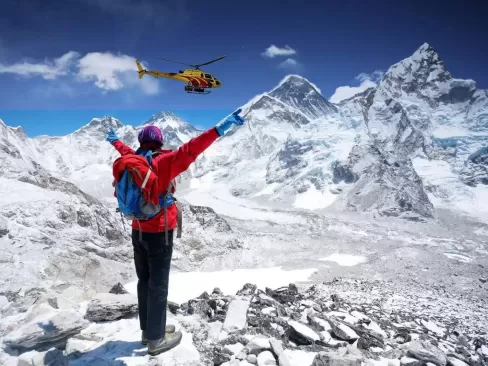
Everest Heli Tour – A Luxury Flight to the Roof of the World Everest Heli Tour Overview The Everest Heli Tour is the ultimate Himalayan luxury experience, offering an exclusive opportunity to witness Mount Everest (8,848m) up close without the physical demands of trekking. Ideal for travelers with limited time, this tour delivers maximum adventure, comfort, and breathtaking scenery in a single day. Starting from Kathmandu, this premium helicopter journey takes you deep into the legendary Everest region—an area most visitors only reach after weeks of hiking on routes like the Everest Base Camp Trek. With aerial views, high-altitude landings, and expert pilots, the Everest Heli Tour is a once-in-a-lifetime way to experience the Himalayas.Scenic Helicopter Flight from KathmanduAs your helicopter lifts off from Kathmandu, the cityscape quickly fades into rolling hills, river valleys, and terraced farmland. Flying east toward the Khumbu region, the landscape transforms dramatically into alpine terrain, glaciers, and snow-covered giants. From the air, you’ll enjoy unforgettable views of Lhotse, Nuptse, Pumori, and the iconic Ama Dablam, mountains often admired by trekkers on the Everest Panorama Trek. The bird’s-eye perspective reveals the immense scale of the Himalayas and the dramatic geography that defines eastern Nepal.Khumbu Valley: Nature and Sherpa Culture The Everest Heli Tour beautifully combines natural grandeur with cultural heritage. As you soar above the Khumbu Valley, you’ll spot traditional Sherpa villages, stone houses, prayer flags, and ancient trails that connect this region to Tibet. One of the most striking sights is Tengboche Monastery, the spiritual heart of the Everest region. Usually reached by trekkers on longer journeys like the Everest Base Camp via Gokyo Trek, this sacred site appears even more dramatic from the air, framed by snow-covered peaks and deep valleys.Landing at Everest Base Camp or Kala Patthar The highlight of the Everest Heli Tour is the exclusive landing at Everest Base Camp or Kala Patthar, depending on weather conditions. Standing at these legendary locations places you right at the gateway to the world’s highest mountain. You’ll witness the powerful flow of the Khumbu Glacier, massive ice formations, and the towering south face of Everest—views that trekkers normally experience after weeks on demanding routes like the Three Passes Trek. The crisp mountain air and overwhelming scenery make this moment both humbling and unforgettable.Syangboche Airstrip – A Quiet Himalayan Viewpoint Another memorable stop is Syangboche Airstrip, one of the highest airstrips in the world. This peaceful viewpoint offers panoramic views of Everest, Lhotse, and Ama Dablam in a calm and uncrowded setting. Many travelers compare this perspective to scenic viewpoints on treks such as the Gokyo Lakes Trek, but with the added comfort of a helicopter landing. It’s an ideal place to pause, take photographs, and truly absorb the vastness of the Himalayas.Mount Everest – The World’s Highest Peak Mount Everest, rising to 8,848.86 meters, dominates the Mahalangur Himal sub-range along the Nepal–Tibet border. It has long been a symbol of exploration, endurance, and human ambition. While climbing Everest is reserved for elite mountaineers, and trekking routes like the Everest Base Camp Luxury Trek still require significant effort, the Everest Heli Tour offers a rare chance to experience Everest’s grandeur in comfort and safety.Best Views and Overall Experience The Everest Heli Tour delivers some of the best aerial mountain views in the world. From soaring above glaciers to landing at iconic high-altitude viewpoints, every stage of the journey is visually extraordinary. Compared to ground-based adventures such as the Annapurna Base Camp Trek, this tour focuses entirely on scenery, comfort, and exclusivity—making it ideal for families, photographers, honeymooners, and luxury travelers.Best Season for Everest Heli Tour The best times to enjoy the Everest Heli Tour are: 🌸 Spring (March to May) Clear skies, snow-covered peaks, and stable weather. 🍁 Autumn (September to November) Crisp air, excellent visibility, and ideal flying conditions. These seasons are also preferred for classic Himalayan journeys like the {Luxury Treks in Nepal}, ensuring safe flights and exceptional views.Everest Heli Tour Difficulty The Everest Heli Tour is easy and suitable for all age groups. No trekking experience or special fitness is required, making it accessible to travelers who may not be able to undertake long Himalayan hikes. Unlike physically demanding adventures such as Peak Climbing in Nepal, this tour involves minimal walking and maximum comfort. However, travelers with medical concerns should consult a doctor due to high-altitude exposure.Why Choose Explore Holiday Treks for Everest Heli Tour At Explore Holiday Treks, we specialize in delivering premium Himalayan experiences with a strong focus on safety and personalized service. Our helicopters are modern, well-maintained, and operated by highly experienced pilots familiar with Everest-region conditions. As a trusted company offering everything from classic treks to Nepal Helicopter Tours, we ensure every detail—from permits to flight timing—is handled professionally, allowing you to enjoy the journey stress-free.A Once-in-a-Lifetime Himalayan Experience Whether you’re short on time, celebrating a special occasion, or simply seeking a unique way to experience Everest, the Everest Heli Tour offers unmatched value. With world-class views, cultural insight, and luxury comfort, this journey captures the true spirit of the Himalayas—powerful, inspiring, and unforgettable. Top Blogs About Trekking in the Everest RegionUncover the best blogs about trekking in the Everest region, featuring expert advice, detailed itineraries, personal experiences, and essential tips for adventurers looking to explore the Himalayas.Top 5 Everest Trekking PackagesWhere is Mount Everest? Discover the World’s Highest PeakTop 9 Reasons to Go on Everest Base Camp TrekAccommodation During Everest Base Camp TrekShower and Laundry Facilities During the Everest Base Camp TrekElevation Facts for Everest Base Camp TrekkingPhysical Fitness Requirements for Everest Base Camp TrekThe Best Ways to Trek to Everest Base CampWhen is the Best Time to Hike to Everest Base Camp?Everest Base Camp Trek: Tips and FAQsWhy Sleeping at Everest Base Camp Is the Ultimate Trekking Experience ?Which is the Better Lake Trek in Nepal: Gokyo or Tilicho Lake Trek?Altitude Sickness on Nepal Treks: Symptoms, Treatment, and When to Descend (Complete Guide)Everest Base Camp Toilet Problem: The Environmental Crisis on the World's Highest Mountain

Annapurna Heli Tour: A Breathtaking Aerial Adventure Over the Nepal HimalayasThe Annapurna Heli Tour is one of the most remarkable ways to experience the Himalayan region of Nepal in a short time while enjoying unmatched comfort and scenery. This exclusive helicopter journey offers panoramic views of the Annapurna Massif, dramatic glaciers, deep valleys, alpine ridges, and culturally rich settlements spread across the foothills. Designed for travelers who want to witness the grandeur of the mountains without committing to long trekking days, the Annapurna Heli Tour combines adventure, accessibility, and breathtaking natural beauty into a single unforgettable experience. Located in western Nepal, the Annapurna region is home to some of the world’s most iconic peaks, including Annapurna I, Machapuchare (Fishtail), and Dhaulagiri. This helicopter tour showcases these giants from an aerial perspective that cannot be experienced on foot, making it a standout option for visitors seeking a premium Himalayan encounter.Why the Annapurna Heli Tour Is a Unique Himalayan ExperienceUnlike traditional trekking routes that require days or weeks of walking, the Annapurna Heli Tour delivers a comprehensive Himalayan experience within a few hours. The helicopter allows travelers to fly directly into the heart of the Annapurna region, bypassing challenging terrain while still offering close-up views of snow-covered peaks and remote landscapes. This makes the tour suitable for travelers of varied ages and fitness levels. The aerial journey provides sweeping views of lush valleys, terraced hillsides, winding rivers, and traditional villages before ascending toward towering alpine environments. The contrast between green lowlands and stark high-altitude scenery highlights the incredible geographic diversity of Nepal in a single journey.Scenic Highlights of the Annapurna Heli TourAs the helicopter departs from pokhara, passengers are treated to spectacular views of Phewa Lake and the surrounding hills before heading north toward the Annapurna range. The flight path reveals Annapurna I, the tenth-highest mountain in the world, rising prominently above surrounding peaks. Machapuchare, known for its distinctive fishtail shape and cultural significance, stands out as one of the most photographed mountains in Nepal. Dhaulagiri, another 8,000-meter giant, dominates the western skyline and adds dramatic scale to the journey. From the air, glaciers, icefalls, and high mountain passes appear in striking clarity, offering a rare opportunity to observe the Himalayan landscape from above.Landing Points and High-Altitude ExperienceMany Annapurna Heli Tours include strategic landings at high-altitude viewpoints. These stops allow travelers to step onto Himalayan terrain, experience the crisp mountain air, and take panoramic photographs surrounded by snow-covered peaks. Standing among the mountains provides a deeper sense of scale and presence that enhances the overall experience. These brief landings are carefully planned to ensure comfort and safety while maximizing scenic value.Best Time of Year for the Annapurna Heli TourThe most favorable seasons for the Annapurna Heli Tour are autumn and spring. From September to November, the weather is generally stable with clear skies, making it ideal for mountain flights and photography. Spring, from March to May, offers warmer temperatures and vibrant landscapes as rhododendron forests bloom across the hillsides. While helicopter flights are possible throughout the year, visibility can be affected during the monsoon season, and winter weather may limit flying days due to cloud cover and wind conditions.Cultural and Landscape Diversity Seen From the AirBeyond its natural beauty, the Annapurna region is culturally rich and visually diverse. During the flight, travelers can observe traditional Gurung and Magar villages nestled into terraced hillsides, ancient farming practices, and pathways connecting remote settlements. These aerial views provide insight into how mountain communities have adapted to their environment over generations. The harmony between human settlement and rugged terrain becomes especially evident from above, offering a deeper appreciation of Nepal’s cultural landscape.Annapurna Heli Tour Compared to Trekking RoutesWhile trekking remains the most immersive way to explore the Himalayas, it is not always practical for every traveler. Routes such as the Annapurna Circuit Trek or Annapurna Base Camp Trek require significant time, physical endurance, and acclimatization. The Annapurna Heli Tour serves as an excellent alternative or complement, allowing visitors to experience the region’s highlights efficiently. Many travelers choose to combine a helicopter tour with shorter treks or cultural tours to create a balanced itinerary. For those interested in longer adventures, options like the Annapurna Circuit Trek or the Everest Base Camp Trek provide extended exploration on foot.Ideal Travelers for the Annapurna Heli TourThe Annapurna Heli Tour is well-suited for travelers with limited time in Nepal, photographers seeking dramatic aerial shots, families traveling together, and visitors who may not be able to complete high-altitude treks. It is also popular among travelers celebrating special occasions or seeking a once-in-a-lifetime Himalayan experience without physical strain. Because the tour departs from Pokhara, it is easy to integrate into broader Nepal itineraries that include sightseeing, cultural tours, or short hikes.What Travelers Commonly Want to KnowTravelers often ask whether Mount Everest is visible during the Annapurna Heli Tour. While Everest is located in eastern Nepal and is not the primary focus of this flight, distant views of the Everest range may occasionally be visible on exceptionally clear days. Safety is another common concern, and helicopter flights in Nepal are operated by experienced mountain pilots following strict aviation guidelines. Passengers receive safety briefings prior to departure and are guided throughout the experience.Combining the Annapurna Heli Tour With Other Nepal ExperiencesMany visitors enhance their trip by pairing the Annapurna Heli Tour with other adventures across Nepal. Cultural tours in Kathmandu, wildlife safaris in Chitwan, or treks in regions such as Upper Mustang or Pikey Peak can add depth to the journey. Explore Holiday Nepal offers a wide range of trekking and travel options that complement the heli tour, allowing travelers to customize their experience based on interests and time availability..Why the Annapurna Heli Tour Is Worth ExperiencingThe Annapurna Heli Tour offers a rare opportunity to witness the Himalayan landscape from a perspective few travelers ever experience. It delivers close-up views of some of the world’s highest mountains, showcases Nepal’s diverse geography, and highlights the cultural richness of the Annapurna region—all within a single, seamless journey. Whether experienced on its own or combined with trekking routes such as the Annapurna Circuit Trek or Everest Base Camp Trek, the Annapurna Heli Tour stands out as one of the most memorable ways to explore Nepal’s mountain heartland. Top Blogs About Trekking in the Annapurna RegionUncover the best blogs about trekking in the Annapurna region, featuring expert advice, detailed itineraries, personal experiences, and essential tips for adventurers looking to explore the Himalayas.Best Annapurna Ranges Treks & Tours 2024/2025Top 9 Destinations to Explore on the Annapurna Circuit TrekBest Time to Hike the Annapurna CircuitWhich is the Better Lake Trek in Nepal: Gokyo or Tilicho Lake Trek?Annapurna Base Camp Trek: Tips and FAQsAltitude Sickness on Nepal Treks: Symptoms, Treatment, and When to Descend (Complete Guide)Mardi Himal Trek: Trails, Views, and TipsNepal Trekking Permits: Costs, Types, and How to Get ThemGhorepani Poon Hill Trek: A Perfect Short Himalayan AdventureManaslu Circuit vs Annapurna Circuit: Which Trek is Right for You?Nepal Trekking: What’s the Best Time to Go?Budget Trekking in Nepal: Tips, Trails, and TricksExploring Nepal’s Wildlife and NatureTrekking Through Nepal: A Journey into the HimalayasTop 10 Mountain Peaks in NepalAnnapurna Base Camp vs Annapurna Circuit: Which Himalayan Trek is Right for You?Annapurna Circuit Trek for Beginners 2025: The Famous Himalayan Adventure You Can’t MissWhere is Annapurna? Explore the Glory of the World’s Highest MountainTop Reasons to Choose Trekking or Visiting NepalDal Bhat Power 24 Hour: The Science and Soul Behind Nepal's Mountain FuelThe Essential Guide to Choosing Your Perfect Nepal Trek: From Beginner-Friendly Trails to Epic Himalayan AdventuresSolo Female Trekking in Nepal: A Complete Safety and Empowerment Guide for 2026Complete Fitness Training Guide for Nepal Trekking 2026: From Couch to Base Camp in 12 WeeksCan Beginners Do Annapurna Trek? Your Complete Guide to Conquering the Himalayas
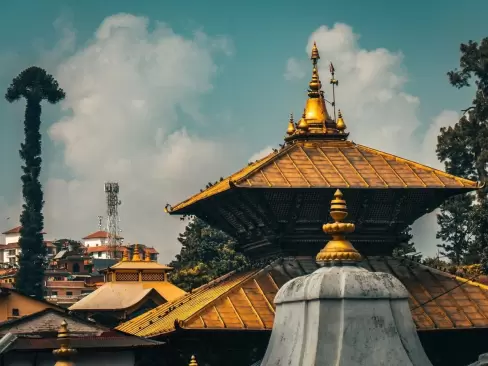
Discovering Kathmandu’s Cultural Tapestry: A Complete Guide for Travelers and Trekkers Kathmandu is more than just Nepal’s capital—it is the cultural, spiritual, and historical gateway to the Himalayas. For many travelers, Kathmandu is the first encounter with Nepal, and for trekkers, it serves as the starting point for legendary journeys into the mountains. A full-day sightseeing experience in Kathmandu offers far more than a checklist of monuments; it is an immersion into centuries-old traditions, living heritage, and a way of life that has remained remarkably resilient through time. Whether you are preparing for iconic adventures such as the Everest Base Camp Trek, Annapurna Base Camp Trek, or a remote journey like the Rara Lake Trek, understanding Kathmandu adds depth and meaning to your overall Nepal experience. This guide explores what travelers truly want to know—culture, spirituality, heritage, best experiences, local insights, and how Kathmandu connects seamlessly with trekking adventures across Nepal. Why Kathmandu Sightseeing Matters Before a Trek in Nepal Many travelers underestimate the importance of spending time in Kathmandu before heading to the mountains. Yet, Kathmandu provides essential cultural context that enhances every trek that follows. The temples, stupas, and historical squares you visit here explain the beliefs, rituals, and traditions you’ll later encounter in remote villages along trails such as the Langtang Valley Trek or the Manaslu Circuit Trek. Kathmandu also allows travelers to: Adjust to Nepal’s pace and environment Recover from long international flights Learn about local customs and religious practices Prepare mentally for Himalayan travel For those embarking on longer adventures like the Everest Three Pass Trek or culturally rich routes such as the Upper Mustang Trek, Kathmandu sightseeing creates a meaningful foundation that transforms the trek into a holistic journey rather than just a physical challenge. Swayambhunath Stupa: Where Kathmandu Awakens Spiritually Perched on a forested hill overlooking the Kathmandu Valley, Swayambhunath Stupa is one of Nepal’s most sacred and symbolic landmarks. Often referred to as the Monkey Temple, it offers sweeping views of the city while serving as a deeply spiritual site for Buddhists and Hindus alike. The climb to the top, though steep, is part of the experience. Prayer flags flutter overhead, prayer wheels spin beneath travelers’ palms, and the scent of incense fills the air. The all-seeing eyes of Buddha gaze calmly in every direction, symbolizing wisdom and compassion. Visitors searching for: Kathmandu spiritual places Buddhist heritage in Nepal Best viewpoints in Kathmandu will find Swayambhunath to be one of the most rewarding stops. For trekkers heading toward Sherpa and Tibetan-influenced regions like the Everest Base Camp Trek or Langtang Valley Trek, Swayambhunath offers a gentle introduction to Himalayan Buddhist culture. Kathmandu Durbar Square: A Living Museum of Newari Architecture At the heart of the old city lies Kathmandu Durbar Square, a UNESCO World Heritage Site that showcases the architectural brilliance of the Malla kings. Unlike a traditional museum, this square is alive with daily rituals, festivals, and local activity. Intricately carved wooden windows, stone temples, and open courtyards tell stories of royal ceremonies, craftsmanship, and devotion. Landmarks such as Hanuman Dhoka Palace, Taleju Temple, Kasthamandap, and Kumari Ghar (home of the Living Goddess) provide deep insight into Nepal’s unique blend of Hinduism and Buddhism. Travelers often search for: Kathmandu UNESCO World Heritage Sites Newari culture and history Living goddess Kumari Nepal For cultural trekkers planning routes like the Manaslu Circuit Trek or Upper Mustang Trek, Durbar Square reveals the artistic and spiritual roots that extend far beyond Kathmandu into Nepal’s remote regions. Pashupatinath Temple: Understanding Life, Death, and Hindu Spirituality Located along the sacred Bagmati River, Pashupatinath Temple is the most important Hindu shrine in Nepal and one of the most significant Shiva temples in South Asia. The atmosphere here is profound, emotional, and deeply spiritual. Visitors witness: Devotees offering prayers to Lord Shiva Sadhus sharing blessings and wisdom Traditional cremation ceremonies at the river ghats While these rituals may feel intense, they reflect the Hindu understanding of life’s impermanence and the soul’s journey beyond death. Travelers often search for: Pashupatinath Temple significance Hindu cremation rituals Nepal Spiritual experiences in Kathmandu For those trekking through Hindu-influenced regions or combining cultural tours with treks like the Ghorepani Poon Hill Trek, Pashupatinath provides essential cultural understanding. Boudhanath Stupa: The Spiritual Heart of Tibetan Buddhism Few places in Kathmandu evoke peace quite like Boudhanath Stupa. One of the largest stupas in the world, it is a center of Tibetan Buddhism and a gathering place for monks, pilgrims, and travelers seeking calm. As you walk clockwise around the stupa, spinning prayer wheels and listening to soft chants, time seems to slow down. Surrounding monasteries, rooftop cafés, and Tibetan shops create a unique cultural atmosphere unlike anywhere else in Nepal. Common search interests include: Boudhanath Stupa meditation Tibetan culture in Nepal Buddhist monasteries Kathmandu Trekkers heading into Buddhist regions such as the Everest Base Camp Trek, Langtang Valley Trek, or Everest Three Pass Trek will find Boudhanath especially meaningful, as it mirrors the spiritual environment found in Himalayan villages. Local Food, Markets, and Everyday Kathmandu Life Kathmandu sightseeing is incomplete without experiencing local food and street life. From traditional Newari dishes to popular Nepali meals like dal bhat, momos, and sel roti, the city offers a culinary journey that reflects its cultural diversity. Popular areas such as Thamel, Ason Bazaar, and Indra Chowk provide insight into daily life. These markets are where locals shop, trade, and socialize—offering travelers an authentic experience beyond monuments. Travelers often search: What to eat in Kathmandu Local markets in Kathmandu Authentic Nepali food For trekkers, understanding local food culture is especially useful, as similar meals are served along trekking routes across Nepal. Kathmandu as a Gateway to Nepal’s Best Treks Kathmandu is not just a destination—it is the launching point for Nepal’s most iconic adventures. Almost every major trek begins with preparation, permits, and briefings in the capital. From Kathmandu, travelers access: Everest Base Camp Trek Annapurna Base Camp Trek Langtang Valley Trek Manaslu Circuit Trek Upper Mustang Trek Rara Lake Trek Experiencing Kathmandu first allows trekkers to appreciate how religion, culture, and history shape life in the mountains. Best Time for Kathmandu Sightseeing Kathmandu can be visited year-round, but the best seasons are: Spring (March–May): Clear skies, festivals, pleasant weather Autumn (September–November): Best visibility, ideal before trekking These seasons also align perfectly with trekking periods, making Kathmandu sightseeing a natural part of your Himalayan itinerary. Final Thoughts: Why Kathmandu Leaves a Lasting Impression Kathmandu is not a place to rush through. It is a city that reveals itself slowly—through prayer flags fluttering in the wind, temple bells echoing at dawn, and quiet moments in ancient courtyards. For travelers and trekkers alike, Kathmandu provides meaning to the journey ahead. Whether you are preparing for high-altitude adventures or simply exploring Nepal’s cultural soul, Kathmandu remains an essential experience—one that connects the past, present, and the mountains beyond.
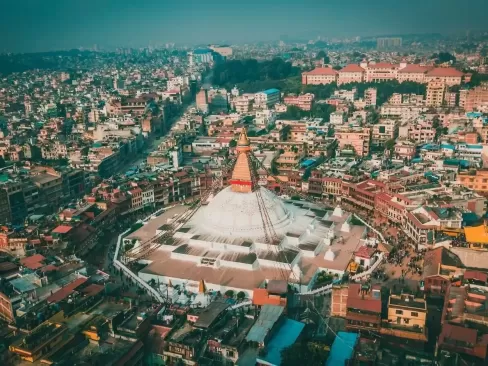
Exploring Kathmandu Valley: Your Complete Guide to Nepal's Cultural Heart Kathmandu isn't just a transit point for trekkers heading to the mountains—it's a destination that deserves your full attention. This ancient city, cradled in a valley surrounded by the Himalayas, holds centuries of history, art, and spirituality within its chaotic, colorful streets. Whether you're spending a few days before your Everest Base Camp Trek or dedicating your entire trip to cultural exploration, Kathmandu offers experiences that will leave you captivated and maybe a little overwhelmed in the best possible way. The city operates on its own rhythm—car horns blend with temple bells, street vendors call out beside monks chanting prayers, and the scent of incense mingles with spices and exhaust fumes. It's messy, loud, dusty, and absolutely fascinating. This guide will help you navigate Kathmandu's cultural treasures, from UNESCO World Heritage Sites to hidden courtyards where time seems to have stopped centuries ago. Understanding Kathmandu's Layout and Neighborhoods Before diving into specific sites, it helps to understand how Kathmandu is organized. The city sprawls across the Kathmandu Valley, which technically includes three separate cities: Kathmandu, Patan (Lalitpur), and Bhaktapur. Each was once an independent kingdom, and each maintains its distinct character and cultural sites. Thamel serves as the tourist hub—a maze of narrow streets packed with guesthouses, restaurants, trekking shops, and travel agencies. It's where most visitors base themselves, and for good reason. Everything you need is within walking distance, and it's the perfect starting point for exploring the valley. Yes, it's touristy and commercialized, but it's also vibrant, convenient, and genuinely fun. The Old City spreads south of Thamel, centered around Durbar Square. This area feels authentically Nepali, with fewer tourists and more everyday life unfolding in ancient courtyards and temple complexes. Getting lost in these neighborhoods reveals the real Kathmandu—kids playing in temple courtyards, elderly women spinning prayer wheels, craftsmen hammering copper in tiny workshops. Patan and Bhaktapur lie outside central Kathmandu but are easily reached by taxi or bus. Both cities offer well-preserved architectural treasures and feel less hectic than the capital proper. Many visitors dedicate full days to exploring each, treating them as separate destinations worthy of unhurried attention. Kathmandu Durbar Square: Where History Lives Kathmandu Durbar Square stands as the historic heart of the old city, though it took significant damage during the 2015 earthquake. Even in its partially reconstructed state, the square remains captivating—a sprawling complex of temples, courtyards, and palaces that served as the royal seat of Malla and then Shah kings for centuries. The Hanuman Dhoka Palace dominates the square, its name deriving from the stone Hanuman statue covered in red cloth that guards the entrance. The palace is actually a collection of buildings added over several centuries, each reflecting different architectural styles and royal tastes. Inside, the courtyards reveal hidden temples and the former living quarters of Nepal's monarchs. The museum sections display royal artifacts, though opening hours can be unpredictable. One of the square's most unique features is the Kumari Bahal, home of the Living Goddess Kumari. This young girl, selected through ancient rituals from the Newari community, is worshipped as a manifestation of the goddess Taleju. She lives in this ornate building until puberty, making rare public appearances at festivals. Tourists can enter the courtyard for a small fee, and if you're lucky, the Kumari might appear briefly at an upper window. Photography is strictly forbidden—respect this rule, as it's deeply important to local beliefs. The square features dozens of temples in various states of repair. Taleju Temple, with its three-tiered pagoda roof, stands among the most impressive, though non-Hindus cannot enter. The Kasthamandap, believed to be built from the wood of a single tree and possibly the source of Kathmandu's name, collapsed during the earthquake but is being painstakingly reconstructed using traditional methods. Walking through Durbar Square, particularly in early morning or late afternoon when tourist crowds thin, provides intimate moments with local life. Old men gather to chat in temple courtyards, priests perform rituals for devotees, and the golden light illuminates the carved wooden details that make Newari architecture so distinctive. Yes, you'll need to pay an entrance fee (around 1,000 rupees for foreigners), but your ticket is valid for the entire day, allowing you to leave and return. The surrounding streets are equally fascinating. Narrow alleys lead to hidden courtyards, small shrines tucked into building corners, and shops selling everything from devotional items to vegetables. This is where you'll find Kathmandu's soul—not in the grand monuments, but in the everyday spiritual and commercial life unfolding in these ancient spaces. Swayambhunath Stupa: The Monkey Temple Perched on a hilltop west of central Kathmandu, Swayambhunath commands spectacular views over the entire valley. The site holds immense importance for both Buddhists and Hindus, though its primarily Buddhist character is evident in the massive white stupa topped with the all-seeing eyes of Buddha painted on its golden spire. Getting there involves climbing 365 steep steps—a pilgrimage in itself. Monkeys lounge on the stairway and around the complex, hence the popular name "Monkey Temple." These aren't shy creatures; they're accustomed to people and bold about snatching food or anything shiny that catches their attention. Keep your belongings secure and avoid feeding them, which only encourages aggressive behavior. The climb rewards you with more than just views. The stairway passes smaller shrines and Buddha statues, with prayer wheels lining sections of the route. Devotees spin these wheels clockwise as they climb, sending prayers into the universe with each rotation. Join them—whether you're religious or not, the physical act of climbing and spinning becomes meditative. At the top, the main stupa sits within a complex of smaller temples, monasteries, and monuments. The stupa itself is stunning—its white-washed dome represents the earth, the spire symbolizes the 13 stages to enlightenment, and those penetrating eyes watch in all four cardinal directions, seeing all. Prayer flags strung from the central spire flutter in the breeze, carrying mantras on the wind. The site is active throughout the day, but visiting at sunrise or sunset offers special magic. Early mornings bring local devotees performing kora (circumambulation) around the stupa, often completing 108 circuits as an act of devotion. The sunrise light gradually illuminates the valley below, with mist often lingering in the lower areas. Evenings bring golden hour light perfect for photography, and if you time it right, you'll witness the sun setting behind the mountains while Kathmandu's lights begin twinkling below. Beyond the main platform, explore the surrounding area. Small monasteries house monks who welcome respectful visitors, shops sell Tibetan goods and religious artifacts, and quieter corners offer space for contemplation away from the crowds. The adjacent Tibetan monastery often allows visitors to observe prayer sessions—the deep throat singing and ceremonial instruments create an unforgettable auditory experience. Pashupatinath Temple: Sacred Flames by the River No visit to Kathmandu feels complete without experiencing Pashupatinath, Nepal's most important Hindu temple and a sacred site for Shiva devotees from across South Asia. Located on the banks of the Bagmati River, Pashupatinath confronts visitors with profound realities—devotion and death intertwined in ways that challenge Western sensibilities about what should be private versus public. The main temple, with its golden pagoda roof, is off-limits to non-Hindus, but you can observe from across the river and explore the vast complex of smaller temples, shrines, and ashrams that spread along both banks. The architecture is exquisite—pagoda-style buildings with intricate wood carvings, stone sculptures of deities, and lingams (phallic symbols representing Shiva) throughout the complex. What makes Pashupatinath unforgettable—and confronting—are the cremation ghats lining the riverbank. Hindu tradition dictates that bodies should be cremated, preferably beside sacred rivers, releasing the soul for its next journey. Here, this happens openly, visible to anyone visiting the temple complex. Families prepare bodies, priests conduct final rites, and funeral pyres burn throughout the day. The smoke rises, carrying the departed toward the heavens. This open approach to death initially shocks many Western visitors. We're taught that death should be private, hidden, sanitized. Pashupatinath offers a different perspective—death as a natural, even sacred, part of life's cycle. Observing these rituals can be moving, disturbing, or profoundly philosophical, sometimes all three simultaneously. Photography of cremations is strictly forbidden and would be deeply disrespectful. Simply observe quietly if you choose to watch, and remember that these are real families grieving real losses. Beyond the ghats, Pashupatinath offers other experiences. Sadhus—Hindu holy men who have renounced worldly life—congregate here, especially during festivals. With their ash-covered bodies, dreadlocked hair, and orange robes, they make striking figures. Many welcome interaction and pose for photographs (for a small donation), sharing blessings or insights about their spiritual paths. Others prefer solitude in meditation. Approach respectfully and ask permission before photographing. The deer park section provides a gentle contrast to the intensity of the ghats, with spotted deer wandering freely in a forested area that feels surprisingly peaceful considering the busy temple just beyond. Small shrines dot the hillside, and the elevated viewpoints offer perspectives on the entire complex. Visiting during Maha Shivaratri (usually February/March) transforms Pashupatinath into a festival city. Hundreds of thousands of pilgrims descend on the temple, many traveling from India. The energy is incredible—devotional songs, incense smoke, mass bathing in the river, and an all-night celebration of Shiva. It's crowded, chaotic, and culturally rich beyond measure. Boudhanath Stupa: Tibet in Kathmandu Just a few kilometers from Pashupatinath lies Boudhanath, but you've entered a completely different world—this is Tibetan Buddhist territory. The massive white dome of Boudhanath Stupa, one of the largest spherical stupas in Nepal, anchors a thriving Tibetan community that settled here after fleeing Chinese occupation of Tibet in the 1950s. The stupa itself is mesmerizing. At 36 meters tall with a diameter over 100 meters, the mandala-based structure represents Buddhist cosmology. The all-seeing eyes of Buddha gaze from the golden spire, and 108 small images of meditation Buddhas ring the base. The entire complex creates a powerful focal point for devotion. Circumambulation (walking clockwise around the stupa while spinning prayer wheels) forms the essential practice here. Join the flow of pilgrims—Tibetan refugees in traditional dress, Nepalese Buddhists, Sherpa families from mountain regions, Western Buddhist converts, and curious travelers. The practice is meditative, repetitive, community-building. Prayer wheels line the route at ground level, each spin sending mantras into the universe. Some devotees complete dozens or hundreds of circuits daily, their dedication palpable. The area surrounding the stupa has transformed into "Little Tibet." Tibetan monasteries ring the square, their colorful facades and dharma wheels identifying them. Many welcome visitors to observe prayer sessions, particularly in the late afternoon. The deep chanting, ceremonial instruments, and elaborate rituals provide windows into Tibetan Buddhism's rich traditions. Remove your shoes before entering, sit quietly to the side, and observe respectfully. Some monasteries offer meditation courses or Buddhist philosophy teachings for interested visitors. The shops and restaurants around Boudhanath reflect the Tibetan influence. You'll find thankas (Buddhist paintings), prayer wheels, Tibetan jewelry, and statues of Buddhist deities. The restaurants serve momos, thukpa (noodle soup), and butter tea—comfort food of the Himalayas that you'll encounter again if you're heading on the Manaslu Circuit Trek or other mountain adventures. Rooftop cafes lining the square offer perfect vantage points for watching the scene below. Order a chai or coffee, claim a cushioned seat with stupa views, and simply observe. The human flow around the stupa never stops—early morning brings elderly devotees completing their daily circuits, afternoon brings tourists, evening brings a different energy as butter lamps are lit and the stupa glows golden. During Losar (Tibetan New Year, usually February) and other Buddhist festivals, Boudhanath explodes with celebration. The stupa is draped in prayer flags, monks perform cham dances in colorful costumes, and the entire community gathers for prayers and festivities. These festivals offer incredible cultural immersion if your timing aligns. Thamel: Where Travelers Gather Love it or hate it, you can't ignore Thamel. This tourist district operates as Kathmandu's backpacker central, trekker headquarters, and shopping hub all rolled into a chaotic maze of narrow streets. Yes, it's touristy. Yes, you'll be constantly approached by tour sellers and rickshaw drivers. Yes, the prices are higher than local markets. And yes, it's incredibly useful and genuinely fun. Shopping in Thamel covers everything a traveler might need. Trekking gear shops sell or rent quality equipment at a fraction of Western prices—sleeping bags, down jackets, boots, backpacks. Some items are genuine brands, others are convincing knockoffs. If you're preparing for the Annapurna Base Camp Trek or any other mountain adventure, Thamel is where you'll stock up or replace gear. Beyond trekking supplies, shops overflow with handicrafts, textiles, jewelry, singing bowls, thankas, and every souvenir imaginable. The quality varies wildly from genuine artisan work to mass-produced tourist trash. Bargaining is expected and necessary—start at about half the asking price and negotiate from there. Better yet, visit some items in multiple shops to understand the real value range before committing to purchases. The restaurant scene in Thamel is remarkably diverse. You'll find decent Western food (pizza, pasta, burgers), Asian cuisine (Thai, Chinese, Korean, Japanese), and of course Nepali and Tibetan dishes. Some restaurants offer live music, open-mic nights, or cultural dance performances. The Garden of Dreams restaurant provides an oasis of calm with garden dining. Mike's Breakfast serves legendary pancakes. Fire and Ice makes surprisingly good pizza. OR2K offers excellent Middle Eastern food in a shoes-off, floor-cushion setting. Nightlife in Thamel is modest by international standards but lively by Kathmandu's. Several bars and clubs stay open late, particularly on weekends. You'll meet fellow travelers, returning trekkers celebrating their achievements, and some local crowd. The scene feels relaxed and backpacker-friendly rather than sophisticated. Thamel's chaotic energy can be exhausting—the constant hustling, vehicle traffic on impossibly narrow streets, tourist crowds, and pollution. Take breaks in quieter cafes, retreat to the Garden of Dreams (a restored garden with entrance fee but worth it for the tranquility), or simply head to less touristy neighborhoods for breathing room. Patan: The City of Artisans Cross the Bagmati River south of Kathmandu and you'll reach Patan, also called Lalitpur ("City of Beauty"). While administratively part of the Kathmandu metropolis, Patan maintains its distinct identity and arguably surpasses Kathmandu proper in architectural grace and artistic tradition. Patan Durbar Square rivals and some argue exceeds Kathmandu's square in beauty. The concentration of temples, the refinement of the architecture, and the slightly less chaotic atmosphere create an enchanting environment. The square took earthquake damage but has been substantially restored, revealing the incredible craftsmanship of Newari builders and artists. The Krishna Mandir stands as Patan's architectural masterpiece—a three-story stone temple entirely different from the typical pagoda style. Built in the 17th century by King Siddhi Narasimha Malla, the temple features stone carvings depicting scenes from the Hindu epics Ramayana and Mahabharata. The detail is extraordinary; you could spend hours studying the narrative carvings that wrap around the structure. The Royal Palace complex houses three main courtyards, each with distinct character. Mul Chowk served as the royal family's private temple, with some sections still closed to non-Hindus. Sundari Chowk features an ornate stone bath that's a masterpiece of stone carving. Keshav Narayan Chowk now houses the Patan Museum, which absolutely deserves your time. This museum showcases Hindu and Buddhist art with excellent explanations, helping visitors understand the iconography, religious significance, and artistic techniques behind the pieces. The museum building itself is worth seeing—beautifully restored palace rooms with traditional carved windows. Beyond the square, Patan's streets reveal why it's called the city of artisans. Metalworkers, wood carvers, and thanka painters maintain workshops in neighborhoods around the old city. The Tibetan refugee settlement north of the square has shops and workshops where you can watch Tibetan carpets being woven or metal statues being crafted. These aren't tourist demonstrations—these are working artisans producing pieces for sale, often continuing centuries-old family traditions. The Golden Temple (Kwa Bahal) hides down a side street—ask locals for directions as signs are limited. This Buddhist monastery dating to the 12th century features gilded roofs and intricate metalwork. Priests maintain the temple and welcome visitors (remove shoes before entering). The courtyard atmosphere is peaceful, a hidden gem that most tourists miss. Bhaktapur: Stepping Back in Time About 13 kilometers east of Kathmandu, Bhaktapur represents the valley's best-preserved medieval city. The entire city center is pedestrian-only, creating an atmosphere unmatched anywhere else in the valley. Walking these ancient streets genuinely feels like time travel—women weaving on traditional looms in doorways, potters shaping clay in courtyards using techniques unchanged for centuries, farmers spreading grain to dry in sunny squares. Bhaktapur charges a significant entrance fee for foreigners (around 1,500 rupees), but it's valid for the entire day and absolutely worth it. The fee helps maintain the city's architecture and pedestrian zones, and the revenue directly benefits preservation efforts. Bhaktapur Durbar Square contains the city's royal palace, numerous temples, and the famous 55-Window Palace with its elaborately carved balcony. The Golden Gate, an ornate gilded entrance to the palace, ranks among Nepal's most photographed architectural features. The Vatsala Temple with its stone shikhara-style tower provides different architectural style from the typical pagodas. But Bhaktapur's real charm lies beyond the main square. Taumadhi Square, a short walk away, features the magnificent Nyatapola Temple—a five-story pagoda that survived the 2015 earthquake with minimal damage, testament to traditional engineering wisdom. The temple guards at each level represent progressively stronger deities, from legendary wrestlers at the bottom to goddesses at the top. Climbing the steep stairs brings you face-to-face with these fearsome stone figures. Pottery Square shows Bhaktapur's continuing artisan traditions. Potters work in open squares, shaping clay vessels on hand-powered wheels, then laying finished pieces to dry in the sun. The sight of hundreds of terracotta pots arranged in geometric patterns creates natural art installations. You can try your hand at the wheel under guidance or purchase pieces directly from makers. Dattatreya Square, at the old city's eastern edge, feels less visited and more residential than the main squares. The Pujari Math (now a museum) displays exquisite woodwork—carved windows, doorways, and struts covered in intricate figures and patterns. The Peacock Window, considered the finest carved wood window in Nepal, justifies its fame. Bhaktapur's yogurt (juju dhau or "king yogurt") is legendary throughout Nepal. The creamy, slightly sweet yogurt comes in distinctive terracotta pots and makes a perfect snack while exploring. Stop at one of the many vendors around the squares for an authentic taste. Many visitors do Bhaktapur as a day trip, but spending a night reveals the city's special character. After day-trippers leave, the squares fill with local life—children playing, families gathering, the pace slowing. Several guesthouses offer traditional Newari architecture accommodation, and waking up in this medieval city provides magical experiences. Cultural Experiences and Living Traditions Kathmandu isn't just monuments and temples—it's a living city where traditions continue in daily life. Understanding and participating in these practices enriches your visit immeasurably. Festivals punctuate the Nepali calendar constantly—hardly a month passes without some celebration. Major festivals include Dashain (October), Nepal's biggest festival celebrating the goddess Durga's victory over evil. Families gather, animals are sacrificed, and the entire country essentially shuts down for two weeks. Tihar (November), the festival of lights, involves homes and streets illuminated with oil lamps, and includes the charming tradition of worshipping dogs, crows, and cows on specific days. Indra Jatra (September) brings Kathmandu's old city alive with chariot processions, masked dances, and the rare public appearance of the Living Goddess Kumari. Bisket Jatra in Bhaktapur (April) celebrates the Nepali New Year with chariot races and a unique tug-of-war that determines which neighborhood will have good fortune for the coming year. If your visit coincides with any festival, embrace the chaos and join the celebrations. Locals welcome foreign participation, and these events reveal cultural depths impossible to access otherwise. Just before heading out on the Kanchenjunga South Base Camp Trek or similar adventures, experiencing an urban festival creates beautiful contrast with the remote mountain cultures you'll encounter on the trail. Cooking classes have become popular cultural experiences. Several companies and restaurants offer classes teaching you to make momos, dal bhat, and other Nepali specialties. Beyond just recipes, good classes explain the cultural significance of foods and dining customs in Nepali society. Buddhist and Hindu practices can be experienced firsthand through various programs. Some monasteries around Boudhanath offer meditation sessions or dharma talks in English. Hindu temples sometimes welcome interested visitors to observe aarti ceremonies—devotional rituals involving fire, bells, and chanting. Always ask permission and behave respectfully during religious observances. Practical Tips for Exploring Kathmandu How long to stay: Most trekkers allocate 2-3 days for Kathmandu, but a full week barely scratches the surface. If you're not trekking, 5-7 days allows unhurried exploration of major sites plus day trips to Patan, Bhaktapur, and perhaps Nagarkot for mountain views. Getting around: Taxis are cheap and convenient—use a rideshare app like Pathao for hassle-free pricing. Local buses serve major routes but are crowded and confusing for first-timers. Walking works well in central areas, though chaotic traffic and limited sidewalks require constant vigilance. Hiring a car and driver for day trips to Bhaktapur, Patan, or multiple sites makes sense cost-wise for groups. Entrance fees: Major sites charge foreigners significantly more than Nepalis (typically 1,000-1,500 rupees per site). Your ticket for Kathmandu Durbar Square allows re-entry the same day if you have it validated. Some sites offer multi-day or multi-site passes worth investigating if you're doing extensive sightseeing. Guides: Official guides can be hired at major sites or through agencies. Good guides provide historical context and cultural insights you'd miss alone. For Durbar Squares particularly, guides explain the mythology and history behind the countless temples and statues. Negotiate rates beforehand and confirm whether it's per person or per group. Air quality: Kathmandu's pollution is significant, especially during dry season. If you have respiratory sensitivities, consider wearing a mask. The pollution is worst in Thamel and main roads, much better in temple complexes and gardens. Safety: Kathmandu is generally very safe for travelers. Petty theft occasionally occurs in crowded areas—keep valuables secure and watch for pickpockets on crowded buses. The bigger annoyance is persistent touts and commission salesmen. A firm but polite "no thank you" works best. Respect and etiquette: Remove shoes before entering temples and homes. Ask permission before photographing people. Dress modestly, especially at religious sites—shoulders and knees covered. Don't touch peoples' heads or point feet at religious objects or people. Public displays of affection are frowned upon. Food Beyond Dal Bhat: A Culinary Tour While dal bhat remains the Nepali staple, Kathmandu's food scene extends far beyond. The city's diverse population—Newari, Tibetan, Tamang, and others—brings varied culinary traditions, and increasing internationalization has added fusion and global influences. Newari cuisine represents Kathmandu's indigenous food culture. Dishes feature complex spice blends, fermentation, and unique ingredients. Samay baji—a platter of beaten rice, grilled meat, boiled egg, potato salad, and various pickles—showcases Newari flavor profiles. Choila (spiced grilled meat) and bara (lentil pancakes) are other specialties worth trying. Restaurants in Patan particularly specialize in Newari cuisine, or visit Honacha in Thamel for an introduction to these flavors. Momos have become so ubiquitous you might think they're native Nepali, but they originated in Tibet and spread throughout the Himalayas. These dumplings come steamed or fried with various fillings—buff (water buffalo), chicken, vegetables, or creative modern versions. Jhol momo (momos in soup) is particularly comforting on cool Kathmandu evenings. Thakali cuisine from the mountain regions is popular in Kathmandu. The thali (platter) style of serving provides variety—rice, dal, vegetables, pickle, and meat or fish arranged in small portions. The flavors tend to be less spicy than Indian food, with emphasis on local ingredients and nutritious combinations. Street food deserves exploration, though exercise caution about hygiene. Sel roti (sweet rice bread rings) make excellent breakfast. Chatpate (spicy puffed rice mixture) and pani puri (crispy shells filled with spiced water and potato) are popular snacks. Yomari (sweet rice dumplings) are traditional festival foods sometimes found year-round. For adventurous eaters, buff (water buffalo meat) appears on many menus. It's cheaper than chicken or mutton and quite tasty. Vegetarians and vegans find Kathmandu welcoming—dal bhat is inherently vegetarian (though often served with meat options), and many restaurants cater specifically to plant-based diets. Day Trips from Kathmandu Valley If you have extra time, several destinations make excellent day trips from Kathmandu. Nagarkot, a hill station about 32 kilometers east, is famous for sunrise views over the Himalayas. On clear mornings, the panorama includes Everest, Langtang, Ganesh Himal, and closer ranges—a teaser of what you'll see on the Langtang Valley Trek or other mountain adventures. Many visitors stay overnight to catch both sunset and sunrise before returning to Kathmandu. Namobuddha, southeast of the valley, holds religious significance as the site where Buddha, in a previous life, offered his body to a starving tigress and her cubs. The hilltop monastery and peaceful atmosphere make it worth the journey, particularly if you're interested in Buddhist pilgrimage sites. Dakshinkali Temple, south of Kathmandu, sees animal sacrifices particularly on Tuesdays and Saturdays. The temple dedicated to Kali attracts Hindu devotees from throughout the valley. While the sacrifices disturb many visitors, understanding these practices provides insight into Hindu traditions still very much alive in Nepal. Chandragiri Hills, with its new cable car system, offers mountain views and recreational facilities. While less culturally significant than other sites, the cable car ride and hilltop temple make a pleasant half-day excursion when you need a break from temples and traffic. Preparing for Your Trek from Kathmandu For most visitors, Kathmandu serves as the starting point for trekking adventures. The city provides everything you need for preparation, whether you're heading to Everest Base Camp, the Manaslu Circuit, or any other Himalayan destination. Thamel's trekking agencies can arrange permits, guides, porters, and logistics. Take time to compare options—prices vary, and cheaper isn't always better when it comes to guide quality and porter treatment. Explore Holiday Nepal, with offices in Thamel, offers reliable service and ethical practices for everything from the Annapurna Circuit to remote destinations like the Upper Mustang Trek. Use your Kathmandu days to test gear, adjust to the time zone, and begin altitude acclimatization (Kathmandu sits at 1,400 meters). Break in new boots with walks around the city. The steps up to Swayambhunath provide a good warm-up hike. The Soul of Kathmandu Beyond the UNESCO sites, the shopping, and the tourist infrastructure, Kathmandu's real gift is something harder to quantify. It's in the elderly woman circumambulating Boudhanath at dawn, completing her daily devotions as she has for decades. It's in the metalworker in Patan hammering copper into a deity's form using techniques passed through generations. It's in the chaos of festival days when the city transforms into one massive celebration of faith, culture, and community. Kathmandu challenges comfortable Western assumptions about development, progress, and modernity. Yes, it's polluted and chaotic. Yes, the poverty is confronting. Yes, the infrastructure struggles. But it's also deeply spiritual, culturally rich, and filled with people whose resilience and warmth overcome daily hardships. The city teaches patience—nothing happens quickly here. It teaches perspective—your problems probably aren't as significant as you thought. It teaches openness—encountering such different ways of living and believing expands your understanding of human possibility. Whether you're passing through en route to the mountains or dedicating your entire trip to cultural exploration, give Kathmandu the time and attention it deserves. Look beyond the tourist surface to the deeper currents of faith, tradition, and community that have sustained this valley's civilizations for millennia. The trekking will be spectacular, but these cultural encounters in Kathmandu might prove equally transformative in their own way.

Kathmandu and Nagarkot: A Cultural and Himalayan Experience in Nepal Kathmandu is not just the capital of Nepal—it is the country’s cultural soul. Every journey through Nepal, whether it leads to the high Himalayas or quiet hill villages, begins here. For travelers seeking more than just mountain views, Kathmandu offers a deep cultural experience shaped by centuries of history, spirituality, and living traditions. When paired with the serene hill station of Nagarkot, this journey becomes a perfect balance of heritage, nature, and Himalayan scenery. This Kathmandu–Nagarkot experience is ideal for travelers who want to understand Nepal beyond trekking routes. It is also an excellent introduction before embarking on iconic adventures such as the Everest Base Camp Trek, Annapurna Base Camp Trek, or culturally rich journeys like the Upper Mustang Trek. From sacred temples and UNESCO World Heritage Sites to peaceful mountain sunrises, this journey captures the essence of Nepal in a short yet meaningful way. Kathmandu: Where Nepal’s History and Culture Come Alive Kathmandu is one of the oldest continuously inhabited cities in South Asia. Its streets echo with temple bells, prayer chants, and daily rituals that have remained unchanged for generations. The city’s cultural richness is most visible in its architecture—ancient palaces, stone temples, and wooden carvings that showcase the artistic mastery of the Newar civilization. The historic Durbar Squares serve as open-air museums, revealing Nepal’s royal past. These squares were once royal courtyards where kings were crowned and major ceremonies took place. Even today, they remain active centers of religious festivals, community gatherings, and traditional life. Walking through Kathmandu’s old quarters allows travelers to witness how history is not preserved behind glass but lived every day. For travelers preparing for long treks like the Manaslu Circuit Trek or Langtang Valley Trek, Kathmandu offers a cultural foundation that enriches the mountain journey ahead. The customs, religious symbols, and festivals you encounter here continue along trekking trails, especially in villages influenced by Hindu and Buddhist traditions. Swayambhunath Stupa: Spiritual Views Over the Valley Standing proudly atop a forested hill, Swayambhunath Stupa is one of the most sacred Buddhist sites in Nepal. Known widely as the Monkey Temple, it offers one of the best panoramic views of the Kathmandu Valley. More importantly, it represents the spiritual harmony between Buddhism and Hinduism that defines Nepal. The climb to Swayambhunath is a journey in itself. Stone steps lead past prayer wheels, small shrines, and fluttering prayer flags. The resident monkeys add character to the site, symbolizing the lively spirit of Kathmandu. At the summit, the stupa’s white dome and golden spire dominate the skyline, with the watchful eyes of Buddha gazing calmly in all directions. Visitors often search for: Best viewpoints in Kathmandu Buddhist temples in Nepal Spiritual places to visit in Kathmandu Swayambhunath satisfies all of these interests while offering a peaceful moment of reflection. For trekkers heading toward Buddhist regions such as the Everest Base Camp Trek or Everest Three Pass Trek, this site provides insight into the spiritual traditions you’ll encounter deeper in the Himalayas. Pashupatinath Temple: Understanding Life and Death in Nepal Few places leave as strong an impression as Pashupatinath Temple. Located along the sacred Bagmati River, this revered Hindu temple is dedicated to Lord Shiva and is one of the most important pilgrimage sites in South Asia. The atmosphere here is intense, emotional, and deeply spiritual. Visitors observe rituals that reflect Hindu beliefs about the cycle of life, death, and rebirth. Cremation ceremonies take place openly along the riverbanks, offering a rare and honest glimpse into traditions that are usually hidden from outsiders. Sadhus dressed in saffron robes meditate, bless pilgrims, and share wisdom passed down through generations. Common search queries include: Pashupatinath Temple significance Hindu cremation rituals Nepal Spiritual experiences in Kathmandu A visit to Pashupatinath is not about sightseeing alone—it is about understanding Nepal’s spiritual depth. For travelers continuing toward cultural treks like the Upper Mustang Trek or combining culture with nature at destinations like the Rara Lake Trek, this experience adds emotional and cultural context to the journey. Boudhanath Stupa: A Sanctuary of Tibetan Buddhism While Pashupatinath reveals Hindu spirituality, Boudhanath Stupa represents the heart of Tibetan Buddhism in Nepal. One of the largest stupas in the world, Boudhanath is a place where prayer, daily life, and culture blend seamlessly. The massive white dome, crowned with a golden spire and the all-seeing eyes of Buddha, dominates the skyline. Pilgrims walk clockwise around the stupa, spinning prayer wheels and chanting mantras. The rhythm is calming, almost meditative, and draws travelers into a slower pace. Surrounding the stupa are Tibetan monasteries, rooftop cafés, and shops selling prayer flags, singing bowls, and handicrafts. The area became a spiritual center after Tibetan refugees settled here, making it one of the most culturally rich neighborhoods in Kathmandu. Travelers often search for: Boudhanath Stupa meditation Tibetan monasteries in Nepal Buddhist culture in Kathmandu For trekkers bound for Himalayan Buddhist regions such as the Langtang Valley Trek or Everest Base Camp Trek, Boudhanath offers a meaningful cultural preview. Thamel: Kathmandu’s Cultural Crossroads No visit to Kathmandu is complete without experiencing Thamel. This lively district is the city’s main tourist hub, but it is far more than a shopping area. Thamel reflects Kathmandu’s adaptability—where ancient traditions coexist with modern travel culture. During the day, its narrow streets buzz with activity. Handicraft shops display traditional masks, prayer flags, and handmade souvenirs. Bookstores stock trekking guides and maps, while cafés serve both local and international cuisine. In the evening, Thamel transforms into a social space filled with live music, rooftop dining, and cultural exchanges between travelers and locals. Search intent often includes: Things to do in Thamel Kathmandu nightlife Best area to stay in Kathmandu For trekkers preparing for adventures like the Annapurna Base Camp Trek or Ghorepani Poon Hill Trek, Thamel is also the main preparation zone, offering access to gear, guides, and travel support. The Journey from Kathmandu to Nagarkot Leaving Kathmandu behind, the road to Nagarkot marks a transition from urban energy to natural calm. The drive winds through rolling hills, terraced farmlands, and traditional villages where daily life unfolds at a slower pace. This short journey offers a glimpse of rural Nepal—farmers working in fields, children playing along village roads, and distant mountain silhouettes appearing between hills. For travelers who may not have time for long treks, this drive provides a taste of Nepal’s diverse landscapes. Nagarkot’s proximity to Kathmandu makes it one of the most accessible Himalayan viewpoints, ideal for travelers seeking scenic beauty without strenuous hiking. Nagarkot: A Himalayan Viewpoint Above the Valley Perched at an elevation of 2,195 meters, Nagarkot is famous for its panoramic Himalayan views. On clear days, peaks such as Langtang, Dorje Lakpa, Gauri Shankar, and even Mount Everest in the far distance can be seen. Nagarkot’s appeal lies in its simplicity—cool mountain air, quiet surroundings, and uninterrupted views. It is a perfect retreat for travelers seeking peace after Kathmandu’s vibrant atmosphere. The area is also popular for short nature walks, photography, and relaxation. Search terms commonly include: Nagarkot sunrise view Himalayan viewpoints near Kathmandu Nagarkot travel guide For travelers combining sightseeing with trekking plans like the Everest Base Camp Trek or Langtang Valley Trek, Nagarkot offers a gentle introduction to Himalayan scenery. Sunset and Sunrise: Nagarkot’s Most Magical Moments Nagarkot is best known for its sunrise and sunset views. As the sun sets, the Himalayan range turns golden, then pink, before fading into silhouettes against the evening sky. At dawn, the mountains slowly emerge from darkness, glowing with the first light of day. These moments are deeply memorable, offering a quiet connection to nature. Many travelers consider the Nagarkot sunrise to be one of the highlights of their Nepal trip, even rivaling views seen on longer treks. Food, Hospitality, and Local Experience in Nagarkot Evenings in Nagarkot are calm and relaxed. The cool mountain climate enhances the dining experience, where travelers enjoy traditional Nepali meals made with local ingredients. Hospitality here feels personal and genuine, reflecting the warmth of rural Nepal. Staying overnight in Nagarkot allows travelers to disconnect from city noise and enjoy a peaceful Himalayan night. Clear skies often reveal a stunning display of stars, creating an atmosphere that feels far removed from everyday life. Who Is This Kathmandu–Nagarkot Experience Best For? This journey is ideal for: First-time visitors to Nepal Travelers with limited time Cultural explorers Families and senior travelers Trekkers acclimatizing before major routes like the Everest Base Camp Trek It also pairs perfectly with longer adventures such as the Annapurna Circuit Trek, Manaslu Circuit Trek, or remote trips like the Rara Lake Trek. A Complete Introduction to Nepal The Kathmandu–Nagarkot experience captures Nepal’s essence in a short time. From ancient temples and spiritual rituals to peaceful Himalayan views, it offers a well-rounded introduction to the country’s culture and natural beauty. For travelers planning deeper journeys into the Himalayas or those seeking a meaningful cultural escape, this experience provides lasting memories and a genuine connection to Nepal.
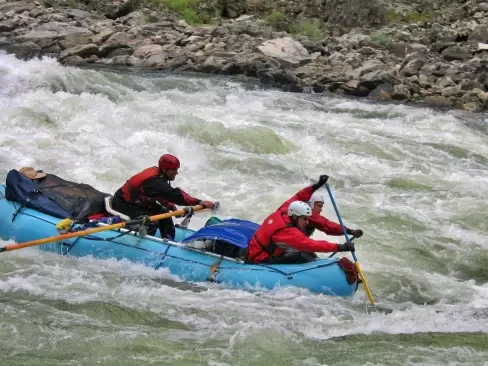
Rafting the Trishuli River: A Thrilling Odyssey Through Nepal's RapidsNepal, a land renowned for its awe-inspiring mountains and rushing rivers, invites adventure enthusiasts to embark on unforgettable journeys across its exhilarating waterways. Among these, the Trishuli River stands out as a premier destination for white-water rafting, offering a captivating blend of heart-pounding rapids and stunning landscapes. Rafting the Trishuli River is not just a physical challenge but an immersive adventure through some of Nepal’s most picturesque scenery.The Trishuli River: Nature's Water RollercoasterThe Trishuli River, originating from the sacred Gosainkunda Lake in the Langtang region, embarks on a dramatic journey through the Himalayan foothills before converging with the mighty Ganges. Its name, derived from the trident of Lord Shiva, reflects both its spiritual significance and its dynamic nature. This river is revered not only for its exhilarating white-water experience but also for the cultural and spiritual essence it imparts to those who traverse its waters.Flowing with a vigorous force, the Trishuli River offers a natural water rollercoaster experience. Its journey begins high in the mountains, where the water cascades over rocks and boulders, creating a series of thrilling rapids. As the river winds its way through lush valleys and rugged terrain, it provides an ever-changing landscape that enhances the excitement of rafting. Each rapid presents its own unique challenge, ranging from gentle Class II waves to adrenaline-pumping Class IV rapids, ensuring that every moment is filled with anticipation and thrill.Accessible AdventureOne of the most appealing aspects of Trishuli River rafting is its accessibility. Situated conveniently between Kathmandu and Pokhara, the river is easily reachable, making it an ideal choice for both seasoned rafters and those new to the sport. This strategic location allows adventurers to effortlessly incorporate a rafting expedition into their broader travel plans, whether they are exploring the vibrant city of Kathmandu, the serene beauty of Pokhara, or the stunning Annapurna region.The journey to the Trishuli River is an adventure in itself, with scenic drives through lush landscapes and quaint villages. The route offers glimpses of traditional Nepalese life and breathtaking mountain views, setting the stage for the rafting experience ahead. The ease of access ensures that even those with limited time can enjoy the excitement of white-water rafting without the need for extensive travel.The Rafting Experience: From Rapids to RelaxationRafting the Trishuli River begins with a safety briefing and equipment check. Professional guides, well-versed in the nuances of the river, provide thorough instructions on paddling techniques and safety protocols. The safety gear, including life jackets, helmets, and paddles, is of the highest standard, ensuring that participants are well-protected throughout the adventure.As the rafts launch into the river, the excitement builds. The initial stretches offer a chance to acclimate to the river’s flow, with gentle rapids that serve as a warm-up for the more intense sections to come. The roar of the water and the thrill of navigating through the rapids create a heightened sense of exhilaration. Paddling through the waves and maneuvering around obstacles demands teamwork, coordination, and a willingness to embrace the unpredictable nature of the river.The Trishuli River’s rapids are interspersed with calm stretches, providing moments of respite where participants can relax and take in the stunning scenery. The gentle sections offer a serene contrast to the adrenaline-filled rapids, allowing adventurers to appreciate the river’s tranquil beauty and the surrounding landscape. The lush greenery, terraced fields, and distant mountain peaks create a picturesque backdrop that enhances the overall experience.Cultural and Scenic HighlightsThroughout the rafting journey, participants are immersed in Nepal’s rich cultural and natural heritage. The Trishuli River winds its way through diverse landscapes, from verdant hills to dramatic gorges. The surrounding area is dotted with traditional villages and terraced fields, offering glimpses into the daily lives of local communities. The occasional sight of Buddhist stupas and Hindu temples along the riverbanks adds a spiritual dimension to the adventure.The experience of rafting on the Trishuli River is not just about the thrill of the rapids but also about connecting with the land and its people. The guides, often locals with a deep knowledge of the river and its surroundings, share their insights and stories, enriching the journey with cultural context and personal anecdotes.Concluding the Adventure: Memories and ReflectionAs the rafting journey draws to a close, participants are greeted with a sense of accomplishment and exhilaration. The final stretch of the river provides a chance to reflect on the adventure and enjoy the calm before reaching the take-out point. The thrill of navigating the rapids, combined with the serenity of the river’s peaceful stretches, creates a balanced and fulfilling experience.The memories of rafting the Trishuli River are likely to linger long after the adventure has ended. The sense of achievement, the breathtaking scenery, and the camaraderie with fellow adventurers contribute to a lasting impression of the journey. Whether it is the rush of the rapids or the tranquility of the river’s gentle flow, the Trishuli River offers a diverse and memorable white-water rafting experience.Why Choose Us: Your Rafting Adventure AwaitsChoosing to raft with us ensures a top-tier experience characterized by safety, expertise, and enjoyment. Our team of experienced guides is dedicated to providing a memorable adventure, combining their extensive knowledge of the river with a commitment to ensuring your safety and comfort. We use high-quality equipment and adhere to strict safety standards, ensuring that your rafting experience is both thrilling and secure.Rafting the Trishuli River offers a thrilling and scenic adventure through one of Nepal’s most captivating waterways. From the heart-pounding rapids to the serene stretches, the journey through the Trishuli River provides a perfect blend of excitement and natural beauty. With its accessibility, diverse rapids, and cultural highlights, the Trishuli River is an ideal destination for those seeking an unforgettable white-water rafting experience.
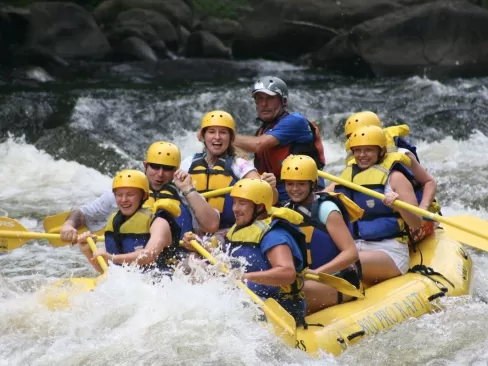
Conquering the Rapids: Rafting the Bhotekoshi River in NepalNepal, a land blessed with majestic rivers originating from the Himalayas, stands as a mecca for adventure seekers. Among the myriad of options, the Bhotekoshi River emerges as a thrilling playground for white-water enthusiasts. This natural wonder, named after its turbulent and powerful currents, offers a heart-pounding experience that combines the beauty of the landscape with the adrenaline rush of navigating challenging rapids.The Bhotekoshi River: A Torrent of AdventureThe Bhotekoshi, also known as the "River from Tibet," originates near the Chinese border, slicing through the rugged landscapes of Nepal before converging with the Sunkoshi River. Renowned for its steep gradients and formidable rapids, the Bhotekoshi has gained global acclaim as one of the best white-water rafting destinations.AccessibilitySituated a mere 3 hours from Kathmandu, the Bhotekoshi is easily accessible, making it a convenient choice for both local and international thrill-seekers. Its proximity to the capital allows adventurers to embark on a day trip or extend their journey to explore nearby regions like the popular trekking destination of Sindhupalchowk.
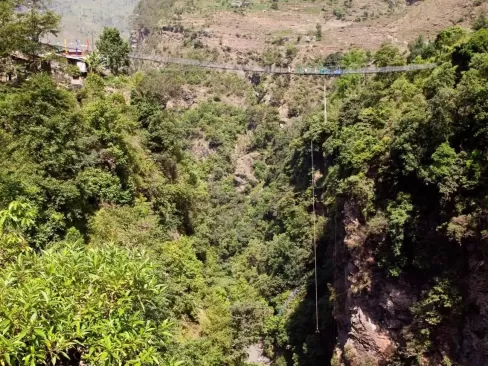
Bungee jumping, the exhilarating plunge into the void, has become a global icon for thrill-seekers and adventure enthusiasts. In Nepal, this adrenaline-pumping activity is set against some of the most breathtaking natural landscapes on Earth, making it a truly unique experience. The bungee jump at the Last Resort, situated near the Nepal-Tibet border, stands out as one of the premier destinations for this daring sport. Here, the heart-stopping jump combines the rush of freefall with the majestic beauty of the Himalayas, offering an unforgettable adventure that is both awe-inspiring and exhilarating.The Ultimate Thrill: The Last Resort Bungee JumpThe Last Resort, nestled in the rugged and picturesque terrain of Nepal’s upper Bhote Koshi River Valley, provides an exceptional setting for bungee jumping. This location is renowned for its stunning scenery, with the lush green hills and the roaring river below creating a dramatic backdrop for the jump. The bungee platform is perched high above the river, on a suspension bridge that spans the deep gorge, offering a vantage point that magnifies the thrill of the leap.Safety Measures: Ensuring a Secure AdventureBefore taking the leap, safety is paramount. Participants are given a thorough safety briefing by highly trained and certified instructors. This briefing covers every aspect of the jump, including the use of equipment, the mechanics of the jump, and safety protocols. The Last Resort adheres to stringent international safety standards, employing top-quality harnesses, bungee cords, and other gear to ensure a secure experience. The equipment is regularly inspected and maintained to guarantee its reliability and performance.Each participant is securely harnessed, and the jump is conducted with precision to ensure that safety is never compromised. For those who wish to share the thrill, tandem jumps are available, allowing friends or loved ones to experience the jump together, further amplifying the sense of camaraderie and shared adventure.The Leap: Embracing the AbyssThe moment of the jump is both exhilarating and nerve-wracking. As participants approach the edge of the suspension bridge, their toes hang over the precipice, and the vast expanse below becomes a powerful reminder of the leap they are about to take. The view is both daunting and breathtaking, with the rushing river far below and the towering cliffs on either side. The countdown to the jump heightens the anticipation, and as the final numbers are called out, the thrill of the moment reaches its peak.With a burst of courage and a leap into the abyss, participants experience a profound rush of adrenaline. The sensation of freefall is intense and exhilarating, as the body plummets towards the river with the wind howling past. This is the ultimate test of bravery and trust in the bungee apparatus, as the feeling of weightlessness and the rush of air create a profound and liberating experience.The Rebound: A Dance with GravityAs participants near the lowest point of their descent, the bungee cord, specially designed for this purpose, engages to slow and stop the fall. The cord, which is elastic and resilient, stretches and recoils in a smooth, controlled manner. This dynamic process creates a series of oscillations, with the jumper being propelled upwards in a spectacular display of physical forces at work. The rebound is not only a thrilling continuation of the experience but also a testament to the principles of physics in action.The oscillations gradually diminish as the bungee cord reaches its maximum stretch and then recoils, bringing the jumper to a gentle stop. The sensation of bouncing back and forth provides an additional layer of excitement, combining the freefall experience with a series of smooth, rhythmic rises and falls. The entire sequence, from the initial jump to the final calm, is a perfect blend of adrenaline and serenity.The Aftermath: Reflecting on the ExperienceFollowing the jump, participants are gently lowered back to the platform, where they are met with cheers and congratulations. The exhilaration of the jump often gives way to a sense of accomplishment and awe. The experience is not just about the thrill of the freefall but also about conquering fears and embracing a sense of freedom. The stunning views and the sheer excitement of the jump create lasting memories and a sense of personal achievement.Why Choose Us: Your Adventure AwaitsChoosing to bungee jump with us ensures an adventure that is both thrilling and safe. Our team of experienced instructors is dedicated to providing a top-notch experience, with a focus on safety, professionalism, and excitement. We prioritize your safety through rigorous equipment checks, comprehensive briefings, and adherence to international safety standards. Our commitment to excellence ensures that your bungee jumping experience is not only exhilarating but also secure and well-organized.Bungee jumping at the Last Resort in Nepal offers an extraordinary blend of high-adrenaline excitement and breathtaking natural beauty. The experience, set against the stunning backdrop of the Himalayas, provides an unparalleled adventure that combines the rush of freefall with the serenity of the surrounding landscape. With meticulous safety measures, expert guidance, and a thrilling leap into the unknown, this bungee jump stands out as a must-do activity for those seeking a once-in-a-lifetime adventure.
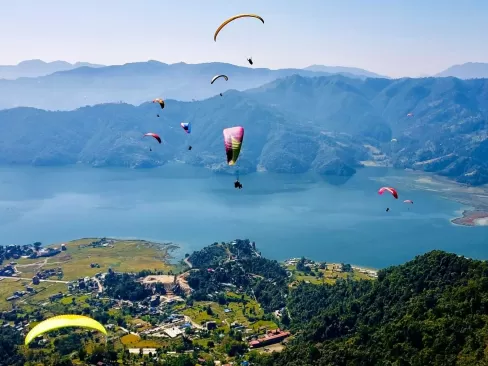
Paragliding in Pokhara's Enchanting SkiesPokhara, nestled in the heart of the Himalayas, is not just a haven for trekkers and nature lovers but also a paradise for adventure seekers. Among the myriad of adrenaline-pumping activities, paragliding in Pokhara stands out as an ethereal experience, offering a bird's-eye view of the majestic Annapurna Range, serene lakes, and the lush Pokhara Valley. This captivating adventure, set against the backdrop of one of Nepal's most picturesque landscapes, weaves together the thrill of flight with the tranquility of the Himalayan surroundings.The Paragliding Hub: Pokhara's Aerial WonderlandPokhara, with its pristine lakes and awe-inspiring mountainous terrain, provides an idyllic canvas for paragliding. The city is nestled between the Phewa Lake and the Annapurna Range, creating a surreal landscape that enchants both adventurers and nature enthusiasts alike. The paragliding experience in Pokhara unfolds against this backdrop, promising an unforgettable journey through the skies.The paragliding adventure typically begins from Sarangkot, a hill located on the outskirts of Pokhara. At an elevation of around 1,600 meters (5,250 feet), Sarangkot offers an ideal launching pad for paragliders, providing the necessary altitude to catch thermal updrafts and soar into the heavens.The moment of takeoff is a blend of excitement and anticipation. Strapped securely into the harness, participants, in tandem with their skilled pilots, run a few steps down the hillside. As the parachute catches the wind, the ground gradually falls away, and a sense of weightlessness prevails. The transition from solid ground to the boundless sky marks the beginning of a journey that transcends earthly constraints.Soaring Above Pokhara ValleyOnce airborne, the paraglider glides gracefully above the Pokhara Valley, offering a panoramic spectacle that encompasses the Phewa Lake, the city below, and the sprawling landscapes beyond. The Annapurna and Machapuchare mountain ranges provide a majestic backdrop, their snow-capped peaks glistening in the sunlight.As the paraglider catches thermal currents, the flight becomes a serene dance with the wind. The gentle swaying motion and the quiet rustle of the parachute create an ambiance of tranquility. Participants often find themselves in a state of awe, absorbing the breathtaking vistas while reveling in the freedom of flight.For those seeking a more dynamic experience, skilled paragliding pilots can perform thrilling maneuvers, such as spirals and wing-overs. These controlled acrobatics add an extra layer of excitement to the journey, catering to both adrenaline junkies and those looking to push their boundaries.One of the unique aspects of paragliding in Pokhara is the presence of thermal updrafts. These rising columns of warm air provide an opportunity for extended flights, allowing participants to stay airborne for a more extended duration. Soaring higher and higher, participants may find themselves eye-level with the towering peaks of the Annapurna Range.The descent is as graceful as the ascent, with the pilot guiding the paraglider back to solid ground. The landing area, typically near the shores of Phewa Lake, is carefully chosen to ensure a smooth and safe conclusion to the aerial adventure. Participants often touch down with a sense of accomplishment and a heart filled with the magic of the skies.

Bardiya National Park Tour: Nepal's Hidden Wildlife Paradise The elephant's footsteps were silent despite its massive size. Our naturalist raised his hand—the universal signal for "stop and look." Through the morning mist, about thirty meters ahead, a Bengal tiger emerged from the sal forest, muscles rippling under striped fur. For forty-seven seconds (I counted), we watched as this magnificent predator crossed the trail, barely acknowledging our presence before disappearing into the grasslands. This moment—this raw, unfiltered encounter with wilderness—is what Bardiya National Park offers in abundance. Unlike its more famous cousin Chitwan, Bardiya remains refreshingly uncrowded, allowing for genuine wildlife experiences that feel less like tourism and more like privilege. Covering 968 square kilometers in Nepal's far-western Terai region, Bardiya National Park has quietly become one of South Asia's premier wildlife destinations. Here's everything you need to know about experiencing this remarkable sanctuary. What's Inside: Why Choose Bardiya Over Other National ParksThe Big Five of Bardiya: Wildlife You'll Actually SeeBest Safari Experiences in BardiyaBirdwatching Paradise: 400+ SpeciesThe Tharu Cultural ExperienceKarnali River AdventuresWhen to Visit Bardiya National ParkWhere to Stay: Accommodation GuideGetting to Bardiya National ParkConservation Success StoriesWhat to Pack for BardiyaPhotography Tips for Wildlife Safari Why Choose Bardiya Over Other National Parks I'll be direct: if you want to see tigers in Nepal, Bardiya gives you the best odds. The park's tiger population has grown from fewer than 50 in 2008 to over 125 by 2024, making it one of the most successful tiger conservation stories in Asia. But the real magic of Bardiya isn't just the numbers—it's the experience. Here's what sets Bardiya apart from Nepal's other jungle safari destinations: Far fewer tourists. While Chitwan sees thousands of visitors monthly, Bardiya averages less than 15% of that traffic. What this means for you: quieter safaris, more attentive guides, and wildlife that behaves naturally rather than habituated to constant human presence. Larger wilderness area. At nearly 1,000 square kilometers, Bardiya offers vast tracts of undisturbed habitat. You can safari for hours without encountering another jeep—something impossible in more developed parks. Higher tiger sighting probability. Ask any naturalist working in Nepal, and they'll quietly admit that Bardiya offers the best tiger viewing opportunities. The park's open sal forests and grasslands provide better visibility than dense jungles elsewhere. Authentic wilderness feeling. Bardiya still feels wild in a way that's increasingly rare. The accommodations are simpler, the infrastructure less developed, and the experience more genuine. This isn't a manicured wildlife park—it's a real ecosystem functioning as nature intended. Rhinoceros comeback story. After being locally extinct, rhinos were reintroduced to Bardiya starting in 1986. Today, the park hosts over 70 one-horned rhinoceros, and they're remarkably easy to spot during safaris. If you're considering other Nepal wildlife experiences, compare with the popular Kathmandu Pokhara Chitwan Tour. While Chitwan excels in accessibility and infrastructure, Bardiya wins hands-down for serious wildlife enthusiasts seeking authentic encounters. The Big Five of Bardiya: Wildlife You'll Actually See Forget Africa's Big Five—Bardiya has its own star cast. Here's what you're realistically likely to encounter during your safari: 1. Bengal Tiger (Panthera tigris tigris) Sighting probability: 30-40% over a 3-4 day visit The park's biggest draw, and for good reason. Bardiya's tigers are less shy than those in other reserves, partly because the lower tourist traffic means they're less disturbed. Peak sighting times are early morning (6-9 AM) and late afternoon (4-6 PM). I met a couple from Switzerland who'd attempted tiger spotting in India three times without success. At Bardiya, they saw two different tigers on their second day. That's not guaranteed, but it's not unusual either. Best areas for tiger sightings: Karnali floodplain, Lamkauli buffer zone, and the grasslands around Baghaura Phanta. Your naturalist will know the recent movement patterns and pug marks. 2. One-Horned Rhinoceros (Rhinoceros unicornis) Sighting probability: 85-95% If you don't see rhinos at Bardiya, you might be trying really hard to avoid them. These prehistoric-looking giants graze openly in grasslands, wallow in water holes, and generally make themselves easy to spot. Fun fact: Rhinos are more dangerous than tigers. They have poor eyesight and may charge if startled. Always maintain distance and follow your guide's instructions. Despite their bulk—adult males weigh up to 2,200 kg—they can sprint at 55 km/h. The best rhino viewing happens in the Babai Valley section of the park, where grasslands dominate the landscape. 3. Asian Elephant (Elephas maximus) Sighting probability: 70-80% Bardiya hosts both wild elephant populations and a small number used for tourist safaris. Wild elephants tend to stay in deeper forest areas, but during the dry season (February-May), they emerge more frequently to access water sources. Elephant herds numbering 5-25 individuals move through the park seasonally. Witnessing a wild elephant family—calves playing while mothers feed—ranks among nature's most moving spectacles. Unlike the Annapurna region trekking where wildlife is scarce, Bardiya's lowland habitat supports large herbivores like elephants year-round. 4. Spotted Deer (Axis axis) and Swamp Deer (Rucervus duvaucelii) Sighting probability: 100% You'll see more deer than you can count. The park hosts several deer species, but two dominate: Spotted deer (chital) gather in herds of 10-50 individuals, their spotted coats dappling through the forest like living sunlight. They're the tiger's primary prey, which is why naturalists pay attention to alarm calls from deer herds. Swamp deer (barasingha) are rarer and more special. Listed as vulnerable, Bardiya represents one of their last strongholds in Nepal. Males sport magnificent antlers with 10-14 tines, giving them their name (bara means twelve, singha means horns). 5. Gharial Crocodile (Gavialis gangeticus) Sighting probability: 90%+ The Karnali River flowing through Bardiya hosts one of Nepal's most successful gharial conservation programs. These fish-eating crocodiles—recognizable by their long, thin snouts—bask on river sandbars by the dozen. Adult male gharials grow up to 6 meters long, making them one of the longest crocodile species on Earth. They're harmless to humans (their narrow jaws evolved for catching fish, not mammals), but they're critically endangered globally. The park also hosts Marsh Mugger crocodiles, which are shorter but bulkier and occasionally prey on terrestrial animals. Other notable wildlife you'll likely see: langur monkeys, rhesus macaques, wild boar, four-horned antelope, blue bulls, jackals, and if you're extremely lucky, sloth bears or leopards. Best Safari Experiences in Bardiya Bardiya National Park offers multiple ways to explore, each providing different perspectives on the wilderness: Jeep Safari (Recommended Primary Activity) Duration: 3-4 hours per session (morning or afternoon) Best for: Maximum wildlife coverage and tiger spotting Jeep safaris in Bardiya aren't like the convoy experiences in some African parks. You'll often be the only vehicle in vast sections of the park, creating an intimate wilderness experience. The open-top jeeps allow 360-degree viewing and excellent photography opportunities. Your naturalist-driver will navigate dirt tracks through sal forests, pause in grasslands where rhinos graze, and position for optimal wildlife photography. Pro tip: Book the first jeep slot of the morning (usually 6 AM start). Animals are most active in the cool dawn hours, and you'll have trails to yourself before other vehicles enter the park. Morning safaris offer better lighting for photography and more active wildlife. Afternoon safaris (typically 4-6 PM) provide dramatic golden-hour lighting and a different set of animal behaviors as they prepare for night. If choosing between Bardiya and other tour in Nepal options, factor in that Bardiya's jeep safaris deliver some of Asia's best big-game viewing. Walking Safari (Most Intimate Experience) Duration: 2-3 hours Best for: Immersive nature connection and smaller wildlife Walking through tiger habitat sounds terrifying. It's actually magical. Armed naturalists lead small groups (maximum 4-6 people) on foot through designated zones. The pace is slow, the attention to detail high. You'll notice things impossible to see from a vehicle: pug marks in dust, scratch marks on trees, the alarm calls of birds warning of predators nearby. Walking safaris focus on forest ecology, medicinal plants, insects, and smaller creatures often overlooked during jeep safaris. The heightened awareness of being on foot—knowing you're in tiger and rhino country—sharpens every sense. Safety note: Walking safaris avoid core wildlife areas. Encounters with dangerous animals are rare but handled professionally. Follow your guide's instructions absolutely. Elephant-Back Safari (Controversial but Available) Duration: 1-2 hours Best for: Grassland exploration and traditional experience Here's the honest truth: elephant safaris are controversial. Animal welfare concerns are valid, and many conservation-minded tourists avoid them. That said, Bardiya's elephant safaris use domestic elephants primarily for anti-poaching patrols, with tourist rides as secondary income to support elephant care. The elephants work limited hours with regular rest periods. From an elephant's back, you can navigate through tall elephant grass where rhinos hide and tigers sometimes rest during the day. The elevated perspective offers unique viewing angles impossible from ground level. Make your own informed choice based on personal ethics. Many visitors substitute extra jeep safaris instead. Canoe Trips on Karnali River Duration: 2-3 hours Best for: Bird watching and gharial viewing The Karnali River experience offers a completely different pace from land-based safaris. Gliding silently in a dugout canoe, you'll drift past sandbars where crocodiles bask, observe kingfishers diving for fish, and spot river dolphins if you're extraordinarily lucky. The river corridor attracts different bird species than forested areas, making canoe trips essential for serious birdwatchers. Great thick-knees, river terns, and various species of cormorants and herons feed along the banks. Mid-morning canoe trips (9-11 AM) work well, after animals have retreated from peak heat but before midday lethargy sets in. The gentle current does most of the work, creating a relaxing counterpoint to the intensity of jeep safaris. Combine Bardiya's water activities with the Trishuli River Rafting experience for adventure enthusiasts who want both wildlife and adrenaline. Birdwatching Paradise: 400+ Species If you're a birder, cancel whatever else you planned for Nepal and head straight to Bardiya. The park's 407 recorded bird species make it one of South Asia's premier birding destinations. The diversity stems from Bardiya's varied habitats: riverine forest, sal forest, grasslands, and wetlands each support different avian communities. Must-See Birds of Bardiya Bengal Florican (Houbaropsis bengalensis) - Critically endangered, with Bardiya hosting one of the last viable populations. Best viewing: March-April during breeding season when males perform spectacular display flights, leaping into the air with loud calls. Sarus Crane (Grus antigone) - The world's tallest flying bird, standing up to 1.8 meters. These magnificent cranes mate for life and perform elaborate courtship dances. Look for them in wetlands and agricultural fields near the park. Lesser Florican (Sypheotides indicus) - Another critically endangered species. Males are jet black with white wing patches, females cryptically patterned. Prime viewing: monsoon season (July-September). White-rumped Vulture (Gyps bengalensis) - Once common across South Asia, now critically endangered due to diclofenac poisoning. Bardiya's population is carefully monitored as part of conservation efforts. River Lapwing, Great Thick-knee, Small Pratincole - River specialists you'll see during canoe trips. Their calls echo across the water at dawn and dusk. Paradise Flycatcher, Jungle Owlet, Brown Fish Owl - Forest dwellers you'll spot during walking safaris when you're moving slowly and quietly. Birding by Season Winter (November-February): Migratory species arrive from northern Asia, swelling bird diversity. Waterfowl, raptors, and songbirds winter in Bardiya's warmer climate. Spring (March-May): Breeding season brings spectacular plumage and courtship displays. Birds are most vocal, making them easier to locate by call. Monsoon (June-September): Some species like the Lesser Florican only appear during monsoon. Resident species focus on nesting, with many showing breeding colors. Autumn (October-November): Migration season again, with different species moving through. Excellent for observing passage migrants. Serious birders should dedicate 4-5 days to Bardiya, covering different habitats and times of day. Casual observers will enjoy remarkable sightings on standard wildlife safaris. For context, compare with Rara Lake Tour, which offers high-altitude bird species versus Bardiya's lowland variety. The Tharu Cultural Experience Beyond wildlife, Bardiya offers something many national parks lack: meaningful cultural connection. The Tharu people are the indigenous inhabitants of the Terai region, having developed unique adaptations to living in malarial lowland forests over centuries. Their culture, relatively isolated until recent decades, preserves traditions found nowhere else in Nepal. What Makes Tharu Culture Unique Malaria resistance: Tharu people developed natural resistance to malaria, allowing them to thrive in areas that kept other populations away. This biological adaptation shaped their homeland's preservation. Stick dance (Tharu dance): The signature Tharu performance features rhythmic stick striking, colorful costumes, and hypnotic music. But this isn't a tourist show—it's a living tradition performed at festivals and celebrations. Architecture: Traditional Tharu houses use local materials—mud walls, thatched roofs, and raised platforms. The designs provide natural cooling and protection from floods. Many lodges incorporate Tharu architectural elements. Art and crafts: Tharu women create intricate wall paintings using natural pigments, practice unique weaving techniques, and produce distinctive pottery. Their art tells stories of daily life, nature, and spiritual beliefs. Tharu Village Visits Most Bardiya safari packages include visits to nearby Tharu villages, but the quality varies dramatically. Look for experiences that: Are community-led rather than voyeuristicInclude genuine interaction, not just observationSupport local income through craft purchases or homestaysRespect cultural sensitivity (ask before photographing people) Better experiences offer: cooking demonstrations where you help prepare traditional dishes, guided walks through agricultural fields with explanation of farming techniques, craft workshops where you attempt Tharu pottery or painting, and evening performances in authentic settings rather than tourist-oriented theaters. The Tharu cultural experience provides context for the park's conservation efforts, helping visitors understand that protecting Bardiya means protecting both wildlife and human heritage. Similar cultural immersion opportunities exist in Tamang Heritage Trek in the mountains, showing Nepal's incredible ethnic diversity. Karnali River Adventures The Karnali River—Nepal's longest waterway—defines Bardiya's western boundary and offers adventures beyond standard safari activities: White Water Rafting For adventure seekers, the Karnali provides world-class rafting experiences. Multi-day rafting trips flow through Bardiya National Park, combining wilderness camping with exciting rapids. Class III-IV rapids challenge experienced rafters while calmer sections allow wildlife viewing from the water. Imagine floating past a tiger drinking at the riverbank, or camping on pristine sandbars under star-filled skies. The rafting season runs October through May, with October-November offering the best combination of water flow and weather. January-March can be chilly but provides crystal-clear water and excellent beach camping. Most rafting expeditions last 3-10 days, depending on the put-in and take-out points. Some itineraries coordinate with Bardiya safaris for combined adventure-wildlife experiences. Compare with Bhotekoshi River Rafting for more technical whitewater closer to Kathmandu. Fishing (Catch and Release) The Karnali supports remarkable fish populations, including the endangered Golden Mahseer—a game fish that can exceed 30 kg. Licensed catch-and-release fishing is permitted in designated zones outside core wildlife areas. Mahseer fishing is best from October through March when water levels are moderate and fish are active. Local guides know productive pools and proper techniques for this challenging sport. Fishing licenses support park conservation efforts while providing income to local communities. The experience combines angling sport with wilderness immersion in one of Asia's wildest rivers. Riverside Bird Watching Even if you're not rafting or fishing, the Karnali River corridor deserves dedicated exploration. Many bird species concentrate along the river, and patient observers can spot otters, turtles, and occasionally the elusive Gangetic river dolphin. Evening walks along the riverbank as the sun sets behind distant hills offer magical experiences. The temperature drops, birds become active during the golden hour, and the sounds of the jungle intensify. When to Visit Bardiya National Park Unlike many trekking destinations in Nepal where season dramatically affects accessibility, Bardiya remains open year-round. However, timing significantly impacts your experience: Peak Season: October-March (Best for Most Visitors) October through November (Autumn): Fresh from monsoon rains, vegetation is lush and greenComfortable temperatures (20-25°C daytime)Excellent wildlife visibility as grass hasn't been cut yetMigratory birds arrive, boosting diversityRivers still flowing well for canoe trips December through February (Winter): Coolest temperatures (10-20°C), comfortable for safarisCrystal-clear air, excellent for photographyReduced vegetation makes wildlife easier to spotFewer tourists than ChitwanBest time for tiger sightings as they're more activeSome morning fog can reduce visibility temporarily March through early May (Spring): Warming temperatures (25-35°C)Grassland cutting happens annually (usually March)Post-cutting, rhinos and tigers incredibly easy to spotBengal Florican breeding displays in March-AprilLate season can be hot, but wildlife viewing is primeBest visibility of any season If you can only visit once, choose February through early April for the optimal combination of weather, visibility, and wildlife activity. Compare with Everest Base Camp Trek seasons, which are more restricted due to extreme weather and altitude. Monsoon Season: June-September (For Adventurous Visitors) Don't automatically dismiss monsoon season. While less popular, it offers unique experiences: Dramatically reduced tourist numbers (you might be the only visitors)Lower accommodation pricesLush, green landscapes at their most beautifulCertain bird species (Lesser Florican) only present during monsoonBaby animals—many species give birth during this seasonReptile activity peaks in warm, humid conditions Challenges include: Heavy rain can close some trailsThick vegetation reduces wildlife visibilityMore insects (mosquitoes, leeches)High humidity can be uncomfortableSome lodges close during monsoon Monsoon safari requires flexibility—be prepared to adjust plans based on weather. It's best suited for repeat visitors who've already experienced dry season safaris. Worst Times to Visit Late May through early June: Intensely hot (can exceed 40°C), uncomfortable for extended outdoor activities. The brief period between spring peak season and monsoon arrival offers little advantage. Where to Stay: Accommodation Guide Bardiya's accommodations range from basic lodges to surprisingly luxurious resorts, all integrated into the wilderness setting: Luxury Resorts Several properties offer high-end experiences without sacrificing the wild feeling. These typically feature: Spacious cottages or tents with ensuite bathroomsAir conditioning or effective ceiling fansMulti-course meals featuring local and international cuisineSwimming pools (essential in hot season)Guided activities included in packagesNaturalist-led evening wildlife talksSolar power or minimal generator use Examples include Tiger Tops Karnali Lodge, Bardia Eco Lodge, and Bardia Wildlife Resort. These properties employ local staff, support conservation initiatives, and minimize environmental impact. Mid-Range Lodges The sweet spot for most travelers, mid-range lodges offer: Clean, comfortable rooms with attached bathroomsFan cooling (adequate most seasons)Good quality Nepali and international foodKnowledgeable guides includedCommunity atmosphere with other travelersOften family-run with personal attention Popular choices include Rhino Lodge, Forest Hideaway, and Nature Safari Lodge. These properties balance comfort with authenticity, providing good bases for safari activities. Budget Options Budget accommodations cluster in Thakurdwara village near the park entrance: Basic but clean rooms (some with shared bathrooms)Fan cooling onlySimple but adequate foodCan arrange guides and safaris separatelyGreat for meeting other budget travelersMost authentic local experience Budget lodges work well if you're young, hardy, and prioritize spending on activities rather than accommodation. Don't expect luxury, but staff often compensate with exceptional hospitality. Homestays (Community-Based Tourism) A growing number of Tharu families offer homestay experiences, where you live with a local family: Genuine cultural immersionHome-cooked Tharu mealsLearn about traditional lifestyleVery budget-friendly ($15-25 including meals)Supports local communities directlyRequires flexibility and open-mindedness Homestays suit culturally curious travelers willing to adapt to local living standards. Bathrooms are basic, privacy limited, and comfort minimal—but the cultural exchange is authentic and memorable. Booking advice: Many lodges offer multi-day packages including accommodation, meals, and safari activities at better value than booking separately. During peak season (December-March), advance booking is wise. Monsoon season often sees spontaneous discounts. For comparison, check accommodation styles on Kathmandu Pokhara Tour versus Bardiya's jungle lodge experience. Getting to Bardiya National Park Bardiya's remoteness contributes to its pristine character, but getting there requires planning: By Air (Fastest but Limited) Flight route: Kathmandu → Nepalgunj (55 minutes) + Road transfer to Bardiya (2-3 hours) Several airlines (Buddha Air, Yeti Airlines) operate daily flights to Nepalgunj. Morning flights are most reliable, as afternoon weather can cause delays. From Nepalgunj, hire a jeep or taxi for the 90 km journey to Bardiya. Most lodges arrange pickup if booked in advance (usually $30-40 for the vehicle, not per person). Total travel time: 4-5 hours door-to-door Total cost: $170-220 per person (flight) + $30-40 (transfer) Advantage: Quick, relatively comfortable Disadvantage: Flight schedules mean you lose part of a day traveling; more expensive By Road (Scenic but Long) Route: Kathmandu → Bardiya (570 km, 12-14 hours) Tourist buses depart Kathmandu nightly around 5-6 PM, arriving in Bardiya the following morning. These purpose-built coaches have reclining seats, air conditioning, and toilet stops. Alternative: Private jeep hire offers flexibility for groups, allowing scenic stops and better comfort. Can split the journey with overnight stop in Pokhara or Butwal. Total travel time: 12-16 hours (overnight bus), or 2 days with stopover Cost: $15-25 (tourist bus), $250-350 (private jeep for group) Advantage: Budget-friendly, overnight travel doesn't waste daylight Disadvantage: Long, tiring journey; not suited for those with back problems My recommendation: Fly one way, bus the other. This balances cost, time, and gives you perspective on Nepal's geography. Combination Tours Many visitors combine Bardiya with other Nepal experiences: Kathmandu Pokhara Chitwan Tour + Bardiya extensionAnnapurna Base Camp Trek followed by Bardiya wildlife recoveryRara Lake Tour combined with Bardiya (both in western Nepal) Combination tours make logistical sense as Nepalgunj serves as a hub for western Nepal destinations. Discuss options with Explore Holiday Nepal for optimized itineraries. Conservation Success Stories Bardiya represents one of Nepal's greatest conservation achievements, with several remarkable recovery stories: Tiger Population Explosion In 2008, Nepal committed to doubling its tiger population—an ambitious goal many doubted. Bardiya exceeded it. From fewer than 50 tigers in 2008, the park now hosts over 125 individuals, making it Nepal's premier tiger habitat. This success stems from: Aggressive anti-poaching patrols (near-zero poaching since 2015)Community-based conservation involving local peopleHabitat corridor protection connecting Bardiya to Indian reservesPrey base recovery (abundant deer populations) The Bardiya tiger story demonstrates that conservation works when communities benefit and enforcement is consistent. Rhinoceros Reintroduction Rhinos were locally extinct in Bardiya by 1960s, victims of habitat loss and poaching. Starting in 1986, wildlife officials relocated rhinos from Chitwan, establishing a new population. Today's 70+ rhinos represent a remarkable comeback. Unlike some reintroduced populations that struggle, Bardiya's rhinos are breeding successfully, with calves born annually. The reintroduction taught valuable lessons about translocation best practices, now applied to other endangered species globally. Gharial Crocodile Recovery Once widespread across South Asian rivers, gharials were pushed to critical endangerment by the 1970s. Bardiya's captive breeding and release program has restored a healthy population. The Crocodile Breeding Center visitors can tour shows conservation in action. Young gharials are raised until large enough to survive in the wild, then released into the Karnali River. Over 200 gharials now inhabit park waters, with breeding occurring naturally. This represents one of the species' most successful recovery stories. Community Involvement Perhaps the biggest success is community participation. Previously, local people saw the park as restricting their resource access. Now, revenue-sharing, employment opportunities, and tourism benefits have created local conservation advocates. Buffer zone committees involve villagers in park management decisions. Anti-poaching units employ local people. Homestays and cultural programs provide income directly to Tharu communities. Conservation works when people benefit—Bardiya proves this principle daily. For broader Nepal conservation context, compare with Langtang Valley Trek area's recovery from the 2015 earthquake. What to Pack for Bardiya Smart packing enhances your Bardiya experience significantly. Here's what actually matters: Essential Clothing Lightweight, neutral-colored clothes (khaki, olive, brown) blend into surroundings and don't scare wildlife. Avoid bright colors, white, or black. Long-sleeved shirts (sun protection + insects)Light pants (zip-off legs ideal)Wide-brimmed hat (essential for sun)Fleece or light jacket (cool mornings October-March)Comfortable walking shoes (closed-toe, broken in)Sandals for lodge relaxation Don't pack: Heavy clothing, jeans (too hot), fancy clothes (this is jungle, not restaurants) Optics and Photography Binoculars: Absolutely essential for bird watching and distant wildlife. 8x42 or 10x42 specifications are ideal. Camera: Long lens (minimum 200mm, ideally 300-400mm) for wildlife photography. Dust protection important as trails are dusty. Extra batteries and memory cards. Spotting scope: Serious birders should consider this, though it adds bulk. Sun and Insect Protection Sun protection is critical in exposed grasslands: Minimum SPF 50 sunscreenLip balm with SPFSunglasses (polarized for river activities) Insect repellent (DEET-based 30%+ concentration): Mosquitoes are present year-roundMonsoon season sees more insectsEvening and dawn are worst times Consider: Permethrin treatment for clothing, providing long-lasting protection Personal Care Any prescription medications (no pharmacy in park area)Basic first aid kit (bandaids, antiseptic, pain reliever)Wet wipes or hand sanitizerToilet paper (facilities are basic)Flashlight/headlamp (power outages happen) What Not to Bring Leave behind: Valuables (simple accommodations, limited security)Excessive clothes (laundry service available)Plastic water bottles (use refillable; filtered water available)Hair dryer (limited electricity, unnecessary)White clothing (shows dirt, attracts insects) Packing philosophy: Less is more. Focus on practical, multi-use items rather than specialized gear. Similar packing considerations apply to Manaslu Circuit Trek, though mountain treks require more cold-weather gear. Photography Tips for Wildlife Safari After guiding photography enthusiasts through Bardiya safaris, here are practical tips that actually make a difference: Camera Settings For jeep safaris: Shutter priority mode (1/500-1/1000 sec minimum for sharp wildlife)ISO 400-800 (higher if needed for speed)Continuous autofocus (tracking moving animals)Burst mode enabled (capture action sequences) For static subjects (rhinos grazing, crocodiles basking): Aperture priority (f/5.6-f/8 for sharp subject, blurred background)Lower ISO for better quality (100-400)Single-point autofocus on the eye Golden hour magic: The hour after sunrise and before sunset provides warm, directional light that makes ordinary shots extraordinary. Schedule safaris accordingly. Composition Techniques Rule of thirds: Position animals off-center for dynamic composition. Leave space in the direction they're facing or moving. Eye contact: Focus on the animal's eye—if the eye is sharp, the photo works even if other parts are slightly soft. Environmental context: Don't always zoom in tight. Include habitat to tell a fuller story—a tiger in grasslands, a rhino by the river. Patience over rushing: The best shot often comes to those who wait. Rather than chasing multiple subjects poorly, commit to one and wait for the perfect moment. Practical Safari Photography Challenges Dust: Minimize lens changes in the field. Use a lens hood and keep spare camera in a sealed bag. Bring lens cleaning wipes and a blower brush. Vehicle vibration: Brace camera against the jeep frame, use beanbag, or increase shutter speed further. Avoid handholding telephoto lenses without support. Harsh midday light: Accept that 10 AM-3 PM won't produce your best work. Use this time for rest, lodge activities, or species that handle harsh light (birds in shadows, river scenes). Limited angles: You can't always position ideally in a vehicle. Work with what you have—sometimes an unusual angle creates a more interesting image than the "perfect" standard shot. Ethics matter: Never disturb wildlife for a photo. Don't ask guides to chase animals or get closer than safe/ethical. The experience trumps the photo every time. Backup everything: Memory cards fail, cameras get damaged. Bring spare cards, backup storage, and extra batteries. Similar photography opportunities exist on Ghorepani Poon Hill Trek, though landscapes rather than wildlife. Responsible Tourism in Bardiya Tourism done right supports conservation; done wrong, it undermines it. Here's how to be part of the solution: Support Local Economy Directly Choose locally-owned lodges over international chains (though few chains operate in Bardiya anyway). Staff are usually from nearby Tharu villages, keeping tourism revenue local. Purchase crafts directly from artisans rather than through middlemen. Tharu women's weaving cooperatives offer quality products with proceeds supporting families. Hire local guides who grew up in the area and know it intimately, rather than imported guides. Their ecological and cultural knowledge is superior, and their families benefit directly. Minimize Environmental Impact Refuse single-use plastics—bring a refillable water bottle and use lodge filtration systems. Bardiya has no recycling infrastructure; plastic that enters the system stays permanently. Stick to designated trails—wandering off-path damages vegetation and disturbs wildlife unnecessarily. Those trails exist for solid reasons. Don't touch or feed wildlife—this seems obvious, but people still do it. Habituating animals to humans is dangerous for both species. Use biodegradable soaps and toiletries—many lodges use septic systems that discharge into natural waterways. Phosphate-free products matter here. Ethical Wildlife Viewing Maintain distance—closer isn't always better. Pushing too close stresses animals and can provoke defensive behavior. Keep quiet—loud voices and music scare wildlife and annoy other visitors hoping for peaceful experiences. Don't use flash photography—it can startle animals and is prohibited in the park. Modern cameras handle low light well enough. Respect park rules—they exist to protect both visitors and wildlife. Don't pressure guides to bend regulations. Report violations—if you witness poaching, harassment of wildlife, or illegal activities, report to park authorities or your lodge management. Support Conservation Programs Many lodges contribute percentages of revenue to conservation initiatives. Ask about these programs and choose properties that demonstrably support conservation. Consider donating to local conservation NGOs working in the Bardiya area. Your guide or lodge can recommend legitimate organizations. Spread awareness—share your Bardiya experiences with others. The more people value these wild places, the more political will exists to protect them. Similar responsible tourism principles apply to Upper Mustang Trek, where cultural and environmental protection are equally critical. Combining Bardiya with Other Nepal Experiences Bardiya's location in far-western Nepal positions it well for combination itineraries: Bardiya + Chitwan (Wildlife Comparison) For serious wildlife enthusiasts, visiting both of Nepal's major Terai parks provides interesting contrast. Chitwan is more developed, easier to access, and offers greater infrastructure. Bardiya is wilder, less crowded, and arguably better for tiger viewing. A 10-12 day itinerary allows 4-5 days in each park with travel days. You'll appreciate how different parks manage tourism differently and see a wider variety of ecosystems. Bardiya + Rara Lake (Western Nepal Complete) Both destinations sit in western Nepal, making logistics sensible. Rara Lake—Nepal's largest lake at 2,990 meters elevation—offers completely different scenery: alpine rather than subtropical, quiet rather than teeming with life. This combination showcases Nepal's diversity from lowland jungle to mountain lakes within a single trip. Bardiya + Pokhara + Annapurna Trek The classic Nepal combination: mountain trekking, lakeside relaxation, and wildlife safari. Fly Kathmandu-Pokhara, complete Annapurna Base Camp or Ghorepani Poon Hill, rest in Pokhara, then travel to Bardiya. This 15-18 day journey delivers Nepal's highlights: Himalayan panoramas, adventure trekking, and rare wildlife encounters. Bardiya + Kathmandu Culture Short on time? A 7-8 day itinerary combining Kathmandu Valley cultural sites with Bardiya wildlife works well. Fly both ways for maximum efficiency. This combination provides cultural immersion (temples, monasteries, history) plus wildlife adventure without requiring extensive time or difficult travel. Bardiya + Lumbini (Spiritual Journey) Lumbini—Buddha's birthplace—lies relatively near Bardiya. Combine wildlife viewing with spiritual reflection at one of Buddhism's most sacred sites. The Kathmandu Pokhara Lumbini Chitwan Tour could be modified to substitute Bardiya for or in addition to Chitwan. Combination tour advantages: Better value through bundled transportation and services, more efficient use of travel time, single point of contact for logistics, and comprehensive Nepal experience without planning headaches. Frequently Asked Questions Is Bardiya safe for tourists? Yes, Bardiya is very safe for tourists. The park has near-zero poaching incidents since 2015, and violent crime is virtually non-existent in this rural area. Wildlife encounters are managed by professional guides who prioritize safety. Standard travel precautions apply, but Bardiya poses no special safety concerns beyond those inherent in any wilderness experience. How many days should I spend in Bardiya? Three to four days is optimal for most visitors. This allows for multiple safari sessions at different times of day, increasing your chances of significant wildlife sightings (especially tigers). Two days feels rushed, while more than five days suits only serious wildlife photographers or birders documenting species. Most itineraries include 3 nights/4 days of activities. What's the difference between Bardiya and Chitwan? Bardiya is larger (968 sq km vs 932 sq km), less developed, and receives far fewer tourists—making for more genuine wilderness experiences. Bardiya has higher tiger density and better viewing opportunities. Chitwan offers easier access from Kathmandu, more developed infrastructure, and more activity options. For serious wildlife enthusiasts, Bardiya is superior; for convenience and family-friendly experiences, Chitwan edges ahead. Can I visit Bardiya during monsoon? Yes, though it's challenging. Heavy rains (June-September) can make some trails impassable, and thick vegetation reduces wildlife visibility significantly. However, fewer tourists, lower prices, lush green landscapes, and unique monsoon wildlife (certain bird species only appear then) make it worthwhile for adventurous visitors. Bring quality rain gear and flexibility in your schedule. Are there facilities for visitors with limited mobility? Bardiya is not particularly accessible for those with significant mobility limitations. Safaris involve getting in and out of open jeeps (which lack wheelchair lifts), walking on uneven terrain, and staying in rustic accommodations often lacking proper accessibility features. That said, jeep safaris themselves require minimal walking, and some lodges offer ground-floor rooms. Contact Explore Holiday Nepal to discuss specific needs. What's the realistic chance of seeing a tiger? With 3-4 days of morning and afternoon safaris, you have approximately 30-40% chance of seeing a tiger. This is higher than most tiger reserves globally. Sightings aren't guaranteed—tigers are solitary, wide-ranging predators—but Bardiya offers among the best odds anywhere. Indirect signs (pug marks, scat, alarm calls) are seen on virtually every safari, even if the tiger itself remains hidden. Is Bardiya suitable for children? Yes, though it depends on the child. Very young children (under 5) may struggle with early morning safaris, hot weather, and long jeep rides. Children 8+ typically love the adventure and wildlife encounters. Some lodges have minimum age requirements for certain activities (like walking safaris). Families should choose accommodations with amenities like swimming pools to break up safari intensity. What's the best way to book Bardiya? Book through a reputable Nepal-based tour operator like Explore Holiday Nepal who can arrange complete packages including permits, accommodation, meals, guides, and activities. Packages typically offer better value than booking elements separately. During peak season (December-March), book 2-3 months in advance. Off-season allows more spontaneous booking. Can I extend my Bardiya trip if I love it? Absolutely, and many visitors do. Most lodges accommodate extensions if rooms are available. Longer stays allow deeper exploration of different park zones, more relaxed schedules, and increased chances of rare wildlife sightings. Discuss flexibility with your tour operator when initially booking, as some itineraries are easier to extend than others depending on return flight bookings and next destination commitments. What's included in typical Bardiya packages? Standard packages typically include park entrance fees, accommodation, all meals, guided jeep and walking safaris, canoe trips, Tharu cultural programs, and naturalist services. Excluded are usually: transport to/from Bardiya, travel insurance, personal expenses, tips for guides/staff, and bar drinks. Always verify specific inclusions before booking to avoid surprise charges. Why Choose Explore Holiday Nepal for Bardiya After years of operating wildlife safaris and trekking expeditions across Nepal, Explore Holiday Nepal brings unmatched expertise to Bardiya National Park experiences: Local Knowledge and Connections Our team includes naturalists who grew up in the Bardiya area, with intimate knowledge of wildlife movement patterns, best viewing locations, and seasonal variations. This local expertise dramatically increases your chances of meaningful wildlife encounters. Relationships with the best lodges ensure you get quality accommodation matching your preferences and budget. We know which properties deliver on promises and which overpromise and underdeliver. Tharu community connections enable authentic cultural experiences rather than tourist-focused performances. Our Tharu staff members facilitate genuine exchanges that respect both visitors and local culture. Comprehensive Service We handle everything: permit arrangements, transport booking, accommodation selection, activity coordination, and guide assignment. You focus on experiencing Bardiya; we manage logistics. Flexible itineraries accommodate your interests. Love birding? We'll emphasize dawn walks and river canoe trips. Obsessed with tigers? We'll schedule extra safaris and position in prime territories. Want cultural immersion? We'll arrange homestays and extended village visits. Emergency support means 24/7 availability if plans change or problems arise. Medical issues, flight delays, or simply wanting to extend your stay—we're available to assist. Responsible Tourism Commitment Explore Holiday Nepal prioritizes sustainable tourism that benefits local communities and supports conservation. We employ local guides, use local services, and encourage practices that minimize environmental impact. Portion of profits support conservation initiatives in Bardiya and throughout Nepal. Your tourism spending directly contributes to wildlife protection and habitat preservation. Small group sizes (typically 2-8 people) reduce environmental impact while improving experience quality compared to large group tours. Combination Expertise Planning to combine Bardiya with trekking, cultural tours, or other activities? Our expertise across Nepal's diverse regions lets us design seamless itineraries. We understand timing, logistics, and how different experiences complement each other. Connect with Kathmandu Valley tours, mountain trekking, adventure activities, and wildlife safaris into coherent journeys that maximize your Nepal experience. Ready to Experience Bardiya's Wild Heart? Bardiya National Park offers something increasingly rare: genuine wilderness where nature operates on its own terms, where tigers still roam freely, and where the relationship between humans and wild places hasn't completely frayed. Every morning in Bardiya brings uncertainty. Will today be the day you lock eyes with a tiger? Watch a rhino mother with her calf? Witness the spectacular courtship display of an endangered florican? Or simply enjoy the peace of drifting down the Karnali River as fish eagles circle overhead? You won't know until you go. That uncertainty—that sense that nature isn't performing for tourists but simply being itself—makes Bardiya special. Three days in Bardiya will teach you more about wildlife conservation than a hundred documentaries. You'll understand why protection matters, what challenges conservationists face, and how local communities and wildlife can coexist to mutual benefit. Book your Bardiya National Park tour with Explore Holiday Nepal and discover why serious wildlife enthusiasts consistently rank it among Asia's top safari destinations. The jungle is calling. And unlike phone notifications or email alerts, this is a call worth answering. Related Wildlife and Adventure Experiences: Kathmandu Pokhara Chitwan Tour - Combined cultural and wildlife journeyJungle Safari in Nepal - Explore all Nepal safari optionsRara Lake Tour - Western Nepal's alpine gemKathmandu Pokhara Lumbini Chitwan Tour - Complete Nepal experience Mountain Trekking for Post-Safari Adventures: Annapurna Base Camp Trek - Mountain panoramas after jungle adventuresLangtang Valley Trek - Closest Himalayan trek to KathmanduGhorepani Poon Hill Trek - Short trek with spectacular viewsManaslu Circuit Trek - Remote mountain adventure Adventure Activities to Complement Your Safari: Trishuli River Rafting - White water excitementParagliding Pokhara - Soar with Himalayan viewsBungee Jump - Adrenaline rush near Kathmandu Have questions about Bardiya National Park? Drop them in the comments. Whether you're planning your first safari or your tenth, I'm happy to share insights from years of guiding wildlife enthusiasts through Nepal's wildest corners.
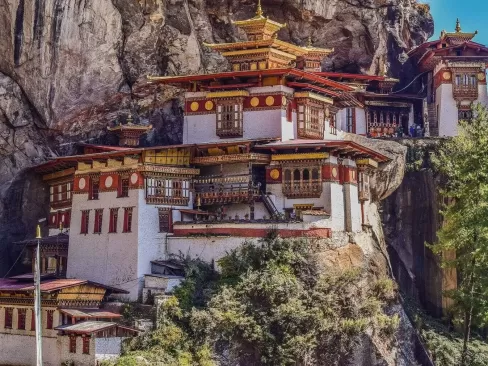
Exploring the Enchanting Kingdom of Bhutan — The Land of the Thunder Dragon Nestled high in the eastern Himalayas, the Kingdom of Bhutan — lovingly known as the Land of the Thunder Dragon — remains one of Asia’s most fascinating and culturally preserved destinations. Renowned for its spirituality, dramatic mountain scenery, and deep respect for tradition, Bhutan appeals to travelers seeking something beyond a typical holiday. Bhutan enchants with rich cultural heritage, mystical monasteries, pristine wilderness, and spiritual stillness. This guide explores all you need to know before planning your Bhutan adventure — and how it pairs beautifully with Himalayan treks and cultural explorations via Nepal. Why Bhutan Is a Must-Visit Destination Though Bhutan might be small in size, its cultural and natural wealth are immense. The kingdom has carefully protected its identity through policies that value tradition, sustainability, and happiness, famously measuring success with Gross National Happiness. This philosophy ensures that tourism here feels meaningful and respectful rather than commercialized. Travelers to Bhutan are greeted by dramatic terraced fields, mist-shrouded mountain passes, serene monasteries perched on cliffs, and festivals filled with vibrant ritual dances. The slow pace of life here lets visitors truly disconnect and absorb the sacred landscapes and local way of life. Pairing your Bhutan experience with a trek in Nepal enhances your Himalayan journey. While Bhutan offers spiritual and cultural depth, Nepal is the trekking capital of the world with world-class journeys like the Everest Base Camp Trek, Nepal and the Annapurna Circuit Trek Bhutan’s Rich Cultural Heritage — A Tapestry of Traditions Festivals and Rituals Bhutanese culture is inseparable from Buddhism. Its life and rhythm are reflected in the colorful festivals known as Tshechus, which draw locals and travelers alike. These annual gatherings feature sacred masked dances, traditional songs, and vibrant costumes — all meant to teach moral lessons, honor saints, and bring communities together. From the famed Paro Tsechu to the Thimphu Tshechu, festivals are a living thread of history and spirituality that deeply resonate with visitors. Unlike other tourist-oriented events, Bhutanese festivals remain authentic cultural experiences that reveal the profound beliefs and values of the Bhutanese people. If you’re a culture lover, this resonates with the authenticity you might seek in Himalayan treks such as the Tamang Heritage Trek, Nepal or the Langtang Gosainkunda Trek, Nepal where local traditions and histories intertwine with the trail. Living Traditions and Local Life Bhutanese everyday life is steeped in tradition. Fields are cultivated by hand, monks chant in monasteries, and prayer flags flutter in high mountain breezes. Towns like Paro, Thimphu, and Bumthang showcase traditional dzong architecture — massive fortress-monasteries with courtyards, temples, and administrative halls. Visitors often speak of a palpable sense of peace and reverence here, one that stays with you long after you leave. It’s a contrast to Nepal’s bustling Kathmandu valley, yet both places share Himalayan spirituality and ancient traditions. Spectacular Natural Beauty — A Paradise for Nature Lovers Rising from lush subtropical foothills to rugged snow-capped peaks, Bhutan’s landscapes are staggering in their variety and beauty. Ancient forests cloak steep hillsides, and swift rivers carve deep valleys between towering mountains. A trip through Bhutan offers serenity and raw landscapes that rival trekking routes like the Upper Dolpo Trek, Nepal or Makalu Base Camp Trek, Nepal— places where remoteness and wilderness define the adventure. Hikes and nature walks in Bhutan reveal rare wildlife including Himalayan blue sheep, takin (the national animal), and even elusive snow leopards in the remotest regions. Unforgettable Monasteries — Spiritual Sojourns Perhaps the most iconic symbol of Bhutan is its monasteries. These sacred places offer stunning architecture, spirituality, and panoramic mountain views. The crown jewel is Taktsang Monastery, known as the Tiger’s Nest — a sacred cliffside temple that seems suspended between earth and sky. This spiritual trail is challenging yet deeply rewarding, drawing pilgrims and adventurers alike. Other must-visit monasteries include: Punakha Dzong — A majestic fortress monastery set at the confluence of two rivers. Trongsa Dzong — A stunning fortress with sweeping Himalayan vistas. Gangtey Monastery — Overlooking the beautiful Phobjikha Valley, home to black-necked cranes in winter. These breathtaking spiritual sites resonate with the same cultural depth found in Nepalese monastery treks like the Langtang Valley Trek, Nepal and Manaslu Circuit Trek, Nepal , where religion and mountain life are intricately connected. Adventure and Outdoor Activities — Beyond Bhutan’s Trails Hiking & Trekking in Bhutan While Nepal boasts more extensive trekking infrastructure, Bhutan offers remarkable hikes ranging from moderate cultural trails to high alpine passes. The Druk Path trek, for example, links Paro and Thimphu through rhododendron forests and ancient dzongs, with panoramic views of the Himalayas. Guided multi-day treks explore remote valleys like Bumthang and the Trans-Bhutan Trail, revealing landscapes that feel untouched by time. These treks are excellent for those who want solitude and cultural immersion without the crowds. If you love trekking in Nepal, bringing that spirit into Bhutan amplifies your experience. Consider combining experiences by exploring rugged Nepalese trails like the Manaslu Tsum Valley Trek, Nepal , Nar Phu Via Annapurna Circuit Trek, Nepal , or the breathtaking Kanchenjunga Base Camp Trek, Nepal Wildlife & Birdwatching Bhutan’s blend of Eastern Himalayan ecosystems hosts diverse bird species and rare wildlife, making it a paradise for nature lovers. Phobjikha Valley — a glacial valley — becomes a winter haven for the endangered black-necked cranes, offering unforgettable birdwatching experiences. Nature enthusiasts can explore protected areas like Jigme Dorji National Park and Royal Manas National Park, where biodiversity flourishes among snow-leopard-habitat terrain and subtropical jungles. These lush environments echo the biodiversity found along Nepal’s Langtang Valley Trek and the striking contrasts you encounter on the Annapurna Circuit Budget Trek, Nepal Festivals — A Cultural Immersion Bhutan’s annual festivities are not mere spectacles — they are integral to community identity. Each festival, or Tshechu, celebrates heroic deeds of saints and Buddhist teachings. Elaborate mask dances — known as Cham — narrate moral stories, offering both spiritual blessings and cultural insight. These festivals often take place in monastery courtyards framed by fluttering prayer flags and towering mountains, creating unforgettable cultural imagery — a rich experience that can pair beautifully with Nepal’s vibrant cultural treks like the Tsum Valley Trek, Nepal Planning Your Bhutan Visit — Best Seasons and Travel Tips Best Times to Visit The most favorable seasons for visiting Bhutan are: Spring (March to May): Rhododendrons and wildflowers bloom across the valleys. Autumn (September to November): Clear skies and crisp air make for spectacular views. These months also align with prime trekking windows in Nepal, making it ideal if planning a combined Nepal-Bhutan itinerary. During these seasons, mountain vistas are vivid and trails are accessible — perfect settings for both Bhutanese hikes and legendary Nepal treks like the Everest Three Pass Trek, Nepal and the tranquil Pikey Peak Trek, Nepal Travel Guidelines and Culture Respect for local etiquette is essential in Bhutan: Always remove shoes before entering monasteries. Dress modestly and follow guides during rituals. Participate respectfully in cultural events — it enriches your journey and honors local traditions. This level of cultural respect resonates with trekking cultures in Nepal, where traditional hospitality and local customs are deeply woven into experiences. Suggested Bhutan & Nepal Combined Itineraries 1. Culture First, Mountains Next Start with Bhutan’s spiritual sites and festivals. Follow with the panoramic Annapurna Base Camp Trek, Nepal Experience contrasting Himalayan cultures and landscapes. 2. Himalayan Peaks & Spiritual Peaks Explore Bhutan’s cliffside monasteries and Dzongs. Embark on the strenuous Manaslu Tsum Valley Luxury Trek, Nepal Witness untouched wilderness and remote mountain culture. 3. Wilderness & Wisdom Wander Bhutan’s nature trails and forest sanctuaries. Trek the iconic Everest Base Camp Trek, Nepal Culminate your journey with Sherpa villages, glaciers, and Himalayan history.Final Thoughts Bhutan is not just a destination — it’s a soulful experience. From spiritual heights and vibrant festivals to serene valleys and sacred monasteries, Bhutan promises a journey that nourishes both the heart and mind. Paired with Nepal’s legendary treks, this Himalayan route creates a transformative adventure of culture, wildlife, nature, and personal discovery. Whether you’re drawn to introspective retreats in Bhutan or adrenaline-filled treks amidst breathtaking peaks in Nepal, this region of the world offers layers of beauty waiting to be discovered.
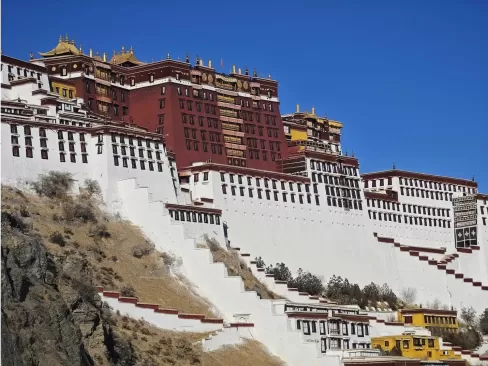
Tibet Lhasa Tour: A Cultural Odyssey in the Roof of the World The Tibet Lhasa Tour represents one of the most spiritually enriching and culturally immersive journeys available to travelers seeking to explore the mystical highlands of the Tibetan Plateau. This extraordinary adventure takes you through ancient monasteries, sacred lakes, and towering mountain passes, offering an unparalleled glimpse into a civilization that has preserved its unique identity for thousands of years. Whether you're a spiritual seeker, cultural enthusiast, or adventure traveler, the journey to Lhasa and beyond promises transformative experiences that resonate long after you've returned home. Understanding Tibet: The Land Beyond the Clouds Tibet, often called the "Roof of the World," sits at an average elevation of 4,500 meters above sea level, making it the highest region on Earth. This remarkable geography has shaped not only the physical landscape but also the spiritual and cultural identity of the Tibetan people. The region's isolation, protected by the formidable Himalayan mountain range, has allowed Tibetan Buddhism to flourish in its purest form, creating a society where spirituality permeates every aspect of daily life. The capital city of Lhasa, sitting at 3,650 meters, serves as the spiritual and political heart of Tibet. The name "Lhasa" translates to "Place of the Gods," and anyone who visits quickly understands why. The city combines ancient traditions with modern developments, creating a fascinating juxtaposition that defines contemporary Tibet. Before embarking on your Tibet journey, many travelers choose to acclimatize in Nepal, often combining their trip with adventures like the Everest Base Camp Trek or the Annapurna Circuit Trek, which help prepare the body for high-altitude conditions. The Jewels of Lhasa: UNESCO World Heritage Sites Potala Palace: The Crown of Tibetan Architecture The iconic Potala Palace dominates Lhasa's skyline with its imposing structure that rises 13 stories and contains over 1,000 rooms. This architectural masterpiece served as the winter residence of the Dalai Lamas from 1649 until 1959 and remains the most recognizable symbol of Tibet. The palace complex is divided into the White Palace, which contained the living quarters, and the Red Palace, dedicated to religious study and prayer. Walking through the Potala Palace is like stepping back in time. The chapels contain thousands of statues, tangkas (religious paintings), and ancient Buddhist scriptures. The most revered areas include the tomb stupas of past Dalai Lamas, adorned with gold and precious jewels. The palace also houses an extensive library of Buddhist literature and historical documents that chronicle Tibet's rich history. Visiting the Potala Palace requires advance booking, as daily visitor numbers are strictly controlled to preserve the structure. The climb to the palace entrance involves ascending numerous steps at high altitude, so proper acclimatization is essential. Many travelers prepare for this challenge by undertaking treks in Nepal's Himalayan regions, such as the Langtang Valley Trek or the Manaslu Circuit Trek, which build stamina and altitude tolerance. Jokhang Temple: The Spiritual Heart of Tibet If the Potala Palace is Tibet's political symbol, the Jokhang Temple is undoubtedly its spiritual nucleus. Built in the 7th century during the reign of King Songtsen Gampo, the Jokhang houses the most sacred object in Tibetan Buddhism: a gold statue of Shakyamuni Buddha at age 12, brought to Tibet by Princess Wencheng from China. The temple attracts thousands of pilgrims daily, who prostrate themselves repeatedly around the temple in a profound display of devotion. The air around Jokhang is thick with the scent of juniper incense and yak butter from thousands of flickering lamps. The devotion visible here is palpable and often deeply moving for visitors, regardless of their own spiritual beliefs. The Barkhor Circuit, the pilgrimage path encircling the Jokhang, has been worn smooth by centuries of pilgrims walking clockwise around the temple. Today, this area also functions as a bustling market where you can purchase traditional Tibetan handicrafts, prayer wheels, Buddhist artifacts, and local textiles. The energy here is electric, combining religious devotion with commercial activity in a way that has characterized Tibetan culture for centuries. Sera Monastery: Where Monks Debate Buddhist Philosophy Located at the base of Tatipu Hill, Sera Monastery was founded in 1419 and once housed over 5,000 monks. Today, it remains an active center of Buddhist learning, famous for its philosophical debates. These debates, held in the monastery's courtyard each afternoon (except Sundays), represent one of the most unique cultural experiences available in Tibet. The debates are theatrical and energetic, with monks clapping their hands together forcefully to emphasize points in their arguments about Buddhist philosophy. Senior monks pose questions to junior students about logic, metaphysics, and Buddhist doctrine. Even if you don't understand Tibetan, watching the passionate exchanges, dramatic gestures, and intense concentration provides fascinating insight into Tibetan Buddhist education. The monastery's chapels contain impressive collections of Buddhist art, including large statues, intricate mandalas, and ancient manuscripts. The main assembly hall can accommodate thousands of monks during important religious ceremonies, and its atmosphere of deep spirituality is immediately apparent. Drepung Monastery: The Once-Largest Monastery in the World Perched on the slopes of Mount Gephel, Drepung Monastery was once the world's largest monastery, housing up to 10,000 monks at its peak. Founded in 1416, it served as the principal residence of the Dalai Lamas before the Potala Palace's construction. The name "Drepung" means "rice heap," referring to the monastery's white buildings scattered across the mountainside like grains of rice. The monastery complex resembles a small town, with winding alleyways connecting various colleges, temples, and residential quarters. The main assembly hall features a spectacular collection of Buddhist statues and thankas. The monastery also hosts the famous Shoton Festival each year, where a giant thangka depicting Buddha is unfurled on the mountainside, attracting thousands of pilgrims and tourists. The hike up to Drepung provides excellent acclimatization exercise while offering panoramic views of Lhasa Valley. For travelers who have previously completed challenging treks like the Gokyo Lakes Trek or the Upper Mustang Trek, the walk to Drepung will feel manageable while still providing a satisfying altitude workout. Beyond Lhasa: The Sacred Geography of Tibet Yamdrok Lake: The Turquoise Jewel of Tibet One of the most photographed locations in Tibet, Yamdrok Lake (also spelled Yamdrok Tso) is a stunning turquoise lake that stretches for 72 kilometers at an altitude of 4,441 meters. The lake is considered sacred by Tibetans, who believe it is the transformation of a goddess. According to local legend, if the lake dries up, Tibet will become uninhabitable. The journey to Yamdrok Lake takes you over the Kamba La Pass at 4,794 meters, where prayer flags flutter in the constant wind, carrying prayers and mantras across the landscape. From this vantage point, the lake appears as a brilliant turquoise ribbon winding through the brown and ochre mountains. On clear days, you can see the snow-capped peaks of Mount Nojin Kangsang (7,191 meters) reflected in the lake's pristine waters. The lakeside is dotted with small Tibetan villages where nomadic herders tend their yaks and sheep. The traditional black yak-hair tents contrast beautifully with the vivid blue water, creating scenes that photographers dream about. This remote landscape offers insights into traditional Tibetan pastoral life that has remained largely unchanged for centuries. Gyantse: The Ancient Trading Hub Gyantse, situated at 3,977 meters, was historically an important trading town on the route between Lhasa and India. The town retains much of its traditional character, with old Tibetan houses lining narrow streets beneath the imposing Gyantse Dzong (fortress) that crowns the hill above the town. The Pelkor Chode Monastery complex in Gyantse contains the famous Kumbum Stupa, a nine-story architectural wonder that houses 77 chapels containing thousands of murals and statues. "Kumbum" means "100,000 images," and the stupa lives up to its name with an overwhelming collection of Buddhist art. Each level must be explored separately, climbing narrow stairs and discovering new chapels at every turn. The monastery's main assembly hall features beautiful murals depicting Buddhist cosmology and Tibetan history. Unlike many Tibetan religious sites, Pelkor Chode represents an unusual harmony, as it historically housed monks from multiple Buddhist schools under one roof. This rare cooperation makes the site particularly significant for understanding Tibet's complex religious history. Shigatse and Tashilhunpo Monastery Shigatse, Tibet's second-largest city at 3,836 meters, serves as the traditional seat of the Panchen Lama, the second-highest figure in Tibetan Buddhism after the Dalai Lama. The city's centerpiece, Tashilhunpo Monastery, was founded in 1447 and remains one of Tibet's most important religious institutions. The monastery complex sprawls across the hillside, containing numerous chapels, colleges, and residential quarters. The most impressive feature is the massive gilded statue of the Future Buddha (Maitreya), standing 26.2 meters high and adorned with precious jewels. The statue chapel also houses an impressive collection of Buddhist scriptures and artifacts. Walking through Tashilhunpo provides a window into active monastic life, as hundreds of monks still reside here, studying Buddhist philosophy and performing religious ceremonies. The monastery's festival calendar includes spectacular religious dances and the unfurling of giant Buddha thangkas, events that offer extraordinary cultural experiences for visitors fortunate enough to witness them. The Journey to Everest Base Camp: Standing Before the Highest Peak For many travelers, the Tibet Lhasa Tour culminates with a journey to Everest Base Camp on the Tibetan (northern) side of the mountain. This approach differs dramatically from the more commonly known route from Nepal, which starts at Lukla and takes trekkers through Sherpa villages and Buddhist monasteries. The Tibetan route to Everest Base Camp is accessible by vehicle via the Friendship Highway, which connects Lhasa with the Nepal border. The journey takes you across the high-altitude plains of the Tibetan Plateau, where elevations rarely drop below 4,000 meters. This stark landscape features endless horizons, nomadic herders, and scattered monasteries that appear like mirages in the vast expanse. Tingri and the Himalayan Panorama The town of Tingri serves as the gateway to the Everest region from the Tibetan side. At 4,300 meters, this remote settlement offers stunning panoramic views of the Himalayan giants: Everest (Chomolungma in Tibetan, meaning "Goddess Mother of the World"), Cho Oyu, Makalu, and Lhotse. The view from Tingri is often considered superior to anything available from the Nepalese side, as you can see the entire Himalayan chain stretching across the horizon. The landscape here is austere but breathtaking, with snow-capped peaks rising above barren brown plateaus. Small Tibetan villages dot the landscape, their whitewashed houses and colorful prayer flags providing the only splashes of color against the monochromatic terrain. Yak caravans still transport goods along ancient trade routes, and nomadic families live in traditional black tents, maintaining lifestyles that have endured for millennia. Rongbuk Monastery and Everest Base Camp At 5,154 meters, Rongbuk Monastery holds the distinction of being the world's highest monastery. Founded in 1902, it sits just eight kilometers from Everest Base Camp, offering unobstructed views of Everest's north face. The monastery has served as a base for numerous Everest expeditions over the decades, and its small guesthouse has hosted famous mountaineers including George Mallory and Edmund Hillary. The monastery itself is modest but atmospheric, with prayer flags snapping in the constant wind and the massive bulk of Everest dominating the view to the south. Monks and nuns maintain a presence here, tending to pilgrims and tourists who make the journey to this remote location. From Rongbuk, a rough road leads to Everest Base Camp at 5,200 meters. Unlike the Nepal Everest Base Camp, which sits on the Khumbu Glacier, the Tibetan base camp is on a flat, open plain with an unimpeded view of Everest's north face. On clear days, the mountain appears impossibly large, its summit pyramid rising another 3,648 meters above the base camp. Standing at Everest Base Camp is a humbling experience that connects you with the countless adventurers who have dreamed of conquering this peak. The harsh environment—bitterly cold winds, thin air, and barren landscapes—provides a visceral understanding of the challenges facing mountaineers who attempt to climb the world's highest mountain. Tibetan Culture and Buddhism: Understanding the Spiritual Landscape The Role of Buddhism in Tibetan Society Tibetan Buddhism permeates every aspect of life on the plateau. It's not merely a religion but a complete worldview that shapes how Tibetans interact with each other, with nature, and with the concept of existence itself. The form of Buddhism practiced in Tibet incorporates elements of the ancient Bön religion, creating a unique spiritual tradition that differs from Buddhism practiced elsewhere in Asia. The concept of karma and rebirth is central to Tibetan Buddhist belief. This philosophy encourages ethical behavior and compassion, as actions in this life directly influence future rebirths. The ultimate goal is to achieve enlightenment and escape the cycle of rebirth, though most Tibetans aim for a favorable rebirth rather than immediate enlightenment. The institution of the Dalai Lama, believed to be the reincarnation of Avalokiteshvara (the Bodhisattva of Compassion), has played a central role in Tibetan Buddhism and politics for centuries. Although the current Dalai Lama lives in exile in India, his influence remains profound, and his image is cherished by Tibetans throughout the region. Prayer Flags, Mantras, and Spiritual Practices One of the most visible aspects of Tibetan spirituality is the ubiquitous prayer flags that flutter from mountain passes, bridges, monasteries, and homes. These flags, typically printed with mantras and prayers, are believed to spread blessings and compassion across the landscape as the wind carries the sacred words. The five colors represent the five elements: blue (sky/space), white (air/clouds), red (fire), green (water), and yellow (earth). Prayer wheels, another common sight, contain rolls of paper printed with mantras (most commonly "Om Mani Padme Hum," the mantra of compassion). Spinning a prayer wheel is believed to have the same spiritual benefit as verbally reciting the mantras contained within. Pilgrims and devotees spin thousands of prayer wheels as they circumambulate holy sites, creating a meditative rhythm that defines the spiritual soundscape of Tibet. The practice of prostration is perhaps the most physically demanding form of devotion. Pilgrims may perform full-body prostrations around holy sites, covering the ground with their entire body before standing, taking a step forward, and prostrating again. Some devoted pilgrims prostrate the entire distance from their home villages to Lhasa, a journey that can take months or even years. Witnessing this profound devotion often proves deeply moving for visitors, regardless of their own religious backgrounds. Traditional Tibetan Art and Architecture Tibetan art serves primarily religious functions, with virtually every painting, sculpture, and architectural element designed to aid spiritual practice or tell Buddhist stories. Thangkas, elaborate scroll paintings depicting Buddhist deities, mandalas, and historical events, represent one of the most distinctive Tibetan art forms. These paintings follow strict iconographic rules regarding proportions, colors, and symbolism, requiring years of training to master. Tibetan architecture is immediately recognizable, with its thick walls, small windows, and flat roofs designed to withstand the harsh climate. Walls slope inward as they rise, a technique that provides structural stability and creates the distinctive profile of Tibetan buildings. White-washed walls reflect the intense solar radiation at high altitude, while black or red upper sections use materials like willow branches or minerals that provide additional insulation. Monasteries typically follow mandala principles in their layout, with the main temple at the center representing Mount Meru, the center of the Buddhist cosmos. The surrounding buildings and walls create protective boundaries, while the entire complex is often positioned to take advantage of auspicious geological features and views. Practical Considerations for Your Tibet Lhasa Tour Altitude Acclimatization and Health Preparation The single most important consideration for any Tibet journey is altitude acclimatization. Lhasa sits at 3,650 meters, and many destinations on a typical tour reach well above 4,000 meters, with Everest Base Camp exceeding 5,200 meters. Altitude sickness can affect anyone regardless of fitness level, and proper acclimatization is essential. Most experts recommend spending at least two full days in Lhasa for acclimatization before traveling to higher elevations. During this period, it's crucial to rest, stay hydrated, avoid alcohol, and only engage in light activities. Many travelers choose to acclimatize in Nepal first, perhaps completing treks like the Ghorepani Poon Hill Trek or Everest View Trek, which provide excellent altitude preparation while requiring less time commitment than longer expeditions. Symptoms of altitude sickness include headache, nausea, dizziness, fatigue, and difficulty sleeping. Mild symptoms are common and usually resolve with rest and acclimatization. However, severe symptoms—including extreme fatigue, confusion, severe headache unrelieved by medication, or difficulty breathing—require immediate descent to lower altitude and medical attention. Consulting with a travel medicine specialist before your trip is highly recommended. They can prescribe medications like acetazolamide (Diamox) which helps with acclimatization, and provide guidance on recognizing and responding to altitude-related health issues. Best Time to Visit Tibet Tibet's climate is characterized by intense solar radiation, low humidity, and dramatic temperature variations between day and night. The optimal time for visiting depends on your priorities and tolerance for cold weather. Spring (April to May): Spring brings warming temperatures and clearer skies after the winter. The landscape remains brown and arid, but mountain views are typically excellent. Festivals like Saga Dawa (celebrating Buddha's birth, enlightenment, and death) often fall in May, providing cultural highlights. This period sees fewer tourists than peak summer months. Summer (June to August): Summer is peak tourist season in Tibet, bringing warmer temperatures and the most comfortable conditions. However, this is also the rainy season, with afternoon thunderstorms common (though total rainfall remains low). Visibility can be compromised by haze and clouds, particularly in afternoons. Despite these drawbacks, summer's mild temperatures make high-altitude travel more comfortable, particularly for overnight stays at places like Everest Base Camp. Autumn (September to October): Many consider autumn the best time to visit Tibet. Temperatures remain comfortable, rainfall decreases significantly, and skies are remarkably clear, providing spectacular mountain views. The harvest season adds golden colors to the barley fields, and festivals like the Bathing Festival add cultural interest. This is the second busiest tourist season after summer. Winter (November to March): Winter sees far fewer tourists, making this season ideal for those seeking a more authentic, less crowded experience. Temperatures are very cold, especially at night and at high elevations, but daytime sun can be surprisingly warm. Many passes may close due to snow, limiting access to some areas. However, major sites like Lhasa, Shigatse, and Gyantse remain accessible, and winter festivals provide unique cultural experiences. Travel Permits and Regulations Tibet has more restricted access than any other region in China. All foreign visitors must obtain a Tibet Travel Permit (also called a Tibet Entry Permit) before arrival. Individual independent travel is not permitted; you must book through a registered tour operator who will arrange your permit, guide, private vehicle, and accommodation. The permit application requires submitting your passport and Chinese visa (or visa application) at least 20 days before your planned arrival. The actual permit is typically issued 5-7 days before your travel date. Additional permits are required for certain areas, including: Alien's Travel Permit: Required for travel outside Lhasa to places like Shigatse, Gyantse, and Namtso LakeMilitary Permit: Required for border areas, including the journey to Everest Base CampPSB (Public Security Bureau) Permit: Required for certain restricted areas in far western Tibet Your tour operator handles all permit applications, but processing times mean you must book well in advance of your intended travel dates. The permit system can be unpredictable, with regulations sometimes changing with little notice, so working with an experienced operator is essential. What to Pack for Tibet Packing for Tibet requires preparation for extreme conditions, significant temperature variations, and high-altitude environments. Essential items include: Clothing: Layer systems are crucial, as temperatures can vary dramatically between early morning and midday, and between sun and shade. Include thermal base layers, fleece or down mid-layers, and a windproof and waterproof outer shell. Sun protection is critical—wide-brimmed hats, sunglasses with high UV protection, and high-SPF sunscreen are essential. If traveling in spring, autumn, or winter, pack a warm down jacket for cold evenings and high-altitude locations. Altitude-Related Items: Bring any prescribed altitude medication, pain relievers for altitude headaches, and rehydration salts. A pulse oximeter can help monitor your blood oxygen levels and alert you to acclimatization problems. Lip balm with SPF prevents cracking in the dry, intense sunlight. Other Essentials: A good camera with extra batteries (cold temperatures drain batteries quickly), a headlamp with extra batteries, water bottles or hydration systems, high-energy snacks, hand sanitizer and wet wipes (bathroom facilities are often basic), and a small first-aid kit. A power bank ensures your devices stay charged, as electricity can be unreliable in remote areas. Respectful Clothing: When visiting monasteries and religious sites, dress modestly with covered shoulders and legs extending below the knee. Avoid wearing shoes inside temple buildings, and consider bringing socks or easy slip-on shoes. Cultural Etiquette and Responsible Travel Respecting Tibetan culture and Buddhist traditions enhances your experience and helps preserve these ancient customs. Key etiquette guidelines include: Always walk clockwise around monasteries, stupas, and prayer wheels, following the direction of Buddhist circumambulationNever touch someone's head, as it's considered the most sacred part of the bodyAvoid pointing your feet at people, religious objects, or altars (feet are considered the lowest and least pure part of the body)Ask permission before photographing people, and always respect refusalsRemove hats and sunglasses when entering templesDon't disturb monks during meditation or prayerAvoid public displays of affection, which are considered inappropriateDo not offer money to children, as this encourages begging Photography restrictions exist at many religious sites. Some monasteries prohibit all photography, while others allow it for an additional fee. Military installations, airports, and police stations should never be photographed. When in doubt, ask your guide. Responsible travel in Tibet also means being mindful of environmental impact. The fragile high-altitude ecosystem is particularly vulnerable to pollution and environmental degradation. Carry out all trash, minimize plastic use, and respect wildlife and vegetation. Support local businesses and craftspeople when purchasing souvenirs, ensuring your tourism dollars benefit Tibetan communities. Combining Your Tibet Tour with Nepal Adventures The geographical proximity of Tibet and Nepal makes combining visits to both destinations an attractive option for travelers seeking comprehensive Himalayan experiences. Many visitors choose to enter Tibet from Nepal, allowing time to explore Kathmandu's rich cultural heritage and possibly complete a trek before ascending to the high altitudes of the Tibetan Plateau. Kathmandu's UNESCO World Heritage Sites, including Swayambhunath, Boudhanath, Pashupatinath, and the historic Durbar Squares, provide excellent preparation for Tibet's religious and cultural attractions. Boudhanath, in particular, with its large Tibetan exile community, offers insights into Tibetan Buddhism and culture in a more accessible environment before you travel to Tibet itself. For those with sufficient time and fitness, completing a trek in Nepal before Tibet provides ideal altitude acclimatization while showcasing the Himalayas from a completely different perspective. Short treks like the Ghorepani Poon Hill Trek (4-5 days) or Mardi Himal Trek (5-7 days) offer spectacular mountain views without requiring extensive time commitments. More ambitious travelers might choose to complete iconic treks such as the Everest Base Camp Trek (12-14 days) or Annapurna Base Camp Trek (7-12 days) before heading to Tibet. These experiences provide excellent acclimatization, showcase the Himalayan environment from the southern perspective, and create interesting contrasts with the more barren Tibetan landscape you'll encounter later. The journey between Nepal and Tibet typically follows the Friendship Highway, crossing the border at the Gyirong Port (previously Kodari border was used, but earthquake damage shifted the crossing point). This route itself provides spectacular scenery, with dramatic changes in landscape as you ascend from the lush Nepalese hills to the arid Tibetan plateau. The Transformative Power of a Tibet Journey A Tibet Lhasa Tour transcends typical tourism, offering experiences that often prove transformative for travelers. The combination of extreme altitude, stark landscapes, profound spirituality, and unique culture creates an environment unlike anywhere else on Earth. Many visitors report that their time in Tibet changed their perspectives on life, spirituality, and what truly matters. The devotion visible at every temple and monastery—pilgrims prostrating themselves thousands of times, monks dedicating their lives to study and prayer, prayer wheels spinning endlessly—creates an atmosphere of profound spirituality that affects even the most secular visitors. This tangible faith, maintained despite historical hardships, offers powerful lessons about resilience, dedication, and the human spirit. The landscapes of Tibet, with their vast open spaces and towering mountains, inspire contemplation and introspection. The stark beauty of the high plateau, where earth and sky seem to merge at distant horizons, creates a sense of both human insignificance and profound connection to the natural world. Standing before Everest or watching the sun rise over Yamdrok Lake often triggers moments of clarity and perspective that remain with travelers long after they've returned home. The Tibetan people themselves, with their warmth, genuine smiles, and resilient spirit, leave lasting impressions. Despite facing significant challenges, Tibetans maintain their cultural identity, religious practices, and traditional ways of life. Interactions with nomadic families on the high plateau, monks in ancient monasteries, and shopkeepers in bustling markets provide human connections that transcend language and cultural barriers. Why Choose Explore Holiday Nepal for Your Tibet Adventure Planning a journey to Tibet requires partnering with experienced operators who understand the region's complexities, permit requirements, and cultural sensitivities. Explore Holiday Nepal brings years of experience organizing Tibet tours, combined with deep expertise in Himalayan travel gained from operating treks throughout Nepal's mountain regions. Our team handles all aspects of your Tibet journey, from securing necessary permits to arranging comfortable accommodations, experienced guides, and private transportation. We understand the importance of proper acclimatization and build appropriate rest days into itineraries. Our guides possess extensive knowledge of Tibetan culture, Buddhism, and history, enriching your experience with insights that independent research cannot provide. Many of our clients combine Tibet tours with treks in Nepal, creating comprehensive Himalayan adventures. Whether you're interested in the challenging Three Passes Trek, the culturally rich Tamang Heritage Trail, or shorter options like the Pikey Peak Trek, we can design itineraries that integrate Tibet and Nepal experiences seamlessly. Begin Your Journey to the Roof of the World The Tibet Lhasa Tour represents more than a vacation—it's a pilgrimage to one of Earth's most sacred and mysterious regions. From the moment you first glimpse the golden roofs of the Potala Palace to your final views of the Himalayas, every moment offers opportunities for wonder, learning, and personal growth. Whether you're drawn by spiritual seeking, cultural curiosity, adventure, or simply the desire to witness landscapes unlike any other, Tibet delivers experiences that exceed expectations. The ancient monasteries, sacred lakes, nomadic communities, and towering peaks create a journey that engages all senses and touches the soul. As you plan your own odyssey to the Roof of the World, remember that this journey requires physical preparation, cultural sensitivity, and flexibility in the face of challenging conditions. But for those willing to embrace these challenges, Tibet offers rewards beyond measure: memories that last a lifetime, perspectives that shift worldviews, and an understanding of human spirituality and resilience that can only be gained by standing in this extraordinary place. Your adventure begins with a single step. Let the mystical call of Tibet guide you toward an experience that will transform how you see the world and your place within it. The ancient city of Lhasa, the sacred monasteries, the turquoise lakes, and the mighty Himalayas await your arrival. The journey of a thousand miles begins now—are you ready to answer Tibet's call? For more information about combining your Tibet tour with trekking adventures in Nepal, explore our complete range of trekking packages designed to create the ultimate Himalayan experience. From the classic Everest Base Camp Trek to hidden gems like the Nar Phu Valley Trek, we offer adventures for every skill level and interest, all designed to prepare you physically and spiritually for the wonders that await in Tibet.

Kathmandu to Pokhara Tourist Bus Ticket: Your Complete Guide to Traveling Between Nepal's Two Gems Traveling from Kathmandu to Pokhara is one of the most scenic and popular journeys in Nepal. Whether you're heading to explore the serene lakeside city before embarking on an adventure like the Annapurna Base Camp Trek or simply want to experience the natural beauty of Nepal's countryside, choosing the right tourist bus service makes all the difference. Explore Holiday Nepal offers premium tourist bus services that transform this journey into a comfortable and memorable part of your Nepali adventure. Why Choose Tourist Bus from Kathmandu to Pokhara? The road connecting Kathmandu and Pokhara stretches approximately 200 kilometers through some of Nepal's most breathtaking landscapes. Unlike domestic flights that skip the countryside entirely, traveling by tourist bus allows you to witness the gradual transformation from the bustling Kathmandu Valley to the peaceful hills surrounding Pokhara. This journey serves as the perfect introduction or conclusion to adventures like the Ghorepani Poon Hill Trek or the Mardi Himal Trek. Many travelers heading for the Annapurna Circuit Trek start their adventure with this bus journey, as Pokhara serves as the gateway to the Annapurna region. The tourist bus offers significant advantages over local buses, including more comfortable seating, air conditioning, regular maintenance, and better safety standards. Understanding the Journey: What to Expect The journey from Kathmandu to Pokhara typically takes between six to eight hours, depending on traffic conditions and road maintenance. During the monsoon season, occasional delays may occur due to landslides, but tourist bus operators like Explore Holiday Nepal monitor road conditions carefully and keep passengers informed. The route follows the Prithvi Highway, named after the former King Prithvi Narayan Shah, winding through terraced hillsides, riverside settlements, and traditional Nepali villages. Travelers often compare this journey favorably to pre-trek experiences, noting that the gradual acclimatization to rural Nepal helps prepare them mentally for treks like the Manaslu Circuit Trek or the Langtang Valley Trek. Scenic Highlights Along the Route As the bus departs Kathmandu, you'll gradually leave the urban sprawl behind. The first hour takes you through smaller towns like Thankot and Naubise, where the landscape begins to open up. The Trishuli River becomes a constant companion along much of the route, its turquoise waters carving through dramatic gorges. Terraced fields cascade down hillsides in geometric patterns, showcasing the agricultural ingenuity of Nepali farmers. These same terraces are visible on treks like the Tamang Heritage Trek, where you walk through similar landscapes at a slower pace. On clear days, glimpses of the Himalayas appear on the northern horizon, offering previews of the peaks you might encounter on adventures like the Everest Base Camp Trek. Small roadside settlements provide fascinating windows into everyday Nepali life. Tea shops, fruit vendors, and local markets buzz with activity during morning hours. These scenes echo the village experiences trekkers encounter on routes like the Nar Phu Valley Trek, where traditional culture remains beautifully preserved. Tourist Bus Features and Comfort Standards Explore Holiday Nepal's tourist buses prioritize passenger comfort without compromising safety. Each vehicle undergoes regular maintenance checks and features several amenities designed to make your journey pleasant. Seating and Space The buses feature ergonomically designed seats with generous legroom, allowing passengers to relax throughout the journey. Unlike cramped local buses, tourist buses limit passenger numbers to ensure everyone has adequate space. Reclining seats help you rest, especially if you're traveling after completing demanding treks like the Gokyo Valley Trek or before starting adventures like the Annapurna Base Camp Short Trek. Climate Control and Entertainment Modern air conditioning systems maintain comfortable temperatures regardless of external weather conditions. During summer months, this feature proves invaluable as temperatures rise in the valleys. Entertainment systems featuring music and occasionally video content help pass the time, though many travelers find themselves mesmerized by the scenery outside. Large windows provide unobstructed views, perfect for photography enthusiasts wanting to capture Nepal's landscapes. These same vistas motivate many travelers to return for longer adventures like the Upper Mustang Trek or the Lower Dolpo Trek. Onboard Facilities and Refreshments Tourist buses include clean, well-maintained restroom facilities, addressing one of the primary concerns travelers have about long-distance journeys. Complimentary bottled water keeps you hydrated throughout the trip, and light snacks are often provided. Departure Schedules and Timing Explore Holiday Nepal offers multiple daily departures to accommodate different travel schedules. Most tourist buses depart in the early morning, typically between 7:00 AM and 8:00 AM. These morning departures allow you to arrive in Pokhara by mid-afternoon, leaving time to settle into your accommodation and explore the lakeside area. Early morning departures offer several advantages. The cooler temperatures make the journey more comfortable, and morning light provides the best conditions for photography. Traffic is generally lighter in early hours, potentially reducing total travel time. For travelers continuing to treks like the Panchase Trek or Royal Trek, arriving in Pokhara with daylight remaining allows for better trip preparation. Some services offer afternoon departures for travelers with flexible schedules, though these buses may encounter heavier traffic and arrive in Pokhara after dark. Pick-Up and Drop-Off Locations Kathmandu Pick-Up Points Tourist buses collect passengers from convenient locations throughout Kathmandu's main tourist districts. Most services offer pick-up from major areas including Thamel, Lazimpat, and Durbar Marg. When booking with Explore Holiday Nepal, you'll receive confirmation of your specific pick-up location and timing. Many travelers combine their bus journey with other services. Those completing the Kathmandu Pokhara Tour often use these buses for the intercity connection, while others coordinate arrivals with the Kathmandu Full Day Sightseeing Tour before departing. Pokhara Drop-Off Points Buses arrive at strategic locations in Pokhara, typically near the lakeside area where most tourist accommodations cluster. This convenient drop-off saves you additional transportation costs and hassle. The central location provides easy access to Pokhara's attractions, including Phewa Lake, the World Peace Pagoda, and various adventure activity operators. For travelers planning treks, the drop-off point is well-positioned for onward transportation to trailheads. Those embarking on the Annapurna Circuit Trek can easily arrange jeeps to Besisahar or other starting points from Pokhara. Booking Your Tourist Bus Ticket Online Reservations Booking through Explore Holiday Nepal's website provides a straightforward, secure process. The online platform allows you to check real-time availability, select your preferred travel date, and receive instant confirmation. Digital tickets eliminate the worry of losing paper documents, and customer support remains available to address any questions. Advanced booking is particularly important during peak tourist seasons (September to November and March to May), when both treks and transportation fill quickly. Travelers planning major adventures like the Everest Three Pass Trek or the Kanchenjunga Base Camp Trek should coordinate their bus bookings with their overall trip timeline. Walk-In Booking For spontaneous travelers already in Kathmandu, tickets can be purchased directly at Explore Holiday Nepal's Thamel office. Staff provide personalized assistance and can address specific questions about luggage, departure times, and onward connections. This option works well for travelers with flexible itineraries or those adding side trips to their plans. Group Bookings Groups traveling together for treks like the Tsum Valley Trek or Manaslu Tsum Valley Budget Trek may qualify for special arrangements. Contact Explore Holiday Nepal directly for information about group reservations and coordination with other trek services. Safety Standards and Driver Expertise Safety represents a top priority for reputable tourist bus operators. Explore Holiday Nepal employs experienced drivers thoroughly familiar with the Kathmandu-Pokhara route's particular challenges. These professionals understand mountain road conditions, weather patterns, and traffic dynamics. Drivers receive regular training in defensive driving techniques specific to Himalayan roads. They know when to slow down for sharp curves, how to navigate around obstacles, and when to pause for road conditions to improve. This expertise proves particularly valuable during monsoon season when landslides occasionally affect the route. Each bus carries necessary safety equipment including first aid kits, fire extinguishers, and emergency communication devices. Regular vehicle inspections ensure mechanical reliability, reducing the risk of breakdowns that could delay your journey. For comparison, these safety standards mirror the careful planning required for high-altitude treks. Just as guides on the Everest Base Camp Luxury Trek monitor clients for altitude sickness, professional bus drivers remain vigilant about road safety throughout the journey. Rest Stops and Refreshment Breaks Tourist bus services typically include scheduled stops allowing passengers to stretch, use facilities, and purchase snacks or meals. The most common stop occurs around the halfway point, usually in Mugling or Kurintar, where the Prithvi Highway intersects with roads leading to other destinations. Mugling Stop Mugling serves as a transportation hub where roads diverge toward Chitwan National Park, Gorkha, and other destinations. The town features numerous restaurants catering to travelers, offering dal bhat (traditional Nepali meal), momo (dumplings), chow mein, and other local favorites. Many travelers appreciate trying authentic Nepali cuisine here, getting a taste of what they'll experience during treks like the Annapurna Circuit Budget Trek. Clean toilet facilities and small shops selling water, snacks, and basic supplies make this an essential comfort stop. The break typically lasts 20-30 minutes, providing adequate time without significantly extending journey duration. Additional Scenic Stops Some tourist bus services include brief photo stops at particularly scenic viewpoints, weather and traffic permitting. These opportunities to capture Nepal's landscapes are appreciated by travelers, especially those who might continue to more remote areas like the Makalu Base Camp Trek where photography opportunities abound. Luggage Allowances and Policies Understanding luggage allowances helps you pack appropriately for both your bus journey and subsequent adventures. Most tourist bus operators, including Explore Holiday Nepal, allow one large checked bag and one carry-on item per passenger. Checked Luggage Large backpacks or suitcases are stored in the bus's luggage compartment. Ensure your bags are securely locked and clearly labeled with your name and contact information. While theft is uncommon on reputable tourist bus services, taking basic precautions protects your belongings. For trekkers carrying equipment for adventures like the Island Peak Climbing or Mera Peak Climbing, confirm that your technical gear and bags meet size and weight requirements. Most tourist buses accommodate standard trekking backpacks without issues. Carry-On Items Keep valuables, travel documents, medications, and items needed during the journey in your carry-on bag. Electronic devices, cameras, and money should remain with you rather than in checked luggage. The overhead compartments and under-seat space provide adequate room for backpacks or small bags. Best Times to Travel: Seasonal Considerations The Kathmandu to Pokhara route operates year-round, but seasonal variations significantly impact the journey experience. Understanding these patterns helps you choose the optimal travel time. Autumn Season (September to November) Autumn represents the peak trekking season in Nepal, and for good reason. Clear skies provide spectacular mountain views, temperatures remain comfortable, and rainfall is minimal. The clarity during these months offers the best Himalayan vistas from the bus, making the journey itself a highlight. Tourist buses fill quickly during autumn, particularly in October when crowds peak. Early booking becomes essential, especially if coordinating with popular treks like the Everest Base Camp Trek or Gokyo Everest Base Camp Trek. Road conditions are generally excellent, and travel times remain predictable. Spring Season (March to May) Spring ranks as the second-best season for traveling between Kathmandu and Pokhara. Rhododendron blooms paint hillsides in vibrant colors, and warming temperatures make the journey comfortable. Visibility remains good, though afternoon haze sometimes obscures distant peaks. Travelers heading for spring treks like the Langtang Gosainkunda Trek or Ama Yangri Trek find this an ideal travel window. Tourist buses operate frequently, and road conditions are generally reliable. Monsoon Season (June to August) Monsoon months bring increased challenges for road travel. Heavy rainfall can trigger landslides, potentially causing delays or route disruptions. However, the countryside bursts with green vitality, waterfalls cascade down cliffsides, and tourist numbers drop significantly. For adventurous travelers or those with flexible schedules, monsoon travel offers advantages. Fewer crowds mean more available seats and a quieter journey. The dramatic landscapes, shrouded in mist and rain clouds, possess unique beauty. Those planning monsoon treks like the Upper Mustang Trek (which lies in a rain shadow) accept these seasonal trade-offs. Winter Season (December to February) Winter brings cold temperatures but generally clear skies and stable weather. Mountain views can be spectacular, and tourist numbers remain moderate. The journey itself is comfortable inside heated buses, though early morning or late evening temperatures outside can be quite cold. Winter travelers heading for lower-altitude treks like the Ghorepani Poon Hill Trek or Pikey Peak Trek find this season appealing, with pleasant daytime temperatures and excellent visibility. What to Pack for the Bus Journey Packing smartly for your bus journey enhances comfort without adding unnecessary weight. Consider including these items in your carry-on: Comfort Items Light layers allow you to adjust to temperature variations during the journey. While buses are air-conditioned, a light jacket or shawl helps if you find the climate control too cool. Alternatively, the sun streaming through windows can create warm spots. A small pillow or neck support makes resting easier, particularly if you're traveling after completing a demanding trek or planning to start one immediately upon arrival. Many trekkers transitioning between adventures like the Manaslu Circuit Trek and other regions appreciate the rest opportunity. Entertainment and Documentation Books, tablets, or music devices help pass time, though many travelers find themselves captivated by the scenery. Download content before your journey, as internet connectivity may be spotty along the route. Keep your passport, trekking permits, and bus ticket easily accessible. If continuing to restricted areas like Upper Dolpo Trek or Kanchenjunga Circuit Trek, ensure all necessary documentation is organized and available. Snacks and Hydration While rest stops provide meal opportunities, having personal snacks helps maintain energy levels. Trail mix, energy bars, fruit, or other non-perishable items supplement the complimentary refreshments provided on tourist buses. Bottled water is typically provided, but carrying extra water ensures adequate hydration, particularly during warmer months. Reusable water bottles align with environmentally conscious travel practices increasingly important in Nepal's trekking regions. Connecting Services and Onward Travel Pokhara serves as a crucial transportation hub for accessing numerous trekking regions and adventure activities. Understanding connection options helps streamline your overall journey. Trek Starting Points From Pokhara, jeeps and local buses connect to various trailheads. The Annapurna Base Camp Trek typically begins from Nayapul, accessible via a 1.5-hour drive from Pokhara. The Mardi Himal Trek starts from Kande, while the Annapurna Circuit traditionally begins in Besisahar, requiring additional transportation. Explore Holiday Nepal coordinates these onward connections as part of comprehensive trek packages, ensuring seamless transitions from Kathmandu to your adventure's starting point. Adventure Activities Pokhara offers numerous adventure activities separate from trekking. Paragliding Pokhara provides aerial views of the Annapurna range and Phewa Lake. River rafting on the Seti or upper Kali Gandaki rivers offers water-based excitement. The famous World Peace Pagoda, Mahendra Cave, and numerous lakeside attractions provide cultural and natural sightseeing opportunities. Many travelers spend a day or two in Pokhara before or after treks, enjoying the relaxed atmosphere and diverse activities. The tourist bus journey positions you perfectly to maximize your Pokhara experience. Return Journey and Circuit Connections Those completing circular treks or multi-region adventures may return to Kathmandu from different points. The Kathmandu Pokhara Chitwan Tour incorporates multiple destinations, with bus connections facilitating smooth transitions. Explore Holiday Nepal offers integrated services combining transportation, accommodation, and activities across different regions. Comparing Tourist Bus with Alternative Transportation Understanding different transportation options between Kathmandu and Pokhara helps you make informed decisions based on your priorities, budget, and schedule. Domestic Flights Several airlines operate daily flights between Kathmandu and Pokhara, with journey times around 25-30 minutes. Flights offer speed and aerial views of the Himalayas, weather permitting. However, flight schedules can be disrupted by weather conditions, particularly during monsoon season and winter mornings when visibility is poor. Flights cost significantly more than bus tickets, and the journey to/from airports adds time and expense. For budget-conscious travelers or those wanting to experience Nepal's countryside, tourist buses provide better value. Private Vehicles Hiring a private car or jeep offers maximum flexibility and comfort, particularly for groups. Private vehicles allow you to stop whenever desired for photos or breaks, and departure times are entirely at your discretion. However, private transportation costs substantially more than tourist bus tickets. Groups coordinating complex itineraries, such as combining multiple treks or heading to remote areas like the Dolpo Rara Traverse Trek, sometimes find private vehicles worthwhile despite higher costs. Local Buses Local buses cost less than tourist buses but offer significantly less comfort and convenience. Crowding, minimal legroom, frequent stops, and basic (or absent) amenities make local buses challenging for international travelers, particularly those carrying trekking equipment. Health and Comfort During the Journey The Kathmandu to Pokhara route winds through mountains with considerable elevation changes and curves. Some travelers experience motion sickness, particularly those unaccustomed to mountain roads. Managing Motion Sickness If you're prone to motion sickness, consider sitting near the front of the bus where movement is less pronounced. Over-the-counter motion sickness medications taken before departure can prevent symptoms. Natural remedies like ginger candy or aromatherapy with peppermint may also help. Focusing on the horizon rather than nearby objects, maintaining good air circulation, and avoiding heavy meals before travel reduce nausea risk. The tourist bus's smooth suspension and professional drivers minimize discomfort compared to local buses. Staying Comfortable The air-conditioned environment maintains comfortable temperatures, but individual preferences vary. Dressing in layers allows you to adjust to your comfort level. Staying hydrated helps, particularly at higher elevations where the air becomes drier. Taking short walks during rest stops improves circulation and reduces stiffness from prolonged sitting. These brief exercise opportunities help maintain comfort, particularly for travelers already fatigued from previous activities or facing upcoming physical challenges like the Everest Three Pass Trek. Cultural Immersion Along the Route The journey between Kathmandu and Pokhara provides fascinating insights into Nepali life outside tourist centers. Observing daily activities in villages and small towns offers authentic cultural experiences complementing the highlights of organized tours like the Pilgrimage Tour or Kathmandu Nagarkot Tour. Village Life Terraced agriculture dominates the landscape, with farmers working fields much as their ancestors did centuries ago. During planting and harvest seasons, you'll see coordinated community labor, traditional tools, and agricultural practices refined over generations. These same traditions persist in remote trekking areas like those encountered on the Tamang Heritage Trek. Small settlements feature traditional architecture with slate or tin roofs, wooden construction, and open courtyards where daily activities unfold. Women wash clothes at communal water sources, children play in village squares, and men gather at tea shops for conversation. These glimpses into everyday life provide context for the cultural encounters awaiting you during treks. Religious Sites Hindu temples and Buddhist stupas dot the landscape, reflecting Nepal's religious diversity. Colorful prayer flags flutter from ridges and passes, while small shrines mark significant locations. The intermingling of Hindu and Buddhist traditions visible throughout the journey characterizes much of Nepal, particularly in areas like the Annapurna region. Environmental Considerations Responsible travel in Nepal includes minimizing environmental impact during all aspects of your journey. Tourist bus travel offers several ecological advantages over alternative transportation options. Lower Carbon Footprint Shared tourist buses transport multiple passengers efficiently, reducing per-person carbon emissions compared to private vehicles or flights. Choosing bus transportation aligns with sustainable tourism principles increasingly important in Nepal's fragile mountain environments. Supporting Local Communities Tourist bus services employ local drivers, support rest stop businesses, and contribute to regional economies along the route. This economic distribution benefits communities beyond primary tourist destinations, creating broader prosperity and encouraging environmental stewardship. Waste Management Responsible travelers minimize waste generation during the journey. Carry reusable water bottles, avoid single-use plastics, and properly dispose of any waste at designated facilities during rest stops. These practices mirror the Leave No Trace principles essential during treks like the EBC Luxury via Gokyo Trek or Manaslu Tsum Valley Luxury Trek. Photography Opportunities The Kathmandu to Pokhara journey offers remarkable photographic opportunities showcasing Nepal's diverse landscapes and cultural richness. Understanding optimal shooting conditions and locations enhances your travel photography. Morning Light Early morning departures provide beautiful soft light perfect for landscape photography. The low sun angle creates dramatic shadows across terraced hillsides and illuminates distant peaks with warm golden tones. Morning mist often fills valleys, adding atmospheric layers to compositions. River Scenes The Trishuli River accompanies much of the journey, offering dynamic water features. Capture rushing rapids, placid pools, and the river's interaction with surrounding landscapes. Suspension bridges spanning the river provide interesting foreground elements contrasting with mountain backdrops. Cultural Elements Roadside markets, temple complexes, and village activities offer excellent documentary photography opportunities. Respect local sensitivities by asking permission before photographing individuals, particularly during religious activities or private moments. Many Nepalis welcome photography, especially if approached politely. Insurance and Travel Protection While tourist bus travel between Kathmandu and Pokhara is generally safe, comprehensive travel insurance provides important protection. Quality insurance policies cover medical emergencies, evacuation needs, and trip disruptions. Medical Coverage Ensure your insurance includes medical coverage adequate for Nepal. While the bus journey itself poses minimal health risks, having protection for illness or injury provides peace of mind. This coverage becomes essential during subsequent activities like high-altitude treks including the Everest Base Camp Return by Heli or Lobuche Peak Climbing. Trip Disruption Comprehensive policies cover trip delays or disruptions caused by weather, road conditions, or other unforeseen circumstances. During monsoon season, when landslides occasionally affect travel, this protection proves particularly valuable. Maximizing Your Pokhara Experience Upon arriving in Pokhara, you'll find yourself in Nepal's premier adventure tourism hub. The city offers remarkable diversity, from serene lakeside relaxation to adrenaline-pumping activities. Lakeside District Pokhara's lakeside area features numerous restaurants, cafes, shops, and hotels catering to international travelers. The relaxed atmosphere provides perfect respite before or after demanding treks. Rent kayaks or paddle boats on Phewa Lake, explore waterfront shops and galleries, or simply enjoy sunset views of the Annapurna range reflecting on the water. Cultural Sites Beyond its natural beauty, Pokhara offers cultural attractions including the International Mountain Museum, which provides excellent context for understanding Himalayan mountaineering history. The Old Bazaar preserves traditional Newari architecture and offers glimpses into Pokhara's pre-tourism past. Adventure Activities Pokhara's adventure menu extends far beyond trekking. Paragliding from Sarangkot offers bird's-eye views of the Annapurna massif. Mountain biking trails, ultralight flights, bungee jumping, and zip-lining provide varied excitement. River rafting and kayaking on nearby rivers appeal to water sports enthusiasts. Frequently Asked Questions How long does the journey take? The journey typically requires six to eight hours depending on traffic, road conditions, and weather. Morning departures often experience less traffic, potentially reducing travel time. Allow extra time during monsoon season when occasional landslides may cause delays. Can I break the journey in Mugling? While possible, most tourist bus services operate as direct connections without extended breaks beyond scheduled rest stops. If you wish to spend time in Mugling or other intermediate destinations, consider separate tickets or private transportation offering more flexibility. What if I miss my bus? Contact Explore Holiday Nepal immediately if you miss your scheduled departure. Depending on seat availability, you may be accommodated on the next service, though this isn't guaranteed during peak seasons. Arriving at your pick-up point 15 minutes before scheduled departure time prevents missed connections. Are meals included? Tourist bus tickets typically don't include meals, though snacks and water are often provided. The scheduled rest stop in Mugling offers multiple dining options where you can purchase meals at reasonable prices. Can I travel with trekking equipment? Yes, tourist buses regularly transport trekkers with standard equipment. Large backpacks, trekking poles, and sleeping bags are accommodated without issues. Notify operators in advance if carrying unusual items like climbing equipment or especially bulky gear. Is wifi available on the bus? Most tourist buses don't currently offer wifi. Download entertainment, maps, and necessary information before departure. Mobile network coverage is intermittent along the route, with signal strength varying significantly. Planning Your Complete Nepal Adventure The Kathmandu to Pokhara tourist bus journey often forms just one component of larger Nepal adventures. Explore Holiday Nepal offers comprehensive packages combining transportation, trekking, tours, and activities for seamless travel experiences. Multi-Region Itineraries Consider itineraries combining different regions and activities. The Kathmandu Pokhara Lumbini Chitwan Tour incorporates cultural sites, wildlife viewing, and natural beauty. Trekking enthusiasts might combine the Annapurna Base Camp Trek with the Everest Base Camp Budget Trek for a comprehensive Himalayan experience. Specialized Adventures Nepal offers adventures beyond standard trekking routes. The Honey Hunting Tour in Lamjung provides unique cultural immersion, while peak climbing expeditions like Chulu East Peak Climbing or Ama Dablam Expedition challenge experienced mountaineers. International Connections Expand your Himalayan journey beyond Nepal with trips to neighboring countries. The Bhutan Tour from Nepal combines two fascinating destinations, while the Kailash Mansarovar Tour offers profound spiritual experiences in Tibet. Conclusion: Your Journey Begins Here The tourist bus journey from Kathmandu to Pokhara represents far more than simple transportation between two cities. It's an integral part of your Nepal experience, offering cultural insights, natural beauty, and comfortable travel that properly prepares you for adventures ahead. Whether you're heading to iconic treks like the Annapurna Circuit, exploring remote regions like Upper Dolpo, or simply discovering Nepal's diverse landscapes, choosing quality tourist bus service with Explore Holiday Nepal ensures your journey starts perfectly. The combination of comfort, safety, scenic beauty, and cultural immersion makes tourist bus travel the preferred option for thousands of travelers annually. By understanding what to expect, how to prepare, and how to maximize your experience, you transform a necessary journey into a memorable adventure component. Book your tourist bus ticket with confidence, knowing you've chosen a service prioritizing your comfort and safety while showcasing the remarkable landscapes that make Nepal unforgettable. Your Himalayan adventure awaits, beginning with a scenic journey through the heart of Nepal. Ready to experience the journey from Kathmandu to Pokhara? Book your tourist bus ticket with Explore Holiday Nepal today and start your Nepal adventure with comfort and confidence. Whether you're planning the Gokyo Everest Base Camp Trek, Manaslu Budget Trek, or simply exploring Pokhara's attractions, your journey begins here.

Explore Holiday Treks is a distinguished adventure and travel company based in Nepal, celebrated for its expertise in arranging treks, tours, and expeditions across the spectacular Himalayan region. Beyond their trekking services, Explore Holiday Treks offers a premium tourist bus service between Kathmandu and Chitwan, catering to travelers seeking both comfort and convenience. With a reputation for exceptional service and attention to detail, the company ensures that your journey is both enjoyable and seamless.Journey Overview:The journey from Kathmandu to Chitwan covers a distance of approximately 150 kilometers and typically takes around 5 to 7 hours by road, depending on traffic and road conditions. This route connects Nepal’s bustling capital with the tranquil Chitwan National Park, a UNESCO World Heritage Site renowned for its rich biodiversity. The bus service provided by Explore Holiday Treks offers a relaxing and scenic way to travel, making it an ideal choice for tourists eager to experience the natural beauty and wildlife of Chitwan.Scenic Journey:Traveling from Kathmandu to Chitwan presents a picturesque journey through diverse landscapes. As you depart from Kathmandu, you’ll traverse through terraced fields, small rural villages, and lush river valleys. The route gradually shifts from the hilly terrain surrounding the capital to the flat and fertile plains of the Terai region. Passengers can enjoy scenic views of the countryside, including glimpses of the majestic Mahabharat Range, adding a visual delight to the trip.Bus Features and Comfort:Explore Holiday Treks ensures that their tourist buses are equipped with modern amenities to enhance passenger comfort. The buses feature:Spacious Seating: Comfortable, well-cushioned seats with ample legroom are designed to provide a relaxing travel experience. Many seats are adjustable, allowing passengers to find their ideal position for the journey.Air Conditioning: Each bus is fitted with a reliable air conditioning system to maintain a pleasant temperature inside, regardless of the weather outside.Clean and Well-Maintained Interiors: The buses are regularly cleaned and maintained to ensure a hygienic and comfortable environment for all passengers.Large Windows: The buses have large windows that offer unobstructed views of the scenic landscapes, making the journey more enjoyable.Reliable and Safe Travel:Safety is a top priority for Explore Holiday Treks. The company ensures that all buses undergo regular maintenance checks and are equipped with necessary safety features. Experienced drivers, well-versed in the route and local road conditions, are employed to provide a smooth and secure journey. Passengers can travel with peace of mind, knowing that their safety and comfort are in capable hands.Comfortable and Spacious Travel:The buses are designed to offer a spacious and comfortable travel experience. With ample legroom and ergonomic seating, passengers can enjoy a relaxed journey. The layout is designed to minimize crowding, allowing for a more pleasant and less stressful travel experience.Amenities on Board:To enhance your travel experience, Explore Holiday Treks provides several amenities on board:Refreshments: Complimentary bottled water and light snacks are provided to keep you refreshed during the journey.Entertainment: Many buses are equipped with entertainment systems, including movies and music, to make the trip more enjoyable.Wi-Fi Access: Some buses offer Wi-Fi connectivity, allowing passengers to stay connected and share their travel experiences in real-time.Travel Schedule and Timings:Explore Holiday Treks offers multiple departures daily from Kathmandu to Chitwan, with buses typically departing in the morning. The journey usually takes between 5 and 7 hours, depending on traffic and road conditions. Exact departure times and schedules are provided at the time of booking and are designed to accommodate various travel plans.Pick-Up and Drop-Off Points:Kathmandu: Pick-up points are conveniently located in key areas of Kathmandu, including popular tourist districts and major hotels. Specific pick-up locations are communicated at the time of booking.Chitwan: Drop-off points in Chitwan are situated in central locations and near popular hotels and lodges, ensuring easy access to your destination within the park area.Booking Process:Booking a tourist bus ticket with Explore Holiday Treks is a straightforward process:Online Reservations: Tickets can be easily booked through the Explore Holiday Treks website or app. The online system allows you to select your travel date, choose your seat, and make secure payments.In-Person Booking: For those already in Kathmandu, tickets can be purchased directly at the Explore Holiday Treks office, where you can receive personalized assistance and more detailed information.Ticket Pricing:Ticket prices for the Kathmandu to Chitwan tourist bus service are competitively priced and reflect the premium service provided. The cost generally includes amenities such as refreshments and entertainment. Discounts may be available for early bookings or group travel.What to Expect:During your journey with Explore Holiday Treks, you can expect:Comfortable Seating: Well-designed seats that provide comfort throughout the trip.Scenic Views: Ample opportunities to enjoy the beautiful landscapes of Nepal.Friendly Service: Professional and courteous staff to assist with your needs and ensure a pleasant journey.Smooth Travel: A well-maintained bus and experienced drivers ensuring a safe and smooth ride.Important Considerations:Road Conditions: The route may include winding and uneven sections, particularly in the hilly areas. While the buses are designed for comfort, travelers sensitive to motion may want to prepare accordingly.Weather: Weather conditions can vary, so dressing in layers and being prepared for changes in temperature is advisable. Air conditioning on the bus will ensure a comfortable interior climate.Travel Insurance: It is recommended to have travel insurance to cover any unexpected events or delays during your trip.Local Customs: Be respectful of local customs and regulations, especially when traveling through rural areas.Explore Holiday Treks is committed to providing a seamless and enjoyable travel experience from Kathmandu to Chitwan. With their comfortable and reliable tourist bus service, you can focus on enjoying the journey and anticipating the incredible wildlife adventures that await in Chitwan National Park.FAQs for Kathmandu to Chitwan Tourist Bus Ticket1. What is the distance from Kathmandu to Chitwan?The distance between Kathmandu and Chitwan is approximately 150 kilometers (about 93 miles). The journey by road typically takes around 5 to 7 hours, depending on traffic and road conditions.2. How frequently do tourist buses operate between Kathmandu and Chitwan?Tourist buses generally run several times a day, with common departure times in the morning, often around 7:00 AM and 8:00 AM. Some operators may offer afternoon departures as well, so it's a good idea to check schedules in advance.3. What amenities are provided on a tourist bus?Most tourist buses offer comfortable seating, air conditioning, and large windows for scenic views. Many operators provide refreshments, and some may include Wi-Fi and charging ports, though this varies by company.4. How do I purchase a tourist bus ticket from Kathmandu to Chitwan?Tickets can be purchased directly from bus operators, travel agencies, or through online booking platforms. It’s advisable to book in advance, especially during peak tourist seasons, to ensure availability.5. Is it safe to travel by tourist bus?Traveling by tourist bus is generally safe, especially with reputable operators. Buses are regularly maintained, and drivers are experienced in navigating the roads. It's still a good practice to stay aware of your belongings and surroundings.6. Are there rest stops during the journey?Yes, most tourist bus services make scheduled stops for restroom breaks and refreshments. Usually, there will be a stop midway through the journey, allowing passengers to stretch their legs and grab a snack.7. Can I take luggage on the bus?Yes, you can take luggage on the tourist bus. Most operators allow one large suitcase and a carry-on bag per passenger. It’s best to check with the bus company for specific luggage policies and weight limits.8. What should I bring for the bus journey?For the bus trip, consider bringing snacks, water, a book or music for entertainment, and a light jacket or shawl, as the temperature may change throughout the day. Don’t forget your camera to capture the beautiful landscapes along the way!9. What is the best time to travel from Kathmandu to Chitwan?The best times to travel are during the dry seasons, from September to November and March to May. These months offer pleasant weather and clear views, making for a more enjoyable journey to Chitwan.
Explore Holiday Treks is a distinguished adventure and travel company based in Nepal, renowned for its expertise in organizing treks, tours, and expeditions across the Himalayas. Expanding beyond their acclaimed trekking services, Explore Holiday Treks now offers a premium tourist bus service between Kathmandu and Lumbini. This service is tailored to provide travelers with a comfortable and convenient travel experience, ensuring that every aspect of their journey is handled with utmost professionalism and care.Journey Overview:The journey from Kathmandu to Lumbini covers a distance of approximately 300 kilometers, typically taking between 8 to 10 hours by road. This route connects the vibrant capital city of Kathmandu with Lumbini, the birthplace of Siddhartha Gautama, who later became known as the Buddha. As a UNESCO World Heritage Site, Lumbini attracts countless pilgrims and tourists annually. The bus service provided by Explore Holiday Treks offers a smooth and enjoyable way to travel between these two significant locations, making it an ideal choice for those exploring Nepal’s rich cultural and historical heritage.Scenic Journey:The drive from Kathmandu to Lumbini is a captivating journey through Nepal’s diverse landscapes. Starting from the bustling capital, travelers will experience a transition from urban scenery to the serene beauty of the Terai region. The route features picturesque views of lush fields, small rural communities, and expansive plains. As the bus travels southward, passengers can enjoy glimpses of the scenic countryside and the tranquil landscape of the Terai, making the trip a visual delight.Bus Features and Comfort:Explore Holiday Treks ensures that their tourist buses are equipped with modern amenities to enhance passenger comfort:Spacious Seating: The buses feature comfortable, ergonomically designed seats with ample legroom. The seating arrangement is designed to offer maximum comfort, with many seats adjustable to suit individual preferences.Air Conditioning: To ensure a pleasant travel experience regardless of the weather outside, the buses are equipped with efficient air conditioning systems.Clean and Well-Maintained Interiors: Regular cleaning and maintenance of the buses ensure a hygienic and comfortable environment for all passengers.Large Windows: The buses have large, panoramic windows that provide unobstructed views of the scenic landscapes along the route.Reliable and Safe Travel:Safety is a top priority for Explore Holiday Treks. The company ensures that all buses undergo rigorous maintenance checks and are fitted with necessary safety features. Experienced drivers, familiar with the route and local road conditions, are employed to ensure a smooth and secure journey. Passengers can travel with confidence, knowing that their safety and comfort are well taken care of.Comfortable and Spacious Travel:The buses are designed to offer a spacious and comfortable travel experience. With ample legroom and well-cushioned seats, passengers can enjoy a relaxed ride. The interior layout minimizes crowding and provides a more pleasant travel experience.Amenities on Board:Explore Holiday Treks offers several amenities to enhance your journey:Refreshments: Complimentary bottled water and light snacks are provided to keep passengers refreshed during the trip.Entertainment: The buses are equipped with entertainment systems featuring movies and music to make the journey more enjoyable.Wi-Fi Access: Some buses offer Wi-Fi connectivity, allowing passengers to stay connected and share their travel experiences as they journey to Lumbini.Travel Schedule and Timings: Explore Holiday Treks provides multiple departures daily from Kathmandu to Lumbini, typically in the morning. The journey duration is approximately 8 to 10 hours, depending on traffic and road conditions. Exact departure times and schedules are provided at the time of booking, allowing for flexibility in planning your trip.Pick-Up and Drop-Off Points:Kathmandu: Pick-up points are conveniently located in key areas of Kathmandu, including popular tourist districts and major hotels. Specific pick-up locations are communicated at the time of booking.Lumbini: Drop-off points in Lumbini are situated near major hotels and important sites, ensuring easy access to your destination within the area.Booking Process:Booking a tourist bus ticket with Explore Holiday Treks is a simple and efficient process:Online Reservations: Tickets can be booked easily through the Explore Holiday Treks website or app. The online platform allows you to select your travel date, choose your seat, and make secure payments.In-Person Booking: For those already in Kathmandu, tickets can also be purchased directly at the Explore Holiday Treks office, where staff can provide personalized assistance and detailed information.Ticket Pricing:Ticket prices for the Kathmandu to Lumbini tourist bus service are competitive and reflect the premium service provided. The cost typically includes amenities such as refreshments and entertainment. Special discounts may be available for early bookings or group travel.What to Expect:During your journey with Explore Holiday Treks, you can expect:Comfortable Seating: Well-designed seats that ensure comfort throughout the trip.Scenic Views: Opportunities to enjoy the beautiful landscapes of Nepal.Friendly Service: Professional and courteous staff to assist with your needs and ensure a pleasant journey.Smooth Travel: A well-maintained bus and experienced drivers providing a safe and smooth ride.Important Considerations:Road Conditions: The route may include varied terrain, with some bumpy or winding sections, particularly in the hilly areas. While the buses are designed for comfort, passengers sensitive to motion may want to prepare accordingly.Weather: Weather conditions can vary significantly, so it is advisable to dress in layers and be prepared for changes in temperature. Air conditioning on the bus will maintain a comfortable interior climate.Travel Insurance: It is recommended to have travel insurance that covers any unexpected events or delays during your trip.Local Customs: Respect local customs and regulations, especially when traveling through rural areas and near significant cultural sites.Explore Holiday Treks is dedicated to providing a comfortable and enjoyable travel experience from Kathmandu to Lumbini. With their reliable and comfortable tourist bus service, you can focus on exploring the historical and cultural wonders of Lumbini while enjoying a pleasant journey.FAQs for Kathmandu to Lumbini Tourist Bus Ticket1. What is the distance from Kathmandu to Lumbini?The distance between Kathmandu and Lumbini is approximately 290 kilometers (about 180 miles). The journey typically takes around 7 to 9 hours by road, depending on traffic and road conditions.2. How often do tourist buses run from Kathmandu to Lumbini?Tourist buses generally operate daily, with departures typically scheduled in the morning, around 7:00 AM and 8:00 AM. Some operators may also offer afternoon services, so it’s advisable to check with specific bus companies for their schedules.3. What amenities can I expect on a tourist bus?Most tourist buses provide comfortable seating, air conditioning, and large windows for enjoying the scenic views. Amenities may include refreshments and sometimes Wi-Fi and charging ports, but this can vary by operator.4. How do I purchase a tourist bus ticket from Kathmandu to Lumbini?Tickets can be purchased directly from bus operators, travel agencies, or through online booking platforms. It’s recommended to book in advance, especially during peak tourist seasons, to secure your seat.5. Is it safe to travel by tourist bus?Yes, traveling by tourist bus is generally safe, particularly with reputable operators. Buses are regularly maintained, and drivers are experienced. However, it’s always a good practice to stay aware of your surroundings and keep your belongings secure.6. Are there rest stops during the journey?Yes, most tourist bus services make scheduled stops for restroom breaks and refreshments. Typically, there will be a break midway through the journey, allowing passengers to stretch and grab something to eat.7. Can I take luggage on the bus?Yes, you can take luggage on the tourist bus. Most operators allow one large suitcase and a carry-on bag per passenger. It’s wise to check with the bus company for specific luggage policies and weight limits.8. What should I bring for the bus journey?For the bus trip, consider bringing snacks, water, a book or music for entertainment, and a light jacket or shawl, as temperatures can vary. Don't forget your camera to capture the beautiful landscapes along the way!9. What is the best time to travel from Kathmandu to Lumbini?The best times to travel are during the dry seasons, from September to November and March to May. These months offer pleasant weather and clearer skies, enhancing the overall travel experience.


 (34)
(34) 