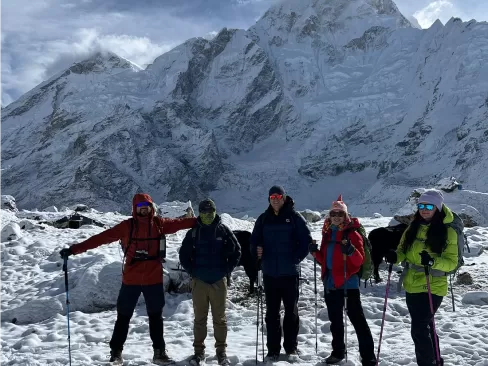
Exploring on the Everest Base Camp trek with Explore Holiday Treks offers a unique opportunity to experience the grandeur of Mount Everest up close. Nestled in the Solukhumbu district of Nepal, Everest, at 8,848 meters (29,029 feet), is the highest peak on Earth. This iconic mountain straddles the border between Nepal and Tibet, offering two primary climbing routes—the classic southeast route from Nepal and the northern route from Tibet. Named after Sir George Everest, the 19th-century British surveyor, Everest is known as Chomolungma in Tibetan, meaning "Mother Goddess of the World," and Sagarmatha in Nepali, translating to "Peak of Heaven."The trek to Everest Base Camp is more than just a physical challenge; it's a pilgrimage that attracts adventurers from around the world. This journey allows trekkers to immerse themselves in the natural beauty and rich cultural tapestry of the Himalayas while confronting the formidable obstacles of high-altitude trekking. Explore Holiday Treks, renowned for its expert guides and well-planned itineraries, ensures that every aspect of this unforgettable experience is catered to with the utmost care and professionalism.Top Blogs About Trekking in the Everest RegionUncover the best blogs about trekking in the Everest region, featuring expert advice, detailed itineraries, personal experiences, and essential tips for adventurers looking to explore the Himalayas.Top 5 Everest Trekking PackagesWhere is Mount Everest? Discover the World’s Highest PeakTop 9 Reasons to Go on Everest Base Camp TrekAccommodation During Everest Base Camp TrekShower and Laundry Facilities During the Everest Base Camp TrekElevation Facts for Everest Base Camp TrekkingPhysical Fitness Requirements for Everest Base Camp TrekThe Best Ways to Trek to Everest Base CampWhen is the Best Time to Hike to Everest Base Camp?Everest Base Camp Trek: Tips and FAQsWhy Sleeping at Everest Base Camp Is the Ultimate Trekking Experience?Which is the Better Lake Trek in Nepal: Gokyo or Tilicho Lake Trek?Altitude Sickness on Nepal Treks: Symptoms, Treatment, and When to Descend (Complete Guide)Everest Base Camp Toilet Problem: The Environmental Crisis on the World's Highest MountainMonastery Life in Nepal: Finding Peace in the Heart of the HimalayasAltitude Sickness on Nepal Treks: Symptoms, Treatment, and When to Descend (Complete Guide)Dal Bhat Power 24 Hour: The Science and Soul Behind Nepal's Mountain Fuel10 Essential Everest Trekking Tips Every First-Time Trekker Must KnowThe 3 AM Wake-Up Call Nobody Tells You About: Real Stories from Everest Base CampThe Essential Guide to Choosing Your Perfect Nepal Trek: From Beginner-Friendly Trails to Epic Himalayan AdventuresSolo Female Trekking in Nepal: A Complete Safety and Empowerment Guide for 2026Complete Fitness Training Guide for Nepal Trekking 2026: From Couch to Base Camp in 12 WeeksThe Trekking ExperienceThe Everest Base Camp Trek begins with one of the most exhilarating flights in the world—from Kathmandu to Lukla. This short mountain flight sets the tone for the adventure ahead, landing on a cliffside airstrip that marks the gateway to the legendary Khumbu region. Depending on the chosen route and acclimatization plan, the trek typically takes 12 to 16 days, offering a balanced pace for safety and enjoyment.From Lukla, the trail winds through lush pine and rhododendron forests, terraced farmlands, and traditional Sherpa settlements. As trekkers move deeper into the Khumbu Valley, the landscape gradually transforms—lush greenery gives way to alpine terrain, glacial rivers, and towering Himalayan giants. Along the way, breathtaking views of Mount Everest, Lhotse, Nuptse, and Ama Dablam become constant companions.Key cultural and logistical hubs such as Namche Bazaar play an important role in the journey. Known as the heart of the Everest region, Namche offers a blend of modern comforts and traditional Sherpa culture. The trail then leads toward spiritual landmarks like Tengboche Monastery, one of the most significant Buddhist monasteries in the Himalayas, framed by dramatic mountain backdrops.The journey culminates at Everest Base Camp (5,364m), where trekkers stand at the foot of the world’s highest mountain. Surrounded by the Khumbu Icefall and massive glacial formations, reaching base camp is both a physical achievement and an emotional milestone. Many trekkers also include a sunrise ascent of Kala Patthar for the most iconic close-up views of Everest.For travelers seeking alternatives or extensions, this trek pairs well with routes such as the Everest Gokyo Lakes Trek, Everest Three Passes Trek, or the shorter Everest View Trek.Climate and Weather in the Everest RegionThe weather in the Everest region is highly variable and can change quickly, even during peak trekking seasons.Best Seasons for Everest Base Camp Trek (Featured Snippet)Spring (March–May): Mild temperatures, blooming rhododendrons, excellent visibilityAutumn (September–November): Stable weather, crisp mountain views, best overall conditionsDuring peak trekking seasons, temperatures at Everest Base Camp range between -10°C to -20°C, especially at night. While days can be sunny and comfortable, cold winds and sudden snowfall are always possible.The monsoon season (June–August) brings heavy rainfall, slippery trails, and frequent cloud cover, while winter (December–February) offers fewer crowds but extremely cold temperatures and higher risks of snow accumulation.Compared to lower-altitude treks like the Annapurna Base Camp Trek or Ghorepani Poon Hill Trek, weather in the Everest region demands greater preparation and flexibility.Local Culture and ReligionThe Everest region is home to the Sherpa community, renowned worldwide for their mountaineering expertise and deep-rooted Himalayan traditions. Sherpa culture is closely connected to Tibetan Buddhism, which shapes daily life, festivals, and architecture throughout the region.Along the trail, trekkers encounter:Gompas (monasteries)Chortens and prayer wheelsMani stone walls carved with sacred mantrasThese spiritual landmarks are not merely decorative—they reflect the Sherpa belief in harmony between humans and nature. Similar cultural depth can also be experienced on treks such as the Manaslu Circuit Trek and Upper Mustang Trek, though the Everest region remains the most iconic.Food and Cuisine on the TrailHigh-altitude trekking demands proper nutrition, and teahouses along the Everest Base Camp route provide filling, energy-rich meals.Common Foods Available:Dal bhat (rice, lentils, vegetables) – the most reliable and nutritious optionMomo (dumplings)Thukpa (Tibetan noodle soup)Pasta, fried rice, pancakes, potatoesAs altitude increases, food variety becomes more limited, but meals remain hearty and freshly prepared. Warm drinks such as ginger tea, lemon tea, and coffee are widely available and help with hydration and warmth.Accommodation During the Everest Base Camp TrekAccommodation along the route primarily consists of teahouses and mountain lodges operated by local families. These lodges provide:Simple yet comfortable roomsShared bathroomsHeated dining areasCharging and Wi-Fi (limited at higher altitudes)Facilities become more basic as altitude increases, but the hospitality remains warm and welcoming. Compared to remote expeditions like the Kanchenjunga Circuit Trek, accommodation on the Everest Base Camp trail is relatively well-developed.Travel Insurance – A Critical RequirementDue to the remote terrain and high altitude, comprehensive travel insurance is essential for the Everest Base Camp Trek.Your policy should include:High-altitude trekking coverageEmergency medical treatmentHelicopter evacuationTrip interruption or cancellationIn the event of severe altitude sickness or injury, helicopter evacuation may be the only option, making insurance non-negotiable.Guides and PortersExplore Holiday works with licensed, experienced guides and porters who are familiar with the terrain, altitude challenges, and local culture. Their role is vital in ensuring safety, pacing, and a smooth trekking experience.Guides manage acclimatization, route decisions, and cultural interpretationPorters carry heavy loads, allowing trekkers to walk comfortablyEmploying local staff also supports the regional economy and promotes ethical trekking practices.Altitude Sickness and SafetyAltitude sickness is one of the biggest concerns on the Everest Base Camp Trek.How to Reduce the Risk (Featured Snippet)Ascend graduallyTake acclimatization days seriouslyDrink plenty of waterAvoid alcohol and smokingInform your guide immediately if symptoms appearCommon symptoms include headaches, nausea, fatigue, and dizziness. Severe cases can lead to HAPE or HACE, which require immediate descent and medical attentionConclusion – Why Choose Everest Base Camp Trek?The Everest Base Camp Trek with Explore Holiday Treks is more than a physical journey—it is a deeply immersive experience through one of the most legendary landscapes on Earth. From the dramatic flight to Lukla and the vibrant Sherpa culture of Namche Bazaar to the spiritual calm of Tengboche and the raw grandeur of Everest Base Camp, every step carries meaning.For travelers seeking a life-changing Himalayan adventure supported by experienced professionals, this trek remains one of the most rewarding journeys Nepal has to offer.
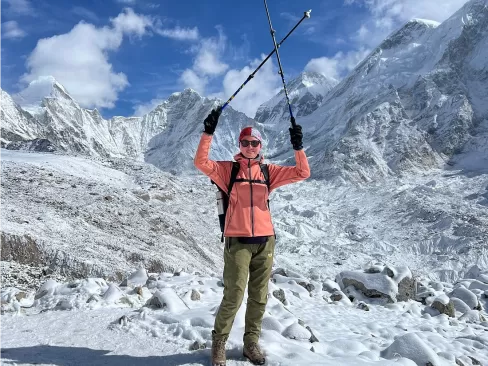
Everest Three Pass Trek – The Ultimate High-Altitude Adventure in the Khumbu RegionThe Everest Three Pass Trek is an exhilarating adventure that challenges even seasoned trekkers with its demanding terrain and high-altitude passes. This trek, considered one of the most challenging and rewarding in the Everest region of Nepal, involves crossing three major high mountain passes: Renjo La Pass (5,360 meters), Cho La Pass (5,420 meters), and Kongma La Pass (5,535 meters). Each pass offers breathtaking panoramic views and a unique perspective of the Everest region’s stunning landscapes.The trek typically begins and concludes in Lukla, the gateway to the Everest region, following the classic Everest Base Camp route. However, instead of returning from Everest Base Camp, the Three Pass Trek takes a more adventurous path, traversing the three high passes and extending the journey through some of the most spectacular and remote areas of the Himalayas. This route not only increases the trek’s difficulty but also adds a thrilling dimension of exploration and discovery. Top Blogs About Trekking in the Everest RegionUncover the best blogs about trekking in the Everest region, featuring expert advice, detailed itineraries, personal experiences, and essential tips for adventurers looking to explore the Himalayas.Top 5 Everest Trekking PackagesWhere is Mount Everest? Discover the World’s Highest PeakTop 9 Reasons to Go on Everest Base Camp TrekAccommodation During Everest Base Camp TrekShower and Laundry Facilities During the Everest Base Camp TrekElevation Facts for Everest Base Camp TrekkingPhysical Fitness Requirements for Everest Base Camp TrekThe Best Ways to Trek to Everest Base CampWhen is the Best Time to Hike to Everest Base Camp?Everest Base Camp Trek: Tips and FAQsWhy Sleeping at Everest Base Camp Is the Ultimate Trekking Experience ?Which is the Better Lake Trek in Nepal: Gokyo or Tilicho Lake Trek?Altitude Sickness on Nepal Treks: Symptoms, Treatment, and When to Descend (Complete Guide)Everest Base Camp Toilet Problem: The Environmental Crisis on the World's Highest MountainMonastery Life in Nepal: Finding Peace in the Heart of the HimalayasAltitude Sickness on Nepal Treks: Symptoms, Treatment, and When to Descend (Complete Guide)Dal Bhat Power 24 Hour: The Science and Soul Behind Nepal's Mountain Fuel10 Essential Everest Trekking Tips Every First-Time Trekker Must KnowThe 3 AM Wake-Up Call Nobody Tells You About: Real Stories from Everest Base CampThe Essential Guide to Choosing Your Perfect Nepal Trek: From Beginner-Friendly Trails to Epic Himalayan AdventuresSolo Female Trekking in Nepal: A Complete Safety and Empowerment Guide for 2026Complete Fitness Training Guide for Nepal Trekking 2026: From Couch to Base Camp in 12 WeeksThe Everest Three Pass Trek is widely regarded as one of the most demanding and rewarding trekking experiences in Nepal. Designed for trekkers who want more than just Everest Base Camp, this legendary route takes you deep into the heart of the Khumbu region, crossing three formidable Himalayan passes while offering unmatched mountain scenery, cultural immersion, and a true sense of exploration.Unlike standard trekking routes, the Everest Three Pass Trek connects remote valleys, ancient Sherpa settlements, turquoise glacial lakes, and high mountain viewpoints. It is a journey that challenges both physical endurance and mental resilience while rewarding trekkers with some of the most dramatic landscapes in the Himalayas.This trek is ideal for experienced trekkers seeking a comprehensive Himalayan experience that combines adventure, solitude, and iconic mountain views—including Mount Everest, Lhotse, Makalu, Cho Oyu, Ama Dablam, and countless unnamed peaks.Trekking Route Overview and Major HighlightsThe adventure begins with a scenic flight to Lukla, often described as one of the most thrilling mountain airstrips in the world. From Lukla, the trail gradually winds through traditional Sherpa villages, prayer walls, suspension bridges, and pine forests before reaching the vibrant trading hub of Namche Bazaar.Namche Bazaar serves as the cultural and commercial center of the Khumbu region and is an essential acclimatization stop. Here, trekkers can explore local markets, bakeries, museums, and viewpoints while adjusting to the increasing altitude. Many travelers also choose to explore nearby viewpoints for panoramic views of Everest and Ama Dablam.From Namche, the trail diverges from the classic Everest Base Camp route, heading toward quieter valleys and high alpine terrain. Trekkers journey toward Tengboche Monastery, the most important spiritual site in the Everest region. Perched on a forested ridge, the monastery offers sweeping views of Everest, Lhotse, and Ama Dablam, creating a peaceful yet awe-inspiring atmosphere.The route then leads toward the Gokyo Valley, home to the stunning Gokyo Lakes, a series of glacial lakes revered for their striking turquoise color. These lakes are considered sacred by local communities and are among the highest freshwater lake systems in the world.A highlight of the trek is the ascent of Gokyo Ri (5,357 meters). From its summit, trekkers are rewarded with one of the finest panoramic views in Nepal, including Everest, Cho Oyu, Lhotse, Makalu, and the massive Ngozumpa Glacier.Crossing the Three High Himalayan PassesThe defining feature of this trek is the crossing of three high mountain passes. Each pass presents a unique challenge, demanding careful navigation, physical strength, and proper acclimatization.Renjo La Pass (5,388 meters)Often considered the most scenic of the three passes, Renjo La offers a dramatic transition between the Gokyo Valley and the remote Bhote Koshi region. The ascent involves a steady climb over rocky terrain, but the reward at the top is extraordinary.From the summit, trekkers enjoy panoramic views of Everest, Lhotse, Makalu, Cho Oyu, and the shimmering Gokyo Lakes below. The descent toward Thame introduces trekkers to quieter villages that preserve traditional Sherpa culture and a slower pace of life.You may want to internally link this section to Gokyo Valley Trek or Renjo La Pass Trek.Cho La Pass (5,420 meters)Cho La Pass is often considered the most technically demanding section of the trek. The approach involves rocky trails, steep ascents, and glacial crossings, particularly during colder months when ice and snow are present.Despite the challenge, Cho La is incredibly rewarding. The pass connects the Gokyo region with the Khumbu Valley, offering close-up views of the Khumbu Glacier and towering icefalls. Proper timing, experienced guidance, and caution are essential while crossing this pass.This section connects naturally with popular routes such as Everest Base Camp Trek and Gokyo Lakes Trek.Kongma La Pass (5,535 meters)The highest of the three passes, Kongma La, delivers a true sense of wilderness and accomplishment. The ascent is steep and physically demanding, often starting early in the morning to avoid strong winds.From the top, trekkers are rewarded with sweeping views of the Khumbu Glacier, Nuptse, Lhotse, and surrounding peaks. The descent leads toward the Everest Base Camp area, making Kongma La the final and most symbolic challenge of the trek.This section can be internally linked with Kongma La Pass or Everest Base Camp via Three Pass.Best Seasons for the Everest Three Pass TrekChoosing the right season plays a critical role in the success and enjoyment of the Everest Three Pass Trek.Spring Season (March to May)Spring is one of the most popular seasons for this trek. Temperatures are moderate, and rhododendron forests bloom at lower elevations. Snow remains on higher passes, but conditions are generally stable with clear skies and excellent visibility.Autumn Season (September to November)Autumn offers crisp air, dry trails, and some of the clearest mountain views of the year. After the monsoon clears dust and haze, the Himalayas appear sharp and vibrant. This is the most reliable season for crossing all three passes safely.Winter and monsoon seasons are generally not recommended due to heavy snowfall, extreme cold, and poor trail conditions.You may internally link this section with Best Time to Trek in Nepa.Difficulty Level and Physical DemandsThe Everest Three Pass Trek is classified as challenging to strenuous. It is not suitable for beginners or those without prior trekking experience. Trekkers must be comfortable walking for extended hours at high altitude, often over rugged and uneven terrain.Key challenges include:High altitude exposure above 5,000 metersLong trekking days with steep ascents and descentsCold temperatures and unpredictable weatherGlacier crossings and rocky trailsProper acclimatization, gradual ascent, hydration, and mental preparation are essential. Previous experience on treks such as Everest Base Camp Trek or Manaslu Circuit Trek is highly beneficial.Accommodation During the TrekAccommodation along the Everest Three Pass Trek is primarily in teahouses and mountain lodges operated by local Sherpa families. These lodges provide basic yet comfortable facilities, including beds, blankets, and communal dining areas.At lower elevations, rooms may include private bathrooms and heated dining halls. As altitude increases, facilities become simpler due to remoteness and limited resources. Despite the simplicity, Sherpa hospitality remains warm and welcoming throughout the journey.Food and Meals on the TrailTeahouses serve a variety of meals designed to meet the nutritional needs of trekkers. Traditional Nepali dishes such as dal bhat are widely available and provide a balanced mix of carbohydrates and protein.Common food options include:Rice, noodles, potatoes, and soupsMomo (dumplings)Pancakes, eggs, and breadHot drinks like tea, coffee, and ginger lemon honeyAs altitude increases, food choices may become limited, but meals remain hearty and energy-rich.Communication, Internet, and Charging FacilitiesCommunication in the Everest region is limited but improving. Many teahouses offer Wi-Fi services, though connectivity can be slow and unreliable at higher altitudes. Mobile network coverage is available in major villages but becomes inconsistent beyond certain points.Charging electronic devices is usually available for an additional fee, often using solar power. Trekkers are advised to carry power banks and inform family members about limited connectivity before starting the trek.Safety, Acclimatization, and Altitude AwarenessAltitude sickness is a serious concern on the Everest Three Pass Trek. Proper acclimatization days, gradual ascent, hydration, and rest are crucial for safety.Common altitude symptoms include headaches, nausea, dizziness, and fatigue. Trekkers should communicate openly with guides and never ignore symptoms. Descending is the most effective treatment if symptoms worsen.This section can link to Altitude Sickness in Nepal.Why Choose Explore Holiday Treks for Everest Three Pass TrekExplore Holiday Treks brings deep local expertise and years of Himalayan trekking experience to every journey. Our professional guides are trained in high-altitude safety, first aid, and route navigation, ensuring a smooth and well-managed trekking experience.We focus on:Responsible and sustainable trekkingProper acclimatization planningExperienced local guides and portersCultural respect and environmental careWith Explore Holiday Treks, trekkers experience the Everest region beyond the standard routes, gaining insight into Sherpa culture, remote valleys, and high mountain landscapes that few travelers reach.You may internally link here to About Explore Holiday TreksConclusion – A True Himalayan ExpeditionThe Everest Three Pass Trek is more than a trek—it is a full Himalayan expedition that pushes physical limits while delivering unmatched rewards. From remote valleys and sacred monasteries to high mountain passes and iconic Himalayan views, this journey represents the ultimate adventure in Nepal’s Everest region.For trekkers seeking depth, challenge, and authenticity, the Everest Three Pass Trek stands as one of the most complete and unforgettable trekking experiences in the world. With careful preparation, the right guidance, and a spirit of adventure, this trek leaves lasting memories etched against the backdrop of the world’s highest mountains.
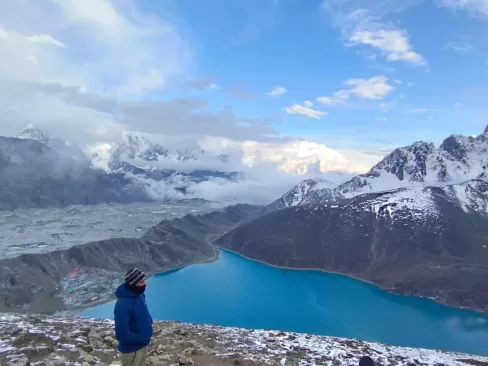
The Gokyo Valley Trek is a remarkable adventure that transports trekkers into the serene heart of the Khumbu region, offering an intimate exploration of one of Nepal’s most captivating high-altitude valleys. This trek is renowned for its stunning landscapes, including the enchanting Gokyo Lakes and the panoramic summit of Gokyo Ri. Unlike the more frequented Everest Base Camp route, the Gokyo Valley Trek provides a quieter and equally mesmerizing alternative, showcasing the natural beauty and cultural richness of the Everest region from a different perspective.Starting from the lively Sherpa town of Namche Bazaar, the trek meanders through picturesque villages such as Dole and Machhermo, gradually ascending towards the pristine Gokyo Valley. This journey is marked by dramatic shifts in scenery, from lush forests and terraced fields to rugged alpine terrain and sparkling glacial lakes. The trek culminates with a climb to Gokyo Ri, which offers one of the most breathtaking vistas of the Himalayas, including Everest, Lhotse, Cho Oyu, and Makalu. Explore Holiday Treks ensures that this adventure is conducted with the highest standards of safety and comfort, allowing trekkers to fully immerse themselves in this unforgettable experience.Top Blogs About Trekking in the Everest RegionUncover the best blogs about trekking in the Everest region, featuring expert advice, detailed itineraries, personal experiences, and essential tips for adventurers looking to explore the Himalayas.Top 5 Everest Trekking PackagesWhere is Mount Everest? Discover the World’s Highest PeakTop 9 Reasons to Go on Everest Base Camp TrekAccommodation During Everest Base Camp TrekShower and Laundry Facilities During the Everest Base Camp TrekElevation Facts for Everest Base Camp TrekkingPhysical Fitness Requirements for Everest Base Camp TrekThe Best Ways to Trek to Everest Base CampWhen is the Best Time to Hike to Everest Base Camp?Everest Base Camp Trek: Tips and FAQsWhy Sleeping at Everest Base Camp Is the Ultimate Trekking Experience ?Which is the Better Lake Trek in Nepal: Gokyo or Tilicho Lake Trek?Altitude Sickness on Nepal Treks: Symptoms, Treatment, and When to Descend (Complete Guide)Everest Base Camp Toilet Problem: The Environmental Crisis on the World's Highest MountainMonastery Life in Nepal: Finding Peace in the Heart of the HimalayasAltitude Sickness on Nepal Treks: Symptoms, Treatment, and When to Descend (Complete Guide)Dal Bhat Power 24 Hour: The Science and Soul Behind Nepal's Mountain Fuel10 Essential Everest Trekking Tips Every First-Time Trekker Must KnowThe 3 AM Wake-Up Call Nobody Tells You About: Real Stories from Everest Base CampThe Essential Guide to Choosing Your Perfect Nepal Trek: From Beginner-Friendly Trails to Epic Himalayan AdventuresSolo Female Trekking in Nepal: A Complete Safety and Empowerment Guide for 2026Complete Fitness Training Guide for Nepal Trekking 2026: From Couch to Base Camp in 12 WeeksTrekking Route and HighlightsThe Gokyo Valley Trek begins with a scenic flight from Kathmandu to Lukla, followed by a trek to Namche Bazaar. Namche serves as the primary acclimatization point and offers a vibrant blend of local culture and commerce. From Namche, the trail leads to the villages of Dole and Machhermo, where trekkers experience the traditional Sherpa lifestyle and hospitality.The trek’s centerpiece is the Gokyo Valley, home to a series of stunning glacial lakes, including the famed Dudh Pokhari. These turquoise lakes, set against a backdrop of towering peaks, create a serene and ethereal atmosphere. The highlight of the trek is the ascent of Gokyo Ri, a peak that offers an unrivaled panoramic view of the Everest massif and its surrounding peaks. The trek can be further enriched by crossing the Cho La Pass, which connects the Gokyo Valley with the Everest Base Camp route. This challenging crossing adds an extra layer of adventure and provides a broader perspective of the region.Best Seasons for the Gokyo Valley TrekThe ideal seasons for undertaking the Gokyo Valley Trek are pre-monsoon (spring) and post-monsoon (autumn). During these periods, the weather is generally stable, offering clear skies and excellent visibility. Spring (March to May) provides moderate temperatures and blooming flora, while autumn (September to November) features crisp air and vibrant colors. Trekking during these times ensures optimal conditions for enjoying the stunning landscapes and panoramic views. The summer monsoon season (June to August) brings heavy rains and can lead to muddy trails, while winter (December to February) presents cold temperatures and potential snow, making these seasons less favorable for trekking.Difficulty LevelThe Gokyo Valley Trek is considered a moderate to challenging trek, suitable for trekkers with a good level of physical fitness. The trek involves ascending to high altitudes, with the highest point being Gokyo Ri at 5,357 meters (17,575 feet). The trail includes steep ascents, rugged terrain, and variable weather conditions, requiring trekkers to be well-prepared and acclimatized. While the trek is less technical than some of the more demanding routes, the high-altitude environment and long trekking days necessitate a reasonable level of stamina and endurance. Proper acclimatization and preparation are key to successfully completing the trek and enjoying the experience.Accommodation and FoodAccommodation along the Gokyo Valley Trek ranges from basic teahouses to more comfortable lodges managed by the local Sherpa community. These teahouses provide essential amenities, including beds, communal dining areas, and basic sanitation facilities. In higher altitudes, accommodations may be more rudimentary due to the remote nature of the region.Food options are typically provided by the teahouses and include a mix of traditional Nepali dishes and some Western favorites. Meals often feature dal bhat (rice and lentil soup), momo (dumplings), noodle soup, and a variety of hot beverages. The quality and variety of food can vary depending on the location and altitude, but the meals are designed to provide the necessary energy and nutrition for the trek.Communication and NetworkingCommunication options during the Gokyo Valley Trek are limited but improving. Most teahouses offer Wi-Fi, although the connectivity can be slow and intermittent due to the remote location. Mobile network coverage is available in some areas, but it may not be reliable, especially at higher elevations. Trekkers are advised to inform family and friends of their trekking plans and have alternative communication methods in place in case of emergencies.Why Choose Explore Holiday TreksExplore Holiday Treks is dedicated to providing a safe, enjoyable, and immersive experience for those undertaking the Gokyo Valley Trek. Our experienced guides and porters are well-versed in the nuances of high-altitude trekking and ensure that every aspect of your journey is managed with expertise and care. We prioritize safety, comfort, and environmental responsibility, offering well-planned itineraries that accommodate acclimatization and maximize the trekking experience. By choosing Explore Holiday Treks, you benefit from our commitment to delivering excellence, allowing you to fully immerse yourself in the natural beauty and cultural richness of the Gokyo Valley.ConclusionThe Gokyo Valley Trek with Explore Holiday Treks offers an extraordinary adventure through one of Nepal’s most picturesque and serene regions. With its stunning glacial lakes, breathtaking mountain views, and rich Sherpa culture, this trek provides a unique and rewarding experience for those seeking an alternative to the traditional Everest Base Camp route. From the tranquil Gokyo Lakes to the panoramic summit of Gokyo Ri, every aspect of this trek promises to captivate and inspire. Explore Holiday Treks ensures a seamless and memorable journey, guiding you through the enchanting landscapes of the Gokyo Valley with professionalism and care.

The Pikey Peak Trek is one of the most enchanting and off-the-beaten-path trekking adventures in the Everest region of Nepal, attracting travelers who seek a combination of breathtaking Himalayan vistas, authentic cultural experiences, and peaceful trails away from crowded routes. Nestled in the serene Solu region, this trek rises to an elevation of 4,065 meters (13,335 feet), offering trekkers a remarkable vantage point to capture sweeping panoramic views of some of the world’s most famous peaks, including Mount Everest, Makalu, and Kanchenjunga. Unlike the heavily trafficked Everest Base Camp Trek, the Pikey Peak Trek provides a more immersive experience, allowing trekkers to explore remote Sherpa villages, interact with the local community, and gain insight into centuries-old Tibetan Buddhist traditions. Along the way, the journey takes hikers through lush rhododendron forests, terraced farmland, and open alpine meadows, where the scenery changes dramatically with every step, making it a photographer’s paradise and a nature lover’s dream. Beyond the spectacular landscapes, this trek is also a cultural adventure, as travelers pass through traditional villages such as Junbesi and Chiwong, where life moves at a slower pace, and warm hospitality greets visitors at every turn. The trek also includes visits to ancient monasteries, offering a spiritual dimension to the adventure, where you can witness local rituals and learn about the region’s rich religious heritage. Combining moderate trekking challenges with serene environments, the Pikey Peak Trek is suitable for both experienced hikers and those new to Himalayan trekking, making it a perfect alternative for travelers looking for a less crowded Everest viewpoint trek. Whether you’re chasing the perfect sunrise over the Himalayas, immersing yourself in Sherpa culture, or simply enjoying the peace and tranquility of the mountains, the Pikey Peak Trek promises a journey that is as enriching for the mind and soul as it is for the eyes.Trekking Route and HighlightsThe Pikey Peak Trek begins with a picturesque drive from Kathmandu to the trailhead, often starting at villages like Dhap or Jiri. From there, trekkers embark on a journey through traditional Sherpa villages such as Junbesi and Chiwong, where stone houses, prayer flags, and bustling local life offer a unique insight into Sherpa culture, customs, and hospitality. Along the way, you may encounter locals celebrating vibrant festivals or performing daily rituals, adding a rich cultural dimension to the trek. The trail itself is a visual treat, passing through dense rhododendron forests, terraced farmlands, open alpine meadows, and high-altitude pastures. Each day brings a change in scenery, making the trek both captivating and rewarding for nature lovers and photographers alike. The gradual shifts in landscape also help trekkers acclimatize naturally, enhancing both safety and comfort. A key highlight of the trek is the ascent to Pikey Base Camp, where early risers are rewarded with a breathtaking Himalayan sunrise. From this vantage point, trekkers enjoy panoramic views of Everest, Makalu, Kanchenjunga, and other towering peaks, creating an unforgettable experience that captures the essence of the Nepal Himalayas. In addition to its natural beauty, the trek offers a spiritual journey with visits to Thupten Chholing Monastery and Chiwong Monastery. These serene monasteries, rooted in Tibetan Buddhism, provide peaceful spots for reflection and offer travelers a chance to observe traditional rituals and prayer ceremonies, enriching the overall trekking experience. Overall, the Pikey Peak Trek combines stunning landscapes, authentic cultural encounters, and spiritual exploration, making it a truly memorable off-the-beaten-path trekking adventure in the Everest region.Best Seasons for the Pikey Peak TrekThe Pikey Peak Trek can be enjoyed throughout the year, but the most favorable seasons for this adventure are spring (March to May) and autumn (September to November). During these periods, trekkers experience clear skies, stable temperatures, and excellent visibility, making it easier to fully appreciate the stunning panoramic views of Everest, Makalu, Kanchenjunga, and the surrounding Himalayan peaks. Spring is especially magical, as the trails are lined with blooming rhododendrons and vibrant wildflowers, painting the mountainsides in bright reds, pinks, and whites. The gentle warmth and fresh mountain air create perfect conditions for trekking, photography, and cultural exploration. Autumn, on the other hand, brings crisp, clear skies and cooler temperatures, offering some of the best visibility of the Himalayas throughout the year. The landscapes are rich with golden hues after the harvest season, creating a breathtaking backdrop for the trek. While trekking is technically possible during other seasons, monsoon (June to August) often brings heavy rainfall, slippery trails, and the risk of landslides, making trekking more challenging and less enjoyable. Winter (December to February) offers a quieter trekking experience, but the cold temperatures and occasional snowfall can make high-altitude hiking difficult and require proper gear and preparation. For most trekkers, spring and autumn provide the perfect combination of weather, scenery, and cultural experiences, making these seasons ideal for a memorable and comfortable Pikey Peak trekking adventure in the Everest region of Nepal.Difficulty LevelThe Pikey Peak Trek is generally classified as a moderate-level trek, making it suitable for trekkers with a reasonable level of fitness who are eager to explore the Everest region without undertaking a highly strenuous climb. While the trek involves ascending to high-altitude terrains and passing through mountainous landscapes, it does not require any technical climbing skills, which makes it accessible for both first-time trekkers and those with some previous trekking experience in the Himalayas. The trail offers a mix of gradual inclines, rolling hills, and steeper sections, particularly as you approach Pikey Base Camp. These changes in elevation provide a rewarding sense of progress as trekkers are treated to panoramic views of Everest, Makalu, and Kanchenjunga with every ascent. Although less demanding than challenging treks like the Everest Base Camp Trek or Annapurna Circuit, the journey still requires physical endurance, as daily trekking hours can range from 5 to 7 hours, often on uneven terrain and in changing weather conditions. To ensure a safe and enjoyable experience, it is important for trekkers to engage in adequate physical preparation before the trek. This can include cardiovascular exercises, strength training, and practice hikes to build stamina. Additionally, proper acclimatization is crucial to minimize the risk of altitude sickness and to allow your body to adjust comfortably to the higher elevations of the Solu region. Overall, the Pikey Peak Trek strikes a perfect balance between adventure and accessibility, offering a fulfilling Himalayan trekking experience for those seeking a moderately challenging but highly rewarding journey through the Nepal Himalayas.Accommodation and FoodDuring the Pikey Peak Trek, accommodation is primarily in traditional teahouses and lodges run by the local Sherpa community, providing trekkers with a warm and welcoming environment after a long day on the trail. These teahouses are basic yet comfortable, offering essential amenities such as beds with blankets, shared dining areas, and simple sanitation facilities. While accommodations at lower altitudes are relatively comfortable, higher-altitude lodges may be more rustic due to the remote Himalayan setting, giving trekkers an authentic experience of life in the mountains.Food along the trek is a delightful mix of Nepali and international cuisine, carefully prepared to meet the nutritional needs of trekkers. Traditional dishes like dal bhat (rice with lentil soup), momo (Nepalese dumplings), noodle soup, and vegetable curries are commonly served, often accompanied by hot drinks such as tea, coffee, or local herbal infusions. International options such as pasta, pancakes, and sandwiches are also available in many teahouses, particularly at popular stops along the trail. The quality and variety of food can vary depending on altitude and location, but meals are designed to provide sufficient energy, warmth, and nourishment to sustain trekkers throughout long days of hiking. Hydration is equally important, so trekkers are encouraged to drink plenty of water or herbal teas and can also purchase bottled water or water treated with purification tablets in remote areas. Staying in these community-run lodges also supports the local Sherpa economy, allowing trekkers to contribute directly to the wellbeing of the villages they pass through, making the Pikey Peak Trek not only an adventurous journey but also a culturally responsible experience.Communication and NetworkingWhile the Pikey Peak Trek takes you deep into the serene Solu region of Nepal, staying connected is possible, though somewhat limited due to the remote Himalayan terrain. Many teahouses and lodges along the trail now offer Wi-Fi, allowing trekkers to check emails, share photos, or stay in touch with family and friends. However, connectivity can be slow and intermittent, especially at higher altitudes, so it’s best not to rely on it for critical communication.Mobile network coverage is available in certain villages and lower-altitude stops, but it can become unpredictable or completely unavailable as you ascend toward Pikey Base Camp. Trekkers are strongly advised to inform family or friends of their trekking plans beforehand and to carry alternative communication methods, such as satellite phones or portable GPS trackers, especially for emergencies or safety purposes. Despite these limitations, the gradual improvement of communication infrastructure in the region is making it easier for trekkers to stay connected while still enjoying the peace and tranquility of off-the-beaten-path trekking. Maintaining a balance between connectivity and immersion in nature ensures that your Pikey Peak Trek is both safe and deeply rewarding.Why Choose Explore Holiday TreksChoosing the right trekking company can make a huge difference in your Pikey Peak Trek experience, and Explore Holiday Treks is dedicated to providing a safe, comfortable, and unforgettable journey through the beautiful Solu region of Nepal. With years of experience in organizing treks in the Everest region, our team of knowledgeable guides and skilled porters are intimately familiar with the local trails, weather patterns, and cultural nuances, ensuring that every step of your adventure is well-planned and worry-free. At Explore Holiday Treks, we prioritize safety, comfort, and cultural immersion. Our guides are trained not only in high-altitude trekking and first aid but also in local customs, traditions, and the history of the Solu region, allowing trekkers to enjoy a deeper, more meaningful connection with the villages and landscapes they pass through. Meanwhile, our porters help carry your gear efficiently, making your trek more manageable and enjoyable. We also offer well-structured itineraries designed to maximize your trekking experience, with adequate acclimatization, scenic viewpoints, and cultural stops built into the journey. By choosing Explore Holiday Treks, you are not just signing up for a trek—you’re embarking on a well-supported, safe, and enriching Himalayan adventure that allows you to fully appreciate the breathtaking views, serene monasteries, and vibrant Sherpa culture of the Nepal Himalayas. Whether you are a first-time trekker or an experienced hiker seeking an off-the-beaten-path adventure, Explore Holiday Treks ensures that your Pikey Peak Trek is seamless, memorable, and truly unforgettable.Cultural Exploration:One of the most rewarding aspects of the Pikey Peak Trek is the opportunity to immerse yourself in the rich Sherpa culture and traditions of the Solu region. As you pass through charming villages such as Junbesi and Chiwong, you’ll encounter a way of life that has been carefully preserved for generations. These villages are dotted with stone houses, prayer flags, mani walls, and local monasteries, offering trekkers a glimpse into the daily life, customs, and spiritual practices of the Sherpa people. In these villages, you can witness traditional farming techniques, animal herding, and community gatherings, as well as experience the warmth and hospitality of the locals firsthand. Trekkers often have the chance to interact with villagers, learn about their festivals, rituals, and Buddhist beliefs, and even participate in small cultural events if timing allows. This cultural immersion adds a unique depth to the Pikey Peak Trek, transforming it from a simple hiking adventure into a meaningful journey through the heart of Sherpa life. Every village stop not only offers a rest point but also an opportunity to understand the resilience, traditions, and daily rhythms of the communities that call the Nepal Himalayas home. By engaging with local culture during your trek, you contribute to sustainable tourism, supporting the Sherpa economy while gaining authentic and memorable experiences that you won’t find on more crowded trekking routes.Spiritual Highlights:The Pikey Peak Trek offers more than just stunning landscapes—it also provides a spiritual journey through the ancient monasteries of the Solu region. Visits to Thupten Chholing Monastery and Chiwong Monastery allow trekkers to experience the profound influence of Tibetan Buddhism in everyday village life. These serene sanctuaries offer a peaceful environment for meditation, reflection, and cultural learning, giving visitors a deeper appreciation for the region’s spiritual heritage. Observing monks performing rituals, listening to prayer chants, and exploring monastery courtyards enhances the cultural and spiritual richness of the trek, making it a truly holistic Himalayan experience.Pikey Base Camp Sunrise:One of the most unforgettable moments on the Pikey Peak Trek is reaching Pikey Base Camp early in the morning to witness a breathtaking Himalayan sunrise. As the first light illuminates the snow-capped peaks, trekkers are treated to panoramic views of Everest, Makalu, and Kanchenjunga, creating a magical atmosphere that captures the essence of the Nepal Himalayas. This experience is not just a visual spectacle—it’s an emotional and spiritual highlight of the trek, often described by trekkers as a once-in-a-lifetime moment that inspires awe and serenity.Diverse Landscapes:The Pikey Peak Trek is renowned for its varied and captivating landscapes. Trekkers journey through lush rhododendron forests, terraced agricultural fields, alpine meadows, and high-altitude pastures, each offering ever-changing scenery that keeps the trek visually engaging. From the vibrant colors of blooming flowers in spring to the golden hues of autumn harvests, the trail showcases the stunning natural beauty and ecological diversity of the Solu region. Every day brings new photographic opportunities, breathtaking viewpoints, and unique interactions with nature that make the trekking experience both rewarding and memorable.Off-the-Beaten-Path Experience:Unlike some of Nepal’s more crowded trekking routes, the Pikey Peak Trek offers a tranquil, off-the-beaten-path adventure. The route is relatively less frequented, allowing trekkers to immerse themselves in nature, culture, and local life without the distractions of large tourist groups. This serene environment is perfect for travelers seeking peaceful Himalayan trekking, personal reflection, and authentic experiences that go beyond typical tourist paths.Accessibility:The Pikey Peak Trek begins with a scenic drive from Kathmandu to trailheads like Dhap or Jiri, making it accessible to a wide range of trekkers. The trail itself does not require advanced technical climbing skills, making it ideal for moderate-level trekkers, first-timers, and those looking for a challenging yet manageable adventure. The combination of gradual ascents, manageable distances, and safe trails ensures that trekkers of varying experience levels can enjoy the breathtaking Himalayan scenery without undue difficulty.Culmination in Shivalaya:The trek concludes with a descent to the village of Shivalaya, offering trekkers one last chance to absorb the majestic mountain scenery and reflect on their journey through the Solu region. This final stage allows for a gentle transition back to lower altitudes, while providing opportunities to interact with local communities, explore village life, and capture the last panoramic views. Ending in Shivalaya ensures that the Pikey Peak Trek concludes on a serene and memorable note, leaving trekkers with lasting impressions of the Nepal Himalayas and its cultural richness.ConclusionThe Pikey Peak Trek with Explore Holiday Treks offers a distinctive and rewarding adventure through one of Nepal’s lesser-known yet breathtakingly beautiful regions. From the stunning mountain vistas and serene monasteries to the charming Sherpa villages and diverse landscapes, this trek provides a comprehensive experience of the Himalayas. Whether you're captivated by the panoramic views from Pikey Peak, the spiritual ambiance of ancient monasteries, or the tranquility of off-the-beaten-path trekking, Explore Holiday Treks is your ideal partner for a memorable journey through the heart of Nepal.Top Blogs About Trekking in the Everest RegionUncover the best blogs about trekking in the Everest region, featuring expert advice, detailed itineraries, personal experiences, and essential tips for adventurers looking to explore the Himalayas.Top 5 Everest Trekking PackagesWhere is Mount Everest? Discover the World’s Highest PeakTop 9 Reasons to Go on Everest Base Camp TrekAccommodation During Everest Base Camp TrekShower and Laundry Facilities During the Everest Base Camp TrekElevation Facts for Everest Base Camp TrekkingPhysical Fitness Requirements for Everest Base Camp TrekThe Best Ways to Trek to Everest Base CampWhen is the Best Time to Hike to Everest Base Camp?Everest Base Camp Trek: Tips and FAQsWhy Sleeping at Everest Base Camp Is the Ultimate Trekking Experience ?Which is the Better Lake Trek in Nepal: Gokyo or Tilicho Lake Trek?Altitude Sickness on Nepal Treks: Symptoms, Treatment, and When to Descend (Complete Guide)Everest Base Camp Toilet Problem: The Environmental Crisis on the World's Highest Mountain
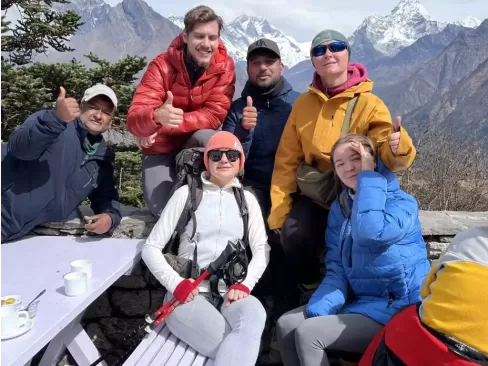
Everest View Trek – Short, Scenic, and Rewarding Himalayan ExperienceThe Everest View Trek stands as a remarkable journey that caters to those seeking the allure of the Everest region without the strenuous challenges of higher altitudes. Commencing from the thrilling flight to Lukla, the trek unfolds in the heart of the Khumbu region, offering breathtaking views of the world's highest peak, Mount Everest, and its iconic neighbors. The route takes trekkers through picturesque Sherpa villages like Phakding, Namche Bazaar, and Tengboche, allowing for cultural immersion and encounters with the warm hospitality of the Sherpa community. The journey reaches its pinnacle with a visit to the renowned Everest View Hotel, perched at an elevation of 3,880 meters, providing an unparalleled panorama of Everest, Lhotse, Ama Dablam, and a host of other majestic peaks. This trek is a perfect blend of adventure and accessibility, making it an ideal choice for those seeking a taste of the Everest region's grandeur without the rigors of high-altitude trekking.The cultural aspect of the trek is further enriched with visits to ancient monasteries, such as the Tengboche Monastery, where trekkers can witness traditional rituals and gain insights into the spiritual heritage of the region. The trek also includes a visit to the peaceful Khumjung village, home to the famous Hillary School and the Yeti Skull. The Everest View Trek provides an immersive experience in the heart of the Khumbu, catering to both novice and experienced trekkers who wish to relish the magnificence of Everest while enjoying the comforts of lower altitudes. This journey not only showcases the unparalleled beauty of the Himalayas but also allows trekkers to appreciate the rich cultural tapestry that defines the Everest region, making it a memorable and accessible adventure for those with a love for mountain vistas and cultural exploration.Top Blogs About Trekking in the Everest RegionUncover the best blogs about trekking in the Everest region, featuring expert advice, detailed itineraries, personal experiences, and essential tips for adventurers looking to explore the Himalayas.Top 5 Everest Trekking PackagesWhere is Mount Everest? Discover the World’s Highest PeakTop 9 Reasons to Go on Everest Base Camp TrekAccommodation During Everest Base Camp TrekShower and Laundry Facilities During the Everest Base Camp TrekElevation Facts for Everest Base Camp TrekkingPhysical Fitness Requirements for Everest Base Camp TrekThe Best Ways to Trek to Everest Base CampWhen is the Best Time to Hike to Everest Base Camp?Everest Base Camp Trek: Tips and FAQsWhy Sleeping at Everest Base Camp Is the Ultimate Trekking Experience ?Which is the Better Lake Trek in Nepal: Gokyo or Tilicho Lake Trek?Altitude Sickness on Nepal Treks: Symptoms, Treatment, and When to Descend (Complete Guide)Everest Base Camp Toilet Problem: The Environmental Crisis on the World's Highest MountainMonastery Life in Nepal: Finding Peace in the Heart of the HimalayasAltitude Sickness on Nepal Treks: Symptoms, Treatment, and When to Descend (Complete Guide)Dal Bhat Power 24 Hour: The Science and Soul Behind Nepal's Mountain Fuel10 Essential Everest Trekking Tips Every First-Time Trekker Must KnowThe 3 AM Wake-Up Call Nobody Tells You About: Real Stories from Everest Base CampThe Essential Guide to Choosing Your Perfect Nepal Trek: From Beginner-Friendly Trails to Epic Himalayan AdventuresSolo Female Trekking in Nepal: A Complete Safety and Empowerment Guide for 2026Complete Fitness Training Guide for Nepal Trekking 2026: From Couch to Base Camp in 12 WeeksThe Everest View Trek is one of the most rewarding short treks in Nepal, offering breathtaking Himalayan views, rich Sherpa culture, and a comfortable trekking experience without the challenges of extreme altitude. Ideal for travelers with limited time or those seeking a gentle introduction to trekking in the Everest region, this journey delivers spectacular scenery while keeping the route accessible and enjoyable.The trek begins with a thrilling mountain flight to Lukla, instantly immersing trekkers in the dramatic landscapes of the Khumbu region. From Lukla, the trail follows the Dudh Koshi River through pine forests and charming settlements, leading to the peaceful village of Phakding. This section of the trail is relatively easy and allows trekkers to settle into the rhythm of Himalayan walking while enjoying views of snow-capped peaks and suspension bridges adorned with prayer flags.The path gradually ascends toward Namche Bazaar, the vibrant heart of the Everest region. Located at an altitude of 3,440 meters, Namche Bazaar is not only a major acclimatization point but also a cultural and commercial hub for the Sherpa community. Trekkers can explore traditional markets, bakeries, monasteries, and local museums while enjoying panoramic views of Kongde Ri, Thamserku, and surrounding peaks.From Namche, the trail continues toward Tengboche, home to the famous Tengboche Monastery, the most important Buddhist monastery in the Everest region. Set against a dramatic mountain backdrop, the monastery offers a peaceful atmosphere where trekkers can observe Buddhist rituals, spin prayer wheels, and gain insight into Sherpa spiritual traditions. The surrounding views of Ama Dablam, Everest, and Lhotse make Tengboche one of the most scenic stops on the trek.The highlight of the Everest View Trek is a visit to the iconic Everest View Hotel, located at 3,880 meters. Renowned as one of the world’s highest-altitude hotels, this viewpoint offers unobstructed panoramic views of Mount Everest, Ama Dablam, Lhotse, and Nuptse. What makes this experience truly special is that trekkers can enjoy these legendary Himalayan vistas without trekking to extreme altitudes, making it an excellent option for families, first-time trekkers, and older travelers.Best Time to Do the Everest View TrekThe best seasons for the Everest View Trek are spring (March to May) and autumn (September to November), when weather conditions are stable and mountain visibility is at its best.Spring brings mild temperatures, blooming rhododendron forests, and clear skies, creating a colorful and pleasant trekking environment. Autumn, following the monsoon, offers crisp air and exceptional visibility, with sharp views of the Himalayan peaks and comfortable daytime temperatures.The monsoon season (June to August) is less ideal due to frequent rainfall and cloudy conditions, while winter (December to February) can be very cold, with snow at higher elevations, making trekking more challenging for casual hikers.Everest View Trek Difficulty LevelThe Everest View Trek is classified as a moderate trek, making it suitable for trekkers of varying fitness levels. The trail includes gradual ascents and well-maintained paths, with the highest point being the Everest View Hotel at 3,880 meters.Unlike longer and more demanding routes such as Everest Base Camp Trek, this trek does not involve technical terrain or prolonged high-altitude exposure. No previous trekking experience is required, although basic physical fitness and a positive attitude greatly enhance the experience.Acclimatization is naturally built into the trek, especially around Namche Bazaar, allowing trekkers to adapt comfortably to the altitude and enjoy the journey without unnecessary strain.Accommodation and Food on the Everest View TrekAccommodation during the Everest View Trek is provided in traditional teahouses and mountain lodges, most of which are operated by local Sherpa families. These lodges offer clean and comfortable rooms, shared dining areas, and a warm, welcoming atmosphere.While facilities are simple, they are well-suited for trekking and provide everything needed for a comfortable stay in the mountains. At higher elevations, accommodations may be more basic due to the remoteness of the region, but hospitality remains consistently warm.Meals along the trek include a combination of traditional Nepali and international dishes. Common options include dal bhat, noodles, soups, momo, eggs, bread, and hot beverages such as tea, coffee, and ginger lemon honey. The food is freshly prepared and designed to provide sufficient energy for daily walking.Communication and ConnectivityCommunication along the Everest View Trek is generally available but can be inconsistent. Most teahouses provide Wi-Fi services, though internet speed may vary depending on location and weather conditions. Mobile network coverage is accessible in major villages like Namche Bazaar but may be limited in more remote sections of the trail.Trekkers are advised to inform family and friends of their itinerary in advance and understand that connectivity may be limited at times. Carrying a power bank is also recommended, as charging facilities are usually available for a small fee.Why Choose Explore Holiday Treks for the Everest View TrekExplore Holiday Treks is dedicated to offering high-quality trekking experiences that combine safety, comfort, and cultural authenticity. Our experienced local guides and support staff ensure that every aspect of the Everest View Trek is handled professionally, allowing you to enjoy the journey with confidence and peace of mind.We focus on:Experienced and friendly Sherpa guidesWell-paced trekking with proper acclimatizationComfortable lodges and nutritious mealsCultural immersion and responsible tourismOur trekking philosophy prioritizes guest satisfaction while supporting local communities and preserving the fragile Himalayan environment. With Explore Holiday Treks, you gain more than just a trek—you gain meaningful insights into the landscapes, culture, and traditions of the Everest region.Conclusion – A Perfect Introduction to the Everest RegionThe Everest View Trek is an exceptional journey that captures the essence of the Everest region in a short and accessible format. From the excitement of the Lukla flight and the lively atmosphere of Namche Bazaar to the spiritual calm of Tengboche Monastery and the unforgettable Himalayan views from the Everest View Hotel, this trek offers a well-rounded and deeply rewarding experience.Whether you are a first-time trekker, traveling with family, or simply seeking a comfortable Himalayan adventure, the Everest View Trek with Explore Holiday Treks provides the perfect balance of scenery, culture, and ease. Let us guide you through one of Nepal’s most iconic regions while ensuring a safe, enriching, and memorable journey in the heart of the Himalayas.
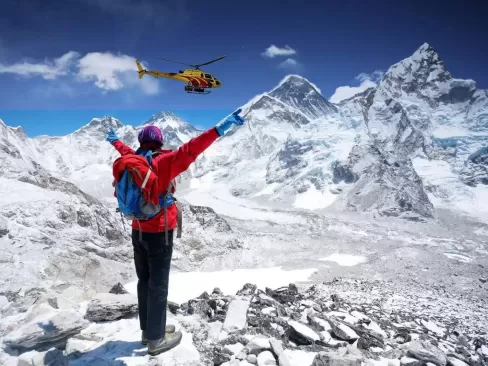
Everest Heli Tour – A Luxury Flight to the Roof of the World Everest Heli Tour Overview The Everest Heli Tour is the ultimate Himalayan luxury experience, offering an exclusive opportunity to witness Mount Everest (8,848m) up close without the physical demands of trekking. Ideal for travelers with limited time, this tour delivers maximum adventure, comfort, and breathtaking scenery in a single day. Starting from Kathmandu, this premium helicopter journey takes you deep into the legendary Everest region—an area most visitors only reach after weeks of hiking on routes like the Everest Base Camp Trek. With aerial views, high-altitude landings, and expert pilots, the Everest Heli Tour is a once-in-a-lifetime way to experience the Himalayas.Scenic Helicopter Flight from KathmanduAs your helicopter lifts off from Kathmandu, the cityscape quickly fades into rolling hills, river valleys, and terraced farmland. Flying east toward the Khumbu region, the landscape transforms dramatically into alpine terrain, glaciers, and snow-covered giants. From the air, you’ll enjoy unforgettable views of Lhotse, Nuptse, Pumori, and the iconic Ama Dablam, mountains often admired by trekkers on the Everest Panorama Trek. The bird’s-eye perspective reveals the immense scale of the Himalayas and the dramatic geography that defines eastern Nepal.Khumbu Valley: Nature and Sherpa Culture The Everest Heli Tour beautifully combines natural grandeur with cultural heritage. As you soar above the Khumbu Valley, you’ll spot traditional Sherpa villages, stone houses, prayer flags, and ancient trails that connect this region to Tibet. One of the most striking sights is Tengboche Monastery, the spiritual heart of the Everest region. Usually reached by trekkers on longer journeys like the Everest Base Camp via Gokyo Trek, this sacred site appears even more dramatic from the air, framed by snow-covered peaks and deep valleys.Landing at Everest Base Camp or Kala Patthar The highlight of the Everest Heli Tour is the exclusive landing at Everest Base Camp or Kala Patthar, depending on weather conditions. Standing at these legendary locations places you right at the gateway to the world’s highest mountain. You’ll witness the powerful flow of the Khumbu Glacier, massive ice formations, and the towering south face of Everest—views that trekkers normally experience after weeks on demanding routes like the Three Passes Trek. The crisp mountain air and overwhelming scenery make this moment both humbling and unforgettable.Syangboche Airstrip – A Quiet Himalayan Viewpoint Another memorable stop is Syangboche Airstrip, one of the highest airstrips in the world. This peaceful viewpoint offers panoramic views of Everest, Lhotse, and Ama Dablam in a calm and uncrowded setting. Many travelers compare this perspective to scenic viewpoints on treks such as the Gokyo Lakes Trek, but with the added comfort of a helicopter landing. It’s an ideal place to pause, take photographs, and truly absorb the vastness of the Himalayas.Mount Everest – The World’s Highest Peak Mount Everest, rising to 8,848.86 meters, dominates the Mahalangur Himal sub-range along the Nepal–Tibet border. It has long been a symbol of exploration, endurance, and human ambition. While climbing Everest is reserved for elite mountaineers, and trekking routes like the Everest Base Camp Luxury Trek still require significant effort, the Everest Heli Tour offers a rare chance to experience Everest’s grandeur in comfort and safety.Best Views and Overall Experience The Everest Heli Tour delivers some of the best aerial mountain views in the world. From soaring above glaciers to landing at iconic high-altitude viewpoints, every stage of the journey is visually extraordinary. Compared to ground-based adventures such as the Annapurna Base Camp Trek, this tour focuses entirely on scenery, comfort, and exclusivity—making it ideal for families, photographers, honeymooners, and luxury travelers.Best Season for Everest Heli Tour The best times to enjoy the Everest Heli Tour are: 🌸 Spring (March to May) Clear skies, snow-covered peaks, and stable weather. 🍁 Autumn (September to November) Crisp air, excellent visibility, and ideal flying conditions. These seasons are also preferred for classic Himalayan journeys like the {Luxury Treks in Nepal}, ensuring safe flights and exceptional views.Everest Heli Tour Difficulty The Everest Heli Tour is easy and suitable for all age groups. No trekking experience or special fitness is required, making it accessible to travelers who may not be able to undertake long Himalayan hikes. Unlike physically demanding adventures such as Peak Climbing in Nepal, this tour involves minimal walking and maximum comfort. However, travelers with medical concerns should consult a doctor due to high-altitude exposure.Why Choose Explore Holiday Treks for Everest Heli Tour At Explore Holiday Treks, we specialize in delivering premium Himalayan experiences with a strong focus on safety and personalized service. Our helicopters are modern, well-maintained, and operated by highly experienced pilots familiar with Everest-region conditions. As a trusted company offering everything from classic treks to Nepal Helicopter Tours, we ensure every detail—from permits to flight timing—is handled professionally, allowing you to enjoy the journey stress-free.A Once-in-a-Lifetime Himalayan Experience Whether you’re short on time, celebrating a special occasion, or simply seeking a unique way to experience Everest, the Everest Heli Tour offers unmatched value. With world-class views, cultural insight, and luxury comfort, this journey captures the true spirit of the Himalayas—powerful, inspiring, and unforgettable. Top Blogs About Trekking in the Everest RegionUncover the best blogs about trekking in the Everest region, featuring expert advice, detailed itineraries, personal experiences, and essential tips for adventurers looking to explore the Himalayas.Top 5 Everest Trekking PackagesWhere is Mount Everest? Discover the World’s Highest PeakTop 9 Reasons to Go on Everest Base Camp TrekAccommodation During Everest Base Camp TrekShower and Laundry Facilities During the Everest Base Camp TrekElevation Facts for Everest Base Camp TrekkingPhysical Fitness Requirements for Everest Base Camp TrekThe Best Ways to Trek to Everest Base CampWhen is the Best Time to Hike to Everest Base Camp?Everest Base Camp Trek: Tips and FAQsWhy Sleeping at Everest Base Camp Is the Ultimate Trekking Experience ?Which is the Better Lake Trek in Nepal: Gokyo or Tilicho Lake Trek?Altitude Sickness on Nepal Treks: Symptoms, Treatment, and When to Descend (Complete Guide)Everest Base Camp Toilet Problem: The Environmental Crisis on the World's Highest Mountain
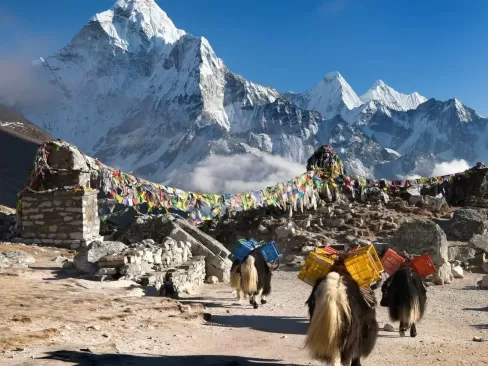
Ama Dablam Expedition: Complete Guide to Climbing the Matterhorn of the Himalayas Standing proud at 6,812 meters (22,349 feet) in the heart of the Khumbu region, Ama Dablam commands attention with its perfectly symmetrical pyramid shape and dramatic ridges that cut sharply into the Himalayan sky. Often called the "Matterhorn of the Himalayas," this magnificent peak represents one of mountaineering's most coveted achievements—a technical climb that demands skill, determination, and respect for the mountains. For those who have trekked to Everest Base Camp or explored the Khumbu Valley, Ama Dablam is an unforgettable sight, dominating the landscape with its striking beauty. But viewing this mountain from a distance and standing on its summit are two entirely different experiences. The Ama Dablam Expedition offers seasoned climbers the opportunity to test themselves against one of the world's most beautiful and technically challenging peaks. Understanding Ama Dablam: More Than Just a Mountain The name "Ama Dablam" carries deep meaning in the Sherpa language. "Ama" translates to "mother," while "Dablam" refers to the traditional double-pendant necklace worn by Sherpa women, containing pictures of the gods. Looking at the mountain, it's easy to see why this name was chosen. The long ridges extending from the summit resemble a mother's protective arms, while the hanging glacier on the southwest face looks remarkably like the sacred pendant. For the Sherpa people who call this region home, Ama Dablam is more than a climbing destination. It's a sacred presence, a landmark that has watched over their villages and monasteries for centuries. This spiritual significance adds a profound dimension to any expedition, reminding climbers that they're not just conquering a peak but engaging with a mountain that holds centuries of cultural reverence. The peak was first successfully summited in 1961 by a team including Mike Gill, Barry Bishop, Mike Ward, and Wally Romanes. Since then, it has attracted mountaineers from every corner of the globe, each drawn by its technical challenges and aesthetic perfection. Unlike Mount Everest, which can be climbed using established routes with fixed ropes, Ama Dablam demands genuine mountaineering skills at every stage of the ascent. The Geography and Setting Ama Dablam sits in the Mahalangur section of the Himalayas, approximately 30 kilometers northeast of Namche Bazaar, the bustling Sherpa town that serves as the gateway to the high Himalayas. The mountain is part of the Sagarmatha National Park, a UNESCO World Heritage Site that protects some of the most spectacular mountain terrain on Earth. The Khumbu region where Ama Dablam stands offers an incredible concentration of high peaks. From various points along the climbing route, you can see Everest, Lhotse, Nuptse, Makalu, and dozens of other giants rising above 6,000 meters. This extraordinary setting makes every moment of the expedition visually stunning, whether you're establishing camp, making technical ascents, or simply taking in your surroundings during rest days. The approach to Ama Dablam Base Camp follows the classic Everest Base Camp Trek route through Lukla, Phakding, Namche Bazaar, and Tengboche before branching off toward the mountain. This journey through the Khumbu introduces climbers to the region's unique character—prayer flags fluttering in the wind, ancient monasteries perched on hillsides, and friendly Sherpa villages where traditional life continues much as it has for generations. The Southwest Ridge: A Technical Masterpiece The Southwest Ridge stands as the standard route for Ama Dablam expeditions, first climbed in 1961 and refined over decades of subsequent ascents. This route has earned a reputation as one of the finest alpine climbs in the world, offering sustained technical challenge without crossing into the realm of extreme mountaineering that requires specialized skills or excessive risk-taking. What makes the Southwest Ridge special is its variety. Unlike some Himalayan peaks that involve long slogs through snow slopes, Ama Dablam keeps climbers engaged with constantly changing terrain. You'll encounter steep rock sections where climbing technique matters, ice slopes that test your crampon work, exposed ridges where balance and nerve are essential, and technical mixed climbing that demands coordination of all your mountaineering skills. Base Camp: Your Home in the Himalayas Ama Dablam Base Camp sits at 4,570 meters (14,993 feet) in a glacial valley below the mountain's south face. This is where expeditions establish their operational headquarters, set up dining tents, sleeping accommodations, and storage for equipment and supplies. Unlike the crowded Everest Base Camp, Ama Dablam's base typically hosts a smaller number of teams, creating a more intimate mountaineering atmosphere. The location offers spectacular views of the mountain you're about to climb, allowing you to study the route, watch weather patterns develop, and mentally prepare for the challenges ahead. During the expedition, you'll return to Base Camp multiple times as part of the acclimatization process, and it becomes a welcome sight—a place to rest, recover, eat warm meals, and sleep at a slightly lower altitude. Base Camp also serves as your introduction to expedition life. Here you'll meet your climbing team, check and organize equipment, practice technical skills on nearby rock or ice features, and begin the crucial process of acclimatization that will determine your success higher on the mountain. Camp 1: The First Real Challenge The climb from Base Camp to Camp 1 at 5,700 meters (18,701 feet) represents your first significant test on Ama Dablam. The route involves ascending steep terrain with fixed ropes in places, requiring solid technique with jumars (mechanical ascenders) and careful attention to safety protocols. This section includes sections of exposed climbing where confidence and technical ability matter significantly. Camp 1 perches on a small plateau that offers enough space for several tents. Arriving here for the first time is a milestone—you've successfully navigated the lower mountain and positioned yourself for the more demanding climbing above. The views from Camp 1 are extraordinary, with the Khumbu Valley spread out below and the giants of the Himalaya rising all around. Most expeditions make multiple carries to Camp 1 during the acclimatization phase, bringing up supplies, equipment, and personal gear that will be needed for the summit push. These carries serve the dual purpose of stocking the upper camps while giving your body repeated exposure to higher altitude, improving your acclimatization with each ascent and descent. Camp 2: Life on the Ridge At 5,900 meters (19,356 feet), Camp 2 occupies one of the most spectacular—and exposed—positions in Himalayan mountaineering. The camp sits on a narrow ridge with dramatic drop-offs on both sides, creating an airy sensation that some climbers find exhilarating and others find nerve-wracking. Setting up tents here requires careful attention to anchoring systems, as the winds at this altitude can be fierce. The climb from Camp 1 to Camp 2 involves sustained technical climbing, including sections known as the "Mushroom Ridge" where snow formations create unique challenges. This segment of the route is where the technical demands of Ama Dablam really become apparent. You're not just walking uphill—you're climbing, using ice axes and crampons with precision, maintaining three points of contact on tricky sections, and constantly assessing conditions. Camp 2 represents a psychological threshold. Below this point, if serious problems arise, retreat to Base Camp is relatively straightforward. Above Camp 2, you're committed to the upper mountain, where decisions become more consequential and the consequences of mistakes more serious. This is where experienced expedition leaders carefully assess each team member's readiness to continue. Camp 3: The High Camp Camp 3 at 6,400 meters (20,997 feet) is positioned on a small ledge system below the final summit push. This is high camp, the last place to rest before the summit bid begins. At this altitude, the air contains roughly 40% of the oxygen found at sea level, and every action—from melting snow for water to putting on crampons—becomes laborious and time-consuming. The route from Camp 2 to Camp 3 includes some of the most sustained technical climbing on the mountain. Climbers navigate the famous "Grey Tower," a steep rock buttress that requires confident climbing ability, and tackle the mixed terrain of the upper mountain where rock, ice, and snow intermingle. Fixed ropes are typically in place on the most exposed sections, but judgment, balance, and technical skill remain essential. Most teams spend only one or two nights at Camp 3 before making their summit attempt. At this altitude, the human body begins deteriorating rather than acclimatizing, so minimizing time in the "death zone" altitudes (though Ama Dablam's summit just falls below this designation at 8,000 meters) is wise. Sleep at Camp 3 is fitful at best, as reduced oxygen levels make rest difficult and dreams vivid. Summit Day: The Ultimate Test Summit day on Ama Dablam typically begins in the early morning hours, often around midnight or 1 AM. The goal is to reach the summit by late morning, allowing for safe descent in daylight hours. The route from Camp 3 to the summit involves approximately 400 meters of elevation gain, but in the thin air and technical terrain, this can take 6-8 hours or more. The climbing includes steep ice slopes requiring front-pointing technique, sections of mixed rock and ice where each move must be carefully calculated, and finally the summit ridge itself—narrow, exposed, and absolutely spectacular. The physical demands are intense, but the mental challenge can be even greater. At this altitude, with fatigue setting in and the summit tantalizingly close, maintaining focus and sound judgment is essential. Reaching the summit of Ama Dablam ranks among mountaineering's great achievements. The 360-degree panorama encompasses Everest, Lhotse, Makalu, and countless other peaks stretching to every horizon. Prayer flags flutter at the top, left by previous successful climbers, and adding your own becomes a moment of profound satisfaction and gratitude. But the summit is only halfway. The descent requires equal focus and care, as fatigue and the euphoria of success can lead to mistakes. Teams typically return to Camp 3 for a brief rest before continuing down to Camp 2 or Camp 1, eager to reach lower altitudes where breathing becomes easier and the margin for error greater. Preparation: What It Takes to Climb Ama Dablam Successfully climbing Ama Dablam requires thorough preparation across multiple dimensions—physical fitness, technical skills, mental readiness, and logistical planning. This is not a trek with some scrambling; it's a genuine mountaineering expedition that demands respect and preparation. Physical Conditioning The physical demands of the Ama Dablam Expedition are substantial. You'll need strong cardiovascular endurance to function effectively at high altitude, where your heart and lungs work overtime to deliver oxygen to your muscles. Leg strength matters tremendously, as you'll be ascending and descending thousands of vertical meters over the course of the expedition, often while carrying a heavy pack. Core strength and upper body conditioning are equally important, as technical climbing on steep terrain requires pulling yourself up fixed ropes, maintaining balance on exposed ridges, and managing equipment. A comprehensive training program should begin at least six months before your expedition, ideally longer if you're starting from a less active baseline. Cardiovascular training might include running, cycling, stair climbing, or hiking with a weighted pack. Adding elevation gain during training hikes prepares your muscles and mind for the sustained climbing you'll encounter on Ama Dablam. Strength training should focus on functional movements—squats, lunges, pull-ups, core exercises—that translate directly to mountaineering demands. If possible, incorporate training at altitude, either by climbing other mountains or using altitude training facilities. While nothing perfectly replicates the experience of climbing at 6,000+ meters, any altitude exposure helps your body begin the adaptations that will be crucial on the expedition. Technical Skills Ama Dablam is not a mountain for learning basic skills on the job. Before attempting this peak, you should have solid experience and proficiency in several technical areas. Crampon technique for ascending and descending steep ice and snow is fundamental—you'll spend much of the climb with crampons on your feet, and poor technique leads to exhaustion and increased risk. Ice axe skills, including self-arrest, ice climbing technique, and using axes for balance and security on exposed terrain, are essential. You should be comfortable on steep ice slopes where a slip would have serious consequences. Fixed rope skills matter tremendously on Ama Dablam, as much of the route includes fixed lines. Efficient use of jumars for ascending and confidence in rappelling down fixed ropes for descending saves energy and reduces risk. Rock climbing ability helps significantly on Ama Dablam, particularly on sections like the Grey Tower. You don't need to be an expert rock climber, but comfort on moderate difficulty rock (5.6-5.8 in the US rating system) while wearing mountaineering boots and gloves makes these sections much more manageable. Experience with mixed climbing—terrain that combines rock, ice, and snow—is valuable, as this describes much of Ama Dablam's upper route. Many aspiring Ama Dablam climbers gain these skills by climbing other peaks first. Island Peak, which sits just across the valley from Ama Dablam at 6,189 meters, serves as excellent preparation, offering altitude experience and technical climbing in a less committing environment. Other popular preparation peaks include Lobuche East, Mera Peak, or mountains in other ranges like Ecuador's volcanoes or peaks in the Alps. Mental Preparation The mental challenges of high-altitude mountaineering often surprise climbers who are physically fit and technically skilled. Living in tents for weeks, dealing with cold and discomfort, managing altitude-induced sleep difficulties, and maintaining motivation through setbacks and weather delays all test mental resilience. The risks of high-altitude climbing are real, and accepting these risks while maintaining sound judgment is a crucial mental skill. You'll need to make decisions about whether conditions are safe, whether you feel strong enough to continue, and ultimately whether to push for the summit or turn back. These decisions often occur when you're tired, uncomfortable, and cognitively affected by altitude. Patience is perhaps the most underrated mental skill in mountaineering. Expeditions rarely go exactly according to plan. Weather delays, acclimatization challenges, equipment issues, or team dynamics can require flexibility and acceptance. The ability to stay positive and focused through adversity often determines success as much as physical strength or technical skill. Acclimatization: The Key to Success More than any other single factor, proper acclimatization determines success on Ama Dablam. Altitude sickness can affect anyone, regardless of fitness level or previous experience, and attempting to climb too quickly without adequate acclimatization is both dangerous and futile. The human body needs time to adapt to reduced oxygen levels—typically around two weeks or more for a peak of Ama Dablam's altitude. The expedition schedule includes multiple acclimatization cycles, where you climb to progressively higher camps, spend time there, then descend to rest and recover at lower altitude. This "climb high, sleep low" approach is proven to enhance acclimatization while reducing risk. During these cycles, your body increases red blood cell production, improves oxygen efficiency, and makes numerous other physiological adaptations. Hydration plays a crucial role in acclimatization. At altitude, your body loses moisture rapidly through breathing and increased urination (a sign of proper acclimatization). Drinking ample water—often 4-5 liters per day or more—helps prevent altitude sickness and maintains performance. Similarly, proper nutrition matters, though appetite often decreases at altitude. Consuming adequate calories, especially from carbohydrates which require less oxygen to metabolize, helps maintain energy and supports acclimatization. Rest days built into the schedule are not optional extras—they're essential for acclimatization and recovery. Experienced climbers know that rest is when your body makes the adaptations that allow you to climb higher. Pushing too hard without adequate rest is counterproductive and dangerous. The Cultural Journey: Beyond the Climb While the mountaineering challenge draws climbers to Ama Dablam, the cultural experience of traveling through the Khumbu region adds profound depth to the expedition. The Sherpa people have inhabited these mountains for centuries, developing a unique culture adapted to high-altitude life and deeply influenced by Tibetan Buddhism. The trek to Base Camp passes through numerous Sherpa villages where daily life continues much as it has for generations. In Namche Bazaar, the bustling trading hub of the Khumbu, you'll find a fascinating blend of traditional culture and modern trekking industry. Markets sell everything from prayer flags to climbing equipment, while locals gather at tea houses to share news and stories. Tengboche Monastery, perched on a hillside with spectacular views of Ama Dablam, Everest, and surrounding peaks, represents one of the most important spiritual centers in the Khumbu. If your expedition timing coincides with religious festivals, you might witness ceremonies with costumed dances, traditional music, and rituals that have been performed for centuries. Even during quieter times, visiting Tengboche offers insight into the Buddhist practices that shape Sherpa life. Many expeditions arrange a puja ceremony at Base Camp before the climb begins. This Buddhist blessing ceremony, performed by a lama (Buddhist monk), seeks permission from the mountain deities and protection for climbers. Prayer flags are strung, juniper branches burned, and offerings made while the lama chants prayers. Sherpa team members take these ceremonies seriously, and participating shows respect for local culture and traditions. Throughout the expedition, you'll interact with Sherpa guides, climbing Sherpas, and support staff whose knowledge, experience, and strength are remarkable. The Sherpa people have an unmatched reputation in mountaineering, having supported virtually every successful Himalayan expedition. Their expertise, earned through generations of mountain living and professional climbing, makes expeditions safer and more successful. Environmental Considerations and Responsible Climbing Climbing in the Himalayas comes with environmental responsibilities. The fragile high-altitude ecosystem recovers slowly from damage, and increasing numbers of climbers have created challenges for mountain environments. Responsible expeditions follow Leave No Trace principles strictly, packing out all waste, minimizing campfire use, and respecting wildlife and vegetation. Ama Dablam sits within Sagarmatha National Park, which has regulations designed to protect the environment. Expedition teams must follow waste management protocols, including bringing human waste down from high camps. While this might seem inconvenient, it's essential for protecting water sources and maintaining the pristine nature of these mountains. The broader Everest region has faced challenges with waste accumulation over decades of mountaineering and trekking. Modern expeditions have a responsibility to do better, and many take pride in operating clean climbs that minimize environmental impact. When choosing an expedition operator, their environmental practices should be a consideration. Timing Your Expedition: Understanding Himalayan Seasons Ama Dablam climbing seasons align with broader Himalayan patterns. The two main climbing seasons are spring (April-May) and autumn (October-November), when weather conditions are most stable and temperatures, while cold, are manageable for sustained high-altitude climbing. Spring season offers advantages of longer days and generally stable weather as the monsoon season approaches. Temperatures are cold but climbing conditions are usually good, with consolidated snow and ice. Spring is the most popular season, meaning Base Camp and the route will be busier with other teams, though nothing like the crowds on Everest. Autumn season, following the monsoon, brings crisp clear days with spectacular visibility and stable high-pressure systems. The shorter days mean starting summit bids earlier, and temperatures can be colder than spring, but many climbers prefer autumn for the clarity and the sense of climbing in pristine post-monsoon conditions. Winter expeditions are rare and extremely challenging, with brutal cold and shorter days making climbing difficult and dangerous. Summer monsoon season brings heavy snow, unstable conditions, and poor visibility, making climbing inadvisable. Stick with spring or autumn for the best chance of success and safety. Why Climb Ama Dablam: The Allure of the Matterhorn of the Himalayas With so many Himalayan peaks to choose from, what makes Ama Dablam special? For many mountaineers, it represents the perfect blend of technical challenge, aesthetic beauty, and genuine adventure without crossing into extreme mountaineering that requires years of specialized training. The technical climbing provides sustained interest and challenge. This isn't a slog where you're just putting one foot in front of the other for weeks. Every day involves problem-solving, technical skill application, and engagement with the mountain. Climbers who enjoy the craft of mountaineering—placing protection, reading terrain, making route-finding decisions—find Ama Dablam deeply satisfying. The mountain's stunning beauty adds something intangible to the experience. Ama Dablam is simply gorgeous from every angle, and climbing on a peak this aesthetic creates moments of profound appreciation. Looking up at the summit from camp, or down at the route you've just climbed, provides perspective on both the mountain and your own journey. Successfully summiting Ama Dablam earns respect in the mountaineering community. This isn't a peak that can be "bought"—while expedition support helps tremendously, your own skills, strength, and determination are what ultimately get you to the summit. Standing on top represents a genuine mountaineering achievement that demonstrates technical competence and high-altitude capability. For many climbers, Ama Dablam serves as a stepping stone toward even bigger objectives. The experience gained, both physical and mental, provides excellent preparation for 8,000-meter peaks if that's your goal. But Ama Dablam is also a worthy objective in its own right, and many experienced mountaineers consider it among their most memorable climbs regardless of what came before or after. Looking Ahead: Your Ama Dablam Journey If you're considering an Ama Dablam Expedition, you're contemplating one of mountaineering's classic adventures. The journey from the moment you land in Kathmandu to the day you return, summiteer or not, will be filled with challenges, beauty, camaraderie, and moments of profound experience that stay with you forever. Start preparing early—both physically and mentally. Build your technical skills through progressive climbing objectives. Research expedition operators thoroughly, looking for experienced teams with strong safety records, good Sherpa relationships, and environmental responsibility. Talk with climbers who have attempted Ama Dablam to gain realistic expectations and practical advice. Remember that reaching the summit, while the goal, isn't the only measure of success. The journey through the Khumbu Valley, the cultural experiences, the friendships formed with teammates and Sherpa staff, the personal growth that comes from pushing yourself in a demanding environment—these elements make the expedition valuable regardless of the outcome on summit day. Ama Dablam stands waiting, as it has for millions of years, its perfect pyramid shape cutting into the blue Himalayan sky. For those with the skills, determination, and respect to meet its challenges, it offers an experience that captures everything magnificent about mountaineering in the highest mountains on Earth. Whether you're looking to test yourself on a technical Himalayan peak, experience Sherpa culture deeply, or simply stand on one of the world's most beautiful summits, the Ama Dablam Expedition promises a journey of discovery, challenge, and achievement you'll carry with you for the rest of your life.
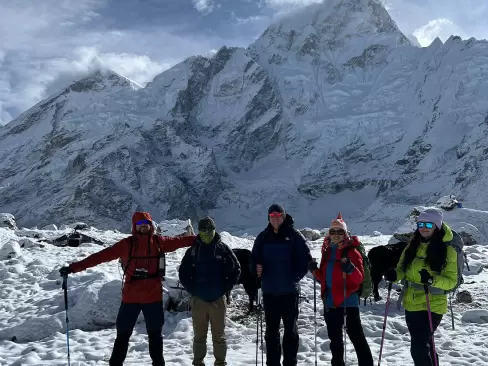
Everest Base Camp Trek – A Legendary Journey to the Foot of the World’s Highest PeakThe Gokyo Everest Base Camp Trek is a remarkable journey that combines the best of two iconic trekking routes in the Everest region. This trek not only takes you to the famous Everest Base Camp (EBC), where trekkers are rewarded with breathtaking views of Mount Everest and other towering peaks, but it also includes a visit to the stunning Gokyo Valley. Known for its crystal-clear lakes and panoramic views of the surrounding peaks, including Everest, Lhotse, and Cho Oyu, Gokyo Valley offers a more tranquil alternative to the classic EBC trek. The trek starts with a scenic flight from Kathmandu to Lukla, followed by a series of days spent ascending through beautiful Sherpa villages, lush forests, and alpine meadows. The route takes you through Namche Bazaar, Tengboche Monastery, and Dingboche, before reaching the awe-inspiring Everest Base Camp.The highlight of the Gokyo Everest Base Camp Trek is the ascent to Gokyo Ri (5,357 meters), a viewpoint that provides one of the best panoramic views of the Everest range, including Everest, Lhotse, Makalu, and Cho Oyu. From Gokyo, the trail continues to Everest Base Camp, passing through the famous Khumbu Glacier and crossing high-altitude landscapes. The combination of Gokyo’s serene lakes and the rugged challenge of the Everest Base Camp makes this trek a unique and highly rewarding experience. With Explore Holiday Treks, you will be guided by experienced Sherpa guides who are familiar with the terrain and can provide cultural insights into the lives of the local Sherpa communities. We ensure that your trek is comfortable and safe, providing carefully chosen accommodations and delicious meals along the way. Whether you're a seasoned trekker or a first-time adventurer, this trek offers a perfect balance of adventure and natural beauty. Top Blogs About Trekking in the Everest RegionUncover the best blogs about trekking in the Everest region, featuring expert advice, detailed itineraries, personal experiences, and essential tips for adventurers looking to explore the Himalayas.Top 5 Everest Trekking PackagesWhere is Mount Everest? Discover the World’s Highest PeakTop 9 Reasons to Go on Everest Base Camp TrekAccommodation During Everest Base Camp TrekShower and Laundry Facilities During the Everest Base Camp TrekElevation Facts for Everest Base Camp TrekkingPhysical Fitness Requirements for Everest Base Camp TrekThe Best Ways to Trek to Everest Base CampWhen is the Best Time to Hike to Everest Base Camp?Everest Base Camp Trek: Tips and FAQsWhy Sleeping at Everest Base Camp Is the Ultimate Trekking Experience ?Which is the Better Lake Trek in Nepal: Gokyo or Tilicho Lake Trek?Altitude Sickness on Nepal Treks: Symptoms, Treatment, and When to Descend (Complete Guide)Everest Base Camp Toilet Problem: The Environmental Crisis on the World's Highest MountainMonastery Life in Nepal: Finding Peace in the Heart of the HimalayasAltitude Sickness on Nepal Treks: Symptoms, Treatment, and When to Descend (Complete Guide)Dal Bhat Power 24 Hour: The Science and Soul Behind Nepal's Mountain Fuel10 Essential Everest Trekking Tips Every First-Time Trekker Must KnowThe 3 AM Wake-Up Call Nobody Tells You About: Real Stories from Everest Base CampThe Essential Guide to Choosing Your Perfect Nepal Trek: From Beginner-Friendly Trails to Epic Himalayan AdventuresSolo Female Trekking in Nepal: A Complete Safety and Empowerment Guide for 2026Complete Fitness Training Guide for Nepal Trekking 2026: From Couch to Base Camp in 12 WeeksThe Everest Base Camp Trek is one of the most iconic trekking adventures on the planet, drawing travelers from around the world who dream of witnessing Mount Everest up close. This classic Himalayan journey offers far more than just mountain views—it is a deeply immersive experience through Sherpa culture, ancient monasteries, dramatic landscapes, and high-altitude trails that test both endurance and spirit.The adventure begins with a thrilling mountain flight from Kathmandu to Lukla, the gateway to the Everest region. From here, the trail winds through the heart of the Khumbu, crossing suspension bridges draped with prayer flags, dense pine and rhododendron forests, and charming Sherpa villages. As you ascend gradually, each day brings new perspectives of the Himalayas, including close views of Thamserku, Ama Dablam, Lhotse, and eventually Mount Everest itself.One of the most important stops on the trek is Namche Bazaar, the vibrant Sherpa capital of the region. Nestled in a natural amphitheater, Namche is the perfect place for acclimatization and cultural exploration. Trekkers can explore local markets, bakeries, museums, and viewpoints while enjoying sweeping mountain vistas. From Namche, the trail continues toward Tengboche Monastery, the spiritual heart of the Everest region, famous for its serene atmosphere and stunning backdrop of Everest, Lhotse, and Ama Dablam.As the trek progresses through villages like Dingboche and Lobuche, the landscape becomes more rugged and alpine. The air grows thinner, but the sense of anticipation builds with every step. Reaching Everest Base Camp (5,364 meters) is a moment of immense achievement. Standing near the Khumbu Icefall, surrounded by towering peaks and glaciers, offers a powerful connection to the history of Himalayan mountaineering.Another major highlight is the ascent of Kala Patthar (5,545 meters), widely regarded as the best viewpoint for Mount Everest. From the summit, trekkers are rewarded with breathtaking panoramic views of Everest, Nuptse, Lhotse, and the surrounding Himalayan giants, especially during sunrise or sunset.With Explore Holiday Treks, your Everest Base Camp journey is guided by experienced local Sherpa professionals who understand the terrain, altitude challenges, and cultural richness of the region. We emphasize safety, proper acclimatization, and comfort, ensuring your trek is not only successful but deeply rewarding.You may internally link this page to Everest Region Trekking, Kala Patthar Viewpoint, or Tengboche Monastery for better SEO structure.Gokyo Valley Trek – A Peaceful and Scenic Alternative in the Everest RegionThe Gokyo Valley Trek is an exceptional alternative to the classic Everest Base Camp route, ideal for trekkers seeking dramatic Himalayan scenery with fewer crowds. This trek explores the stunning Gokyo Valley, a remote and tranquil region known for its turquoise glacial lakes, expansive glaciers, and spectacular mountain viewpoints.Like the EBC trek, the journey begins in Lukla and follows the trail to Namche Bazaar, allowing trekkers time to acclimatize and enjoy early views of Everest. From Namche, the route diverges from the main Everest Base Camp trail and leads into quieter alpine terrain, passing through traditional Sherpa settlements and wide glacial valleys.The heart of this trek lies in the Gokyo Lakes, a series of pristine high-altitude lakes considered sacred by local communities. Their vivid turquoise color, set against snow-covered peaks, creates one of the most photogenic landscapes in the Himalayas. The valley is also home to the Ngozumpa Glacier, the largest glacier in Nepal, offering trekkers a rare opportunity to walk alongside massive ice formations.The highlight of the Gokyo Valley Trek is the climb to Gokyo Ri (5,357 meters). From the summit, trekkers are treated to one of the finest panoramic views in Nepal, including Mount Everest, Lhotse, Makalu, and Cho Oyu—four of the world’s highest peaks visible from a single viewpoint.Compared to the Everest Base Camp route, the Gokyo Valley Trek is quieter and more serene, making it perfect for trekkers who value solitude, nature, and photography. Despite its peaceful nature, the trek still delivers a high-altitude adventure with world-class scenery.With Explore Holiday Treks, every detail of your Gokyo Valley journey is carefully managed. From experienced guides and comfortable lodges to nutritious meals and acclimatization support, we ensure a smooth and memorable trekking experience in one of the Everest region’s most beautiful valleys.Why Choose Explore Holiday TreksAt Explore Holiday Treks, we believe that a great trekking experience is built on trust, local expertise, and genuine care for our clients and the environment. Whether you are trekking to Everest Base Camp, exploring the tranquil Gokyo Valley, or combining both routes into a single adventure, we are committed to delivering a safe, enriching, and unforgettable journey.Our team of professional Sherpa guides brings years of high-altitude trekking experience and deep knowledge of the Everest region. Beyond navigation and safety, our guides share insights into local culture, traditions, and daily life in the Himalayas, adding depth and meaning to your journey.We prioritize:Proper acclimatization and safety planningComfortable and well-located lodgesNutritious meals suited for high-altitude trekkingResponsible and sustainable tourism practicesOur trekking approach supports local communities and minimizes environmental impact while ensuring trekkers receive personalized attention and professional support throughout the journey.Choosing Explore Holiday Treks means trekking with a company that values authentic experiences, safety, and long-term sustainability. Let us guide you through the Everest region with confidence, care, and a passion for the Himalayas—so you can focus on enjoying every step of your adventure.

The EBC Luxury via Gokyo Trek is the ultimate way to experience the iconic Everest Base Camp (EBC) while enjoying the finest comforts and amenities. This trek offers a perfect balance of adventure and luxury, allowing you to witness the grandeur of the Himalayas while staying in premium lodges and boutique hotels throughout the journey. Unlike traditional treks, where accommodations can be basic, Explore Holiday Treks ensures that you enjoy high-end facilities with heated rooms, comfortable beds, en-suite bathrooms, and delicious gourmet meals prepared by skilled chefs. You can relax in the comfort of luxurious lodges after a day of trekking, experiencing the serenity of the mountains without sacrificing your comfort.The trek follows the classic Everest Base Camp route, starting from Lukla and passing through picturesque Sherpa villages like Namche Bazaar, Tengboche, and Dingboche, all the while enjoying world-class services. The highlight of the journey is standing at Everest Base Camp (5,364 meters), where you’ll be rewarded with breathtaking views of Mount Everest, Lhotse, Nuptse, and other towering peaks. Along the way, you’ll visit beautiful Buddhist monasteries, experience Sherpa culture, and marvel at the stunning landscapes of the Khumbu region. The addition of Gokyo—with its crystal-clear lakes and spectacular viewpoints like Gokyo Ri—adds another layer of awe to the trek. Whether you’re soaking in the views of the Himalayas or relaxing in your luxurious lodge, the EBC Luxury via Gokyo Trek with Explore Holiday Treks ensures an unforgettable trekking experience with unmatched comfort and style.Top Blogs About Trekking in the Everest RegionUncover the best blogs about trekking in the Everest region, featuring expert advice, detailed itineraries, personal experiences, and essential tips for adventurers looking to explore the Himalayas.Top 5 Everest Trekking PackagesWhere is Mount Everest? Discover the World’s Highest PeakTop 9 Reasons to Go on Everest Base Camp TrekAccommodation During Everest Base Camp TrekShower and Laundry Facilities During the Everest Base Camp TrekElevation Facts for Everest Base Camp TrekkingPhysical Fitness Requirements for Everest Base Camp TrekThe Best Ways to Trek to Everest Base CampWhen is the Best Time to Hike to Everest Base Camp?Everest Base Camp Trek: Tips and FAQsWhy Sleeping at Everest Base Camp Is the Ultimate Trekking Experience ?Which is the Better Lake Trek in Nepal: Gokyo or Tilicho Lake Trek?Monastery Life in Nepal: Finding Peace in the Heart of the HimalayasAltitude Sickness on Nepal Treks: Symptoms, Treatment, and When to Descend (Complete Guide)Dal Bhat Power 24 Hour: The Science and Soul Behind Nepal's Mountain Fuel10 Essential Everest Trekking Tips Every First-Time Trekker Must KnowThe 3 AM Wake-Up Call Nobody Tells You About: Real Stories from Everest Base CampThe Essential Guide to Choosing Your Perfect Nepal Trek: From Beginner-Friendly Trails to Epic Himalayan AdventuresSolo Female Trekking in Nepal: A Complete Safety and Empowerment Guide for 2026Complete Fitness Training Guide for Nepal Trekking 2026: From Couch to Base Camp in 12 WeeksGokyo Everest Base Camp TrekThe Gokyo Everest Base Camp Trek is a unique adventure that combines two of the most famous trekking destinations in the Everest region: the serene Gokyo Valley and the iconic Everest Base Camp. This trek offers trekkers the opportunity to visit both Gokyo Lakes, known for their vibrant turquoise color and spectacular reflections of surrounding peaks, and Everest Base Camp, the ultimate goal for mountaineers and adventurers. The highlight of the trek is the ascent of Gokyo Ri (5,357 meters), a viewpoint offering panoramic views of Mount Everest, Makalu, Cho Oyu, and other majestic peaks in the Himalayas.With Explore Holiday Treks, this extraordinary adventure becomes a luxurious experience. We provide comfortable, high-quality lodges along the route, ensuring that you have all the modern amenities you need to rest and recharge. These include heated rooms, private bathrooms, and excellent dining options that offer both local and international cuisine. Our expert guides, who are knowledgeable in both the terrain and the local Sherpa culture, will accompany you throughout the journey, ensuring your safety and comfort. Whether you’re soaking in the beauty of Gokyo Lakes, reaching Everest Base Camp, or enjoying the high-altitude views from Gokyo Ri, the Gokyo Everest Base Camp Trek with Explore Holiday Treks offers a luxurious and unforgettable experience that blends adventure with relaxation.Everest Base Camp TrekThe Everest Base Camp Trek is one of the most renowned treks in the world, attracting adventurers from every corner of the globe. The trek begins with a scenic flight from Kathmandu to Lukla, followed by several days of trekking through the Khumbu region, passing through Sherpa villages like Namche Bazaar, Tengboche, and Dingboche. Along the way, trekkers enjoy stunning views of Mount Everest, Lhotse, Nuptse, and other peaks, while gaining insight into the local Sherpa culture. Reaching Everest Base Camp (5,364 meters) is the culmination of the trek, offering a close-up view of the Khumbu Icefall and the towering peaks of the Everest massif.For those seeking a more comfortable journey, Explore Holiday Treks offers a Luxury Everest Base Camp Trek, where you can experience the thrill of reaching Everest Base Camp without sacrificing comfort. Our handpicked luxury lodges along the trail offer heated rooms, private bathrooms, and high-quality meals to keep you refreshed after a day of trekking. Our expert guides, experienced in the challenges of high-altitude trekking, ensure that you acclimatize properly and enjoy your trek at a comfortable pace. The Luxury Everest Base Camp Trek is a once-in-a-lifetime opportunity to experience the majesty of the Himalayas while staying in top-tier accommodations, making it the perfect blend of adventure and luxury.Gokyo Valley TrekThe Gokyo Valley Trek offers a quieter, more serene alternative to the classic Everest Base Camp route. Located in the heart of the Everest region, Gokyo Valley is home to stunning landscapes, including the sacred Gokyo Lakes, surrounded by towering Himalayan peaks like Everest, Lhotse, and Makalu. The trek offers a more tranquil experience, allowing you to immerse yourself in the beauty of the region while avoiding the crowds found on the Everest Base Camp trail. The trek’s highlight is the climb to Gokyo Ri, a summit that provides one of the most panoramic and breathtaking views of the Everest massif, including views of Everest, Makalu, Cho Oyu, and several other peaks.With Explore Holiday Treks, the Gokyo Valley Trek becomes a luxurious adventure. We provide top-quality accommodations, ensuring that your stays in the mountains are as comfortable as possible. You’ll rest in lodges that offer hot showers, private rooms, and gourmet meals, allowing you to unwind after each trekking day. Our experienced guides are there to help you navigate the terrain, ensuring your safety while offering insights into the local Sherpa culture and customs. The trek is carefully designed to allow for proper acclimatization, ensuring you can enjoy the beauty of the Gokyo Valley at a comfortable pace. If you’re seeking a peaceful trekking experience with luxury accommodations and awe-inspiring views, the Gokyo Valley Trek with Explore Holiday Treks is the ideal choice.Why Choose Us (Explore Holiday Treks)At Explore Holiday Treks, we pride ourselves on offering exceptional luxury trekking experiences in the heart of the Himalayas. Our commitment to quality service and attention to detail ensures that your trek, whether it’s the EBC Luxury via Gokyo Trek, the Luxury Everest Base Camp Trek, or the Gokyo Valley Trek, is tailored to provide the ultimate adventure without compromising on comfort. We understand that trekking in the Himalayas is not just about reaching your destination but also about enjoying the journey in a safe, relaxing, and luxurious environment.Our team of expert Sherpa guides and porters are experienced in navigating the rugged terrain of the Everest region, and they are dedicated to ensuring your comfort and safety throughout the trek. We carefully select the best luxury lodges along the route, which offer modern amenities like private rooms, hot showers, heated facilities, and exceptional meals. With our focus on responsible tourism, we strive to support local communities and preserve the environment while providing you with an unforgettable trekking experience. Whether you're seeking a once-in-a-lifetime adventure to Everest Base Camp, or you want to immerse yourself in the beauty and serenity of Gokyo Valley, Explore Holiday Treks is your perfect partner for luxury trekking in the Himalayas. We take care of every detail so you can focus on making memories that will last a lifetime.

Everest Base Camp Return by Helicopter: The Ultimate Himalayan AdventureThe journey to Everest Base Camp has long been considered one of the world's most spectacular trekking experiences. For decades, adventurers from across the globe have made the pilgrimage to stand at the foot of the world's highest mountain, traversing ancient trails through the heart of Sherpa country. But what if you could enhance this already incredible adventure with a touch of luxury and convenience? The Everest Base Camp Return by Helicopter trek offers exactly that—combining the authentic trekking experience with the thrill of a helicopter flight back through the Himalayas.Top Blogs About Trekking in the Everest RegionUncover the best blogs about trekking in the Everest region, featuring expert advice, detailed itineraries, personal experiences, and essential tips for adventurers looking to explore the Himalayas.Top 5 Everest Trekking PackagesWhere is Mount Everest? Discover the World’s Highest PeakTop 9 Reasons to Go on Everest Base Camp TrekAccommodation During Everest Base Camp TrekShower and Laundry Facilities During the Everest Base Camp TrekElevation Facts for Everest Base Camp TrekkingPhysical Fitness Requirements for Everest Base Camp TrekThe Best Ways to Trek to Everest Base CampWhen is the Best Time to Hike to Everest Base Camp?Everest Base Camp Trek: Tips and FAQsWhy Sleeping at Everest Base Camp Is the Ultimate Trekking Experience ?Which is the Better Lake Trek in Nepal: Gokyo or Tilicho Lake Trek?Altitude Sickness on Nepal Treks: Symptoms, Treatment, and When to Descend (Complete Guide)Everest Base Camp Toilet Problem: The Environmental Crisis on the World's Highest MountainMonastery Life in Nepal: Finding Peace in the Heart of the HimalayasAltitude Sickness on Nepal Treks: Symptoms, Treatment, and When to Descend (Complete Guide)Dal Bhat Power 24 Hour: The Science and Soul Behind Nepal's Mountain Fuel10 Essential Everest Trekking Tips Every First-Time Trekker Must KnowThe 3 AM Wake-Up Call Nobody Tells You About: Real Stories from Everest Base CampThe Essential Guide to Choosing Your Perfect Nepal Trek: From Beginner-Friendly Trails to Epic Himalayan AdventuresSolo Female Trekking in Nepal: A Complete Safety and Empowerment Guide for 2026Complete Fitness Training Guide for Nepal Trekking 2026: From Couch to Base Camp in 12 WeeksWhat Makes This Trek Different?Traditional Everest Base Camp treks require trekkers to retrace their steps back to Lukla, which typically takes 3-4 days of walking through familiar terrain. While this return journey has its own charm, it can be physically demanding after you've already pushed your body to its limits reaching the base camp at 5,364 meters. The Everest Base Camp Return by Helicopter option transforms this return journey into an unforgettable aerial adventure, offering a completely different perspective of the landscapes you've just trekked through.From the helicopter, the rugged terrain that took days to traverse unfolds beneath you in a spectacular panorama. Glaciers that appeared as distant ice fields from the trail reveal their true scale and beauty. The deep valleys you carefully descended become dramatic gorges showcasing the raw power of geological forces. Most importantly, you'll see Mount Everest, Lhotse, Makalu, Nuptse, and the entire Himalayan range from a vantage point few people ever experience—suspended in the sky, level with some of the world's highest peaks.The Journey to Everest Base CampYour adventure begins with a thrilling flight from Kathmandu to Lukla, landing at one of the world's most challenging airports. From here, the trek takes you through the enchanting Khumbu Valley, following in the footsteps of legendary mountaineers who have attempted to conquer Everest. The trail winds through traditional Sherpa villages like Phakding, Namche Bazaar, Tengboche, Dingboche, and Lobuche, each offering its own unique character and stunning mountain views.Namche Bazaar: The Gateway to EverestNamche Bazaar serves as the cultural and economic hub of the Khumbu region. Perched on a hillside at 3,440 meters, this vibrant town is where most trekkers spend an acclimatization day. The Saturday market attracts traders from throughout the region, and the town's bakeries, cafes, and shops provide a surprising level of comfort in such a remote location. From Namche, you'll enjoy your first clear views of Everest, along with Lhotse, Nuptse, and Ama Dablam.For those interested in exploring other regions of Nepal, the Annapurna Base Camp Trek offers a different but equally spectacular Himalayan experience, with the added bonus of natural hot springs in places like Jhinu Danda.Tengboche and Its Sacred MonasteryContinuing upward, you'll reach Tengboche at 3,867 meters, home to the region's largest monastery. This spiritual center of the Khumbu has been a place of Buddhist worship for centuries. The monastery sits against a backdrop of Everest, Ama Dablam, and surrounding peaks that create one of the most photographed panoramas in the Himalayas. The morning and evening prayer ceremonies offer trekkers a glimpse into the spiritual life of the Sherpa people, whose Buddhist beliefs are deeply intertwined with the mountains they call home.Acclimatization and Altitude AwarenessAs you ascend higher through Dingboche and Lobuche, proper acclimatization becomes increasingly important. At Explore Holiday Treks, our experienced guides understand the challenges of high-altitude trekking and ensure that your ascent profile includes adequate rest days and gradual elevation gains. The journey to Everest Base Camp is as much about listening to your body as it is about pushing your limits.Many trekkers also include a side trip to Kala Patthar (5,545 meters), which offers the best views of Mount Everest available without technical climbing. The pre-dawn climb to this viewpoint is challenging but rewarding, as you watch the sunrise paint the Himalayan giants in shades of gold and pink.If you're looking for a high-altitude adventure with slightly lower elevation demands, consider the Langtang Valley Trek, which reaches a maximum altitude of around 4,984 meters at Tserko Ri.Reaching Everest Base CampThe final push to Everest Base Camp takes you across the Khumbu Glacier, navigating rocky moraine paths and occasional ice sections. The landscape becomes increasingly austere as vegetation disappears and the terrain is dominated by rock, ice, and snow. When you finally arrive at base camp, situated at 5,364 meters, you'll find yourself in the same location where mountaineering expeditions establish their staging areas for summit attempts.The energy at base camp varies depending on the season. During spring (March to May), the camp buzzes with activity as climbers prepare for their summit bids. In autumn (September to November), you'll find fewer climbers but equally spectacular weather and views. The Khumbu Icefall looms above base camp, a maze of constantly shifting seracs and crevasses that represents the first major obstacle for climbers heading to the summit.Standing at Everest Base Camp is a moment of profound achievement. You've trekked through some of the world's most spectacular mountain terrain, pushed your physical and mental limits, and reached one of the planet's most iconic destinations. The sense of accomplishment is matched only by the humbling awareness of the mountain's scale and power.The Helicopter Return: A Different PerspectiveAfter celebrating your achievement at Everest Base Camp and perhaps spending a night at Gorak Shep (the highest settlement in the region at 5,164 meters), the helicopter return journey offers a spectacular conclusion to your adventure. Rather than spending several days retracing your steps, you'll board a helicopter for a flight that showcases the Himalayan landscape from an entirely new perspective.What to Expect During the Helicopter FlightThe helicopter typically departs from Gorak Shep or a designated helipad nearby. As the aircraft lifts off, you'll immediately notice how the landscape that took days to traverse spreads out beneath you. The Khumbu Glacier, which you carefully navigated on foot, reveals its full extent—a massive river of ice flowing down from the Western Cwm between Everest and Nuptse.Flying through the Himalayas at eye level with 8,000-meter peaks is an experience that defies description. Mount Everest's summit pyramid rises above its neighbors, its distinctive plume of snow streaming from the top when high-altitude winds are strong. Lhotse's massive south face, one of the most challenging walls in mountaineering, dominates the view to the south. Makalu, the world's fifth-highest peak, stands proud to the east, its perfect pyramid shape making it instantly recognizable.The flight path typically follows the valley system back toward Lukla, offering views of villages you passed through on the trek. From the air, you can appreciate the incredible engineering of the trail system—how it winds along valley walls, crosses rivers on suspension bridges, and climbs through seemingly impossible terrain. The terraced fields around villages like Namche Bazaar and Khumjung become visible as human-shaped landscapes carved from the mountainside.Safety and Professional ServiceAt Explore Holiday Treks, safety is our paramount concern. The helicopter service we use employs experienced pilots who have thousands of hours flying in the Himalayas. These pilots understand the unique challenges of high-altitude aviation, including rapidly changing weather conditions, thin air that affects aircraft performance, and the complex wind patterns created by the mountains.All flights are operated according to strict safety protocols. Weather conditions are carefully monitored, and flights are only conducted when conditions are favorable. The helicopters used are specifically designed for high-altitude operations and are maintained to the highest standards. Before departure, passengers receive a comprehensive safety briefing covering emergency procedures, weight distribution in the aircraft, and what to expect during the flight.Why Choose the Helicopter Return Option?Time EfficiencyThe most practical advantage of the helicopter return is time savings. A return trek from Everest Base Camp to Lukla typically requires 3-4 days of walking. The helicopter flight accomplishes the same journey in approximately 20-30 minutes. For travelers with limited vacation time, this option allows you to experience Everest Base Camp without committing to a 12-14 day trek.Reduced Physical StrainWhile trekking is an incredible way to experience the mountains, the return journey can be physically demanding, especially for trekkers who have pushed themselves hard to reach base camp. Your body has been dealing with the stress of high altitude, and the descending journey, while easier on your cardiovascular system, can be hard on knees and joints. The helicopter return eliminates this additional physical strain.Unique Photographic OpportunitiesThe aerial perspective offers photographic opportunities impossible to capture from the ground. The scale of the Himalayan landscape becomes apparent when viewed from above—the massive extent of glaciers, the dramatic relief of the terrain, and the relationship between peaks that appear separate from the ground but are revealed as part of interconnected massifs.Weather ConsiderationsHimalayan weather is notoriously unpredictable. If you've been fortunate enough to have clear weather during your trek to base camp, the helicopter return can be a strategic choice to maximize your experience before weather patterns change. Conversely, if weather has limited your views during the ascent, the flight offers another opportunity to see the mountains in their full glory.The Sherpa Culture and Buddhist HeritageOne of the most enriching aspects of any Everest region trek is the immersion in Sherpa culture. The Sherpa people have inhabited these high valleys for centuries, developing a unique culture adapted to life in one of Earth's most challenging environments. Their Buddhist faith, brought from Tibet, permeates every aspect of life in the Khumbu.Throughout your trek, you'll encounter mani walls inscribed with sacred mantras, colorful prayer flags strung across passes and viewpoints, and chortens (Buddhist stupas) marking important locations. The monasteries at Tengboche, Pangboche, and other villages are not just tourist attractions but active centers of spiritual life where monks maintain centuries-old traditions.The Sherpa people's connection to the mountains goes beyond the practical role many play as guides and porters in the trekking and mountaineering industry. The peaks themselves are considered sacred, home to protective deities. Mount Everest is known as Chomolungma in Tibetan, meaning "Goddess Mother of the World." This spiritual relationship with the mountains influences how Sherpas approach their work in the tourism industry and their environmental stewardship of the region.For those interested in experiencing other culturally rich trekking regions, the Manaslu Circuit Trek offers insights into Tibetan Buddhist culture with fewer crowds than the Everest region.Flora and Fauna of the Everest RegionDespite the harsh conditions, the Khumbu region supports surprising biodiversity. The lower elevations feature dense forests of pine, fir, juniper, and rhododendron. In spring, the rhododendron forests burst into bloom with flowers ranging from deep crimson to pale pink and white, creating spectacular displays of color against the mountain backdrop.As you ascend, vegetation becomes increasingly sparse. Above 4,000 meters, hardy grasses, mosses, and lichens are the primary plant life. Yet even in this austere environment, life persists. The Himalayan tahr, a large wild goat, grazes on seemingly barren slopes. If you're fortunate, you might spot a Himalayan monal, Nepal's national bird, whose iridescent plumage makes it one of the world's most beautiful pheasants.The most famous resident of the high Himalayas is, of course, the snow leopard. These elusive cats prowl the remote valleys and ridges above 3,000 meters, though sightings are extremely rare. More commonly observed are yellow-billed choughs and Himalayan griffons soaring on thermal currents. The region is also home to the red panda, though these shy creatures inhabit the forested areas at lower elevations.Best Times for the TrekThe Everest Base Camp Return by Helicopter trek is possible for much of the year, though certain seasons offer distinct advantages.Spring Season (March to May)Spring is one of the two prime trekking seasons in the Everest region. Days are generally warm and sunny, with increasingly stable weather as the season progresses. This is also when Mount Everest climbing expeditions are in full swing, so base camp is bustling with activity. The rhododendron forests are in bloom, adding vibrant color to the lower elevations. Visibility is generally excellent, especially in the morning before afternoon clouds develop.Autumn Season (September to November)Autumn is considered by many to be the best time for Everest region treks. The monsoon rains have cleared the atmosphere, resulting in crystal-clear visibility. Temperatures are comfortable for trekking, and the weather is generally stable. This is the busiest season for trekking in Nepal, so trails and teahouses are more crowded, but the conditions are hard to beat.Winter Season (December to February)Winter trekking to Everest Base Camp is possible for experienced trekkers willing to deal with cold temperatures and potential snow. The advantages include empty trails, crystal-clear skies, and the intimate experience of the mountains without crowds. However, temperatures at base camp can drop to -20°C or lower, and some higher-altitude teahouses may be closed. The helicopter return becomes particularly valuable in winter, as the descent can be more challenging in snowy conditions.Monsoon Season (June to August)The monsoon season is generally not recommended for Everest Base Camp treks. Heavy rains at lower elevations make trails muddy and increase the risk of landslides. Cloud cover often obscures mountain views. However, the "rain shadow" effect means the Khumbu receives less precipitation than other parts of Nepal during monsoon, so it's not impossible—just more challenging and less rewarding than other seasons.Physical Preparation and TrainingWhile the Everest Base Camp trek doesn't require technical mountaineering skills, it does demand good physical fitness and mental determination. The trek involves walking for 5-7 hours per day for multiple consecutive days, often on steep, rocky trails at high altitude where the air contains significantly less oxygen than at sea level.Cardiovascular FitnessBuilding a strong cardiovascular base is essential. Aim to start training at least 2-3 months before your trek. Activities like hiking, running, cycling, and swimming all help develop the aerobic capacity you'll need. If possible, train with a weighted backpack on hills or stairs to simulate the conditions you'll encounter on the trek.Strength TrainingWhile cardiovascular fitness is crucial, don't neglect strength training. Focus on legs (squats, lunges, step-ups) to handle the constant ascents and descents. Core strength is important for balance on uneven terrain, and upper body strength helps with carrying your daypack. Exercises like planks, push-ups, and rows should be part of your training routine.Altitude AcclimatizationUnfortunately, there's no way to train your body for altitude at sea level. The best preparation for altitude is previous high-altitude experience, but even veteran mountain trekkers can struggle with altitude sickness. The key is to follow a proper acclimatization schedule (which Explore Holiday Treks ensures through carefully planned itineraries), stay hydrated, and listen to your body.For those looking for a slightly less demanding high-altitude trek, the Gokyo Lakes Trek offers stunning scenery with a more gradual altitude profile.Essential Gear and PackingProper equipment is crucial for comfort and safety on the Everest Base Camp trek. The high-altitude environment presents unique challenges, and being well-prepared makes a significant difference in your experience.Clothing LayersThe key to staying comfortable in the mountains is a layered clothing system that you can adjust as conditions change. Base layers should be moisture-wicking and comfortable against your skin. Mid-layers like fleece or down jackets provide insulation. Outer layers must be windproof and waterproof to protect against the elements.Don't forget that temperatures vary dramatically from morning to afternoon and from lower to higher elevations. You might start a day cold and finish warm, or vice versa. The ability to add or remove layers is essential.FootwearQuality trekking boots are perhaps your most important piece of equipment. They should be well broken-in before your trek to prevent blisters. Waterproof boots are essential, as you'll encounter streams, possibly snow, and muddy sections of trail. Bring multiple pairs of socks and liner socks to keep feet comfortable and prevent blisters.Technical EquipmentWhile not a technical climb, you'll need some specialized items. A good sleeping bag rated to at least -10°C is necessary, as teahouse blankets may not provide sufficient warmth at higher elevations. Trekking poles significantly reduce stress on knees during descents and provide stability on rough terrain. A quality headlamp with extra batteries is essential, as electricity is limited in high-altitude villages.Health and Safety ItemsA comprehensive first-aid kit is important. Include blister treatment, pain relievers, altitude sickness medication (after consulting your doctor), water purification tablets or a filtration system, and any personal medications. Sunscreen and lip balm with high SPF are crucial, as UV radiation is intense at high altitude. Quality sunglasses are not optional—snow blindness is a real risk.Sustainable and Responsible TrekkingThe popularity of Everest Base Camp has brought both opportunities and challenges to the Khumbu region. At Explore Holiday Treks, we're committed to sustainable tourism practices that benefit local communities and protect the fragile mountain environment.Environmental ResponsibilityThe Sagarmatha National Park, a UNESCO World Heritage Site, encompasses the Everest region. We adhere to all park regulations and encourage trekkers to follow Leave No Trace principles. This means carrying out all non-biodegradable waste, using designated toilet facilities, and respecting wildlife and vegetation.Plastic water bottles are a particular concern in the Himalayas. Rather than purchasing bottled water repeatedly, we encourage trekkers to use water purification systems or tablets with refillable bottles. Many teahouses now offer boiled water for a small fee, reducing plastic waste.Supporting Local CommunitiesTourism has become the primary economic driver in the Khumbu region. By trekking with Explore Holiday Treks, you're directly supporting Sherpa communities. We employ local guides and porters, ensuring fair wages and proper equipment. We stay in locally-owned teahouses, and purchase supplies from local shops when possible.The economic benefits of tourism have helped fund schools, health clinics, and infrastructure improvements in the region. However, we're mindful of the cultural impacts of tourism and encourage our trekkers to respect local customs, dress modestly, and ask permission before photographing people or religious sites.Altitude Sickness and Health ConsiderationsAcute Mountain Sickness (AMS) is the primary health concern on any high-altitude trek. Understanding the symptoms and how to respond is crucial for a safe and enjoyable experience.The fundamental principle of altitude acclimatization is gradual ascent. Your body needs time to adjust to decreased oxygen levels by producing more red blood cells and making other physiological adaptations. The Explore Holiday Treks itinerary is designed with proper acclimatization in mind, including rest days and a schedule that avoids ascending too quickly.Early symptoms of AMS include headache, nausea, fatigue, and difficulty sleeping. If these symptoms occur, it's important not to ascend further until they resolve. Most cases of mild AMS improve with rest at the same altitude. If symptoms worsen or more serious symptoms develop (confusion, difficulty walking, severe breathlessness at rest), immediate descent is necessary.Our guides are trained in altitude sickness recognition and response. They monitor all trekkers daily and know when it's necessary to arrange emergency evacuation. The helicopter return option can be particularly valuable in emergency situations, as it provides rapid descent to lower altitudes where symptoms quickly improve.Why Choose Explore Holiday TreksSelecting the right trekking company makes an enormous difference in your Everest Base Camp experience. At Explore Holiday Treks, we've built our reputation on delivering exceptional service, prioritizing safety, and creating memorable adventures that exceed expectations.Experienced and Certified GuidesOur guides are the foundation of our service. All are certified by the Nepal Mountaineering Association and have extensive experience in the Everest region. More than just showing you the trail, they share their deep knowledge of Sherpa culture, local history, Buddhist traditions, and the natural environment. Many of our guides are Sherpas from the Khumbu region, providing authentic insights into local life and culture.Beyond their knowledge, our guides are trained in wilderness first aid, altitude sickness recognition and treatment, and emergency response procedures. Your safety is their primary concern, and they have the experience and judgment to make difficult decisions when necessary.Comprehensive Support and LogisticsFrom the moment you arrive in Kathmandu until your departure, Explore Holiday Treks handles all logistics. We arrange airport transfers, hotel accommodations, domestic flights to Lukla, trekking permits, and national park entry fees. During the trek, we ensure you stay in the best available teahouses and provide all meals.The helicopter return service is fully integrated into your package, with all arrangements handled by our team. We coordinate with helicopter operators, monitor weather conditions, and ensure safe and timely flights. You won't need to worry about any of the details—just enjoy your adventure.Small Group Sizes and Personalized ServiceWe believe in providing personalized attention to each trekker. Our groups are kept small, typically with a maximum of 10-12 participants per guide. This ensures everyone receives individual attention, the group can move at an appropriate pace, and there's flexibility to adjust plans based on group needs and conditions.For those preferring more privacy, we also offer private treks where an itinerary can be customized to your specific interests, fitness level, and schedule. Private treks provide maximum flexibility and a more intimate mountain experience.Quality Equipment and AccommodationsWhile teahouse trekking means you're not camping, the quality of accommodations varies throughout the Khumbu. We've built relationships with the best teahouses along the route, ensuring you have comfortable beds, clean facilities, and good food. At higher elevations where options are limited, we still ensure you stay in the most reliable establishments.Our rental equipment, for those who need it, is high-quality and well-maintained. We can provide sleeping bags, down jackets, duffel bags, and other necessary items, saving you the expense and hassle of purchasing equipment you may only use once.Other Trekking Options in NepalWhile the Everest region offers some of the world's most spectacular trekking, Nepal has many other incredible destinations worth exploring. Explore Holiday Treks offers a comprehensive range of treks throughout the Himalayas.The Annapurna Circuit Trek is considered one of the world's classic long-distance treks, crossing the Thorong La pass at 5,416 meters and offering remarkable diversity of landscapes and cultures. The Upper Mustang Trek takes you to the remote former kingdom of Mustang, where Tibetan Buddhist culture remains remarkably preserved and the desert-like landscape creates a completely different Himalayan experience.For those seeking less-crowded trails, the Kanchenjunga Base Camp Trek explores Nepal's far eastern corner near the border with Sikkim, approaching the world's third-highest mountain through pristine forests and remote villages. The Makalu Base Camp Trek is another off-the-beaten-path adventure that takes you to the foot of the world's fifth-highest peak through the spectacularly diverse Makalu Barun National Park.Making Your Everest Dream a RealityThe Everest Base Camp Return by Helicopter trek represents the perfect blend of adventure, culture, and convenience. You'll experience the authentic trekking journey through the heart of the Khumbu, immersing yourself in Sherpa culture and pushing yourself physically and mentally. Then, when you've achieved your goal of reaching Everest Base Camp, you'll enjoy the luxury and excitement of a helicopter flight that showcases the Himalayas from a perspective few people ever experience.This journey is more than just a trek—it's a transformative experience that will stay with you for the rest of your life. The friendships you'll form with fellow trekkers, the warmth and hospitality of the Sherpa people, the spiritual atmosphere of ancient monasteries, and the overwhelming beauty of the world's highest mountains combine to create something truly special.At Explore Holiday Treks, we've guided thousands of trekkers to Everest Base Camp, and we never tire of seeing the joy and sense of achievement on people's faces when they reach their goal. Whether you're an experienced trekker looking for a new challenge or someone who has always dreamed of visiting Everest, we're here to make that dream a reality.The Himalayas are calling. Mount Everest stands waiting. Your adventure begins with a single step—or in this case, with contacting Explore Holiday Treks to start planning your journey. The question isn't whether you should do this trek, but when. Let us help you create an Everest adventure that exceeds your wildest expectations, complete with the unforgettable experience of a helicopter flight through the roof of the world.

Everest Base Camp Luxury Trek – Experience Everest in Comfort & StyleThe Everest Base Camp Luxury Trek offers a rare opportunity to experience the world’s most iconic trekking destination while enjoying exceptional comfort and personalized service. Designed for travelers who want to reach the foot of Mount Everest without sacrificing quality, this trek blends high-altitude adventure with premium accommodation, expert guidance, and thoughtful planning.Unlike the standard Everest Base Camp trek, this luxury version allows you to stay in carefully selected luxury lodges along the route. These lodges provide heated rooms, comfortable bedding, en-suite or private bathrooms where available, hot showers, and high-quality meals. After a day of trekking through dramatic Himalayan landscapes, you can relax in a warm and peaceful setting, making the journey far more enjoyable and less physically demanding.This trek is ideal for travelers who want to explore the Everest region in a more refined way, whether you are a first-time trekker, a couple, or someone who values comfort alongside adventure.A Premium Journey to the Base of the World’s Highest MountainYour luxury Everest experience begins in Kathmandu, where you will be welcomed and assisted by the team at Explore Holiday Treks. After completing all necessary preparations, you will take a scenic flight to Lukla, one of the most exciting mountain airstrips in the world and the gateway to the Everest region.The itinerary is carefully designed with proper acclimatization days, allowing your body to adjust gradually to the increasing altitude. This not only improves safety but also enhances your overall trekking experience. You will walk through legendary Sherpa villages such as Namche Bazaar, Tengboche, and Dingboche, where traditional mountain culture and warm hospitality are part of daily life.Along the way, you will enjoy stunning views of some of the world’s highest and most beautiful peaks, including Mount Everest (8,848.86 m), Lhotse, Nuptse, Ama Dablam, Thamserku, and many more. A visit to Tengboche Monastery, the spiritual center of the Khumbu region, adds cultural depth to the journey.The ultimate highlight is reaching Everest Base Camp (5,364 meters), where you stand at the foot of Mount Everest and witness the dramatic Khumbu Icefall. After this unforgettable achievement, you return each evening to the comfort of luxury lodges, allowing your body to recover and your mind to fully absorb the experience.Why Choose Explore Holiday Treks for Everest Base Camp Luxury Trek?At Explore Holiday Treks, we are committed to delivering a trekking experience that is safe, comfortable, and truly memorable. Our Everest Base Camp Luxury Trek is crafted with attention to detail, ensuring a smooth journey from start to finish.Experienced Guides & Safety FocusOur professional, government-licensed guides have extensive experience in the Everest region. They monitor your health daily, manage the pace carefully, and provide expert support throughout the trek. Your safety and well-being are always our top priorities.Luxury Accommodation & Quality MealsWe partner with the best available luxury lodges in the Everest region, offering warm rooms, hygienic facilities, and excellent service. Nutritious, freshly prepared meals help maintain your energy levels at high altitude.Well-Planned Itinerary & AcclimatizationOur itinerary allows ample time for acclimatization, reducing the risk of altitude sickness and ensuring a more enjoyable trek. The daily walking hours are balanced, giving you time to rest, explore, and appreciate the surroundings.Personalized & Hassle-Free ServiceFrom airport transfers and domestic flights to permits, accommodation, and logistics, we handle everything. This allows you to focus entirely on the journey while we take care of the details.Key Highlights of Everest Base Camp Luxury TrekLuxury lodges with heated rooms and private or en-suite bathroomsScenic flight between Kathmandu and LuklaProper acclimatization for safe high-altitude trekkingSpectacular views of Everest, Lhotse, Ama Dablam, and surrounding peaksVisit to Tengboche Monastery and traditional Sherpa villagesExperienced local guides and ethical porter supportIdeal balance of adventure and comfortWho Is This Trek Suitable For?The Everest Base Camp Luxury Trek is perfect for:Travelers seeking comfort while trekking in the HimalayasFirst-time trekkers who want a safer, well-paced experienceCouples and honeymoon travelersSenior trekkers preferring better accommodationAdventurers who value premium service and organizationBest Time for Everest Base Camp Luxury TrekThe best seasons for this trek are:Spring (March to May)Clear mountain viewsBlooming rhododendron forestsStable weather conditionsAutumn (September to November)Excellent visibilityDry trails and comfortable temperaturesPeak trekking season in the Everest regionThese seasons offer the best conditions for both trekking and luxury lodge services.Everest Base Camp Luxury Trek vs Standard TrekFeatureLuxury TrekStandard TrekAccommodationLuxury lodgesBasic teahousesRoom ComfortHeated, private facilitiesShared, minimal facilitiesMealsHigh-quality, varied menuBasic local mealsTrek PaceWell-balanced & relaxedMore demandingIdeal ForComfort seekersBudget trekkersFrequently Asked Questions (FAQs)Is the Everest Base Camp Luxury Trek suitable for beginners?Yes. With proper acclimatization, experienced guides, and comfortable lodging, it is suitable for beginners with reasonable fitness.How difficult is the Everest Base Camp Luxury Trek?The trek is moderate. Altitude is the main challenge, but the luxury itinerary makes it more manageable.What kind of accommodation is provided?You will stay in the best available luxury lodges offering heated rooms, private bathrooms (where available), hot showers, and excellent dining services.How high is Everest Base Camp?Everest Base Camp is located at 5,364 meters (17,598 feet).How is altitude sickness managed?Our itinerary includes acclimatization days, gradual altitude gain, and close health monitoring by trained guides.Is Wi-Fi available during the trek?Most luxury lodges offer Wi-Fi and charging facilities, though connectivity may be limited at higher altitudes.Book Your Everest Base Camp Luxury TrekThe Everest Base Camp Luxury Trek offers the perfect balance of adventure, culture, and comfort. It allows you to achieve one of the world’s most legendary trekking goals while enjoying premium services in one of the most spectacular mountain regions on Earth.Choose Explore Holiday Treks for your luxury Everest adventure and let us provide you with a safe, comfortable, and unforgettable journey in the Himalayas.👉 Contact us today to plan your Everest Base Camp Luxury Trek in Nepal.Top Blogs About Trekking in the Everest RegionUncover the best blogs about trekking in the Everest region, featuring expert advice, detailed itineraries, personal experiences, and essential tips for adventurers looking to explore the Himalayas.Top 5 Everest Trekking PackagesWhere is Mount Everest? Discover the World’s Highest PeakTop 9 Reasons to Go on Everest Base Camp TrekAccommodation During Everest Base Camp TrekShower and Laundry Facilities During the Everest Base Camp TrekElevation Facts for Everest Base Camp TrekkingPhysical Fitness Requirements for Everest Base Camp TrekThe Best Ways to Trek to Everest Base CampWhen is the Best Time to Hike to Everest Base Camp?Everest Base Camp Trek: Tips and FAQsWhy Sleeping at Everest Base Camp Is the Ultimate Trekking Experience ?Which is the Better Lake Trek in Nepal: Gokyo or Tilicho Lake Trek?Altitude Sickness on Nepal Treks: Symptoms, Treatment, and When to Descend (Complete Guide)Everest Base Camp Toilet Problem: The Environmental Crisis on the World's Highest MountainMonastery Life in Nepal: Finding Peace in the Heart of the HimalayasAltitude Sickness on Nepal Treks: Symptoms, Treatment, and When to Descend (Complete Guide)Dal Bhat Power 24 Hour: The Science and Soul Behind Nepal's Mountain Fuel10 Essential Everest Trekking Tips Every First-Time Trekker Must KnowThe 3 AM Wake-Up Call Nobody Tells You About: Real Stories from Everest Base CampThe Essential Guide to Choosing Your Perfect Nepal Trek: From Beginner-Friendly Trails to Epic Himalayan AdventuresSolo Female Trekking in Nepal: A Complete Safety and Empowerment Guide for 2026Complete Fitness Training Guide for Nepal Trekking 2026: From Couch to Base Camp in 12 Weeks
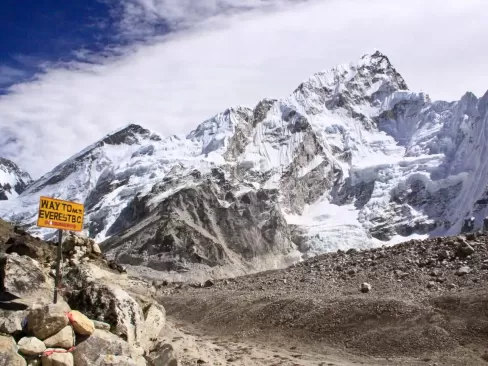
The Everest Budget Trek offers an incredible opportunity to explore the majestic Everest region without the high costs typically associated with trekking in Nepal. This budget-friendly trek allows adventurers to witness the breathtaking beauty of Mount Everest (8,848 meters), the world’s tallest peak, as well as other towering mountains such as Lhotse, Nuptse, and Makalu, all while experiencing the rich Sherpa culture. The trek takes you through the heart of the Khumbu Valley, offering spectacular views of snow-capped mountains, glaciers, and high-altitude landscapes, while staying within a budget-friendly framework. By staying in simple, cozy teahouses and focusing on local meals, Explore Holiday Treks ensures that trekkers can enjoy this iconic region without overspending.The Everest Budget Trek usually starts with a scenic flight from Kathmandu to Lukla, the gateway to the Everest region. From there, trekkers make their way to popular destinations such as Namche Bazaar, Tengboche, and Phakding, where they can enjoy panoramic views of Everest, Lhotse, and Ama Dablam. Along the route, trekkers will experience the Sherpa way of life, with visits to Buddhist monasteries, local markets, and a variety of traditional villages. Although the trek doesn’t reach the Everest Base Camp, it still provides a deeply rewarding experience, especially for those seeking a more economical way to explore this incredible region without missing out on its highlights.Why Trek With Explore Holiday TreksThere are literally hundreds of companies offering Everest treks. Here's why we're worth considering: 1. We Specialize in Budget Treks This isn't a side offering for us—budget treks are our main thing. We've done 200+ Everest Budget Treks since 2017. What this means:We know exactly which lodges offer best valueWe've negotiated good rates with teahouse ownersOur itineraries are optimized for acclimatization without extra costsWe don't try to upsell you to more expensive options2. Small Groups, Personal Attention Maximum 8 trekkers per group, usually 4-6. Solo trekkers pay slightly more ($950-1,000) but we still accommodate them. Why small groups matter at altitude: Guide can monitor everyone's health properlyMore flexibility with rest breaks and paceEasier to find accommodation (lodges fill up fast)Better cultural interactions 3. Experienced Sherpa and Local Guides All our Everest guides are from the Khumbu region or have 5+ years experience there. They're not just leading the trek—they're from these mountains. What our guides provide: Route knowledge and navigationAltitude sickness monitoring (pulse oximeter checks daily)Cultural and historical informationHelp with lodge negotiationsEmergency response if needed They also speak English well enough to have actual conversations, not just give instructions. 4. Proper Porter Treatment This is non-negotiable for us: Maximum 25kg per porter (not the 30-35kg some companies load)Proper gear provided (boots, jacket, sunglasses)Same lodges as clients (not separate cheap places)Insurance coverageFair wages above industry standard Some companies cut costs by exploiting porters. We don't. If that means we're $50-100 more expensive than the absolute cheapest option, so be it. 5. Safety Equipment and Backup Plans Every guide carries: First aid kit (comprehensive, not just band-aids)Pulse oximeter (measures blood oxygen saturation)Portable altitude chamber (Gamow bag—for emergencies)Communication device (satellite phone or radio) We have helicopter evacuation arrangements with multiple providers. Cost is on you (covered by travel insurance), but we handle coordination. Important: We've never had to use emergency evacuation on a budget trek (the altitudes are safer), but the systems are in place. 6. Flexible Start Dates We run trips year-round with departures every 2-3 days during peak season (March-May, October-November). Can't find a group for your dates? We'll organize a private trek or adjust the schedule. We're pretty flexible. Best times to go: October-November: Clear skies, stable weather, busy but not crowdedMarch-April: Rhododendrons blooming, warming temperatures, busierDecember-February: Very cold, fewer trekkers, crystal clear viewsJune-September: Monsoon season, not recommended (clouds, rain, leeches) 7. Pre-Trek Briefing and Support When you arrive in Kathmandu: We do a 1-hour briefing covering the entire itineraryCheck your gear (tell you if something's inadequate)Help arrange anything you forgot to bringAnswer all questions Gear rental available: Sleeping bagDown jacketTrekking polesDuffel bag We also arrange: Airport pickupKathmandu budget hotelLast-minute permits or documentation 8. What We're NOT We're not luxury. You're sleeping in teahouses with thin walls, squat toilets, and no heating. You're eating dal bhat multiple times per day. This is budget trekking. We're also not the absolute cheapest. If someone quotes $500-600 for Everest, ask serious questions about: Are flights really included?What's the guide's experience?How are porters treated?What happens in emergencies? Cheap can become expensive if things go wrong at altitude. 9. Post-Trek Support After the trek, we help with: Onward travel arrangementsKathmandu sightseeing recommendationsDealing with any issues or feedbackFuture trek planning (many clients come back for Annapurna or Manaslu) We're also responsive to messages—usually reply within 24 hours, even during trekking season when we're busyBooking ProcessContact us with preferred dates and group sizeWe send detailed itinerary and quotePay 25% deposit to secure spot (bank transfer or credit card)Pay remaining 75% in cash when you arrive in KathmanduBriefing session day before trek startsFly to Lukla and start trekking We need at least 2 weeks notice for permits and flight bookings, though we can sometimes accommodate last-minute bookings with rush fees.Final ThoughtsThe Everest Budget Trek won't give you the full "I stood at Everest Base Camp" bragging rights. But it will give you: Views of the world's highest mountainExperience of Sherpa culture and hospitalityChallenge of high-altitude trekking (up to 4,400m)Buddhist monasteries and spiritual experiencesStories and memories that last foreverAll for about half the cost of full EBC Is it easier than EBC? Yes. Is it less impressive? Honestly, not by much. You're still in the Everest region, still seeing incredible peaks, still challenging yourself. For budget travelers, people with limited time, or anyone who wants the Everest experience without the extreme altitude risks—this is the move. Ready to make it happen? Let's talk. Contact: 9779849816310 Email : [email protected] time: Usually within 24 hours Questions? Ask anything. Seriously, we'd rather answer 50 questions before booking than have surprises during the trek.Let's get you to the mountains.Top Blogs About Trekking in the Everest RegionUncover the best blogs about trekking in the Everest region, featuring expert advice, detailed itineraries, personal experiences, and essential tips for adventurers looking to explore the Himalayas.Top 5 Everest Trekking PackagesWhere is Mount Everest? Discover the World’s Highest PeakTop 9 Reasons to Go on Everest Base Camp TrekAccommodation During Everest Base Camp TrekShower and Laundry Facilities During the Everest Base Camp TrekElevation Facts for Everest Base Camp TrekkingPhysical Fitness Requirements for Everest Base Camp TrekThe Best Ways to Trek to Everest Base CampWhen is the Best Time to Hike to Everest Base Camp?Everest Base Camp Trek: Tips and FAQsWhy Sleeping at Everest Base Camp Is the Ultimate Trekking Experience ?Which is the Better Lake Trek in Nepal: Gokyo or Tilicho Lake Trek?Altitude Sickness on Nepal Treks: Symptoms, Treatment, and When to Descend (Complete Guide)Everest Base Camp Toilet Problem: The Environmental Crisis on the World's Highest Mountain

The Gokyo Everest Base Camp Budget Trek is an exciting and cost-effective trekking route that offers trekkers the opportunity to experience the Everest region in its full glory without breaking the bank. Starting with a scenic flight from Kathmandu to Lukla, the trek takes you through picturesque Sherpa villages, stunning mountain views, and past the famous Gokyo Lakes, all the way to Everest Base Camp. The journey offers the perfect balance of adventure, culture, and natural beauty, making it a popular choice for trekkers looking to experience the Everest region on a budget.The trek begins at Lukla, a small mountain town located at the foot of the Himalayas. From there, the trail weaves its way through Phakding, Namche Bazaar, and up to Gokyo Lake, passing through villages that provide an insight into Sherpa culture and the traditional way of life in the region. The trek culminates at Everest Base Camp, one of the most iconic destinations in the world, offering panoramic views of Everest, Lhotse, and the surrounding peaks. Along the way, trekkers have the chance to ascend Gokyo Ri for a stunning view of the Himalayas, including Everest and Makalu.Top Blogs About Trekking in the Everest RegionUncover the best blogs about trekking in the Everest region, featuring expert advice, detailed itineraries, personal experiences, and essential tips for adventurers looking to explore the Himalayas.Top 5 Everest Trekking PackagesWhere is Mount Everest? Discover the World’s Highest PeakTop 9 Reasons to Go on Everest Base Camp TrekAccommodation During Everest Base Camp TrekShower and Laundry Facilities During the Everest Base Camp TrekElevation Facts for Everest Base Camp TrekkingPhysical Fitness Requirements for Everest Base Camp TrekThe Best Ways to Trek to Everest Base CampWhen is the Best Time to Hike to Everest Base Camp?Everest Base Camp Trek: Tips and FAQsWhy Sleeping at Everest Base Camp Is the Ultimate Trekking Experience ?Which is the Better Lake Trek in Nepal: Gokyo or Tilicho Lake Trek?Altitude Sickness on Nepal Treks: Symptoms, Treatment, and When to Descend (Complete Guide)Everest Base Camp Toilet Problem: The Environmental Crisis on the World's Highest MountainMonastery Life in Nepal: Finding Peace in the Heart of the HimalayasAltitude Sickness on Nepal Treks: Symptoms, Treatment, and When to Descend (Complete Guide)Dal Bhat Power 24 Hour: The Science and Soul Behind Nepal's Mountain Fuel10 Essential Everest Trekking Tips Every First-Time Trekker Must KnowThe 3 AM Wake-Up Call Nobody Tells You About: Real Stories from Everest Base CampThe Essential Guide to Choosing Your Perfect Nepal Trek: From Beginner-Friendly Trails to Epic Himalayan AdventuresSolo Female Trekking in Nepal: A Complete Safety and Empowerment Guide for 2026Complete Fitness Training Guide for Nepal Trekking 2026: From Couch to Base Camp in 12 WeeksBest Time for Gokyo Everest Base Camp Budget TrekThe best time to embark on the Gokyo Everest Base Camp Budget Trek is during the pre-monsoon spring (March to May) and post-monsoon autumn (September to November) seasons. These months offer the most stable weather, with clear skies, warm temperatures, and a reduced likelihood of snowstorms, which are crucial for enjoying the majestic views and staying safe on the trails. Spring and autumn are also the most popular times for trekking in Nepal, as temperatures are moderate, and the days are long enough to accommodate the trek’s various stages.In contrast, winter (December to February) and monsoon season (June to August) should be avoided for this trek. During winter, temperatures drop significantly, making trekking conditions harsh and challenging. Monsoon season brings heavy rain, which can make the trails slippery and prone to landslides. The clear, crisp days of spring and autumn are ideal for trekking, making it the most recommended time for the Gokyo Everest Base Camp Budget Trek.Gokyo Everest Base Camp Budget Trekking PermitsTo trek in the Everest region, you will need a few permits, which are essential for both trekking and staying in the area. The main permits required for the Gokyo Everest Base Camp Budget Trek are the TIMS (Trekkers’ Information Management System) card and the Sagarmatha National Park permit. The TIMS card helps the government keep track of trekkers in the region, while the Sagarmatha National Park permit grants access to the protected park area surrounding Everest and Gokyo. These permits can be obtained in Kathmandu or Lukla, and your trekking company, such as Explore Holiday Nepal, will assist you with obtaining them.Additionally, there are fees for both permits, and they can vary depending on nationality. The Sagarmatha National Park permit is typically around $30 for foreign nationals, while the TIMS card costs around $20. These permits ensure that the Everest region remains well-managed and safe for trekkers, and the funds contribute to the conservation of this stunning natural environment. The Explore Holiday Nepal team will guide you through the process of securing all the necessary paperwork.Gokyo Everest Base Camp Budget Trekking DifficultyThe Gokyo Everest Base Camp Budget Trek is considered moderate to challenging, with significant altitude gain and long trekking days. The trek involves a series of uphill and downhill climbs, particularly as you make your way from Phakding to Namche Bazaar, and further up to Dole and Machermo. The key challenge lies in the altitude, as you will be trekking at high altitudes (over 5,000 meters at Gokyo Ri and Everest Base Camp), which can cause altitude sickness if not acclimatized properly.However, the trek is manageable for those with a moderate level of fitness and prior trekking experience. The route is designed with ample acclimatization days, including a rest day in Namche Bazaar for altitude adjustment and a short hike to the Everest View Hotel for stunning views of the mountains. Gradual ascent is important to help minimize the risk of altitude sickness. The trek can be done on a budget by using budget lodges, which are simple but comfortable. However, it’s essential to be prepared for the conditions, including cold temperatures at higher altitudes.Why Choose Explore Holiday Nepal for the Gokyo Everest Base Camp Budget TrekExplore Holiday Nepal is a trusted trekking company with years of experience offering affordable and safe trekking experiences in Nepal. They specialize in organizing budget-friendly treks, including the Gokyo Everest Base Camp Budget Trek, ensuring that trekkers enjoy the spectacular landscapes of the Everest region without compromising on safety or comfort. The company takes pride in its well-organized services, which include experienced and certified guides, well-planned itineraries, and support staff who are familiar with the trails and local culture.Their team will take care of all the logistics, from airport pickups to obtaining permits, so you can focus entirely on the adventure. They also ensure that the trekking routes are well-paced to accommodate acclimatization, providing a comfortable and enjoyable experience. With a focus on client satisfaction, safety, and value, Explore Holiday Nepal makes sure that trekkers have a fulfilling experience at a fraction of the cost compared to luxury treks, offering an authentic Everest trek that’s accessible to everyone.

The Everest Three Pass Budget Trek is a remarkable and adventurous trek that takes you on an extraordinary journey through the heart of the Khumbu region in Nepal. This trek is designed for those seeking a challenge, offering the chance to conquer not just the Everest Base Camp but also three high-altitude passes: Kongma La Pass, Cho La Pass, and Renjo La Pass. These passes provide stunning panoramic views of the world's highest peaks, including Mount Everest, Lhotse, Makalu, and Cho Oyu. A true test of endurance and strength, this trek offers the perfect balance of natural beauty, cultural exploration, and physical challenge.The trek begins with a scenic flight to Lukla, followed by a gradual ascent to some of the most iconic destinations in the Everest region. Trekking through traditional Sherpa villages, ancient monasteries, and alpine forests, you'll experience both the natural beauty and the rich cultural heritage of the Khumbu region. The Everest Three Pass Trek not only takes trekkers to Everest Base Camp but also introduces them to the less-trodden trails, offering a unique perspective of the majestic Himalayas.Best Time for Everest Three Pass Budget TrekListen, the Three Pass Trek is brutal no matter when you go. You're crossing three 5,000m+ passes in two weeks. But timing matters—a lot. Pick the wrong season and you're dealing with waist-deep snow, zero visibility, or getting stranded by weather.Spring Season (Late March to May) - Peak TimeThis is when most people go, and for good reason.Weather patterns: Temperatures warm up as you move from March into May. At lower elevations like Namche (3,440m), daytime temps hit 10-15°C. Up at the passes (5,300-5,500m), you're looking at -5 to -10°C during the day, colder at night.What's good about spring:Rhododendron forests are blooming (late March through April especially)Weather is generally stable with fewer stormsLodges are all open and fully stockedTrail conditions are good—most snow has melted from lower sectionsDays are getting longer (more daylight for pass crossings)The downsides:Crowds. Spring is THE busiest season in Everest regionPrices inch up during peak times (though budget treks stay reasonable)Dust on trails from all the foot trafficAfternoon clouds can obscure mountain views (mornings are clearer)Specific month breakdown:Late March: Still a bit cold, some snow at high passes, fewer crowds. Good if you want more solitude.April: Peak season. Perfect weather, maximum visibility, but also maximum trekkers. Lodges get crowded—your guide needs to book ahead.May: Getting warmer, which is nice at altitude but also means afternoon clouds build up faster. More challenging to get clear views. Pre-monsoon storms start appearing late in the month.Personal take: If you can swing it, late March or very early April gives you the best balance of good weather and fewer people.Autumn Season (Late September to November) - My FavoriteMost experienced trekkers prefer autumn, and I agree.Weather patterns: Fresh after monsoon, air is incredibly clear. September still has some moisture, but by October-November you get crystal-clear skies. Temperatures similar to spring—comfortable at lower elevations, cold but manageable at passes.What's good about autumn:Best visibility of the entire year (October especially)Stable weather with very few stormsComfortable temperatures—not too hot, not too coldClear, fresh air after monsoon has "washed" away dustFestivals happening in villages (Dashain, Tihar in October)The downsides:Even more crowded than spring (especially October)Lodges fill up fast—really fastPrices at their highest during OctoberCan get cold quickly as November progressesSpecific month breakdown:Late September: Monsoon just ended, trails can still be muddy in lower sections. Some residual clouds. But crowds haven't peaked yet—good sweet spot.October: Absolute best weather. Clearest skies. Also most expensive and most crowded. Lodges at passes need to be booked or you might not get a bed.November: Still excellent weather early in month, but gets progressively colder. By late November, nighttime temps at passes drop to -15 to -20°C. Snow starts accumulating. Fewer trekkers though.Personal take: Early to mid-October is perfect if you can handle crowds. Late September if you want slightly fewer people but still great weather.Winter Season (December to February) - For the HardcoreReal talk: this is tough. Not recommended for most people, especially on a budget trek where you're not carrying specialized gear.Weather reality: Cold. Like, really cold. Daytime temps at lower elevations hover around 0-5°C. At the passes, you're looking at -15 to -25°C during the day, -30°C at night.What's challenging:Snow accumulation on passes can make them impassableSome lodges close (owners go to lower elevations for winter)Risk of avalanche increasesDays are shorter (less daylight for long pass-crossing days)Rescue/evacuation more complicated if something goes wrongBut there are advantages:Almost no other trekkers (you might have entire lodges to yourself)Rock-bottom prices on everythingAbsolutely pristine, clear skies when weather cooperatesUnique winter mountain experienceIf you're considering winter:You need proper cold-weather gear (expedition-grade sleeping bag, down suit, etc.)Budget treks might not have adequate equipmentCheck with trekking company about lodge availabilityBe prepared for itinerary changes if passes are closedTravel insurance that covers winter trekkingPersonal take: Unless you're experienced with high-altitude winter conditions and have proper gear, skip this season. The Three Pass Trek is hard enough without adding extreme cold.Monsoon Season (June to August) - Just Don'tI'll be blunt: don't do the Three Pass Trek during monsoon.Why it's a bad idea:Rain. Constant rain at lower elevationsLeeches on the trail below 3,000m (they're everywhere and aggressive)Clouds obscure all mountain views—you're walking in fogLandslides risk on lower sectionsRiver crossings become dangerousPasses can have afternoon snow/sleetTrails muddy and slipperyHigher altitude sickness risk (barometric pressure changes)The only "advantages":Empty trails and lodgesCheapest prices of the yearGreen, lush landscapesBut none of that matters when you can't see the mountains you came to see, you're soaking wet, and trail conditions are dangerous.Some budget companies offer monsoon treks at steep discounts. It's a bad deal. You're not saving money if the experience sucks.Personal take: Hard pass. Wait for autumn or spring.My Actual RecommendationBest overall time: First two weeks of October or last two weeks of AprilBest for fewer crowds: Late March or late SeptemberBest for crystal-clear views: October (accept the crowds)Best for comfortable temperatures: AprilAvoid: June, July, August, late November through FebruaryRemember, the Three Pass Trek crosses Renjo La (5,360m), Cho La (5,420m), and Kongma La (5,535m). Weather at those altitudes is serious business. Pick your season wisely.Everest Three Pass Budget Trek PermitsTrekking permits in Nepal can be confusing. Here's exactly what you need, what it costs, and how to get it.Required Permits (All of Them)1. Sagarmatha National Park Entry PermitWhat it's for: The entire Everest region sits inside Sagarmatha National Park. This permit is mandatory for everyone.Where to get it:Nepal Tourism Board office in Kathmandu (near Bhrikuti Mandap)Or at the park entry checkpoint in Monjo (first checkpoint after Phakding)Getting it in Monjo is actually more convenient—you'll pass right through there on Day 2 or 3 of trekking. The office is open during trekking season and the process takes 10 minutes.What you need:Passport (original)Two passport-size photosCash payment (they don't take cards)Your trekking company should handle this, but good to know the details.2. Khumbu Pasang Lhamu Rural Municipality PermitWhat it's for: This is a local community permit. Money goes toward infrastructure, schools, and conservation in the Khumbu region.Where to get it: Same places as the National Park permit—either Kathmandu or Monjo checkpoint.This permit was introduced in 2018 and some older guidebooks don't mention it, but it's mandatory now. Rangers will check for it.3. TIMS Card (Trekkers' Information Management System)Here's where it gets slightly complicated.What it's for: Tracking system so authorities know who's on the trails. Helps with search and rescue if someone goes missing.BUT—and this is important: As of 2023, TIMS cards are NOT required for Everest region if you're trekking with a licensed guide and have the other two permits.The system is in flux. Some sources say TIMS is still needed, some say it's been replaced by the municipal permit.Reality check: Your trekking company will clarify current requirements. If they say you need TIMS, get it. If they say you don't, trust them (assuming they're reputable).Where and How to Get Permits Our Trekking Company Handles EverythingThis is what Explore Holiday Treks do. You provide:Passport copyTwo passport photosTravel insurance detailsWe handle all paperwork and get permits before the trek starts or at checkpoints along the way.Permit Checks Along the TrailRangers check permits at several points:Monjo checkpoint - First major checkNamche Bazaar - Sometimes random checksBefore each pass - Occasional checks at high campsKeep your permits with you at all times. Some trekkers laminate them or keep them in waterproof pouches.What happens if you don't have proper permits: Rangers can turn you back or issue fines. Not worth risking.Special Notes for Three Pass TrekThe Three Pass route goes through some side valleys (Gokyo, Chhukung) where there are occasional permit checks. Make sure you have everything in order.Some trekkers try to save money by skipping permits. This is:IllegalDisrespectful to local communities who depend on permit feesRisky if you need rescue (authorities might not help without valid permits)Not worth the $50 you'd "save"What Your Trekking Company Should DoExplore Holiday Treks includes:All permit costs in the package price (verify this when booking)Permit processing before trek or at checkpointsKeeping copies in case originals are lostDealing with any permit issues that ariseRed flags with other companies:Permits listed as "extra cost" without clear pricingVague answers about which permits are neededSuggesting ways to "avoid" certain permitsNot providing permit receiptsInsurance DocumentationWhile not a trekking permit, you'll need proof of travel insurance at several points. Some lodges ask to see it, and if you need emergency evacuation, rescue companies require it.Your insurance must cover:Helicopter rescue up to 6,000mMedical treatmentEmergency evacuationKeep a copy on your phone and a printed copy with your permits.About Explore Holiday TreksLook, I could fill this section with generic marketing language about "commitment to excellence" and "unforgettable experiences." Instead, here's what actually matters.Who We AreWe're a Kathmandu-based trekking company that's been running budget treks since 2016. Not the biggest company, not the fanciest, but we know the Everest region inside out because our team is from there.Company size: 8 full-time staff, 20+ guides and porters we work with regularlyAnnual treks: About 150-200 treks per year across all routesSpecialization: Budget and mid-range trrekking (we don't do luxury lodges or helicopter returns)What Makes Us Different 1. Our Guides Know Their StuffAll guides working Three Pass Trek have:Minimum 5 years guiding experience in Everest regionGovernment trekking guide licenseWilderness First Aid certificationEnglish fluency (actual conversations, not just "go this way")Most of our guides are from Solukhumbu district (where Everest is) or neighboring regions. They grew up in mountains, know the culture, and have personal relationships with lodge owners throughout the route.This matters because:They can spot altitude sickness symptoms earlyThey know which lodges have the best food and warmest roomsThey can adjust itinerary if weather turns badThey provide actual cultural context, not just Wikipedia factsThey have connections for emergency situations2. We Don't Overload PortersIndustry standard (that many companies ignore): 30kg per porter Our maximum: 25kg per porterWe also provide:Proper trekking boots (not sneakers)Warm jackets and sleeping bags for high-altitude sectionsSunglasses and sun protectionInsurance coverageSame accommodation quality as clientsSome budget companies undercut prices by exploiting porters. We don't. If that makes us $100 more expensive, we're fine with that.3. Small Group PhilosophyMaximum group size: 8 trekkers Average group size: 4-6 trekkersWhy this matters for Three Pass Trek:High camps have limited beds—big groups struggle to find accommodationGuides can monitor each person's altitude adjustmentMore flexible pacing (some people need slower pace at passes)Better lodge availabilityMore personalized experienceSolo trekkers pay more ($1,400-1,500) because costs don't split, but we accommodate them.4. Safety Equipment We CarryEvery guide has:Comprehensive first aid kit (not just band-aids—actual medical supplies)Pulse oximeter (checks blood oxygen levels daily)Portable altitude chamber/Gamow bag (for severe altitude sickness)Satellite phone or two-way radioEmergency contact listWe've never had to use helicopter evacuation on a Three Pass Trek (knock on wood), but we have established relationships with three helicopter companies and know the procedures.5. Realistic ItinerariesSome companies offer "12-day Three Pass Trek" or other rushed itineraries. These are dangerous.Our standard itinerary: 19-21 days including:Proper acclimatization days in Namche and DingbocheBuffer days for weather delaysRest day after each major passGradual altitude gainCan we shorten it? Technically yes, but we don't recommend it. The passes are at 5,300-5,500m. Rushing increases altitude sickness risk significantly.6. Weather FlexibilityThe Three Pass Trek is weather-dependent. If a pass is closed due to snow or storm, we adjust:Wait an extra day (that's why we build in buffer days)Take alternative route if possibleTurn back if conditions are genuinely dangerousWe don't: Push groups to cross passes in unsafe conditions just to stick to schedule.Your safety beats your itinerary every time.7. Pre-Trek Support in KathmanduWhen you arrive:Airport pickup included (we'll be holding a sign with your name)Hotel arrangement if needed (we work with clean budget places)Gear check and briefing (we'll tell you if something you brought won't work)Permit processing handled by usLast-minute gear rental arrangedGear rental costs:Sleeping bag (good to -15°C)Down jacketTrekking polesDuffel bagCrampons (sometimes needed for passes)We rent from reputable shops and inspect gear before giving it to you.8. What We're Honestly Not Great AtResponse time: During peak season (October-November, April-May) we're sometimes slow responding to emails because we're managing multiple groups. We try to reply within 24 hours but occasionally it takes 48.Website: Our website is functional but not fancy. We put resources into guides and safety equipment, not web designers.Customization: We offer some itinerary flexibility but we're not a fully custom tour operator. We have set routes we know work well.Luxury: If you want heated lodges, private rooms everywhere, Western food, and daily hot showers, we're not your company. We do budget and mid-range.9. Post-Trek Follow-UpAfter the trek:We help arrange onward travelProvide recommendations for things to do in KathmanduHandle any complaints or feedback (we actually want to know if something went wrong)Stay in touch (many clients come back for other treks)About 30% of our clients are repeat customers or referrals. That's the metric we actually care about.How to Book1. Contact us: Email with your preferred dates and group size2. We send: Detailed itinerary and exact pricing3. Deposit: 25% to secure booking (bank transfer or credit card via secure payment link)4. Final payment: Remaining 75% when you arrive in Kathmandu (cash USD or NPR, or card with 4% processing fee)5. Briefing: Day before trek starts, we review everything6. Trek starts: Usually day 2 after arrival (gives you rest day in Kathmandu)Cancellation policy:30+ days before: Full refund minus $50 processing fee15-30 days: 50% refundLess than 15 days: No refund (we've already booked flights and arranged logistics)If YOU need to postpone due to illness or emergency, we'll work with you to reschedule.Contact InformationEmail:[email protected]/WhatsApp: 9779849816310Office: Thamel, Kathmandu (we can meet in person if you're in town)Typical response time: 12-24 hoursThe Bottom LineWe're not the cheapest Three Pass Trek option (that would be going fully independent, which is not smart for this route).We're not the most expensive (luxury lodges with helicopter return cost $3,000-5,000).We're the "doing it properly without wasting money" option.If that sounds right for you, let's talk.Additional Resources:Altitude sickness information: We provide detailed briefing, but read up beforehand at HACE/HAPE symptoms onlinePacking list: We send comprehensive list after bookingTraining recommendations: Start cardio training 2-3 months before. This trek is physically demanding.Travel insurance: We can recommend companies that definitely cover Everest region high-altitude trekkingQuestions? Seriously, ask anything. We'd rather answer 100 questions before you book than have problems during the trek.Ready? Let's get you across those passes.Top Blogs About Trekking in the Everest RegionUncover the best blogs about trekking in the Everest region, featuring expert advice, detailed itineraries, personal experiences, and essential tips for adventurers looking to explore the Himalayas.Top 5 Everest Trekking PackagesWhere is Mount Everest? Discover the World’s Highest PeakTop 9 Reasons to Go on Everest Base Camp TrekAccommodation During Everest Base Camp TrekShower and Laundry Facilities During the Everest Base Camp TrekElevation Facts for Everest Base Camp TrekkingPhysical Fitness Requirements for Everest Base Camp TrekThe Best Ways to Trek to Everest Base CampWhen is the Best Time to Hike to Everest Base Camp?Everest Base Camp Trek: Tips and FAQsWhy Sleeping at Everest Base Camp Is the Ultimate Trekking Experience ?Which is the Better Lake Trek in Nepal: Gokyo or Tilicho Lake Trek?Altitude Sickness on Nepal Treks: Symptoms, Treatment, and When to Descend (Complete Guide)Everest Base Camp Toilet Problem: The Environmental Crisis on the World's Highest MountainMonastery Life in Nepal: Finding Peace in the Heart of the HimalayasAltitude Sickness on Nepal Treks: Symptoms, Treatment, and When to Descend (Complete Guide)Dal Bhat Power 24 Hour: The Science and Soul Behind Nepal's Mountain Fuel10 Essential Everest Trekking Tips Every First-Time Trekker Must KnowThe 3 AM Wake-Up Call Nobody Tells You About: Real Stories from Everest Base CampThe Essential Guide to Choosing Your Perfect Nepal Trek: From Beginner-Friendly Trails to Epic Himalayan AdventuresSolo Female Trekking in Nepal: A Complete Safety and Empowerment Guide for 2026Complete Fitness Training Guide for Nepal Trekking 2026: From Couch to Base Camp in 12 Weeks


 (38)
(38)  100% recommend (56)
 (34)
(34) 


