
Manaslu Budget Trek
| Trip code | |
| Package name | Manaslu Budget Trek |
| Duration | 12 |
| Max. elevation | 5106 m |
| Level | Moderate |
| Transportation | All ground transportation as per itinerary |
| Accomodation | Lodge / Tea House during the trek |
| Starts at | Kathmandu |
| Ends at | Kathmandu |
| Trip route | |
| Cost | USD 699 per person |
Highlights
- Discover the hidden gem of Tsum Valley, known for its spiritual significance and unique Tibetan culture.
- Marvel at stunning views of Manaslu and other peaks from various vantage points.
- Conquer the challenging Larkya La Pass (5,160m) with incredible panoramic views.
- Visit ancient monasteries, Gompas, and remote Tibetan villages in both the Manaslu and Tsum regions.
- Trek through lush forests, rocky terrain, and alpine meadows, rich in Himalayan flora and fauna.
Overview
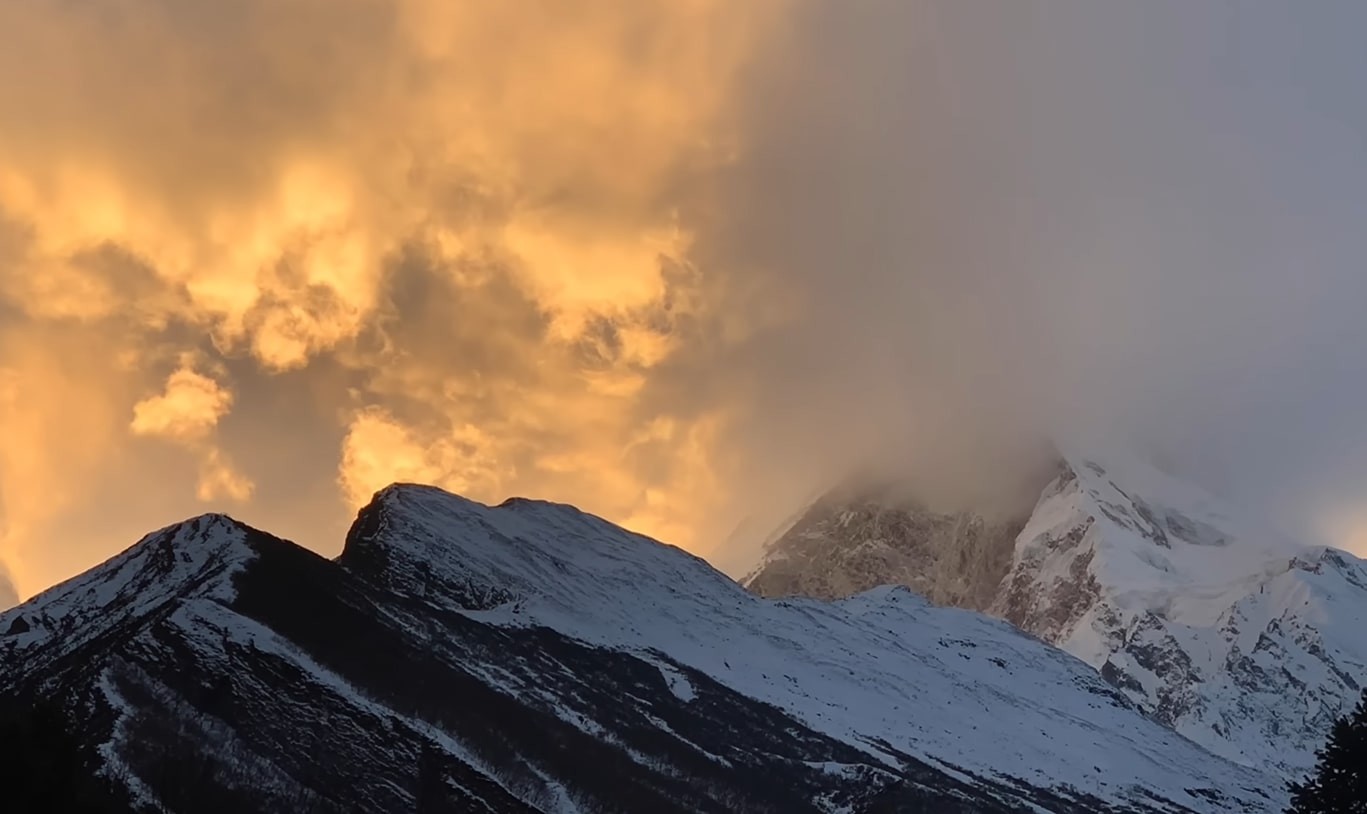
The Manaslu Budget Trek is an exciting and affordable trekking option that offers an unparalleled experience of Nepal’s natural beauty and cultural heritage. Located around Mount Manaslu, the eighth-highest peak in the world, the trek offers spectacular views of snow-capped peaks, high-altitude lakes, and ancient monasteries, all while keeping costs low. This trek takes trekkers on a route through remote villages, lush forests, and rugged terrains, making it ideal for budget-conscious adventurers who want to explore one of Nepal’s most scenic and less-traveled regions. The trek is fully supported by local teahouses, where trekkers can experience Nepali hospitality and enjoy hearty local meals, making it not only an affordable option but also an authentic cultural experience.
The Manaslu Circuit, which the Manaslu Budget Trek follows, is renowned for its biodiversity and cultural richness. Trekkers will pass through traditional villages like Jagat, Philim, Samagaon, and Bimtang, each offering a glimpse into the lives of the Tamang, Gurung, and Sherpa communities. As trekkers ascend through rhododendron forests, alpine meadows, and high mountain landscapes, they are treated to panoramic views of Mount Manaslu, Himalchuli, Ngadi Chuli, and Buddha Himal. Despite the budget-friendly approach, the Manaslu Budget Trek still offers all the rewards of the classic trek, with safe and carefully managed itineraries, well-structured acclimatization breaks, and opportunities for trekkers to enjoy the stunning beauty and tranquility of the region.
Monasteries Worth Your Time
Pungyen Gompa (Above Samagaon)
This is the big one. Built around 1880, and monks still live here. The hike up takes 2-3 hours from Samagaon, gaining about 300m elevation.
Inside, there are old thangka paintings, spinning prayer wheels, and usually a few monks around. If you arrive during prayer time (early morning or late afternoon), just sit quietly in the back. They don't mind visitors but don't interrupt.
Donations appreciated but not required. 100-200 NPR is standard.
Rachen Gompa (Near Lho)
This is a nunnery—run entirely by Buddhist nuns. It's smaller and quieter than Pungyen. The nuns are often weaving or doing daily monastery work when visitors arrive.
Very peaceful atmosphere. If you want to learn about Buddhist practices from a female perspective, this is the place.
Ribung Gompa (Lho Village)
Probably the oldest monastery on the circuit (some say 1600s). The murals inside are fading but still visible. There's usually one older monk who maintains the place.
Small donation box at entrance.
Why Trek With Explore Holiday Treks
Let me be straight with you—there are maybe 50+ companies offering Manaslu treks. Some are great, some are sketchy, most are somewhere in between.
Here's why we think we're worth booking with:
1. We're Actually Local
Our guides are from trekking regions—Gorkha, Manang, Solukhumbu. They grew up in mountains, not Kathmandu offices.
What this means for you:
- They know which lodges have the best food
- They can communicate with locals in multiple dialects
- They understand altitude sickness from experience
- They can negotiate better prices (which we pass to you)
2. Transparent Pricing (Actually Transparent)
Our standard Manaslu Budget Trek costs $650-750 per person depending on group size. This includes:
- All permits (MCAP + ACAP)
- Guide wages
- Their insurance and equipment
- Basic accommodation (teahouse style)
- Three meals daily on the trek
- Ground transport (Kathmandu-Soti Khola-Kathmandu)
Not included:
- Your travel insurance
- Drinks and snacks
- WiFi charges
- Tips
We don't do the thing where we quote $500 then hit you with "extras" that bring it to $900. Hate that.
3. Porter Treatment
This is huge. Some companies overload porters (30+ kg) and don't provide proper gear. We don't.
Our porters carry maximum 25kg, get proper boots and jackets, have insurance, and eat the same food as clients. This is non-negotiable.
If you see other companies charging $100-200 less, ask about porter treatment. You'll probably find out why they're cheaper.
4. Emergency Backup
All guides carry:
- Comprehensive first aid kit
- Pulse oximeter (measures blood oxygen)
- Gamow bag (for severe altitude sickness—rare but important)
We have helicopter evacuation arrangements with multiple providers. Obviously we hope to never use this, but it's there.
Important: Your travel insurance MUST cover helicopter evacuation up to 6,000m. This isn't optional. We've seen rescues cost $5,000-8,000.
5. Flexible Itineraries
Standard trek is 14-16 days. But we can adjust:
- Add extra acclimatization days
- Extend to include Tsum Valley
- Shorten if you're time-limited (not recommended but possible)
- Start from Arughat instead of Soti Khola
Just talk to us before booking.
6. Pre-Trek Support
When you arrive in Kathmandu, we do a proper briefing:
- Check your gear (we'll tell you if something's inadequate)
- Review the itinerary day by day
- Go over permits and documents
- Answer any questions
We also help arrange:
- Kathmandu hotel
- Airport pickup
- Gear rental if needed
7. What We're NOT
We're not a luxury company. If you want heated lodges, private bathrooms, and Western food the whole way, we're not your people. Those treks cost $2,000-3,000+.
We're also not the absolute cheapest. If someone quotes you $400 for Manaslu, ask questions. Really ask questions.
8. Past Client Feedback
We've done 100+ Manaslu treks since 2018. Most common feedback:
- "Guide was patient with slow pace"
- "Appreciated the rest days built in"
- "Porter was friendly and helpful"
- "Good value for money"
Most common complaint:
- "WiFi barely worked" (yeah, we can't fix that—you're in remote mountains)
Check our reviews on TripAdvisor or Google. We're "Explore Holiday Treks Nepal"—not to be confused with similarly named companies.
9. Post-Trek Services
When you finish, we:
- Help with onward travel arrangements
- Recommend Kathmandu restaurants and activities
- Assist with any issues or feedback
- Stay in touch (many clients come back for other treks)
Some of our Manaslu clients later booked Everest Base Camp, Annapurna Circuit, or Upper Mustang with us. We like building long-term relationships, not one-off transactions.
Booking Process
- Email us your preferred dates and group size
- We send detailed quote and itinerary
- Pay 20% deposit (bank transfer or credit card via secure link)
- Remaining 80% paid in Kathmandu (cash or card)
- Meet in Kathmandu for briefing
- Start trek
We need at least 2-3 weeks notice for permits, but can sometimes arrange faster with rush fees
Final Thoughts
The Manaslu Circuit isn't easy. It's 14-16 days of walking, with one really tough day at the pass. Your legs will hurt, you'll smell bad by day 5, and dal bhat gets boring by day 8.
But you'll also see some of the most incredible mountain scenery in the world, meet people living traditional Himalayan lifestyles, and probably surprise yourself with what you can accomplish.
Budget trekking doesn't mean suffering. It means spending money on what matters (good guides, safety, supporting local communities) and skipping what doesn't (fancy lodges, luxury transport).
If you want to do Manaslu right, without emptying your bank account, get in touch. We'll figure it out.
Contact: 9779849816310
Email response time: Usually within 24 hours ([email protected])
Let's make this happen.
Top Blogs About Trekking in the Manaslu Region:
Uncover the best blogs about trekking in the Manaslu region, featuring expert advice, detailed itineraries, personal experiences, and essential tips for adventurers looking to explore the Himalayas.
Altitude Sickness on Nepal Treks: Symptoms, Treatment, and When to Descend (Complete Guide)
Manaslu Circuit Trek for Beginners 2025
Manaslu Circuit Trek: Best Routes, Preparation & Travel Tips
Manaslu Circuit Trek in Spring (March-May)
Manaslu Circuit Trek on a Budget: How to Save Money Without Missing Out
Nepal Trekking Permits: Costs, Types, and How to Get Them
Nepal Trekking: What’s the Best Time to Go?
Budget Trekking in Nepal: Tips, Trails, and Tricks
Exploring Nepal’s Wildlife and Nature
Trekking Through Nepal: A Journey into the Himalayas
Top 10 Mountain Peaks in Nepal
Monastery Life in Nepal: Finding Peace in the Heart of the Himalayas
Exploring Nepal’s Hidden Gem: The Manaslu Circuit Trek
Top Places to Visit on the Manaslu Circuit Trek
Manaslu Circuit vs Annapurna Circuit: Which Trek is Right for You?
Is the Manaslu Circuit Trek Right for You?
Exploring Hidden Villages on the Manaslu Circuit Trek
20 Must-Know Facts About Manaslu Circuit Trekking
Manaslu Circuit Trekking Tips for Autumn Season (September to November)
Discovering the Spiritual Heart of Nepal: Tsum Valley
Altitude Sickness on Nepal Treks: Symptoms, Treatment, and When to Descend (Complete Guide)
Dal Bhat Power 24 Hour: The Science and Soul Behind Nepal's Mountain Fuel
Solo Female Trekking in Nepal: A Complete Safety and Empowerment Guide for 2026
How Difficult Is Manaslu Trek? The Honest Guide Every Trekker Needs to Read
Trip Preparation
- Thermal underwear (top and bottom)
- Moisture-wicking t-shirts (long-sleeved)
- Moisture-wicking underwear
- Fleece jacket or pullover
- Insulated down or synthetic jacket
- Waterproof, windproof jacket (Gore-Tex or similar)
- Waterproof, windproof pants (Gore-Tex or similar)
- Warm beanie or hat
- Sun hat or cap
- Neck gaiter or scarf
- Trekking pants (convertible preferred)
- Waterproof trousers
- Lightweight gloves (inner)
- Insulated gloves or mittens (outer)
- Hiking boots (broken in and waterproof)
- Comfortable camp shoes (e.g., sneakers or sandals)
- Trekking backpack (30-40 liters) with waterproof cover
- Sleeping bag (rated for cold temperatures)
- Sleeping pad or mattress (insulated)
- Adjustable trekking poles
- Insulated water bottles or hydration bladder (2 liters capacity)
- Travel-sized toiletries
- Biodegradable soap
- Quick-dry towel
- Medications for altitude sickness, pain relief, and common ailments
- Sun protection cream, wet wipes, and hand sanitizer
- Camera and batteries
- Notebook and pen
- Earplugs (for sleeping in lodges)
- Portable solar charger
- Headlamp, power bank, and extra batteries
Trip Itinerary
Day 1 : Drive from Kathmandu to Maccha Khola (930 m / 3,051 ft) – 9 hrs
Your journey begins with a scenic drive from Kathmandu to Maccha Khola, which will take around 9 hours. The drive offers a chance to enjoy the natural beauty of Nepal, as we pass through the bustling streets of Kathmandu, rural villages, terraced fields, and the winding roads along the Trishuli River. The road can be bumpy, but the journey is filled with picturesque views of the mountains and the river. Upon arrival at Maccha Khola, a small village along the Budhi Gandaki River, we will settle into a local guesthouse for the night.
Day 2 : Trek from Maccha Khola to Jagat (1,340 m / 4,396 ft) – 6 hrs
After breakfast, we start our trek, following the trail alongside the Budhi Gandaki River. The path gradually ascends through lush forests, past small villages, and across several suspension bridges. The trek offers an excellent opportunity to experience rural Nepali life and the local culture. After around 6 hours of walking, we reach Jagat, a small, peaceful village known for its beautiful stone-paved streets and terraced landscapes. We will rest overnight in a local teahouse.
Day 3 : Trek from Jagat to Deng (1,804 m / 5,918 ft) – 6 hrs
Today, we continue our trek towards Deng, located at 1,804 meters. The trail is a mix of gentle ascents and descents as we move through the Budhi Gandaki Valley, passing through more villages and terraced fields. As we trek through rhododendron forests and past rocky outcrops, the views become increasingly dramatic. After around 6 hours, we will arrive in Deng, a small settlement nestled among the hills. We will spend the night in a local lodge here.
Day 4 : Trek from Deng to Namrung (2,630 m / 8,628 ft) – 6 hrs
Today, we trek from Deng to Namrung, located at an altitude of 2,630 meters. The trail takes us through remote mountain villages, terraced fields, and lush forests. Along the way, we’ll be able to see the towering peaks of Manaslu and surrounding mountains as they start to come into view. After approximately 6 hours of trekking, we’ll reach Namrung, a Tibetan-influenced village with spectacular mountain views. We will rest overnight in a local teahouse.
Day 5 : Trek from Namrung to Lho (2,957 m / 9,701 ft) – 4 hrs
After breakfast, we embark on a shorter but scenic trek to Lho, situated at 2,957 meters. The trail takes us through the forests of fir, birch, and rhododendron, and we start getting clearer views of the Manaslu range, including Mount Manaslu itself. After around 4 hours of trekking, we will arrive in Lho, a village with traditional stone houses and a beautiful monastery. The views of Manaslu from here are incredible, making it a great place for photographs and relaxation.
Day 6 : Trek from Lho to Sama Gaun (3,530 m / 11,581 ft) – 4 hrs
Today's trek takes us to Sama Gaun, located at 3,530 meters. The trail takes us through scenic landscapes, with expansive views of glaciers and snow-capped peaks. As we approach Sama Gaun, we will begin to feel the true remoteness of this region. Sama Gaun is the gateway to Manaslu Base Camp, and it offers stunning views of Manaslu and its surrounding peaks. After a 4-hour trek, we will settle in a teahouse for the night and enjoy the peaceful atmosphere.
Day 7 : Acclimatization Day (Day Trip to Manaslu Base Camp or Pungyen Gompa) – 7 hrs
To aid our acclimatization to the higher altitude, we take a day trip to either Manaslu Base Camp or Pungyen Gompa. Both destinations offer incredible views of the surrounding mountains, glaciers, and valleys. The hike to Manaslu Base Camp is about 7 hours round-trip and offers breathtaking views of the massive Manaslu Glacier and the peaks surrounding it. Alternatively, we can take a hike to Pungyen Gompa, a Buddhist monastery with stunning views of Manaslu. After our day trip, we return to Sama Gaun for a well-earned rest.
Day 8 : Trek from Sama Gaun to Samdo (3,865 m / 12,680 ft) – 3 hrs
Today, we take a short but steady trek to Samdo, located at 3,865 meters. The trail is relatively easy, taking around 3 hours to complete. As we trek, we pass through alpine meadows, yak pastures, and traditional Tibetan-style houses. The mountain views continue to captivate us, and we get our first glimpse of the Larkya Pass, which we will cross later in the trek. Upon reaching Samdo, we settle into a local lodge for the night.
Day 9 : Trek from Samdo to Dharmasala (4,460 m / 14,632 ft) – 4 hrs
Today, we trek from Samdo to Dharmasala, located at 4,460 meters. The trail ascends gradually through a barren, high-altitude landscape, offering incredible views of the snow-covered peaks. After about 4 hours of trekking, we will arrive at Dharmasala, also known as Larkya Phedi, which is the base camp for those attempting to cross Larkya Pass. We will rest here and prepare for the challenging day ahead.
Day 10 : Trek from Dharmasala to Bimthang via Larkya Pass (5,160 m / 16,929 ft) – 10 hrs
Today is the most demanding day of the trek as we cross Larkya Pass, the highest point of the trek at 5,160 meters. The trail is steep and challenging, and the altitude will make it a physically demanding day. However, the views from the top are absolutely spectacular, with panoramic vistas of snow-capped peaks, glaciers, and alpine meadows. After crossing the pass, we descend to Bimthang, a beautiful village located at 3,590 meters. The total trek for the day takes around 10 hours, and we will enjoy a well-deserved rest in Bimthang.
Day 11 : Trek from Bimthang to Dharapani (1,970 m / 6,463 ft) – 7 hrs
After crossing the Larkya Pass, we begin our descent back toward lower altitudes. The trail takes us through forests, fields, and villages as we make our way to Dharapani, located at 1,970 meters. This trek takes about 7 hours, and as we descend, the temperature becomes more comfortable, and we pass through more inhabited areas. We will stay overnight in Dharapani.
Day 12 : Trek from Dharapani to Kathmandu (Drive) – 10 hrs
On our final day of the trek, we will take a long but scenic drive back to Kathmandu. The drive takes about 10 hours, and along the way, we will pass through picturesque landscapes, traditional villages, and terraced fields. Upon reaching Kathmandu, we will be transferred to our hotel for a well-deserved rest.
- 1 - 1 pax US$ 899
- 2 - 5 pax US$ 699
- 6 - 9 pax US$ 689
- 10 - 15 pax US$ 679
- 16 - 20 pax US$ 669
Inclusions
What is included?
- Teahouse / mountain accommodations during the trek .
- All ground transportation as per itinerary on sharing basics
- Special permits for Manaslu Restricted Area, MCA (Manaslu Conservation Area), and ACAP entrance fees (Annapurna Conservation Area Project).
- TIMS (Trekkers’ Information Management System) card.
- Experienced, English-speaking trekking guide.
- Trekking map and group medical kit.
- local government tax & vat.
What isn't included?
- International flights to/from Kathmandu.
- Nepal entry visa fee.
- Travel insurance.
- Personal trekking equipment.
- Personal expenses (laundry, calls, internet, etc.).
- Alcoholic beverages and bottled water.
- Additional meals and beverages not specified.
- all meals( lunch,dinner,breakfast) during your travel .
- career staff as porter if needed .
- Tips for trekking staff.
Complimentary
- More than 30 days before departure: Full refund minus any bank fees or transaction charges.
- 15-30 days before departure: 50% refund of the total trek cost.
- Less than 15 days before departure: No refund will be provided.
Booking Terms and Conditions for Manaslu Budget Trek (Explore Holiday Treks)
Booking, Cancellation, and Refund Policy for Manaslu Budget Trek (Explore Holiday Treks)
Transportation for Manaslu Budget Trek
Trip and the Weather for Manaslu Budget Trek
Major Trips for Manaslu Budget Trek
Manaslu Budget Trekking Difficulty
Best Time for Manaslu Budget Trek
Food and Accommodation for Manaslu Budget Trek
Communication and Networking for Manaslu Budget Trek
Important Note for Manaslu Budget Trek