
Everest Three Pass Budget Trek
| Trip code | |
| Package name | Everest Three Pass Budget Trek |
| Duration | 18 |
| Max. elevation | 5643 m |
| Level | Moderate |
| Transportation | Domestic flight as per Itinerary and all around transportation |
| Accomodation | Tea House / Lodge during the trek |
| Starts at | Kathmandu |
| Ends at | Kathmandu |
| Trip route | |
| Cost | USD 1,499 per person |
Highlights
- Trek through breathtaking landscapes, including views of Everest, Lhotse, Nuptse, Ama Dablam, Makalu, and other iconic peaks.
- Cross three high-altitude passes – Kongma La, Cho-La, and Renjo-La – offering thrilling challenges and panoramic views.
- Reach the legendary Everest Base Camp and stand at the foot of the world's highest mountain.
- Hike to the top of Kalapathar for the best panoramic views of Mount Everest and surrounding peaks.
- Explore Sherpa culture in vibrant villages like Namche Bazaar, Tengboche, and Thame.
- Visit the beautiful Gokyo Lakes and hike to Gokyo Ri for magnificent views of Everest, Makalu, and Cho Oyu.
- Strategic rest days in Namche Bazaar, Dingboche, and Gokyo to ensure proper acclimatization and a safe trekking experience.
- Stay in traditional teahouses, offering a cozy atmosphere and authentic local experiences.
- Trek with Explore Holiday Nepal, ensuring a safe, guided, and budget-friendly trekking experience in the Everest region.
Overview
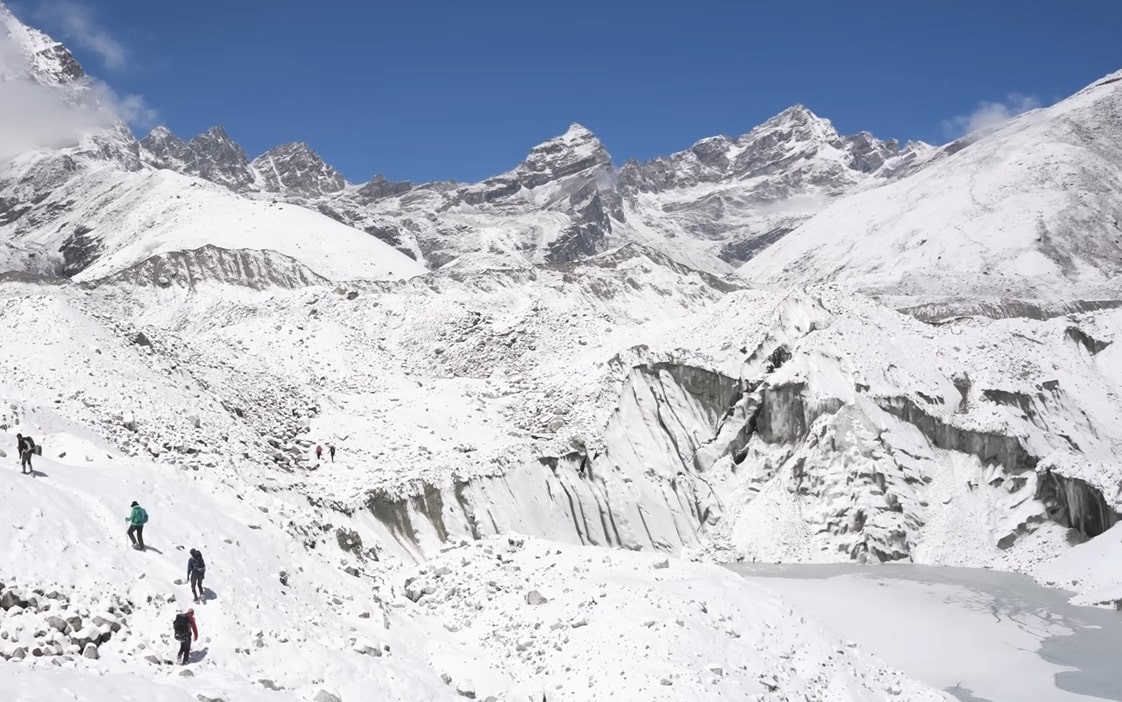
The Everest Three Pass Budget Trek is a remarkable and adventurous trek that takes you on an extraordinary journey through the heart of the Khumbu region in Nepal. This trek is designed for those seeking a challenge, offering the chance to conquer not just the Everest Base Camp but also three high-altitude passes: Kongma La Pass, Cho La Pass, and Renjo La Pass. These passes provide stunning panoramic views of the world's highest peaks, including Mount Everest, Lhotse, Makalu, and Cho Oyu. A true test of endurance and strength, this trek offers the perfect balance of natural beauty, cultural exploration, and physical challenge.
The trek begins with a scenic flight to Lukla, followed by a gradual ascent to some of the most iconic destinations in the Everest region. Trekking through traditional Sherpa villages, ancient monasteries, and alpine forests, you'll experience both the natural beauty and the rich cultural heritage of the Khumbu region. The Everest Three Pass Trek not only takes trekkers to Everest Base Camp but also introduces them to the less-trodden trails, offering a unique perspective of the majestic Himalayas.
Best Time for Everest Three Pass Budget Trek
Listen, the Three Pass Trek is brutal no matter when you go. You're crossing three 5,000m+ passes in two weeks. But timing matters—a lot. Pick the wrong season and you're dealing with waist-deep snow, zero visibility, or getting stranded by weather.
Spring Season (Late March to May) - Peak Time
This is when most people go, and for good reason.
Weather patterns: Temperatures warm up as you move from March into May. At lower elevations like Namche (3,440m), daytime temps hit 10-15°C. Up at the passes (5,300-5,500m), you're looking at -5 to -10°C during the day, colder at night.
What's good about spring:
- Rhododendron forests are blooming (late March through April especially)
- Weather is generally stable with fewer storms
- Lodges are all open and fully stocked
- Trail conditions are good—most snow has melted from lower sections
- Days are getting longer (more daylight for pass crossings)
The downsides:
- Crowds. Spring is THE busiest season in Everest region
- Prices inch up during peak times (though budget treks stay reasonable)
- Dust on trails from all the foot traffic
- Afternoon clouds can obscure mountain views (mornings are clearer)
Specific month breakdown:
Late March: Still a bit cold, some snow at high passes, fewer crowds. Good if you want more solitude.
April: Peak season. Perfect weather, maximum visibility, but also maximum trekkers. Lodges get crowded—your guide needs to book ahead.
May: Getting warmer, which is nice at altitude but also means afternoon clouds build up faster. More challenging to get clear views. Pre-monsoon storms start appearing late in the month.
Personal take: If you can swing it, late March or very early April gives you the best balance of good weather and fewer people.
Autumn Season (Late September to November) - My Favorite
Most experienced trekkers prefer autumn, and I agree.
Weather patterns: Fresh after monsoon, air is incredibly clear. September still has some moisture, but by October-November you get crystal-clear skies. Temperatures similar to spring—comfortable at lower elevations, cold but manageable at passes.
What's good about autumn:
- Best visibility of the entire year (October especially)
- Stable weather with very few storms
- Comfortable temperatures—not too hot, not too cold
- Clear, fresh air after monsoon has "washed" away dust
- Festivals happening in villages (Dashain, Tihar in October)
The downsides:
- Even more crowded than spring (especially October)
- Lodges fill up fast—really fast
- Prices at their highest during October
- Can get cold quickly as November progresses
Specific month breakdown:
Late September: Monsoon just ended, trails can still be muddy in lower sections. Some residual clouds. But crowds haven't peaked yet—good sweet spot.
October: Absolute best weather. Clearest skies. Also most expensive and most crowded. Lodges at passes need to be booked or you might not get a bed.
November: Still excellent weather early in month, but gets progressively colder. By late November, nighttime temps at passes drop to -15 to -20°C. Snow starts accumulating. Fewer trekkers though.
Personal take: Early to mid-October is perfect if you can handle crowds. Late September if you want slightly fewer people but still great weather.
Winter Season (December to February) - For the Hardcore
Real talk: this is tough. Not recommended for most people, especially on a budget trek where you're not carrying specialized gear.
Weather reality: Cold. Like, really cold. Daytime temps at lower elevations hover around 0-5°C. At the passes, you're looking at -15 to -25°C during the day, -30°C at night.
What's challenging:
- Snow accumulation on passes can make them impassable
- Some lodges close (owners go to lower elevations for winter)
- Risk of avalanche increases
- Days are shorter (less daylight for long pass-crossing days)
- Rescue/evacuation more complicated if something goes wrong
But there are advantages:
- Almost no other trekkers (you might have entire lodges to yourself)
- Rock-bottom prices on everything
- Absolutely pristine, clear skies when weather cooperates
- Unique winter mountain experience
If you're considering winter:
- You need proper cold-weather gear (expedition-grade sleeping bag, down suit, etc.)
- Budget treks might not have adequate equipment
- Check with trekking company about lodge availability
- Be prepared for itinerary changes if passes are closed
- Travel insurance that covers winter trekking
Personal take: Unless you're experienced with high-altitude winter conditions and have proper gear, skip this season. The Three Pass Trek is hard enough without adding extreme cold.
Monsoon Season (June to August) - Just Don't
I'll be blunt: don't do the Three Pass Trek during monsoon.
Why it's a bad idea:
- Rain. Constant rain at lower elevations
- Leeches on the trail below 3,000m (they're everywhere and aggressive)
- Clouds obscure all mountain views—you're walking in fog
- Landslides risk on lower sections
- River crossings become dangerous
- Passes can have afternoon snow/sleet
- Trails muddy and slippery
- Higher altitude sickness risk (barometric pressure changes)
The only "advantages":
- Empty trails and lodges
- Cheapest prices of the year
- Green, lush landscapes
But none of that matters when you can't see the mountains you came to see, you're soaking wet, and trail conditions are dangerous.
Some budget companies offer monsoon treks at steep discounts. It's a bad deal. You're not saving money if the experience sucks.
Personal take: Hard pass. Wait for autumn or spring.
My Actual Recommendation
Best overall time: First two weeks of October or last two weeks of April
Best for fewer crowds: Late March or late September
Best for crystal-clear views: October (accept the crowds)
Best for comfortable temperatures: April
Avoid: June, July, August, late November through February
Remember, the Three Pass Trek crosses Renjo La (5,360m), Cho La (5,420m), and Kongma La (5,535m). Weather at those altitudes is serious business. Pick your season wisely.
Everest Three Pass Budget Trek Permits
Trekking permits in Nepal can be confusing. Here's exactly what you need, what it costs, and how to get it.
Required Permits (All of Them)
1. Sagarmatha National Park Entry Permit
What it's for: The entire Everest region sits inside Sagarmatha National Park. This permit is mandatory for everyone.
Where to get it:
- Nepal Tourism Board office in Kathmandu (near Bhrikuti Mandap)
- Or at the park entry checkpoint in Monjo (first checkpoint after Phakding)
Getting it in Monjo is actually more convenient—you'll pass right through there on Day 2 or 3 of trekking. The office is open during trekking season and the process takes 10 minutes.
What you need:
- Passport (original)
- Two passport-size photos
- Cash payment (they don't take cards)
Your trekking company should handle this, but good to know the details.
2. Khumbu Pasang Lhamu Rural Municipality Permit
What it's for: This is a local community permit. Money goes toward infrastructure, schools, and conservation in the Khumbu region.
Where to get it: Same places as the National Park permit—either Kathmandu or Monjo checkpoint.
This permit was introduced in 2018 and some older guidebooks don't mention it, but it's mandatory now. Rangers will check for it.
3. TIMS Card (Trekkers' Information Management System)
Here's where it gets slightly complicated.
What it's for: Tracking system so authorities know who's on the trails. Helps with search and rescue if someone goes missing.
BUT—and this is important: As of 2023, TIMS cards are NOT required for Everest region if you're trekking with a licensed guide and have the other two permits.
The system is in flux. Some sources say TIMS is still needed, some say it's been replaced by the municipal permit.
Reality check: Your trekking company will clarify current requirements. If they say you need TIMS, get it. If they say you don't, trust them (assuming they're reputable).
Where and How to Get Permits
Our Trekking Company Handles Everything
This is what Explore Holiday Treks do. You provide:
- Passport copy
- Two passport photos
- Travel insurance details
We handle all paperwork and get permits before the trek starts or at checkpoints along the way.
Permit Checks Along the Trail
Rangers check permits at several points:
- Monjo checkpoint - First major check
- Namche Bazaar - Sometimes random checks
- Before each pass - Occasional checks at high camps
Keep your permits with you at all times. Some trekkers laminate them or keep them in waterproof pouches.
What happens if you don't have proper permits: Rangers can turn you back or issue fines. Not worth risking.
Special Notes for Three Pass Trek
The Three Pass route goes through some side valleys (Gokyo, Chhukung) where there are occasional permit checks. Make sure you have everything in order.
Some trekkers try to save money by skipping permits. This is:
- Illegal
- Disrespectful to local communities who depend on permit fees
- Risky if you need rescue (authorities might not help without valid permits)
- Not worth the $50 you'd "save"
What Your Trekking Company Should Do
Explore Holiday Treks includes:
- All permit costs in the package price (verify this when booking)
- Permit processing before trek or at checkpoints
- Keeping copies in case originals are lost
- Dealing with any permit issues that arise
Red flags with other companies:
- Permits listed as "extra cost" without clear pricing
- Vague answers about which permits are needed
- Suggesting ways to "avoid" certain permits
- Not providing permit receipts
Insurance Documentation
While not a trekking permit, you'll need proof of travel insurance at several points. Some lodges ask to see it, and if you need emergency evacuation, rescue companies require it.
Your insurance must cover:
- Helicopter rescue up to 6,000m
- Medical treatment
- Emergency evacuation
Keep a copy on your phone and a printed copy with your permits.
About Explore Holiday Treks
Look, I could fill this section with generic marketing language about "commitment to excellence" and "unforgettable experiences." Instead, here's what actually matters.
Who We Are
We're a Kathmandu-based trekking company that's been running budget treks since 2016. Not the biggest company, not the fanciest, but we know the Everest region inside out because our team is from there.
Company size: 8 full-time staff, 20+ guides and porters we work with regularly
Annual treks: About 150-200 treks per year across all routes
Specialization: Budget and mid-range trrekking (we don't do luxury lodges or helicopter returns)
What Makes Us Different
1. Our Guides Know Their Stuff
All guides working Three Pass Trek have:
- Minimum 5 years guiding experience in Everest region
- Government trekking guide license
- Wilderness First Aid certification
- English fluency (actual conversations, not just "go this way")
Most of our guides are from Solukhumbu district (where Everest is) or neighboring regions. They grew up in mountains, know the culture, and have personal relationships with lodge owners throughout the route.
This matters because:
- They can spot altitude sickness symptoms early
- They know which lodges have the best food and warmest rooms
- They can adjust itinerary if weather turns bad
- They provide actual cultural context, not just Wikipedia facts
- They have connections for emergency situations
2. We Don't Overload Porters
Industry standard (that many companies ignore): 30kg per porter Our maximum: 25kg per porter
We also provide:
- Proper trekking boots (not sneakers)
- Warm jackets and sleeping bags for high-altitude sections
- Sunglasses and sun protection
- Insurance coverage
- Same accommodation quality as clients
Some budget companies undercut prices by exploiting porters. We don't. If that makes us $100 more expensive, we're fine with that.
3. Small Group Philosophy
Maximum group size: 8 trekkers Average group size: 4-6 trekkers
Why this matters for Three Pass Trek:
- High camps have limited beds—big groups struggle to find accommodation
- Guides can monitor each person's altitude adjustment
- More flexible pacing (some people need slower pace at passes)
- Better lodge availability
- More personalized experience
Solo trekkers pay more ($1,400-1,500) because costs don't split, but we accommodate them.
4. Safety Equipment We Carry
Every guide has:
- Comprehensive first aid kit (not just band-aids—actual medical supplies)
- Pulse oximeter (checks blood oxygen levels daily)
- Portable altitude chamber/Gamow bag (for severe altitude sickness)
- Satellite phone or two-way radio
- Emergency contact list
We've never had to use helicopter evacuation on a Three Pass Trek (knock on wood), but we have established relationships with three helicopter companies and know the procedures.
5. Realistic Itineraries
Some companies offer "12-day Three Pass Trek" or other rushed itineraries. These are dangerous.
Our standard itinerary: 19-21 days including:
- Proper acclimatization days in Namche and Dingboche
- Buffer days for weather delays
- Rest day after each major pass
- Gradual altitude gain
Can we shorten it? Technically yes, but we don't recommend it. The passes are at 5,300-5,500m. Rushing increases altitude sickness risk significantly.
6. Weather Flexibility
The Three Pass Trek is weather-dependent. If a pass is closed due to snow or storm, we adjust:
- Wait an extra day (that's why we build in buffer days)
- Take alternative route if possible
- Turn back if conditions are genuinely dangerous
We don't: Push groups to cross passes in unsafe conditions just to stick to schedule.
Your safety beats your itinerary every time.
7. Pre-Trek Support in Kathmandu
When you arrive:
- Airport pickup included (we'll be holding a sign with your name)
- Hotel arrangement if needed (we work with clean budget places)
- Gear check and briefing (we'll tell you if something you brought won't work)
- Permit processing handled by us
- Last-minute gear rental arranged
Gear rental costs:
- Sleeping bag (good to -15°C)
- Down jacket
- Trekking poles
- Duffel bag
- Crampons (sometimes needed for passes)
We rent from reputable shops and inspect gear before giving it to you.
8. What We're Honestly Not Great At
Response time: During peak season (October-November, April-May) we're sometimes slow responding to emails because we're managing multiple groups. We try to reply within 24 hours but occasionally it takes 48.
Website: Our website is functional but not fancy. We put resources into guides and safety equipment, not web designers.
Customization: We offer some itinerary flexibility but we're not a fully custom tour operator. We have set routes we know work well.
Luxury: If you want heated lodges, private rooms everywhere, Western food, and daily hot showers, we're not your company. We do budget and mid-range.
9. Post-Trek Follow-Up
After the trek:
- We help arrange onward travel
- Provide recommendations for things to do in Kathmandu
- Handle any complaints or feedback (we actually want to know if something went wrong)
- Stay in touch (many clients come back for other treks)
About 30% of our clients are repeat customers or referrals. That's the metric we actually care about.
How to Book
1. Contact us: Email with your preferred dates and group size
2. We send: Detailed itinerary and exact pricing
3. Deposit: 25% to secure booking (bank transfer or credit card via secure payment link)
4. Final payment: Remaining 75% when you arrive in Kathmandu (cash USD or NPR, or card with 4% processing fee)
5. Briefing: Day before trek starts, we review everything
6. Trek starts: Usually day 2 after arrival (gives you rest day in Kathmandu)
Cancellation policy:
- 30+ days before: Full refund minus $50 processing fee
- 15-30 days: 50% refund
- Less than 15 days: No refund (we've already booked flights and arranged logistics)
If YOU need to postpone due to illness or emergency, we'll work with you to reschedule.
Contact Information
Email:[email protected]
Phone/WhatsApp: 9779849816310
Office: Thamel, Kathmandu (we can meet in person if you're in town)
Typical response time: 12-24 hours
The Bottom Line
We're not the cheapest Three Pass Trek option (that would be going fully independent, which is not smart for this route).
We're not the most expensive (luxury lodges with helicopter return cost $3,000-5,000).
We're the "doing it properly without wasting money" option.
If that sounds right for you, let's talk.
Additional Resources:
Altitude sickness information: We provide detailed briefing, but read up beforehand at HACE/HAPE symptoms online
Packing list: We send comprehensive list after booking
Training recommendations: Start cardio training 2-3 months before. This trek is physically demanding.
Travel insurance: We can recommend companies that definitely cover Everest region high-altitude trekking
Questions? Seriously, ask anything. We'd rather answer 100 questions before you book than have problems during the trek.
Ready? Let's get you across those passes.
Top Blogs About Trekking in the Everest Region
Uncover the best blogs about trekking in the Everest region, featuring expert advice, detailed itineraries, personal experiences, and essential tips for adventurers looking to explore the Himalayas.
Top 5 Everest Trekking Packages
Where is Mount Everest? Discover the World’s Highest Peak
Top 9 Reasons to Go on Everest Base Camp Trek
Accommodation During Everest Base Camp Trek
Shower and Laundry Facilities During the Everest Base Camp Trek
Elevation Facts for Everest Base Camp Trekking
Physical Fitness Requirements for Everest Base Camp Trek
The Best Ways to Trek to Everest Base Camp
When is the Best Time to Hike to Everest Base Camp?
Everest Base Camp Trek: Tips and FAQs
Why Sleeping at Everest Base Camp Is the Ultimate Trekking Experience ?
Which is the Better Lake Trek in Nepal: Gokyo or Tilicho Lake Trek?
Altitude Sickness on Nepal Treks: Symptoms, Treatment, and When to Descend (Complete Guide)
Everest Base Camp Toilet Problem: The Environmental Crisis on the World's Highest Mountain
Monastery Life in Nepal: Finding Peace in the Heart of the Himalayas
Altitude Sickness on Nepal Treks: Symptoms, Treatment, and When to Descend (Complete Guide)
Dal Bhat Power 24 Hour: The Science and Soul Behind Nepal's Mountain Fuel
10 Essential Everest Trekking Tips Every First-Time Trekker Must Know
The 3 AM Wake-Up Call Nobody Tells You About: Real Stories from Everest Base Camp
Solo Female Trekking in Nepal: A Complete Safety and Empowerment Guide for 2026
Complete Fitness Training Guide for Nepal Trekking 2026: From Couch to Base Camp in 12 Weeks
Trip Preparation
- Thermal underwear (top and bottom)
- Moisture-wicking t-shirts (long-sleeved)
- Moisture-wicking underwear
- Fleece jacket or pullover
- Insulated down or synthetic jacket
- Waterproof, windproof jacket (Gore-Tex or similar)
- Waterproof, windproof pants (Gore-Tex or similar)
- Warm beanie or hat
- Sun hat or cap
- Neck gaiter or scarf
- Trekking pants (convertible preferred)
- Waterproof trousers
- Lightweight gloves (inner)
- Insulated gloves or mittens (outer)
- Hiking boots (broken in and waterproof)
- Comfortable camp shoes (e.g., sneakers or sandals)
- Trekking backpack (30-40 liters) with waterproof cover
- Sleeping bag (rated for cold temperatures)
- Sleeping pad or mattress (insulated)
- Adjustable trekking poles
- Insulated water bottles or hydration bladder (2 liters capacity)
- Travel-sized toiletries
- Biodegradable soap
- Quick-dry towel
- Medications for altitude sickness, pain relief, and common ailments
- Sun protection cream, wet wipes, and hand sanitizer
- Camera and batteries
- Notebook and pen
- Earplugs (for sleeping in lodges)
- Portable solar charger
- Headlamp, power bank, and extra batteries
Trip Itinerary
Day 1 : Fly to Lukla (2,820 m) and Trek to Phakding (2,645 m - 04 hrs)
The journey begins with an early morning flight from Kathmandu to Lukla, one of the most thrilling flights in the world. The Tenzing-Hillary Airport in Lukla, situated at 2,820 meters, marks the gateway to the Everest region. Upon landing, you will be greeted by your trekking crew from Explore Holiday Nepal, and after a brief rest, you’ll begin your trek towards Phakding. The trek to Phakding is relatively short, taking about 4 hours, and it offers trekkers a chance to begin adjusting to the altitude while enjoying views of the surrounding mountains and forests. The trail meanders along the Dudh Koshi River, passing through small Sherpa villages and offering a glimpse of local life. Phakding, a small village at 2,645 meters, will be your stop for the night. Here, you’ll stay in a teahouse and enjoy the first night in the Himalayas, with simple accommodations and meals.
Day 2 : Trek to Namche Bazaar (3,440 m / 11,350 feet - 06 hrs)
Trek from Phakding to Namche Bazaar takes approximately 6 hours. This is a longer and more challenging section of the trek, but it offers an exciting opportunity to experience the dramatic landscapes of the Everest region. The trail ascends gradually, crossing multiple suspension bridges over the Dudh Koshi River, and winds its way through pine forests. As you get closer to Namche Bazaar, the trail becomes steeper, but the effort is rewarded with spectacular views of snow-capped peaks like Everest, Lhotse, and Nuptse. Namche Bazaar, the bustling Sherpa capital, lies at 3,440 meters, and it’s an important cultural and commercial hub for trekkers. In Namche, you will find a variety of shops, cafes, and accommodations, along with incredible views of the surrounding mountains. This will be the first major stop where trekkers can enjoy a comfortable night’s rest.
Day 3 : At Namche for Acclimatization and a Short Scenic Hike
Day 3 is an acclimatization day in Namche Bazaar. Proper acclimatization is crucial to prevent altitude sickness as you ascend further into the Himalayas. Explore Holiday Nepal provides a scenic hike to help with this process, often to the nearby Everest View Hotel or the Syangboche Airstrip. This short hike offers panoramic views of Everest, Lhotse, Ama Dablam, and other peaks, helping you adjust to the increasing altitude while enjoying the stunning Himalayan landscape. The rest of the day can be spent exploring Namche, visiting the local markets, or relaxing and preparing for the trek ahead. Taking it easy today ensures that you are well-prepared for the more challenging days to come.
Day 4 : Trek to Tengboche (3,867 m - 05 hrs)
You will trek from Namche Bazaar to Tengboche, a journey that typically takes around 5 hours. The trail descends into the Dudh Koshi River Valley before climbing up to the village of Tengboche, home to the famous Tengboche Monastery. The monastery, perched at an altitude of 3,867 meters, is one of the most important religious sites for the Sherpa people. Along the way, trekkers pass through forests of pine and rhododendron, offering an opportunity to see local wildlife, including the Himalayan tahr and the musk deer. Upon reaching Tengboche, the stunning views of Mount Everest, Lhotse, and Ama Dablam become even more impressive. The overnight stay in Tengboche offers an opportunity to visit the monastery, and trekkers can experience the peaceful atmosphere of this sacred site.
Day 5 : Trek to Dingboche (4,340 m - 05 hrs)
The trek from Tengboche to Dingboche takes around 5 hours. The trail today is relatively moderate, offering scenic views as you ascend into the higher Khumbu Valley. You will pass through small villages, including Dibuche and Pangboche, before reaching Dingboche, which sits at 4,340 meters. Dingboche is a picturesque village surrounded by fields of barley, potatoes, and buckwheat. The area also offers stunning views of the surrounding peaks, including Island Peak and Ama Dablam. This is an important stop for acclimatization, as Dingboche lies at a high altitude, and it’s necessary to take it slow and hydrate properly. In the evening, trekkers can relax and enjoy the peaceful setting of Dingboche.
Day 6 : Rest Day in Dingboche for Acclimatization and Short Excursion
Day 6 is another acclimatization day. This day is important for allowing your body to adjust to the high altitude before continuing the ascent. Explore Holiday Nepal suggests a short excursion to the nearby Nangkartshang Hill for an additional acclimatization hike. This hike will take a few hours and provides amazing views of the Lhotse, Makalu, and Island Peak. After the hike, you can spend the rest of the day in Dingboche resting and preparing for the upcoming trekking days. It’s also an opportunity to explore the village, meet locals, and enjoy the tranquil Himalayan atmosphere.
Day 7 : Trek to Chukung (4,740 m - 04 hrs)
The trek from Dingboche to Chukung is relatively short, taking about 4 hours. Chukung, located at an altitude of 4,740 meters, is a small village that serves as the base camp for those planning to climb Island Peak. The trail to Chukung offers excellent views of the surrounding peaks, including Ama Dablam, Lhotse, and Island Peak itself. Chukung is a peaceful place with a few teahouses where trekkers can rest before embarking on the higher passes. It also provides an excellent viewpoint for photography. After arriving, trekkers can relax and enjoy the serenity of this remote location.
Day 8 : Trek to Lobuche (4,960 m) via Khoma-La Pass (5,535 m - 08 hrs)
Day 8 is one of the most demanding days of the trek, as you will be crossing Kongma La Pass, which reaches an altitude of 5,535 meters. The journey from Chukung to Lobuche, which takes about 8 hours, requires navigating through rugged terrain and steep ascents. After reaching the pass, trekkers are rewarded with sweeping views of Makalu, Lhotse, and Everest. The descent from the pass to Lobuche is long but manageable, and upon reaching Lobuche (4,960 meters), you will have a chance to rest and enjoy the high-altitude environment. Lobuche is a small, but essential stop on the route to Everest Base Camp, providing a comfortable overnight rest.
Day 9 : Trek to Everest Base Camp (5,364 m) and Back to Gorakshep (06 hrs)
Day 9 is the day you will reach the legendary Everest Base Camp. Starting early, the trek from Lobuche to Base Camp takes around 6 hours, passing through Gorakshep and then continuing to the base of Mount Everest. The final push to Base Camp offers fantastic views of Everest’s south face, and standing at 5,364 meters will feel like the pinnacle of your journey. After spending some time at Everest Base Camp, soaking in the extraordinary views and the sense of achievement, you will trek back to Gorakshep (5,160 meters) for an overnight stay. The high altitude can make this a tiring day, but the thrill of reaching Everest Base Camp is unmatched.
Day 10 : Climb Kalapathar (5,643 m / 18,514 feet) and Trek to Dzongla (4,750 m)
Early morning ascent to Kalapathar, the famous viewpoint known for its panoramic views of Mount Everest, Lhotse, and the surrounding peaks. The hike to Kalapathar is steep but rewarding, taking about 2 to 3 hours. After savoring the breathtaking sunrise and views from the summit of Kalapathar, you will descend to Gorakshep for a quick rest before continuing your trek towards Dzongla, located at 4,750 meters. The trek from Gorakshep to Dzongla is approximately 4-5 hours, passing through rugged landscapes and offering stunning views of the Khumbu Glacier and surrounding peaks.
Day 11 : Trek to Thagnak (4,760 m) via Cho-La Pass (5,420 m - 08 hrs)
Trek from Dzongla to Thagnak is another challenging day, as you will be crossing Cho-La Pass at 5,420 meters. The journey typically takes around 8 hours and includes a steep ascent to the pass followed by a descent to Thagnak, a small settlement at 4,760 meters. Cho-La Pass offers remarkable views of Makalu, Everest, and Ama Dablam. The terrain is rugged, and the altitude can make this section quite strenuous, but reaching Thagnak offers a well-earned rest after the challenging crossing.
Day 12 : Trek to Gokyo Lake (4,800 m - 04 hrs)
Day 12 is a shorter day of trekking, taking about 4 hours to reach Gokyo Lake at 4,800 meters. Gokyo is one of the most beautiful and serene locations in the Everest region, and the trek here provides a calm respite from the more intense days of the trek. The turquoise waters of Gokyo Lake, set against the backdrop of towering mountains, create an unforgettable setting. After reaching Gokyo, you can relax and enjoy the tranquility of this remote location.
Day 13 : Gokyo, Rest Day Options for Hike to Gokyo-Ri
Day 13 is a rest day at Gokyo to allow further acclimatization. You have the option to hike to Gokyo Ri, a peak that offers one of the best panoramic views in the Everest region. From the summit of Gokyo Ri, you can see Everest, Makalu, Cho Oyu, Lhotse, and the stunning Gokyo Lakes below. The hike to Gokyo Ri takes around 3-4 hours, and it’s well worth the effort for the incredible vistas. After the hike, you can return to Gokyo and rest for the day.
Day 14 : Trek to Lungden (4,340 m) via Renjo-La (5,360 m - 07 hrs)
Day 14 is another challenging day as you trek from Gokyo to Lungden, passing over Renjo-La Pass at 5,360 meters. The trek to Renjo-La involves steep ascents and breathtaking views of the surrounding peaks. After crossing the pass, you will descend to Lungden, a small village located at 4,340 meters. The trek takes about 7 hours, and the stunning scenery along the way makes it a memorable day.
Day 15 : Trek to Thame Village (3,885 m - 06 hrs)
Trek from Lungden to Thame Village, which takes around 6 hours. Thame is a beautiful Sherpa village with a rich cultural history, and it provides an opportunity to experience the local way of life. The trail takes you through forests and past traditional stone houses, and as you approach Thame, you’ll enjoy views of Kongde Ri and Thamserku.
Day 16 : Trek to Namche Bazaar (3,440 m - 04 hrs)
You’ll trek from Thame to Namche Bazaar, which takes about 4 hours. The route is mostly downhill, and you’ll pass through forests, cross suspension bridges, and descend into the Dudh Koshi River valley. Upon reaching Namche, you can relax and enjoy the familiar sights of this bustling village.
Day 17 : Trek to Lukla (2,820 m - 07 hours)
Day 17 is the final stretch of your trek, taking you from Namche Bazaar back to Lukla. The trek will take about 7 hours, passing through familiar villages and beautiful forests along the way. This marks the end of the trekking portion, and you can enjoy your last night in the Khumbu region, reflecting on the journey’s achievements.
Day 18 : Fly to Manthali/Ramechap and Drive to Kathmandu (05 hrs)
On the final day of the trek, you’ll fly from Lukla back to Kathmandu. Due to the unpredictability of flights from Lukla, some flights may be diverted to Manthali Airport (Ramechap), from where you’ll drive back to Kathmandu. The drive takes around 5 hours, giving you time to relax and reflect on your incredible journey across the Everest region. Upon reaching Kathmandu, your Everest Three Pass Budget Trek concludes, and you’ll have the chance to enjoy some well-deserved rest.
- 1 - 1 pax US$ 1,555
- 2 - 5 pax US$ 1,499
- 6 - 9 pax US$ 1,480
- 10 - 15 pax US$ 1,465
- 16 - 20 pax US$ 1,450
Inclusions
What is included?
- Experienced and knowledgeable trekking guide
- Mountain accommodations (teahouses along the trek)
- 1 night accommodation in Kathmandu (before or after the trek)
- Sagarmatha National Park Entry Permit (SNP) & TIMS Card
- Flight from Kathmandu to Lukla and return.
- all ground transportations.
- Trekking route map
- First aid kit for emergency situations
- All government taxes and service charges
What isn't included?
- International airfare
- Nepal visa fee
- Travel insurance (mandatory)
- Porter (can be arranged for an additional cost)
- All meals (except breakfast, lunch, and dinner on the trek)
- Extra drinks, snacks, or personal expenses
- tips and donations
Complimentary
Transportation for Everest Three Pass Budget Trek
Trip and the Weather for Everest Three Pass Budget Trek
Major Trips for Everest Three Pass Budget Trek
Everest Three Pass Budget Trekking Difficulty
Best Time for Everest Three Pass Budget Trek
Food and Accommodation for Everest Three Pass Budget Trek
Communication and Networking for Everest Three Pass Budget Trek
Important Note for Everest Three Pass Budget Trek