
Bhutan Tour
| Trip code | |
| Package name | Bhutan Tour |
| Duration | 5 |
| Max. elevation | 3600 m |
| Level | Easy |
| Transportation | All ground transportation |
| Accomodation | Hotel in Bhutan and Tea House / Lodge during the trek |
| Starts at | Kathmandu |
| Ends at | Kathmandu |
| Trip route | Paro - Thimphu - Paro |
| Cost | USD 0 per person |
Highlights
- Visit the iconic Tiger's Nest Monastery in Paro.
- Drive to Thimphu, Bhutan's capital, for cultural immersion.
- Explore Thimphu's landmarks, including the National Memorial Chorten.
Overview
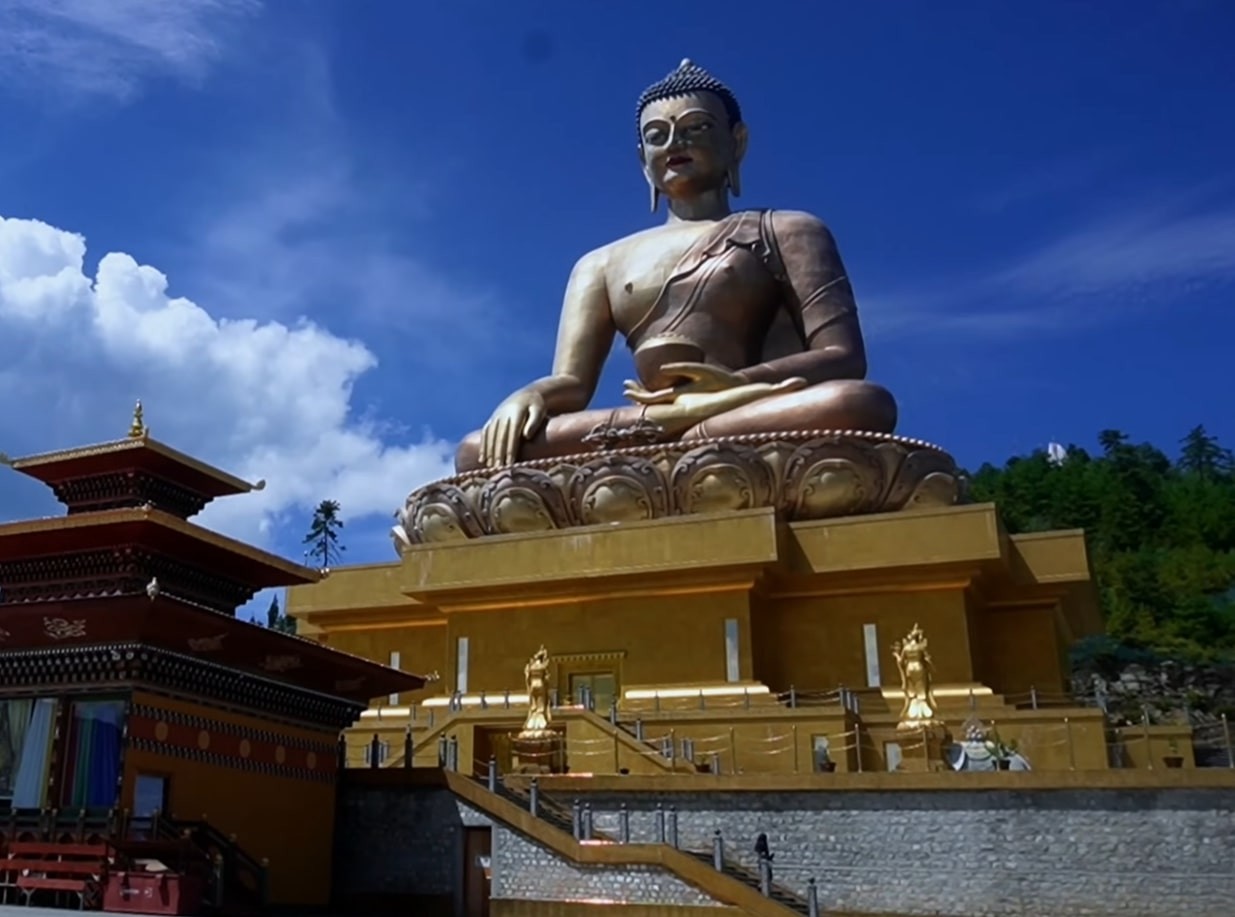 Exploring the Enchanting Kingdom of Bhutan — The Land of the Thunder Dragon
Nestled high in the eastern Himalayas, the Kingdom of Bhutan — lovingly known as the Land of the Thunder Dragon — remains one of Asia’s most fascinating and culturally preserved destinations. Renowned for its spirituality, dramatic mountain scenery, and deep respect for tradition, Bhutan appeals to travelers seeking something beyond a typical holiday. Bhutan enchants with rich cultural heritage, mystical monasteries, pristine wilderness, and spiritual stillness. This guide explores all you need to know before planning your Bhutan adventure — and how it pairs beautifully with Himalayan treks and cultural explorations via Nepal.
Why Bhutan Is a Must-Visit Destination
Though Bhutan might be small in size, its cultural and natural wealth are immense. The kingdom has carefully protected its identity through policies that value tradition, sustainability, and happiness, famously measuring success with Gross National Happiness. This philosophy ensures that tourism here feels meaningful and respectful rather than commercialized.
Travelers to Bhutan are greeted by dramatic terraced fields, mist-shrouded mountain passes, serene monasteries perched on cliffs, and festivals filled with vibrant ritual dances. The slow pace of life here lets visitors truly disconnect and absorb the sacred landscapes and local way of life.
Pairing your Bhutan experience with a trek in Nepal enhances your Himalayan journey. While Bhutan offers spiritual and cultural depth, Nepal is the trekking capital of the world with world-class journeys like the Everest Base Camp Trek, Nepal and the Annapurna Circuit Trek
Bhutan’s Rich Cultural Heritage — A Tapestry of Traditions
Festivals and Rituals
Bhutanese culture is inseparable from Buddhism. Its life and rhythm are reflected in the colorful festivals known as Tshechus, which draw locals and travelers alike. These annual gatherings feature sacred masked dances, traditional songs, and vibrant costumes — all meant to teach moral lessons, honor saints, and bring communities together.
From the famed Paro Tsechu to the Thimphu Tshechu, festivals are a living thread of history and spirituality that deeply resonate with visitors. Unlike other tourist-oriented events, Bhutanese festivals remain authentic cultural experiences that reveal the profound beliefs and values of the Bhutanese people.
If you’re a culture lover, this resonates with the authenticity you might seek in Himalayan treks such as the Tamang Heritage Trek, Nepal or the Langtang Gosainkunda Trek, Nepal where local traditions and histories intertwine with the trail.
Living Traditions and Local Life
Bhutanese everyday life is steeped in tradition. Fields are cultivated by hand, monks chant in monasteries, and prayer flags flutter in high mountain breezes. Towns like Paro, Thimphu, and Bumthang showcase traditional dzong architecture — massive fortress-monasteries with courtyards, temples, and administrative halls.
Visitors often speak of a palpable sense of peace and reverence here, one that stays with you long after you leave. It’s a contrast to Nepal’s bustling Kathmandu valley, yet both places share Himalayan spirituality and ancient traditions.
Spectacular Natural Beauty — A Paradise for Nature Lovers
Rising from lush subtropical foothills to rugged snow-capped peaks, Bhutan’s landscapes are staggering in their variety and beauty. Ancient forests cloak steep hillsides, and swift rivers carve deep valleys between towering mountains.
A trip through Bhutan offers serenity and raw landscapes that rival trekking routes like the Upper Dolpo Trek, Nepal or Makalu Base Camp Trek, Nepal— places where remoteness and wilderness define the adventure.
Hikes and nature walks in Bhutan reveal rare wildlife including Himalayan blue sheep, takin (the national animal), and even elusive snow leopards in the remotest regions.
Unforgettable Monasteries — Spiritual Sojourns
Perhaps the most iconic symbol of Bhutan is its monasteries. These sacred places offer stunning architecture, spirituality, and panoramic mountain views. The crown jewel is Taktsang Monastery, known as the Tiger’s Nest — a sacred cliffside temple that seems suspended between earth and sky. This spiritual trail is challenging yet deeply rewarding, drawing pilgrims and adventurers alike.
Other must-visit monasteries include:
-
Punakha Dzong — A majestic fortress monastery set at the confluence of two rivers.
-
Trongsa Dzong — A stunning fortress with sweeping Himalayan vistas.
-
Gangtey Monastery — Overlooking the beautiful Phobjikha Valley, home to black-necked cranes in winter.
These breathtaking spiritual sites resonate with the same cultural depth found in Nepalese monastery treks like the Langtang Valley Trek, Nepal and Manaslu Circuit Trek, Nepal , where religion and mountain life are intricately connected.
Adventure and Outdoor Activities — Beyond Bhutan’s Trails
Hiking & Trekking in Bhutan
While Nepal boasts more extensive trekking infrastructure, Bhutan offers remarkable hikes ranging from moderate cultural trails to high alpine passes. The Druk Path trek, for example, links Paro and Thimphu through rhododendron forests and ancient dzongs, with panoramic views of the Himalayas.
Guided multi-day treks explore remote valleys like Bumthang and the Trans-Bhutan Trail, revealing landscapes that feel untouched by time. These treks are excellent for those who want solitude and cultural immersion without the crowds.
If you love trekking in Nepal, bringing that spirit into Bhutan amplifies your experience. Consider combining experiences by exploring rugged Nepalese trails like the Manaslu Tsum Valley Trek, Nepal , Nar Phu Via Annapurna Circuit Trek, Nepal , or the breathtaking Kanchenjunga Base Camp Trek, Nepal
Wildlife & Birdwatching
Bhutan’s blend of Eastern Himalayan ecosystems hosts diverse bird species and rare wildlife, making it a paradise for nature lovers. Phobjikha Valley — a glacial valley — becomes a winter haven for the endangered black-necked cranes, offering unforgettable birdwatching experiences.
Nature enthusiasts can explore protected areas like Jigme Dorji National Park and Royal Manas National Park, where biodiversity flourishes among snow-leopard-habitat terrain and subtropical jungles.
These lush environments echo the biodiversity found along Nepal’s Langtang Valley Trek and the striking contrasts you encounter on the Annapurna Circuit Budget Trek, Nepal
Festivals — A Cultural Immersion
Bhutan’s annual festivities are not mere spectacles — they are integral to community identity. Each festival, or Tshechu, celebrates heroic deeds of saints and Buddhist teachings. Elaborate mask dances — known as Cham — narrate moral stories, offering both spiritual blessings and cultural insight.
These festivals often take place in monastery courtyards framed by fluttering prayer flags and towering mountains, creating unforgettable cultural imagery — a rich experience that can pair beautifully with Nepal’s vibrant cultural treks like the Tsum Valley Trek, Nepal
Planning Your Bhutan Visit — Best Seasons and Travel Tips
Best Times to Visit
The most favorable seasons for visiting Bhutan are:
-
Spring (March to May): Rhododendrons and wildflowers bloom across the valleys.
-
Autumn (September to November): Clear skies and crisp air make for spectacular views.
These months also align with prime trekking windows in Nepal, making it ideal if planning a combined Nepal-Bhutan itinerary.
During these seasons, mountain vistas are vivid and trails are accessible — perfect settings for both Bhutanese hikes and legendary Nepal treks like the Everest Three Pass Trek, Nepal and the tranquil Pikey Peak Trek, Nepal
Travel Guidelines and Culture
Respect for local etiquette is essential in Bhutan:
-
Always remove shoes before entering monasteries.
-
Dress modestly and follow guides during rituals.
-
Participate respectfully in cultural events — it enriches your journey and honors local traditions.
This level of cultural respect resonates with trekking cultures in Nepal, where traditional hospitality and local customs are deeply woven into experiences.
Suggested Bhutan & Nepal Combined Itineraries
1. Culture First, Mountains Next
-
Start with Bhutan’s spiritual sites and festivals.
-
Follow with the panoramic Annapurna Base Camp Trek, Nepal
-
Experience contrasting Himalayan cultures and landscapes.
2. Himalayan Peaks & Spiritual Peaks
-
Explore Bhutan’s cliffside monasteries and Dzongs.
-
Embark on the strenuous Manaslu Tsum Valley Luxury Trek, Nepal
-
Witness untouched wilderness and remote mountain culture.
3. Wilderness & Wisdom
-
Wander Bhutan’s nature trails and forest sanctuaries.
-
Trek the iconic Everest Base Camp Trek, Nepal
-
Culminate your journey with Sherpa villages, glaciers, and Himalayan history.
Final Thoughts
Bhutan is not just a destination — it’s a soulful experience. From spiritual heights and vibrant festivals to serene valleys and sacred monasteries, Bhutan promises a journey that nourishes both the heart and mind. Paired with Nepal’s legendary treks, this Himalayan route creates a transformative adventure of culture, wildlife, nature, and personal discovery.
Whether you’re drawn to introspective retreats in Bhutan or adrenaline-filled treks amidst breathtaking peaks in Nepal, this region of the world offers layers of beauty waiting to be discovered.
Trip Preparation
Trip Itinerary
Day 1 : Arrival in Paro
Your journey into the mystical Kingdom of Bhutan begins with a scenic flight into Paro International Airport, one of the most breathtaking mountain airports in the world. As the aircraft descends through the Himalayan valleys, you are greeted by sweeping views of forested hills, terraced fields, and traditional Bhutanese architecture. Upon arrival, our local representative will welcome you warmly and assist with your transfer to the hotel.
Today is kept intentionally relaxed to help you acclimatize and gently settle into Bhutan’s peaceful rhythm. After check-in, you may choose to rest, stroll around the charming Paro town, or simply enjoy the serene surroundings from your hotel. Prayer flags flutter in the breeze, rivers flow quietly through the valley, and life moves at an unhurried pace.
This first day offers a soft introduction to Bhutanese culture, hospitality, and natural beauty, allowing your body and mind to adjust before the upcoming cultural explorations. Overnight in Paro.
Day 2 : Explore Paro - The Tiger's Nest and More
Today is one of the most memorable highlights of your Bhutan journey as you visit the legendary Paro Taktsang Monastery, famously known as the Tiger’s Nest. Perched dramatically on a cliffside at an elevation of approximately 3,120 meters, this sacred monastery appears to float above the Paro Valley, offering breathtaking panoramic views of the Eastern Himalayas.
The hike to Tiger’s Nest is both rewarding and spiritually uplifting. As you ascend through pine forests, rhododendron trees, and alpine landscapes, the valley unfolds beneath you in layers of green and gold. Along the trail, viewpoints provide stunning photo opportunities and moments of quiet reflection.
According to legend, Guru Padmasambhava meditated here in the 8th century after arriving on the back of a flying tigress, making this site deeply sacred to Bhutanese Buddhists. Beyond its spiritual significance, the monastery’s harmonious blend with the surrounding cliffs and forests makes it a true architectural and cultural marvel. After descending, return to Paro for a restful evening.
Day 3 : Drive to Thimphu - Bhutan's Capital
After breakfast, you begin a picturesque drive from Paro to Thimphu, Bhutan’s capital city, covering a distance of about 54 kilometers in approximately two hours. The journey itself is an experience, following winding mountain roads alongside rivers, terraced farmlands, and small villages where daily life unfolds against a Himalayan backdrop.
As you approach Thimphu, you’ll notice a unique blend of tradition and modern life. Unlike other capitals, Thimphu has no traffic lights and maintains a relaxed, orderly atmosphere that reflects Bhutan’s values. Upon arrival, check into your hotel and take some time to refresh.
Later, you may explore the city at a leisurely pace, visiting local markets, cafes, or simply observing Bhutanese life in motion. Thimphu offers insight into how Bhutan balances modernization while preserving cultural identity. This day allows you to ease into the capital’s charm and prepare for deeper cultural exploration the following day. Overnight in Thimphu.
Day 4 : Thimphu Sightseeing - Cultural Extravaganza
Today is dedicated to discovering the cultural heart of Bhutan through guided sightseeing in Thimphu. Begin your day with a visit to the National Memorial Chorten, a revered monument where locals gather daily to pray, walk in meditative circles, and offer butter lamps. This peaceful setting provides a glimpse into Bhutan’s spiritual daily life.
Next, explore Tashichho Dzong, an impressive fortress-monastery that houses government offices and the king’s throne room. Its traditional architecture, whitewashed walls, and golden roofs reflect classic Bhutanese craftsmanship. Continue to the Folk Heritage Museum, where you gain insight into traditional rural life, household tools, farming practices, and customs passed down through generations.
Throughout the day, interactions with locals and visits to cultural sites help you understand Bhutan’s deep respect for tradition and community. The blend of spirituality, governance, and heritage makes Thimphu a fascinating capital unlike any other. Overnight in Thimphu.
Day 5 : Return to Paro - Farewell to Bhutan
After breakfast, begin your scenic drive back to Paro, retracing the beautiful route through river valleys and mountain landscapes. This final journey offers a last chance to absorb Bhutan’s calm environment, fresh mountain air, and unspoiled scenery.
Upon reaching Paro, you will be transferred to the international airport for your onward flight. As you depart, the memories of prayer flags, ancient monasteries, forested hills, and warm Bhutanese hospitality linger long after the journey ends.
Though short in duration, this Bhutan experience offers deep cultural insight, spiritual enrichment, and a sense of peace that stays with travelers long after returning home. Whether combined with Himalayan trekking adventures or enjoyed as a standalone journey, Bhutan leaves a lasting impression through its simplicity, authenticity, and harmony with nature.
Your departure marks the end of this unforgettable Himalayan chapter, but the spirit of Bhutan travels with you wherever you go.
Inclusions
What is included?
- All arrival and departure transportation airport / hotel / airport.
- Hotel in Paro at tourist standard hotels
- In Paro with Bed and Breakfast only basis.
- Sightseeing tour as per the itinerary.
- Service of city guides throughout the trip with tour escort.
- Comprehensive medical kits and re-confirmation of international air tickets
What isn't included?
- Bhutan Visa-Personal travel and medical insurance.
- Expenses of personal nature and gratitude (tips) hard / soft drinks throughout the trip.
- Emergency evacuation by any means of transportation services required.
- Early return from the trip due to personal / medical problem in this case clients should bear his / her own expenses on return from the tour back to Paro. Including expenses of accompanying guides.
- Meals in Paro, besides breakfast.
Complimentary
Booking Terms and Conditions
Booking, Cancellation, and Refund Policy
Transportation
Trip and the Weather
Bhutan Tour Starting and Ending Points
Major Trips for Bhutan Tour
Best Time for Bhutan Tour
Bhutan Tour Difficulty
Food and Accommodation
Communication and Networking
Explore Holiday Treks Team for Bhutan Tour
Important Note
Why with Explore Holiday Treks