
Kathmandu Pokhara Chitwan Tour
| Trip code | |
| Package name | Kathmandu Pokhara Chitwan Tour |
| Duration | 8 |
| Max. elevation | 1300 m |
| Level | Easy |
| Transportation | All ground transportation as per Itinerary |
| Accomodation | Hotel / Teahouse / Lodge during the trek and Hotel in Kathmandu |
| Starts at | Kathmandu |
| Ends at | Kathmandu |
| Trip route | Kathmandu - Pokhara - Chitwan - Kathmandu |
| Cost | USD 0 per person |
Highlights
- Visit Kathmandu Durbar Square, immersing yourself in the historical and cultural heart of the city.
- Explore Swayambhunath Stupa, also known as the Monkey Temple, offering panoramic views of Kathmandu Valley.
- Visit Pashupatinath, a sacred Hindu temple on the banks of the Bagmati River.
- Explore Lakeside, Pokhara's vibrant district with shops, cafes, and stunning views of the Annapurna Range.
- Visit the World Peace Pagoda, either by a short hike or a boat ride across Phewa Lake.
- Explore Devi's Fall and Gupteshwor Cave.
- Optional: Paragliding adventure for thrill-seekers.
- Explore a Tharu village to learn about the indigenous culture.
- safari in Chitwan National Park for wildlife spotting.
- Enjoy a canoe ride on the Rapti River and bird watching.
Overview
 Kathmandu, Pokhara, and Chitwan: An Unforgettable Journey Through Nepal's Most Iconic Destinations
Nepal, a landlocked nation cradled between the towering peaks of India and China, stands as one of the world's most captivating travel destinations. This Himalayan kingdom offers travelers an extraordinary blend of ancient culture, breathtaking natural beauty, and wildlife encounters that few places on Earth can match. Among Nepal's countless treasures, three destinations shine particularly bright: Kathmandu, Pokhara, and Chitwan. Each city presents its own unique character and experiences, together forming a perfect introduction to everything Nepal has to offer.
Whether you're planning a comprehensive Nepal tour or considering adventure activities like the Annapurna Base Camp Trek or Everest Base Camp Trek, understanding these three destinations will help you make the most of your Himalayan adventure.
Kathmandu: Nepal's Cultural and Historical Heart
Exploring Nepal's Capital City
Kathmandu serves as Nepal's vibrant capital and the gateway for most international travelers. This ancient city, situated at approximately 1,400 meters above sea level in a valley surrounded by green hills, has been the political and cultural center of Nepal for centuries. The city's streets buzz with energy as motorcycles weave through narrow lanes, street vendors sell colorful goods, and the scent of incense drifts from countless temples.
For travelers planning extended adventures like the Manaslu Circuit Trek or Langtang Valley Trek, Kathmandu typically serves as both the starting and ending point of their journey.
Swayambhunath Stupa: The Monkey Temple
Perched majestically atop a hill overlooking the Kathmandu Valley, Swayambhunath Stupa ranks among Nepal's most recognizable landmarks. Known affectionately as the Monkey Temple due to the holy monkeys that inhabit the area, this ancient religious complex dates back over 2,000 years, making it one of the oldest Buddhist sites in Nepal.
The distinctive white dome and golden spire of the stupa feature the famous all-seeing eyes of Buddha painted on all four sides, watching over the valley below. To reach the main stupa, visitors must climb 365 stone steps, each representing a day of the year. This climb, while moderately challenging, rewards those who make the ascent with panoramic views of Kathmandu city and the surrounding mountains.
The site holds deep spiritual significance for both Buddhists and Hindus. Prayer flags flutter in the breeze, prayer wheels line the pathways, and devotees perform kora (circumambulation) around the stupa while chanting mantras. The resident monkeys add an element of playful unpredictability to any visit, though visitors should guard their belongings and food carefully.
Kathmandu Durbar Square: A Living Museum
Kathmandu Durbar Square represents the historic heart of the old city and served as the royal palace complex of the Malla and Shah kings. This UNESCO World Heritage Site showcases an extraordinary collection of temples, palaces, courtyards, and statues that demonstrate the architectural and artistic achievements of Nepali craftsmen across centuries.
The square suffered significant damage during the devastating 2015 earthquake, with several important structures collapsing or requiring extensive restoration. Despite this tragedy, much of the square's magnificence remains intact, and ongoing reconstruction efforts aim to restore damaged buildings to their former glory.
Key attractions within Durbar Square include the Hanuman Dhoka Palace complex, named after the monkey god whose statue guards the entrance. The intricately carved wooden windows, doors, and struts throughout the complex display the extraordinary skill of Newari craftsmen. The Taleju Temple, dedicated to the royal goddess, towers above the square with its multi-tiered pagoda-style architecture.
Perhaps the most intriguing building in the square is Kumari Ghar, home to the Kumari, or living goddess. This young girl, selected through ancient rituals and traditions, is worshipped as the living incarnation of the Hindu goddess Taleju. If fortunate, visitors might glimpse the Kumari as she appears briefly at a window, though photography is strictly prohibited.
Pashupatinath Temple: Nepal's Holiest Hindu Site
Located on the banks of the sacred Bagmati River, Pashupatinath Temple stands as one of the most significant Hindu temples dedicated to Lord Shiva in the world. The main temple, with its distinctive golden roof and silver doors, attracts Hindu devotees from across South Asia, particularly during major festivals like Maha Shivaratri.
Non-Hindus cannot enter the main temple, but the entire complex offers profound cultural and spiritual experiences. The ghats along the Bagmati River witness daily cremation ceremonies, offering visitors a contemplative perspective on Hindu death rituals and beliefs about the cycle of life and death. While these ceremonies may seem confronting to some Western visitors, they represent an essential aspect of Hindu philosophy and Nepali culture.
The surrounding hillsides feature small shrines, meditation caves, and ashrams where sadhus (holy men) live and practice their spiritual disciplines. Many of these ascetics sport elaborate body paint, dreadlocked hair, and minimal clothing, creating striking visual impressions. The entire area carries an atmosphere of deep spirituality and contemplation.
Best Time to Visit Kathmandu
Kathmandu welcomes visitors year-round, though certain seasons offer more favorable conditions. The autumn months (September to November) provide clear skies, comfortable temperatures, and excellent visibility of distant mountain ranges. This peak season also coincides with major festivals like Dashain and Tihar, offering cultural experiences but also larger crowds.
Spring (March to May) presents another excellent window for visiting, with warming temperatures, blooming flowers, and generally stable weather. Winter can be surprisingly cold, especially at night, while summer brings monsoon rains that can disrupt travel plans and obscure mountain views.
Pokhara: Nepal's Adventure Capital and Natural Paradise
Introduction to Pokhara
Situated approximately 200 kilometers west of Kathmandu, Pokhara represents a stark contrast to the capital's urban intensity. This lakeside city, resting at roughly 900 meters elevation, serves as the gateway to the Annapurna region and has earned its reputation as Nepal's adventure hub. The stunning backdrop of the Annapurna Range creates one of the most spectacular urban panoramas anywhere in the world.
Most trekkers heading to famous routes like the Annapurna Circuit Trek, Ghorepani Poon Hill Trek, or Mardi Himal Trek begin their journeys from Pokhara.
Phewa Lake: Pokhara's Crown Jewel
Phewa Lake dominates Pokhara's landscape as Nepal's second-largest lake, spanning approximately 5.23 square kilometers. The lake's crystal-clear waters create mirror-like reflections of the surrounding mountains, particularly the distinctive pyramid of Machapuchare (Fishtail Mountain) and the broader Annapurna massif.
The Lakeside area, stretching along Phewa Lake's eastern shore, forms the tourist hub of Pokhara. This vibrant neighborhood features countless hotels, restaurants, cafes, shops, and tour agencies catering to international travelers. Despite its commercial nature, the area maintains a relaxed, almost meditative atmosphere quite different from Kathmandu's frenetic energy.
Boating on Phewa Lake ranks among Pokhara's most popular activities. Visitors can rent colorful wooden boats or paddle boats and glide across the calm waters, enjoying unobstructed mountain views while egrets and other water birds fish in the shallows. Many boaters paddle to Tal Barahi Temple, a two-story pagoda sitting on a small island in the lake's center, dedicated to the Hindu goddess Durga.
Sunrise and sunset transform Phewa Lake into a magical realm as the changing light paints the mountains in shades of pink, orange, and gold. Early morning often brings a mystical mist that hovers over the water's surface before burning off as the sun rises higher.
World Peace Pagoda: Serenity Above the Lake
Positioned on a hilltop overlooking Phewa Lake, the World Peace Pagoda offers one of Pokhara's most rewarding short hikes. The brilliant white stupa, built by Japanese Buddhist monks as part of their international peace initiative, provides 360-degree views encompassing the lake below, the city of Pokhara, and the spectacular Himalayan panorama.
The hike to the pagoda takes approximately 45 minutes to an hour from Lakeside, following a pleasant trail through forested slopes. Many visitors choose to boat across the lake to shorten the walking distance. The peaceful atmosphere at the pagoda itself, combined with the stunning vistas, creates an ideal setting for meditation and contemplation.
The stupa features four Buddha statues facing the cardinal directions, each representing Buddha's life stages. Prayer flags flutter in the breeze, and the sound of tinkling bells adds to the serene ambiance. The site remains relatively uncrowded compared to other tourist attractions, allowing for genuine moments of tranquility.
Sarangkot: Sunrise Viewpoint
For travelers seeking the ultimate mountain sunrise experience without undertaking a multi-day trek, Sarangkot provides an easily accessible solution. This hilltop viewpoint, situated at 1,600 meters elevation, offers unobstructed panoramic views of the Annapurna and Dhaulagiri ranges.
Many visitors choose to drive up in the pre-dawn darkness to witness the sun's first rays striking the snow-capped peaks, transforming them into glowing giants of gold and pink. The experience rivals any mountain viewpoint accessible by such minimal effort. On exceptionally clear days, the view extends to include eight of the world's ten highest mountains.
Sarangkot also serves as Pokhara's primary paragliding launch site. Throughout the day, colorful paragliders soar off the hill like butterflies, gliding over the valley and lake below before landing near Lakeside.
Adventure Activities in Pokhara
Pokhara has earned its reputation as Nepal's adventure capital through its diverse range of adrenaline-pumping activities:
Paragliding: Soaring above Phewa Lake with the Himalayas as your backdrop ranks among the world's most spectacular paragliding experiences. Tandem flights with experienced pilots allow even complete beginners to safely experience this thrilling activity. Flights typically last 20-30 minutes and include aerial photography services.
Ultralight Flights: For those wanting a powered flying experience, ultralight aircraft offer scenic flights along the mountain range, including optional close approaches to the face of Machapuchare.
Zip-lining: One of the world's steepest and fastest zip-lines operates near Pokhara, sending adventurers zooming down a cable at speeds exceeding 100 kilometers per hour while enjoying incredible valley views.
White-water Rafting: Several rivers near Pokhara offer rafting expeditions ranging from gentle family-friendly floats to challenging Grade IV rapids for experienced rafters.
Trekking from Pokhara
Pokhara serves as the launching point for numerous treks into the Annapurna region. Options range from short, easy hikes suitable for families to challenging high-altitude expeditions:
The Annapurna Base Camp Short Trek provides a condensed version of the classic ABC trek, reaching the spectacular mountain amphitheater in just 8 days.
The Mardi Himal Trek has emerged as a popular alternative to busier routes, offering pristine trails, authentic cultural experiences, and extraordinary mountain views from a unique perspective.
For those seeking accessible but rewarding experiences, the Royal Trek follows routes once walked by British royalty, passing through traditional Gurung villages with excellent mountain views.
The Panchase Trek offers another excellent short trek option, combining cultural immersion with natural beauty and requiring minimal time commitment.
Cultural Attractions in Pokhara
Beyond adventure activities, Pokhara offers several cultural and historical attractions:
The International Mountain Museum presents fascinating exhibits on Himalayan mountaineering history, indigenous mountain cultures, geology, and biodiversity. Scale models of the world's highest peaks and displays of historical climbing equipment provide context for understanding the region's climbing heritage.
Gupteshwor Cave and Devi's Fall (Patale Chhango) offer geological curiosities where the Pardi Khola stream creates an underground waterfall before flowing through an extensive cave system.
The Tibetan refugee settlements around Pokhara provide opportunities to observe traditional Tibetan crafts, visit monasteries, and learn about Tibetan culture in exile.
Chitwan National Park: Wildlife Adventures in the Terai
Introduction to Chitwan
Heading south from Kathmandu or Pokhara, the landscape transforms dramatically as the mountains give way to the Terai plains. Here, in the subtropical lowlands along Nepal's border with India, Chitwan National Park protects one of Asia's finest wildlife sanctuaries. This UNESCO World Heritage Site spans 932 square kilometers of forests, grasslands, and riverine habitat supporting an incredible diversity of flora and fauna.
The Kathmandu Pokhara Chitwan Tour perfectly combines all three destinations into a comprehensive Nepal experience, while the extended Kathmandu Pokhara Lumbini Chitwan Tour adds Buddha's birthplace to the itinerary.
Wildlife of Chitwan National Park
Chitwan's primary conservation success story revolves around the greater one-horned rhinoceros. Hunted nearly to extinction in the early 20th century, these prehistoric-looking creatures have rebounded dramatically under protection, with Chitwan now supporting one of the world's most significant rhino populations. Visitors have excellent chances of spotting these massive animals during jungle activities, particularly in the grasslands near water sources.
The park also provides critical habitat for Bengal tigers, though sightings of these elusive predators remain relatively rare due to their secretive nature and the park's dense vegetation. The estimated population of around 120 tigers represents one of Nepal's great conservation achievements. Evidence of tiger presence frequently appears in the form of pugmarks, scat, and territorial markings.
Other mammal species include Asian elephants (both wild and domesticated), sloth bears, leopards, jungle cats, several species of deer (including spotted deer and sambar), wild boar, gharial and mugger crocodiles, and four species of primates including rhesus macaques and the endangered Ganges river dolphin in the park's waterways.
Birdwatching Paradise
Chitwan National Park ranks among Asia's premier birdwatching destinations, with over 540 recorded bird species. This extraordinary diversity results from the park's varied habitats and its location along major migration routes. Species range from tiny sunbirds to massive hornbills, from water-dwelling storks and herons to forest-dwelling owls and woodpeckers.
Notable species include the giant hornbill, Bengal florican (critically endangered), lesser adjutant stork, white-rumped vulture, and numerous species of eagles, kites, and falcons. The Narayani and Rapti rivers attract impressive congregations of water birds, while the Sal forests harbor specialized forest species.
Both amateur and serious birders find Chitwan rewarding, with knowledgeable local guides possessing encyclopedic knowledge of bird species, calls, and behaviors. The best birdwatching occurs during the winter months when resident species are joined by migratory visitors from northern regions.
Jungle Activities and Safaris
Chitwan offers various ways to explore its wilderness:
Jeep Safaris: Four-wheel drive vehicles venture deep into the park, maximizing ground coverage and wildlife sighting opportunities. These safaris typically operate during early morning and late afternoon when animals are most active. Longer full-day safaris include packed lunches and maximize park exploration.
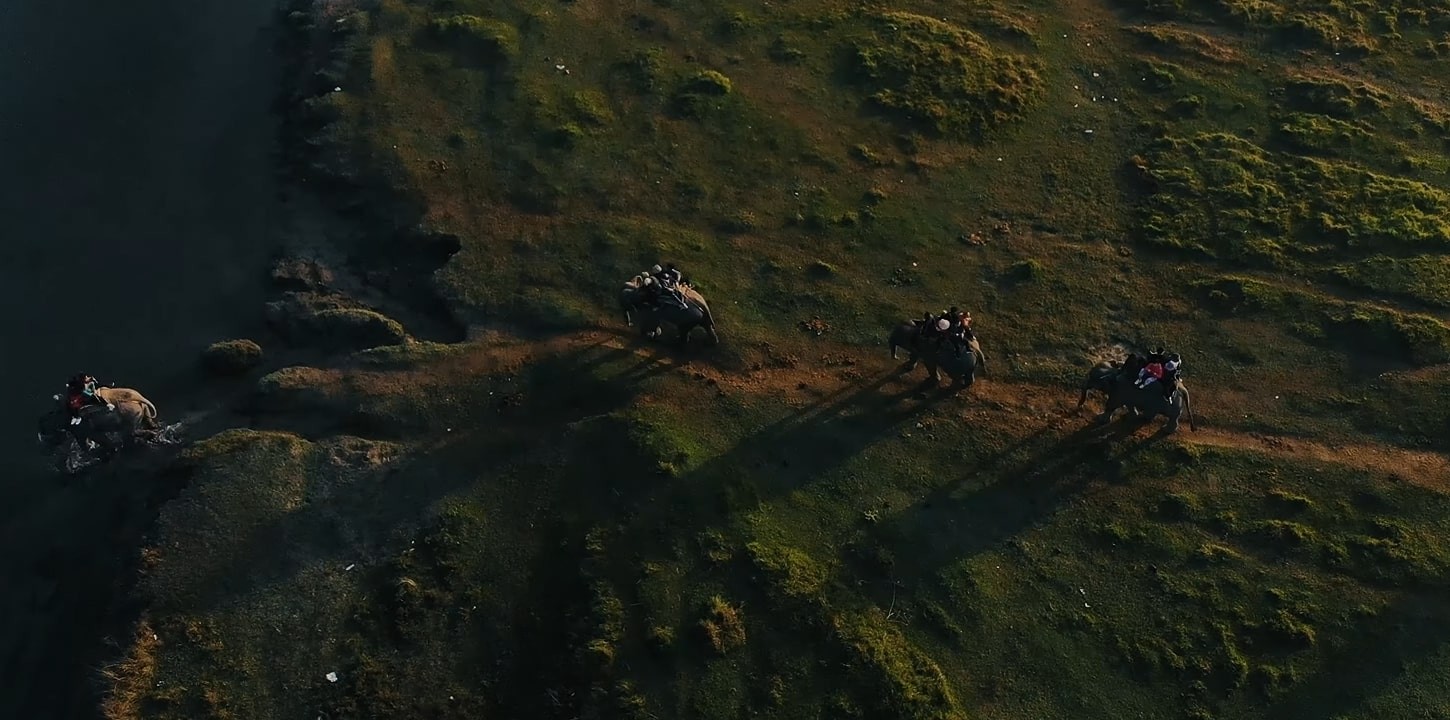
Elephant-back Safaris: While controversial from an animal welfare perspective, elephant safaris remain popular. Riding atop these gentle giants allows penetration into areas inaccessible to vehicles, and many species tolerate elephants' approach more readily than human walkers. Visitors should research operators' elephant treatment standards before booking.
Walking Safaris: Accompanied by trained naturalist guides and often armed guards, walking safaris provide the most intimate jungle experience. The heightened awareness required when walking through tiger habitat creates unforgettable excitement, and the slower pace allows appreciation of smaller creatures, plants, and ecosystems often missed from vehicles.
Canoe Rides: Silent canoe trips along the Rapti River offer excellent opportunities for observing gharial and mugger crocodiles basking on riverbanks, plus the incredible diversity of water birds. The peaceful gliding motion and water-level perspective create meditative experiences punctuated by exciting wildlife encounters.
Bird Watching Tours: Specialized birding excursions with expert guides focus on locating and identifying the park's remarkable avian diversity. These tours often combine walking with vehicle transport to reach prime birding locations.
Tharu Culture and Communities
Chitwan isn't solely about wildlife. The indigenous Tharu people have inhabited the Terai region for centuries, developing unique cultural traditions and impressive resilience to the region's formerly prevalent malaria. Their distinctive architecture, featuring mud-walled homes with elaborate geometric patterns and decorated grain storage structures, creates striking visual landscapes in villages surrounding the park.
Tharu cultural programs, including traditional stick dances performed by both men and women, provide entertaining insights into local traditions. These energetic performances feature rhythmic stick-striking choreography accompanied by live music. Many lodges and hotels include Tharu cultural shows in their evening entertainment.
Visiting Tharu villages offers opportunities to observe traditional lifestyles, farming practices, and handicrafts. Many communities have developed community-based tourism initiatives that provide income while preserving cultural heritage. Supporting these programs helps ensure that local populations benefit from conservation efforts and tourism development.
Rapti River Adventures
The Rapti River forms a natural boundary along sections of Chitwan National Park and provides its own adventure opportunities beyond jungle activities. Canoeing experiences allow close observation of riverine ecosystems and the creatures dependent on them. Kingfishers dart across the water's surface, cormorants dive for fish, and various heron species stand statue-still awaiting prey.
The real excitement comes from spotting gharial, the critically endangered fish-eating crocodile species with distinctive elongated snouts studded with razor-sharp teeth. These impressive reptiles can reach lengths exceeding 5 meters and spend much of their time basking on sandy banks. The broader-snouted mugger crocodile, a more aggressive species, also inhabits these waters, keeping paddlers alert and respectful of the prehistoric predators sharing their environment.
River sunsets in Chitwan create magical moments as the light softens, birds return to roosting sites, and the sounds of the jungle intensify with nightfall's approach. Many visitors cite these peaceful river experiences among their most memorable Chitwan moments.
Planning Your Kathmandu-Pokhara-Chitwan Journey
Transportation Between Cities
Traveling between these three destinations offers multiple options balancing time, comfort, and budget:
Tourist Buses: Tourist bus services connect Kathmandu, Pokhara, and Chitwan, offering comfortable seats, air conditioning, and direct routes. These services take approximately 6-7 hours between Kathmandu and Pokhara, and 5-6 hours from Kathmandu to Chitwan. The Kathmandu to Chitwan Tourist Bus Ticket provides an economical option.
Private Vehicles: Hiring private cars or jeeps provides maximum flexibility for stops along the route and schedule control. While more expensive, this option suits groups or families wanting customized experiences.
Domestic Flights: For those prioritizing time over ground experiences, domestic flights connect Kathmandu and Pokhara in just 25-30 minutes. Flights to Bharatpur (near Chitwan) are also available, though less frequent.
Recommended Itinerary
A comprehensive exploration of all three destinations requires at least 7-10 days:
Days 1-3: Kathmandu - Arrive, recover from jet lag, explore Durbar Square, Swayambhunath, Pashupatinath, and Boudhanath Stupa. Consider a Kathmandu Tour for organized sightseeing.
Days 4-6: Pokhara - Travel to Pokhara, enjoy boating on Phewa Lake, visit the World Peace Pagoda, watch sunrise from Sarangkot, and participate in adventure activities.
Days 7-9: Chitwan - Journey to Chitwan, engage in jungle safaris, canoeing, bird watching, and experience Tharu culture.
Day 10: Return to Kathmandu - Travel back to Kathmandu for final shopping and departure preparation.
Best Time to Visit
The ideal time for visiting all three destinations falls between October and November, after monsoon rains have cleared but before winter cold sets in. Clear skies provide excellent mountain visibility, comfortable temperatures prevail, and major festivals add cultural richness.
March through May offers another favorable window with warming temperatures, blooming flowers, and generally stable weather, though some afternoon clouds may obscure mountain views.
Monsoon season (June-September) brings heavy rains that can disrupt travel plans, trigger landslides, and make jungle activities less enjoyable. However, this period sees fewer tourists and dramatically lower prices. Chitwan actually remains accessible during monsoon, though leeches and muddy conditions challenge visitors.
Winter (December-February) brings cold temperatures, especially in Kathmandu, though generally clear skies provide spectacular mountain views. Chitwan enjoys pleasant winter temperatures, making this season ideal for wildlife viewing as animals congregate near water sources.
Extending Your Nepal Adventure: Trekking Options
Many travelers use the Kathmandu-Pokhara-Chitwan circuit as a foundation for longer Nepal adventures, particularly Himalayan treks. The infrastructure around these three hubs makes accessing Nepal's famous trekking regions straightforward.
Everest Region Treks
From Kathmandu, the gateway to Everest region treks opens through flights to Lukla. Options include:
- Everest Base Camp Trek: The classic 15-day journey to the base of the world's highest mountain
- Everest View Trek: A shorter 7-day option for those with limited time
- Gokyo Valley Trek: Exploring the stunning turquoise lakes of Gokyo
- Everest Three Pass Trek: The ultimate 22-day challenge crossing three high passes
Annapurna Region Treks
Pokhara provides access to Nepal's most diverse trekking region:
- Annapurna Base Camp Trek: Journey into the heart of the Annapurna Sanctuary
- Ghorepani Poon Hill Trek: An accessible 9-day trek with spectacular sunrise views
- Mardi Himal Trek: A newer, less crowded alternative with stunning perspectives
Other Trekking Regions
The Langtang Valley Trek near Kathmandu offers a less crowded alternative to Everest and Annapurna regions, while the Manaslu Circuit Trek provides wilderness adventure for those seeking remote experiences.
Practical Information and Tips
Visa Requirements
Most nationalities can obtain Nepalese tourist visas on arrival at Kathmandu's Tribhuvan International Airport. Current fees are $30 for 15 days, $50 for 30 days, and $125 for 90 days. Ensure your passport has at least six months' validity. Consider applying online through Nepal's immigration website before arrival to expedite the process.
Accommodation
All three destinations offer accommodation spanning budget guesthouses to luxury resorts. Kathmandu and Pokhara feature the widest ranges, with Chitwan's options focusing on jungle lodges and safari resorts. Book in advance during peak season (October-November).
Food and Dining
Nepali cuisine centers on dal bhat (lentils and rice), mo:mo (dumplings), and various curries. Kathmandu and Pokhara offer international cuisine including Italian, Mexican, Chinese, Indian, and continental options. Chitwan's dining scene remains more limited, with most meals taken at lodges.
Health Considerations
Consult a travel medicine specialist before departure. Recommended vaccinations often include Hepatitis A and B, Typhoid, and routine immunizations. Malaria prophylaxis may be advised for Chitwan during certain seasons. Altitude sickness won't affect these three low-elevation destinations but becomes crucial for trekking expeditions.
Currency and Money
Nepal's currency is the Nepalese Rupee (NPR). ATMs are readily available in Kathmandu and Pokhara, less so in Chitwan. Carry sufficient cash when venturing to remote areas. Many establishments accept US dollars, though change returns in rupees.
Cultural Sensitivity
Nepal remains a deeply religious and culturally conservative society. Dress modestly, particularly when visiting religious sites. Remove shoes before entering temples and homes. Ask permission before photographing people. Use your right hand for eating and passing objects. Respect local customs regarding menstruating women's temple access.
Conclusion: A Journey That Transforms
Visiting Kathmandu, Pokhara, and Chitwan provides an remarkably comprehensive introduction to Nepal's extraordinary diversity. From ancient temples and living traditions to adventure activities and wildlife encounters, these three destinations deliver experiences satisfying the most varied interests.
The journey typically begins with Kathmandu's overwhelming sensory immersion—the chaos, the history, the spirituality—before transitioning to Pokhara's scenic tranquility where mountains dominate every vista and adventure beckons. Finally, Chitwan brings travelers face-to-face with nature's raw power and beauty, reminding us of our connection to the wild.
Whether you complete this circuit as a standalone trip or use it as a foundation for extended trekking adventures through Nepal's spectacular mountains, the memories forged and perspectives gained will last a lifetime. Nepal's people, with their genuine warmth and legendary hospitality, ensure that every visitor departs feeling they've discovered something special—a place where ancient and modern, spiritual and physical, wild and cultivated exist in fascinating harmony.
Plan your Nepal adventure carefully, remain flexible when circumstances change (as they inevitably will), treat both people and places with respect, and open yourself to the transformative experiences this remarkable country offers. The mountains, valleys, jungles, and most importantly, the people of Nepal await your arrival.
Trip Preparation
Trip Itinerary
Day 1 : Arrival in Kathmandu
The moment you step off the plane at Tribhuvan International Airport, you'll feel the excitement building. Our friendly representative from Explore Holiday Nepal will be waiting with your name card, ready to whisk you away to your comfortable hotel in Thamel, Kathmandu's vibrant tourist hub. After checking in and freshening up, take some time to decompress from your journey and let the reality sink in—you're actually in Nepal! The afternoon is yours to explore the colorful streets around your hotel or simply rest. As evening approaches, we'll gather for a special welcome dinner at an authentic Nepali restaurant. Picture yourself sitting cross-legged on traditional cushions, sampling momos (Nepali dumplings), dal bhat, and other local delicacies while watching mesmerizing cultural performances. The rhythmic beats of traditional drums and the graceful movements of dancers in colorful costumes will immediately immerse you in Nepal's rich cultural tapestry. This evening sets the perfect tone for the incredible journey ahead, giving you a taste of the warmth and hospitality that defines Nepal.
Day 2 : Kathmandu Cultural Delights
Today you'll wake up to the sounds of temple bells and the bustling energy of Kathmandu coming alive. After a hearty breakfast, your guide will lead you on a fascinating journey through the city's most iconic spiritual sites. Your first stop is Swayambhunath Stupa, perched atop a hill overlooking the entire Kathmandu Valley. The climb up 365 stone steps might get your heart pumping, but the reward is worth every step—those all-seeing eyes of Buddha gazing out over the city, prayer flags fluttering in the breeze, and yes, those cheeky monkeys darting about. The panoramic views are absolutely stunning on a clear morning. Next, you'll dive into the heart of old Kathmandu at Durbar Square, where centuries-old temples and palaces showcase the incredible craftsmanship of Newari artisans. The intricate wooden carvings will leave you speechless. After a delicious lunch, the spiritual journey continues to Pashupatinath Temple, where you'll witness Hindu cremation ceremonies along the sacred Bagmati River—a profound reminder of life's cycle. The day concludes at the magnificent Boudhanath Stupa, where you can join pilgrims walking clockwise around this massive mandala while spinning prayer wheels. Return to your hotel feeling spiritually enriched and culturally enlightened.
Day 3 : Road Trip to Pokhara
After breakfast, you'll embark on a scenic overland journey to Pokhara, Nepal's adventure capital. This isn't just a transfer—it's an experience in itself. The 6-7 hour drive follows the winding Prithvi Highway, treating you to constantly changing landscapes as you leave Kathmandu Valley behind. Watch rural Nepali life unfold through your window: terraced rice fields cascading down hillsides, traditional villages where time seems to move slower, and the Trishuli River rushing alongside the road. Your driver will stop at scenic viewpoints where you can stretch your legs and snap photos of the stunning vistas. We'll pause for lunch at a local restaurant along the way, giving you a chance to try fresh, home-style Nepali cooking. As you approach Pokhara, the landscape transforms dramatically—suddenly, the magnificent Annapurna range appears on the horizon, seemingly close enough to touch. Upon arriving at your lakeside hotel, check in and take a moment to breathe in the relaxed atmosphere that makes Pokhara so special. Evening brings the perfect opportunity for a gentle stroll along Phewa Lake's shore, where the mountains reflect perfectly in the calm waters. You might even spot fishermen casting their nets as the sun paints the sky in shades of orange and pink.
Day 4 : Pokhara's Natural Wonders
Today starts early, but trust us—it's absolutely worth it. Around 5 AM, you'll head up to Sarangkot viewpoint to witness one of nature's most spectacular shows: sunrise over the Annapurna and Dhaulagiri ranges. As the first golden rays hit the snow-capped peaks, they transform into glowing giants, and you'll understand why people travel halfway around the world for this moment. After soaking in the views (and taking approximately a million photos), return to your hotel for a well-deserved breakfast. The morning continues with a visit to the mysterious Gupteshwor Cave, where an underground waterfall creates an otherworldly atmosphere. Right next door, Devi's Fall showcases the power of water as it plunges into a deep gorge—especially impressive during the monsoon season. After lunch, head to the International Mountain Museum, where fascinating exhibits tell the story of Himalayan mountaineering, local cultures, and the brave souls who've attempted to conquer these peaks. The afternoon is yours to enjoy at your own pace—perhaps renting a colorful boat on Phewa Lake, browsing the shops and cafes along Lakeside, or treating yourself to a traditional massage. As evening falls, find a cozy lakeside restaurant and watch another beautiful sunset while enjoying fresh fish from the lake or your favorite Nepali dish.
Day 5 : Tranquil Retreat to Begnas Lake
Today offers a refreshing change of pace as you escape even Pokhara's gentle tourist scene for the pristine beauty of Begnas Lake. After a leisurely breakfast, a short 30-minute drive takes you to this peaceful paradise that locals love but many tourists miss. Unlike the bustling Phewa Lake, Begnas feels wonderfully undiscovered—the kind of place where you can actually hear yourself think. The morning is perfect for a gentle boat ride across the crystal-clear waters, with mountains forming a stunning backdrop. If you're feeling energetic, grab a paddle boat and explore the lake's quiet corners at your own pace. Fishing enthusiasts can try their luck catching local fish species, while bird watchers will delight in the variety of species that call this area home. Around midday, enjoy a picnic lunch by the shore, or head to one of the small restaurants offering fresh fish straight from the lake. For those craving a bit of adventure, the surrounding hills offer moderate hiking trails with rewarding views across the lake and valley beyond. The beauty of today is its flexibility—you can be as active or relaxed as you feel. Late afternoon brings your return to Pokhara, where you'll have the evening free to explore Lakeside's restaurants and shops, perhaps picking up some local handicrafts as souvenirs of your Himalayan journey.
Day 6 : Wildlife Safari in Chitwan
After breakfast, bid farewell to the mountains as you journey south toward the subtropical lowlands of the Terai. The 4-5 hour drive to Chitwan National Park takes you through gradually changing landscapes—from hills to flatlands, from mountain air to warm humidity. You'll notice the vegetation becoming lusher and the temperature rising as you descend. Upon arrival at your jungle lodge, you'll be greeted with refreshing welcome drinks and a briefing about the exciting activities ahead. After checking in and enjoying lunch, the adventure begins! Your first safari experience might be a thrilling jeep ride through the park's dense forests and grasslands, or perhaps an unforgettable elephant-back safari (though we encourage considering the ethical aspects of elephant tourism). Keep your camera ready and your eyes peeled—you might spot the magnificent one-horned rhinoceros grazing peacefully, spotted deer leaping through clearings, or if you're incredibly lucky, pugmarks indicating tiger presence. As dusk approaches, return to your lodge for dinner, followed by a vibrant cultural performance by the indigenous Tharu community. Their traditional stick dance, performed by firelight with infectious energy and rhythm, provides fascinating insight into the culture of Nepal's lowland people. The day ends with the jungle's symphony of sounds—crickets chirping, frogs calling, and the occasional mysterious rustle in the darkness.
Day 7 : Chitwan Wildlife Adventure
The jungle awakens early, and so will you. Before sunrise, you'll board a traditional dugout canoe for a peaceful drift down the Rapti River. The morning mist rising from the water creates an almost mystical atmosphere as your skilled boatman silently glides along the river. This is prime time for spotting gharial crocodiles basking on sandy banks—those long, narrow snouts filled with needle-sharp teeth are unmistakable. The river also attracts an incredible variety of birds: kingfishers diving for breakfast, majestic herons standing motionless, and cormorants drying their wings in the morning sun. After returning for breakfast, lace up your boots for a guided jungle walk—one of Chitwan's most thrilling experiences. Walking through rhino and tiger territory with an experienced naturalist guide heightens all your senses. You'll learn to identify animal tracks, understand ecosystem dynamics, and appreciate the smaller wonders often missed from vehicles. The afternoon brings a special cultural immersion as you visit a traditional Tharu village. Meet local families, observe their unique architecture featuring mud walls decorated with beautiful geometric patterns, and learn how communities coexist with the wildlife sharing their backyard. If you're lucky, you might witness traditional crafts being made or participate in local activities. Return to your lodge for a final evening, perhaps sharing your favorite wildlife moments with fellow travelers over dinner.
Day 8 : Departure from Kathmandu
Your final morning in Nepal arrives too quickly, as it always does in special places. After breakfast and one last look at your surroundings, you'll begin the journey back to Kathmandu. The 4-5 hour drive gives you time to reflect on the incredible diversity you've experienced—from ancient temples to mountain sunrises to jungle safaris. Depending on your flight schedule, you might have a few hours in Kathmandu for last-minute shopping in Thamel's bustling streets. This is your chance to pick up those final souvenirs: singing bowls, prayer flags, pashmina shawls, or spices to bring Nepal's flavors home. Our representative will ensure you reach the airport with plenty of time for check-in, helping with any last-minute needs or questions. As you board your flight, you'll carry more than just photos and souvenirs—you'll take home memories of smiling faces, incredible landscapes, and the unique spirit of Nepal that makes everyone who visits want to return. Safe travels, and we genuinely hope to welcome you back to the Himalayas soon!
Inclusions
What is included?
- All arrival and departure transportation airport / hotel / airport.
- Hotel in Kathmandu / Chitwan and Pokhara at tourist standard hotels
- In Kathmandu / Chitwan / Pokhara with Bed and Breakfast only basis.
- Sightseeing tour as per the itinerary.
- Service of city guides throughout the trip with tour escort.
- Comprehensive medical kits and re-confirmation of international air tickets
What isn't included?
- Nepal Visa-Personal travel and medical insurance.
- Expenses of personal nature and gratitude (tips) hard / soft drinks throughout the trip.
- Emergency evacuation by any means of transportation services required.
- Early return from the trip due to personal / medical problem in this case clients should bear his / her own expenses on return from the tour back to Kathmandu. Including expenses of accompanying guides.
- Meals in Kathmandu, Chitwan and Pokhara, besides breakfast.
Complimentary
Booking Terms and Conditions
Booking, Cancellation, and Refund Policy
Transportation
Trip and the Weather
Kathmandu Pokhara Chitwan Tour Starting and Ending Points
Major Trips for Kathmandu Pokhara Chitwan Tour
Best Time for Kathmandu Pokhara Chitwan Tour
Kathmandu Pokhara Chitwan Tour Difficulty
Food and Accommodation
Communication and Networking
Explore Holiday Treks Team for Kathmandu Pokhara Chitwan Tour
Important Note
Why with Explore Holiday Treks