
Kathmandu Pokhara Tour
| Trip code | |
| Package name | Kathmandu Pokhara Tour |
| Duration | 6 |
| Max. elevation | 1300 m |
| Level | Easy |
| Transportation | All ground transportation |
| Accomodation | Hotel in Kathmandu / Pokhara and Tea House / Lodge during the trek |
| Starts at | Kathmandu |
| Ends at | Kathmandu |
| Trip route | Kathmandu - Pokhara - Kathmandu |
| Cost | USD 0 per person |
Highlights
- Kathmandu Durbar Square's ancient palaces and temples.
- Tibetan Buddhism immersion at Boudhanath Stupa.
- Bhaktapur Durbar Square's well-preserved architecture.
- Nyatapola Temple and the artistic wonders of the 55-Window Palace.
- Relaxation by the picturesque Phewa Lake.
- Boating experiences with the majestic Annapurna Range as a backdrop.
- Cascading beauty of Devi's Fall.
- Mystical exploration of Gupteshwor Cave with stunning stalactite formations.
- Patan Durbar Square's ancient palace and temples.
- Tranquil hike or boat ride to the World Peace Pagoda.
- Panoramic views of Pokhara and the surrounding mountains.
- Serene Sarangkot sunrise with views of the Annapurna and Dhaulagiri ranges.
Overview
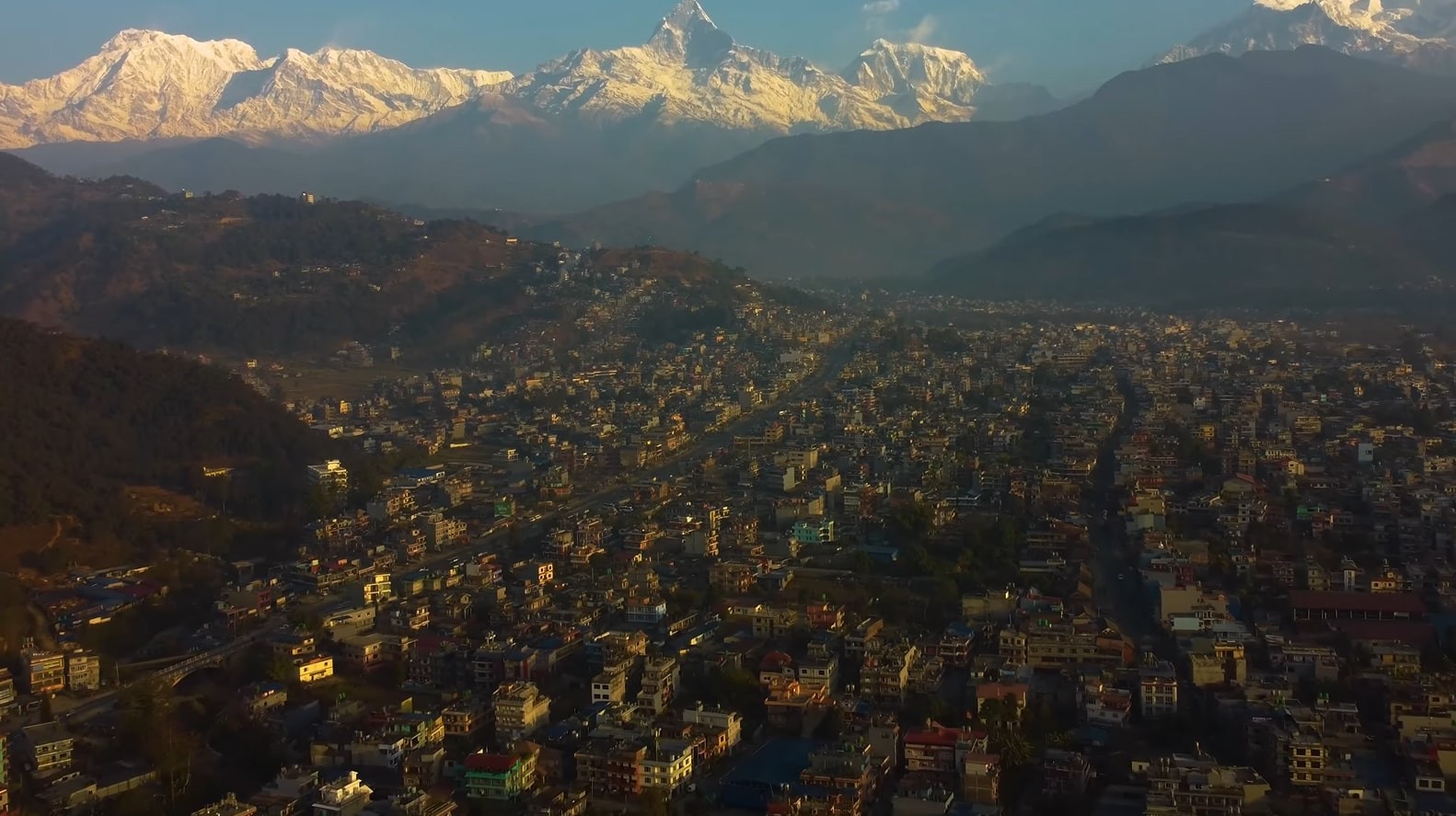 Kathmandu – Pokhara – Kathmandu Tour Overview
Nepal is a destination where ancient culture, living spirituality, and dramatic Himalayan landscapes exist side by side. A journey between Kathmandu and Pokhara offers a complete introduction to the country’s heritage, natural beauty, and mountain lifestyle. This route connects Nepal’s cultural capital with its most scenic mountain city and is ideal for travelers seeking history, spirituality, nature, and Himalayan views in one experience.
This tour is suitable for first-time visitors, families, couples, and travelers who want to explore Nepal without committing to strenuous trekking, while still remaining close to the Himalayas and Nepal’s most iconic destinations.
Kathmandu – Cultural and Spiritual Heart of Nepal
Kathmandu is more than just the capital city of Nepal. It is a living museum where temples, palaces, and shrines form part of everyday life. The city reflects centuries of history shaped by kings, artisans, monks, and traders. Narrow streets open into ancient courtyards, prayer flags hang above busy markets, and the sound of temple bells blends with daily life.
Kathmandu Durbar Square
Kathmandu Durbar Square is a UNESCO World Heritage Site and one of the most important historical landmarks in Nepal. Once the royal residence of the Malla kings, the square is home to ancient palaces, stone sculptures, and beautifully carved wooden temples. The Hanuman Dhoka Palace complex represents Nepal’s royal past, while the surrounding shrines continue to attract worshippers and visitors every day.
One of the most unique traditions associated with this area is the Living Goddess Kumari. The Kumari tradition reflects the deep spiritual beliefs of the Kathmandu Valley and the harmonious blend of Hindu and Buddhist practices that define Nepalese culture.
Thamel – Local Life and Traveler Hub
Thamel is the most popular tourist district in Kathmandu and a lively center for travelers. The area is filled with trekking shops, handicraft stores, cafés, and local restaurants. It is also a cultural crossroads where visitors can experience Nepalese hospitality, cuisine, and urban life. Thamel serves as a convenient base for exploring the city and preparing for journeys across Nepal.
Sacred Sites of Kathmandu Valley
Swayambhunath Stupa (Monkey Temple)
Swayambhunath Stupa sits atop a hill overlooking the Kathmandu Valley and is one of the oldest religious sites in Nepal. Reaching the stupa involves climbing a long staircase, but the reward is panoramic views of the city and a peaceful spiritual atmosphere. Prayer wheels, colorful flags, and the watchful eyes of Buddha create a setting that symbolizes wisdom and compassion. The site is sacred to both Buddhists and Hindus.
Pashupatinath Temple
Pashupatinath Temple is one of the holiest Hindu temples in the world and is dedicated to Lord Shiva. Located on the banks of the Bagmati River, the temple complex is a powerful place of worship and reflection. Visitors can observe traditional Hindu rituals, cremation ceremonies, and the daily life of sadhus. The experience offers deep insight into Nepal’s spiritual traditions and beliefs.
Boudhanath Stupa
Boudhanath Stupa is one of the largest Buddhist stupas in Asia and the spiritual center of Tibetan Buddhism in Nepal. Pilgrims walk clockwise around the massive white dome, spinning prayer wheels and chanting mantras. The surrounding area is filled with monasteries, shops, and cafés, creating a calm and contemplative environment that contrasts with the busy streets of Kathmandu.
Journey from Kathmandu to Pokhara
The drive from Kathmandu to Pokhara introduces travelers to Nepal’s diverse landscapes. The road passes through river valleys, terraced hillsides, and traditional villages where farming remains a way of life. Along the way, the scenery gradually changes as the foothills rise and distant Himalayan peaks begin to appear. This journey marks the transition from cultural exploration to natural beauty.
Pokhara – Gateway to the Annapurna Himalayas
Pokhara is one of the most beautiful cities in Nepal, known for its peaceful atmosphere and stunning mountain backdrop. Located beside Phewa Lake and surrounded by the Annapurna range, Pokhara offers a perfect balance of relaxation and adventure. The city is a popular base for trekking in the Annapurna region and a favorite destination for travelers seeking scenic beauty.
Phewa Lake
Phewa Lake is the heart of Pokhara. The calm waters reflect the surrounding mountains, creating one of the most iconic views in Nepal. Boating on the lake is a relaxing experience that allows visitors to enjoy the natural surroundings at a gentle pace. Tal Barahi Temple, located on an island in the lake, adds spiritual significance to this serene setting.
Lakeside Pokhara
The Lakeside area of Pokhara is ideal for walking, dining, and relaxation. Cafés and restaurants line the waterfront, offering views of the lake and mountains. The atmosphere is calm and welcoming, making it a perfect place to unwind after sightseeing or travel.
World Peace Pagoda
The World Peace Pagoda is located on a hill above Pokhara and offers panoramic views of Phewa Lake, Pokhara Valley, and the Himalayan range. The pagoda symbolizes peace and harmony and provides a quiet place for reflection. Reaching the pagoda can be done by hiking or driving, and the views from the top are among the best in the region.
Sarangkot – Sunrise Viewpoint
Sarangkot is famous for its sunrise views over the Annapurna and Dhaulagiri mountain ranges. Early in the morning, visitors gather to watch the first light illuminate the snow-covered peaks. The changing colors of the mountains create a memorable and rewarding experience. Sarangkot is also known as a popular paragliding launch site, offering aerial views of Pokhara and the surrounding landscape.
Natural Attractions Around Pokhara
Devi’s Fall
Devi’s Fall is a powerful waterfall where the water disappears into an underground gorge. The site is especially impressive during the monsoon season and showcases the natural force of water in the region.
Gupteshwor Cave
Located near Devi’s Fall, Gupteshwor Cave is a limestone cave featuring unique rock formations and a sacred Shiva shrine inside. The cave combines natural beauty with religious significance, making it an interesting and meaningful place to visit.
Cultural Sites in Pokhara
Bindhyabasini Temple
Bindhyabasini Temple is one of the most important Hindu temples in Pokhara. Dedicated to Goddess Bindhyabasini, the temple sits on a hill overlooking the city and offers a peaceful spiritual atmosphere along with scenic views.
Old Bazaar
Pokhara’s Old Bazaar reflects the traditional side of the city. The area features historic buildings, local shops, and temples that provide insight into everyday life and culture beyond the modern Lakeside area.
Connection to Popular Treks in Nepal
Kathmandu and Pokhara serve as major gateways to Nepal’s most famous trekking routes. Many travelers explore these cities before heading into the mountains.
From Kathmandu, trekkers often travel to the Everest region, including the Everest Base Camp Trek and the Everest Three Pass Trek. These routes pass through Sherpa villages, monasteries, and high-altitude landscapes near the world’s highest peaks.
From Pokhara, trekkers access the Annapurna region. Popular routes include the Annapurna Circuit Trek and the Annapurna Base Camp Trek, known for their diverse landscapes, mountain views, and cultural villages. Remote adventures such as the Kanchenjunga Circuit Trek offer quieter trails and untouched wilderness.
Best Time to Visit Kathmandu and Pokhara
The best seasons to visit Kathmandu and Pokhara are spring and autumn. These periods offer stable weather, clear skies, and excellent mountain views. Spring features blooming rhododendron forests, while autumn provides crisp air and vibrant festivals. Winter is quieter with cooler temperatures, and the monsoon season brings lush greenery but reduced visibility.
Who This Tour Is Ideal For
This Kathmandu–Pokhara tour is ideal for travelers seeking cultural exploration, scenic beauty, and a relaxed travel pace. It is suitable for all age groups and does not require high physical fitness. It is also an excellent introduction for travelers planning future trekking adventures in Nepal.
Conclusion
A journey between Kathmandu and Pokhara captures the true essence of Nepal. From ancient temples and living traditions to peaceful lakes and Himalayan panoramas, this experience offers a rich and rewarding introduction to the country. Whether enjoyed as a standalone holiday or as a gateway to trekking in the Himalayas, it leaves travelers with lasting memories and a deeper connection to Nepal’s culture and landscapes.
Trip Preparation
Trip Itinerary
Day 1 : Arrival in Kathmandu
Your journey begins with a warm welcome upon arrival at Tribhuvan International Airport in Kathmandu. After completing arrival formalities, you will be met and assisted for a comfortable transfer to your hotel. This first day allows you to relax after your flight and get your first impressions of Nepal’s vibrant capital. Depending on your arrival time, you may explore the nearby surroundings or enjoy a leisurely evening at the hotel while soaking in the cultural atmosphere of Kathmandu.
Overnight stay in Kathmandu.
Day 2 : Nepal Cultural Introduction
The day starts with a visit to Pashupatinath Temple, one of the most sacred Hindu pilgrimage sites in the world. Located on the banks of the Bagmati River, the temple complex offers deep insight into Hindu rituals, spiritual traditions, and Nepalese religious life. You can observe traditional ceremonies and experience the powerful spiritual ambiance of this ancient site.
Afterwards, continue to Boudhanath Stupa, one of the largest Buddhist stupas in Nepal and the spiritual center of Tibetan Buddhism. Walk clockwise around the stupa, spin prayer wheels, and observe monks chanting prayers. The surrounding monasteries and cafés create a calm and reflective environment. Lunch will be enjoyed at a local restaurant nearby, introducing you to authentic Nepalese cuisine.
In the afternoon, travel to Bhaktapur Durbar Square, a UNESCO World Heritage Site renowned for its medieval architecture and artistic heritage. Explore ancient courtyards, pagoda-style temples, and historic palaces that showcase the craftsmanship of the Newar community.
As evening approaches, visit Swayambhunath Stupa, also known as the Monkey Temple. Perched on a hilltop, the stupa offers panoramic views of the Kathmandu Valley, especially beautiful at twilight. Walk around the stupa as the city lights begin to glow below.
End the day with dinner in Thamel, Kathmandu’s lively tourist district.
Overnight stay in Kathmandu.
Day 3 : Scenic Drive to Pokhara
After breakfast, depart for a scenic drive to Pokhara. The journey takes you through river valleys, terraced hillsides, and traditional villages, offering beautiful views of Nepal’s countryside along the way. As you approach Pokhara, the landscape opens up to reveal lakes and distant Himalayan peaks.
Upon arrival, check in at your hotel and enjoy leisure time by Phewa Lake. The Lakeside area is filled with cafés, shops, and a relaxed atmosphere, making it an ideal place to unwind.
In the evening, enjoy a peaceful walk along the lakeshore and witness the stunning sunset over the Annapurna Range, as the mountains change colors with the fading light.
Dinner at a Lakeside restaurant with mountain views.
Overnight stay in Pokhara.
Day 4 : Pokhara Exploration and Peace Stupa Visit
Early in the morning, drive to Sarangkot to witness a spectacular sunrise over the Annapurna and Dhaulagiri ranges. As the first rays of sunlight touch the snow-capped peaks, the mountains glow in shades of gold and pink, creating a memorable experience.
Return to Pokhara for breakfast, followed by a full day of sightseeing. Visit Devi’s Fall, a powerful waterfall where water disappears into an underground gorge. Nearby, explore Gupteshwor Cave, a limestone cave featuring unique rock formations and a sacred Shiva shrine inside. Continue to the International Mountain Museum, which provides insight into Nepal’s mountain culture, mountaineering history, and Himalayan geography.
In the afternoon, enjoy a relaxing boat ride on Phewa Lake, surrounded by green hills and mountain views.
Later in the day, visit the World Peace Pagoda, located on a hilltop above Pokhara. The pagoda offers panoramic views of Pokhara Valley, Phewa Lake, and the Himalayan range, creating a peaceful setting as the sun begins to set.
Dinner at Lakeside.
Overnight stay in Pokhara.
Day 5 : Adventure or Relaxation in Pokhara
This day is reserved for relaxation or optional activities. You may choose an adventure experience such as paragliding, offering aerial views of Pokhara, the lake, and surrounding hills. Alternatively, enjoy a relaxed morning with a spa session, yoga, or a leisurely stroll along Lakeside.
Lunch will be enjoyed at one of the Lakeside restaurants overlooking Phewa Lake.
In the afternoon, you can explore Pokhara at your own pace or opt for additional sightseeing, such as a visit to Bindhyabasini Temple, one of the city’s most important Hindu temples, or explore local markets and shops around Lakeside.
In the evening, enjoy dinner at a Lakeside restaurant accompanied by a cultural show, featuring traditional Nepalese music and dance.
Overnight stay in Pokhara.
Day 6 : Return to Kathmandu and Departure
After breakfast, begin the scenic drive back to Kathmandu. Upon arrival, you will be transferred to Tribhuvan International Airport for your onward departure.
Your journey concludes with unforgettable memories of Nepal’s rich culture, spiritual heritage, scenic landscapes, and Himalayan beauty.
Inclusions
What is included?
- All arrival and departure transportation airport / hotel / airport.
- Hotel in Kathmandu and Pokhara at tourist standard hotels
- In Kathmandu / Pokhara with Bed and Breakfast only basis.
- Sightseeing tour as per the itinerary.
- Service of city guides throughout the trip with tour escort.
- Comprehensive medical kits and re-confirmation of international air tickets
What isn't included?
- Nepal Visa-Personal travel and medical insurance.
- Expenses of personal nature and gratitude (tips) hard / soft drinks throughout the trip.
- Emergency evacuation by any means of transportation services required.
- Early return from the trip due to personal / medical problem in this case clients should bear his / her own expenses on return from the tour back to Kathmandu. Including expenses of accompanying guides.
- Meals in Kathmandu and Pokhara, besides breakfast.
Complimentary
Booking Terms and Conditions
Booking, Cancellation, and Refund Policy
Transportation
Trip and the Weather
Kathmandu Pokhara Tour Starting and Ending Points
Major Trips for Kathmandu Pokhara Tour
Best Time for Kathmandu Pokhara Tour
Kathmandu Pokhara Tour Difficulty
Food and Accommodation
Communication and Networking
Explore Holiday Treks Team for Kathmandu Pokhara Tour
Important Note
Why with Explore Holiday Treks