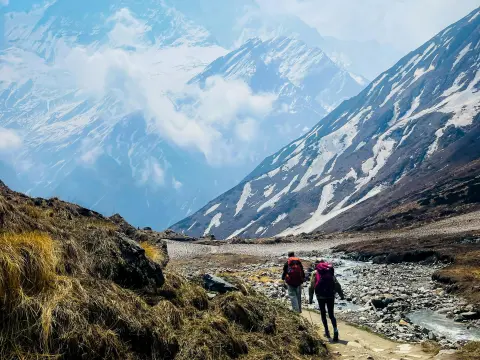
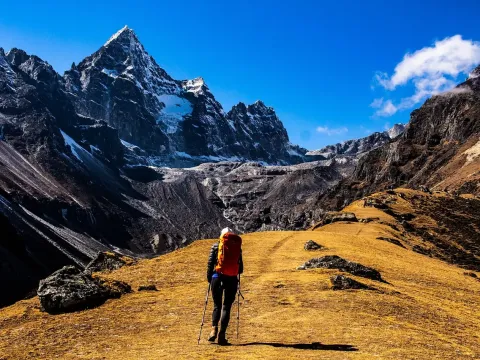
The mountain air feels different when you breathe it alone. There's a clarity, a sense of possibility that expands with each step up the trail. For women who dream of trekking Nepal's iconic routes, the question isn't whether they should go solo—it's how to do it with confidence, safety, and genuine cultural connection.
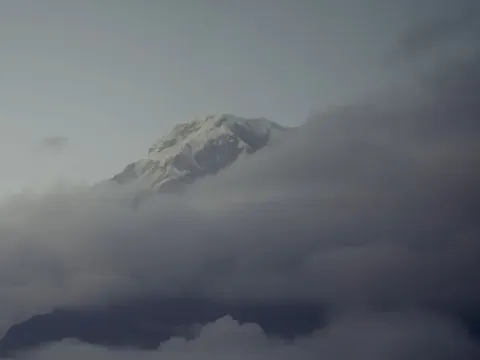
Standing at the crossroads of your Nepal trekking journey can feel overwhelming. With dozens of trails weaving through the Himalayas, each promising unique experiences and breathtaking views, how do you choose the one that speaks to your soul? Whether you're dreaming of standing at Everest Base Camp or seeking a quieter path through rhododendron forests, this guide will walk you through everything you need to know to find your perfect Himalayan adventure.
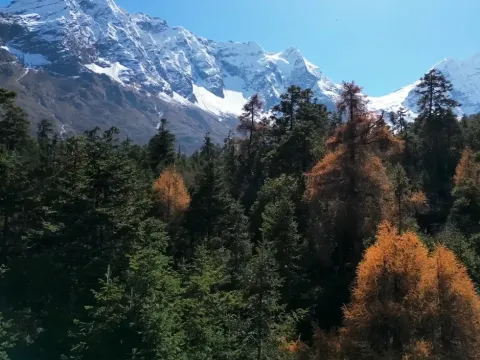
Karma Sherpa's teahouse in Samagaon used to get its first snowfall by mid-October. Every single year since he opened the lodge in 1993, he could count on it. Last year, the snow came in December. This year—on January 3rd when I sat across from him drinking butter tea—the ground outside was still brown and exposed.
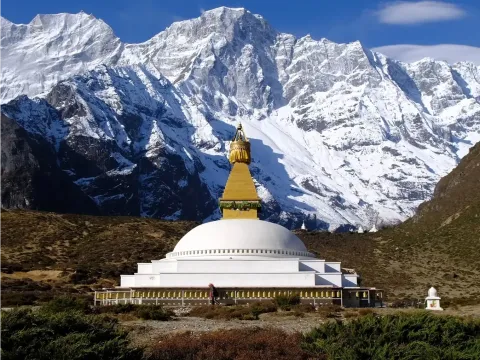
My phone alarm shattered the silence at 3:17 AM in Gorak Shep. Not the planned 3:00 AM—I'd already hit snooze twice. Outside my teahouse window, headlamps bobbed like fireflies in the darkness. Other trekkers were already heading toward Everest Base Camp, and I was still buried under three blankets in a room that felt like a walk-in freezer.
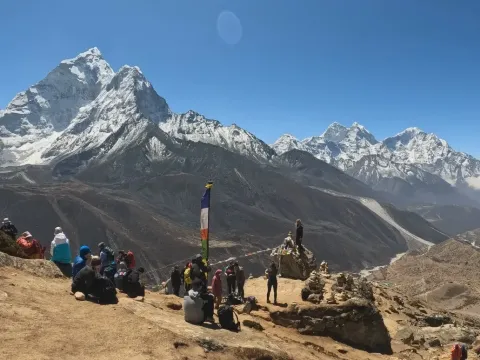
Trekking in the Everest region is more than a bucket-list adventure—it’s a life-changing journey through towering mountains, ancient Sherpa villages, and some of the most dramatic landscapes on Earth. For many travelers, an Everest trek is their first high-altitude trekking experience, and while the rewards are incredible, proper preparation is essential. First-time trekkers often focus on reaching Everest Base Camp or enjoying views from Kala Patthar, but success on the trail depends on much more than motivation alone. Altitude, weather, physical endurance, packing choices, and mindset all play a critical role in shaping your experience.
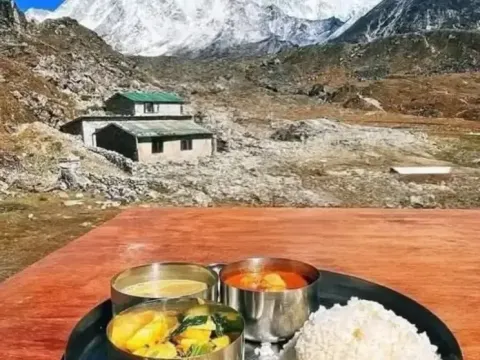
I'll be honest—when my guide Pasang first told me "dal bhat power 24 hour" on day two of my Annapurna Base Camp trek, I thought he was joking. I'd just finished my first proper serving of this Nepali staple, and while it filled me up, I couldn't understand the near-religious devotion trekkers and locals had for what looked like a simple plate of rice and soup.Three weeks and probably forty servings later, I got it. And now I'm one of those people who actually craves dal bhat when I'm back home dealing with altitude of exactly zero meters. Let me tell you why this unassuming meal has become the stuff of legend on Nepal's trekking trails.
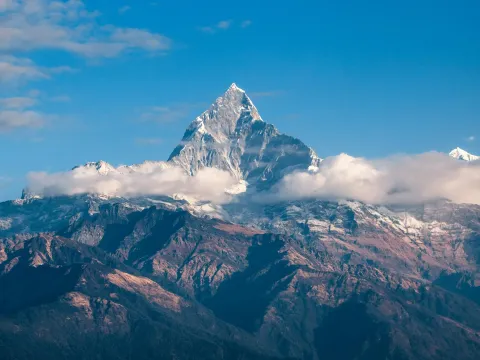
I'm going to be blunt: altitude sickness doesn't care if you're fit, young, or have trekked before. I've seen marathon runners struggling at Namche Bazaar while 60-year-olds cruise to Everest Base Camp. I've watched cocky 25-year-olds need helicopter evacuation while cautious first-timers make it without issues. After organizing 300+ high-altitude treks and dealing with countless altitude sickness cases (from mild headaches to life-threatening emergencies), here's everything you actually need to know. No medical jargon. No sugar-coating. Just the real information that might save your trek—or your life.
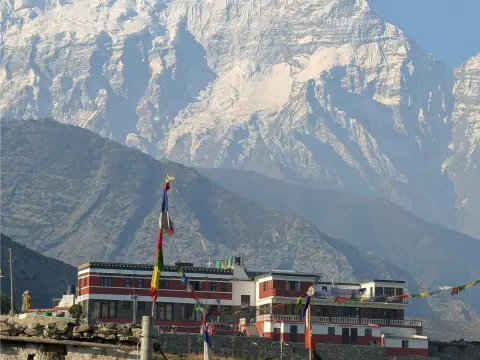
Beyond the trekking trails and mountain peaks lies another Nepal—one of prayer bells, butter lamps, and timeless wisdom. Journey through famous monasteries like Tengboche and Kopan, witness the authentic daily life of Buddhist monks, and discover why thousands of spiritual seekers find transformation in these sacred Himalayan sanctuaries.
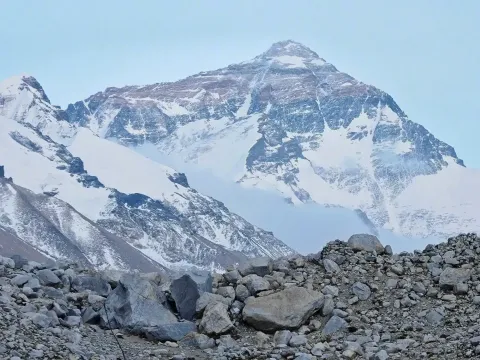
There's a dirty secret on the world's highest mountain that nobody talks about—tons of human waste frozen in place, threatening water supplies for entire communities. Nepal's cracking down with strict new rules, but the real solution starts with responsible trekkers. Find out what's really happening at Everest Base Camp.
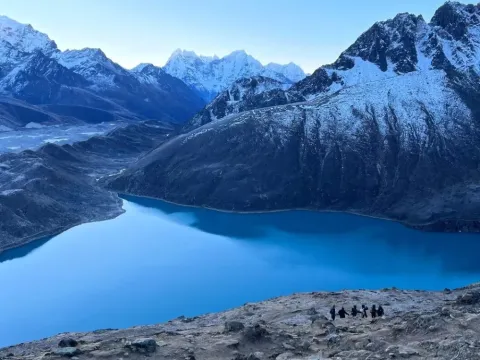
The Gokyo Valley Trek, organized by Explore Holiday Nepal, is one of the most spectacular trekking experiences in the Everest region. Unlike the traditional Everest Base Camp route, this trek takes you through pristine landscapes, tranquil lakes, and lesser-crowded trails. The trek is renowned for its breathtaking views of the world’s highest peaks,
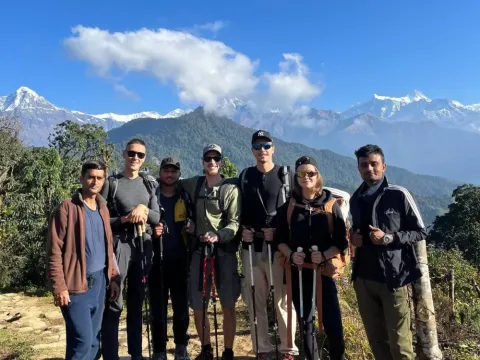
The Mardi Himal Trek, organized by Explore Holiday Nepal, is a lesser-known trekking route in the Annapurna region, offering a perfect blend of natural beauty, cultural encounters, and Himalayan adventure. This trek is ideal for travelers seeking a quiet trail away from the bustling tourist hubs of Nepal. With diverse landscapes


 (38)
(38)  100% recommend (56)
 (34)
(34)